
2023·Crime·7 episodes
7.9
★
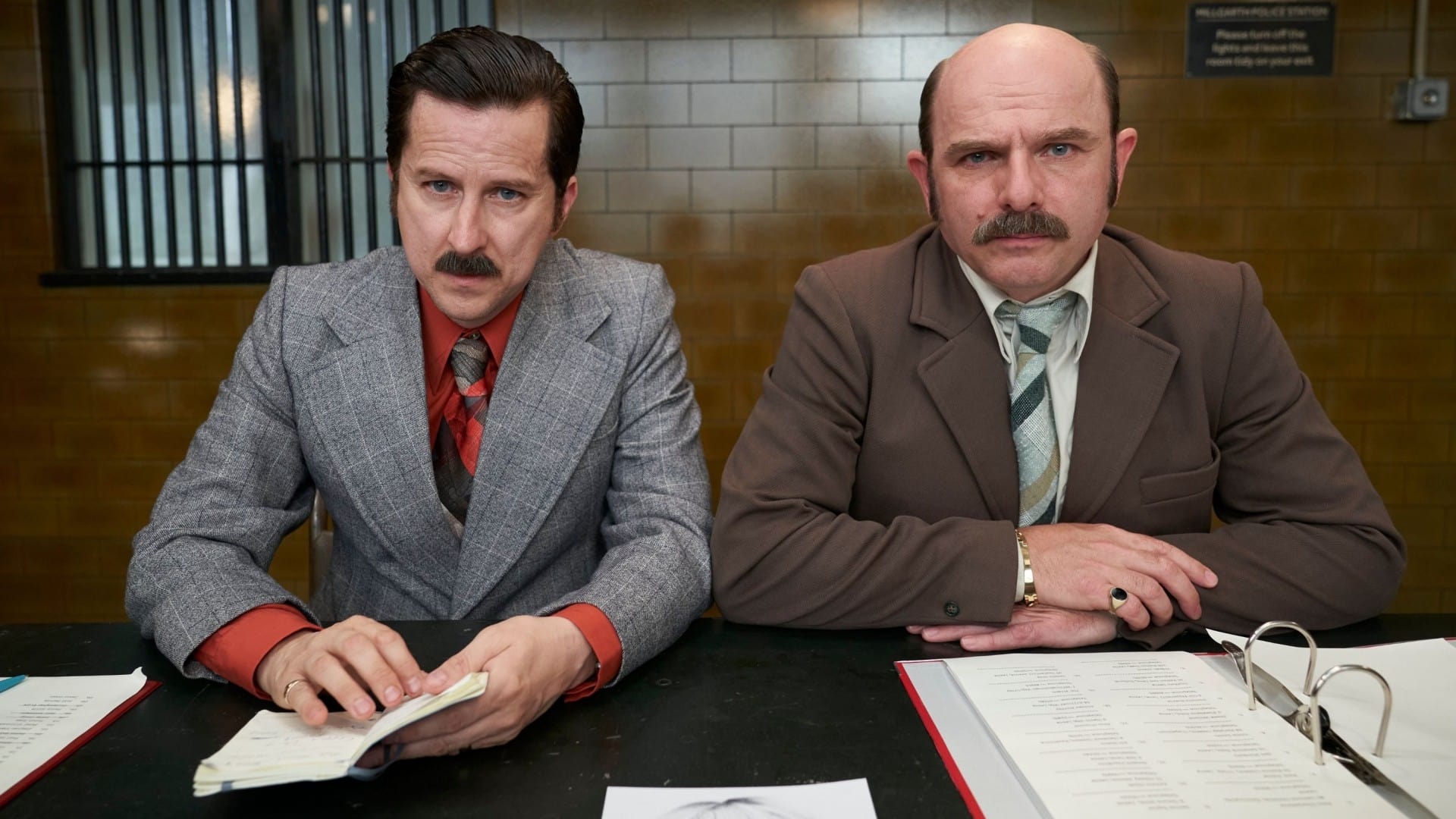
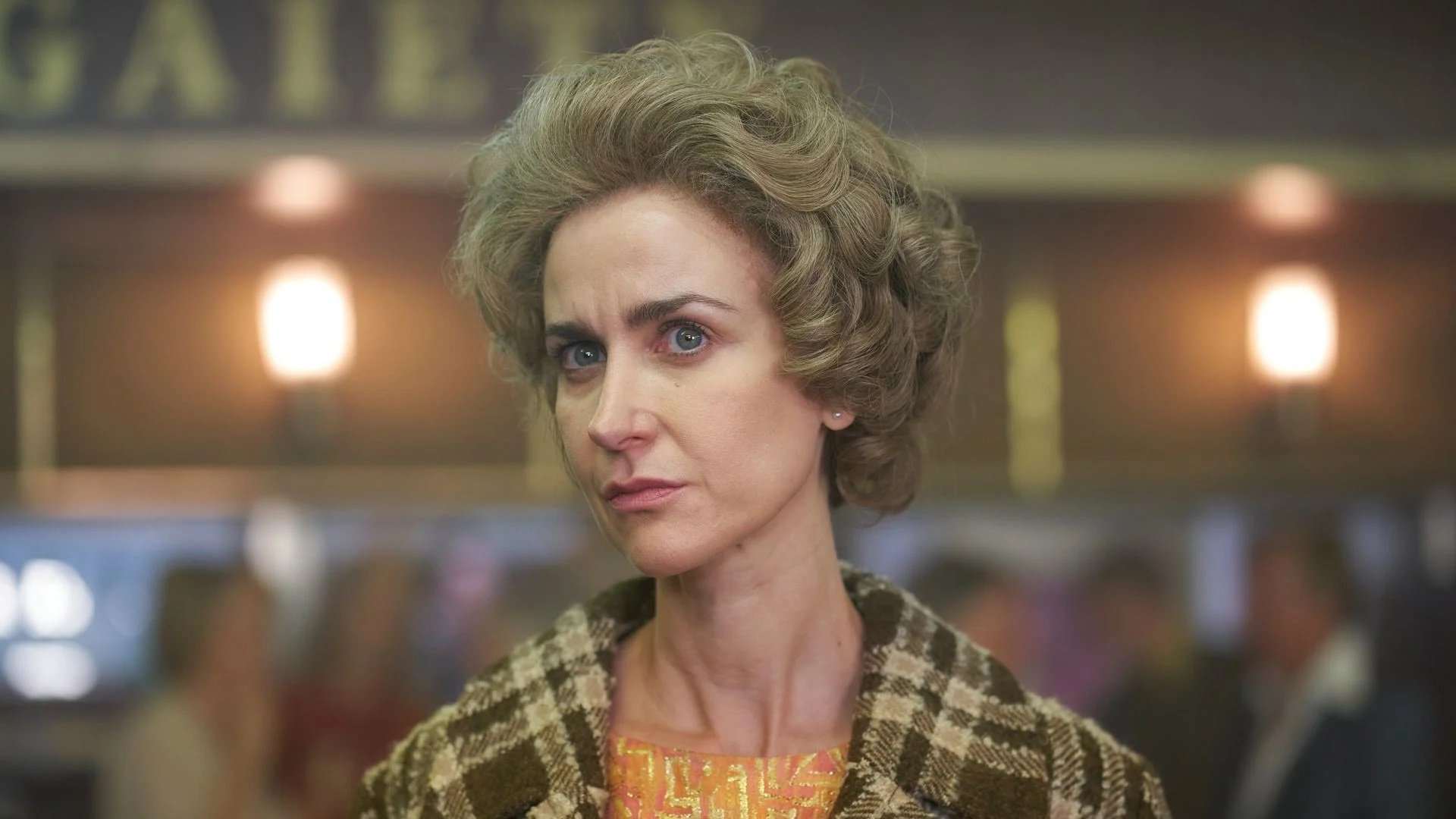
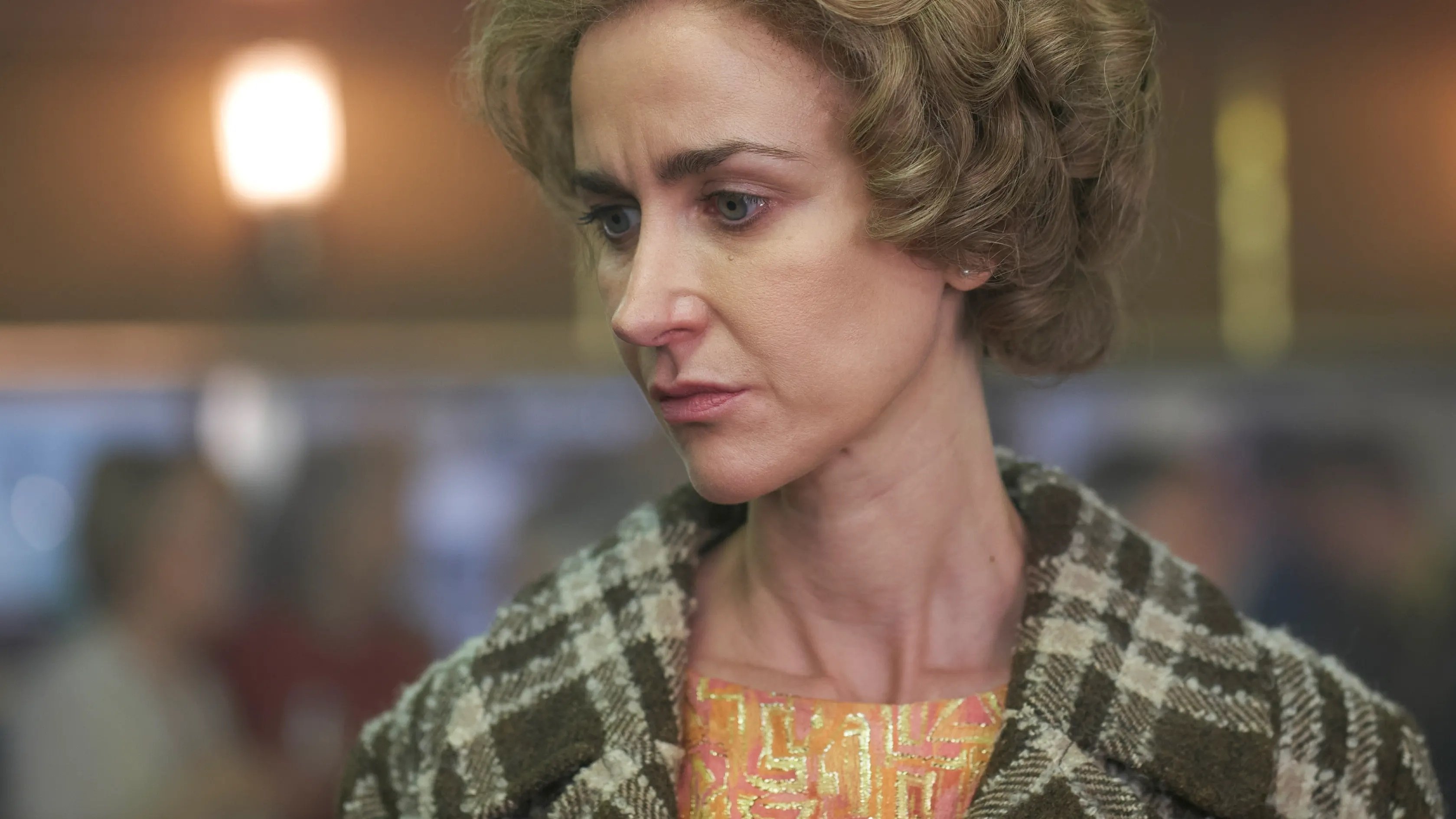
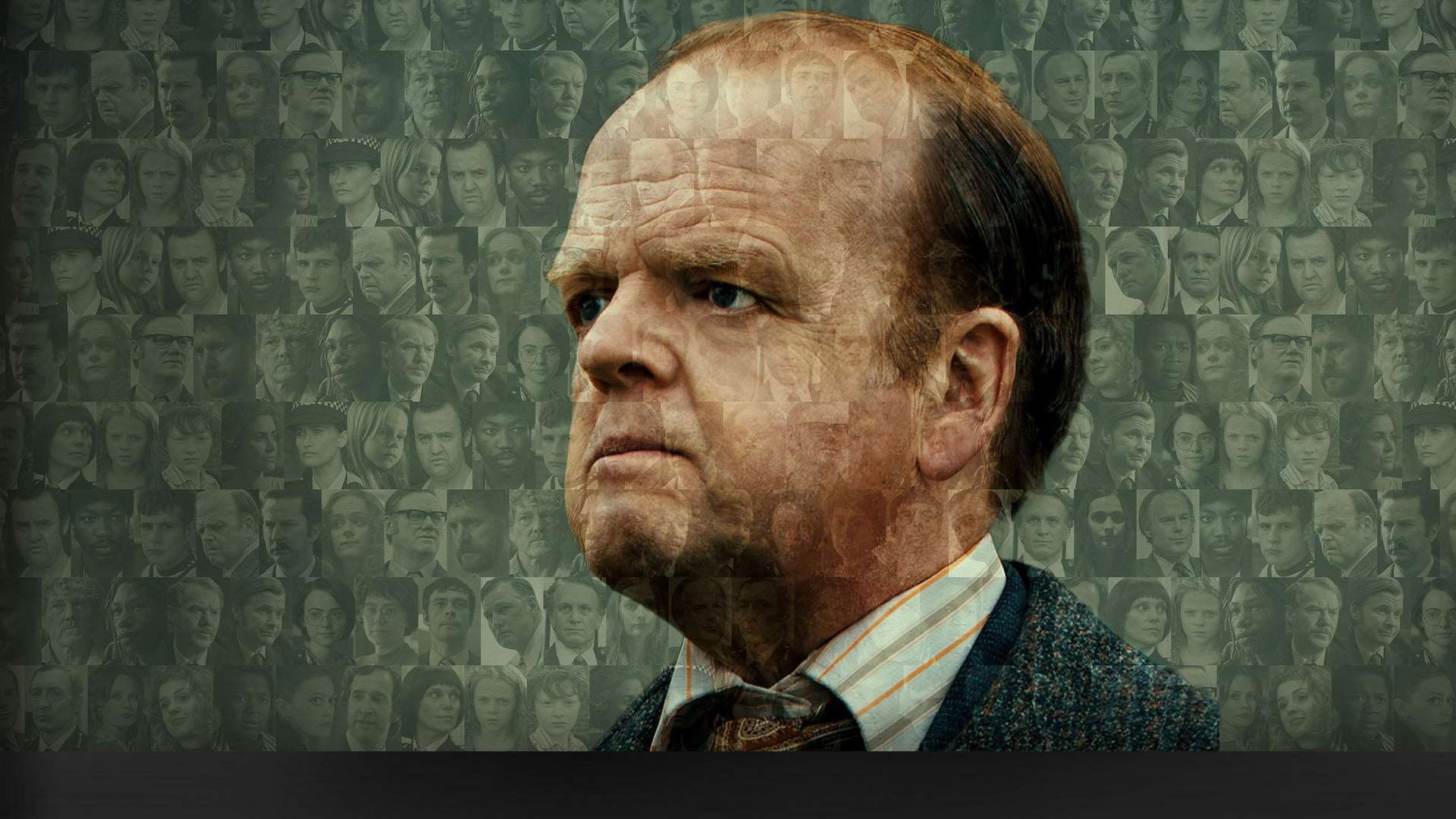
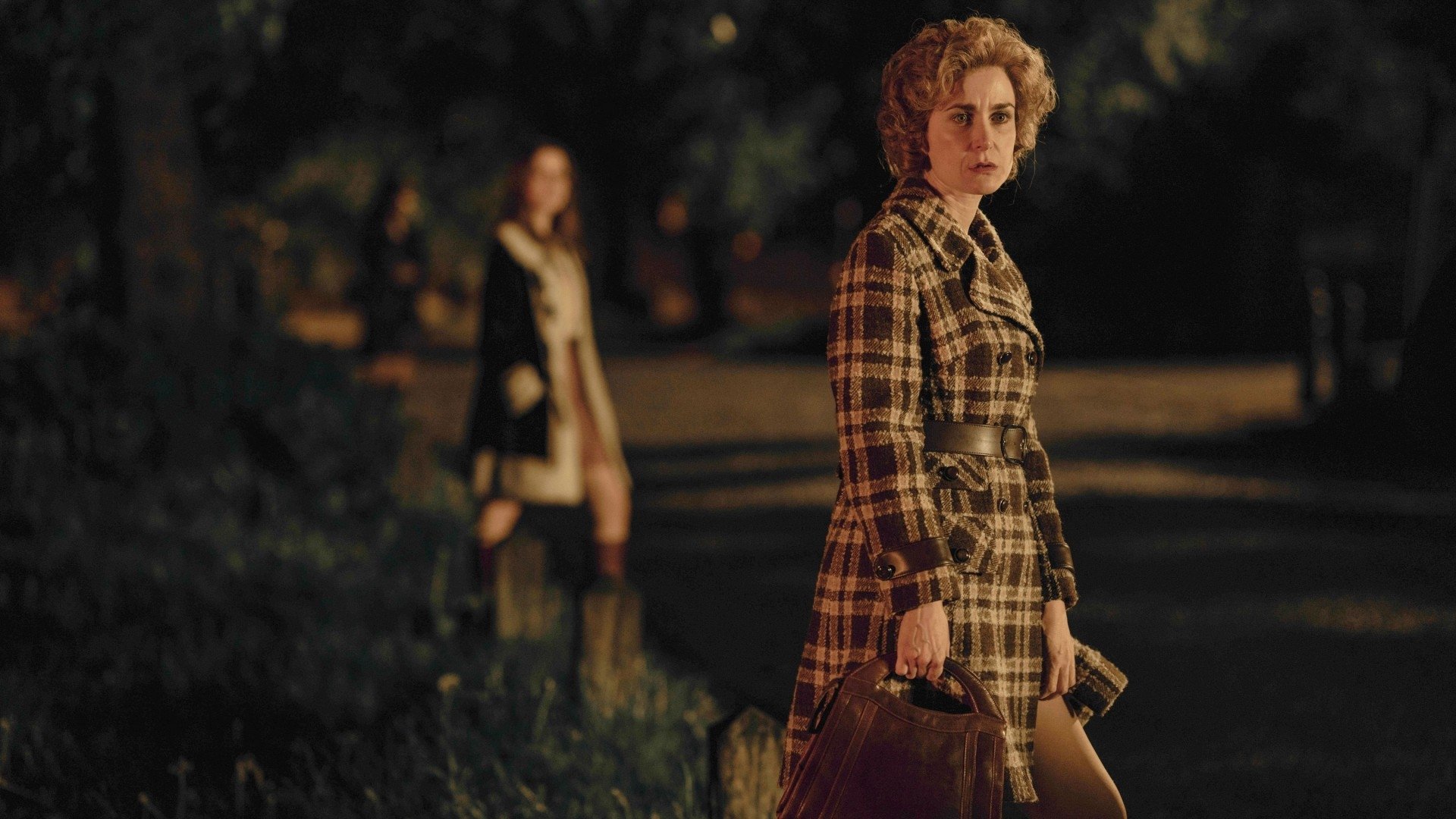
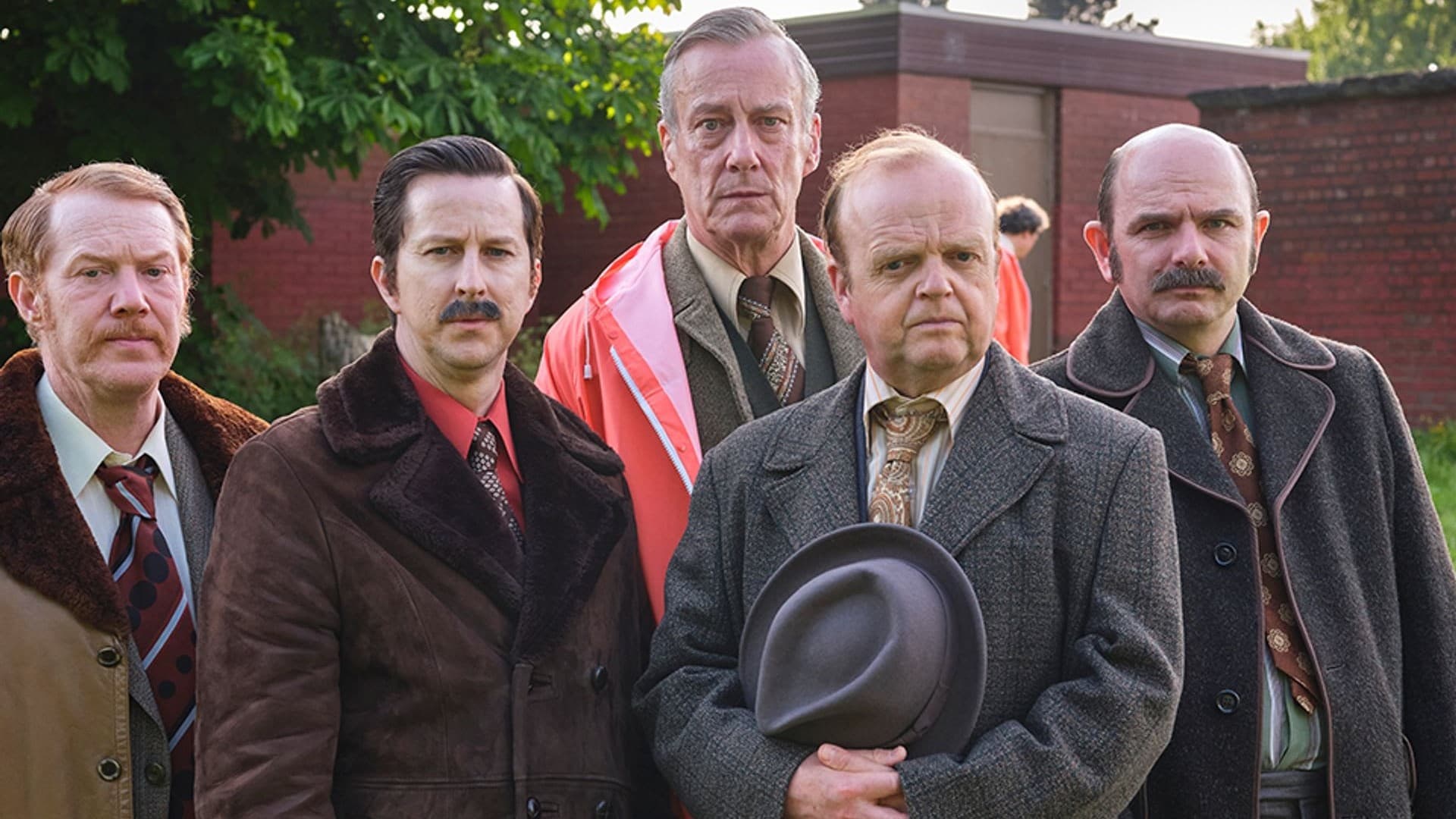
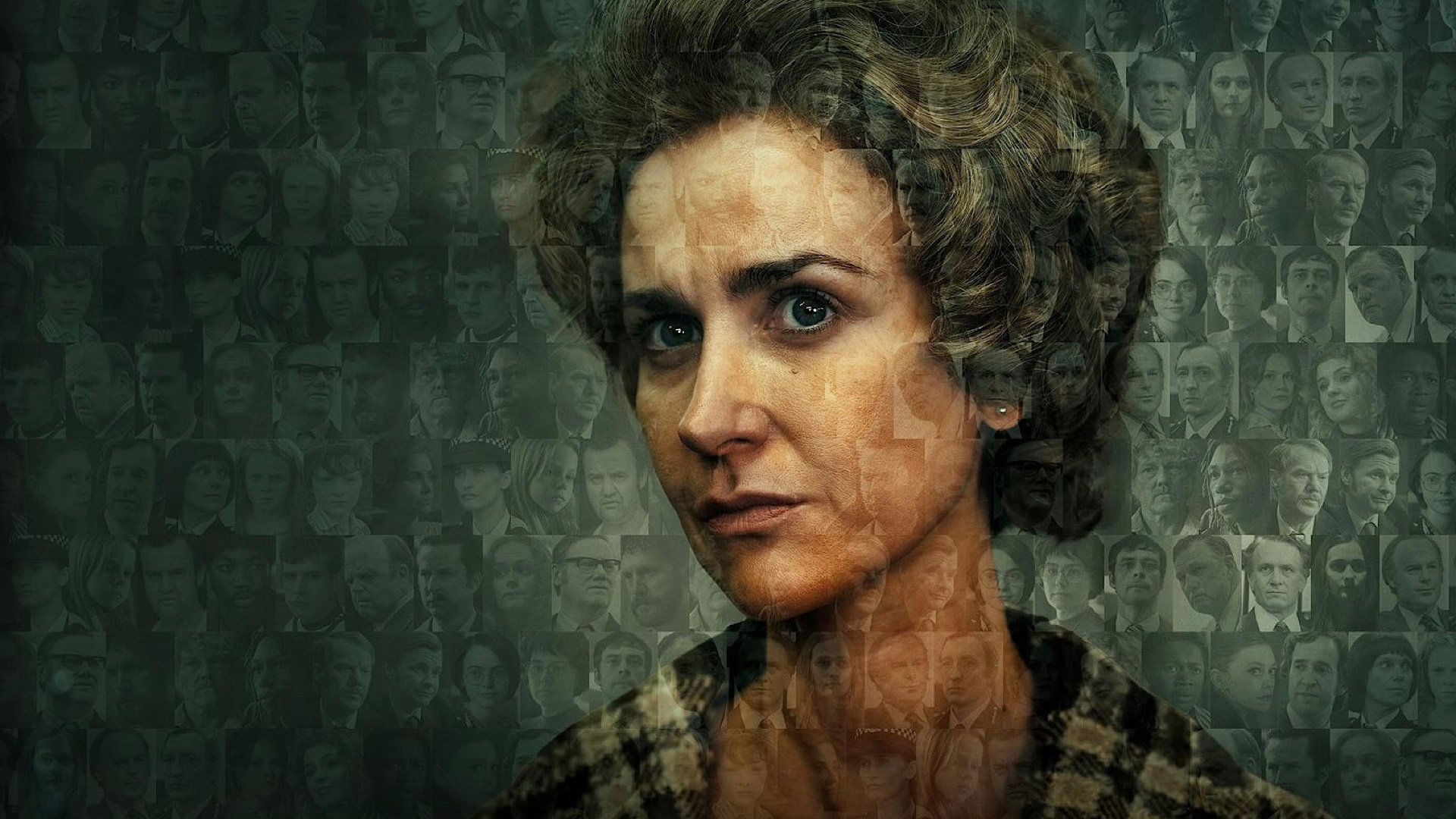
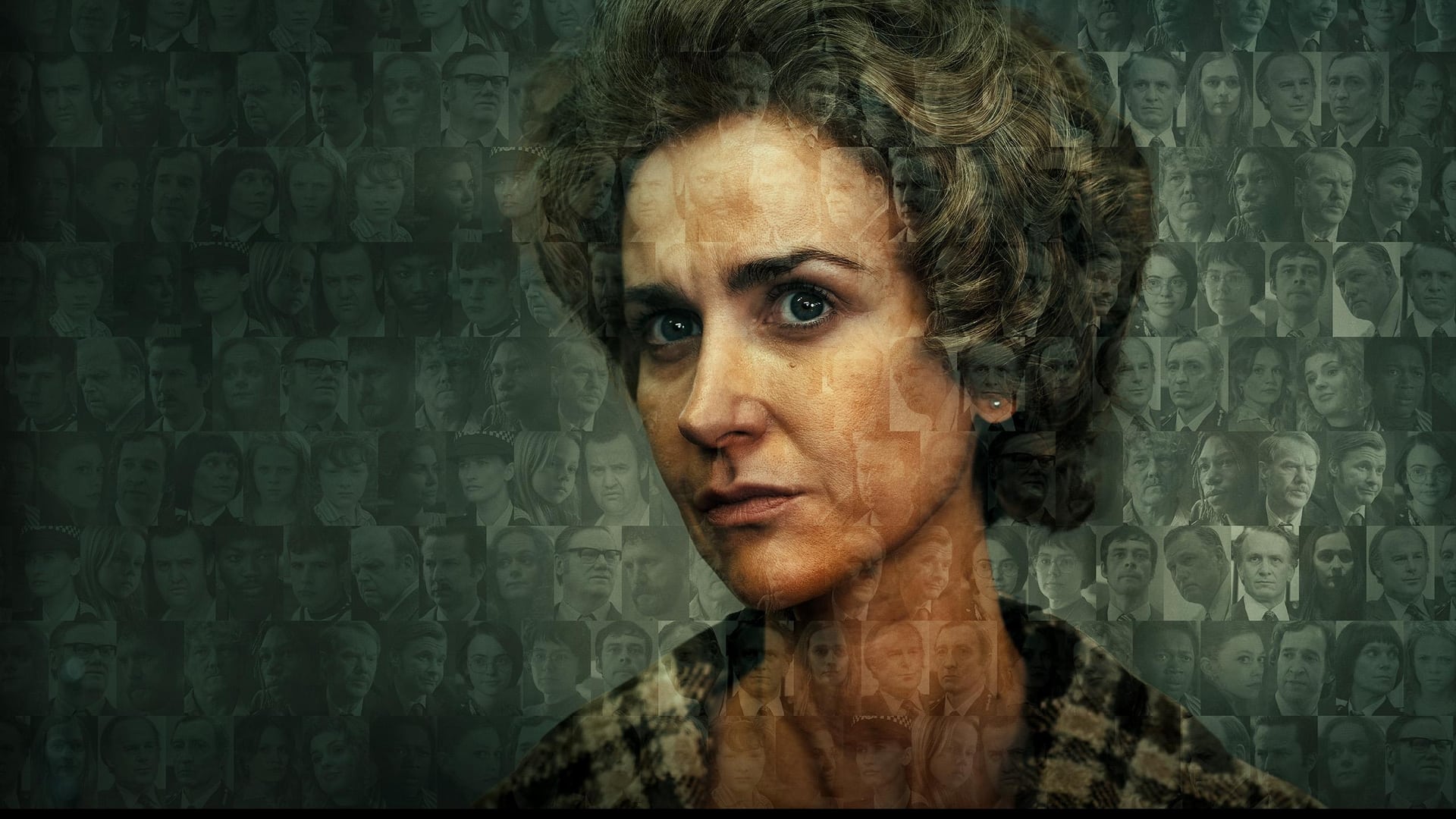
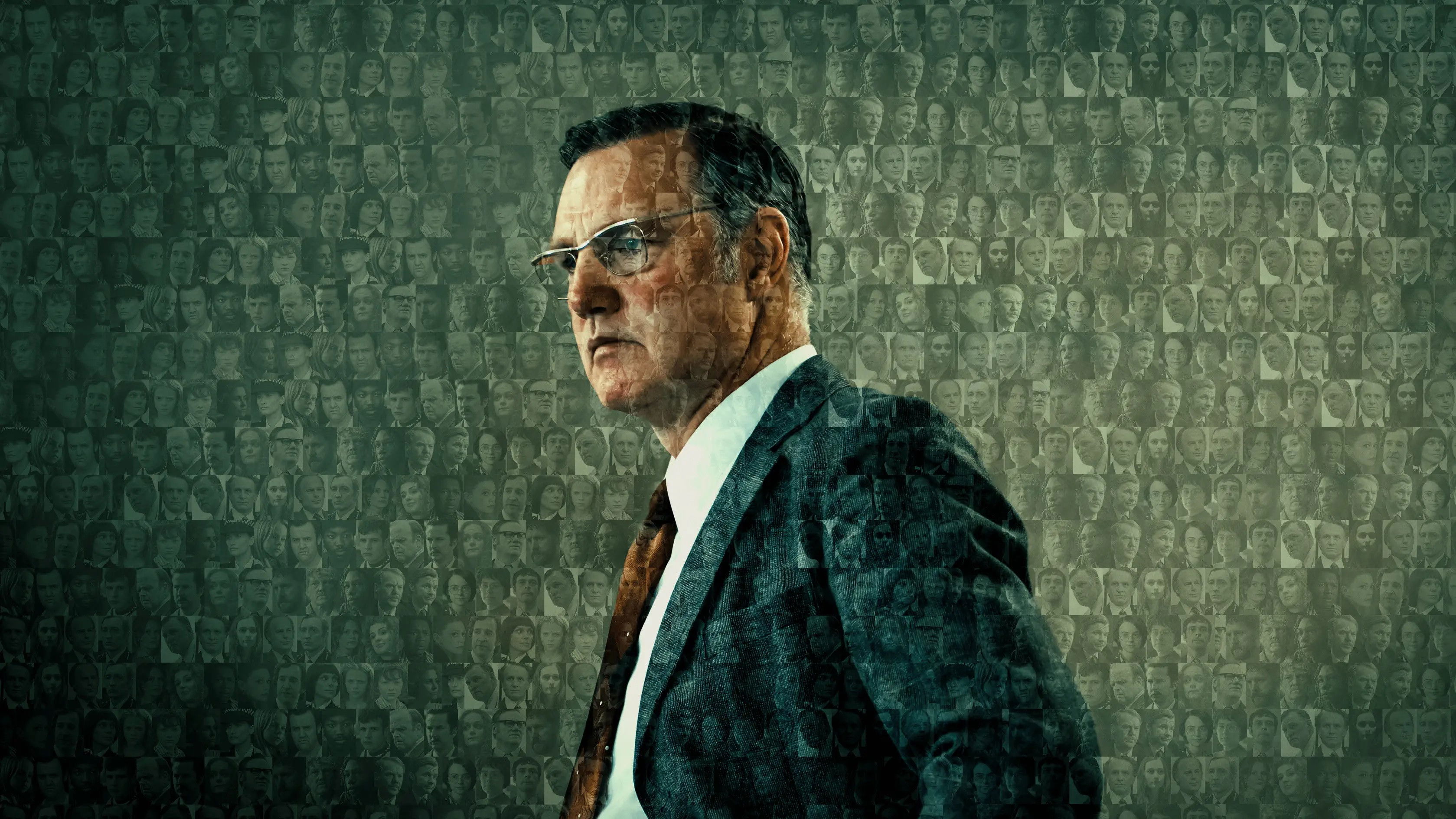
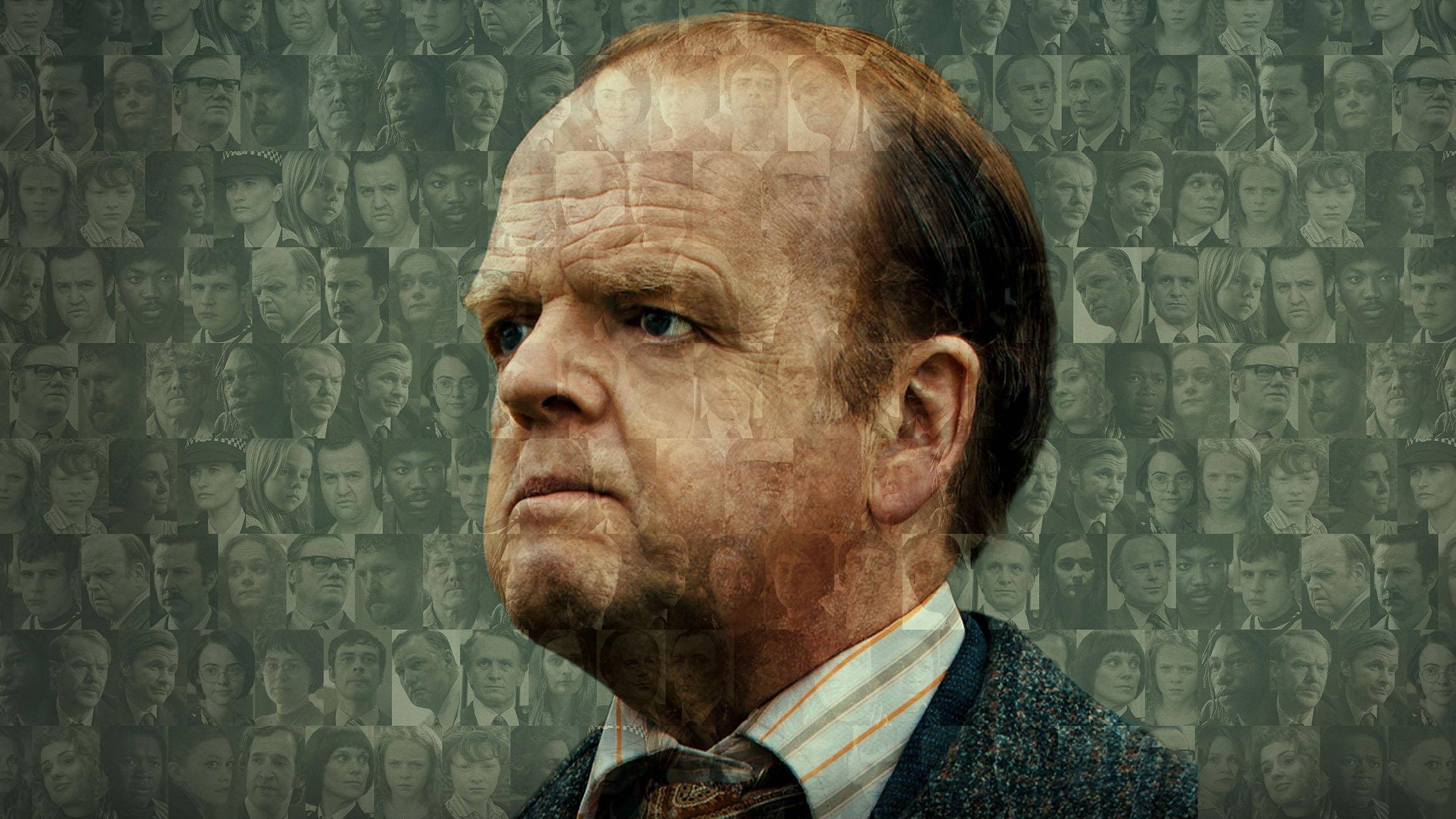
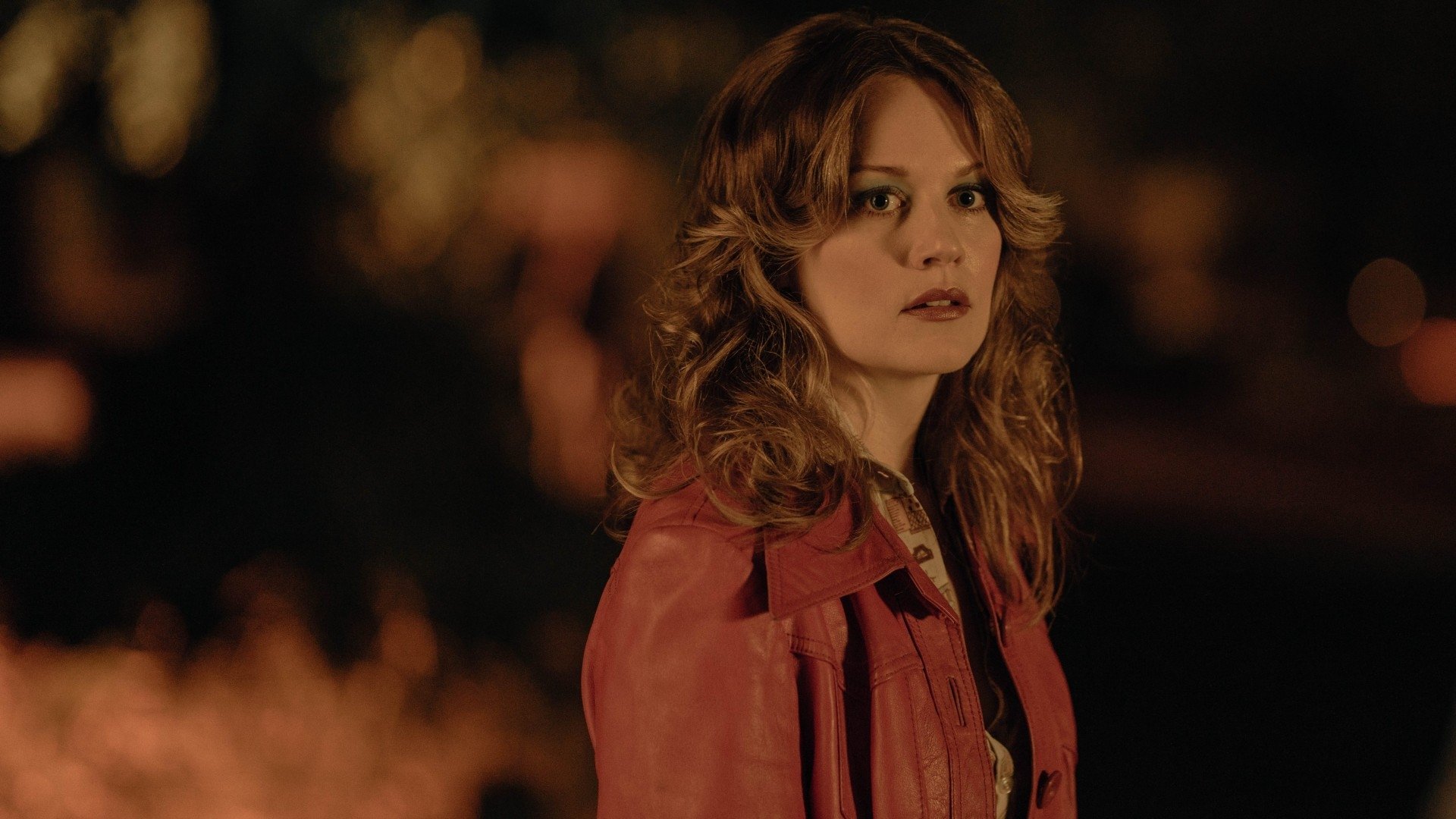
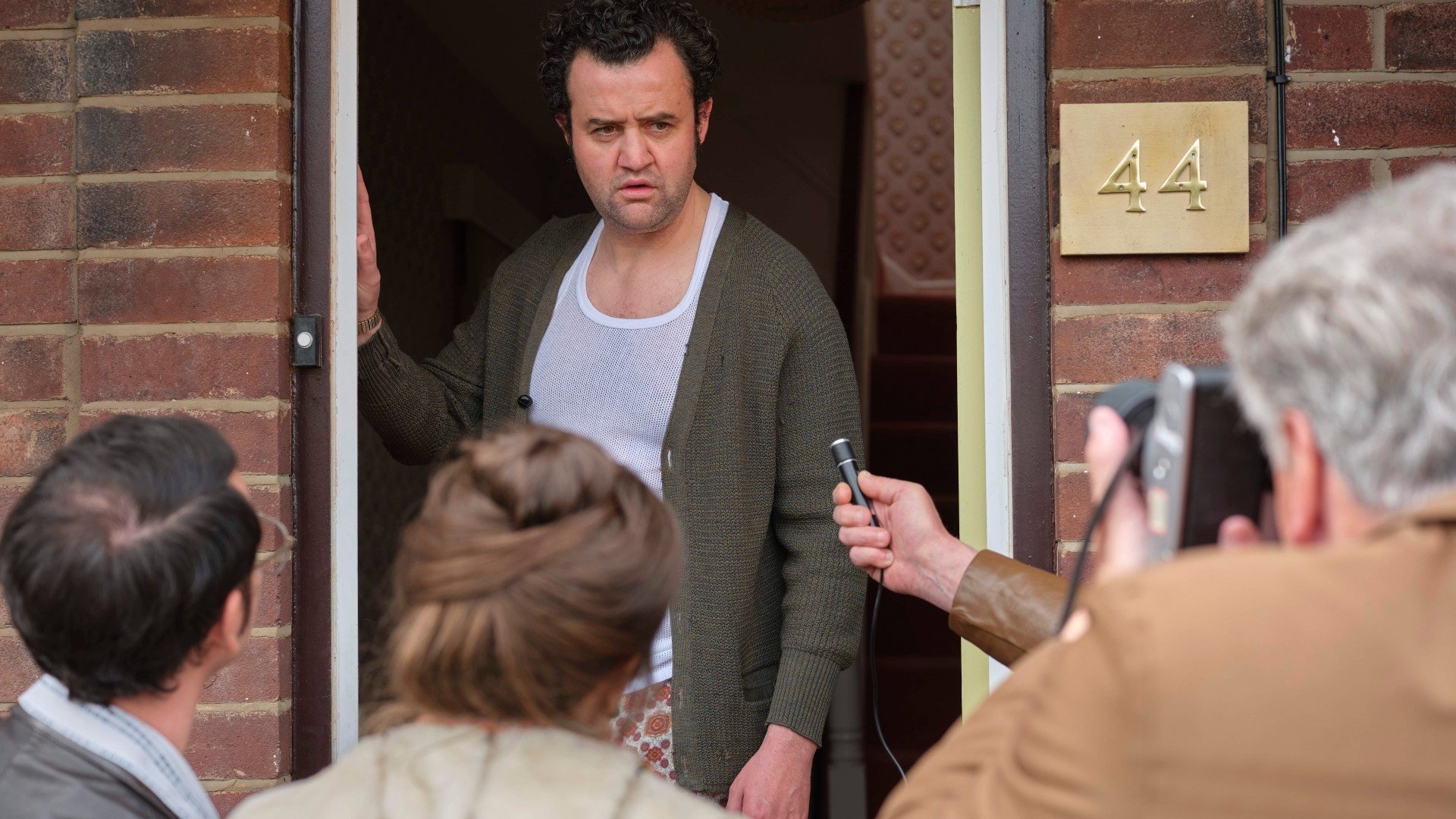
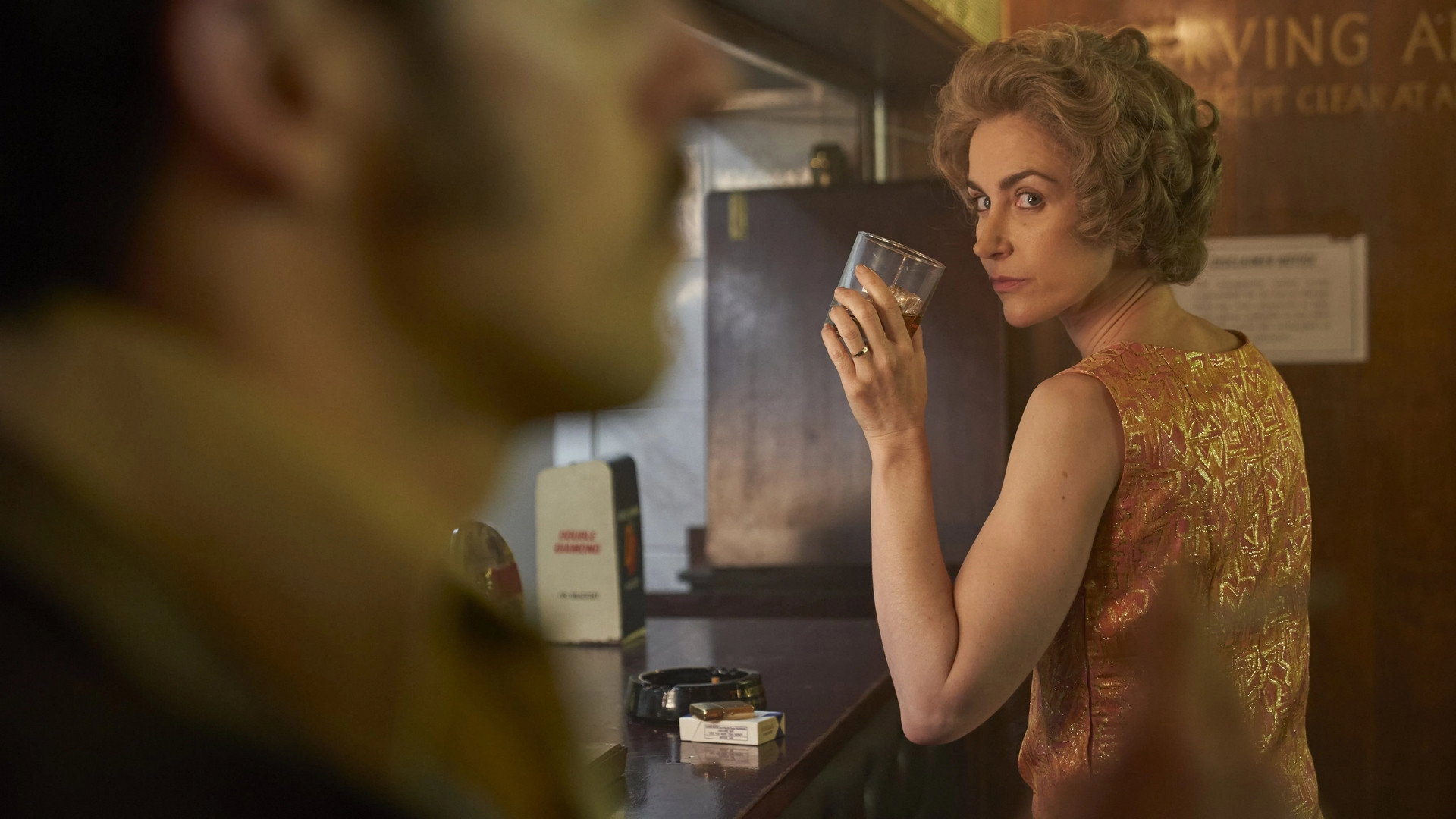
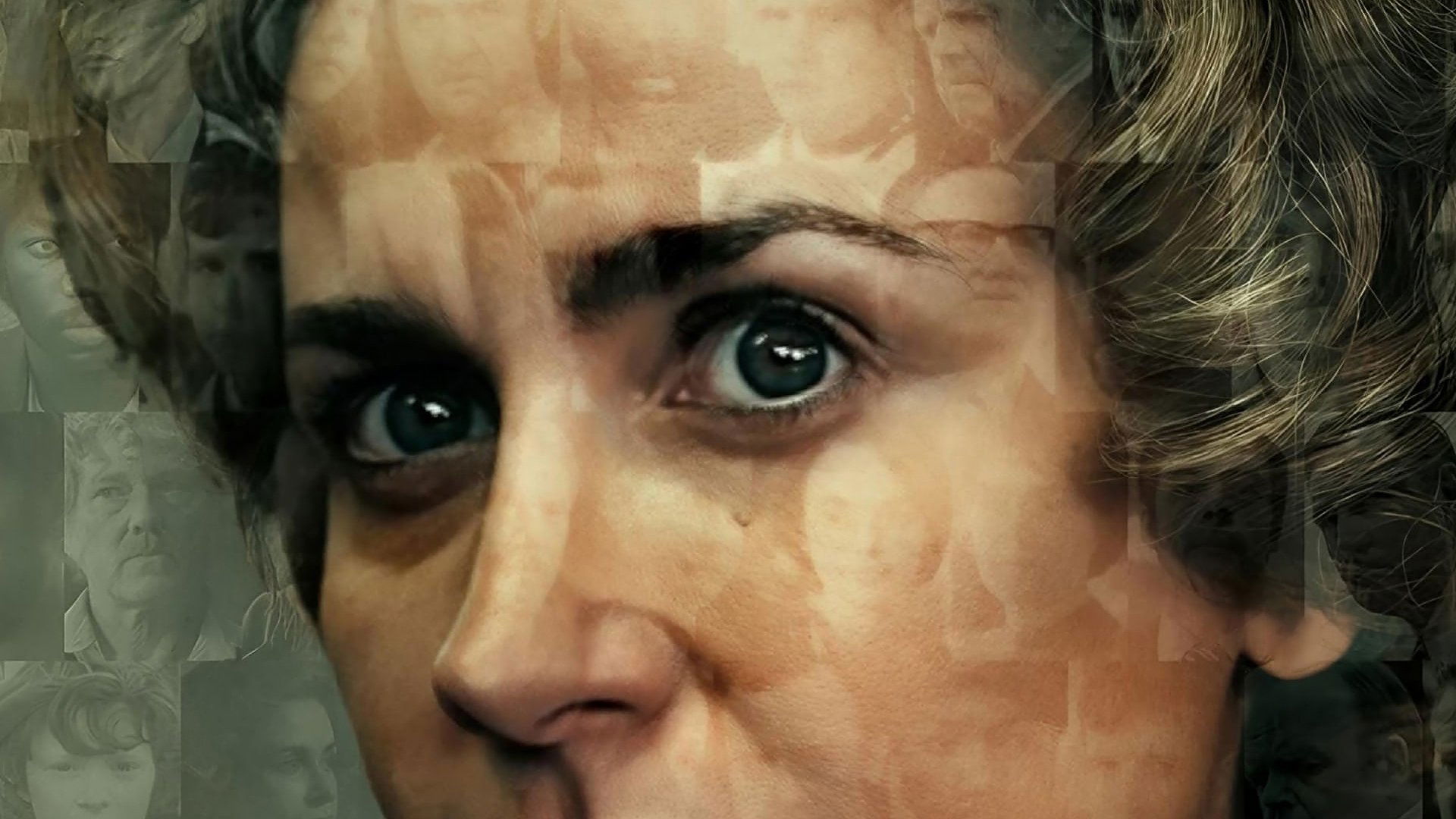
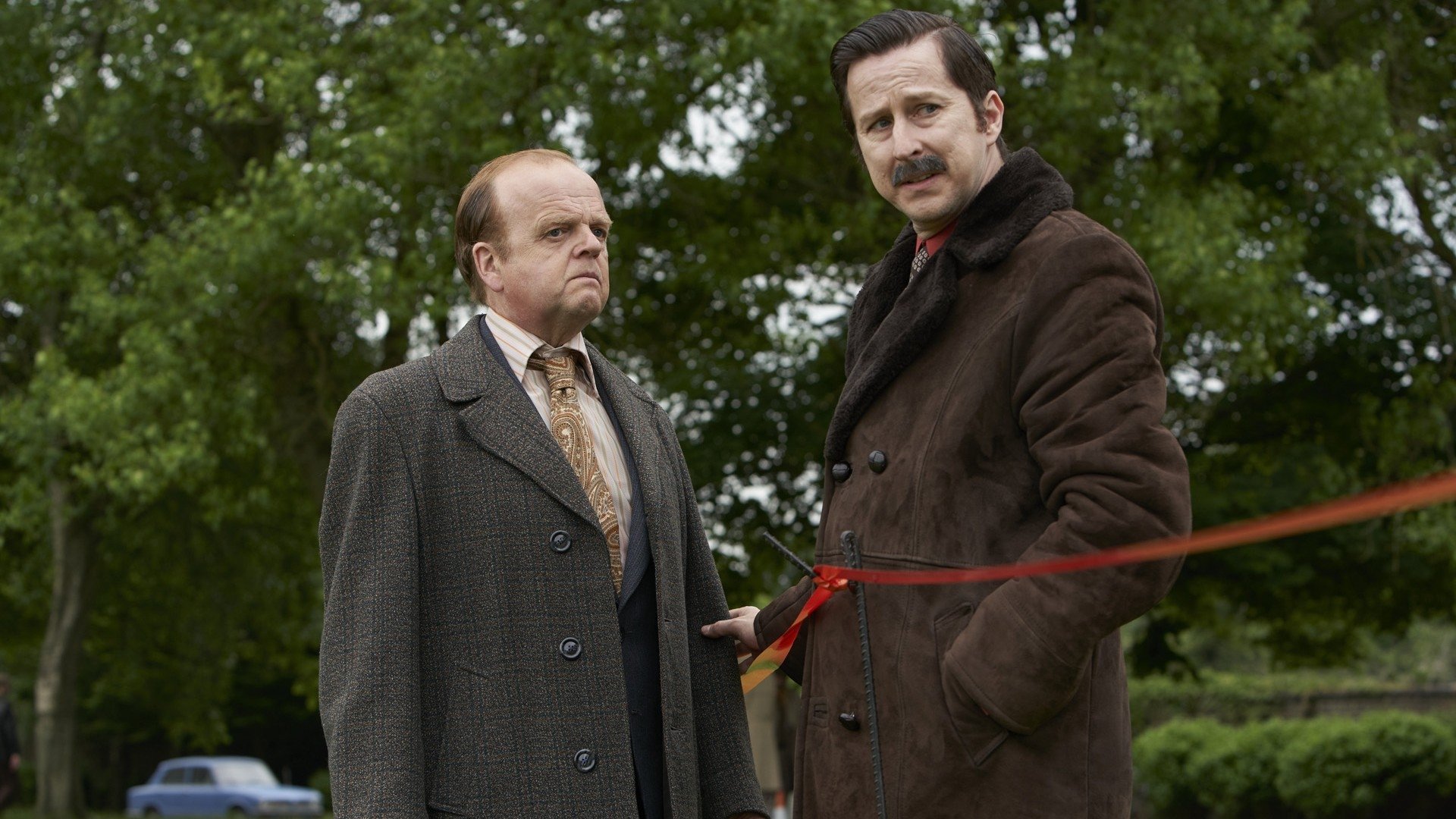
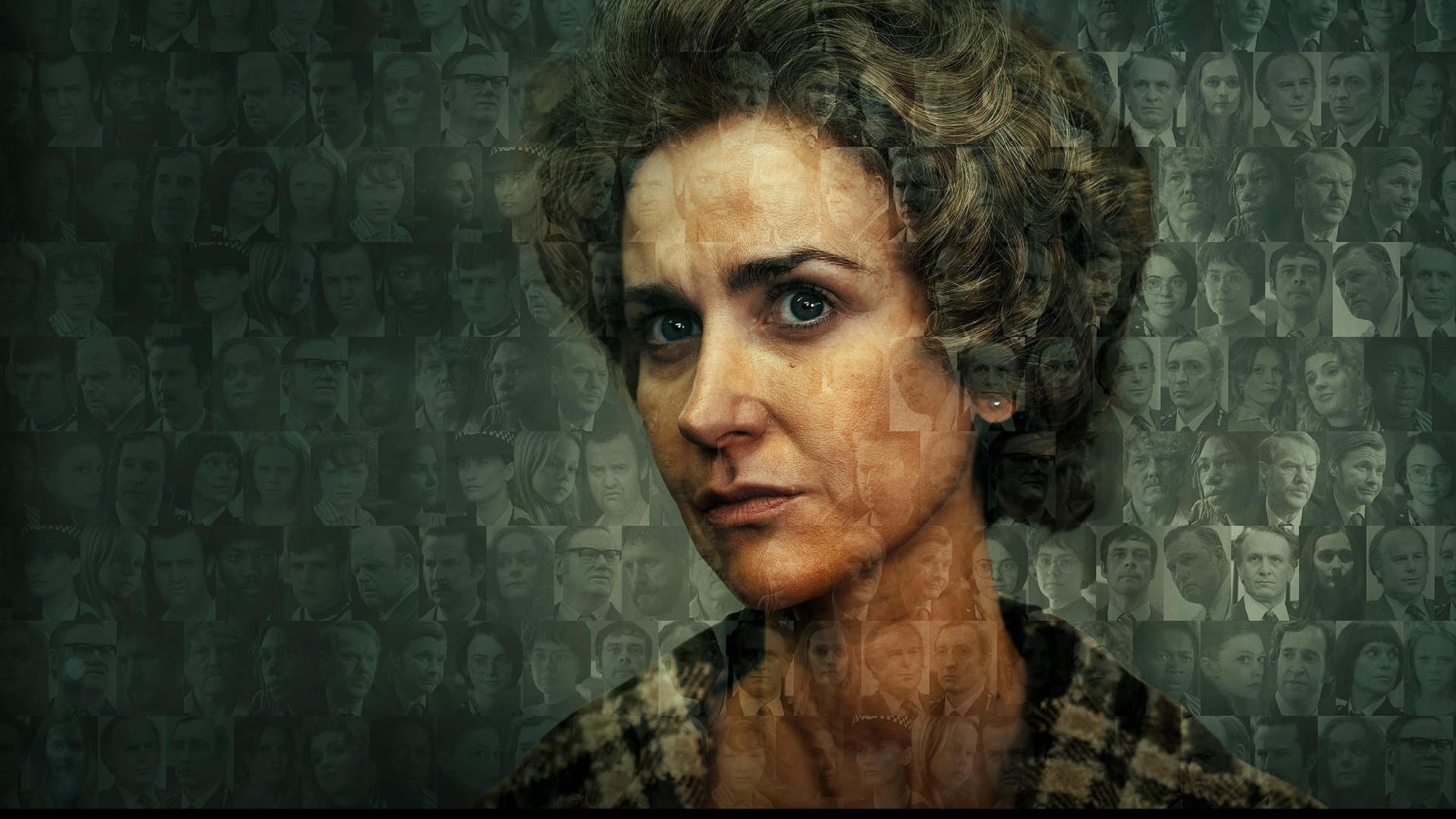
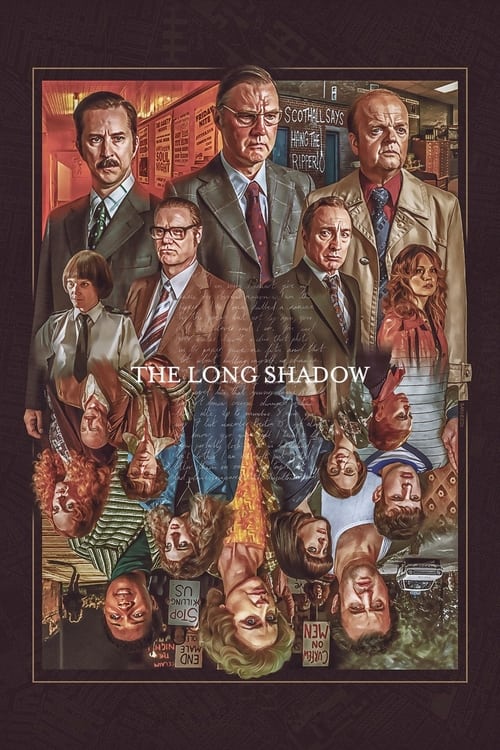
Dramatizing one of the most infamously notorious and shocking serial killer cases in the world, the hunt for Peter Sutcliffe, commonly dubbed the Yorkshire Ripper, between October 1975 and January 1981, South Yorkshire police undertook the biggest manhunt in British criminal history. The search for Sutcliffe lasted five years, involved over a thousand officers and changed the way the British police worked forever.
Created by George Kay
prostitute
1970s
police
based on true story
murder
serial killer
man hunt
series of murders
true crime
murder investigation
english police
north of england
police procedural

Trailer

IMDB
N/A
Where to Watch


Seasons
Cast
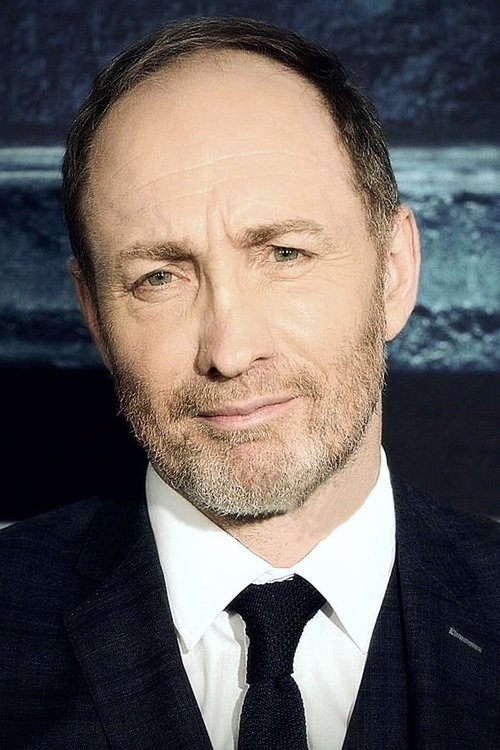
Michael McElhatton
CC Ronald Gregory
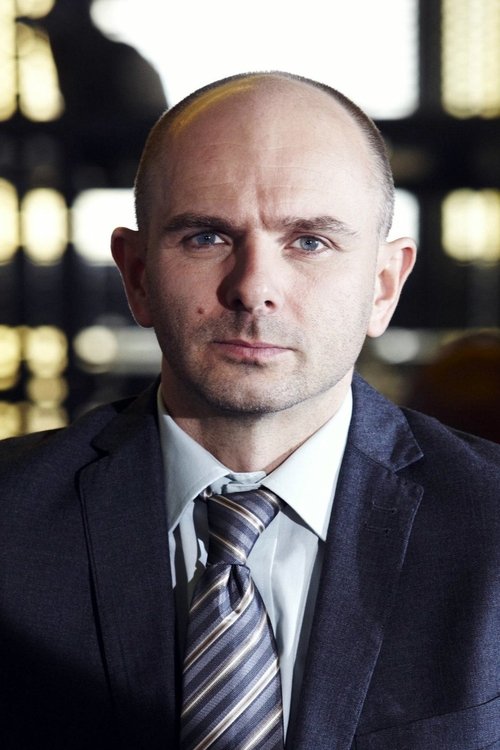
Jack Deam
DI Les Hanley
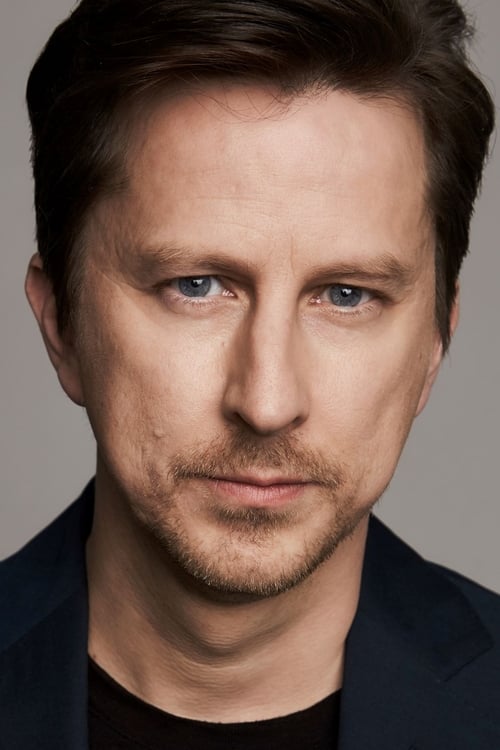
Lee Ingleby
DCS Jim Hobson
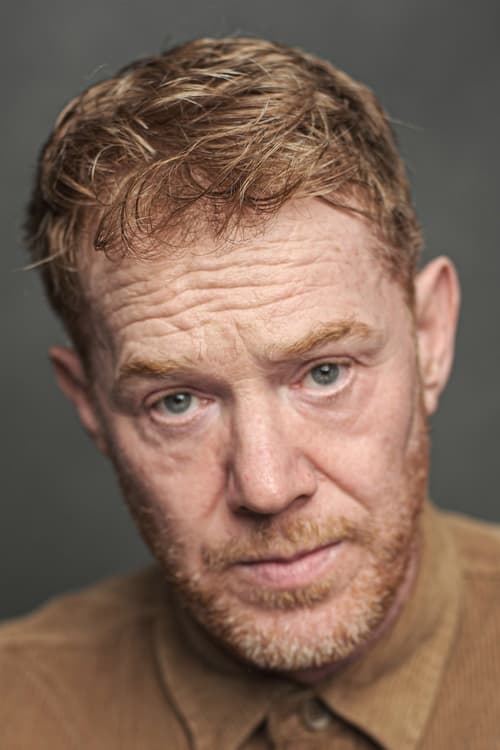
Kris Hitchen
DC John Nunn
Crew

Willow Grylls
Executive Producer

Elaine Pyke
Executive Producer
Popular Reviews
4 reviews
jamblo
9.0★ · 01/06/25
Some of what follows I talked about in my write-up of 'Woman of the Hour' -- which I watched inbetween several episodes of this series -- so, if you read that, sorry for repeating myself.
'The Long Shadow' is a seven-part ITV series which dramatizes the investigation into the 'Yorkshire Ripper,' serial killer Peter Sutcliffe who attacked and killed a number of women in the North of England throughout the latter half of the 1970s. These real-life murders (and attacks) where truly horrific but somewhere in the middle of the second episode of 'Shadow,' I realized something: although ostensibly 'about' a series of incredibly grisly crimes, it that hadn't depicted any of them and, apart from one line of dialogue in the second episode, Sutcliffe isn't seen or heard from until very late in the series. Instead, what 'Shadow' does is split the narrative between showing some of the unbelievably shoddy police work that resulted in the crimes continuing (yes, ok, as well as the very occasional not stupid thing someone does) and spending time the series' women. These women include sex workers, police officers, wives, college students, mothers, and lawyers -- all of whom are presented as people, only some of whom are later victimized by Sutcliffe (again, not on camera) but almost all by boorish and abusive husbands, seedy pimps, predatory journalists, corrupt and/or incompetent police officers, and just the deeply, deeply fucked-up societal norms in which they live. In other words, the series deliberately shifts the focus away from Sutcliffe and onto the people who really make up this 'story,' the woman who were unfortunate enough exist around him.
That all isn't to say that this approach to a 'true crime' story, or even a fictional one, is novel (it isn't) but rather to call out that it is uncommon. Media and entertainment loves to armchair psychoanalyze criminals. Typically, we learn all about the criminal's lousy childhood, their innate fear of the color blue, how nice they are to their mom or pet hamster, or whatever, all while we watch them go about their 'work' in usually in as much detail as SFX and an R- or 18-rating will allow. But too often this comes at the price of dehumanizing the people they victimize.
I grew up watching (and liking) horror movies, thrillers, and all manner of other things that follow the standard formula -- I'm sure some of you did too -- but when something comes along that deviates from that pattern, particularly when it is as well done as 'The Long Shadow,' it's worth calling out.
The cast is pretty uniformly excellent, but I'd like to give extra notice to Katherine Kelly as a mother who turns to sex work while her husband is out of work, Jasmine Lee-Jones as a women in the wrong place and the very wrong time, and Liz White as a police officer trying to balance her home life with a commitment to bringing the killer to justice even as all her crummy bosses just want her to make tea, answer phones, and type transcripts. The relentless, measured (even plodding) pacing of the episodes works greatly in the favor of the overall series and makes its payoffs hold some real weight (the sequence set to Peggy Lee's rendition of 'Bridge Over Troubled Water' genuinely made me cry), and the 'where are they now' type bit at the end really drives home the thematic points about victimization.
I thought it was really, really good.
'The Long Shadow' is a seven-part ITV series which dramatizes the investigation into the 'Yorkshire Ripper,' serial killer Peter Sutcliffe who attacked and killed a number of women in the North of England throughout the latter half of the 1970s. These real-life murders (and attacks) where truly horrific but somewhere in the middle of the second episode of 'Shadow,' I realized something: although ostensibly 'about' a series of incredibly grisly crimes, it that hadn't depicted any of them and, apart from one line of dialogue in the second episode, Sutcliffe isn't seen or heard from until very late in the series. Instead, what 'Shadow' does is split the narrative between showing some of the unbelievably shoddy police work that resulted in the crimes continuing (yes, ok, as well as the very occasional not stupid thing someone does) and spending time the series' women. These women include sex workers, police officers, wives, college students, mothers, and lawyers -- all of whom are presented as people, only some of whom are later victimized by Sutcliffe (again, not on camera) but almost all by boorish and abusive husbands, seedy pimps, predatory journalists, corrupt and/or incompetent police officers, and just the deeply, deeply fucked-up societal norms in which they live. In other words, the series deliberately shifts the focus away from Sutcliffe and onto the people who really make up this 'story,' the woman who were unfortunate enough exist around him.
That all isn't to say that this approach to a 'true crime' story, or even a fictional one, is novel (it isn't) but rather to call out that it is uncommon. Media and entertainment loves to armchair psychoanalyze criminals. Typically, we learn all about the criminal's lousy childhood, their innate fear of the color blue, how nice they are to their mom or pet hamster, or whatever, all while we watch them go about their 'work' in usually in as much detail as SFX and an R- or 18-rating will allow. But too often this comes at the price of dehumanizing the people they victimize.
I grew up watching (and liking) horror movies, thrillers, and all manner of other things that follow the standard formula -- I'm sure some of you did too -- but when something comes along that deviates from that pattern, particularly when it is as well done as 'The Long Shadow,' it's worth calling out.
The cast is pretty uniformly excellent, but I'd like to give extra notice to Katherine Kelly as a mother who turns to sex work while her husband is out of work, Jasmine Lee-Jones as a women in the wrong place and the very wrong time, and Liz White as a police officer trying to balance her home life with a commitment to bringing the killer to justice even as all her crummy bosses just want her to make tea, answer phones, and type transcripts. The relentless, measured (even plodding) pacing of the episodes works greatly in the favor of the overall series and makes its payoffs hold some real weight (the sequence set to Peggy Lee's rendition of 'Bridge Over Troubled Water' genuinely made me cry), and the 'where are they now' type bit at the end really drives home the thematic points about victimization.
I thought it was really, really good.
Some of what follows I talked about in my write-up of 'Woman of the Hour' -- which I watched inbetween several episodes of this series -- so, if you read that, sorry for repeating myself.
'The Long Shadow' is a seven-part ITV series which dramatizes the investigation into the 'Yorkshire Ripper,' serial killer Peter Sutcliffe who attacked and killed a number of women in the North of England throughout the latter half of the 1970s. These real-life murders (and attacks) where truly horrific but somewhere in the middle of the second episode of 'Shadow,' I realized something: although ostensibly 'about' a series of incredibly grisly crimes, it that hadn't depicted any of them and, apart from one line of dialogue in the second episode, Sutcliffe isn't seen or heard from until very late in the series. Instead, what 'Shadow' does is split the narrative between showing some of the unbelievably shoddy police work that resulted in the crimes continuing (yes, ok, as well as the very occasional not stupid thing someone does) and spending time the series' women. These women include sex workers, police officers, wives, college students, mothers, and lawyers -- all of whom are presented as people, only some of whom are later victimized by Sutcliffe (again, not on camera) but almost all by boorish and abusive husbands, seedy pimps, predatory journalists, corrupt and/or incompetent police officers, and just the deeply, deeply fucked-up societal norms in which they live. In other words, the series deliberately shifts the focus away from Sutcliffe and onto the people who really make up this 'story,' the woman who were unfortunate enough exist around him.
That all isn't to say that this approach to a 'true crime' story, or even a fictional one, is novel (it isn't) but rather to call out that it is uncommon. Media and entertainment loves to armchair psychoanalyze criminals. Typically, we learn all about the criminal's lousy childhood, their innate fear of the color blue, how nice they are to their mom or pet hamster, or whatever, all while we watch them go about their 'work' in usually in as much detail as SFX and an R- or 18-rating will allow. But too often this comes at the price of dehumanizing the people they victimize.
I grew up watching (and liking) horror movies, thrillers, and all manner of other things that follow the standard formula -- I'm sure some of you did too -- but when something comes along that deviates from that pattern, particularly when it is as well done as 'The Long Shadow,' it's worth calling out.
The cast is pretty uniformly excellent, but I'd like to give extra notice to Katherine Kelly as a mother who turns to sex work while her husband is out of work, Jasmine Lee-Jones as a women in the wrong place and the very wrong time, and Liz White as a police officer trying to balance her home life with a commitment to bringing the killer to justice even as all her crummy bosses just want her to make tea, answer phones, and type transcripts. The relentless, measured (even plodding) pacing of the episodes works greatly in the favor of the overall series and makes its payoffs hold some real weight (the sequence set to Peggy Lee's rendition of 'Bridge Over Troubled Water' genuinely made me cry), and the 'where are they now' type bit at the end really drives home the thematic points about victimization.
I thought it was really, really good.
'The Long Shadow' is a seven-part ITV series which dramatizes the investigation into the 'Yorkshire Ripper,' serial killer Peter Sutcliffe who attacked and killed a number of women in the North of England throughout the latter half of the 1970s. These real-life murders (and attacks) where truly horrific but somewhere in the middle of the second episode of 'Shadow,' I realized something: although ostensibly 'about' a series of incredibly grisly crimes, it that hadn't depicted any of them and, apart from one line of dialogue in the second episode, Sutcliffe isn't seen or heard from until very late in the series. Instead, what 'Shadow' does is split the narrative between showing some of the unbelievably shoddy police work that resulted in the crimes continuing (yes, ok, as well as the very occasional not stupid thing someone does) and spending time the series' women. These women include sex workers, police officers, wives, college students, mothers, and lawyers -- all of whom are presented as people, only some of whom are later victimized by Sutcliffe (again, not on camera) but almost all by boorish and abusive husbands, seedy pimps, predatory journalists, corrupt and/or incompetent police officers, and just the deeply, deeply fucked-up societal norms in which they live. In other words, the series deliberately shifts the focus away from Sutcliffe and onto the people who really make up this 'story,' the woman who were unfortunate enough exist around him.
That all isn't to say that this approach to a 'true crime' story, or even a fictional one, is novel (it isn't) but rather to call out that it is uncommon. Media and entertainment loves to armchair psychoanalyze criminals. Typically, we learn all about the criminal's lousy childhood, their innate fear of the color blue, how nice they are to their mom or pet hamster, or whatever, all while we watch them go about their 'work' in usually in as much detail as SFX and an R- or 18-rating will allow. But too often this comes at the price of dehumanizing the people they victimize.
I grew up watching (and liking) horror movies, thrillers, and all manner of other things that follow the standard formula -- I'm sure some of you did too -- but when something comes along that deviates from that pattern, particularly when it is as well done as 'The Long Shadow,' it's worth calling out.
The cast is pretty uniformly excellent, but I'd like to give extra notice to Katherine Kelly as a mother who turns to sex work while her husband is out of work, Jasmine Lee-Jones as a women in the wrong place and the very wrong time, and Liz White as a police officer trying to balance her home life with a commitment to bringing the killer to justice even as all her crummy bosses just want her to make tea, answer phones, and type transcripts. The relentless, measured (even plodding) pacing of the episodes works greatly in the favor of the overall series and makes its payoffs hold some real weight (the sequence set to Peggy Lee's rendition of 'Bridge Over Troubled Water' genuinely made me cry), and the 'where are they now' type bit at the end really drives home the thematic points about victimization.
I thought it was really, really good.


James
9.0★ · 11/06/23
This show is truly harrowing. It’s a perfectly grim examination of the complete and utter failures of West Yorkshire Police in their attempt to hunt down Peter Sutcliffe, The Yorkshire Ripper.
What struck me the most about this series is the way that Sutcliffe’s presence Is felt but not seen in the first five episodes. The creative decision to not glamorise Sutcliffe’s killings by showing them and by extension him is this series’ strong point. It reflects what it must have been like in the years he was at large.
The fact that it instead chooses to focus on the so called investigators also allows the series to shine as it gets to highlight the inadequacies of West Yorkshire Police. Particularly the attitude of head of CID George Oldfield who got lead down a wild goose chase. Arguably the worst one of the lot was Ron Gregory. His level of negligence is damn near criminal and the series does not back down from pointing this out.
I’m glad this series doesn’t pull its punches when criticising the police and their failures in regards to this case.
What struck me the most about this series is the way that Sutcliffe’s presence Is felt but not seen in the first five episodes. The creative decision to not glamorise Sutcliffe’s killings by showing them and by extension him is this series’ strong point. It reflects what it must have been like in the years he was at large.
The fact that it instead chooses to focus on the so called investigators also allows the series to shine as it gets to highlight the inadequacies of West Yorkshire Police. Particularly the attitude of head of CID George Oldfield who got lead down a wild goose chase. Arguably the worst one of the lot was Ron Gregory. His level of negligence is damn near criminal and the series does not back down from pointing this out.
I’m glad this series doesn’t pull its punches when criticising the police and their failures in regards to this case.
This show is truly harrowing. It’s a perfectly grim examination of the complete and utter failures of West Yorkshire Police in their attempt to hunt down Peter Sutcliffe, The Yorkshire Ripper.
What struck me the most about this series is the way that Sutcliffe’s presence Is felt but not seen in the first five episodes. The creative decision to not glamorise Sutcliffe’s killings by showing them and by extension him is this series’ strong point. It reflects what it must have been like in the years he was at large.
The fact that it instead chooses to focus on the so called investigators also allows the series to shine as it gets to highlight the inadequacies of West Yorkshire Police. Particularly the attitude of head of CID George Oldfield who got lead down a wild goose chase. Arguably the worst one of the lot was Ron Gregory. His level of negligence is damn near criminal and the series does not back down from pointing this out.
I’m glad this series doesn’t pull its punches when criticising the police and their failures in regards to this case.
What struck me the most about this series is the way that Sutcliffe’s presence Is felt but not seen in the first five episodes. The creative decision to not glamorise Sutcliffe’s killings by showing them and by extension him is this series’ strong point. It reflects what it must have been like in the years he was at large.
The fact that it instead chooses to focus on the so called investigators also allows the series to shine as it gets to highlight the inadequacies of West Yorkshire Police. Particularly the attitude of head of CID George Oldfield who got lead down a wild goose chase. Arguably the worst one of the lot was Ron Gregory. His level of negligence is damn near criminal and the series does not back down from pointing this out.
I’m glad this series doesn’t pull its punches when criticising the police and their failures in regards to this case.
Nesbit
Very much enjoyed this. The long take was really great.
Very much enjoyed this. The long take was really great.
rearmonster
2.0★ · 01/12/25
Marc Bulman
8.0★ · 02/06/24