okay. so. adolescence. i’m very late to this, yes. a full year late. but honestly, the disappointment still hit fresh.
i went into this ready to be floored. this show was everywhere. people wouldn’t shut up about it. politicians were name-dropping it, asking it to be played in every school (yes, kier starmer, i’m looking at you). it was being framed as this urgent, necessary piece of television that was finally going to tackle the radicalisation of young boys, misogyny, online pipelines, violence against girls — not as a murder mystery, but as a why. and that’s what sold me. i wanted substance. i wanted insight. i wanted discomfort that actually leads somewhere.
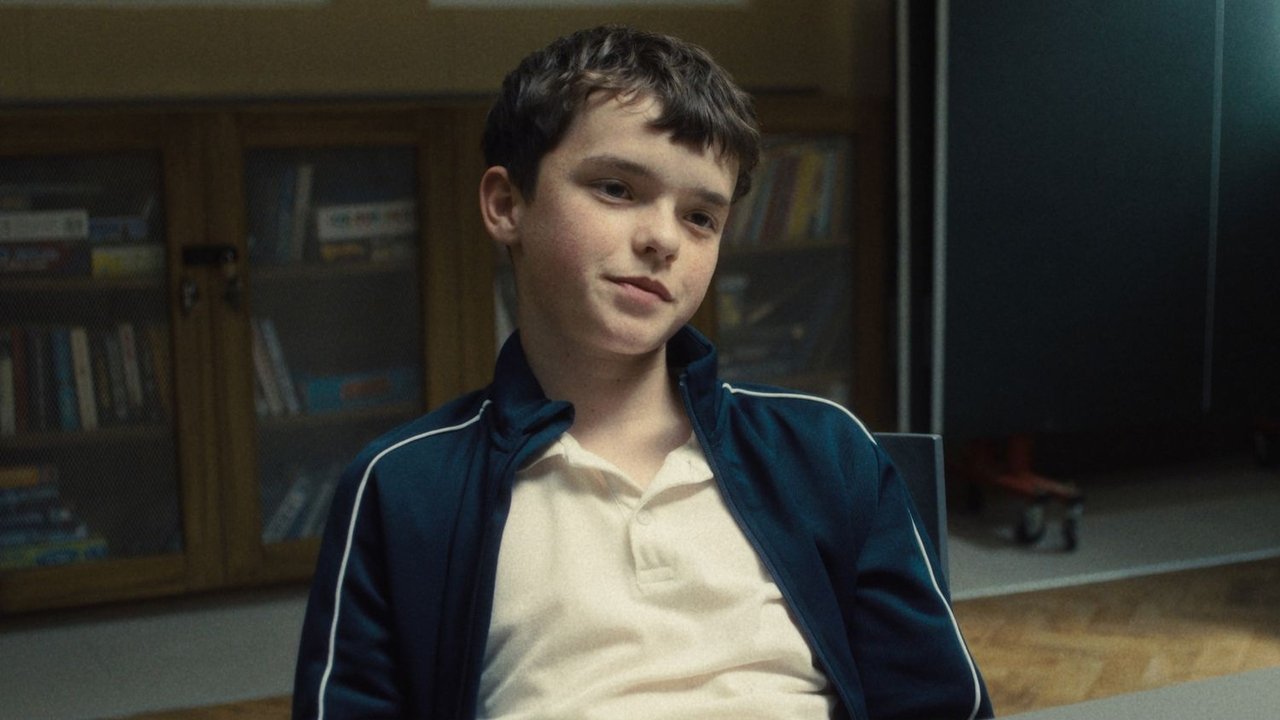
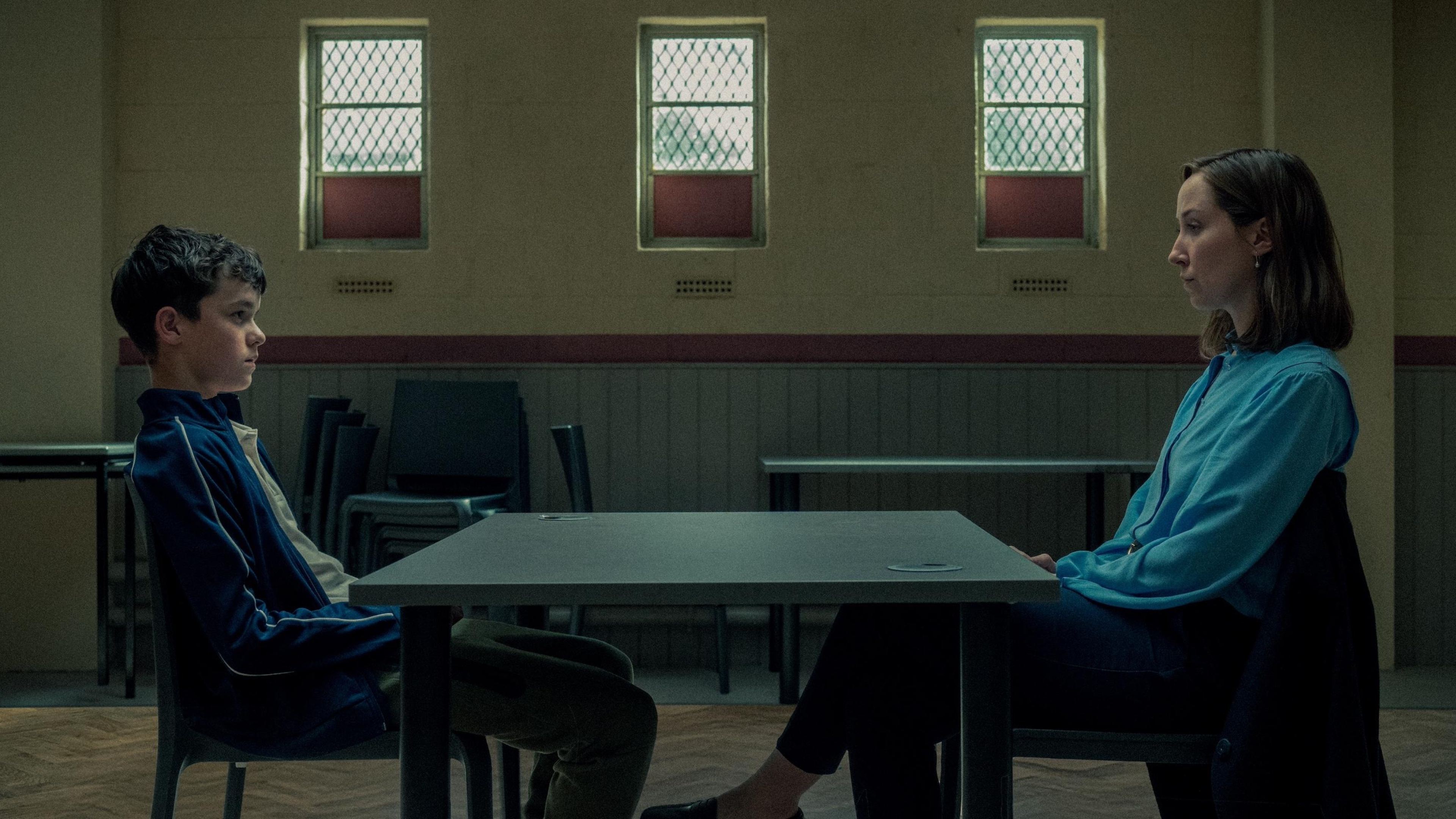
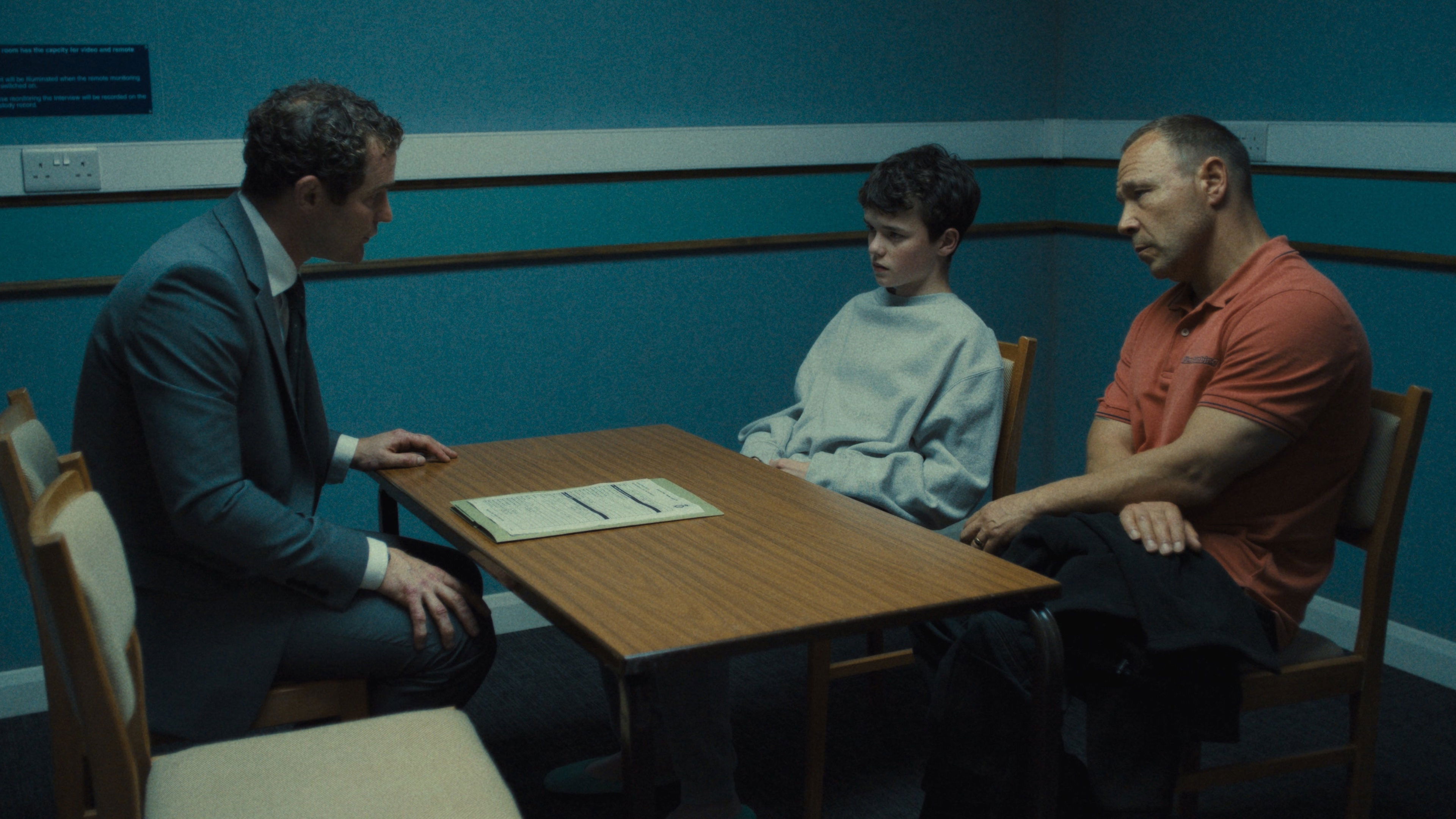
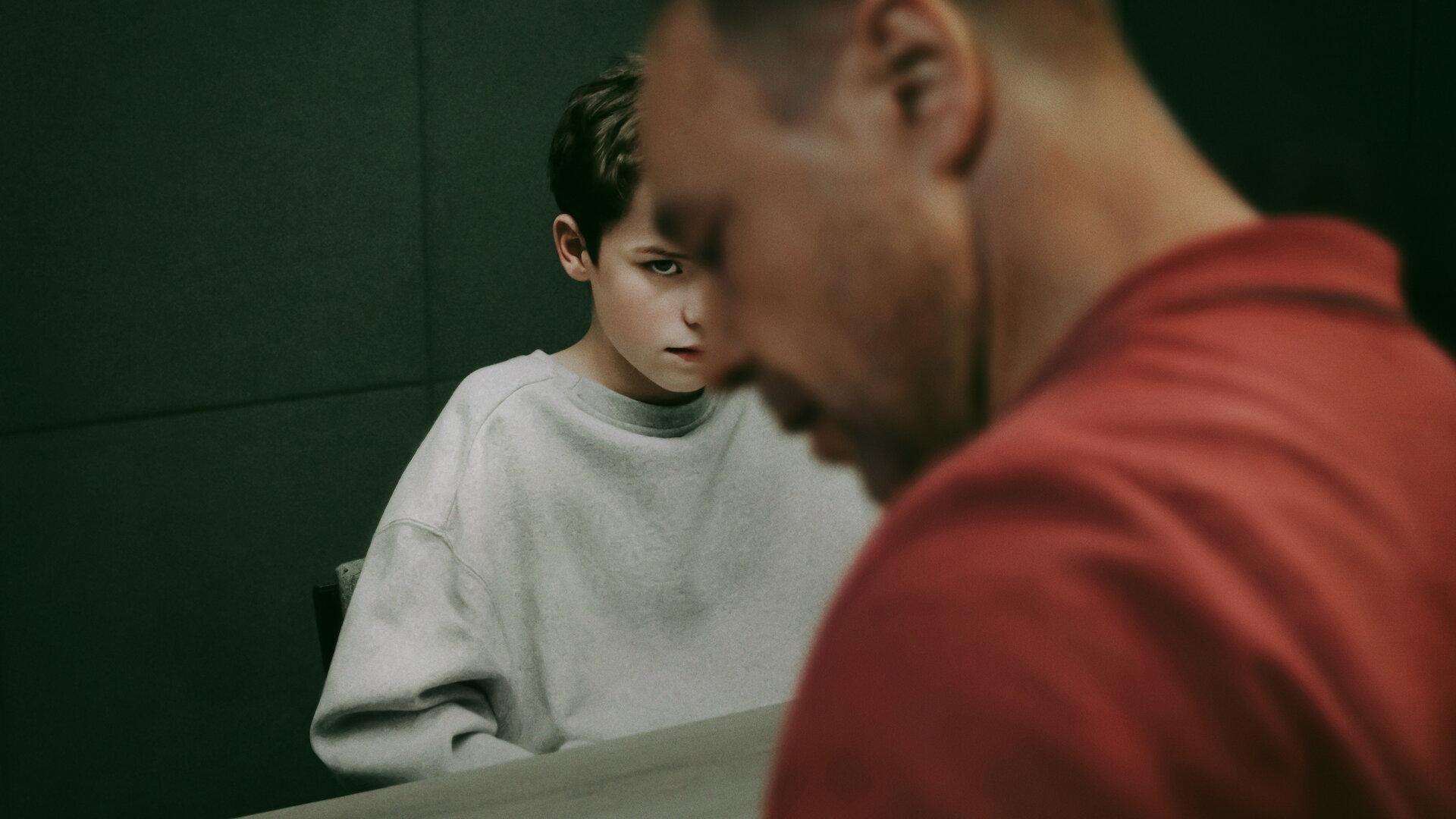
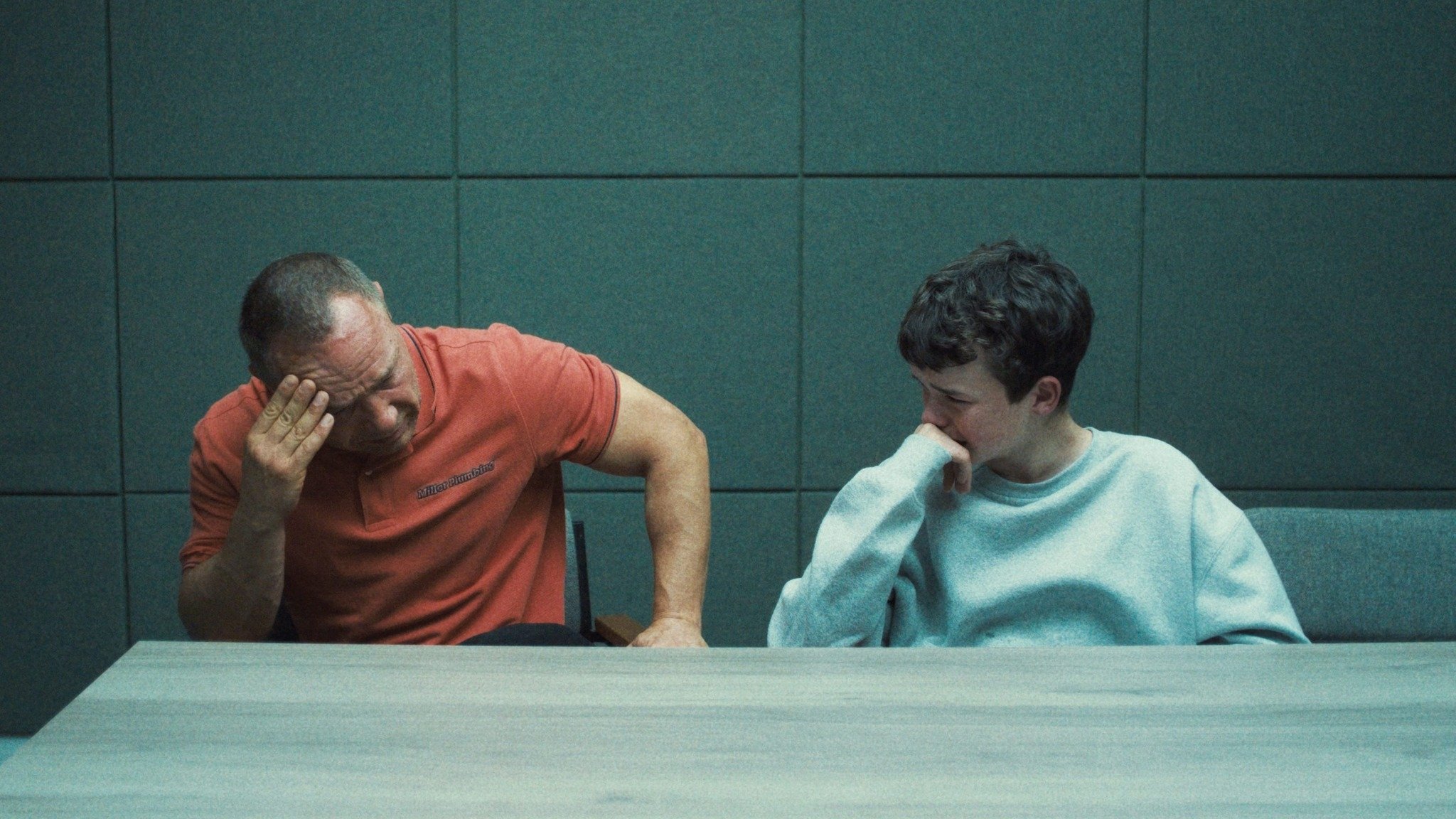
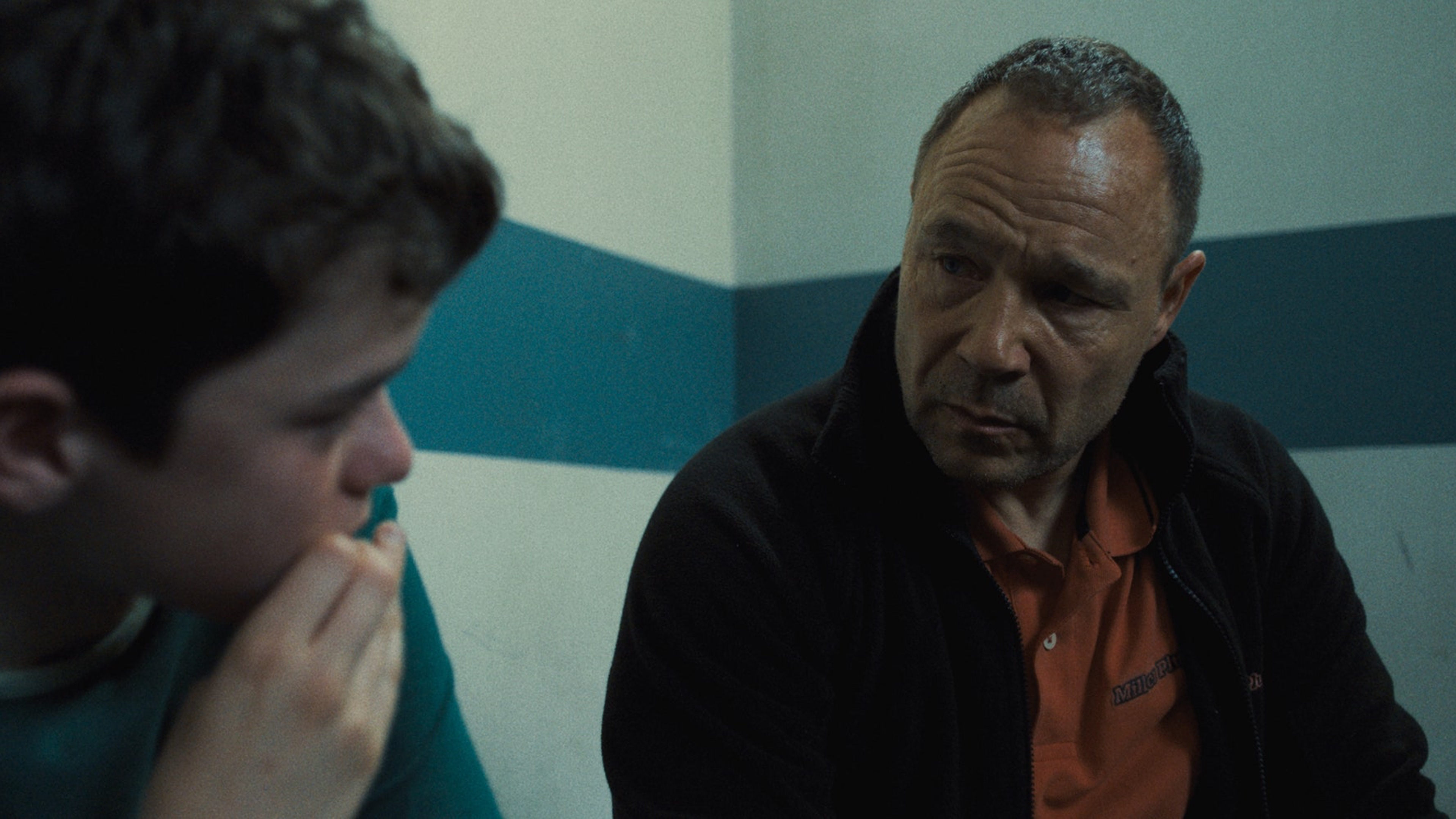
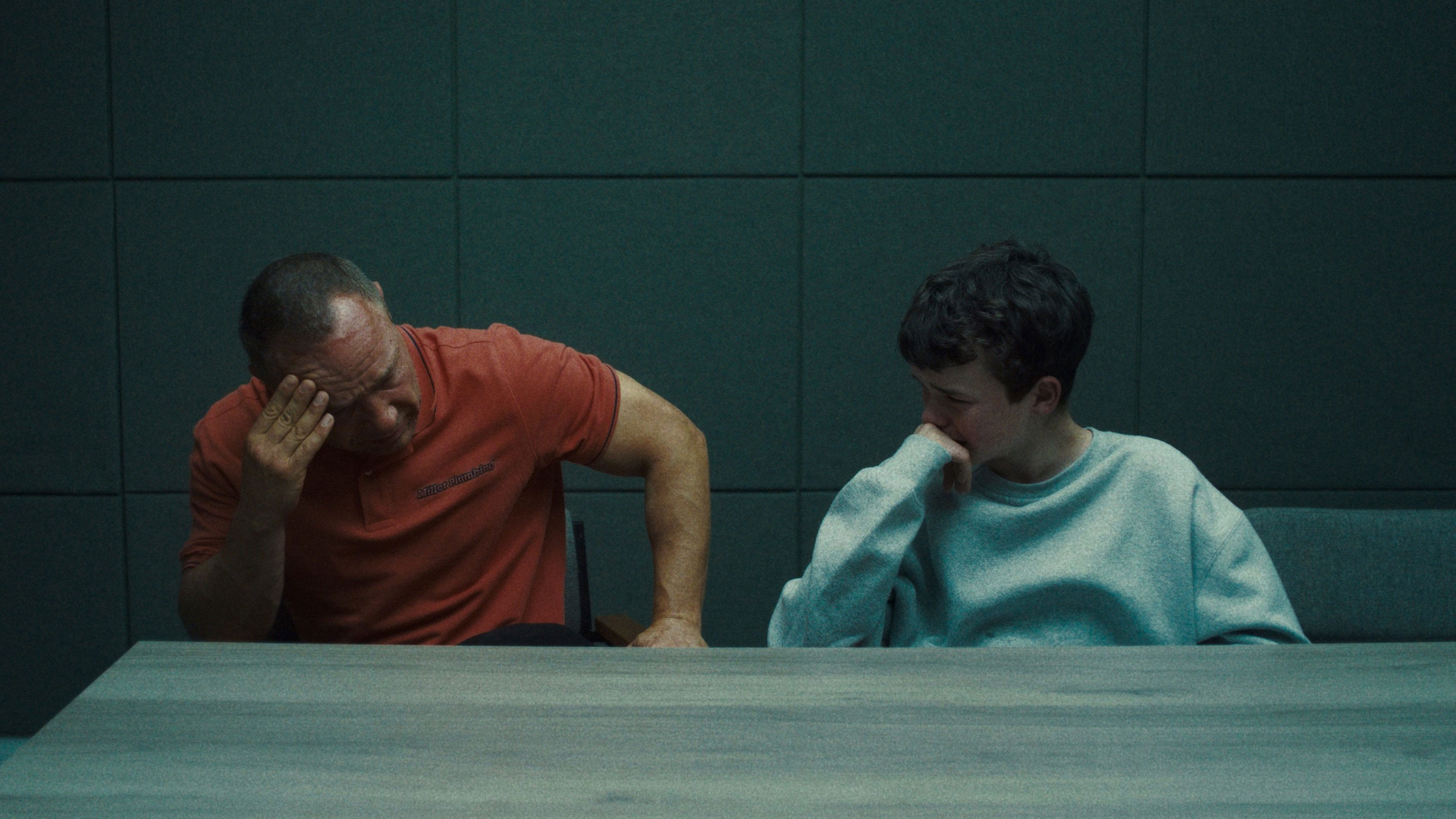
and here’s the thing: the acting is not the problem. at all. the emmys were deserved. owen cooper being a debut actor and pulling that off is insane. episode three genuinely had me in awe — the performances, the tension, the one-shot format, all of it felt claustrophobic and real in the best way. the one-take decision overall was smart and immersive, and for the most part it worked incredibly well. the only time it lost me was episode four, with all the driving back and forth — it became redundant, emotionally flat, and honestly a bit self-indulgent.
now. here’s where it all falls apart.
this show claims to explore how young boys become radicalised. how the internet dehumanises them. how misogyny spreads through online spaces. how figures like andrew tate and the manosphere influence teenagers. but it barely scratches the surface. they mention andrew tate once. they throw around words like “incel,” “manosphere,” and then… do absolutely nothing with them. no deep dive. no exploration. no confrontation. nothing.
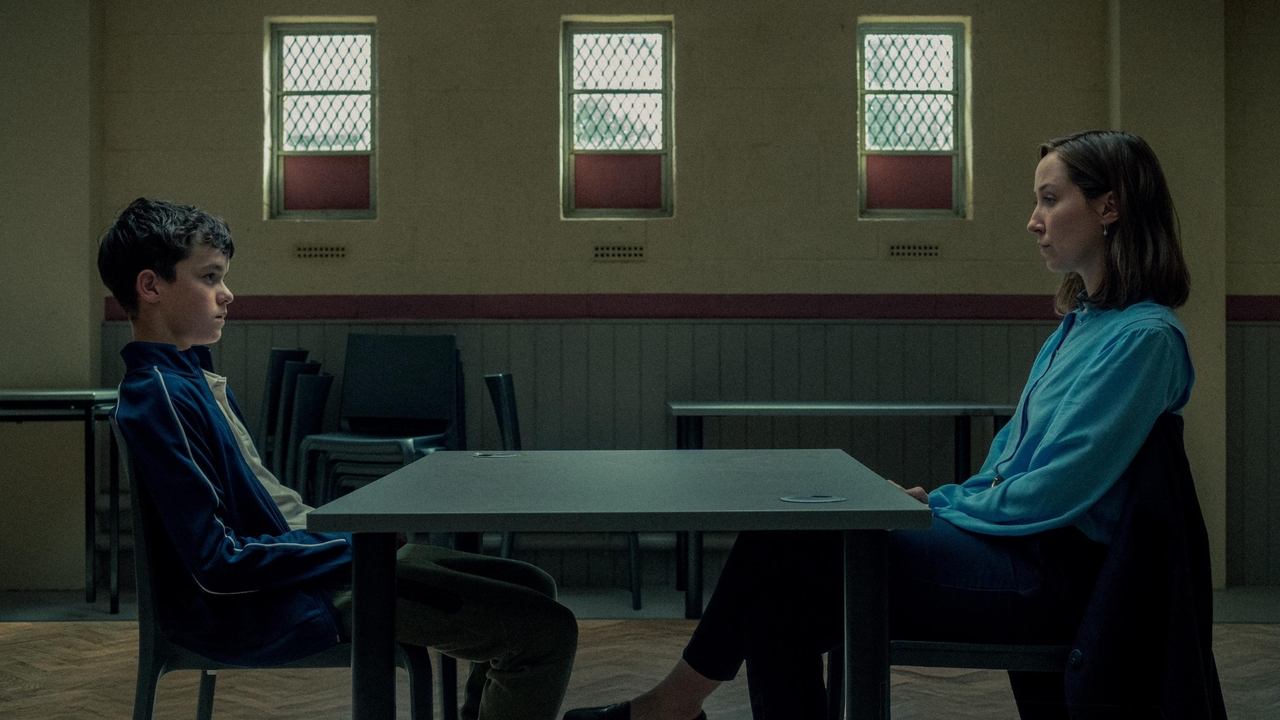
and what makes this even more frustrating is that the show knows this is a problem. there’s literally a moment where the female detective points out how cases like this always end up centring the boy — his psychology, his pain, his future — while the girl fades into the background. and then the show proceeds to do exactly that. the irony is painful.
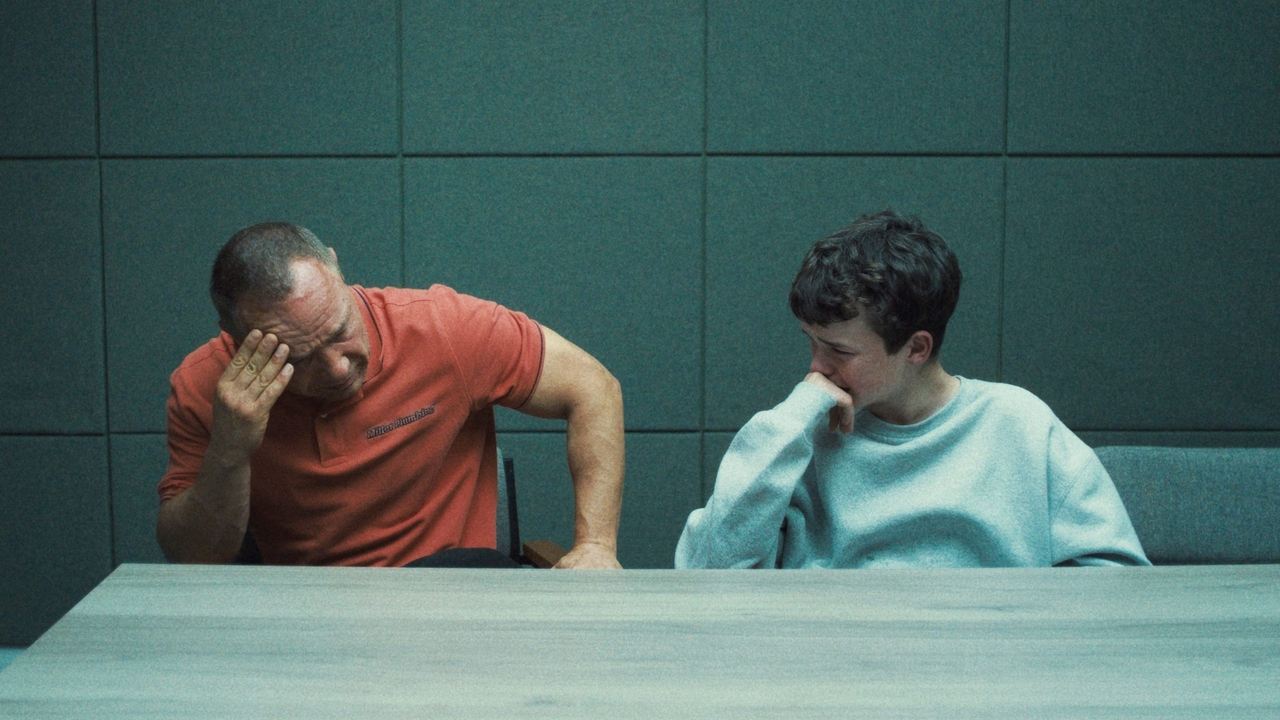
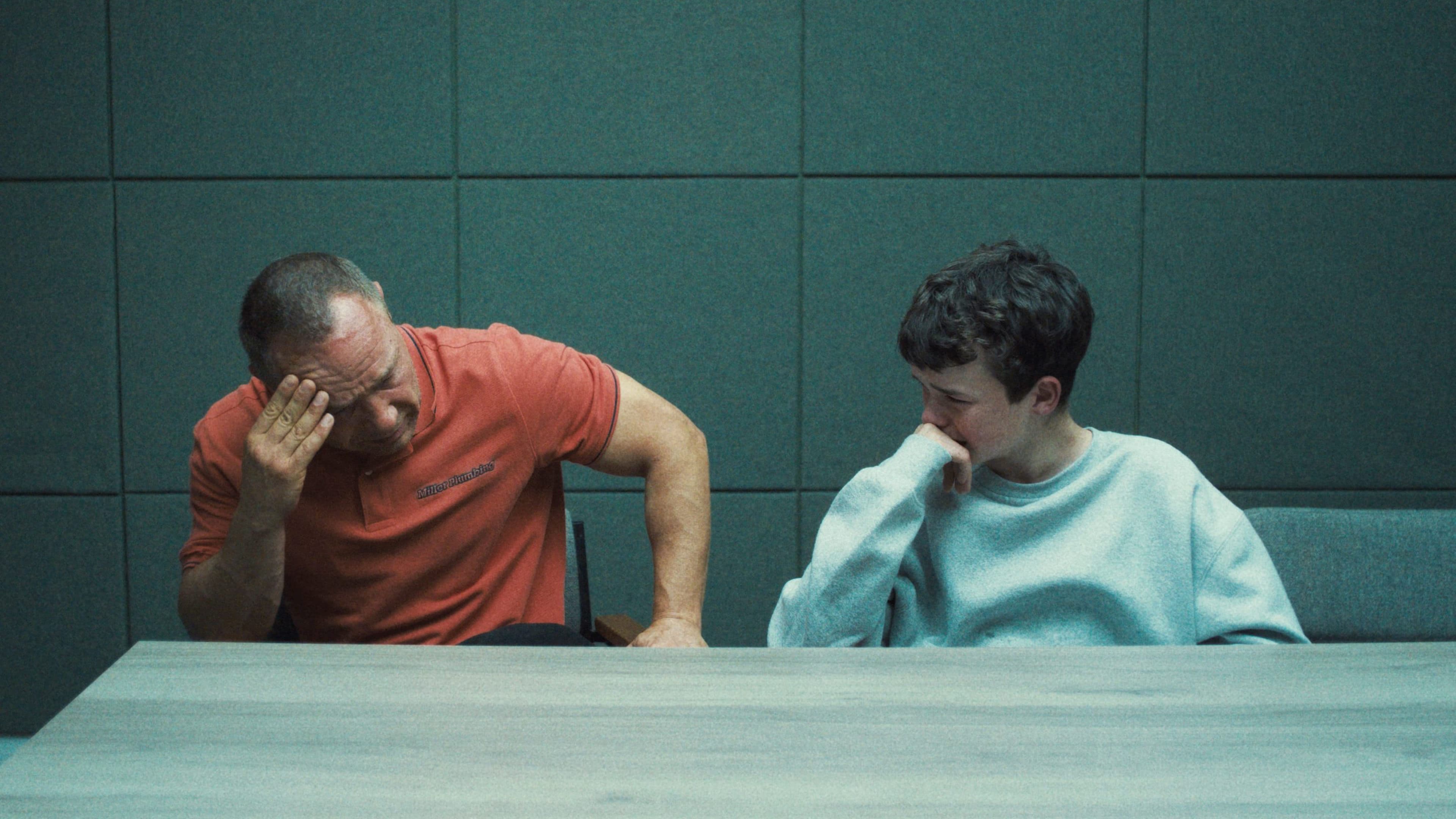
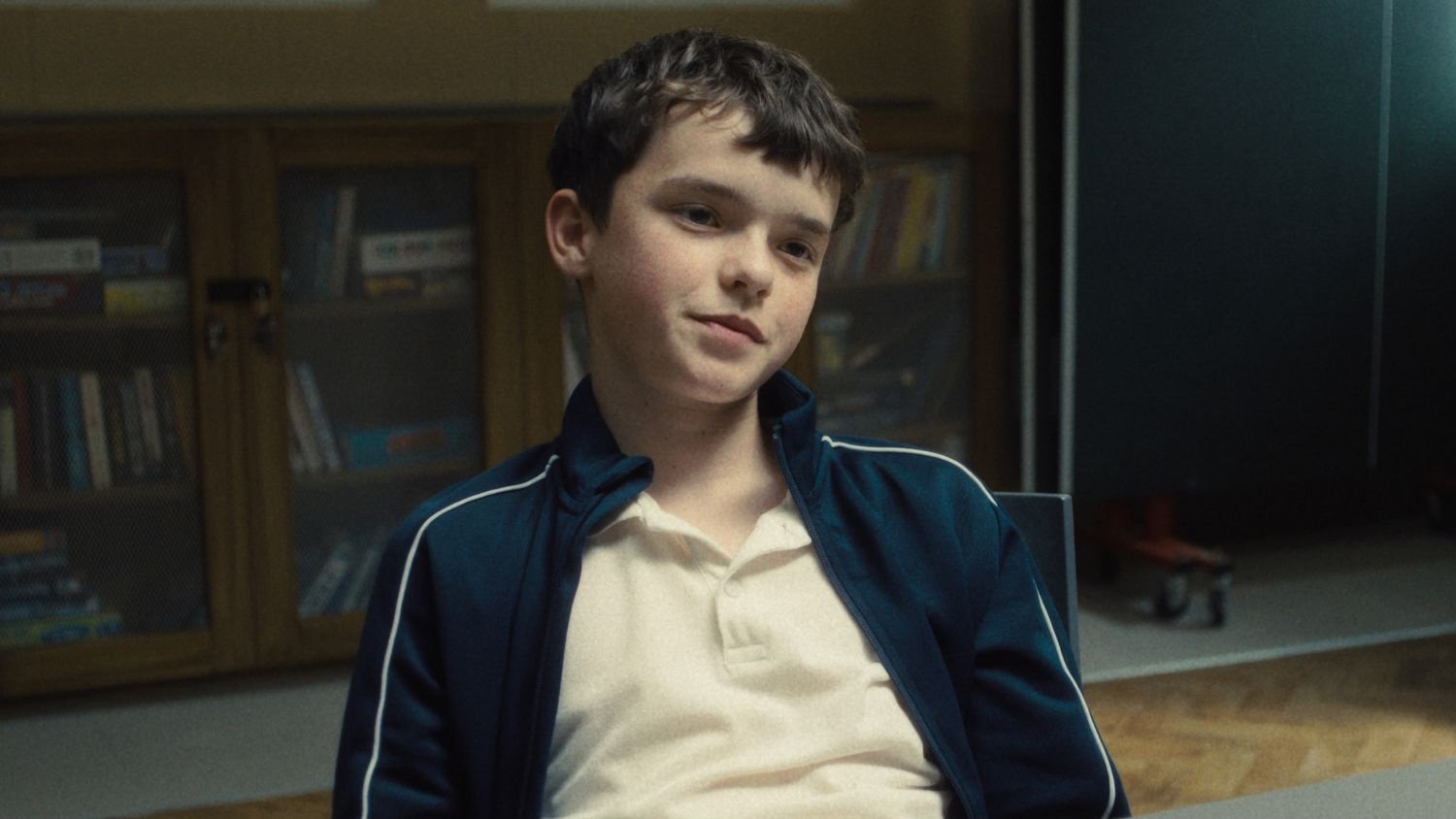
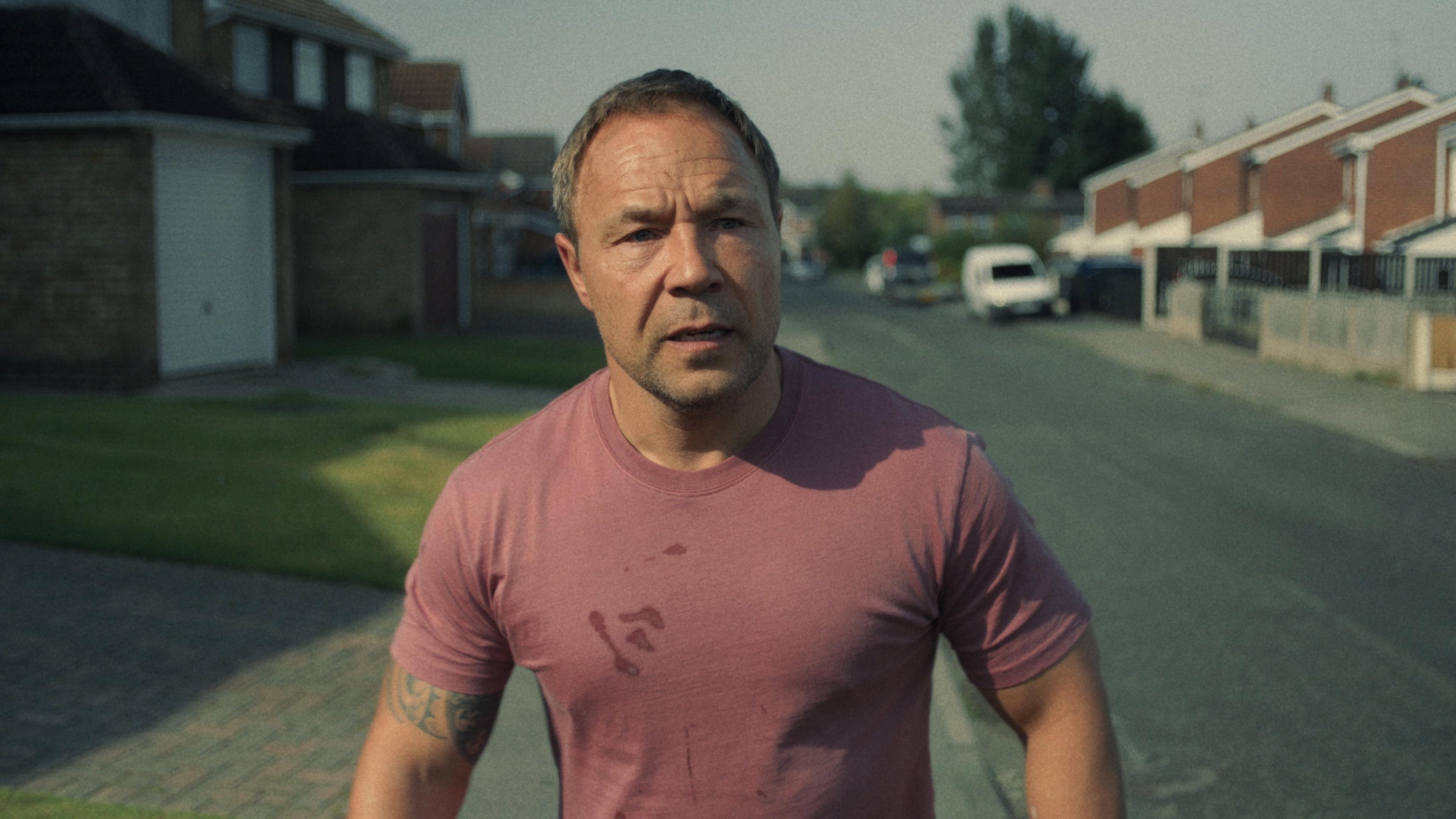
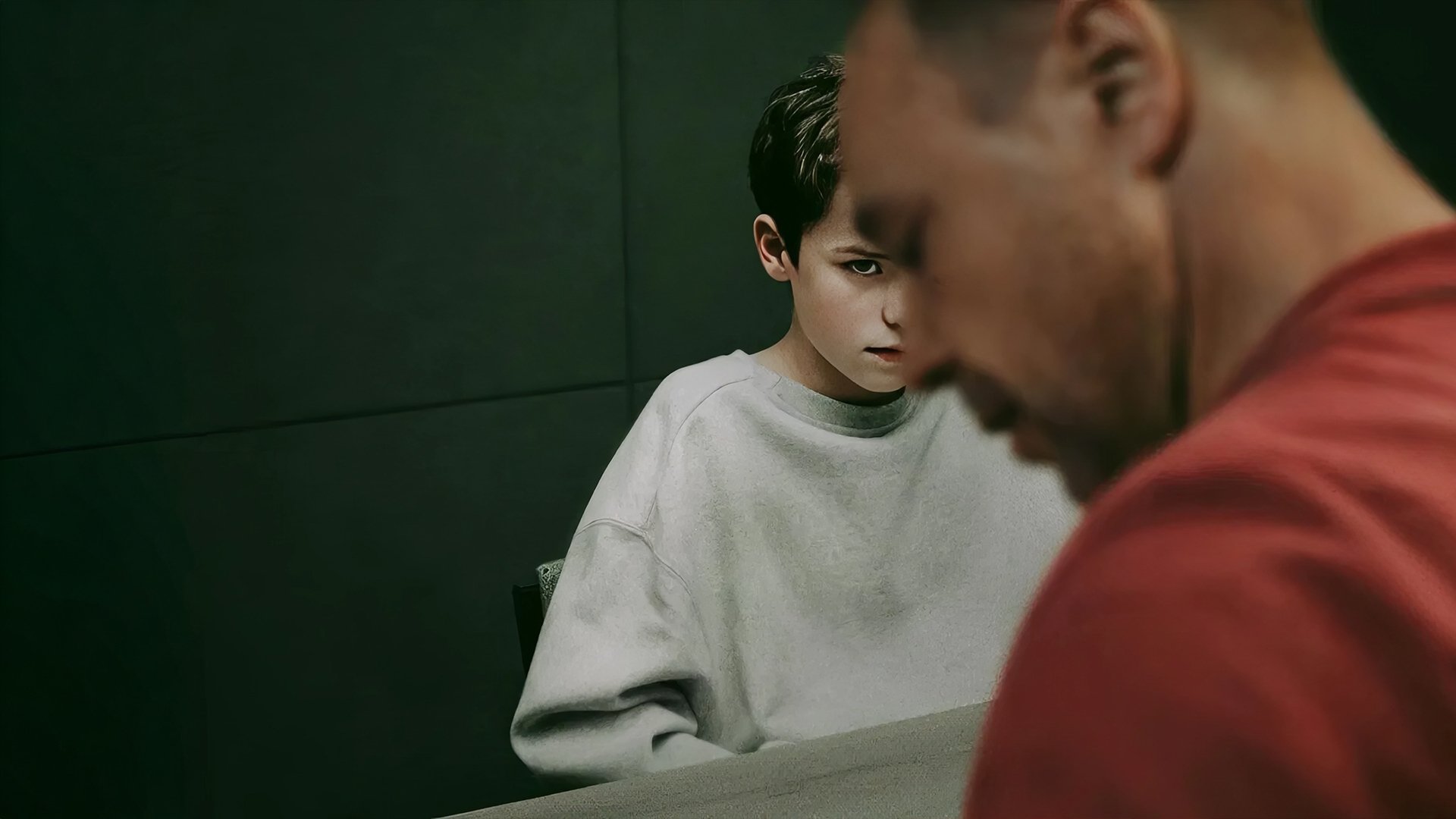
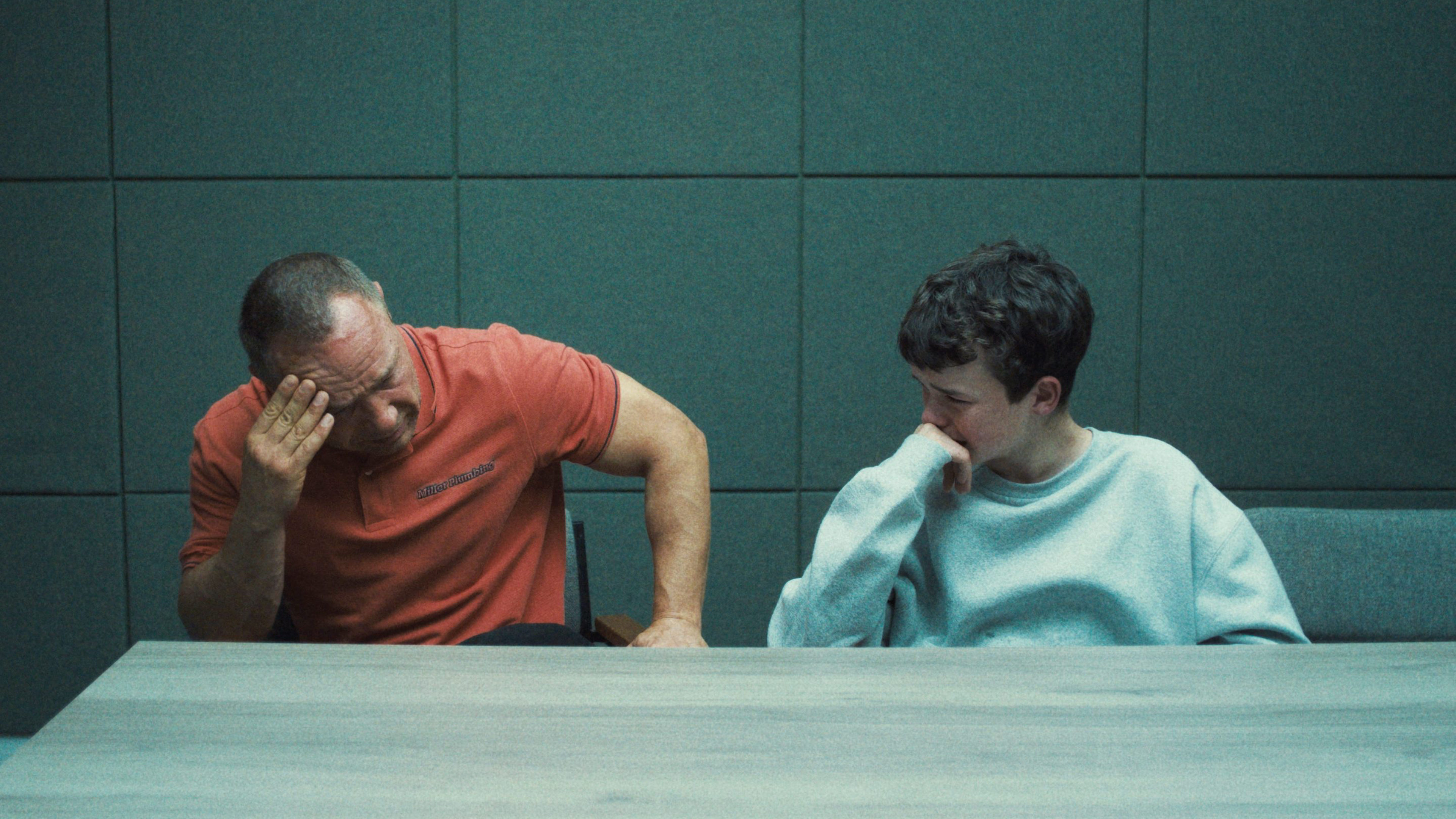
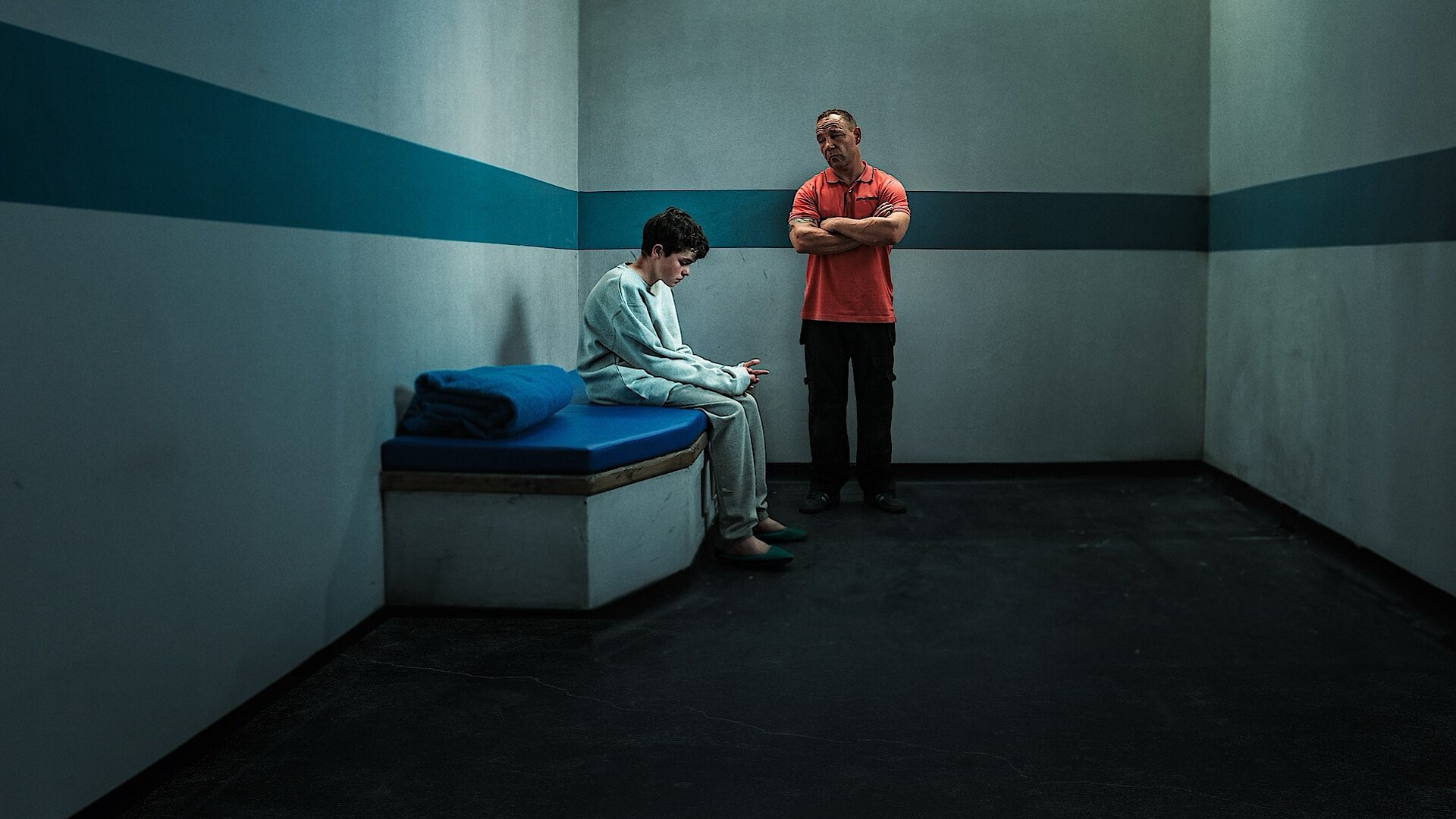
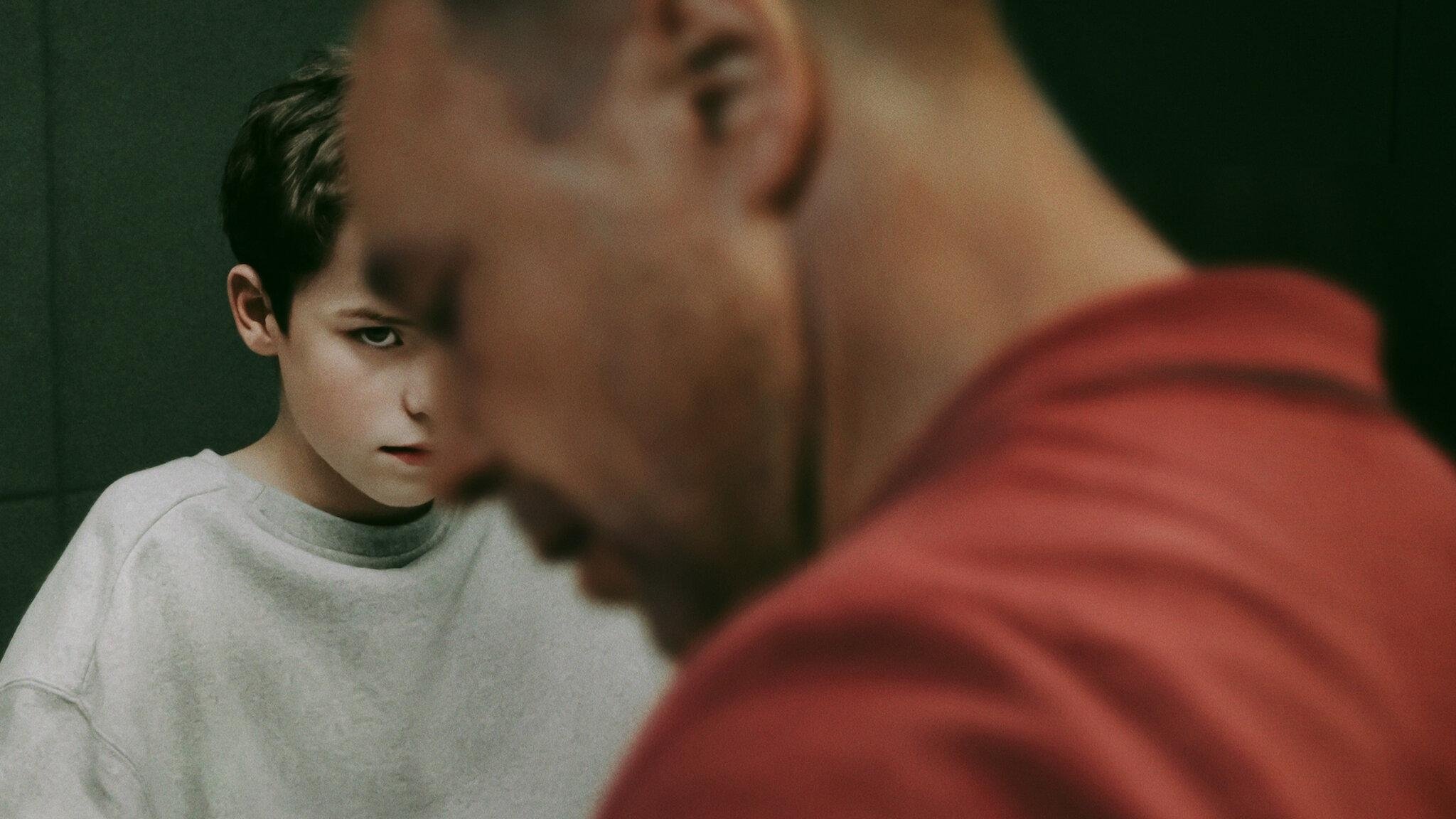
katie, the actual victim, is barely a presence. she’s not a character — she’s a plot device. her life, her interiority, her humanity are almost completely ignored. instead, we sit with jamie. we empathise with him. we watch his parents suffer. we see his dad cry. we get an entire episode dedicated to his family dynamics and i’m sorry but… why? why am i being asked to emotionally invest in the aftermath for him when the girl he murdered is reduced to “lost potential”?
and the most irresponsible choice, in my opinion, was introducing the idea that katie “bullied” jamie by calling him an incel — without any real context or exploration. because now you’ve handed the audience a justification-shaped vacuum. and people online ran with it. yes, name-calling can be bullying. but framing it this way, without fully unpacking the misogynistic ecosystem jamie was clearly marinating in, shifts sympathy in a way that feels deeply careless.
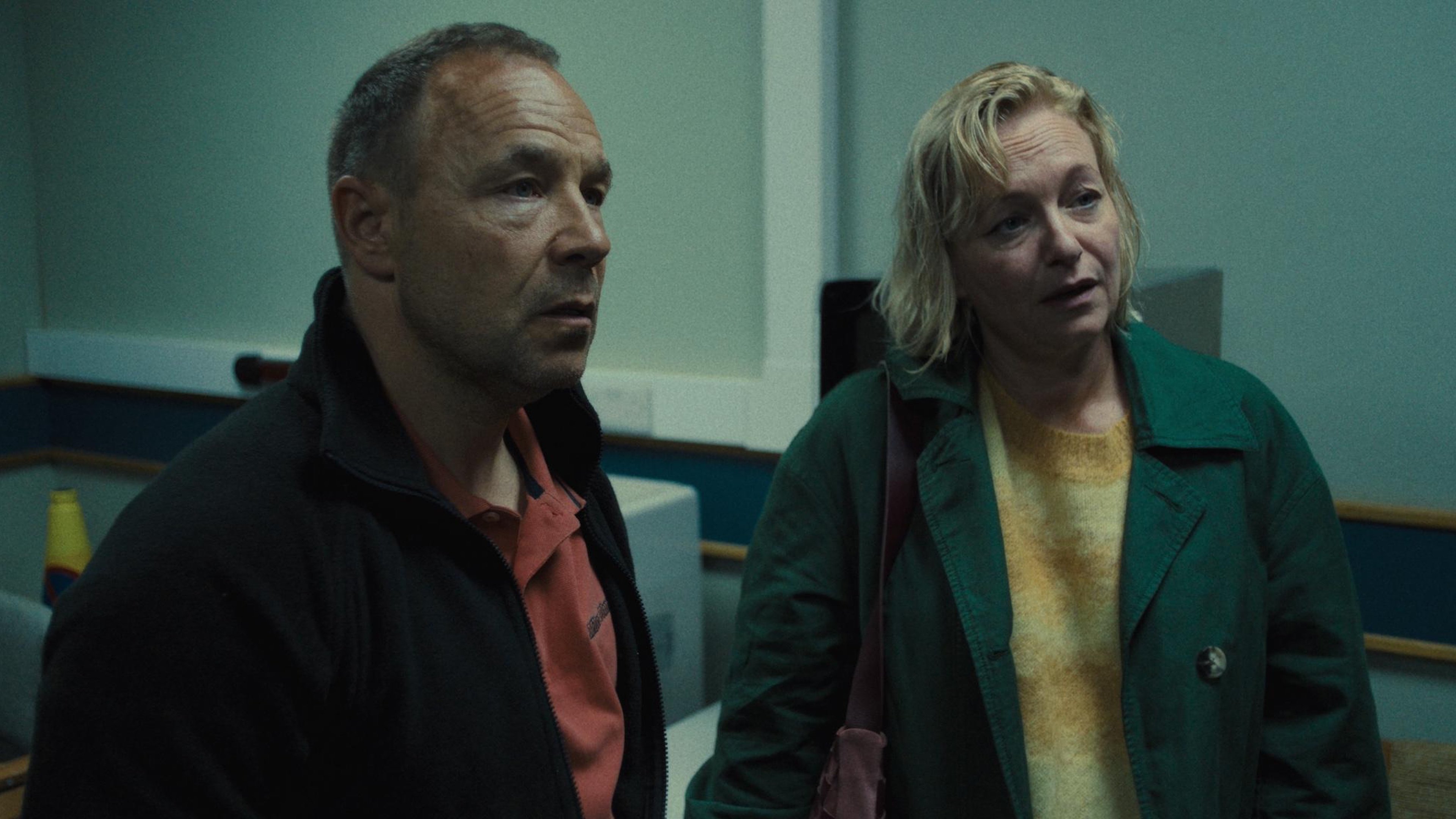
episode four was especially egregious. a complete waste of time. that hour could’ve been used to actually investigate the online spaces that radicalise boys. show us the forums. the message boards. the podcasts. the algorithms. the slow drip of resentment turning into entitlement turning into violence. instead, we get domestic grief porn centred almost entirely on the father. the mother and sister barely exist beyond crying and supporting him. once again, the women are sidelined — present only to service male emotion.
and that’s the pattern across the entire series: women are not characters, they’re functions. they exist to move jamie’s story forward. even the detective who verbalises the show’s central critique doesn’t escape it.
people keep calling this a “conversation starter,” but the problem is — it doesn’t actually say anything. it gestures at issues without committing to them. it wants credit for bravery without doing the work. it leaves the audience feeling sorry for the perpetrator, confused about the victim, and no more informed about the systems that create this violence than when they started.
which is honestly the most disappointing part. because the potential was right there. the craft was there. the performances were there. the urgency was there. but the follow-through? nonexistent.
in trying to be subtle, it became toothless. in trying to be empathetic, it became irresponsible. and in claiming to centre a crisis facing young women, it ended up sidelining them entirely.
rating: 6.5/10 — it could’ve been important television. instead, it’s just frustrating television.
okay. so. adolescence. i’m very late to this, yes. a full year late. but honestly, the disappointment still hit fresh.
i went into this ready to be floored. this show was everywhere. people wouldn’t shut up about it. politicians were name-dropping it, asking it to be played in every school (yes, kier starmer, i’m looking at you). it was being framed as this urgent, necessary piece of television that was finally going to tackle the radicalisation of young boys, misogyny, online pipelines, violence against girls — not as a murder mystery, but as a why. and that’s what sold me. i wanted substance. i wanted insight. i wanted discomfort that actually leads somewhere.
and here’s the thing: the acting is not the problem. at all. the emmys were deserved. owen cooper being a debut actor and pulling that off is insane. episode three genuinely had me in awe — the performances, the tension, the one-shot format, all of it felt claustrophobic and real in the best way. the one-take decision overall was smart and immersive, and for the most part it worked incredibly well. the only time it lost me was episode four, with all the driving back and forth — it became redundant, emotionally flat, and honestly a bit self-indulgent.
now. here’s where it all falls apart.
this show claims to explore how young boys become radicalised. how the internet dehumanises them. how misogyny spreads through online spaces. how figures like andrew tate and the manosphere influence teenagers. but it barely scratches the surface. they mention andrew tate once. they throw around words like “incel,” “manosphere,” and then… do absolutely nothing with them. no deep dive. no exploration. no confrontation. nothing.
and what makes this even more frustrating is that the show knows this is a problem. there’s literally a moment where the female detective points out how cases like this always end up centring the boy — his psychology, his pain, his future — while the girl fades into the background. and then the show proceeds to do exactly that. the irony is painful.
katie, the actual victim, is barely a presence. she’s not a character — she’s a plot device. her life, her interiority, her humanity are almost completely ignored. instead, we sit with jamie. we empathise with him. we watch his parents suffer. we see his dad cry. we get an entire episode dedicated to his family dynamics and i’m sorry but… why? why am i being asked to emotionally invest in the aftermath for him when the girl he murdered is reduced to “lost potential”?
and the most irresponsible choice, in my opinion, was introducing the idea that katie “bullied” jamie by calling him an incel — without any real context or exploration. because now you’ve handed the audience a justification-shaped vacuum. and people online ran with it. yes, name-calling can be bullying. but framing it this way, without fully unpacking the misogynistic ecosystem jamie was clearly marinating in, shifts sympathy in a way that feels deeply careless.
episode four was especially egregious. a complete waste of time. that hour could’ve been used to actually investigate the online spaces that radicalise boys. show us the forums. the message boards. the podcasts. the algorithms. the slow drip of resentment turning into entitlement turning into violence. instead, we get domestic grief porn centred almost entirely on the father. the mother and sister barely exist beyond crying and supporting him. once again, the women are sidelined — present only to service male emotion.
and that’s the pattern across the entire series: women are not characters, they’re functions. they exist to move jamie’s story forward. even the detective who verbalises the show’s central critique doesn’t escape it.
people keep calling this a “conversation starter,” but the problem is — it doesn’t actually say anything. it gestures at issues without committing to them. it wants credit for bravery without doing the work. it leaves the audience feeling sorry for the perpetrator, confused about the victim, and no more informed about the systems that create this violence than when they started.
which is honestly the most disappointing part. because the potential was right there. the craft was there. the performances were there. the urgency was there. but the follow-through? nonexistent.
in trying to be subtle, it became toothless. in trying to be empathetic, it became irresponsible. and in claiming to centre a crisis facing young women, it ended up sidelining them entirely.
rating: 6.5/10 — it could’ve been important television. instead, it’s just frustrating television.











 4
4