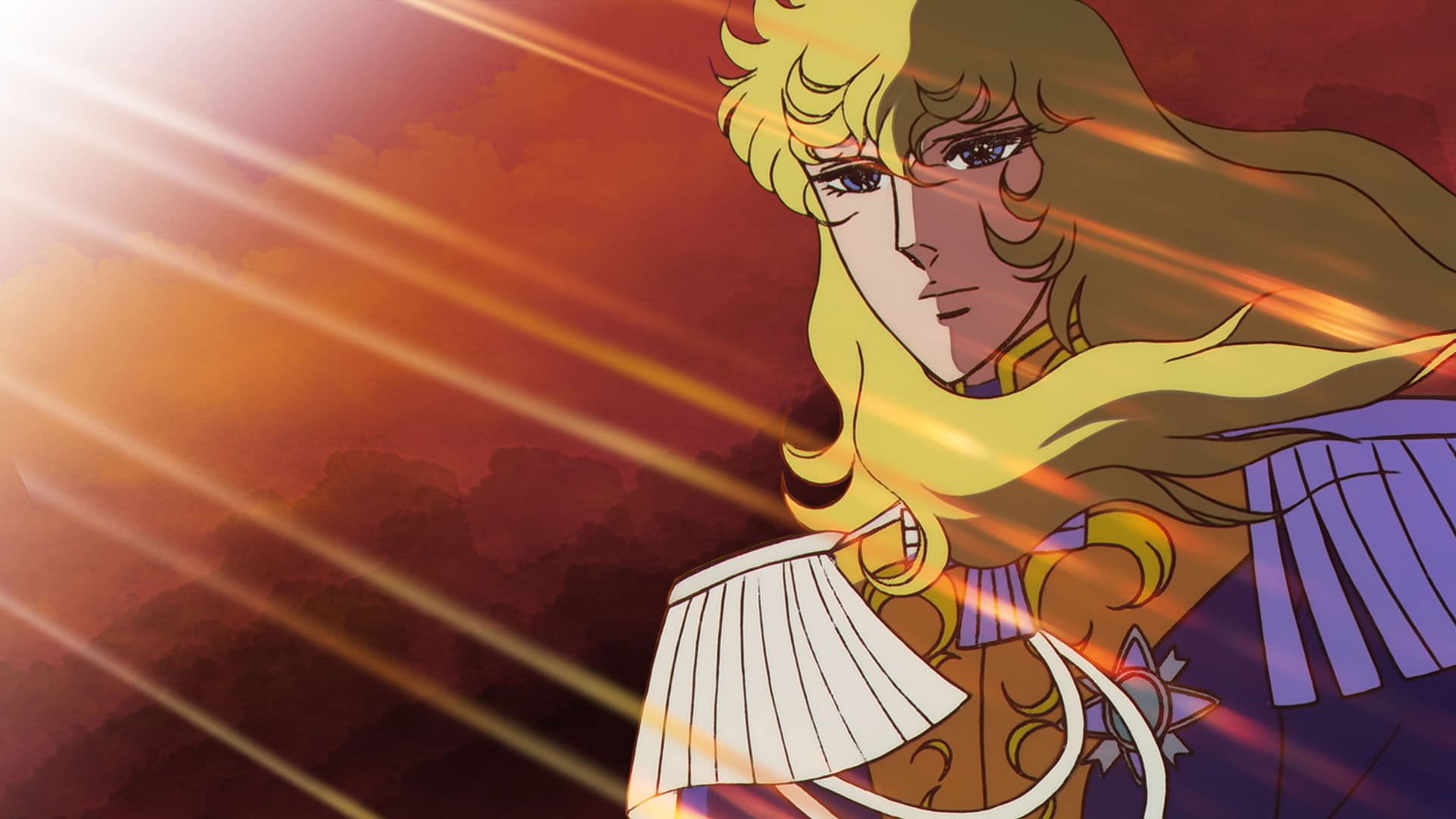
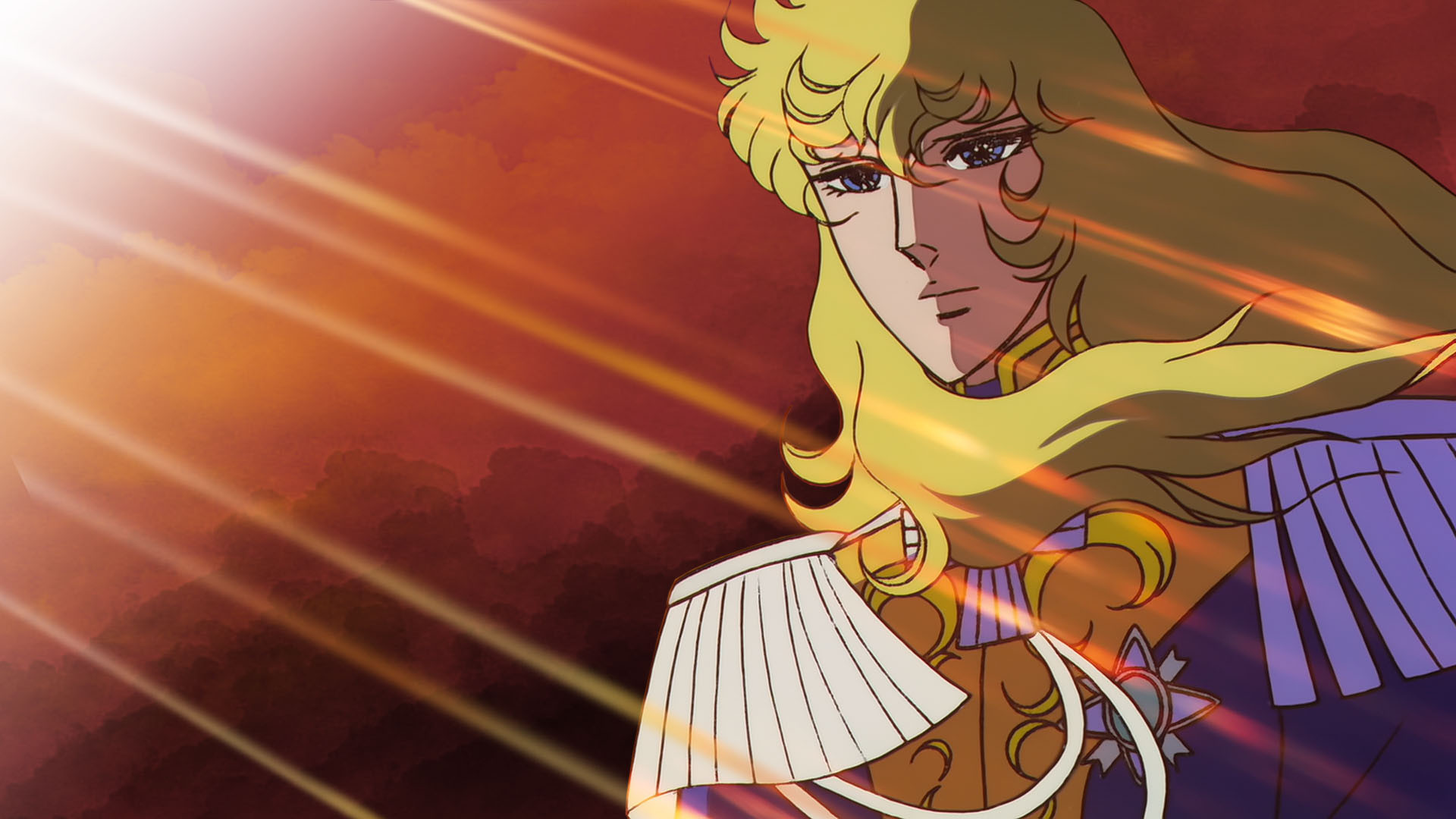
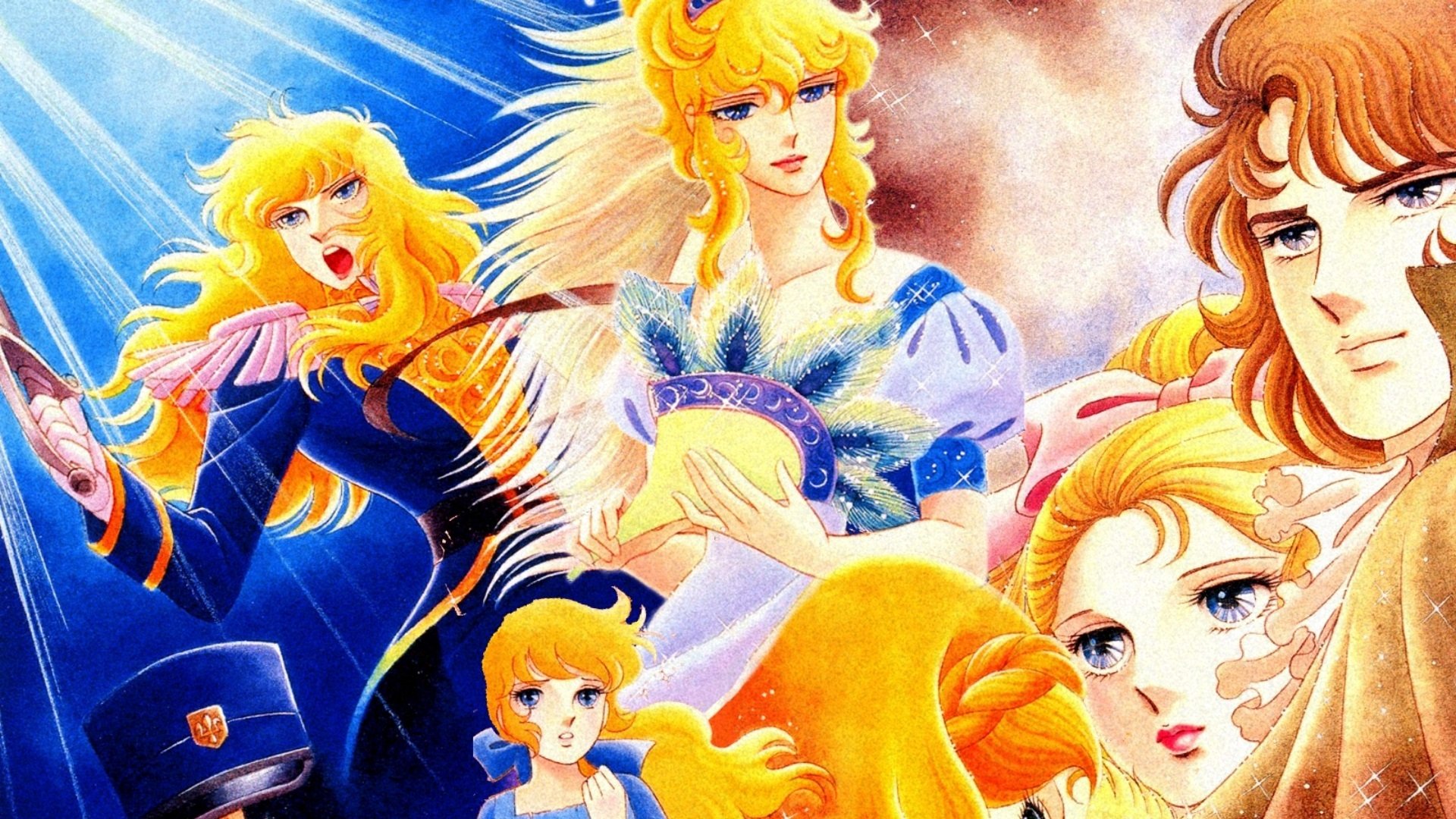
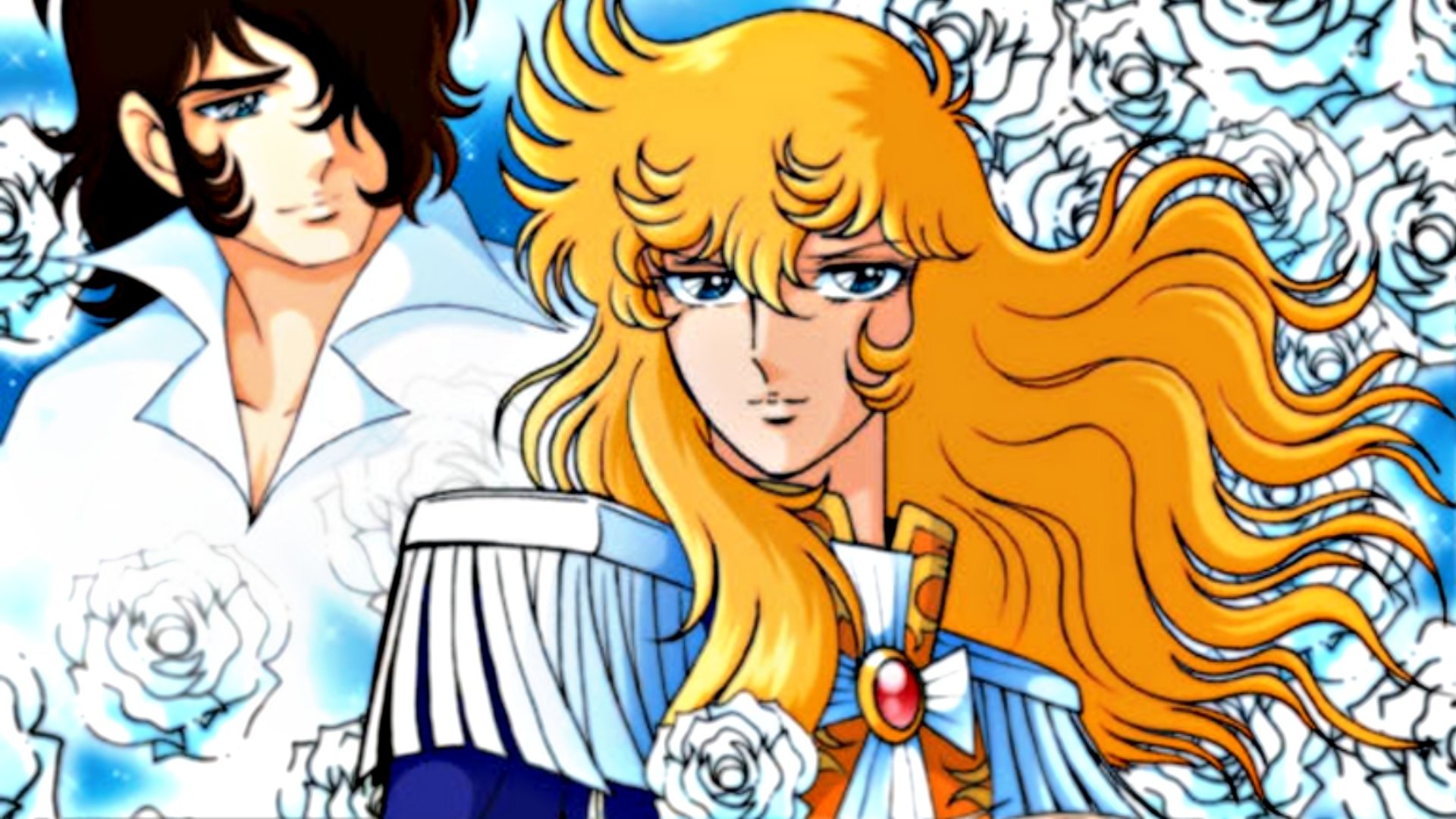
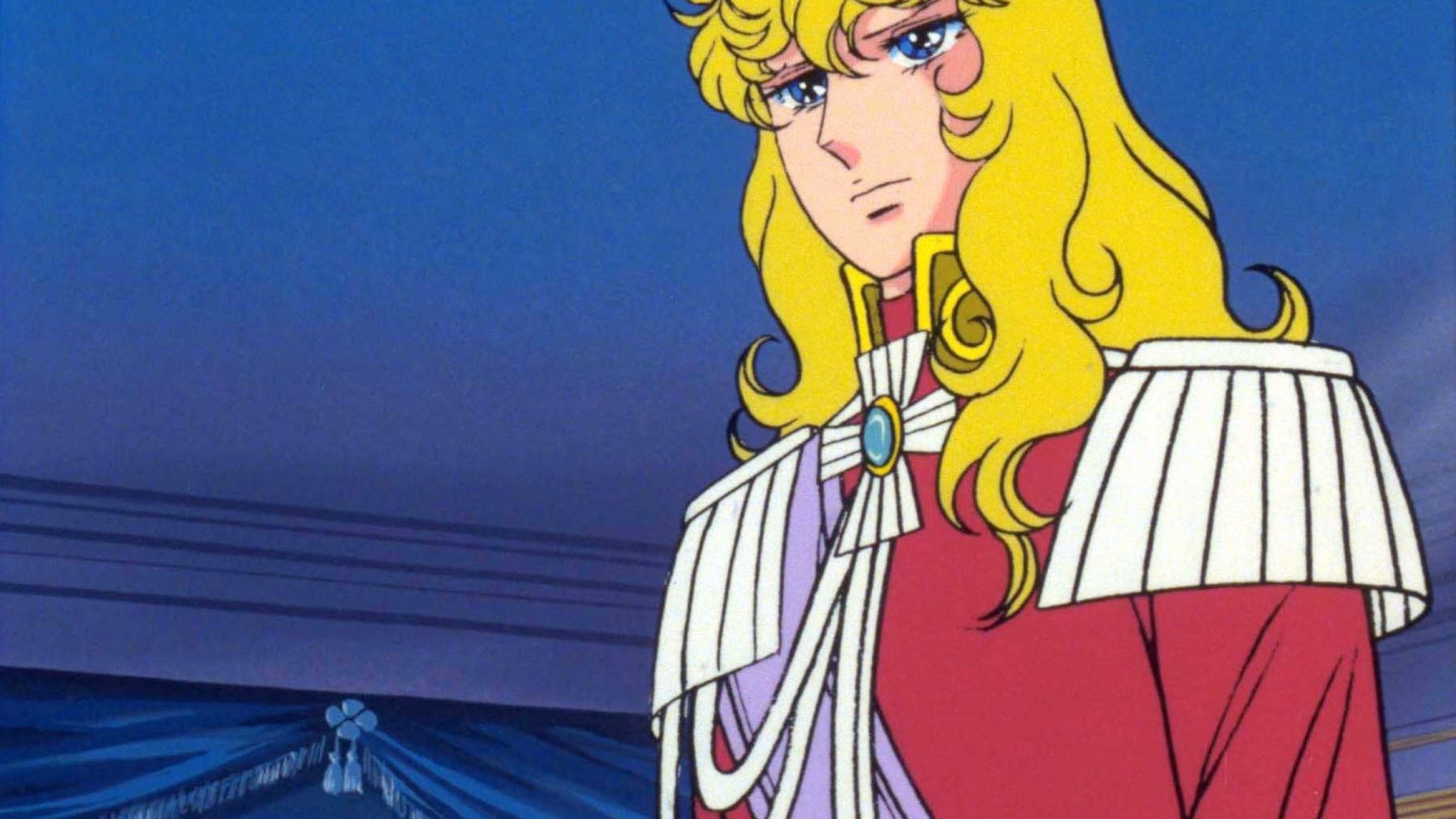
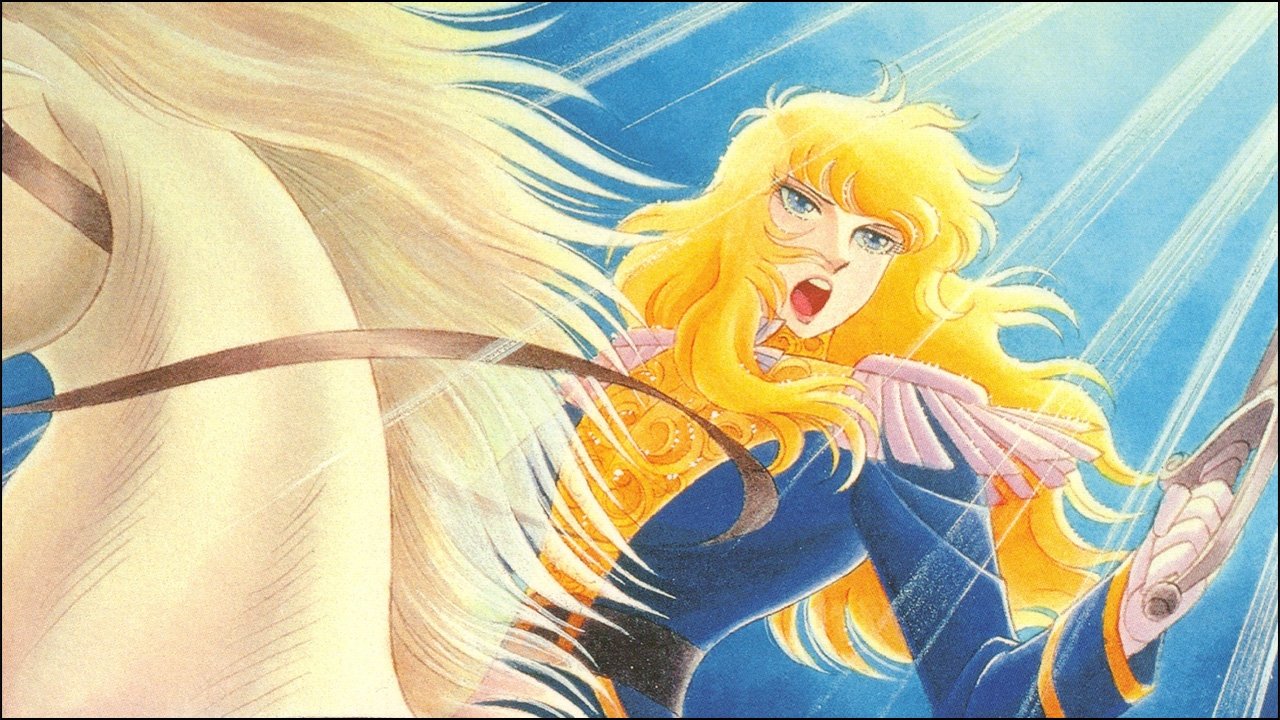
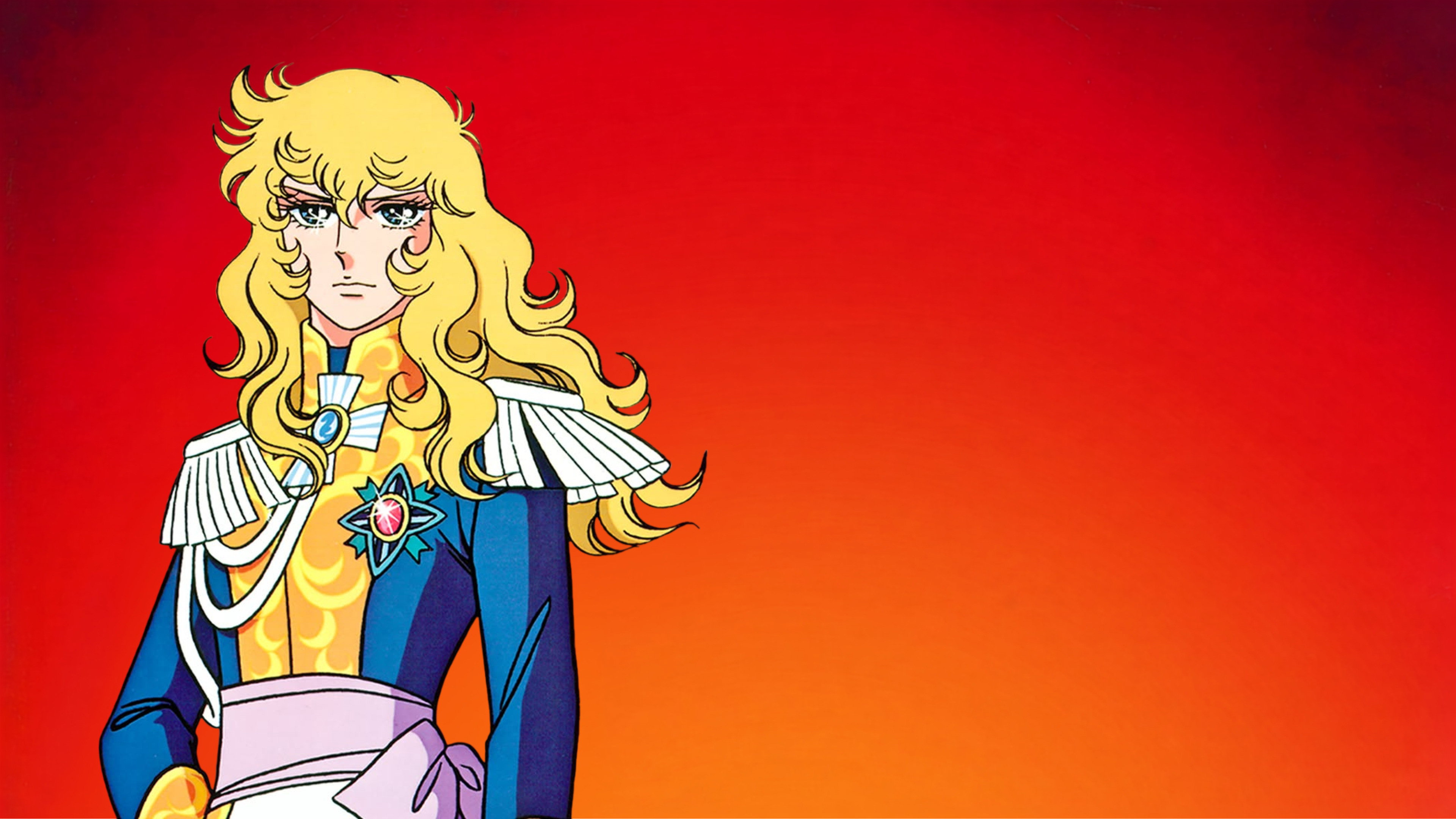
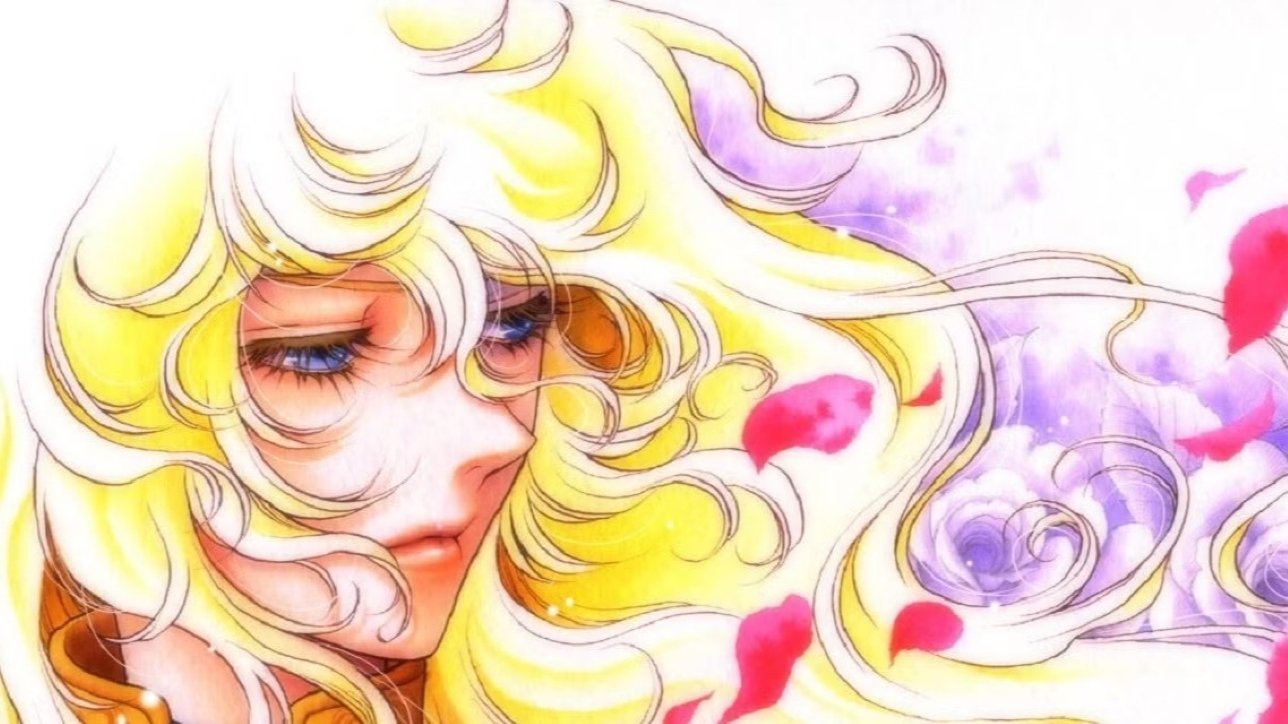
this queer classic never fails to make me bawl 😭😭.
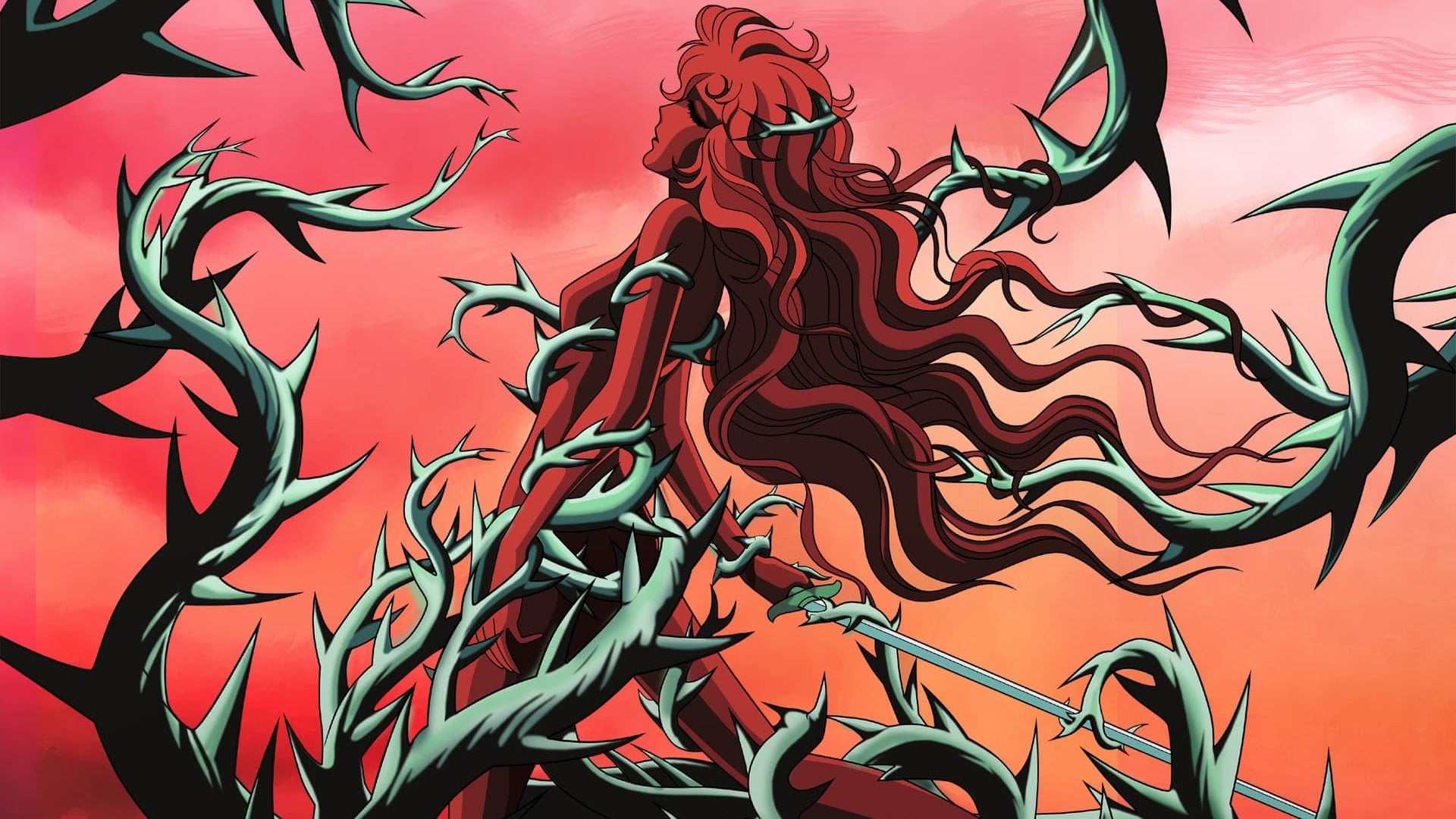
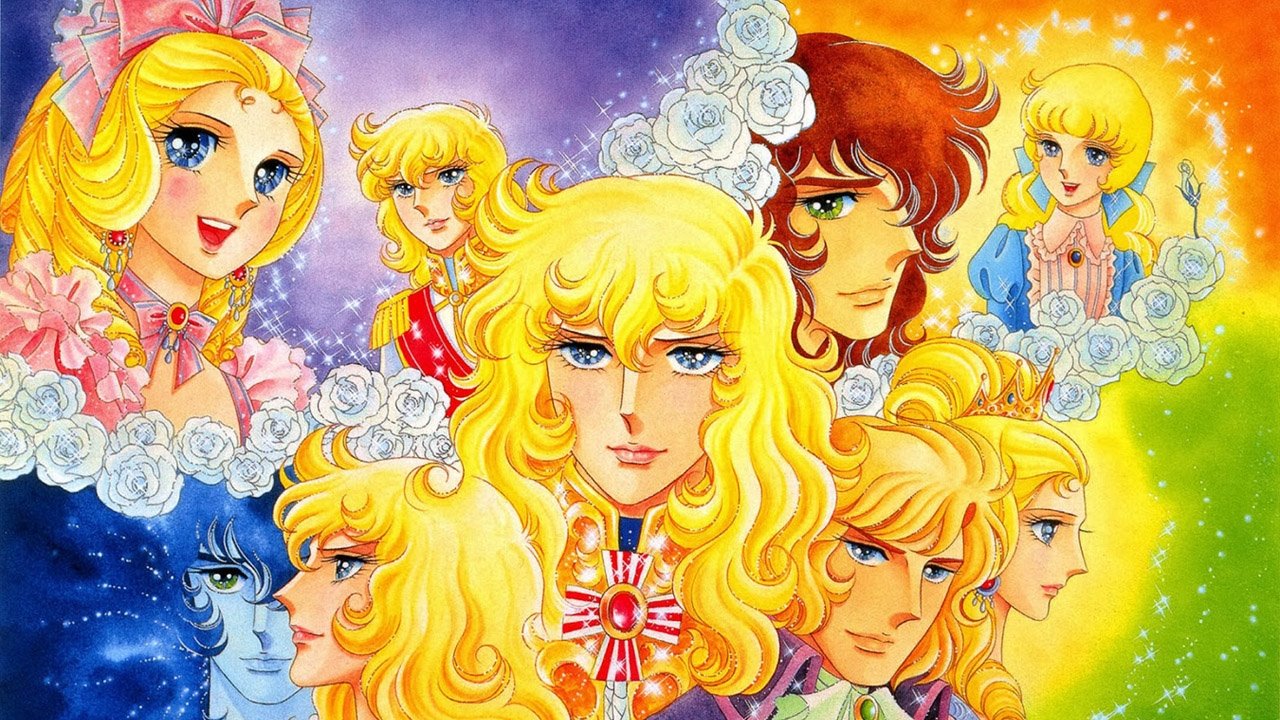
this francophile era of anime and manga, which i adore, really sets a canvas that fosters so much experimentation, in addition to the progressive minds of the year 24 group, keiko takemiya, moto hagio and many others (riyoko ikeda, even though technically not year 24, is like an honorary part of it in my eyes). this anime, on the foundation of works like kaze to ki no uta, poe clan, a heart for thomas and bjorn anderson in death in venice, (who became such a icon in 70s japan) deconstructs and re-contexualises gender norms, and the fact that love is love regardless of gender, on the basis of the flourishing shounen ai/boy’s love genre, and the rise of the bishounen (beautiful men) troupe, allows for a space where gender does not play a part in the validity of emotions. this idea is further strengthened by the backdrop of the french revolution, and the french people being the stereotypical embodiment of love, together with the different directing styles tadao nagahama and osamu dezaki, managing to totally change the vibe of the anime as the french revolution approaches in the story, all culminating to form the revolutionary queer masterpiece we know today as rose of versailles, that continues to inspire so many modern works while maintaining its cultural status as a queer classic.
this queer classic never fails to make me bawl 😭😭.
this francophile era of anime and manga, which i adore, really sets a canvas that fosters so much experimentation, in addition to the progressive minds of the year 24 group, keiko takemiya, moto hagio and many others (riyoko ikeda, even though technically not year 24, is like an honorary part of it in my eyes). this anime, on the foundation of works like kaze to ki no uta, poe clan, a heart for thomas and bjorn anderson in death in venice, (who became such a icon in 70s japan) deconstructs and re-contexualises gender norms, and the fact that love is love regardless of gender, on the basis of the flourishing shounen ai/boy’s love genre, and the rise of the bishounen (beautiful men) troupe, allows for a space where gender does not play a part in the validity of emotions. this idea is further strengthened by the backdrop of the french revolution, and the french people being the stereotypical embodiment of love, together with the different directing styles tadao nagahama and osamu dezaki, managing to totally change the vibe of the anime as the french revolution approaches in the story, all culminating to form the revolutionary queer masterpiece we know today as rose of versailles, that continues to inspire so many modern works while maintaining its cultural status as a queer classic.