It’s very rare for me to be emotionally afflicted by a piece of fiction. Technically blown away, for sure that happens quite often, but I’m not someone who easily feels what I’m watching, which is why the things that do make me feel something often times end up as my favorites.
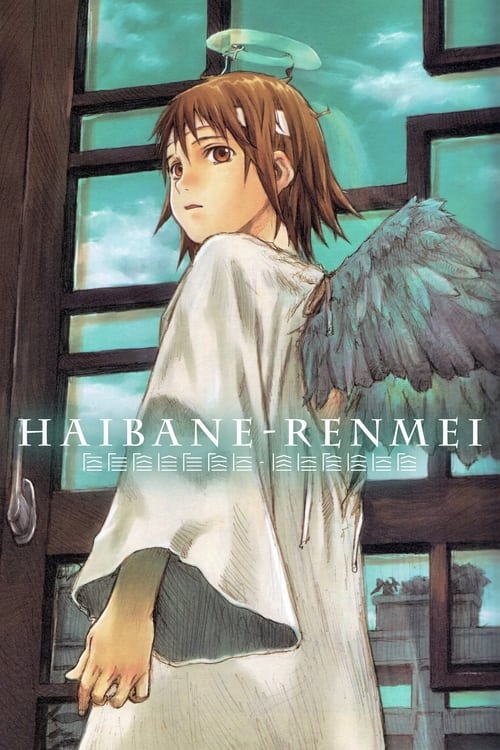
Haibane Renmei is one of those fictional stories for me.
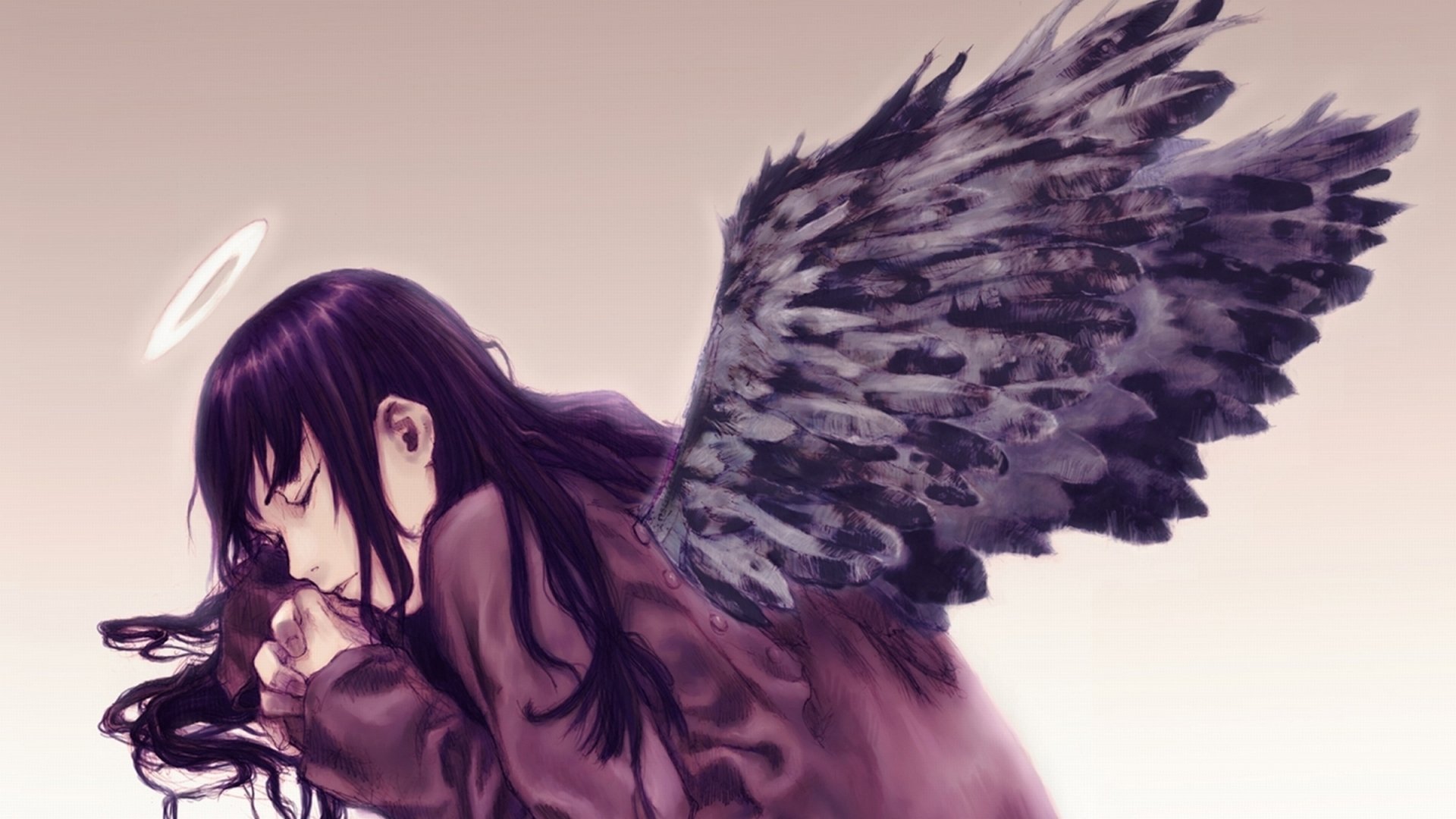
From the very first scene I was intrigued: an angel like woman -wearing an outfit Ryougi Shiki from Garden of Sinners would be proud of and smoking a cigarette of all things.
This woman will become one of my favorite anime characters of all time by the time the melancholic ending song starts rolling for the last time.
Reki really is the main character in every way but on paper. Her conflict in the second half of the show contrasts heavily with her “big sister” nature from the first half and that ending episode, mostly focused on her, hit like a train.
But even so the rest of the cast aren’t overshadowed.
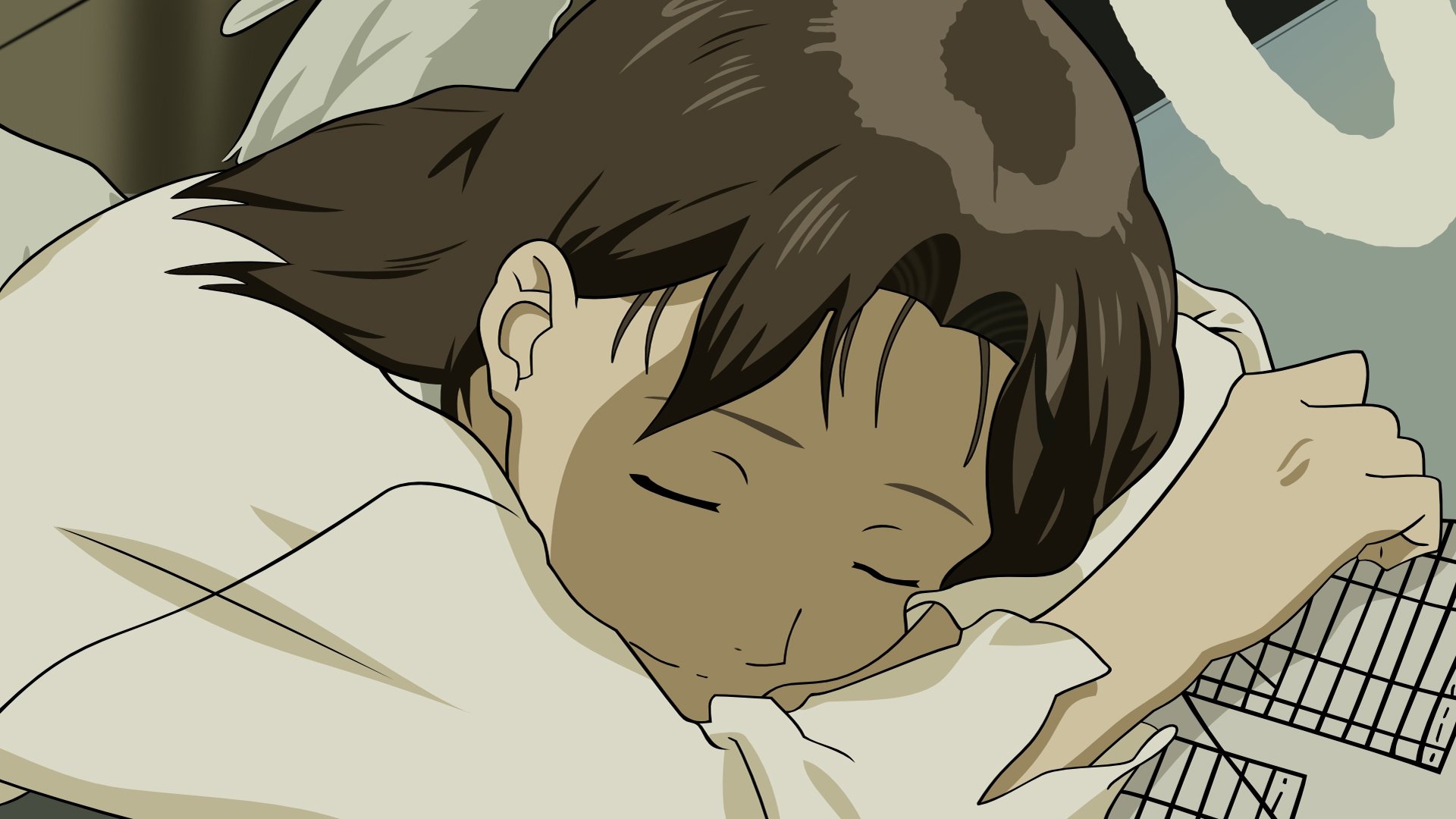
Rakka is very likable from very early on and has great chemistry with all of the side cast, especially with Kuu, who has a lot of development and great moments very early on.
Another thing I really appreciate about the show is how it spells out just enough so every viewer can deduce what actually is happening, not revealing to little or to much.
My own theory goes like this:
Glie exists beyond life and death. It was “build” for the Haibane who are people who died too young to fulfill their life. Here they can accept what they couldn’t during their life time, live their dreams and then move on.
Kana drowned, Kuu died in some kind of natural disaster, Nemu from gas poisoning, Hikari during an operation or fire and Rakka and Reki both committed suicide, hence they are “marked by sin” and can’t move on before they resolved/coped with their passing.
The above is just the gist of what I think, but from what I’ve seen it’s a fairly common interpretation.
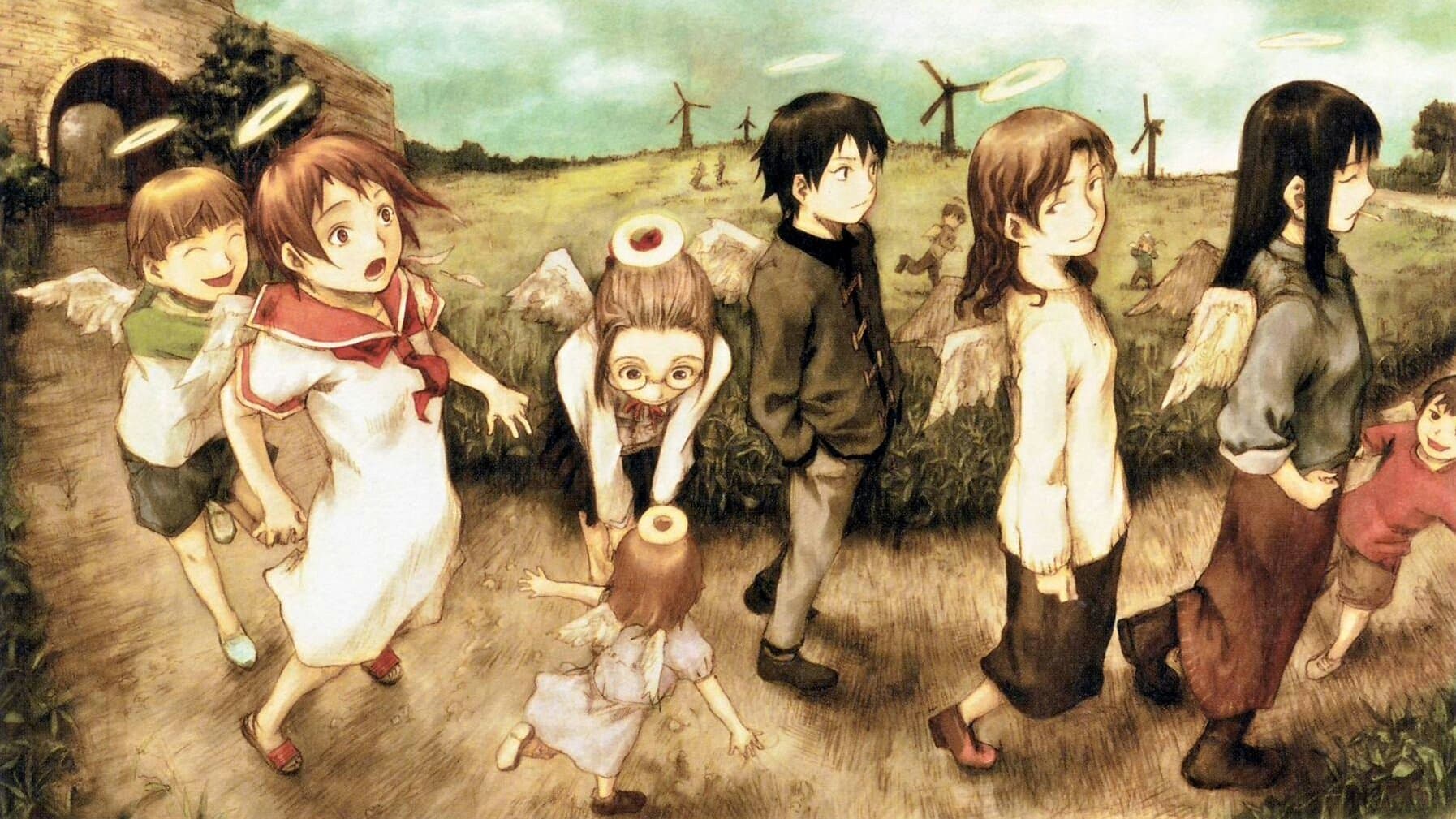
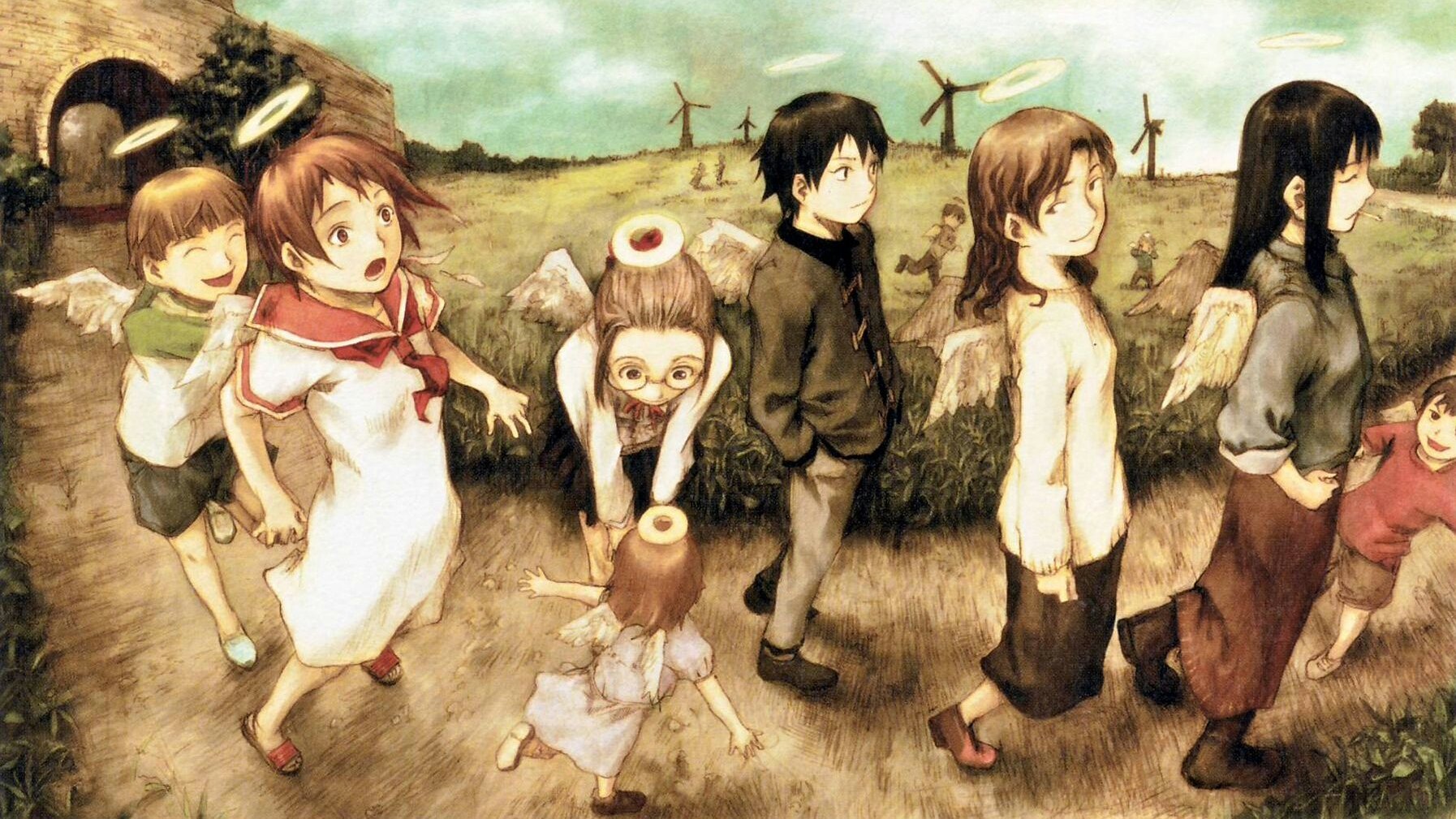
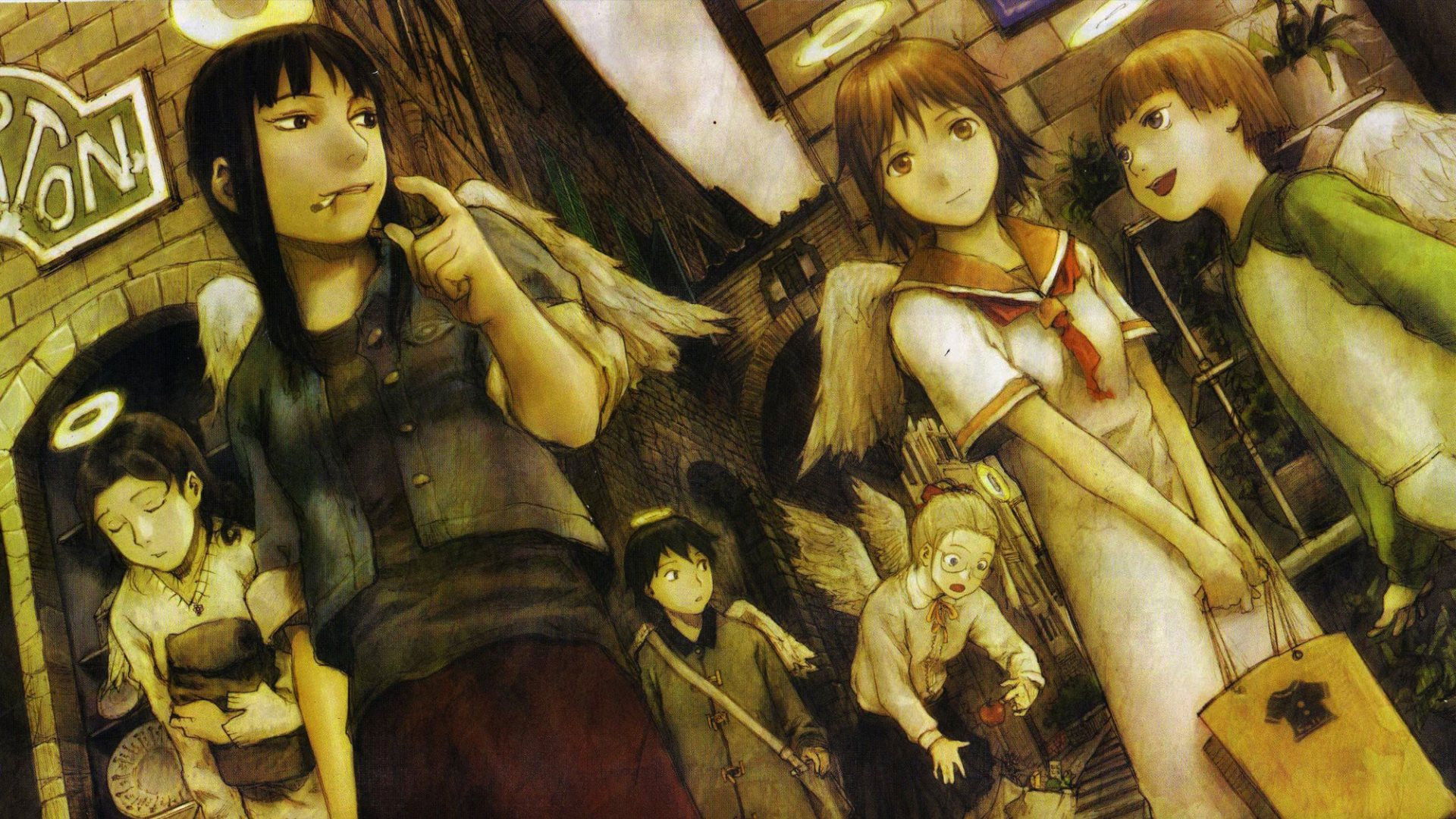
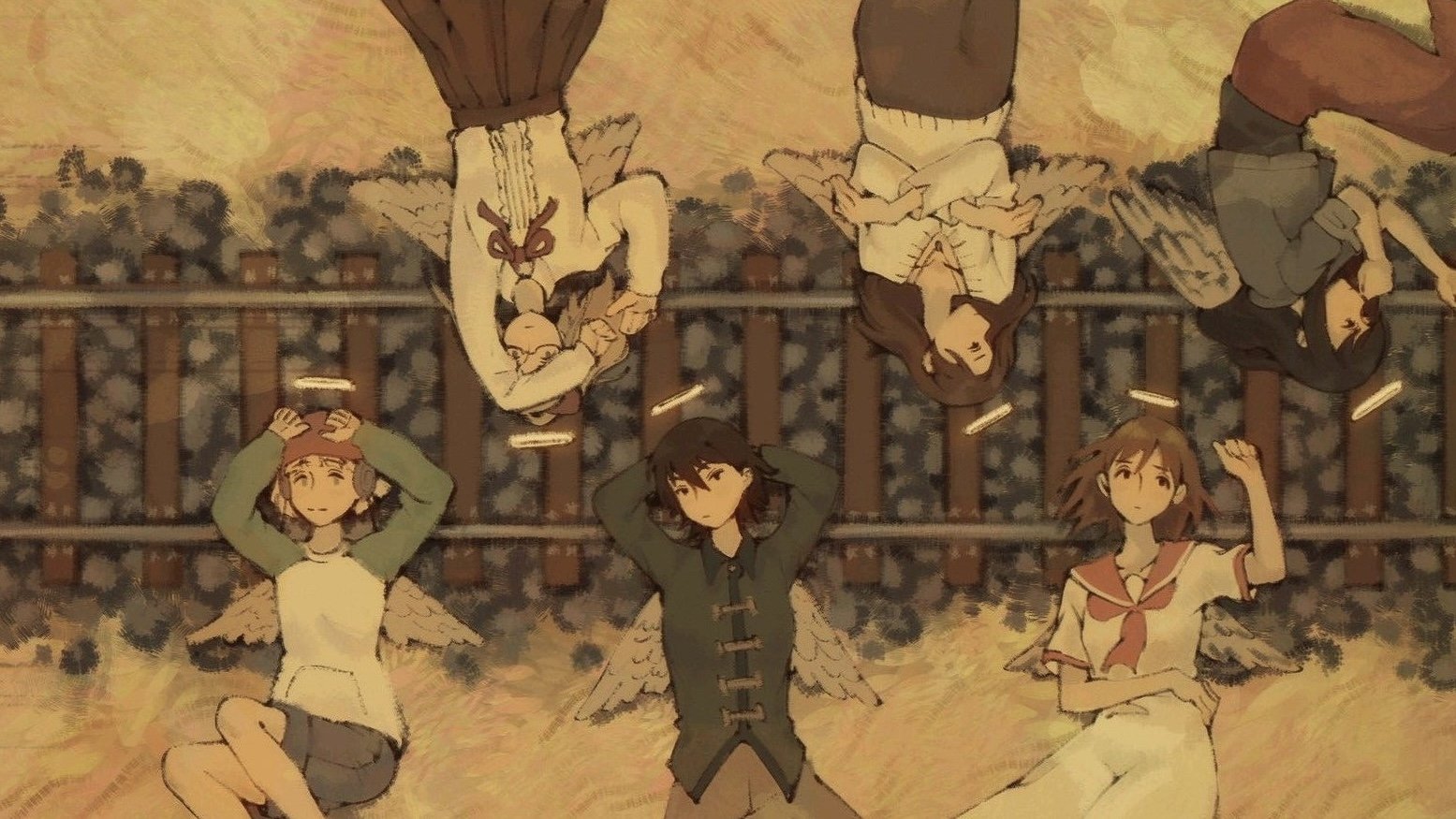
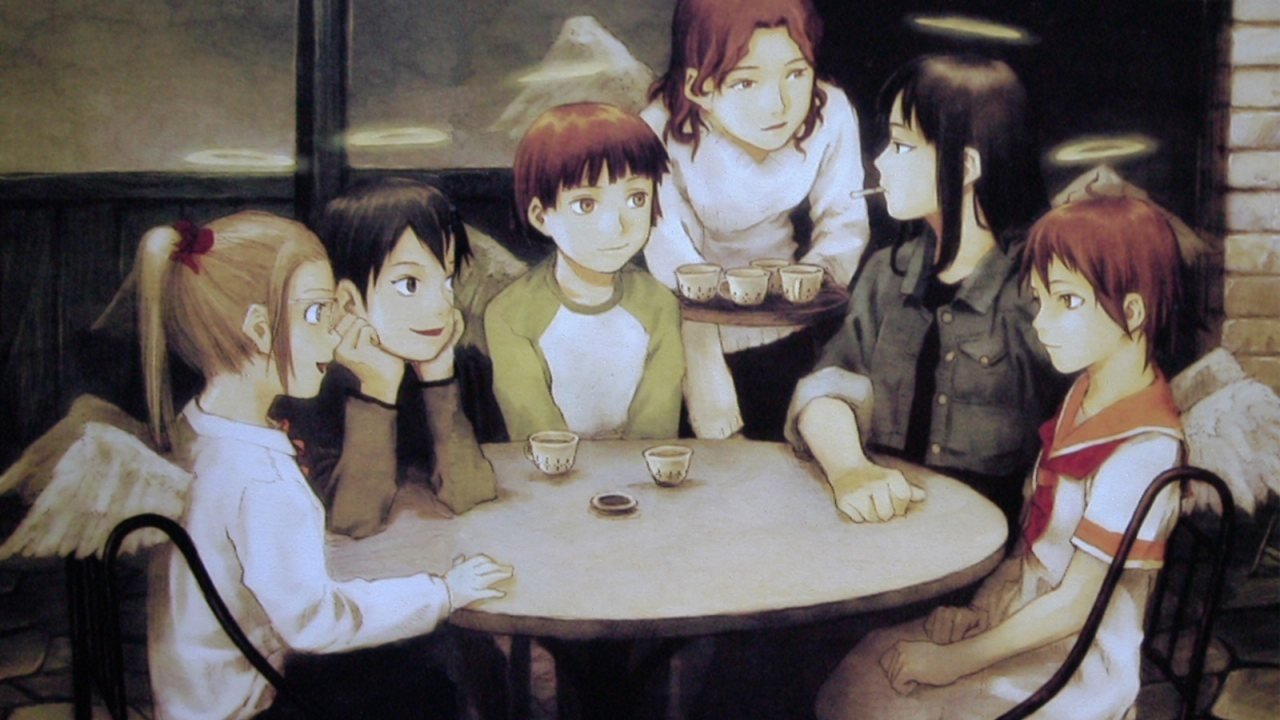
Also worth praise are the gorgeous art style, which the animation doesn’t always do justice, the transcending score and the world building, that functions as a lived in fantasy experience, but also as a catalyst for the anime’s themes.
It’s very rare for me to be emotionally afflicted by a piece of fiction. Technically blown away, for sure that happens quite often, but I’m not someone who easily feels what I’m watching, which is why the things that do make me feel something often times end up as my favorites.
Haibane Renmei is one of those fictional stories for me.
From the very first scene I was intrigued: an angel like woman -wearing an outfit Ryougi Shiki from Garden of Sinners would be proud of and smoking a cigarette of all things.
This woman will become one of my favorite anime characters of all time by the time the melancholic ending song starts rolling for the last time.
Reki really is the main character in every way but on paper. Her conflict in the second half of the show contrasts heavily with her “big sister” nature from the first half and that ending episode, mostly focused on her, hit like a train.
But even so the rest of the cast aren’t overshadowed.
Rakka is very likable from very early on and has great chemistry with all of the side cast, especially with Kuu, who has a lot of development and great moments very early on.
Another thing I really appreciate about the show is how it spells out just enough so every viewer can deduce what actually is happening, not revealing to little or to much.
My own theory goes like this:
Glie exists beyond life and death. It was “build” for the Haibane who are people who died too young to fulfill their life. Here they can accept what they couldn’t during their life time, live their dreams and then move on.
Kana drowned, Kuu died in some kind of natural disaster, Nemu from gas poisoning, Hikari during an operation or fire and Rakka and Reki both committed suicide, hence they are “marked by sin” and can’t move on before they resolved/coped with their passing.
The above is just the gist of what I think, but from what I’ve seen it’s a fairly common interpretation.
Also worth praise are the gorgeous art style, which the animation doesn’t always do justice, the transcending score and the world building, that functions as a lived in fantasy experience, but also as a catalyst for the anime’s themes.