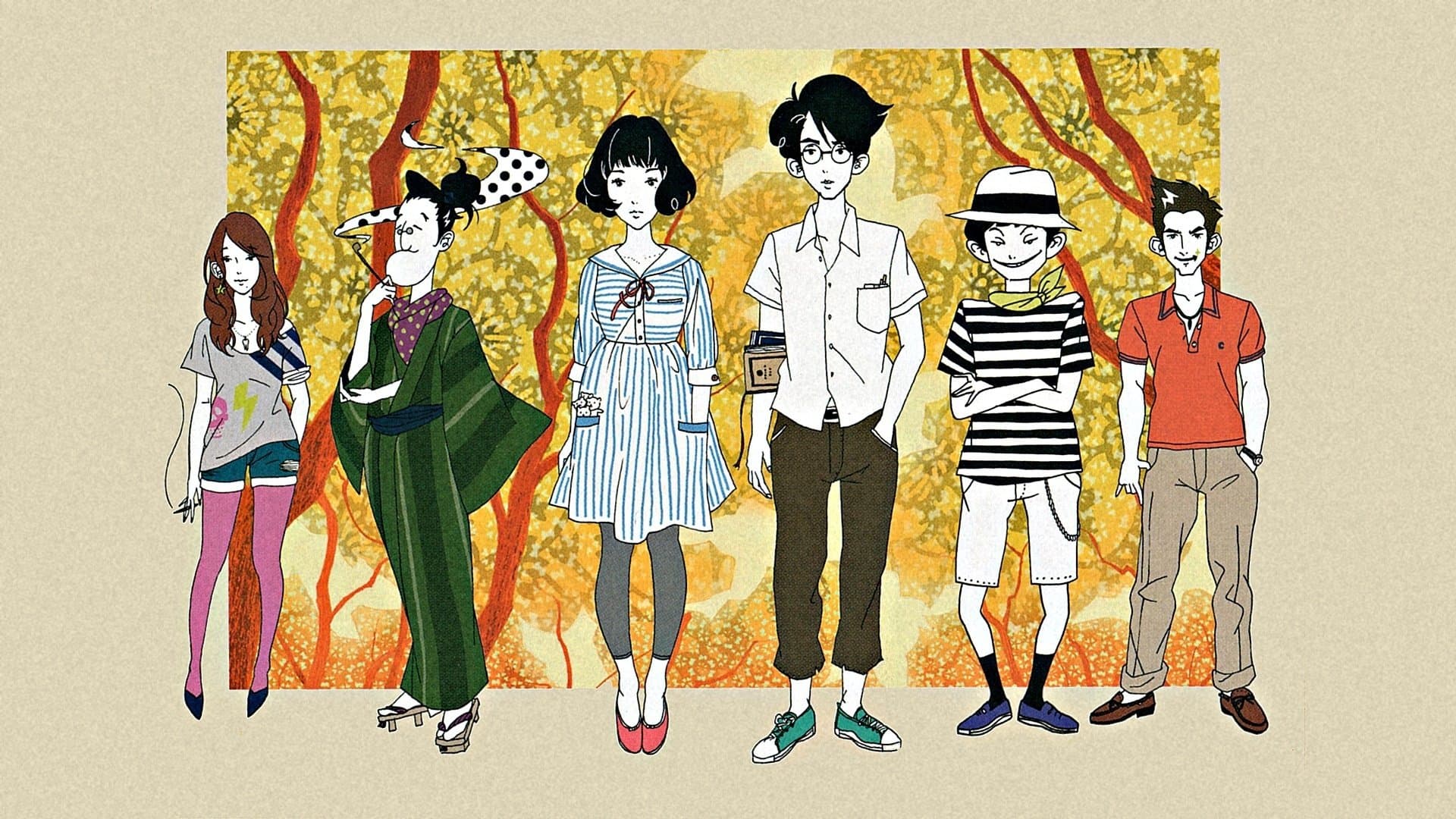
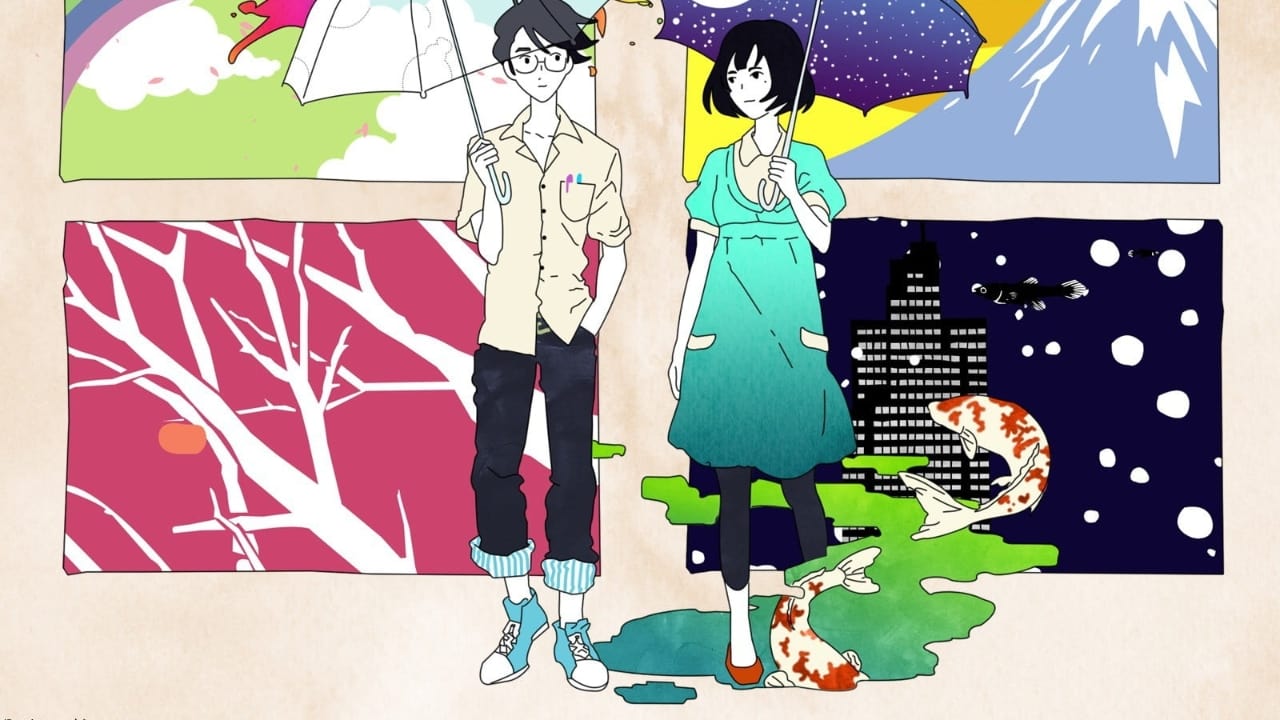
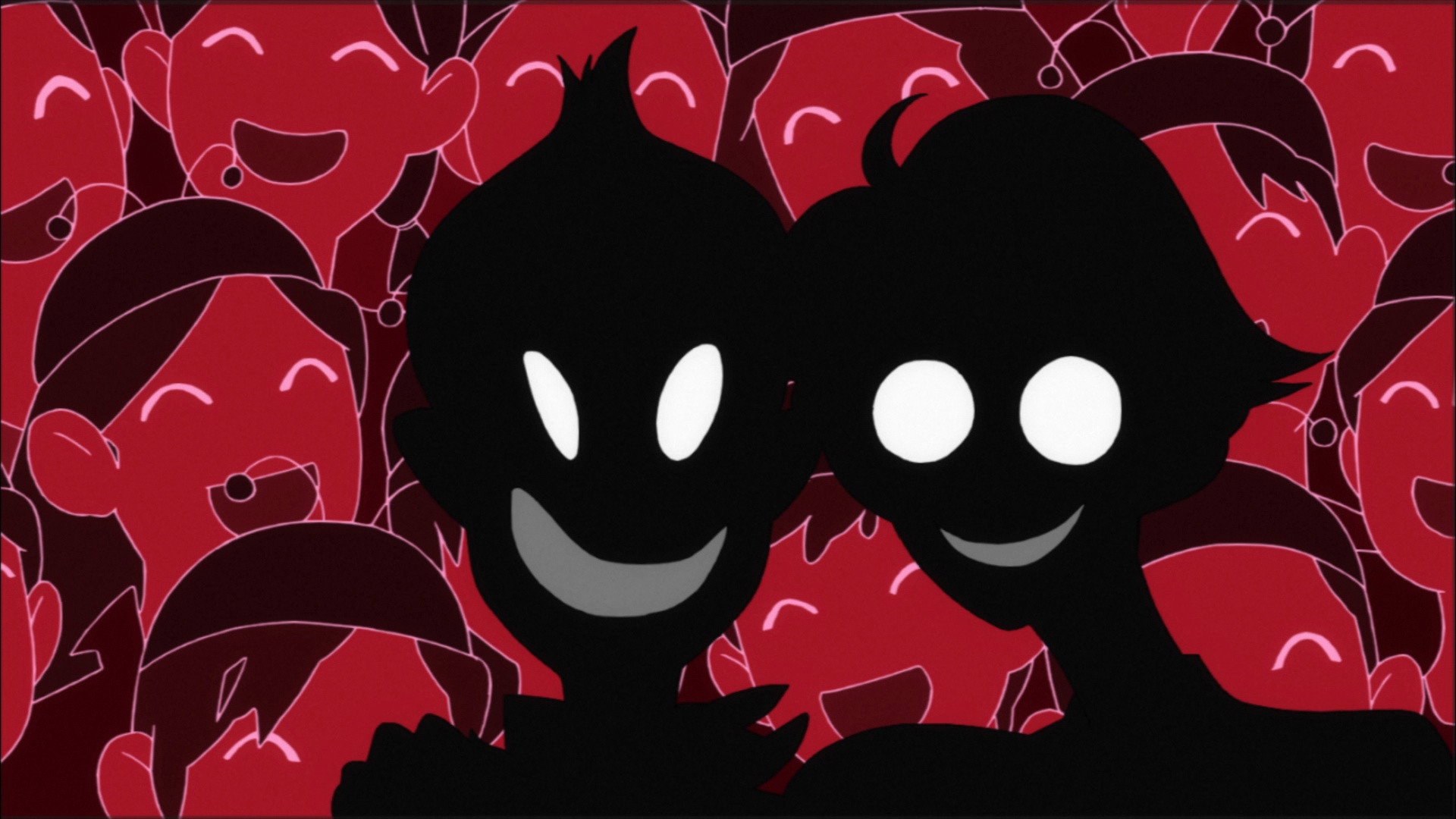
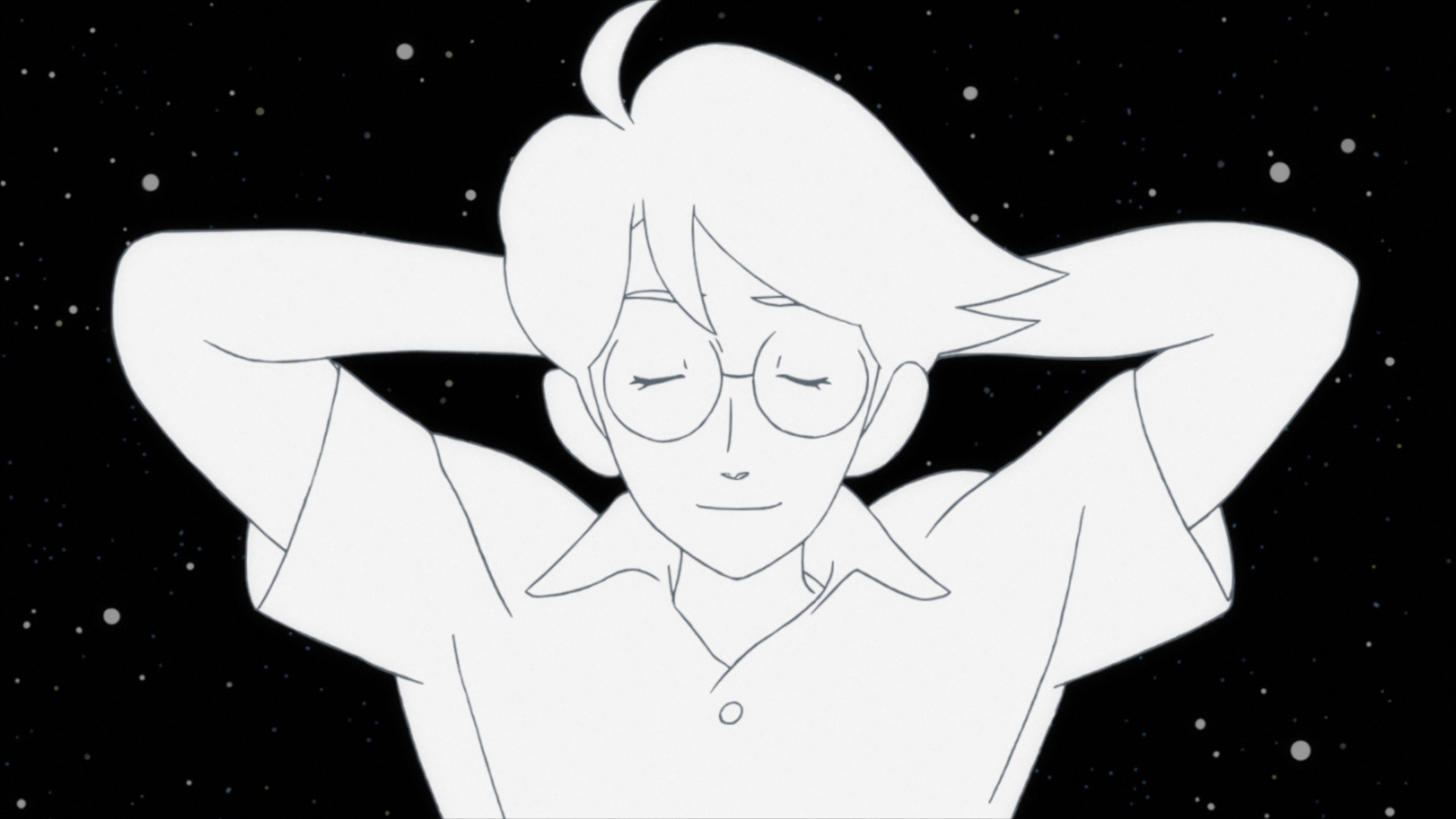
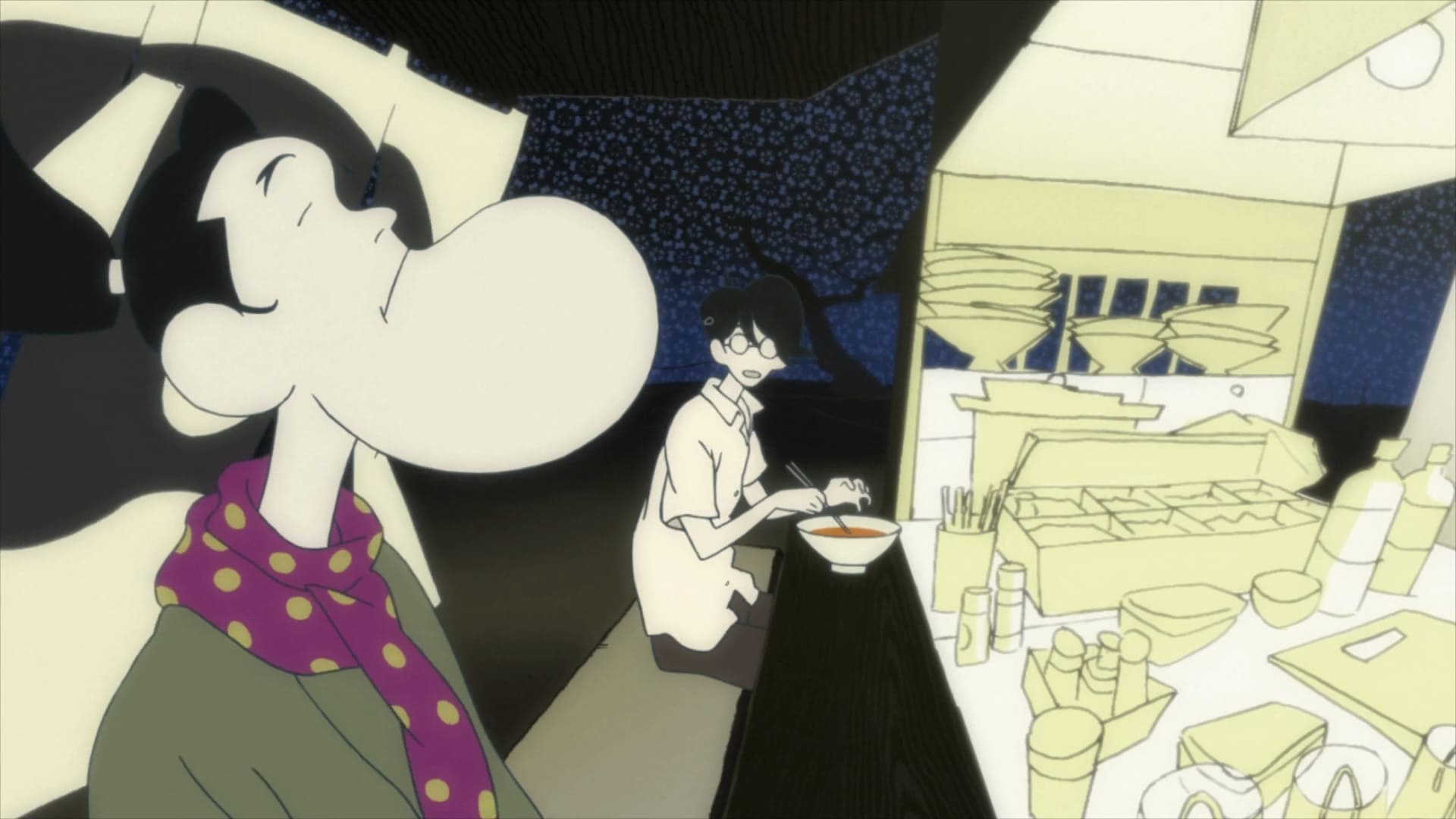
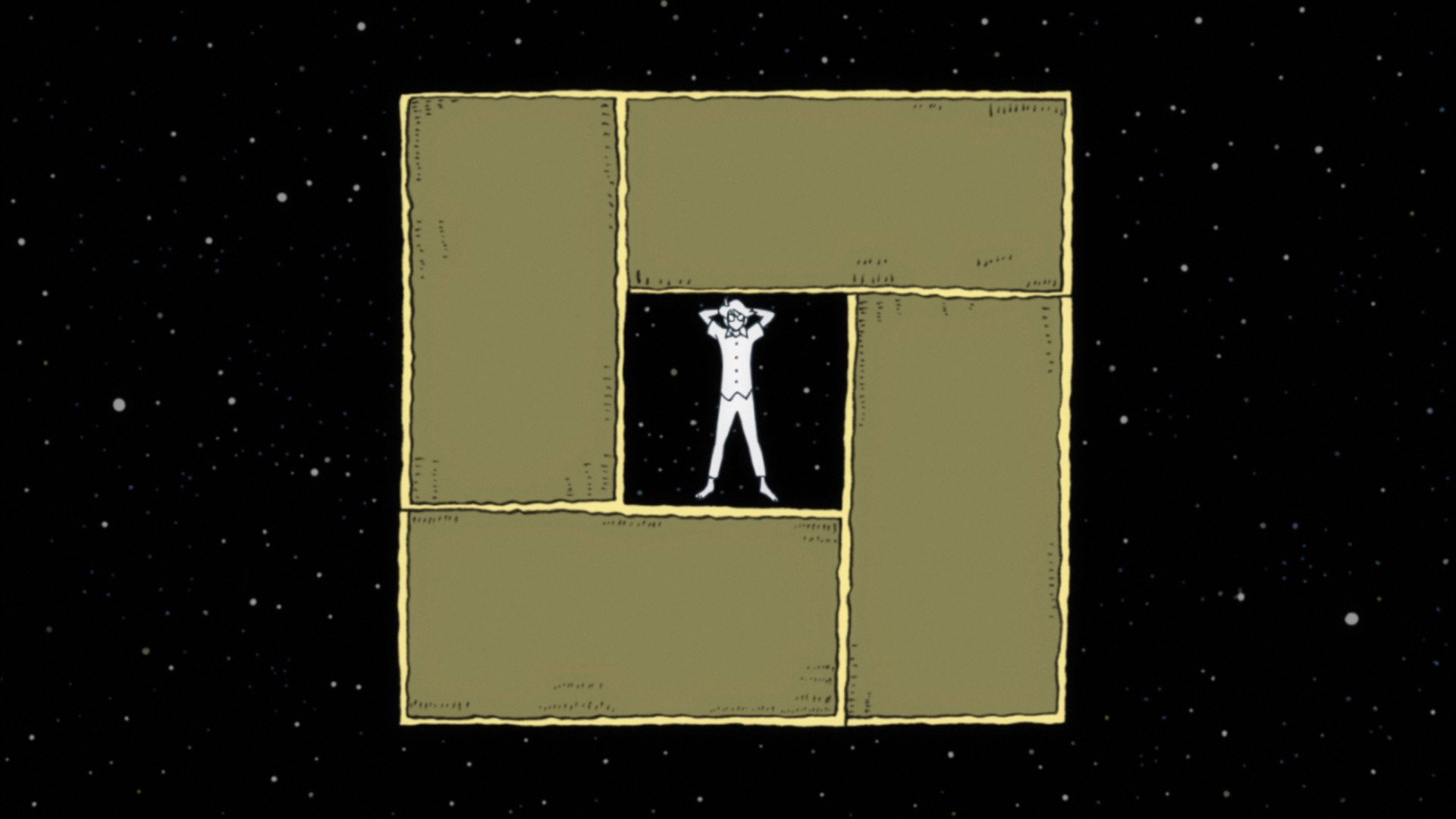
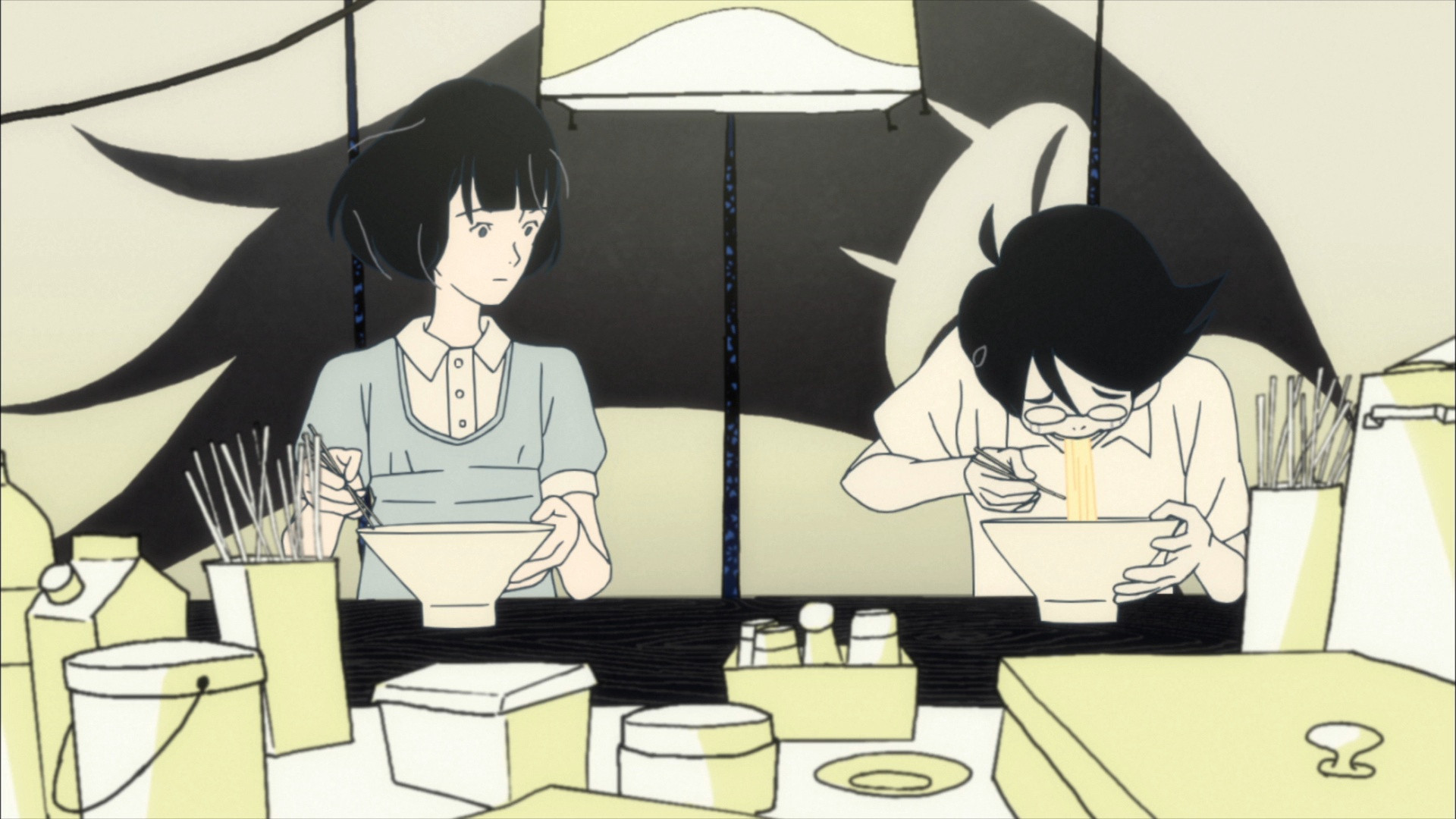
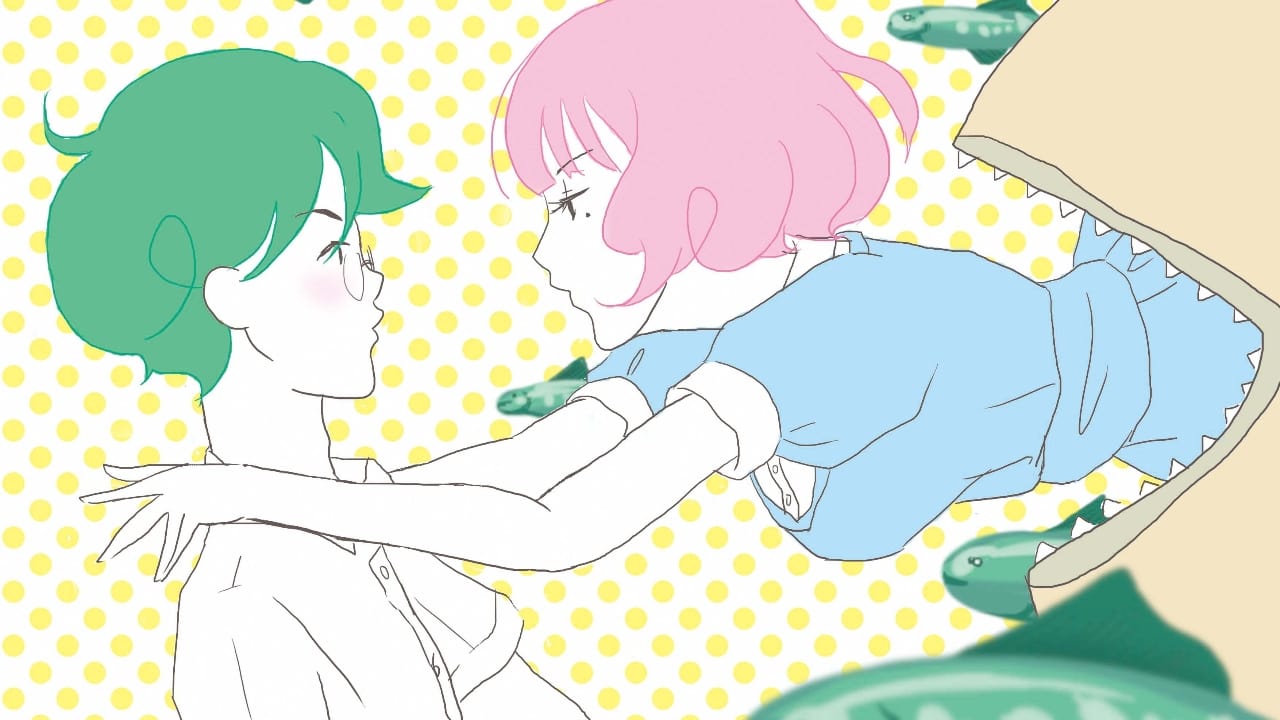
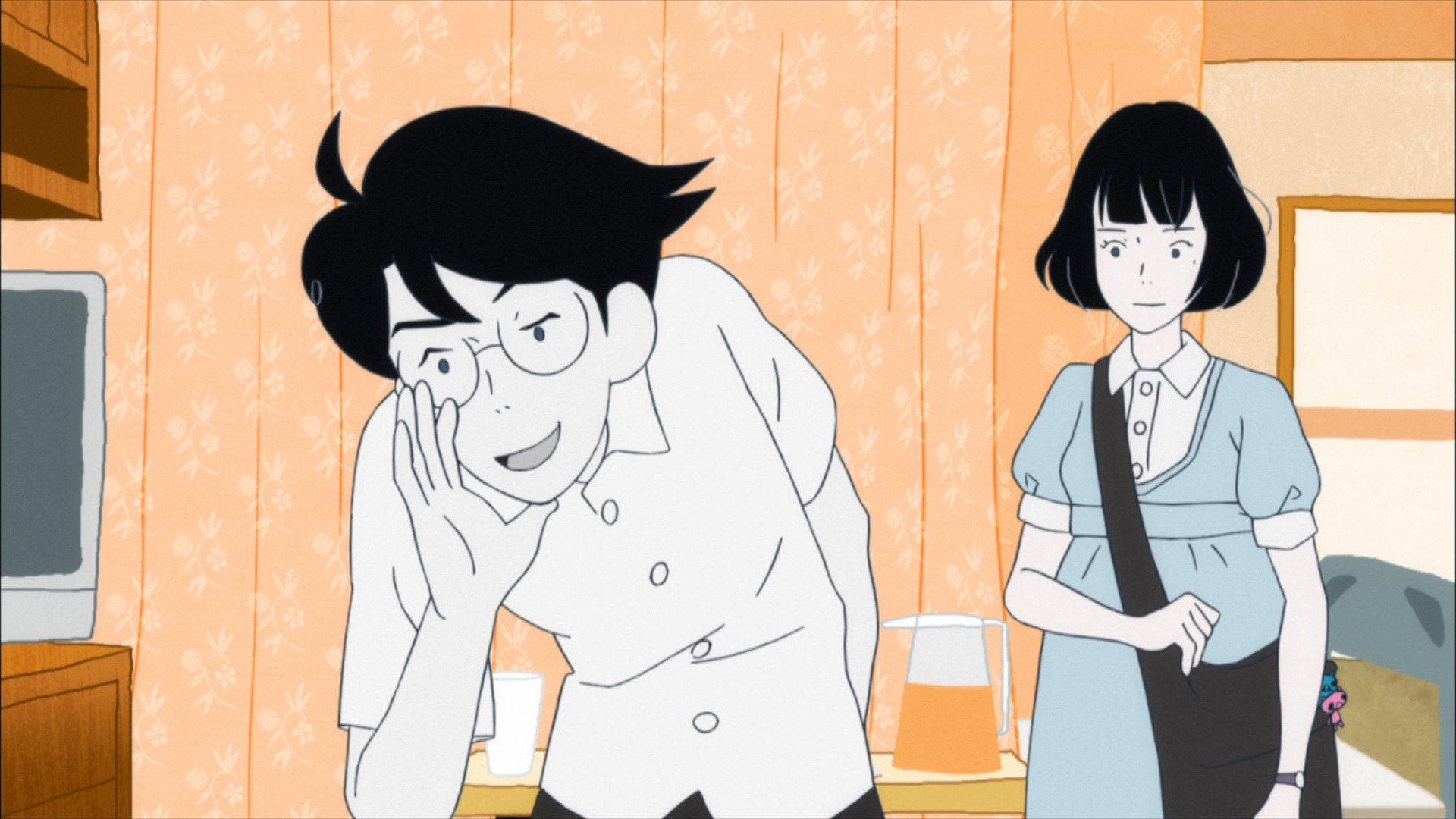
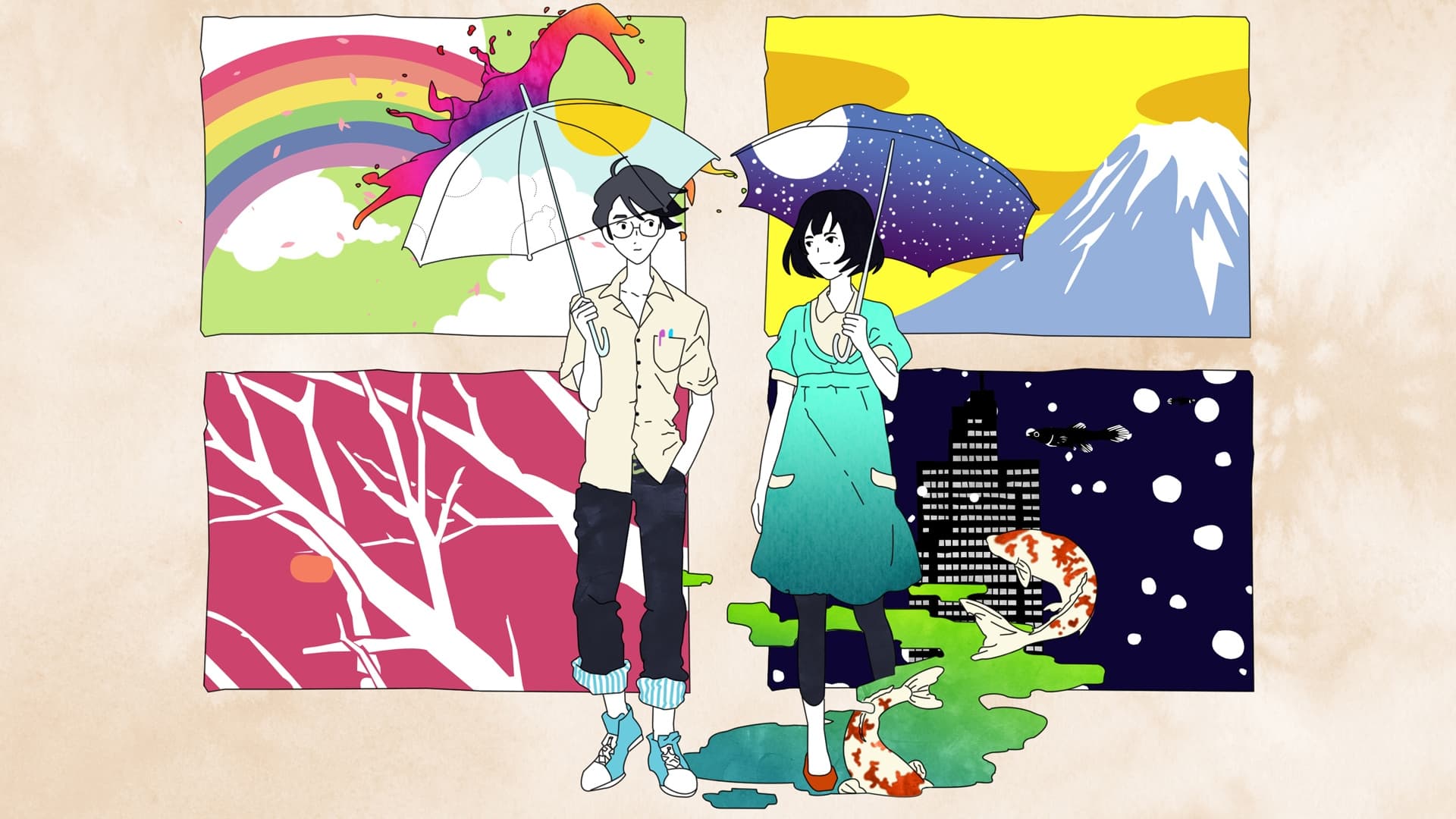
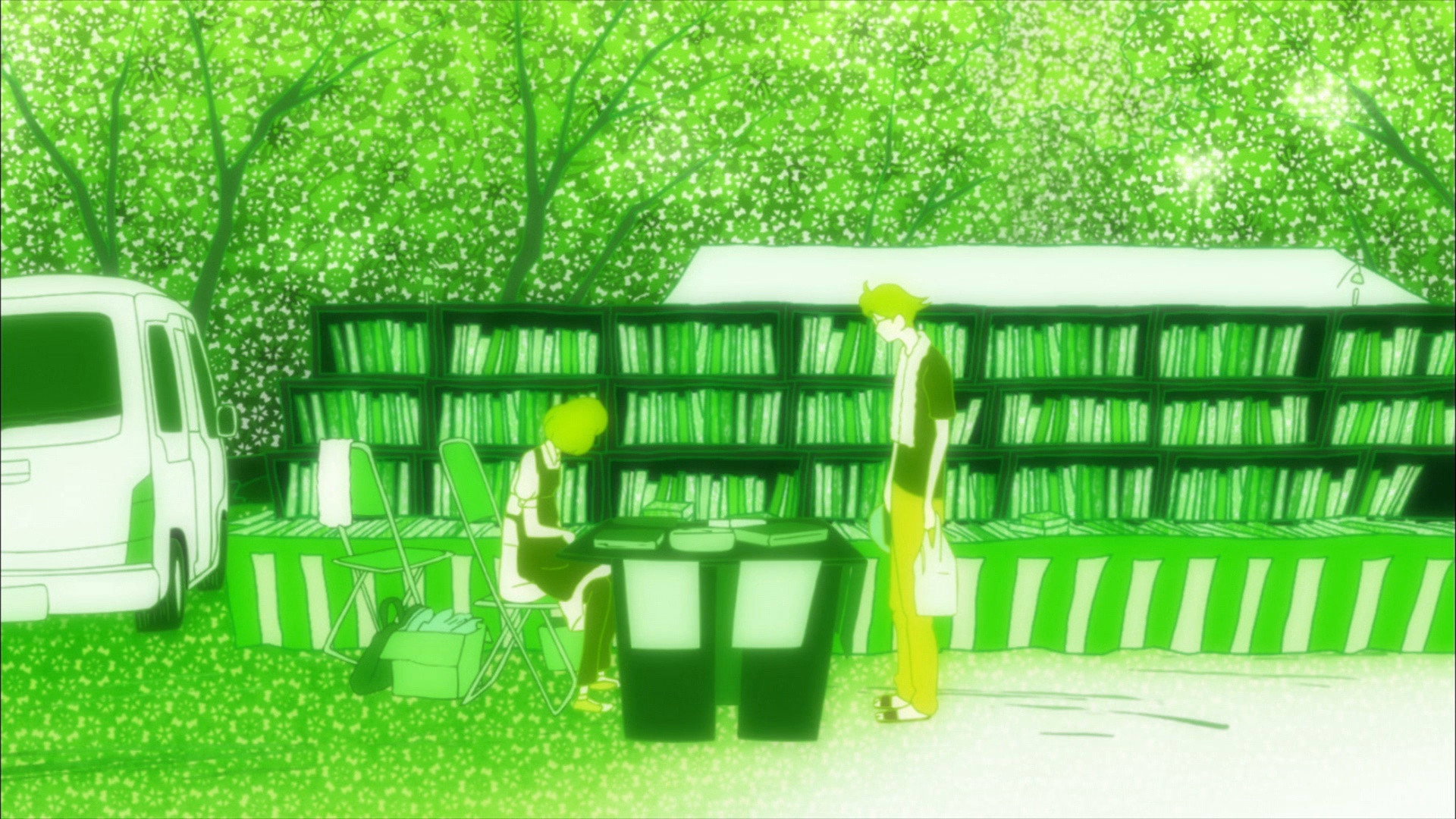
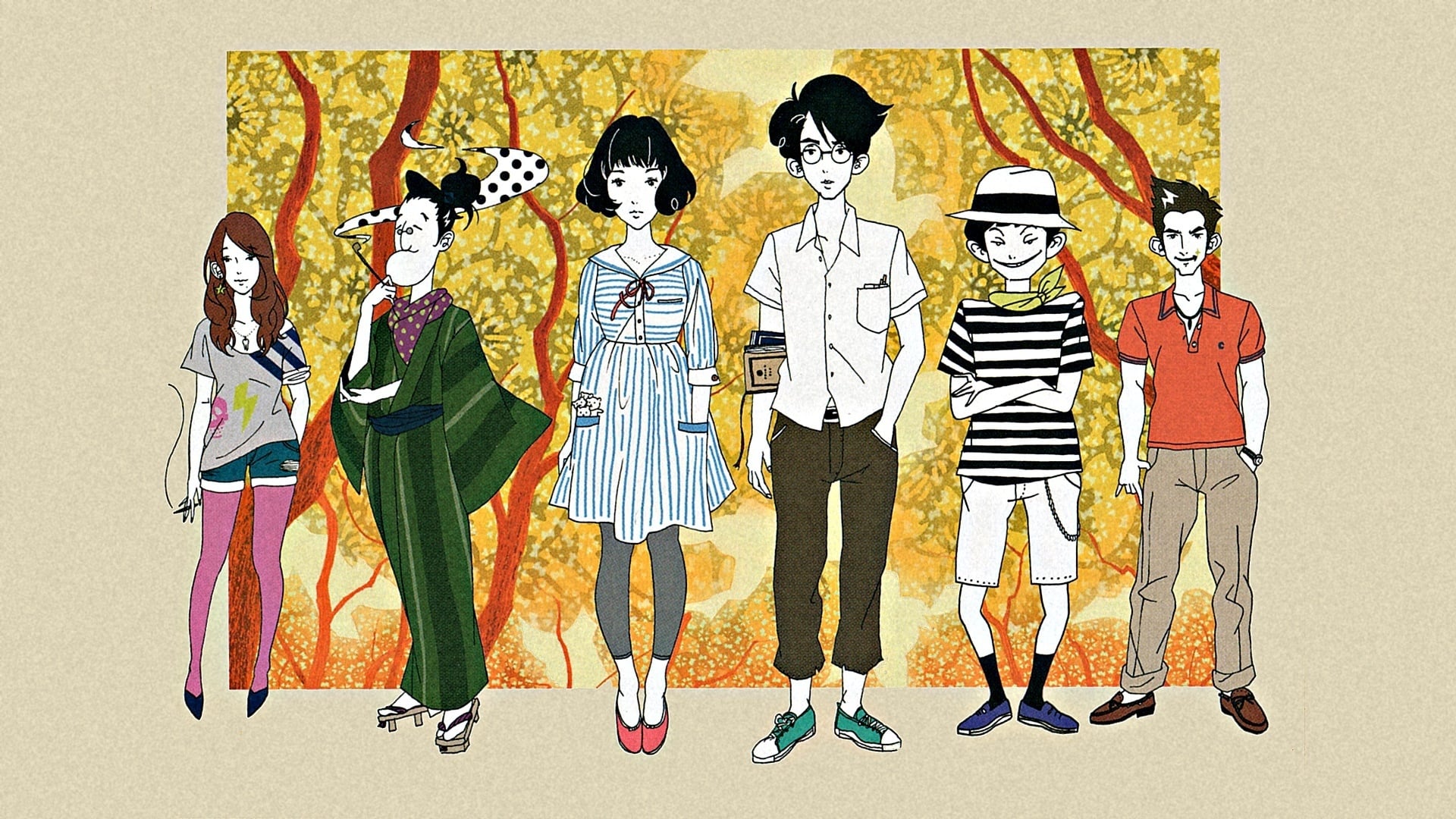
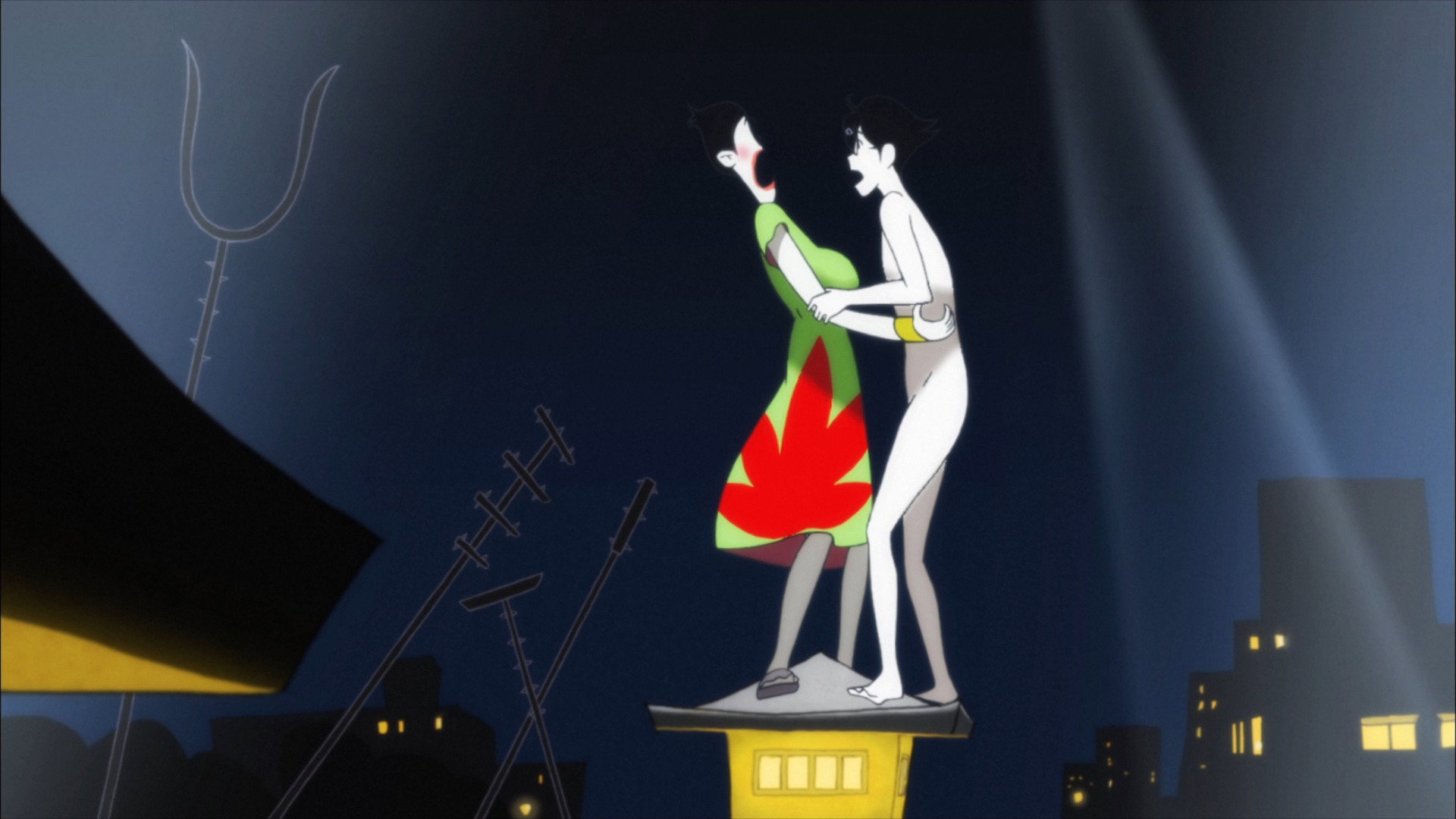
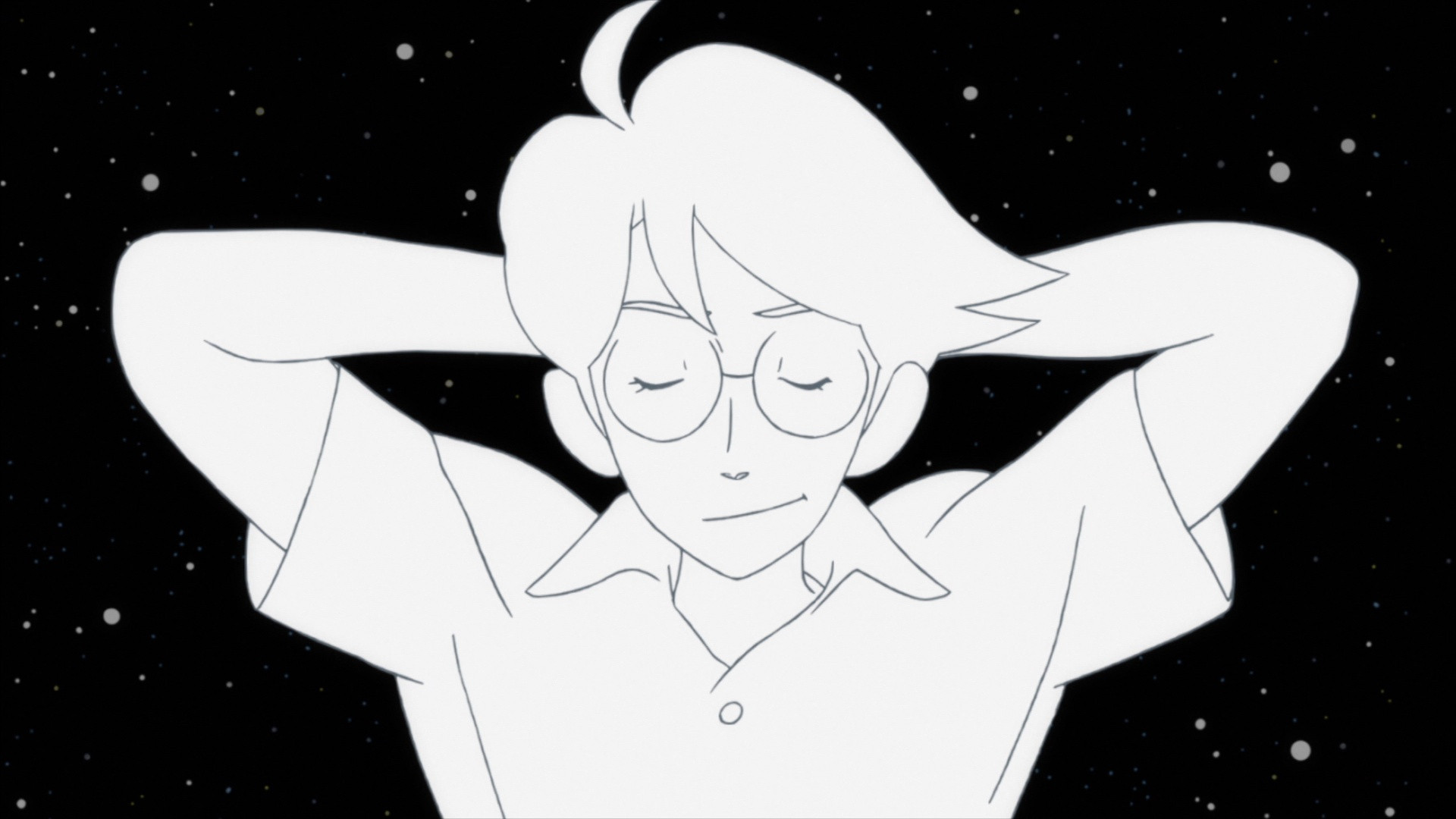
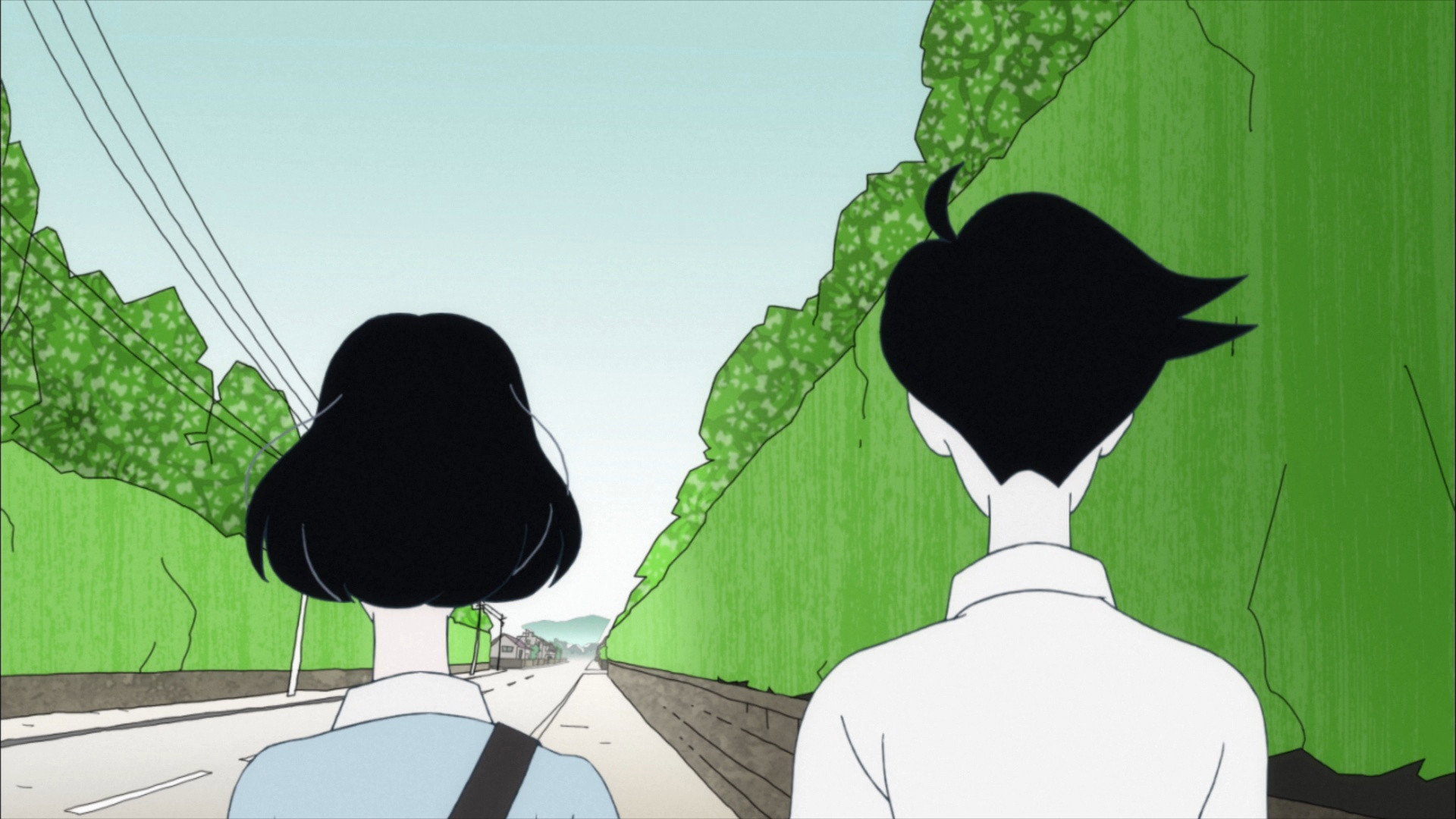
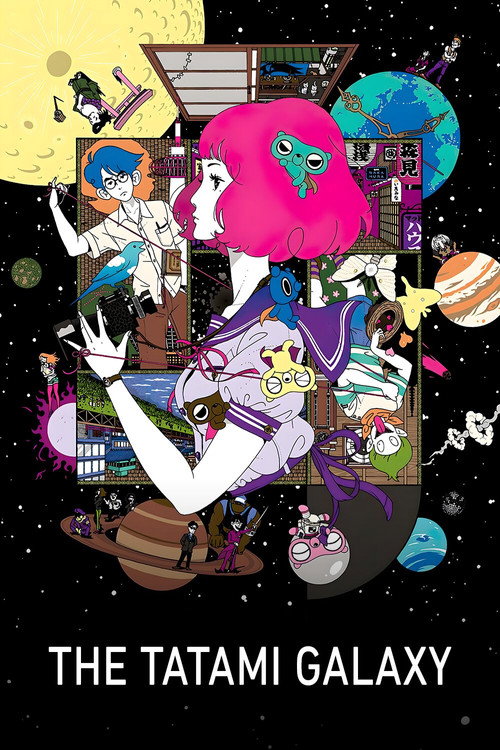
The Tatami Galaxy allows for rewinds and second chances, carefully built into its narrative something life itself refuses to offer, that refusal is its quiet thesis. By indulging in the fantasy of endless do-overs, the series exposes a comforting lie "that meaning waits patiently behind the perfect choice" in truth, life only moves forward, and whatever it teaches us is learned along the way, if it is learned at all.
Human life sits in an uneasy middle ground too coherent to be meaningless, yet too disordered to be reassuring. It becomes a collection of moments half-lived, thoughts left unfinished, and decisions postponed long enough to feel intentional. We spend much of our time looking backward for explanations and forward for guarantees, hoping understanding will arrive before we are required to act.
One of its most persistent illusions we cling to is the belief that thought alone leads to clarity meanwhile reflection when detached from responsibility, stops being a tool and becomes a refuge and turns int withdrawal that is mistaken for insight or hesitation reframed as wisdom. We begin chasing the idea of an “ideal” life/goal one where love is untainted, growth unfolds gracefully, and meaning arrives intact and unquestionable. When reality fails to match this imagined purity, experience itself turns abstract. Love becomes something symbolic rather than lived, imagined as rescue or entitlement instead of participation, our desires are elevated into concepts too pristine to touch, too distant to truly know.
This kind of idealization is less aspiration than avoidance, by demanding flawlessness from life, we deny ourselves the vulnerability required to live it. High expectations do not always signal ambition often, they reveal insecurities...fear of imperfection, of effort without certainty, of discovering that meaning is not revealed all at once but assembled slowly through trial.
Life, meanwhile, continues on its own terms, indifferent to our readiness. Inaction can be a choice, and at times a necessary one, but it only gains weight through self-awareness and honest reflection. Without that we cling to a single way of seeing the world until it warps us where struggle is romanticized, stagnation masquerades as depth, and pessimism disguises itself as realism all to evade the uncomfortable truth that responsibility lies with us. It is easier to fault/look down on those who act unfruitfully than to confront our own reluctance to move.
Cause like life itself, we are not fixed or singular, but shaped by contradiction, effort, and gradual movement, growth is a continual revision shedding outdated versions of the self and returning to the world without demanding completion. Time lost to hesitation cannot be reclaimed, but the refusal to remain idle can still preserve what lies ahead.
The Tatami Galaxy allows for rewinds and second chances, carefully built into its narrative something life itself refuses to offer, that refusal is its quiet thesis. By indulging in the fantasy of endless do-overs, the series exposes a comforting lie "that meaning waits patiently behind the perfect choice" in truth, life only moves forward, and whatever it teaches us is learned along the way, if it is learned at all.
Human life sits in an uneasy middle ground too coherent to be meaningless, yet too disordered to be reassuring. It becomes a collection of moments half-lived, thoughts left unfinished, and decisions postponed long enough to feel intentional. We spend much of our time looking backward for explanations and forward for guarantees, hoping understanding will arrive before we are required to act.
One of its most persistent illusions we cling to is the belief that thought alone leads to clarity meanwhile reflection when detached from responsibility, stops being a tool and becomes a refuge and turns int withdrawal that is mistaken for insight or hesitation reframed as wisdom. We begin chasing the idea of an “ideal” life/goal one where love is untainted, growth unfolds gracefully, and meaning arrives intact and unquestionable. When reality fails to match this imagined purity, experience itself turns abstract. Love becomes something symbolic rather than lived, imagined as rescue or entitlement instead of participation, our desires are elevated into concepts too pristine to touch, too distant to truly know.
This kind of idealization is less aspiration than avoidance, by demanding flawlessness from life, we deny ourselves the vulnerability required to live it. High expectations do not always signal ambition often, they reveal insecurities...fear of imperfection, of effort without certainty, of discovering that meaning is not revealed all at once but assembled slowly through trial.
Life, meanwhile, continues on its own terms, indifferent to our readiness. Inaction can be a choice, and at times a necessary one, but it only gains weight through self-awareness and honest reflection. Without that we cling to a single way of seeing the world until it warps us where struggle is romanticized, stagnation masquerades as depth, and pessimism disguises itself as realism all to evade the uncomfortable truth that responsibility lies with us. It is easier to fault/look down on those who act unfruitfully than to confront our own reluctance to move.
Cause like life itself, we are not fixed or singular, but shaped by contradiction, effort, and gradual movement, growth is a continual revision shedding outdated versions of the self and returning to the world without demanding completion. Time lost to hesitation cannot be reclaimed, but the refusal to remain idle can still preserve what lies ahead.