
Hollywood
1980·Documentary·13 episodes
7.9
★
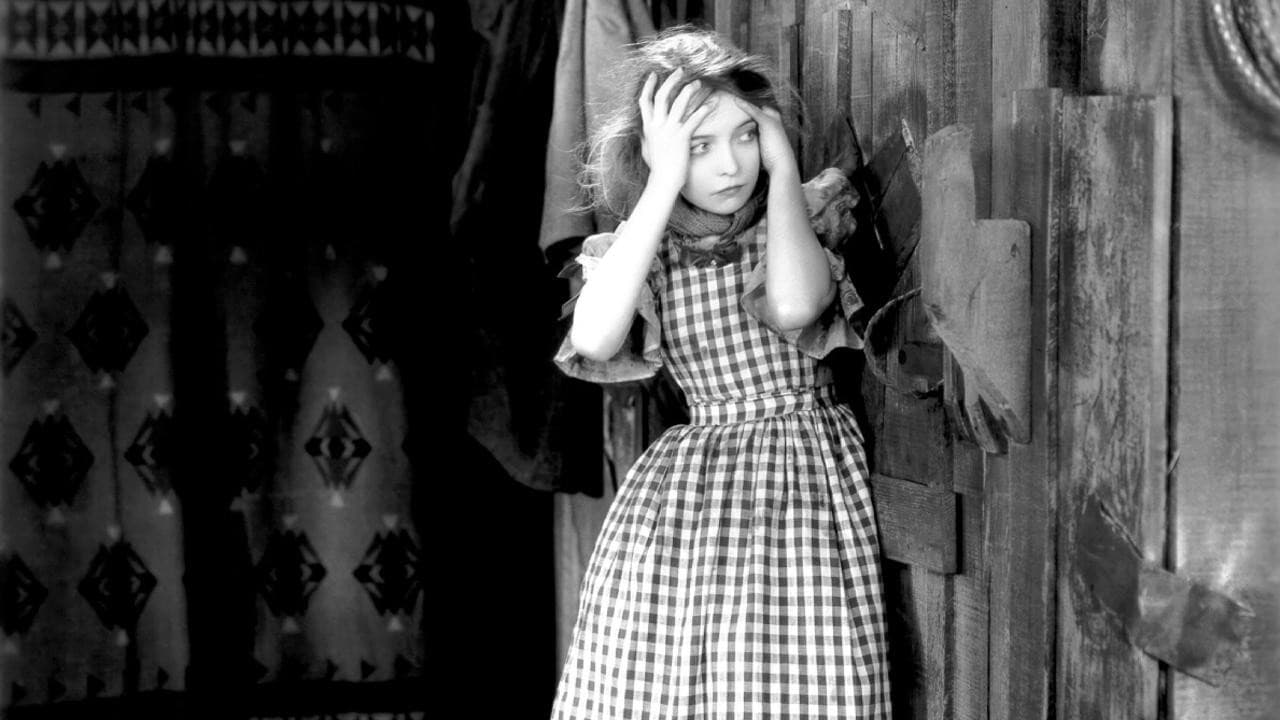
A 1980 documentary series exploring the establishment and development of the Hollywood studios and its impact on 1920s culture.
Created by Kevin Brownlow and David Gill
hollywood
filmmaking
silent film
movie star
silent film star
acting
actor
studio system

Trailer

IMDB
N/A
Seasons
Cast
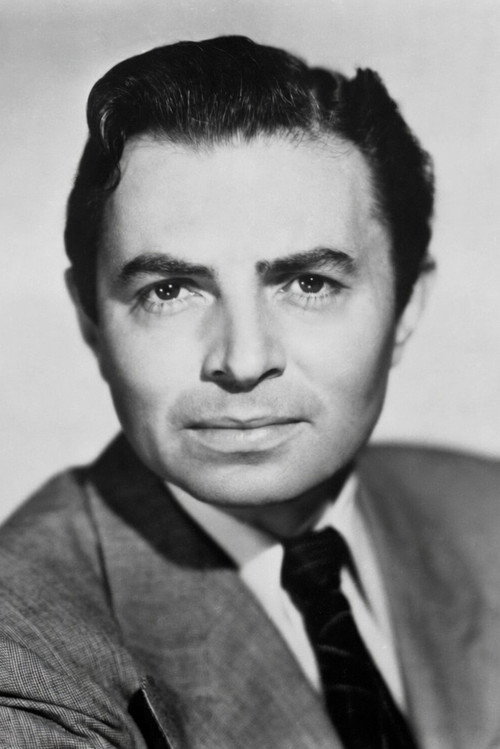
James Mason
Self - Narrator
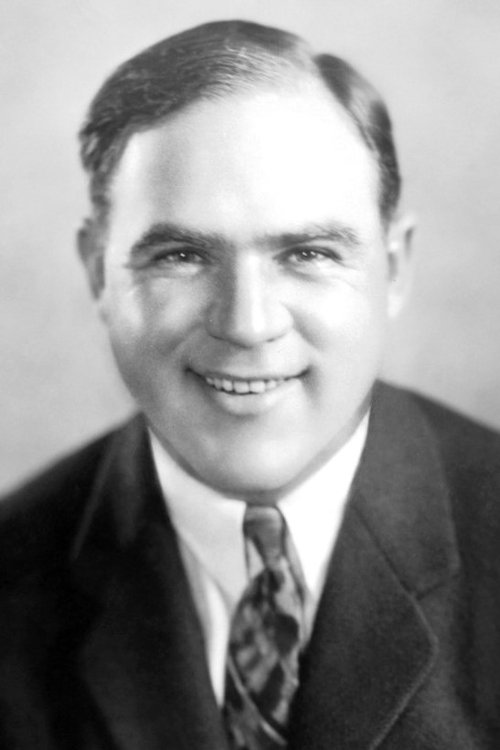
Hal Roach
Self
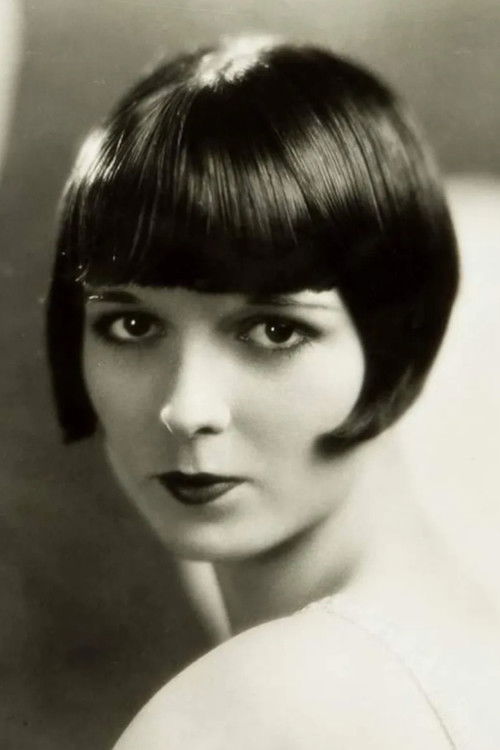
Louise Brooks
Self
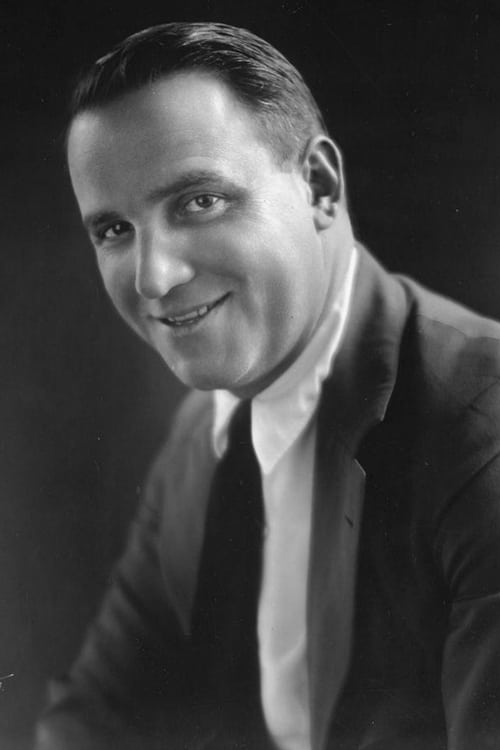
Allan Dwan
Self
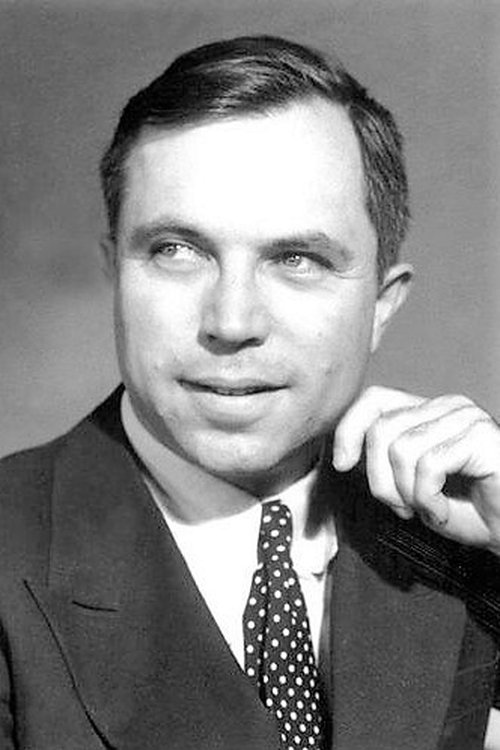
King Vidor
Self
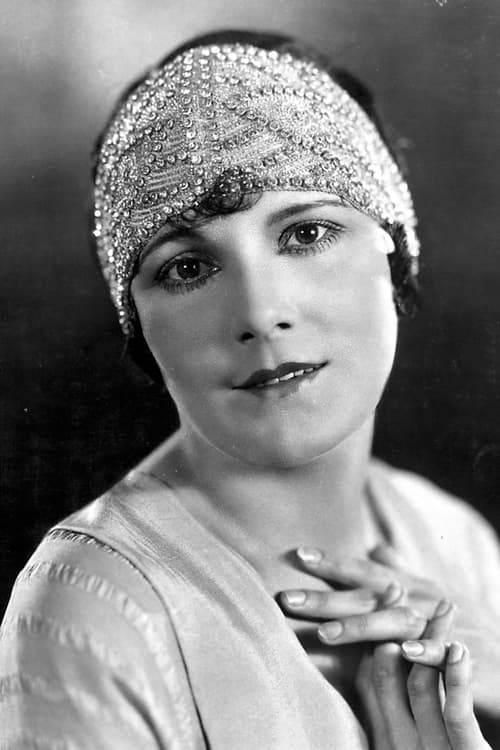
Leatrice Joy
Self
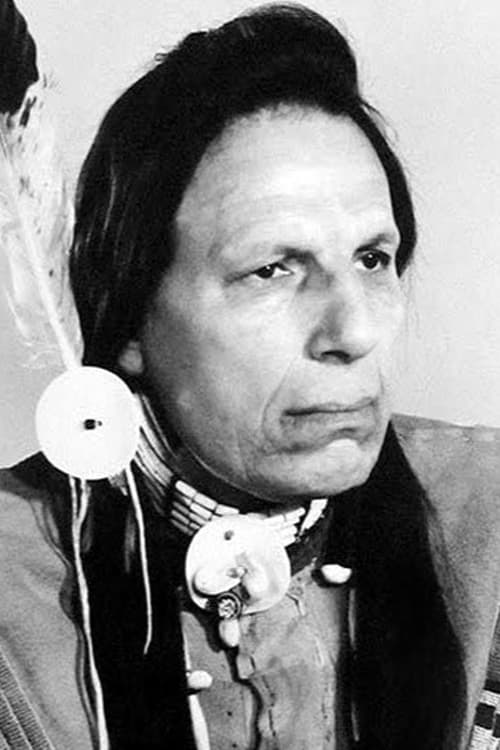
Iron Eyes Cody
Self
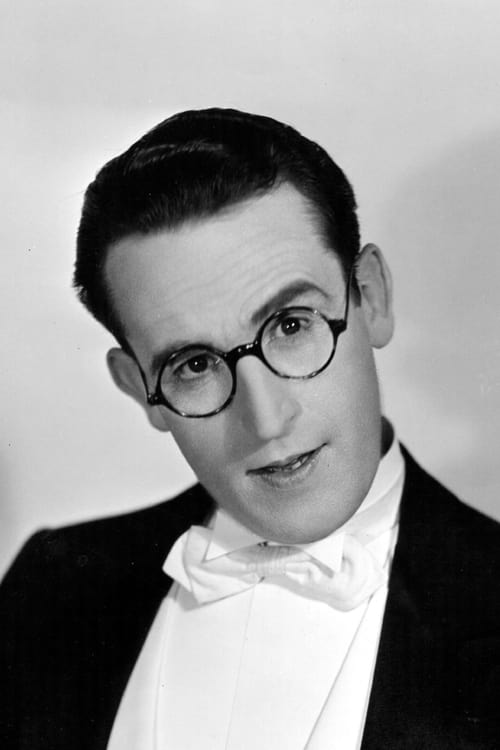
Harold Lloyd
Self
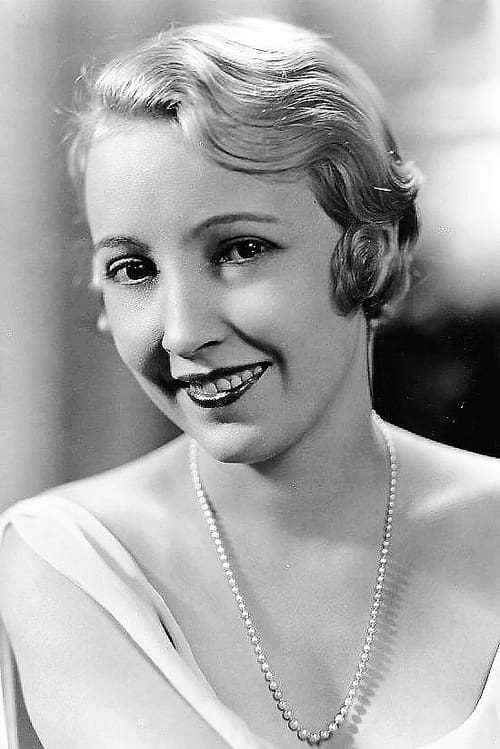
Bessie Love
Self
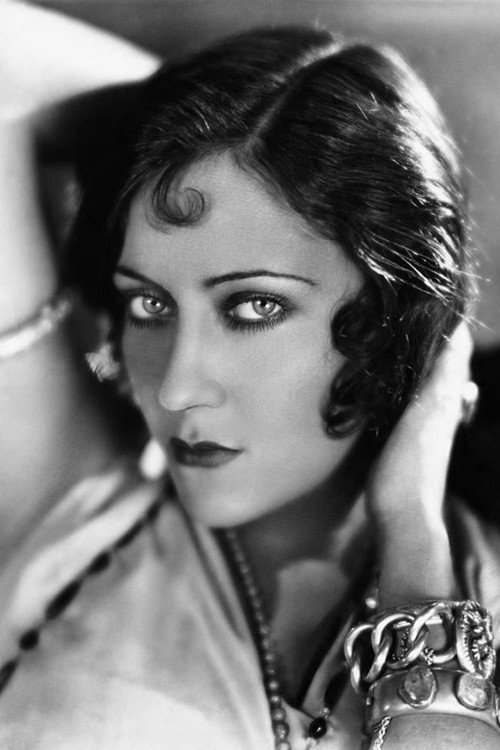
Gloria Swanson
Self
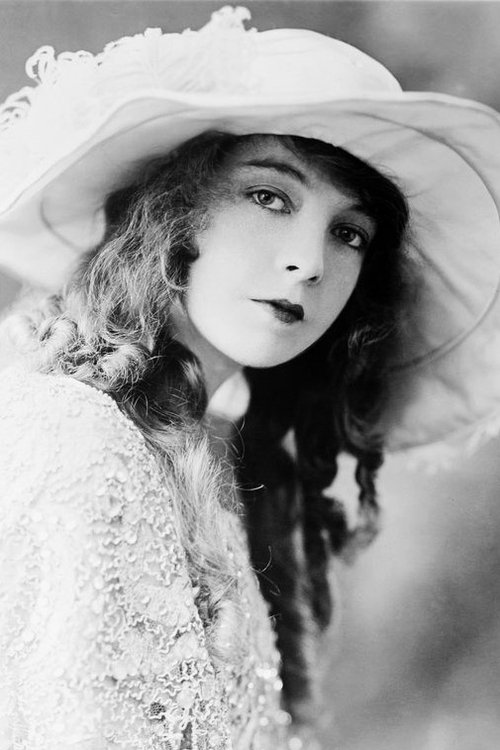
Lillian Gish
Self
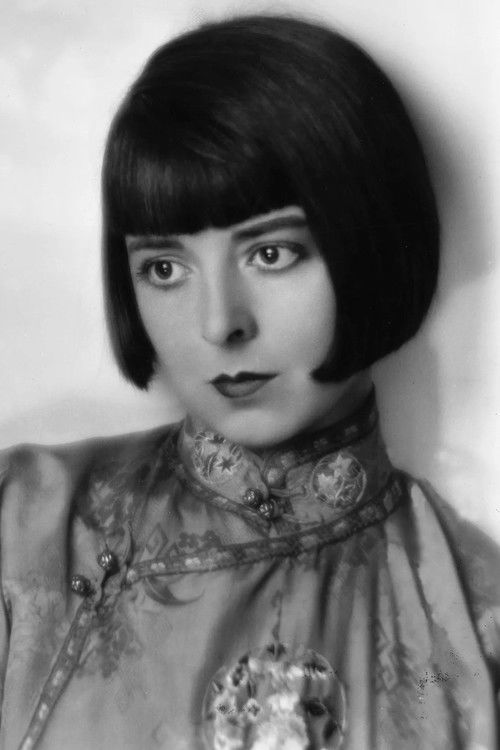
Colleen Moore
Self
Crew
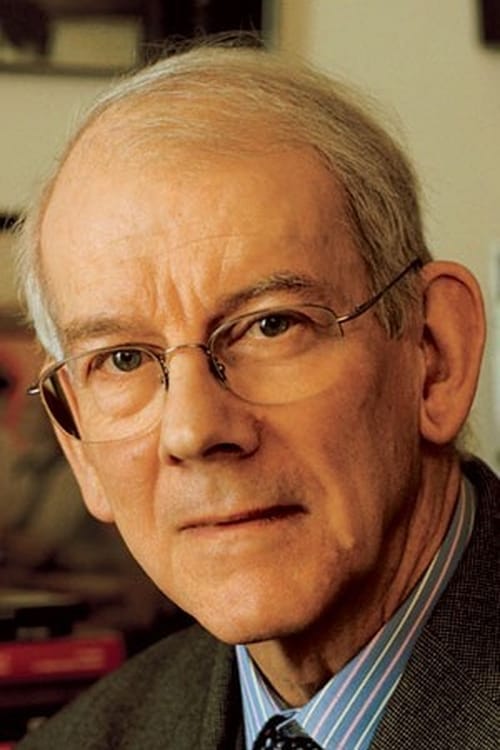
Kevin Brownlow
Director
Kevin Brownlow
Writer
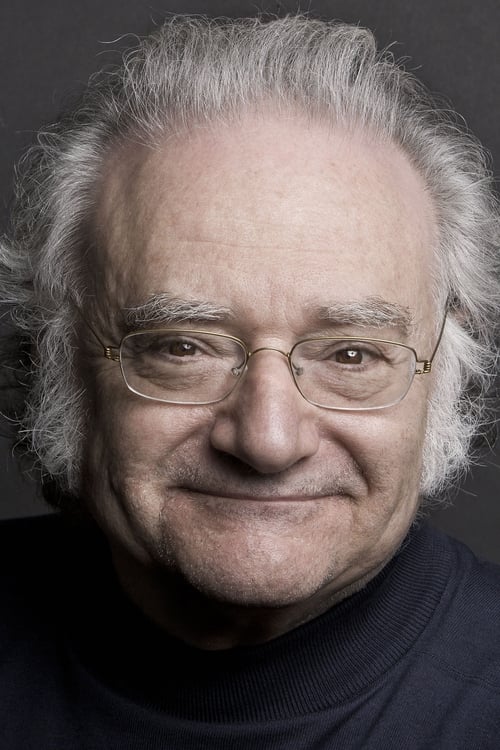
Carl Davis
Music
Popular Reviews
3 reviews
Carly Gravley
10.0★ · 04/27/26
Saw this for the first time at thirteen while trying to learn more about Clara Bow and it kind of became my villain origin story.
Saw this for the first time at thirteen while trying to learn more about Clara Bow and it kind of became my villain origin story.


ChaiclassicsPRO
10.0★ · 03/24/25
This is arguably one of the most fascinating relics and at the same time is incredible. If you consider it, in 1980, loads of veterans from the silent industry were still around, and you name everyone and anyone and they're present in this. The interviews were wonderful, it gives a real glimpse of what was so special about this era. The silent era was one that will never be paralleled. Truly one of the most unique eras too. It feels startlingly modern to see any silent film it really does! They feel so life-like. I think the players in this do somewhat have pessimistic feelings towards the microphone, essentially echoing that one scene where Norma Desmond was terrified of the microphone. While I don't think sound destroyed cinema, it's important to note these people built their whole career of the silent era, some of them lost it in one swoop, others like Garbo continued successfully.
The first episode begins off with the end of the silent era but begins to tell us by the time sound arrived silent films had reached its zenith. With the films like Ben-Hur: A Tale of the Christ (1925) and Noah's Ark (1928) with all its impressive scope. Whereas films like The Wind (1928) proved the silent film medium could speak words without even having to. It's interesting to see the pioneers develop film from a pure 30 second footage into 12 minute films with the famous The Great Train Robbery (1903). Finally full length films arrived. D.W. Griffith, who despite his controversies is admittedly one of the early pioneers who did change cinema. He released The Birth of a Nation (1915), a very problematic film infamous for its racism and literally bringing a revival of the KKK. It's very odd to see people not realise the problem with this film. It was also interesting to hear how the film had an impact on culture, while others, and let's face it a lot of people liked it, many criticised it. So with the one of the first feature length Hollywood films, Hollywood had established itself as a magnet for acclaim and controversy as well. Seeing Lillian Gish do interviews was quite nice to see as she was such a power and presence in the business.
The second episode interestingly tells us how the film industry actually began in New York, but the poor lighting and weather proved a problem for the open sets. They moved to Hollywood. Also hearing how gangsters worked for each company as they would sabotage prints and try to force people to come back to New York. It's rather crazy to think Hollywood began as a farm and is now one of the most wealthiest cities in the world! There's a lot of endearing memories about seeing the sheer beauty of Hollywood, the natural imagery, the hills, the flowers. It sounds really wonderful! An insight into the insane production of Intolerance was also spoken about. A lot of films were now becoming more impressive, epic in scale and size. And the homes! The mansions, the bungalows! Mary Pickford and Douglas Fairbanks' house Pickfar was arguably the most famous celebrity home. Pickfair became a social hub for many people who arrived to the home, lords, kings, visiting dignitaries, movie stars, anyone who was anyone wanted to come, even royalty! By the end of the episode Colleen Moore gives a funny story on how her haircut ironically changed an entire generation. She was the first screen flapper and changed fashion trends. However the greatest influence during the silent era was Mary Pickford. America's sweetheart is given a level of popularity (and salary) none of her contempories had ever had. It's insane to hear how famous her and Douglas Fairbanks were and how they were mobbed in Europe. Even in some of the strictest places, Mary and Doug were insanely famous. Mary even having a film centered around a cameo of her, gave proof that silent films had transcended boundaries to become a worldwide phenomenon. At last Hollywood was the worlds single most powerful cultural influence. As they could show them anywhere in the world, it didn't matter the language.
The following episode delves into the scandals in old Hollywood and boy are they crazy. The success brought a hedonistic lifestyle to many. It's a bit heartbreaking to hear of the false accusations thrown at Roscoe Fatty Arbuckle in his era. As one of the screens most famous comedians, he was accused of raping and manslaughting Virgina Rappe. He was clearly innocent but clearly the scandal had became a global sensation and the damage was done. It was truly the first major scandal Hollywood has seen, it destroyed Arbuckle's career. Other scandals such as the unsolved William Desmond Taylor murder and the sudden overdose of actor Wallace Reid were further damaging the worldwide reputation of Hollywood. Meanwhile sex arrived in cinema, a lot of films were really risqué in this era! So they had to appoint Will H. Hays to introduce censorship which unfortunately would be into place well into the 60s. Also an interesting aspect was to hear of the flow of women who aspired to be stars but how it wasn't meant to be, as parodied in Ella Cinders (1926).
The next was another interesting episode about how Hollywood Goes to War. Not did stars just sell war bonds, Mary, Douglas and Chaplin drew large crowds as they sold war bonds, showing the government recognised Hollywood had an insane level of power. But also Hollywood in general began to make films about the war, some great, some just made ro exploit the news. Eventually the public grew sick of war epics until the great success of The Big Parade (1925). Now war films had arrived with Wings (1927) taking on the mantle. It's so interesting to see the people explain how they did some of these scenes as Lillian Gish recounts the horrors she witnessed in France, or King Vidor explaining why he did a certain thing, or even the crew explaining how they did the insane stunts and shots in the sky in Wings.
The next episode ironically is about stunts. Again another interesting insight into the technical side of Hollywood cinema. It's not even just slapstick gags but also dangerous stunts. One of the most heartbreaking points in this was hearing Viola Dana tear up when she recounted the story of Ormer Locklear's death during an aircraft stunt, which crashed. The Douglas Fairbanks stunts were incredible too, he became one of the few action stars of the era. And I think Harvey Parry was one of my favourite parts of the series, he recounted the infamous scene where he was hanging off the clock in Safety Last (1923), a scene forever immortalised in cinema. Initially he couldn't even tell people he did the scene, as they thought comedian Harold Lloyd did it. It was also sad in a way to hear of the deaths of some of these stuntmen, showcasing the dangers of this industry. I think it's even sadder because you realise with sound some stunts would literally be so hard to even do for decades if you think about it! And also the Ben-Hur chariot race scene being told is so fascinating it's such an epic scene!
The next episode is one of my personal favourites and one of the highlights as it profiles two of the great screen legends, Gloria Swanson and Rudolph Valentino. Gloria recounts her own story with a remarkable candidness that it's so fascinating. She seems so grounded, while looking marvellously at age 81, still retains the glamour that initially propelled her to global superstardom. She tells her background at Essanay studios, which she didn't like to do and ironically her ambition to become a serious actress working in a comedy studio would be parodied by the great comedienne Marion Davies in Show People (1928). Swanson tells some stories of some of the most famous scenes of her career, including the infamous Lion's bride scene in Male and Female (1919), the subway sequence in Manhandled (1924). She also tells how she battled typecasting and tried to show her dramatic talent. Unfortunately when Gloria went to become a more dramatic star, her popularity fell. She ended up having one of the most meteoric rises and fall. I think it's so fascinating to consider the fact that her most famous role was in Sunset Boulevard (1950), a commentary on the silent film star and the new modern era. Rudolph Valentino is a very sympathetic figure. It's somewhat depressing and tragic to hear how he longed for love, and how he wanted a great true love, which sharply contrasted his public image as the great lover. Valentino was also frequently attacked in the press mostly due to the jealousy of American men. Valentino tragic death at 31 in 1926, was one of those famous deaths that immortalise him. Even in death Valentino was mistreated, while it caused mass hysteria, people faked a sad expression at the funeral, some used it for publicity stunts. He didn't even have a grave, but in the end Valentino's star was immortalised. Valentino was one of the figures that deserved better.
The next episode was about two of the finest directors in the silent era. DeMille was one of the greatest directors making lavish spectacles. It's interesting to hear how he made some of his pictures, on how exactly epic they were in scope and scale. And it's also interesting to hear his obsession with sex, he often incorporated some of the most risqué sequences, so did Von Stroheim. Erich Von Stroheim has to be one of my favourite directors having recently discovered some of his work including his magnum opus Greed (1924) one of the most artistically superior films of the entire silent era. But it's also interesting to hear how his films were so expensive and excess in footage, how much of a perfectionist he was and how ruthless he was to get a specific scene shot the way he wanted it. Another incident was when he and Gloria Swanson were shooting Queen Kelly (1932), but problems amounted and she walked off the set. 18 years later, Von Stroheim would play Swanson's characters former husband/director Max in the classic Sunset Boulevard (1950).
Comedy is another interesting aspect in Hollywood. It's so crucial and so important to the silent era. The visual medium was so smart to think of ways to make comedic work. They recount some of the studio work from Hal Roach's comedies as well as Mack Sennett's comedy shorts. Hal Roach offers such an interesting commentary on his own comedy shorts and on Mack Sennett's as well. The episode also goes into depth about four famous comedians. Charlie Chaplin became the most famous person in the world, but it's no doubt he had an impact. He injected pathos into his films such as The Kid (1921), and revolutionised comedy. His tramp character became (and still to this day) one of the most recognisable trademarks in Hollywood cinema. It's fascinating to see through an archival interview Harold Lloyd tell his career, on how he came about his famous glasses character and how he made some of the comedy sequences. Again was also Buster Keaton in an archival interview telling some of the behind the scenes secrets of his famous comedy films such as The General (1926). Harry Langdon is as famous as them and I don't have a problem with him but he doesn't work for me admittedly!
The next episode is about westerns. (Yes ignoring a whole paragraph on this on purpose)
The following episode has to be one of my favourites as well, The Man with the Megaphone tells how the directors worked out now innovations and techniques. It seemed so crazy how random people would become directors. Also fascinating was the comedy scene in Show People (1928), when Marion Davies is confused by the director and keeps saying "I love you, I hate you!" Sorry but I'm still thinking of it now, it cracks me up! But truly the directors job was one of the most important. The way they shot the scenes and made some of these films filled with love and life. Interestingly Janet Gaynor offers the influence of a famous German director F.W. Murnau, the key figure of the German Expressionist movement and had directed Nosferatu (1922) and Faust (1926). He came to Hollywood to make Sunrise: A Song of Two Humans (1927), and not just the story but even the set designs meant a lot to the film. King Vidor tells the influence of these films on him as he made The Crowd (1928), one of the rare films to display a level of realism Hollywood was not used to. I am genuinely excited to see The Crowd (1928), but it's general themes are so rare and it was a kind of an experimental film.
The next episode was Trick of the Light. As Garbo was lighted and photographed by William Daniels she became the most beautiful actress of the silent era. Cinematography was crucial to making an actress to look stunning but also making the film look wonderful. One thing was the development of the cameras but also showing the dangers many faced. The infamous ice floe sequence in Way Down East (1920) as told by Lillian Gish was one of the most troubled scenes ever. Also it was so interesting to see how they combatted problems and created Innovations and new techniques. They even did some crazy scenes, one famous was when both of Colleen Moore's eyes do not match the same movement in Ella Cinders (1926). Another was the scene where Mary Pickford playing Little Lord Fauntleroy (1921) and his mother kisses herself. It's so interesting to see and hear how they did that. They also did techniques where they made sets seem much bigger than they actually were. They recount the infamous Ben-Hur chariot race scene and how it was shot.
The next episode again was an episode of the profile of two stars. John Gilbert and Clara Bow. This episode showed how Hollywood could easily make stars yet also break them. Clara Bow becomes the biggest sex symbol in Hollywood and a flapper jazz age icon. Her story is told by the wonderful Louise Brooks, a contemporary of Clara's. Hearing Louise tell stories with such playfulness is so cute I love Louise Brooks! Clara Bow became one of the most famous actresses but it's interesting to see how she was hated on by Hollywood society for her common background, she truly had a devastating childhood. Clara however suffered many troubles. Gambling, she was deeper and deeper into debt. Then add the Daisy DeVoe trial which her best friend and secretary was charged with stealing from her. It was like Clara was on trial because all of her intimate details were in the open, drink, gambling, sex, making it one of the biggest scandals of the era. Clara retired at age 26. She would never act again. John Gilbert another major star rose rapidly. He was the great lover again and rose to immediate stardom. Gilbert is a remarkable actor who I feel like deserves much more appreciation. He obviously fell for Greta Garbo, and okay not only seeing them in action but also hearing about them makes me wanna have what they're having 😭😭😭 but truly they have so much chemistry. Greta Garbo became one of the screen's most consummate actresses and by the end of this era dominated Hollywood, famous for her enigmatic real life persona, as she had an aversion to fame. In an infamous incident when Greta Garbo stood John Gilbert up at their wedding, Louis B. Mayer (the SOB!) said sleep with Garbo don't marry her. Gilbert socked, punched Mayer and Mayer essentially destroyed his carer. Gilbert suffered from alcoholism and drug addiction and died shortly after he and Garbo made their final film in 1933 Queen Christina. When Gilbert died, Greta Garbo was the most famous film star in the world, Gilbert was forgotten. Also it's so crazy to think how Greta Garbo was still alive when this was made, and yet true to form she never offers any commentary on the documentary. Gilbert, Bow and even Garbo generally deserved better treatment from the press, the studios and the world at large.
The final episode was somewhat mid actually 😭 I suppose that's the point. It talks about the development of sound and how sound took over the industry with 1927's The Jazz Singer. Some people were very quick to assume the sound business would die out and silent would remain but this was not the case. At the end, many retired, many had their careers ruined. Several actors, John Gilbert, Mary Pickford, Douglas Fairbanks had their careers ruined. Norma Talmadge for one retired. Whereas Greta Garbo became the only European and might I add the only possible star to have a successful career into the sound era. Many of her European contempories packed their bags home. The silent era and the universal language had ended. Sound had arrived.
Each episode was done with such a level of research. It's truly Kevin Brownlow's love letter to the Hollywood silent film era. Carl Davis offered such an amazing score like omg I find myself wishing he composed every single silent film because I don't know his score but makes it seem so much better. James Mason's narration was so perfect, he just has one of the most perfect voices. This is such an important piece of film history because it's includes and boasts a cast of names that shaped the early industry, it's so insane to actually think they did this. We see actors Louise Brooks, Eleanor Boardman, Mary Astor, Jackie Coogan, Dolores Costello, Viola Dana, Douglas Fairbanks Jr., Janet Gaynor, Leatrice Joy, Lillian Gish, Bessie Love, Colleen Moore, Gloria Swanson, Blanche Sweet, Charles Buddy Rogers, as well as directors Frank Capra, George Cukor, Allan Dwan, Lewis Milestone, King Vidor and William Wyler, and also others such as Agnes De Miller, Anita Loos, Adela Rogers St. Johns, stuntmen Harvey Parry, Rudolph Valentino's brother, and in archival interviews Harold Lloyd and Buster Keaton recount the glory of this era. They share such interesting stories. Stories with admiration, humility, humour, confidence, interestingness as well as just simple sad and poignant stories, it is one of the most endearing love letters to Hollywood cinema. It's incredible, check this out if you're a fan of cinema and especially the silent era!
The first episode begins off with the end of the silent era but begins to tell us by the time sound arrived silent films had reached its zenith. With the films like Ben-Hur: A Tale of the Christ (1925) and Noah's Ark (1928) with all its impressive scope. Whereas films like The Wind (1928) proved the silent film medium could speak words without even having to. It's interesting to see the pioneers develop film from a pure 30 second footage into 12 minute films with the famous The Great Train Robbery (1903). Finally full length films arrived. D.W. Griffith, who despite his controversies is admittedly one of the early pioneers who did change cinema. He released The Birth of a Nation (1915), a very problematic film infamous for its racism and literally bringing a revival of the KKK. It's very odd to see people not realise the problem with this film. It was also interesting to hear how the film had an impact on culture, while others, and let's face it a lot of people liked it, many criticised it. So with the one of the first feature length Hollywood films, Hollywood had established itself as a magnet for acclaim and controversy as well. Seeing Lillian Gish do interviews was quite nice to see as she was such a power and presence in the business.
The second episode interestingly tells us how the film industry actually began in New York, but the poor lighting and weather proved a problem for the open sets. They moved to Hollywood. Also hearing how gangsters worked for each company as they would sabotage prints and try to force people to come back to New York. It's rather crazy to think Hollywood began as a farm and is now one of the most wealthiest cities in the world! There's a lot of endearing memories about seeing the sheer beauty of Hollywood, the natural imagery, the hills, the flowers. It sounds really wonderful! An insight into the insane production of Intolerance was also spoken about. A lot of films were now becoming more impressive, epic in scale and size. And the homes! The mansions, the bungalows! Mary Pickford and Douglas Fairbanks' house Pickfar was arguably the most famous celebrity home. Pickfair became a social hub for many people who arrived to the home, lords, kings, visiting dignitaries, movie stars, anyone who was anyone wanted to come, even royalty! By the end of the episode Colleen Moore gives a funny story on how her haircut ironically changed an entire generation. She was the first screen flapper and changed fashion trends. However the greatest influence during the silent era was Mary Pickford. America's sweetheart is given a level of popularity (and salary) none of her contempories had ever had. It's insane to hear how famous her and Douglas Fairbanks were and how they were mobbed in Europe. Even in some of the strictest places, Mary and Doug were insanely famous. Mary even having a film centered around a cameo of her, gave proof that silent films had transcended boundaries to become a worldwide phenomenon. At last Hollywood was the worlds single most powerful cultural influence. As they could show them anywhere in the world, it didn't matter the language.
The following episode delves into the scandals in old Hollywood and boy are they crazy. The success brought a hedonistic lifestyle to many. It's a bit heartbreaking to hear of the false accusations thrown at Roscoe Fatty Arbuckle in his era. As one of the screens most famous comedians, he was accused of raping and manslaughting Virgina Rappe. He was clearly innocent but clearly the scandal had became a global sensation and the damage was done. It was truly the first major scandal Hollywood has seen, it destroyed Arbuckle's career. Other scandals such as the unsolved William Desmond Taylor murder and the sudden overdose of actor Wallace Reid were further damaging the worldwide reputation of Hollywood. Meanwhile sex arrived in cinema, a lot of films were really risqué in this era! So they had to appoint Will H. Hays to introduce censorship which unfortunately would be into place well into the 60s. Also an interesting aspect was to hear of the flow of women who aspired to be stars but how it wasn't meant to be, as parodied in Ella Cinders (1926).
The next was another interesting episode about how Hollywood Goes to War. Not did stars just sell war bonds, Mary, Douglas and Chaplin drew large crowds as they sold war bonds, showing the government recognised Hollywood had an insane level of power. But also Hollywood in general began to make films about the war, some great, some just made ro exploit the news. Eventually the public grew sick of war epics until the great success of The Big Parade (1925). Now war films had arrived with Wings (1927) taking on the mantle. It's so interesting to see the people explain how they did some of these scenes as Lillian Gish recounts the horrors she witnessed in France, or King Vidor explaining why he did a certain thing, or even the crew explaining how they did the insane stunts and shots in the sky in Wings.
The next episode ironically is about stunts. Again another interesting insight into the technical side of Hollywood cinema. It's not even just slapstick gags but also dangerous stunts. One of the most heartbreaking points in this was hearing Viola Dana tear up when she recounted the story of Ormer Locklear's death during an aircraft stunt, which crashed. The Douglas Fairbanks stunts were incredible too, he became one of the few action stars of the era. And I think Harvey Parry was one of my favourite parts of the series, he recounted the infamous scene where he was hanging off the clock in Safety Last (1923), a scene forever immortalised in cinema. Initially he couldn't even tell people he did the scene, as they thought comedian Harold Lloyd did it. It was also sad in a way to hear of the deaths of some of these stuntmen, showcasing the dangers of this industry. I think it's even sadder because you realise with sound some stunts would literally be so hard to even do for decades if you think about it! And also the Ben-Hur chariot race scene being told is so fascinating it's such an epic scene!
The next episode is one of my personal favourites and one of the highlights as it profiles two of the great screen legends, Gloria Swanson and Rudolph Valentino. Gloria recounts her own story with a remarkable candidness that it's so fascinating. She seems so grounded, while looking marvellously at age 81, still retains the glamour that initially propelled her to global superstardom. She tells her background at Essanay studios, which she didn't like to do and ironically her ambition to become a serious actress working in a comedy studio would be parodied by the great comedienne Marion Davies in Show People (1928). Swanson tells some stories of some of the most famous scenes of her career, including the infamous Lion's bride scene in Male and Female (1919), the subway sequence in Manhandled (1924). She also tells how she battled typecasting and tried to show her dramatic talent. Unfortunately when Gloria went to become a more dramatic star, her popularity fell. She ended up having one of the most meteoric rises and fall. I think it's so fascinating to consider the fact that her most famous role was in Sunset Boulevard (1950), a commentary on the silent film star and the new modern era. Rudolph Valentino is a very sympathetic figure. It's somewhat depressing and tragic to hear how he longed for love, and how he wanted a great true love, which sharply contrasted his public image as the great lover. Valentino was also frequently attacked in the press mostly due to the jealousy of American men. Valentino tragic death at 31 in 1926, was one of those famous deaths that immortalise him. Even in death Valentino was mistreated, while it caused mass hysteria, people faked a sad expression at the funeral, some used it for publicity stunts. He didn't even have a grave, but in the end Valentino's star was immortalised. Valentino was one of the figures that deserved better.
The next episode was about two of the finest directors in the silent era. DeMille was one of the greatest directors making lavish spectacles. It's interesting to hear how he made some of his pictures, on how exactly epic they were in scope and scale. And it's also interesting to hear his obsession with sex, he often incorporated some of the most risqué sequences, so did Von Stroheim. Erich Von Stroheim has to be one of my favourite directors having recently discovered some of his work including his magnum opus Greed (1924) one of the most artistically superior films of the entire silent era. But it's also interesting to hear how his films were so expensive and excess in footage, how much of a perfectionist he was and how ruthless he was to get a specific scene shot the way he wanted it. Another incident was when he and Gloria Swanson were shooting Queen Kelly (1932), but problems amounted and she walked off the set. 18 years later, Von Stroheim would play Swanson's characters former husband/director Max in the classic Sunset Boulevard (1950).
Comedy is another interesting aspect in Hollywood. It's so crucial and so important to the silent era. The visual medium was so smart to think of ways to make comedic work. They recount some of the studio work from Hal Roach's comedies as well as Mack Sennett's comedy shorts. Hal Roach offers such an interesting commentary on his own comedy shorts and on Mack Sennett's as well. The episode also goes into depth about four famous comedians. Charlie Chaplin became the most famous person in the world, but it's no doubt he had an impact. He injected pathos into his films such as The Kid (1921), and revolutionised comedy. His tramp character became (and still to this day) one of the most recognisable trademarks in Hollywood cinema. It's fascinating to see through an archival interview Harold Lloyd tell his career, on how he came about his famous glasses character and how he made some of the comedy sequences. Again was also Buster Keaton in an archival interview telling some of the behind the scenes secrets of his famous comedy films such as The General (1926). Harry Langdon is as famous as them and I don't have a problem with him but he doesn't work for me admittedly!
The next episode is about westerns. (Yes ignoring a whole paragraph on this on purpose)
The following episode has to be one of my favourites as well, The Man with the Megaphone tells how the directors worked out now innovations and techniques. It seemed so crazy how random people would become directors. Also fascinating was the comedy scene in Show People (1928), when Marion Davies is confused by the director and keeps saying "I love you, I hate you!" Sorry but I'm still thinking of it now, it cracks me up! But truly the directors job was one of the most important. The way they shot the scenes and made some of these films filled with love and life. Interestingly Janet Gaynor offers the influence of a famous German director F.W. Murnau, the key figure of the German Expressionist movement and had directed Nosferatu (1922) and Faust (1926). He came to Hollywood to make Sunrise: A Song of Two Humans (1927), and not just the story but even the set designs meant a lot to the film. King Vidor tells the influence of these films on him as he made The Crowd (1928), one of the rare films to display a level of realism Hollywood was not used to. I am genuinely excited to see The Crowd (1928), but it's general themes are so rare and it was a kind of an experimental film.
The next episode was Trick of the Light. As Garbo was lighted and photographed by William Daniels she became the most beautiful actress of the silent era. Cinematography was crucial to making an actress to look stunning but also making the film look wonderful. One thing was the development of the cameras but also showing the dangers many faced. The infamous ice floe sequence in Way Down East (1920) as told by Lillian Gish was one of the most troubled scenes ever. Also it was so interesting to see how they combatted problems and created Innovations and new techniques. They even did some crazy scenes, one famous was when both of Colleen Moore's eyes do not match the same movement in Ella Cinders (1926). Another was the scene where Mary Pickford playing Little Lord Fauntleroy (1921) and his mother kisses herself. It's so interesting to see and hear how they did that. They also did techniques where they made sets seem much bigger than they actually were. They recount the infamous Ben-Hur chariot race scene and how it was shot.
The next episode again was an episode of the profile of two stars. John Gilbert and Clara Bow. This episode showed how Hollywood could easily make stars yet also break them. Clara Bow becomes the biggest sex symbol in Hollywood and a flapper jazz age icon. Her story is told by the wonderful Louise Brooks, a contemporary of Clara's. Hearing Louise tell stories with such playfulness is so cute I love Louise Brooks! Clara Bow became one of the most famous actresses but it's interesting to see how she was hated on by Hollywood society for her common background, she truly had a devastating childhood. Clara however suffered many troubles. Gambling, she was deeper and deeper into debt. Then add the Daisy DeVoe trial which her best friend and secretary was charged with stealing from her. It was like Clara was on trial because all of her intimate details were in the open, drink, gambling, sex, making it one of the biggest scandals of the era. Clara retired at age 26. She would never act again. John Gilbert another major star rose rapidly. He was the great lover again and rose to immediate stardom. Gilbert is a remarkable actor who I feel like deserves much more appreciation. He obviously fell for Greta Garbo, and okay not only seeing them in action but also hearing about them makes me wanna have what they're having 😭😭😭 but truly they have so much chemistry. Greta Garbo became one of the screen's most consummate actresses and by the end of this era dominated Hollywood, famous for her enigmatic real life persona, as she had an aversion to fame. In an infamous incident when Greta Garbo stood John Gilbert up at their wedding, Louis B. Mayer (the SOB!) said sleep with Garbo don't marry her. Gilbert socked, punched Mayer and Mayer essentially destroyed his carer. Gilbert suffered from alcoholism and drug addiction and died shortly after he and Garbo made their final film in 1933 Queen Christina. When Gilbert died, Greta Garbo was the most famous film star in the world, Gilbert was forgotten. Also it's so crazy to think how Greta Garbo was still alive when this was made, and yet true to form she never offers any commentary on the documentary. Gilbert, Bow and even Garbo generally deserved better treatment from the press, the studios and the world at large.
The final episode was somewhat mid actually 😭 I suppose that's the point. It talks about the development of sound and how sound took over the industry with 1927's The Jazz Singer. Some people were very quick to assume the sound business would die out and silent would remain but this was not the case. At the end, many retired, many had their careers ruined. Several actors, John Gilbert, Mary Pickford, Douglas Fairbanks had their careers ruined. Norma Talmadge for one retired. Whereas Greta Garbo became the only European and might I add the only possible star to have a successful career into the sound era. Many of her European contempories packed their bags home. The silent era and the universal language had ended. Sound had arrived.
Each episode was done with such a level of research. It's truly Kevin Brownlow's love letter to the Hollywood silent film era. Carl Davis offered such an amazing score like omg I find myself wishing he composed every single silent film because I don't know his score but makes it seem so much better. James Mason's narration was so perfect, he just has one of the most perfect voices. This is such an important piece of film history because it's includes and boasts a cast of names that shaped the early industry, it's so insane to actually think they did this. We see actors Louise Brooks, Eleanor Boardman, Mary Astor, Jackie Coogan, Dolores Costello, Viola Dana, Douglas Fairbanks Jr., Janet Gaynor, Leatrice Joy, Lillian Gish, Bessie Love, Colleen Moore, Gloria Swanson, Blanche Sweet, Charles Buddy Rogers, as well as directors Frank Capra, George Cukor, Allan Dwan, Lewis Milestone, King Vidor and William Wyler, and also others such as Agnes De Miller, Anita Loos, Adela Rogers St. Johns, stuntmen Harvey Parry, Rudolph Valentino's brother, and in archival interviews Harold Lloyd and Buster Keaton recount the glory of this era. They share such interesting stories. Stories with admiration, humility, humour, confidence, interestingness as well as just simple sad and poignant stories, it is one of the most endearing love letters to Hollywood cinema. It's incredible, check this out if you're a fan of cinema and especially the silent era!
This is arguably one of the most fascinating relics and at the same time is incredible. If you consider it, in 1980, loads of veterans from the silent industry were still around, and you name everyone and anyone and they're present in this. The interviews were wonderful, it gives a real glimpse of what was so special about this era. The silent era was one that will never be paralleled. Truly one of the most unique eras too. It feels startlingly modern to see any silent film it really does! They feel so life-like. I think the players in this do somewhat have pessimistic feelings towards the microphone, essentially echoing that one scene where Norma Desmond was terrified of the microphone. While I don't think sound destroyed cinema, it's important to note these people built their whole career of the silent era, some of them lost it in one swoop, others like Garbo continued successfully.
The first episode begins off with the end of the silent era but begins to tell us by the time sound arrived silent films had reached its zenith. With the films like Ben-Hur: A Tale of the Christ (1925) and Noah's Ark (1928) with all its impressive scope. Whereas films like The Wind (1928) proved the silent film medium could speak words without even having to. It's interesting to see the pioneers develop film from a pure 30 second footage into 12 minute films with the famous The Great Train Robbery (1903). Finally full length films arrived. D.W. Griffith, who despite his controversies is admittedly one of the early pioneers who did change cinema. He released The Birth of a Nation (1915), a very problematic film infamous for its racism and literally bringing a revival of the KKK. It's very odd to see people not realise the problem with this film. It was also interesting to hear how the film had an impact on culture, while others, and let's face it a lot of people liked it, many criticised it. So with the one of the first feature length Hollywood films, Hollywood had established itself as a magnet for acclaim and controversy as well. Seeing Lillian Gish do interviews was quite nice to see as she was such a power and presence in the business.
The second episode interestingly tells us how the film industry actually began in New York, but the poor lighting and weather proved a problem for the open sets. They moved to Hollywood. Also hearing how gangsters worked for each company as they would sabotage prints and try to force people to come back to New York. It's rather crazy to think Hollywood began as a farm and is now one of the most wealthiest cities in the world! There's a lot of endearing memories about seeing the sheer beauty of Hollywood, the natural imagery, the hills, the flowers. It sounds really wonderful! An insight into the insane production of Intolerance was also spoken about. A lot of films were now becoming more impressive, epic in scale and size. And the homes! The mansions, the bungalows! Mary Pickford and Douglas Fairbanks' house Pickfar was arguably the most famous celebrity home. Pickfair became a social hub for many people who arrived to the home, lords, kings, visiting dignitaries, movie stars, anyone who was anyone wanted to come, even royalty! By the end of the episode Colleen Moore gives a funny story on how her haircut ironically changed an entire generation. She was the first screen flapper and changed fashion trends. However the greatest influence during the silent era was Mary Pickford. America's sweetheart is given a level of popularity (and salary) none of her contempories had ever had. It's insane to hear how famous her and Douglas Fairbanks were and how they were mobbed in Europe. Even in some of the strictest places, Mary and Doug were insanely famous. Mary even having a film centered around a cameo of her, gave proof that silent films had transcended boundaries to become a worldwide phenomenon. At last Hollywood was the worlds single most powerful cultural influence. As they could show them anywhere in the world, it didn't matter the language.
The following episode delves into the scandals in old Hollywood and boy are they crazy. The success brought a hedonistic lifestyle to many. It's a bit heartbreaking to hear of the false accusations thrown at Roscoe Fatty Arbuckle in his era. As one of the screens most famous comedians, he was accused of raping and manslaughting Virgina Rappe. He was clearly innocent but clearly the scandal had became a global sensation and the damage was done. It was truly the first major scandal Hollywood has seen, it destroyed Arbuckle's career. Other scandals such as the unsolved William Desmond Taylor murder and the sudden overdose of actor Wallace Reid were further damaging the worldwide reputation of Hollywood. Meanwhile sex arrived in cinema, a lot of films were really risqué in this era! So they had to appoint Will H. Hays to introduce censorship which unfortunately would be into place well into the 60s. Also an interesting aspect was to hear of the flow of women who aspired to be stars but how it wasn't meant to be, as parodied in Ella Cinders (1926).
The next was another interesting episode about how Hollywood Goes to War. Not did stars just sell war bonds, Mary, Douglas and Chaplin drew large crowds as they sold war bonds, showing the government recognised Hollywood had an insane level of power. But also Hollywood in general began to make films about the war, some great, some just made ro exploit the news. Eventually the public grew sick of war epics until the great success of The Big Parade (1925). Now war films had arrived with Wings (1927) taking on the mantle. It's so interesting to see the people explain how they did some of these scenes as Lillian Gish recounts the horrors she witnessed in France, or King Vidor explaining why he did a certain thing, or even the crew explaining how they did the insane stunts and shots in the sky in Wings.
The next episode ironically is about stunts. Again another interesting insight into the technical side of Hollywood cinema. It's not even just slapstick gags but also dangerous stunts. One of the most heartbreaking points in this was hearing Viola Dana tear up when she recounted the story of Ormer Locklear's death during an aircraft stunt, which crashed. The Douglas Fairbanks stunts were incredible too, he became one of the few action stars of the era. And I think Harvey Parry was one of my favourite parts of the series, he recounted the infamous scene where he was hanging off the clock in Safety Last (1923), a scene forever immortalised in cinema. Initially he couldn't even tell people he did the scene, as they thought comedian Harold Lloyd did it. It was also sad in a way to hear of the deaths of some of these stuntmen, showcasing the dangers of this industry. I think it's even sadder because you realise with sound some stunts would literally be so hard to even do for decades if you think about it! And also the Ben-Hur chariot race scene being told is so fascinating it's such an epic scene!
The next episode is one of my personal favourites and one of the highlights as it profiles two of the great screen legends, Gloria Swanson and Rudolph Valentino. Gloria recounts her own story with a remarkable candidness that it's so fascinating. She seems so grounded, while looking marvellously at age 81, still retains the glamour that initially propelled her to global superstardom. She tells her background at Essanay studios, which she didn't like to do and ironically her ambition to become a serious actress working in a comedy studio would be parodied by the great comedienne Marion Davies in Show People (1928). Swanson tells some stories of some of the most famous scenes of her career, including the infamous Lion's bride scene in Male and Female (1919), the subway sequence in Manhandled (1924). She also tells how she battled typecasting and tried to show her dramatic talent. Unfortunately when Gloria went to become a more dramatic star, her popularity fell. She ended up having one of the most meteoric rises and fall. I think it's so fascinating to consider the fact that her most famous role was in Sunset Boulevard (1950), a commentary on the silent film star and the new modern era. Rudolph Valentino is a very sympathetic figure. It's somewhat depressing and tragic to hear how he longed for love, and how he wanted a great true love, which sharply contrasted his public image as the great lover. Valentino was also frequently attacked in the press mostly due to the jealousy of American men. Valentino tragic death at 31 in 1926, was one of those famous deaths that immortalise him. Even in death Valentino was mistreated, while it caused mass hysteria, people faked a sad expression at the funeral, some used it for publicity stunts. He didn't even have a grave, but in the end Valentino's star was immortalised. Valentino was one of the figures that deserved better.
The next episode was about two of the finest directors in the silent era. DeMille was one of the greatest directors making lavish spectacles. It's interesting to hear how he made some of his pictures, on how exactly epic they were in scope and scale. And it's also interesting to hear his obsession with sex, he often incorporated some of the most risqué sequences, so did Von Stroheim. Erich Von Stroheim has to be one of my favourite directors having recently discovered some of his work including his magnum opus Greed (1924) one of the most artistically superior films of the entire silent era. But it's also interesting to hear how his films were so expensive and excess in footage, how much of a perfectionist he was and how ruthless he was to get a specific scene shot the way he wanted it. Another incident was when he and Gloria Swanson were shooting Queen Kelly (1932), but problems amounted and she walked off the set. 18 years later, Von Stroheim would play Swanson's characters former husband/director Max in the classic Sunset Boulevard (1950).
Comedy is another interesting aspect in Hollywood. It's so crucial and so important to the silent era. The visual medium was so smart to think of ways to make comedic work. They recount some of the studio work from Hal Roach's comedies as well as Mack Sennett's comedy shorts. Hal Roach offers such an interesting commentary on his own comedy shorts and on Mack Sennett's as well. The episode also goes into depth about four famous comedians. Charlie Chaplin became the most famous person in the world, but it's no doubt he had an impact. He injected pathos into his films such as The Kid (1921), and revolutionised comedy. His tramp character became (and still to this day) one of the most recognisable trademarks in Hollywood cinema. It's fascinating to see through an archival interview Harold Lloyd tell his career, on how he came about his famous glasses character and how he made some of the comedy sequences. Again was also Buster Keaton in an archival interview telling some of the behind the scenes secrets of his famous comedy films such as The General (1926). Harry Langdon is as famous as them and I don't have a problem with him but he doesn't work for me admittedly!
The next episode is about westerns. (Yes ignoring a whole paragraph on this on purpose)
The following episode has to be one of my favourites as well, The Man with the Megaphone tells how the directors worked out now innovations and techniques. It seemed so crazy how random people would become directors. Also fascinating was the comedy scene in Show People (1928), when Marion Davies is confused by the director and keeps saying "I love you, I hate you!" Sorry but I'm still thinking of it now, it cracks me up! But truly the directors job was one of the most important. The way they shot the scenes and made some of these films filled with love and life. Interestingly Janet Gaynor offers the influence of a famous German director F.W. Murnau, the key figure of the German Expressionist movement and had directed Nosferatu (1922) and Faust (1926). He came to Hollywood to make Sunrise: A Song of Two Humans (1927), and not just the story but even the set designs meant a lot to the film. King Vidor tells the influence of these films on him as he made The Crowd (1928), one of the rare films to display a level of realism Hollywood was not used to. I am genuinely excited to see The Crowd (1928), but it's general themes are so rare and it was a kind of an experimental film.
The next episode was Trick of the Light. As Garbo was lighted and photographed by William Daniels she became the most beautiful actress of the silent era. Cinematography was crucial to making an actress to look stunning but also making the film look wonderful. One thing was the development of the cameras but also showing the dangers many faced. The infamous ice floe sequence in Way Down East (1920) as told by Lillian Gish was one of the most troubled scenes ever. Also it was so interesting to see how they combatted problems and created Innovations and new techniques. They even did some crazy scenes, one famous was when both of Colleen Moore's eyes do not match the same movement in Ella Cinders (1926). Another was the scene where Mary Pickford playing Little Lord Fauntleroy (1921) and his mother kisses herself. It's so interesting to see and hear how they did that. They also did techniques where they made sets seem much bigger than they actually were. They recount the infamous Ben-Hur chariot race scene and how it was shot.
The next episode again was an episode of the profile of two stars. John Gilbert and Clara Bow. This episode showed how Hollywood could easily make stars yet also break them. Clara Bow becomes the biggest sex symbol in Hollywood and a flapper jazz age icon. Her story is told by the wonderful Louise Brooks, a contemporary of Clara's. Hearing Louise tell stories with such playfulness is so cute I love Louise Brooks! Clara Bow became one of the most famous actresses but it's interesting to see how she was hated on by Hollywood society for her common background, she truly had a devastating childhood. Clara however suffered many troubles. Gambling, she was deeper and deeper into debt. Then add the Daisy DeVoe trial which her best friend and secretary was charged with stealing from her. It was like Clara was on trial because all of her intimate details were in the open, drink, gambling, sex, making it one of the biggest scandals of the era. Clara retired at age 26. She would never act again. John Gilbert another major star rose rapidly. He was the great lover again and rose to immediate stardom. Gilbert is a remarkable actor who I feel like deserves much more appreciation. He obviously fell for Greta Garbo, and okay not only seeing them in action but also hearing about them makes me wanna have what they're having 😭😭😭 but truly they have so much chemistry. Greta Garbo became one of the screen's most consummate actresses and by the end of this era dominated Hollywood, famous for her enigmatic real life persona, as she had an aversion to fame. In an infamous incident when Greta Garbo stood John Gilbert up at their wedding, Louis B. Mayer (the SOB!) said sleep with Garbo don't marry her. Gilbert socked, punched Mayer and Mayer essentially destroyed his carer. Gilbert suffered from alcoholism and drug addiction and died shortly after he and Garbo made their final film in 1933 Queen Christina. When Gilbert died, Greta Garbo was the most famous film star in the world, Gilbert was forgotten. Also it's so crazy to think how Greta Garbo was still alive when this was made, and yet true to form she never offers any commentary on the documentary. Gilbert, Bow and even Garbo generally deserved better treatment from the press, the studios and the world at large.
The final episode was somewhat mid actually 😭 I suppose that's the point. It talks about the development of sound and how sound took over the industry with 1927's The Jazz Singer. Some people were very quick to assume the sound business would die out and silent would remain but this was not the case. At the end, many retired, many had their careers ruined. Several actors, John Gilbert, Mary Pickford, Douglas Fairbanks had their careers ruined. Norma Talmadge for one retired. Whereas Greta Garbo became the only European and might I add the only possible star to have a successful career into the sound era. Many of her European contempories packed their bags home. The silent era and the universal language had ended. Sound had arrived.
Each episode was done with such a level of research. It's truly Kevin Brownlow's love letter to the Hollywood silent film era. Carl Davis offered such an amazing score like omg I find myself wishing he composed every single silent film because I don't know his score but makes it seem so much better. James Mason's narration was so perfect, he just has one of the most perfect voices. This is such an important piece of film history because it's includes and boasts a cast of names that shaped the early industry, it's so insane to actually think they did this. We see actors Louise Brooks, Eleanor Boardman, Mary Astor, Jackie Coogan, Dolores Costello, Viola Dana, Douglas Fairbanks Jr., Janet Gaynor, Leatrice Joy, Lillian Gish, Bessie Love, Colleen Moore, Gloria Swanson, Blanche Sweet, Charles Buddy Rogers, as well as directors Frank Capra, George Cukor, Allan Dwan, Lewis Milestone, King Vidor and William Wyler, and also others such as Agnes De Miller, Anita Loos, Adela Rogers St. Johns, stuntmen Harvey Parry, Rudolph Valentino's brother, and in archival interviews Harold Lloyd and Buster Keaton recount the glory of this era. They share such interesting stories. Stories with admiration, humility, humour, confidence, interestingness as well as just simple sad and poignant stories, it is one of the most endearing love letters to Hollywood cinema. It's incredible, check this out if you're a fan of cinema and especially the silent era!
The first episode begins off with the end of the silent era but begins to tell us by the time sound arrived silent films had reached its zenith. With the films like Ben-Hur: A Tale of the Christ (1925) and Noah's Ark (1928) with all its impressive scope. Whereas films like The Wind (1928) proved the silent film medium could speak words without even having to. It's interesting to see the pioneers develop film from a pure 30 second footage into 12 minute films with the famous The Great Train Robbery (1903). Finally full length films arrived. D.W. Griffith, who despite his controversies is admittedly one of the early pioneers who did change cinema. He released The Birth of a Nation (1915), a very problematic film infamous for its racism and literally bringing a revival of the KKK. It's very odd to see people not realise the problem with this film. It was also interesting to hear how the film had an impact on culture, while others, and let's face it a lot of people liked it, many criticised it. So with the one of the first feature length Hollywood films, Hollywood had established itself as a magnet for acclaim and controversy as well. Seeing Lillian Gish do interviews was quite nice to see as she was such a power and presence in the business.
The second episode interestingly tells us how the film industry actually began in New York, but the poor lighting and weather proved a problem for the open sets. They moved to Hollywood. Also hearing how gangsters worked for each company as they would sabotage prints and try to force people to come back to New York. It's rather crazy to think Hollywood began as a farm and is now one of the most wealthiest cities in the world! There's a lot of endearing memories about seeing the sheer beauty of Hollywood, the natural imagery, the hills, the flowers. It sounds really wonderful! An insight into the insane production of Intolerance was also spoken about. A lot of films were now becoming more impressive, epic in scale and size. And the homes! The mansions, the bungalows! Mary Pickford and Douglas Fairbanks' house Pickfar was arguably the most famous celebrity home. Pickfair became a social hub for many people who arrived to the home, lords, kings, visiting dignitaries, movie stars, anyone who was anyone wanted to come, even royalty! By the end of the episode Colleen Moore gives a funny story on how her haircut ironically changed an entire generation. She was the first screen flapper and changed fashion trends. However the greatest influence during the silent era was Mary Pickford. America's sweetheart is given a level of popularity (and salary) none of her contempories had ever had. It's insane to hear how famous her and Douglas Fairbanks were and how they were mobbed in Europe. Even in some of the strictest places, Mary and Doug were insanely famous. Mary even having a film centered around a cameo of her, gave proof that silent films had transcended boundaries to become a worldwide phenomenon. At last Hollywood was the worlds single most powerful cultural influence. As they could show them anywhere in the world, it didn't matter the language.
The following episode delves into the scandals in old Hollywood and boy are they crazy. The success brought a hedonistic lifestyle to many. It's a bit heartbreaking to hear of the false accusations thrown at Roscoe Fatty Arbuckle in his era. As one of the screens most famous comedians, he was accused of raping and manslaughting Virgina Rappe. He was clearly innocent but clearly the scandal had became a global sensation and the damage was done. It was truly the first major scandal Hollywood has seen, it destroyed Arbuckle's career. Other scandals such as the unsolved William Desmond Taylor murder and the sudden overdose of actor Wallace Reid were further damaging the worldwide reputation of Hollywood. Meanwhile sex arrived in cinema, a lot of films were really risqué in this era! So they had to appoint Will H. Hays to introduce censorship which unfortunately would be into place well into the 60s. Also an interesting aspect was to hear of the flow of women who aspired to be stars but how it wasn't meant to be, as parodied in Ella Cinders (1926).
The next was another interesting episode about how Hollywood Goes to War. Not did stars just sell war bonds, Mary, Douglas and Chaplin drew large crowds as they sold war bonds, showing the government recognised Hollywood had an insane level of power. But also Hollywood in general began to make films about the war, some great, some just made ro exploit the news. Eventually the public grew sick of war epics until the great success of The Big Parade (1925). Now war films had arrived with Wings (1927) taking on the mantle. It's so interesting to see the people explain how they did some of these scenes as Lillian Gish recounts the horrors she witnessed in France, or King Vidor explaining why he did a certain thing, or even the crew explaining how they did the insane stunts and shots in the sky in Wings.
The next episode ironically is about stunts. Again another interesting insight into the technical side of Hollywood cinema. It's not even just slapstick gags but also dangerous stunts. One of the most heartbreaking points in this was hearing Viola Dana tear up when she recounted the story of Ormer Locklear's death during an aircraft stunt, which crashed. The Douglas Fairbanks stunts were incredible too, he became one of the few action stars of the era. And I think Harvey Parry was one of my favourite parts of the series, he recounted the infamous scene where he was hanging off the clock in Safety Last (1923), a scene forever immortalised in cinema. Initially he couldn't even tell people he did the scene, as they thought comedian Harold Lloyd did it. It was also sad in a way to hear of the deaths of some of these stuntmen, showcasing the dangers of this industry. I think it's even sadder because you realise with sound some stunts would literally be so hard to even do for decades if you think about it! And also the Ben-Hur chariot race scene being told is so fascinating it's such an epic scene!
The next episode is one of my personal favourites and one of the highlights as it profiles two of the great screen legends, Gloria Swanson and Rudolph Valentino. Gloria recounts her own story with a remarkable candidness that it's so fascinating. She seems so grounded, while looking marvellously at age 81, still retains the glamour that initially propelled her to global superstardom. She tells her background at Essanay studios, which she didn't like to do and ironically her ambition to become a serious actress working in a comedy studio would be parodied by the great comedienne Marion Davies in Show People (1928). Swanson tells some stories of some of the most famous scenes of her career, including the infamous Lion's bride scene in Male and Female (1919), the subway sequence in Manhandled (1924). She also tells how she battled typecasting and tried to show her dramatic talent. Unfortunately when Gloria went to become a more dramatic star, her popularity fell. She ended up having one of the most meteoric rises and fall. I think it's so fascinating to consider the fact that her most famous role was in Sunset Boulevard (1950), a commentary on the silent film star and the new modern era. Rudolph Valentino is a very sympathetic figure. It's somewhat depressing and tragic to hear how he longed for love, and how he wanted a great true love, which sharply contrasted his public image as the great lover. Valentino was also frequently attacked in the press mostly due to the jealousy of American men. Valentino tragic death at 31 in 1926, was one of those famous deaths that immortalise him. Even in death Valentino was mistreated, while it caused mass hysteria, people faked a sad expression at the funeral, some used it for publicity stunts. He didn't even have a grave, but in the end Valentino's star was immortalised. Valentino was one of the figures that deserved better.
The next episode was about two of the finest directors in the silent era. DeMille was one of the greatest directors making lavish spectacles. It's interesting to hear how he made some of his pictures, on how exactly epic they were in scope and scale. And it's also interesting to hear his obsession with sex, he often incorporated some of the most risqué sequences, so did Von Stroheim. Erich Von Stroheim has to be one of my favourite directors having recently discovered some of his work including his magnum opus Greed (1924) one of the most artistically superior films of the entire silent era. But it's also interesting to hear how his films were so expensive and excess in footage, how much of a perfectionist he was and how ruthless he was to get a specific scene shot the way he wanted it. Another incident was when he and Gloria Swanson were shooting Queen Kelly (1932), but problems amounted and she walked off the set. 18 years later, Von Stroheim would play Swanson's characters former husband/director Max in the classic Sunset Boulevard (1950).
Comedy is another interesting aspect in Hollywood. It's so crucial and so important to the silent era. The visual medium was so smart to think of ways to make comedic work. They recount some of the studio work from Hal Roach's comedies as well as Mack Sennett's comedy shorts. Hal Roach offers such an interesting commentary on his own comedy shorts and on Mack Sennett's as well. The episode also goes into depth about four famous comedians. Charlie Chaplin became the most famous person in the world, but it's no doubt he had an impact. He injected pathos into his films such as The Kid (1921), and revolutionised comedy. His tramp character became (and still to this day) one of the most recognisable trademarks in Hollywood cinema. It's fascinating to see through an archival interview Harold Lloyd tell his career, on how he came about his famous glasses character and how he made some of the comedy sequences. Again was also Buster Keaton in an archival interview telling some of the behind the scenes secrets of his famous comedy films such as The General (1926). Harry Langdon is as famous as them and I don't have a problem with him but he doesn't work for me admittedly!
The next episode is about westerns. (Yes ignoring a whole paragraph on this on purpose)
The following episode has to be one of my favourites as well, The Man with the Megaphone tells how the directors worked out now innovations and techniques. It seemed so crazy how random people would become directors. Also fascinating was the comedy scene in Show People (1928), when Marion Davies is confused by the director and keeps saying "I love you, I hate you!" Sorry but I'm still thinking of it now, it cracks me up! But truly the directors job was one of the most important. The way they shot the scenes and made some of these films filled with love and life. Interestingly Janet Gaynor offers the influence of a famous German director F.W. Murnau, the key figure of the German Expressionist movement and had directed Nosferatu (1922) and Faust (1926). He came to Hollywood to make Sunrise: A Song of Two Humans (1927), and not just the story but even the set designs meant a lot to the film. King Vidor tells the influence of these films on him as he made The Crowd (1928), one of the rare films to display a level of realism Hollywood was not used to. I am genuinely excited to see The Crowd (1928), but it's general themes are so rare and it was a kind of an experimental film.
The next episode was Trick of the Light. As Garbo was lighted and photographed by William Daniels she became the most beautiful actress of the silent era. Cinematography was crucial to making an actress to look stunning but also making the film look wonderful. One thing was the development of the cameras but also showing the dangers many faced. The infamous ice floe sequence in Way Down East (1920) as told by Lillian Gish was one of the most troubled scenes ever. Also it was so interesting to see how they combatted problems and created Innovations and new techniques. They even did some crazy scenes, one famous was when both of Colleen Moore's eyes do not match the same movement in Ella Cinders (1926). Another was the scene where Mary Pickford playing Little Lord Fauntleroy (1921) and his mother kisses herself. It's so interesting to see and hear how they did that. They also did techniques where they made sets seem much bigger than they actually were. They recount the infamous Ben-Hur chariot race scene and how it was shot.
The next episode again was an episode of the profile of two stars. John Gilbert and Clara Bow. This episode showed how Hollywood could easily make stars yet also break them. Clara Bow becomes the biggest sex symbol in Hollywood and a flapper jazz age icon. Her story is told by the wonderful Louise Brooks, a contemporary of Clara's. Hearing Louise tell stories with such playfulness is so cute I love Louise Brooks! Clara Bow became one of the most famous actresses but it's interesting to see how she was hated on by Hollywood society for her common background, she truly had a devastating childhood. Clara however suffered many troubles. Gambling, she was deeper and deeper into debt. Then add the Daisy DeVoe trial which her best friend and secretary was charged with stealing from her. It was like Clara was on trial because all of her intimate details were in the open, drink, gambling, sex, making it one of the biggest scandals of the era. Clara retired at age 26. She would never act again. John Gilbert another major star rose rapidly. He was the great lover again and rose to immediate stardom. Gilbert is a remarkable actor who I feel like deserves much more appreciation. He obviously fell for Greta Garbo, and okay not only seeing them in action but also hearing about them makes me wanna have what they're having 😭😭😭 but truly they have so much chemistry. Greta Garbo became one of the screen's most consummate actresses and by the end of this era dominated Hollywood, famous for her enigmatic real life persona, as she had an aversion to fame. In an infamous incident when Greta Garbo stood John Gilbert up at their wedding, Louis B. Mayer (the SOB!) said sleep with Garbo don't marry her. Gilbert socked, punched Mayer and Mayer essentially destroyed his carer. Gilbert suffered from alcoholism and drug addiction and died shortly after he and Garbo made their final film in 1933 Queen Christina. When Gilbert died, Greta Garbo was the most famous film star in the world, Gilbert was forgotten. Also it's so crazy to think how Greta Garbo was still alive when this was made, and yet true to form she never offers any commentary on the documentary. Gilbert, Bow and even Garbo generally deserved better treatment from the press, the studios and the world at large.
The final episode was somewhat mid actually 😭 I suppose that's the point. It talks about the development of sound and how sound took over the industry with 1927's The Jazz Singer. Some people were very quick to assume the sound business would die out and silent would remain but this was not the case. At the end, many retired, many had their careers ruined. Several actors, John Gilbert, Mary Pickford, Douglas Fairbanks had their careers ruined. Norma Talmadge for one retired. Whereas Greta Garbo became the only European and might I add the only possible star to have a successful career into the sound era. Many of her European contempories packed their bags home. The silent era and the universal language had ended. Sound had arrived.
Each episode was done with such a level of research. It's truly Kevin Brownlow's love letter to the Hollywood silent film era. Carl Davis offered such an amazing score like omg I find myself wishing he composed every single silent film because I don't know his score but makes it seem so much better. James Mason's narration was so perfect, he just has one of the most perfect voices. This is such an important piece of film history because it's includes and boasts a cast of names that shaped the early industry, it's so insane to actually think they did this. We see actors Louise Brooks, Eleanor Boardman, Mary Astor, Jackie Coogan, Dolores Costello, Viola Dana, Douglas Fairbanks Jr., Janet Gaynor, Leatrice Joy, Lillian Gish, Bessie Love, Colleen Moore, Gloria Swanson, Blanche Sweet, Charles Buddy Rogers, as well as directors Frank Capra, George Cukor, Allan Dwan, Lewis Milestone, King Vidor and William Wyler, and also others such as Agnes De Miller, Anita Loos, Adela Rogers St. Johns, stuntmen Harvey Parry, Rudolph Valentino's brother, and in archival interviews Harold Lloyd and Buster Keaton recount the glory of this era. They share such interesting stories. Stories with admiration, humility, humour, confidence, interestingness as well as just simple sad and poignant stories, it is one of the most endearing love letters to Hollywood cinema. It's incredible, check this out if you're a fan of cinema and especially the silent era!
ChaiclassicsPRO
10.0★ · 02/27/22
Best documentary ever
Best documentary ever
Sepia GorePRO
8.0★ · 05/22/21
This is simply extraordinary, a 13 hour long mini doc series covering the entirety of Hollywood's silent era with many great insight and interviews from the people who worked, lived and starred in that era. A must watch for any silent cinema and Hollywood fans.
This is simply extraordinary, a 13 hour long mini doc series covering the entirety of Hollywood's silent era with many great insight and interviews from the people who worked, lived and starred in that era. A must watch for any silent cinema and Hollywood fans.
Sepia GorePRO
8.0★ · 05/22/21
This is simply extraordinary, a 13 hour long mini doc series covering the entirety of Hollywood's silent era with many great insight and interviews from the people who worked, lived and starred in that era. A must watch for any silent cinema and Hollywood fans.
This is simply extraordinary, a 13 hour long mini doc series covering the entirety of Hollywood's silent era with many great insight and interviews from the people who worked, lived and starred in that era. A must watch for any silent cinema and Hollywood fans.