
1972·Documentary·4 episodes
8.0
★
John Berger's Ways of Seeing changed the way people think about painting and art criticism. This watershed work shows, through word and image, how what we see is always influenced by a whole host of assumptions concerning the nature of beauty, truth, civilization, form, taste, class and gender. Exploring the layers of meaning within oil paintings, photographs and graphic art, Berger argues that when we see, we are not just looking - we are reading the language of images.
Created by John Berger
art
berger

IMDB
N/A
Cast

John Berger
Self
Crew
John Berger
Writer
Popular Reviews
15 reviews
jane kingsley
10.0★ · 05/02/26
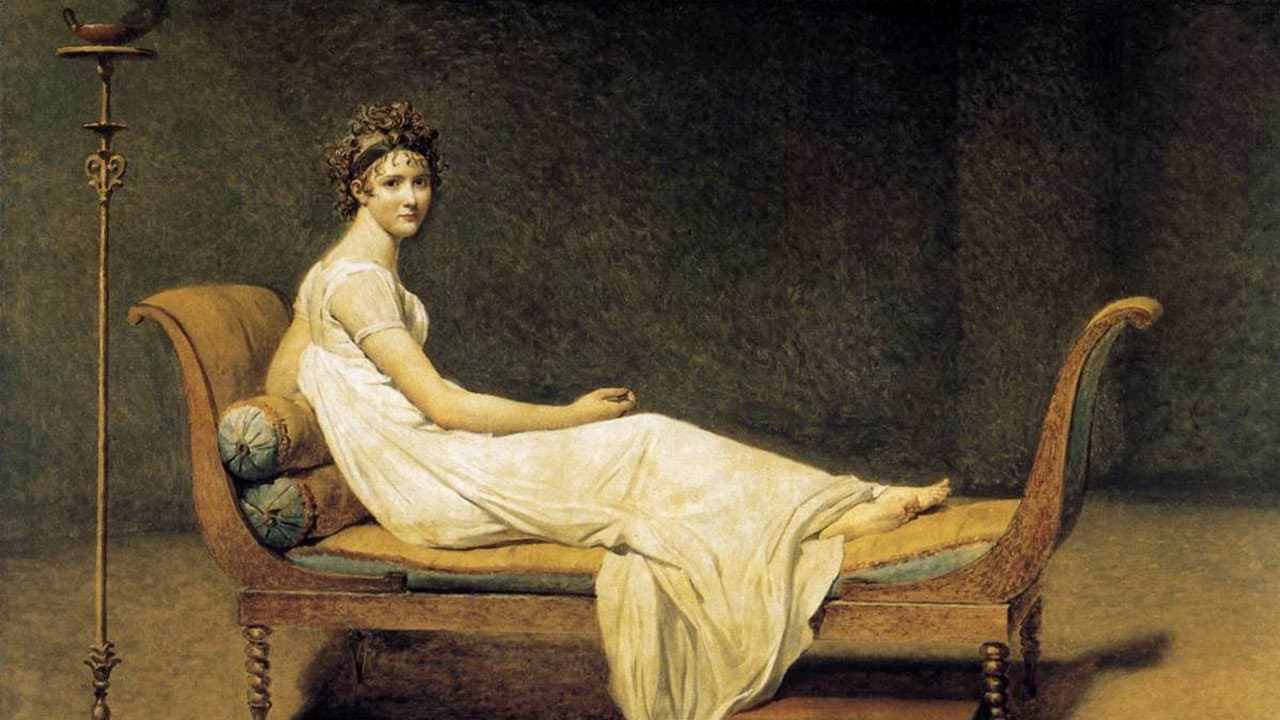
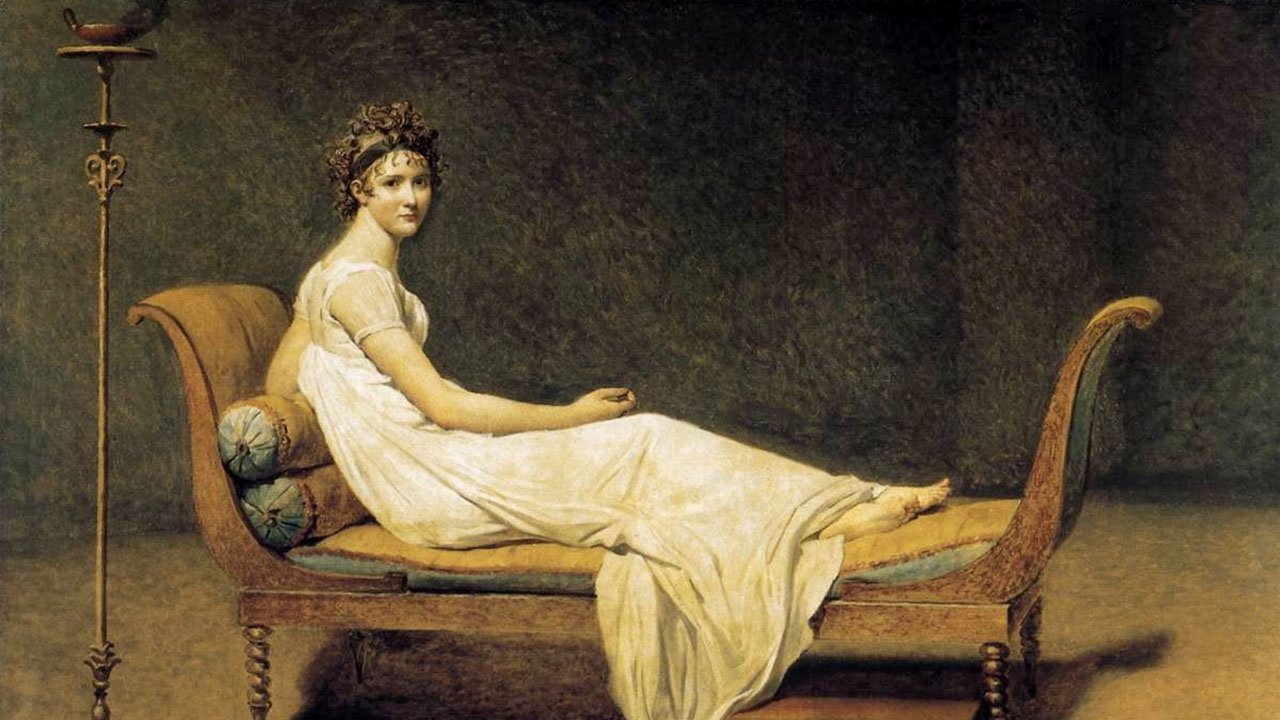
"... portraits of the owners, owners of the paintings and the owners of much else besides" and then the camera pans out to show the women in the painting. berger was out there casually dropping knowledge while looking v v cool
"... portraits of the owners, owners of the paintings and the owners of much else besides" and then the camera pans out to show the women in the painting. berger was out there casually dropping knowledge while looking v v cool


Isabella Marianne
8.0★ · 11/20/25
“To remain innocent may also be to remain ignorant.” (from the book so maybe I am a fraud but I love that quote)
I love this. I want to be John Berger when I grow up
I love this. I want to be John Berger when I grow up
“To remain innocent may also be to remain ignorant.” (from the book so maybe I am a fraud but I love that quote)
I love this. I want to be John Berger when I grow up
I love this. I want to be John Berger when I grow up
Ari
10.0★ · 06/13/24
This work represents a monumental achievement in the history of TV and the sorts of information that can be depicted and conveyed on TV. It’ll completely change how you view, process, and interpret visual art if you let it. Demystifying art, even with some occasionally poetic infusions into the analyses, is a gargantuan task, but Berger’s soothing voice and ruthlessly skeptical theory/system of art criticism (and the sources from which he derives this theory ie Walter Benjamin) makes it an illuminating watch and breaks through a lot of the impenetrability that oil on canvas—as he explains—naturally and purposefully creates in its time and over time, tracking this truth all the way from the past nobility of propertied colonial society to the present hedonism and exoticism of post-colonial consumer society. An incredibly relaxing watch that likewise won’t put you to sleep but make you feel a sort of serene engagement, like looking at art really, well that’s a lot of what we’re tasked with doing in the show so lol. But what I’m getting at is how much we’re grappling with, an entire history misrepresented, while never feeling like Berger strays away from the viewer’s prior naive logic w/o both leading us thoroughly towards his line of thought and also holding us to the same level of skepticism of him that he holds himself to vis-a-vis oil paintings.
This work represents a monumental achievement in the history of TV and the sorts of information that can be depicted and conveyed on TV. It’ll completely change how you view, process, and interpret visual art if you let it. Demystifying art, even with some occasionally poetic infusions into the analyses, is a gargantuan task, but Berger’s soothing voice and ruthlessly skeptical theory/system of art criticism (and the sources from which he derives this theory ie Walter Benjamin) makes it an illuminating watch and breaks through a lot of the impenetrability that oil on canvas—as he explains—naturally and purposefully creates in its time and over time, tracking this truth all the way from the past nobility of propertied colonial society to the present hedonism and exoticism of post-colonial consumer society. An incredibly relaxing watch that likewise won’t put you to sleep but make you feel a sort of serene engagement, like looking at art really, well that’s a lot of what we’re tasked with doing in the show so lol. But what I’m getting at is how much we’re grappling with, an entire history misrepresented, while never feeling like Berger strays away from the viewer’s prior naive logic w/o both leading us thoroughly towards his line of thought and also holding us to the same level of skepticism of him that he holds himself to vis-a-vis oil paintings.
cyirux
10.0★ · 12/05/21
在寫portrait of a lady on fire的評論時想起一直都沒有記下這輯極出色的藝評集。《觀看的方式》為人所熟悉很多時都是書籍的版本,但原始BBC電視合輯版本的調度、節奏比起書本的力量大得多,容易理解得多,john berger的口述會把觀點直接讓你「感受」得到他的理論。
這部改變了我一切觀看影像(繪畫、照片、影片、廣告、藝術史)的角度,是學習「凝視」的基本論說。
還記得幾年前看完後的感想是:
我希望Ways of Seeing能成為中學修藝術的必修教材。
因為人造影像已經無法離開我們的眼睛,「我們在看什麼」這個命題該從小到大就要訓練的。
這部改變了我一切觀看影像(繪畫、照片、影片、廣告、藝術史)的角度,是學習「凝視」的基本論說。
還記得幾年前看完後的感想是:
我希望Ways of Seeing能成為中學修藝術的必修教材。
因為人造影像已經無法離開我們的眼睛,「我們在看什麼」這個命題該從小到大就要訓練的。
在寫portrait of a lady on fire的評論時想起一直都沒有記下這輯極出色的藝評集。《觀看的方式》為人所熟悉很多時都是書籍的版本,但原始BBC電視合輯版本的調度、節奏比起書本的力量大得多,容易理解得多,john berger的口述會把觀點直接讓你「感受」得到他的理論。
這部改變了我一切觀看影像(繪畫、照片、影片、廣告、藝術史)的角度,是學習「凝視」的基本論說。
還記得幾年前看完後的感想是:
我希望Ways of Seeing能成為中學修藝術的必修教材。
因為人造影像已經無法離開我們的眼睛,「我們在看什麼」這個命題該從小到大就要訓練的。
這部改變了我一切觀看影像(繪畫、照片、影片、廣告、藝術史)的角度,是學習「凝視」的基本論說。
還記得幾年前看完後的感想是:
我希望Ways of Seeing能成為中學修藝術的必修教材。
因為人造影像已經無法離開我們的眼睛,「我們在看什麼」這個命題該從小到大就要訓練的。
Livia
10.0★ · 05/01/26