
2015·Crime·6 episodes
7.9
★
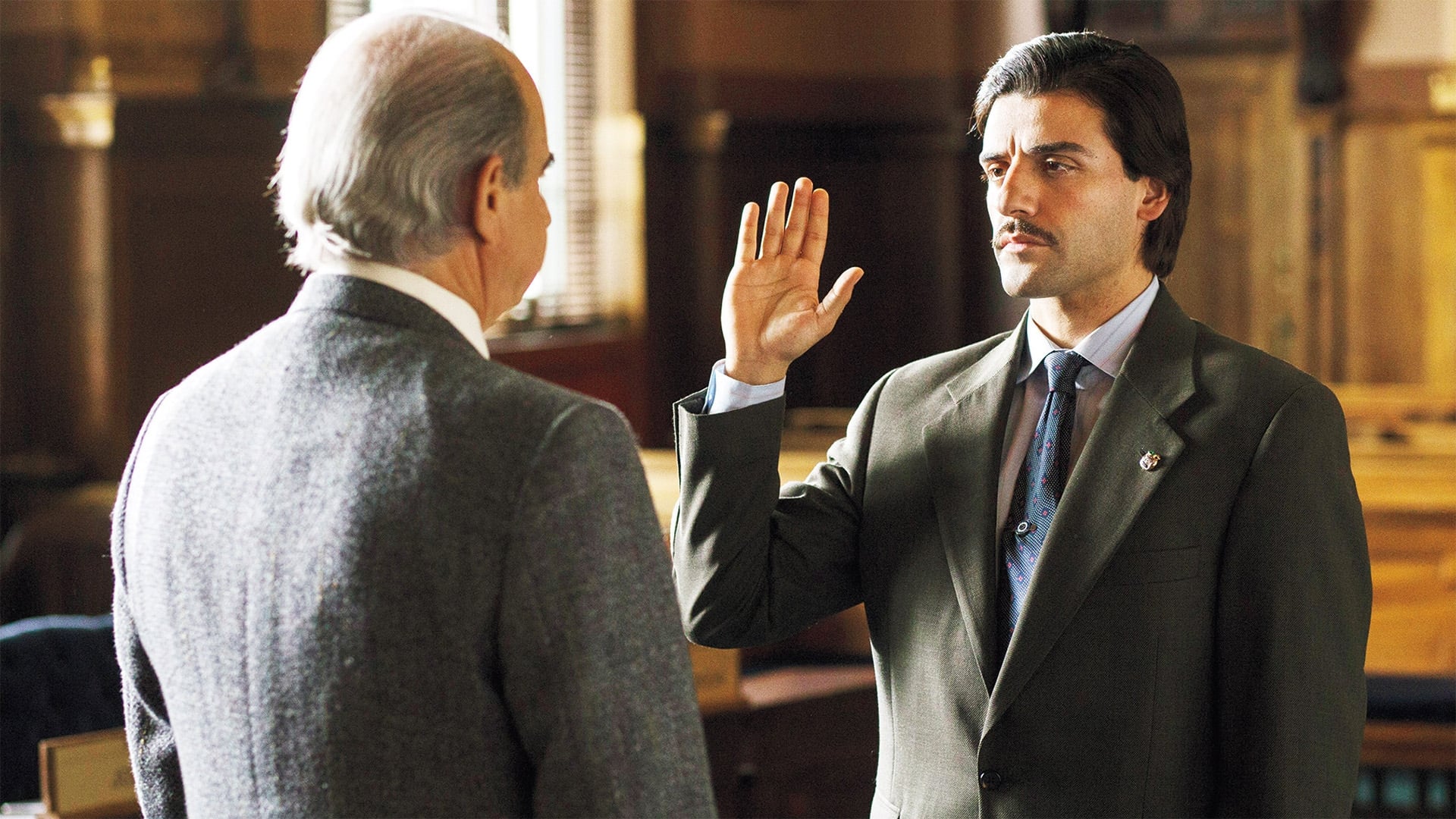
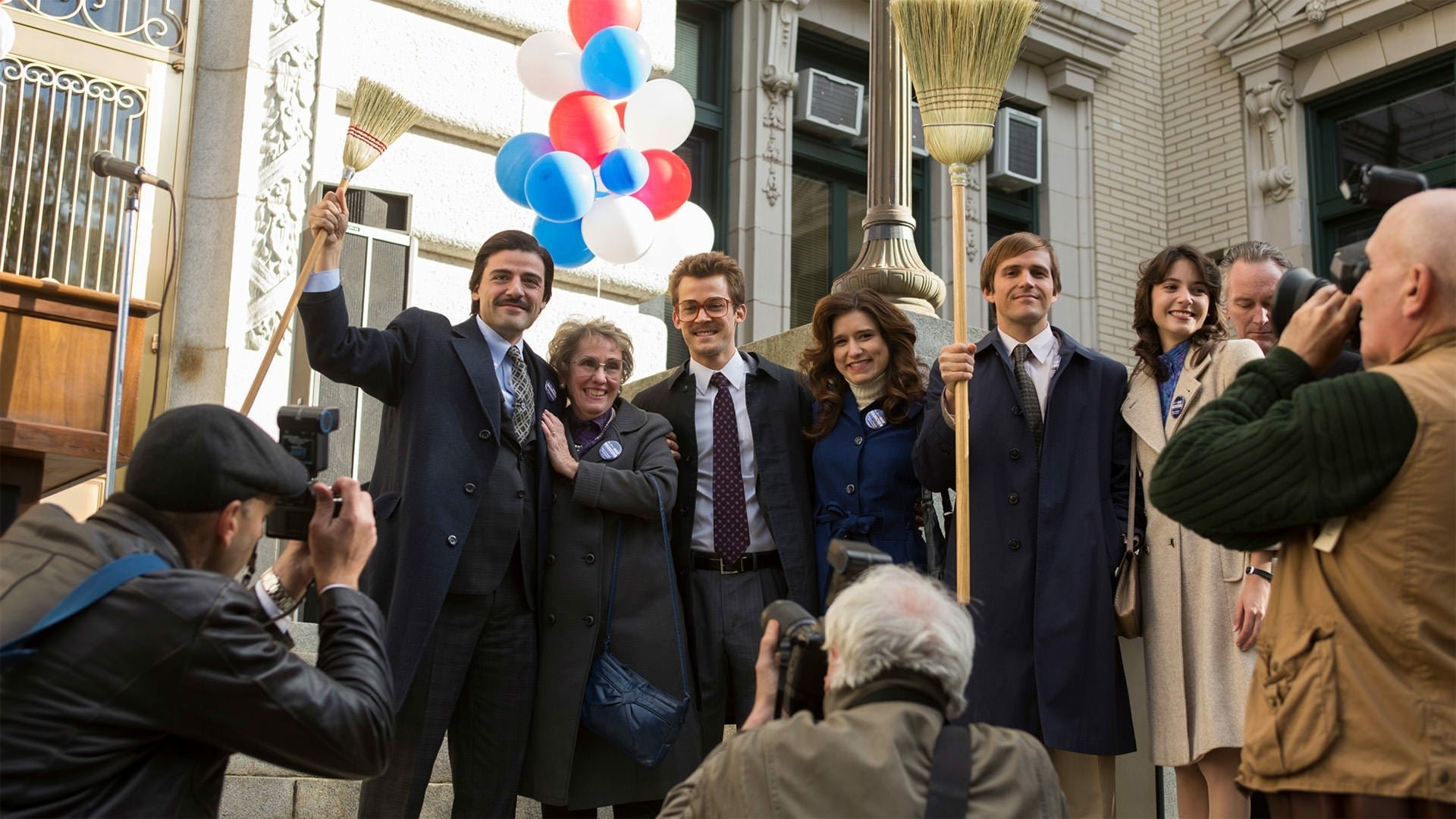
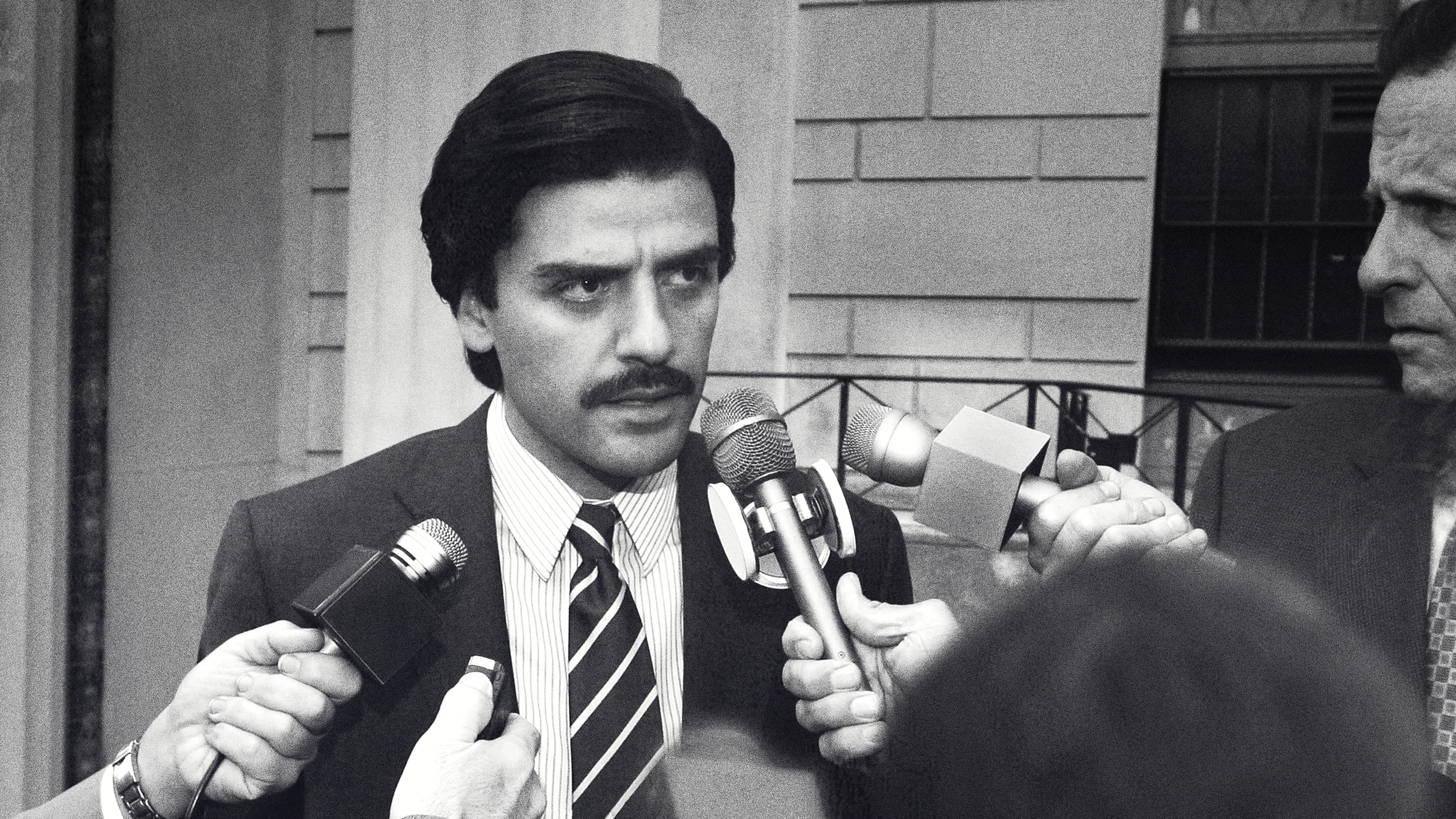
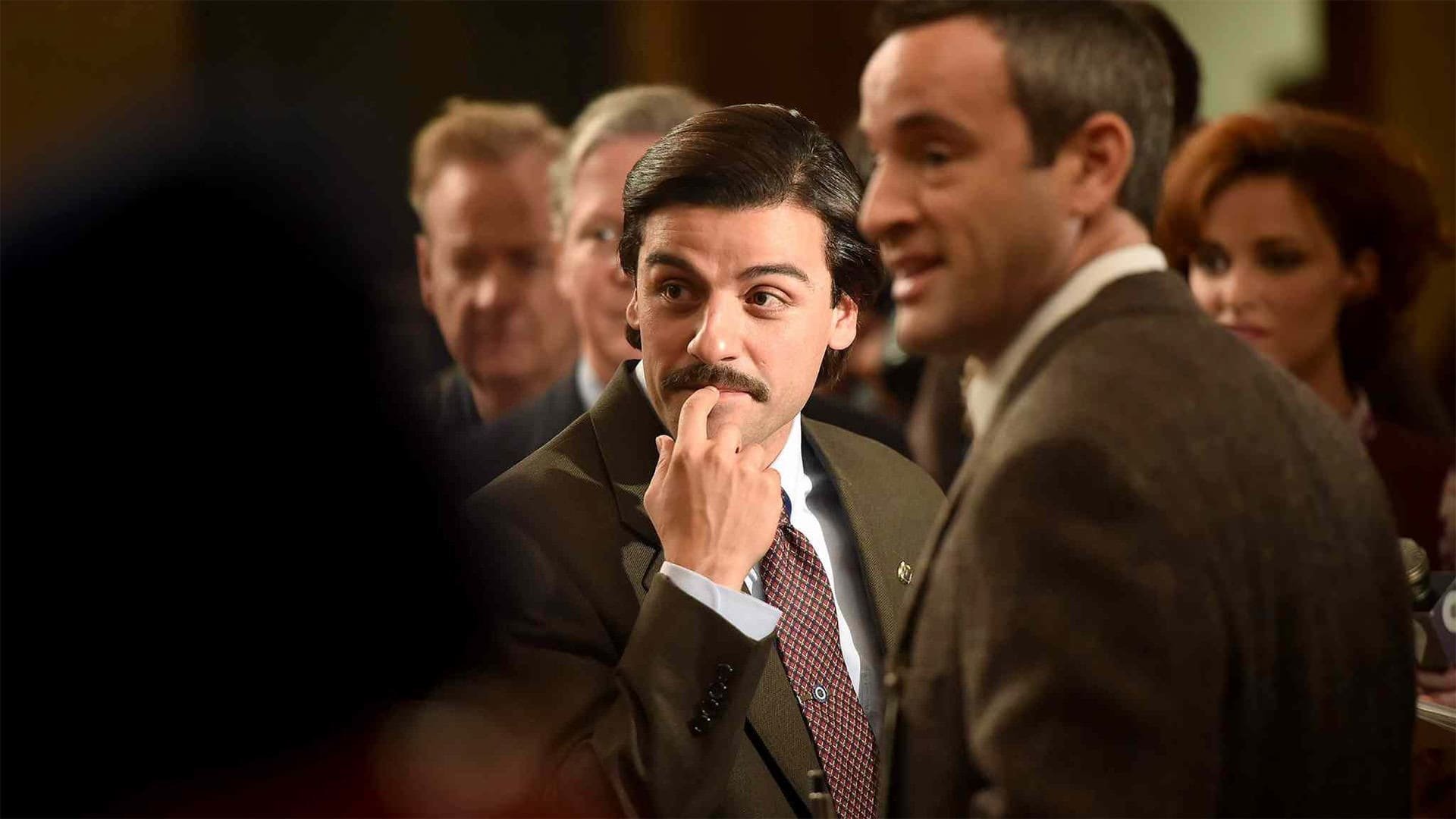
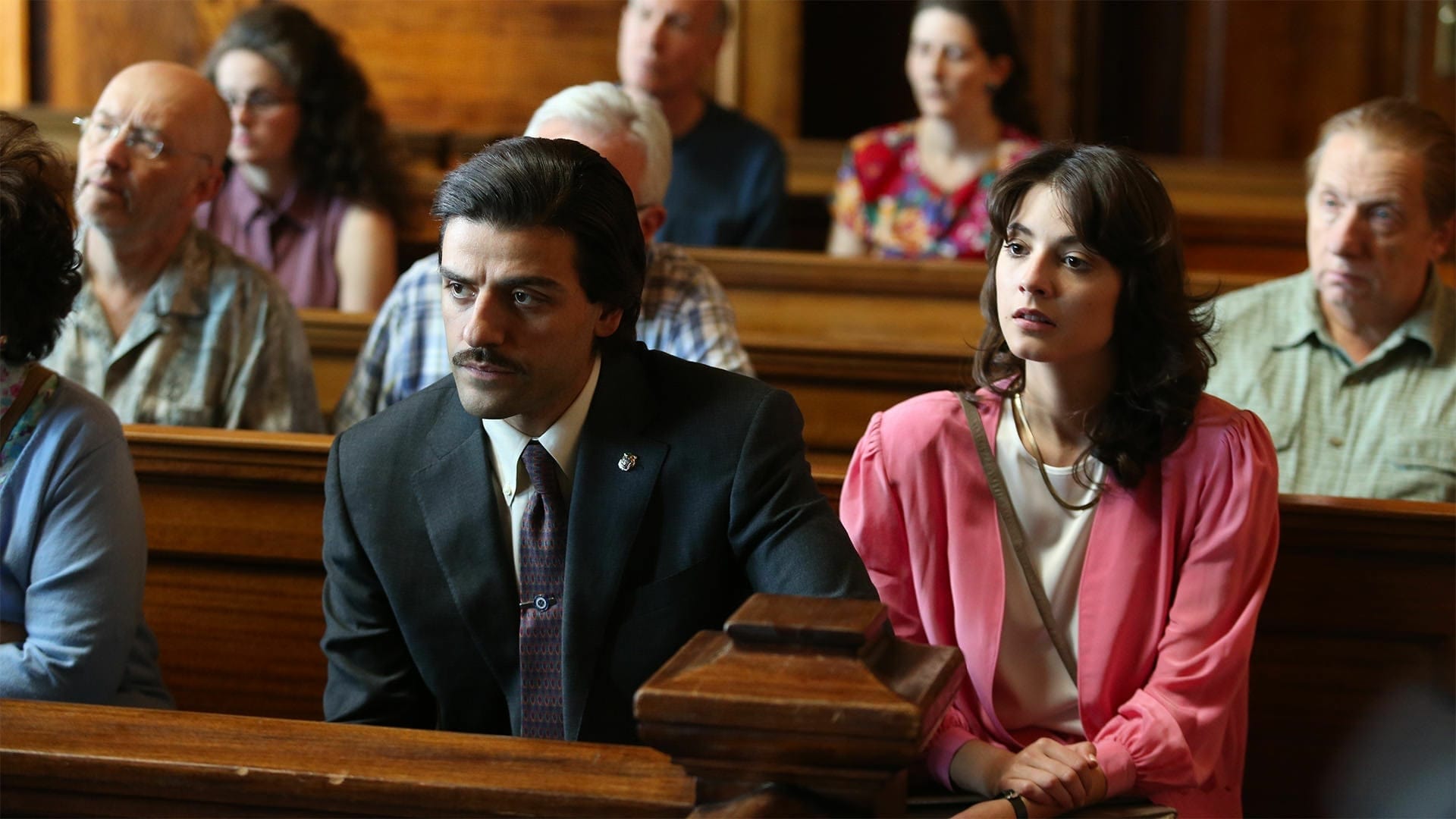
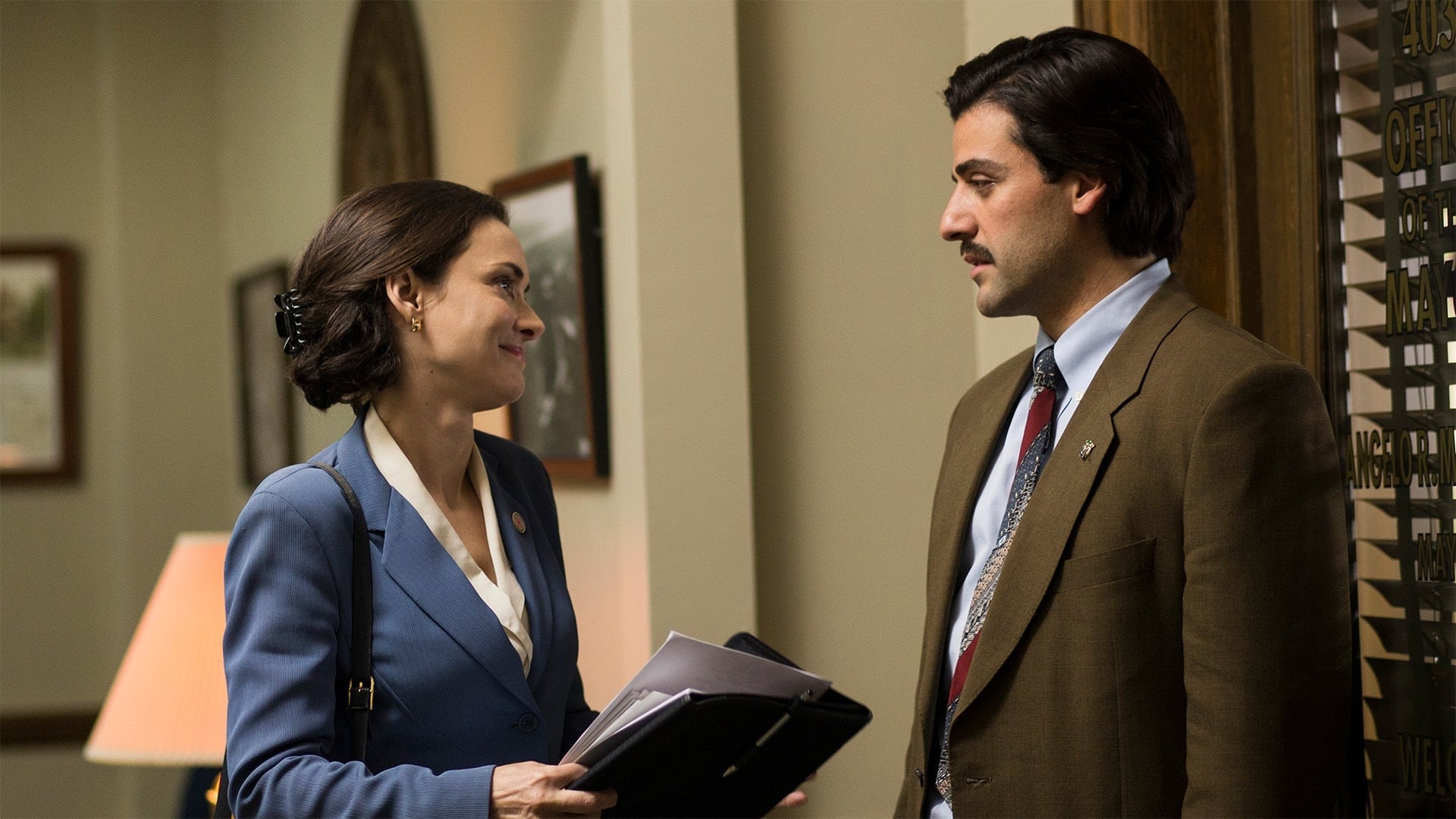
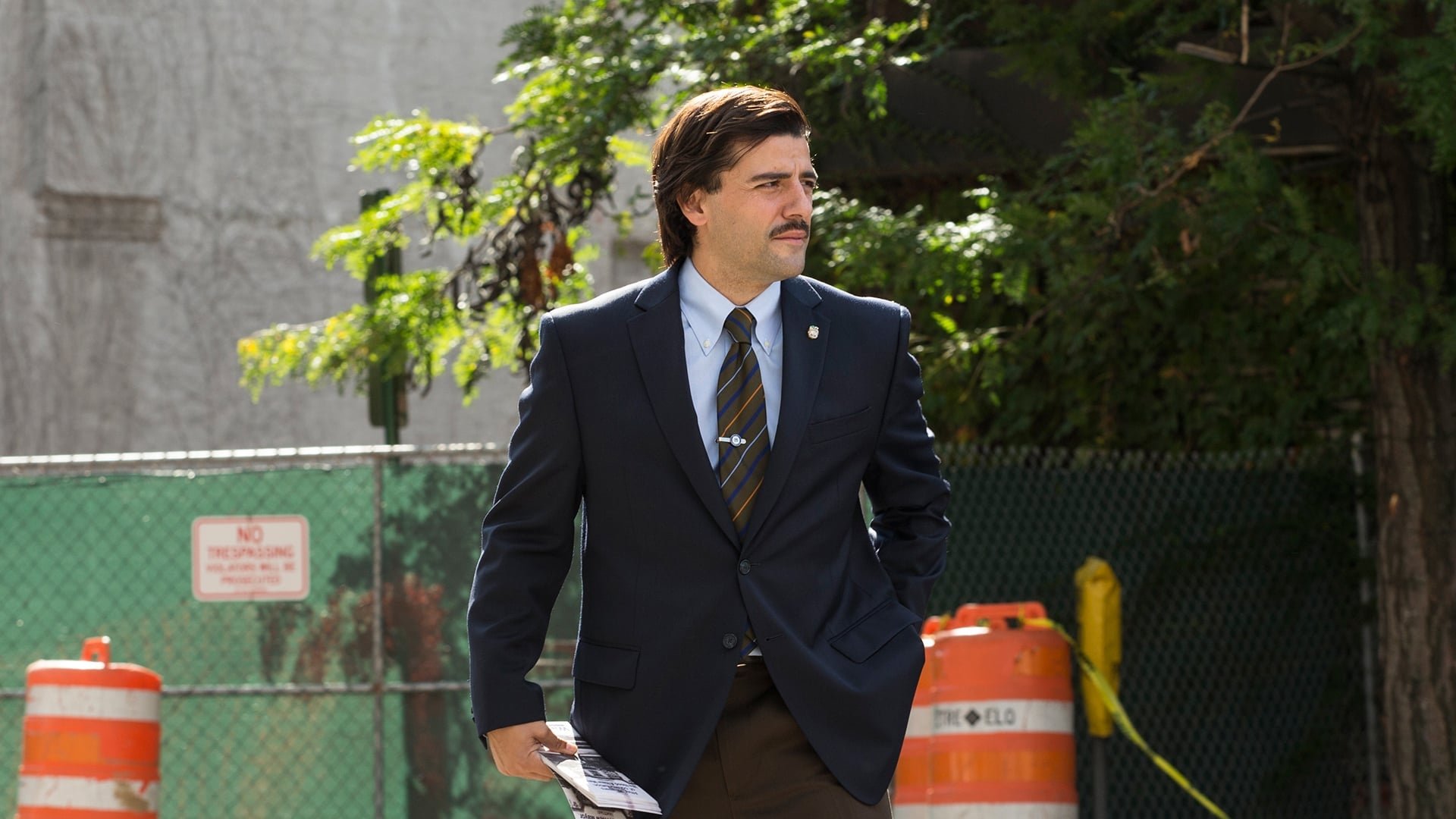
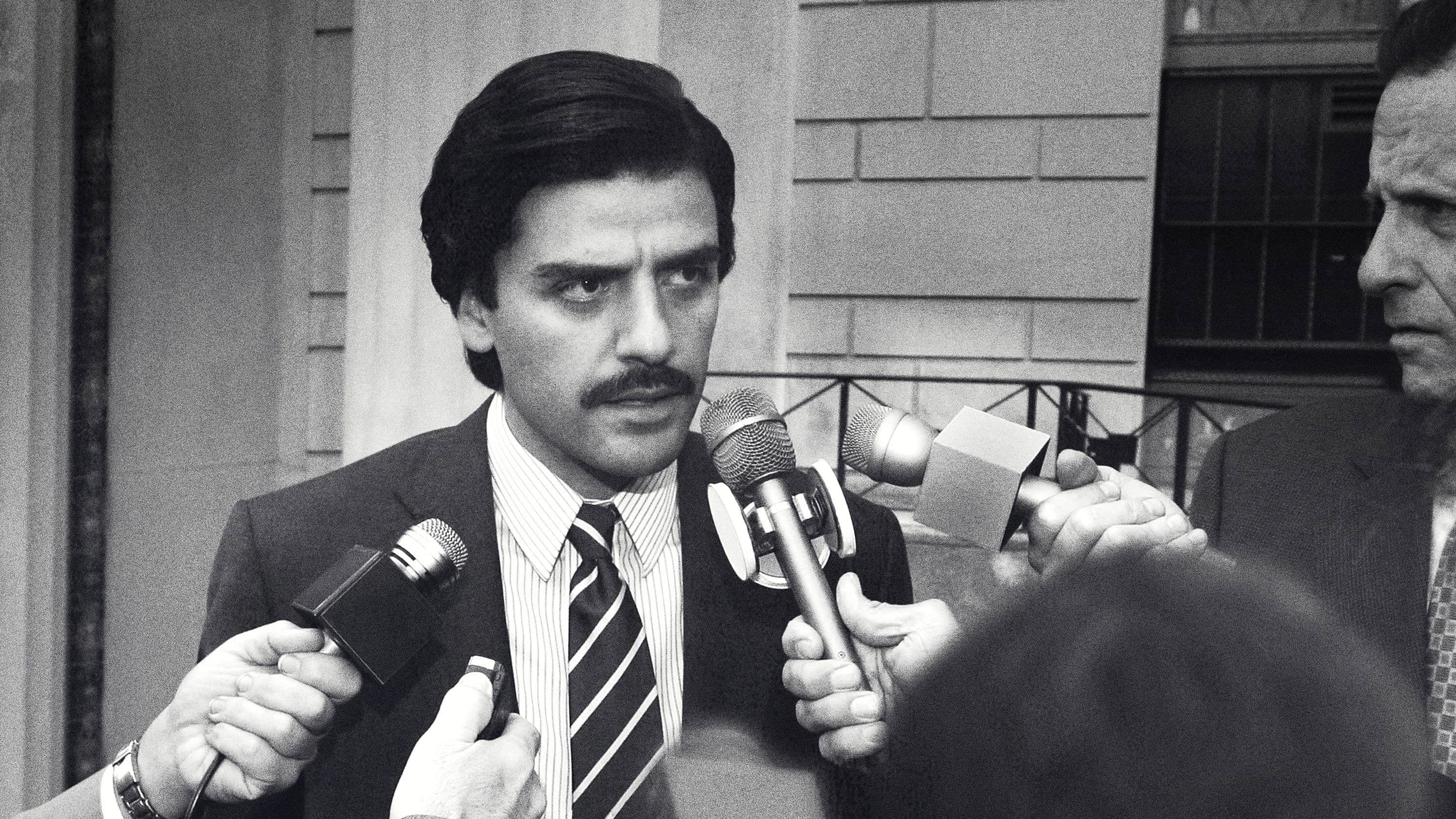
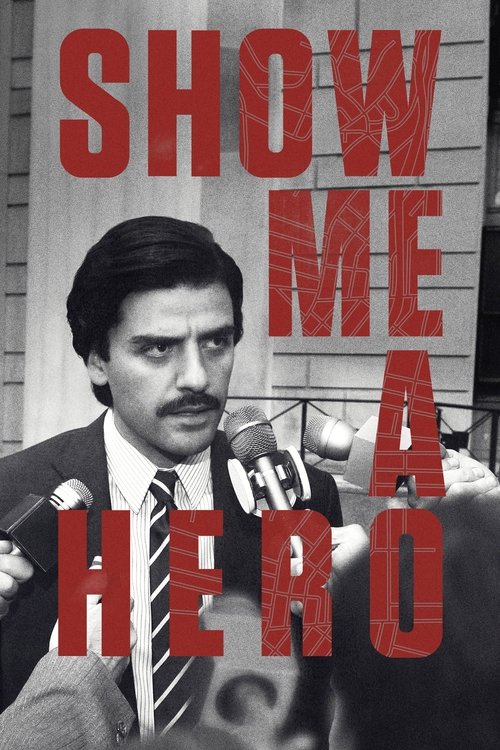
Mayor Nick Wasicsko took office in 1987 during Yonkers' worst crisis when federal courts ordered public housing to be built in the white, middle class side of town, dividing the city in a bitter battle fueled by fear, racism, murder and politics.
Created by David Simon
mayor
politics
murder
miniseries
racism
public housing
somber
history
understated
tense
depressing
earnest
informative
powerful

Trailer

IMDB
N/A
Where to Watch



Seasons
Cast

Oscar Isaac
Nick Wasicsko

Catherine Keener
Mary Dorman
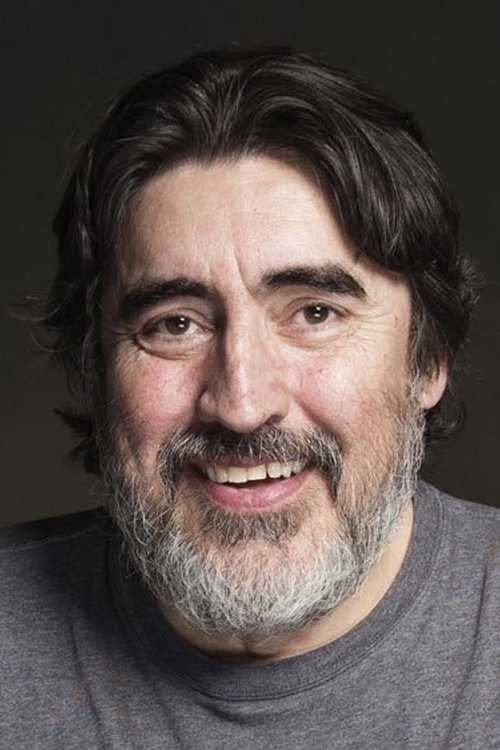
Alfred Molina
Henry J. Spallone
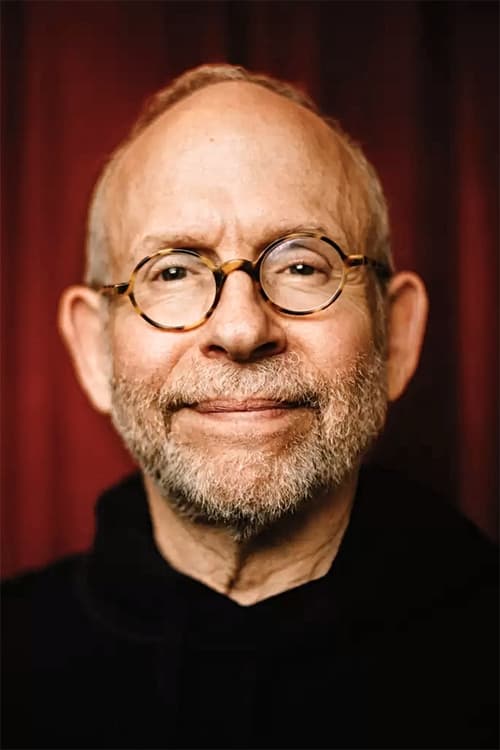
Bob Balaban
Leonard B. Sand
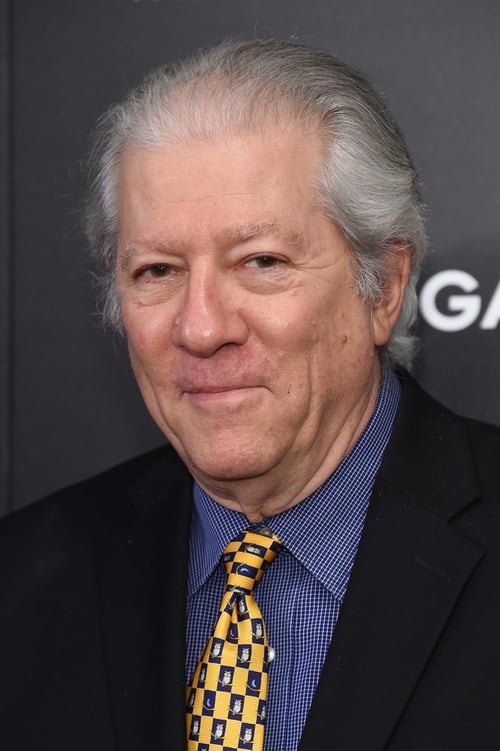
Peter Riegert
Oscar Newman
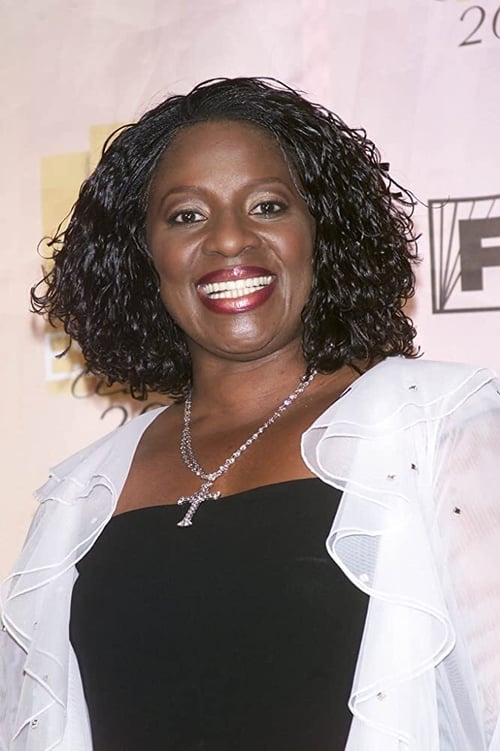
LaTanya Richardson Jackson
Norma O'Neal

Carla Quevedo
Nay Noe Wasicsko
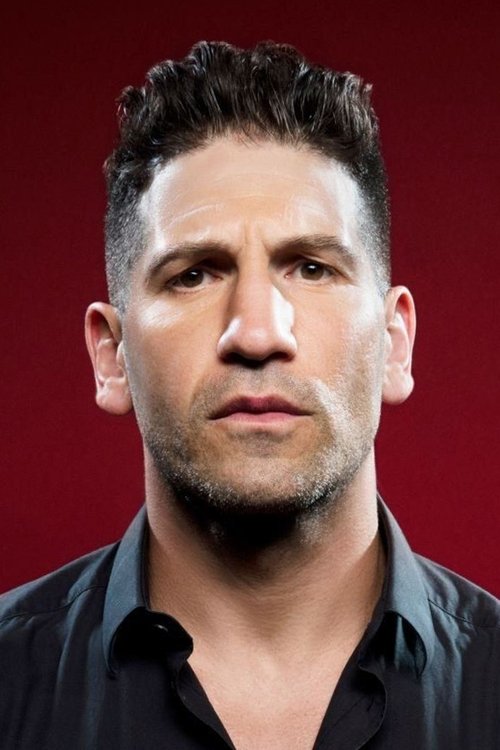
Jon Bernthal
Michael H. Sussman

Ilfenesh Hadera
Carmen Febles

Natalie Paul
Doreen Henderson
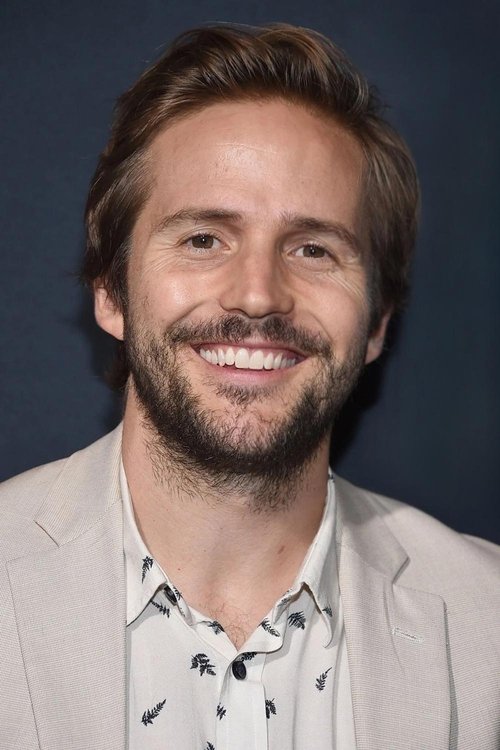
Michael Stahl-David
Jim Surdoval

Winona Ryder
Vinni Restiano
Crew
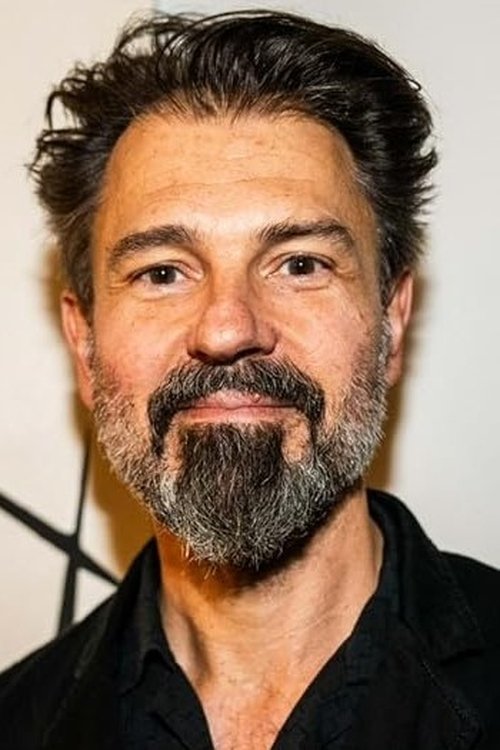
Nathan Larson
Original Music Composer

Andrij Parekh
Director of Photography
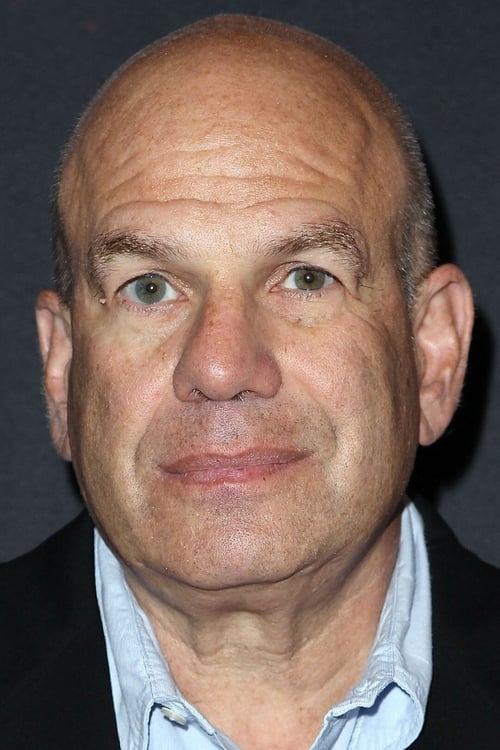
David Simon
Executive Producer
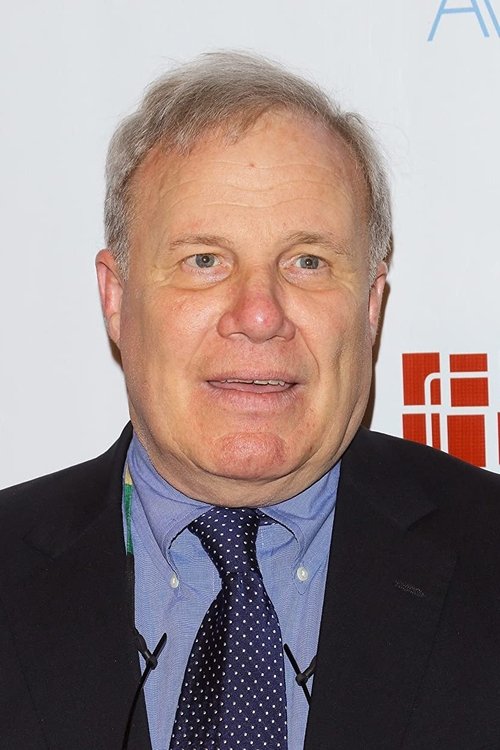
William F. Zorzi
Executive Producer
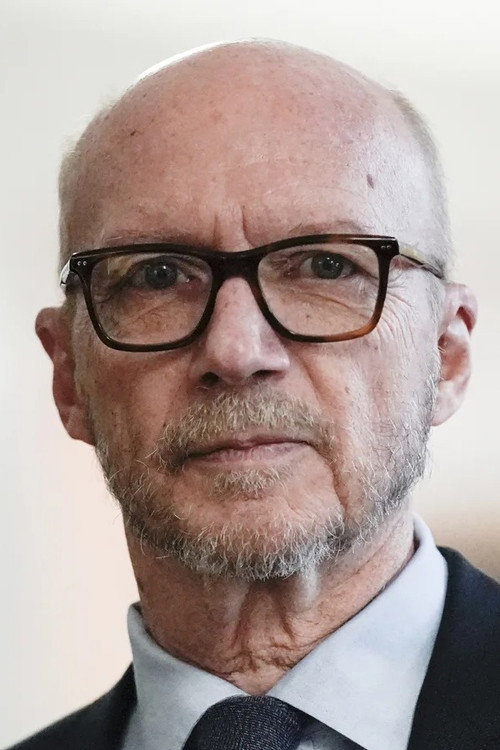
Paul Haggis
Executive Producer
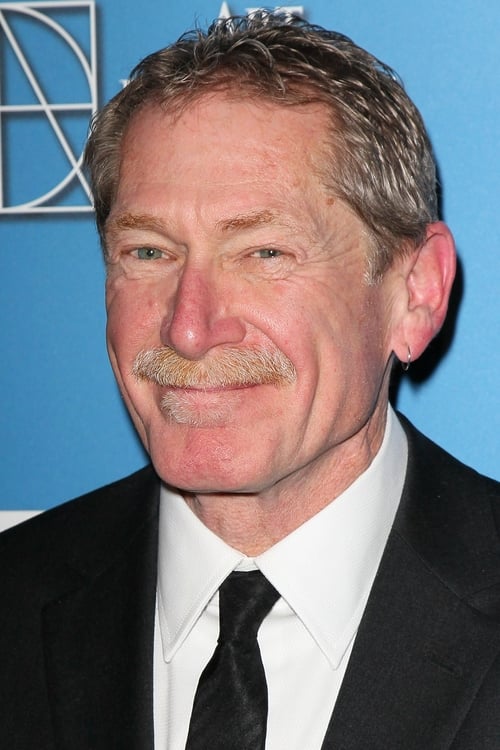
Laurence Bennett
Production Design
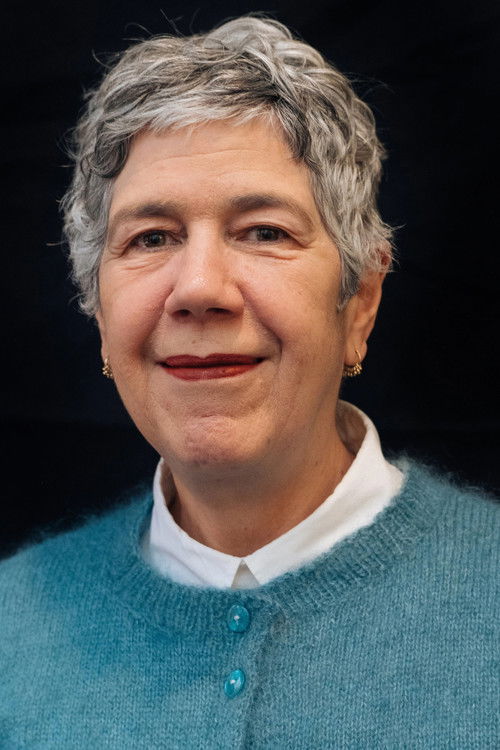
Mary Ellen Porto
Sound Effects Editor

Alexa L. Fogel
Casting
Popular Reviews
23 reviews
Pretentious
7.0★ · 07/07/23
Wasicsko's journey underlines the series' deeper meaning: the conflict between moral imperative and public opinion, and the personal and political sacrifices involved in leadership. Show Me a Hero also investigates systemic racism, inequality, and community resistance to change. It scrutinizes the public housing crisis in America and the inherent systemic discrimination, showing how deeply rooted prejudices and fears can shape public policy and urban planning. The lives of the residents of the soon-to-be-built townhouses provide a counterpoint to the political narrative, personalizing the broader socio-political issues at stake.
Episode One: The show examines the role of political ambition and maneuvering in effecting social change. The young council member Nick Wasicsko is positioned as a potentially transformative figure in this gridlocked situation. Despite the chaos and hostility of the council meetings, Wasicsko launches his mayoral campaign, capitalizing on the political fallout and discontent among the citizens. The miniseries delves into the theme of community resistance to change. The Yonkers residents' fear and prejudice against potential public housing residents represent a wider societal resistance to demographic shifts and social progress. Their protests and unruly behavior at the council meetings underscore the lengths communities will go to maintain the status quo. Through its historical lens, the miniseries invites its audience to reflect on these issues, many of which remain pertinent today. The argument against the series could possibly be that it overcontextualizes the situations at hand.
Episode Two: Politics and the consequences of defying popular sentiment come to the fore in this episode. Nick, who was elected on a promise to resist the integration, grapples with the stark reality of his new role. Moreover, council members who initially vote for the integration plan find their political positions jeopardized, reflecting the challenge of balancing moral responsibility and political survival. Community resistance continues to be a prominent theme. The public meetings teem with vitriol, with constituents vehemently voicing their opposition. Interestingly, the character of Mary Dorman provides a counterpoint to this widespread animosity. Despite her initial agreement with the anti-housing sentiment, her dismay at the blatant anti-Semitism and violence suggests potential for change and foreshadows her possible role as an unlikely ally for Nick.
Episode Three: Systemic racism, veiled as an economic concern, remains a dominant theme. Mary Dorman embodies this, asserting in an interview that the resistance to the housing plan is not about race but an "economic issue." This argument, while ostensibly less offensive, remains a thin disguise for racial bias and resistance to change. Personal struggles form the emotional core of this episode.
Episode Four: Socio-economic disparity is also strongly underscored. Wasicsko remains discontent throughout this episode. The main reason being the deceit often inherent in politics, where empty promises are made to win favor and gain power.
Episodes Five and Six: Redemption is personified in Mary Dorman. Initially one of the staunch opponents of the housing project, Dorman becomes involved in the integration process, illustrating her character growth and providing a note of hope in the face of deep-seated prejudice. The new residents' resilience to adapt are displayed throughout these episodes. These individuals, previously introduced through their struggles and hardships, seize control of their destinies. They transform their new dwellings into a vibrant community, demonstrating the indomitable human spirit.
Episode One: The show examines the role of political ambition and maneuvering in effecting social change. The young council member Nick Wasicsko is positioned as a potentially transformative figure in this gridlocked situation. Despite the chaos and hostility of the council meetings, Wasicsko launches his mayoral campaign, capitalizing on the political fallout and discontent among the citizens. The miniseries delves into the theme of community resistance to change. The Yonkers residents' fear and prejudice against potential public housing residents represent a wider societal resistance to demographic shifts and social progress. Their protests and unruly behavior at the council meetings underscore the lengths communities will go to maintain the status quo. Through its historical lens, the miniseries invites its audience to reflect on these issues, many of which remain pertinent today. The argument against the series could possibly be that it overcontextualizes the situations at hand.
Episode Two: Politics and the consequences of defying popular sentiment come to the fore in this episode. Nick, who was elected on a promise to resist the integration, grapples with the stark reality of his new role. Moreover, council members who initially vote for the integration plan find their political positions jeopardized, reflecting the challenge of balancing moral responsibility and political survival. Community resistance continues to be a prominent theme. The public meetings teem with vitriol, with constituents vehemently voicing their opposition. Interestingly, the character of Mary Dorman provides a counterpoint to this widespread animosity. Despite her initial agreement with the anti-housing sentiment, her dismay at the blatant anti-Semitism and violence suggests potential for change and foreshadows her possible role as an unlikely ally for Nick.
Episode Three: Systemic racism, veiled as an economic concern, remains a dominant theme. Mary Dorman embodies this, asserting in an interview that the resistance to the housing plan is not about race but an "economic issue." This argument, while ostensibly less offensive, remains a thin disguise for racial bias and resistance to change. Personal struggles form the emotional core of this episode.
Episode Four: Socio-economic disparity is also strongly underscored. Wasicsko remains discontent throughout this episode. The main reason being the deceit often inherent in politics, where empty promises are made to win favor and gain power.
Episodes Five and Six: Redemption is personified in Mary Dorman. Initially one of the staunch opponents of the housing project, Dorman becomes involved in the integration process, illustrating her character growth and providing a note of hope in the face of deep-seated prejudice. The new residents' resilience to adapt are displayed throughout these episodes. These individuals, previously introduced through their struggles and hardships, seize control of their destinies. They transform their new dwellings into a vibrant community, demonstrating the indomitable human spirit.
Wasicsko's journey underlines the series' deeper meaning: the conflict between moral imperative and public opinion, and the personal and political sacrifices involved in leadership. Show Me a Hero also investigates systemic racism, inequality, and community resistance to change. It scrutinizes the public housing crisis in America and the inherent systemic discrimination, showing how deeply rooted prejudices and fears can shape public policy and urban planning. The lives of the residents of the soon-to-be-built townhouses provide a counterpoint to the political narrative, personalizing the broader socio-political issues at stake.
Episode One: The show examines the role of political ambition and maneuvering in effecting social change. The young council member Nick Wasicsko is positioned as a potentially transformative figure in this gridlocked situation. Despite the chaos and hostility of the council meetings, Wasicsko launches his mayoral campaign, capitalizing on the political fallout and discontent among the citizens. The miniseries delves into the theme of community resistance to change. The Yonkers residents' fear and prejudice against potential public housing residents represent a wider societal resistance to demographic shifts and social progress. Their protests and unruly behavior at the council meetings underscore the lengths communities will go to maintain the status quo. Through its historical lens, the miniseries invites its audience to reflect on these issues, many of which remain pertinent today. The argument against the series could possibly be that it overcontextualizes the situations at hand.
Episode Two: Politics and the consequences of defying popular sentiment come to the fore in this episode. Nick, who was elected on a promise to resist the integration, grapples with the stark reality of his new role. Moreover, council members who initially vote for the integration plan find their political positions jeopardized, reflecting the challenge of balancing moral responsibility and political survival. Community resistance continues to be a prominent theme. The public meetings teem with vitriol, with constituents vehemently voicing their opposition. Interestingly, the character of Mary Dorman provides a counterpoint to this widespread animosity. Despite her initial agreement with the anti-housing sentiment, her dismay at the blatant anti-Semitism and violence suggests potential for change and foreshadows her possible role as an unlikely ally for Nick.
Episode Three: Systemic racism, veiled as an economic concern, remains a dominant theme. Mary Dorman embodies this, asserting in an interview that the resistance to the housing plan is not about race but an "economic issue." This argument, while ostensibly less offensive, remains a thin disguise for racial bias and resistance to change. Personal struggles form the emotional core of this episode.
Episode Four: Socio-economic disparity is also strongly underscored. Wasicsko remains discontent throughout this episode. The main reason being the deceit often inherent in politics, where empty promises are made to win favor and gain power.
Episodes Five and Six: Redemption is personified in Mary Dorman. Initially one of the staunch opponents of the housing project, Dorman becomes involved in the integration process, illustrating her character growth and providing a note of hope in the face of deep-seated prejudice. The new residents' resilience to adapt are displayed throughout these episodes. These individuals, previously introduced through their struggles and hardships, seize control of their destinies. They transform their new dwellings into a vibrant community, demonstrating the indomitable human spirit.
Episode One: The show examines the role of political ambition and maneuvering in effecting social change. The young council member Nick Wasicsko is positioned as a potentially transformative figure in this gridlocked situation. Despite the chaos and hostility of the council meetings, Wasicsko launches his mayoral campaign, capitalizing on the political fallout and discontent among the citizens. The miniseries delves into the theme of community resistance to change. The Yonkers residents' fear and prejudice against potential public housing residents represent a wider societal resistance to demographic shifts and social progress. Their protests and unruly behavior at the council meetings underscore the lengths communities will go to maintain the status quo. Through its historical lens, the miniseries invites its audience to reflect on these issues, many of which remain pertinent today. The argument against the series could possibly be that it overcontextualizes the situations at hand.
Episode Two: Politics and the consequences of defying popular sentiment come to the fore in this episode. Nick, who was elected on a promise to resist the integration, grapples with the stark reality of his new role. Moreover, council members who initially vote for the integration plan find their political positions jeopardized, reflecting the challenge of balancing moral responsibility and political survival. Community resistance continues to be a prominent theme. The public meetings teem with vitriol, with constituents vehemently voicing their opposition. Interestingly, the character of Mary Dorman provides a counterpoint to this widespread animosity. Despite her initial agreement with the anti-housing sentiment, her dismay at the blatant anti-Semitism and violence suggests potential for change and foreshadows her possible role as an unlikely ally for Nick.
Episode Three: Systemic racism, veiled as an economic concern, remains a dominant theme. Mary Dorman embodies this, asserting in an interview that the resistance to the housing plan is not about race but an "economic issue." This argument, while ostensibly less offensive, remains a thin disguise for racial bias and resistance to change. Personal struggles form the emotional core of this episode.
Episode Four: Socio-economic disparity is also strongly underscored. Wasicsko remains discontent throughout this episode. The main reason being the deceit often inherent in politics, where empty promises are made to win favor and gain power.
Episodes Five and Six: Redemption is personified in Mary Dorman. Initially one of the staunch opponents of the housing project, Dorman becomes involved in the integration process, illustrating her character growth and providing a note of hope in the face of deep-seated prejudice. The new residents' resilience to adapt are displayed throughout these episodes. These individuals, previously introduced through their struggles and hardships, seize control of their destinies. They transform their new dwellings into a vibrant community, demonstrating the indomitable human spirit.


Fajri
8.0★ · 06/17/23
watching the last eps is a form of self harm
watching the last eps is a form of self harm
Kelsey C
9.0★ · 07/03/22
to be honest, i dont have the knowledge on the workings of politics to fully understand this. but put oscar isaac, jon bernthal, and winona ryder in a project together and i will watch. all the confusing politics aside, the story is so important.
to be honest, i dont have the knowledge on the workings of politics to fully understand this. but put oscar isaac, jon bernthal, and winona ryder in a project together and i will watch. all the confusing politics aside, the story is so important.
sophiaPRO
7.0★ · 07/24/21
i was not prepared for how this ended wjdbskanan
i was not prepared for how this ended wjdbskanan
Sahil
9.0★ · 07/08/21
Fucking incredible !
In most of David Simons shows no one ever talks about what the right thing to do is, Show Me a Hero is no different. There’s a scene where Mary Dorman, played by Catherine Kenner, a white-haired suburbanite mentions “i just think you shouldn’t take people with one lifestyle and put them smack in the middle of a place with a different lifestyle”. If there’s a tractable sub-issue inside the whole public housing problem, i think this summaries it.
Its typical David Simons logic, he confers with people who fight for things that statistically and in hindsight will be proven correct but in the moment of truth they’re disguised in corruption, and in this case northern racism. These kind of paradoxical situations are what his shows are made of, in this case a real life story thats morally skewed and thus by form, exciting and riveting.
In another scene, Mary visits some of the potential home owners who might win the lottery, to get an idea. The image of a white woman judging how black families live before they’re literally awarded public housing facilities could be terribly Green Booked, but the show refuses to treat her moral transition as a triumphant one. Its an unnecessary obstacle, an eradication of prejudice that shouldn’t be present there in the first place. Its both celebrated and shoved away when it happens, like it should, with hip-hop music in the background btw.
The ending also is a two fisted punch in the gut, a reminder that most of us end up spending our entire fucking lives trying to fix problems we made up for ourselves. Ranging from legislative complexities to something as simple as discrimination and elemental human indecency.
PS : I didn’t even mentioned Nick Wasicsko, the man the show is about, or is it. Well thats a David Simon show for you.
In most of David Simons shows no one ever talks about what the right thing to do is, Show Me a Hero is no different. There’s a scene where Mary Dorman, played by Catherine Kenner, a white-haired suburbanite mentions “i just think you shouldn’t take people with one lifestyle and put them smack in the middle of a place with a different lifestyle”. If there’s a tractable sub-issue inside the whole public housing problem, i think this summaries it.
Its typical David Simons logic, he confers with people who fight for things that statistically and in hindsight will be proven correct but in the moment of truth they’re disguised in corruption, and in this case northern racism. These kind of paradoxical situations are what his shows are made of, in this case a real life story thats morally skewed and thus by form, exciting and riveting.
In another scene, Mary visits some of the potential home owners who might win the lottery, to get an idea. The image of a white woman judging how black families live before they’re literally awarded public housing facilities could be terribly Green Booked, but the show refuses to treat her moral transition as a triumphant one. Its an unnecessary obstacle, an eradication of prejudice that shouldn’t be present there in the first place. Its both celebrated and shoved away when it happens, like it should, with hip-hop music in the background btw.
The ending also is a two fisted punch in the gut, a reminder that most of us end up spending our entire fucking lives trying to fix problems we made up for ourselves. Ranging from legislative complexities to something as simple as discrimination and elemental human indecency.
PS : I didn’t even mentioned Nick Wasicsko, the man the show is about, or is it. Well thats a David Simon show for you.
Fucking incredible !
In most of David Simons shows no one ever talks about what the right thing to do is, Show Me a Hero is no different. There’s a scene where Mary Dorman, played by Catherine Kenner, a white-haired suburbanite mentions “i just think you shouldn’t take people with one lifestyle and put them smack in the middle of a place with a different lifestyle”. If there’s a tractable sub-issue inside the whole public housing problem, i think this summaries it.
Its typical David Simons logic, he confers with people who fight for things that statistically and in hindsight will be proven correct but in the moment of truth they’re disguised in corruption, and in this case northern racism. These kind of paradoxical situations are what his shows are made of, in this case a real life story thats morally skewed and thus by form, exciting and riveting.
In another scene, Mary visits some of the potential home owners who might win the lottery, to get an idea. The image of a white woman judging how black families live before they’re literally awarded public housing facilities could be terribly Green Booked, but the show refuses to treat her moral transition as a triumphant one. Its an unnecessary obstacle, an eradication of prejudice that shouldn’t be present there in the first place. Its both celebrated and shoved away when it happens, like it should, with hip-hop music in the background btw.
The ending also is a two fisted punch in the gut, a reminder that most of us end up spending our entire fucking lives trying to fix problems we made up for ourselves. Ranging from legislative complexities to something as simple as discrimination and elemental human indecency.
PS : I didn’t even mentioned Nick Wasicsko, the man the show is about, or is it. Well thats a David Simon show for you.
In most of David Simons shows no one ever talks about what the right thing to do is, Show Me a Hero is no different. There’s a scene where Mary Dorman, played by Catherine Kenner, a white-haired suburbanite mentions “i just think you shouldn’t take people with one lifestyle and put them smack in the middle of a place with a different lifestyle”. If there’s a tractable sub-issue inside the whole public housing problem, i think this summaries it.
Its typical David Simons logic, he confers with people who fight for things that statistically and in hindsight will be proven correct but in the moment of truth they’re disguised in corruption, and in this case northern racism. These kind of paradoxical situations are what his shows are made of, in this case a real life story thats morally skewed and thus by form, exciting and riveting.
In another scene, Mary visits some of the potential home owners who might win the lottery, to get an idea. The image of a white woman judging how black families live before they’re literally awarded public housing facilities could be terribly Green Booked, but the show refuses to treat her moral transition as a triumphant one. Its an unnecessary obstacle, an eradication of prejudice that shouldn’t be present there in the first place. Its both celebrated and shoved away when it happens, like it should, with hip-hop music in the background btw.
The ending also is a two fisted punch in the gut, a reminder that most of us end up spending our entire fucking lives trying to fix problems we made up for ourselves. Ranging from legislative complexities to something as simple as discrimination and elemental human indecency.
PS : I didn’t even mentioned Nick Wasicsko, the man the show is about, or is it. Well thats a David Simon show for you.