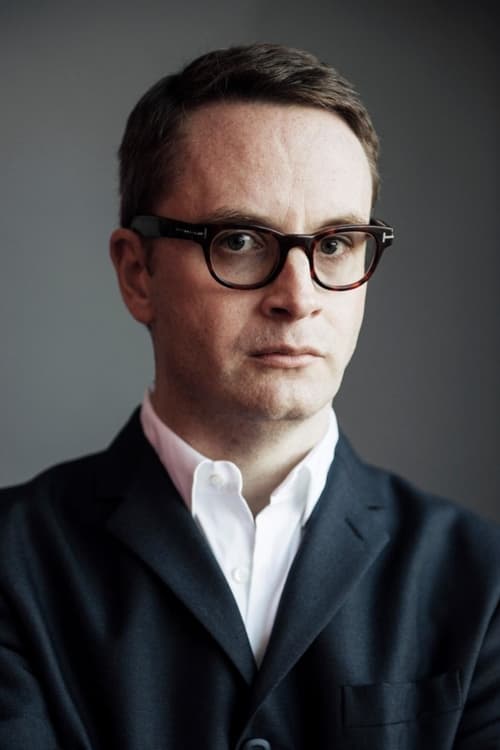
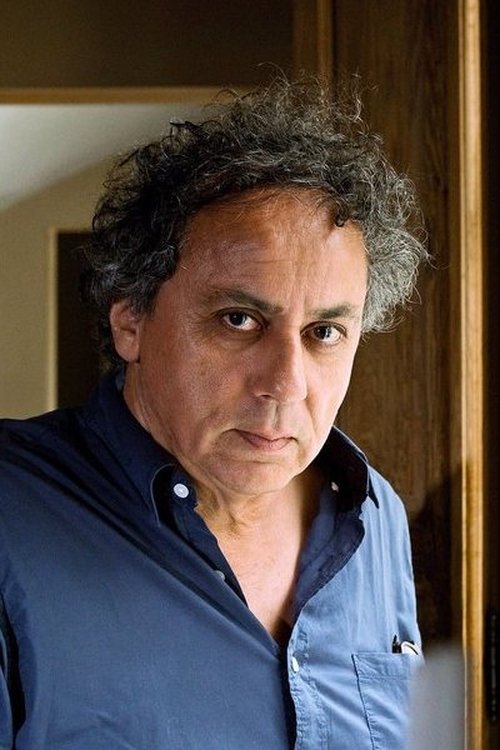
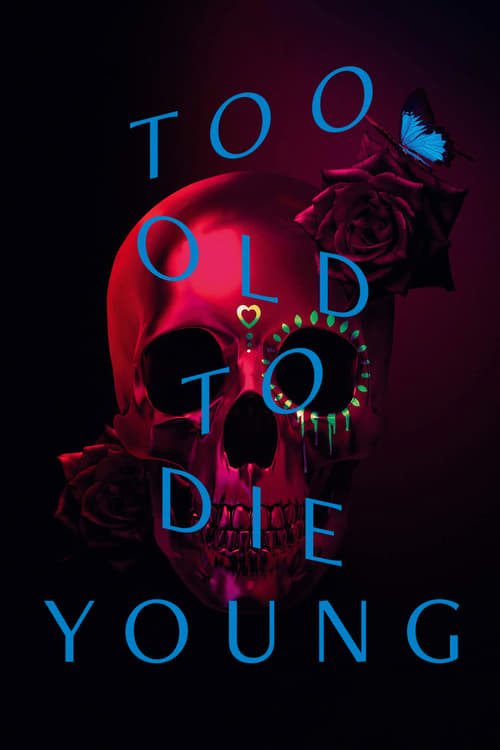
I’ve not seen all of Nicolas Winding Refn’s work, but I’m familiar with him and I’ve mostly enjoyed the five or so films I’ve seen (‘Valhalla Rising’ was probably the most fun & ‘Drive’ probably the most accomplished). I mention this upfront mainly to indicate that, going in, I’d some idea what to expect.
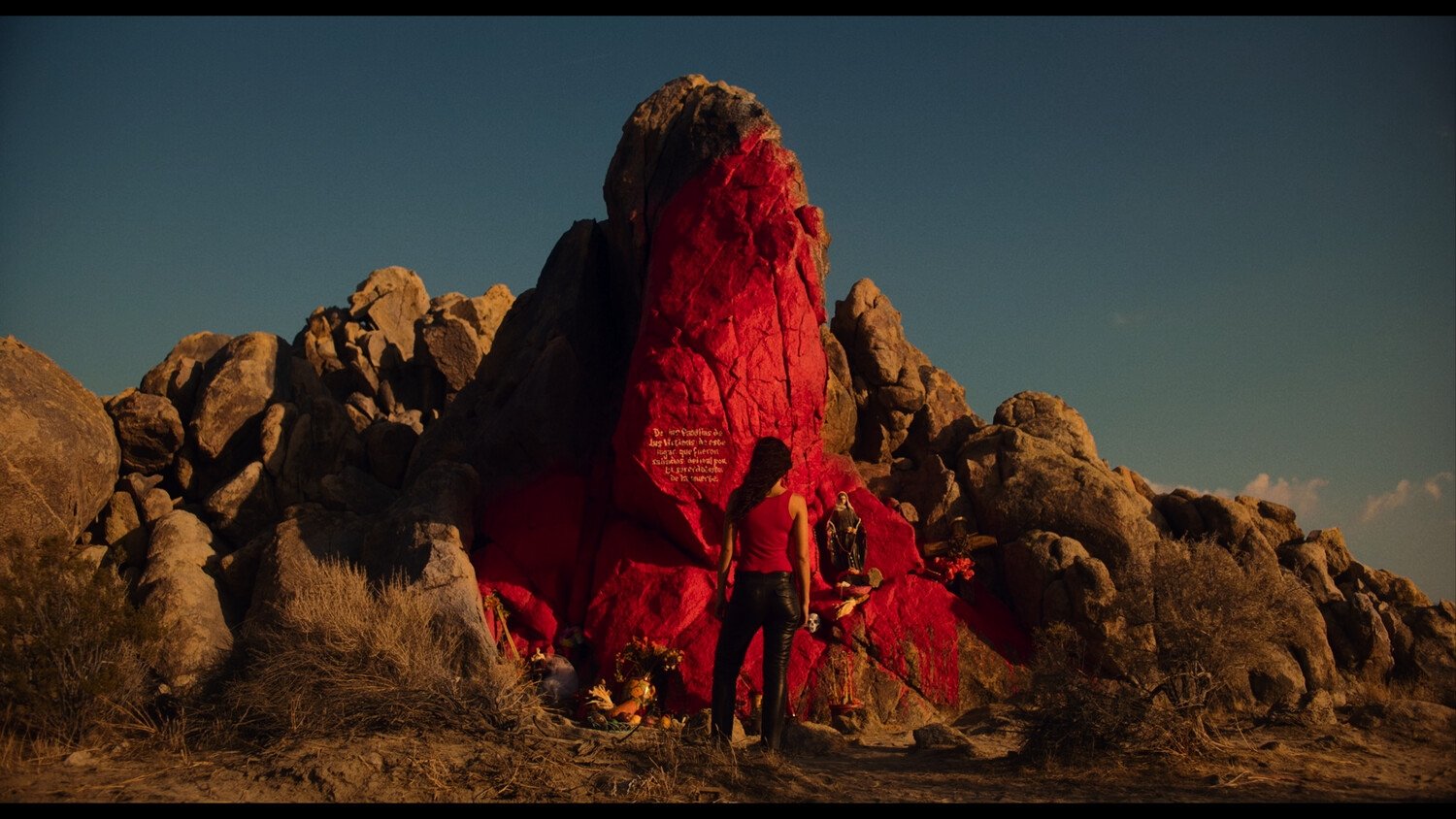
That said, Jaysus, this was a slog. So very much footage in service of so very little material. I know, I know; you (imaginary reader) might say, it’s all about the swirling ambiance, the duality of the development, the slow build and explosive release (ala the opening sense of episode 10). To which I say, yeah, whatever, but ~really~ it’s all only about repressed desires and mommy issues, bathed in sodium lighting and half-remembered bits from David Lynch movies.
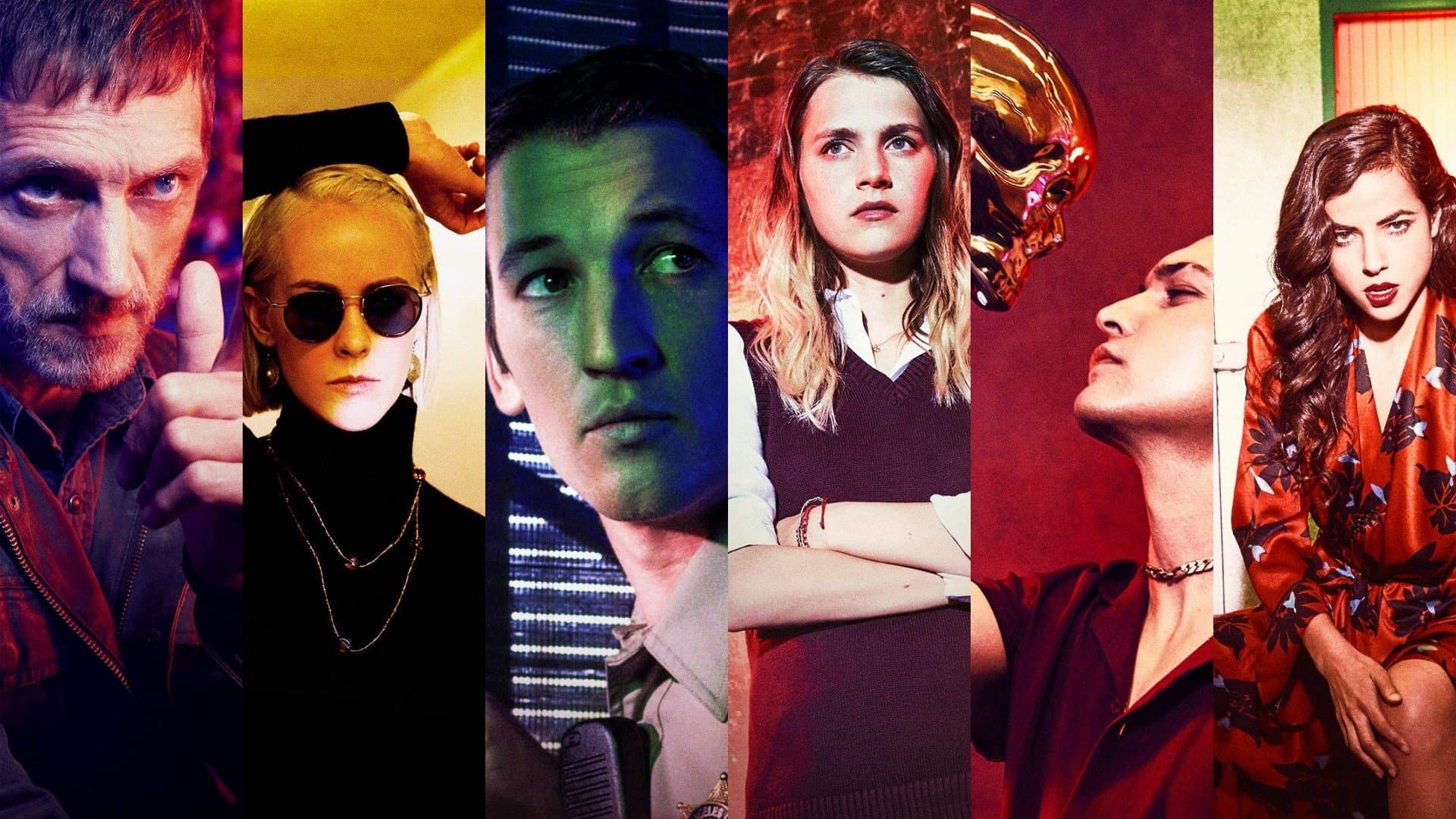
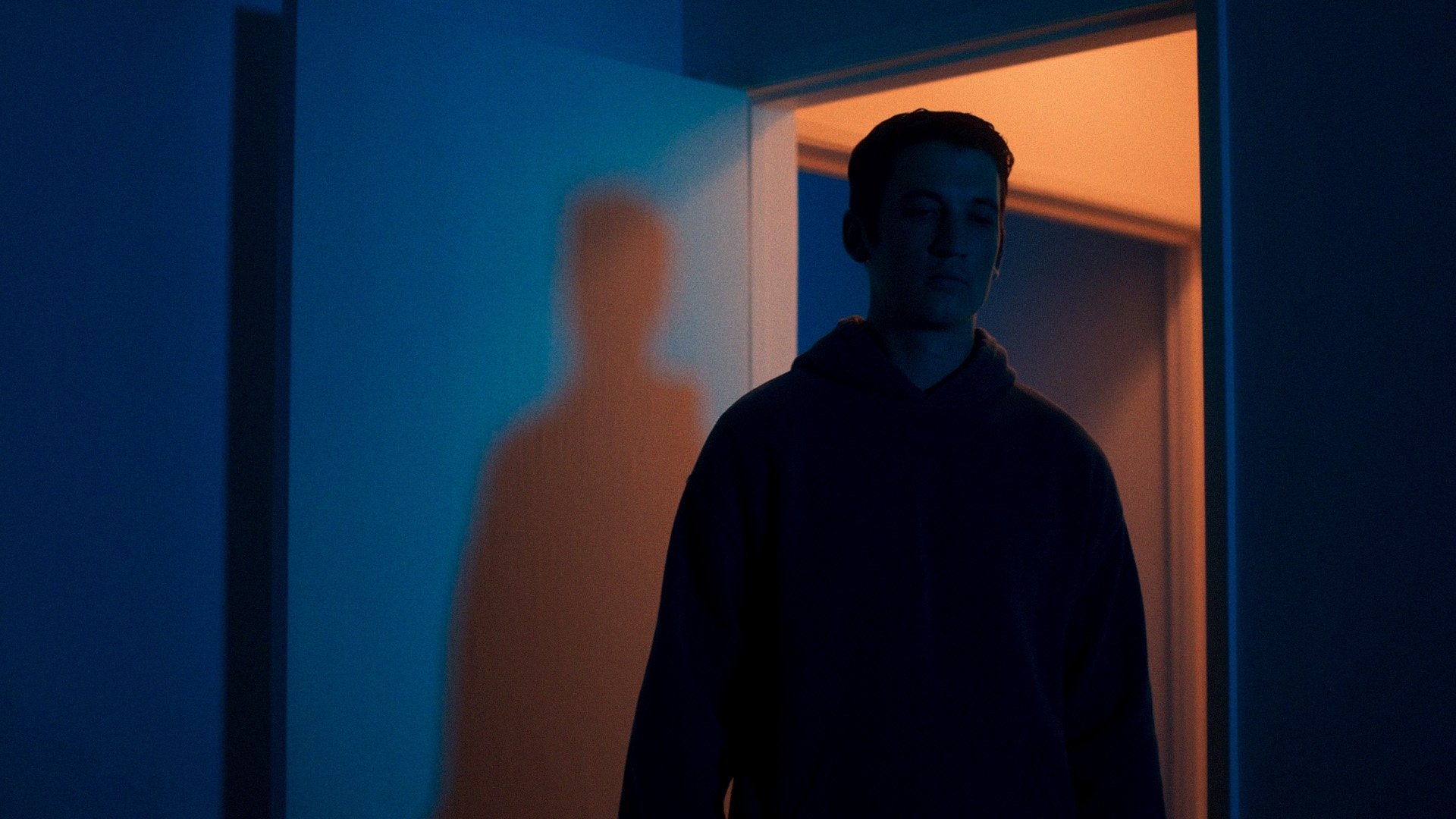
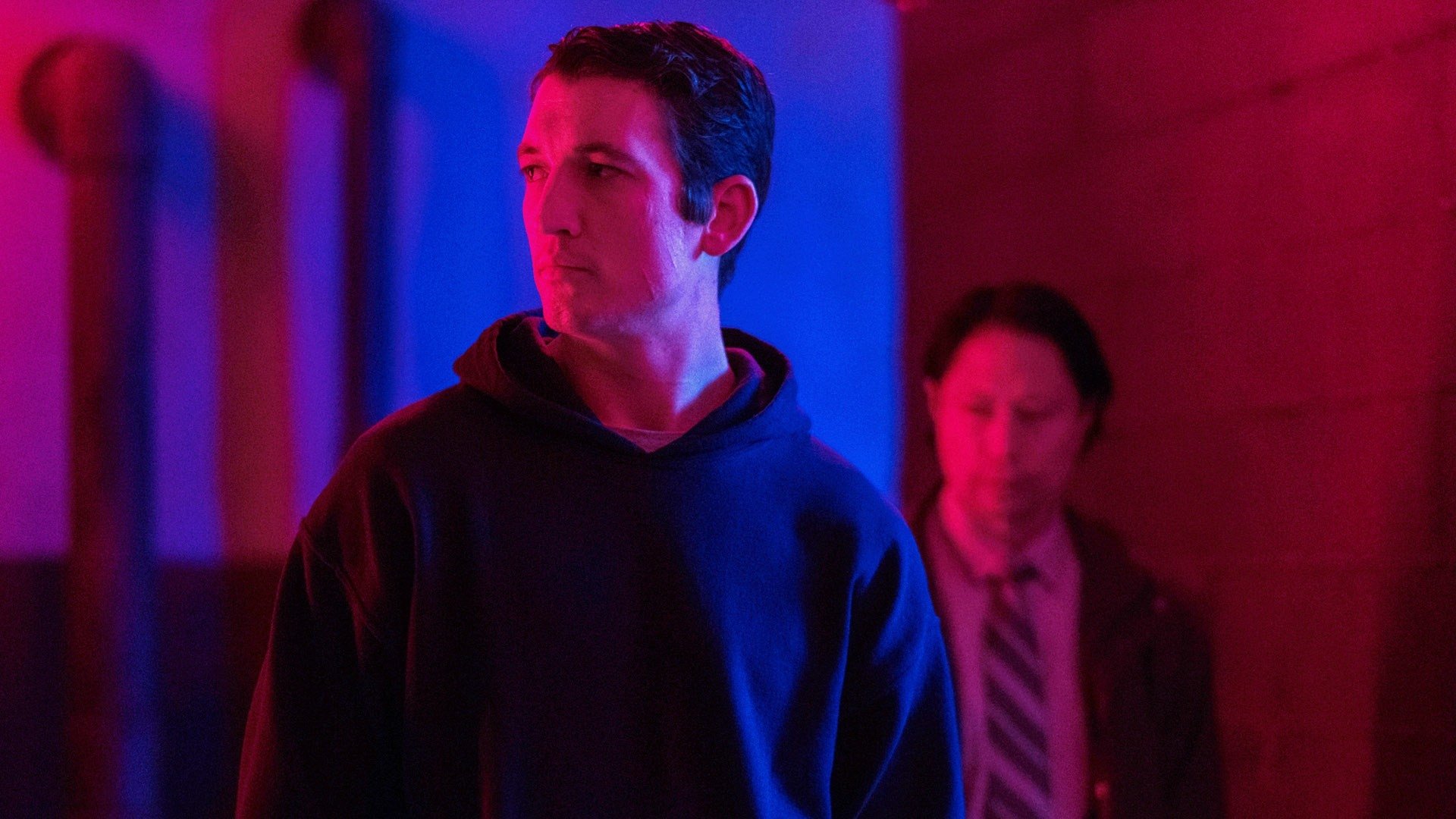
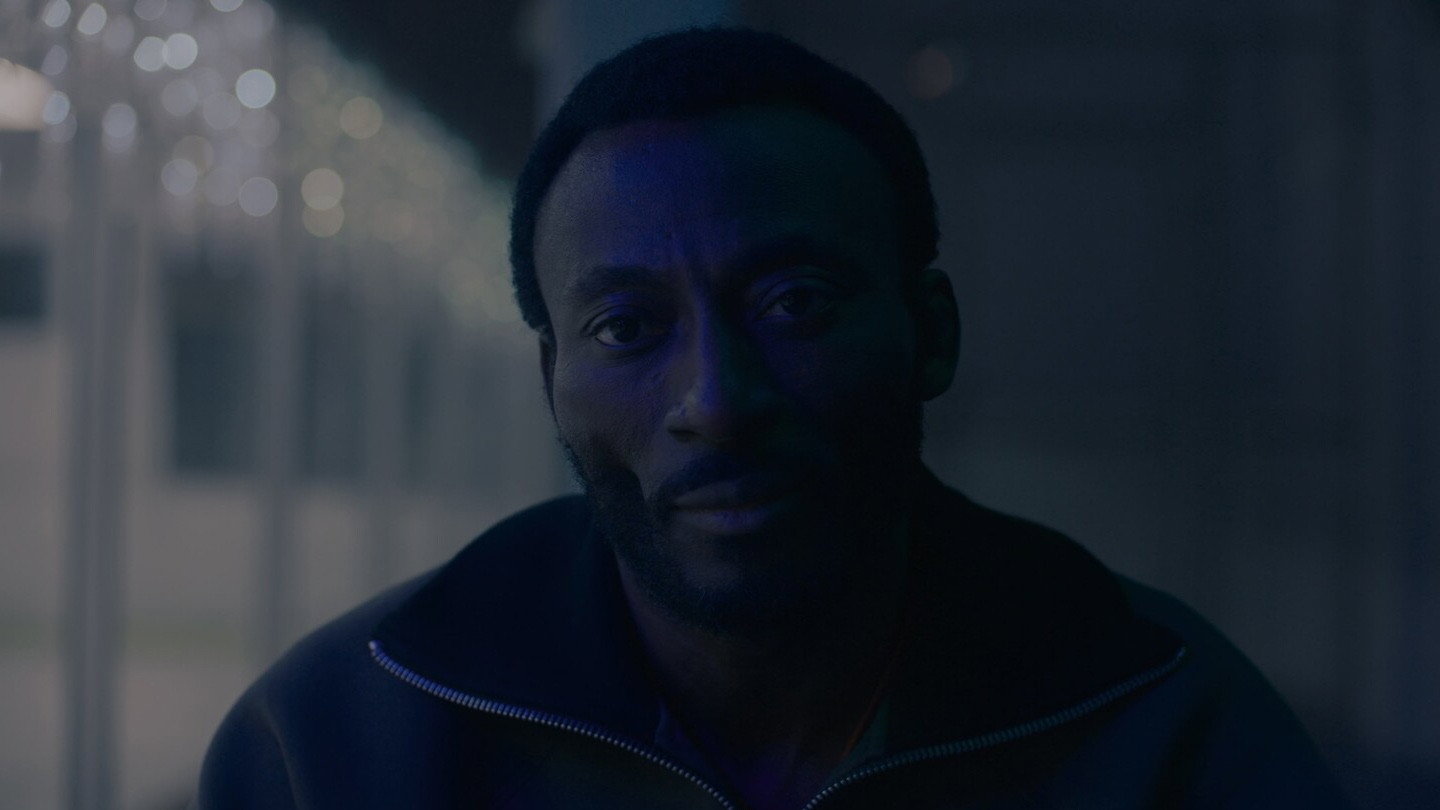
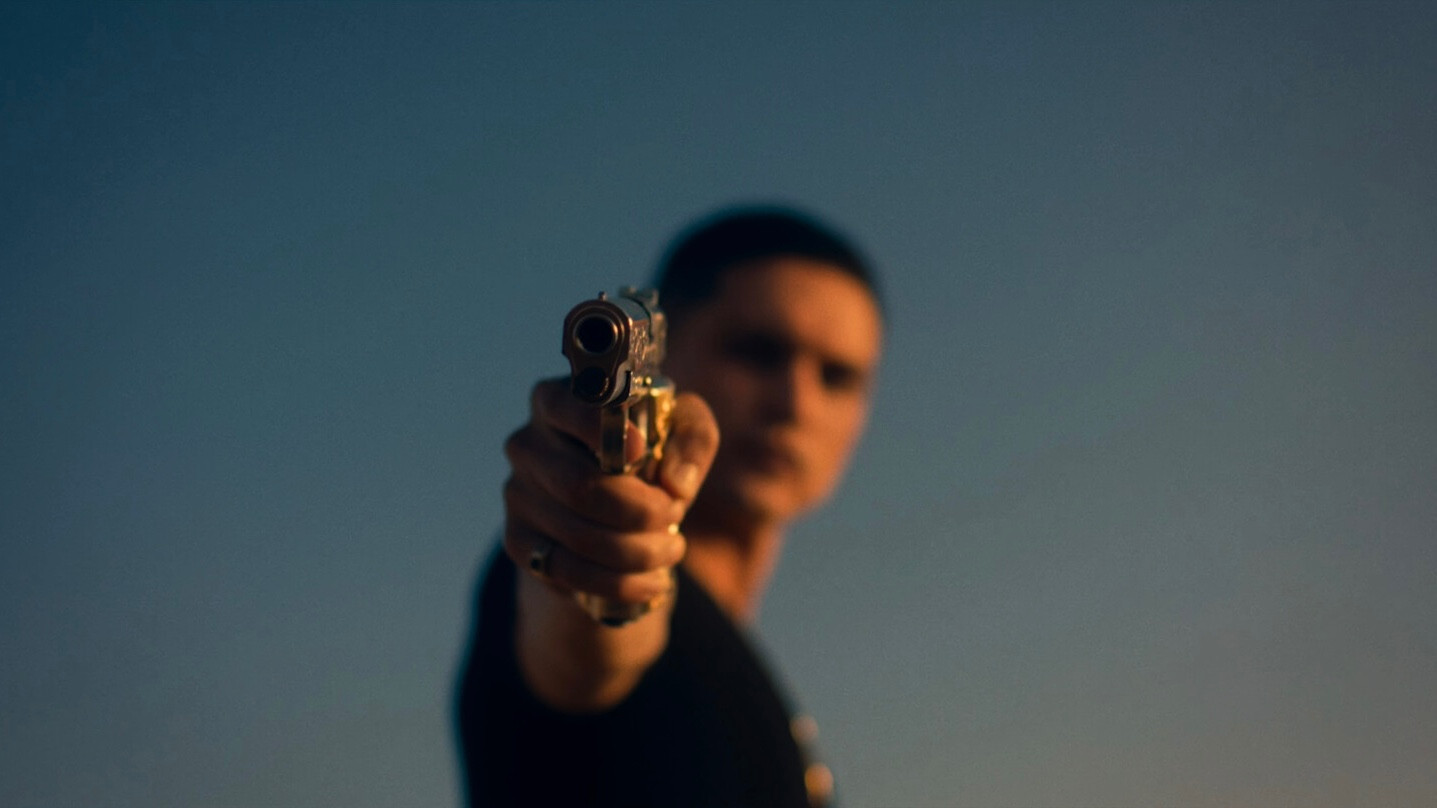
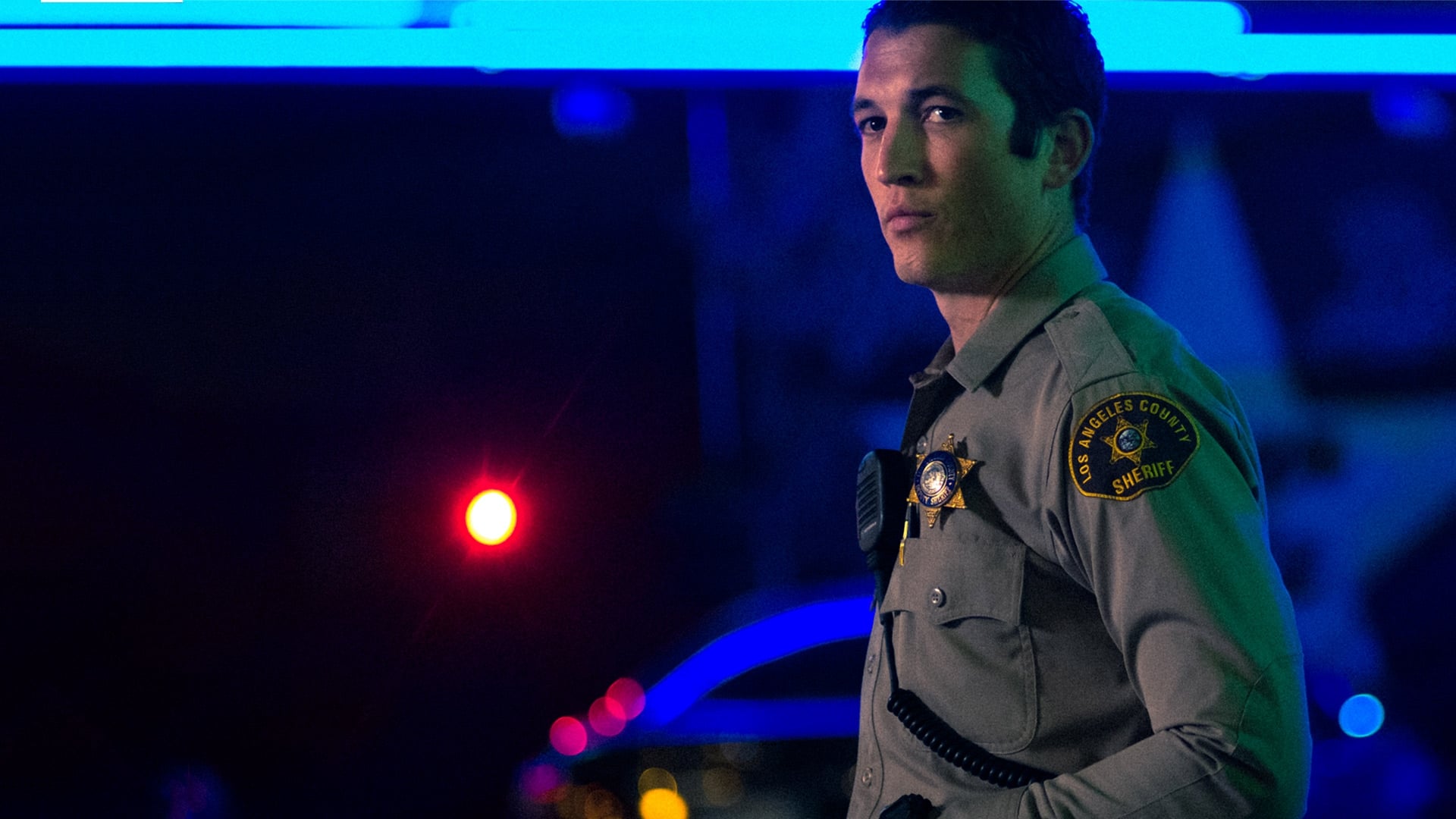
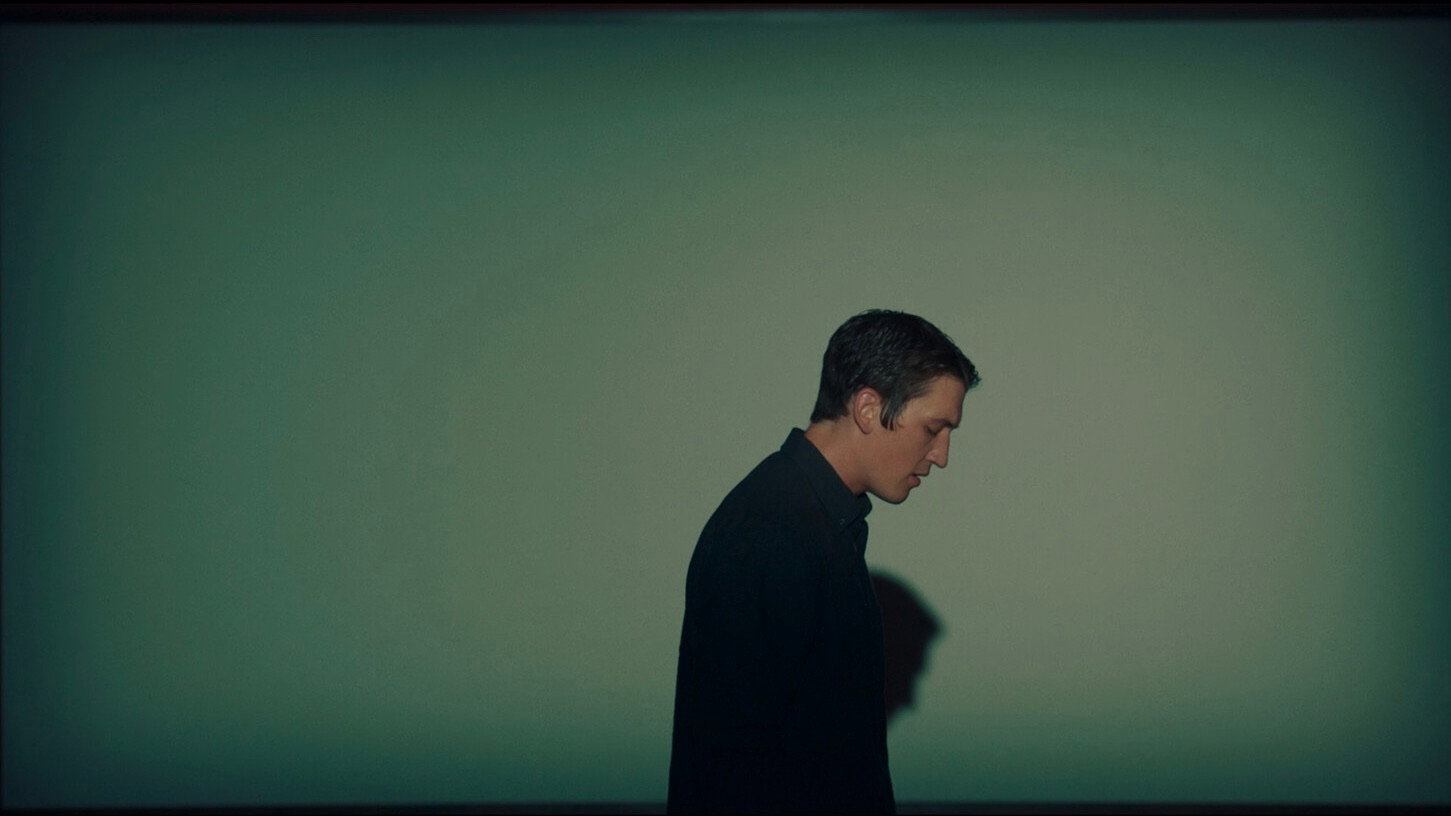
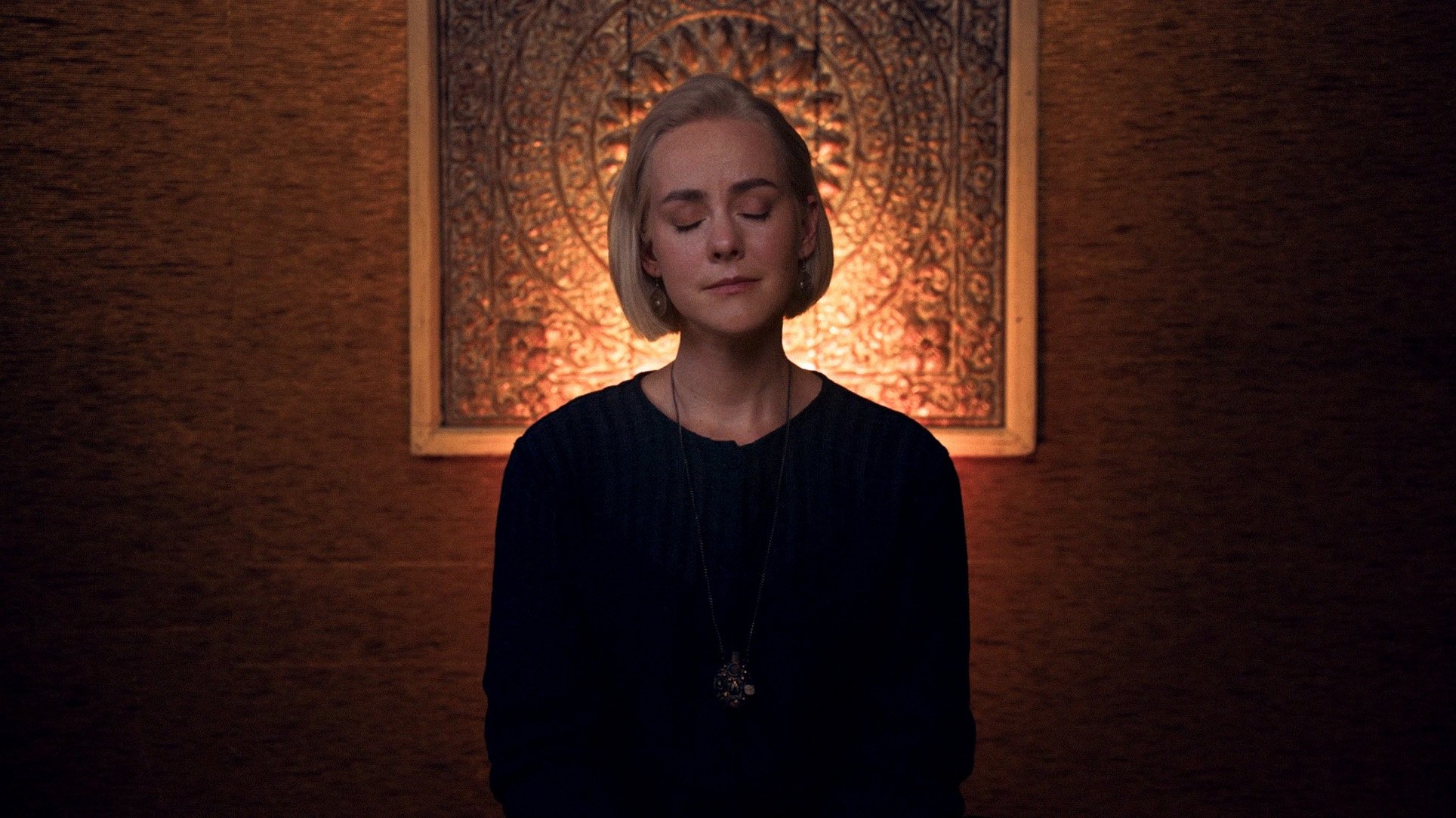
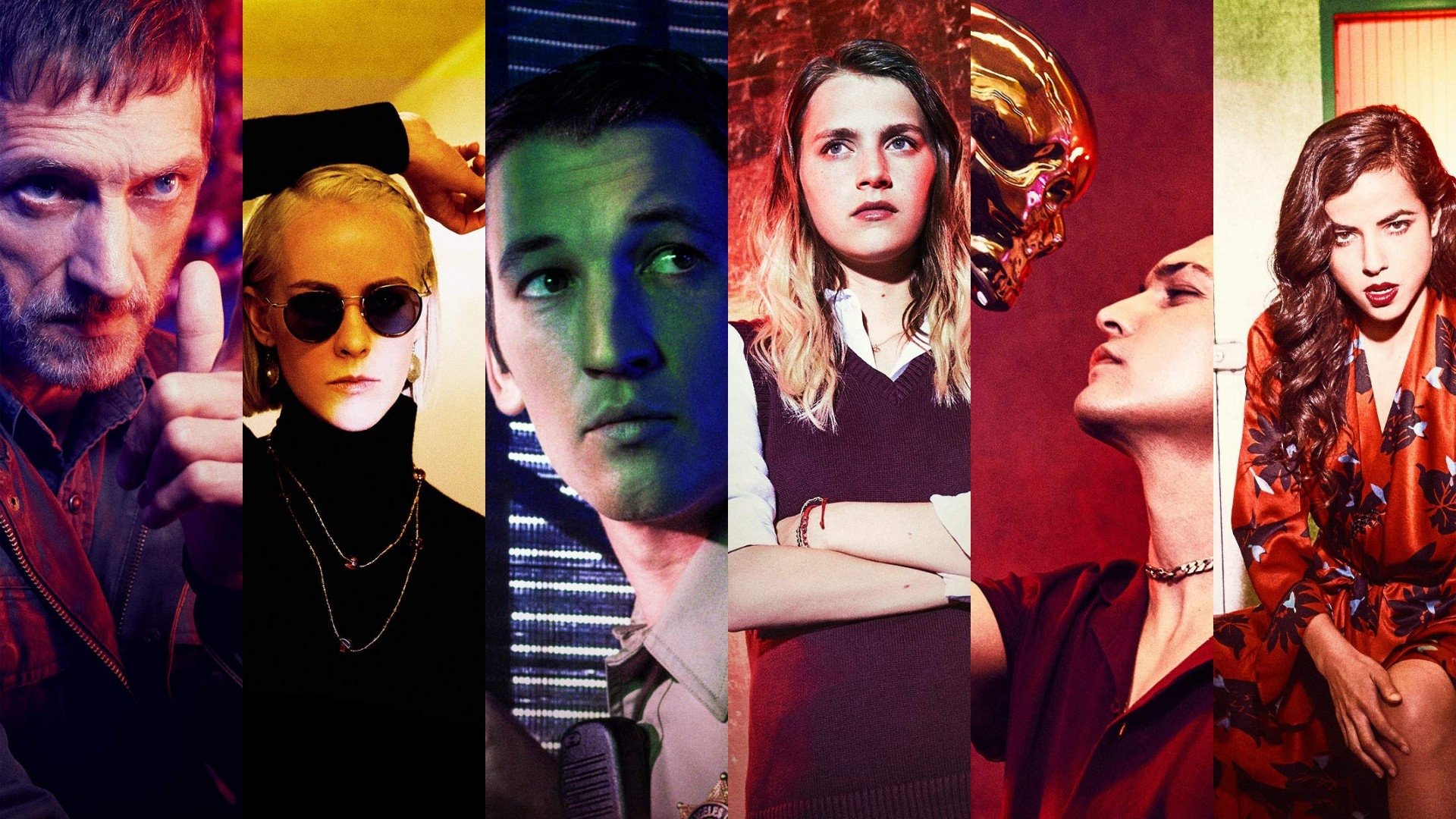
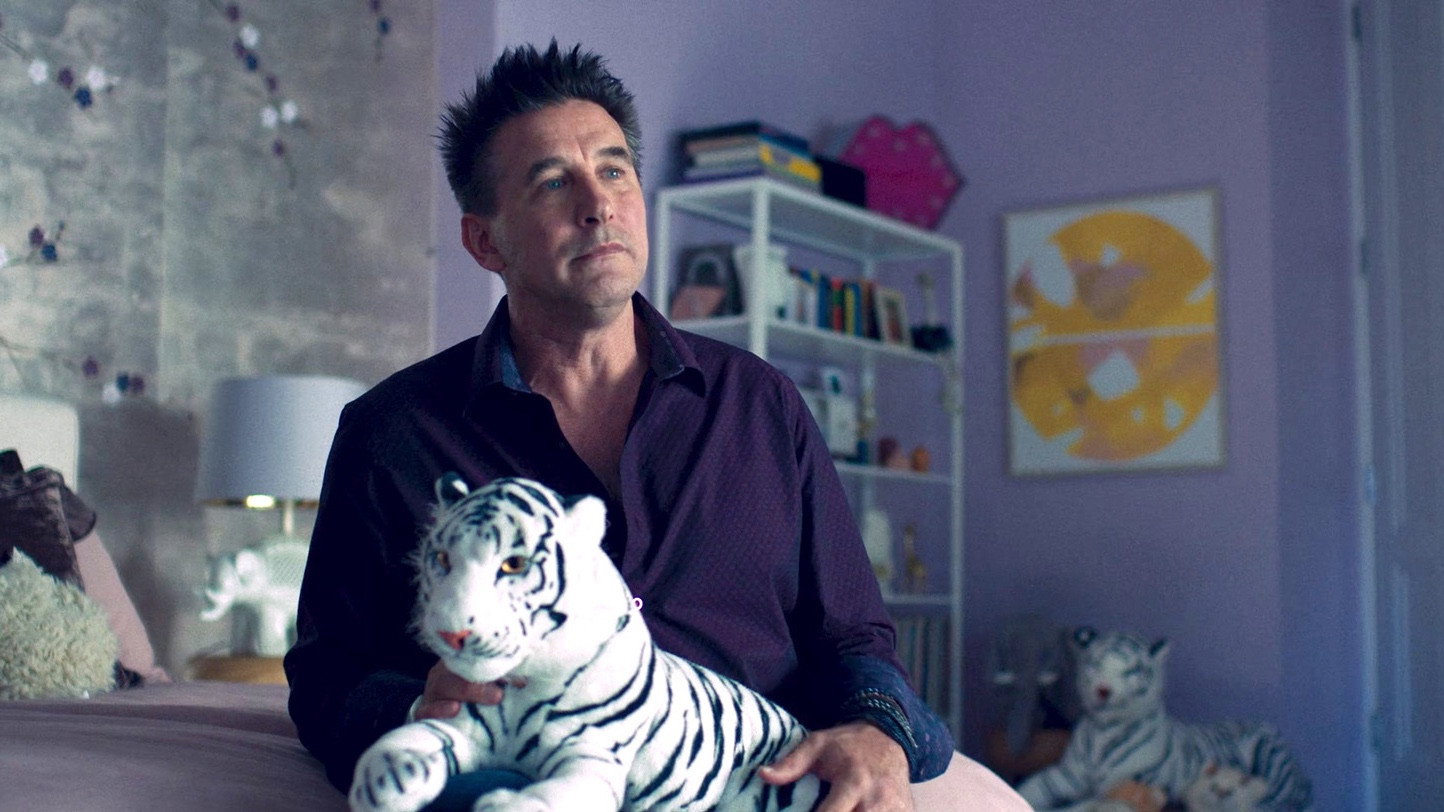
Teller’s character is supremely inert, clearly going for the same sort of thing as Gosling’s from ‘Drive’ but, and this should come as a surprise to no one, Teller isn’t Gosling. I’m not knocking the performance, it’s obviously what Refn has asked him to do, but here it is in service of nothing so much as an opaque take on applying Tarot card readings to an entirely imagined version of a societal microcosm. Aguilera fares much better, but in part because he gets to act occasionally, instead of just standing (or sitting) still, completely expressionless, all the time. Olusanmokun has easily the interesting character and gives likely the best performance, though Hawkes is really trying to make something out of his nothing. Malone and Rodlo are both set up to be interesting, but neither gets more than a glimmer of opportunity to do anything with it, and almost everyone else is just a collection of tics (Baldwin), bland expressions (Free), or caricatures (pretty much everyone playing a cop). Again, understand, I’m not faulting the performances, Refn wants them like this. So, the question is, why?
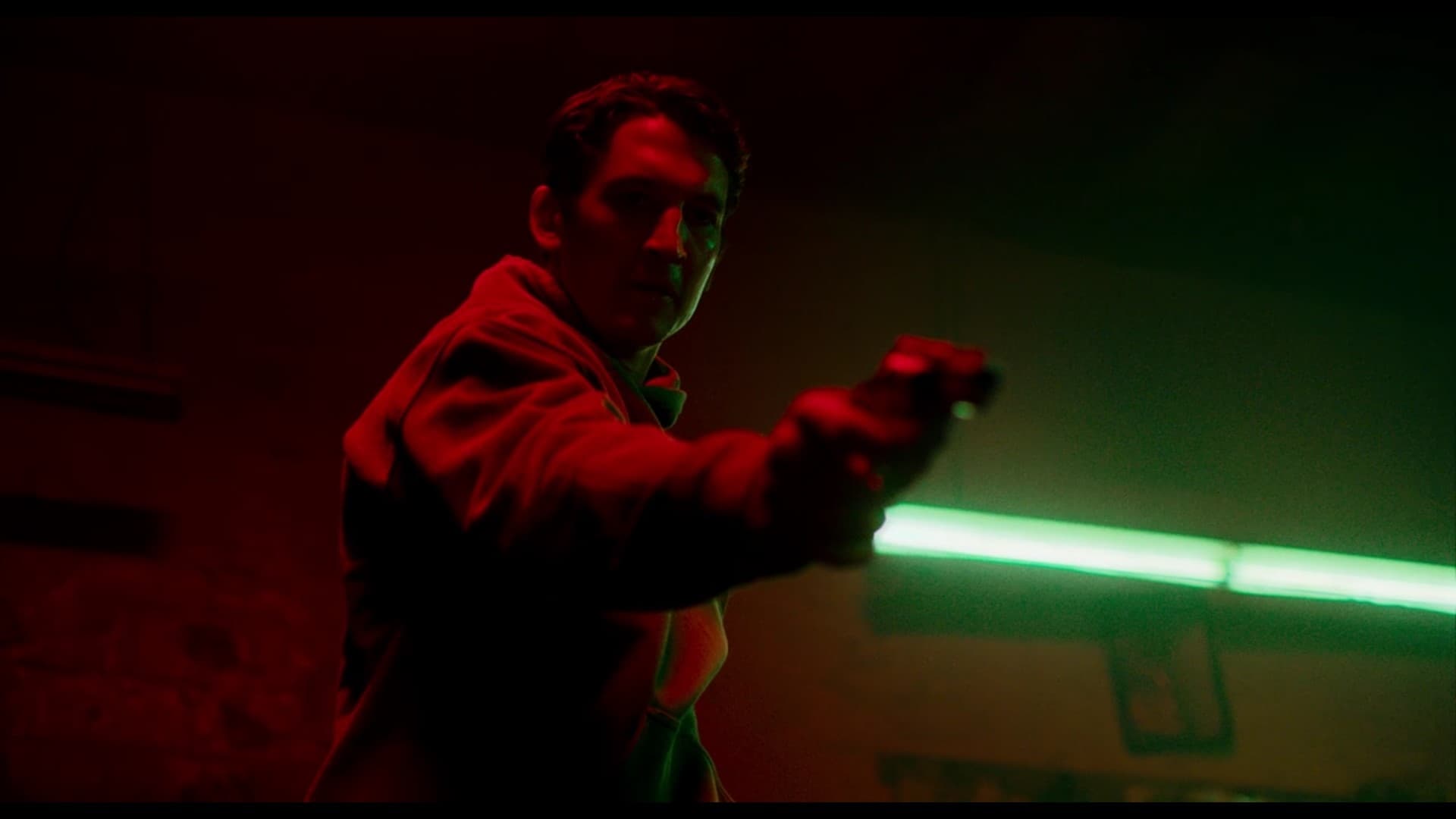
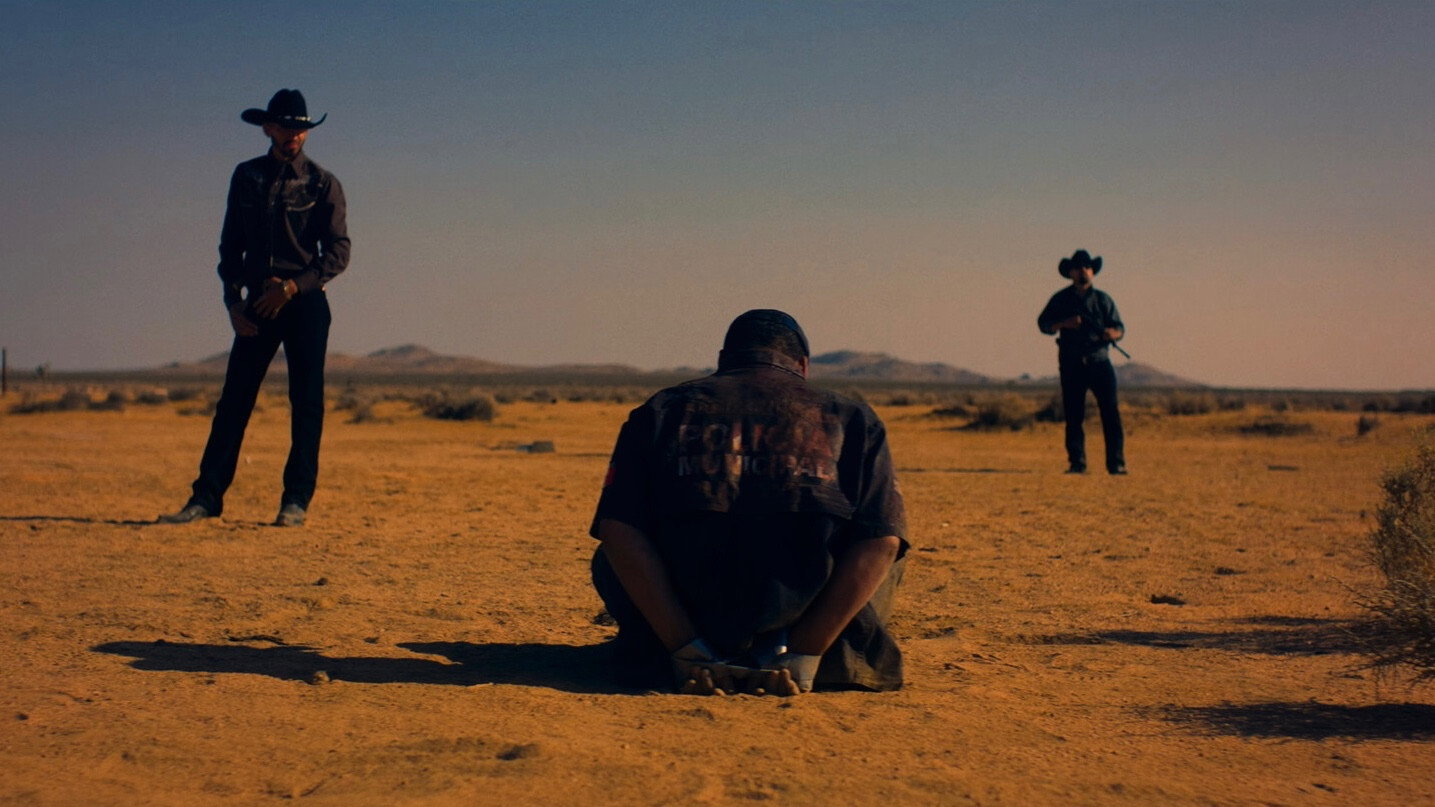
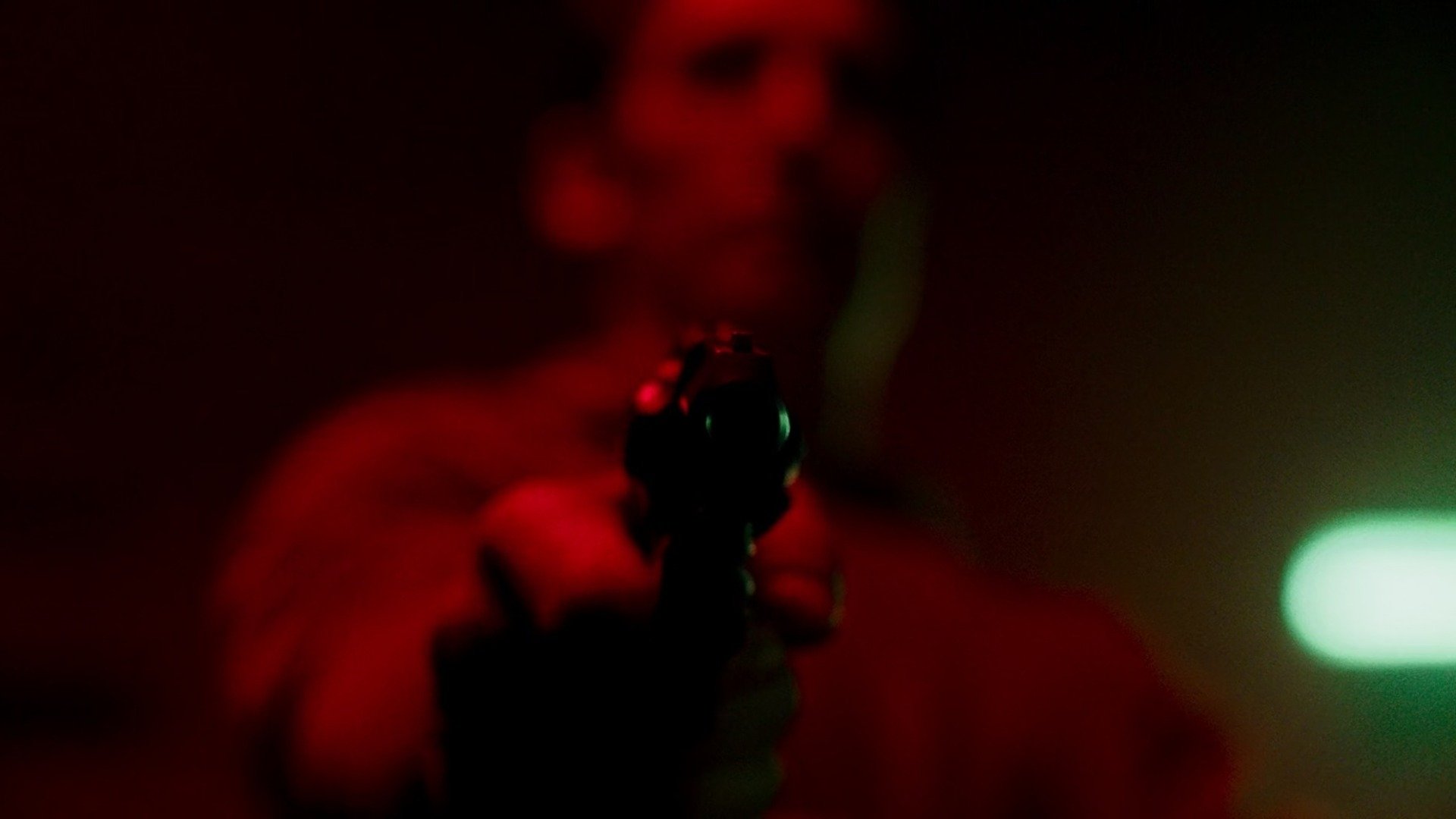
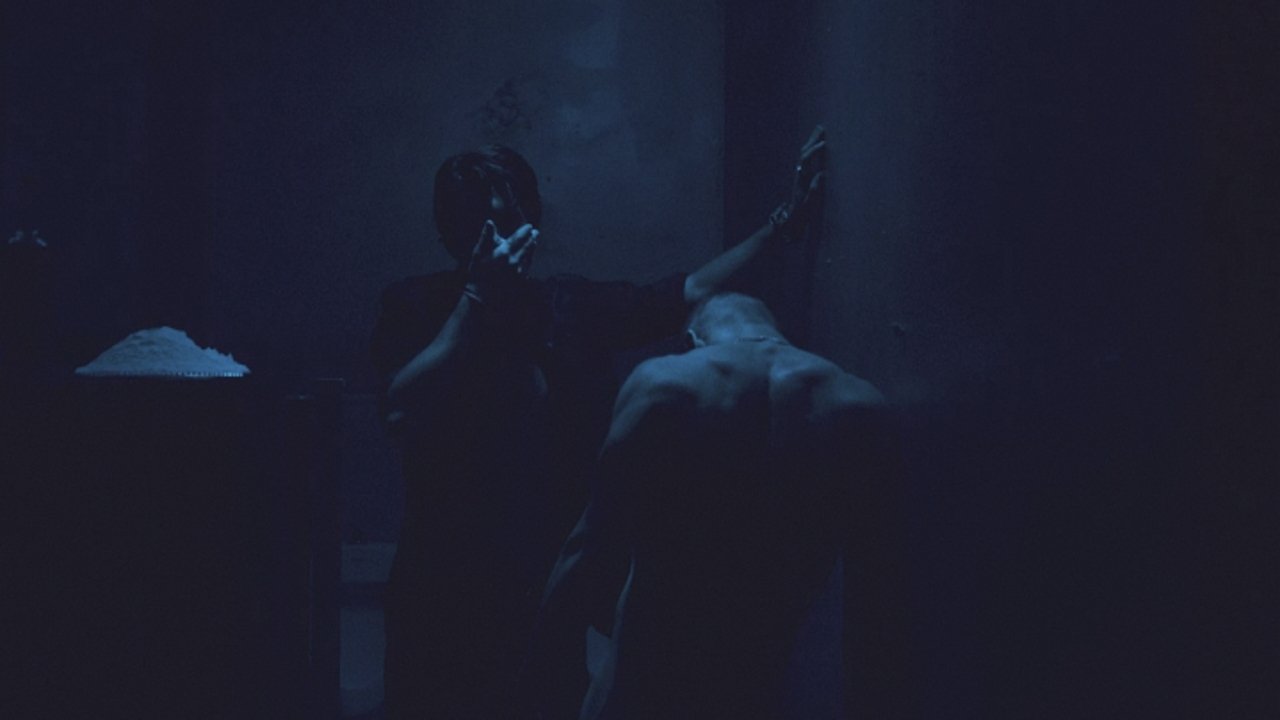
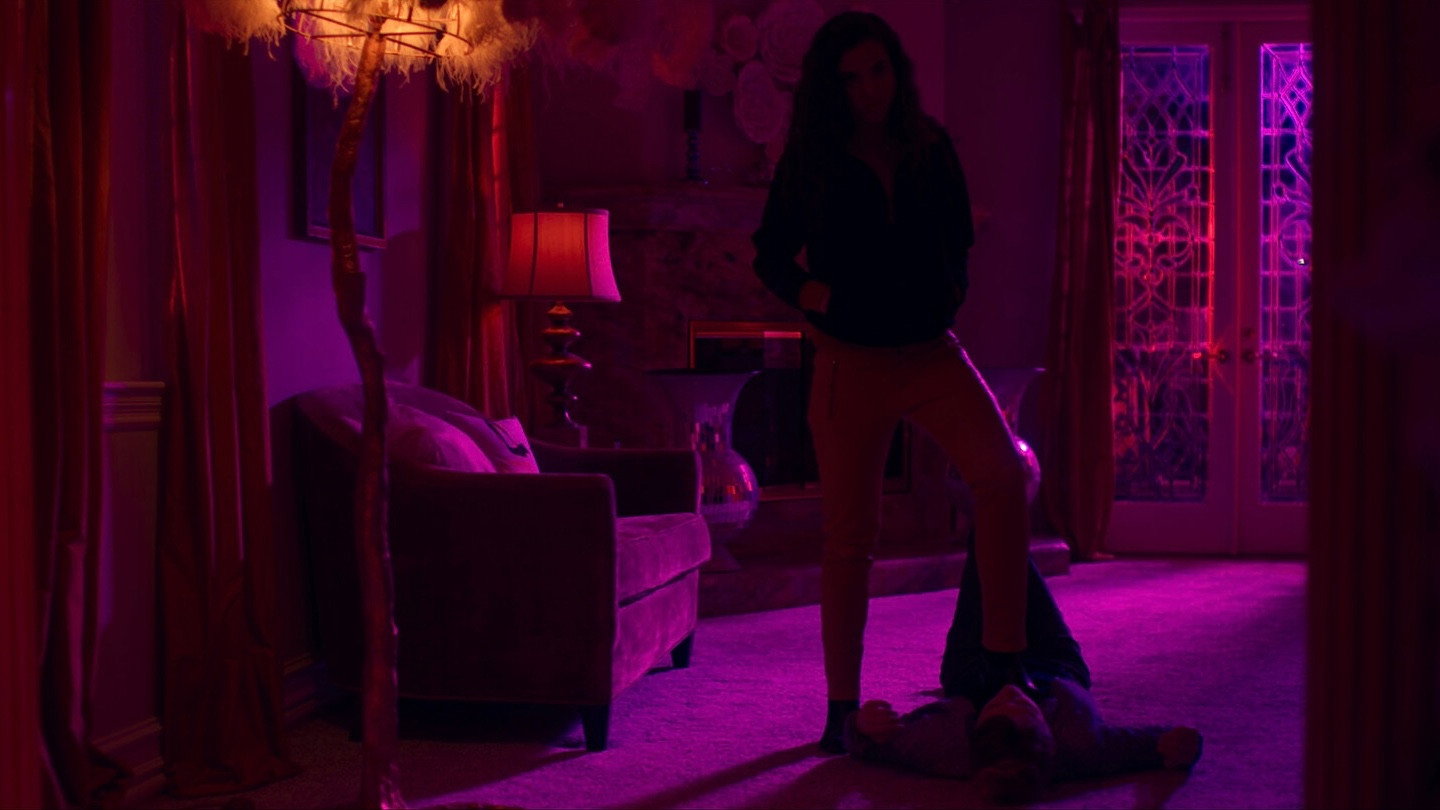
Is he trying to offset the human stillness with propulsive blood splatters? Maybe, but that’s not new, interesting, or done in a novel manner, so who cares? Is he making some sort of a statement about how the human condition is ultimately powerless again the forces of fate/time/bullets? Again maybe, but it’s so vague that all you are left with are the insanely long tracking shots that, sure, are pretty to look at but, shit, I could go and stand outside, turn slowly all the way around, and be back on the couch before Refn called a scene cut. Is he just playing some sort of edge-lord version of ‘disturbing images on tv’ (well, streaming)? To what end, there’s nothing here you couldn’t have seen somewhere else — though I’ll grant that the James Urbaniak scene at the start of episode 5 is pretty upsetting—however I must point out that that scene has power because of the performance, not in spite of it, and that difference explains pretty much what’s wrong with everything else here.
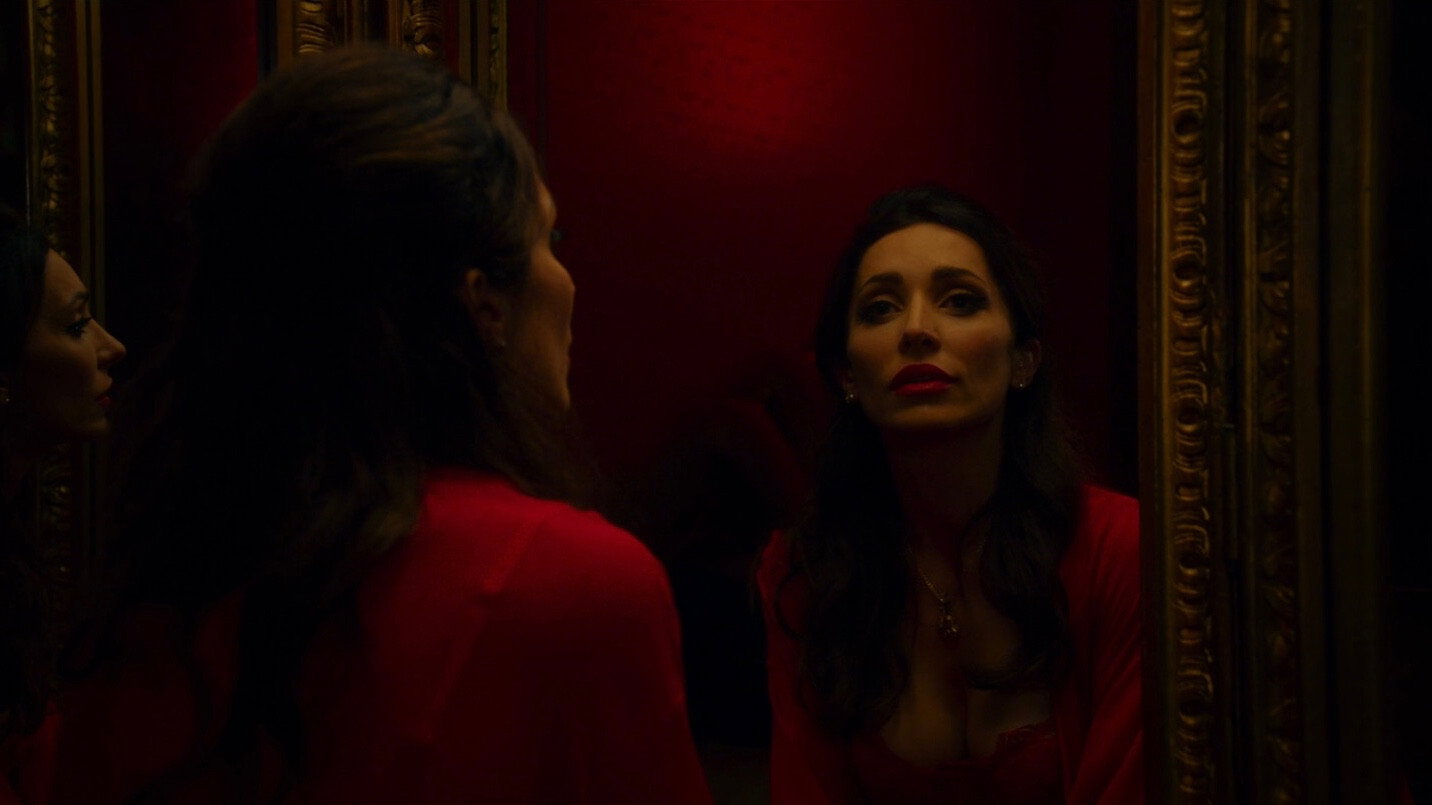
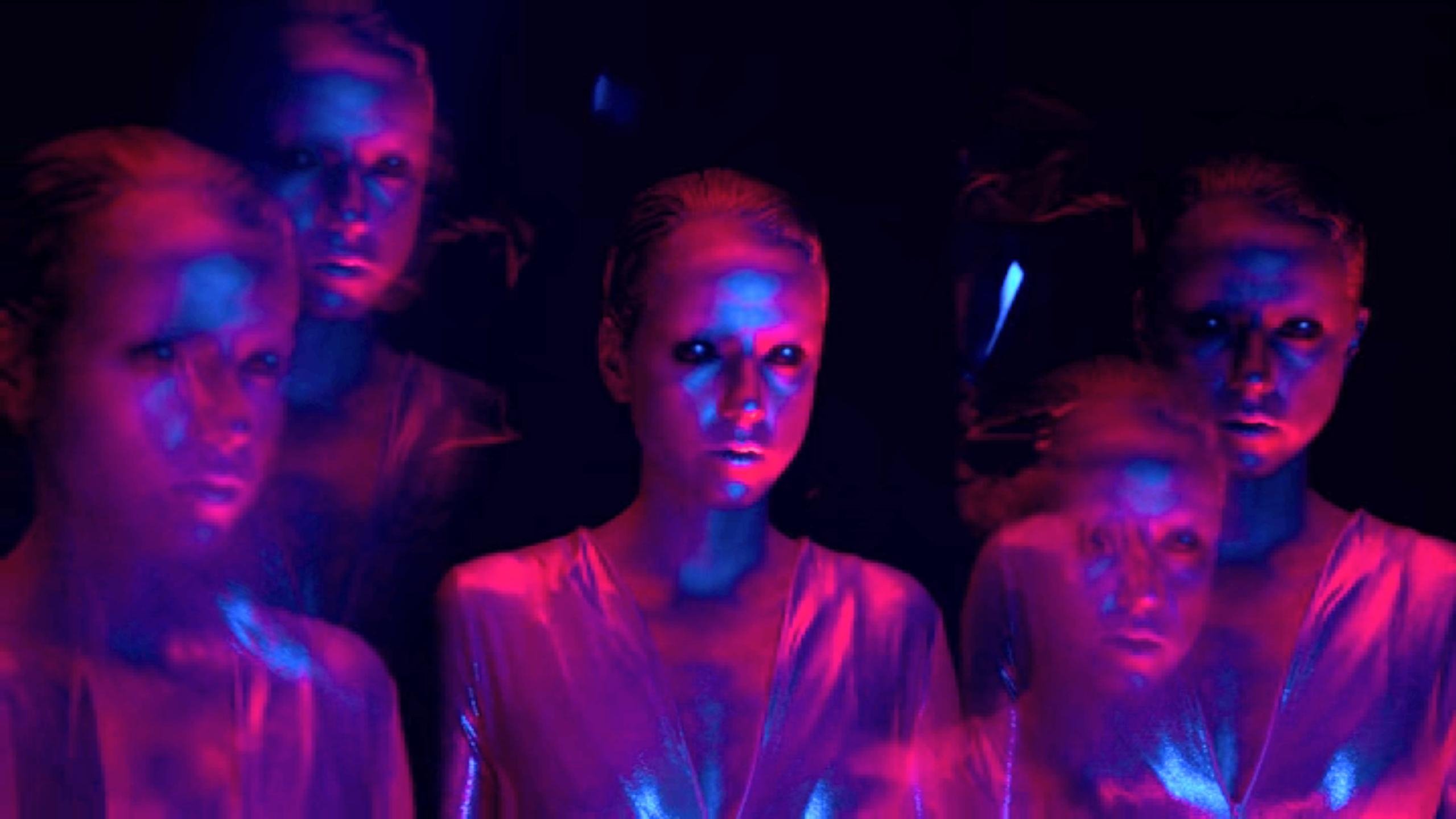
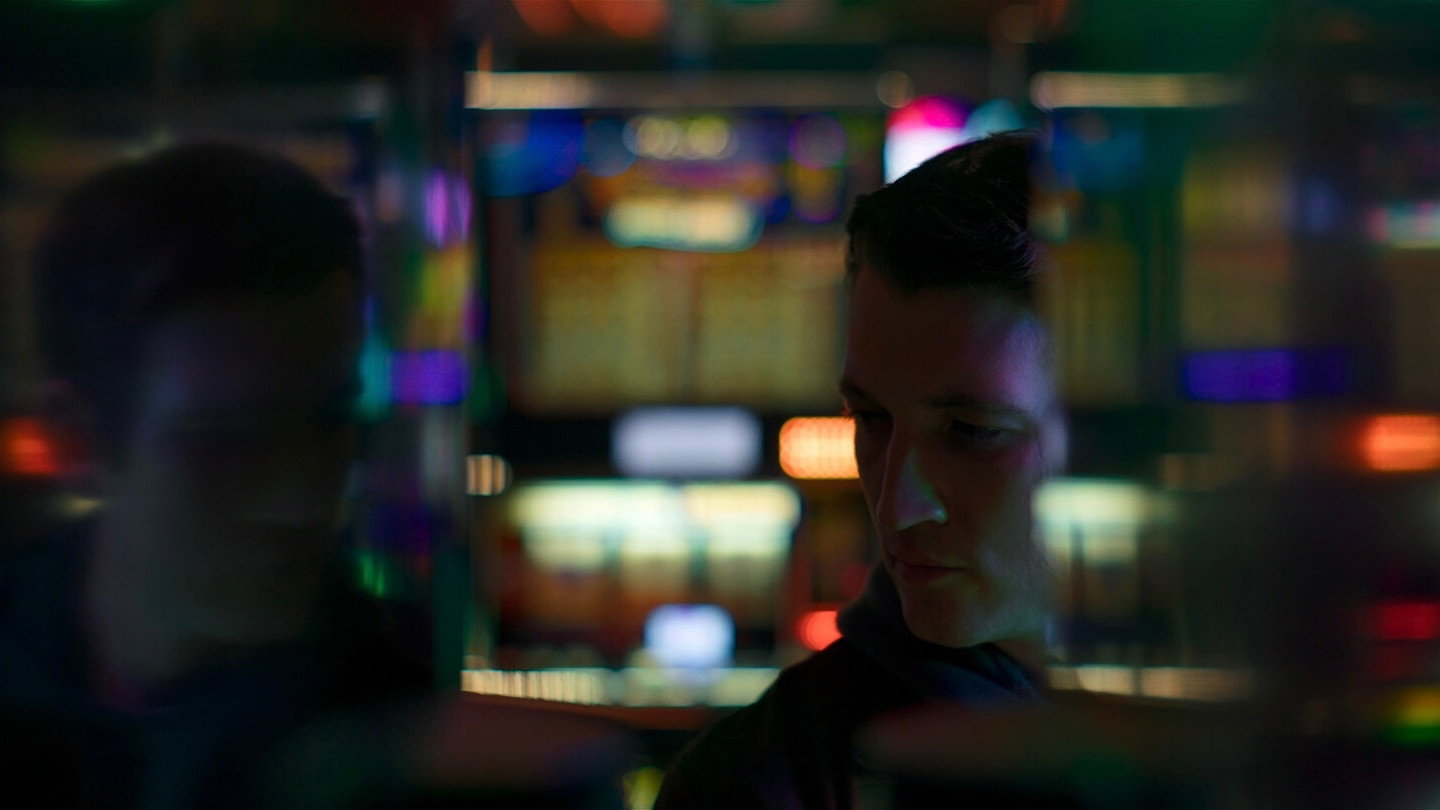
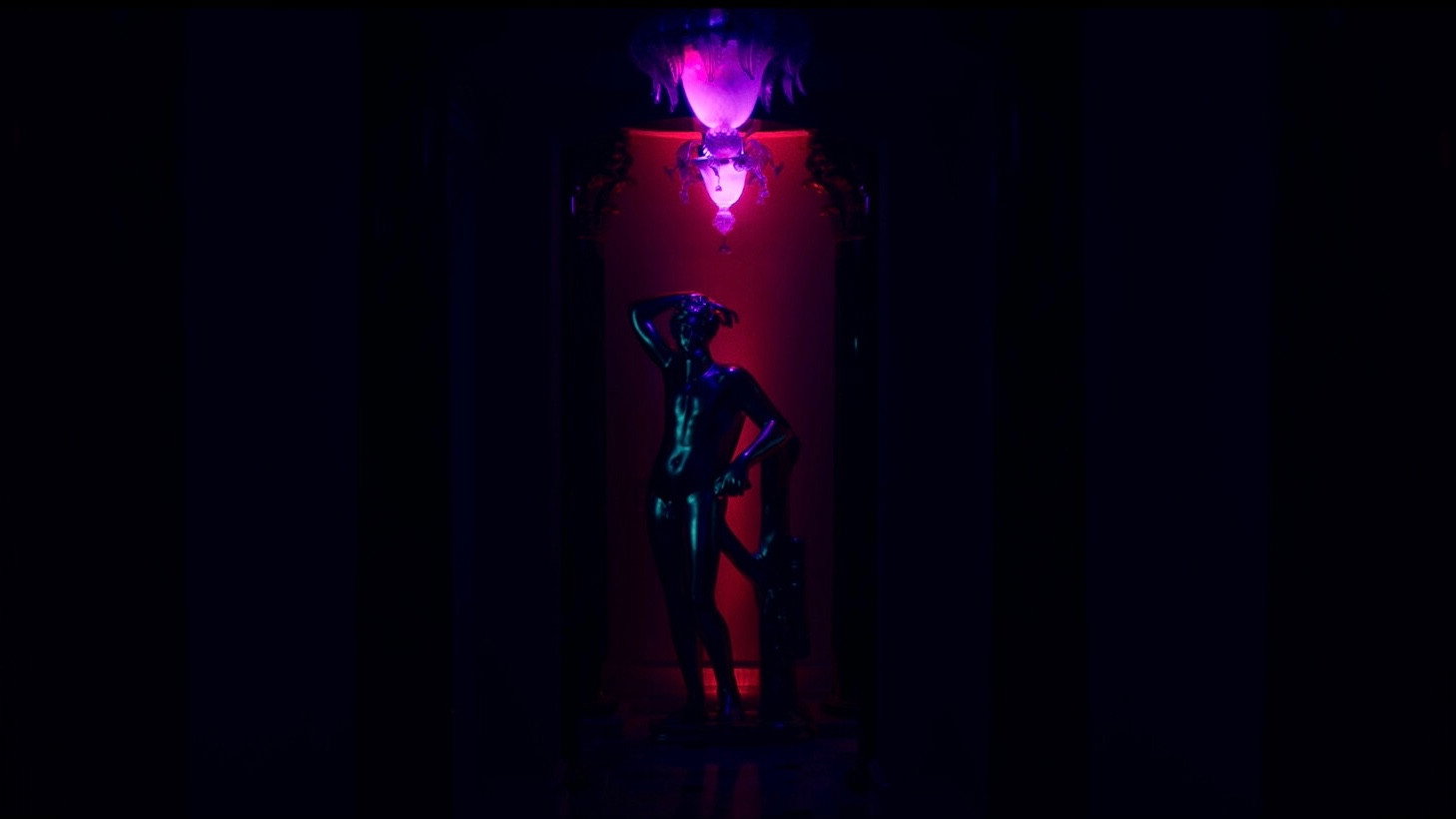
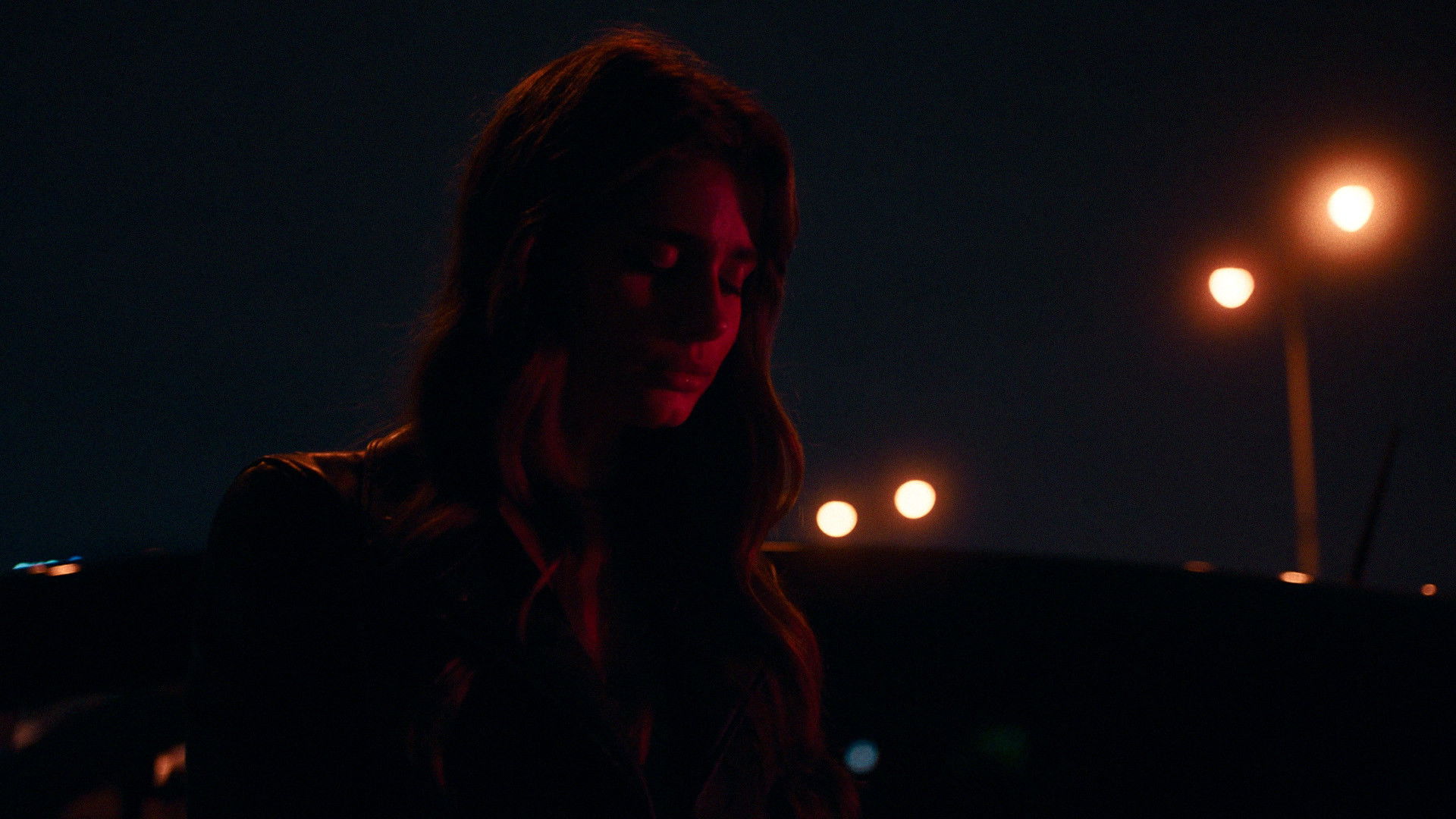
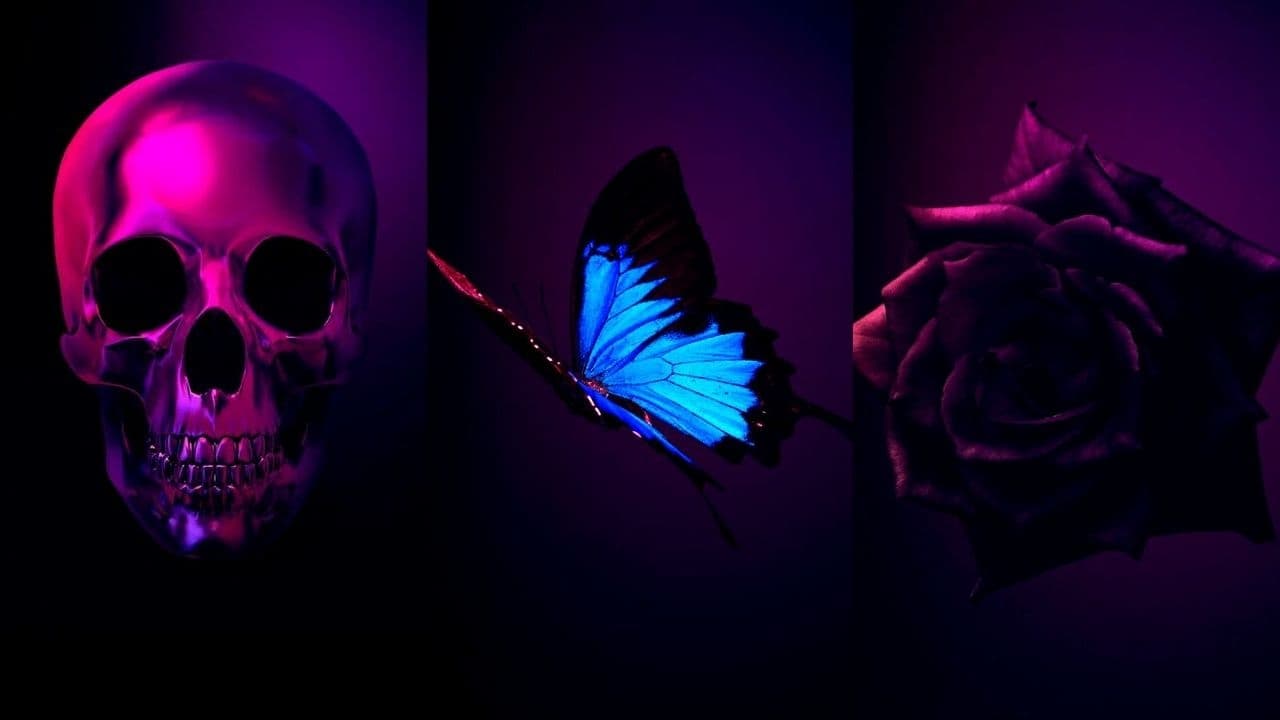
Beginning around about the third to last episode (and including the Oliver Stone pastiche, the ‘workplace comedy,’ and yes, the arrival of aliens), things seem to settle fully, as opposed to intermittently, into trying to make some sort of indictment of hypocrisy, but after the fairly full-throated endorsements of violence that had been the most obviously stylistic touchstones previously (followed closely by ‘neon’ (tm) and ‘reflections’ (tm)), it is all just a bit too little/too late, not to mention reeking of its own hypocritical constructs. Particularly when considering that the 12.5 hour runtime could have been significantly reduced by just halving the 10 second pauses between virtually every line of dialogue — I’m not suggesting that should have been done (or, god forbid, that it would improve things), but at this rate, I kind of wonder of Refn might be more happy making ambient video installations for interactive wine bar ‘experiences’ than, you know, motion pictures.
I’ve not seen all of Nicolas Winding Refn’s work, but I’m familiar with him and I’ve mostly enjoyed the five or so films I’ve seen (‘Valhalla Rising’ was probably the most fun & ‘Drive’ probably the most accomplished). I mention this upfront mainly to indicate that, going in, I’d some idea what to expect.
That said, Jaysus, this was a slog. So very much footage in service of so very little material. I know, I know; you (imaginary reader) might say, it’s all about the swirling ambiance, the duality of the development, the slow build and explosive release (ala the opening sense of episode 10). To which I say, yeah, whatever, but ~really~ it’s all only about repressed desires and mommy issues, bathed in sodium lighting and half-remembered bits from David Lynch movies.
Teller’s character is supremely inert, clearly going for the same sort of thing as Gosling’s from ‘Drive’ but, and this should come as a surprise to no one, Teller isn’t Gosling. I’m not knocking the performance, it’s obviously what Refn has asked him to do, but here it is in service of nothing so much as an opaque take on applying Tarot card readings to an entirely imagined version of a societal microcosm. Aguilera fares much better, but in part because he gets to act occasionally, instead of just standing (or sitting) still, completely expressionless, all the time. Olusanmokun has easily the interesting character and gives likely the best performance, though Hawkes is really trying to make something out of his nothing. Malone and Rodlo are both set up to be interesting, but neither gets more than a glimmer of opportunity to do anything with it, and almost everyone else is just a collection of tics (Baldwin), bland expressions (Free), or caricatures (pretty much everyone playing a cop). Again, understand, I’m not faulting the performances, Refn wants them like this. So, the question is, why?
Is he trying to offset the human stillness with propulsive blood splatters? Maybe, but that’s not new, interesting, or done in a novel manner, so who cares? Is he making some sort of a statement about how the human condition is ultimately powerless again the forces of fate/time/bullets? Again maybe, but it’s so vague that all you are left with are the insanely long tracking shots that, sure, are pretty to look at but, shit, I could go and stand outside, turn slowly all the way around, and be back on the couch before Refn called a scene cut. Is he just playing some sort of edge-lord version of ‘disturbing images on tv’ (well, streaming)? To what end, there’s nothing here you couldn’t have seen somewhere else — though I’ll grant that the James Urbaniak scene at the start of episode 5 is pretty upsetting—however I must point out that that scene has power because of the performance, not in spite of it, and that difference explains pretty much what’s wrong with everything else here.
Beginning around about the third to last episode (and including the Oliver Stone pastiche, the ‘workplace comedy,’ and yes, the arrival of aliens), things seem to settle fully, as opposed to intermittently, into trying to make some sort of indictment of hypocrisy, but after the fairly full-throated endorsements of violence that had been the most obviously stylistic touchstones previously (followed closely by ‘neon’ (tm) and ‘reflections’ (tm)), it is all just a bit too little/too late, not to mention reeking of its own hypocritical constructs. Particularly when considering that the 12.5 hour runtime could have been significantly reduced by just halving the 10 second pauses between virtually every line of dialogue — I’m not suggesting that should have been done (or, god forbid, that it would improve things), but at this rate, I kind of wonder of Refn might be more happy making ambient video installations for interactive wine bar ‘experiences’ than, you know, motion pictures.