
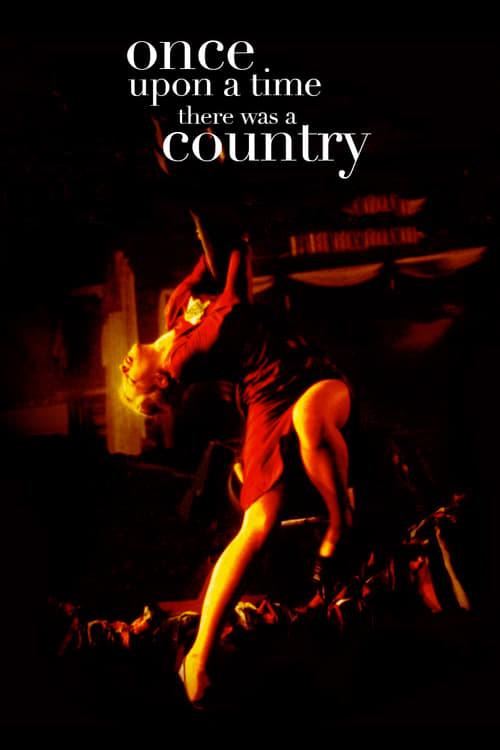
Once Upon a Time There Was a Country
1996·Drama·6 episodes
8.0
★
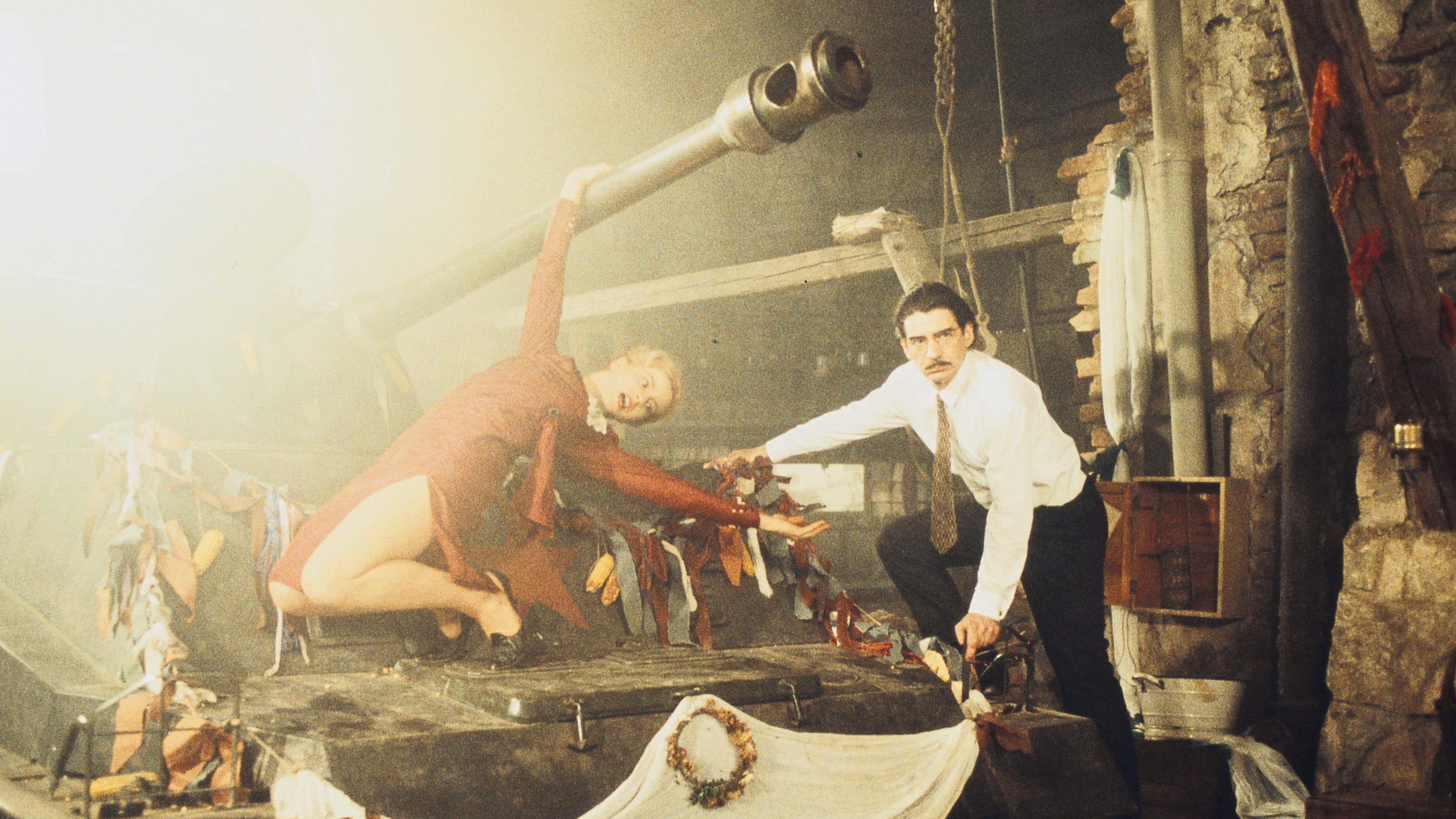
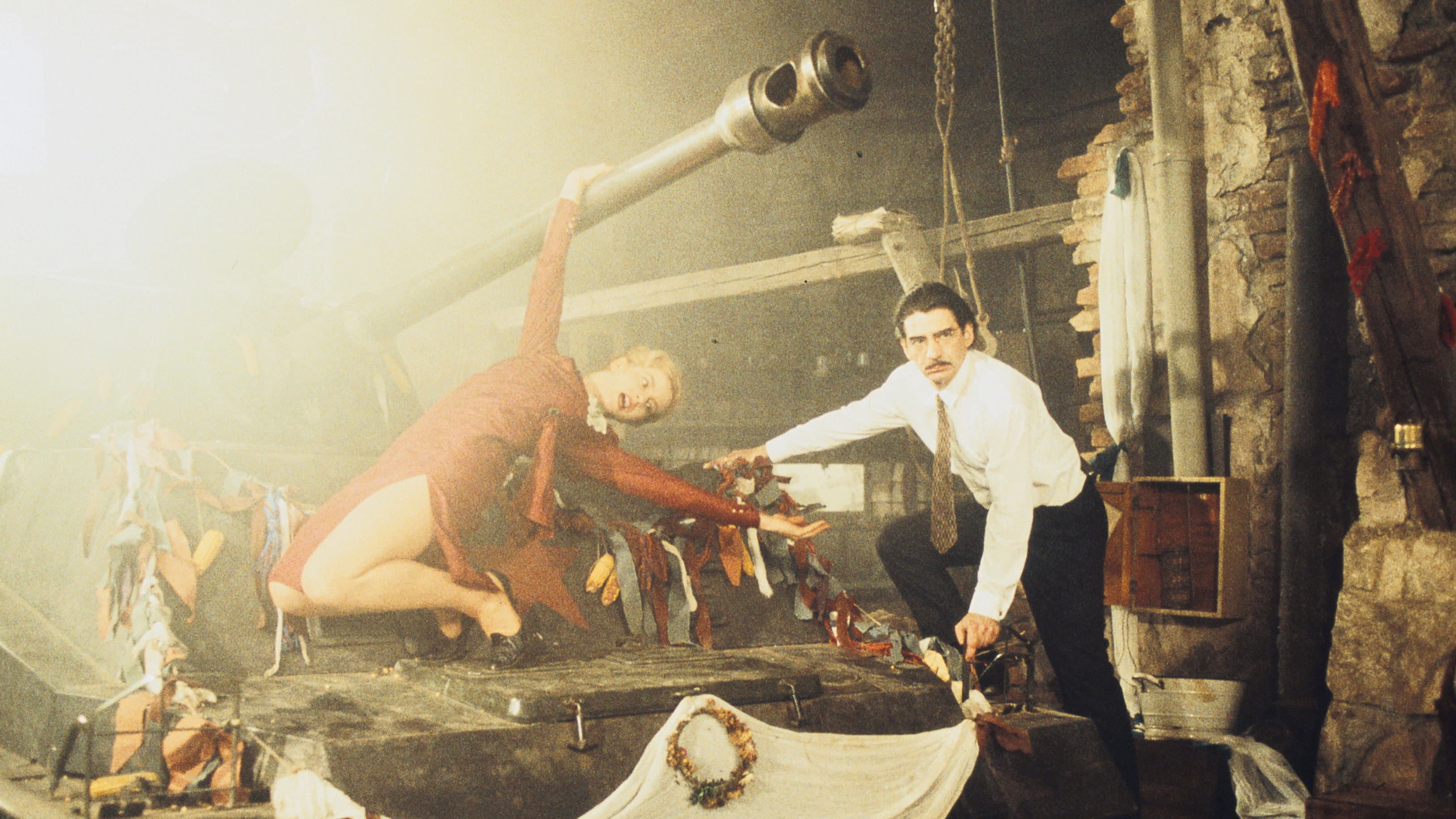
Black marketeers Marko and Blacky manufacture and sell weapons to the Communist resistance in WWII Belgrade, living the good life along the way. Marko's surreal duplicity propels him up the ranks of the Communist Party, and he eventually abandons Blacky and steals his girlfriend. After a lengthy stay in a below-ground shelter, the couple reemerges during the Yugoslavian Civil War of the 1990s as Marko sees the opportunity to exploit the situation. An extended television version of Emir Kusturica's Palme d'Or winning Underground.
Created by Emir Kusturica

IMDB
N/A
Seasons
Cast
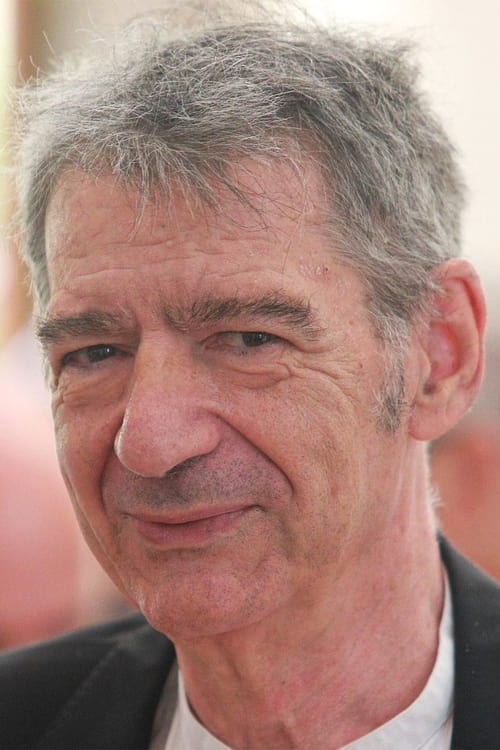
Predrag 'Miki' Manojlović
Marco Dren
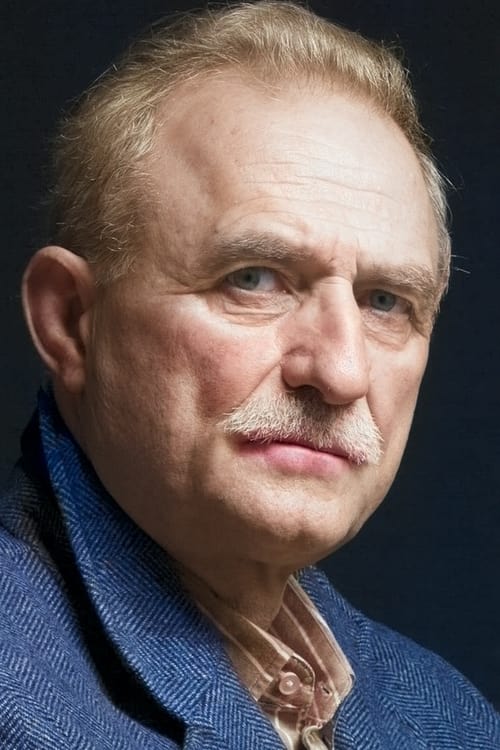
Lazar Ristovski
Petar "Crni" Popara
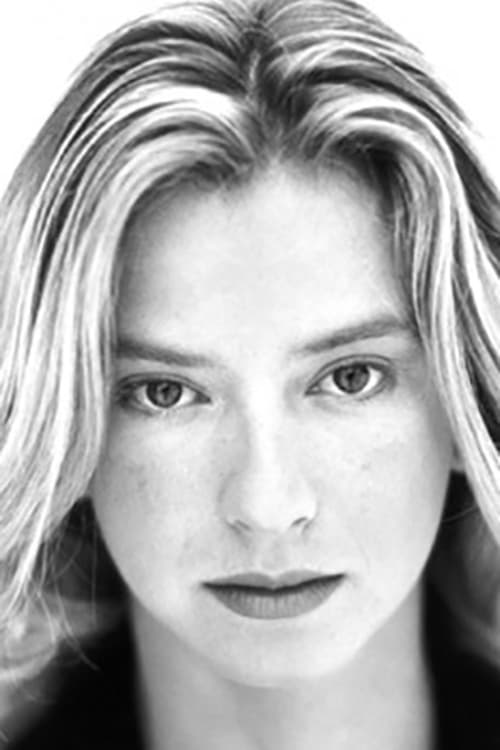
Mirjana Joković
Natalija Zovkov
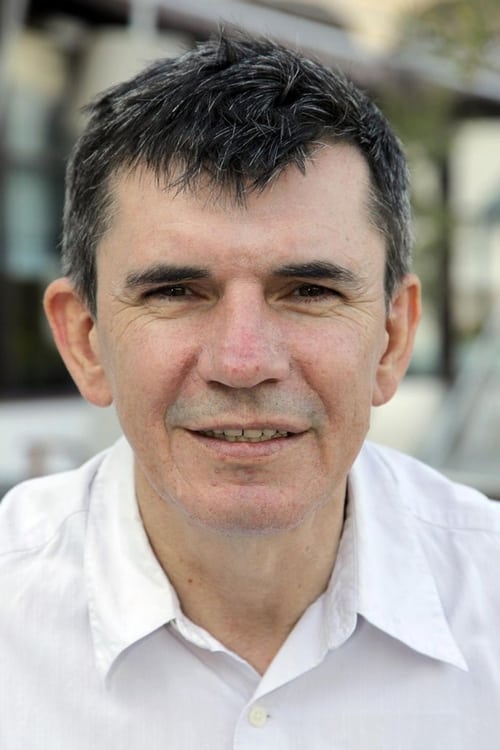
Slavko Štimac
Ivan Dren
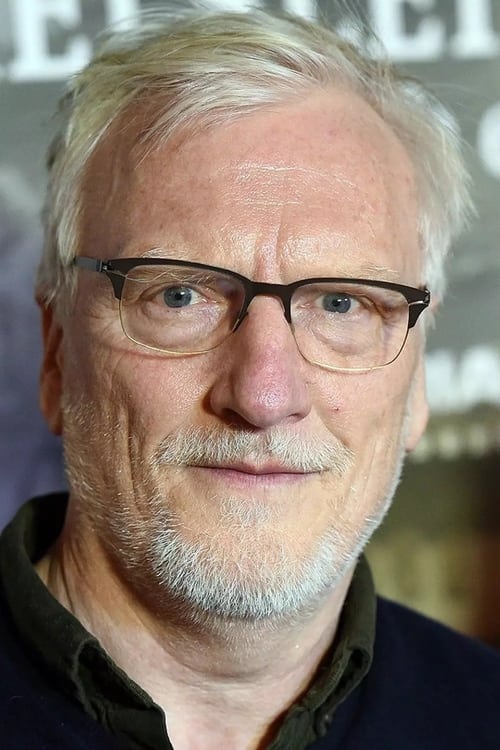
Ernst Stötzner
Franc
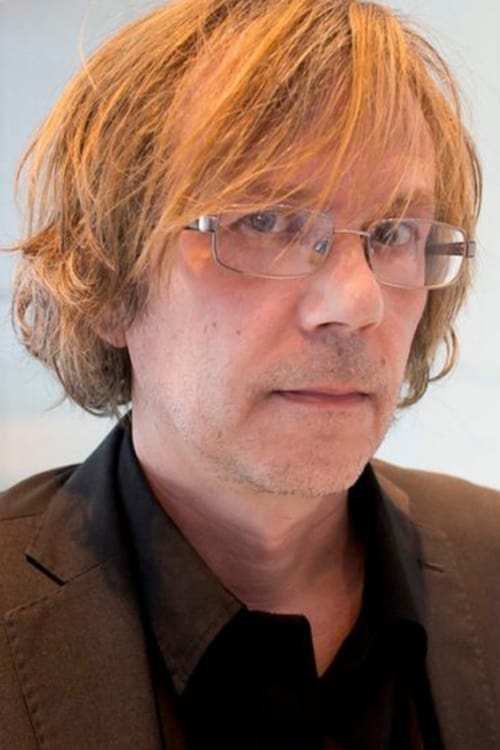
Srđan 'Žika' Todorović
Jovan Popara

Mirjana Karanović
Vera

Milena Pavlović Čučilović
Jalena
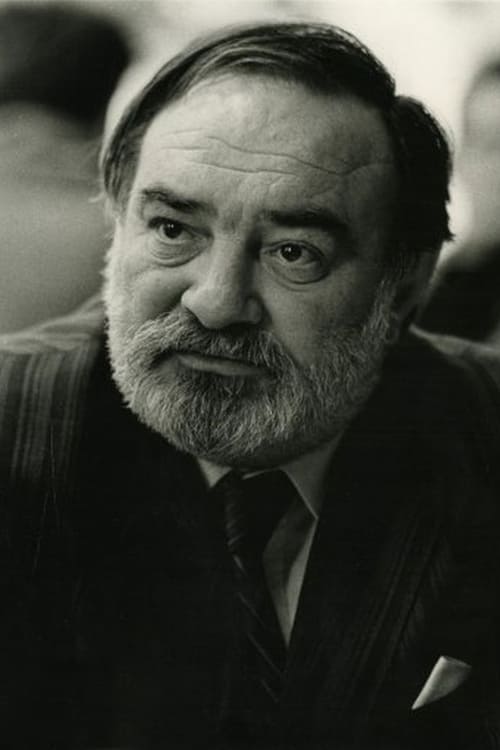
Danilo 'Bata' Stojković
Deda
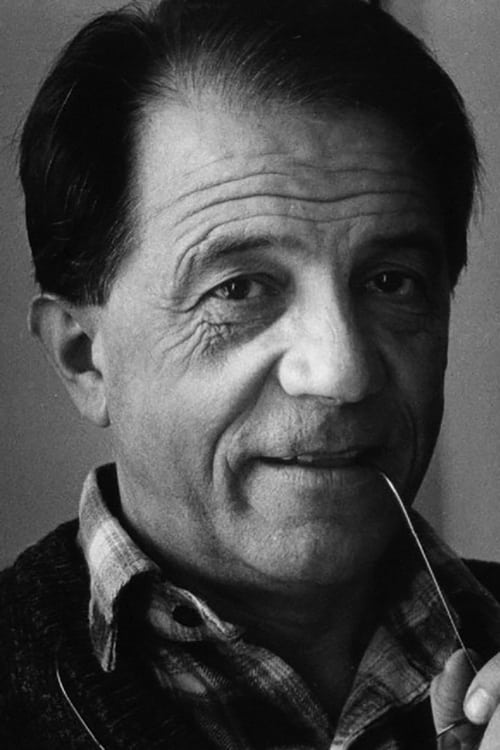
Borivoje Todorović
Golub
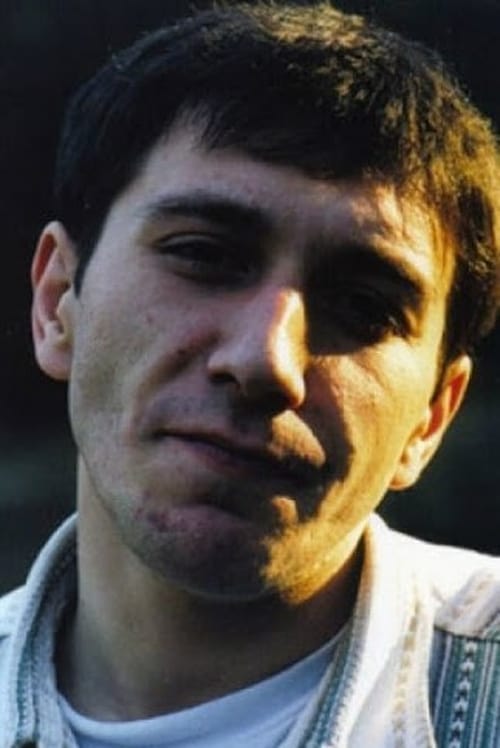
Davor Dujmović
Bata
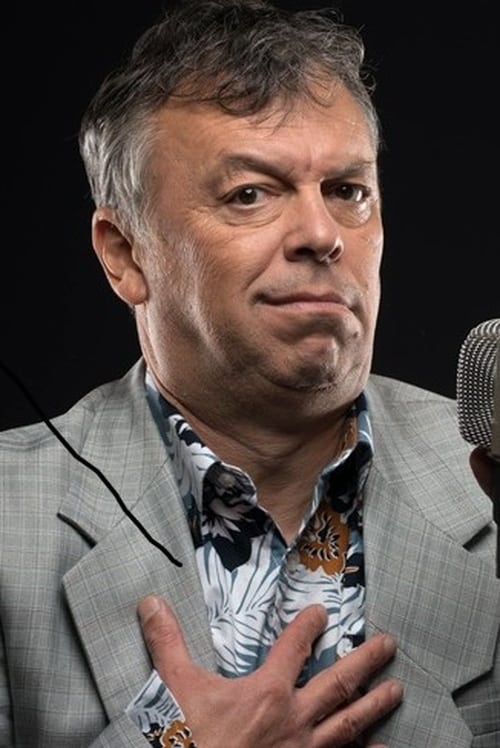
dr Nele Karajlić
Ciganin Koji Pada
Crew
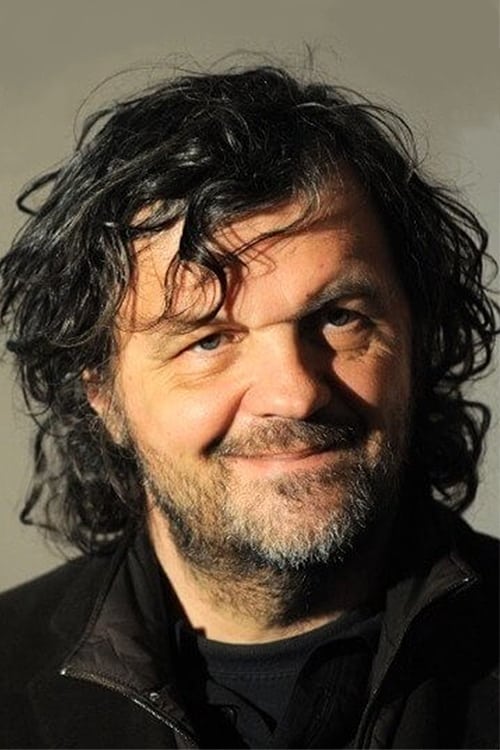
Emir Kusturica
Director
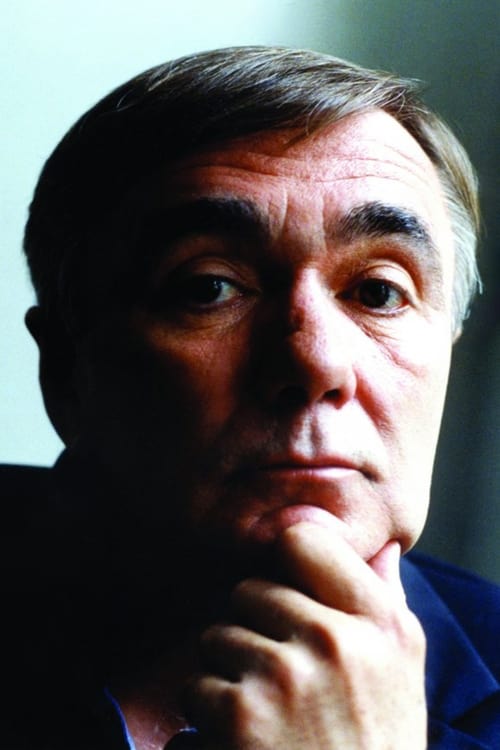
Dušan Kovačević
Writer
Emir Kusturica
Writer
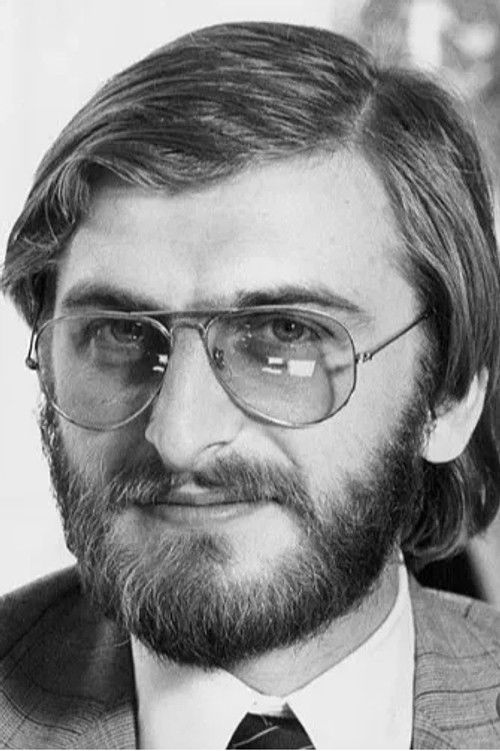
Pierre Spengler
Co-Producer
Popular Reviews
5 reviews
Yoavbergel
10.0★ · 03/23/24
if you know me you that underground (Podzemlje) is my favourite film of all time so for short this is is like taking an almost three hours long beautiful masterpiece and making it almost double the running time by the why one of favourite scenes of all time is from this version of the film the scene in question is when Marko goes to visit blacky in the cellar and they talk about life while Natalia is watching them from upstairs we see Marko telling blacky that maybe Ivan is his brother by blood blacky his is brother by soul this scene is powerful because we know what Marko is doing to blacky and the rest of the people in the cellar in the background of this beautiful scene there is a instrumental version of the song stani stani ibar vodo just a beautiful scene from a beautiful film
if you know me you that underground (Podzemlje) is my favourite film of all time so for short this is is like taking an almost three hours long beautiful masterpiece and making it almost double the running time by the why one of favourite scenes of all time is from this version of the film the scene in question is when Marko goes to visit blacky in the cellar and they talk about life while Natalia is watching them from upstairs we see Marko telling blacky that maybe Ivan is his brother by blood blacky his is brother by soul this scene is powerful because we know what Marko is doing to blacky and the rest of the people in the cellar in the background of this beautiful scene there is a instrumental version of the song stani stani ibar vodo just a beautiful scene from a beautiful film

1

Dante
9.0★ · 02/26/26
for those who wanna watch it becouse currently its nowhere in the web: https://drive.google.com/drive/folders/16eLnBXi3jMdwhx4T0Rr1S2XUxNxo6nbc?usp=sharing
p.s. fuck warner brothers
p.s. fuck warner brothers
for those who wanna watch it becouse currently its nowhere in the web: https://drive.google.com/drive/folders/16eLnBXi3jMdwhx4T0Rr1S2XUxNxo6nbc?usp=sharing
p.s. fuck warner brothers
p.s. fuck warner brothers
jota florez
**✮ Lights, Camera, Action! ✮
**
And then, as the years passed, people could gather around a campfire and begin to tell a story like a tale: "Once upon a time... there was a country, a country very far from us, not by distance, but by time, a country that no longer exists." How can a country cease to exist? Did the people who lived there disappear? Did the culture disappear? No, it simply changed name and size. It's there, in that area of Europe known as the Balkans. But is a name change so significant? Well, actually, it's infinitely more than that.
The history of Serbia and Yugoslavia, for me, is like my Roman Empire. Every time I learn about it, I fall more in love with it. Why? I don't know, I'm not even a Roma person nor do I have Serbian family. I'm an agnostic Argentinian obsessed with the 20th century.
Both "Underground" and "Once Upon a Time There Was a Country" strike me as fitting titles for the magnanimous work of Emir Kusturica, the brilliant Balkan filmmaker who writes an ode bidding farewell to the country of his birth, Yugoslavia, and welcoming, or rather, accepting, his new nationality, Serbia. Because, come on, it seems simple, but what would you do? UGH! One day, everything you knew DISAPPEARS! "What are you saying? It didn't disappear!" you might say, arguing that your neighbor, your dog, or the whore on the corner are still in the same place. Because, well, that's partly true, but now it's ANOTHER COUNTRY? IF WE STILL SPEAK THE SAME LANGUAGE?
It's confusing, of course it is. It's hard to imagine, isn't it? But we have empathy for something, to put ourselves in the other's shoes, like the Yugoslavs who woke up one morning as Serbs, like Ivan, who desperately emerged from the underground for his monkey and learned of the fall of his country.
Kusturica tells the story of a whim, a beautiful one, or a utopia destined for failure: Serbs, Croats, Slovenians, Bosnians, Roma, Catholics, Muslims, Orthodox, all living in the same country. And now someone who lived through those years could come out and tell me, "THIS IS PROPAGANDA! I LIVED IN YUGOSLAVIA, AND IT WAS HORRIBLE." Isn't that, a bit, what patriotism is about? I'm very proud of my nation, but I detest many moments in its history, its presidency, and its current political situation. I dislike the sometimes correct stereotype of the racist Argentine, the violence, and a few other things. But that hatred is minimal compared to everything I love about my homeland: its culture, its art, its landscapes, its architecture, its people, its enormous variety of skin tones and accents, its discoveries from pencils to bypasses. And I think that feeling of love, shame, and hate is what Kusturica feels. But more than hate, it's anger, for what could have been and wasn't, for what was and could have been stopped.
It's the most addictive and warmest alcohol that moves your body, one that activates the libido like no other. I want to get home and fuck my wife, I MEAN, make love delicately to the love of my life, a film as warm as your mother's embrace and as painful as a kick from her.
If there's one line that epitomizes the Shakespearean tragedy of our three protagonists, punctuated by a song as poignant as Grogan Bregivic's "Mesecina," which speaks of the confusion of war and how what seems like hope can be nothing more than moonlight, it's a song Blacky, Marko, and Natalija sing three times throughout the film at key moments in their lives. Two of these songs, however, were cinematic parallels, identical scenes set at weddings, differentiated only by the years and experiences these people endured. Because, I believe, in this version, unlike in Underground, the three of them loved each other, or at least Blacky loved Natalija as much as Marko, because we all know that a womanizer will always reach the point where he falls in love with a man. Because Marko was for him trust, confidentiality, connection to the outside, adventure, and the only thing he had left of the world he had before World War II, which took everything from him, except for his son, Jovan. But the boy had to grow up in a new world where the only light that entered underground was the moonlight.
Blacky constantly wonders what he did to deserve everything that happened to him; it's quite a punishment for the ambition of a man who only loved two women at the same time. I mean, his wife dies, and his best friend runs off with his girlfriend. They cheat on him for 20 years with lies about his idol, and if I keep talking, I'll spoil everything.
Once Upon a Time There Was a Country is known for its history of Yugoslavia, but I think it's better put, it's about the end of that nation. Why? And we all know that the basic structure for storytelling is a beginning, a middle, and an end, and Underground is divided into three historical moments. If it were truly about the country's history, it would start in 1918, but it begins with the Nazi invasion and ends with the most tragic fall of the 20th century.
I'm perhaps the biggest Underground fan on this app known as Letterboxd. It's a story I know like a national ID, But this cut felt like watching a whole new movie! Or like reading the book a movie you love was based on and noticing all the things they cut. It's my most-watched film; I've seen it 15 times. It makes me happy and moved by the thought of people who saw this film just because of my passion for it, or who discovered it because of me. Marko, Blacky, Natalija, Ivan, Soni the monkey, were just some of my favorite characters in the history of cinema. Now, after watching this version, Franc and Bata have been added, characters who have been further explored in this cut. But I especially highlight Mirjana Joković. I thought her acting was "somewhat bad," but now I love her. She truly gives it her all, and even more so here, with the fantastic character of Natalija Zovkov, an actress who only wanted to survive is destroyed by the greed of two men and alcohol. Truly all the experiences of the characters are profoundly tragic in what I consider the greatest tragicomedy in history.
I think this version is absolutely essential to watch, one where the character writing is much richer, as is its comedy, its world-building, its sex scenes, and its pain. So, here's the link to the full series, because I believe that Kusturica, by putting his love on film, is his way of sharing unimaginable feelings with the world. So, I hope you enjoy it: youtube.com/playlist?list=PLdp5DTIgmi6iZPwvpxdQt7IDcd1yBJ4MC&si=0Z3L7-9w5T6ROxbx
And a special mention to my boyfriend, my beloved wife, who helped me find this movie which took me more than a year to find.
**✮ Emir Kusturica ✮**
**
Why is the wind always blowing when we remember our beloved? Why does the wind beat the windows and doors of our brothers? Is the wind only blowing or is the sky crying with us
And then, as the years passed, people could gather around a campfire and begin to tell a story like a tale: "Once upon a time... there was a country, a country very far from us, not by distance, but by time, a country that no longer exists." How can a country cease to exist? Did the people who lived there disappear? Did the culture disappear? No, it simply changed name and size. It's there, in that area of Europe known as the Balkans. But is a name change so significant? Well, actually, it's infinitely more than that.
The history of Serbia and Yugoslavia, for me, is like my Roman Empire. Every time I learn about it, I fall more in love with it. Why? I don't know, I'm not even a Roma person nor do I have Serbian family. I'm an agnostic Argentinian obsessed with the 20th century.
Both "Underground" and "Once Upon a Time There Was a Country" strike me as fitting titles for the magnanimous work of Emir Kusturica, the brilliant Balkan filmmaker who writes an ode bidding farewell to the country of his birth, Yugoslavia, and welcoming, or rather, accepting, his new nationality, Serbia. Because, come on, it seems simple, but what would you do? UGH! One day, everything you knew DISAPPEARS! "What are you saying? It didn't disappear!" you might say, arguing that your neighbor, your dog, or the whore on the corner are still in the same place. Because, well, that's partly true, but now it's ANOTHER COUNTRY? IF WE STILL SPEAK THE SAME LANGUAGE?
It's confusing, of course it is. It's hard to imagine, isn't it? But we have empathy for something, to put ourselves in the other's shoes, like the Yugoslavs who woke up one morning as Serbs, like Ivan, who desperately emerged from the underground for his monkey and learned of the fall of his country.
Kusturica tells the story of a whim, a beautiful one, or a utopia destined for failure: Serbs, Croats, Slovenians, Bosnians, Roma, Catholics, Muslims, Orthodox, all living in the same country. And now someone who lived through those years could come out and tell me, "THIS IS PROPAGANDA! I LIVED IN YUGOSLAVIA, AND IT WAS HORRIBLE." Isn't that, a bit, what patriotism is about? I'm very proud of my nation, but I detest many moments in its history, its presidency, and its current political situation. I dislike the sometimes correct stereotype of the racist Argentine, the violence, and a few other things. But that hatred is minimal compared to everything I love about my homeland: its culture, its art, its landscapes, its architecture, its people, its enormous variety of skin tones and accents, its discoveries from pencils to bypasses. And I think that feeling of love, shame, and hate is what Kusturica feels. But more than hate, it's anger, for what could have been and wasn't, for what was and could have been stopped.
It's the most addictive and warmest alcohol that moves your body, one that activates the libido like no other. I want to get home and fuck my wife, I MEAN, make love delicately to the love of my life, a film as warm as your mother's embrace and as painful as a kick from her.
I think you two together would make the perfect man.
If there's one line that epitomizes the Shakespearean tragedy of our three protagonists, punctuated by a song as poignant as Grogan Bregivic's "Mesecina," which speaks of the confusion of war and how what seems like hope can be nothing more than moonlight, it's a song Blacky, Marko, and Natalija sing three times throughout the film at key moments in their lives. Two of these songs, however, were cinematic parallels, identical scenes set at weddings, differentiated only by the years and experiences these people endured. Because, I believe, in this version, unlike in Underground, the three of them loved each other, or at least Blacky loved Natalija as much as Marko, because we all know that a womanizer will always reach the point where he falls in love with a man. Because Marko was for him trust, confidentiality, connection to the outside, adventure, and the only thing he had left of the world he had before World War II, which took everything from him, except for his son, Jovan. But the boy had to grow up in a new world where the only light that entered underground was the moonlight.
Blacky constantly wonders what he did to deserve everything that happened to him; it's quite a punishment for the ambition of a man who only loved two women at the same time. I mean, his wife dies, and his best friend runs off with his girlfriend. They cheat on him for 20 years with lies about his idol, and if I keep talking, I'll spoil everything.
Once Upon a Time There Was a Country is known for its history of Yugoslavia, but I think it's better put, it's about the end of that nation. Why? And we all know that the basic structure for storytelling is a beginning, a middle, and an end, and Underground is divided into three historical moments. If it were truly about the country's history, it would start in 1918, but it begins with the Nazi invasion and ends with the most tragic fall of the 20th century.
I'm perhaps the biggest Underground fan on this app known as Letterboxd. It's a story I know like a national ID, But this cut felt like watching a whole new movie! Or like reading the book a movie you love was based on and noticing all the things they cut. It's my most-watched film; I've seen it 15 times. It makes me happy and moved by the thought of people who saw this film just because of my passion for it, or who discovered it because of me. Marko, Blacky, Natalija, Ivan, Soni the monkey, were just some of my favorite characters in the history of cinema. Now, after watching this version, Franc and Bata have been added, characters who have been further explored in this cut. But I especially highlight Mirjana Joković. I thought her acting was "somewhat bad," but now I love her. She truly gives it her all, and even more so here, with the fantastic character of Natalija Zovkov, an actress who only wanted to survive is destroyed by the greed of two men and alcohol. Truly all the experiences of the characters are profoundly tragic in what I consider the greatest tragicomedy in history.
I think this version is absolutely essential to watch, one where the character writing is much richer, as is its comedy, its world-building, its sex scenes, and its pain. So, here's the link to the full series, because I believe that Kusturica, by putting his love on film, is his way of sharing unimaginable feelings with the world. So, I hope you enjoy it: youtube.com/playlist?list=PLdp5DTIgmi6iZPwvpxdQt7IDcd1yBJ4MC&si=0Z3L7-9w5T6ROxbx
And a special mention to my boyfriend, my beloved wife, who helped me find this movie which took me more than a year to find.
Go and fuck your mother, the whole world is ours
**✮ Emir Kusturica ✮**
**✮ Lights, Camera, Action! ✮
**
And then, as the years passed, people could gather around a campfire and begin to tell a story like a tale: "Once upon a time... there was a country, a country very far from us, not by distance, but by time, a country that no longer exists." How can a country cease to exist? Did the people who lived there disappear? Did the culture disappear? No, it simply changed name and size. It's there, in that area of Europe known as the Balkans. But is a name change so significant? Well, actually, it's infinitely more than that.
The history of Serbia and Yugoslavia, for me, is like my Roman Empire. Every time I learn about it, I fall more in love with it. Why? I don't know, I'm not even a Roma person nor do I have Serbian family. I'm an agnostic Argentinian obsessed with the 20th century.
Both "Underground" and "Once Upon a Time There Was a Country" strike me as fitting titles for the magnanimous work of Emir Kusturica, the brilliant Balkan filmmaker who writes an ode bidding farewell to the country of his birth, Yugoslavia, and welcoming, or rather, accepting, his new nationality, Serbia. Because, come on, it seems simple, but what would you do? UGH! One day, everything you knew DISAPPEARS! "What are you saying? It didn't disappear!" you might say, arguing that your neighbor, your dog, or the whore on the corner are still in the same place. Because, well, that's partly true, but now it's ANOTHER COUNTRY? IF WE STILL SPEAK THE SAME LANGUAGE?
It's confusing, of course it is. It's hard to imagine, isn't it? But we have empathy for something, to put ourselves in the other's shoes, like the Yugoslavs who woke up one morning as Serbs, like Ivan, who desperately emerged from the underground for his monkey and learned of the fall of his country.
Kusturica tells the story of a whim, a beautiful one, or a utopia destined for failure: Serbs, Croats, Slovenians, Bosnians, Roma, Catholics, Muslims, Orthodox, all living in the same country. And now someone who lived through those years could come out and tell me, "THIS IS PROPAGANDA! I LIVED IN YUGOSLAVIA, AND IT WAS HORRIBLE." Isn't that, a bit, what patriotism is about? I'm very proud of my nation, but I detest many moments in its history, its presidency, and its current political situation. I dislike the sometimes correct stereotype of the racist Argentine, the violence, and a few other things. But that hatred is minimal compared to everything I love about my homeland: its culture, its art, its landscapes, its architecture, its people, its enormous variety of skin tones and accents, its discoveries from pencils to bypasses. And I think that feeling of love, shame, and hate is what Kusturica feels. But more than hate, it's anger, for what could have been and wasn't, for what was and could have been stopped.
It's the most addictive and warmest alcohol that moves your body, one that activates the libido like no other. I want to get home and fuck my wife, I MEAN, make love delicately to the love of my life, a film as warm as your mother's embrace and as painful as a kick from her.
If there's one line that epitomizes the Shakespearean tragedy of our three protagonists, punctuated by a song as poignant as Grogan Bregivic's "Mesecina," which speaks of the confusion of war and how what seems like hope can be nothing more than moonlight, it's a song Blacky, Marko, and Natalija sing three times throughout the film at key moments in their lives. Two of these songs, however, were cinematic parallels, identical scenes set at weddings, differentiated only by the years and experiences these people endured. Because, I believe, in this version, unlike in Underground, the three of them loved each other, or at least Blacky loved Natalija as much as Marko, because we all know that a womanizer will always reach the point where he falls in love with a man. Because Marko was for him trust, confidentiality, connection to the outside, adventure, and the only thing he had left of the world he had before World War II, which took everything from him, except for his son, Jovan. But the boy had to grow up in a new world where the only light that entered underground was the moonlight.
Blacky constantly wonders what he did to deserve everything that happened to him; it's quite a punishment for the ambition of a man who only loved two women at the same time. I mean, his wife dies, and his best friend runs off with his girlfriend. They cheat on him for 20 years with lies about his idol, and if I keep talking, I'll spoil everything.
Once Upon a Time There Was a Country is known for its history of Yugoslavia, but I think it's better put, it's about the end of that nation. Why? And we all know that the basic structure for storytelling is a beginning, a middle, and an end, and Underground is divided into three historical moments. If it were truly about the country's history, it would start in 1918, but it begins with the Nazi invasion and ends with the most tragic fall of the 20th century.
I'm perhaps the biggest Underground fan on this app known as Letterboxd. It's a story I know like a national ID, But this cut felt like watching a whole new movie! Or like reading the book a movie you love was based on and noticing all the things they cut. It's my most-watched film; I've seen it 15 times. It makes me happy and moved by the thought of people who saw this film just because of my passion for it, or who discovered it because of me. Marko, Blacky, Natalija, Ivan, Soni the monkey, were just some of my favorite characters in the history of cinema. Now, after watching this version, Franc and Bata have been added, characters who have been further explored in this cut. But I especially highlight Mirjana Joković. I thought her acting was "somewhat bad," but now I love her. She truly gives it her all, and even more so here, with the fantastic character of Natalija Zovkov, an actress who only wanted to survive is destroyed by the greed of two men and alcohol. Truly all the experiences of the characters are profoundly tragic in what I consider the greatest tragicomedy in history.
I think this version is absolutely essential to watch, one where the character writing is much richer, as is its comedy, its world-building, its sex scenes, and its pain. So, here's the link to the full series, because I believe that Kusturica, by putting his love on film, is his way of sharing unimaginable feelings with the world. So, I hope you enjoy it: youtube.com/playlist?list=PLdp5DTIgmi6iZPwvpxdQt7IDcd1yBJ4MC&si=0Z3L7-9w5T6ROxbx
And a special mention to my boyfriend, my beloved wife, who helped me find this movie which took me more than a year to find.
**✮ Emir Kusturica ✮**
**
Why is the wind always blowing when we remember our beloved? Why does the wind beat the windows and doors of our brothers? Is the wind only blowing or is the sky crying with us
And then, as the years passed, people could gather around a campfire and begin to tell a story like a tale: "Once upon a time... there was a country, a country very far from us, not by distance, but by time, a country that no longer exists." How can a country cease to exist? Did the people who lived there disappear? Did the culture disappear? No, it simply changed name and size. It's there, in that area of Europe known as the Balkans. But is a name change so significant? Well, actually, it's infinitely more than that.
The history of Serbia and Yugoslavia, for me, is like my Roman Empire. Every time I learn about it, I fall more in love with it. Why? I don't know, I'm not even a Roma person nor do I have Serbian family. I'm an agnostic Argentinian obsessed with the 20th century.
Both "Underground" and "Once Upon a Time There Was a Country" strike me as fitting titles for the magnanimous work of Emir Kusturica, the brilliant Balkan filmmaker who writes an ode bidding farewell to the country of his birth, Yugoslavia, and welcoming, or rather, accepting, his new nationality, Serbia. Because, come on, it seems simple, but what would you do? UGH! One day, everything you knew DISAPPEARS! "What are you saying? It didn't disappear!" you might say, arguing that your neighbor, your dog, or the whore on the corner are still in the same place. Because, well, that's partly true, but now it's ANOTHER COUNTRY? IF WE STILL SPEAK THE SAME LANGUAGE?
It's confusing, of course it is. It's hard to imagine, isn't it? But we have empathy for something, to put ourselves in the other's shoes, like the Yugoslavs who woke up one morning as Serbs, like Ivan, who desperately emerged from the underground for his monkey and learned of the fall of his country.
Kusturica tells the story of a whim, a beautiful one, or a utopia destined for failure: Serbs, Croats, Slovenians, Bosnians, Roma, Catholics, Muslims, Orthodox, all living in the same country. And now someone who lived through those years could come out and tell me, "THIS IS PROPAGANDA! I LIVED IN YUGOSLAVIA, AND IT WAS HORRIBLE." Isn't that, a bit, what patriotism is about? I'm very proud of my nation, but I detest many moments in its history, its presidency, and its current political situation. I dislike the sometimes correct stereotype of the racist Argentine, the violence, and a few other things. But that hatred is minimal compared to everything I love about my homeland: its culture, its art, its landscapes, its architecture, its people, its enormous variety of skin tones and accents, its discoveries from pencils to bypasses. And I think that feeling of love, shame, and hate is what Kusturica feels. But more than hate, it's anger, for what could have been and wasn't, for what was and could have been stopped.
It's the most addictive and warmest alcohol that moves your body, one that activates the libido like no other. I want to get home and fuck my wife, I MEAN, make love delicately to the love of my life, a film as warm as your mother's embrace and as painful as a kick from her.
I think you two together would make the perfect man.
If there's one line that epitomizes the Shakespearean tragedy of our three protagonists, punctuated by a song as poignant as Grogan Bregivic's "Mesecina," which speaks of the confusion of war and how what seems like hope can be nothing more than moonlight, it's a song Blacky, Marko, and Natalija sing three times throughout the film at key moments in their lives. Two of these songs, however, were cinematic parallels, identical scenes set at weddings, differentiated only by the years and experiences these people endured. Because, I believe, in this version, unlike in Underground, the three of them loved each other, or at least Blacky loved Natalija as much as Marko, because we all know that a womanizer will always reach the point where he falls in love with a man. Because Marko was for him trust, confidentiality, connection to the outside, adventure, and the only thing he had left of the world he had before World War II, which took everything from him, except for his son, Jovan. But the boy had to grow up in a new world where the only light that entered underground was the moonlight.
Blacky constantly wonders what he did to deserve everything that happened to him; it's quite a punishment for the ambition of a man who only loved two women at the same time. I mean, his wife dies, and his best friend runs off with his girlfriend. They cheat on him for 20 years with lies about his idol, and if I keep talking, I'll spoil everything.
Once Upon a Time There Was a Country is known for its history of Yugoslavia, but I think it's better put, it's about the end of that nation. Why? And we all know that the basic structure for storytelling is a beginning, a middle, and an end, and Underground is divided into three historical moments. If it were truly about the country's history, it would start in 1918, but it begins with the Nazi invasion and ends with the most tragic fall of the 20th century.
I'm perhaps the biggest Underground fan on this app known as Letterboxd. It's a story I know like a national ID, But this cut felt like watching a whole new movie! Or like reading the book a movie you love was based on and noticing all the things they cut. It's my most-watched film; I've seen it 15 times. It makes me happy and moved by the thought of people who saw this film just because of my passion for it, or who discovered it because of me. Marko, Blacky, Natalija, Ivan, Soni the monkey, were just some of my favorite characters in the history of cinema. Now, after watching this version, Franc and Bata have been added, characters who have been further explored in this cut. But I especially highlight Mirjana Joković. I thought her acting was "somewhat bad," but now I love her. She truly gives it her all, and even more so here, with the fantastic character of Natalija Zovkov, an actress who only wanted to survive is destroyed by the greed of two men and alcohol. Truly all the experiences of the characters are profoundly tragic in what I consider the greatest tragicomedy in history.
I think this version is absolutely essential to watch, one where the character writing is much richer, as is its comedy, its world-building, its sex scenes, and its pain. So, here's the link to the full series, because I believe that Kusturica, by putting his love on film, is his way of sharing unimaginable feelings with the world. So, I hope you enjoy it: youtube.com/playlist?list=PLdp5DTIgmi6iZPwvpxdQt7IDcd1yBJ4MC&si=0Z3L7-9w5T6ROxbx
And a special mention to my boyfriend, my beloved wife, who helped me find this movie which took me more than a year to find.
Go and fuck your mother, the whole world is ours
**✮ Emir Kusturica ✮**
Filip Papric
10.0★ · 07/04/23
свака реч била би сувишна 🥹
свака реч била би сувишна 🥹
Ayush
10.0★ · 06/02/26