Having just watched
2000 Meters to Andriivka, another ant’s-eye battle movie, I think
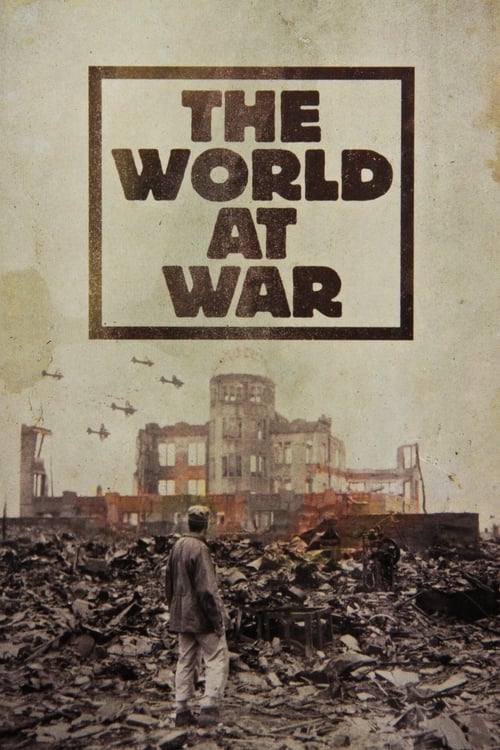
The World at War’s final episode really crystallized what I disliked about
Warfare, an antiwar movie that presupposes simply showing people 90 minutes of gore acts as a prophylactic. In actuality, we are drawn to horror as we’re drawn to war as a spectacle. There are the men — as
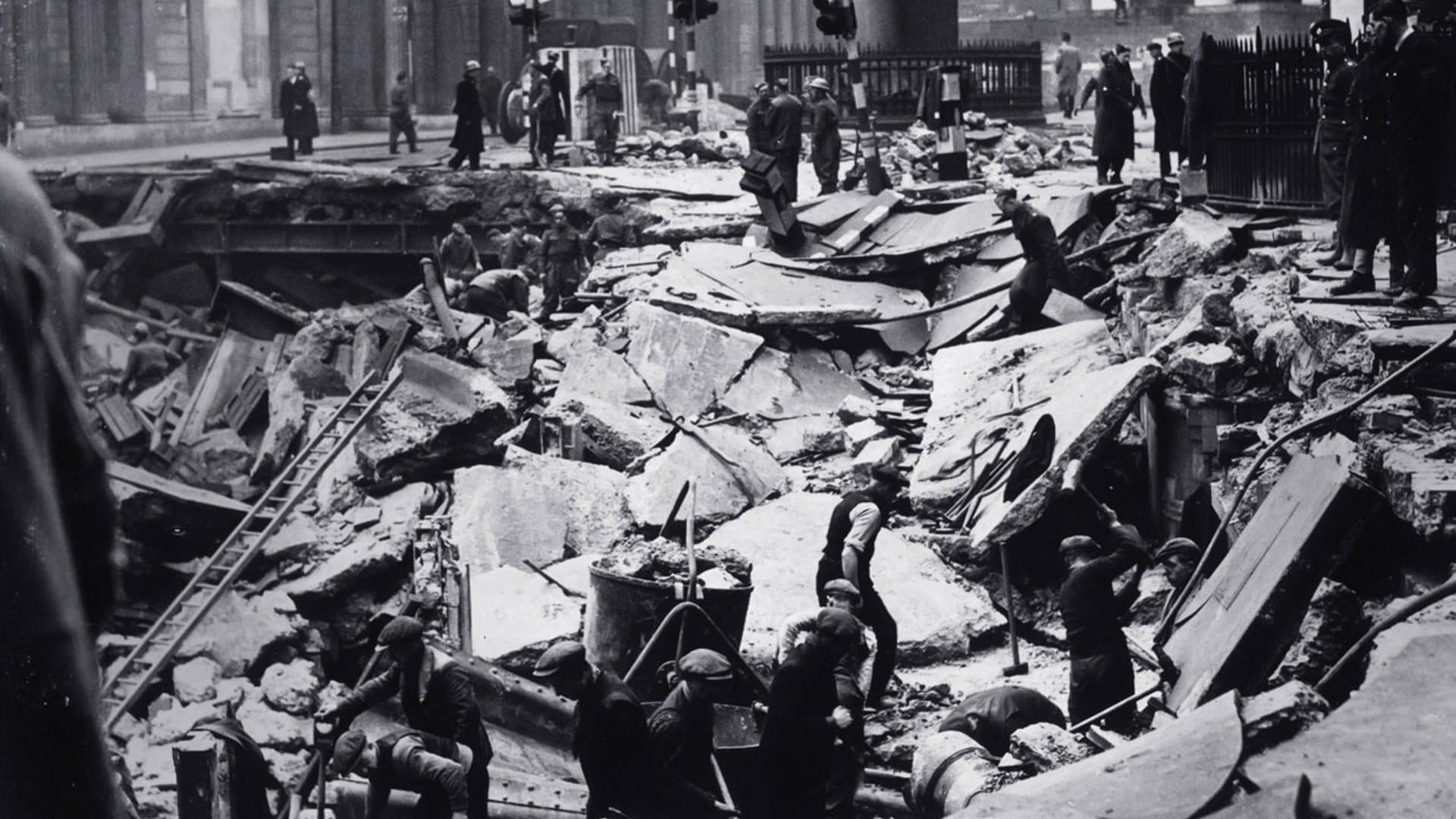
The World at War explains — who simply like to hear the tinkle of shattered glass. But there are the rest of us who feel entranced by the enormity of warfare, of cross-continental violence and machines built to shape the earth on grand scales and take more life than you can conceptualize existing. At over 26 hours of footage and context,
The World at War uses its scope to introduce the barest beginnings of the humanity behind the victims of war. It’s not real; it’s not actually dangerous. But it’s a start.
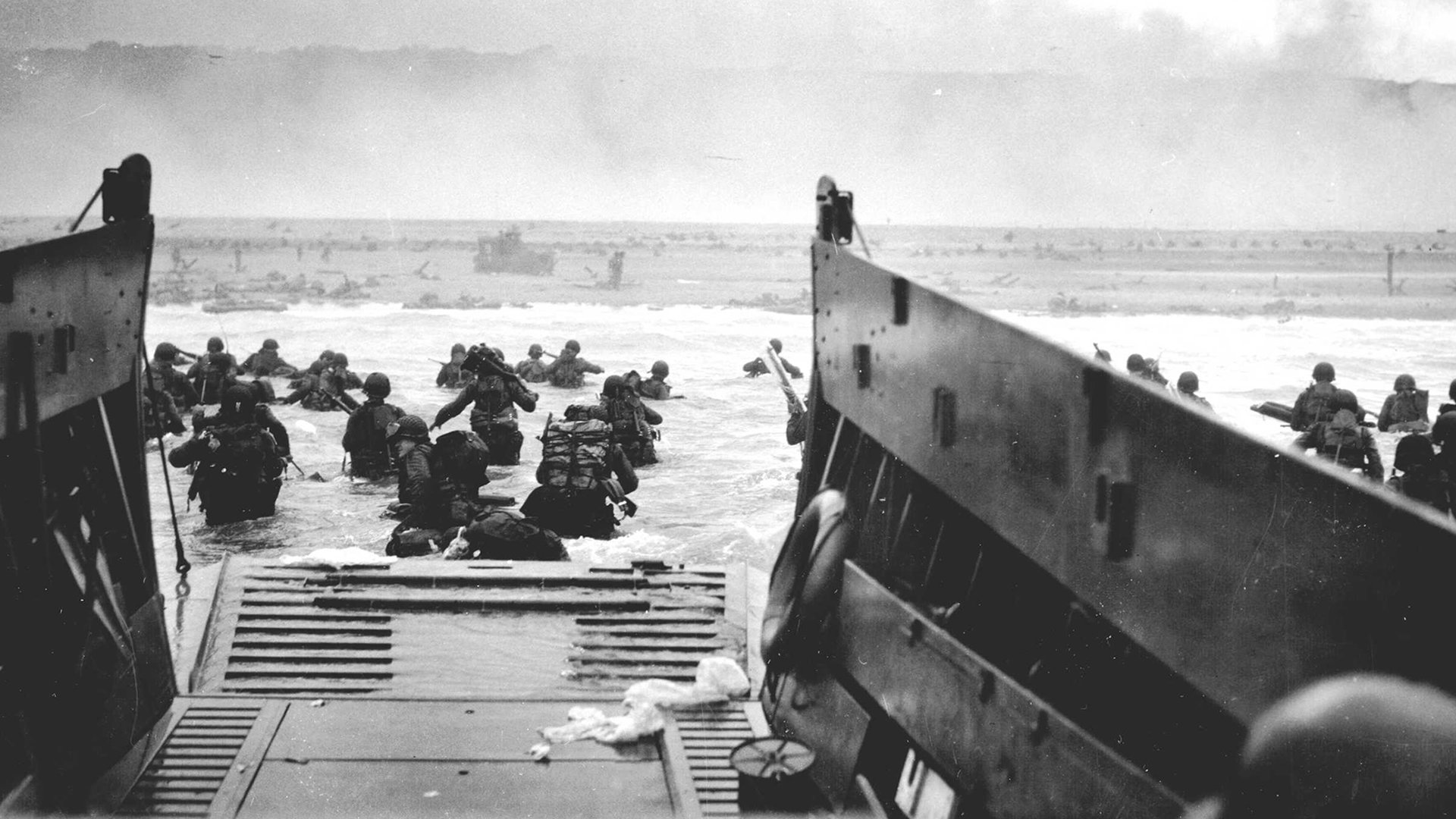
“Well, I speak of ‘the lust of the eye’ — a biblical phrase — because much of the appeal of battle is simply this attraction of the outlandish, the strange. But there is, of course, an element of beauty in this. And I must say that this is surely, from ancient times, one of the most enduring appeals of battle. One could be drawn into, absorbed by the spectacle. I think especially of southern France, the terrific bombardment of our planes coming over the southern coast of France; I literally expected the coast to detach itself and go into the ocean. But to watch this was to forget that you had to — when it stopped, you had to get into landing boats and make off for the shore. It was a — just a dawn, a terrific spectacle in which I think everybody, including of course myself, was drawn into it. So that we forgot all about ourselves.”
- The World at War, episode 26: Remember; J. Glenn Gray; author, The Warriors