

1972·Drama·1h 35m
7.7
★
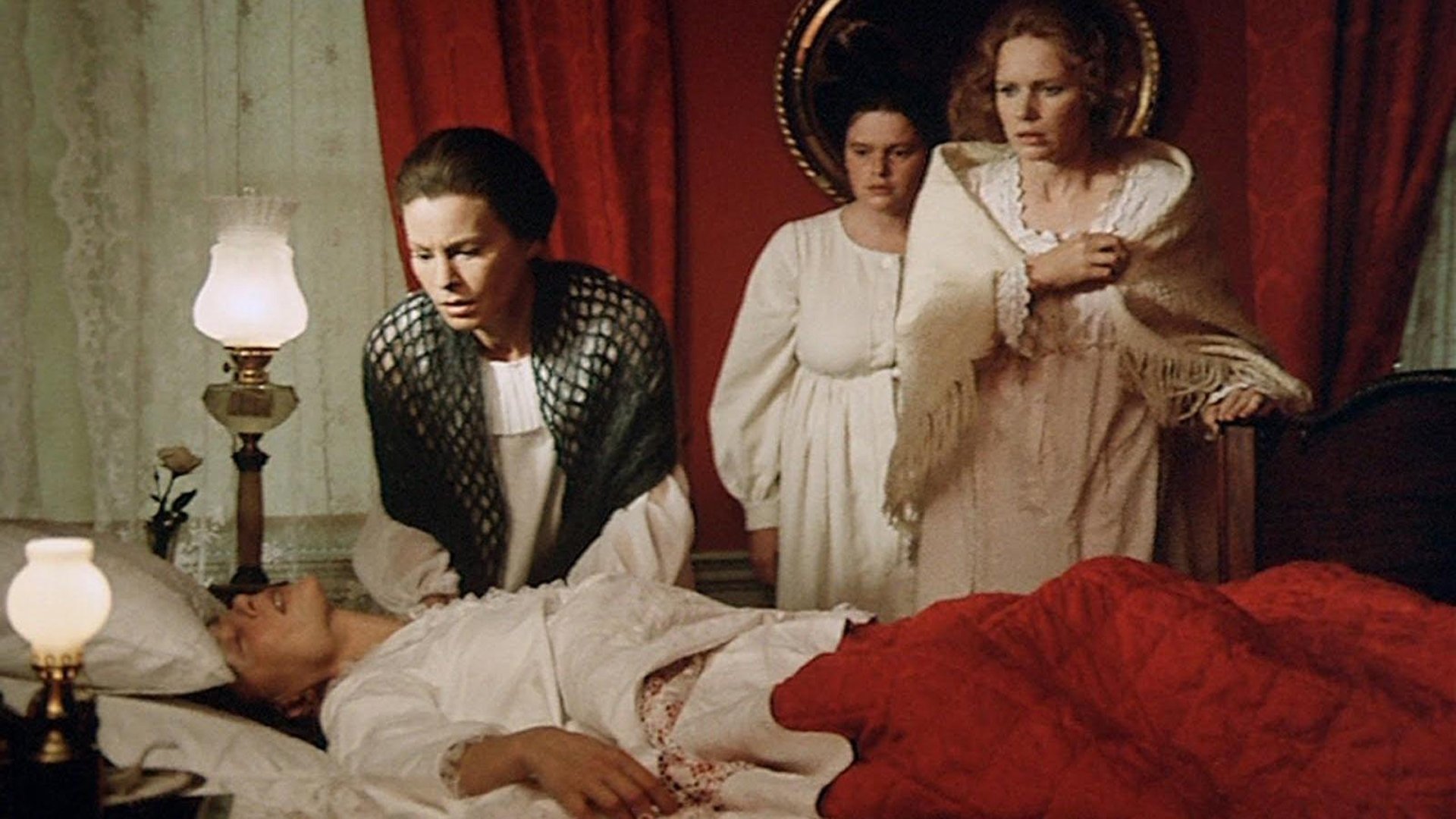
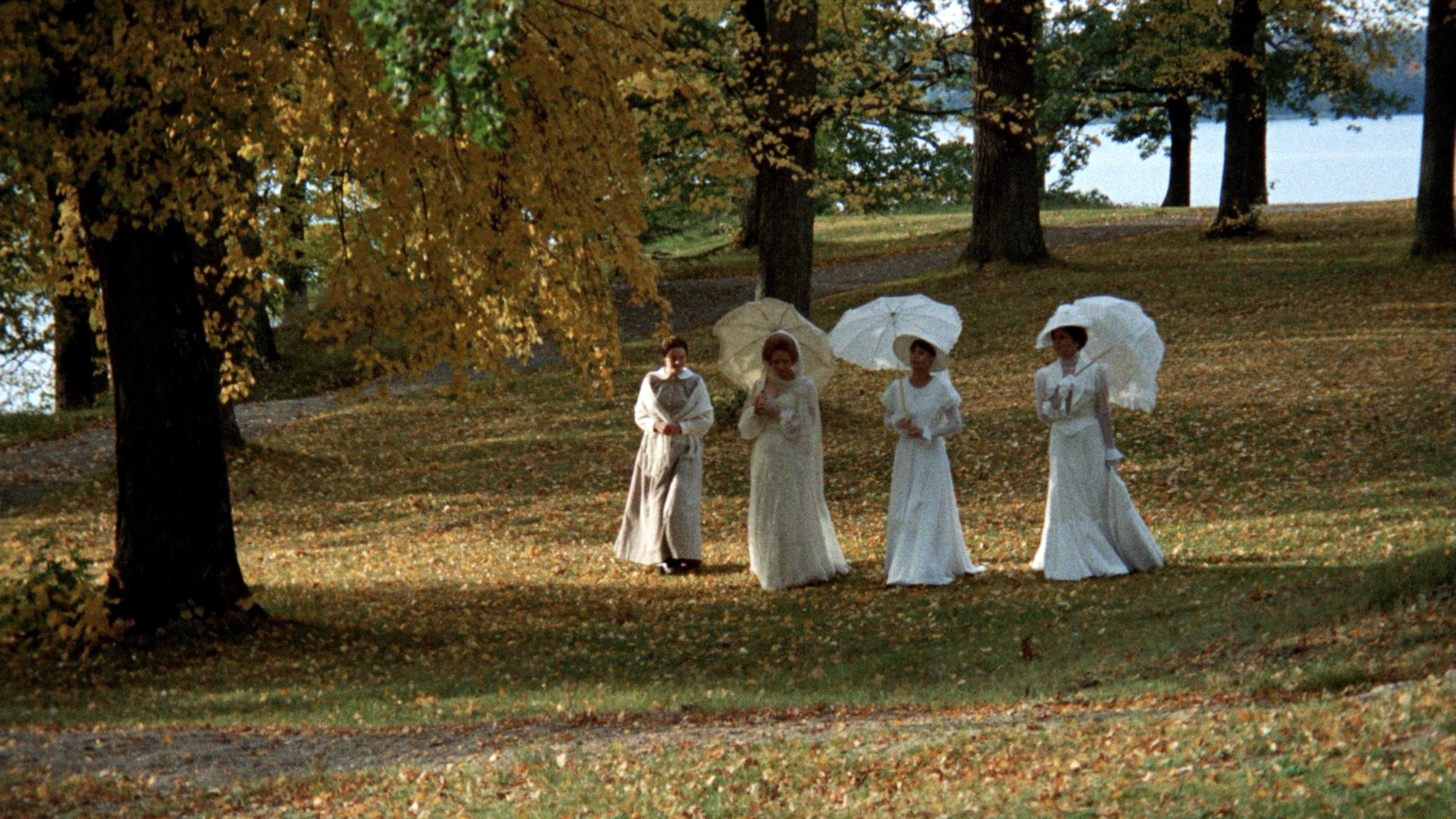
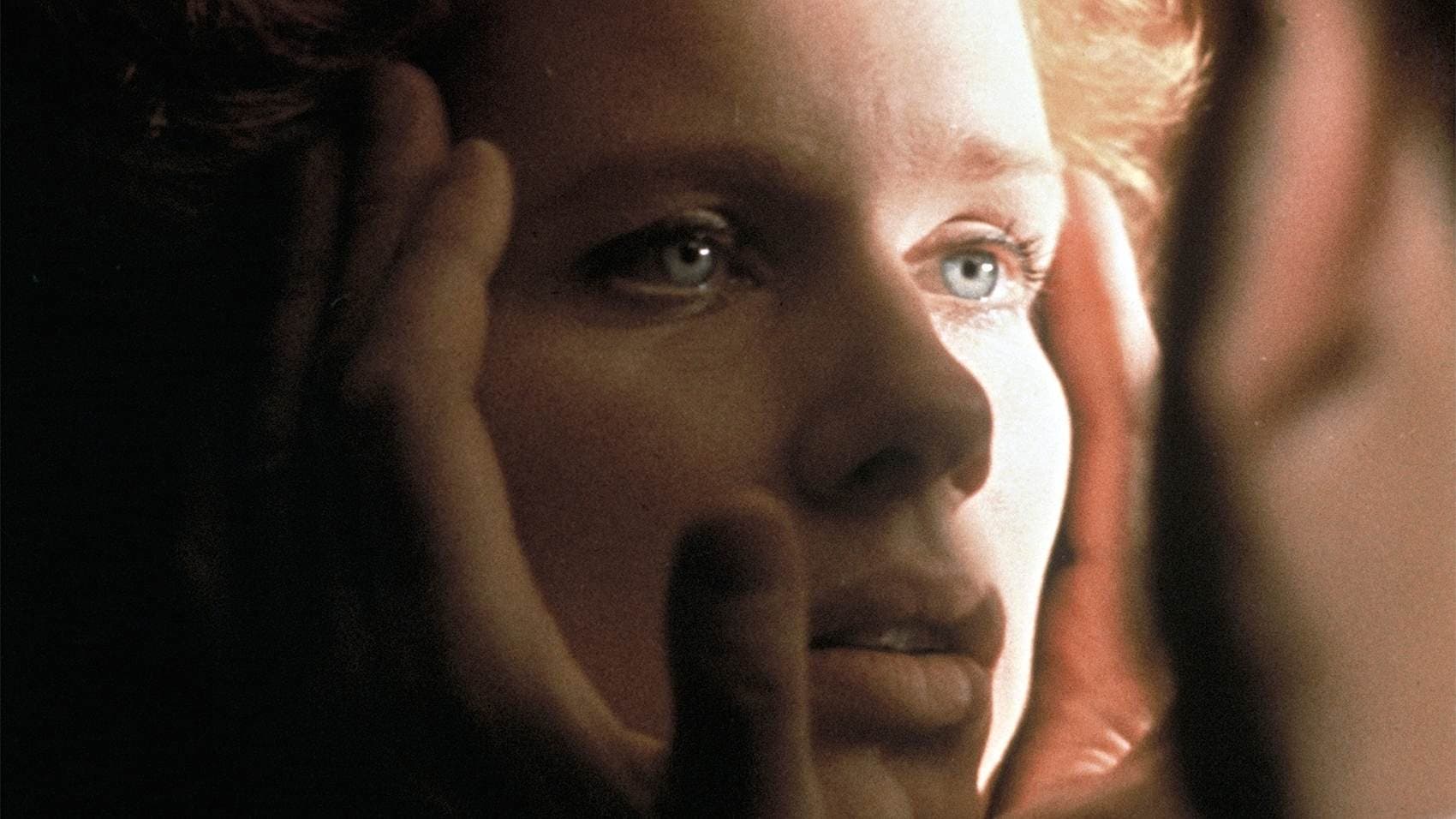
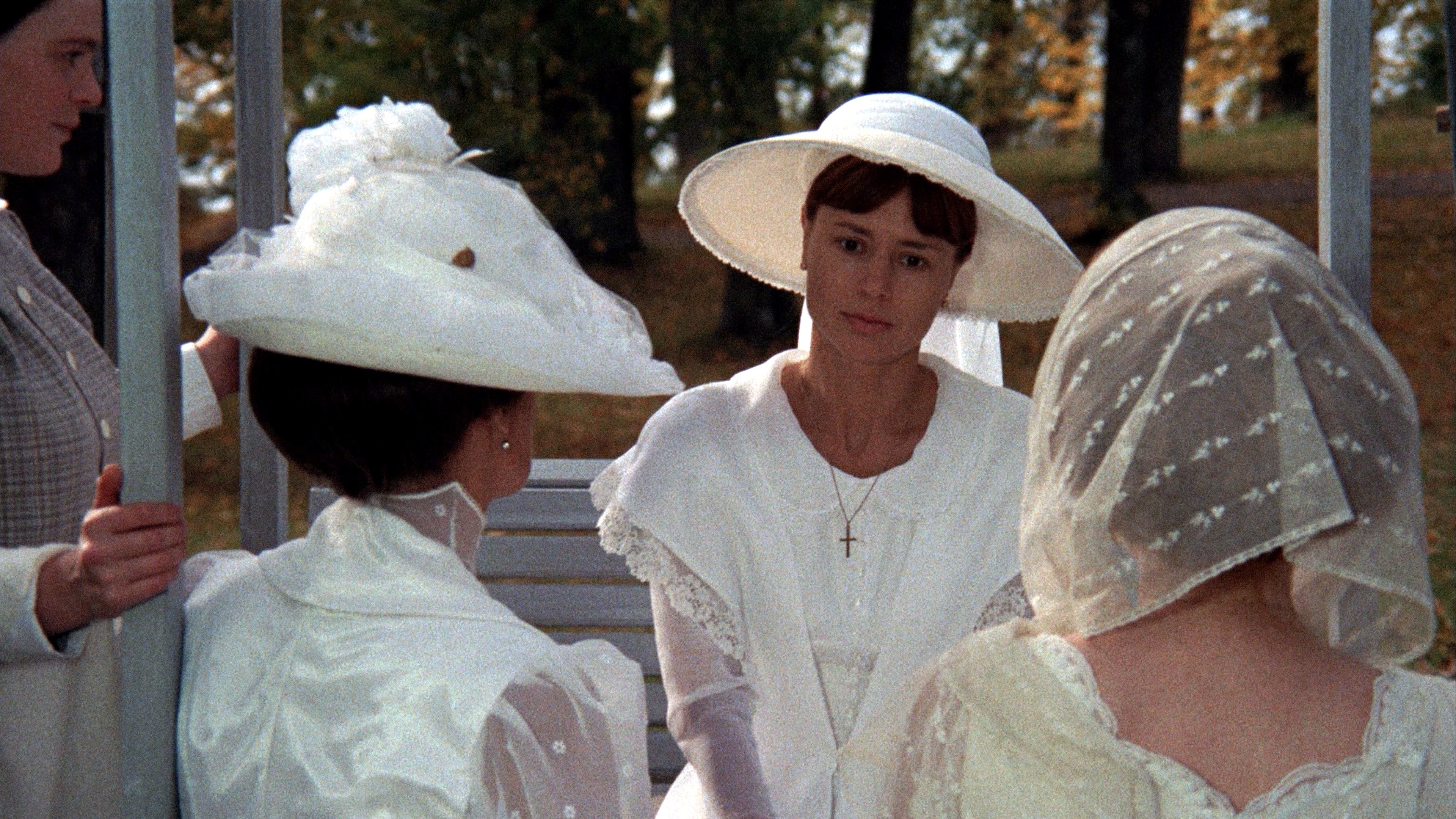
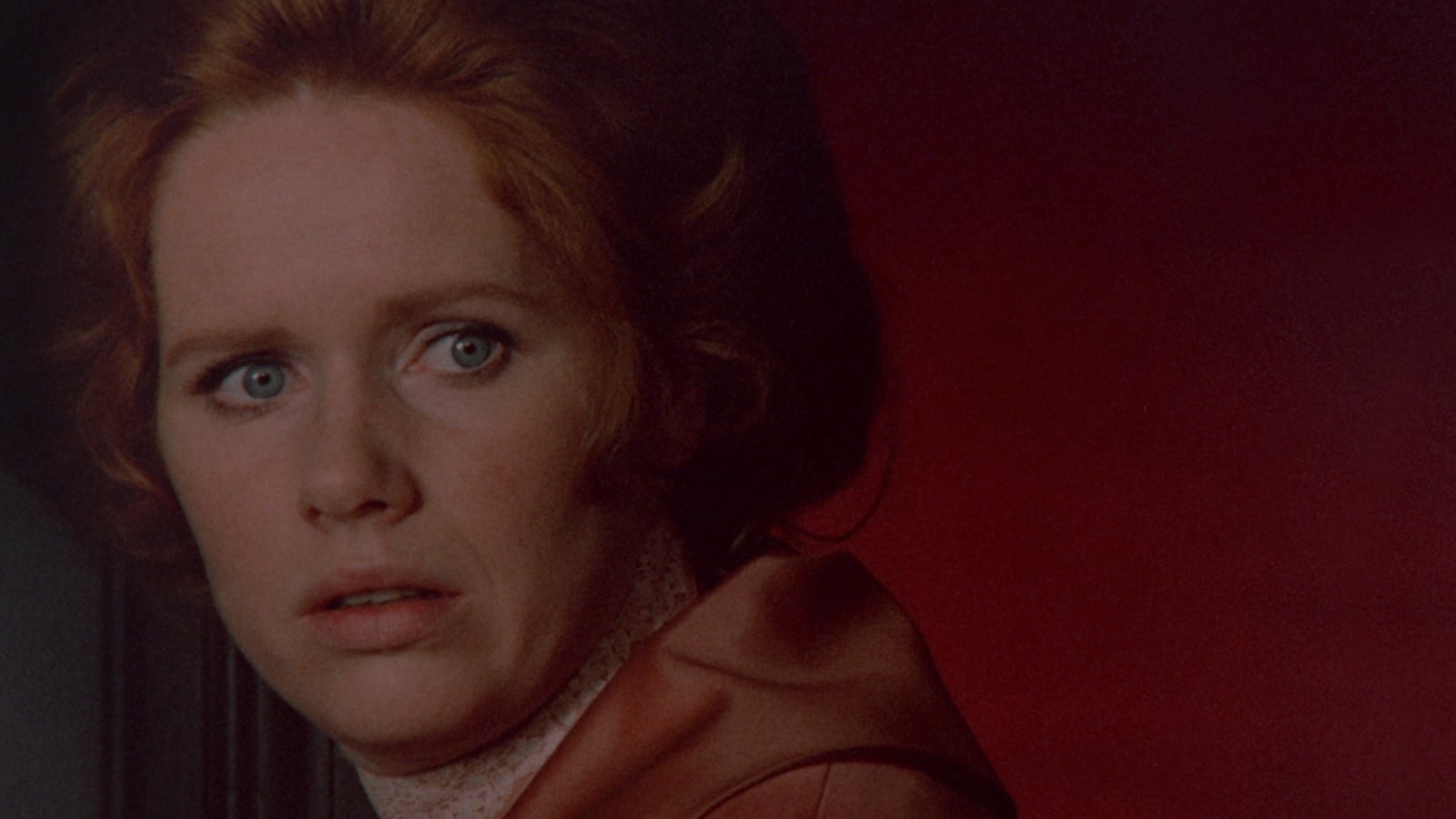
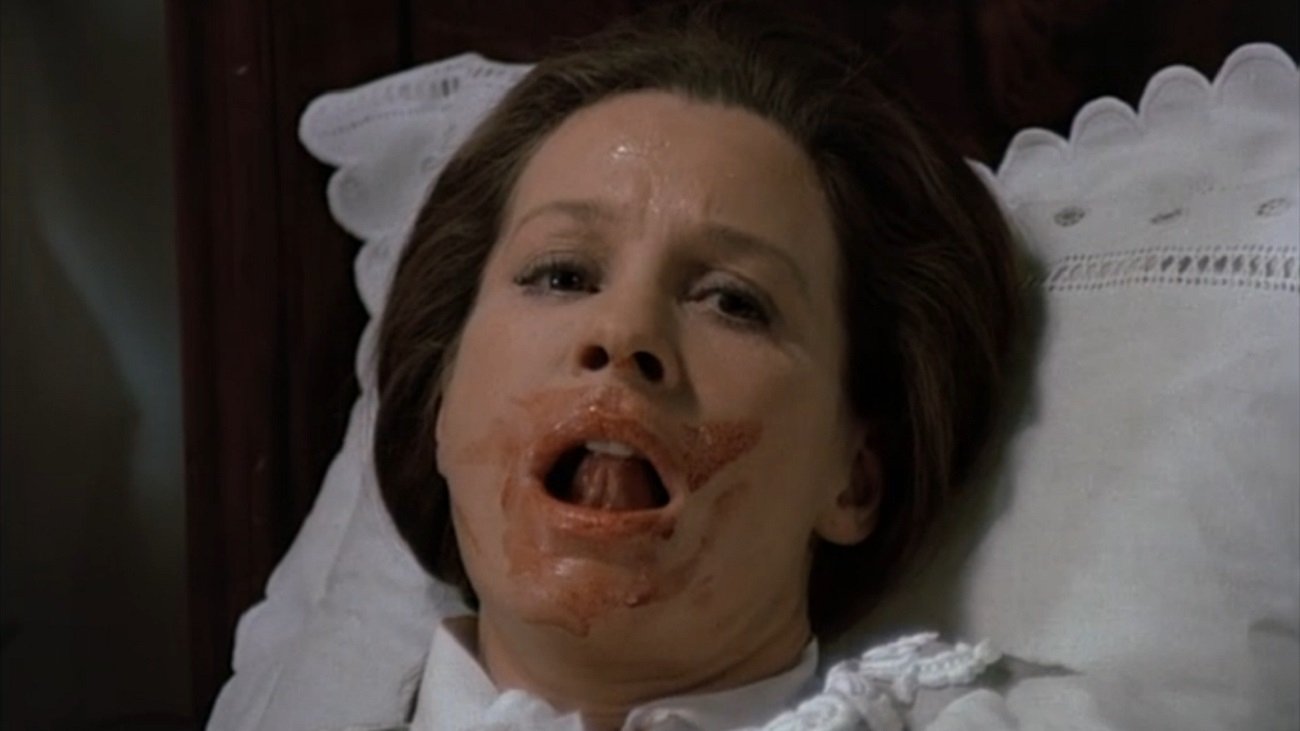
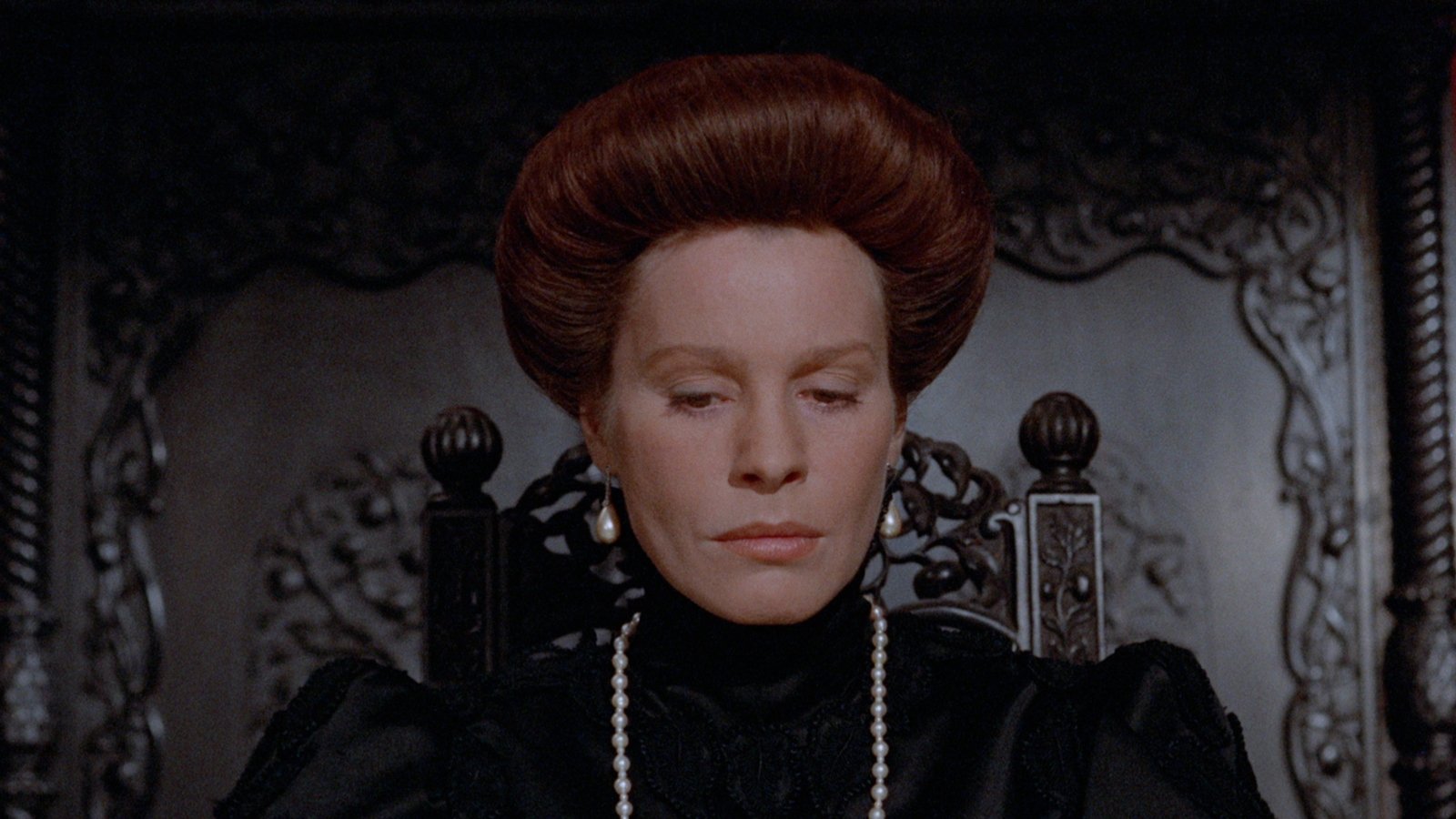
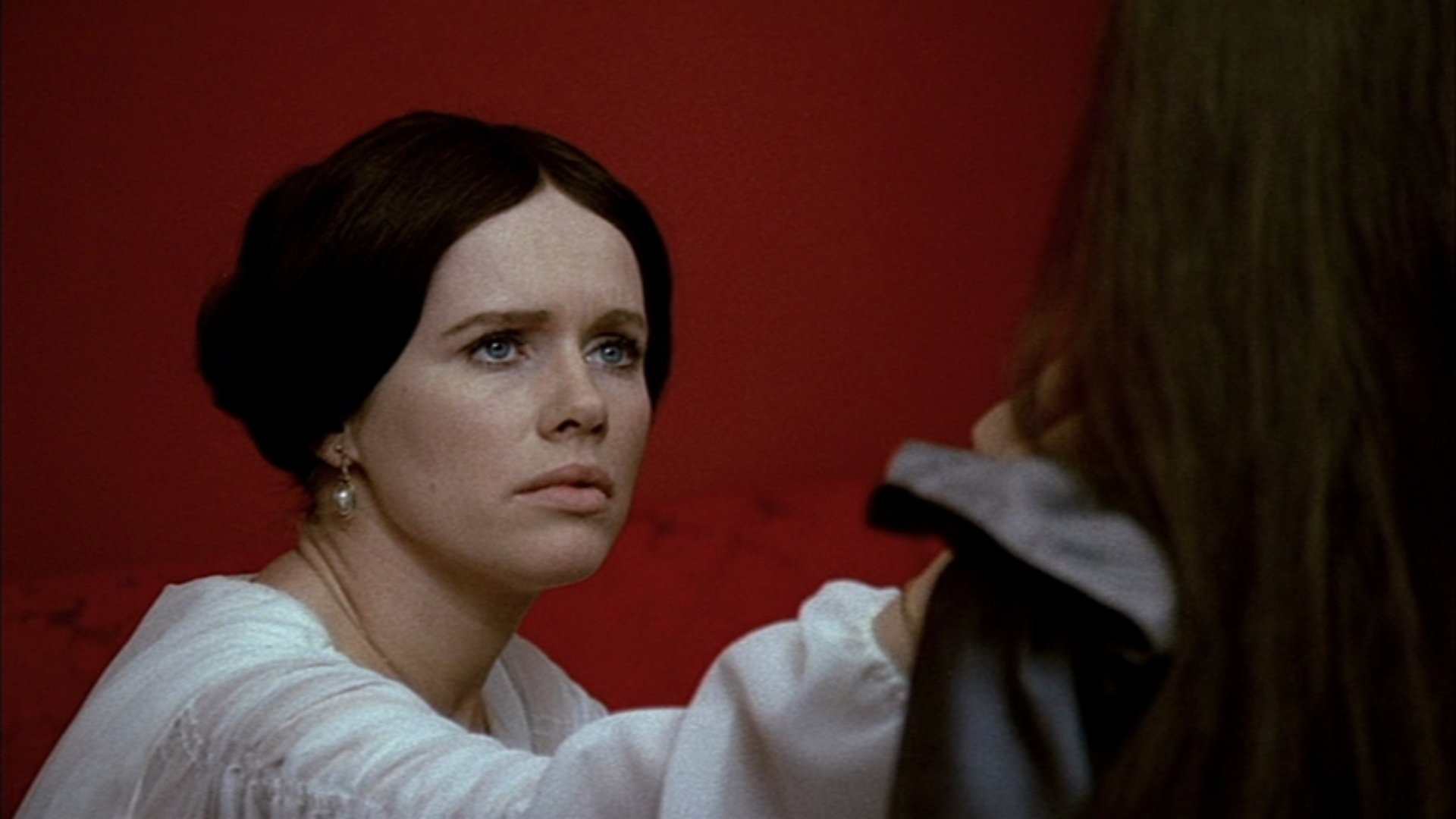
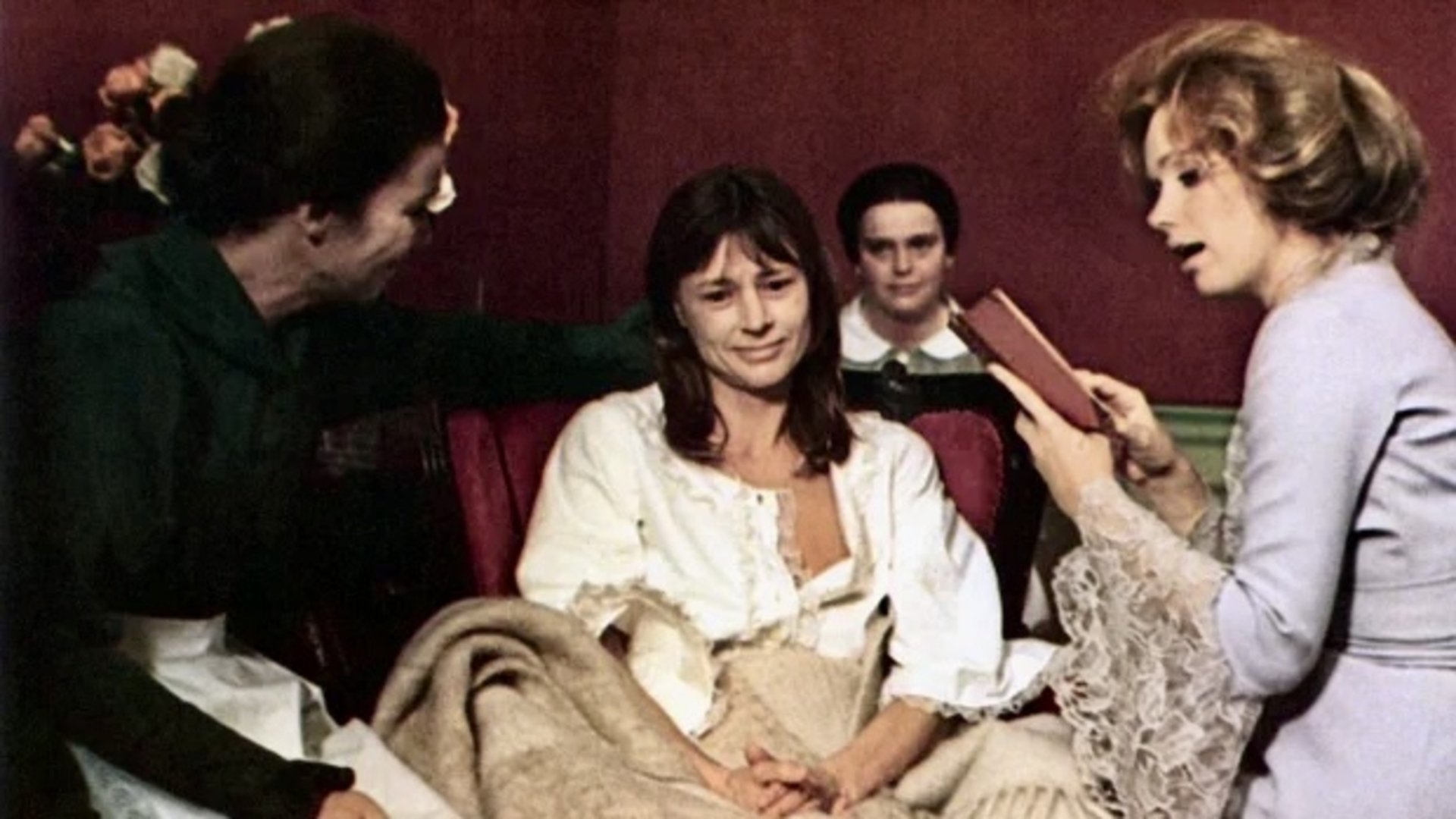
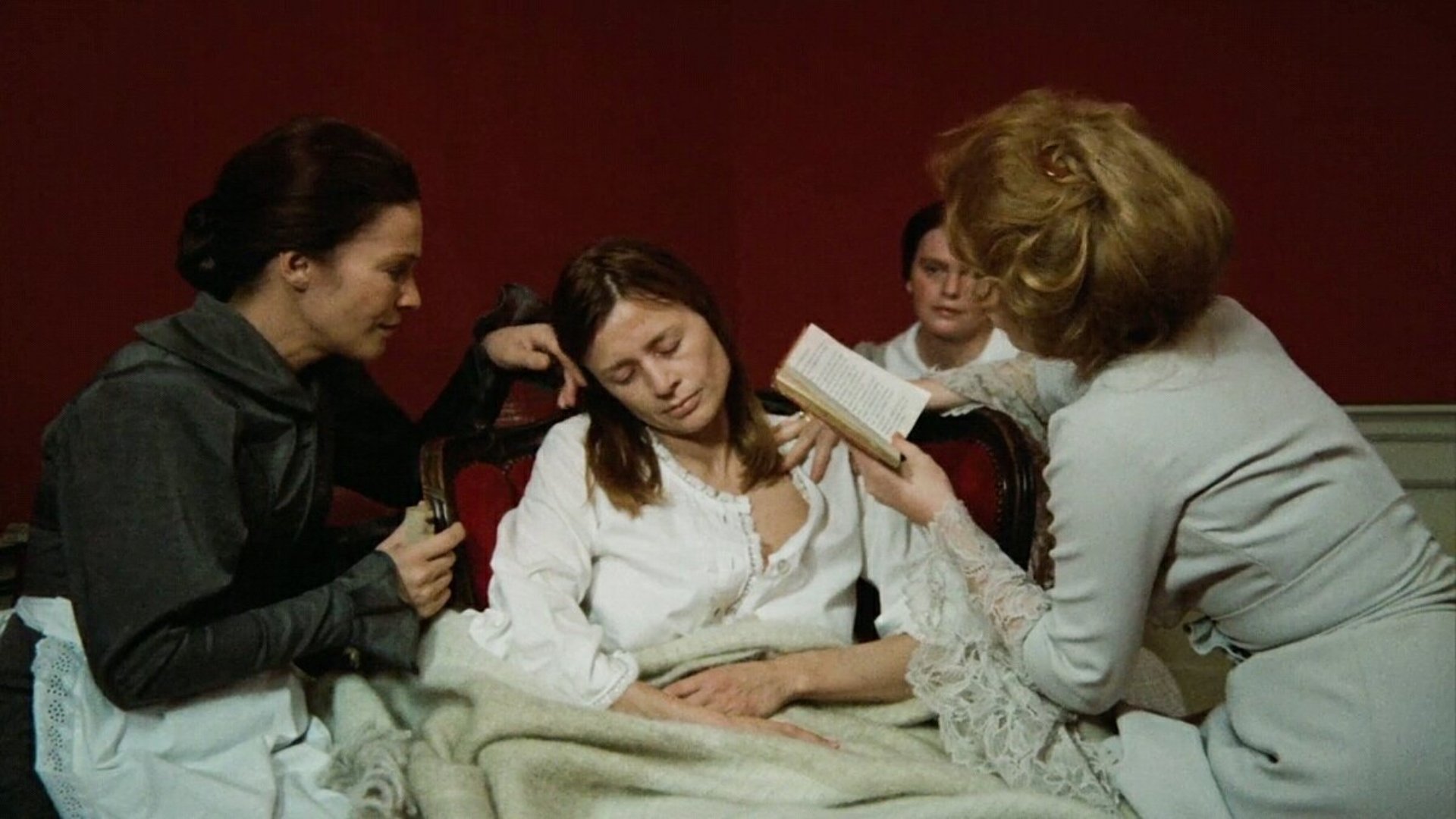
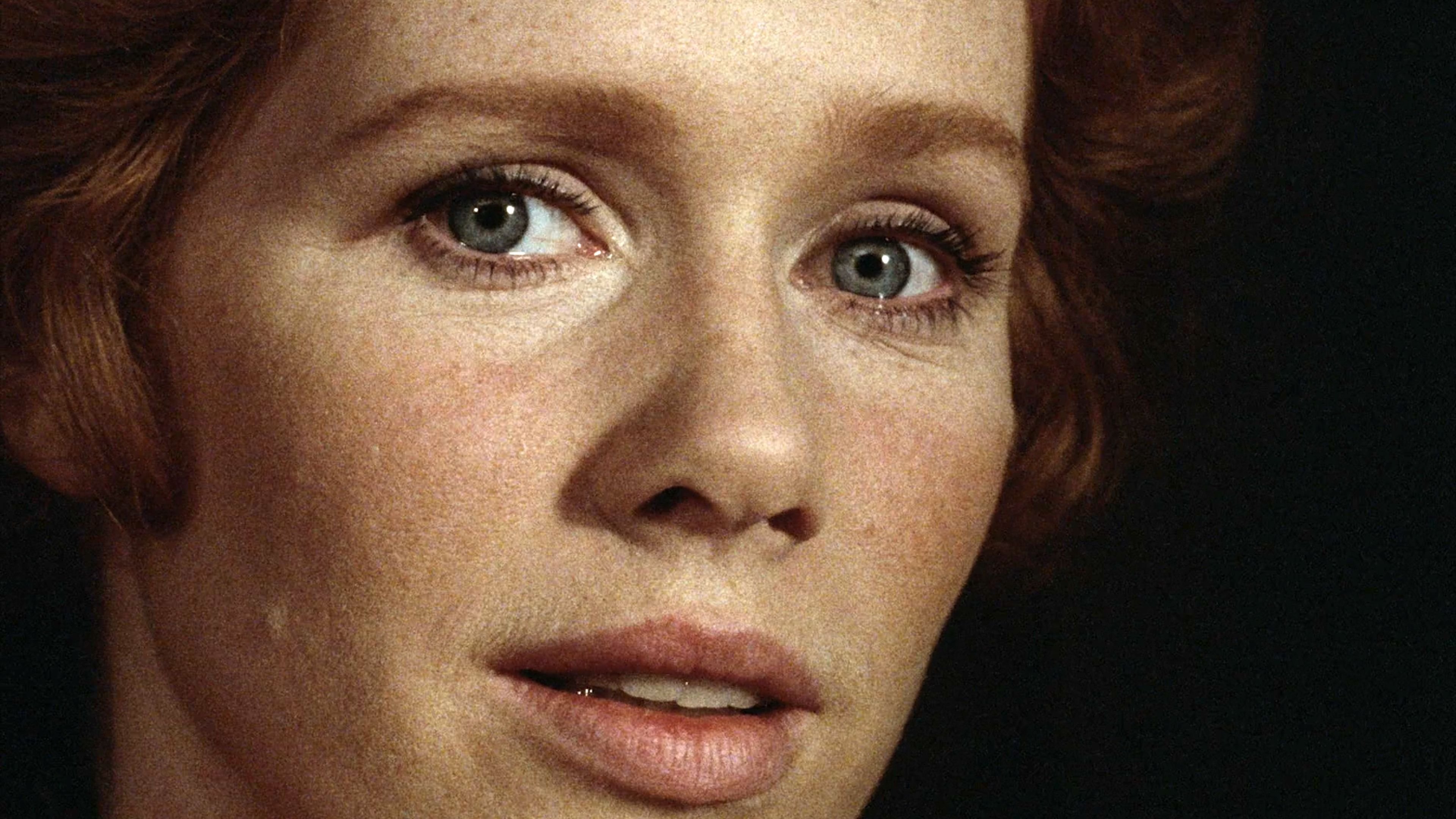
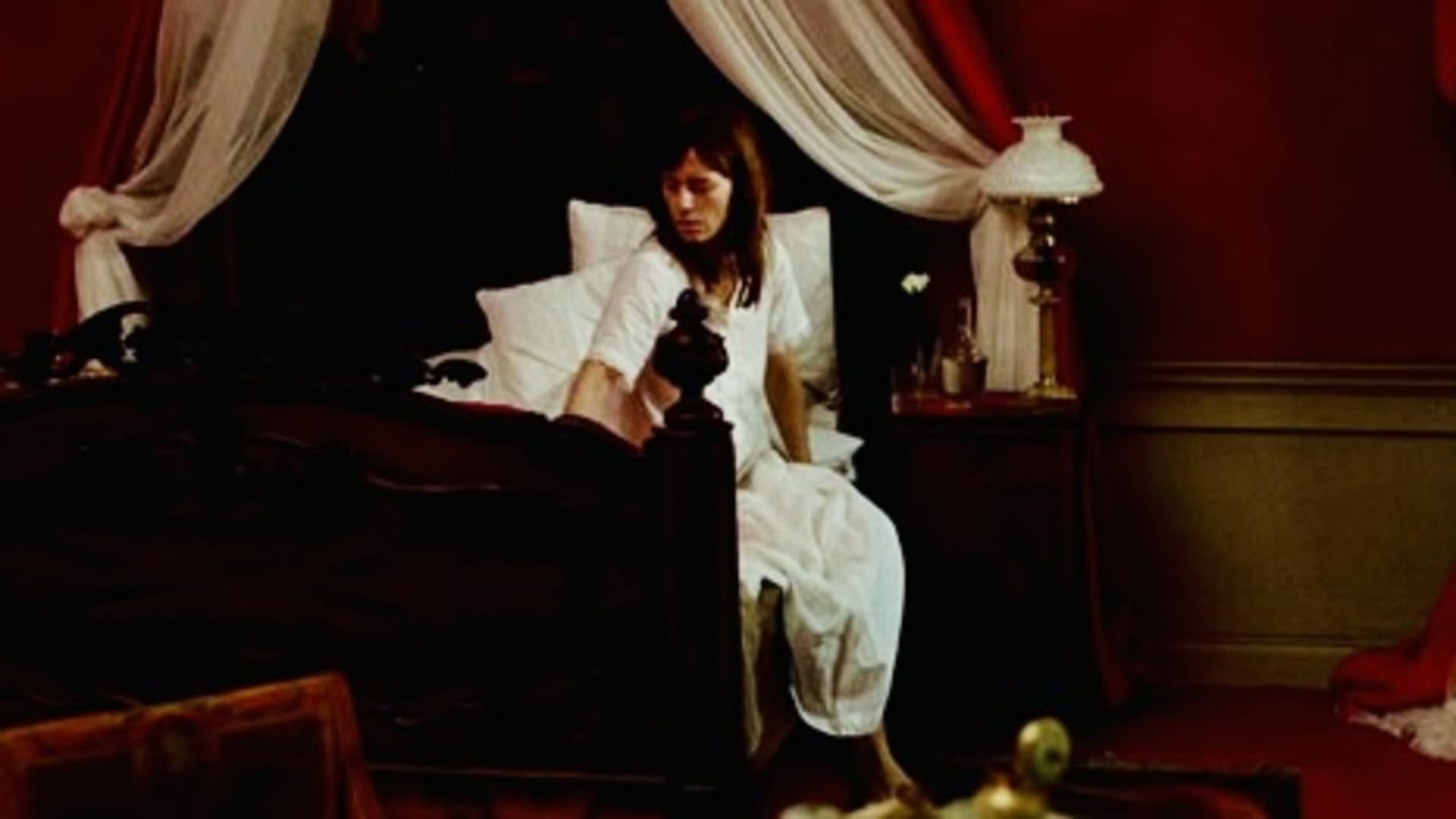
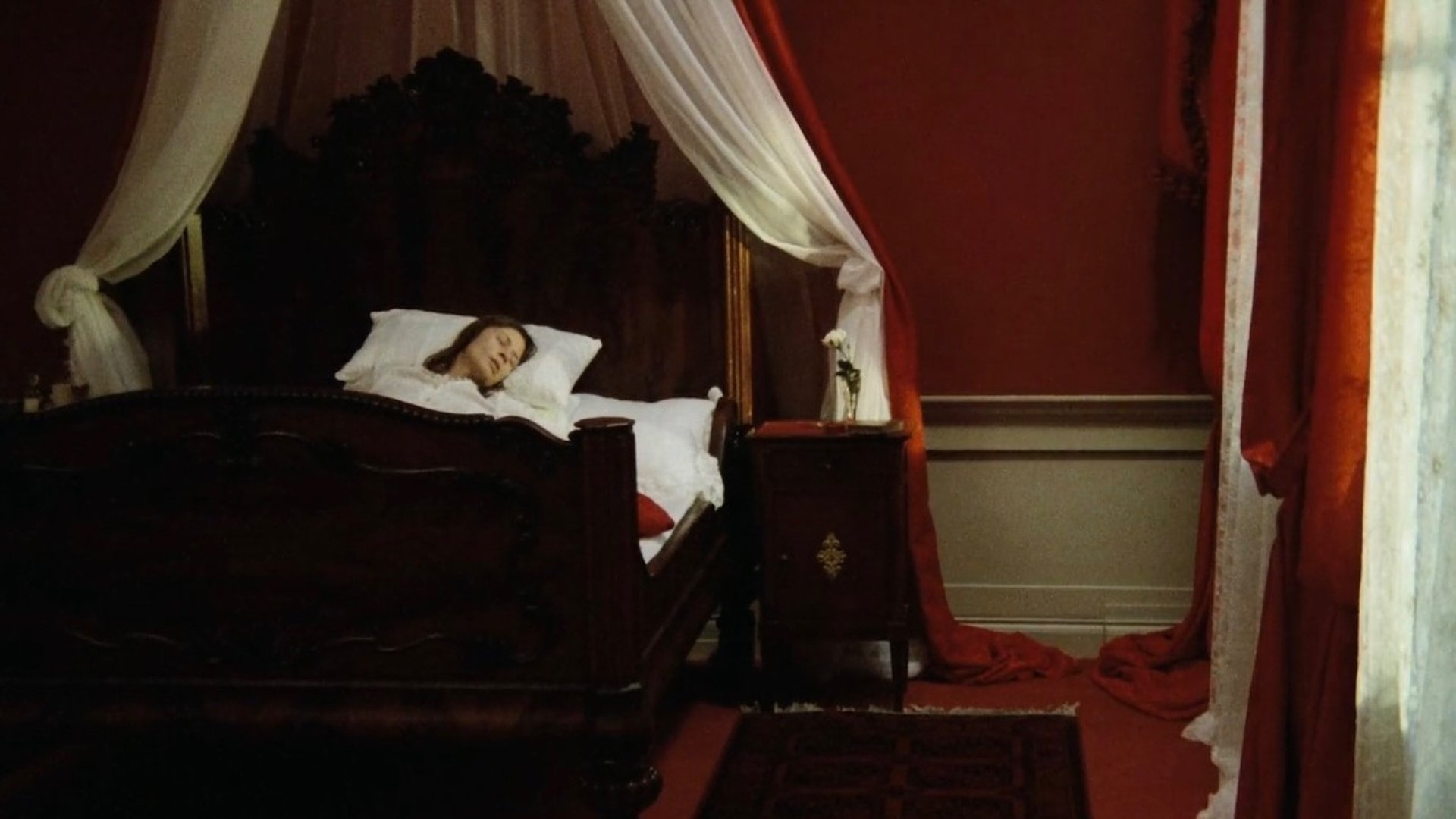

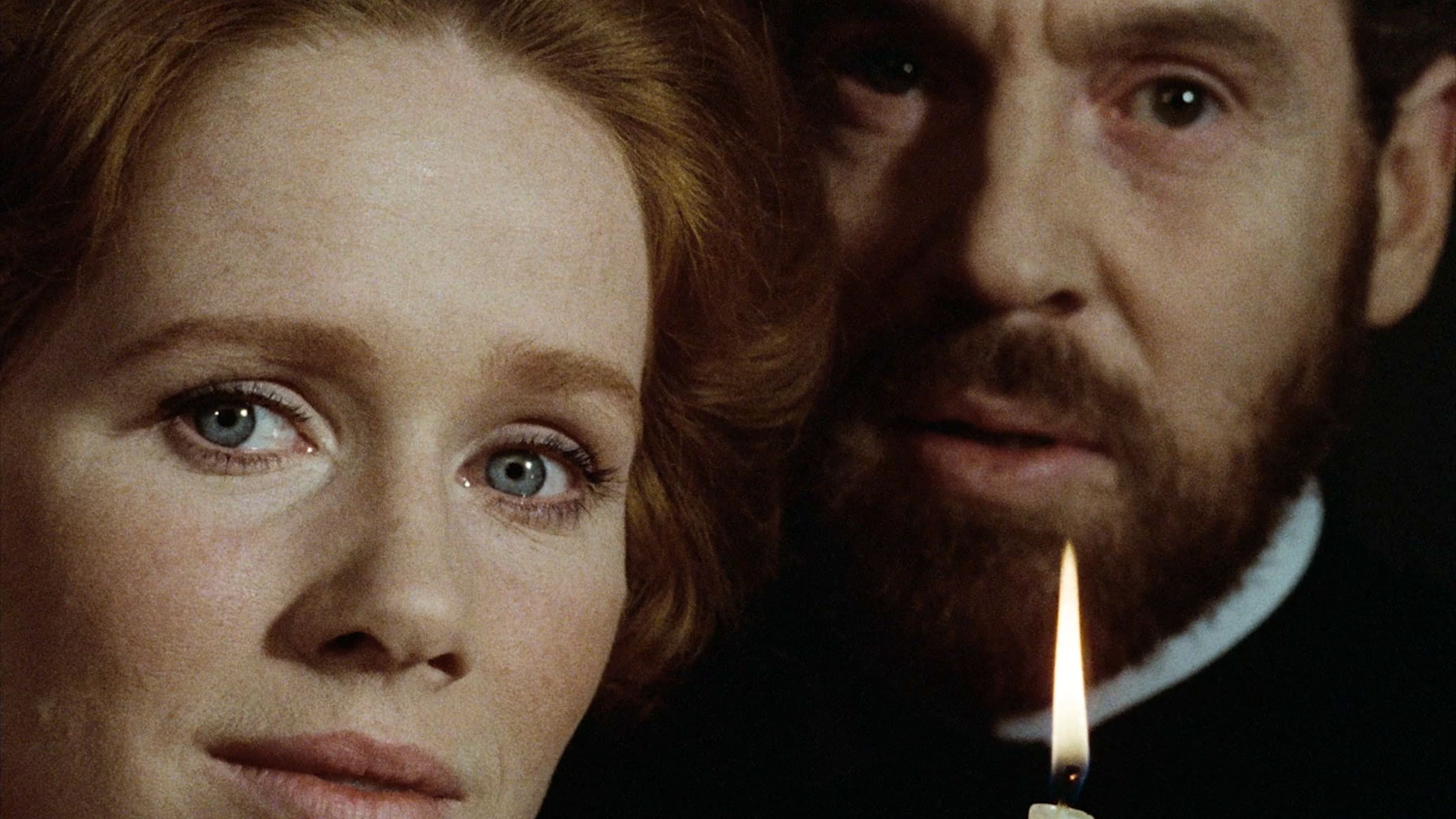
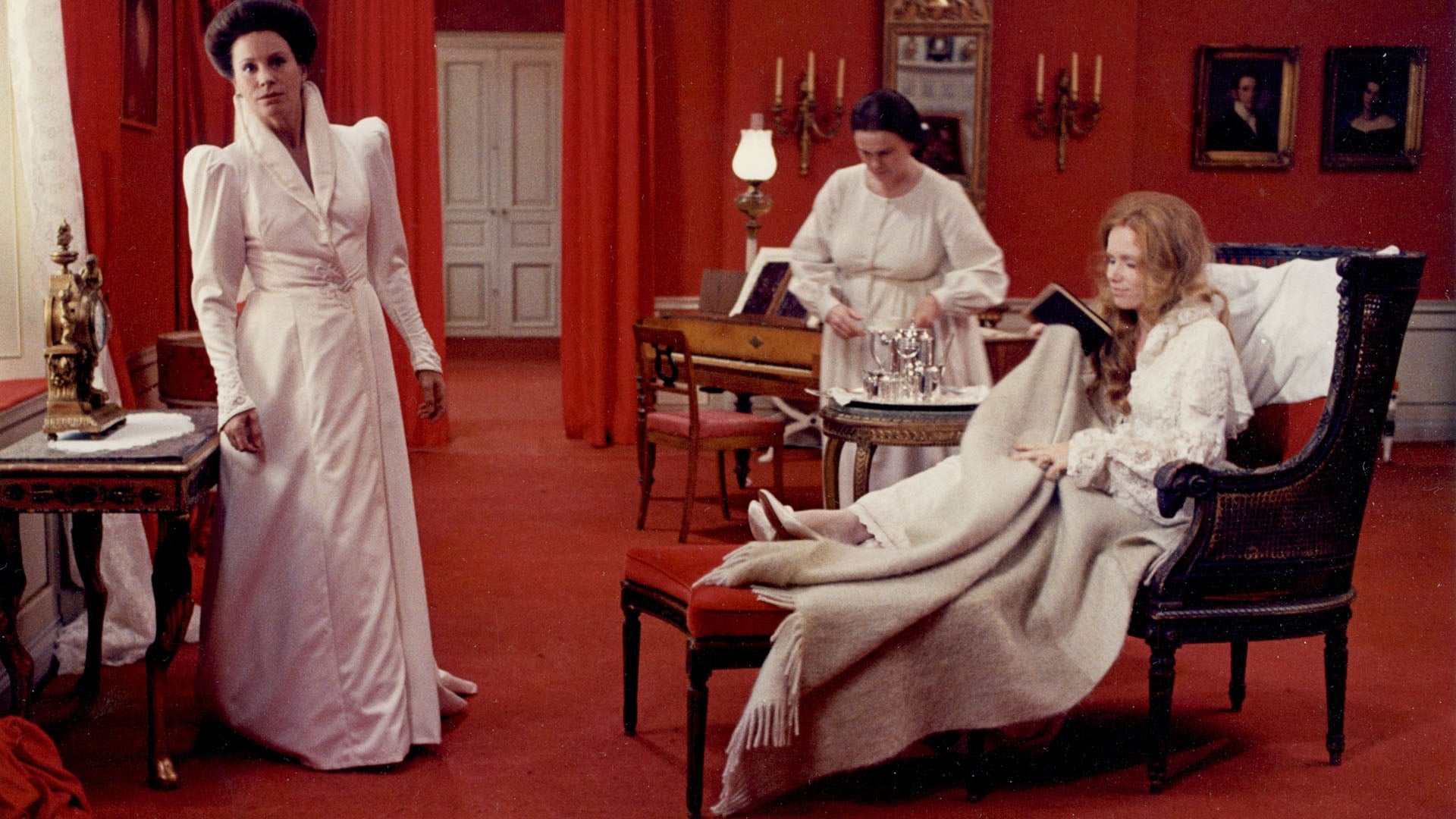
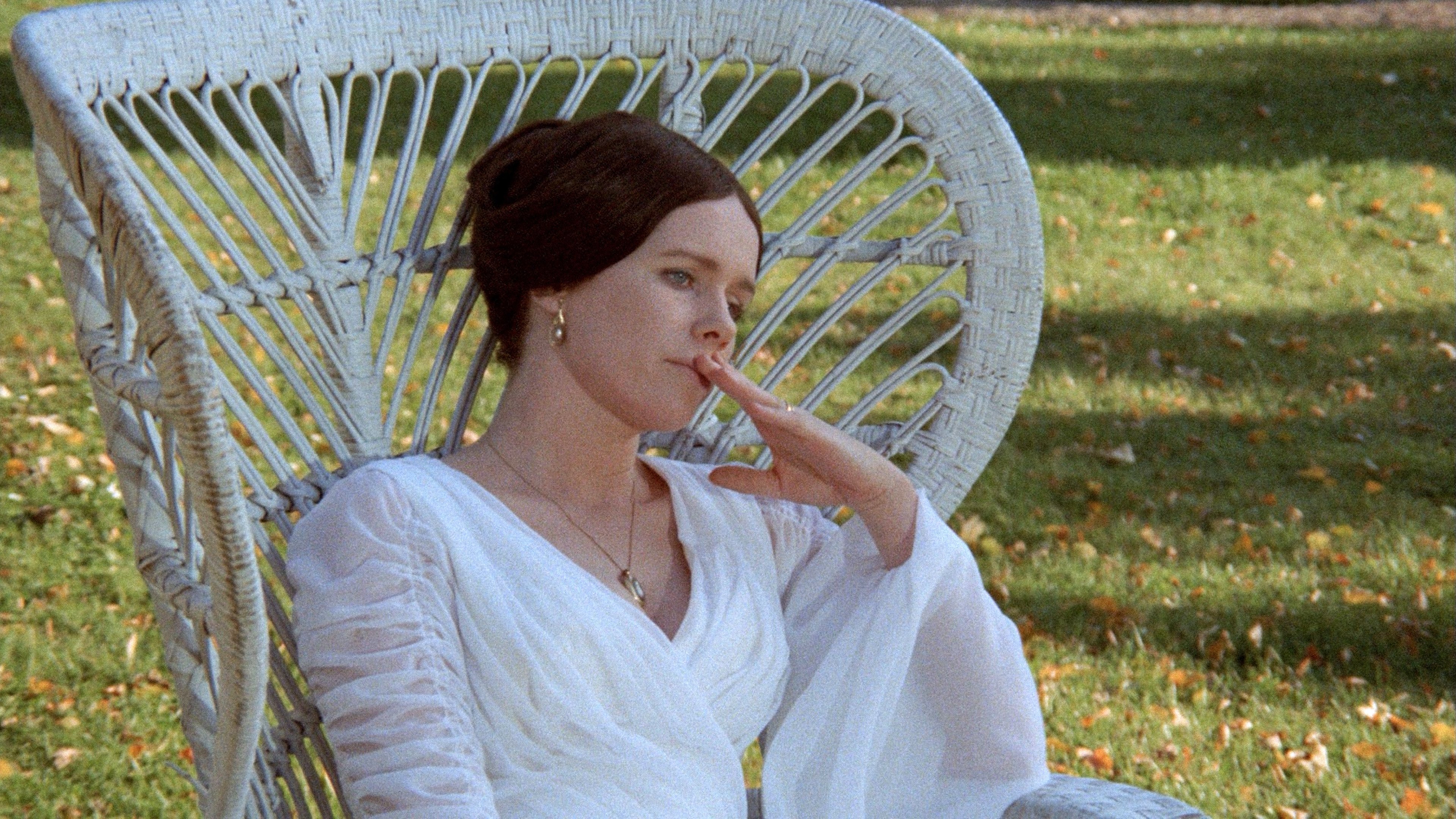
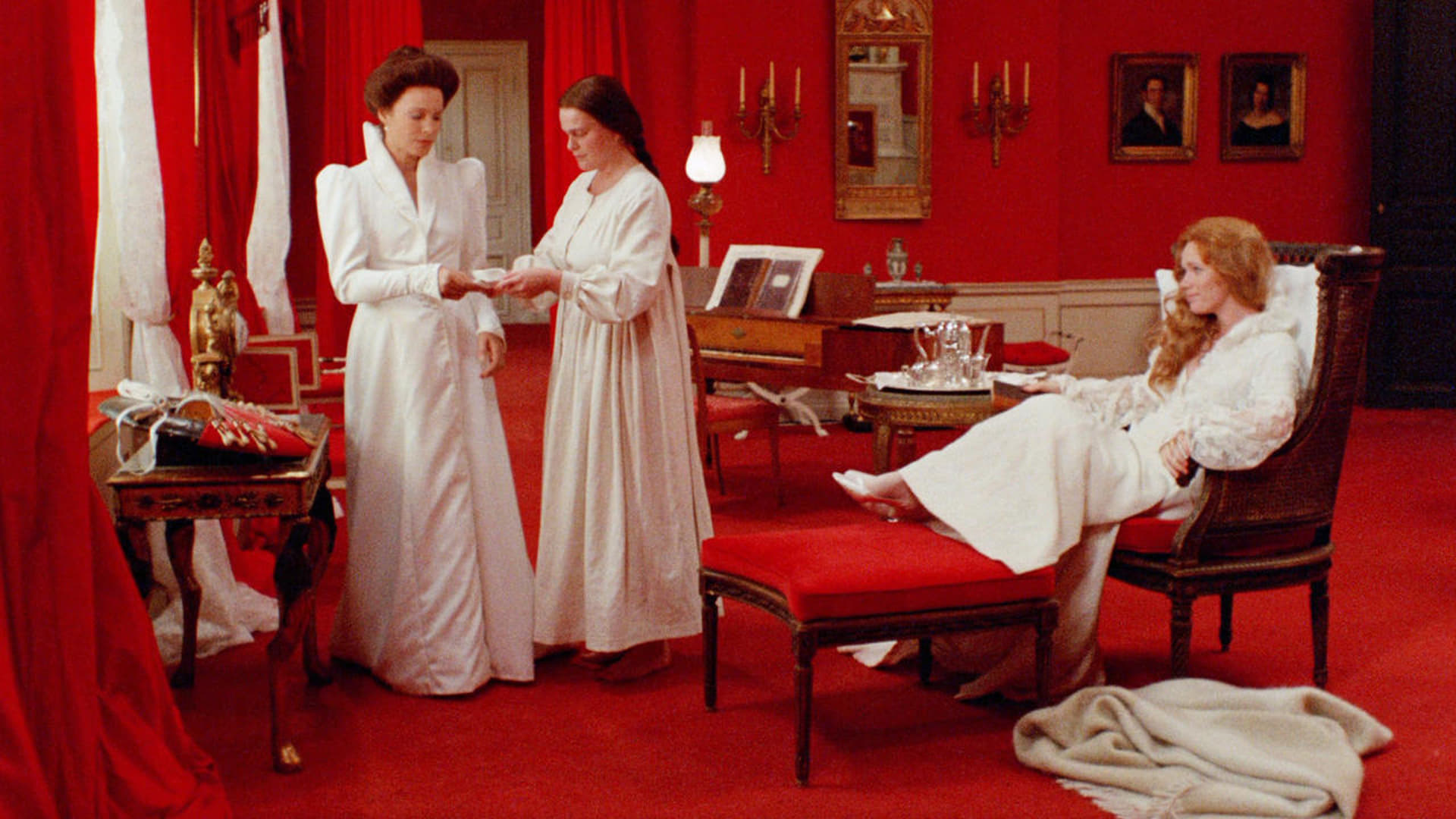

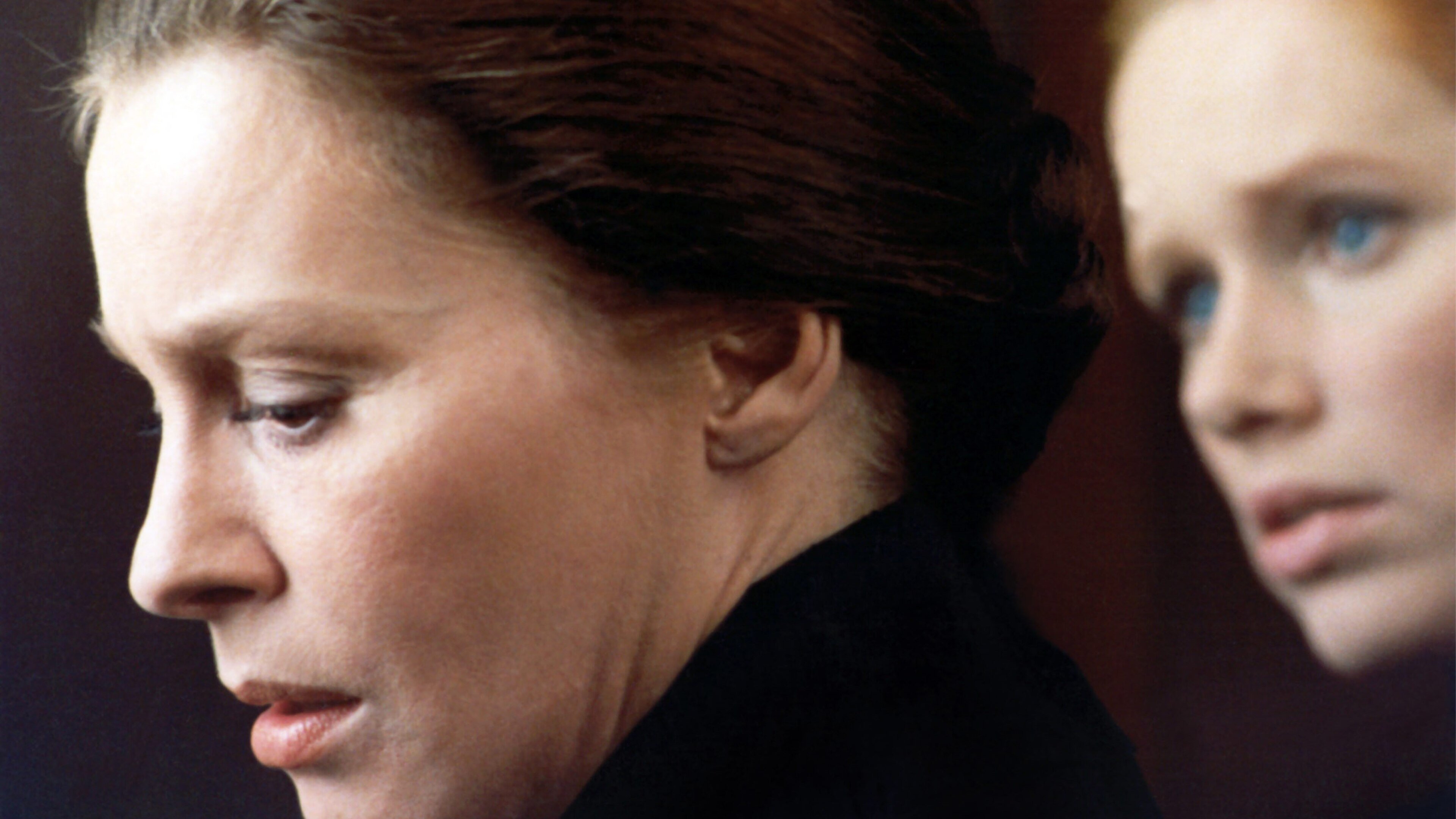

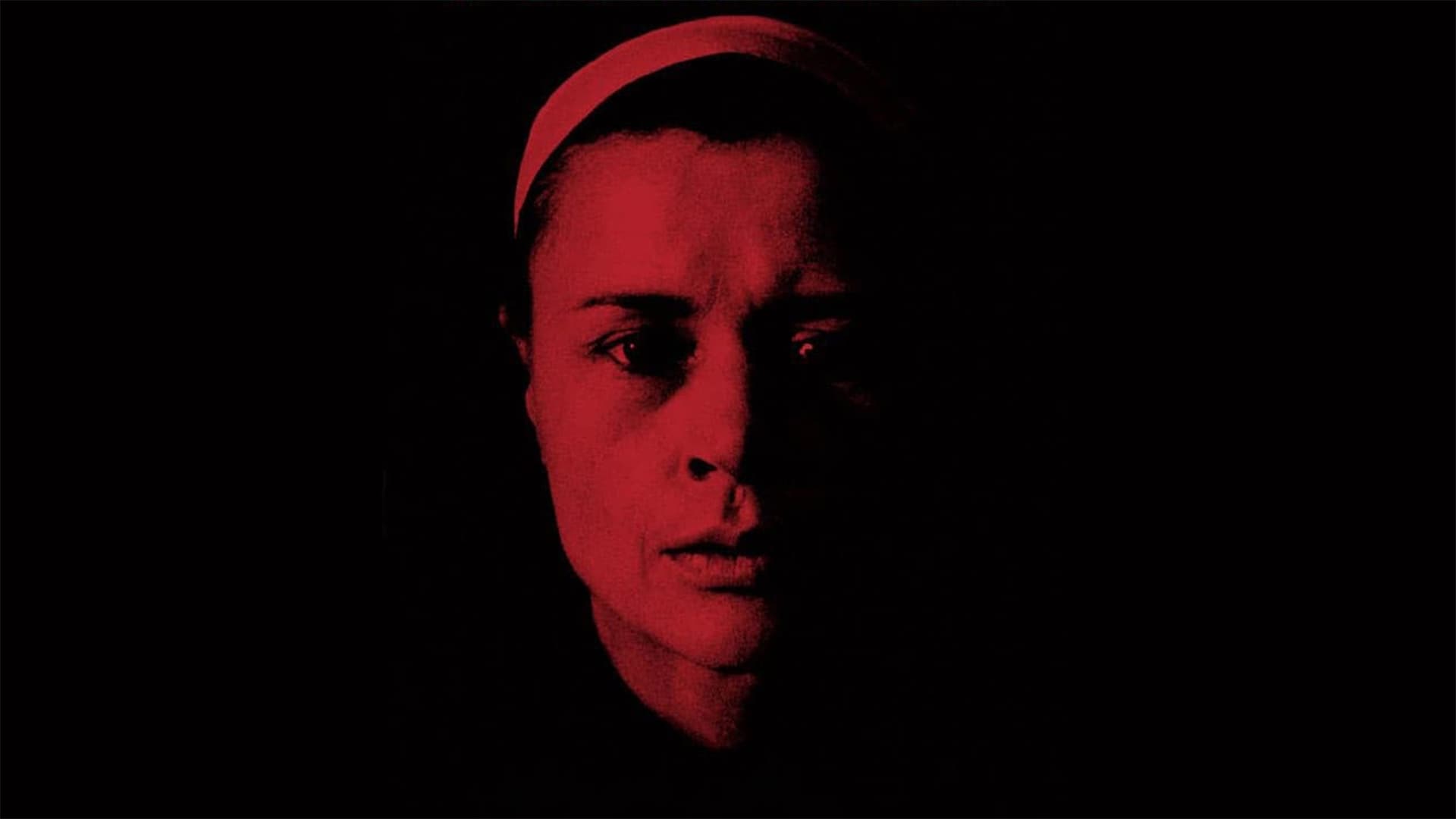
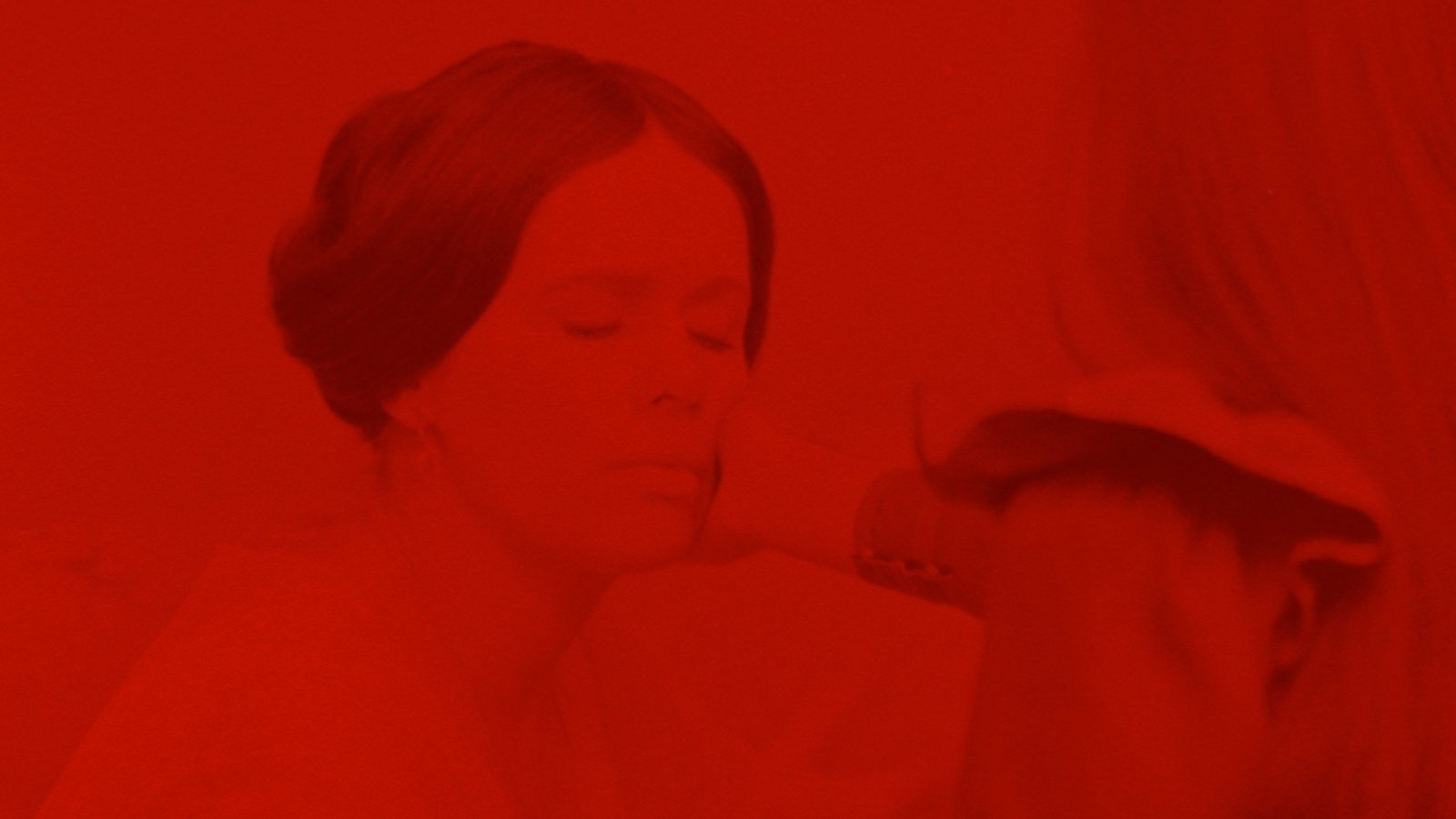
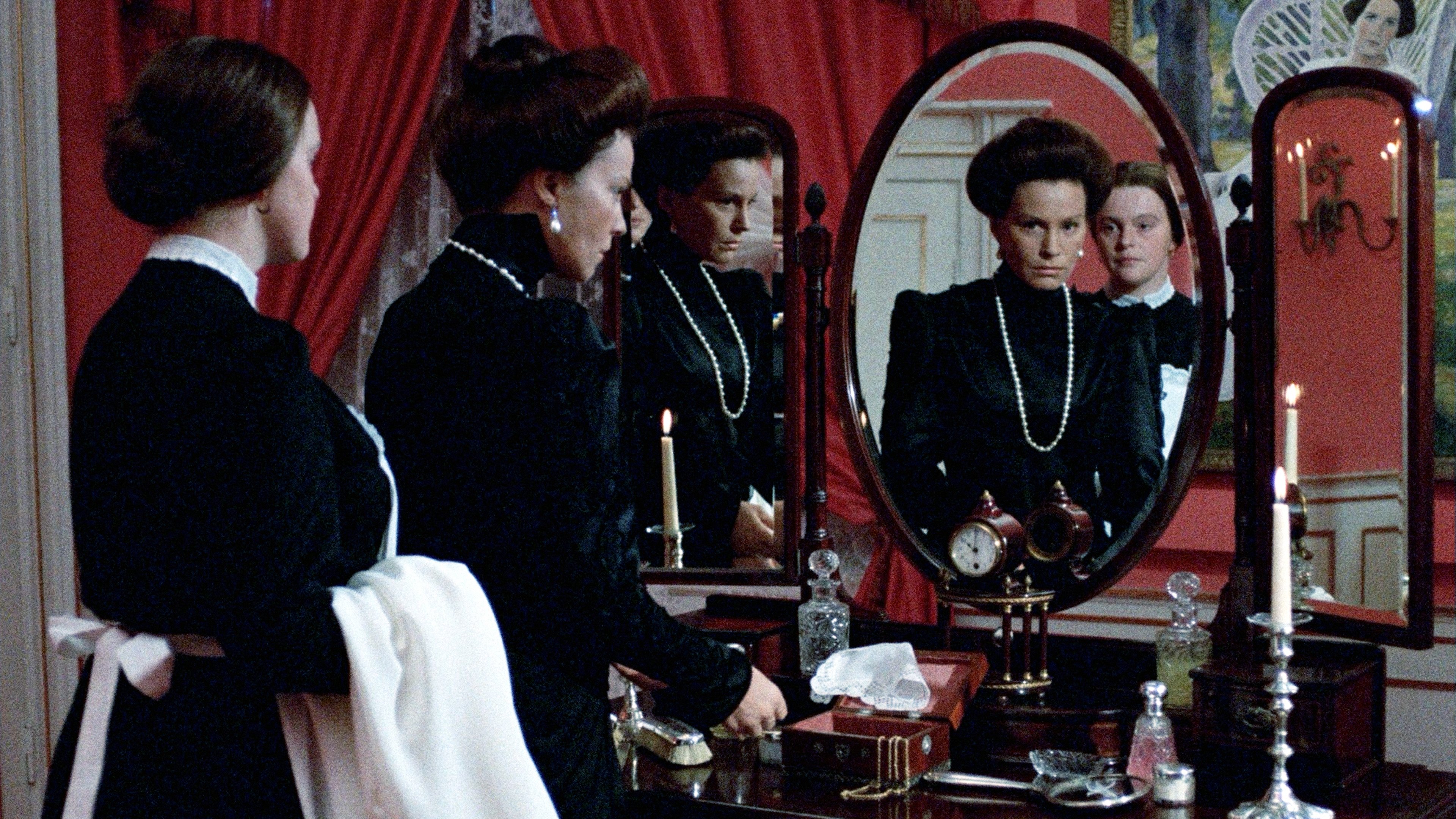
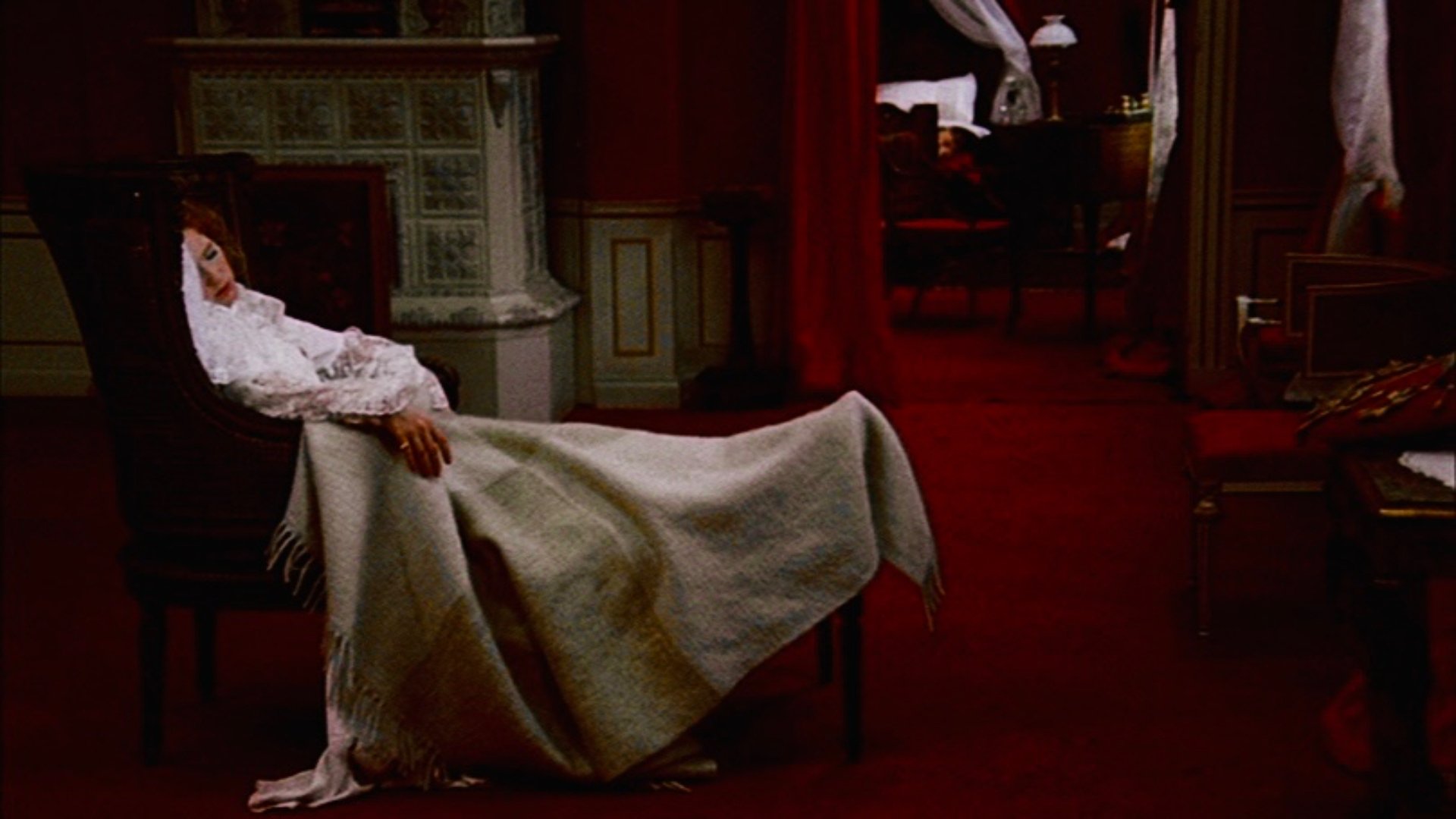
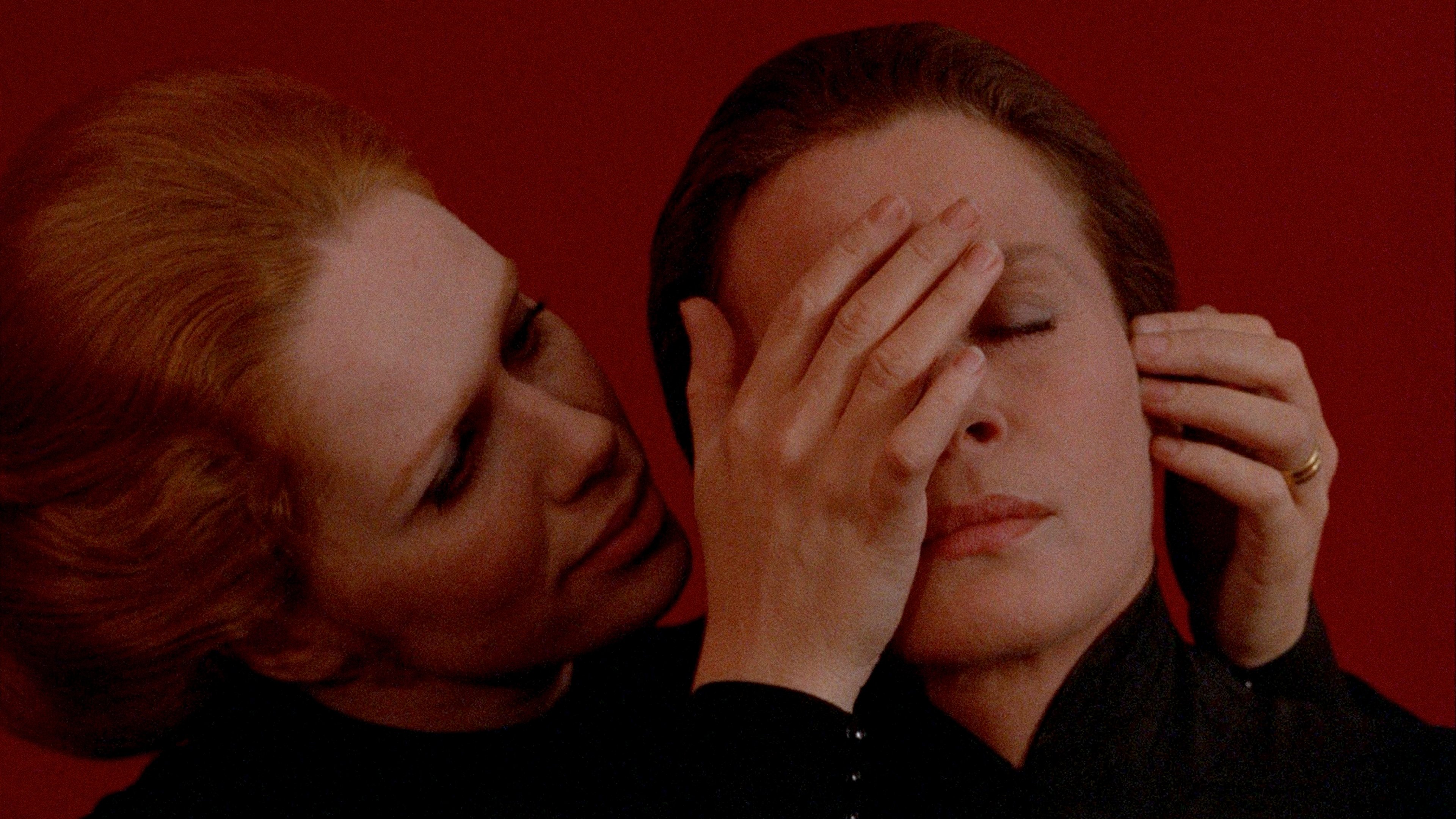
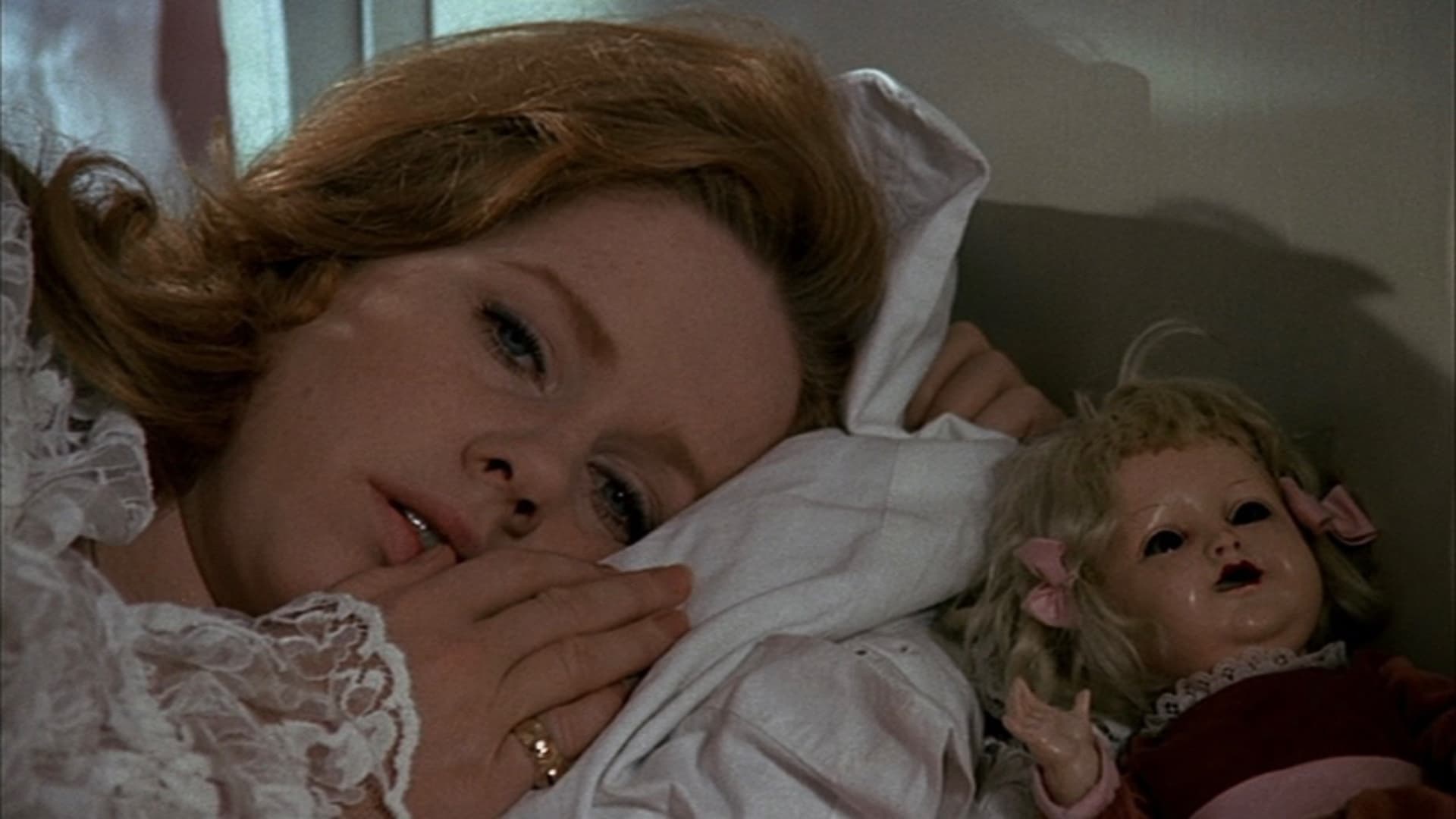
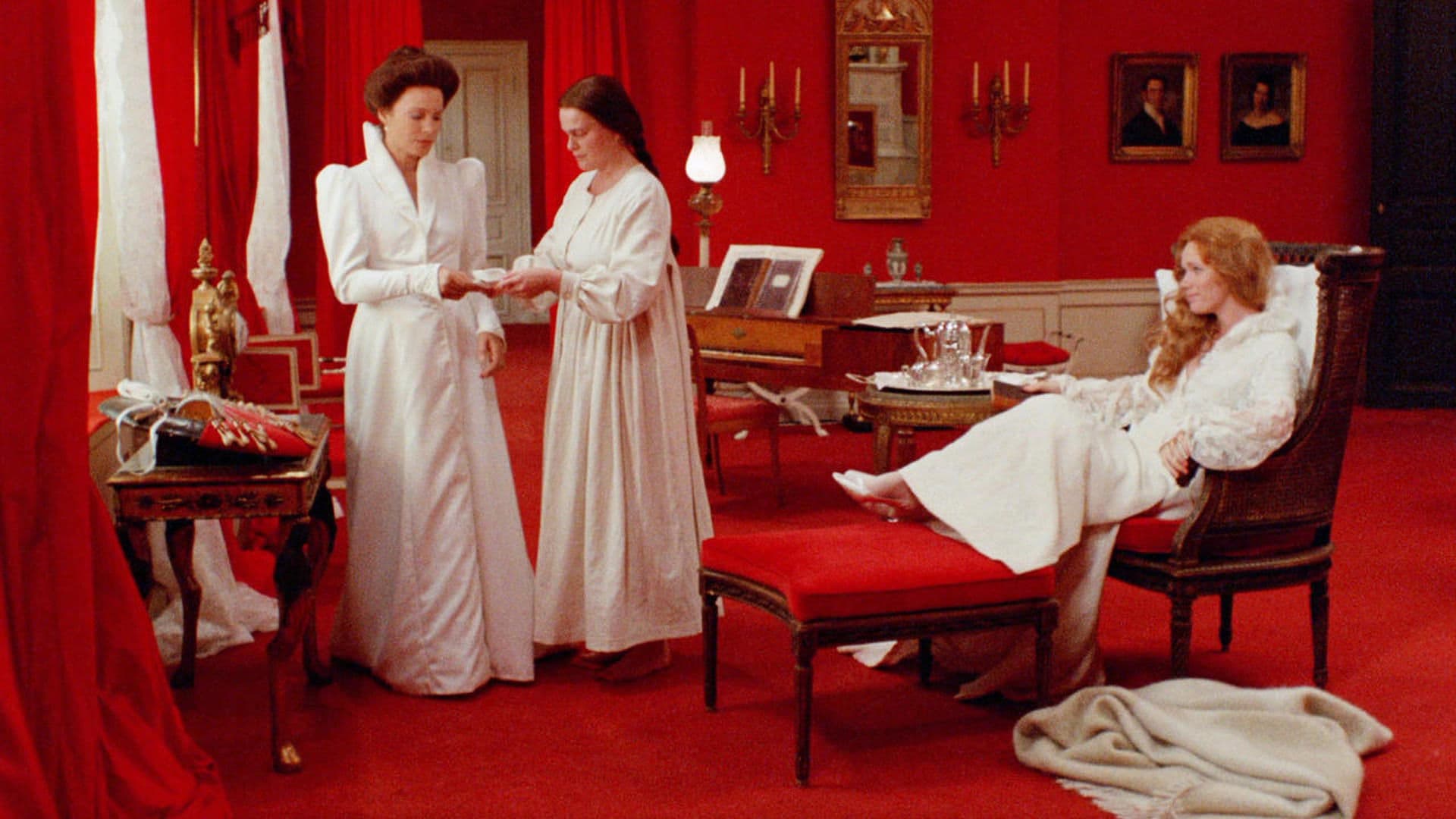
As Agnes slowly dies of cancer, her sisters are so immersed in their own psychic pains that they are unable to offer her the support she needs.
Directed by Ingmar Bergman
dying and death
sibling relationship
sweden
sister
cancer
mansion
19th century
Rank
#5 in 1972·#804 overall

Trailer
Where to Watch



Cast
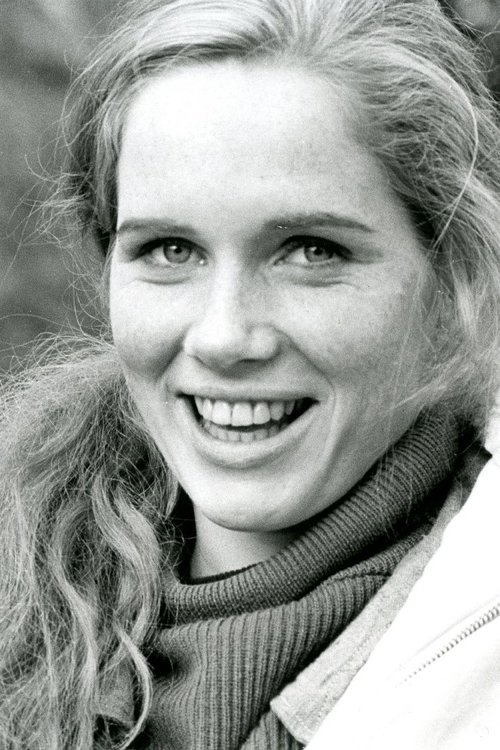
Liv Ullmann
Maria
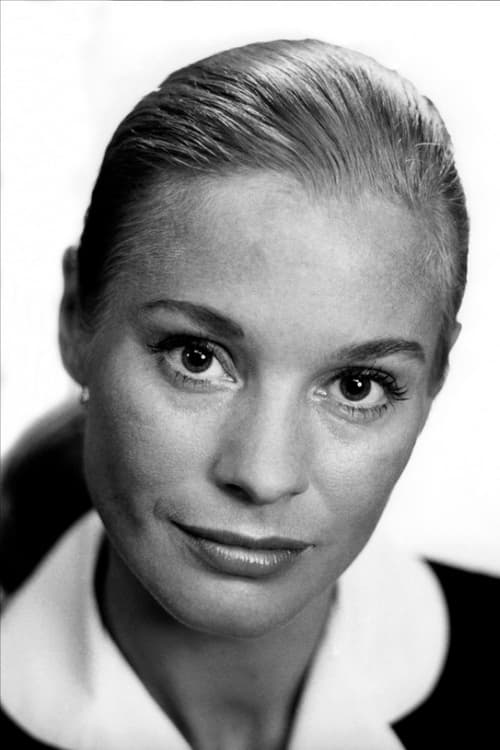
Ingrid Thulin
Karin
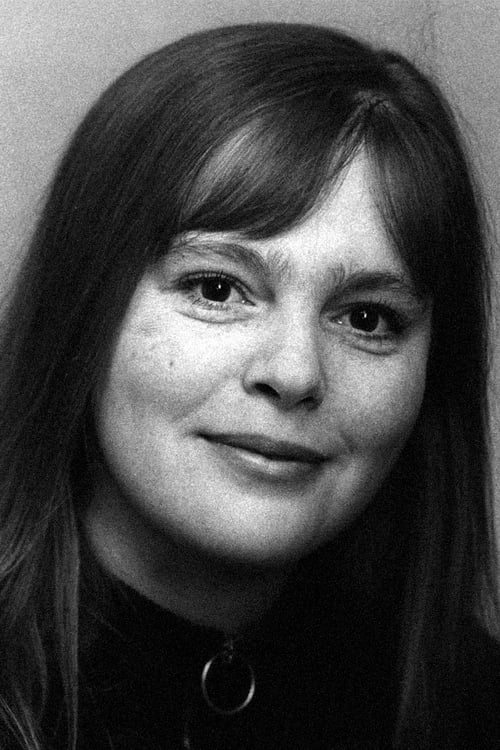
Kari Sylwan
Anna
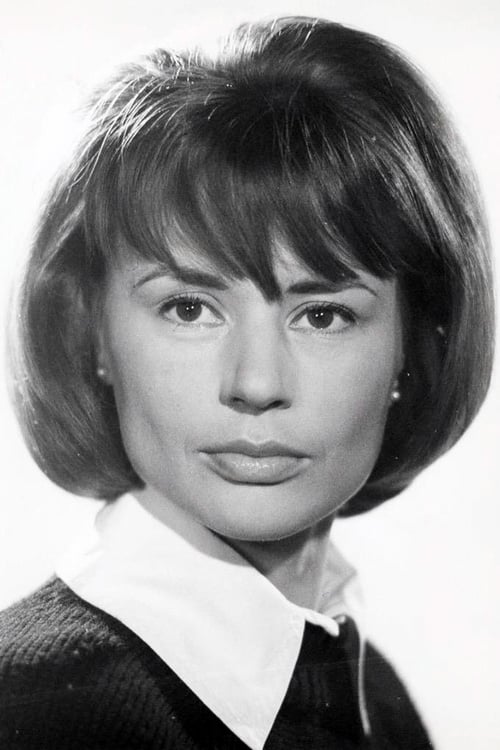
Harriet Andersson
Agnes
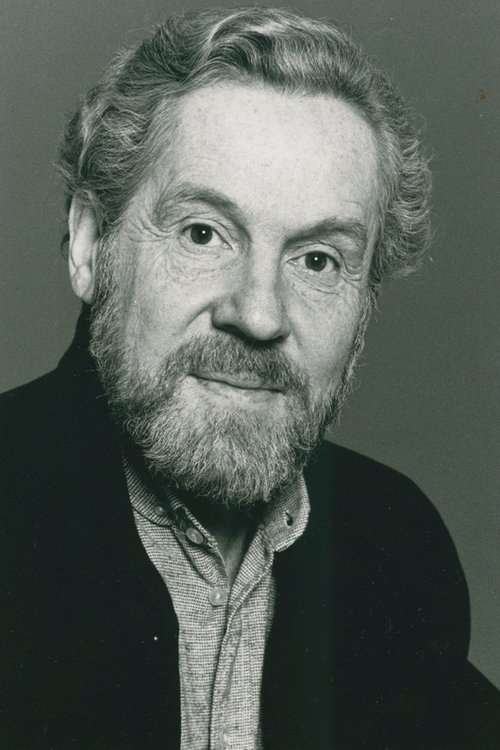
Erland Josephson
David
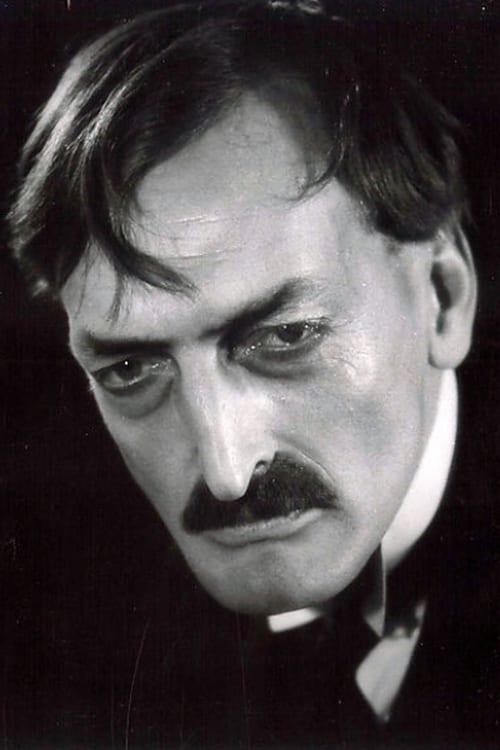
Georg Årlin
Fredrik

Anders Ek
Isak
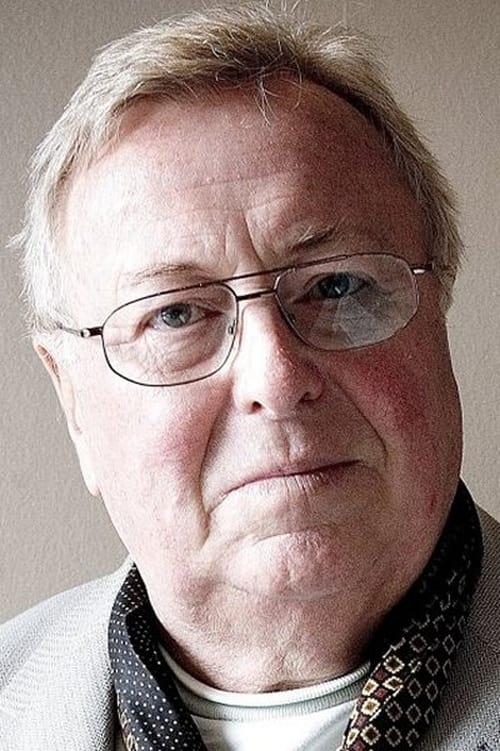
Henning Moritzen
Joakim
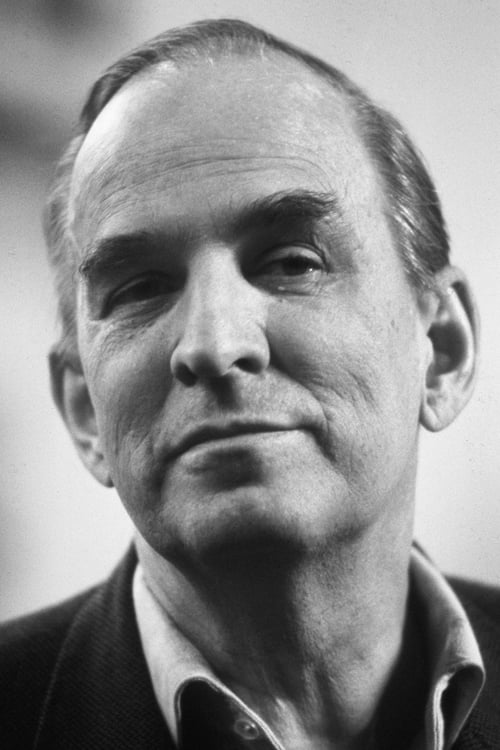
Ingmar Bergman
Narrator (voice)
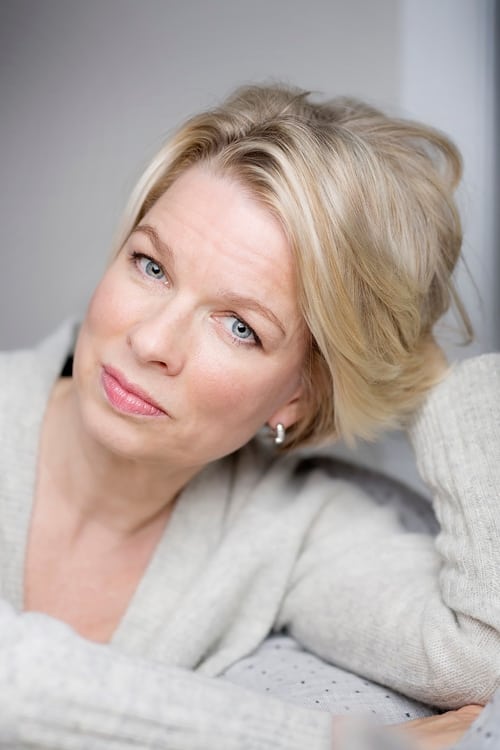
Linn Ullmann
Maria's Daughter
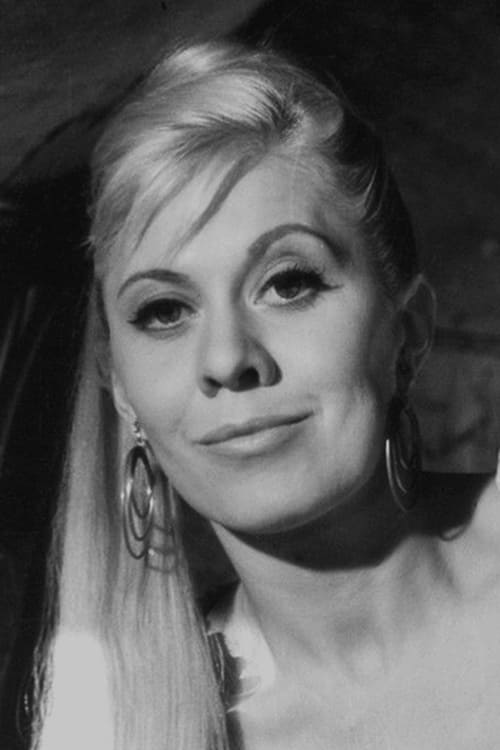
Inga Gill
Storyteller
Marianne Aubert
Crew
Ingmar Bergman
Director
Ingmar Bergman
Screenplay
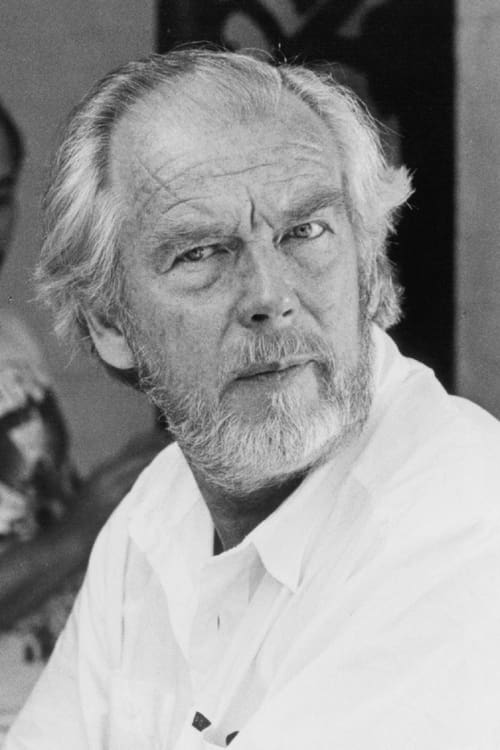
Sven Nykvist
Director of Photography
Ingmar Bergman
Producer

Owe Svensson
Sound Designer

Britt Falkemo
Makeup Artist
Börje Lundh
Makeup Artist
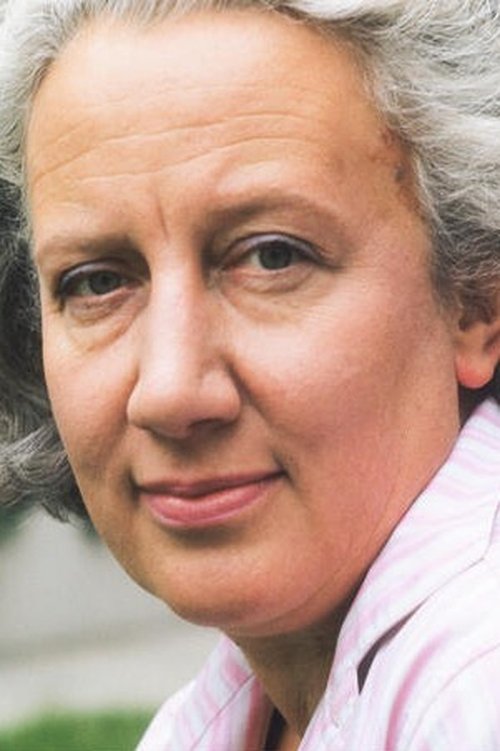
Marik Vos-Lundh
Production Design
Marik Vos-Lundh
Costume Design
Popular Reviews
855 reviews
Ufuk
7.0★ · 04/29/26
Ne yazık ki bu tarz anlatımlar çok benlik değil
Ne yazık ki bu tarz anlatımlar çok benlik değil

2

crimzzn
10.0★ · 04/17/26
An intense, emotional film about grief, guilt, and the complex relationships between sisters, with past resentment and unspoken feelings slowly coming to the surface. The performances are all amazing, Liv Ullmann, Ingrid Thulin, Harriet Andersson, and Kari Sylwan all deliver some of their best work. The cinematography, especially the use of red, just makes the film so much more powerful. It’s definitely a hard watch at times, but that’s literally what makes it so good.
This might be my new favorite Bergman film, which says a lot considering how brilliant his filmography is. And the ending is absolutely beautiful. You HAVE to watch it for yourself!
This might be my new favorite Bergman film, which says a lot considering how brilliant his filmography is. And the ending is absolutely beautiful. You HAVE to watch it for yourself!
An intense, emotional film about grief, guilt, and the complex relationships between sisters, with past resentment and unspoken feelings slowly coming to the surface. The performances are all amazing, Liv Ullmann, Ingrid Thulin, Harriet Andersson, and Kari Sylwan all deliver some of their best work. The cinematography, especially the use of red, just makes the film so much more powerful. It’s definitely a hard watch at times, but that’s literally what makes it so good.
This might be my new favorite Bergman film, which says a lot considering how brilliant his filmography is. And the ending is absolutely beautiful. You HAVE to watch it for yourself!
This might be my new favorite Bergman film, which says a lot considering how brilliant his filmography is. And the ending is absolutely beautiful. You HAVE to watch it for yourself!
2
ayaan
8.0★ · 05/31/26
1
Jayvee
10.0★ · 04/20/26
Heavy themes run throughout the film—you kind of wish you hadn’t seen it, and it might even ruin your day—but the cinematography and colors are so striking that I couldn’t look away
Heavy themes run throughout the film—you kind of wish you hadn’t seen it, and it might even ruin your day—but the cinematography and colors are so striking that I couldn’t look away
1
Annabelle
10.0★ · 04/06/26
Flicker
I don’t think Cries and Whispers is a film you watch.
I think it’s a film you endure.
As someone who hasn’t seen that many of Ingmar Bergman’s works yet—but who considers Autumn Sonata almost sacred, and Persona a kind of psychological mirror—I went into this expecting something intense.
I wasn’t prepared for something this… merciless.
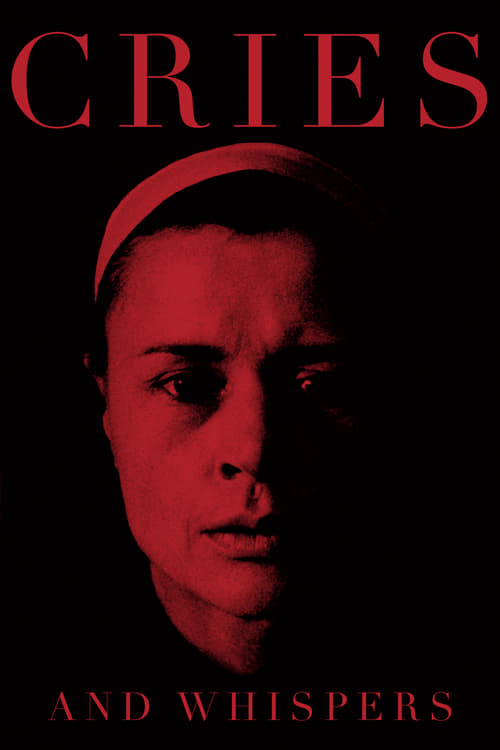
This film is cold. Not just emotionally distant—no, it’s something deeper. It’s glacial, surgical, like being trapped inside a room where warmth simply doesn’t exist. A suffocating chamber of red walls that feel less like decoration and more like the inside of a body—raw, exposed, bleeding silently.
And then there’s Agnes.
Her suffering isn’t just physical—it’s existential. She doesn’t ask for much. Just to be held. Just to be loved. And watching her beg for something so fundamentally human, while being surrounded by people incapable of giving it… it’s almost unbearable.
That’s what destroys you.
Because the film quietly suggests something terrifying:
love is not guaranteed, not even by blood.
Maria, with her softness that dissolves the second things become real. Karin, locked in her own violent rejection of intimacy. And then Anna—who isn’t even family, yet is the only one capable of true tenderness.
It’s cruel. But it’s also strangely beautiful.
Because in the middle of all this emotional sterility, **Anna becomes proof that love can exist—it just doesn’t always come from where it should.**
What makes the film even more oppressive is how it sounds.
The whispers. The breathing. That constant ticking clock that never lets you forget time is passing, that death is coming. It creates this low, inescapable anxiety—like something is always closing in on you.
It reminded me, in its rawness and refusal to comfort, of The Piano Teacher. That same kind of emotional brutality. That same way of forcing you to sit with things you’d rather look away from.
And then the ending…
What shattered me the most is the idea that **Agnes might have lived—and died—inside an illusion. **That her desperate need for love was so immense that she convinced herself it existed, even when it didn’t. There’s something profoundly heartbreaking about that. Almost unbearable.
So yes—this is a masterpiece.
But it’s not one I would recommend lightly.
If you’re already in a fragile place, don’t watch this.
Not because it isn’t worth it—**but because it might hit too deep, too precisely, too truthfully.
**
This isn’t just a film about death.
It’s a film about the quiet horror of not being loved enough while you’re still alive.
Flicker
I don’t think Cries and Whispers is a film you watch.
I think it’s a film you endure.
As someone who hasn’t seen that many of Ingmar Bergman’s works yet—but who considers Autumn Sonata almost sacred, and Persona a kind of psychological mirror—I went into this expecting something intense.
I wasn’t prepared for something this… merciless.
This film is cold. Not just emotionally distant—no, it’s something deeper. It’s glacial, surgical, like being trapped inside a room where warmth simply doesn’t exist. A suffocating chamber of red walls that feel less like decoration and more like the inside of a body—raw, exposed, bleeding silently.
And then there’s Agnes.
Her suffering isn’t just physical—it’s existential. She doesn’t ask for much. Just to be held. Just to be loved. And watching her beg for something so fundamentally human, while being surrounded by people incapable of giving it… it’s almost unbearable.
That’s what destroys you.
Because the film quietly suggests something terrifying:
love is not guaranteed, not even by blood.
Maria, with her softness that dissolves the second things become real. Karin, locked in her own violent rejection of intimacy. And then Anna—who isn’t even family, yet is the only one capable of true tenderness.
It’s cruel. But it’s also strangely beautiful.
Because in the middle of all this emotional sterility, **Anna becomes proof that love can exist—it just doesn’t always come from where it should.**
What makes the film even more oppressive is how it sounds.
The whispers. The breathing. That constant ticking clock that never lets you forget time is passing, that death is coming. It creates this low, inescapable anxiety—like something is always closing in on you.
It reminded me, in its rawness and refusal to comfort, of The Piano Teacher. That same kind of emotional brutality. That same way of forcing you to sit with things you’d rather look away from.
And then the ending…
What shattered me the most is the idea that **Agnes might have lived—and died—inside an illusion. **That her desperate need for love was so immense that she convinced herself it existed, even when it didn’t. There’s something profoundly heartbreaking about that. Almost unbearable.
So yes—this is a masterpiece.
But it’s not one I would recommend lightly.
If you’re already in a fragile place, don’t watch this.
Not because it isn’t worth it—**but because it might hit too deep, too precisely, too truthfully.
**
This isn’t just a film about death.
It’s a film about the quiet horror of not being loved enough while you’re still alive.
1