I will not accept a life I do not deserve **"Might rewatch to just write a whole essay about the 70s to 80s transition to movies"
**
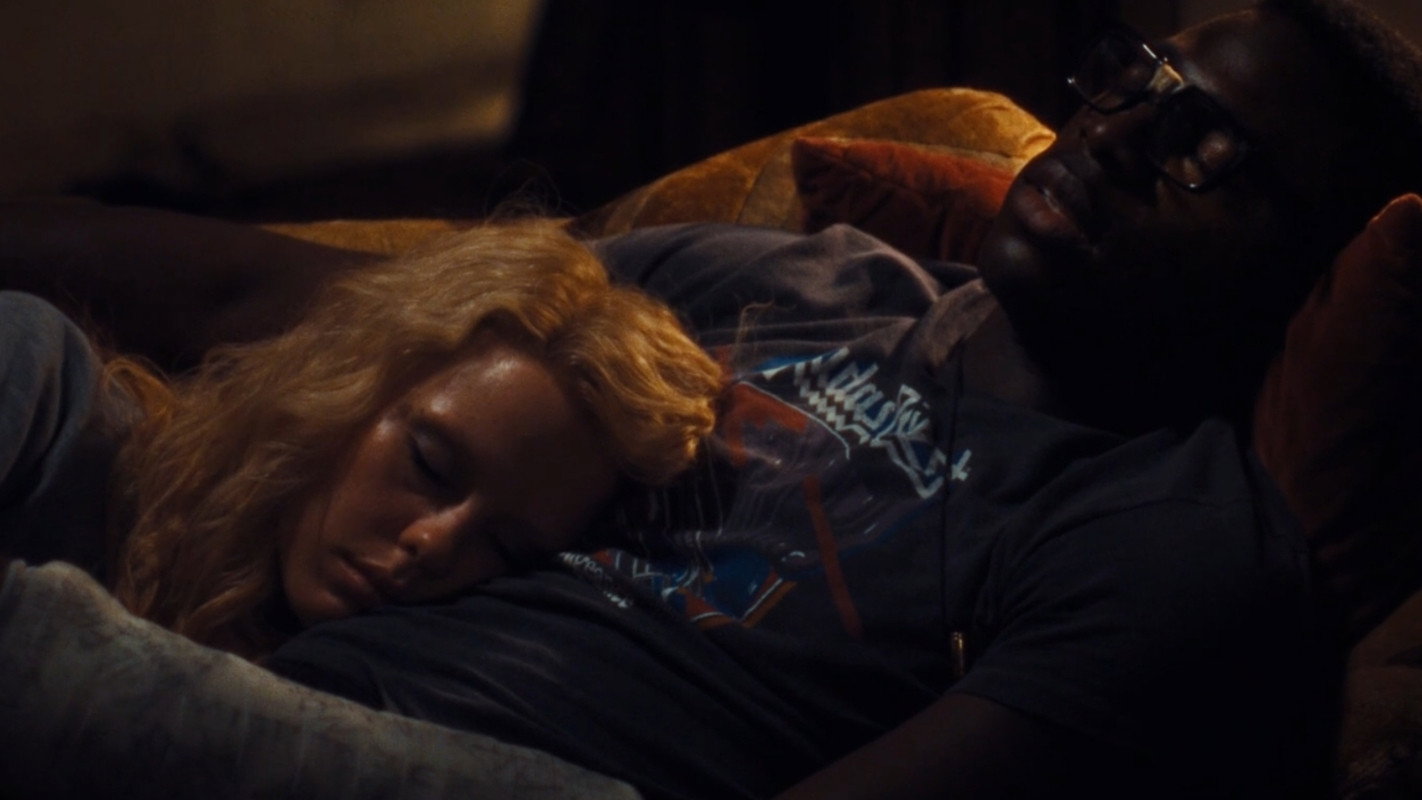
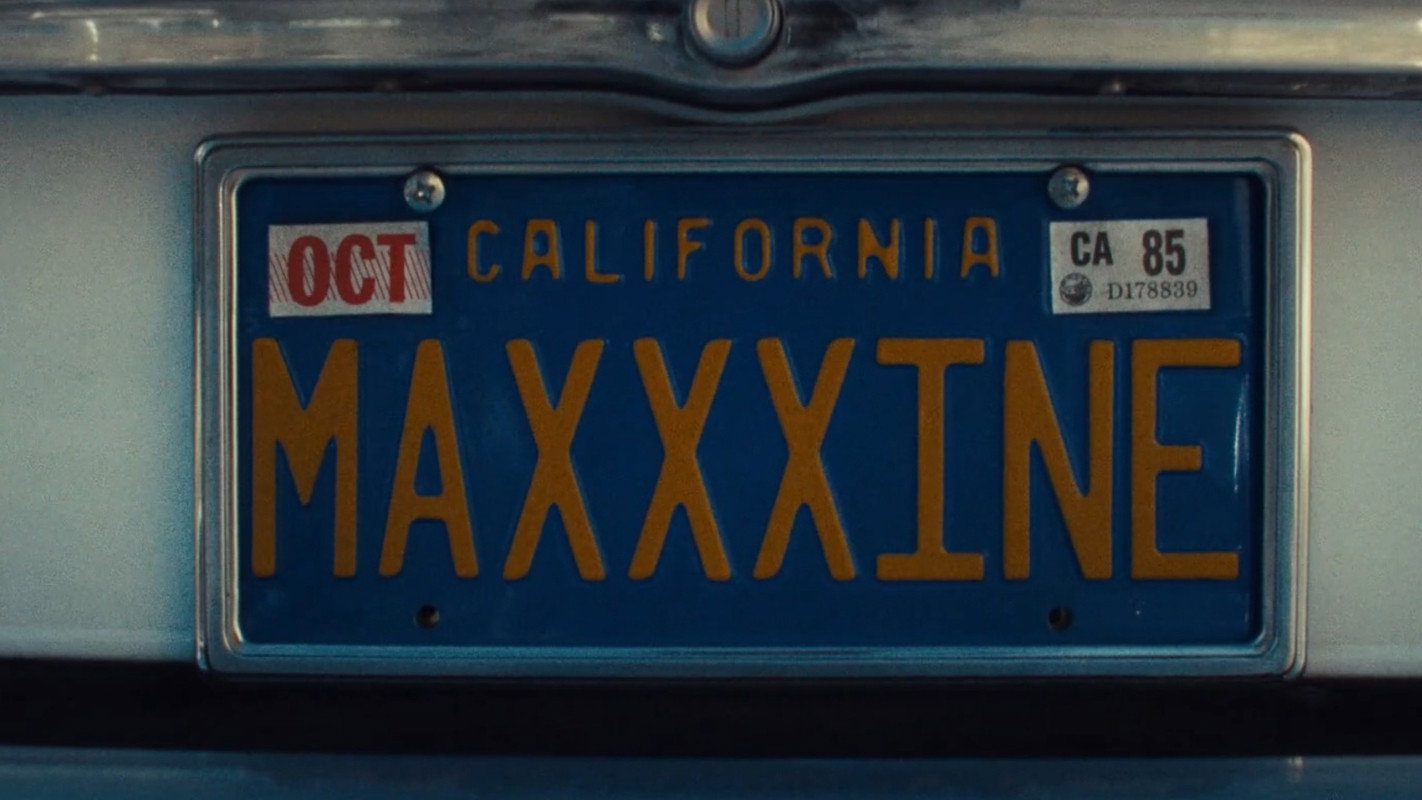
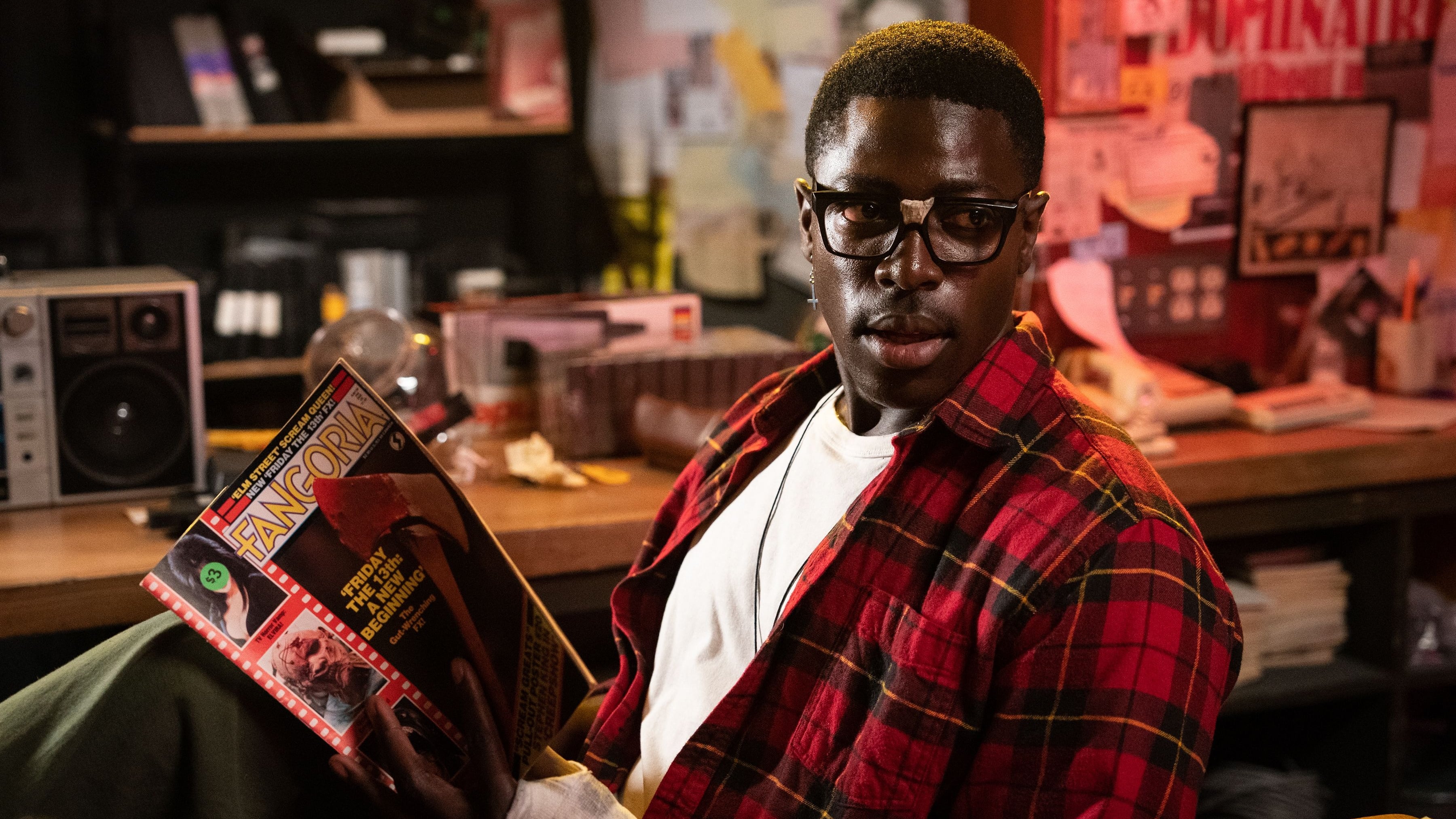
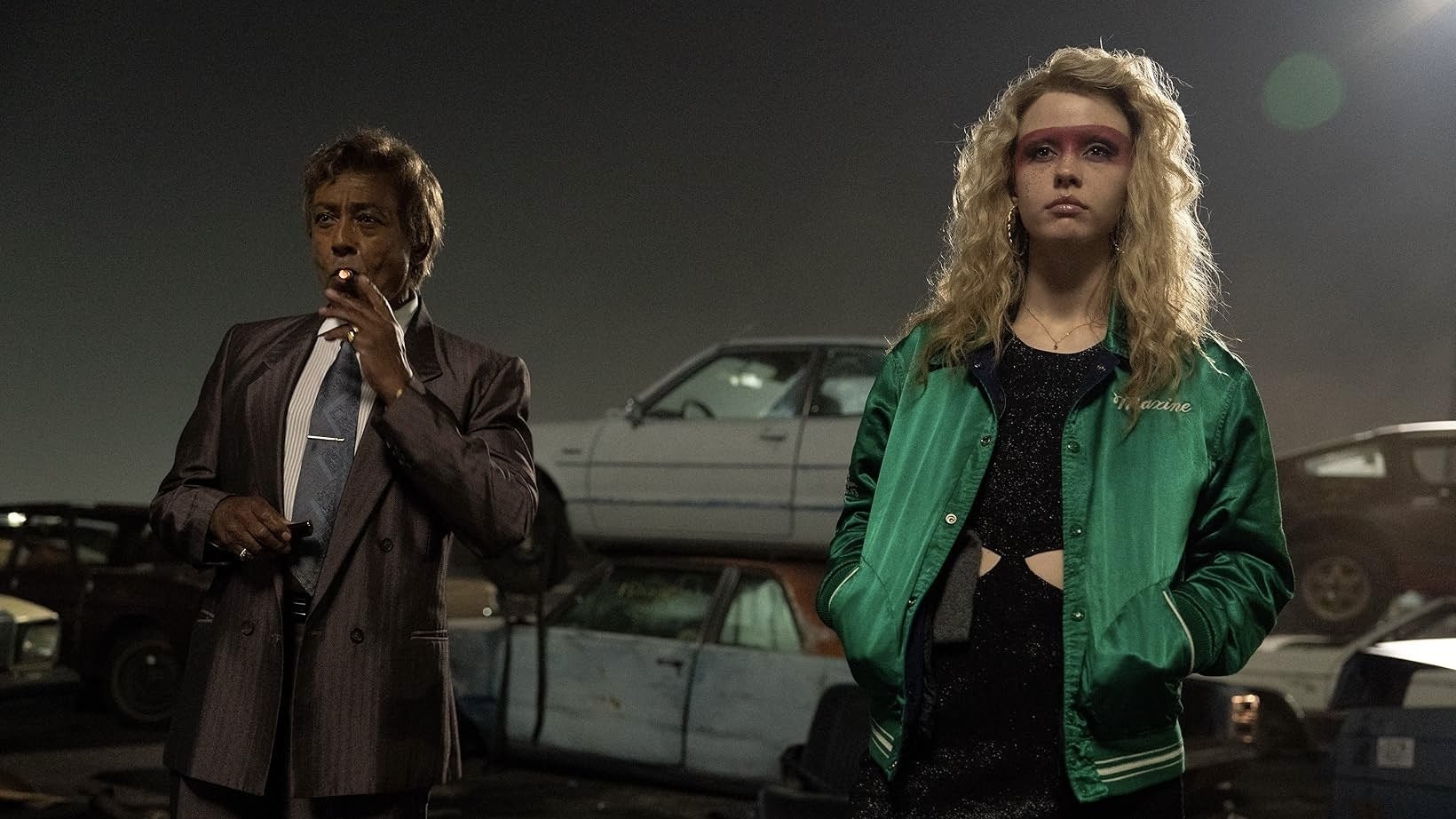
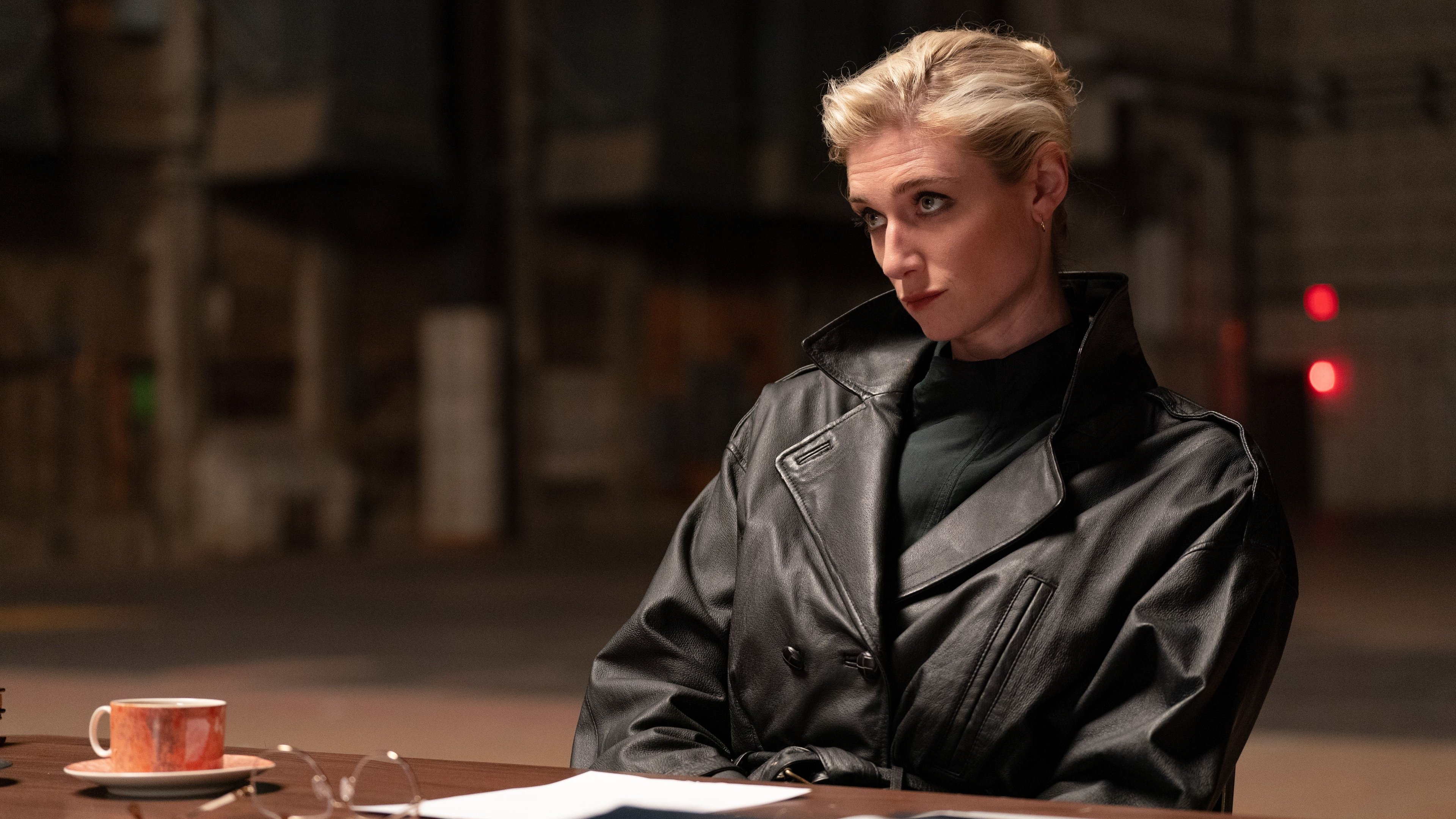
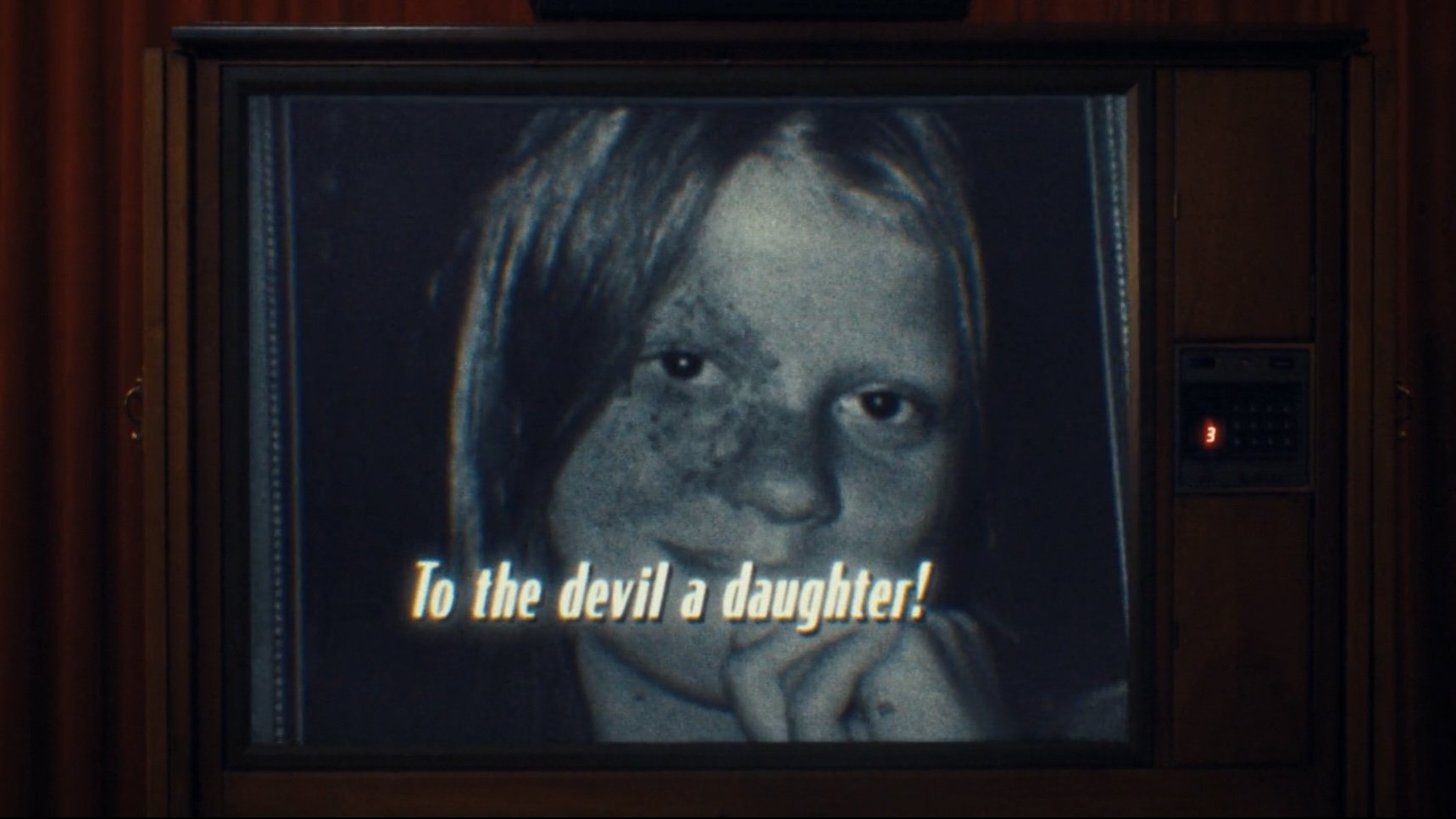
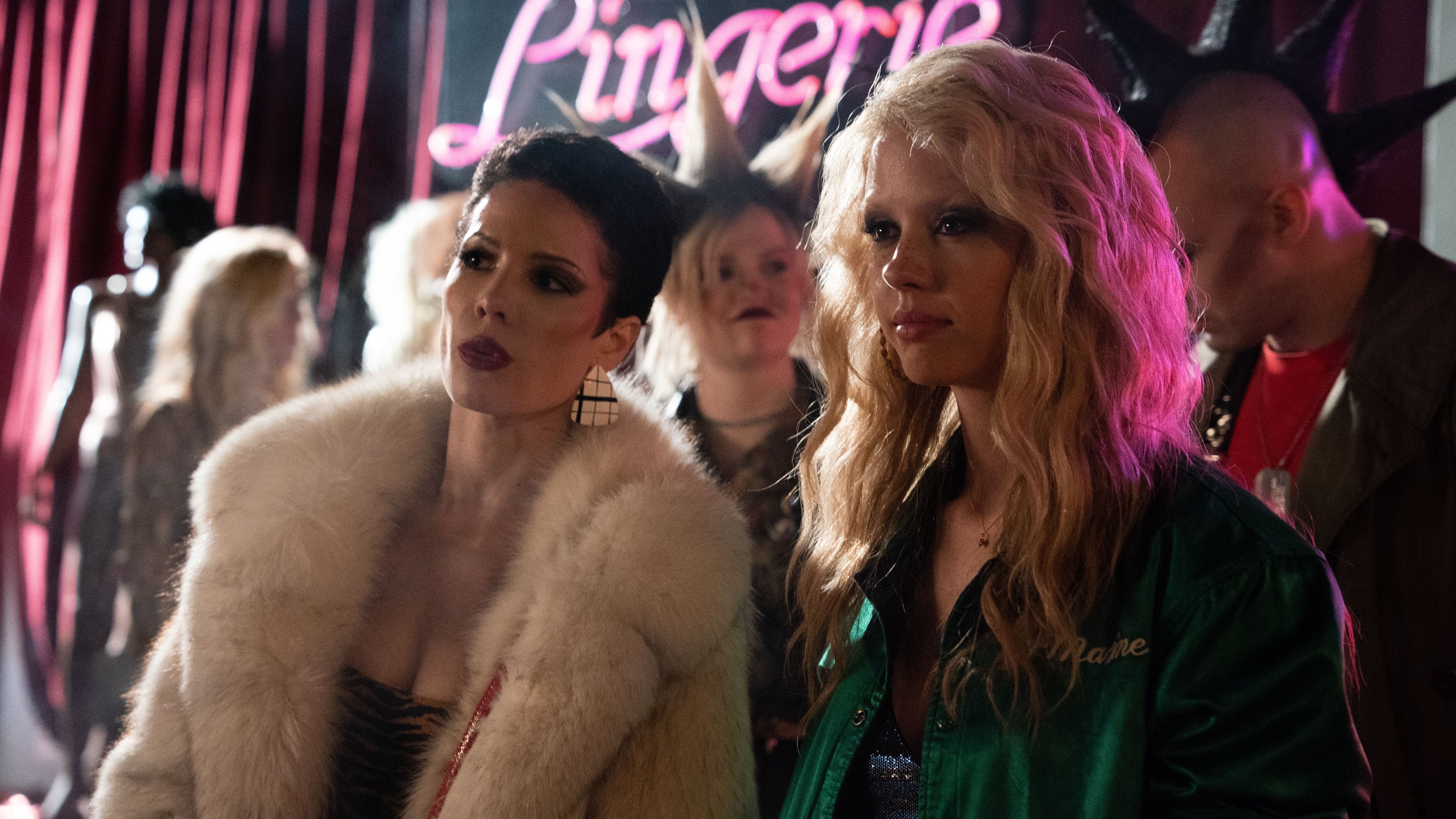
2024 RankedA24 RankedAlthough probably the worst one of the franchise (idk dude), it's still a pretty good movie and a great ending for the trilogy. Ti West clearly has a great understanding of films. He showed that with his homages: X to the '70s Texas Chainsaw Massacre era, Pearl to early cinema, and MaXXXine as an homage to the era of neon, coke, glamour, messy, comic, overly dramatic movies, and the satanic panic that was going around. The cast is great, and the only complaint I have is about MaXXXine's father. I don't really know if the acting was supposed to be like that—it's hard to tell—but still, it throws you a little bit off the movie just how kinda shitty he is. But apart from him, the rest of the cast was pretty good. I just love this trilogy so much. They are all 5 stars deep down. I love how each movie can be its own thing and how each one has its unique style, this one being basically an Italian giallo-style slasher film.

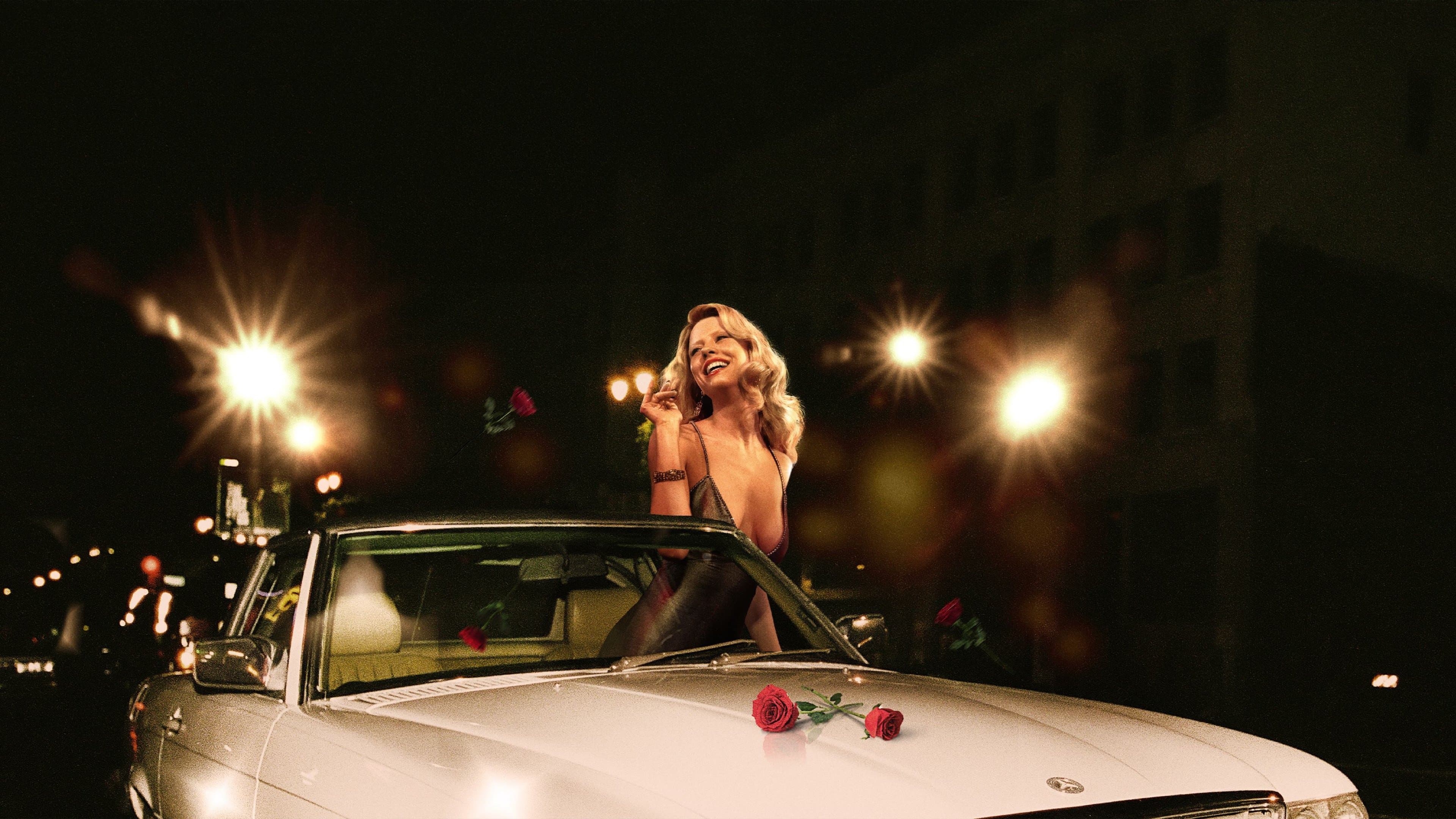
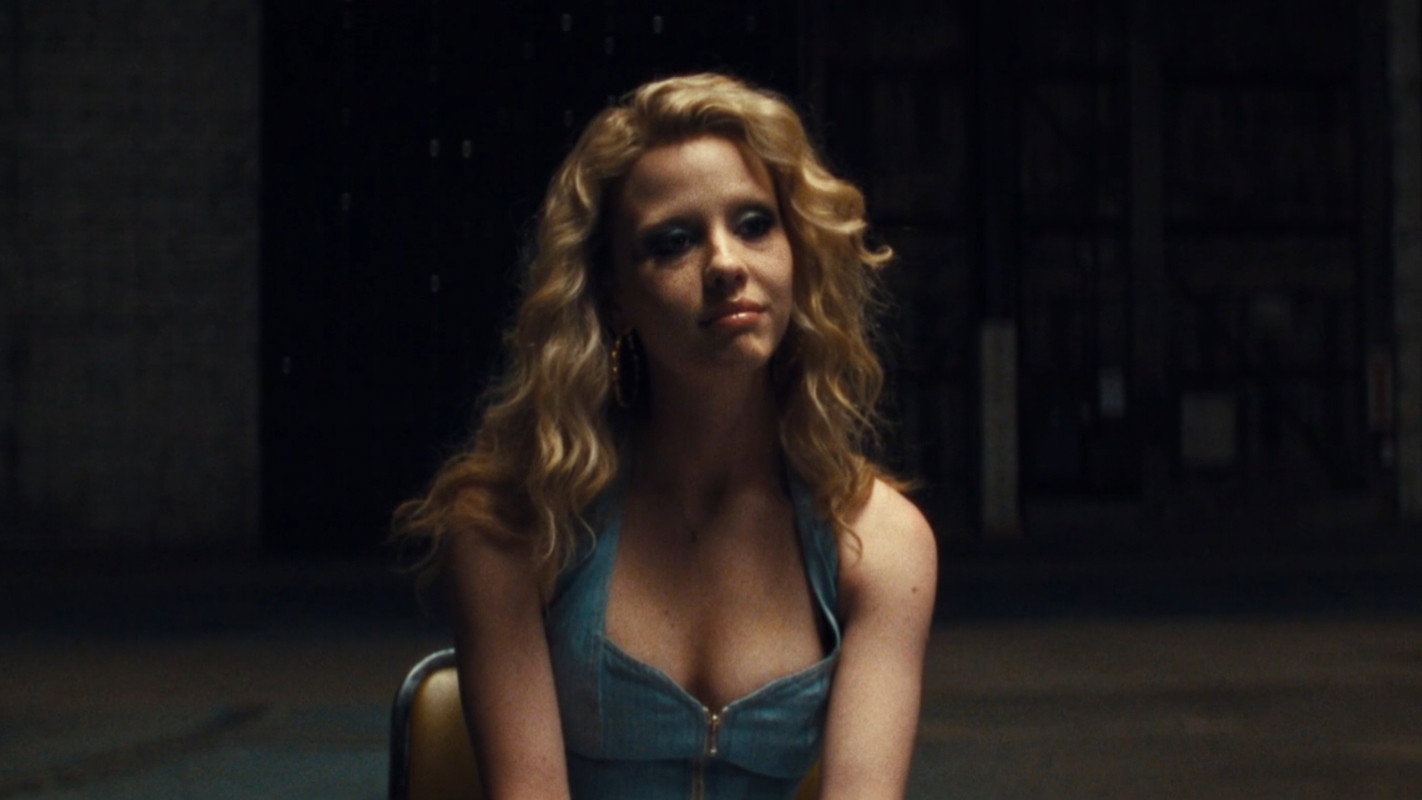
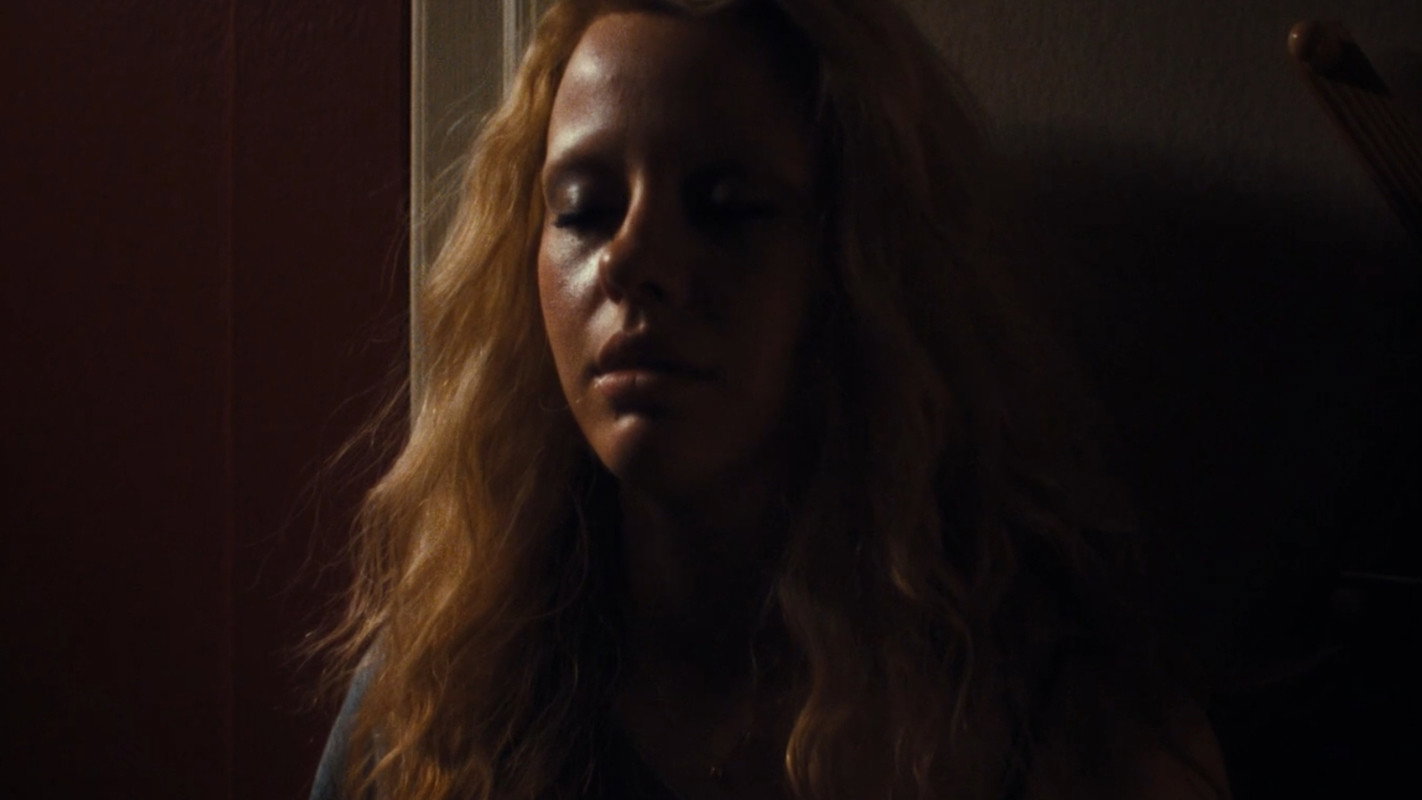
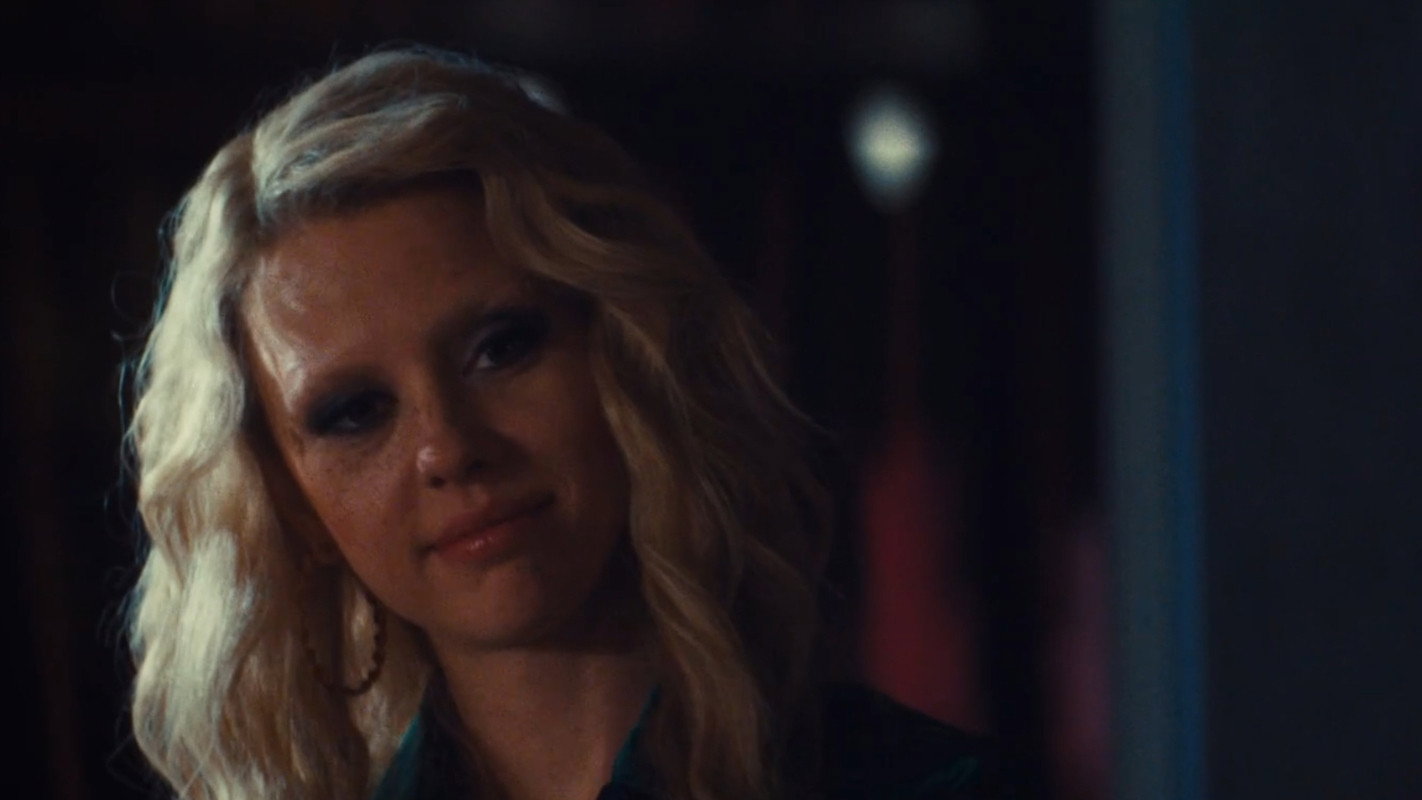
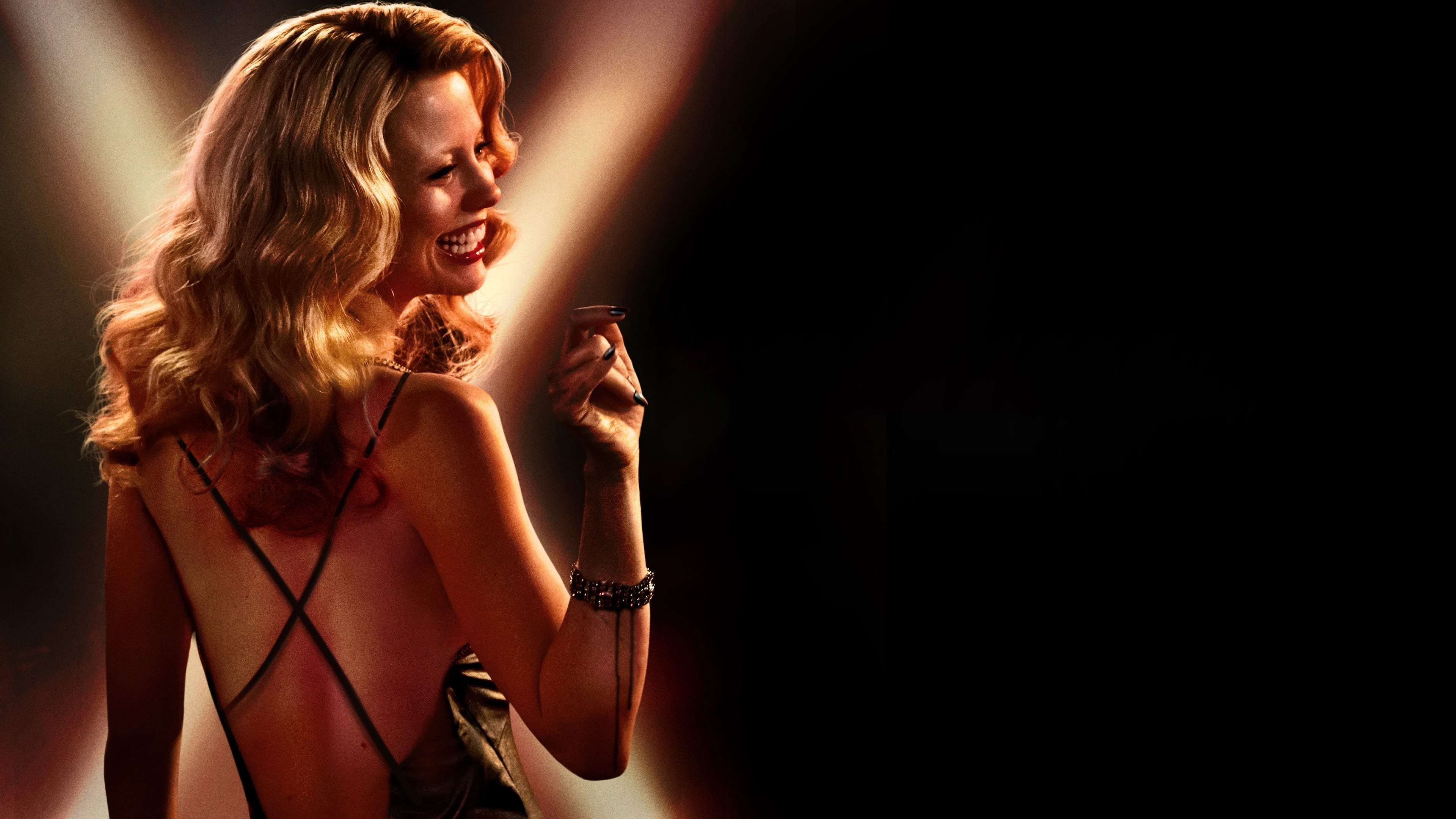
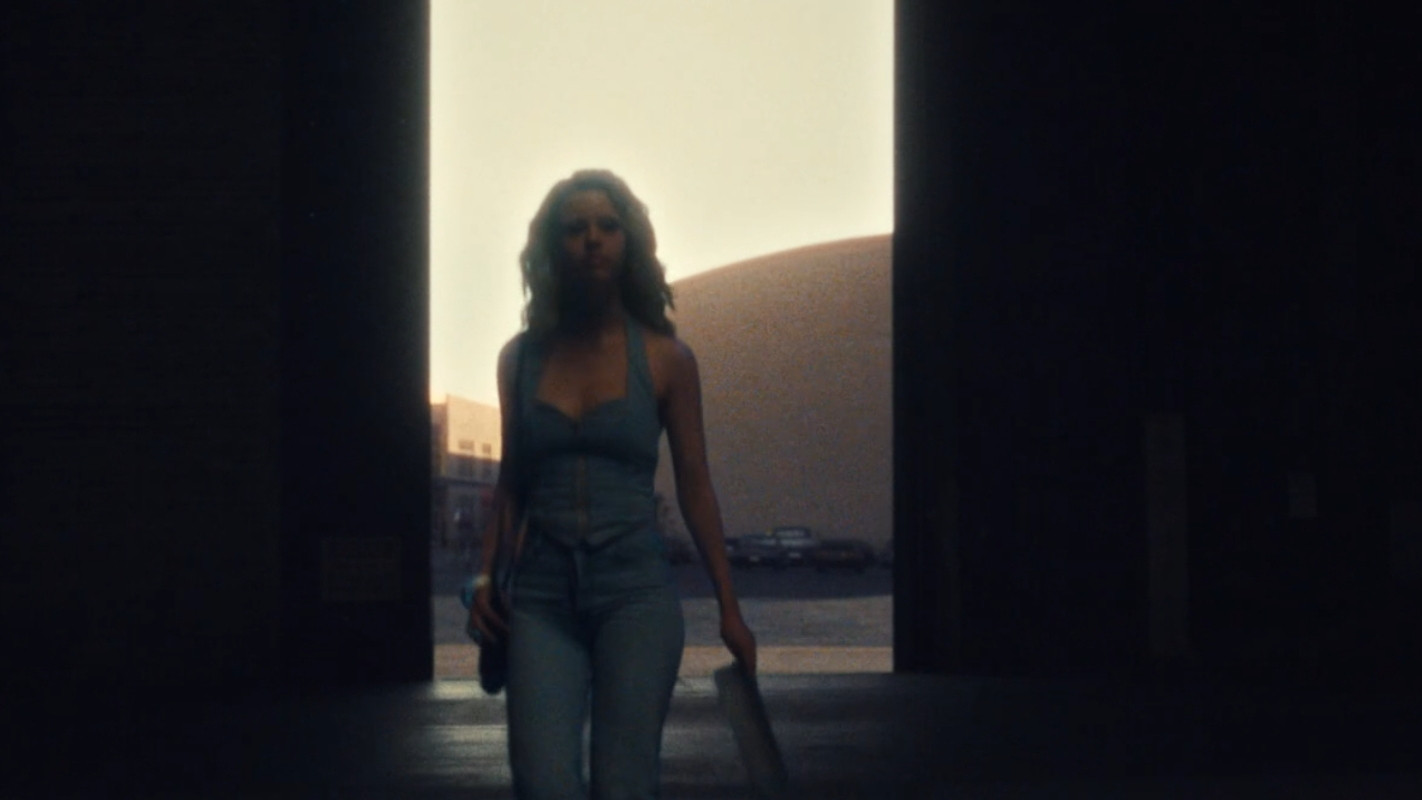
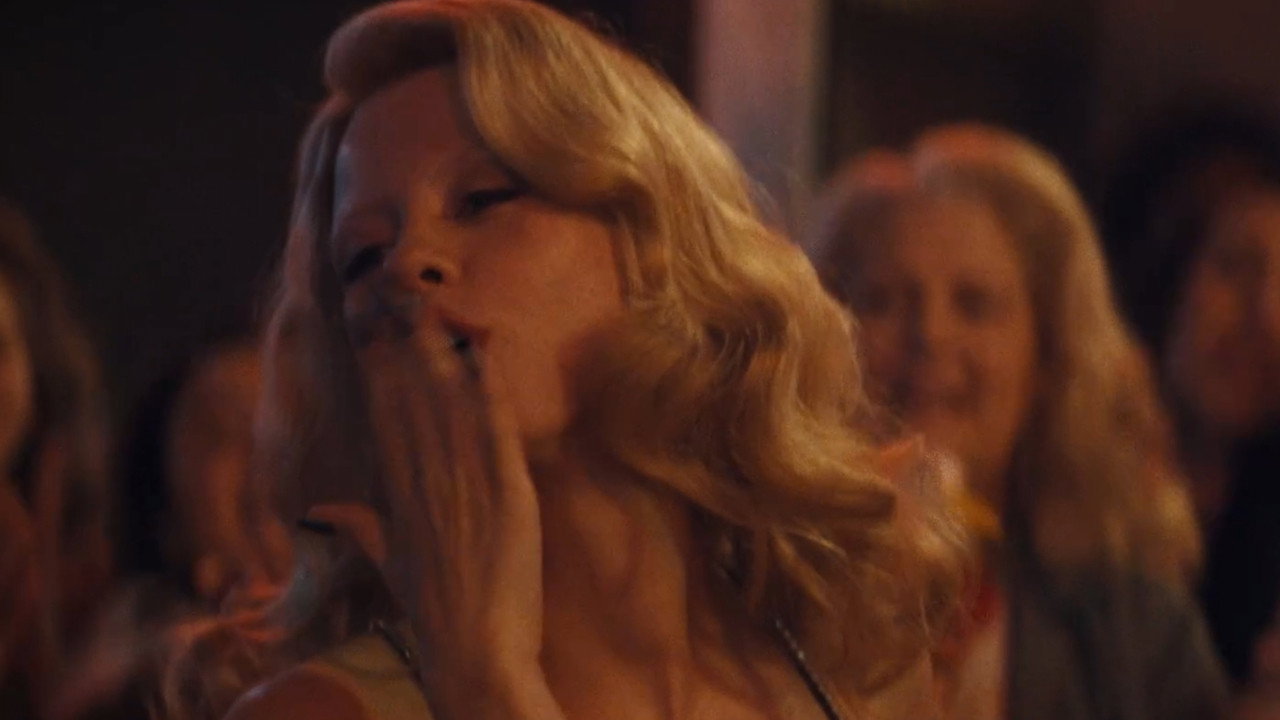
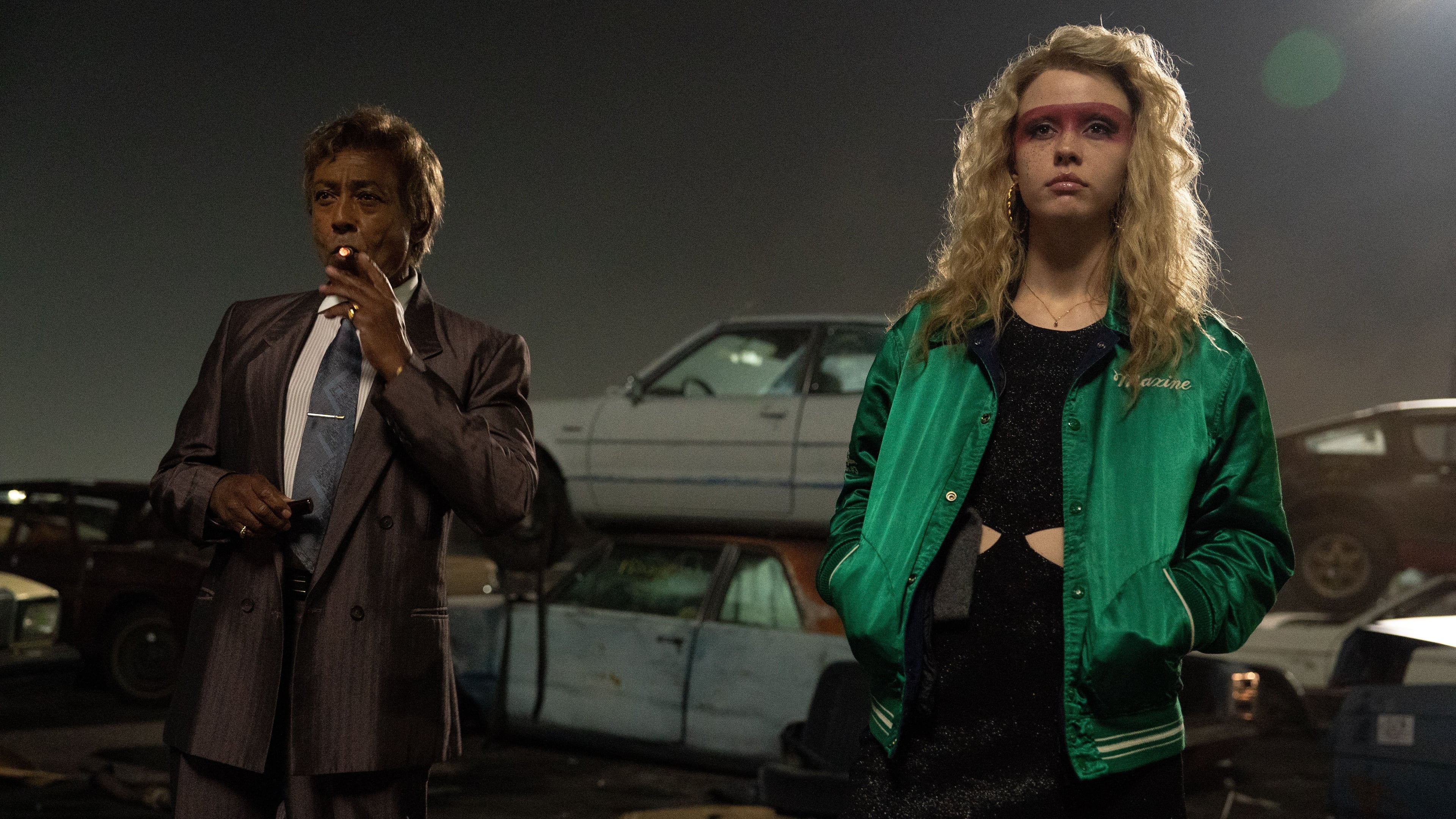
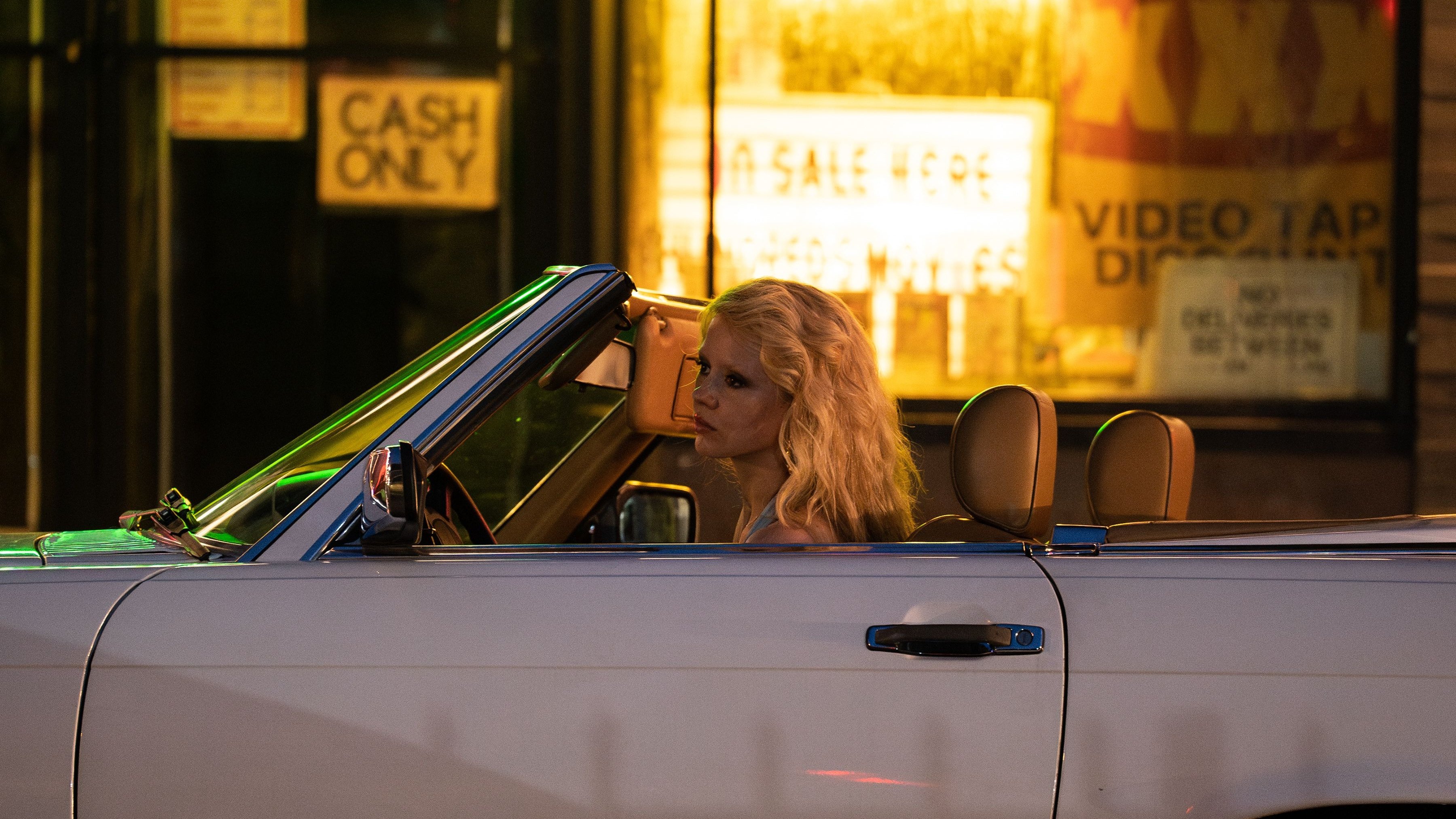
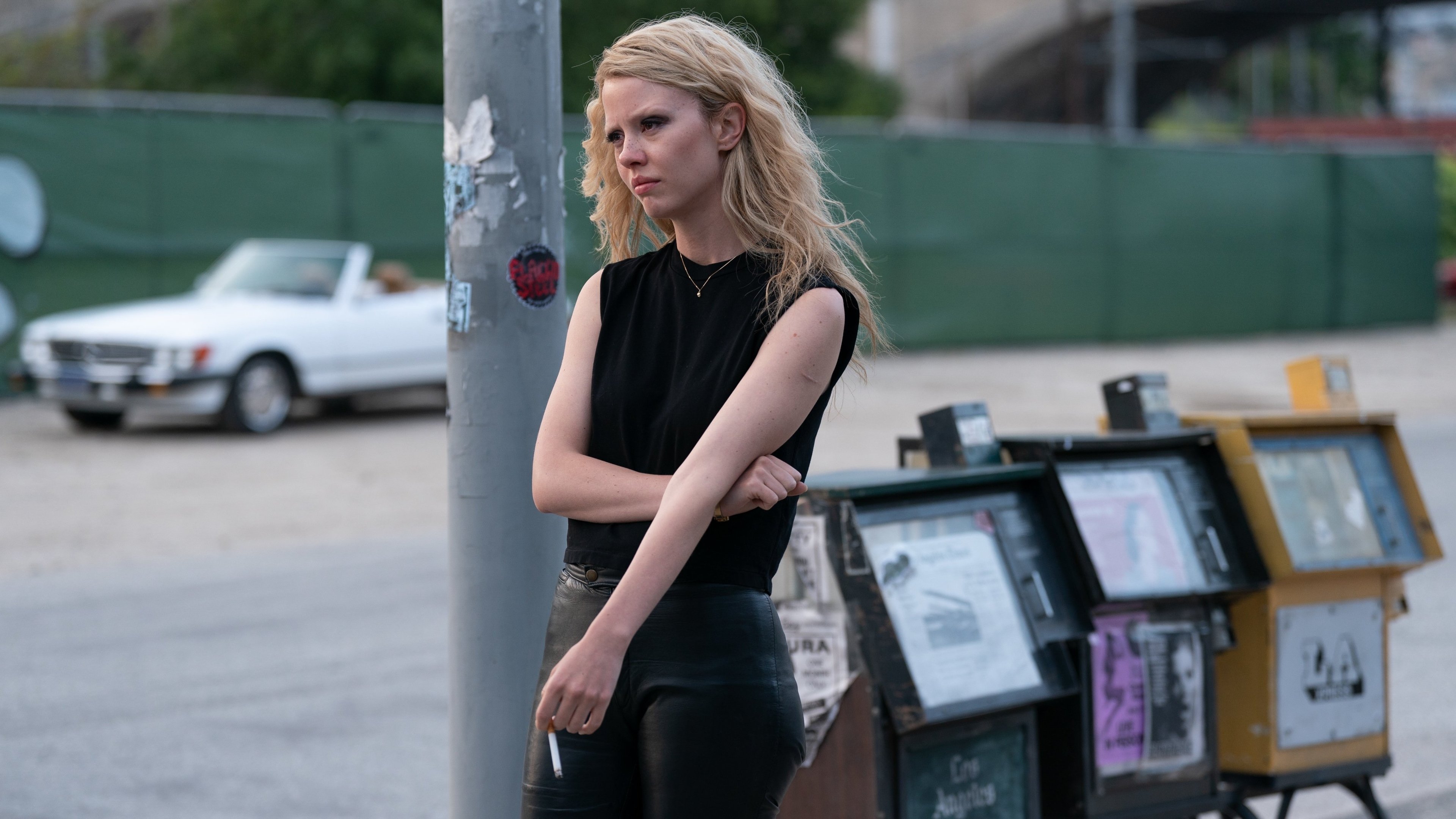
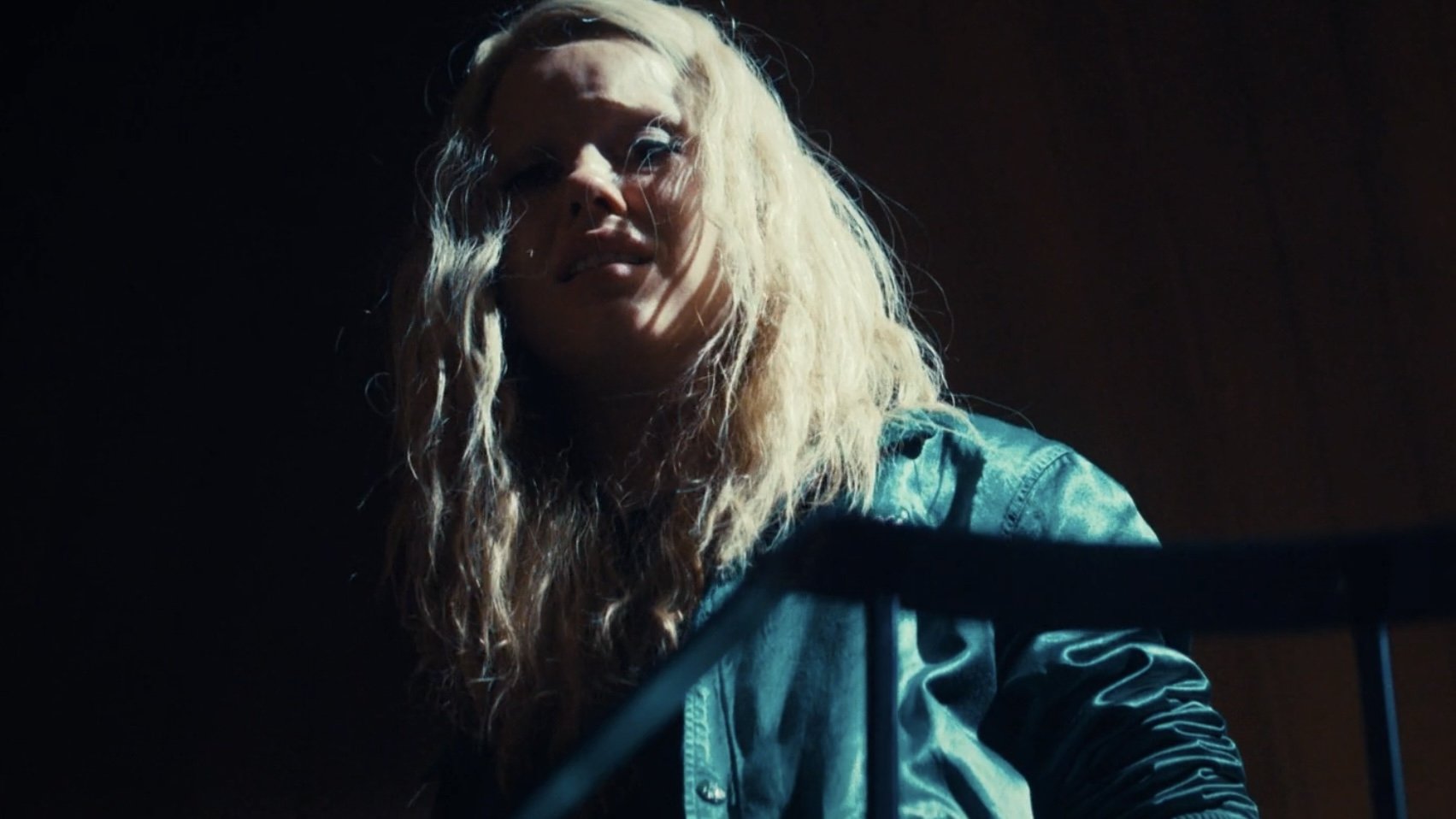
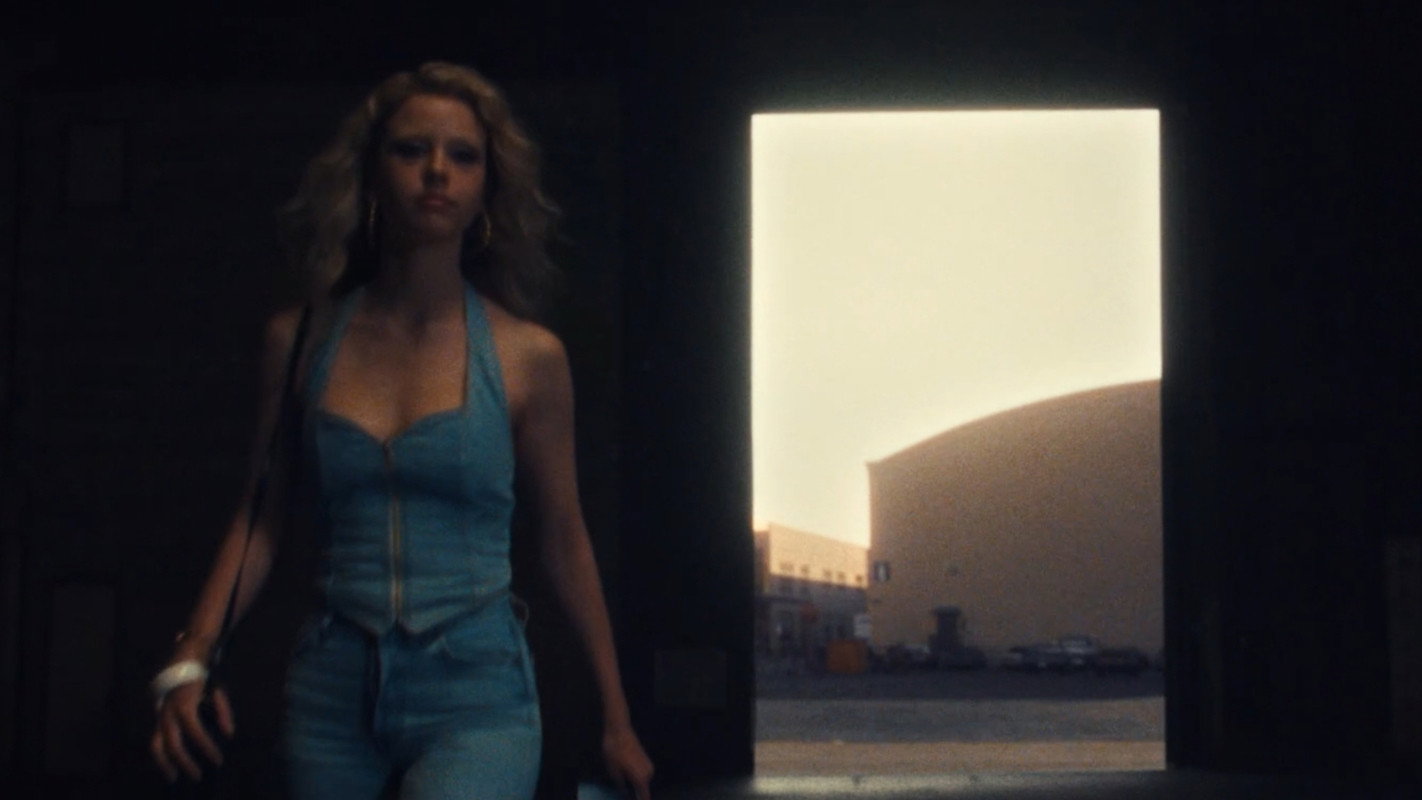
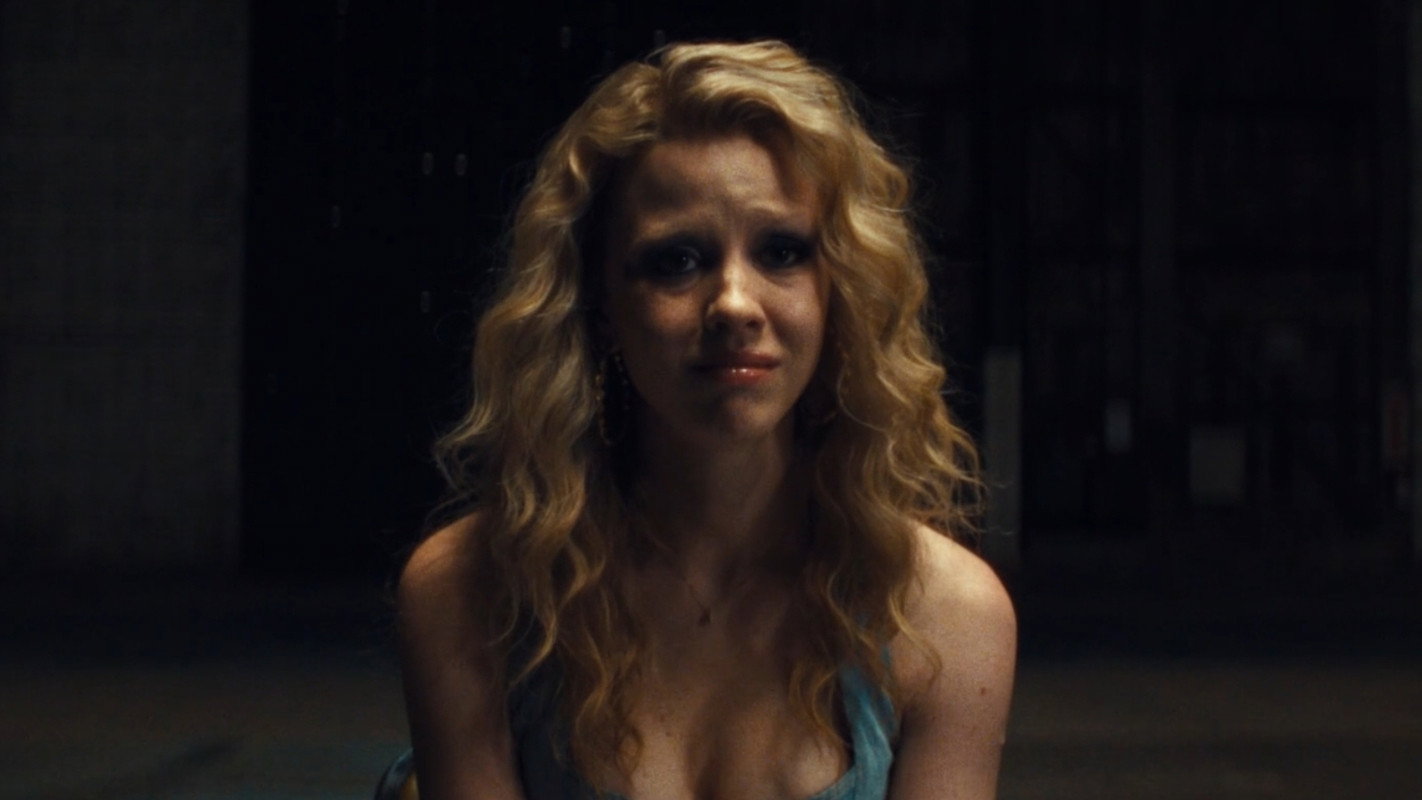
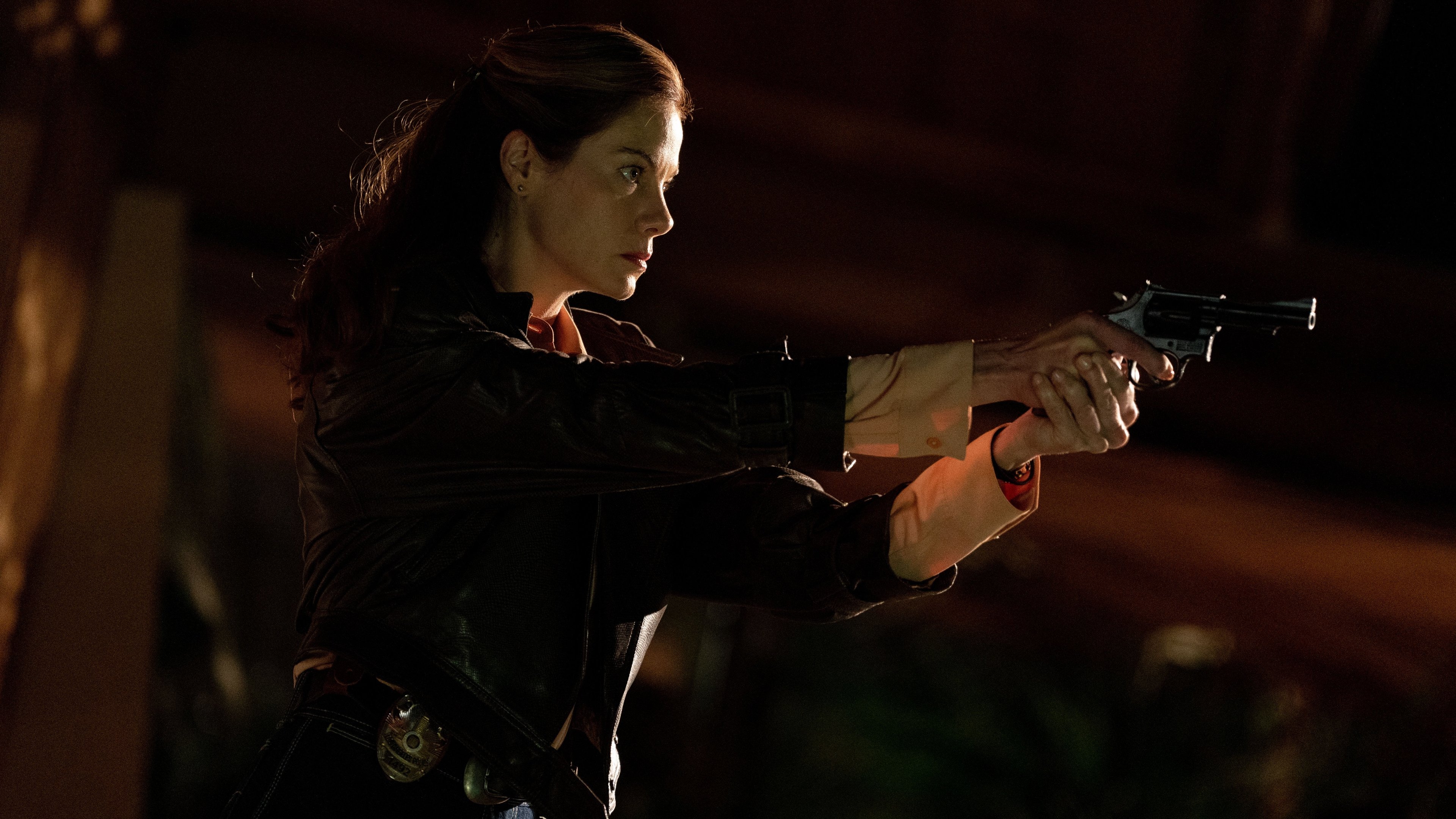
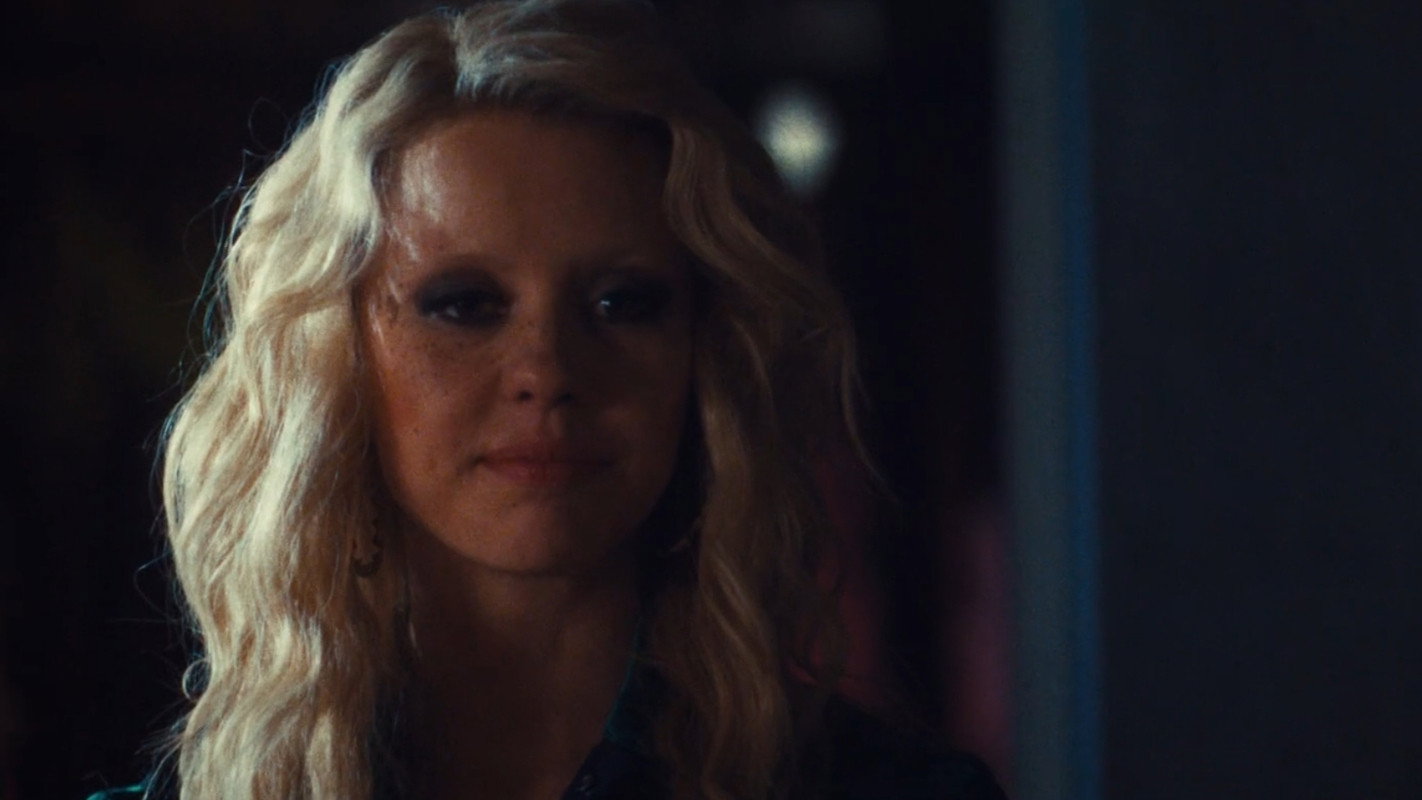
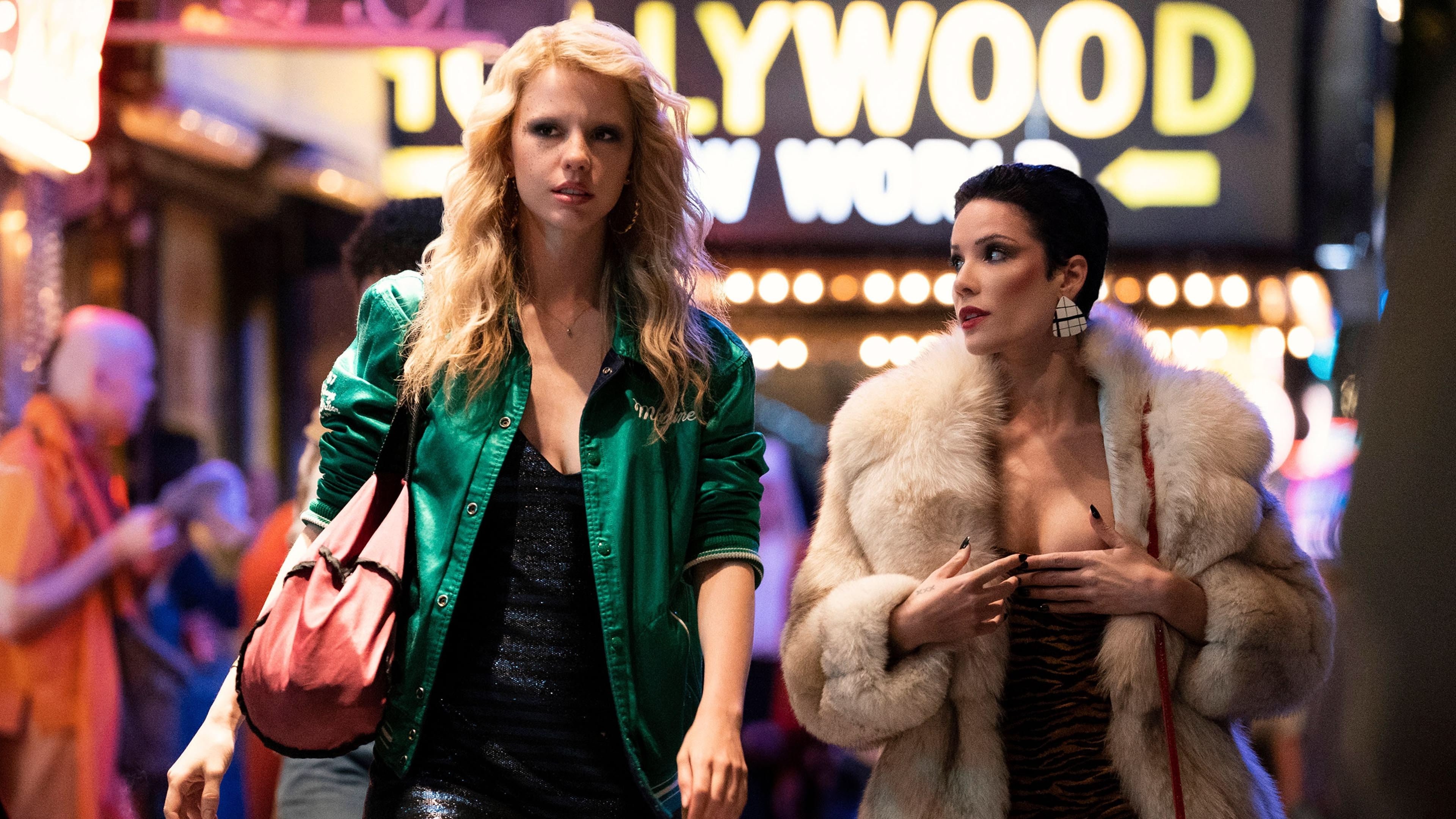
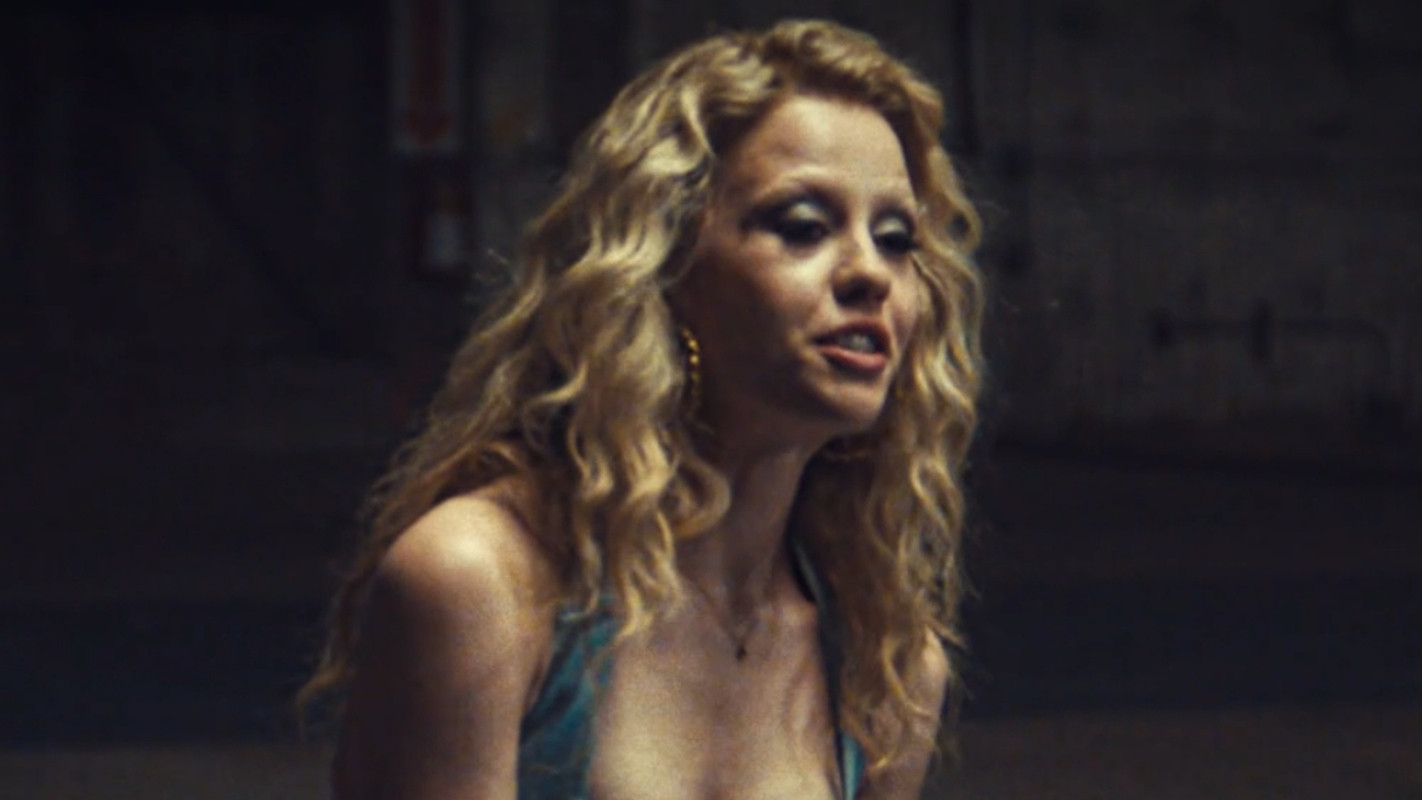
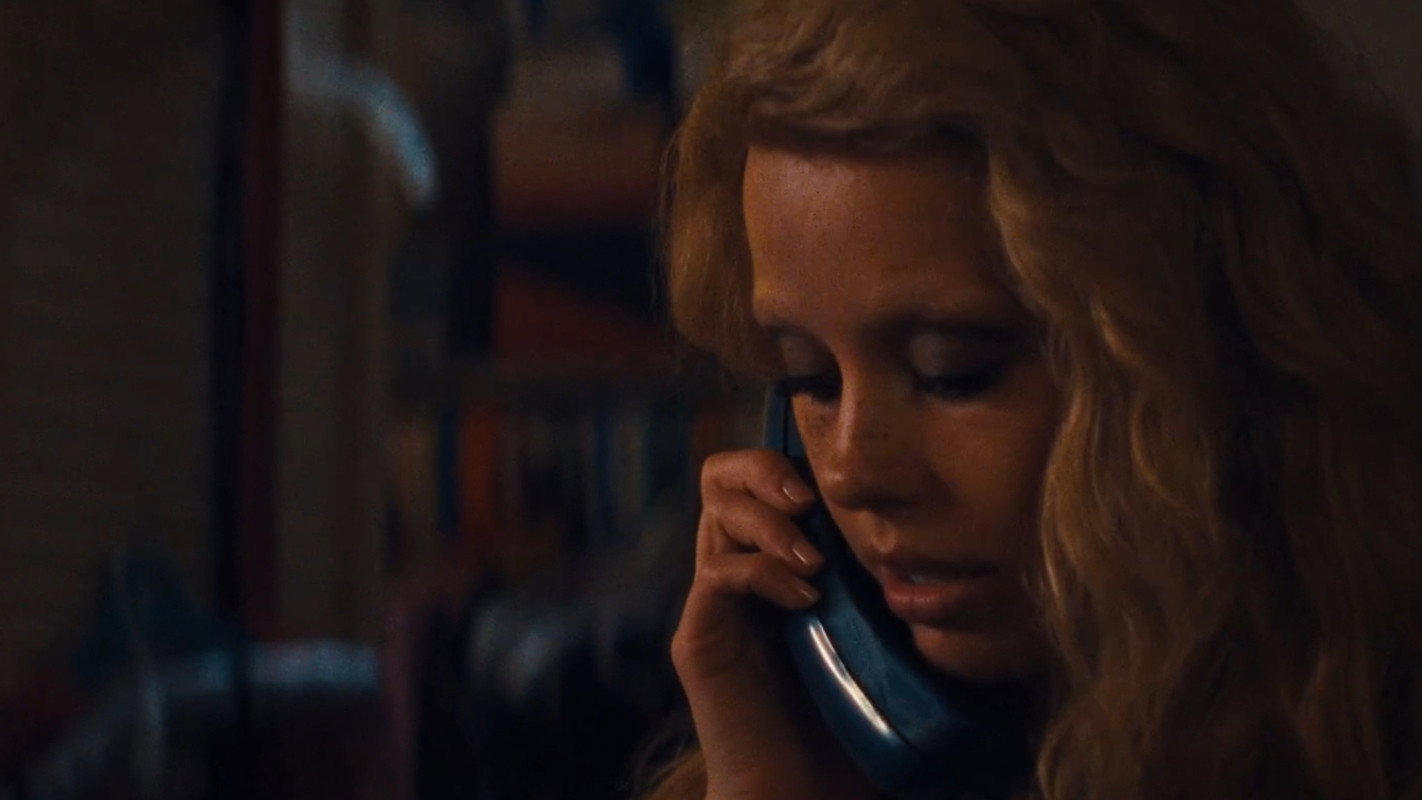
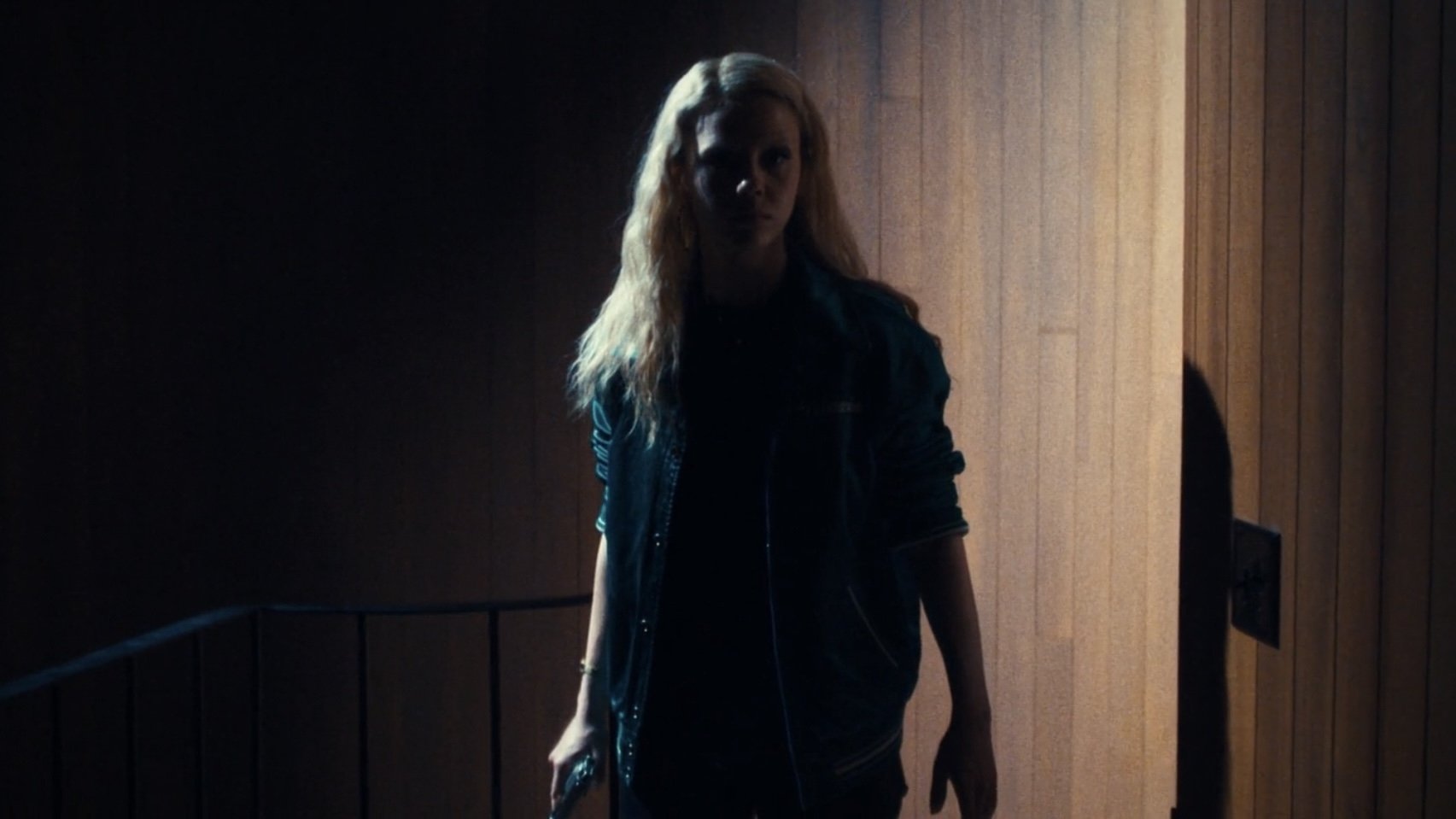
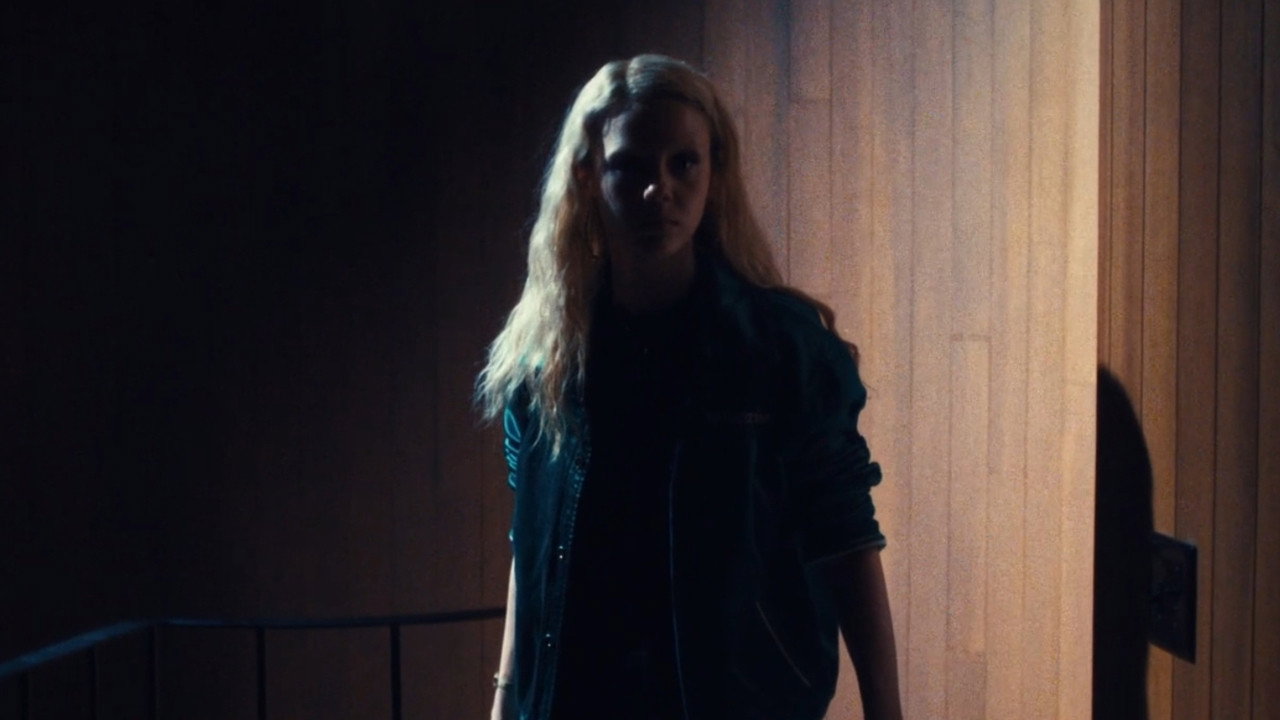
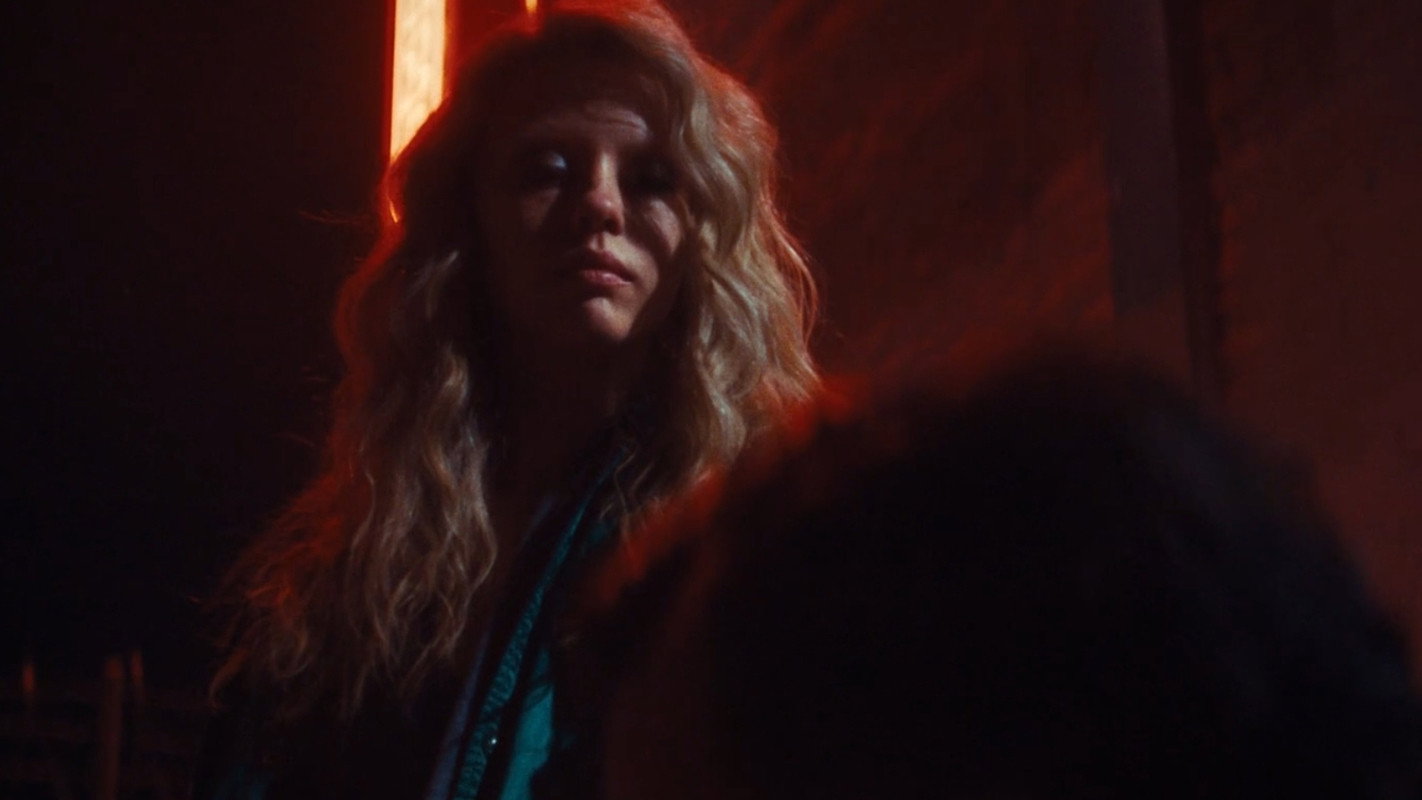
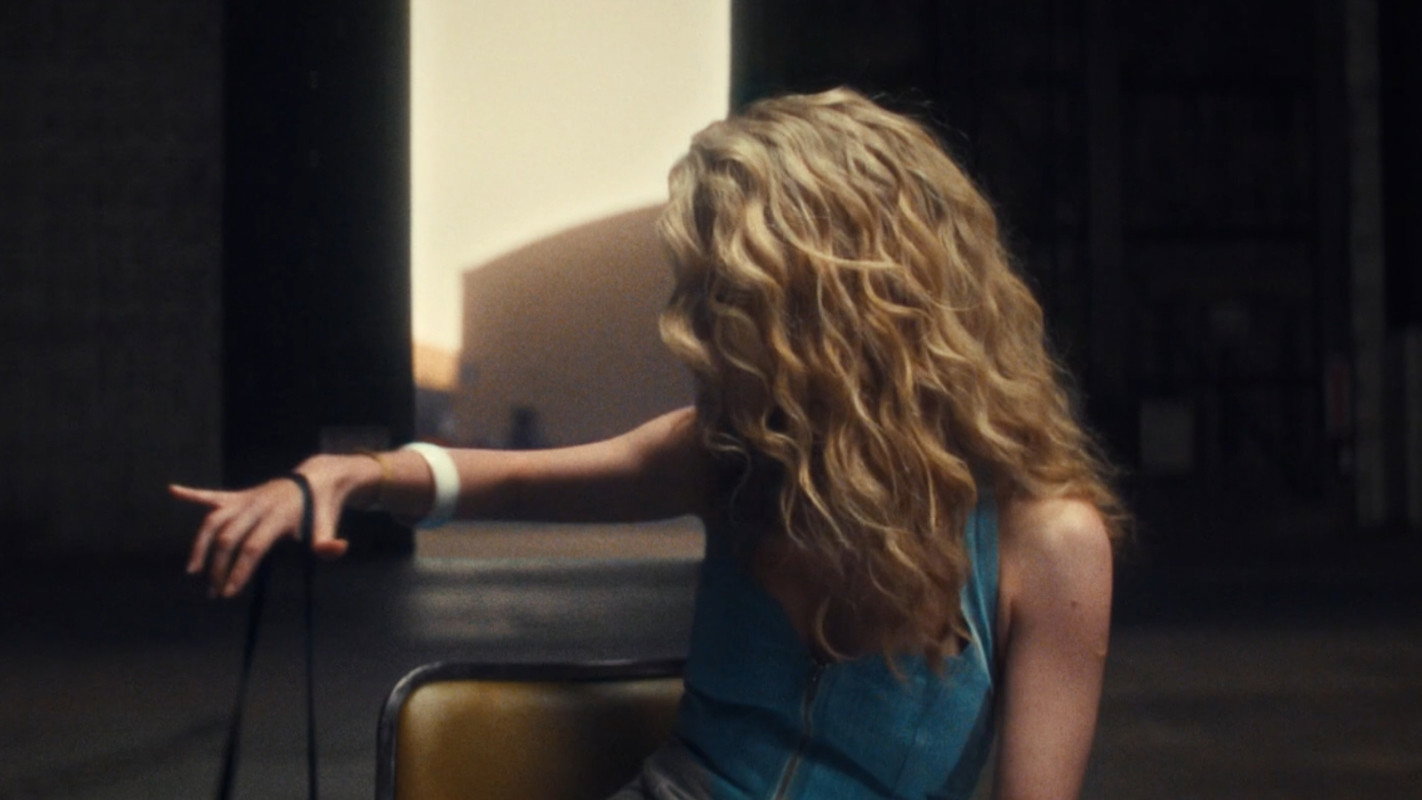
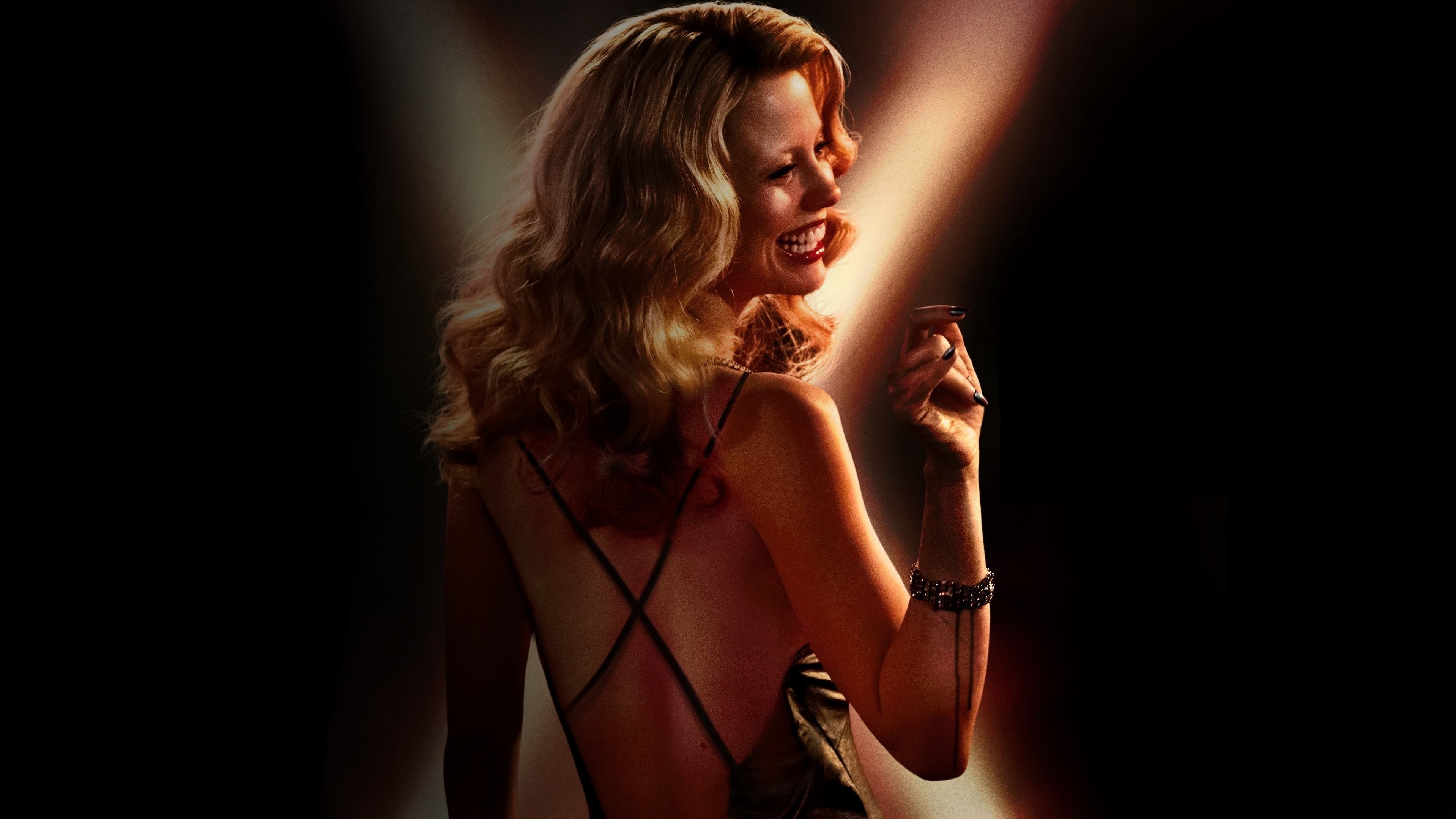
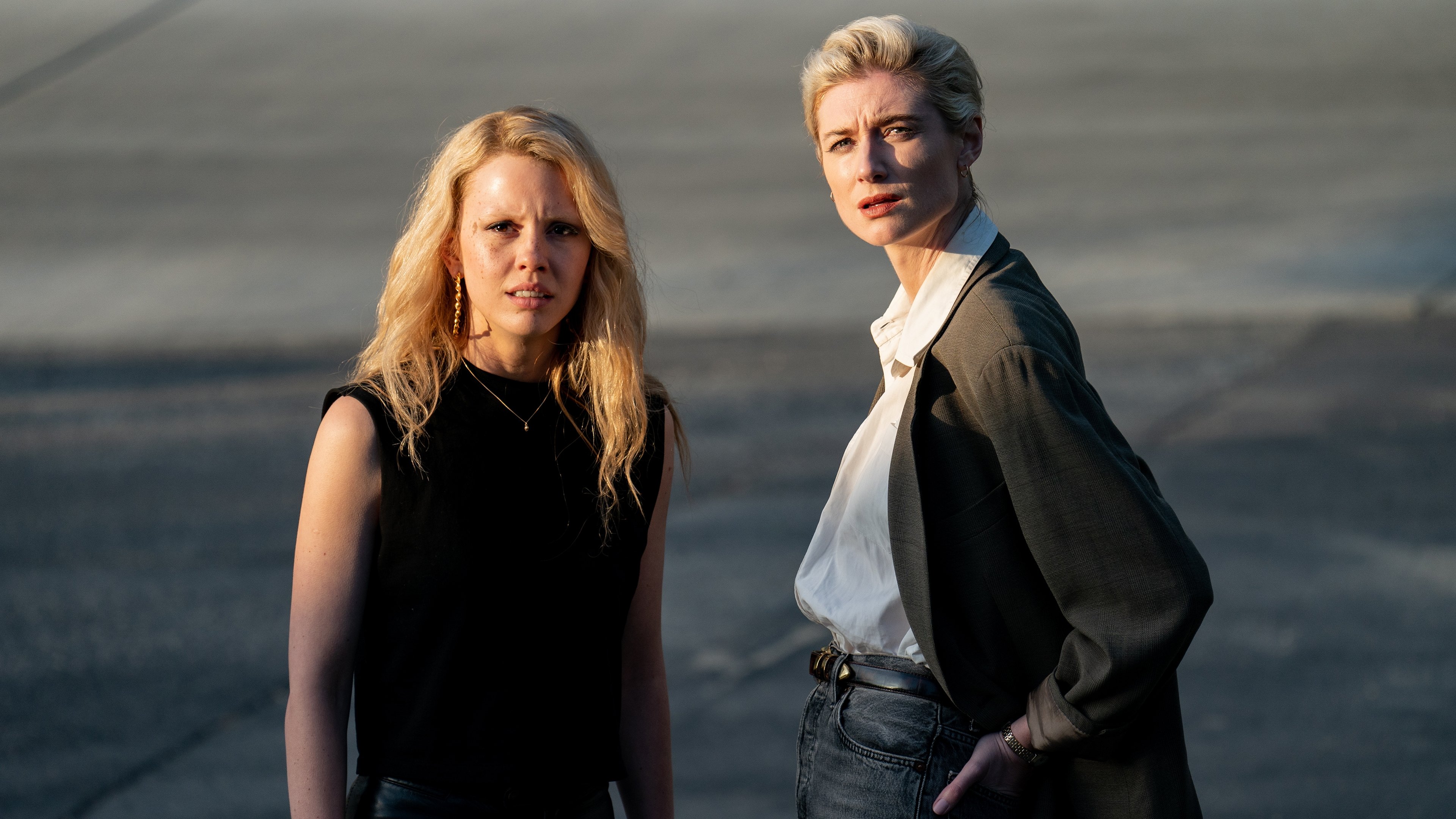
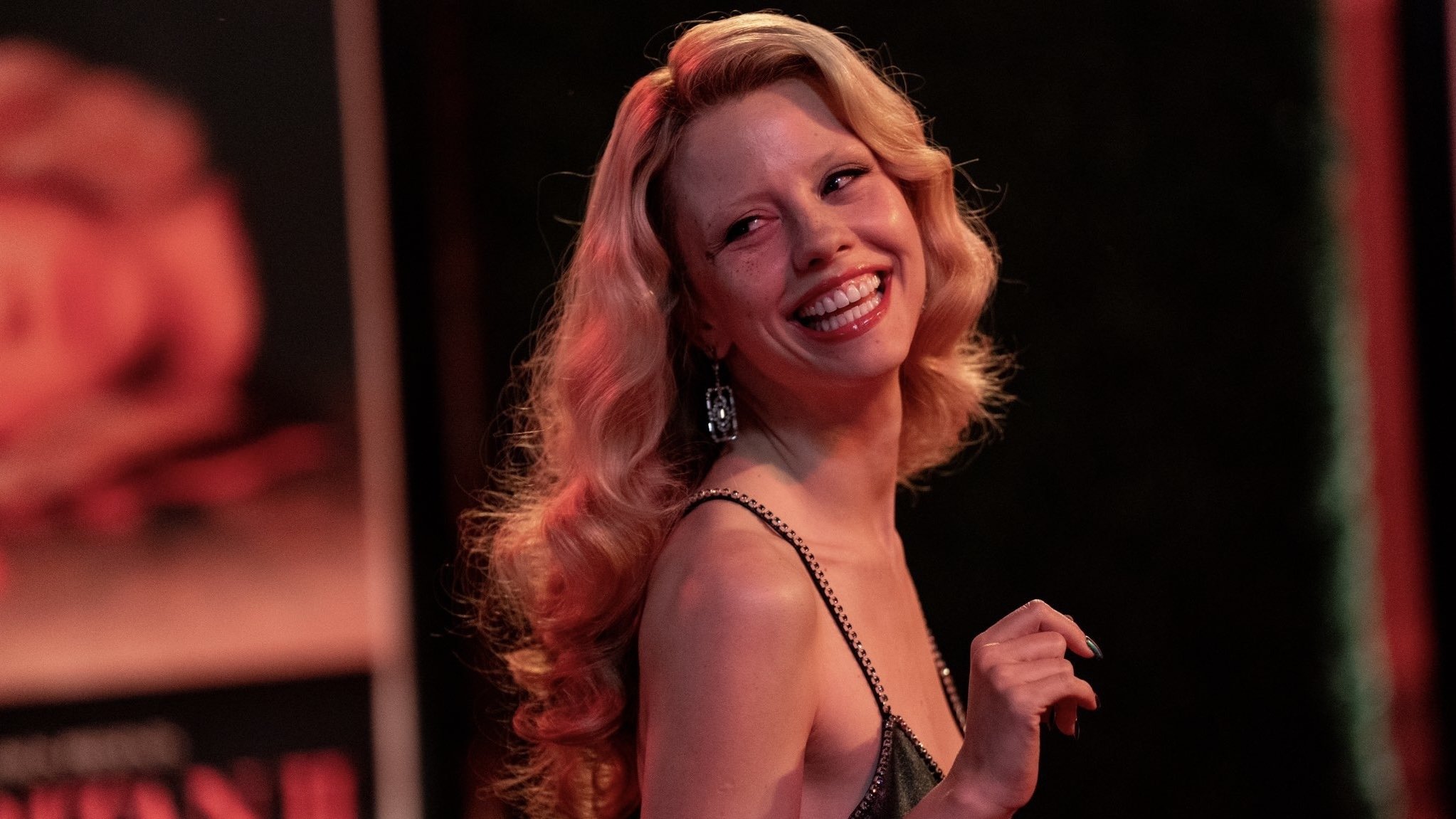
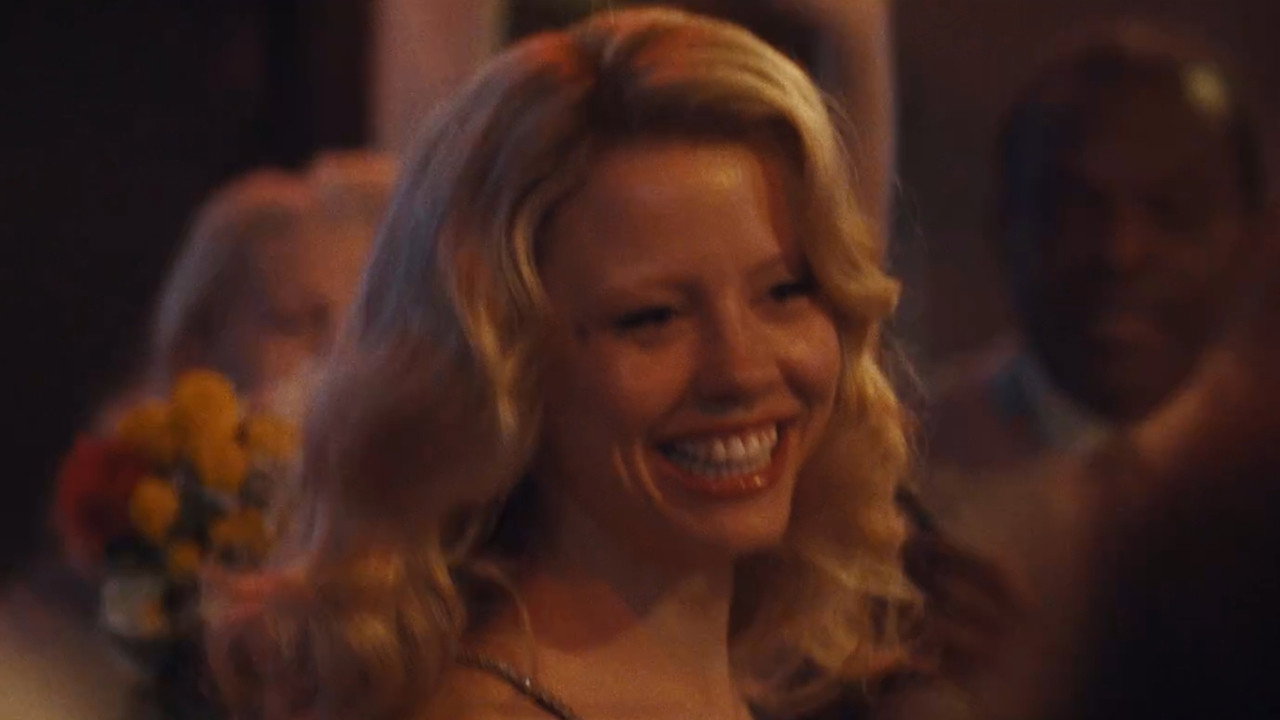
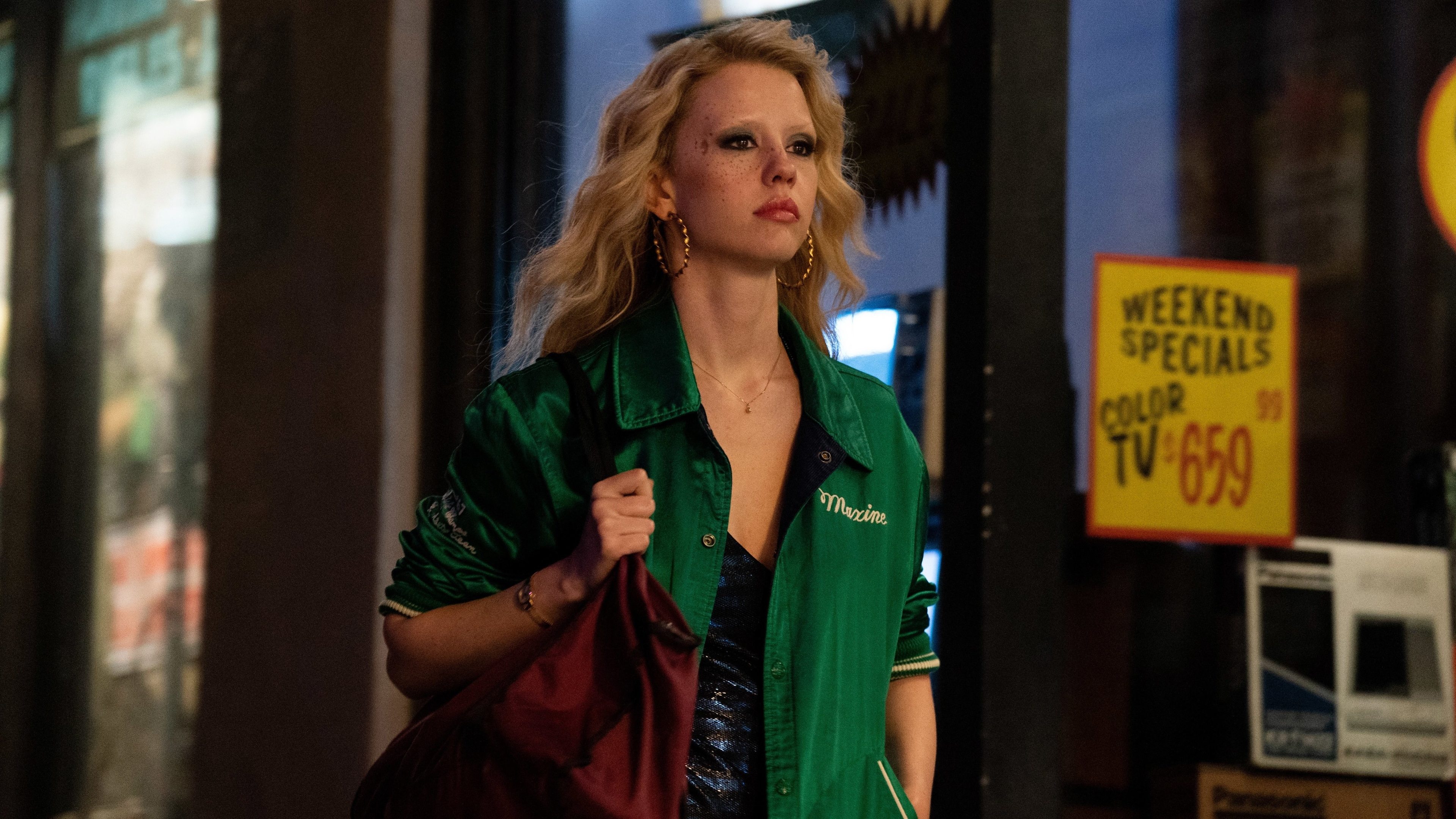
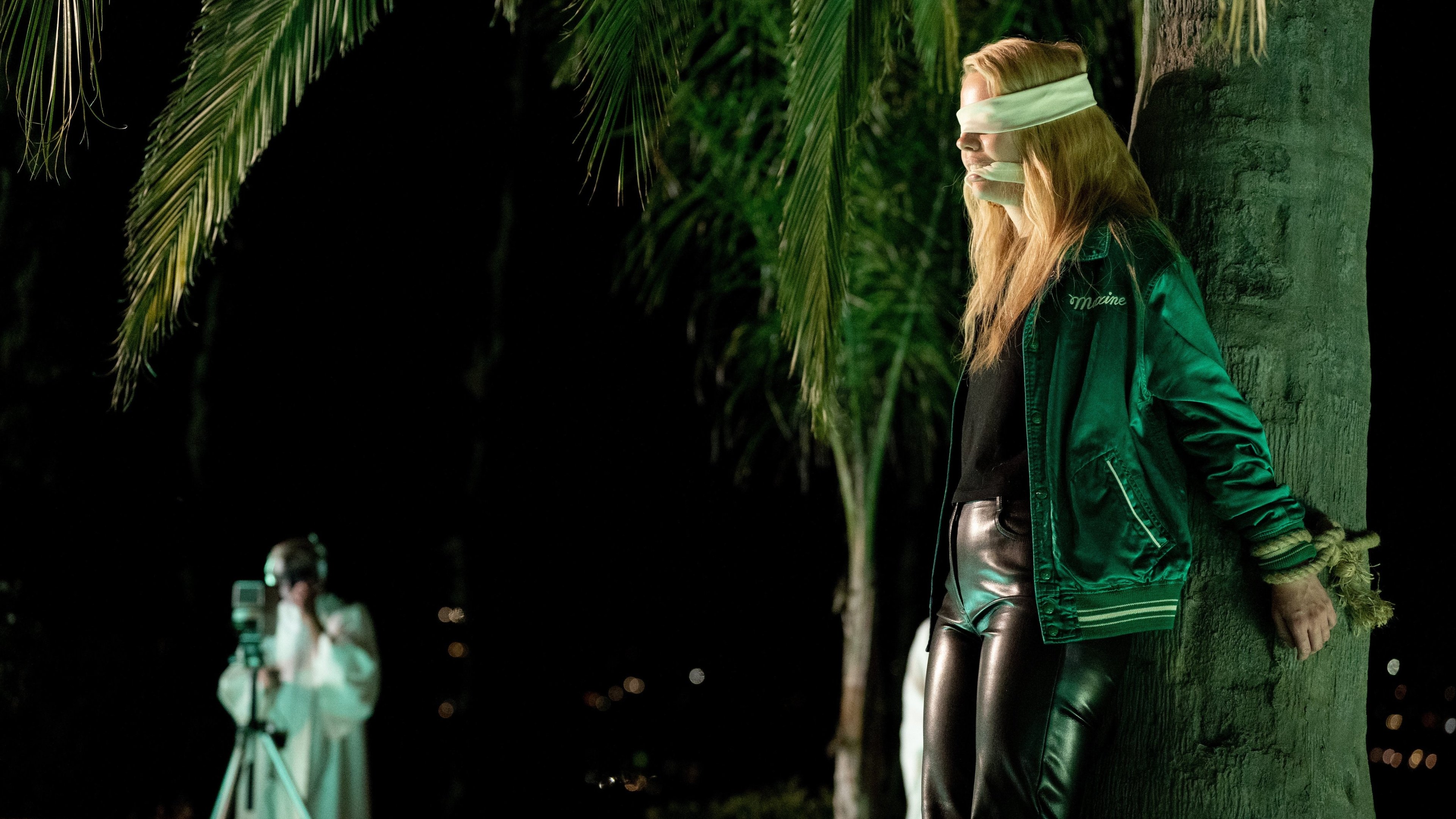
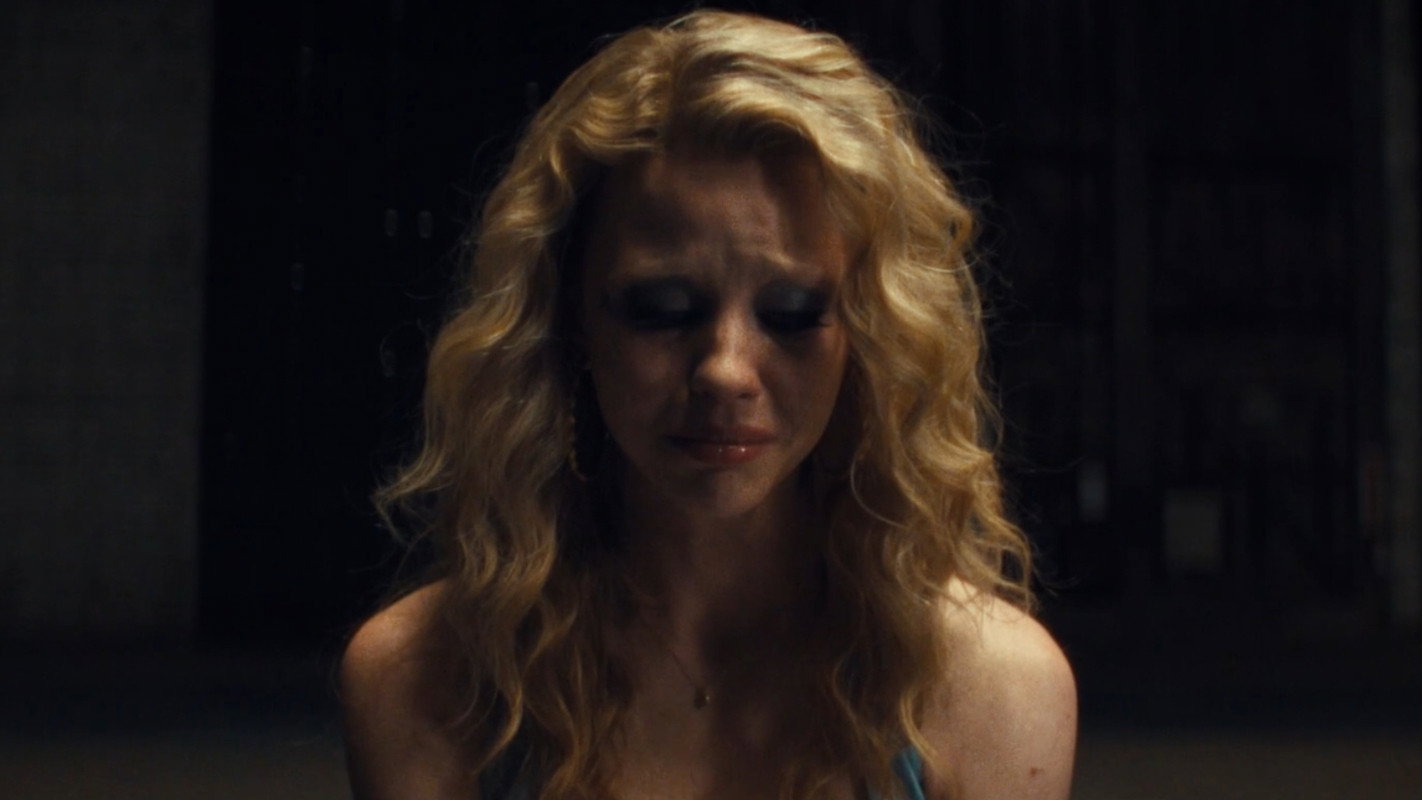
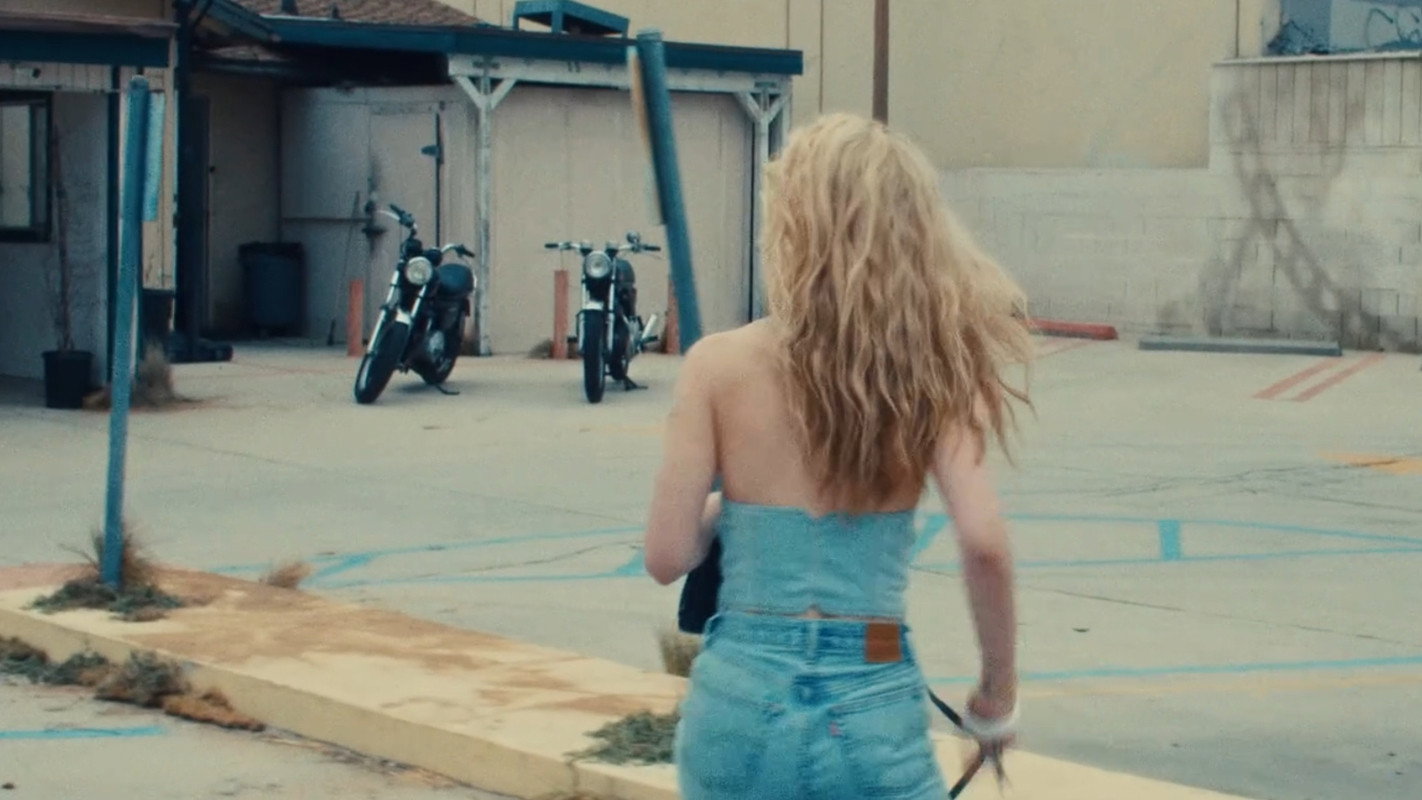
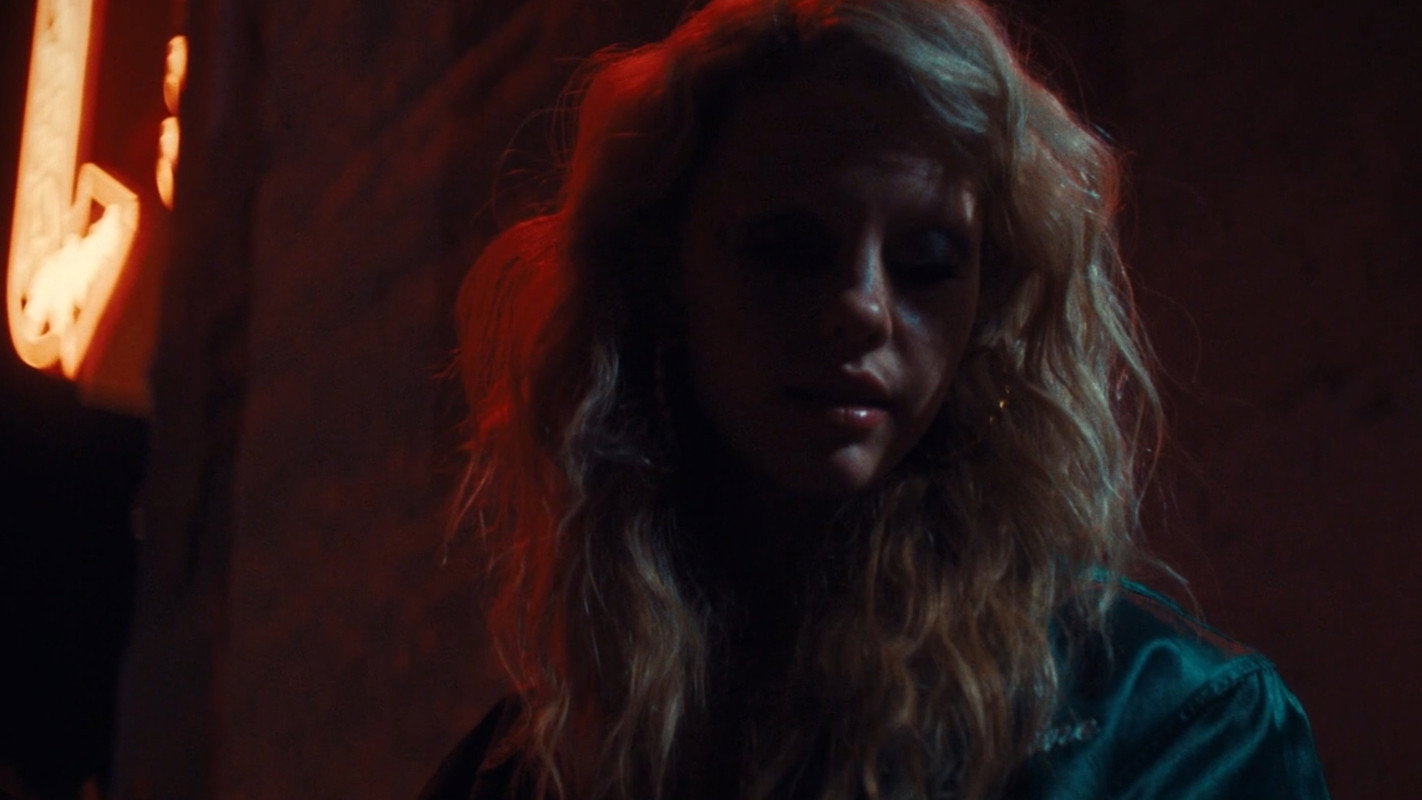
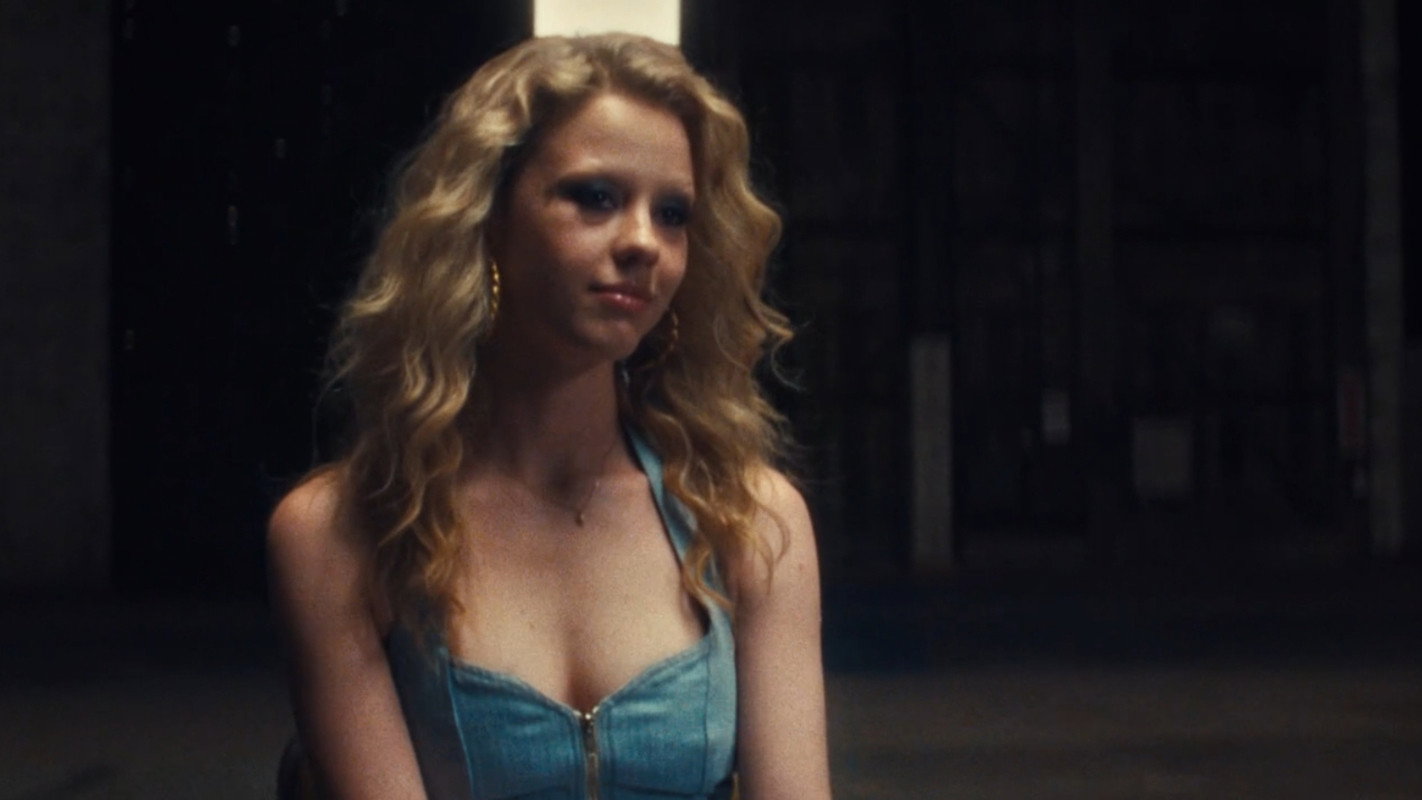
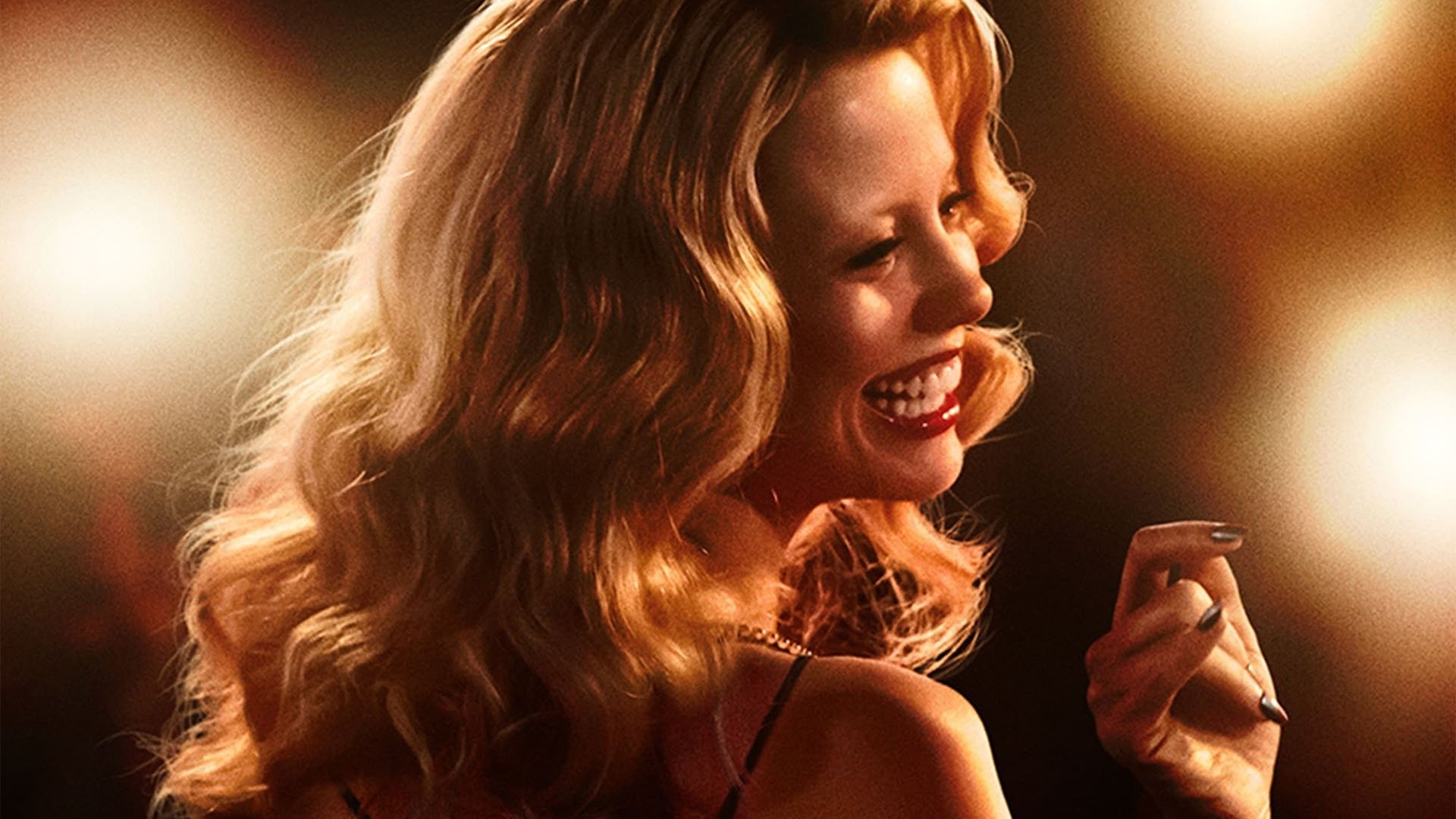
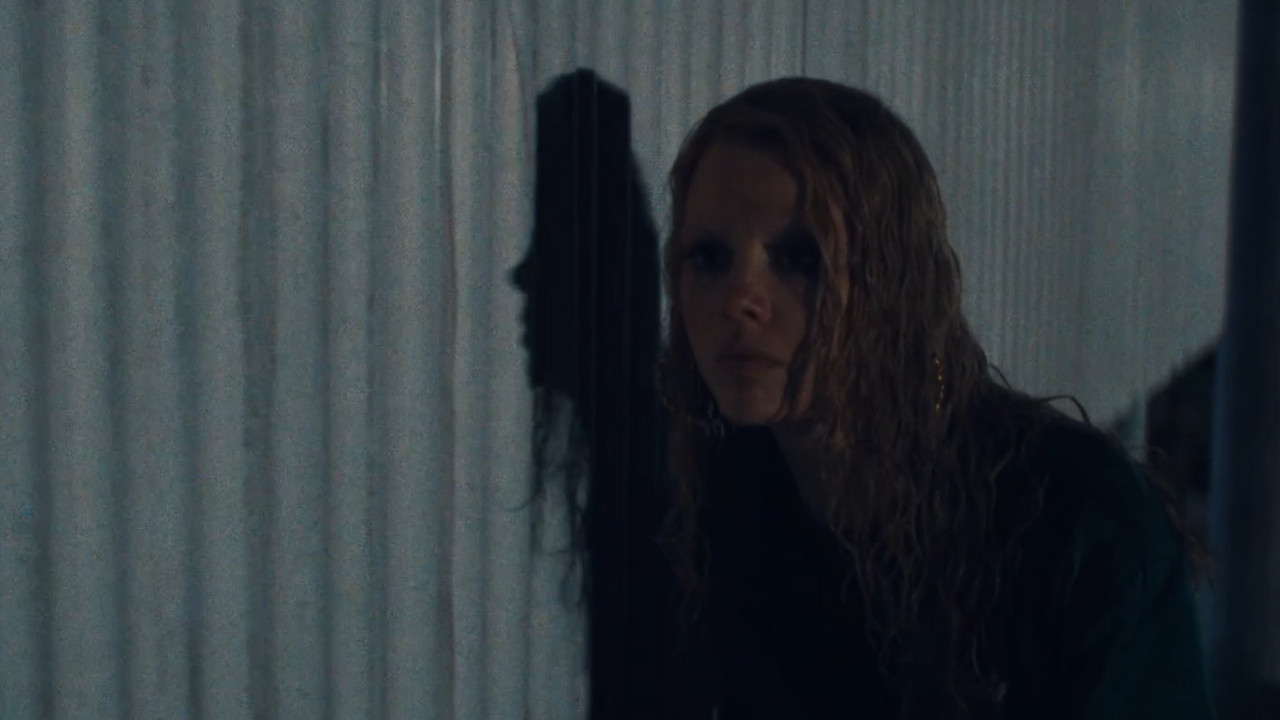
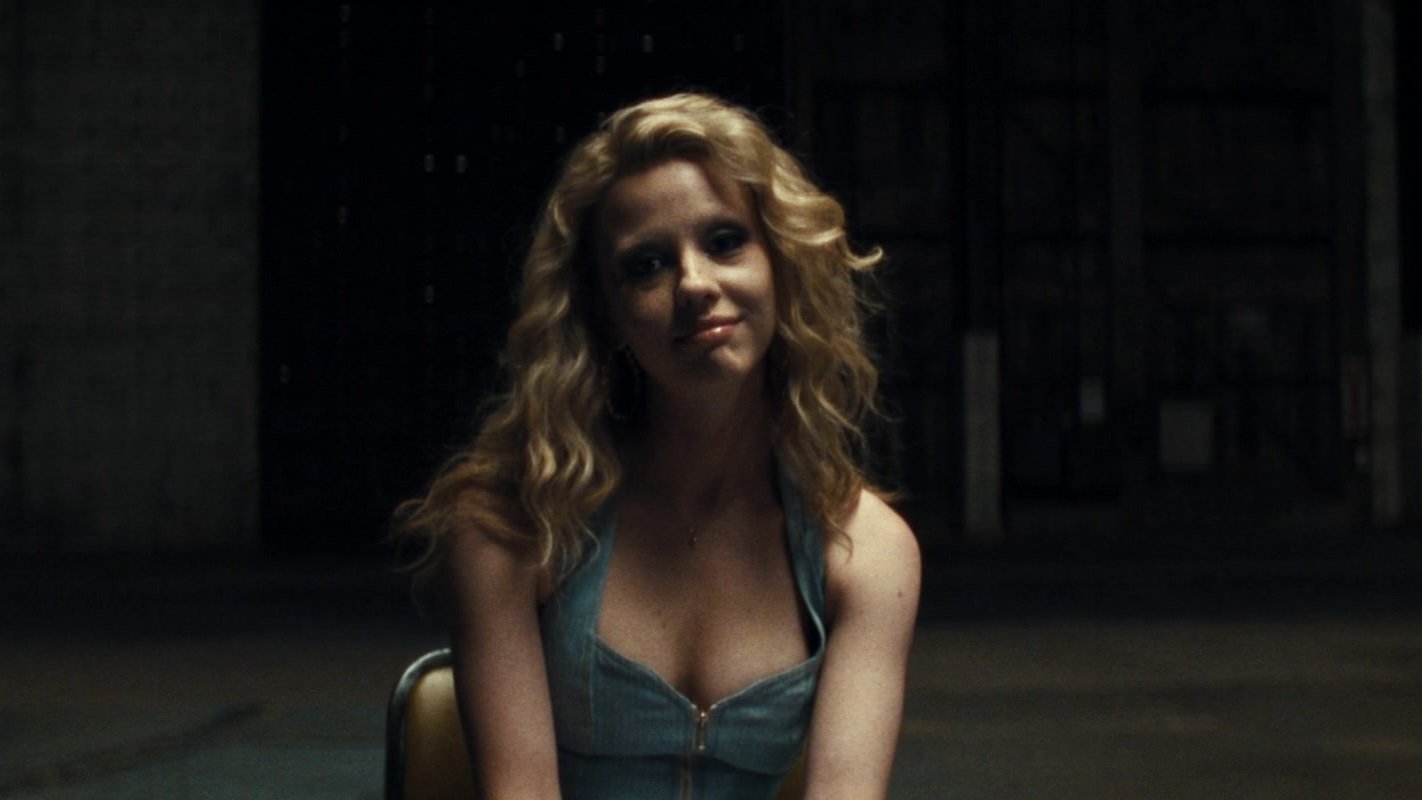
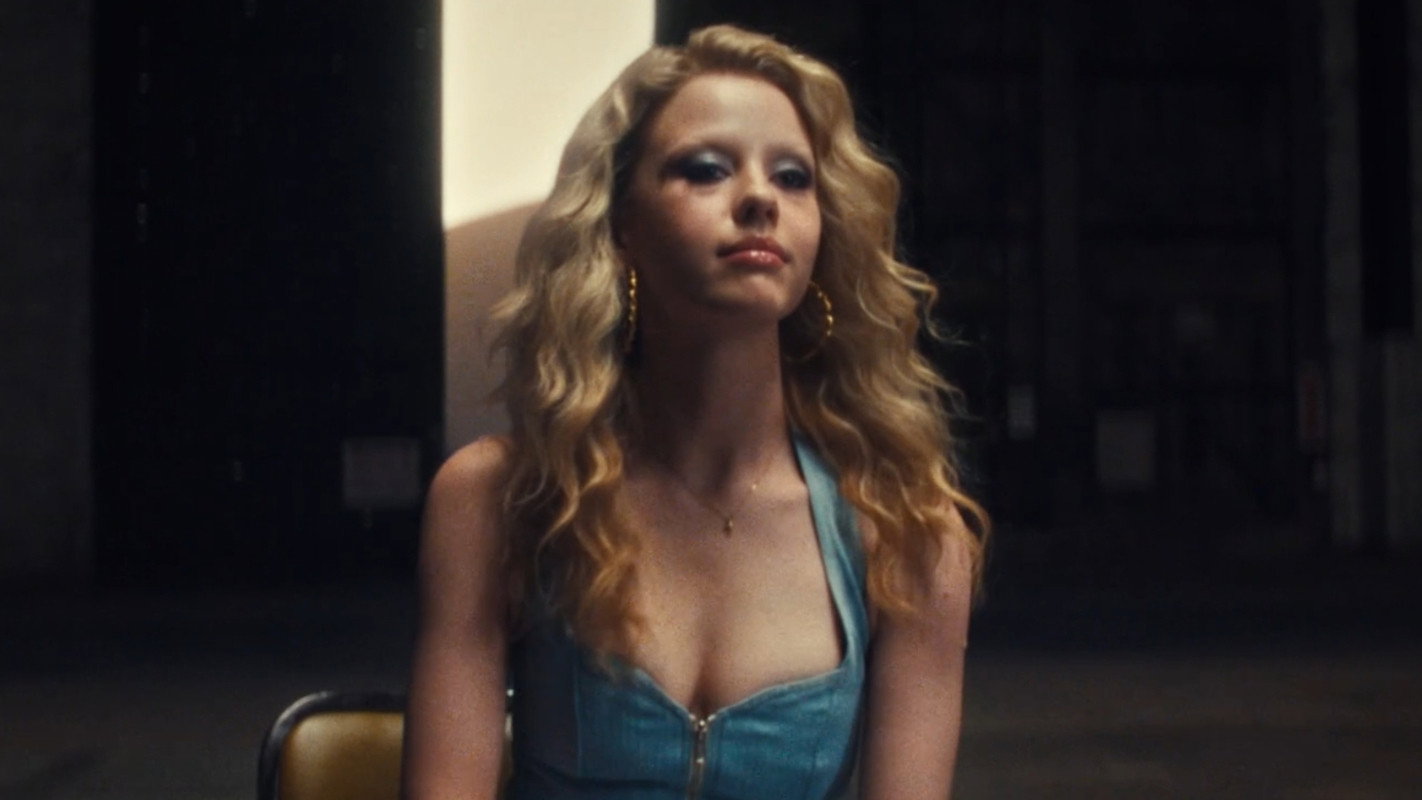
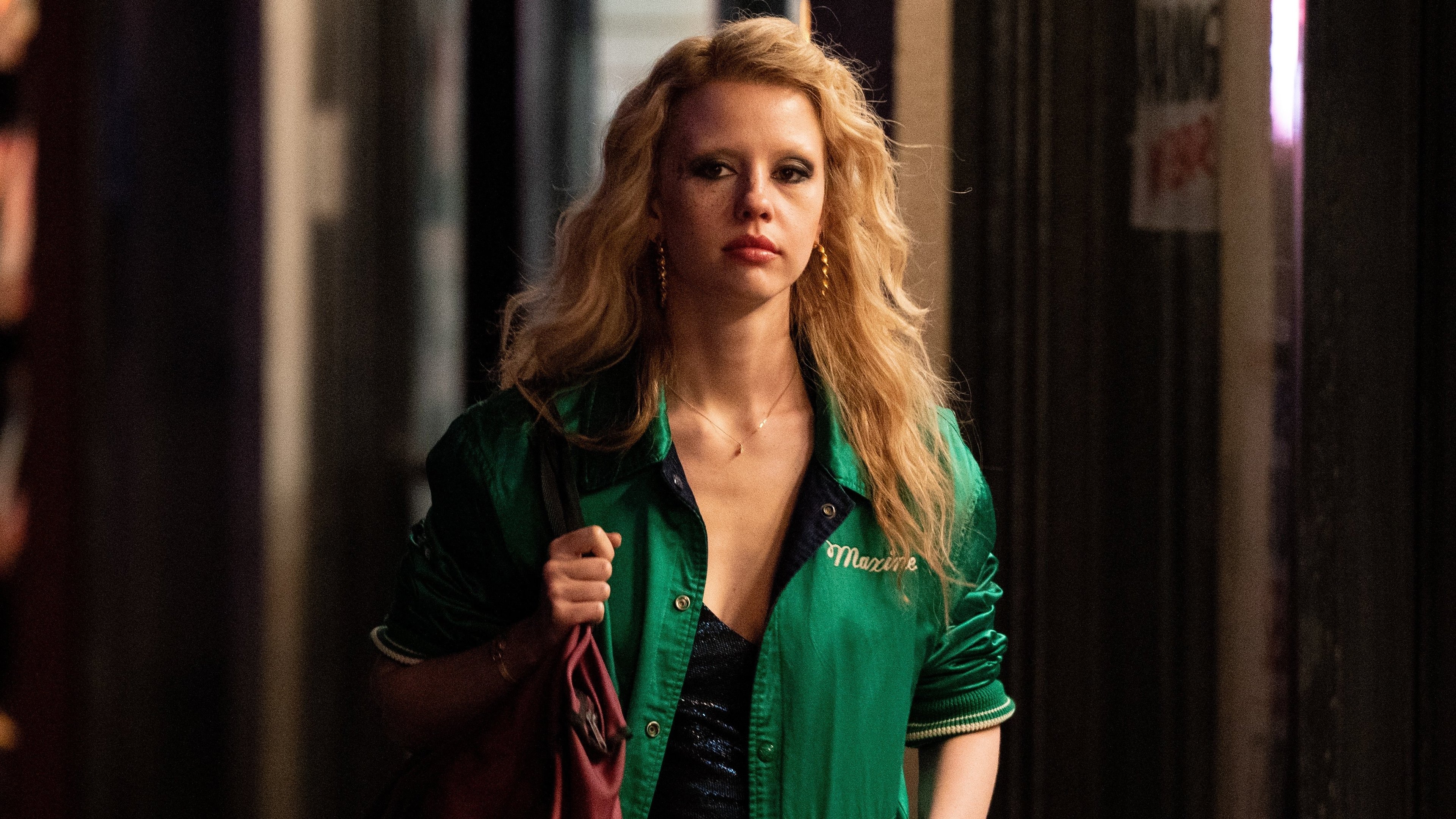
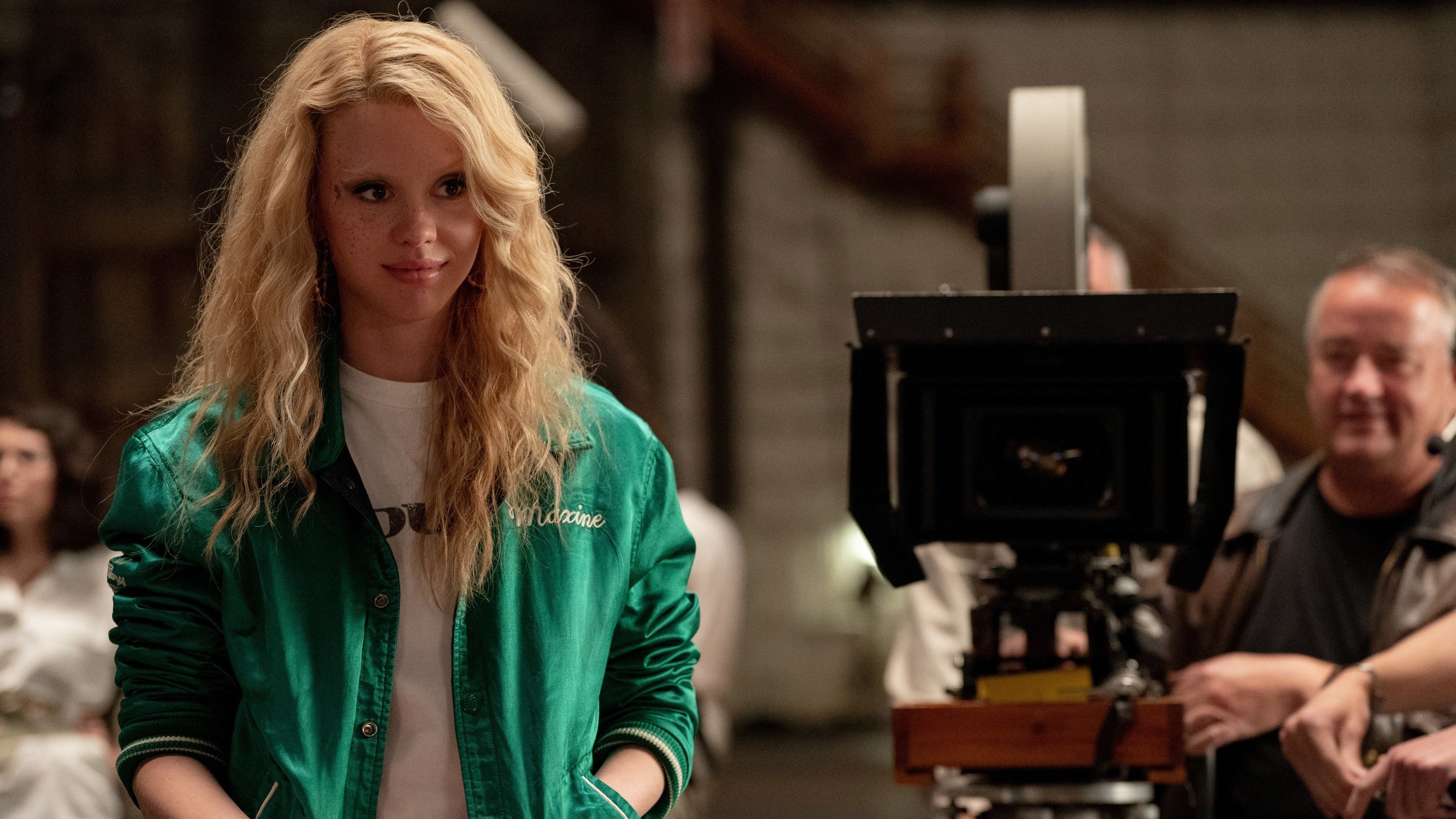
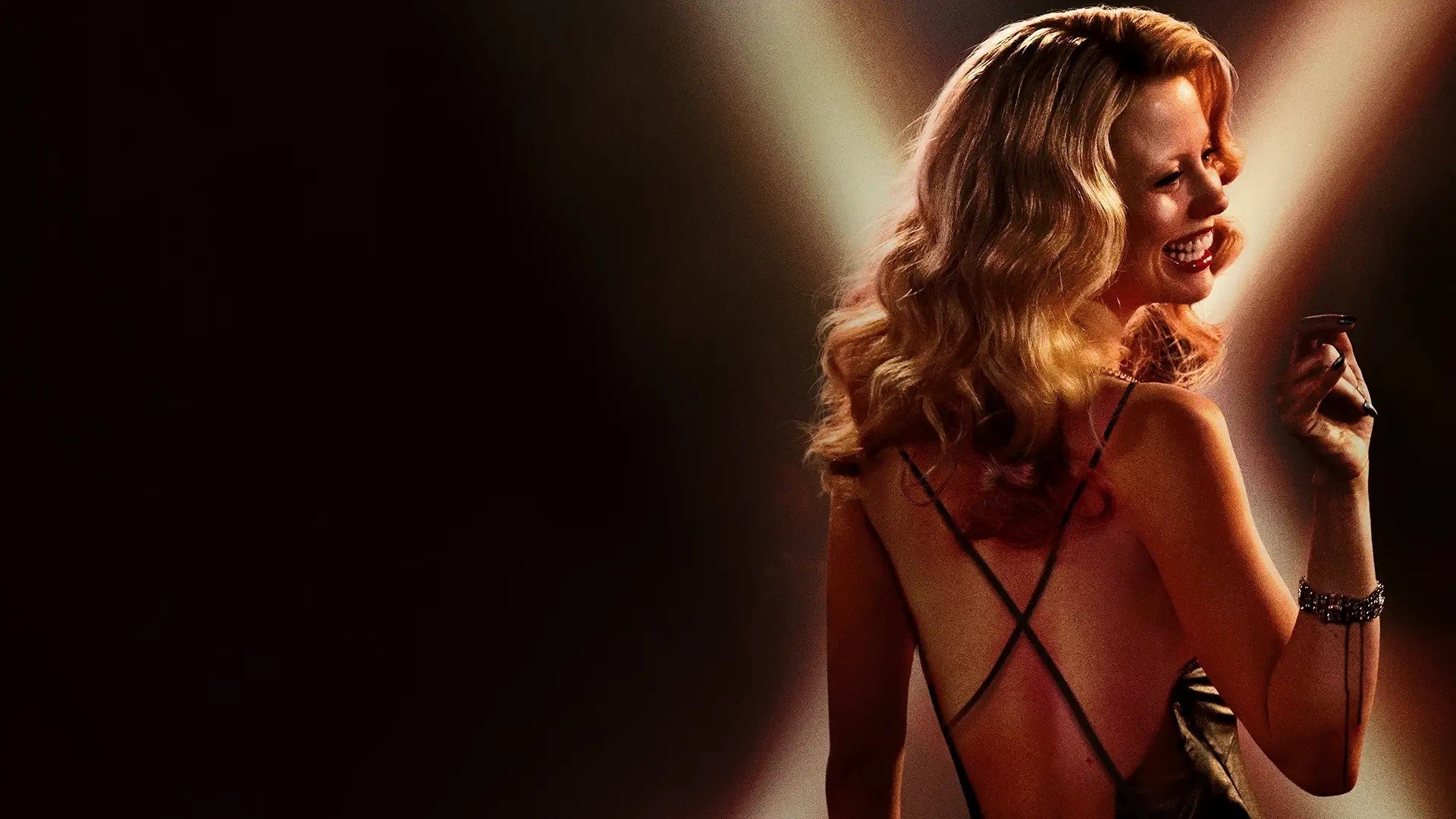
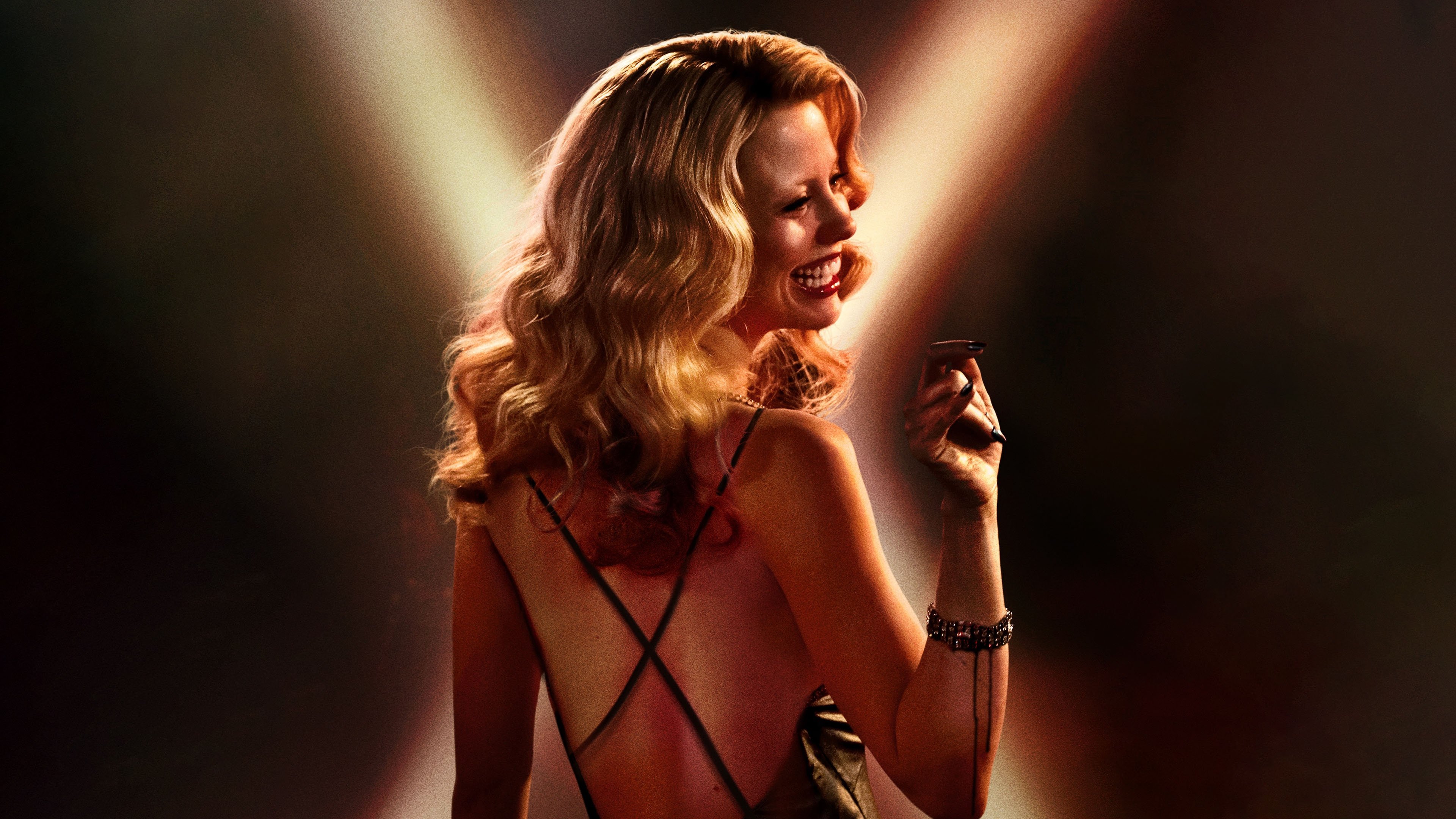
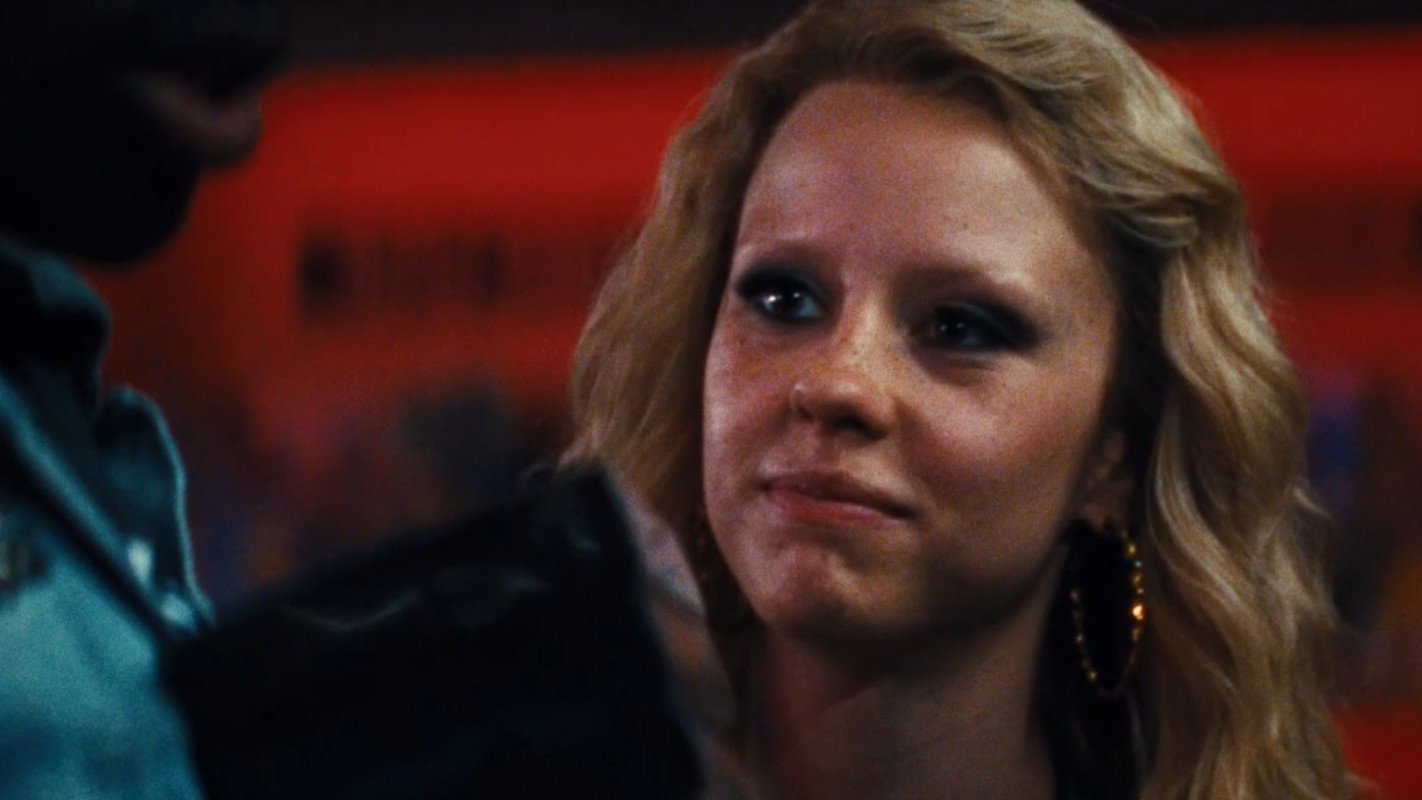
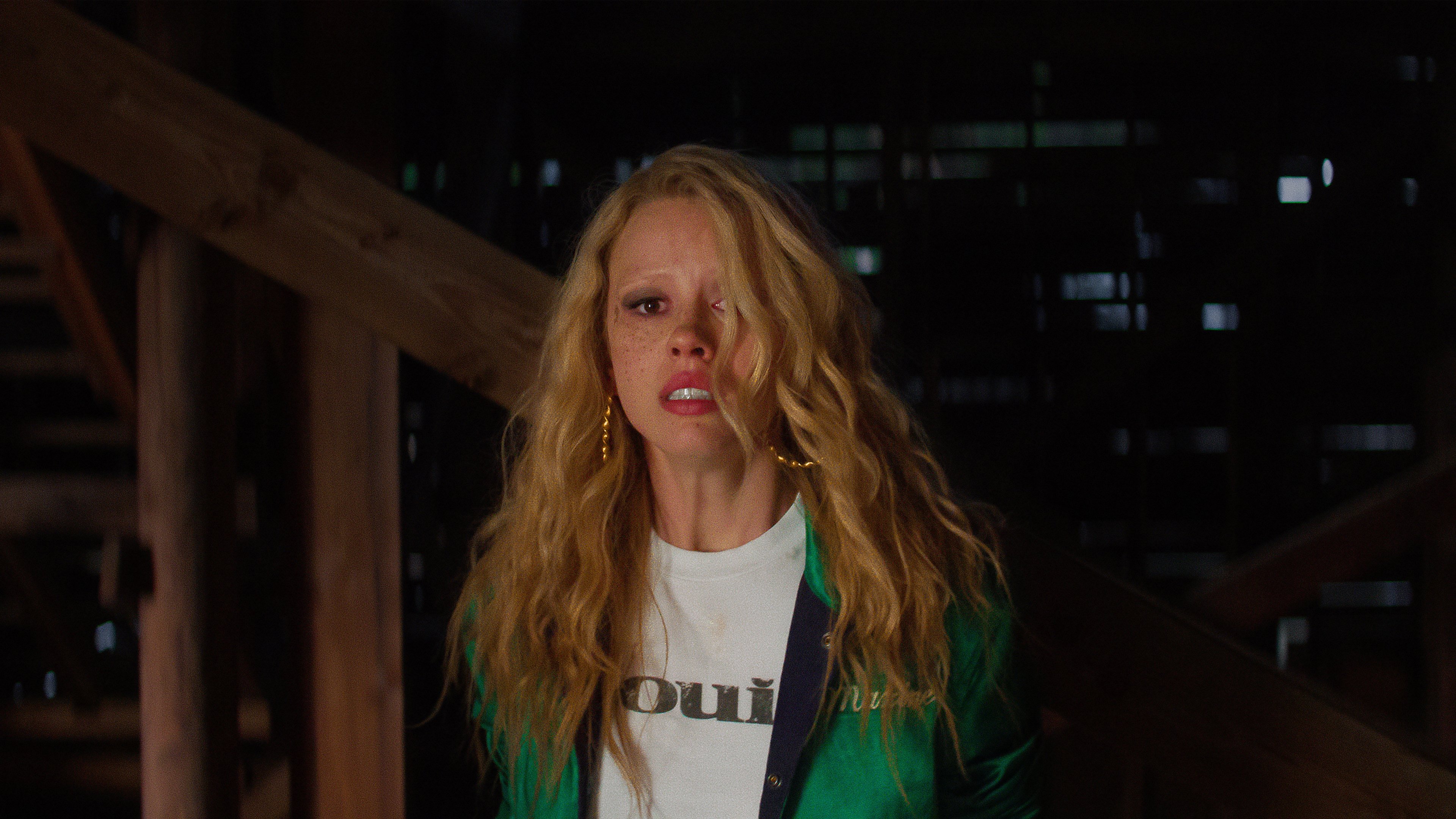
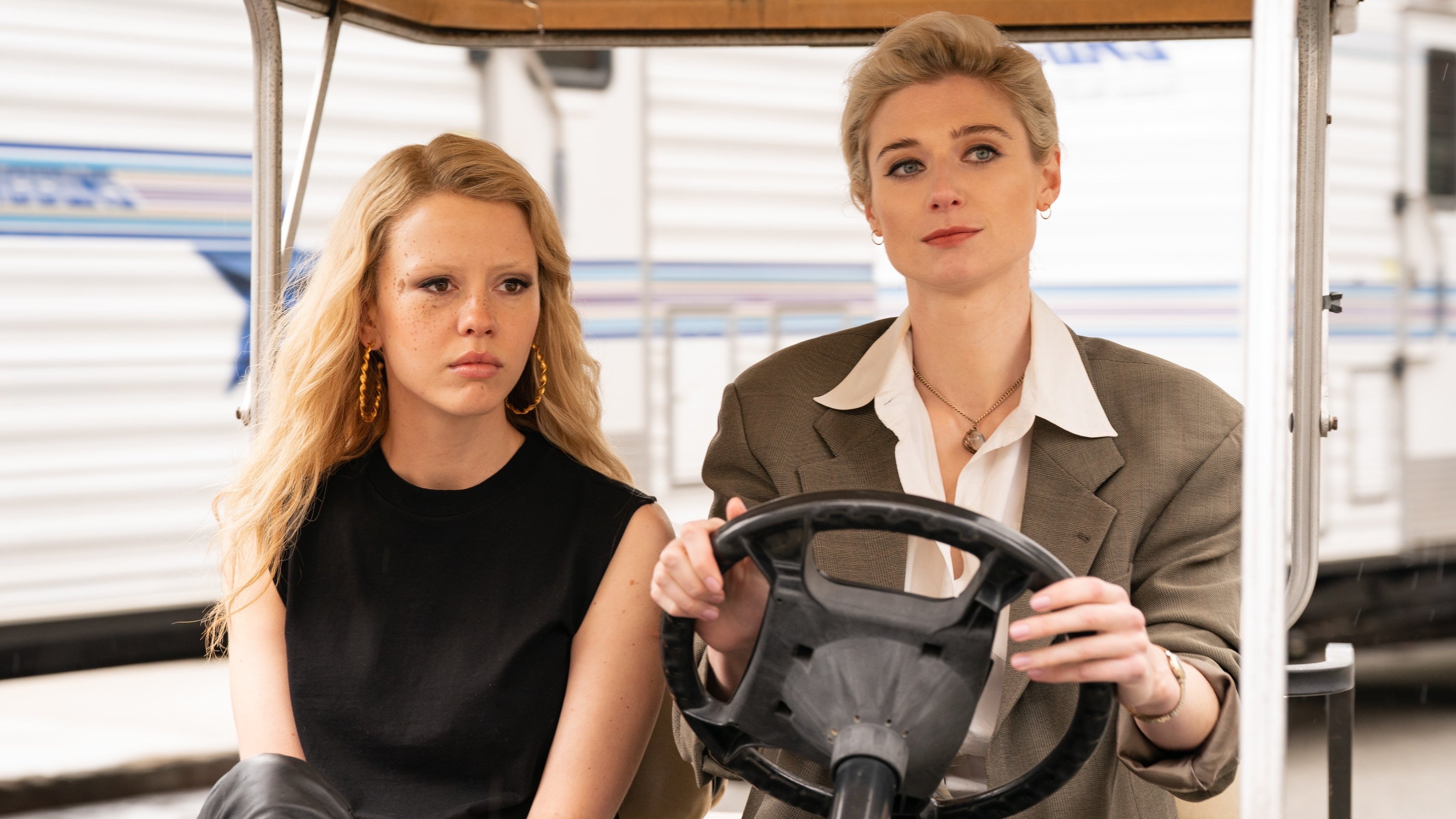
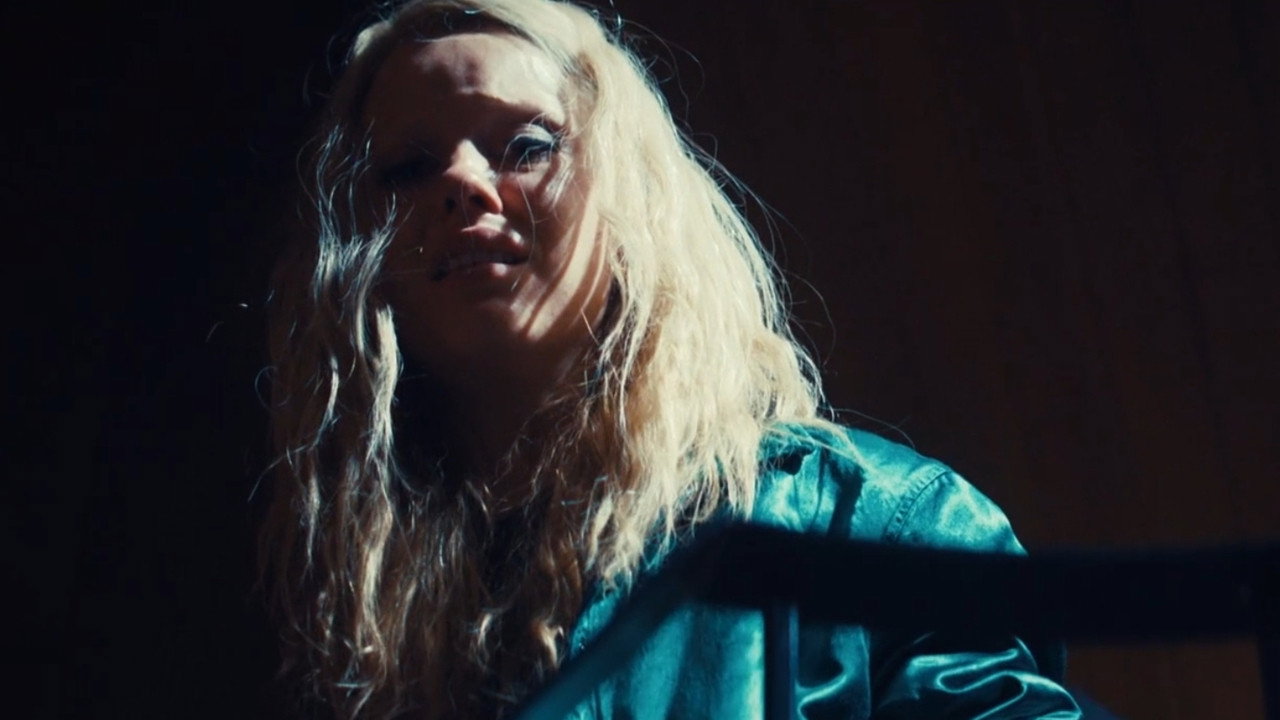
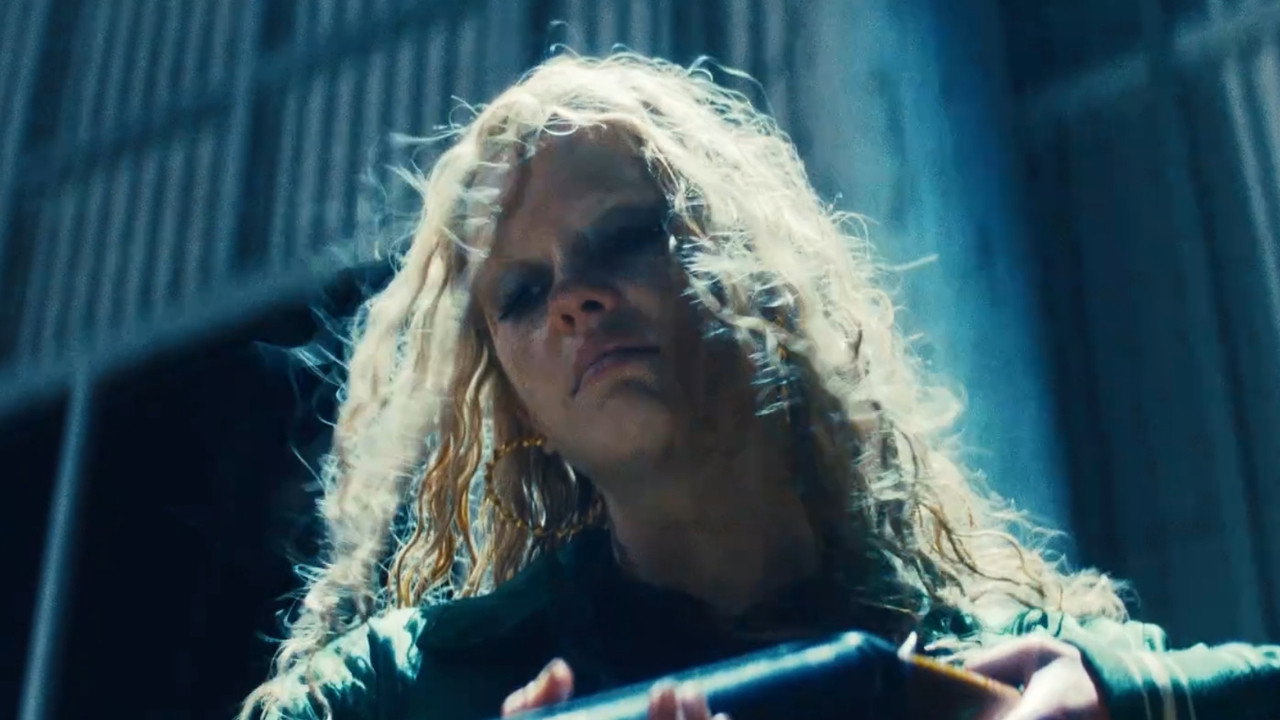
Mia Goth has been carrying this trilogy on her back; we all know that. Playing two different yet thematically equal characters, we all love her. I think her energy that she brings to MaXXXine—her kick-ass style—she knows how to handle herself, as she says, and it shows. She is never a victim and refuses to ever be one. She doesn't expect help from anyone or someone to save her because there isn't, and she saves herself because she fucking kicks ass and is fully prepared for every fucking situation life throws at her.
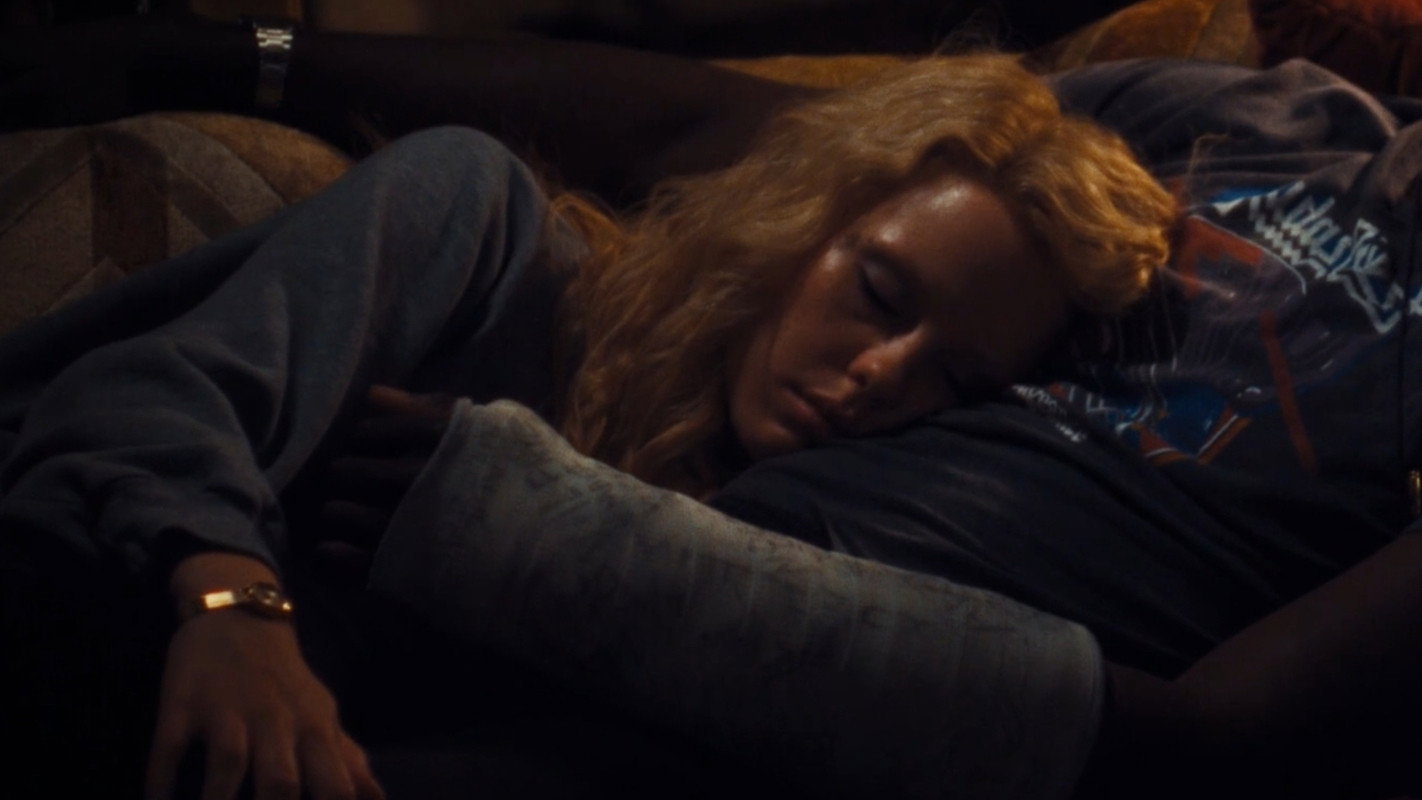
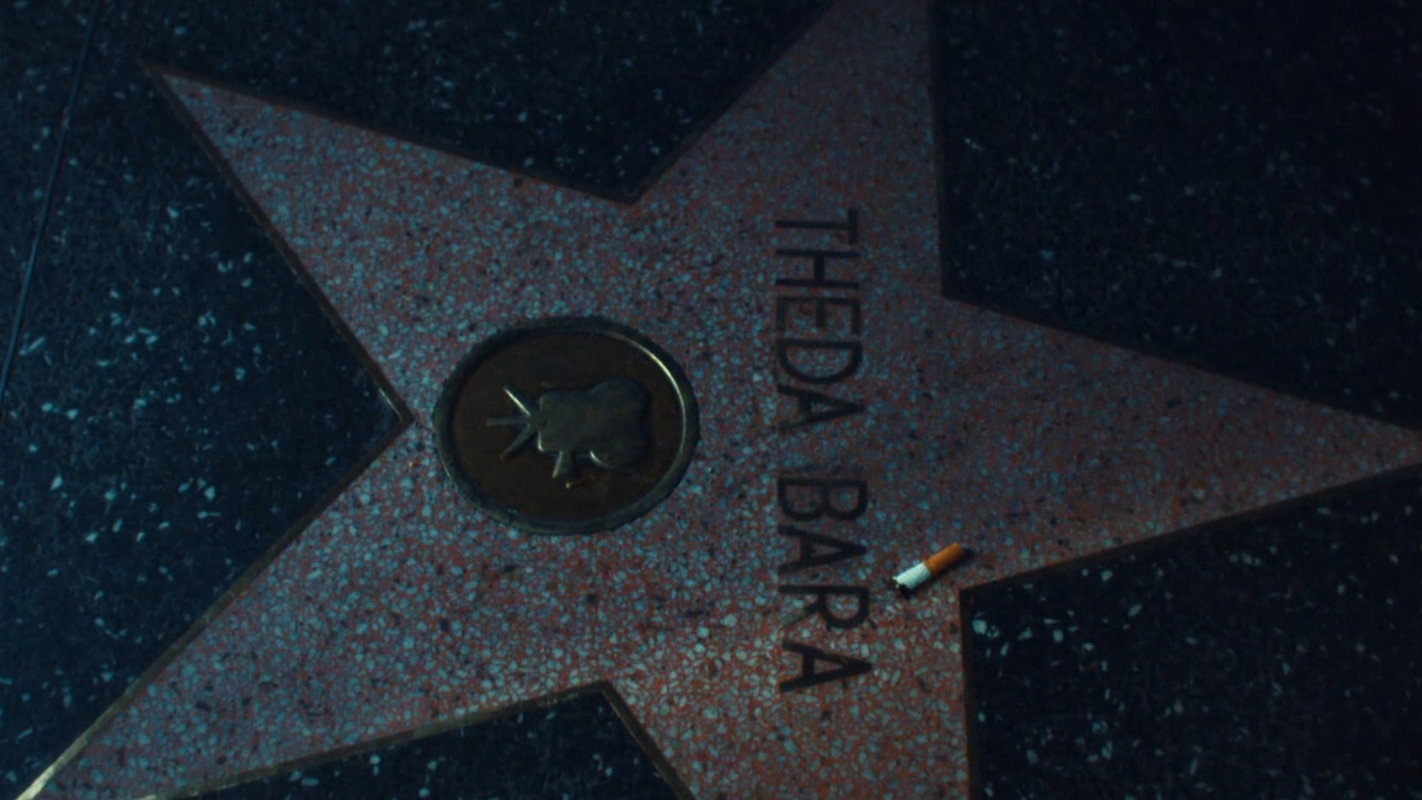
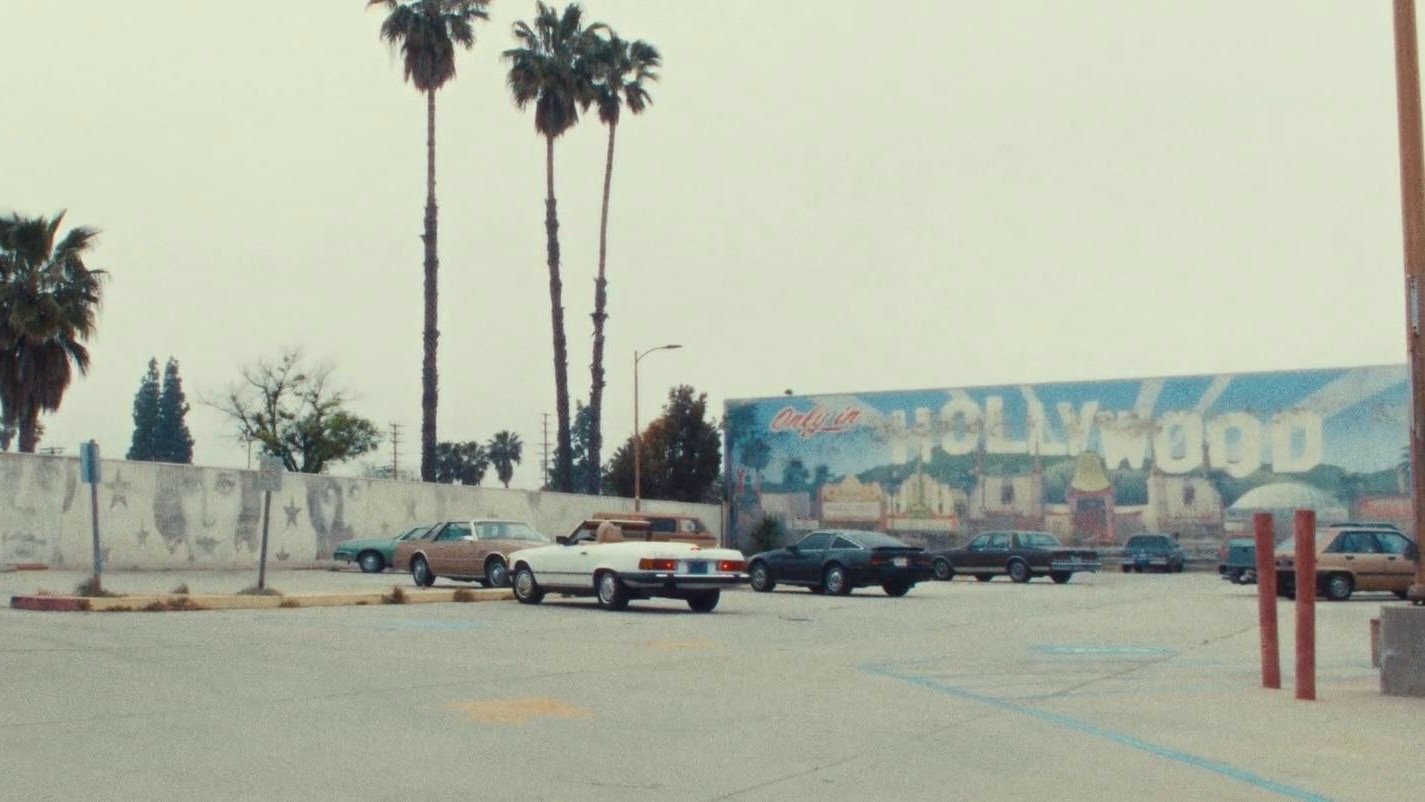
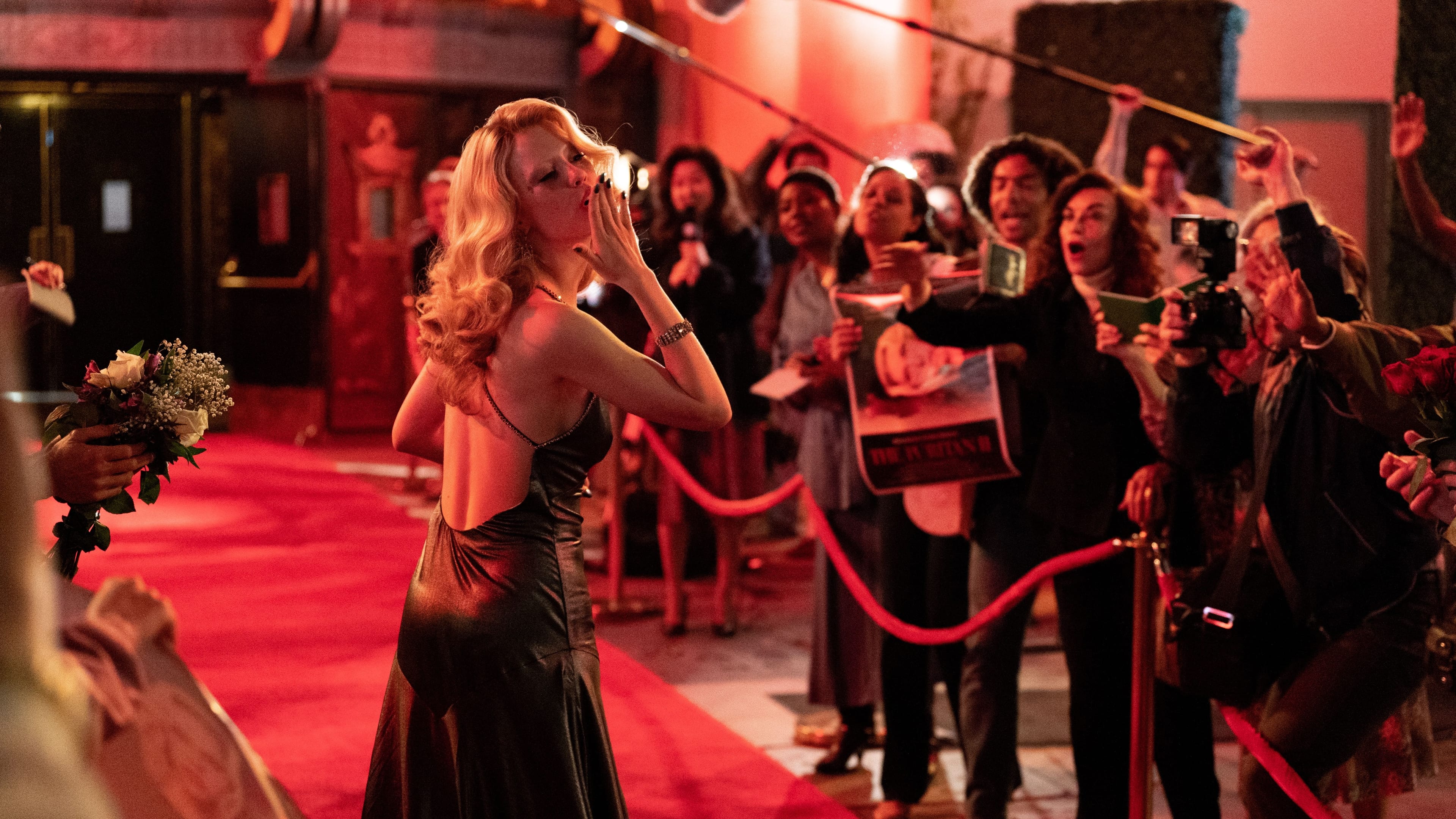
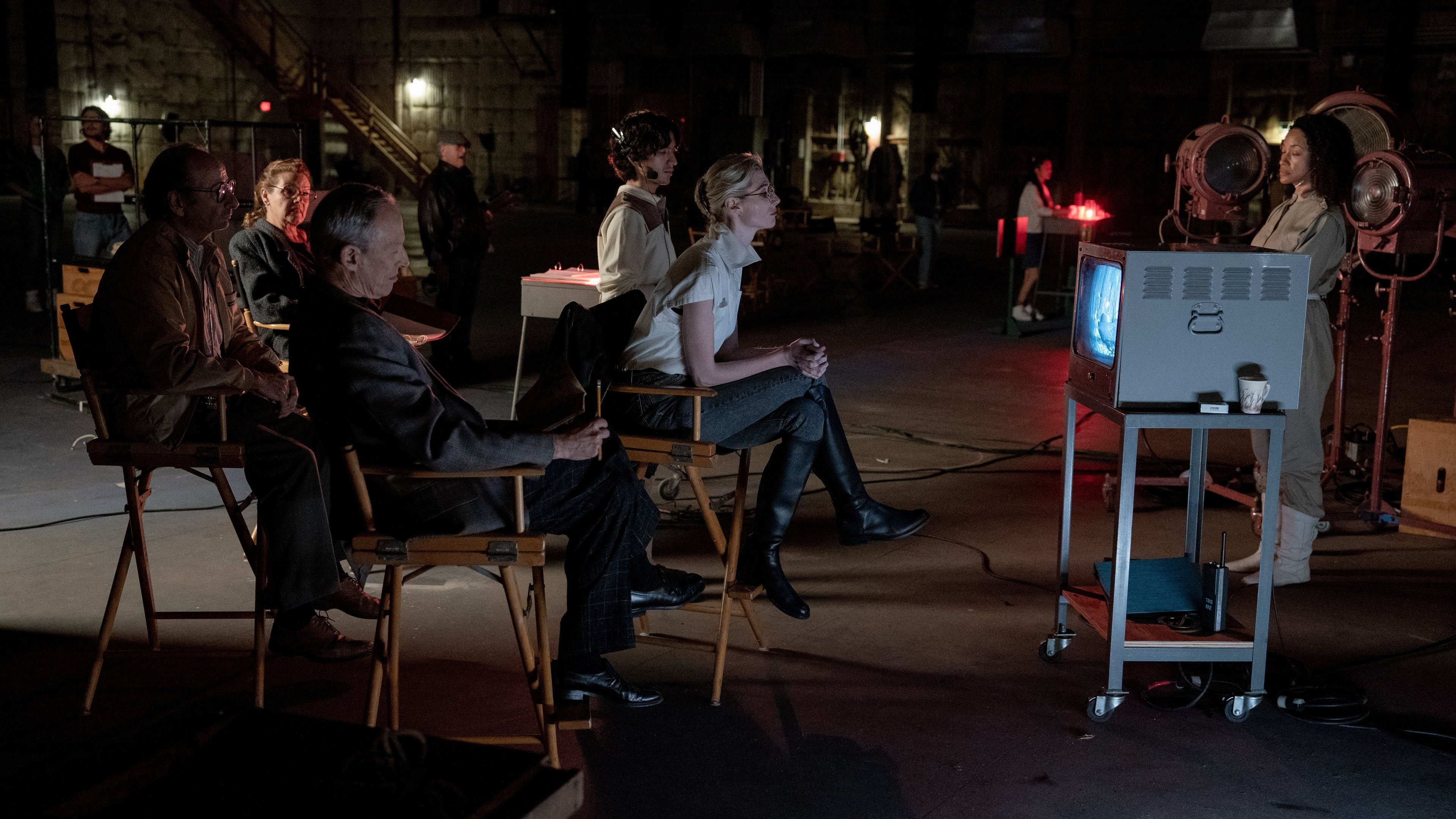
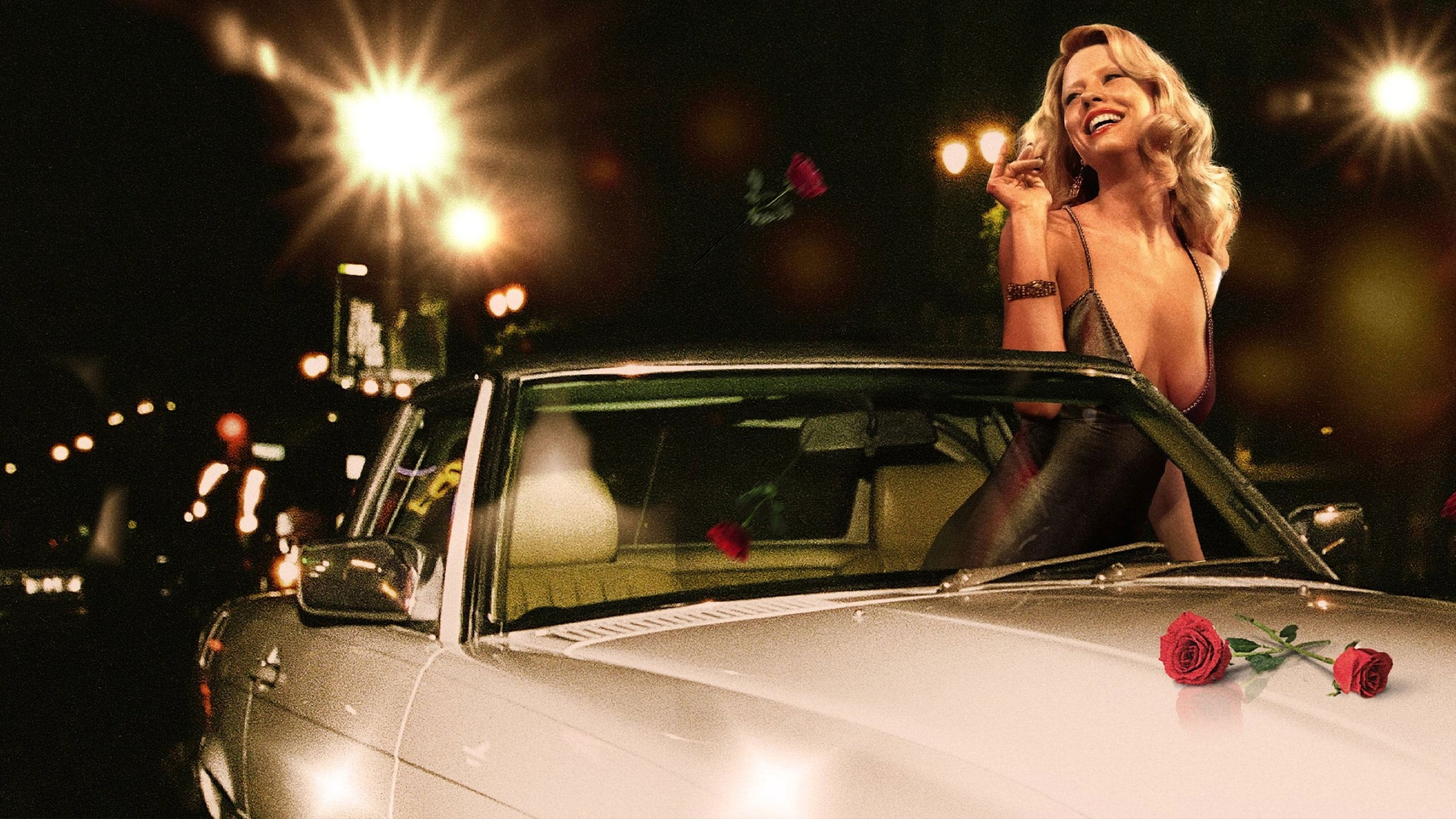
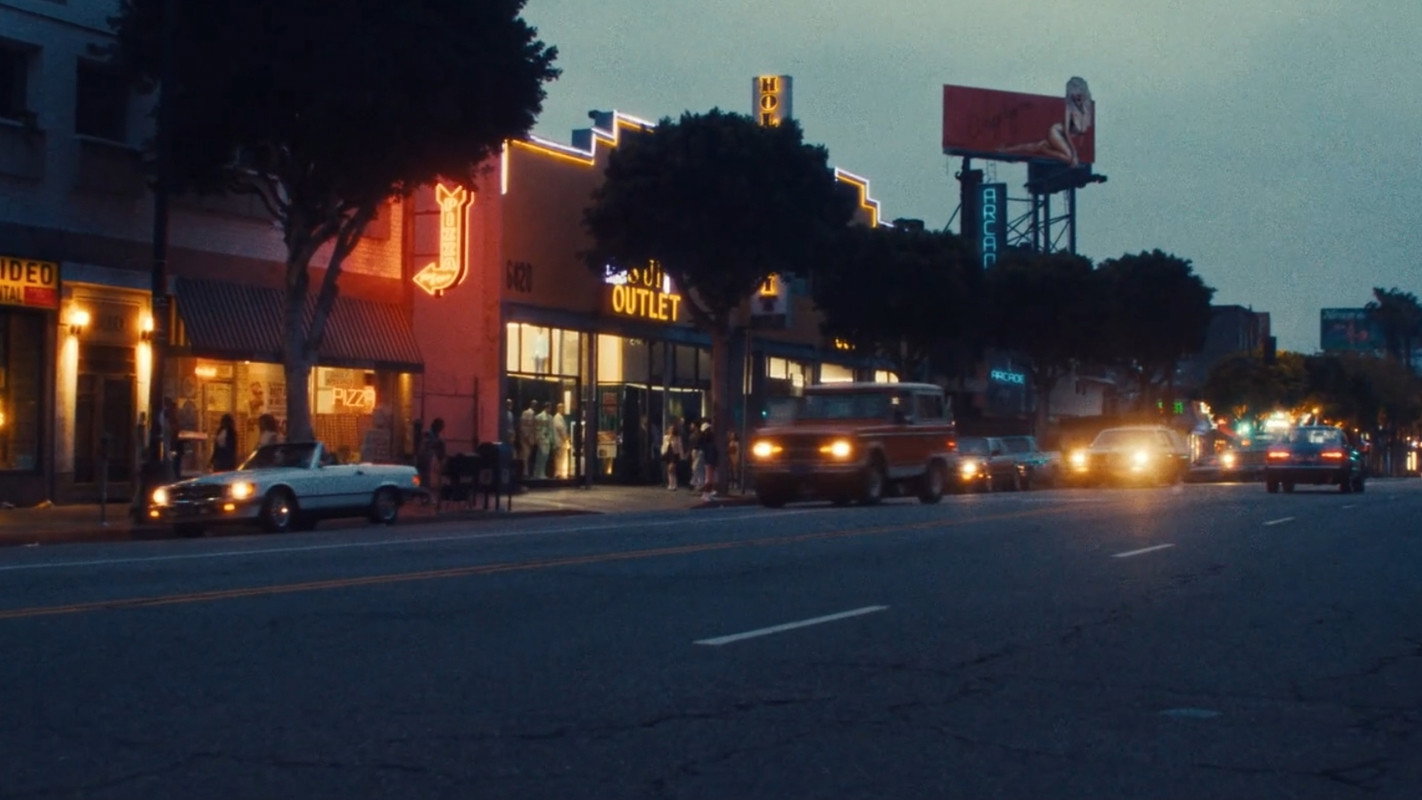
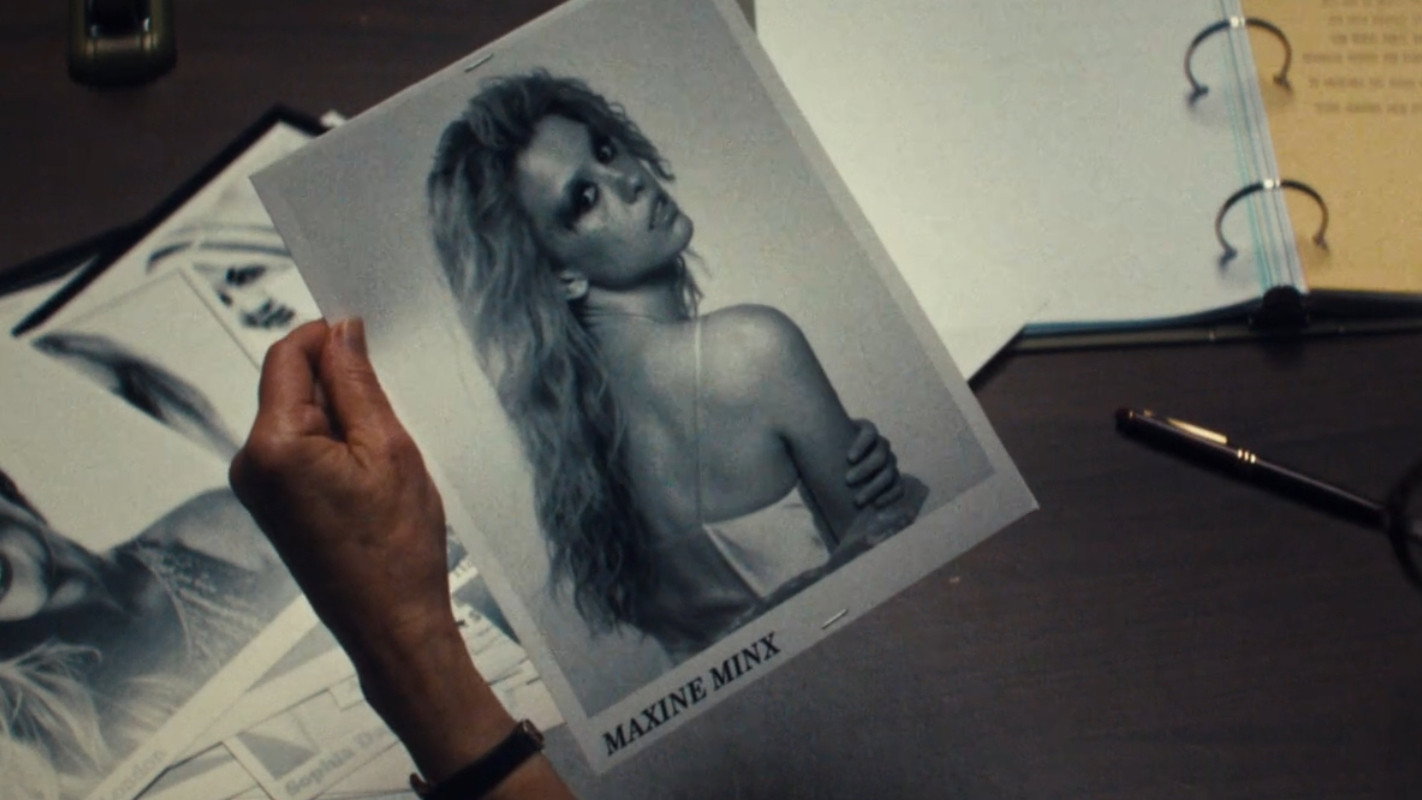
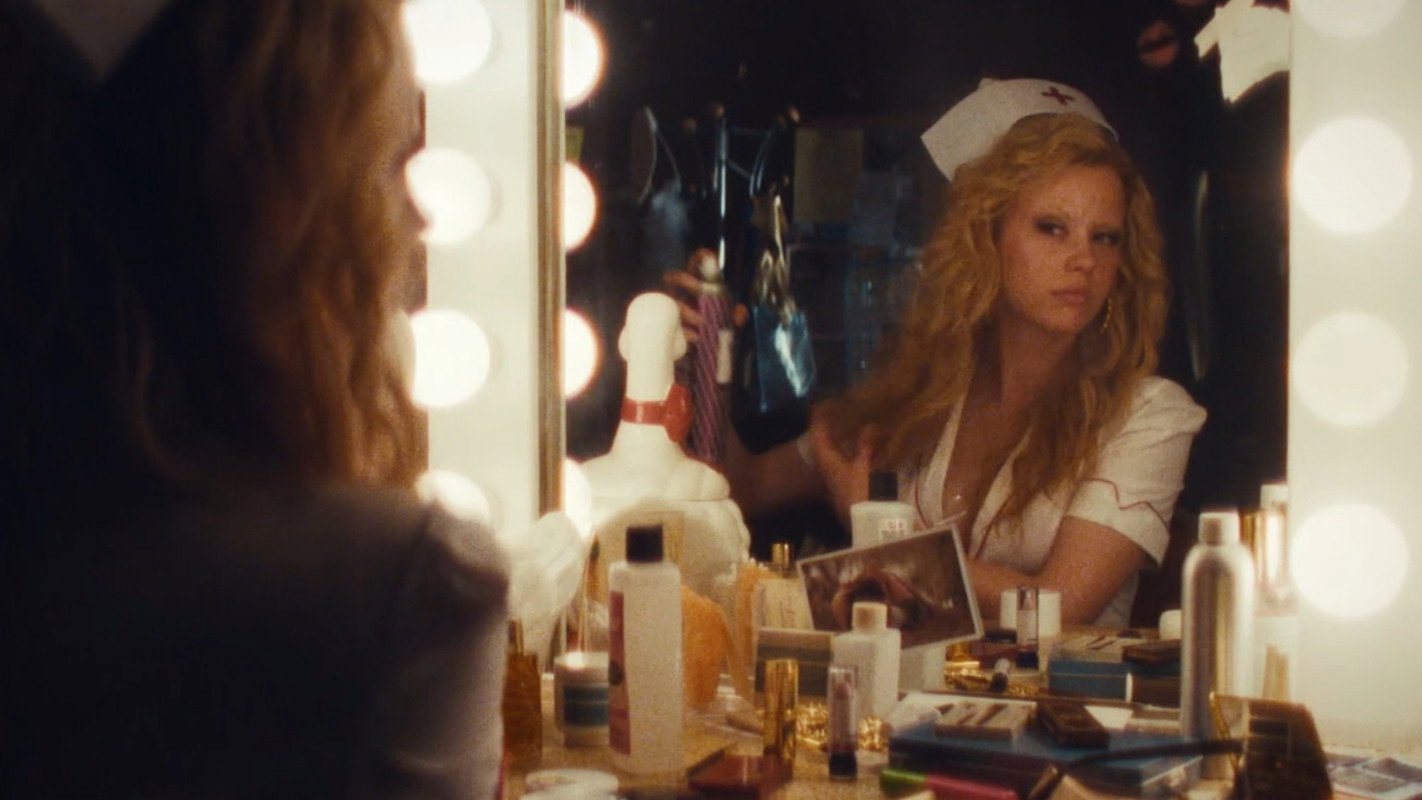
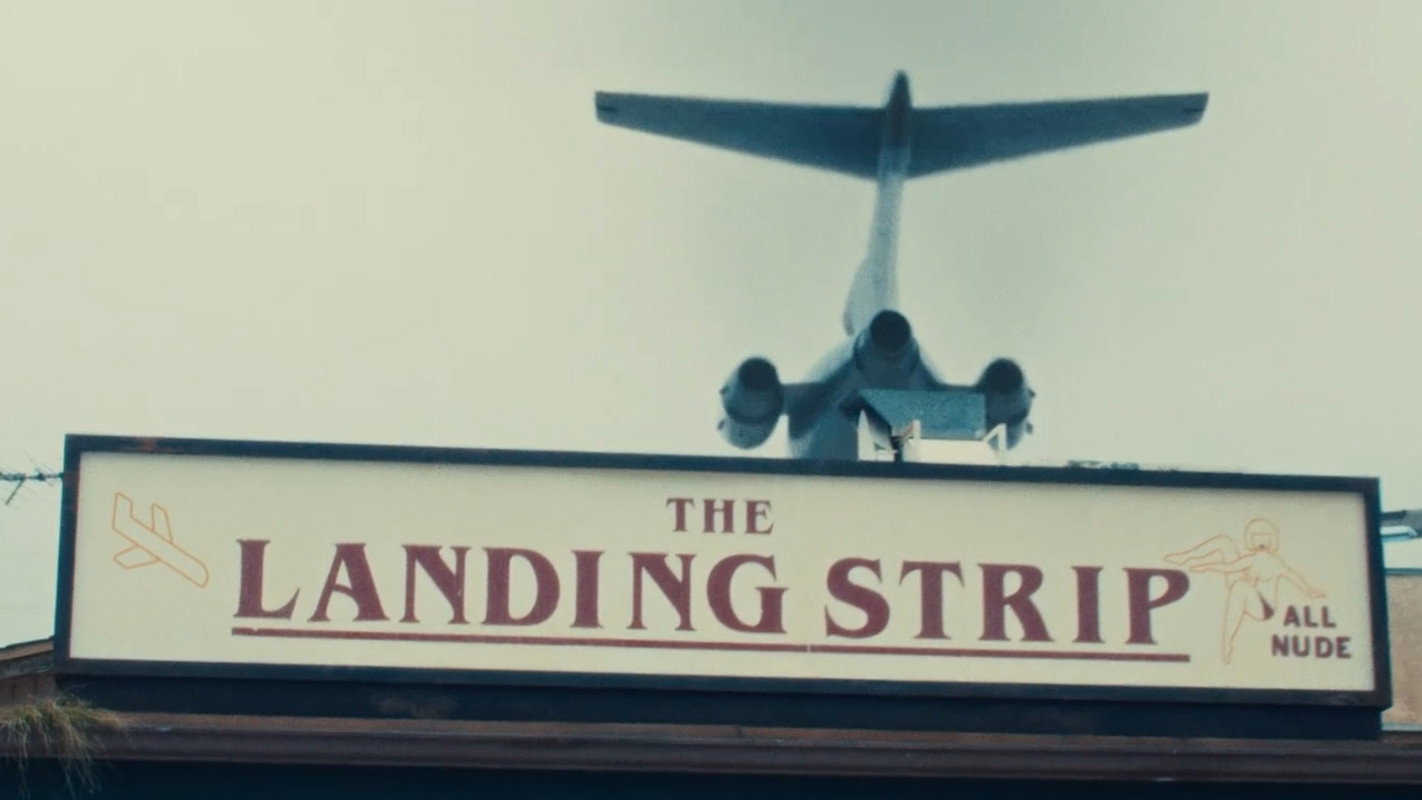
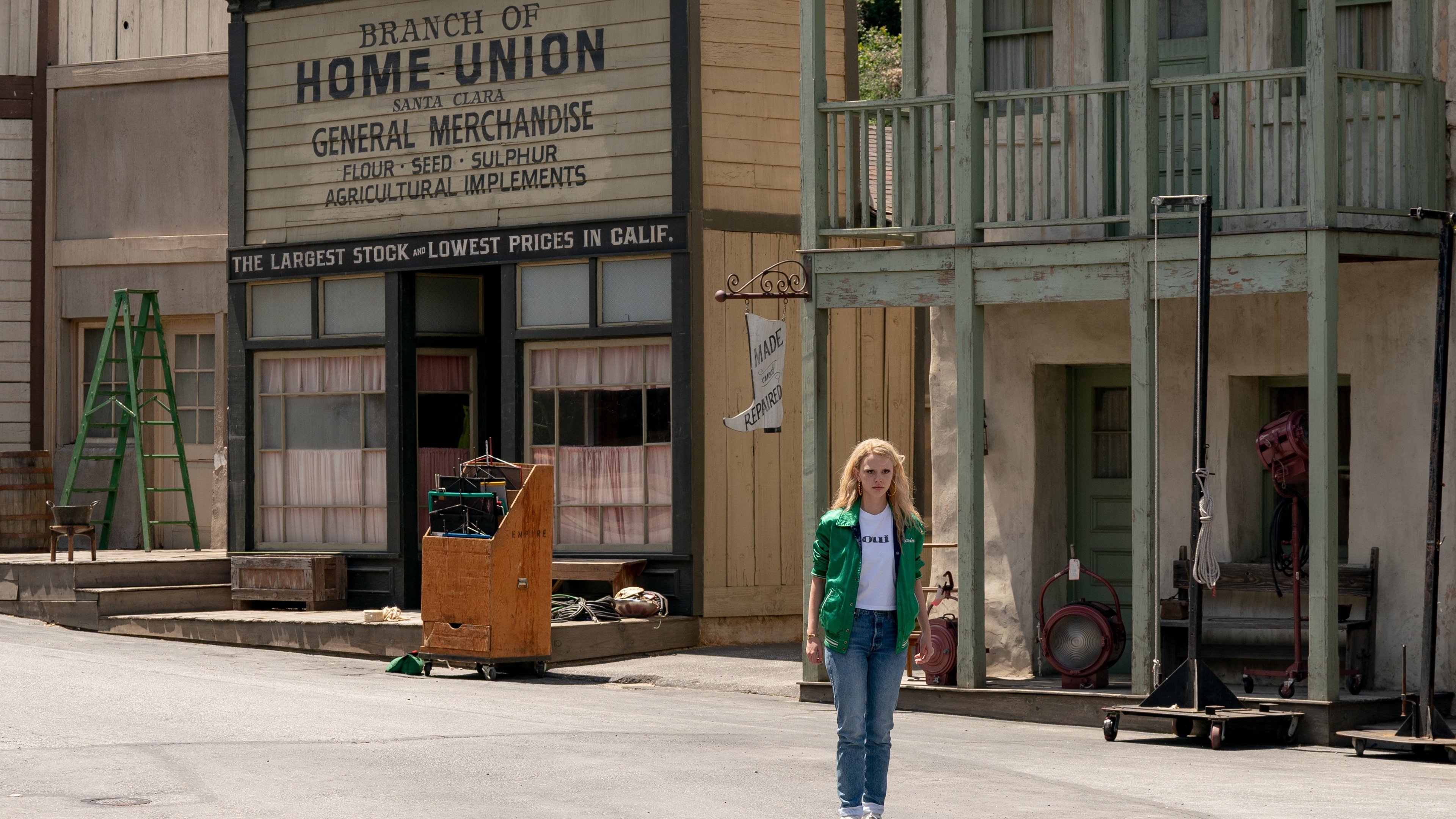
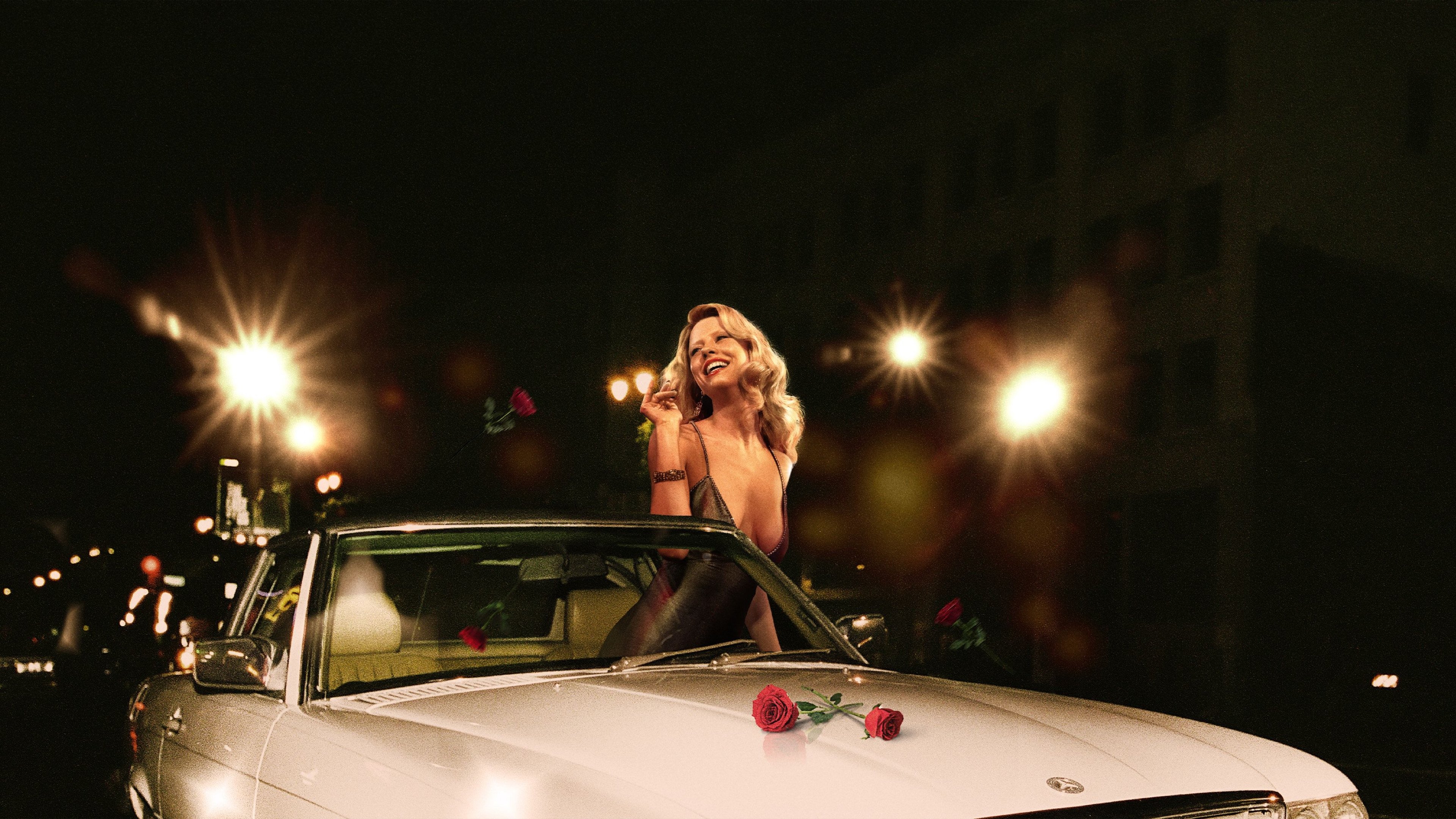
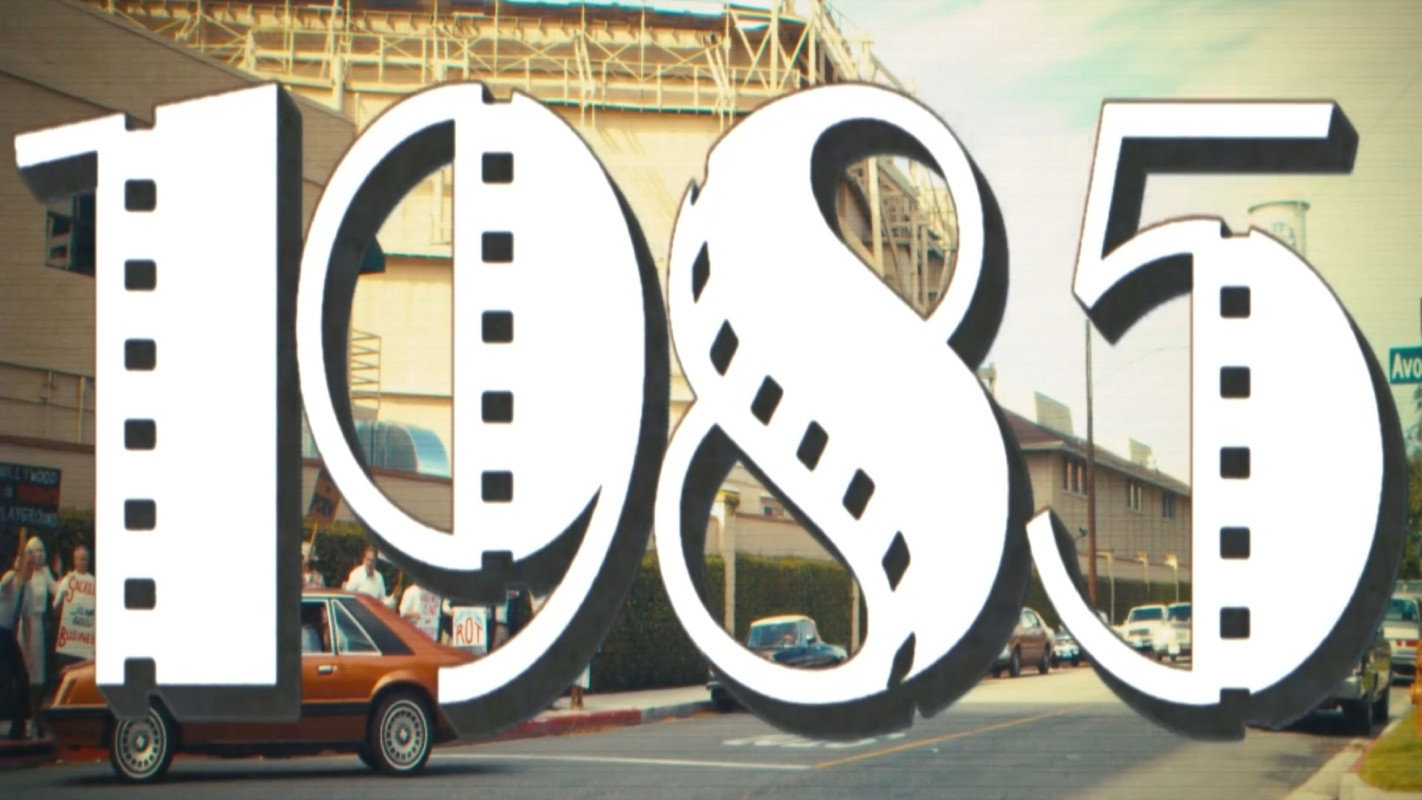
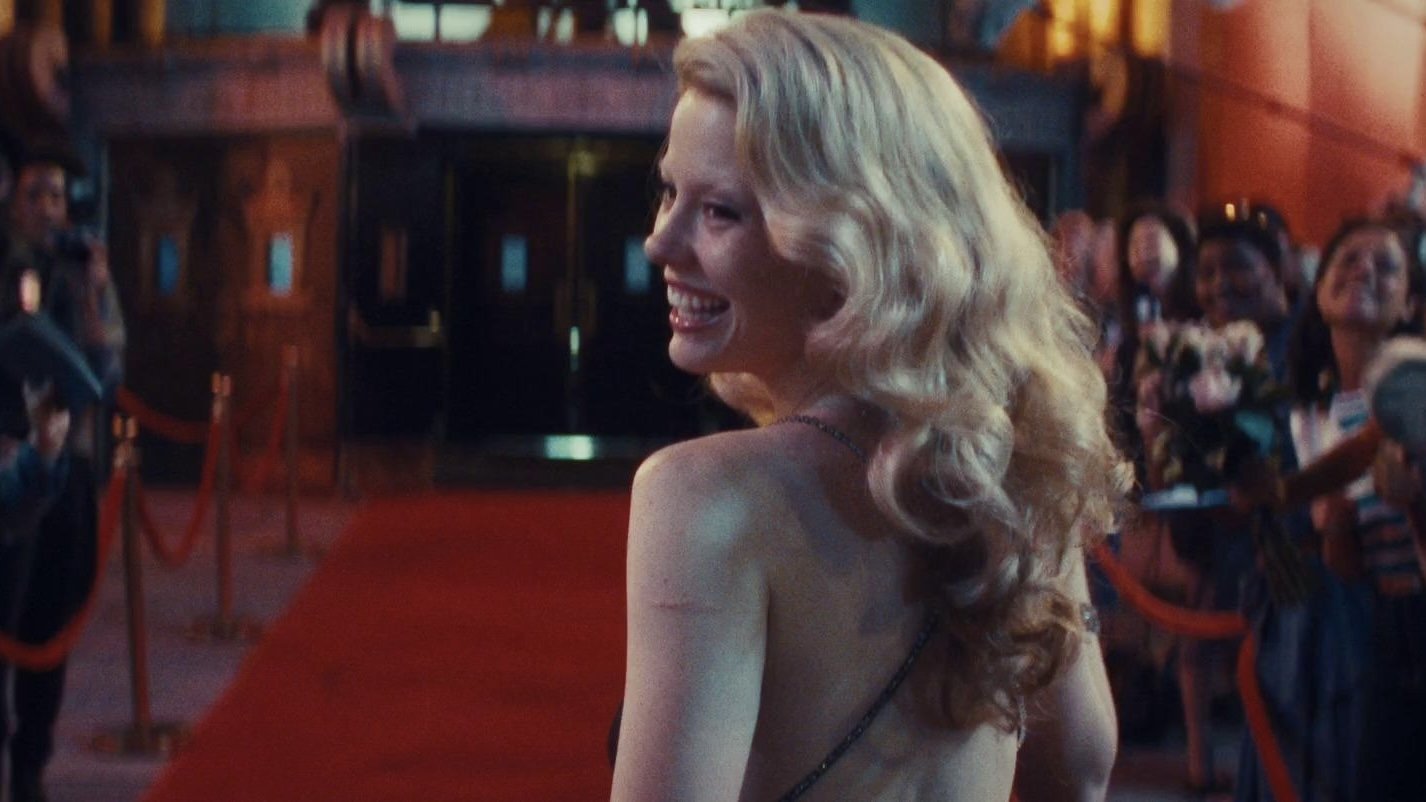
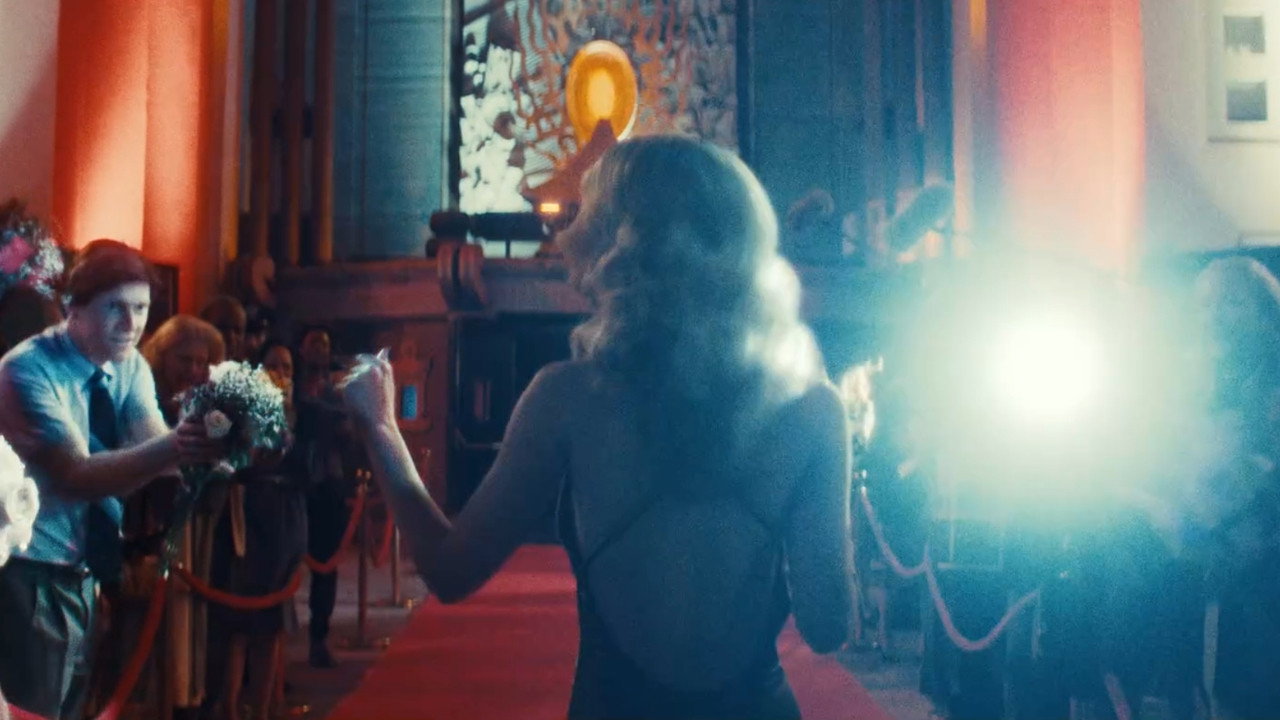
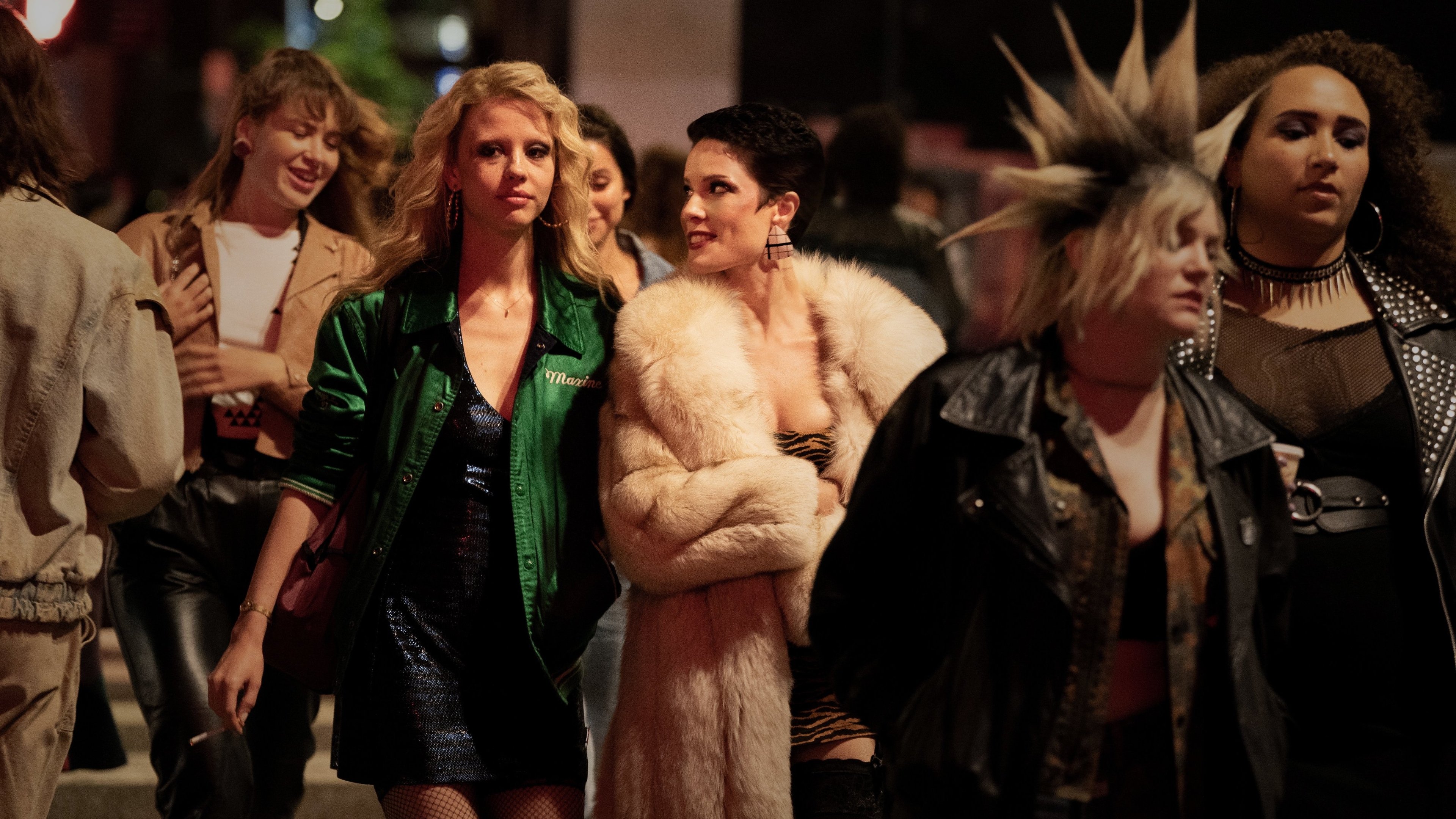
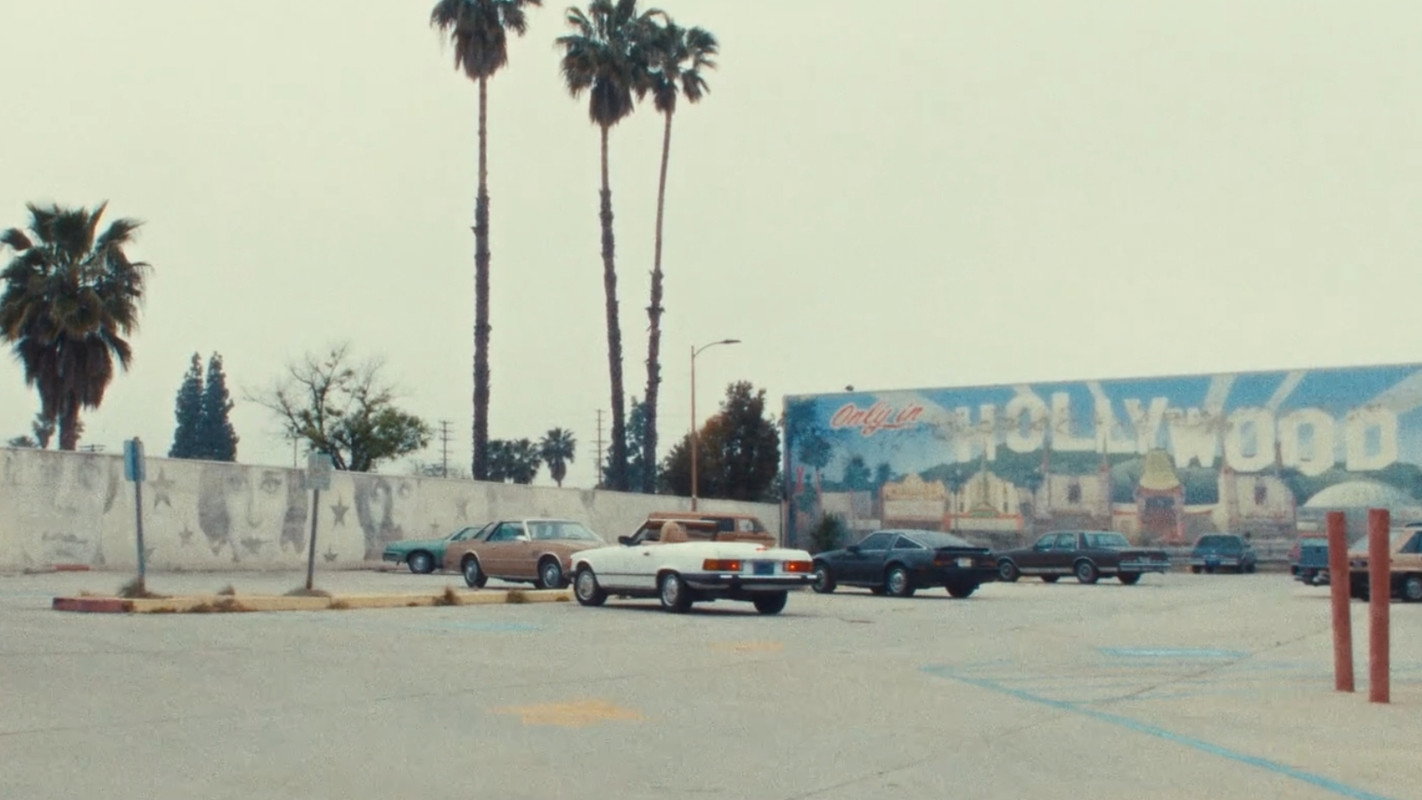
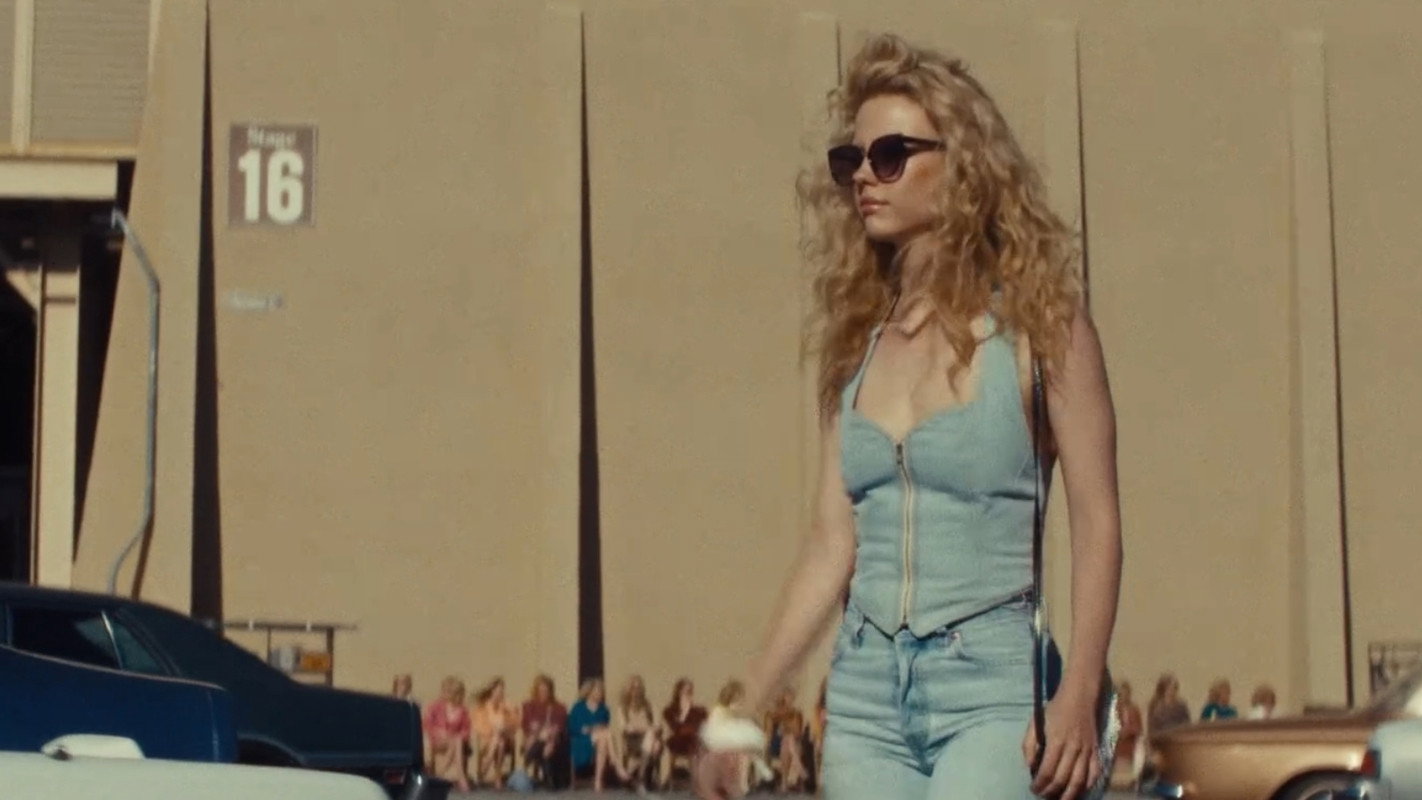
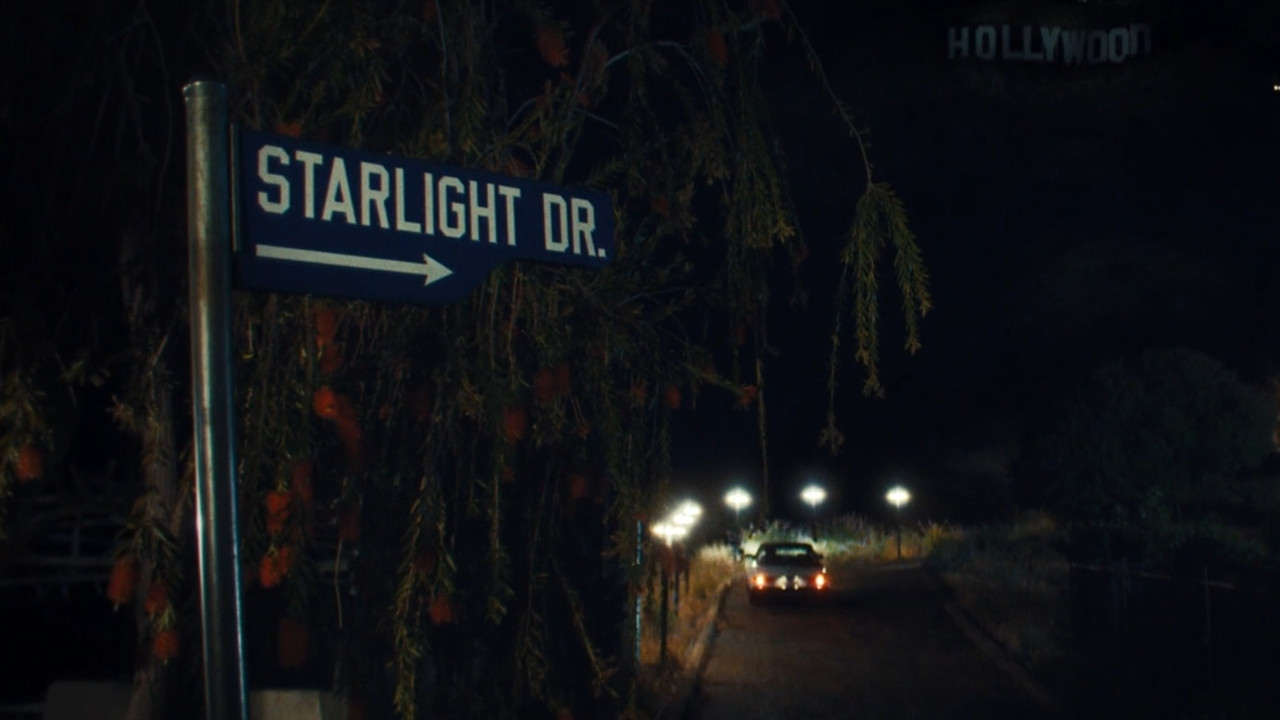
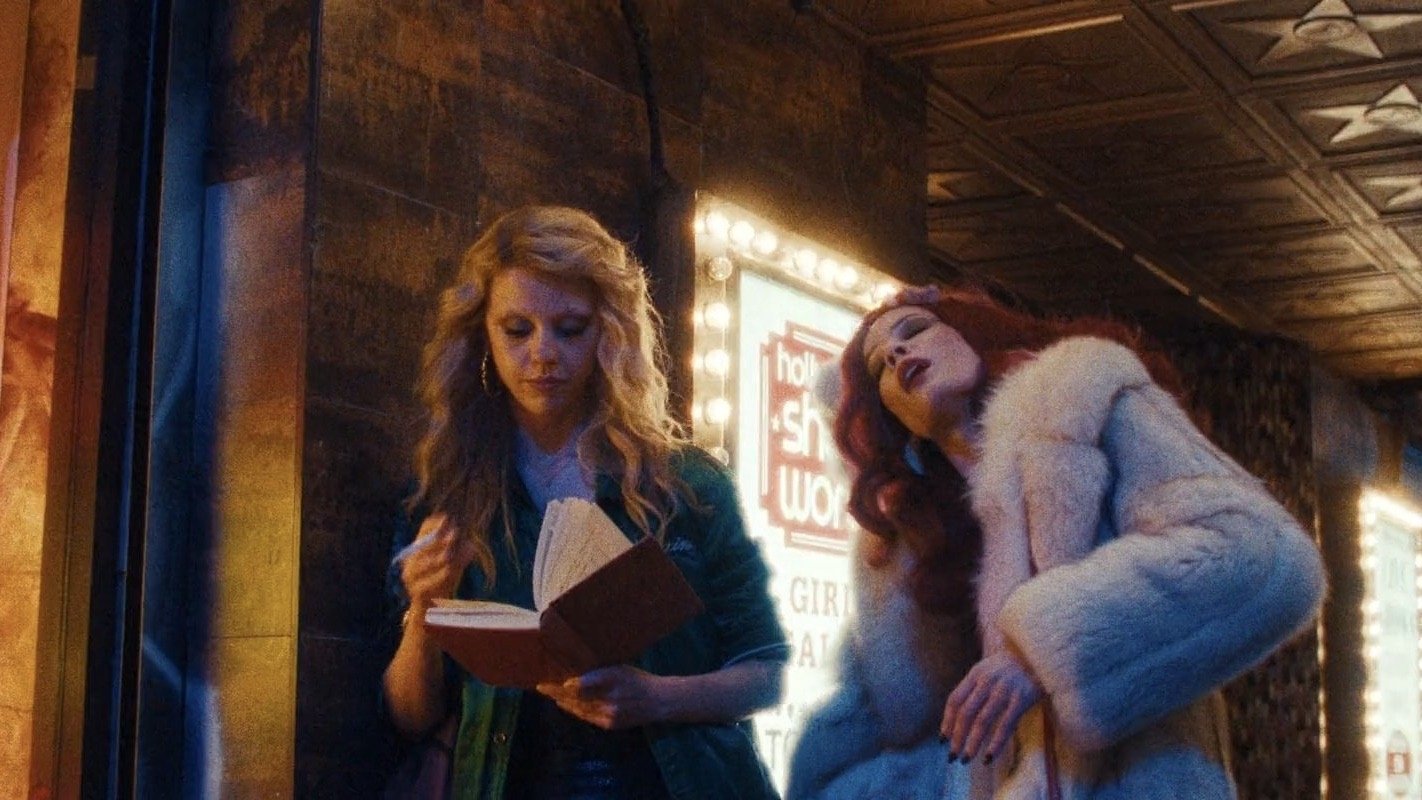
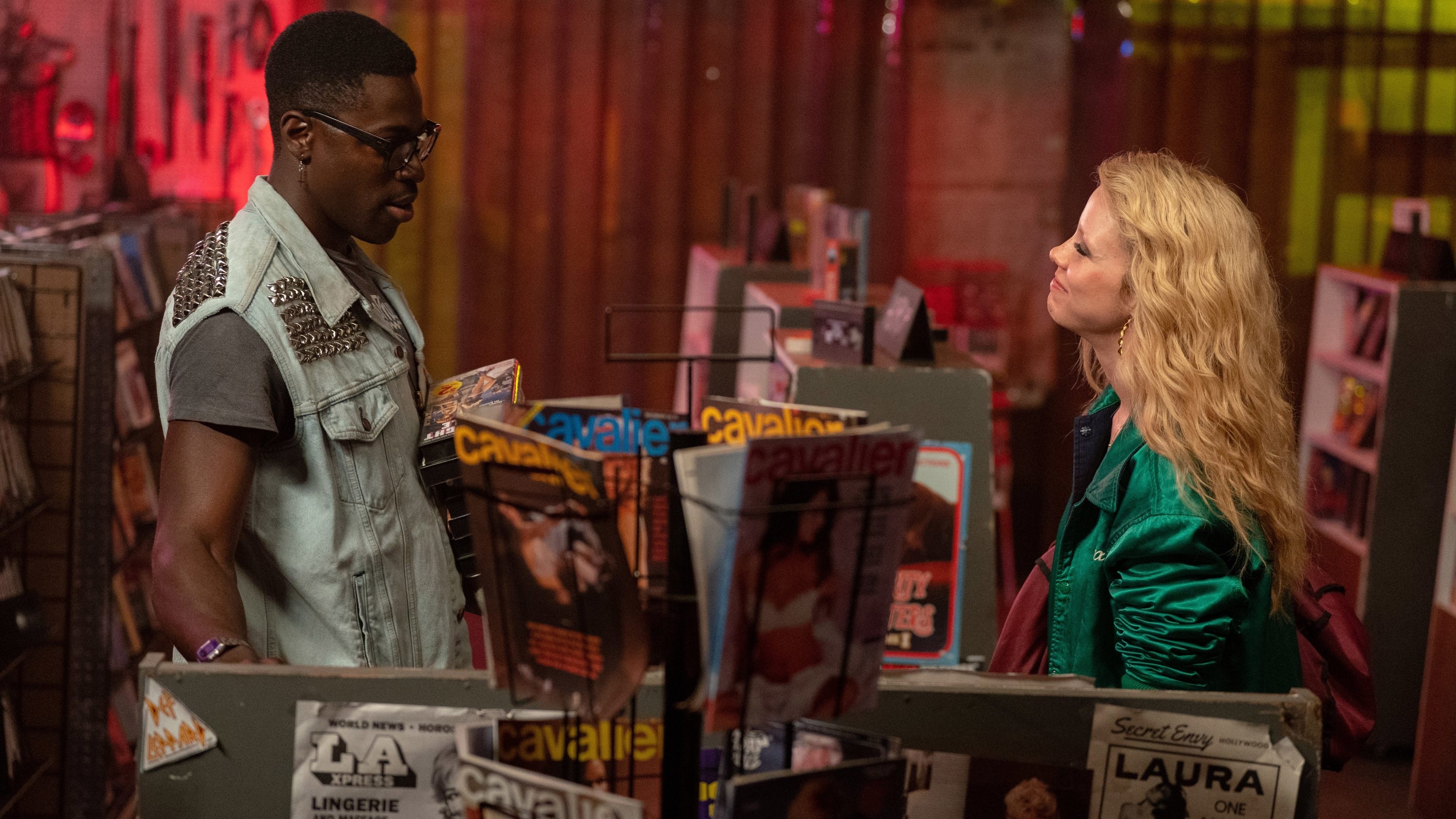
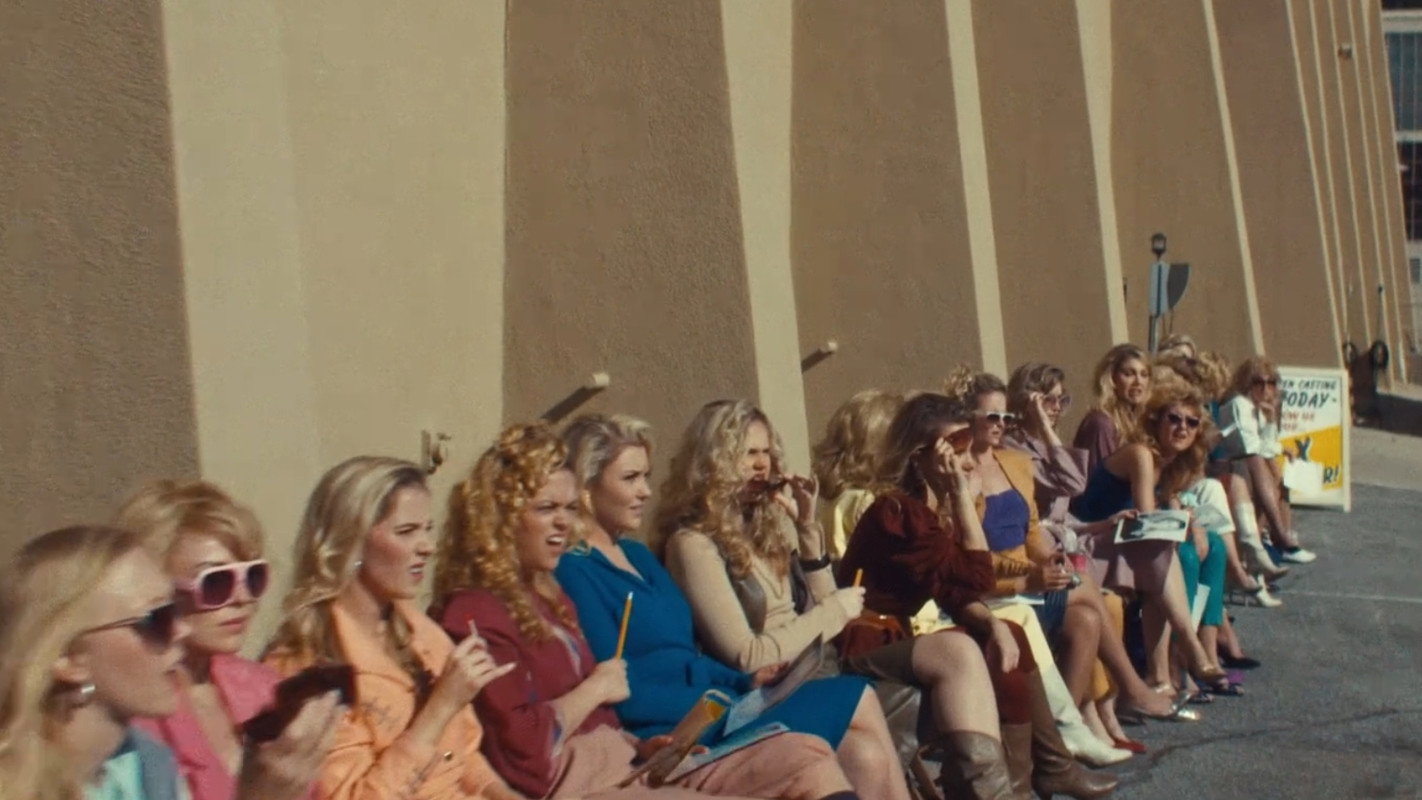
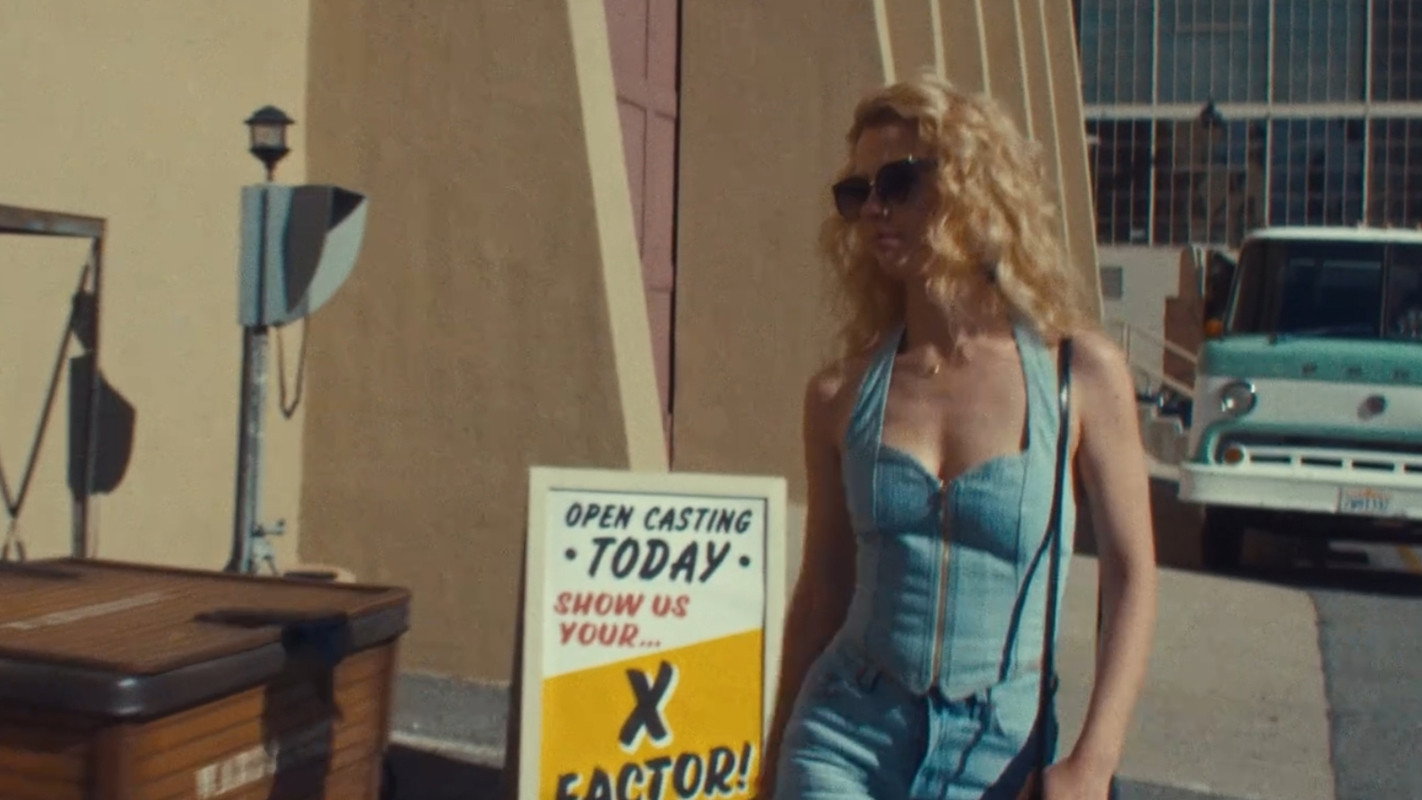
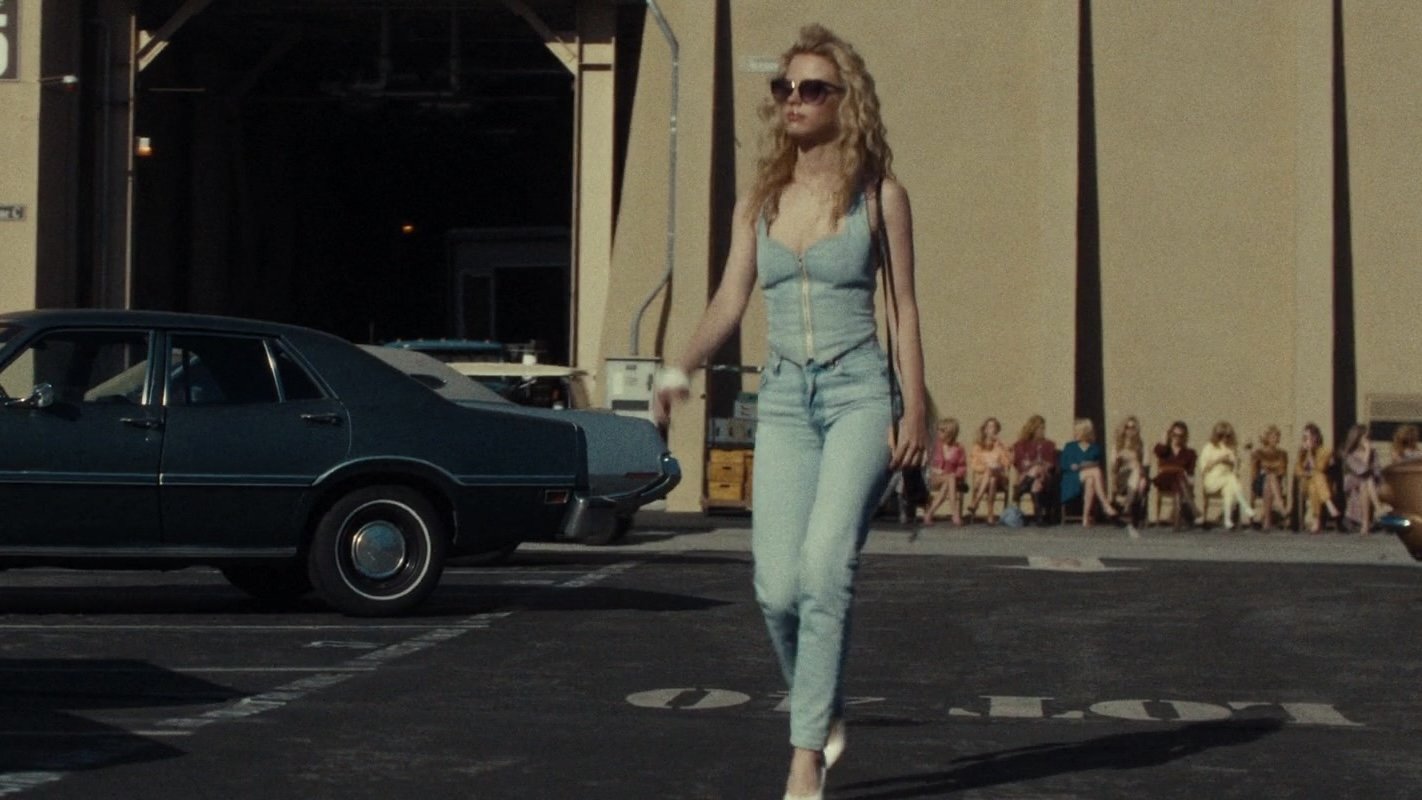
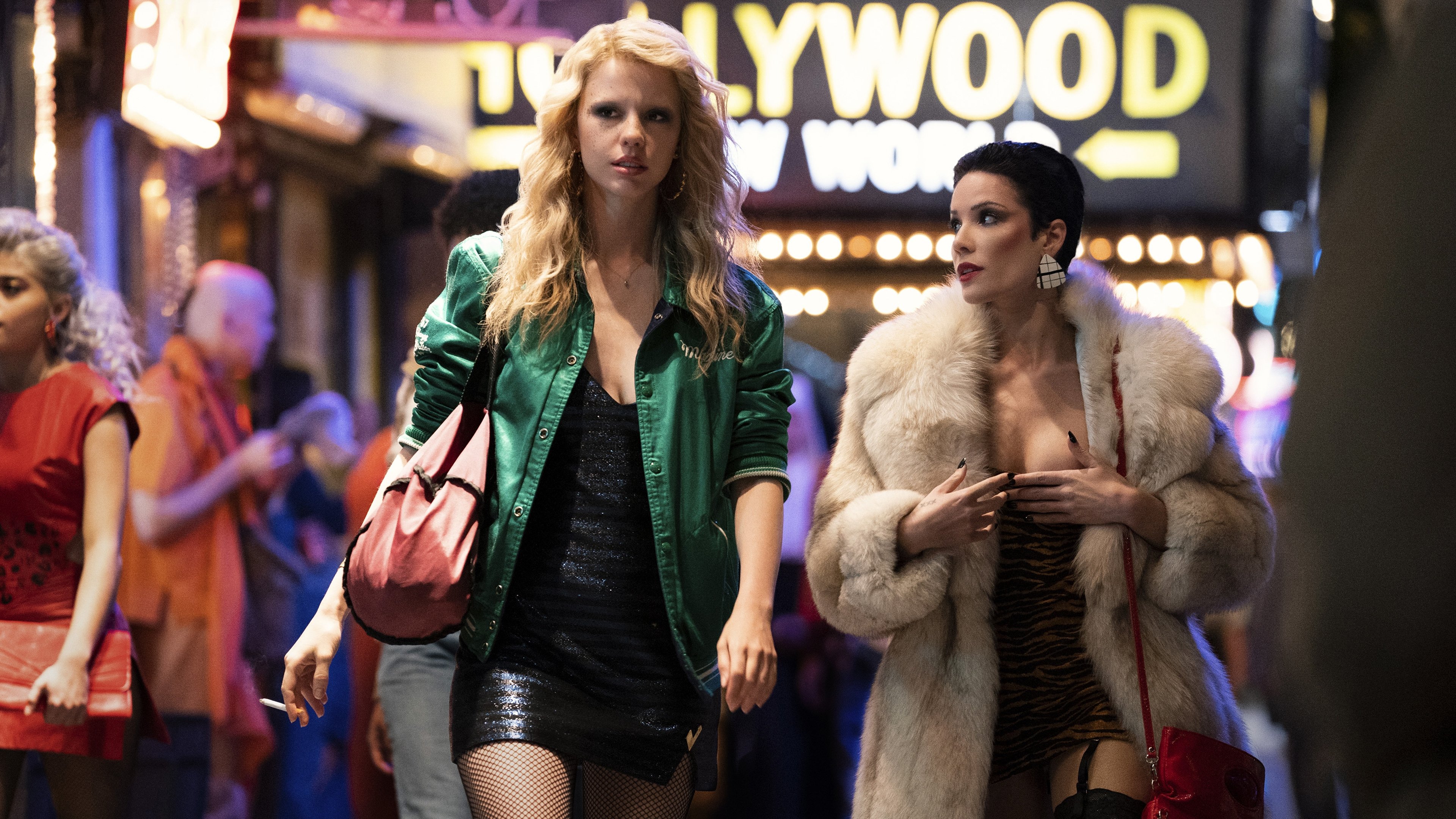
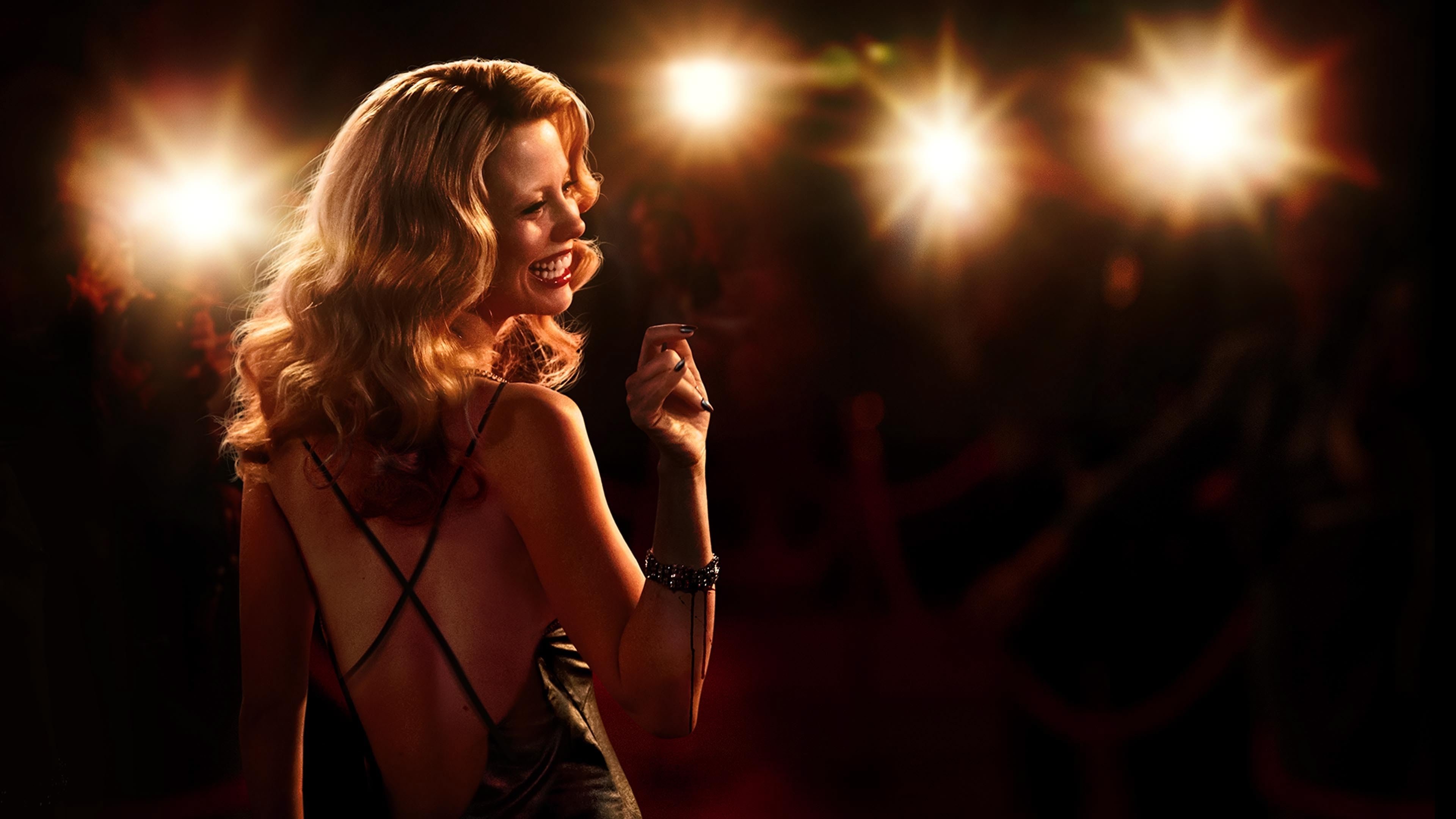
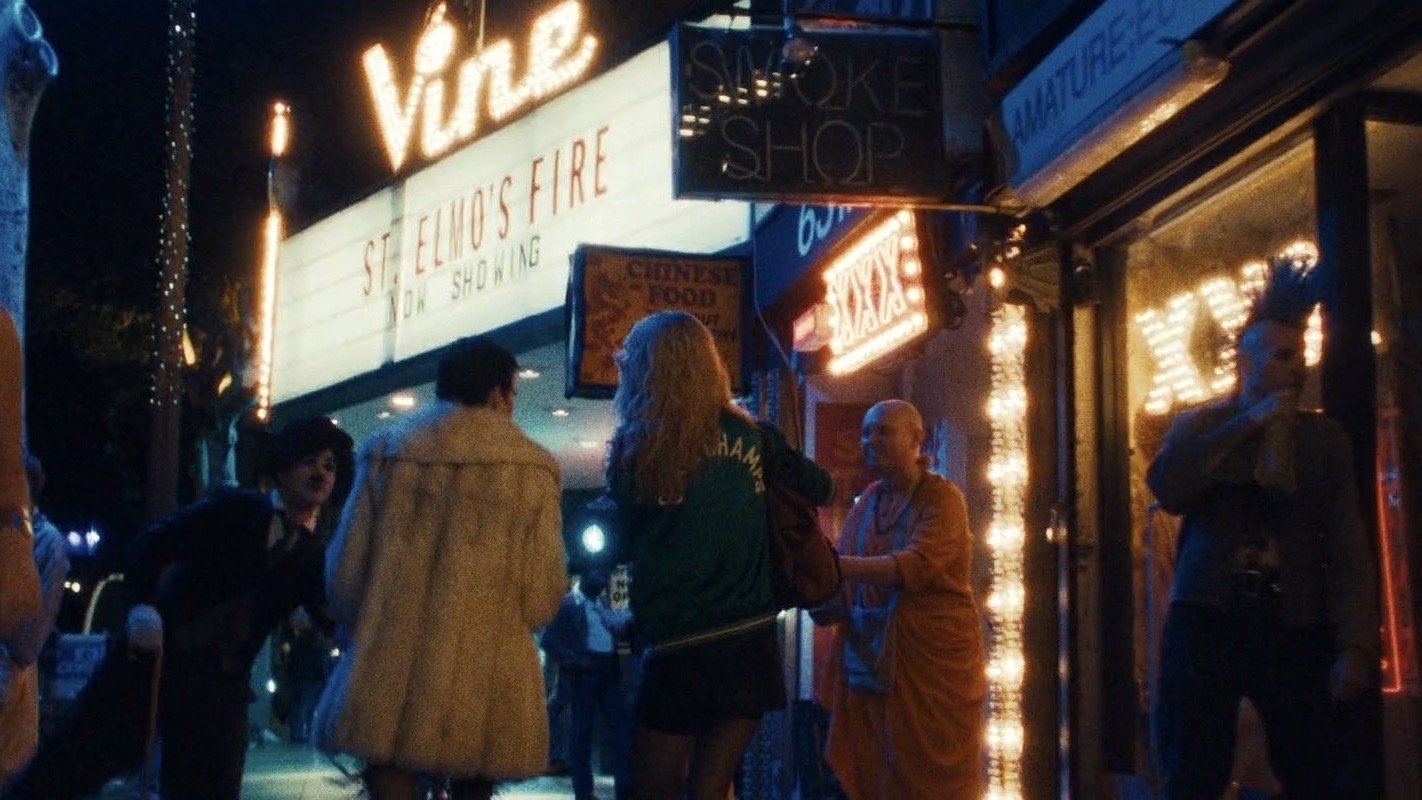
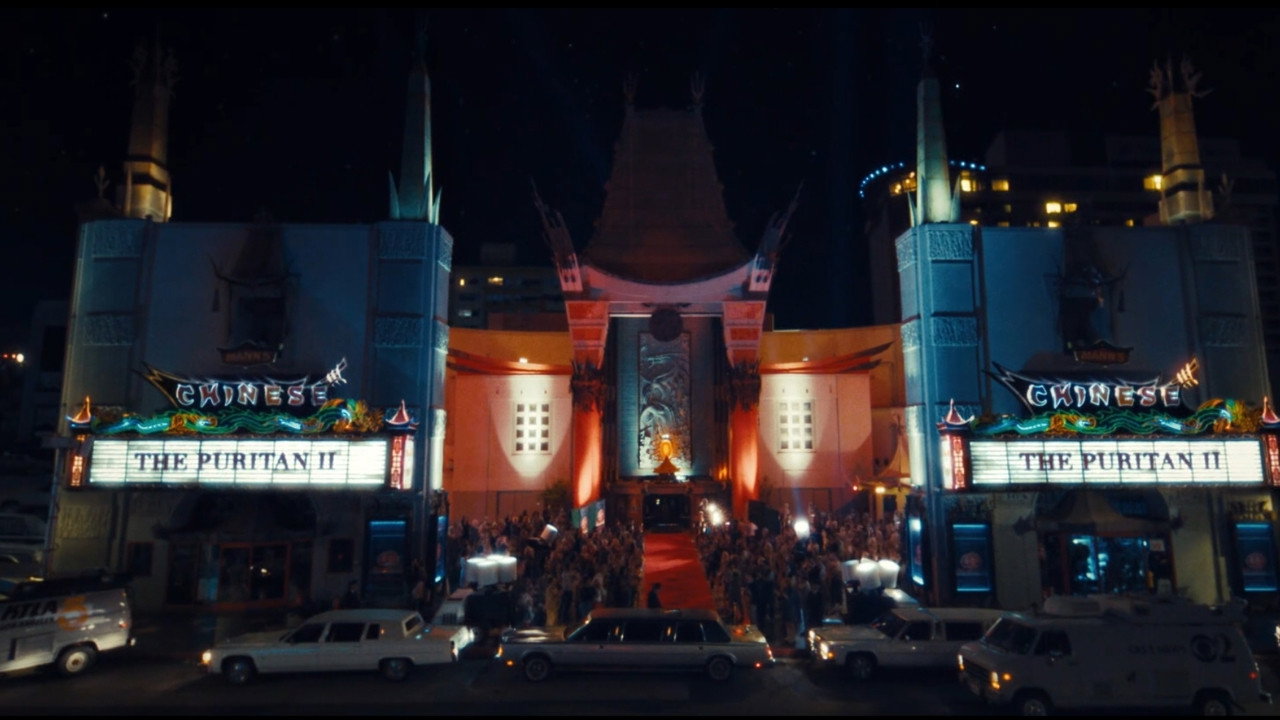
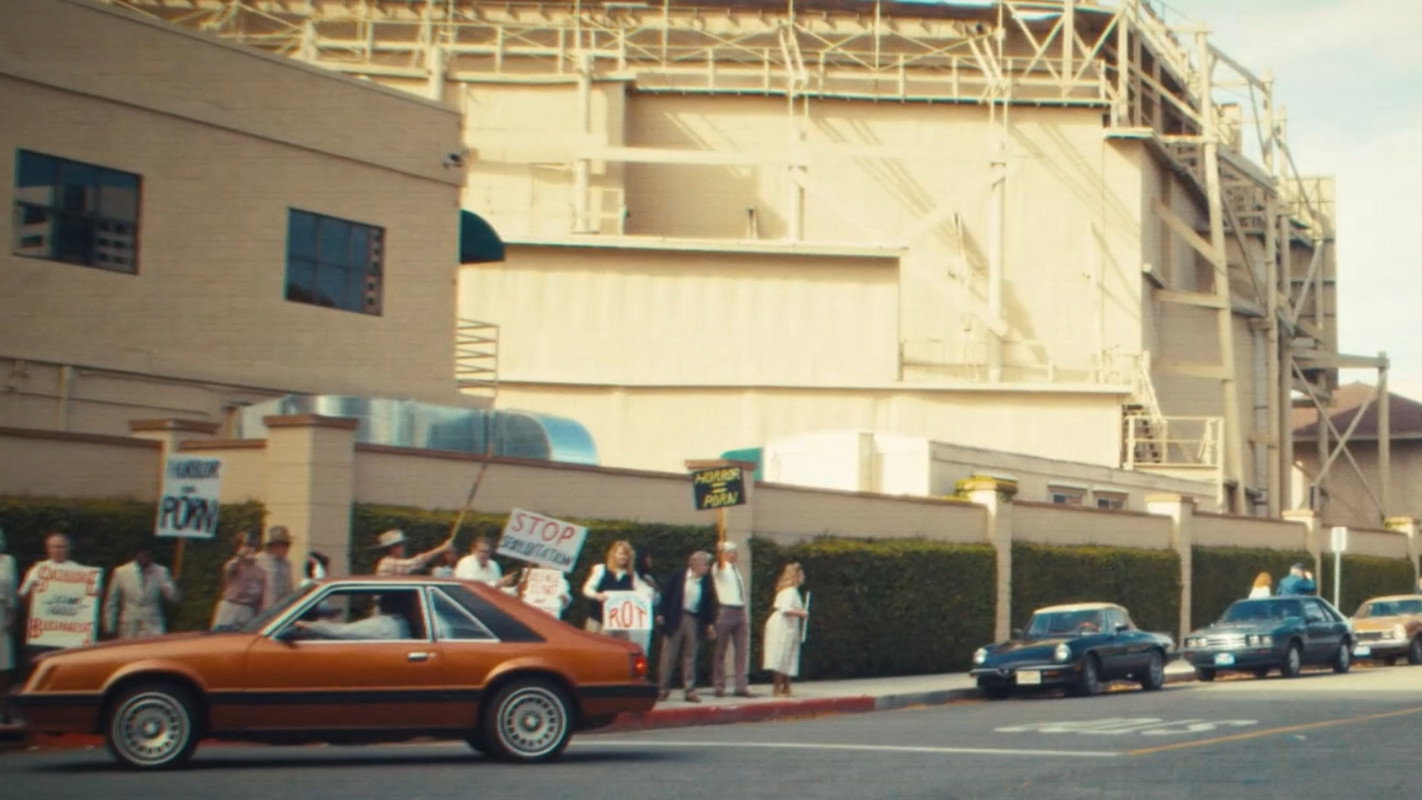
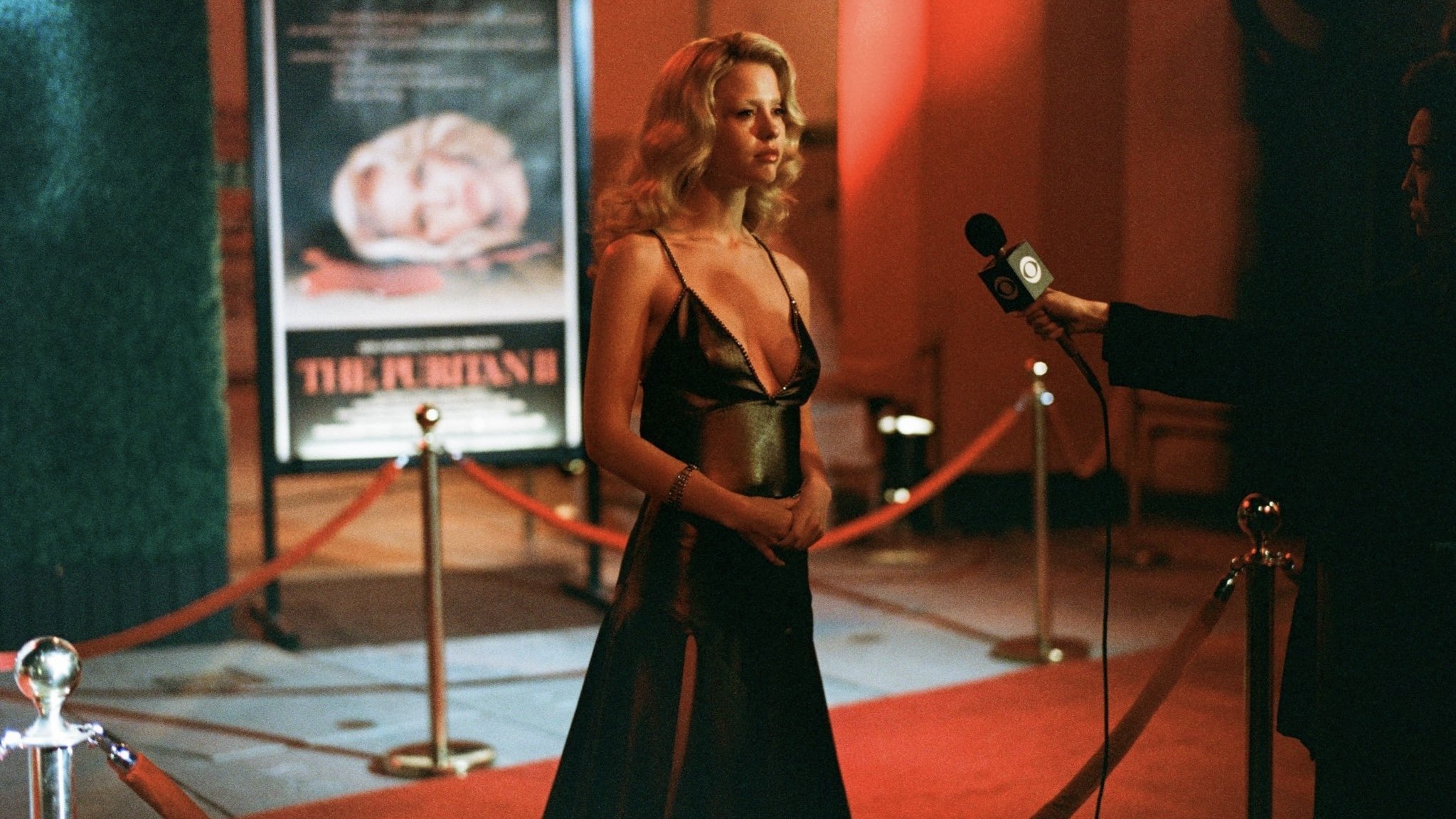
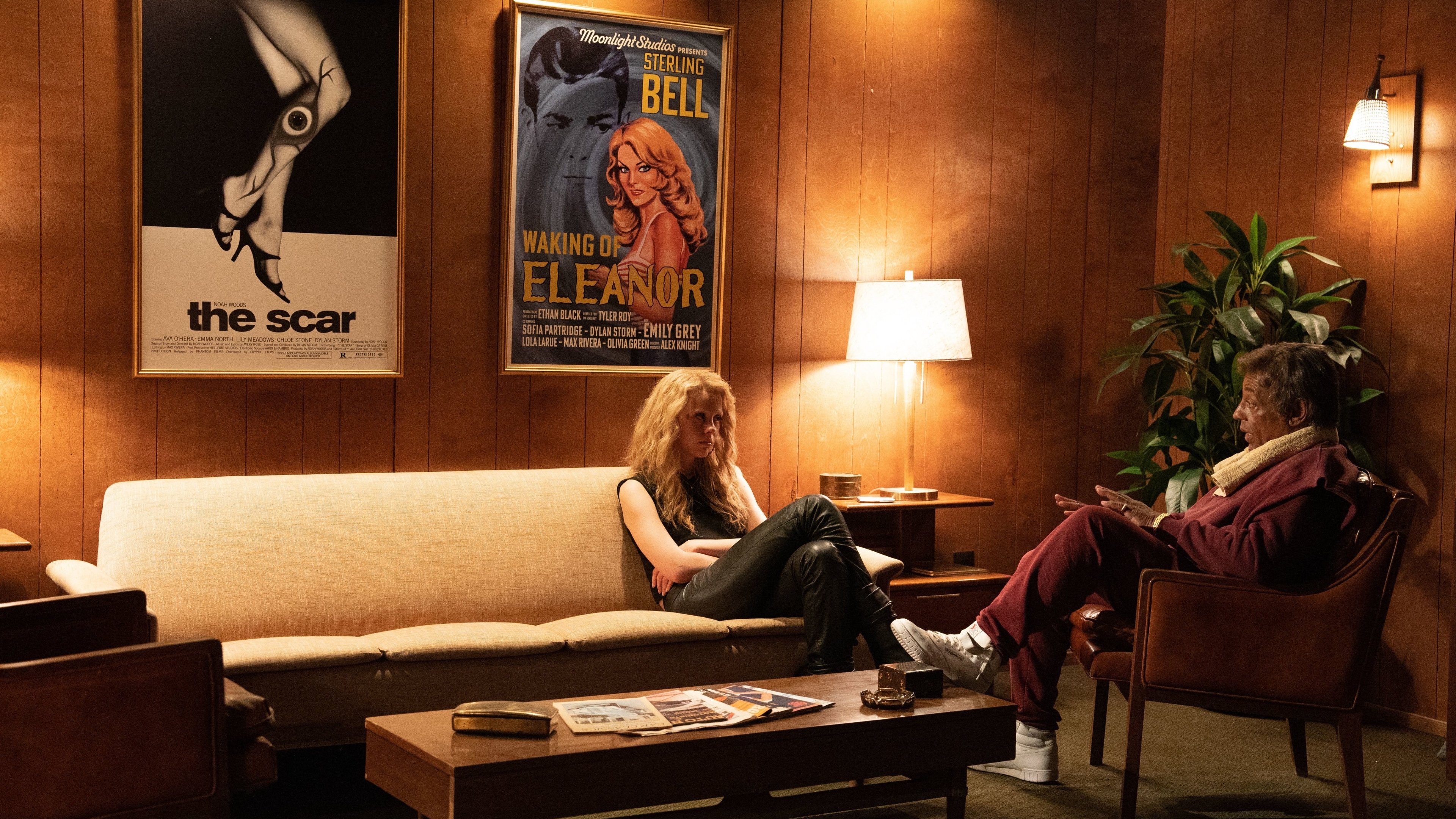
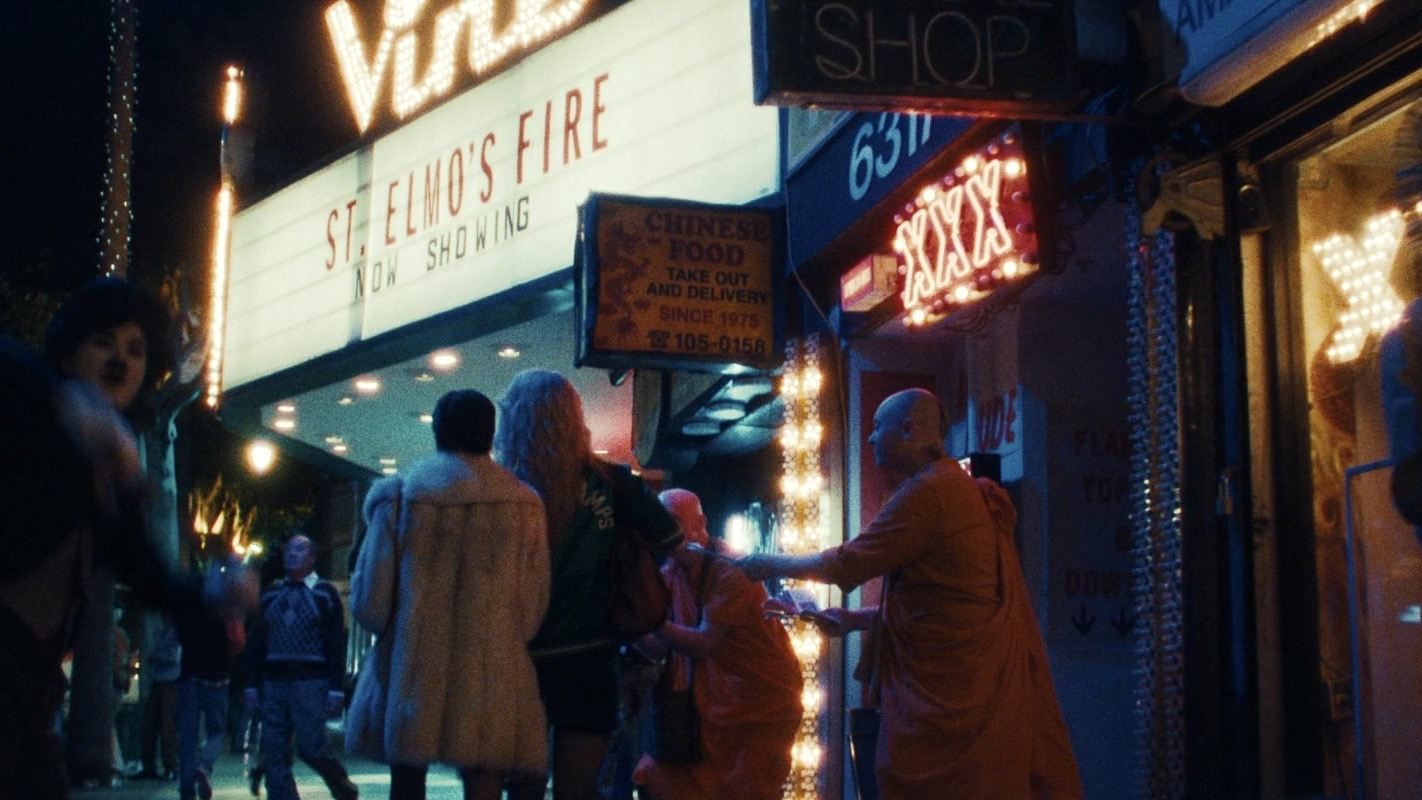
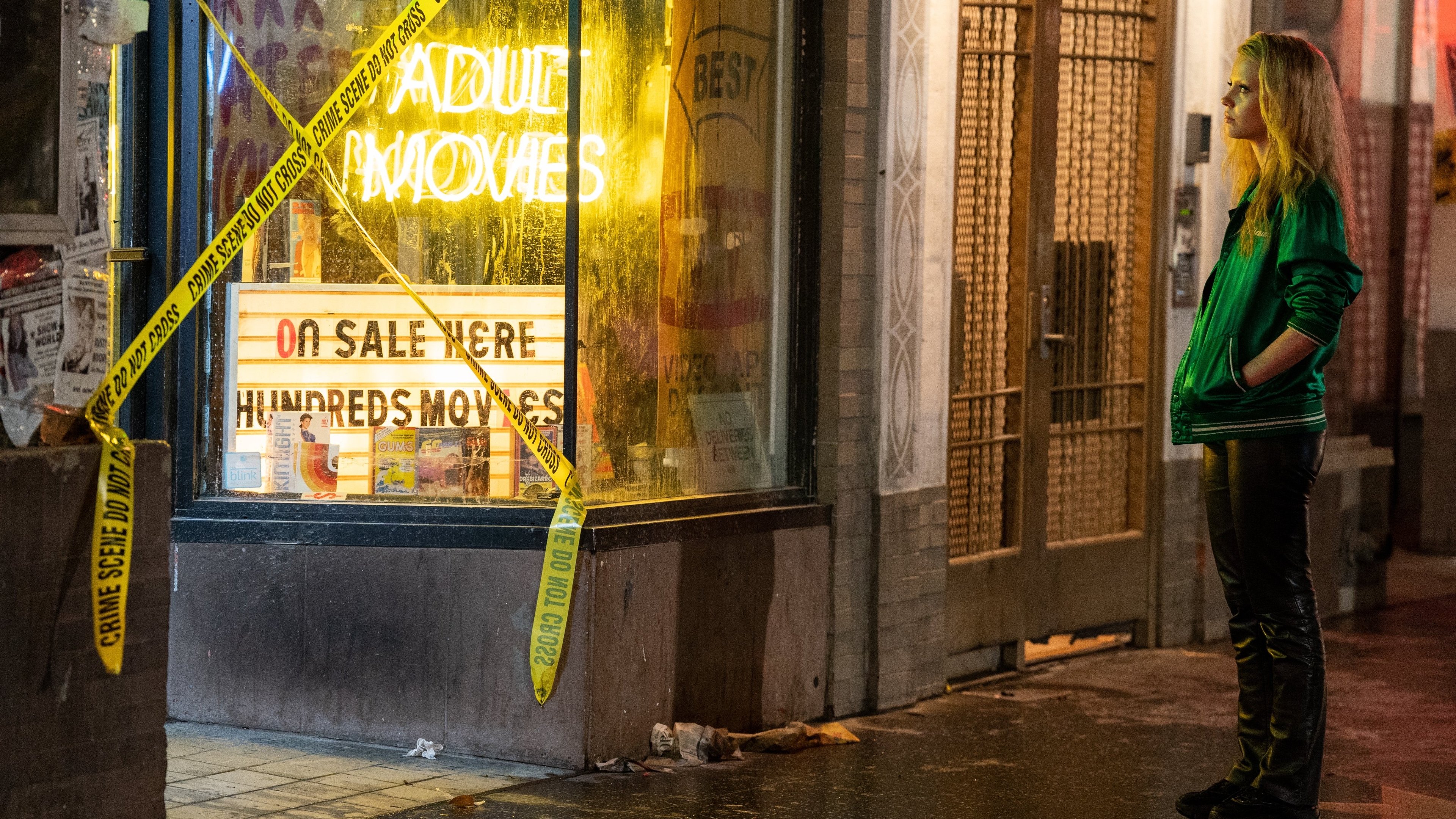
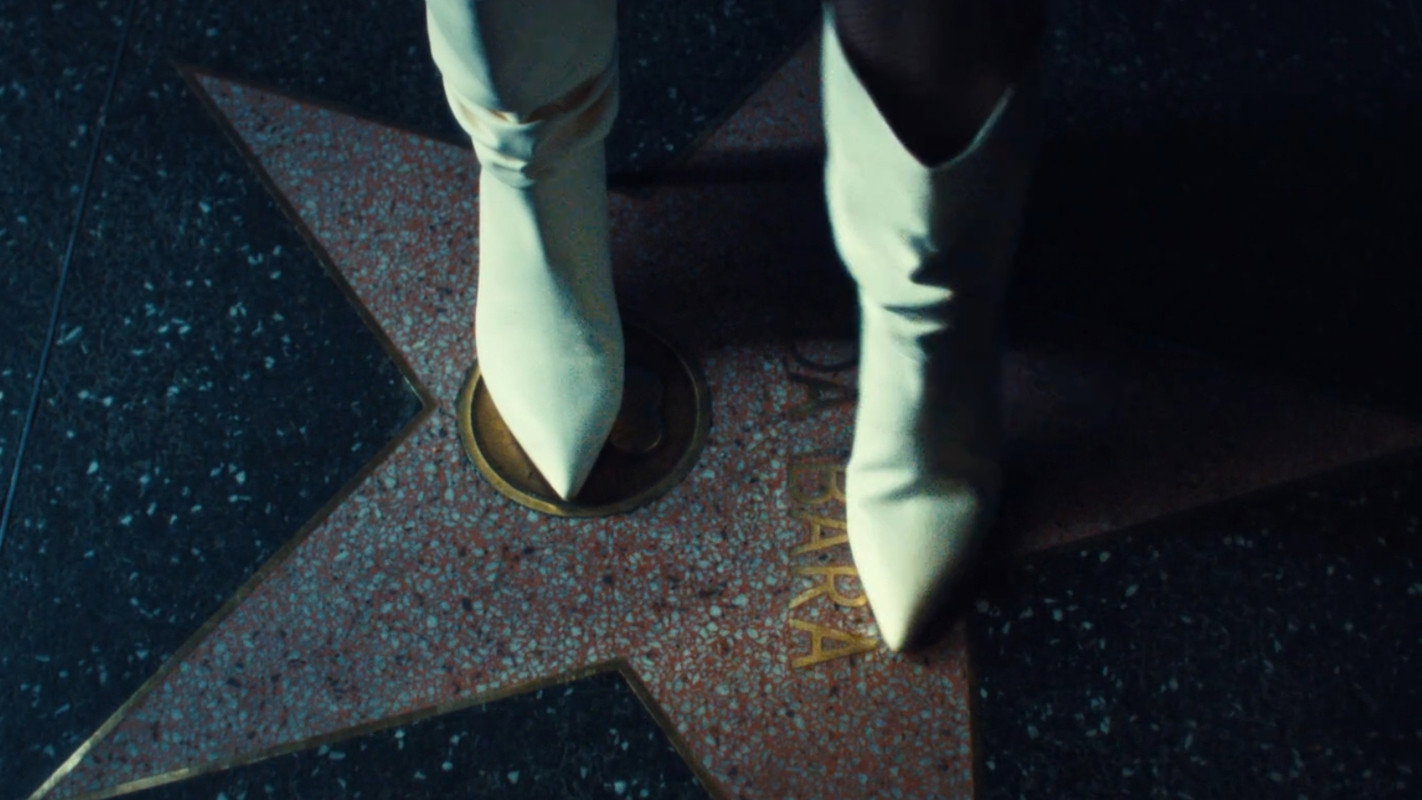
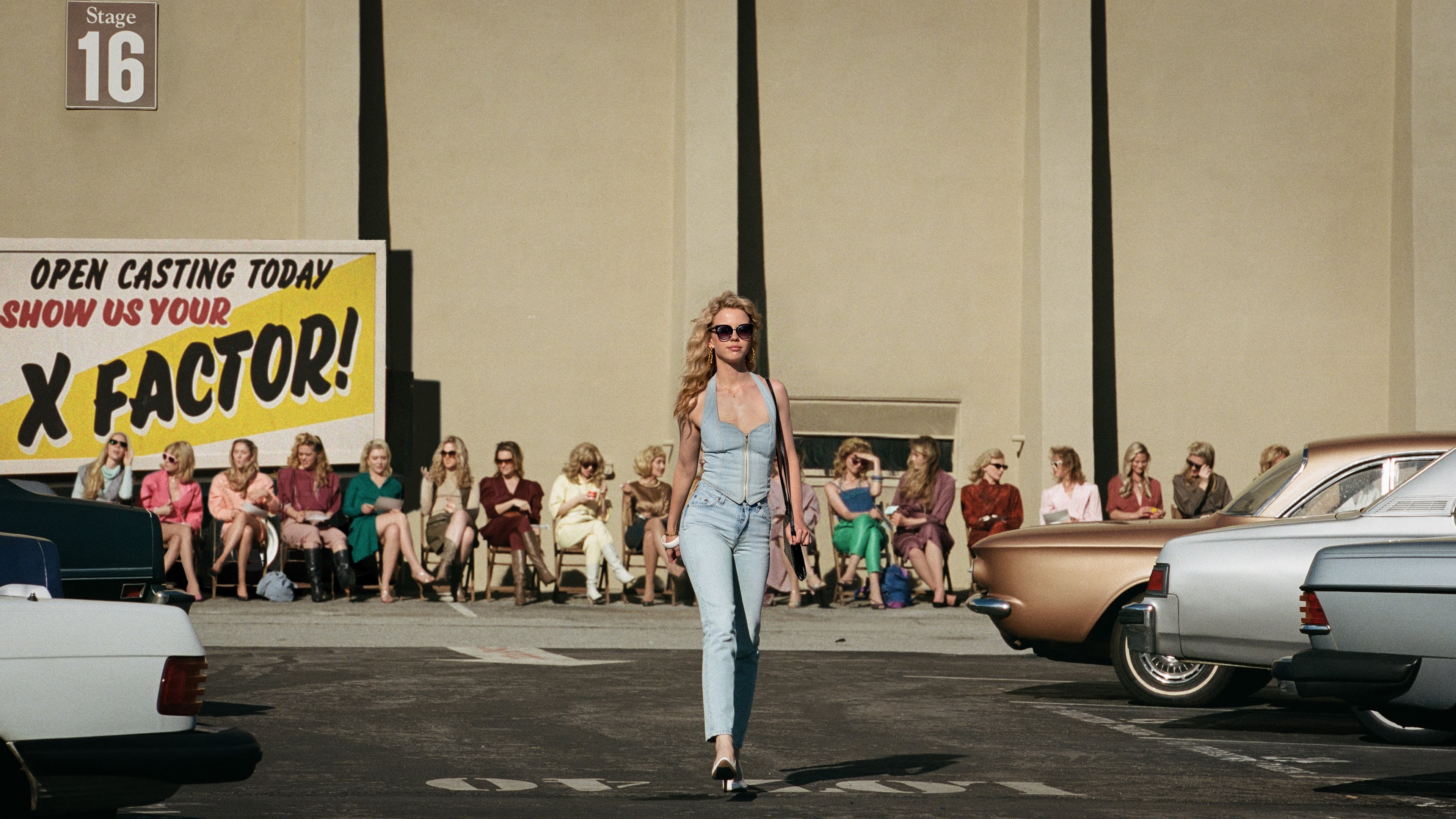
West delivers not just a great homage to '80s movies but also references the corrupt and immoral side of Hollywood. It highlights its dark side with such an old meta approach and doesn't completely demonize it either. The X trilogy at its core has always been about the film industry of horror and the people who make them, and MaXXXine really digs into that. MaXXXine's story of jumping from porn into Hollywood really reflects the cultural move movies had from the '70s to the '80s—from indie films to big-budget, gigantic ones—as movies started to get more and more important and Hollywood studios started to return.
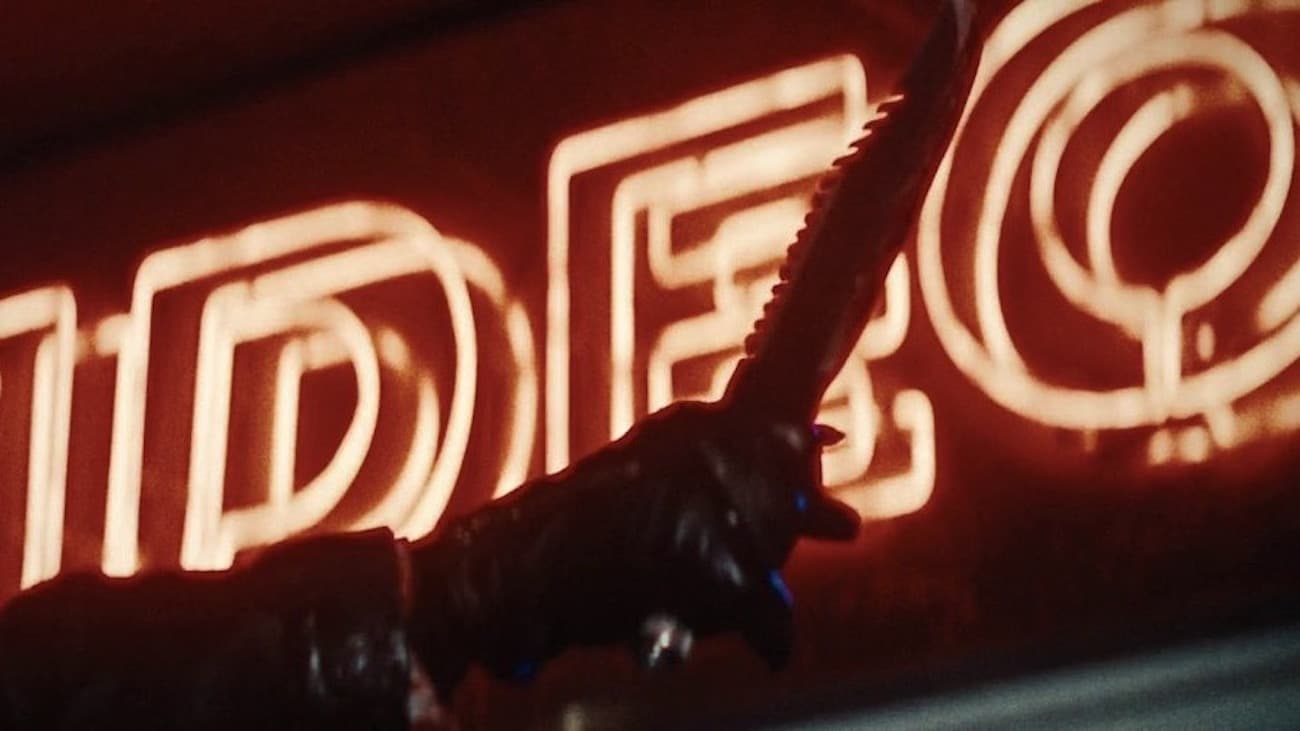
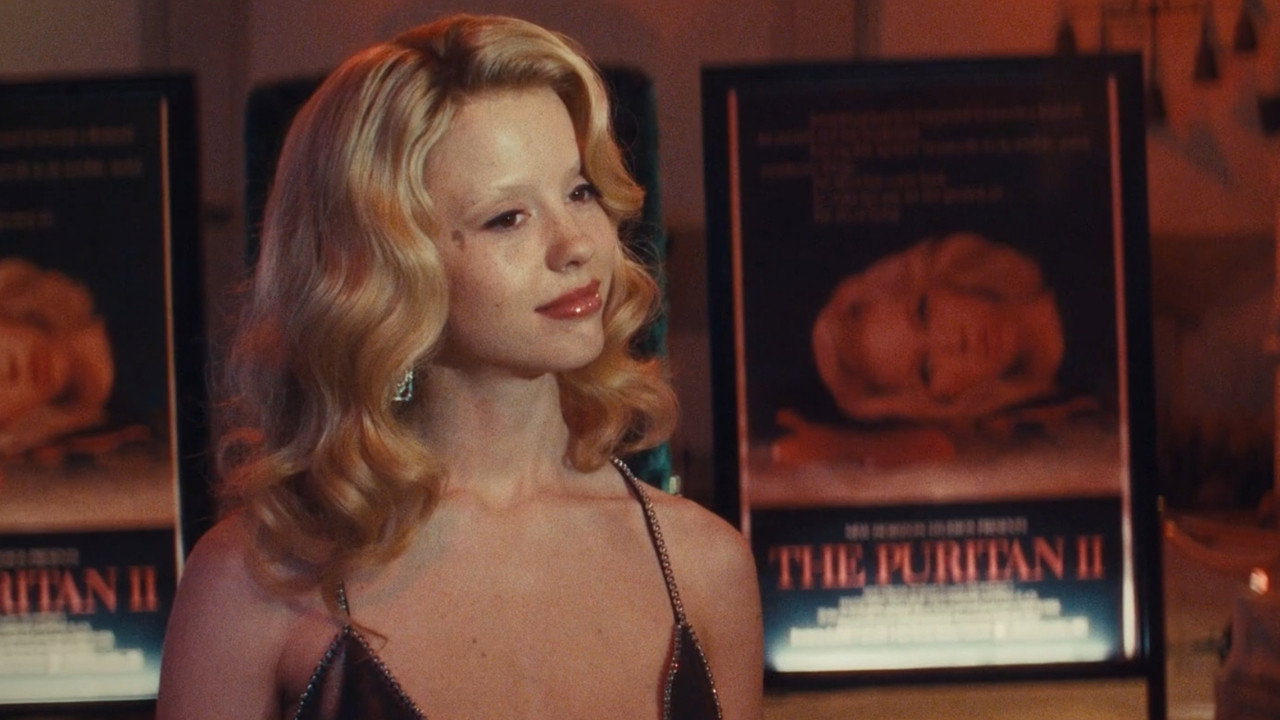
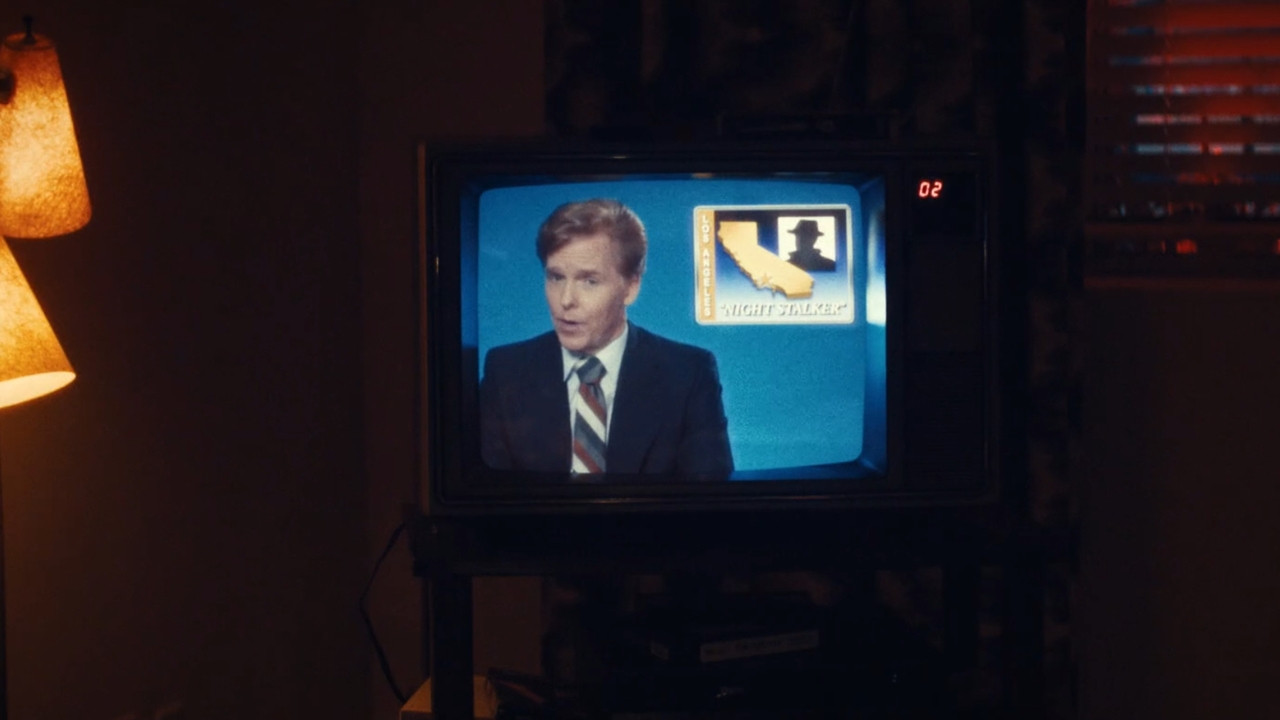
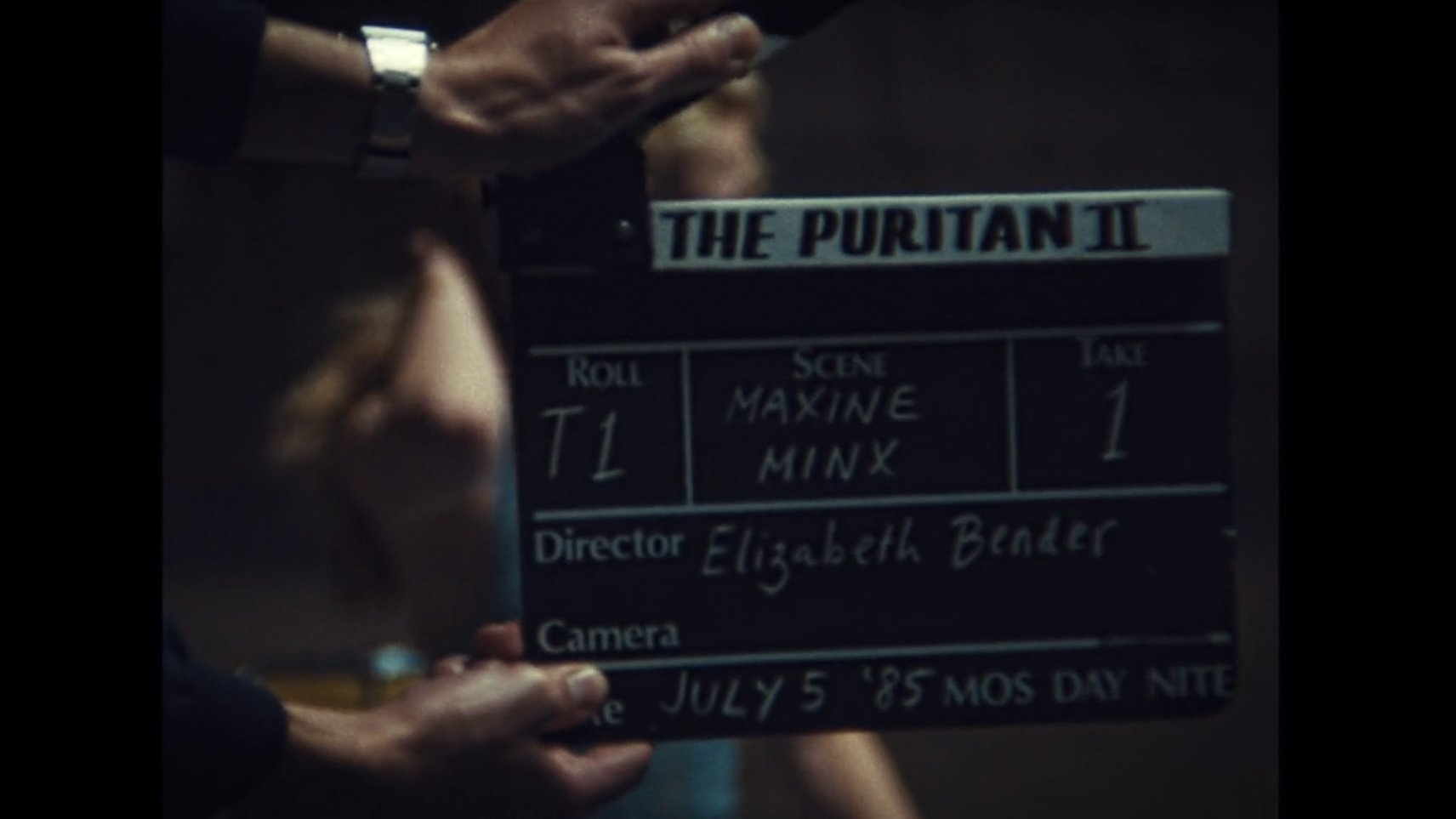
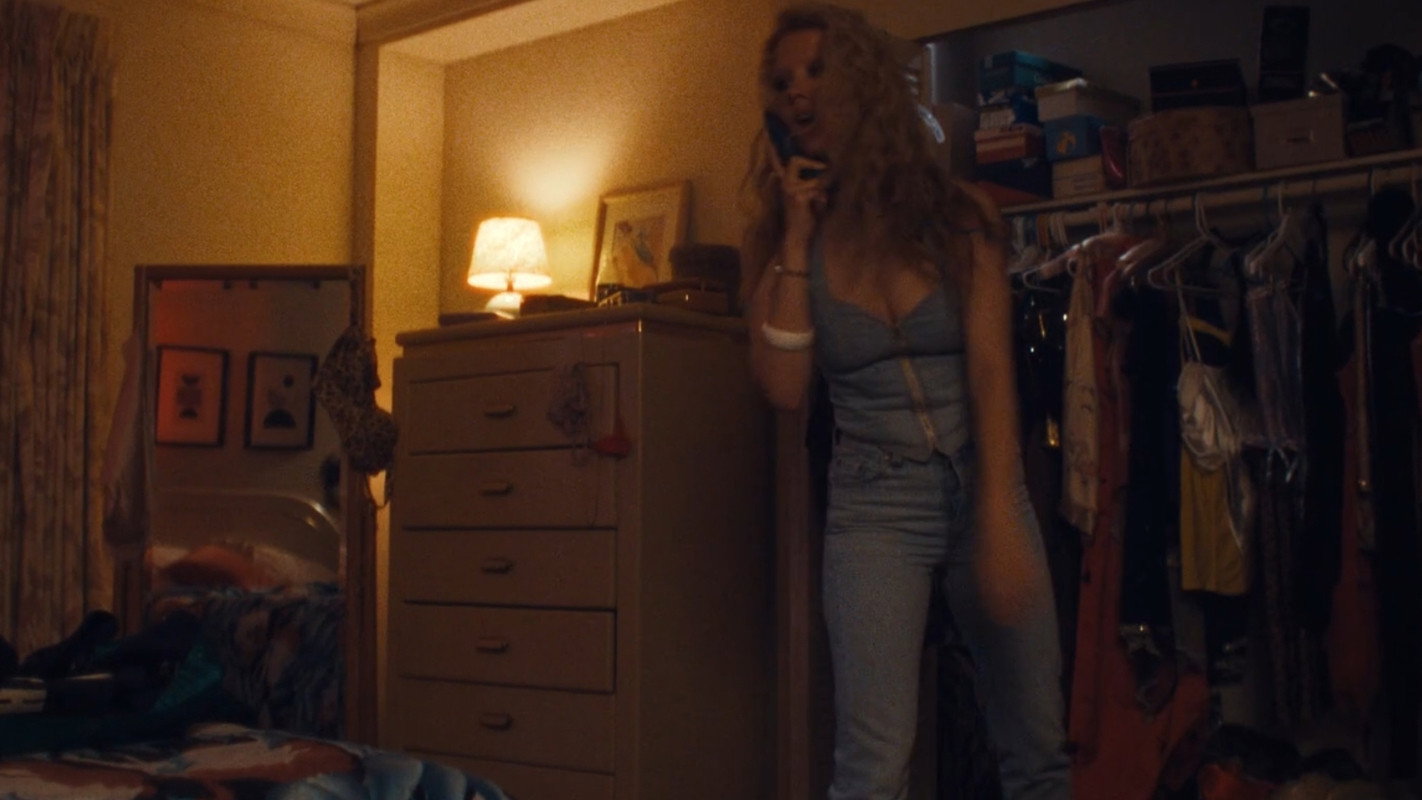
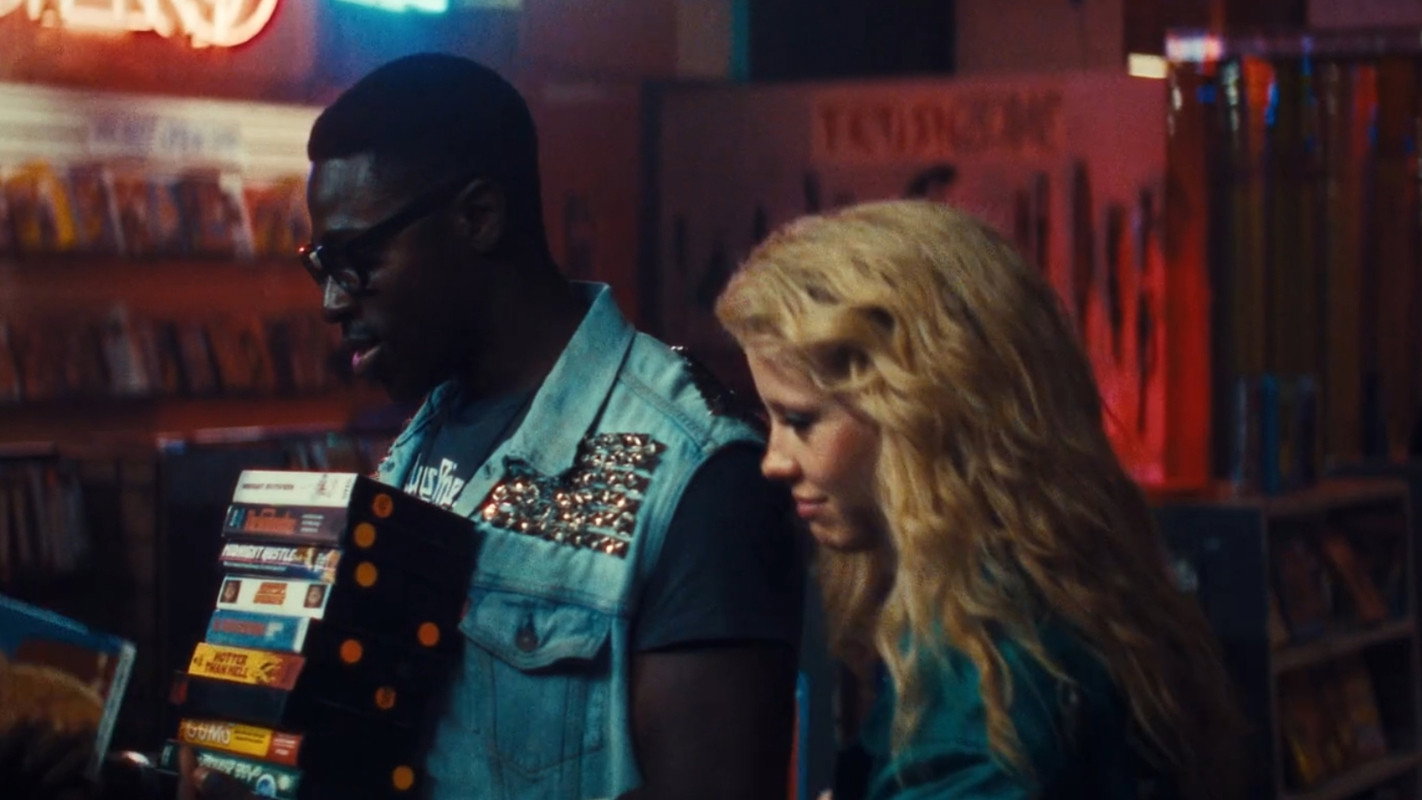
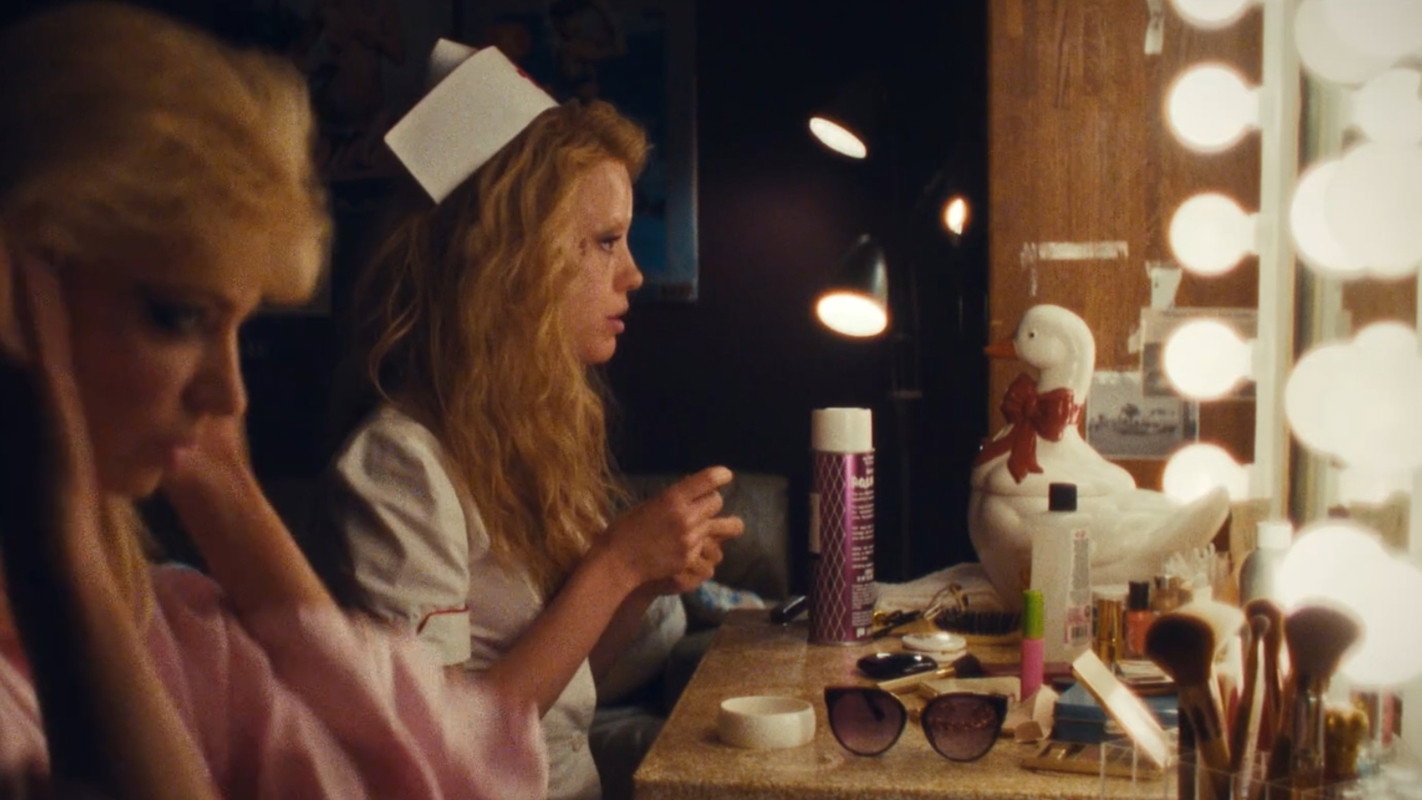
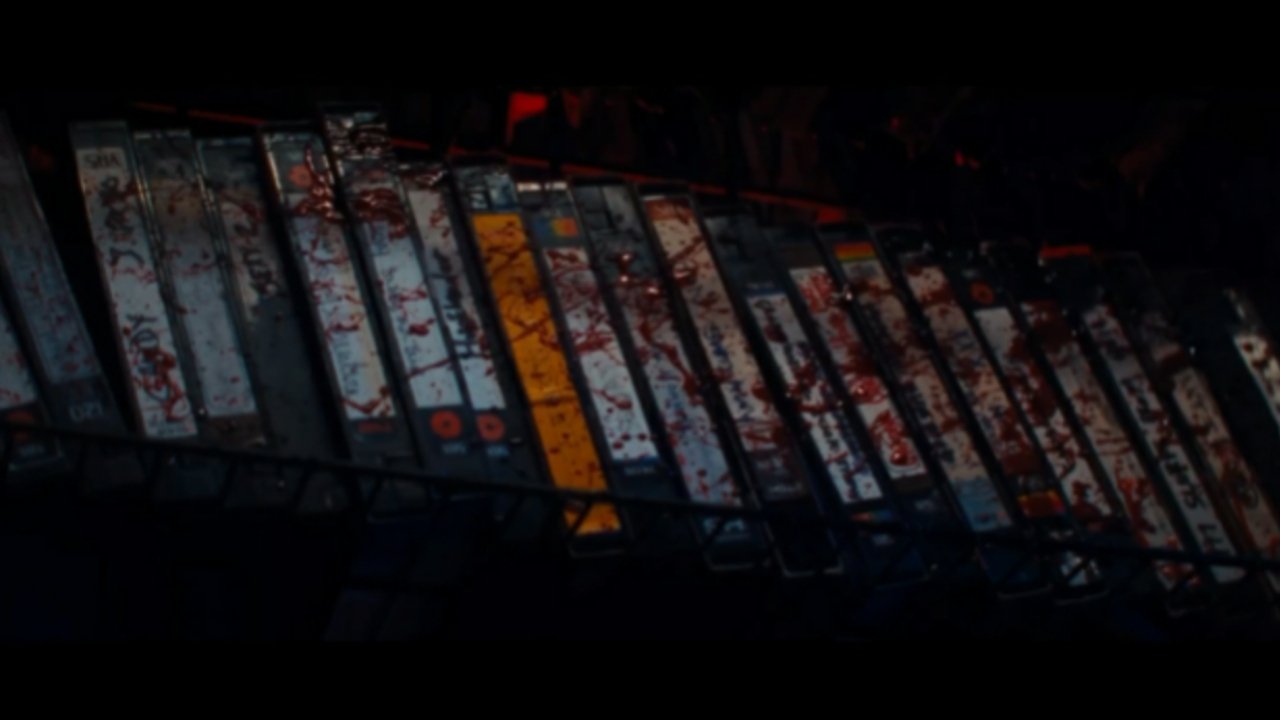
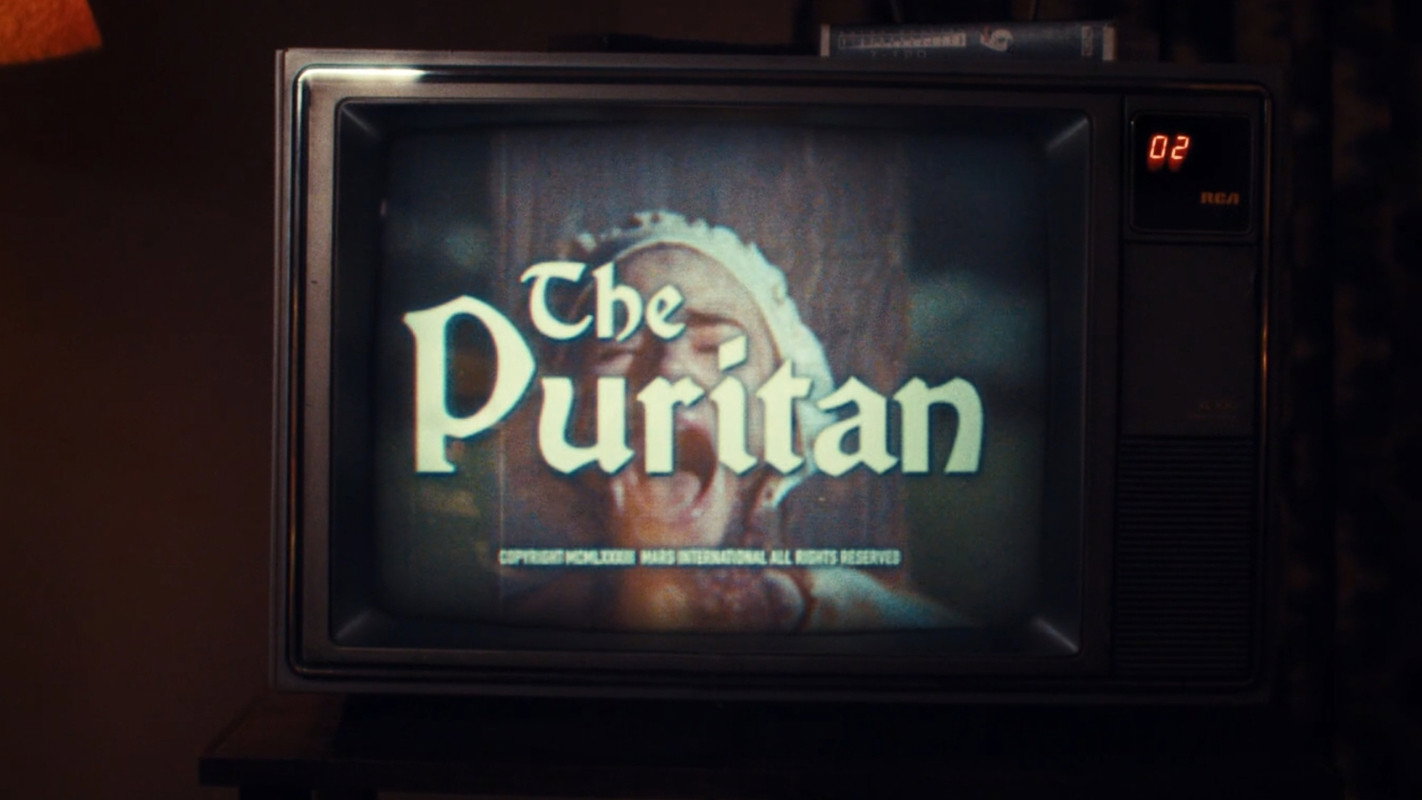
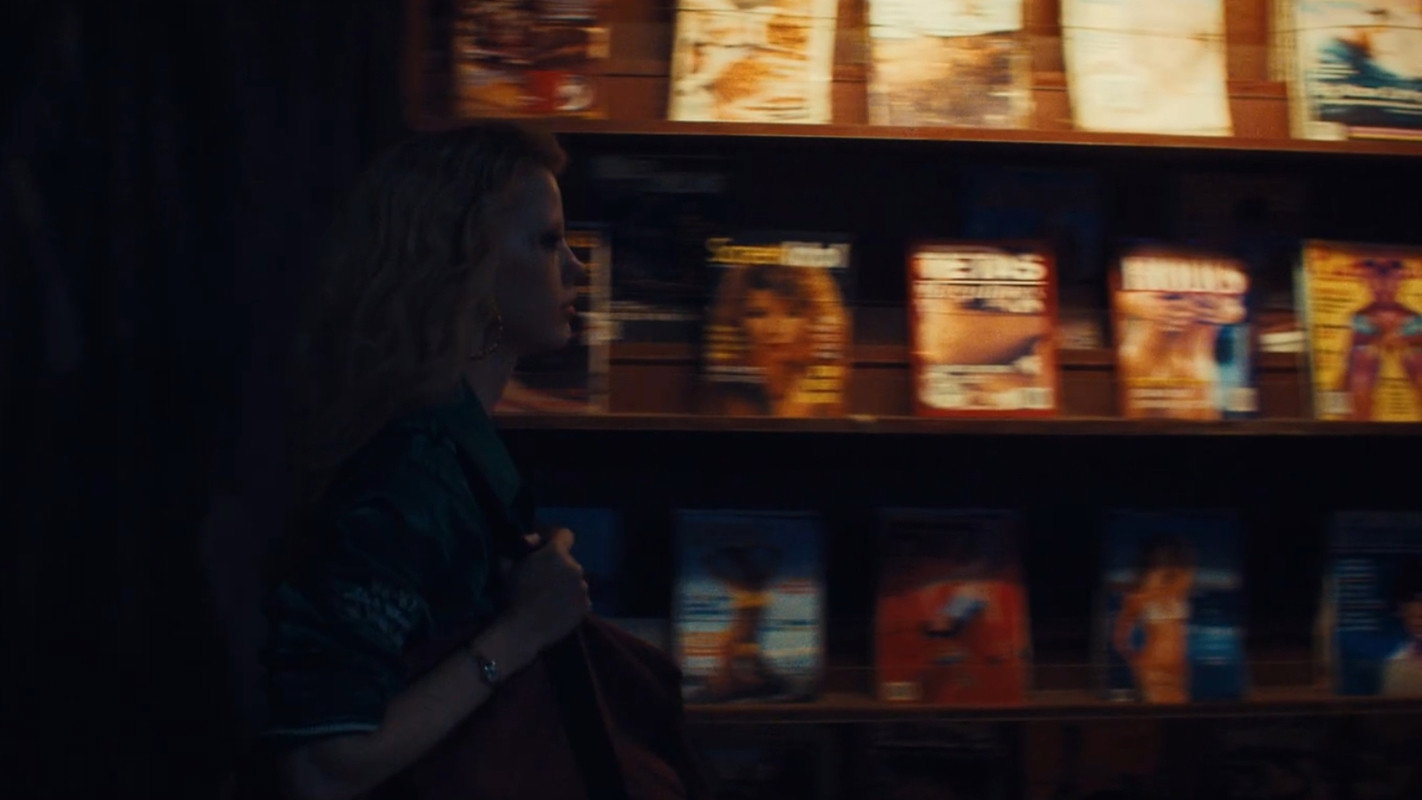
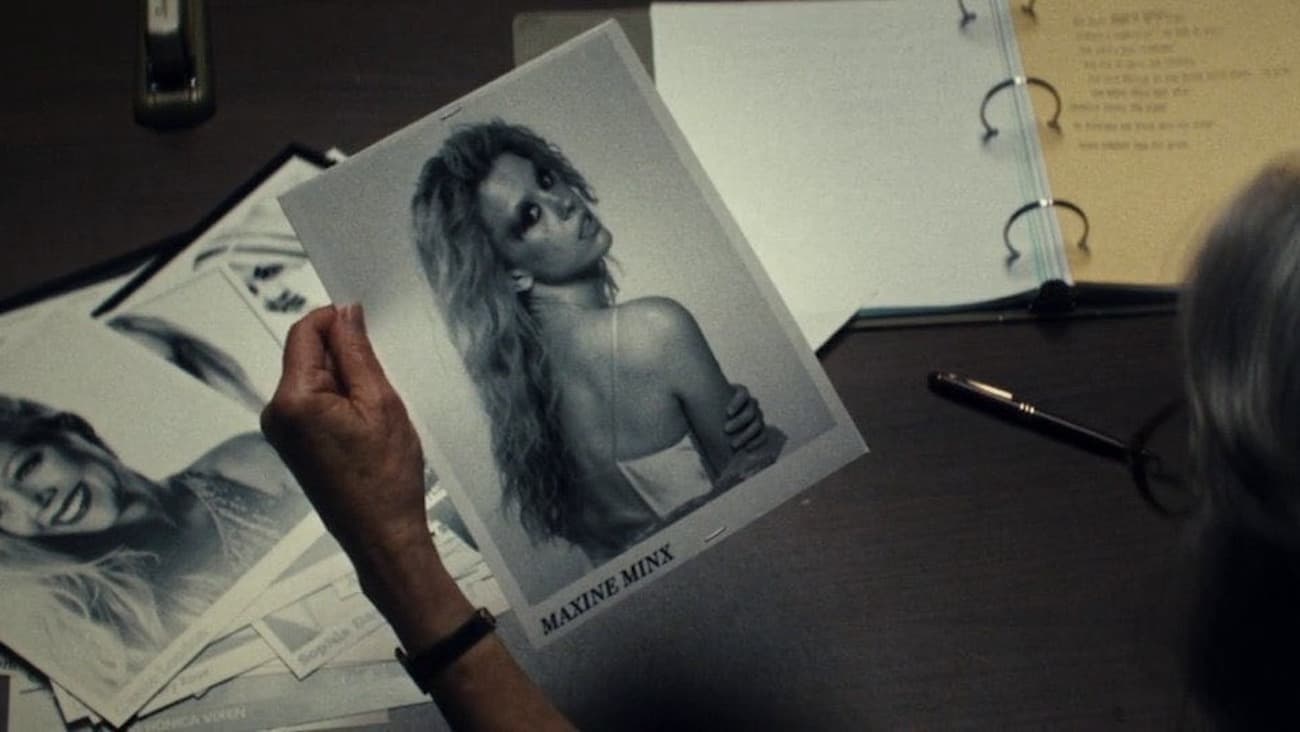
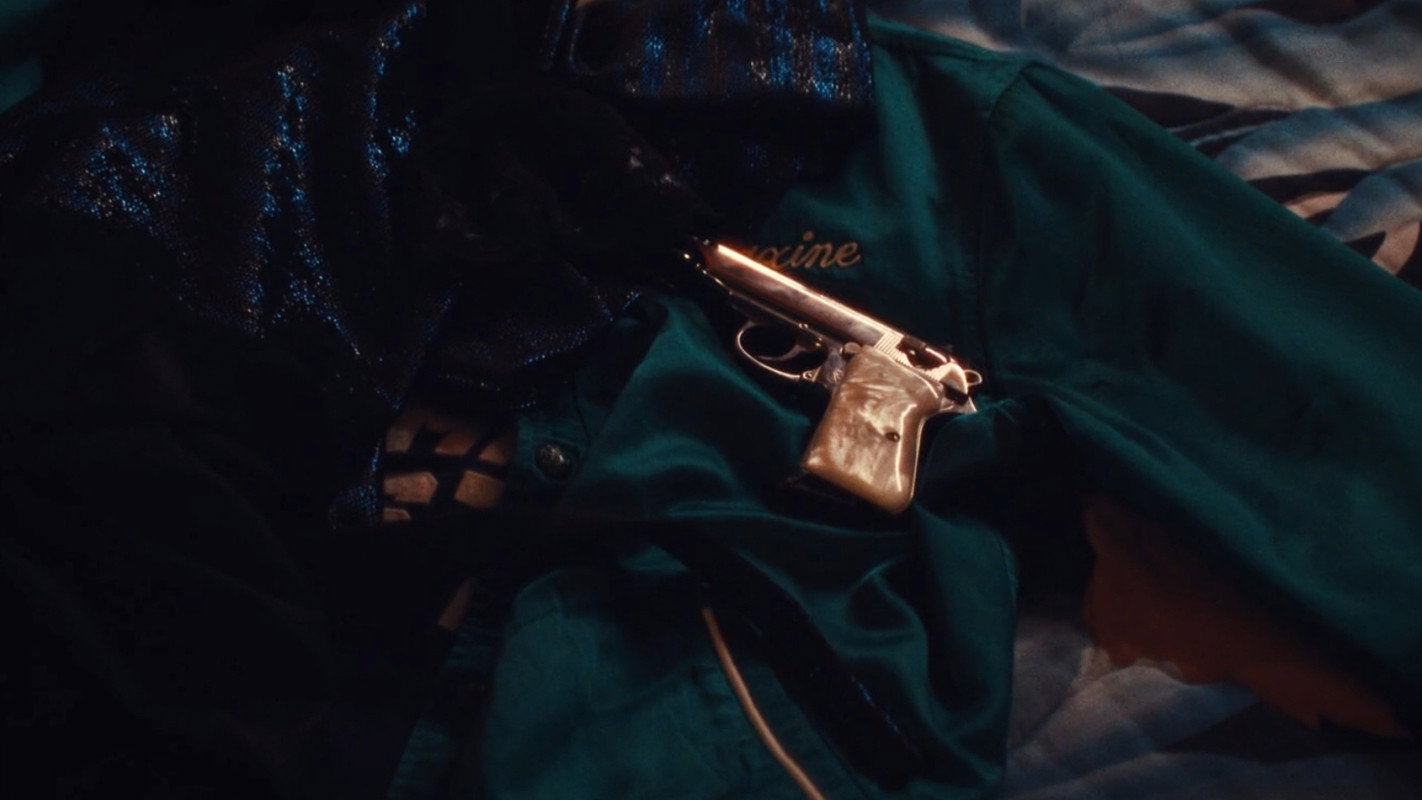
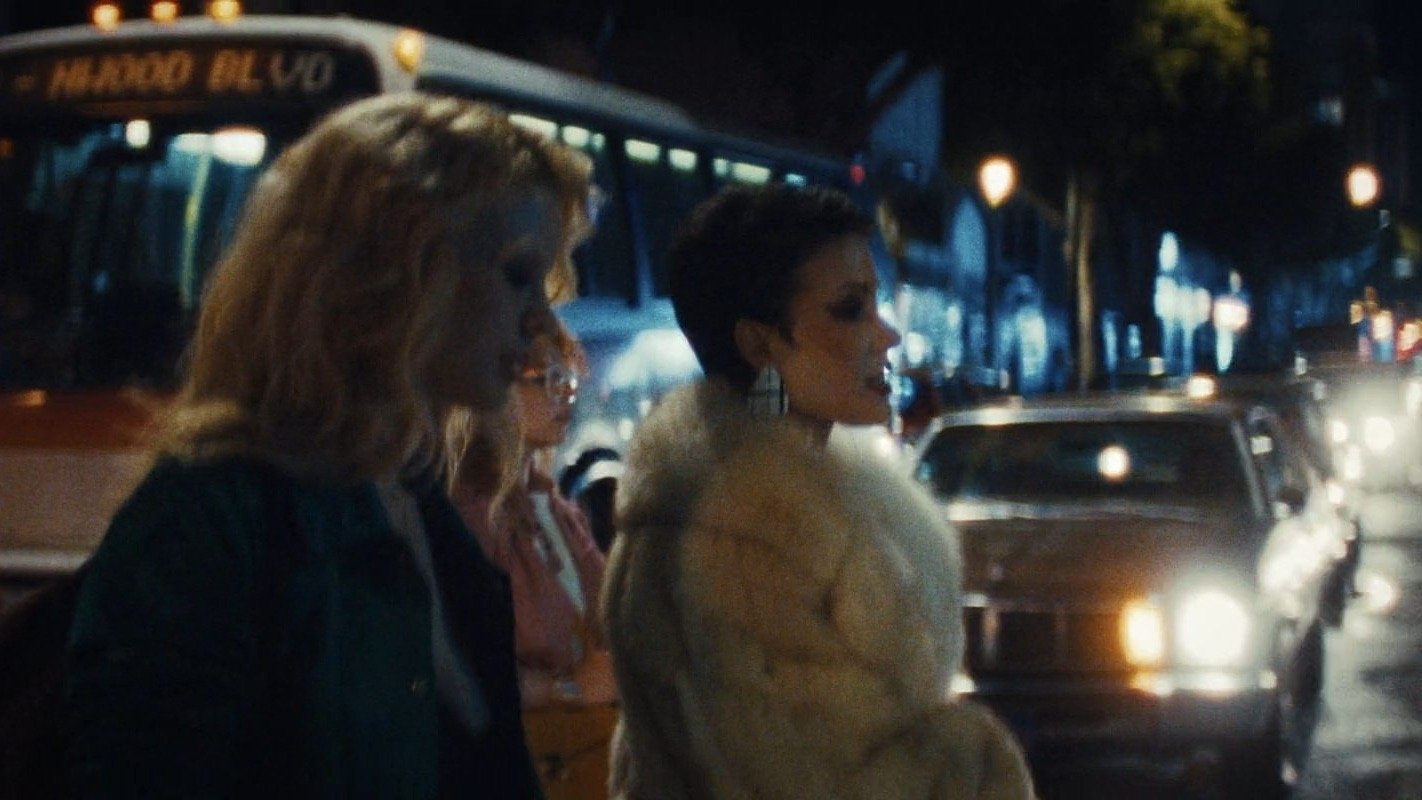
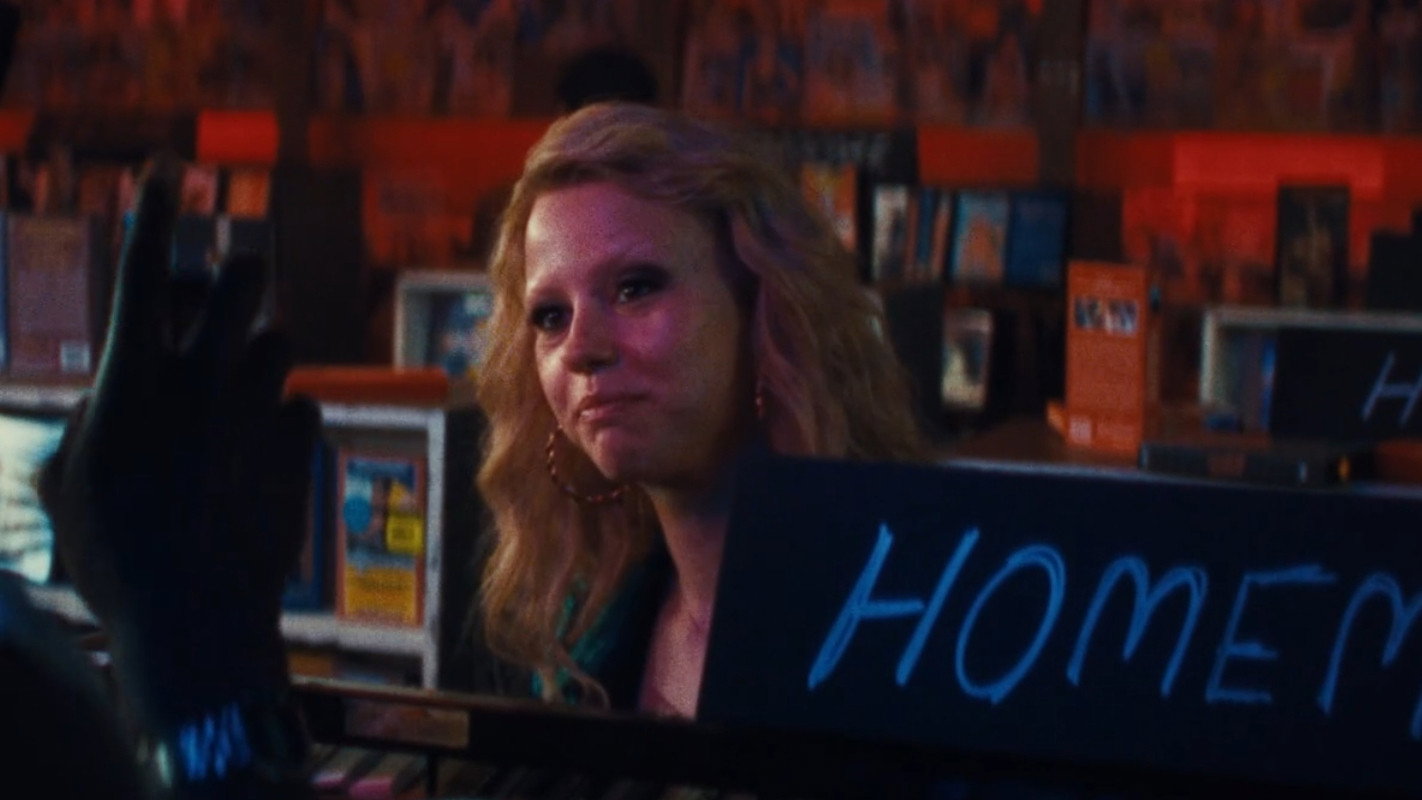
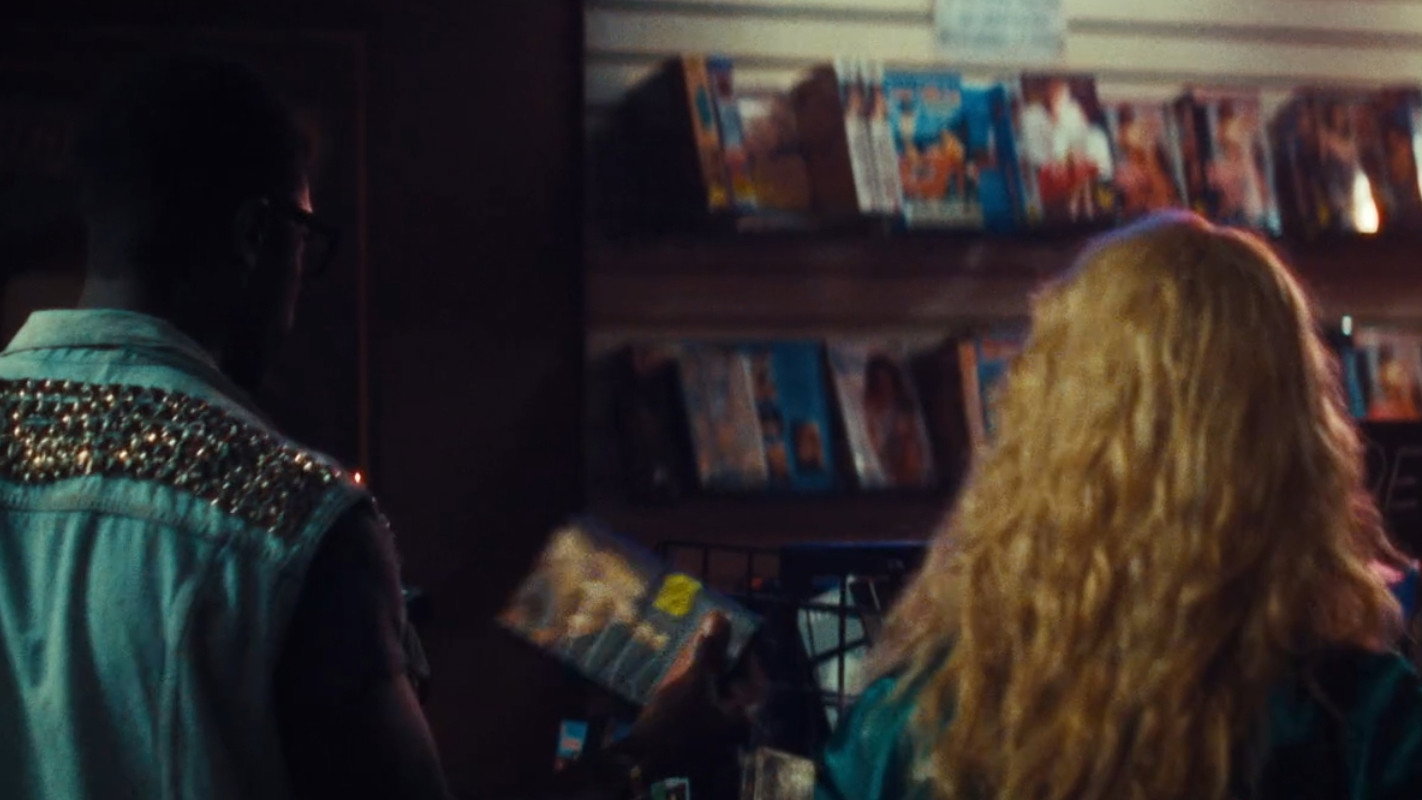
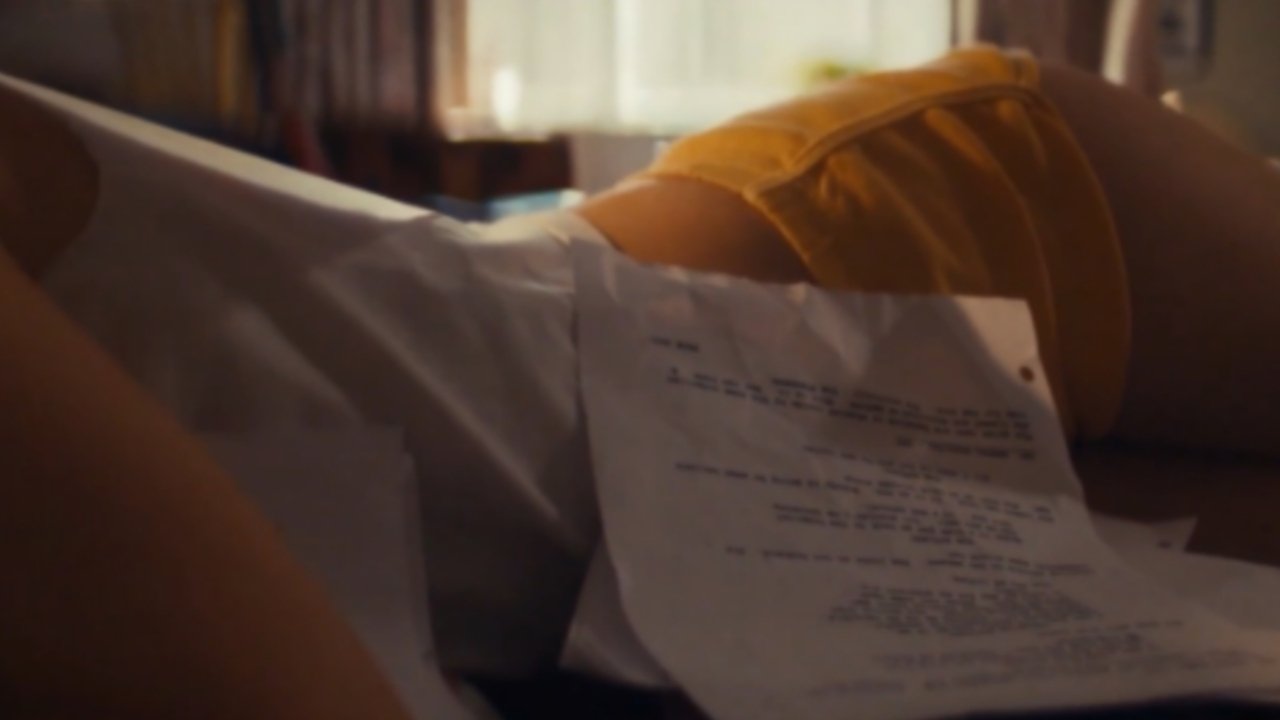
The birth of blockbusters, VHS renting, and B movies with bigger budgets happened around this time, and horror was a fucking hit in this era, becoming more glossy and less crazy than the '70s. With better technology, horror could be pushed to its limits. MaXXXine's story is deeply interlinked with this movement in cinema history. Her first Hollywood role was a lead in a B-grade slasher sequel—many aspiring actors got big from that. The way sex and violence and how they are connected was a very strong theme in the '80s, especially with serial killers around, and the fact that Hollywood was just reformed, so there weren't many rules at that time (cocaine on sets, handguns, switchblades, and a lot of deaths on set). The movie refers to Hollywood as "the belly of the beast" and is the final boss that MaXXXine has to confront to finally get the life she deserves.
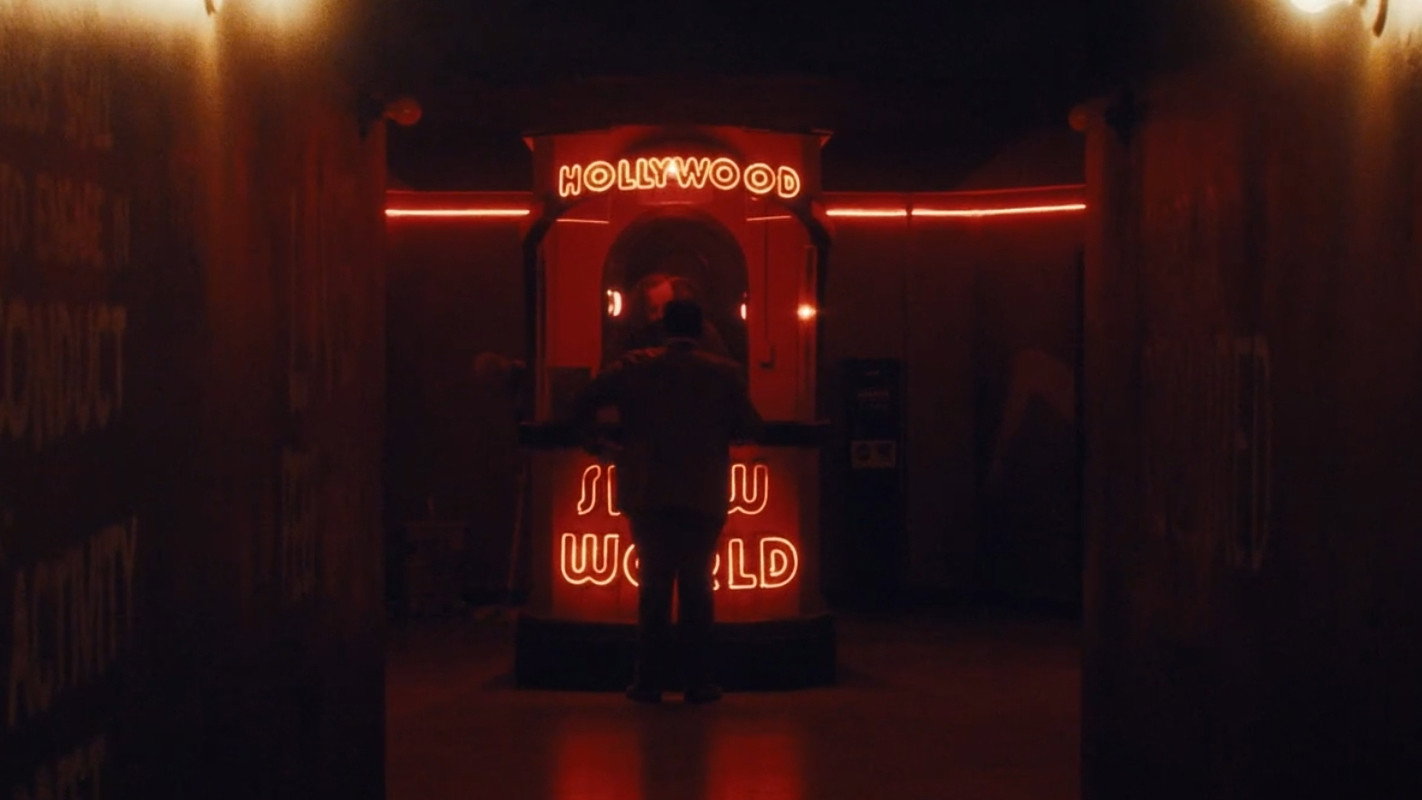
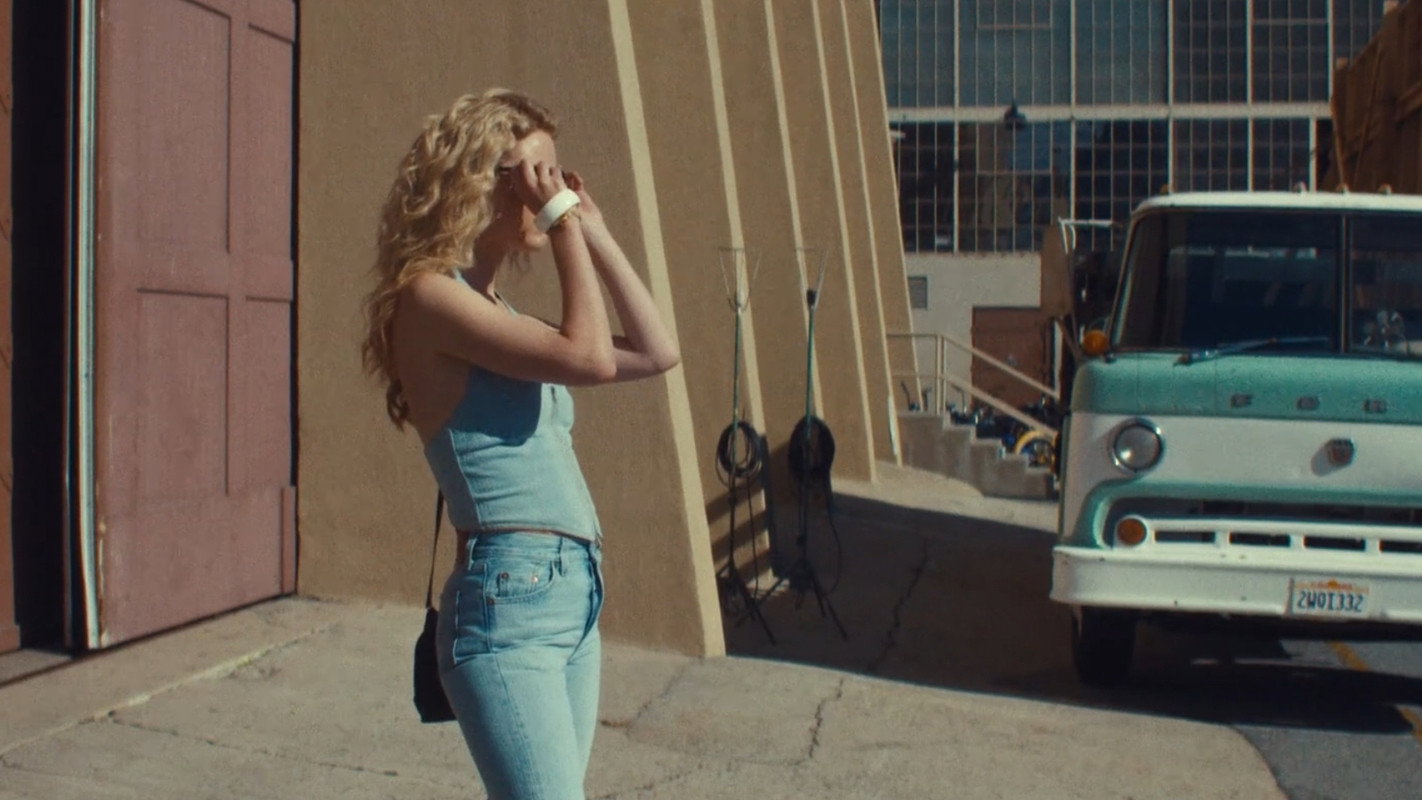
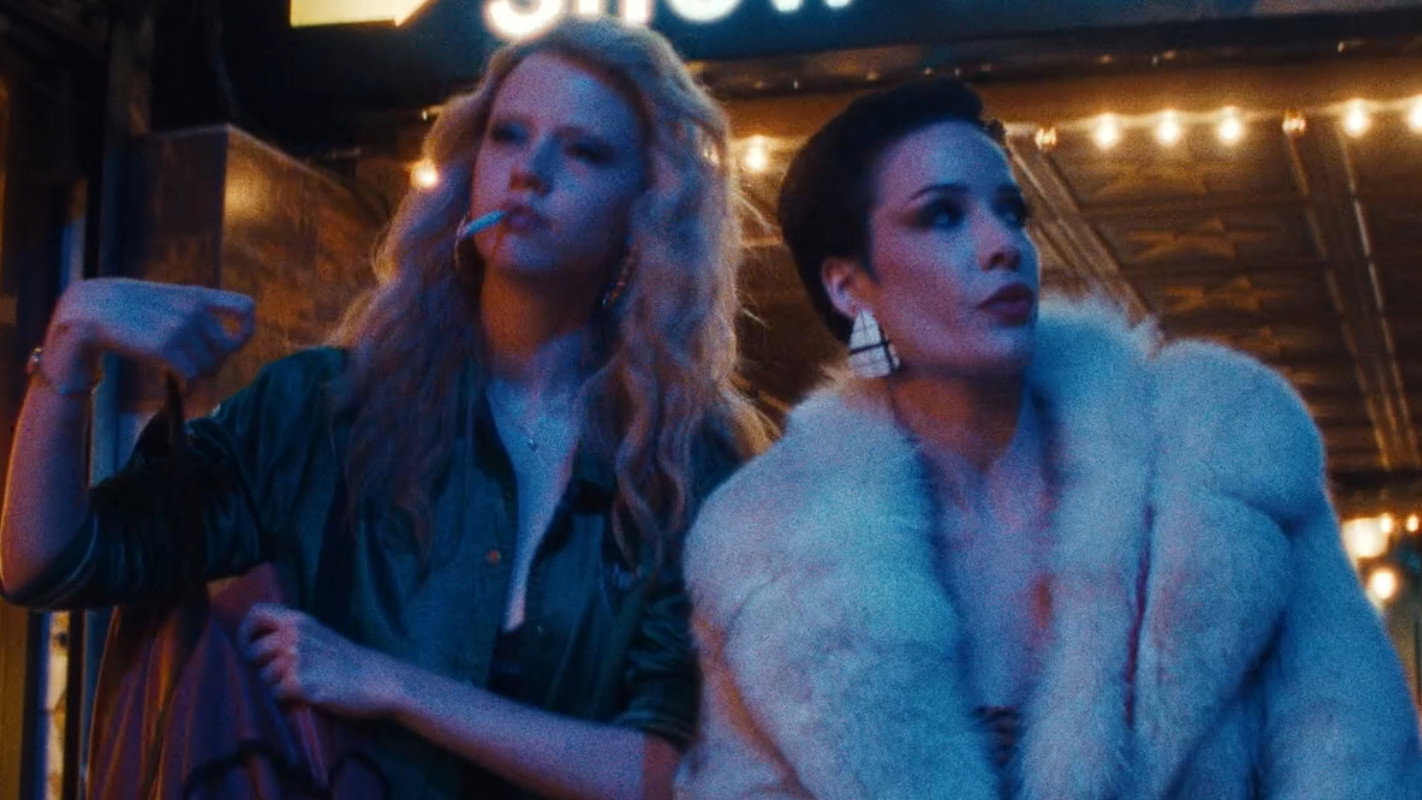
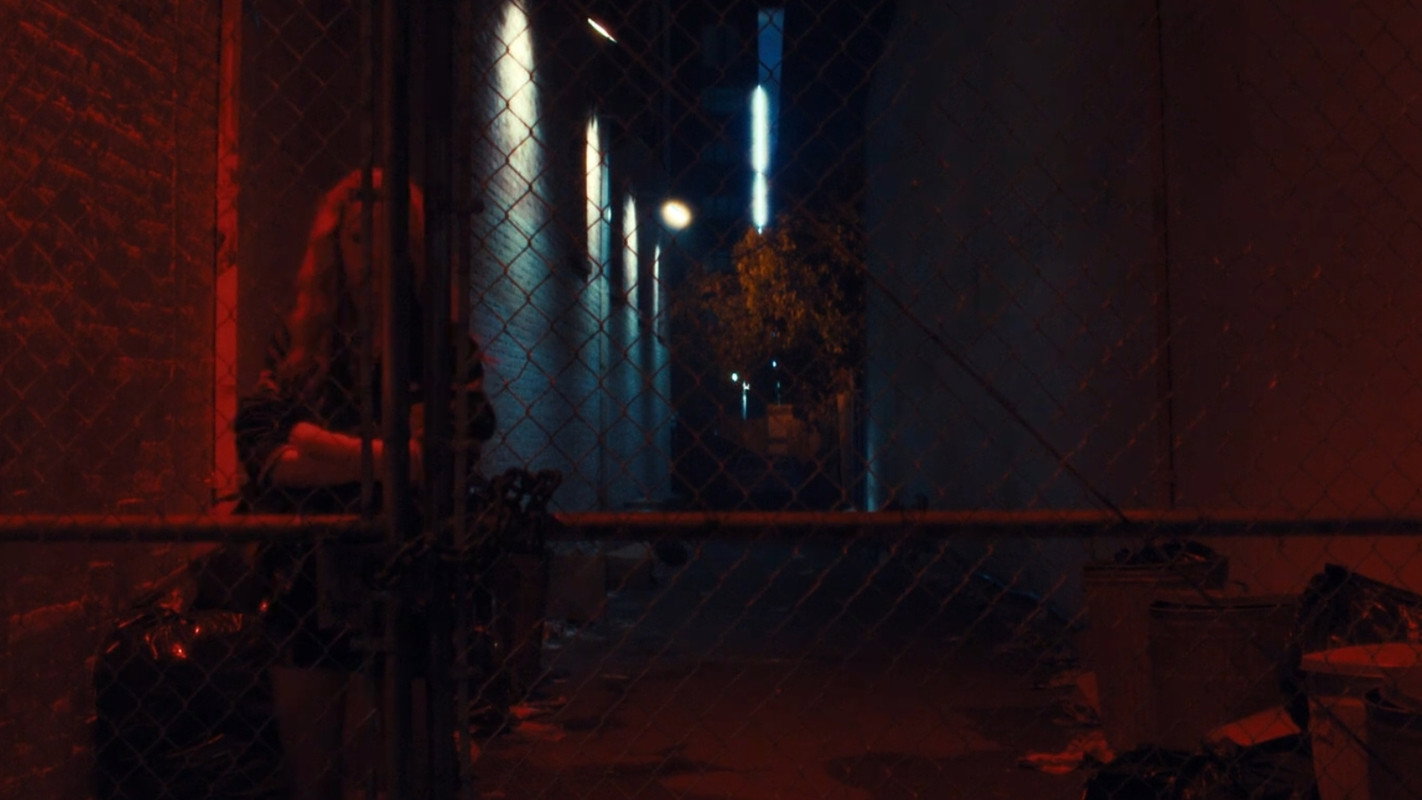
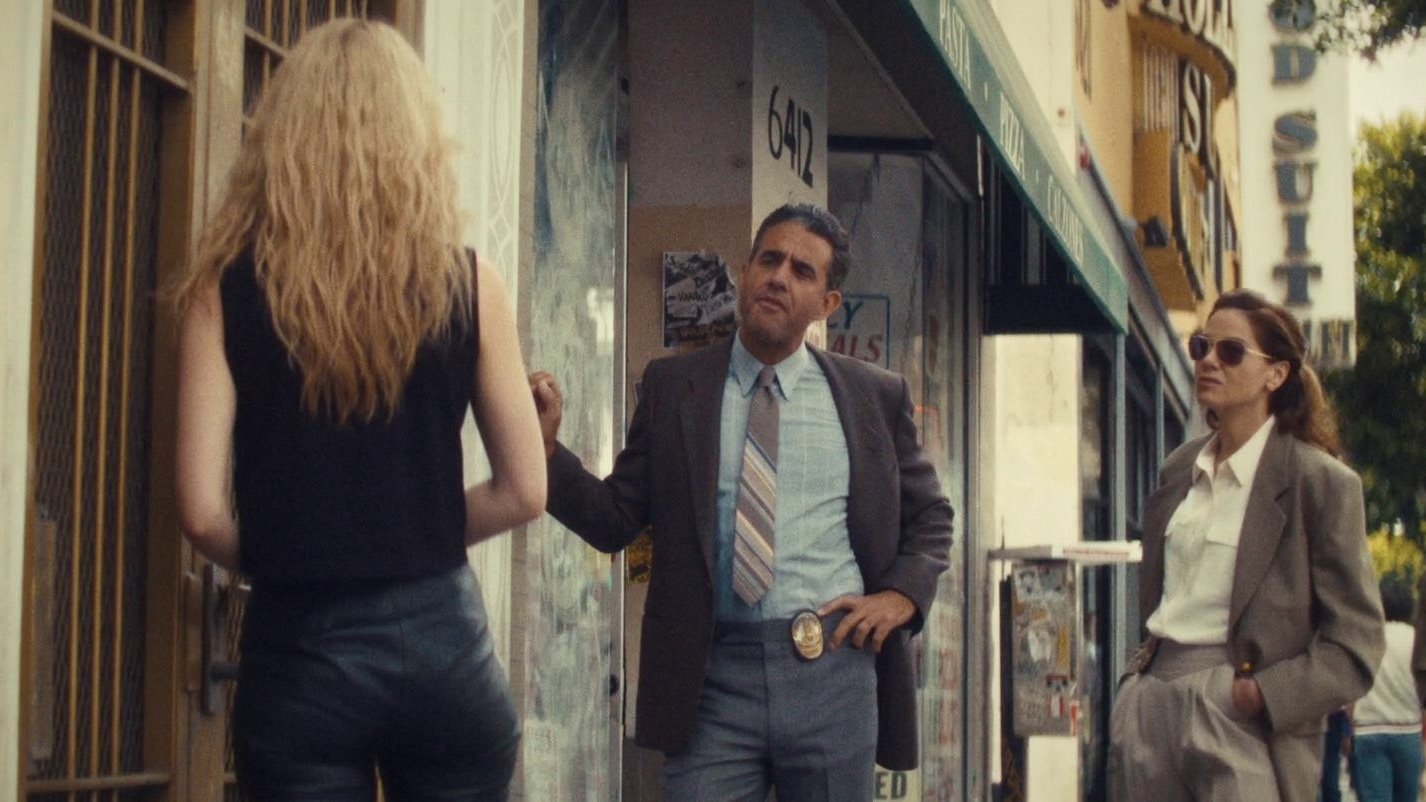
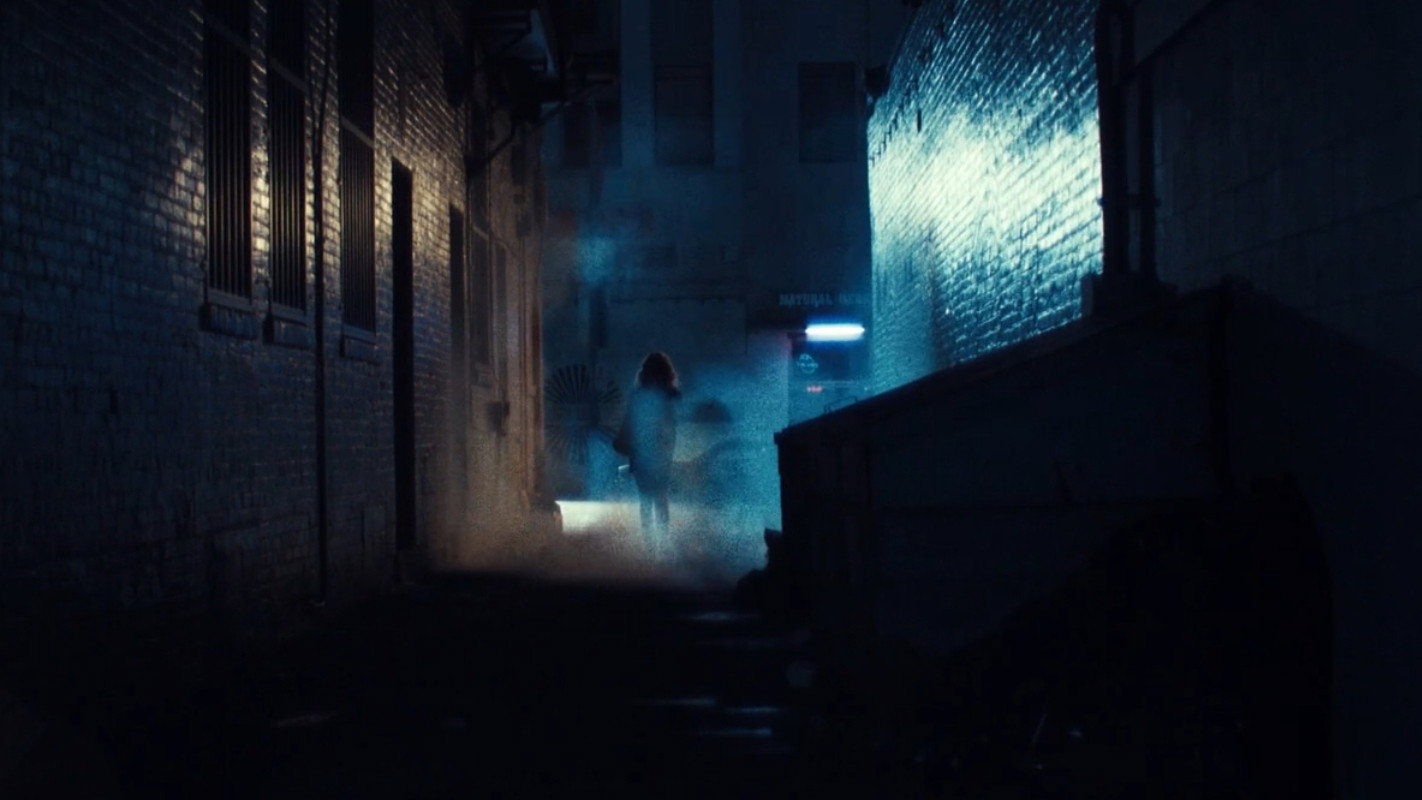
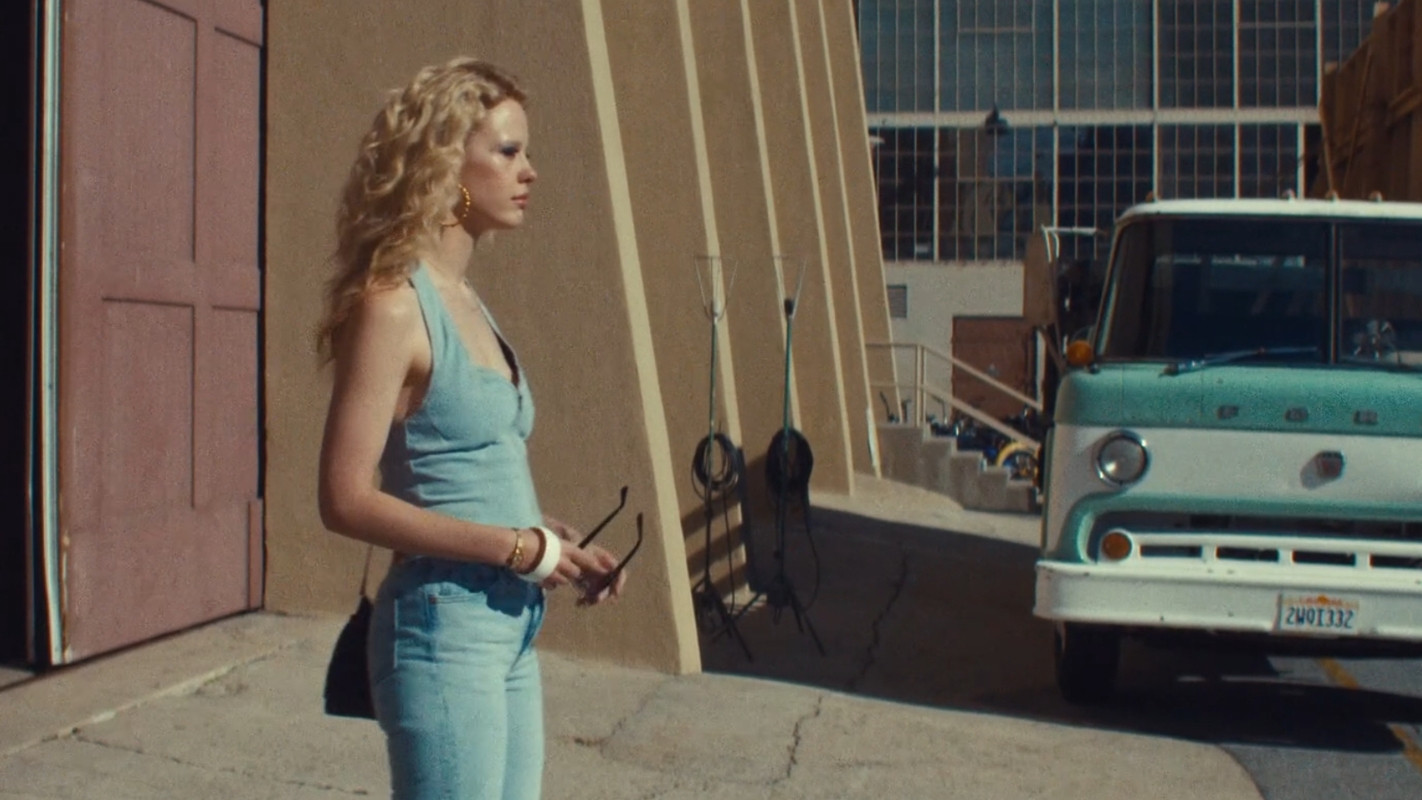
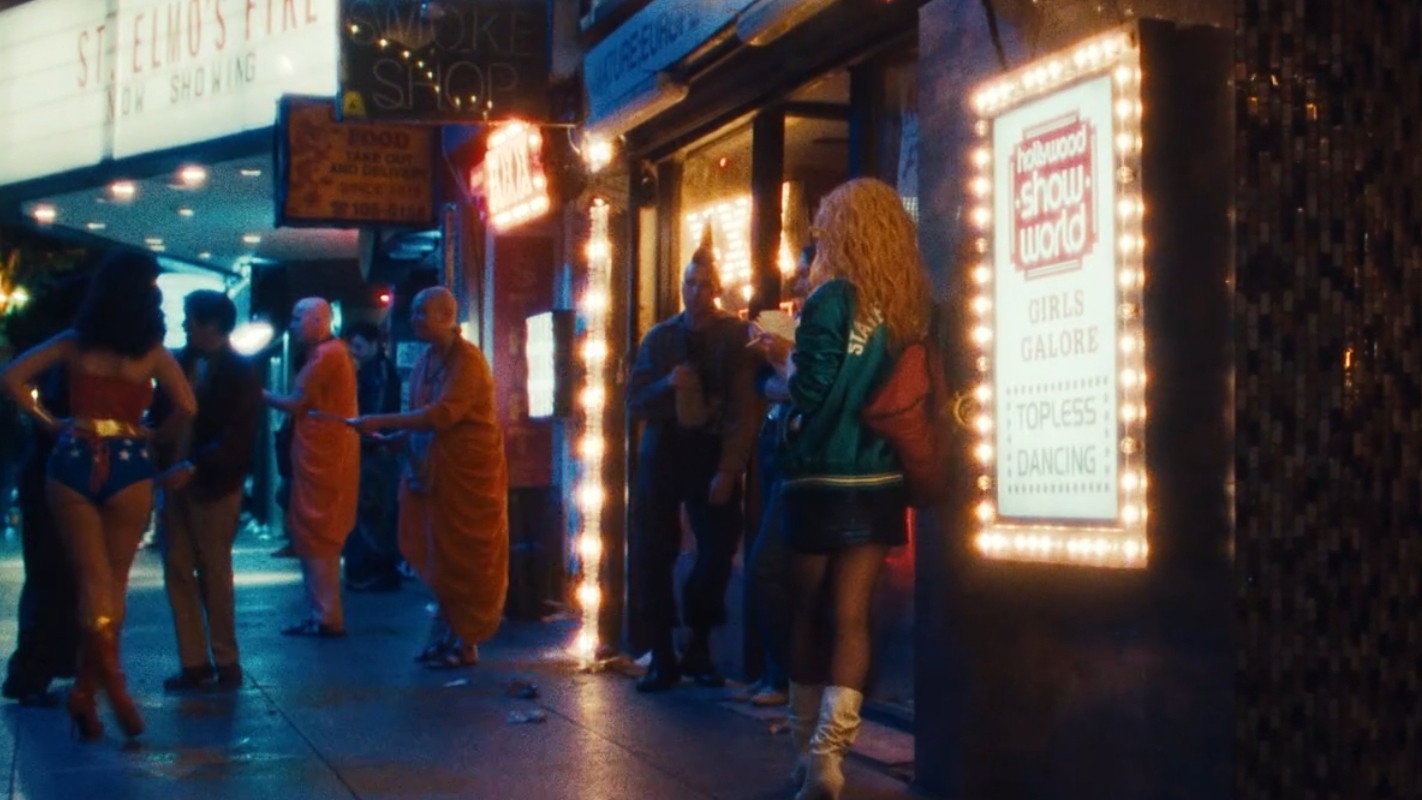
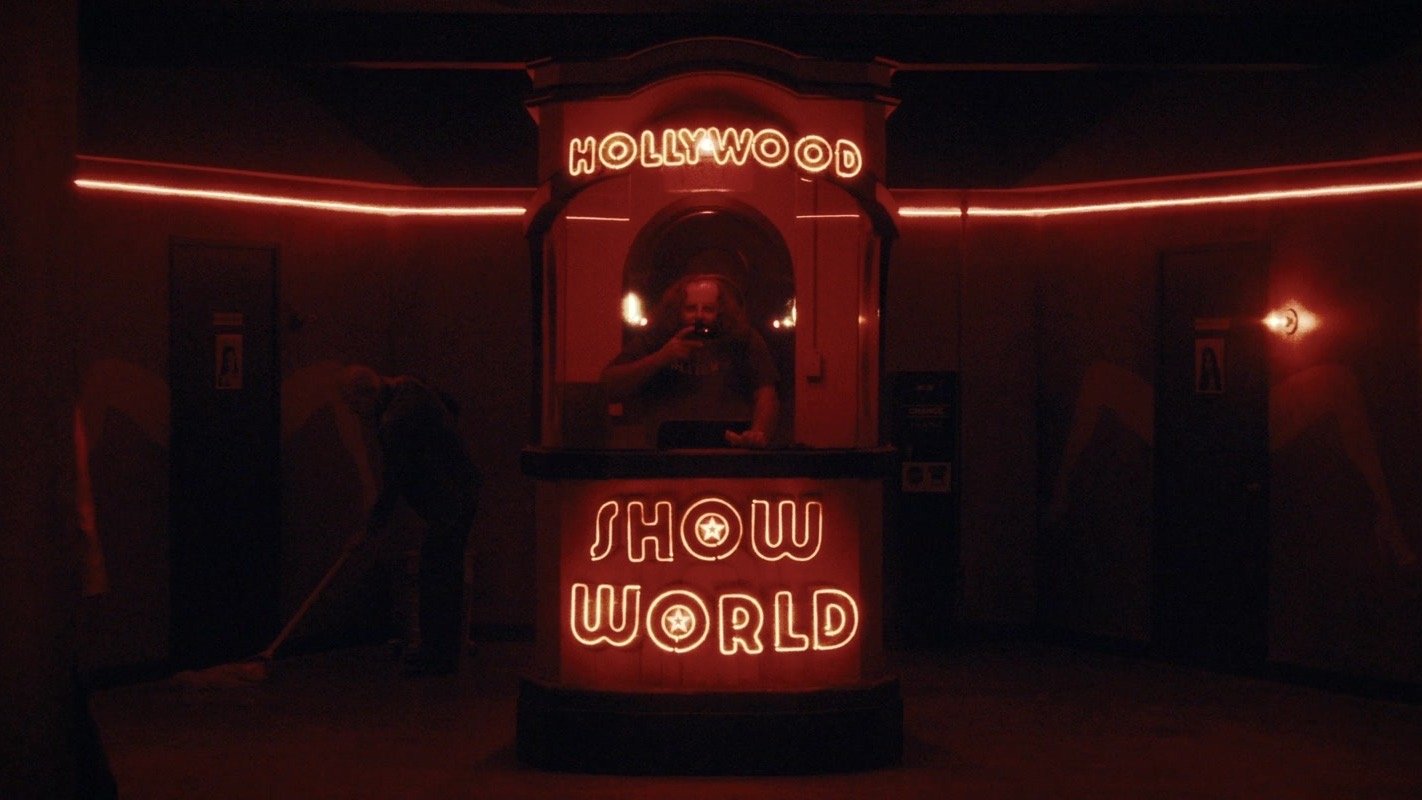
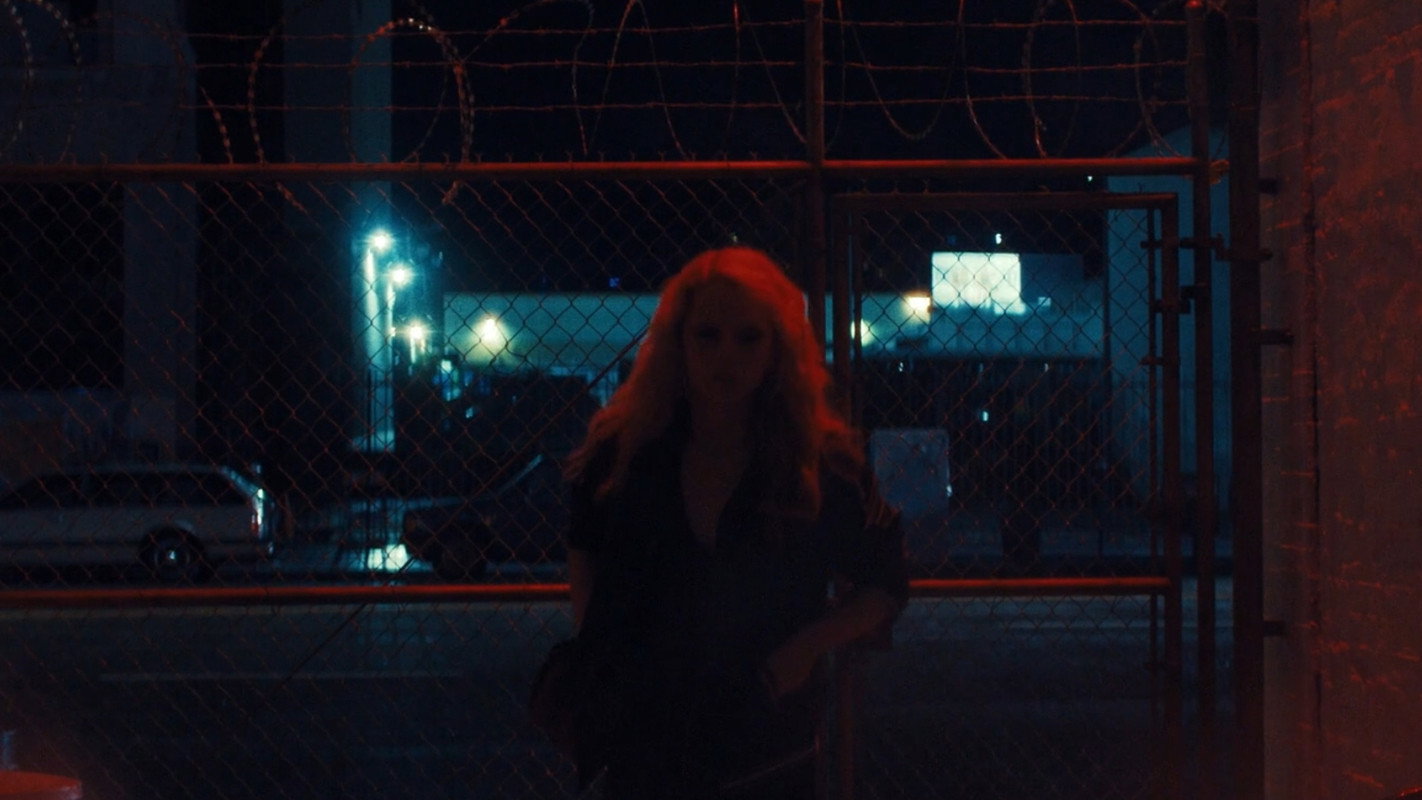
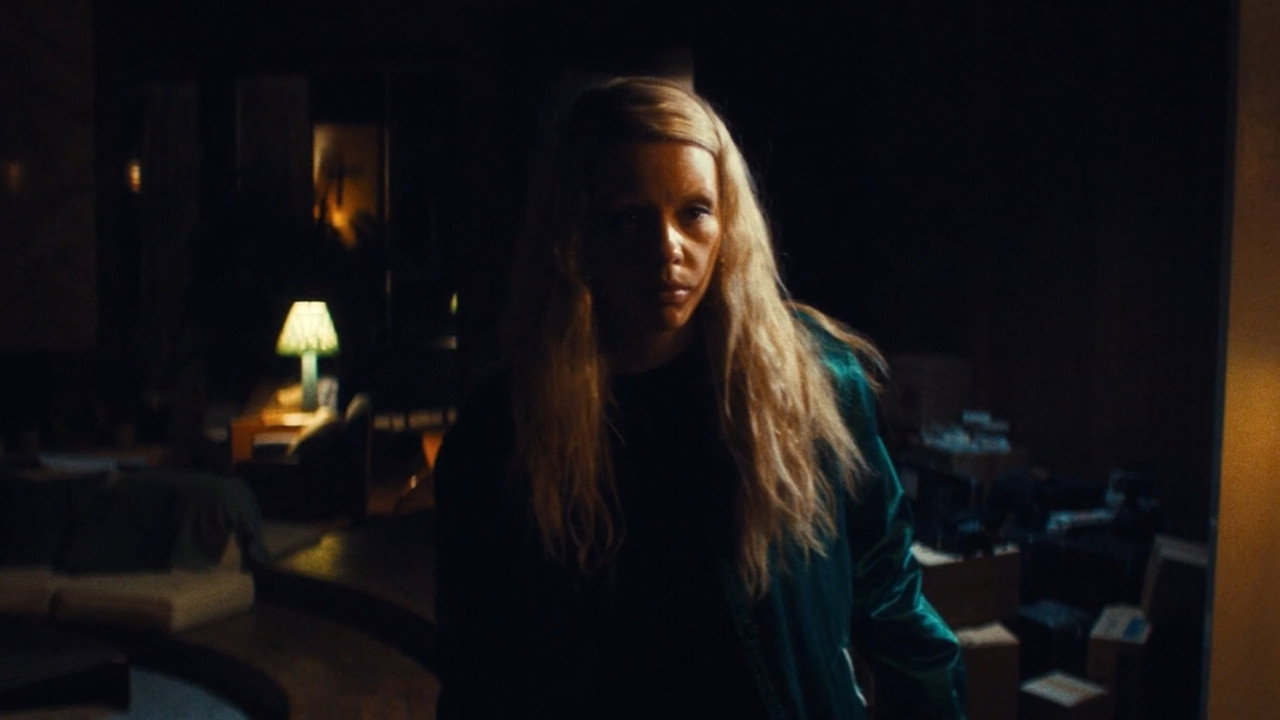
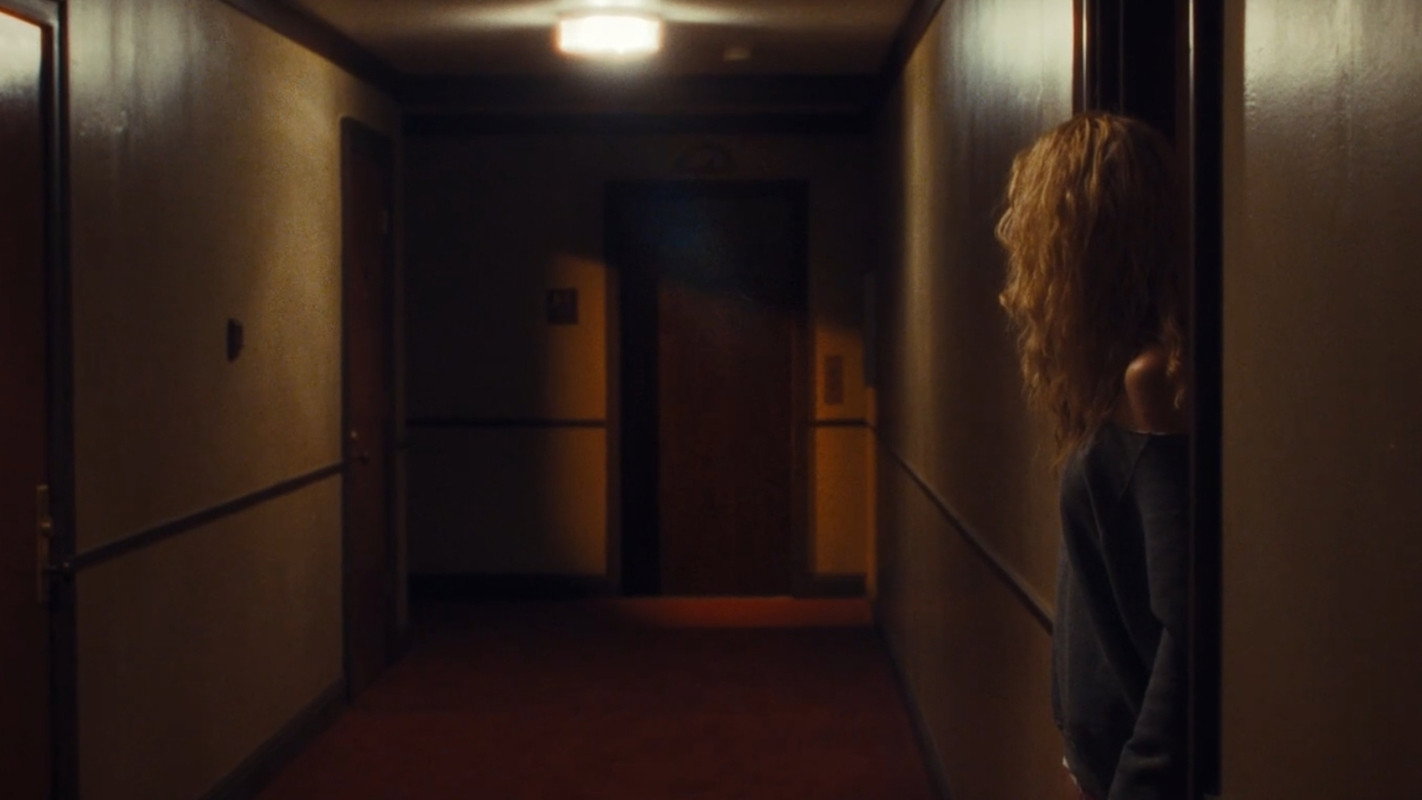
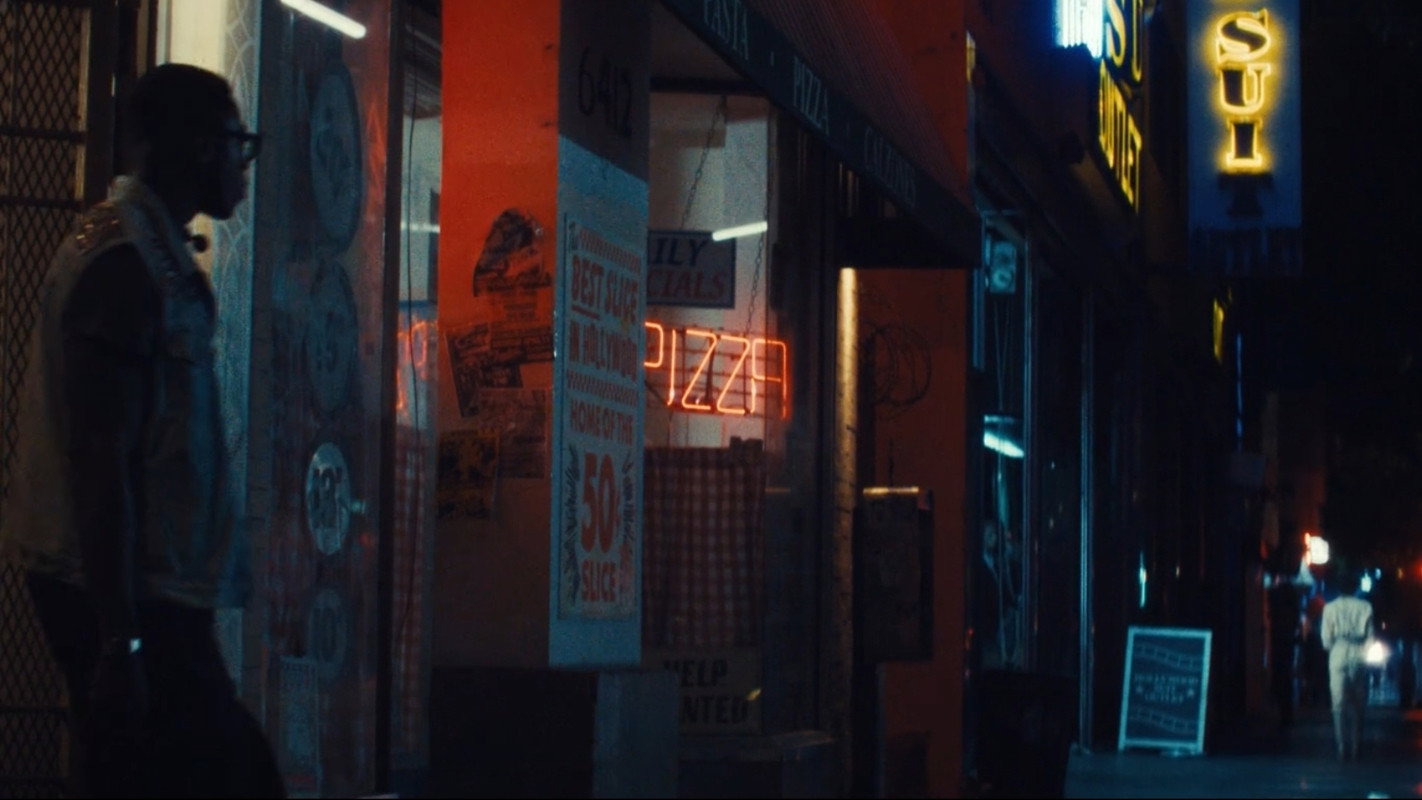
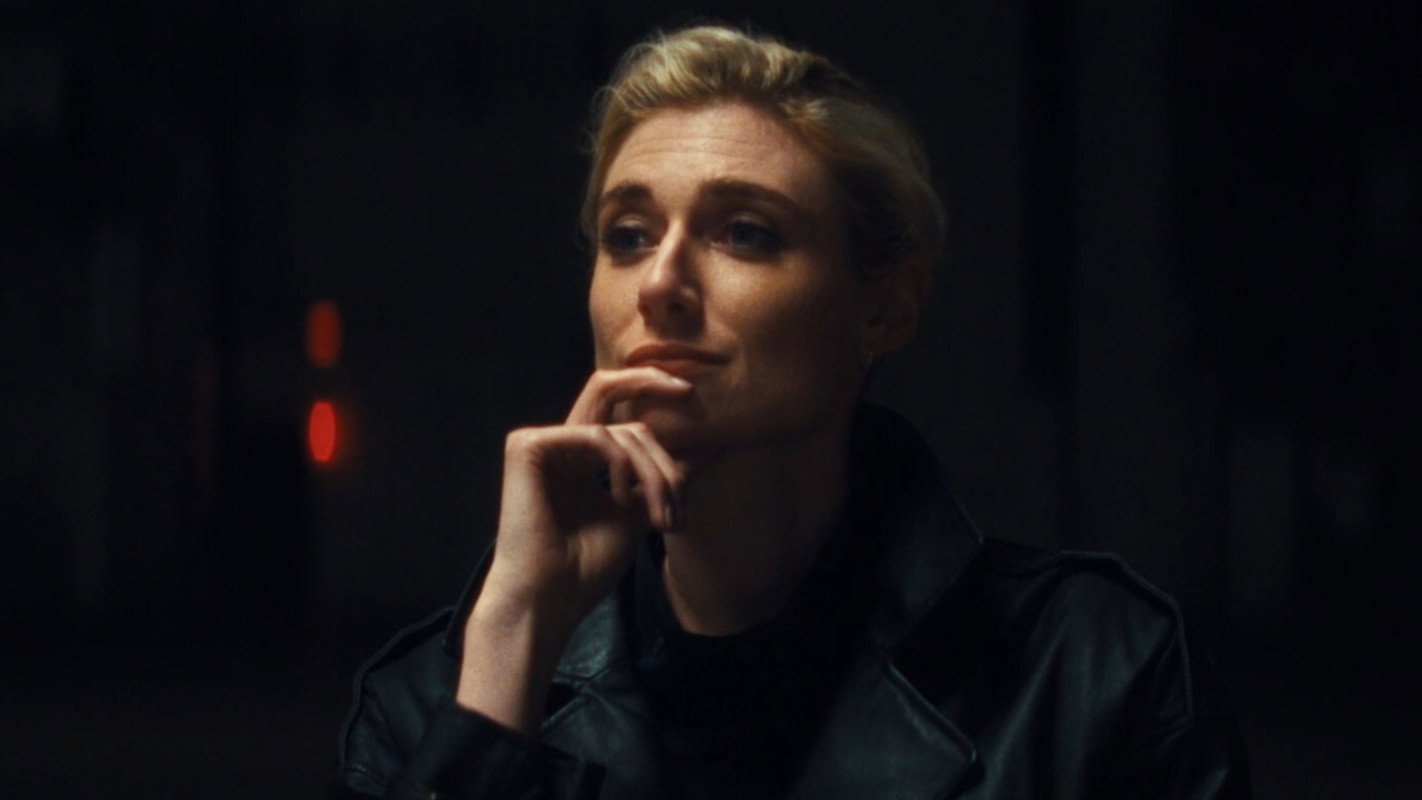
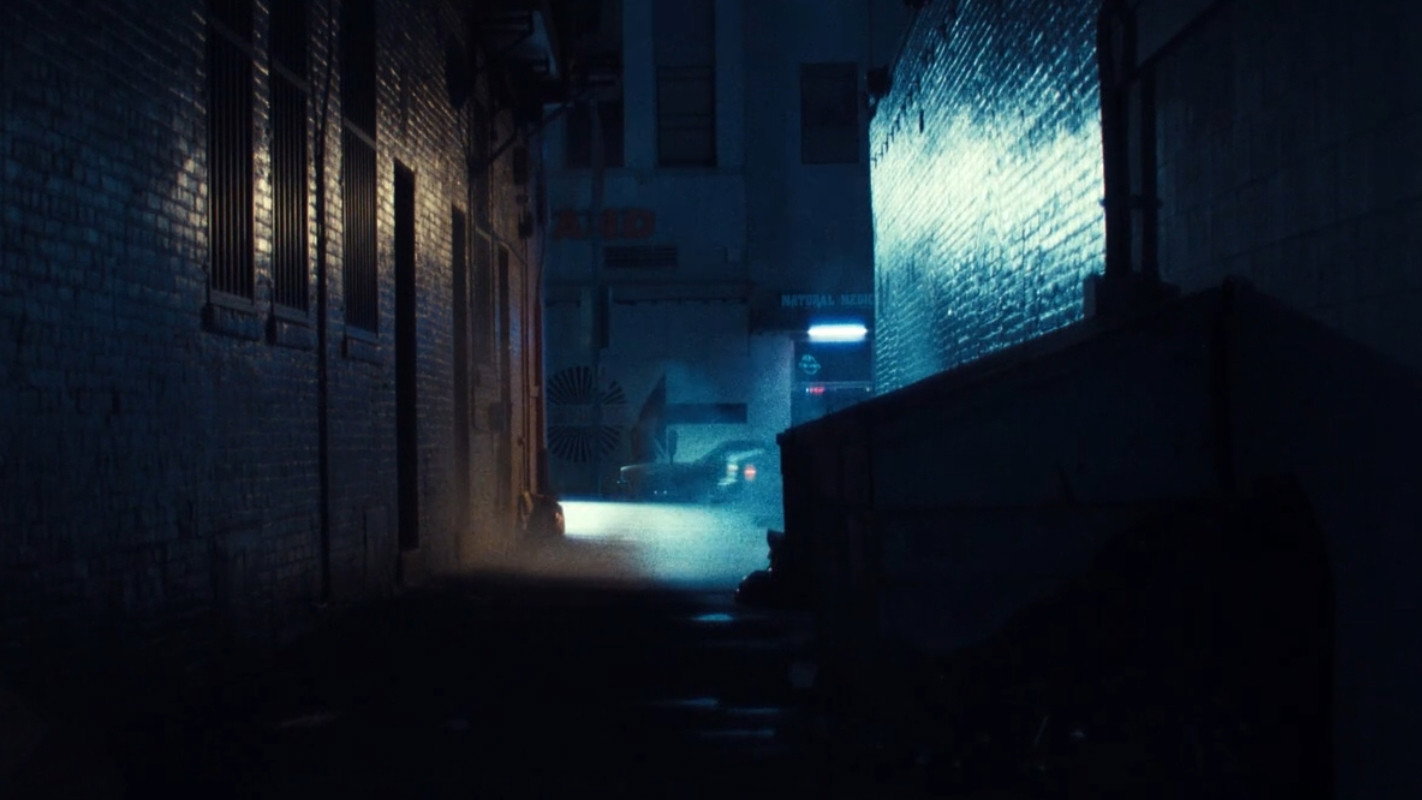
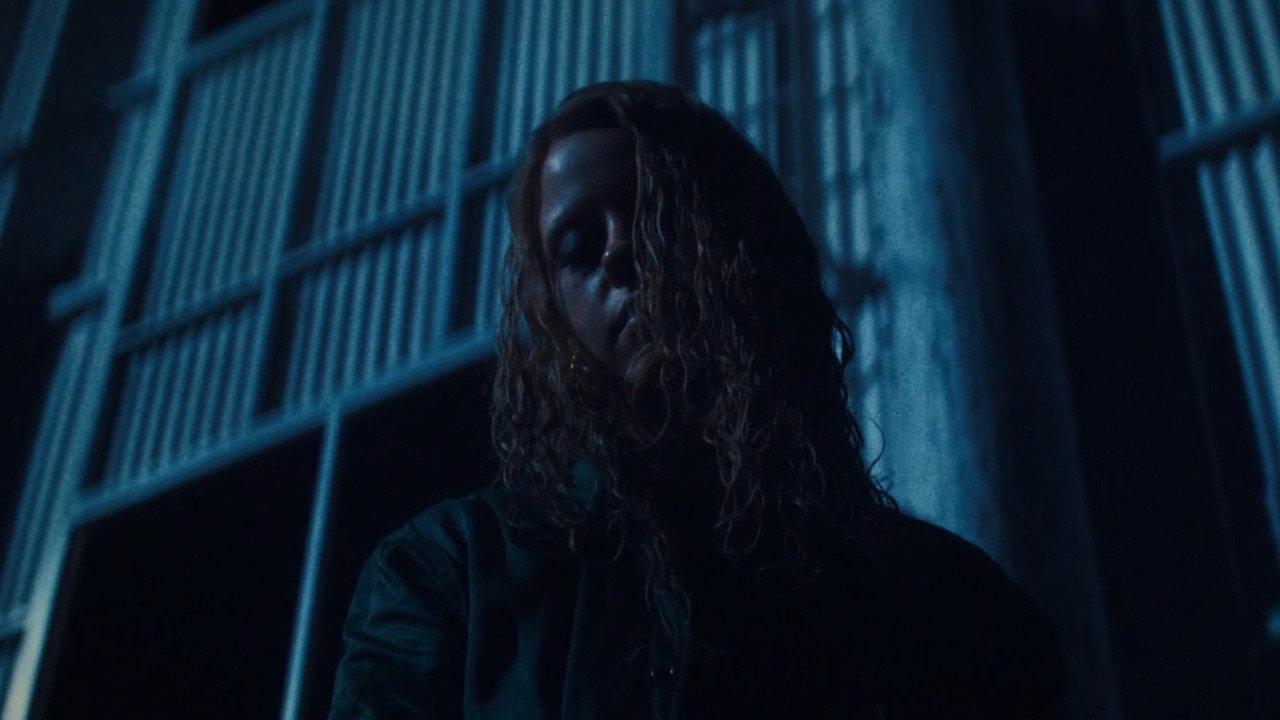
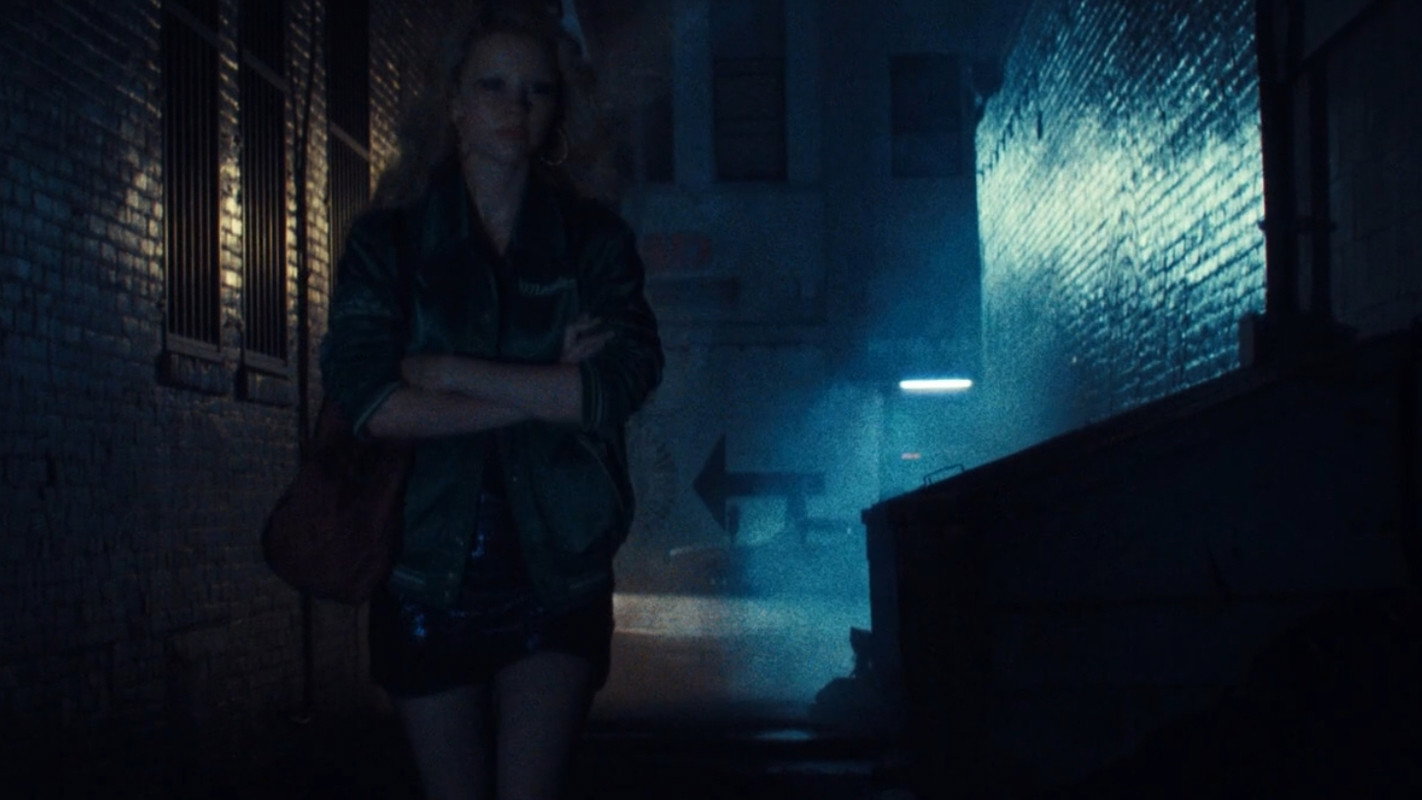
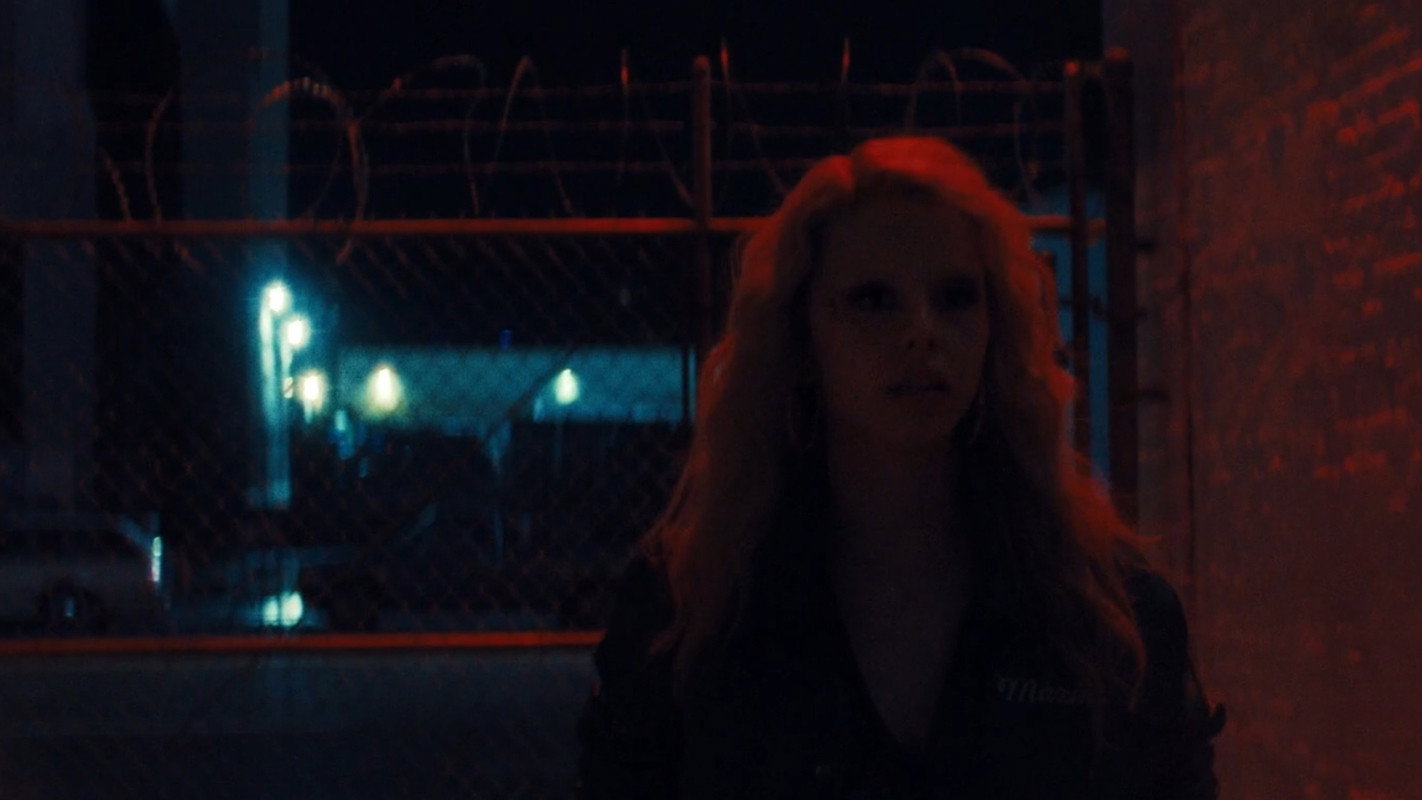
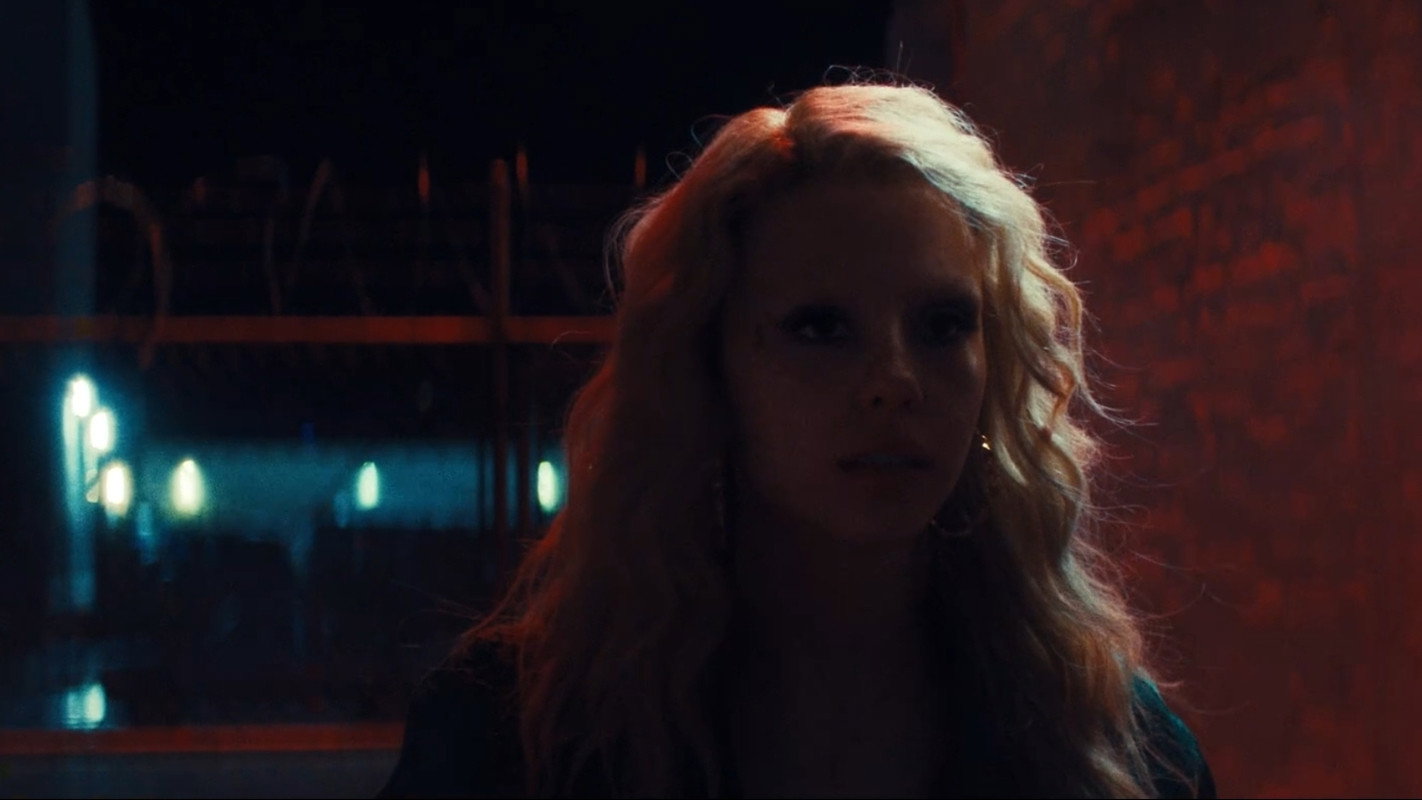
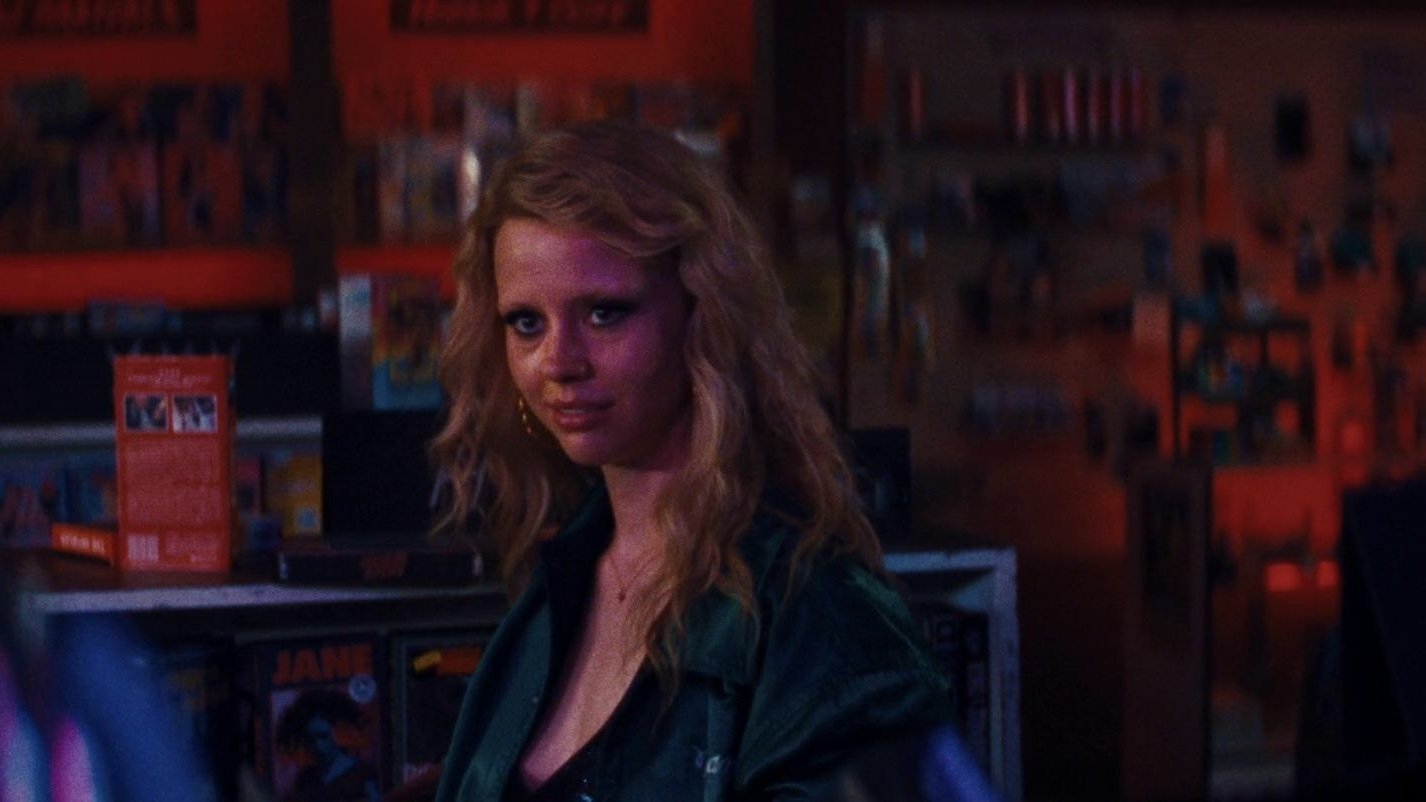
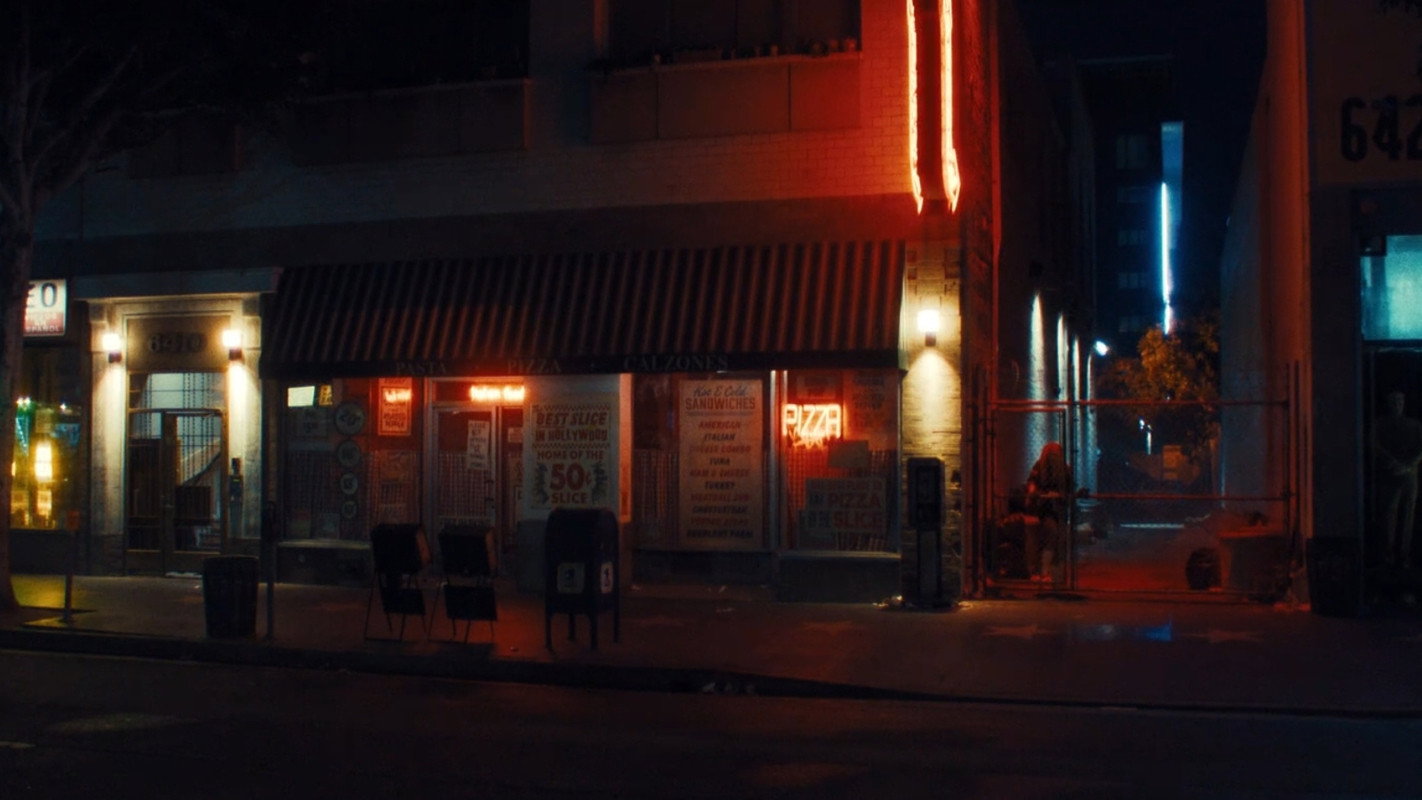
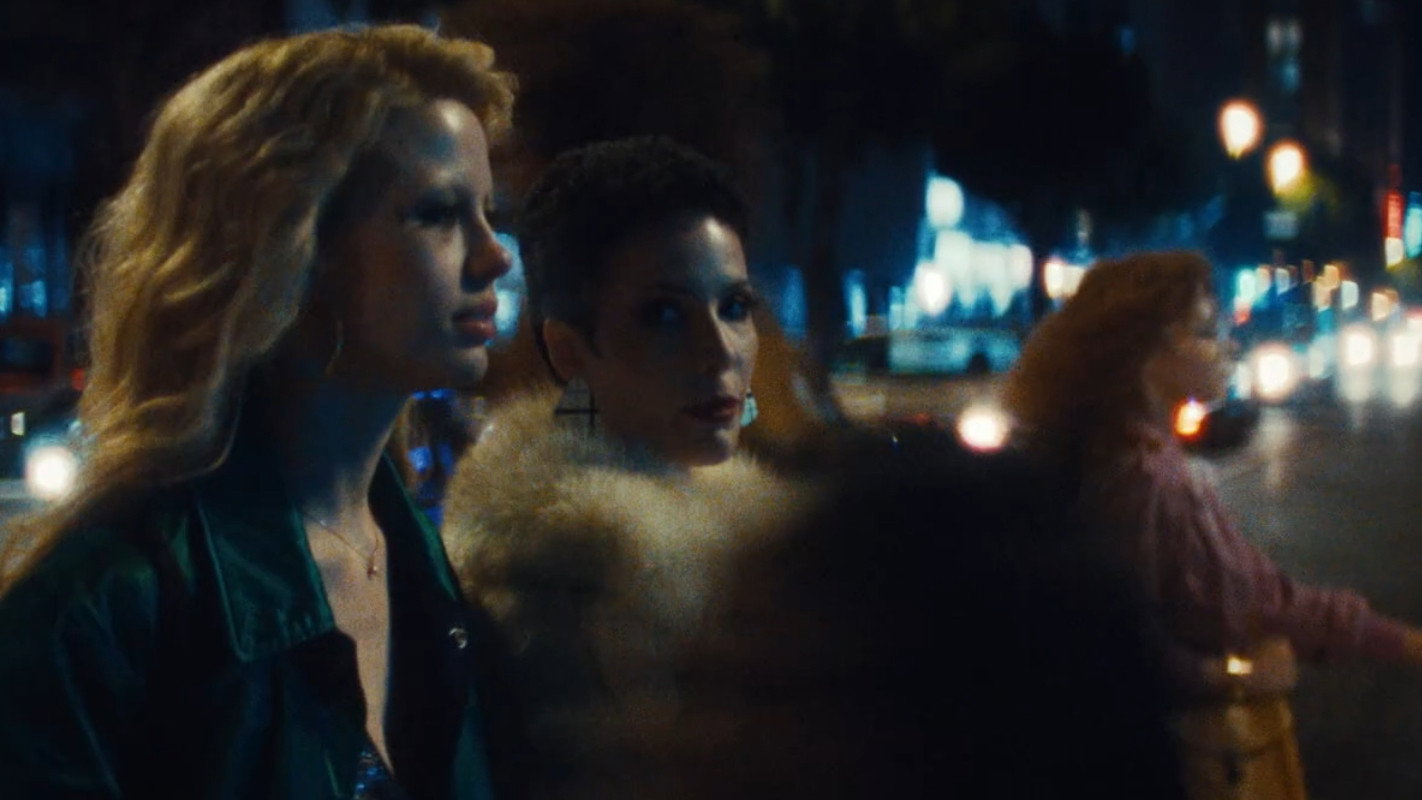
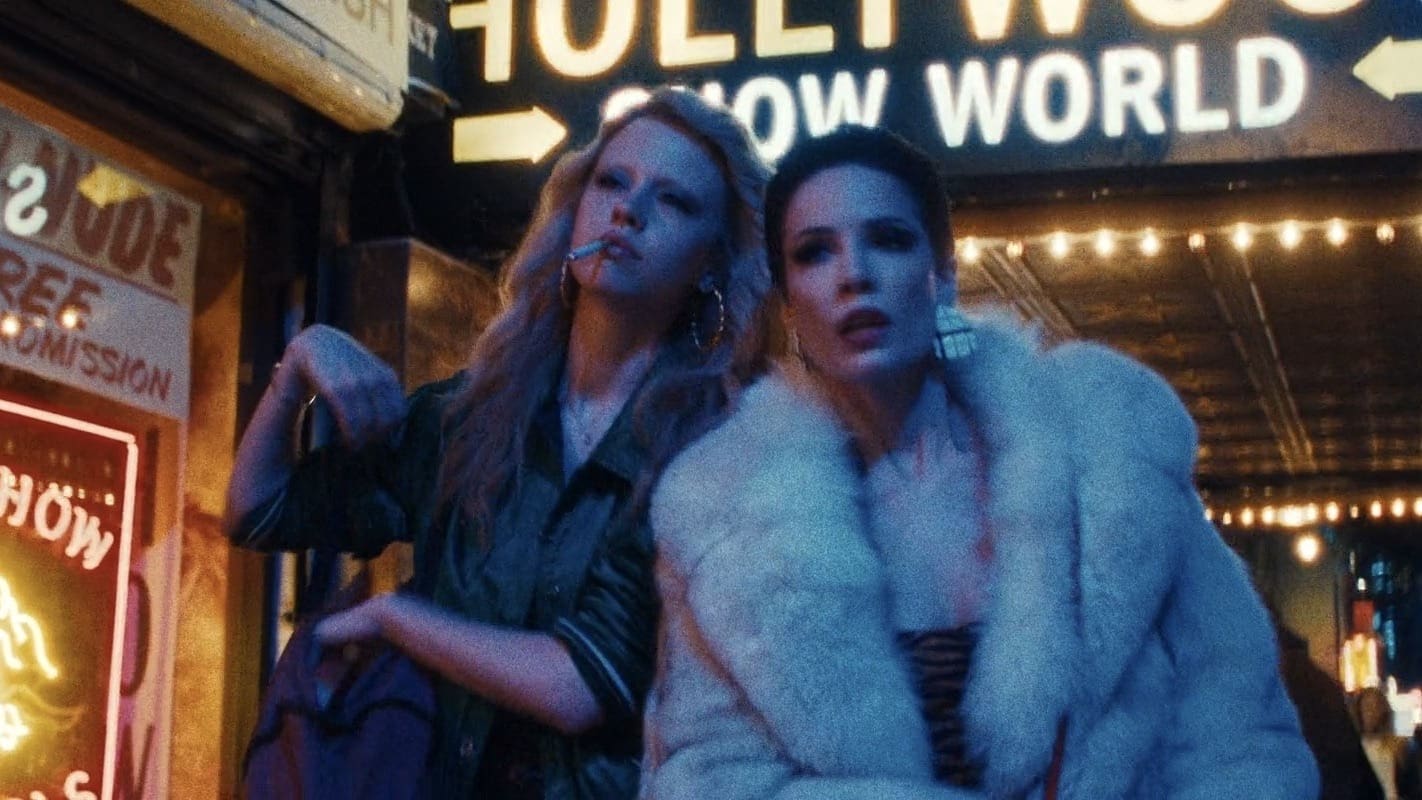
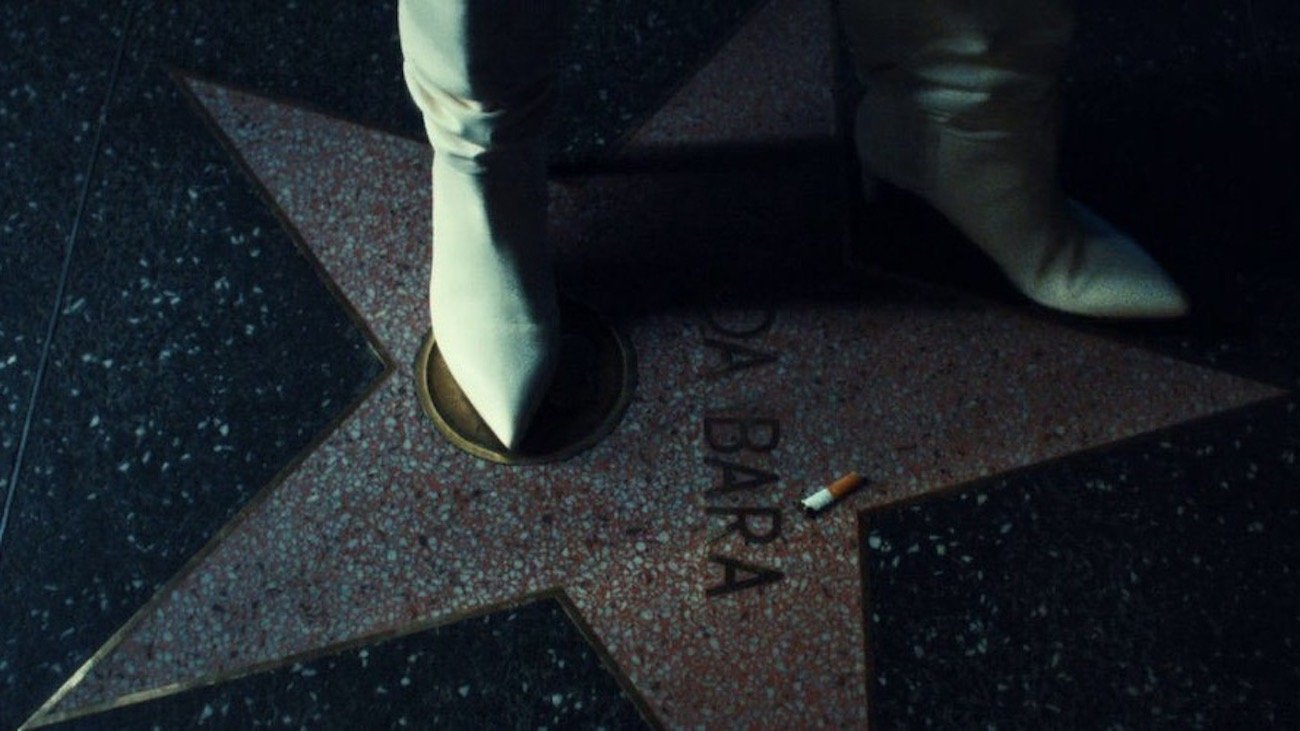
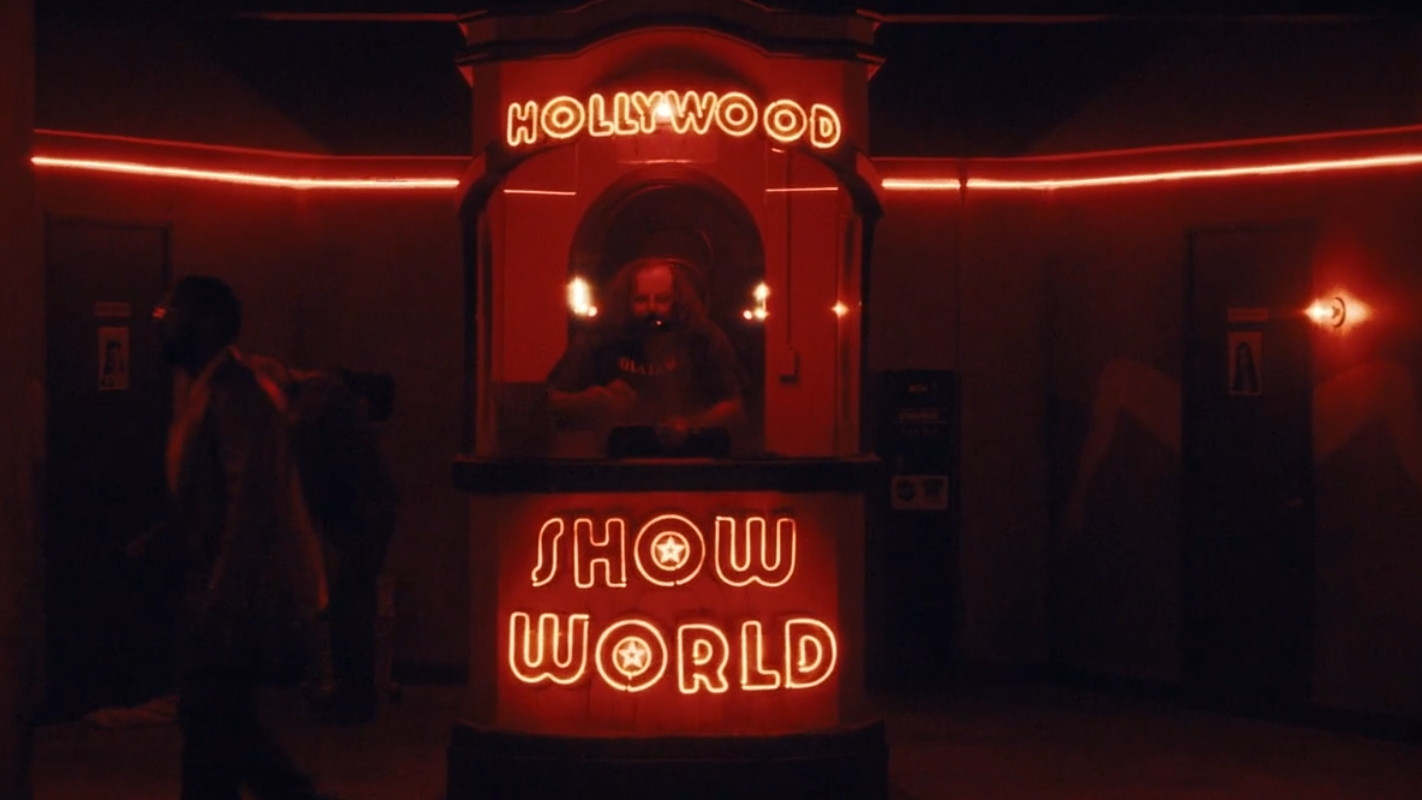
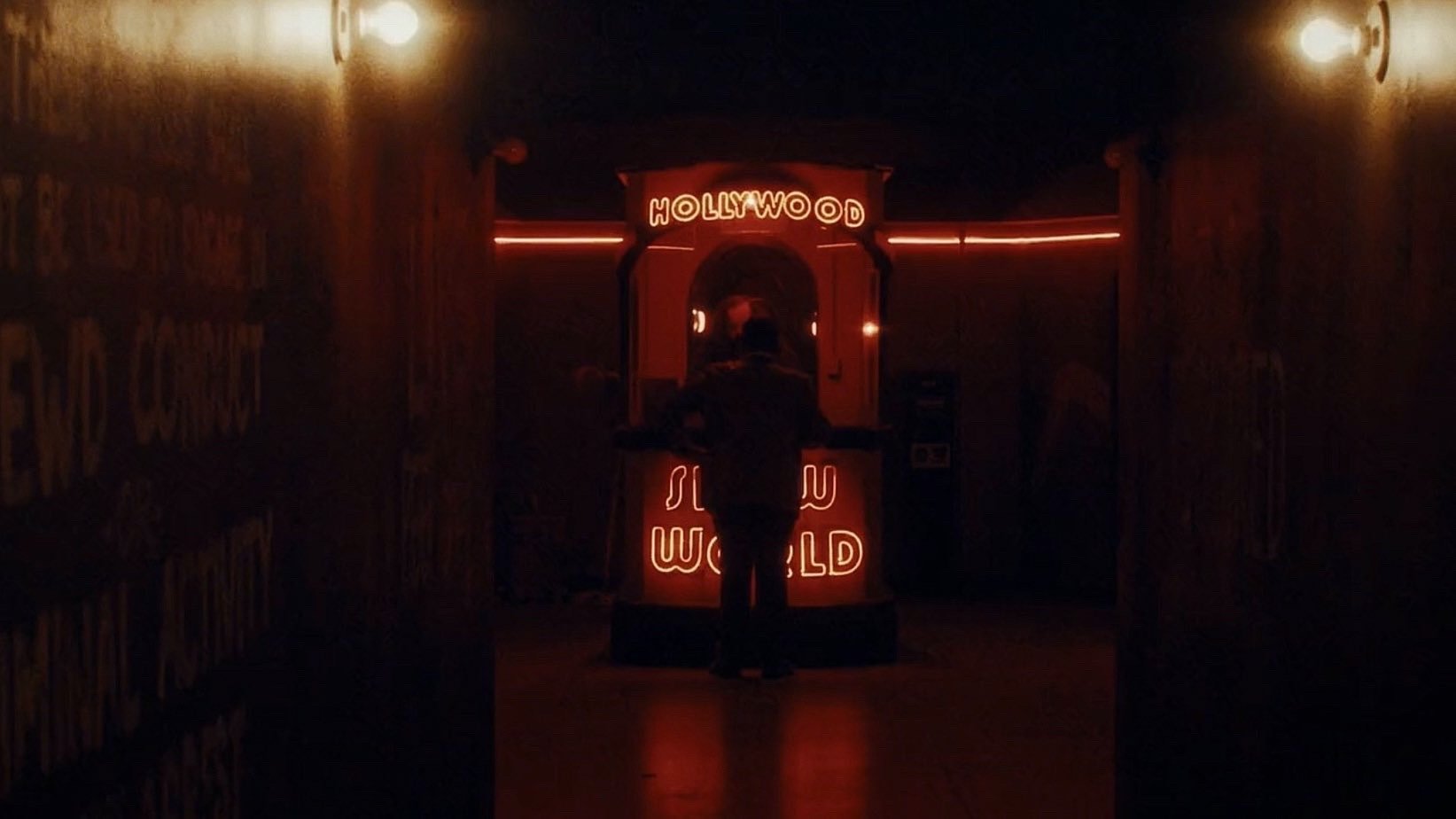
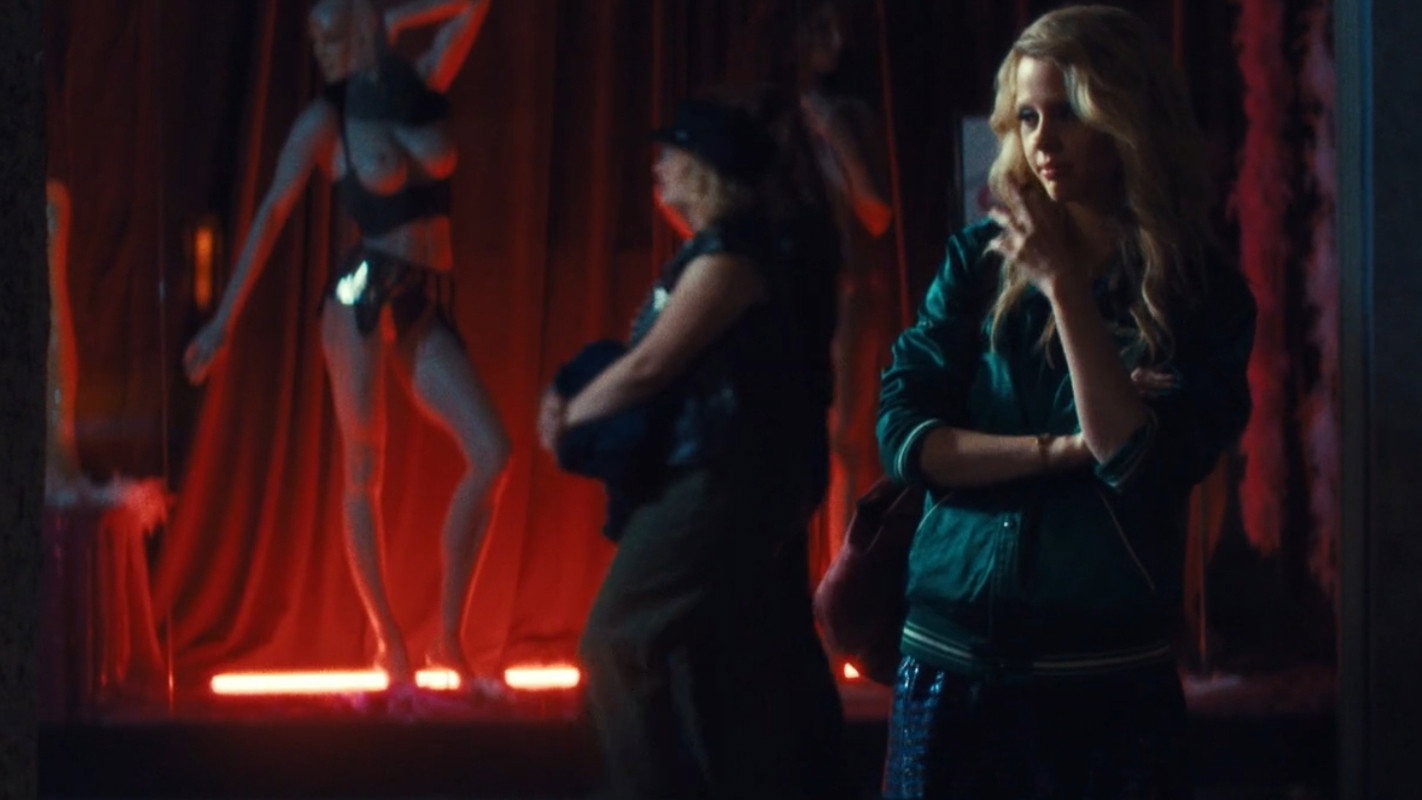
The cinematography really shows how unsafe and grimy Hollywood really is. However, it never just shits on it; the movie also sympathizes with it through the aesthetics it gives. It recognizes how hard it is and praises actors, directors, creators, and everyone involved in movies that is just trying to survive that industry while still being artists in it.
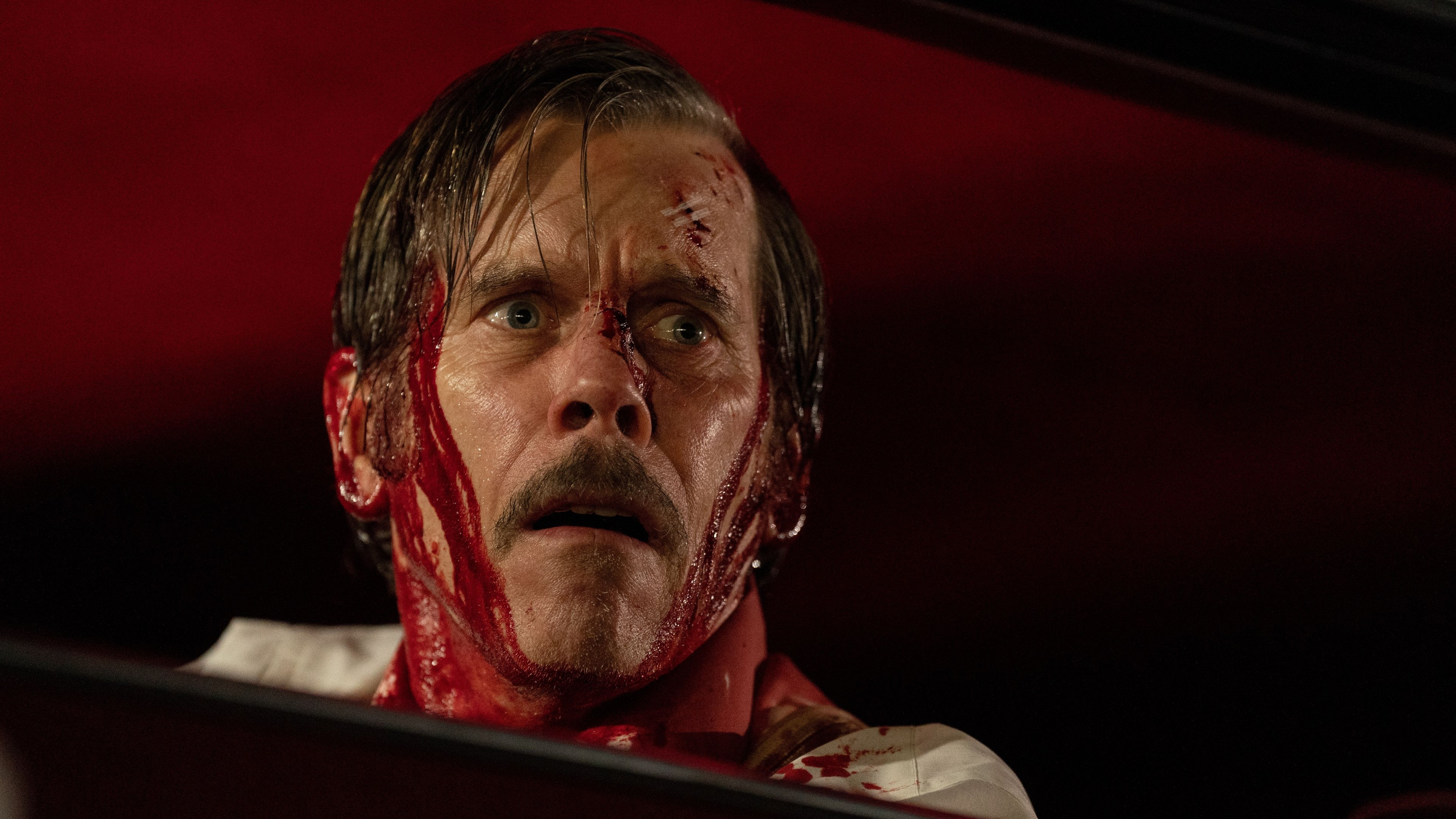
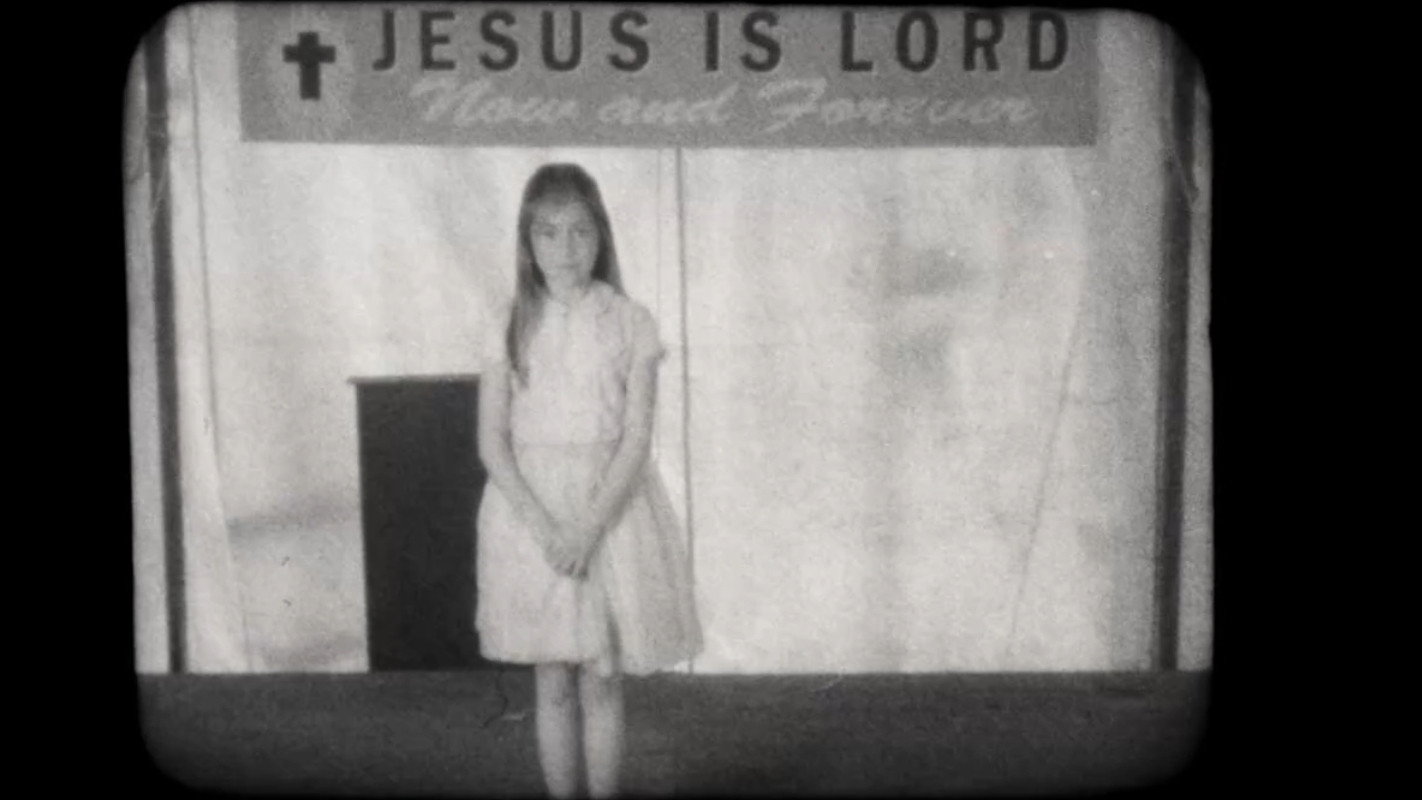
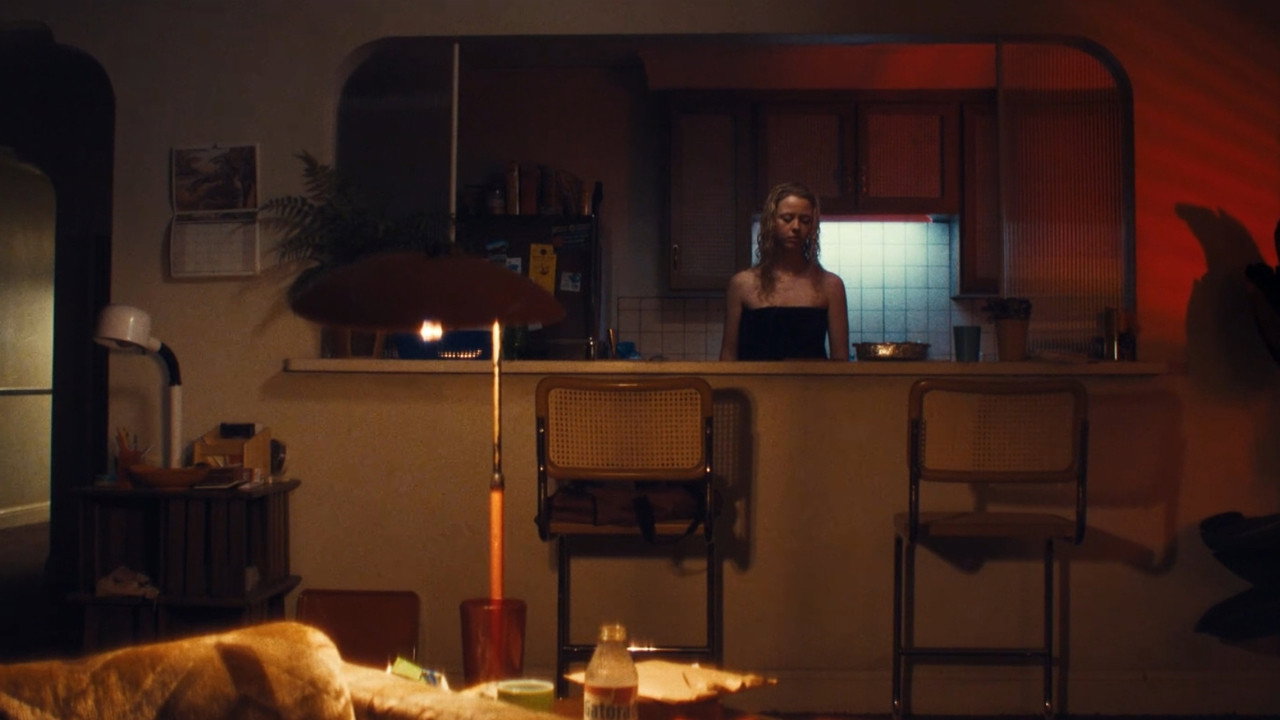
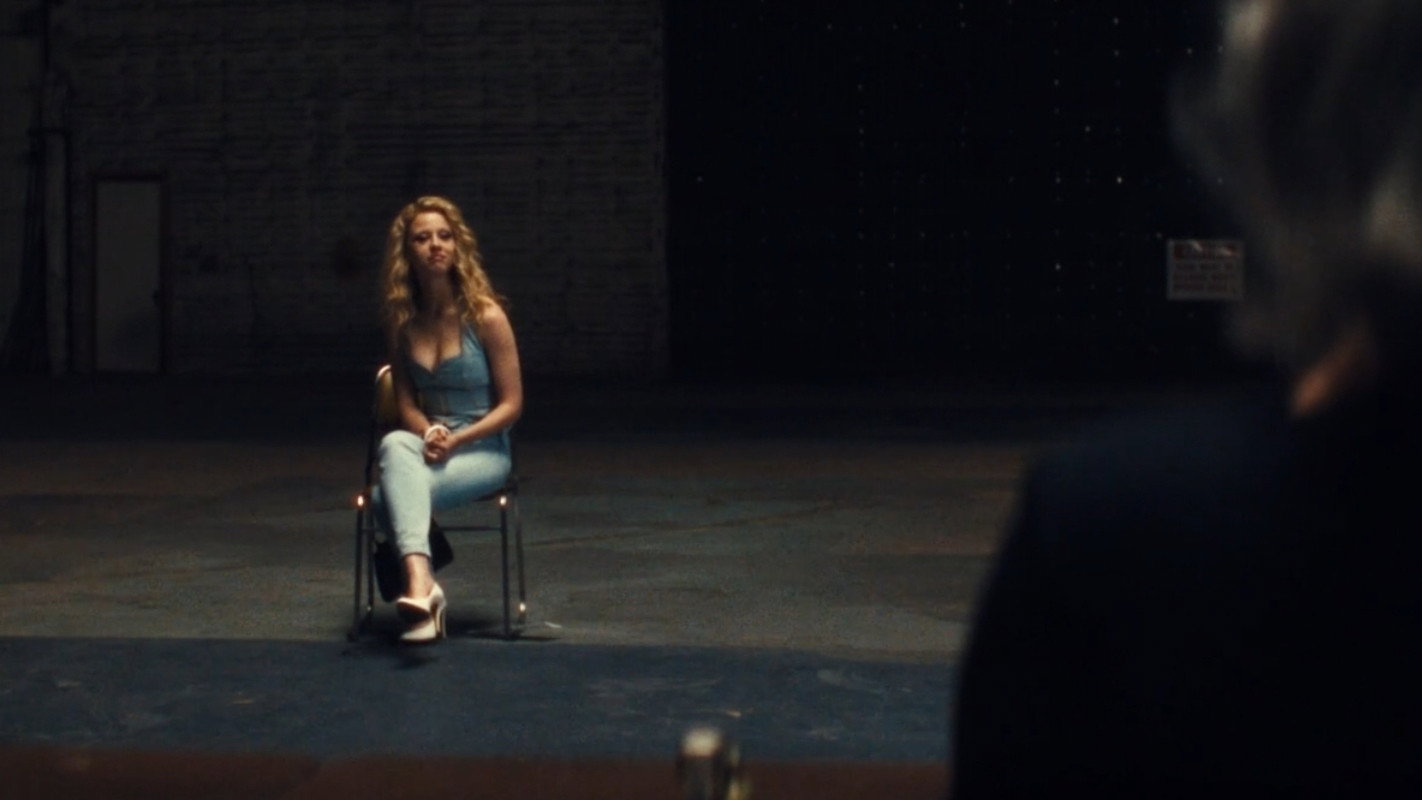
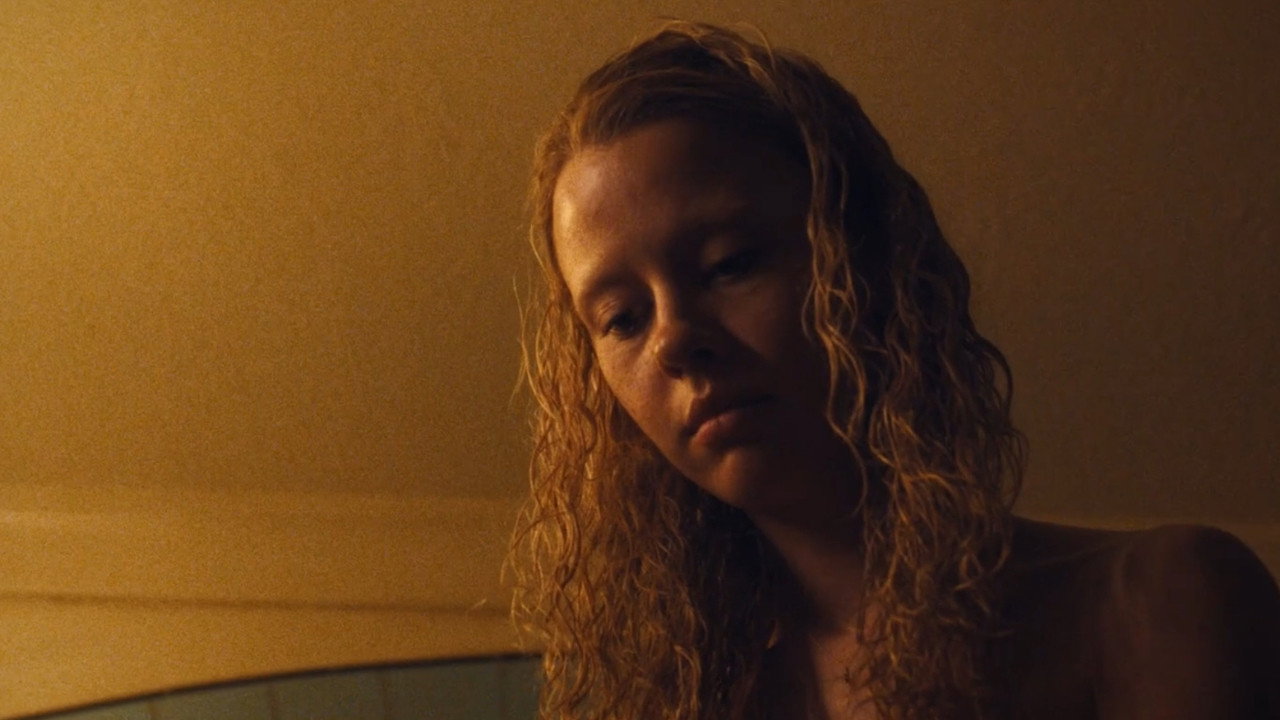
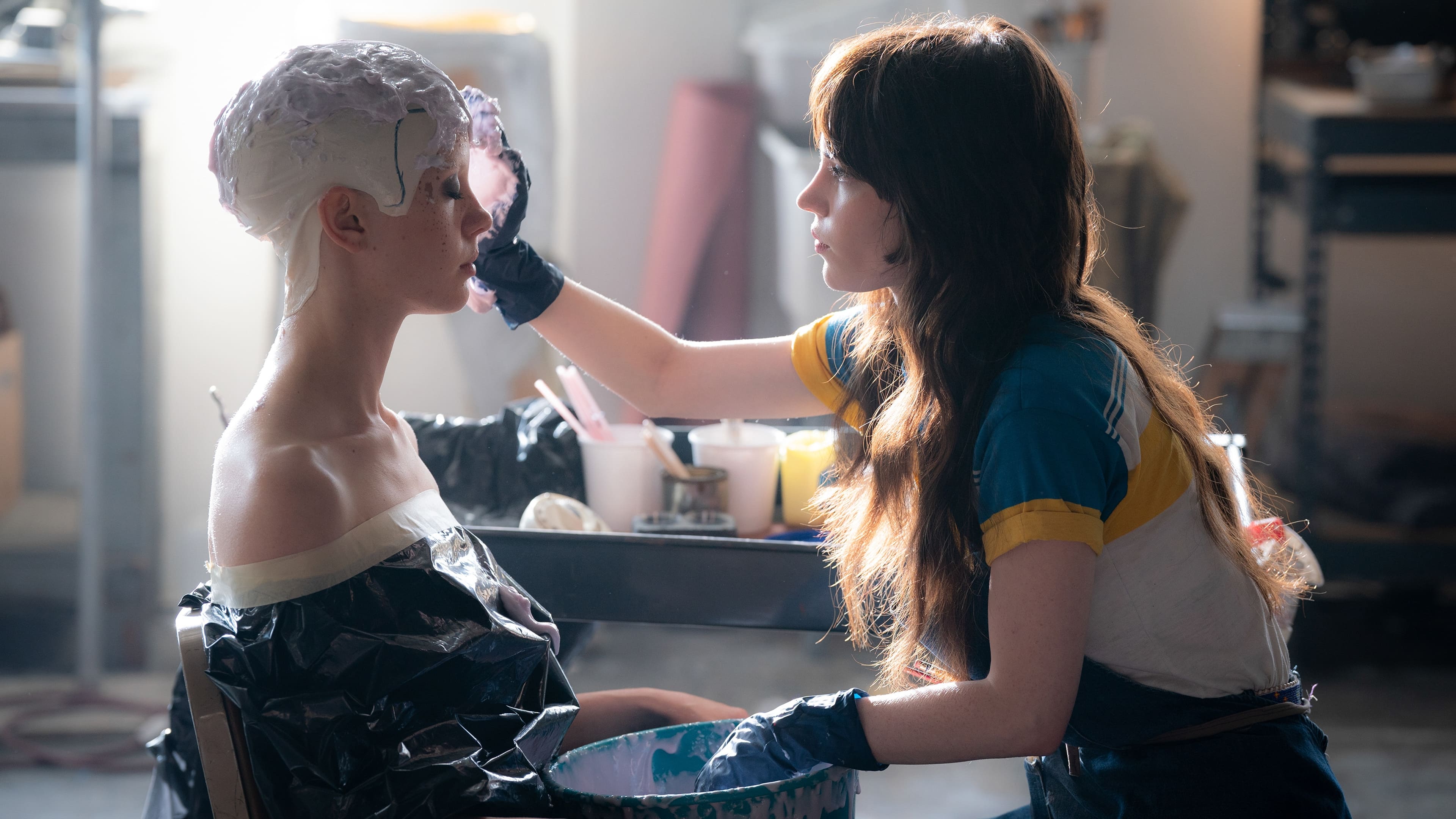
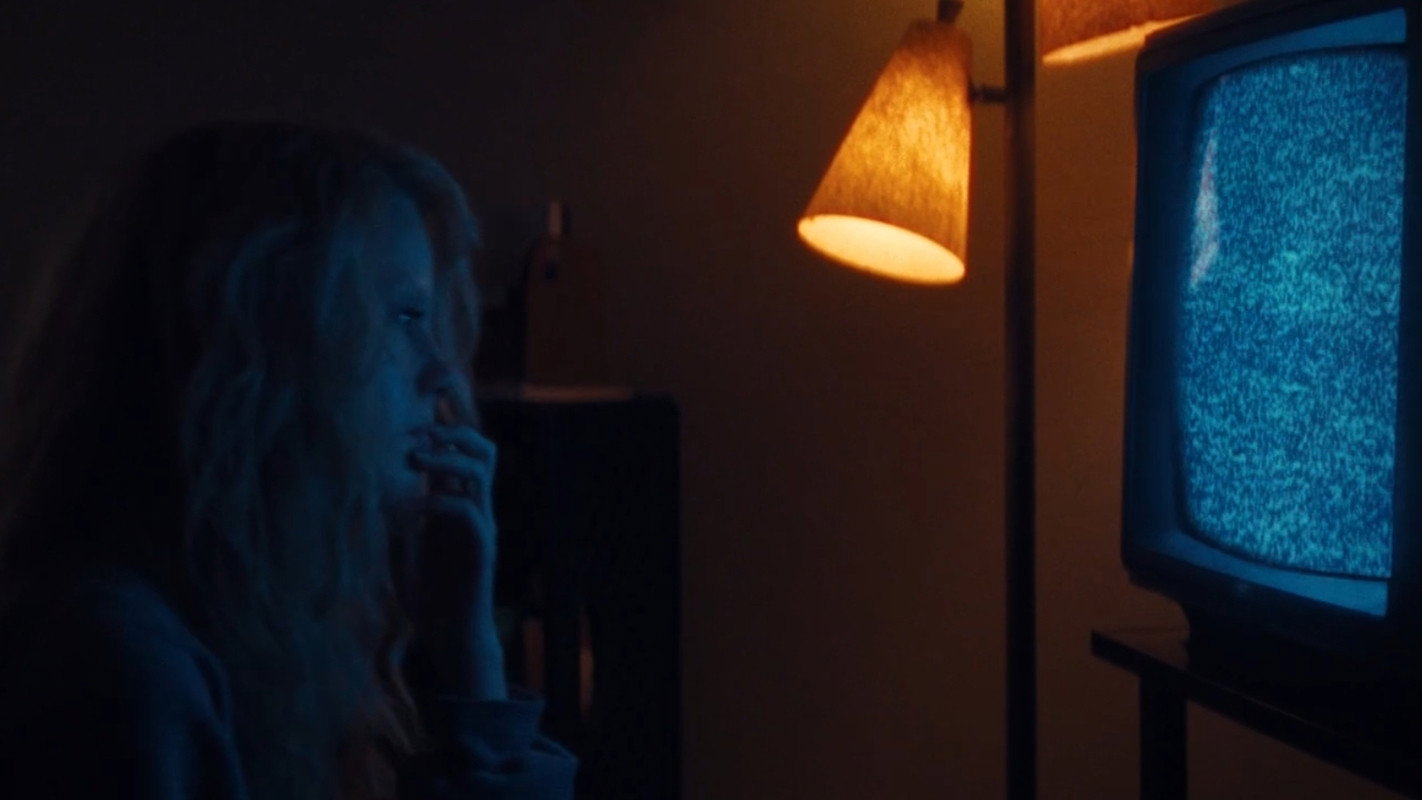
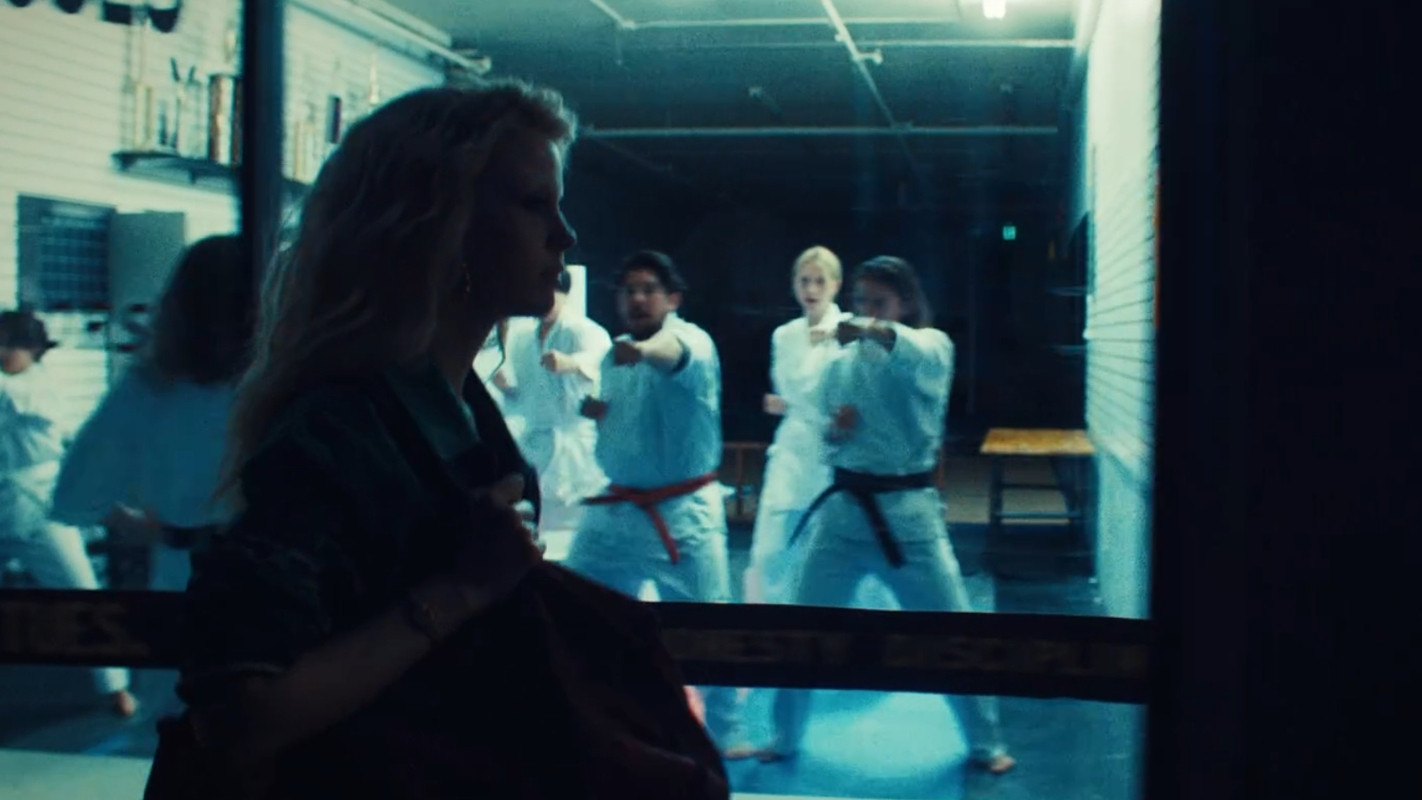
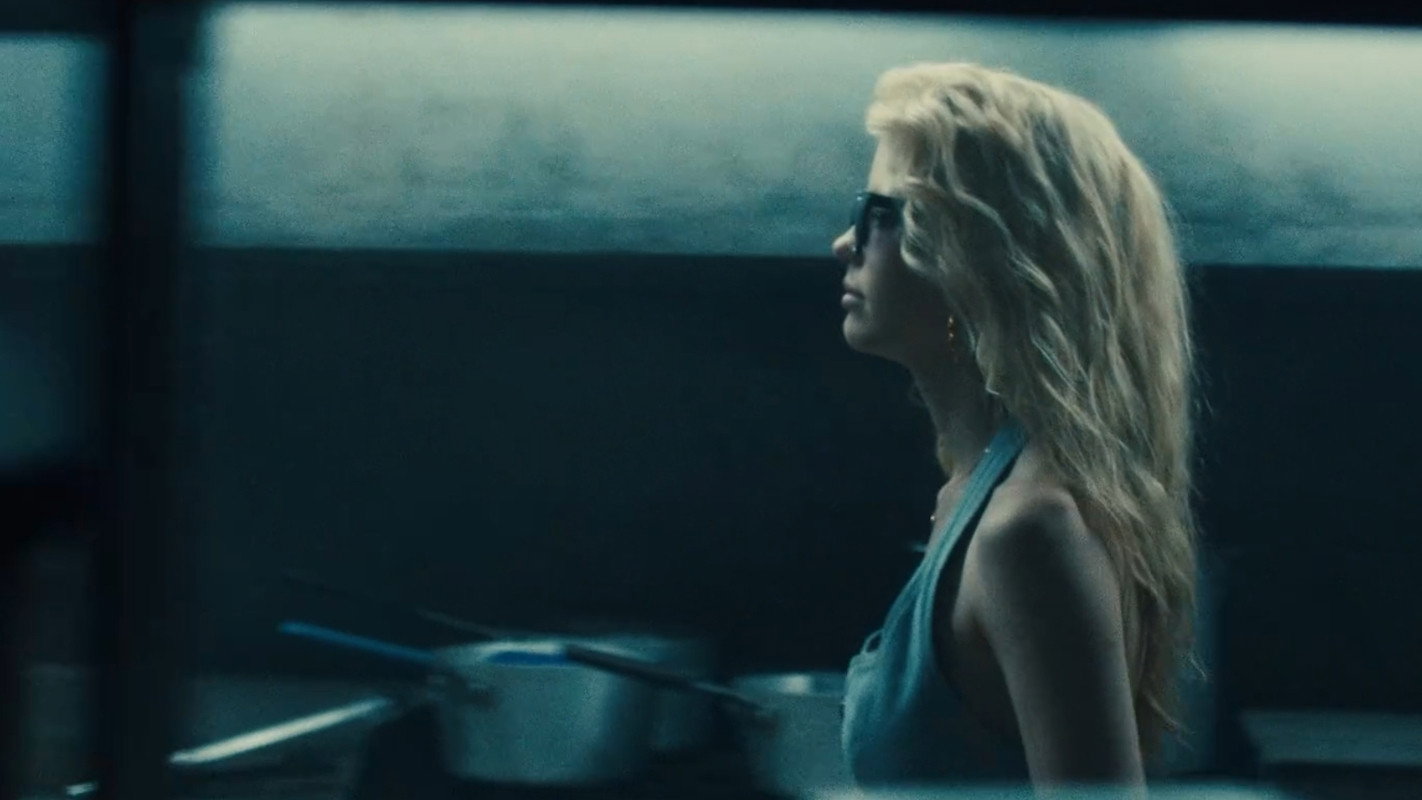
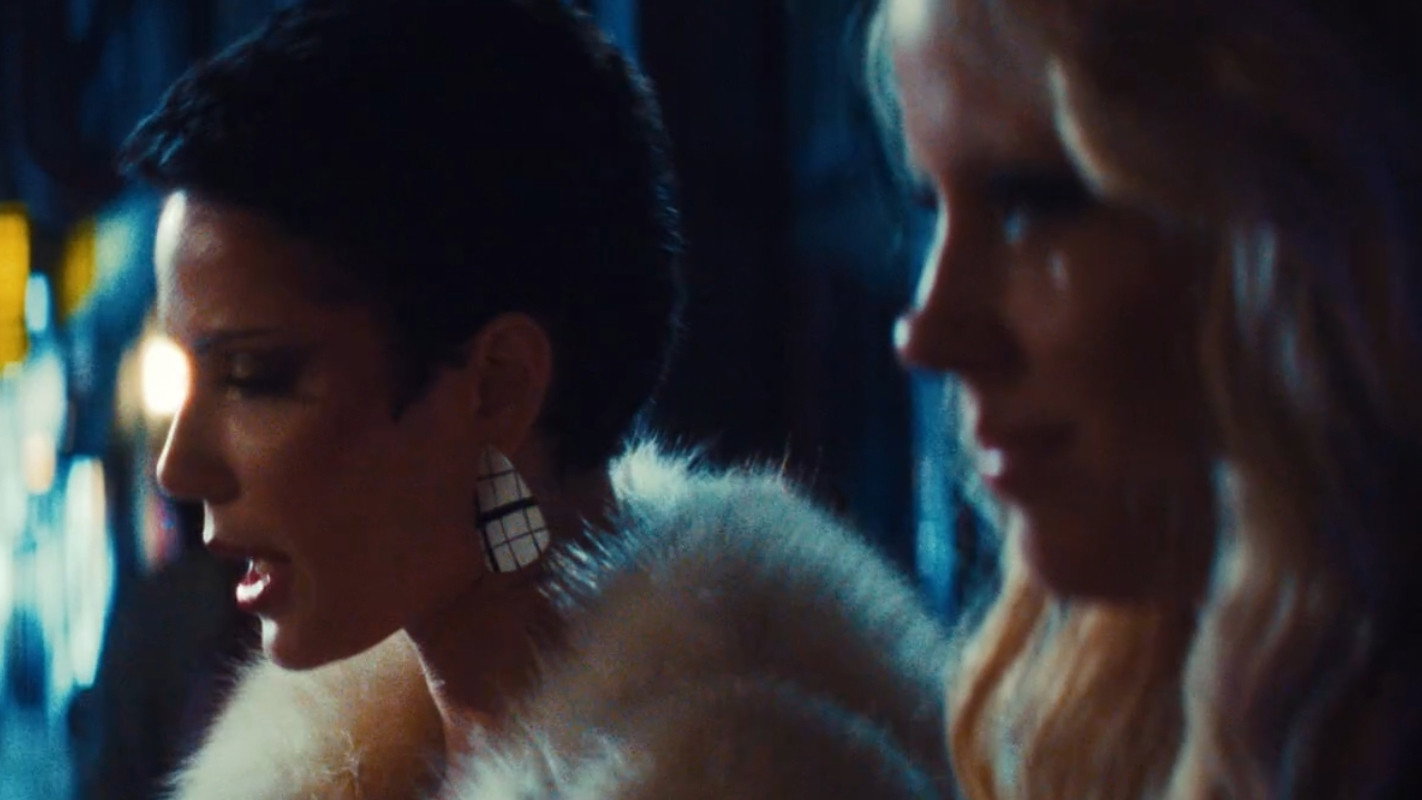
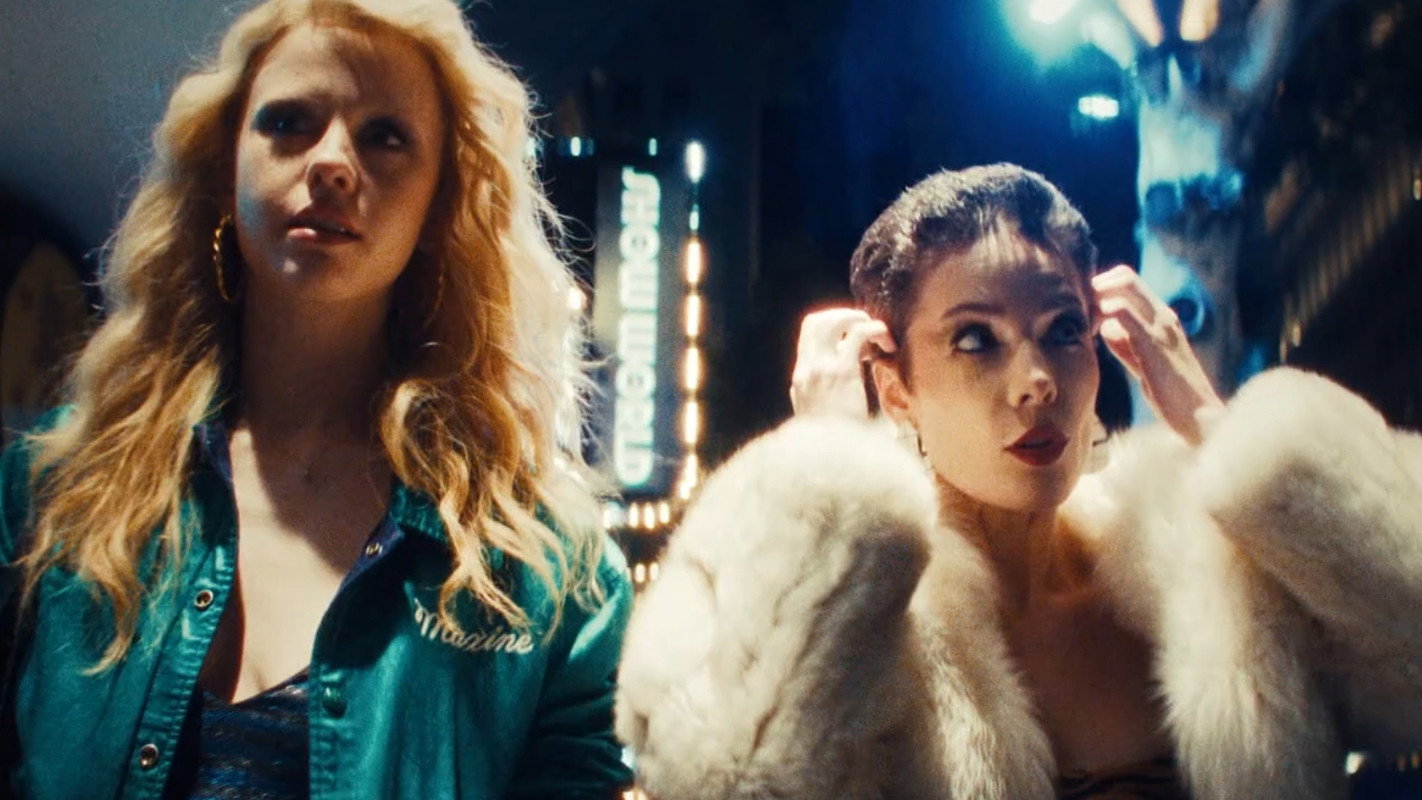
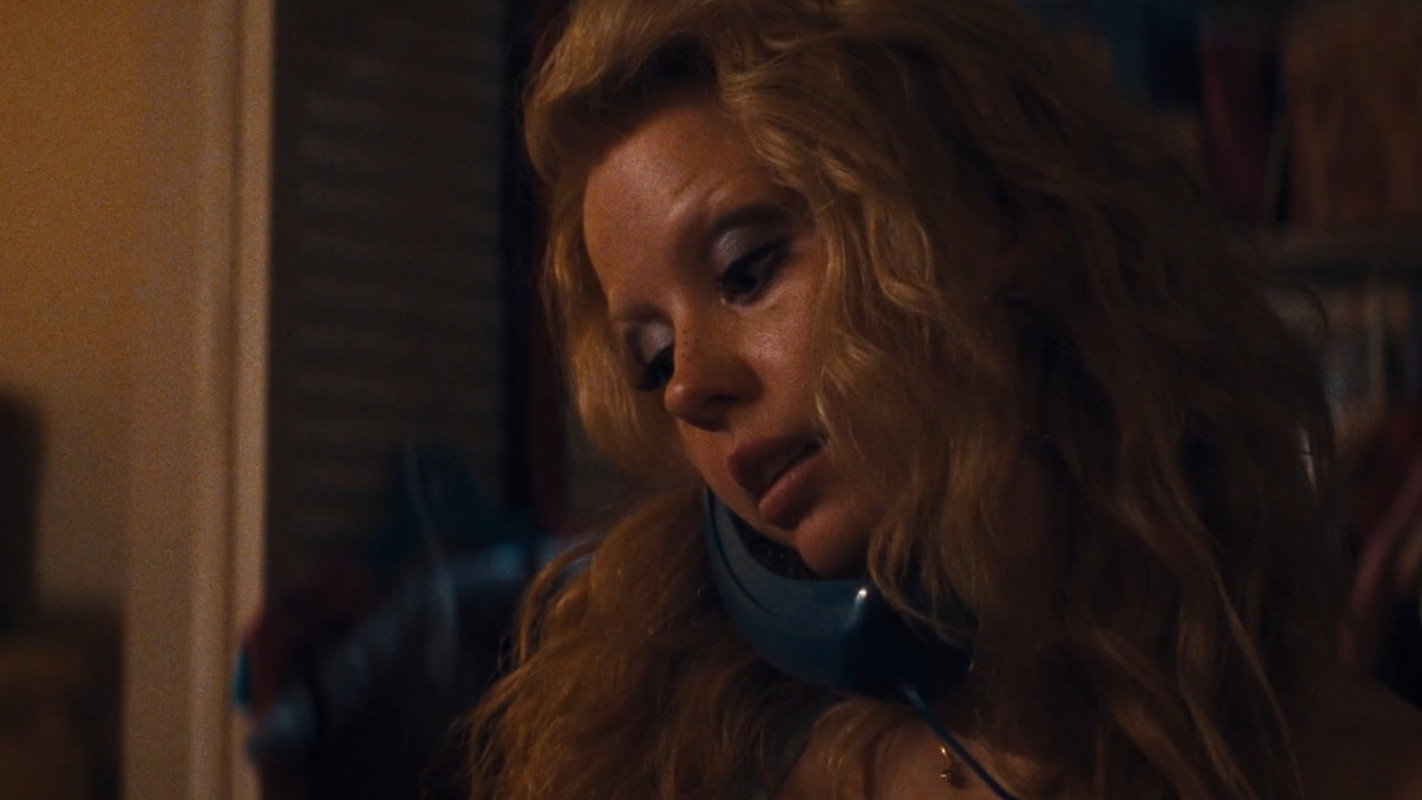
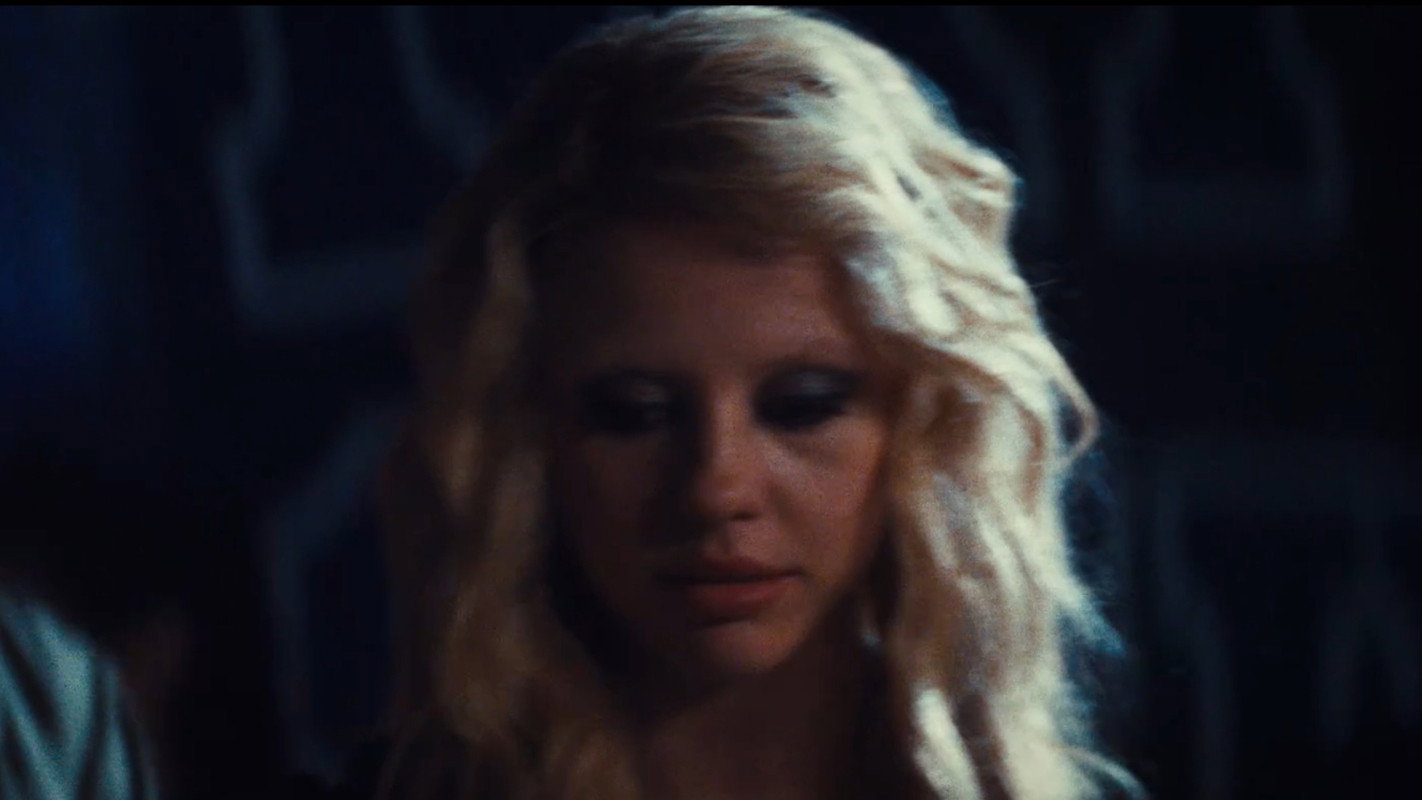
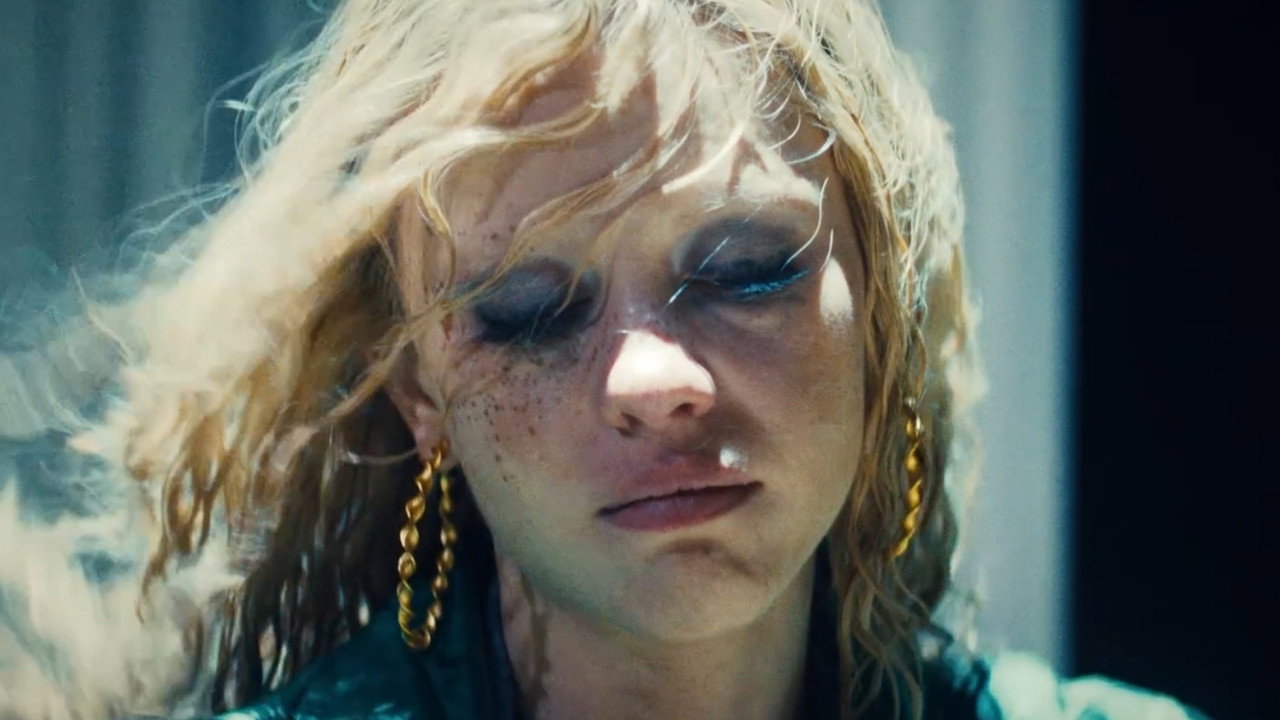
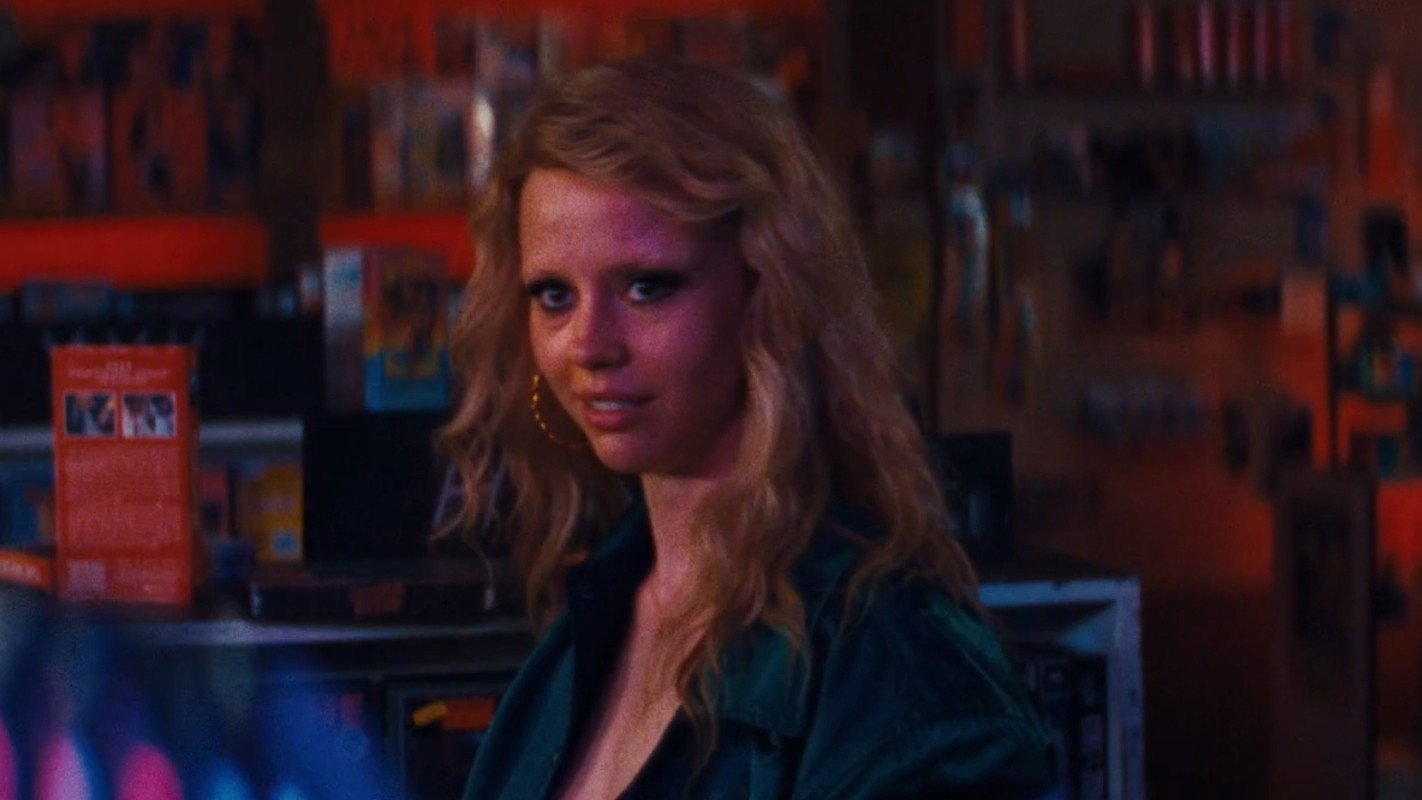
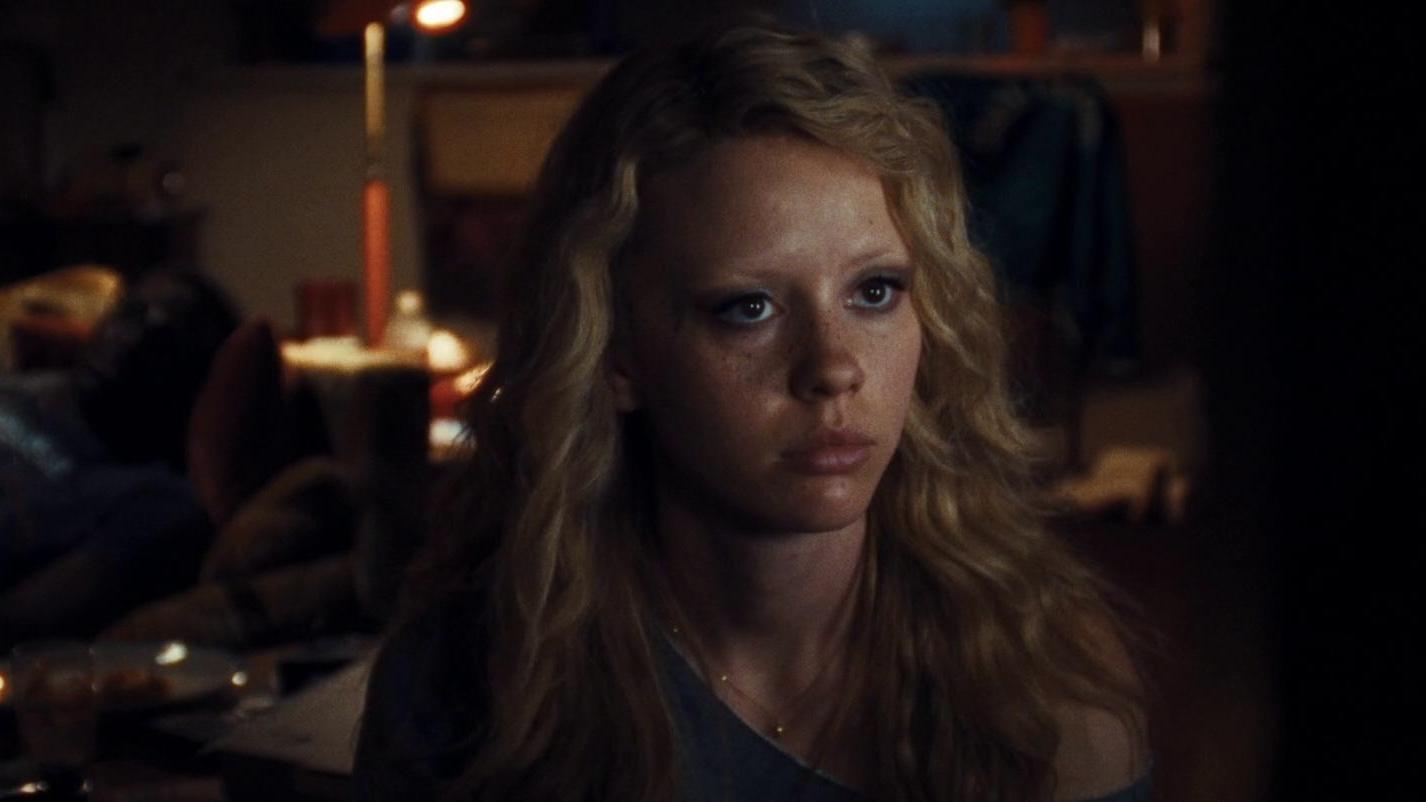
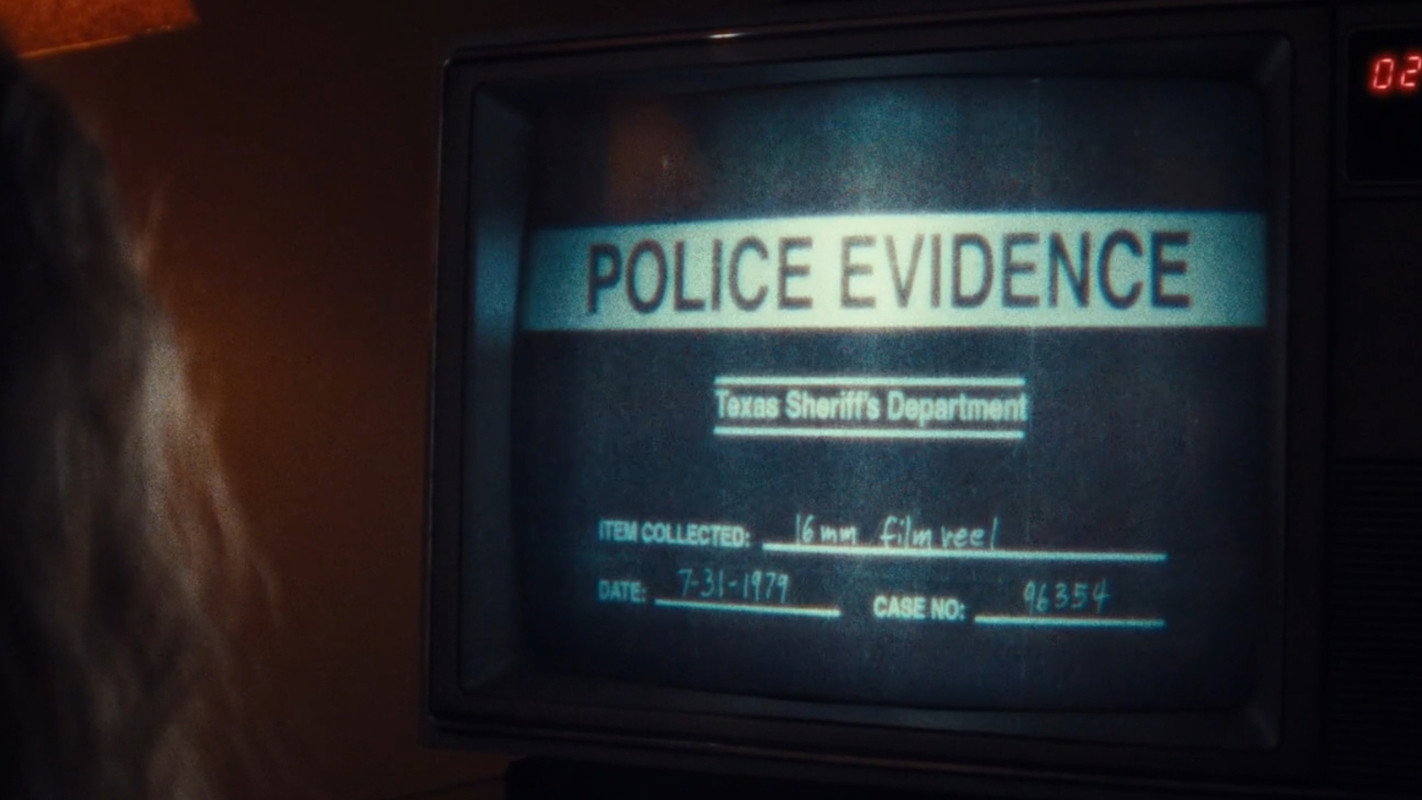
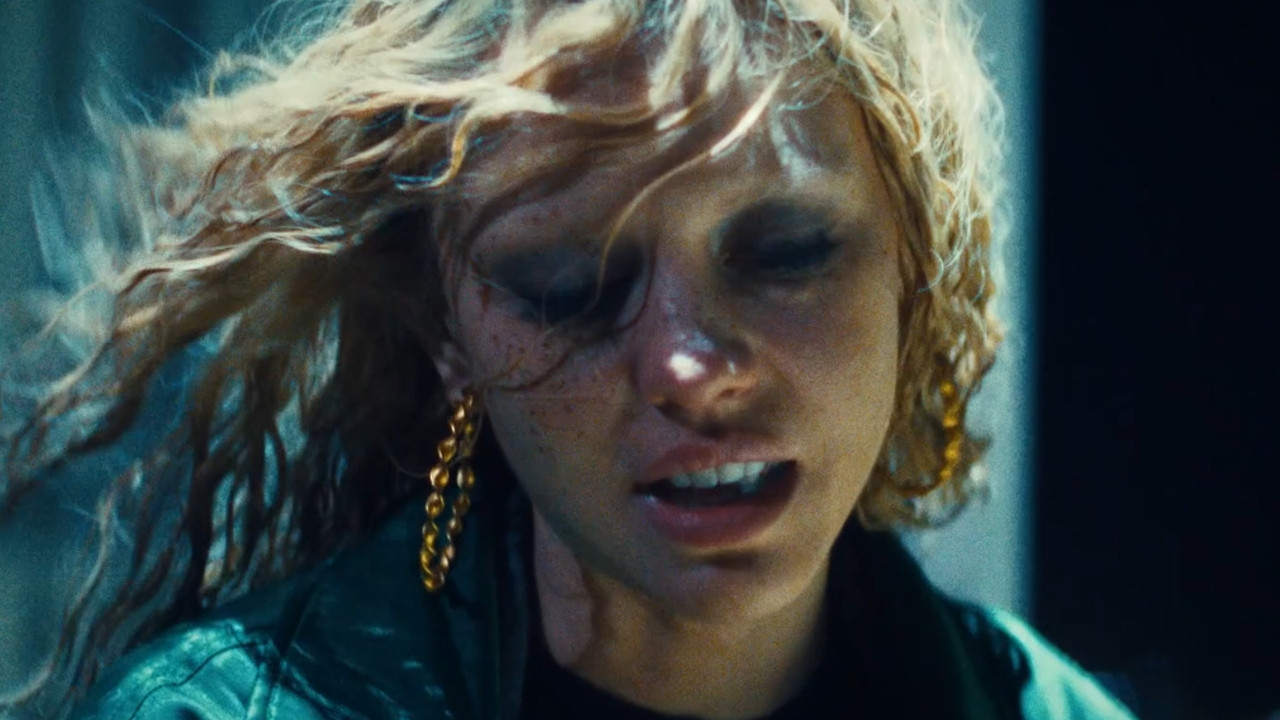
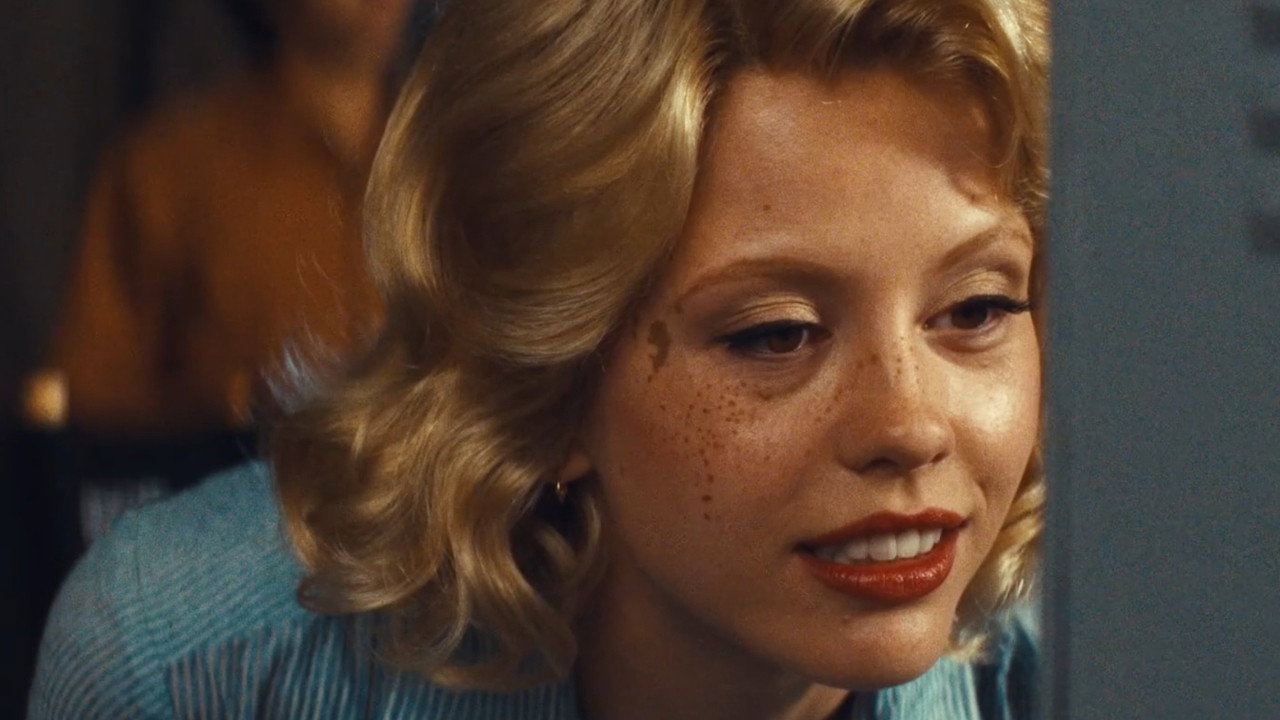
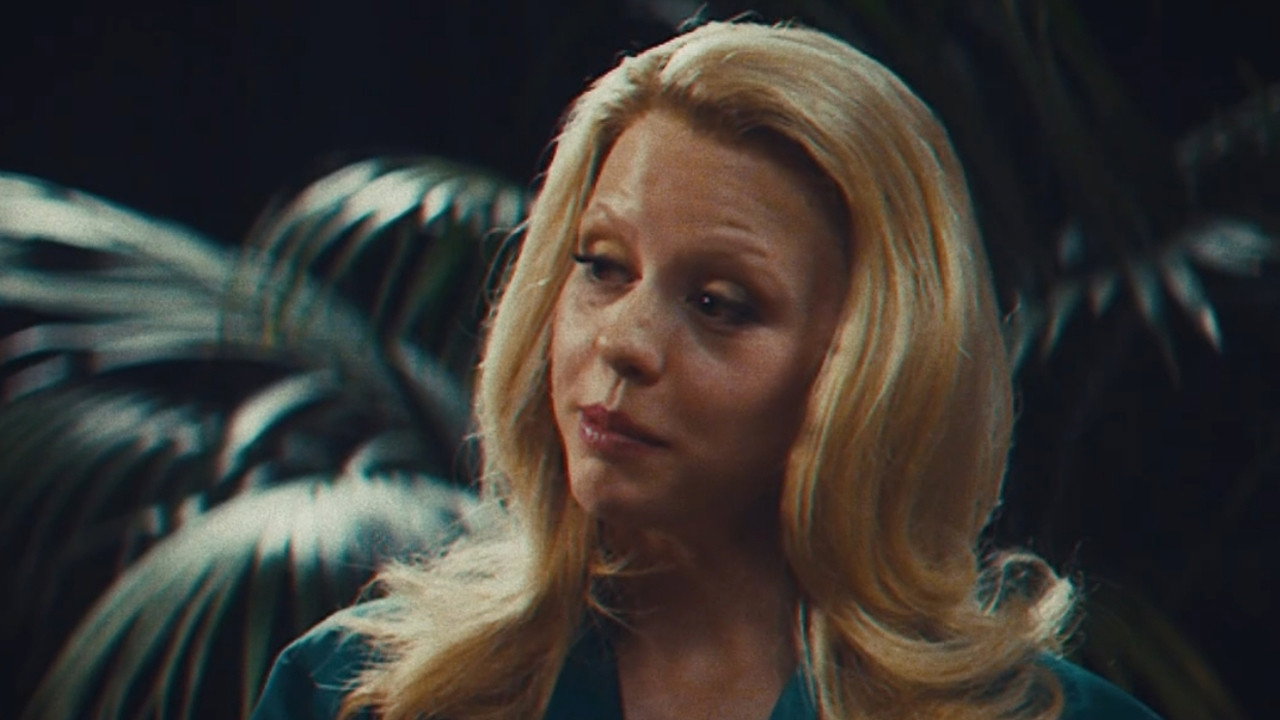
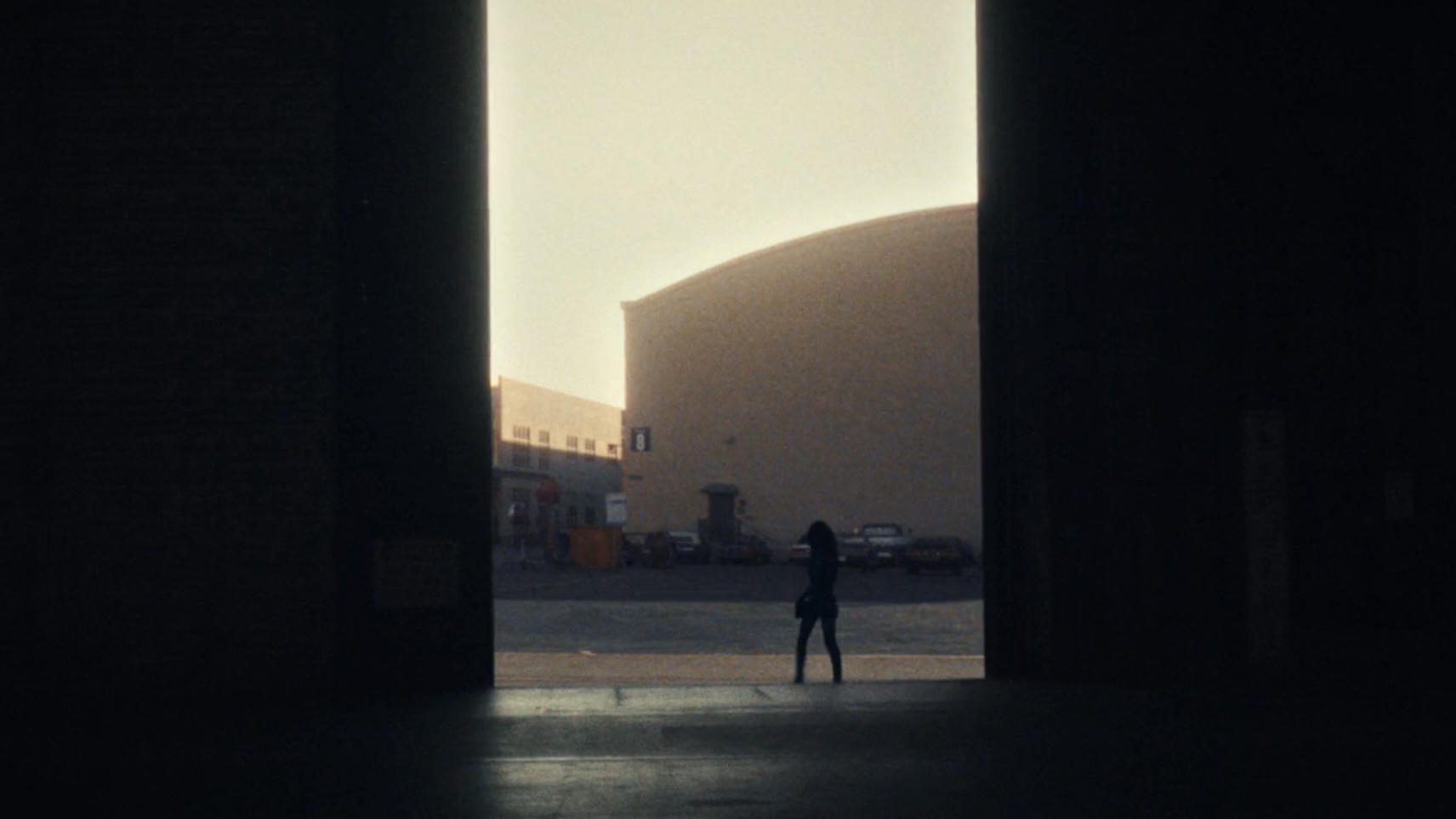
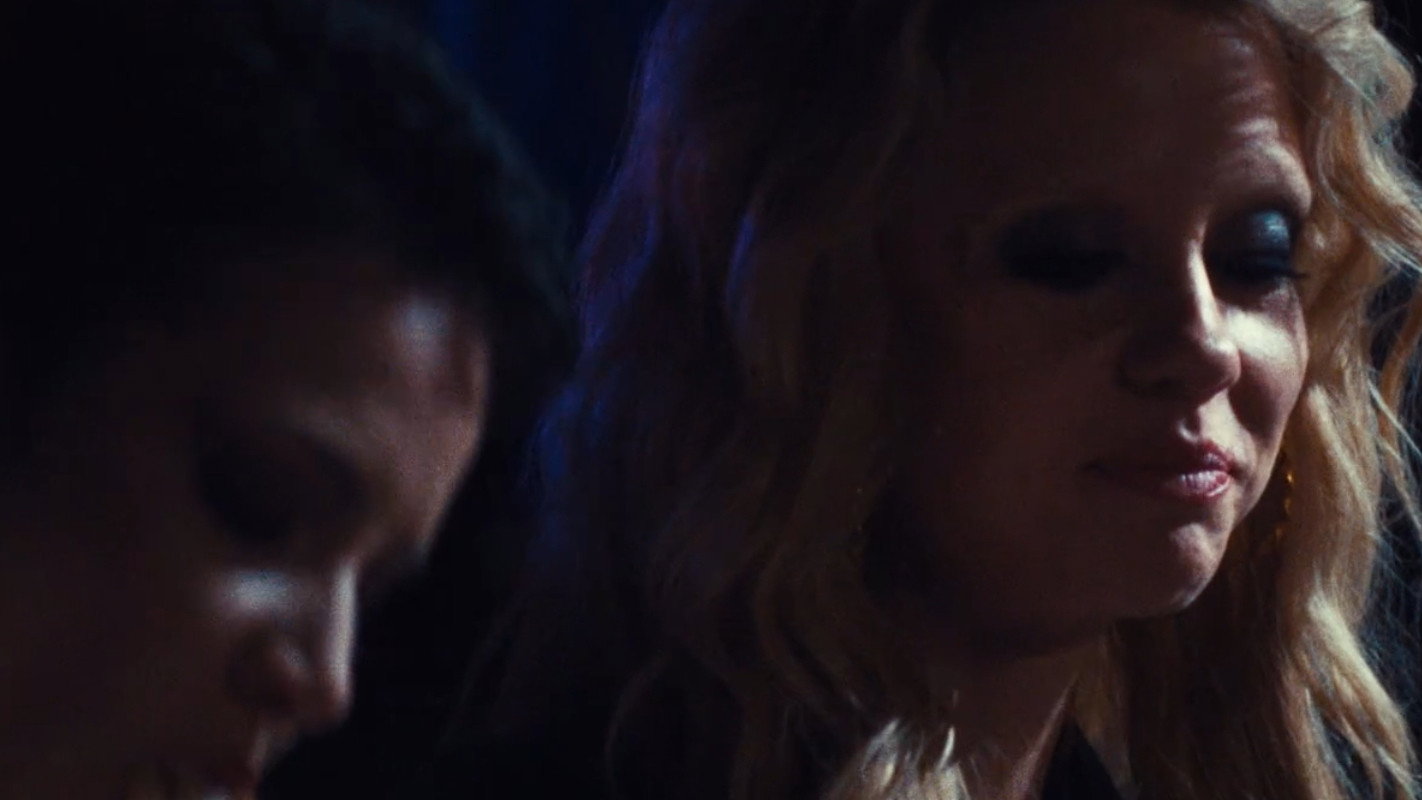
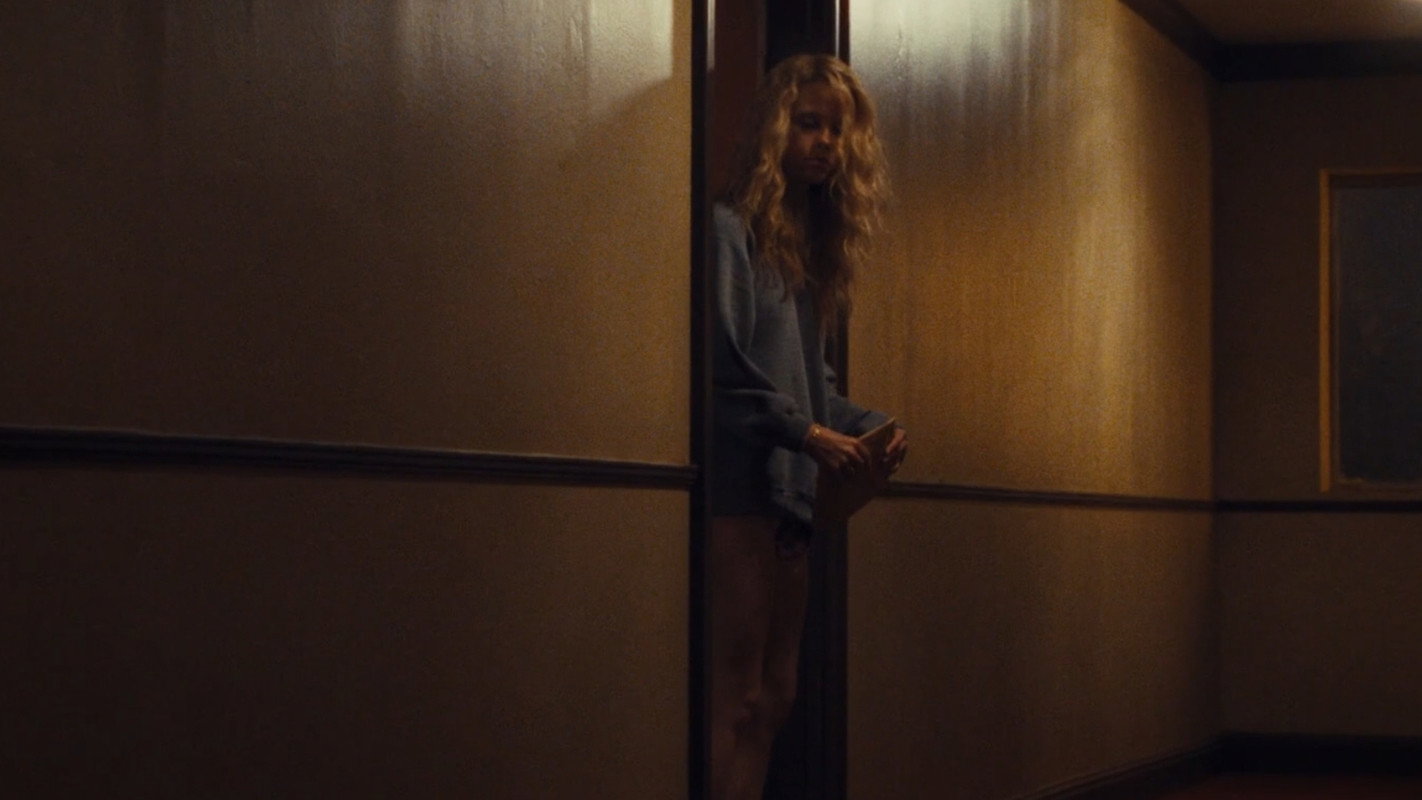
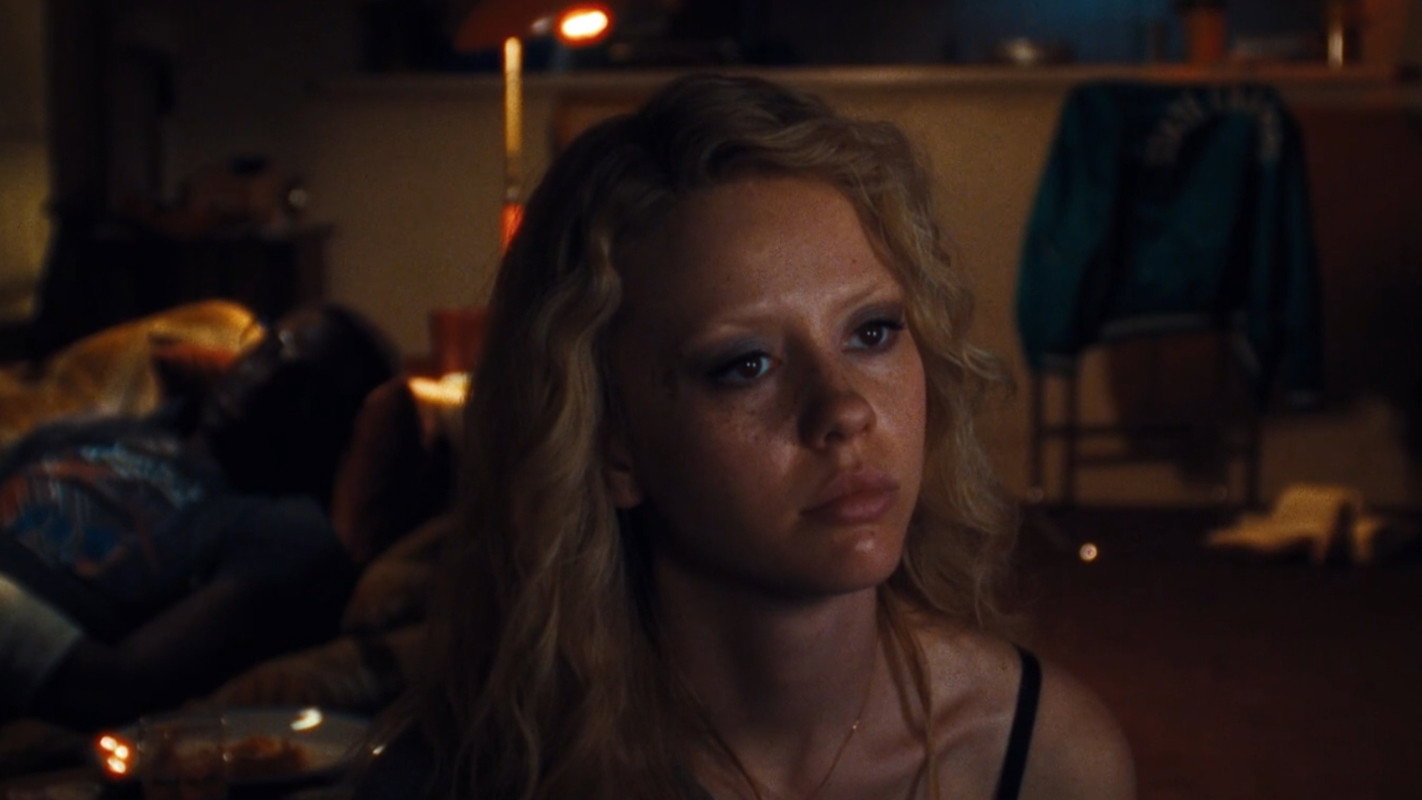
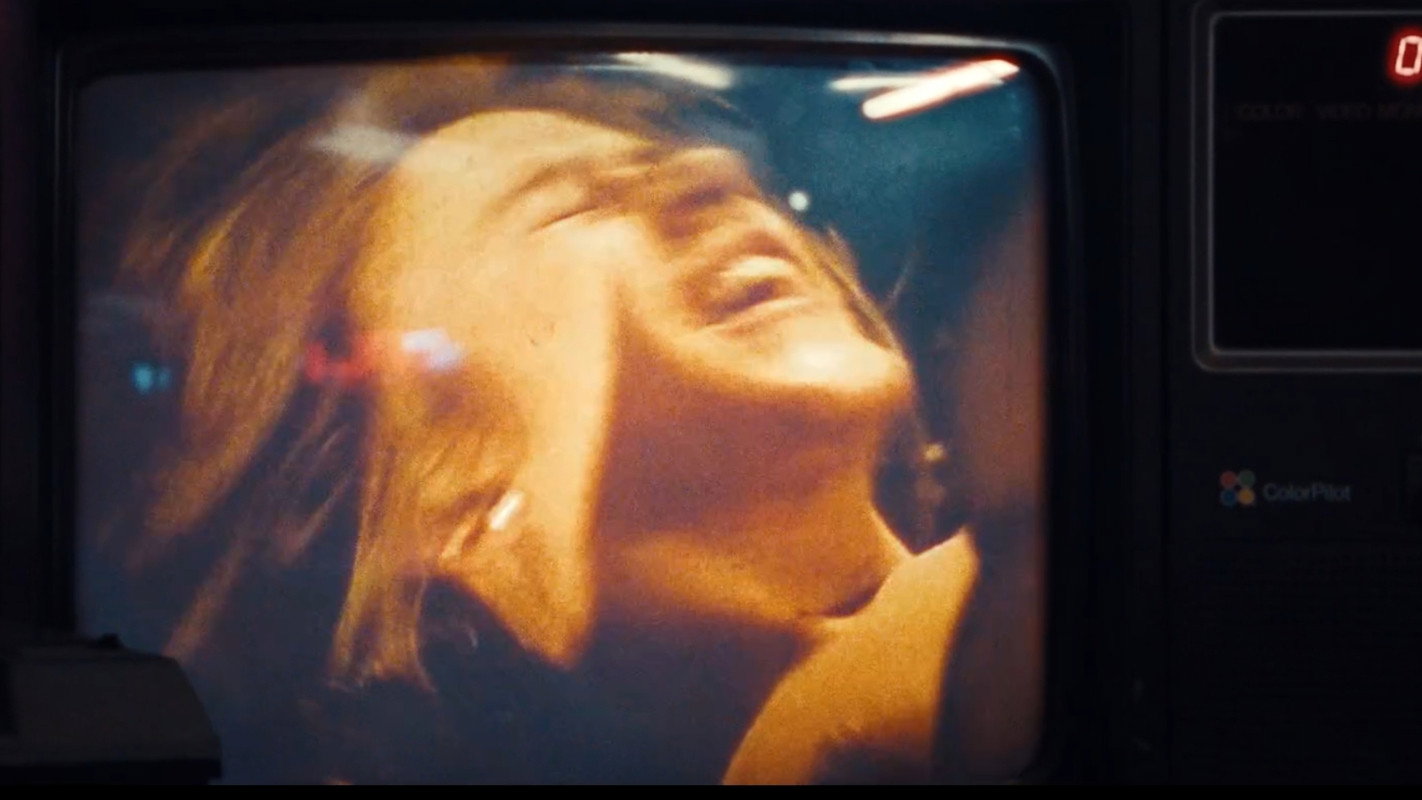
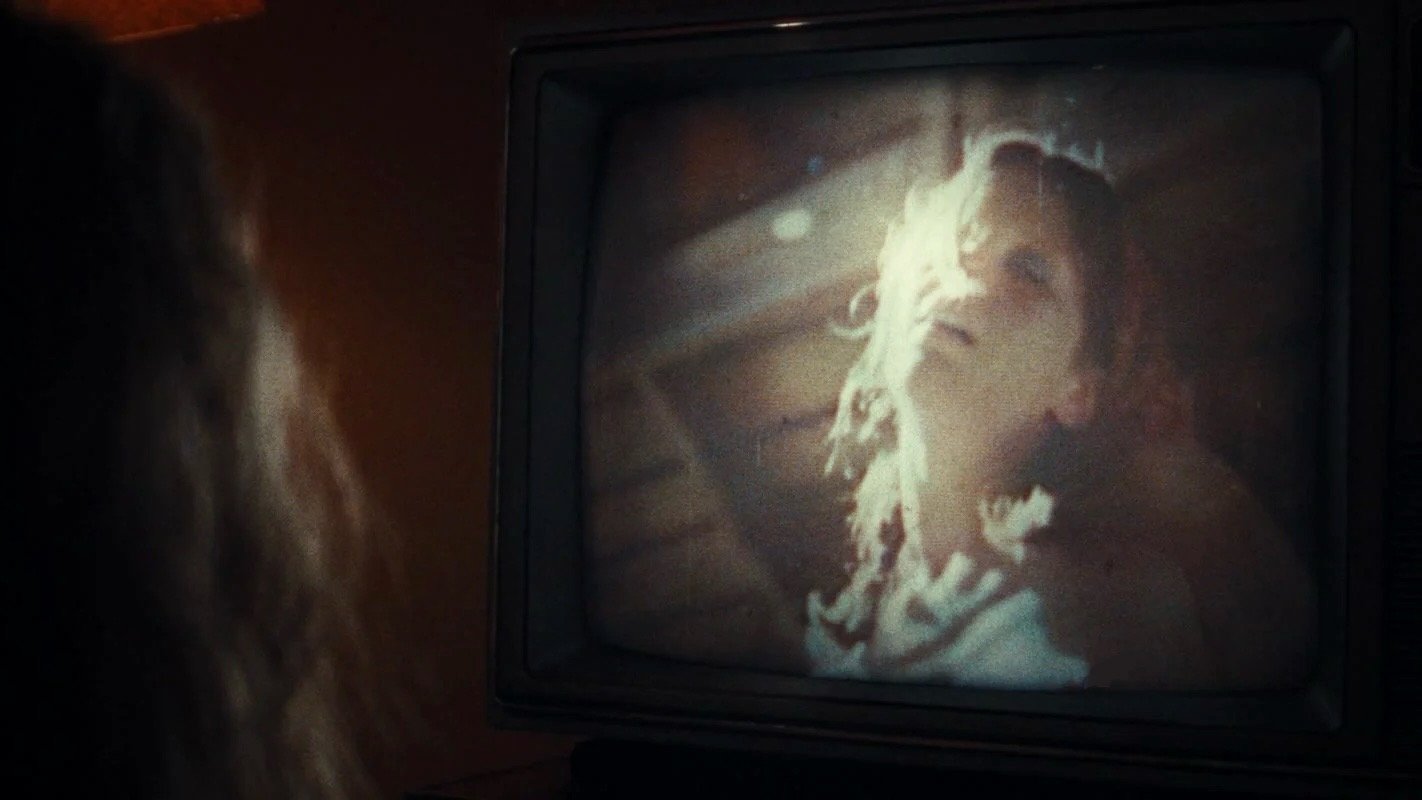
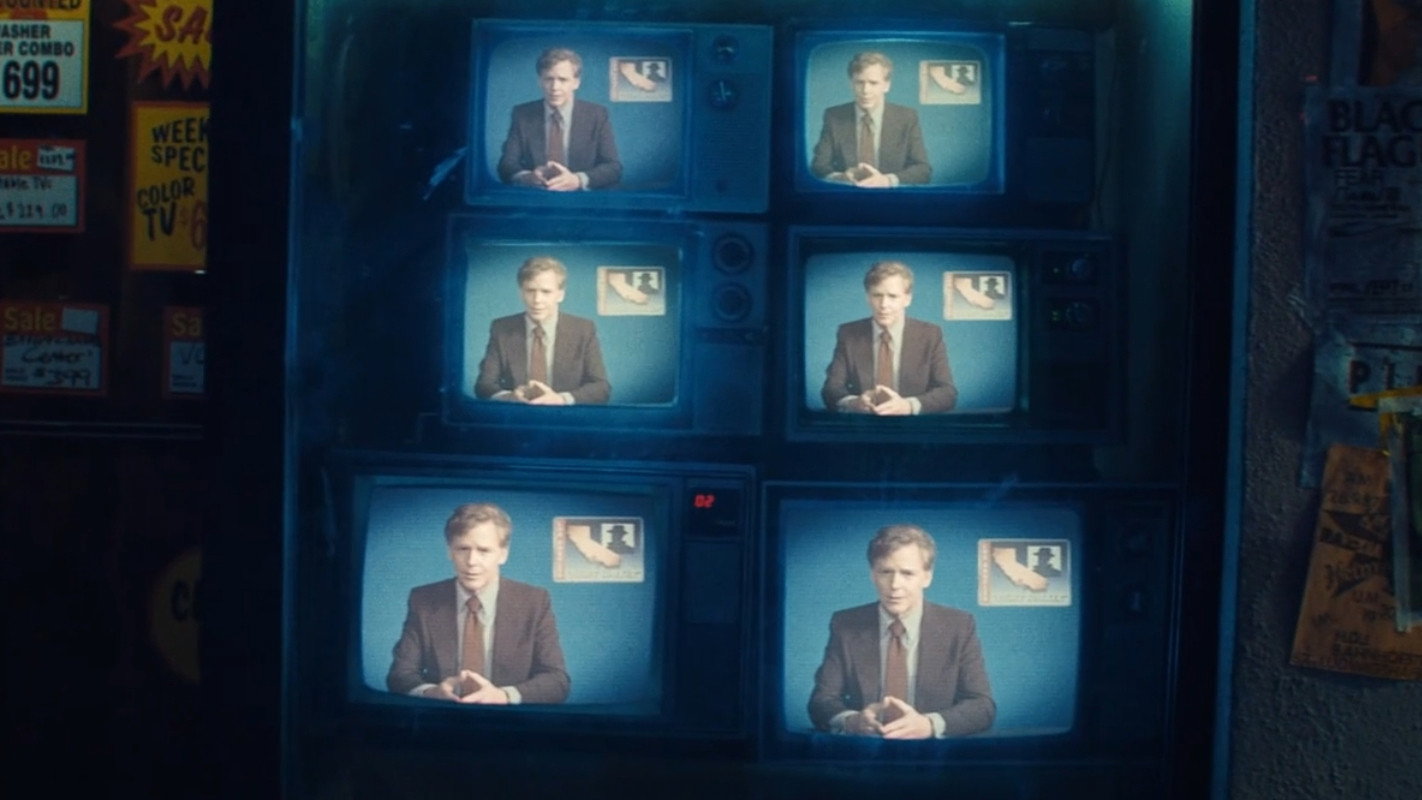
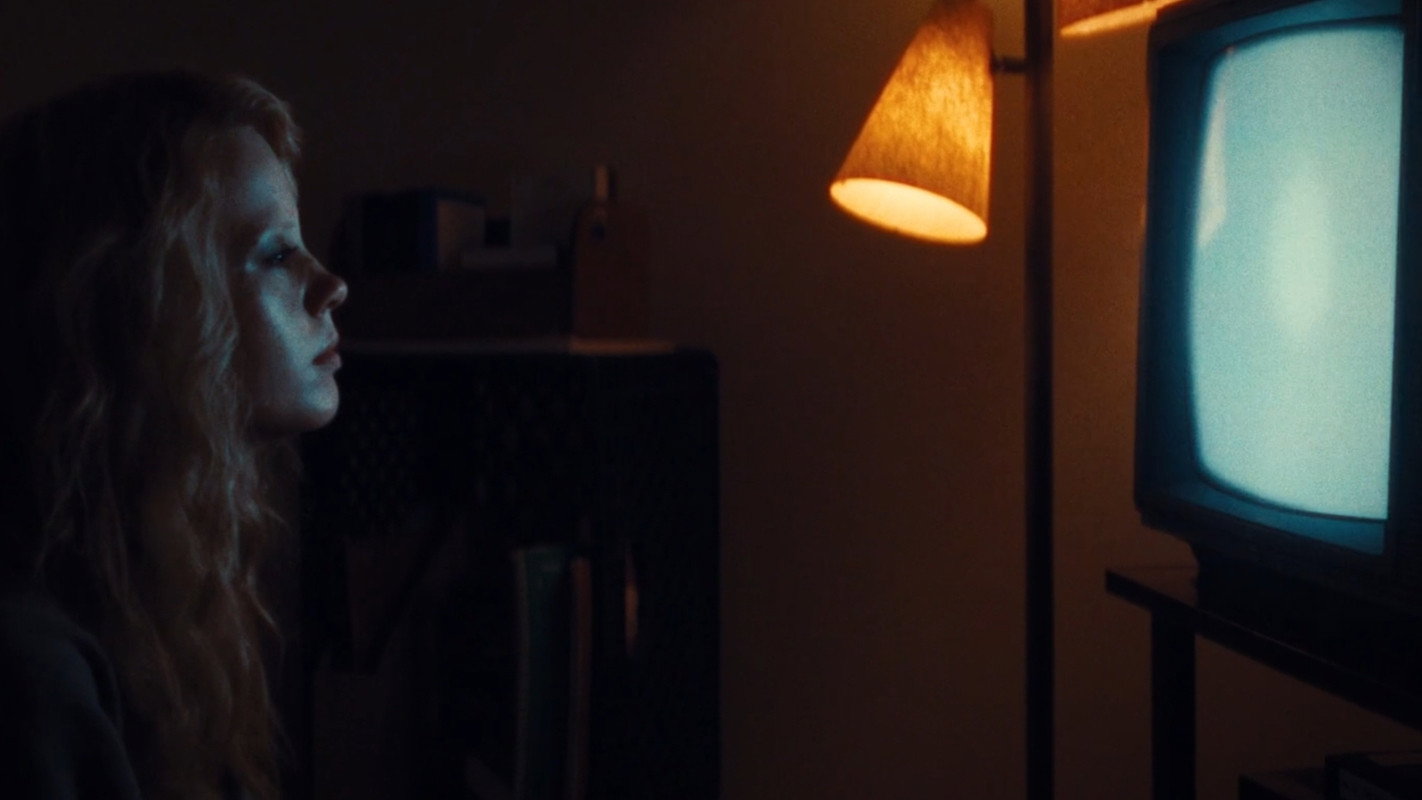
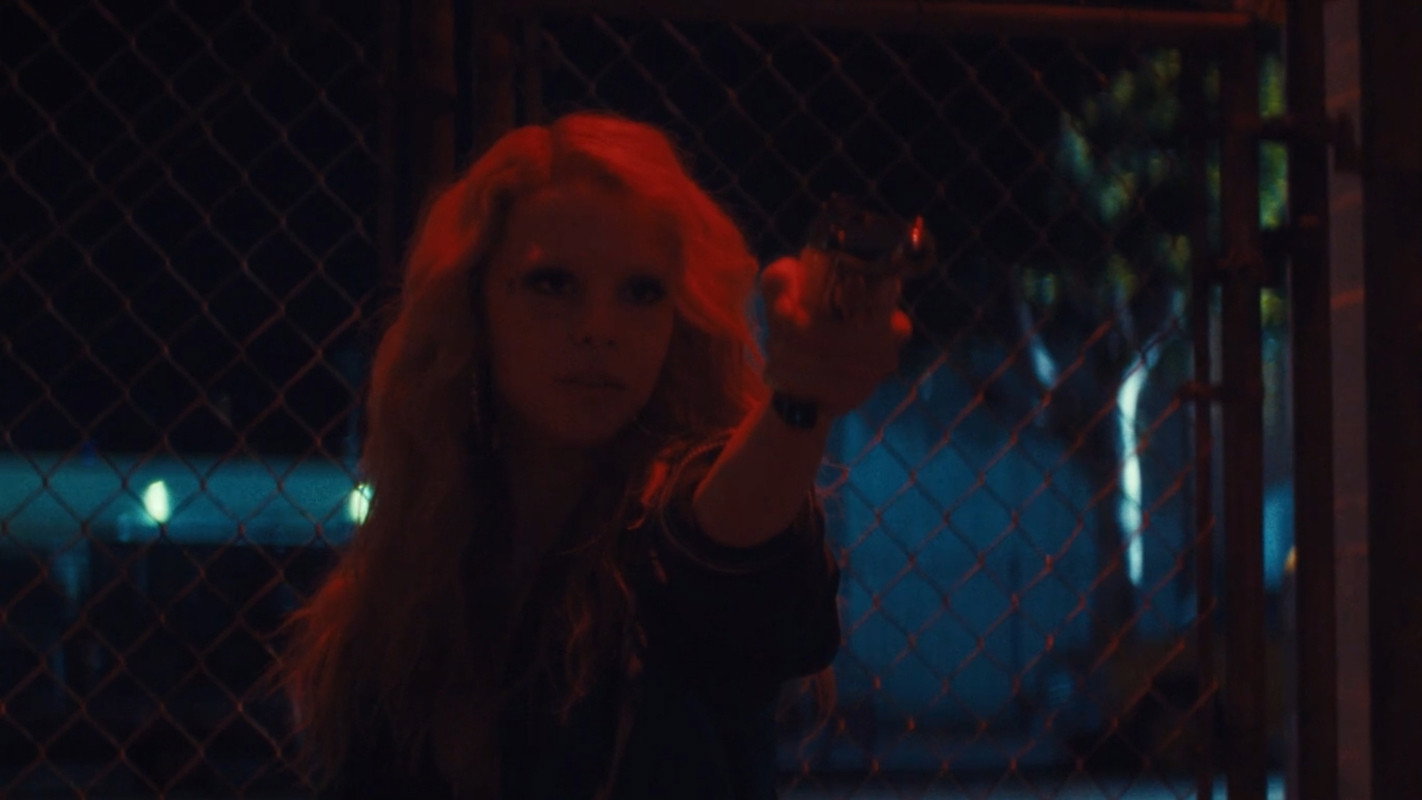
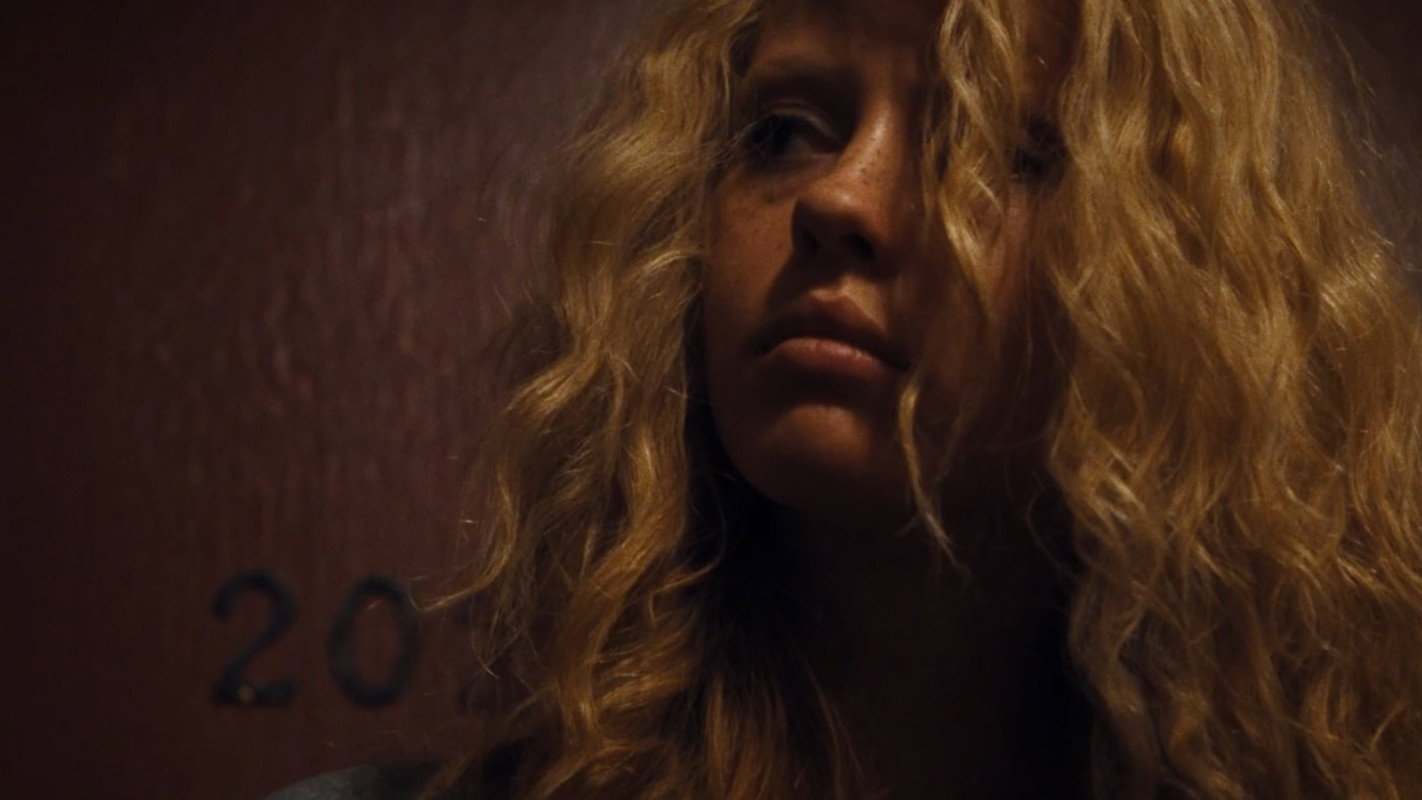
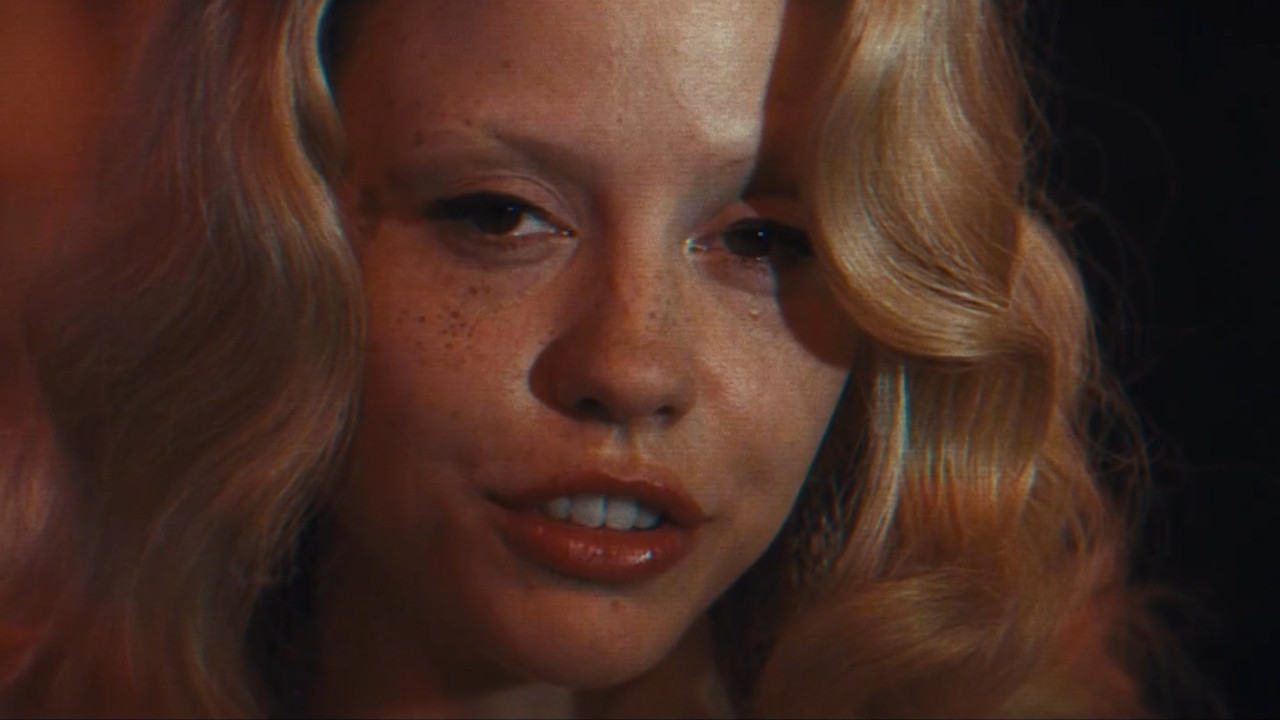
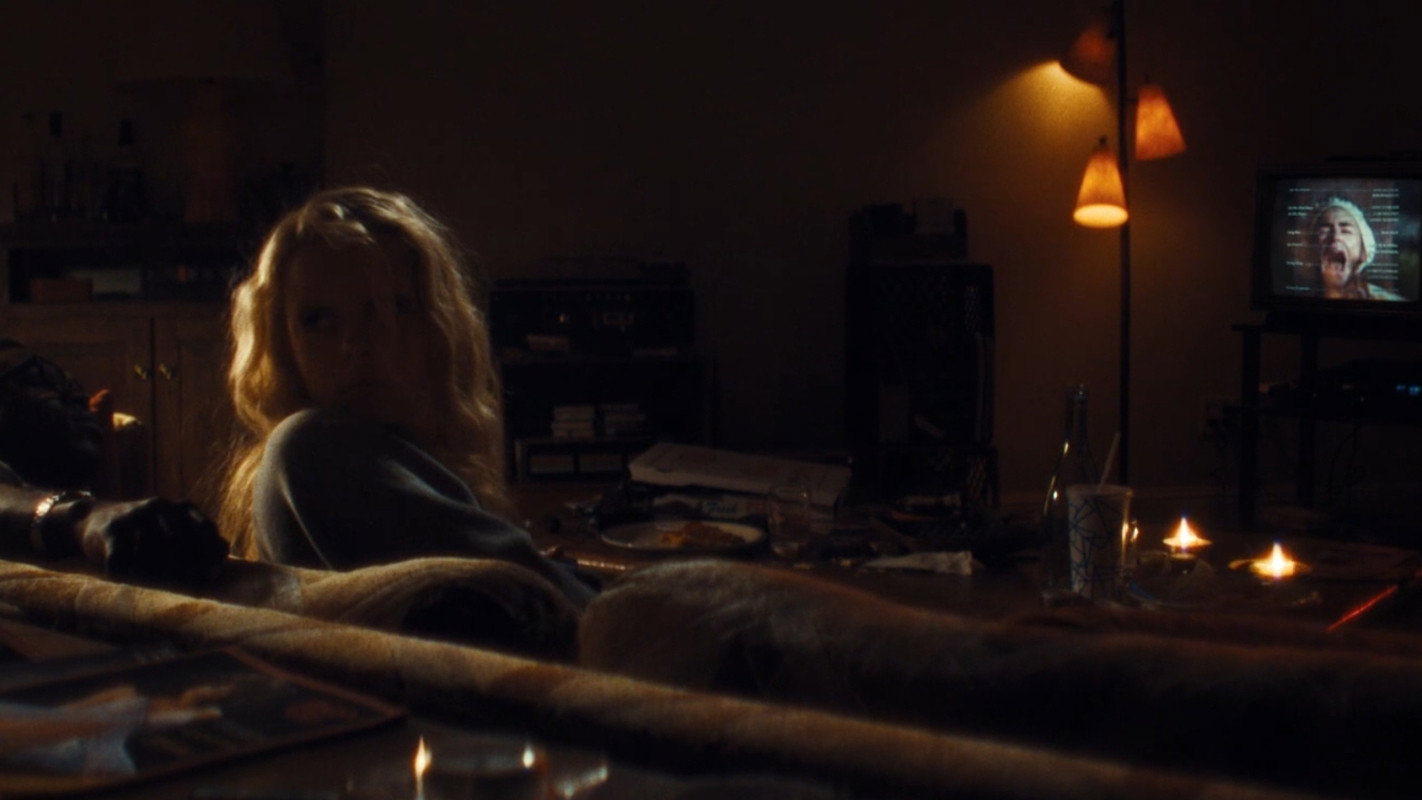
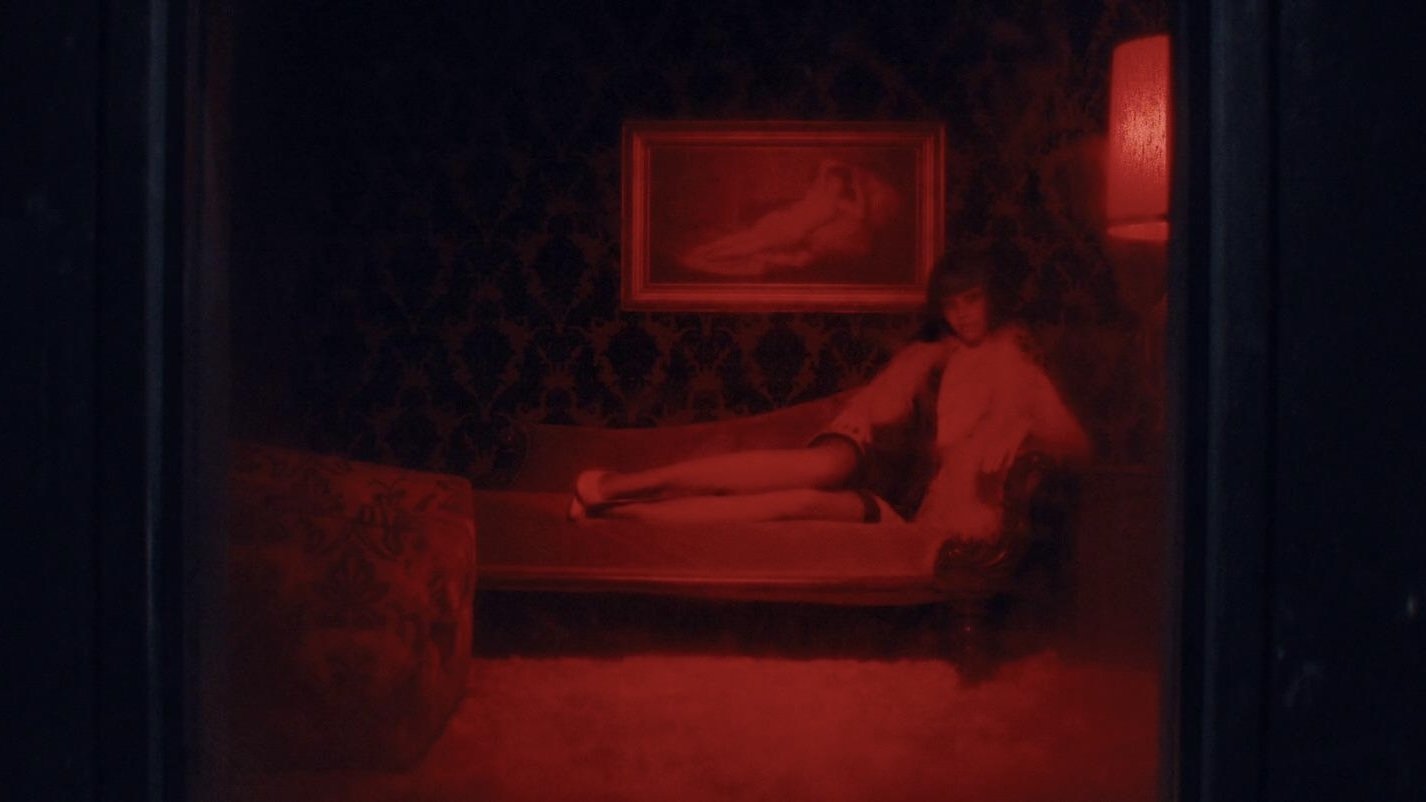
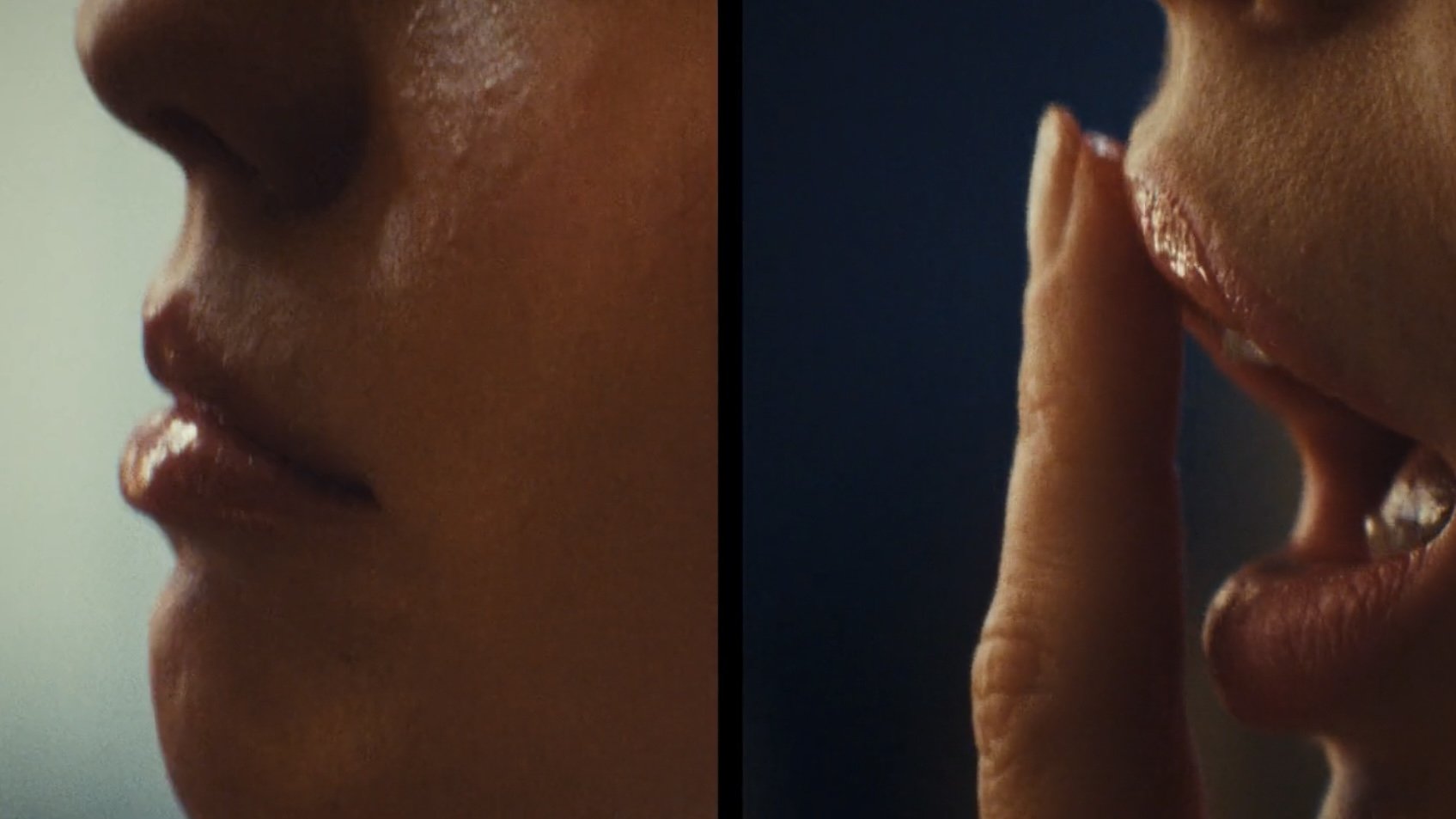
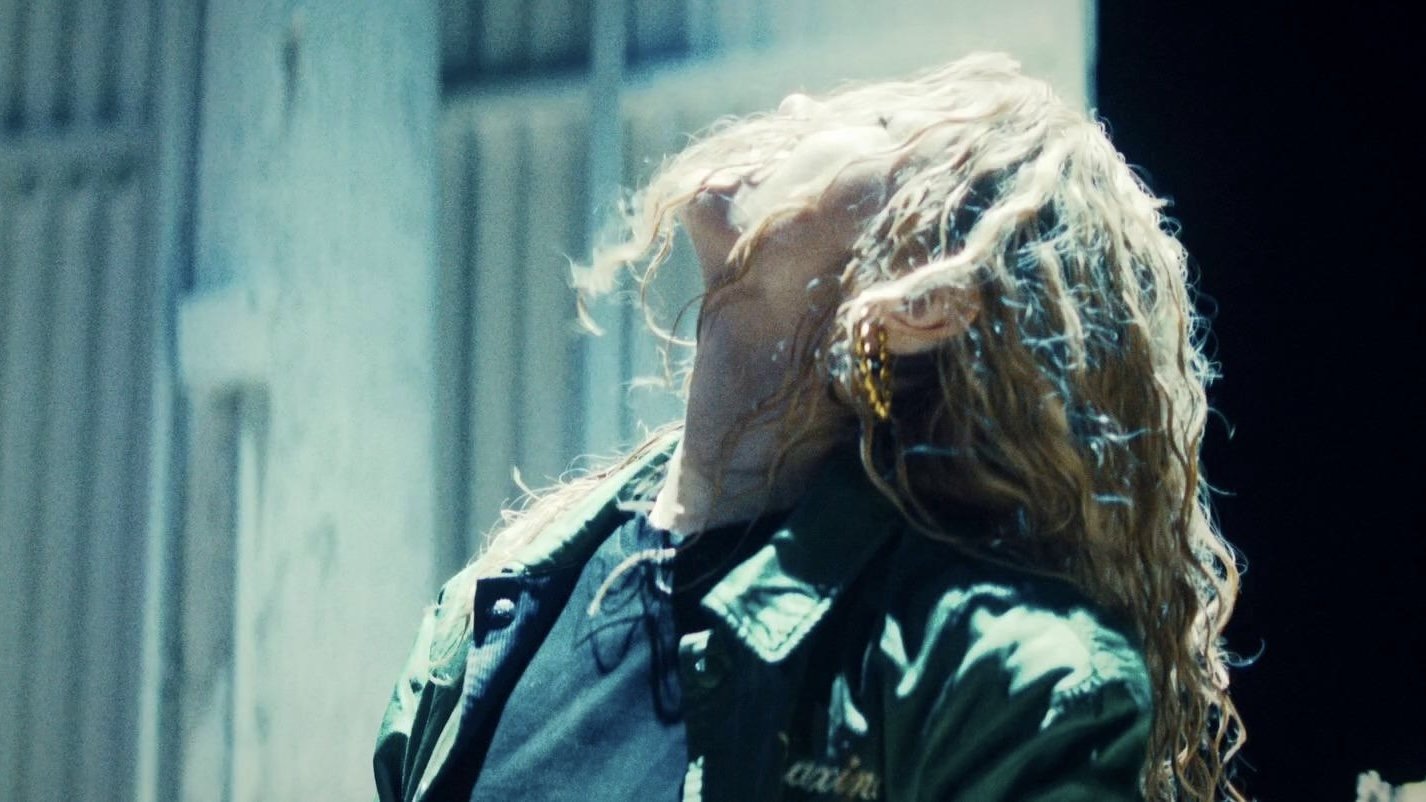
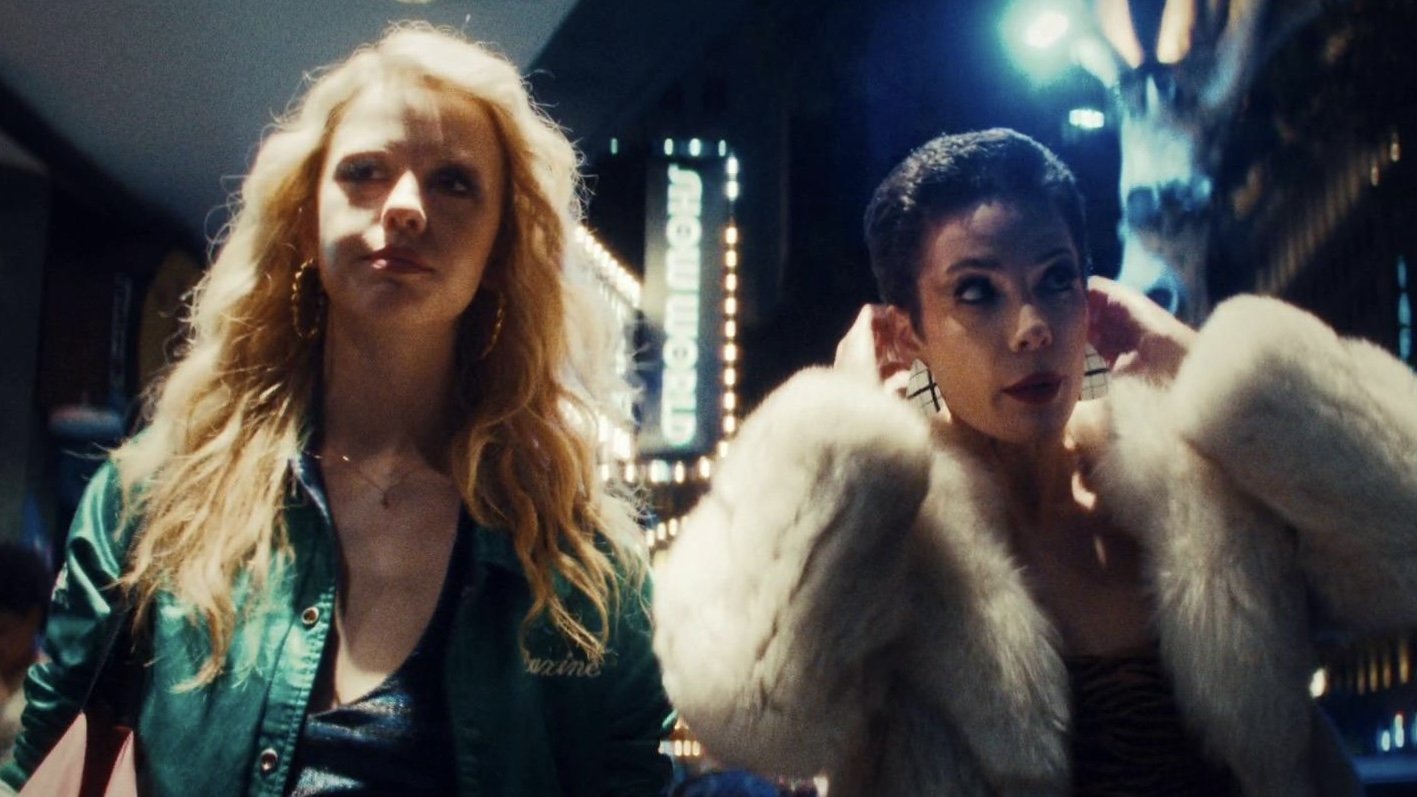
Some people complain about the effects, but that really is what I loved about this. It uses old-school effects and doesn't really focus on realism. West goes back to those grainy vintage camera effects instead of those 4K hyper-realistic ones. The quality of the movie is visibly grainy with some VHS lines in some scenes. Even the close-ups have a foggy feeling to them. This approach makes everything less real and less drained and makes it more dream-like and colorful, like the vision people have of Hollywood. And it looks beautiful, in my opinion. MaXXXine, in terms of cinematography, is one of the most creative films of the past three decades, with its square-ratioed PowerPoint-like transitions, split screens, and much more, but still leaves some 2020s feeling to it, like that little Hollywood aspect ratio it has.
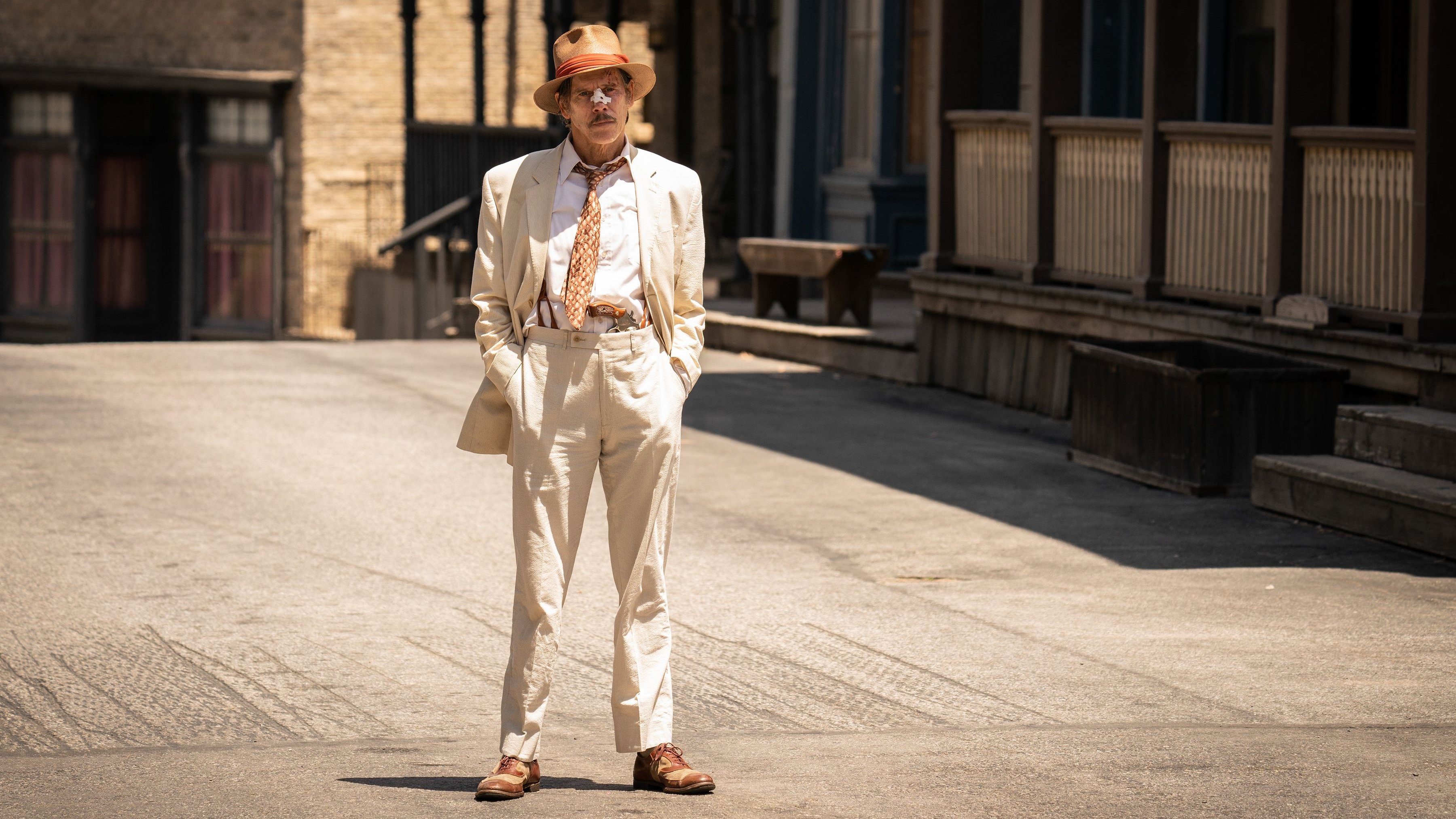
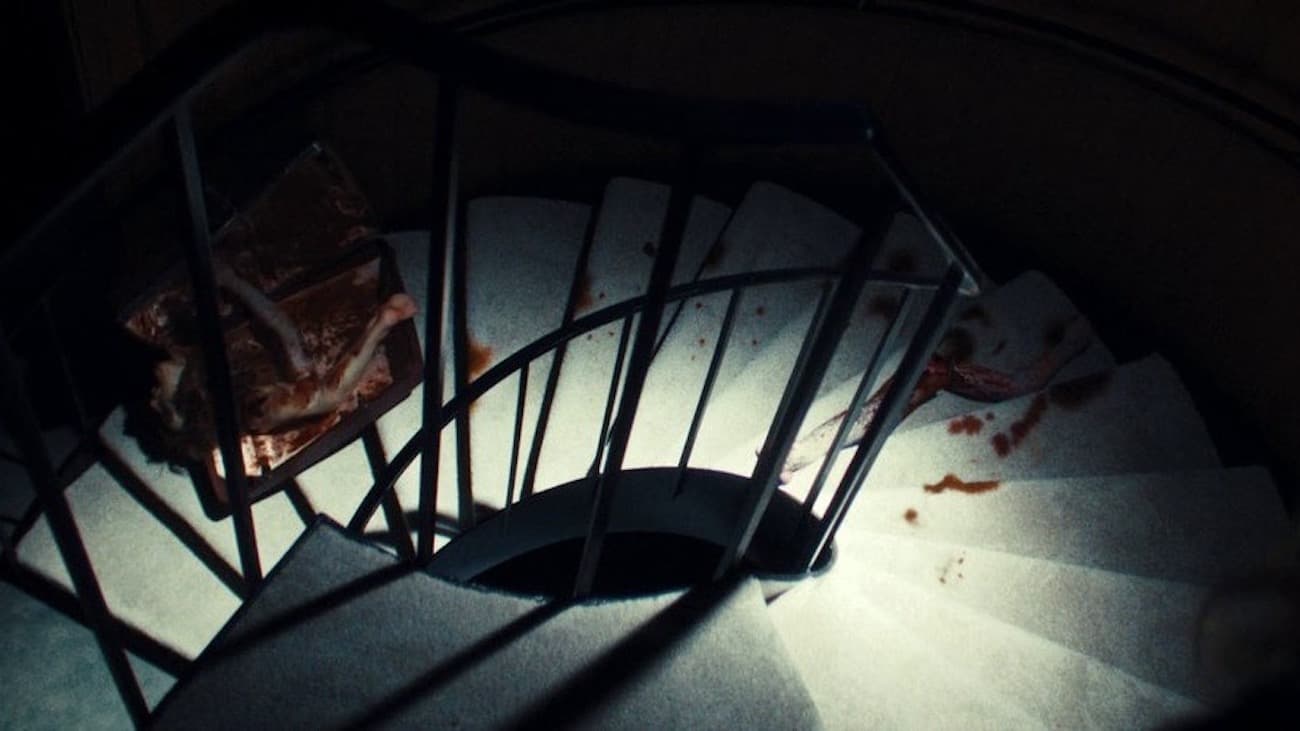
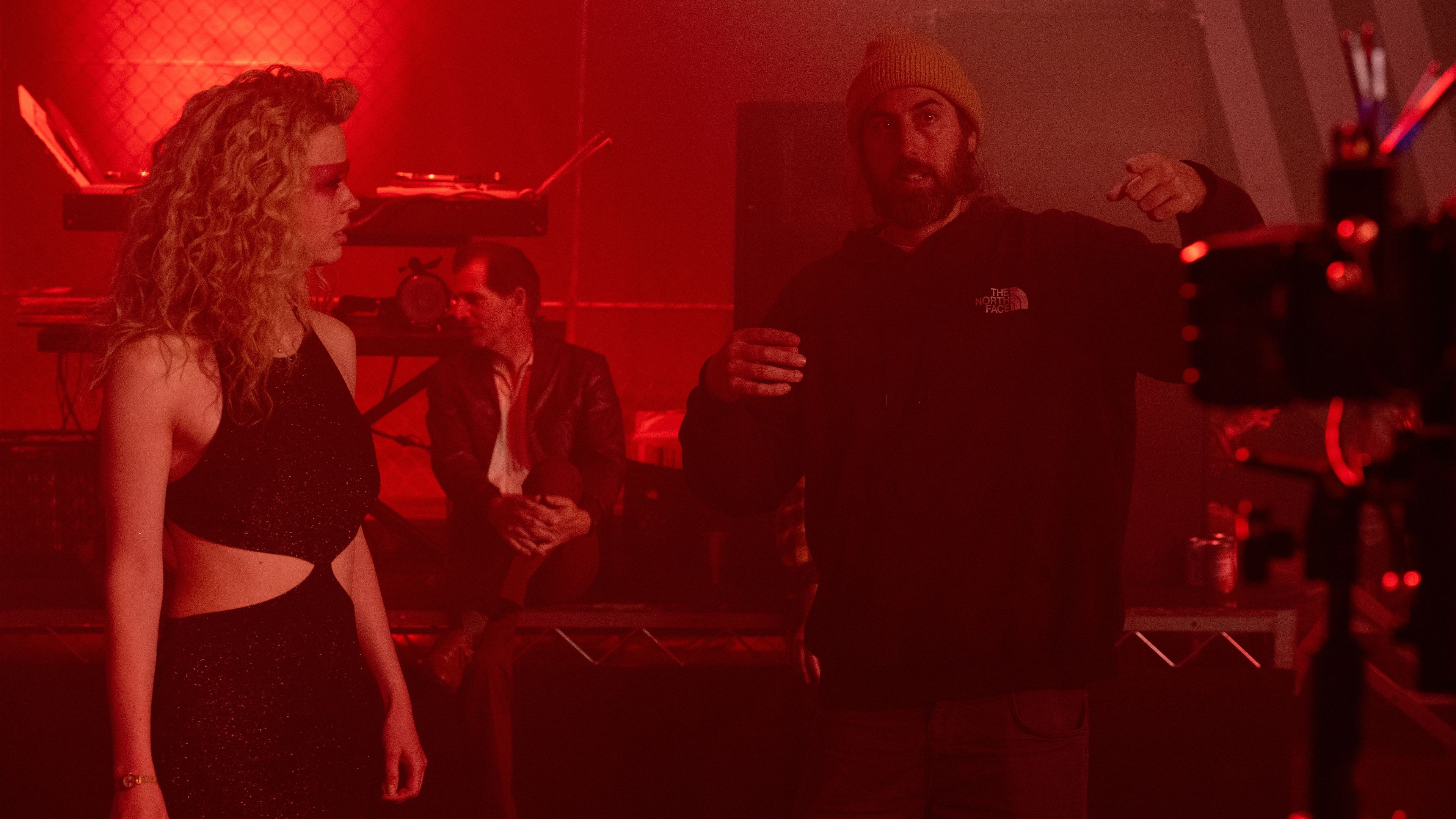
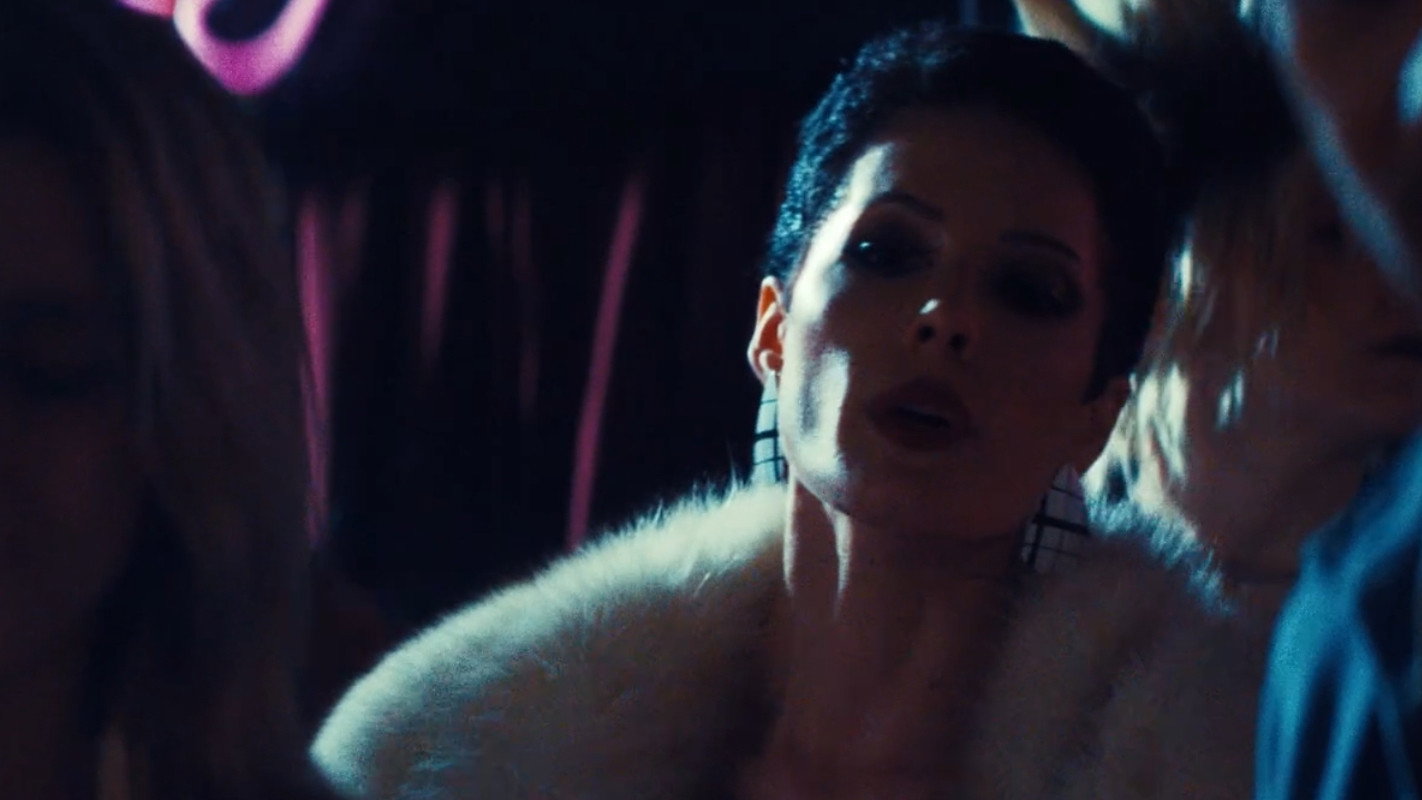
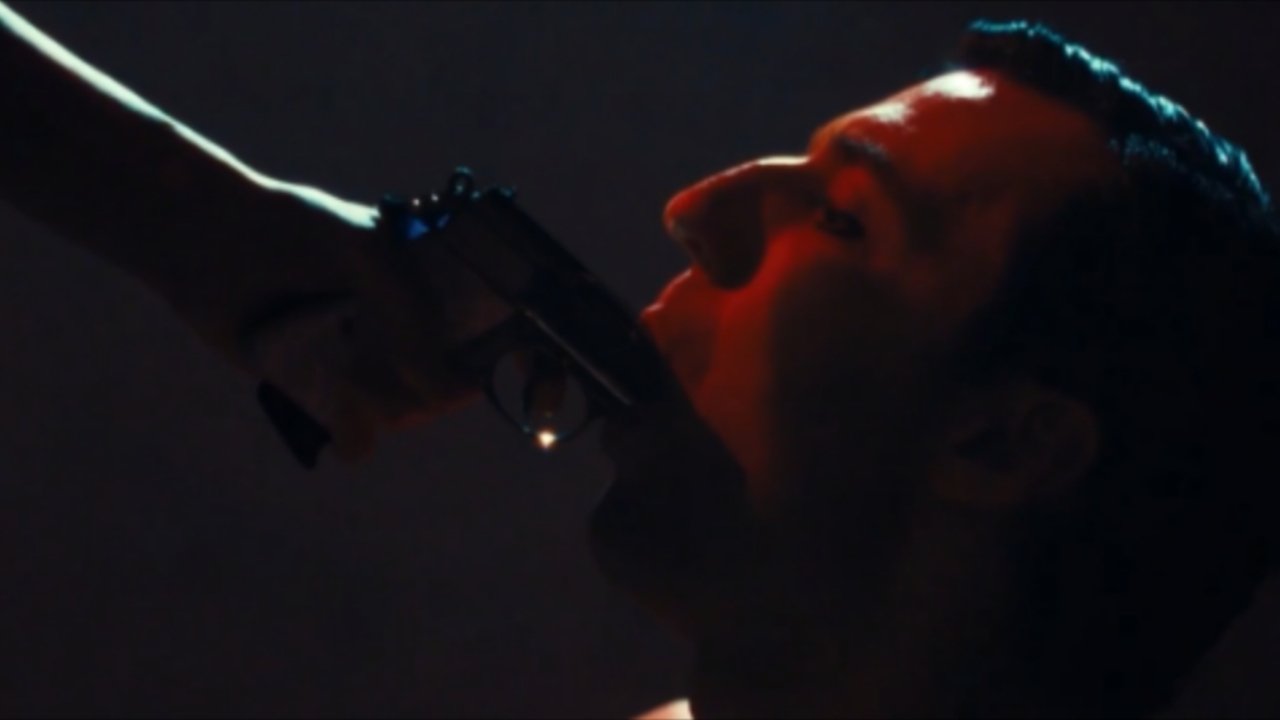
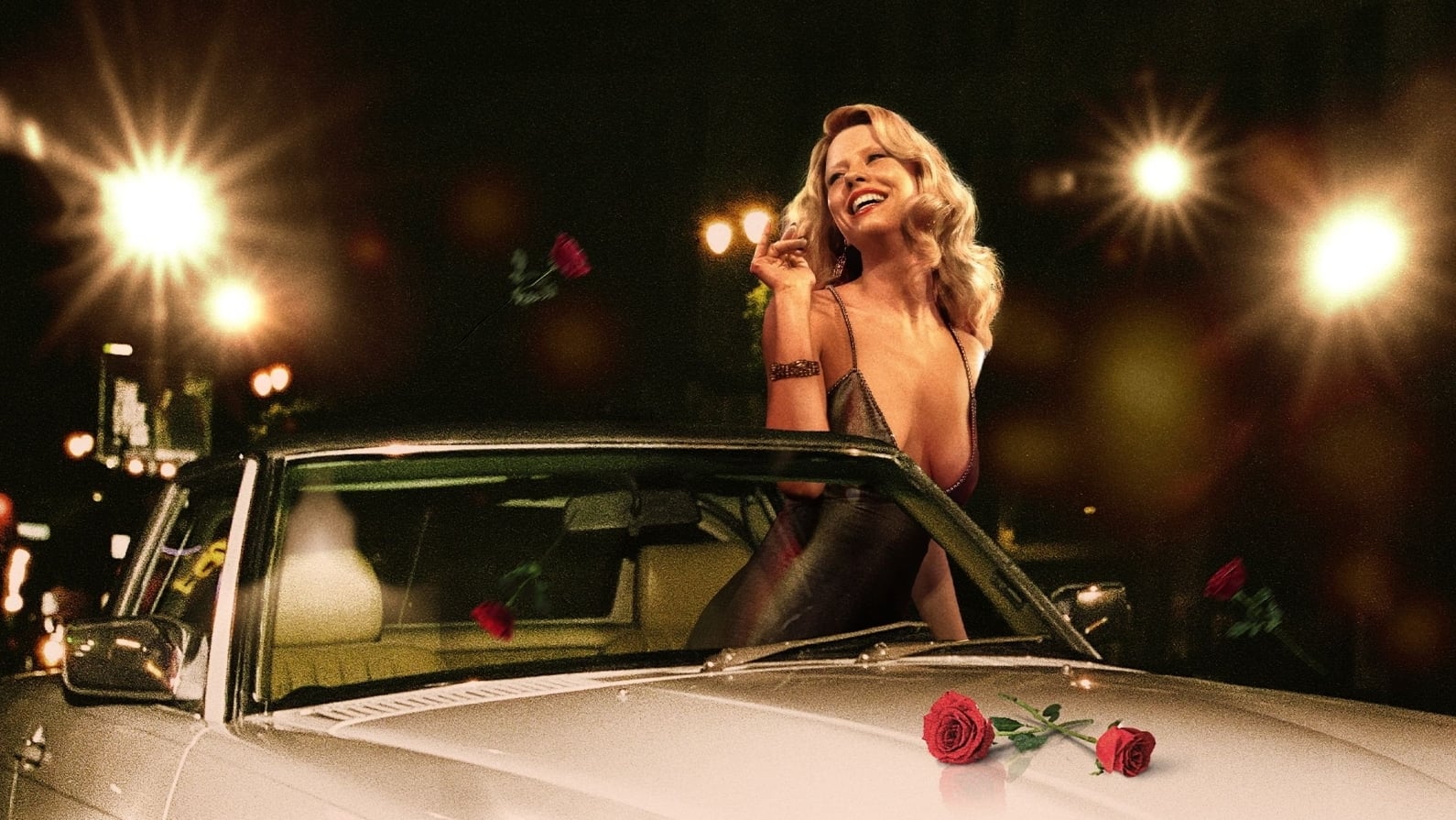
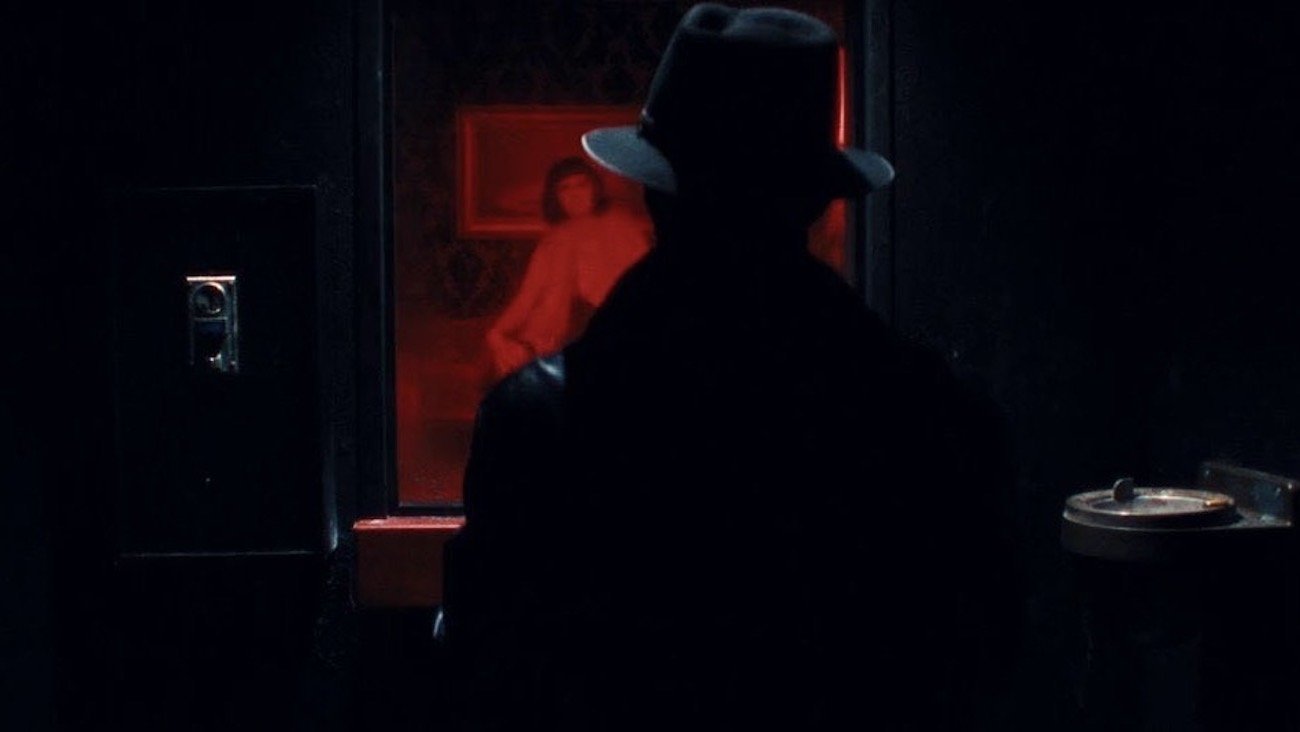
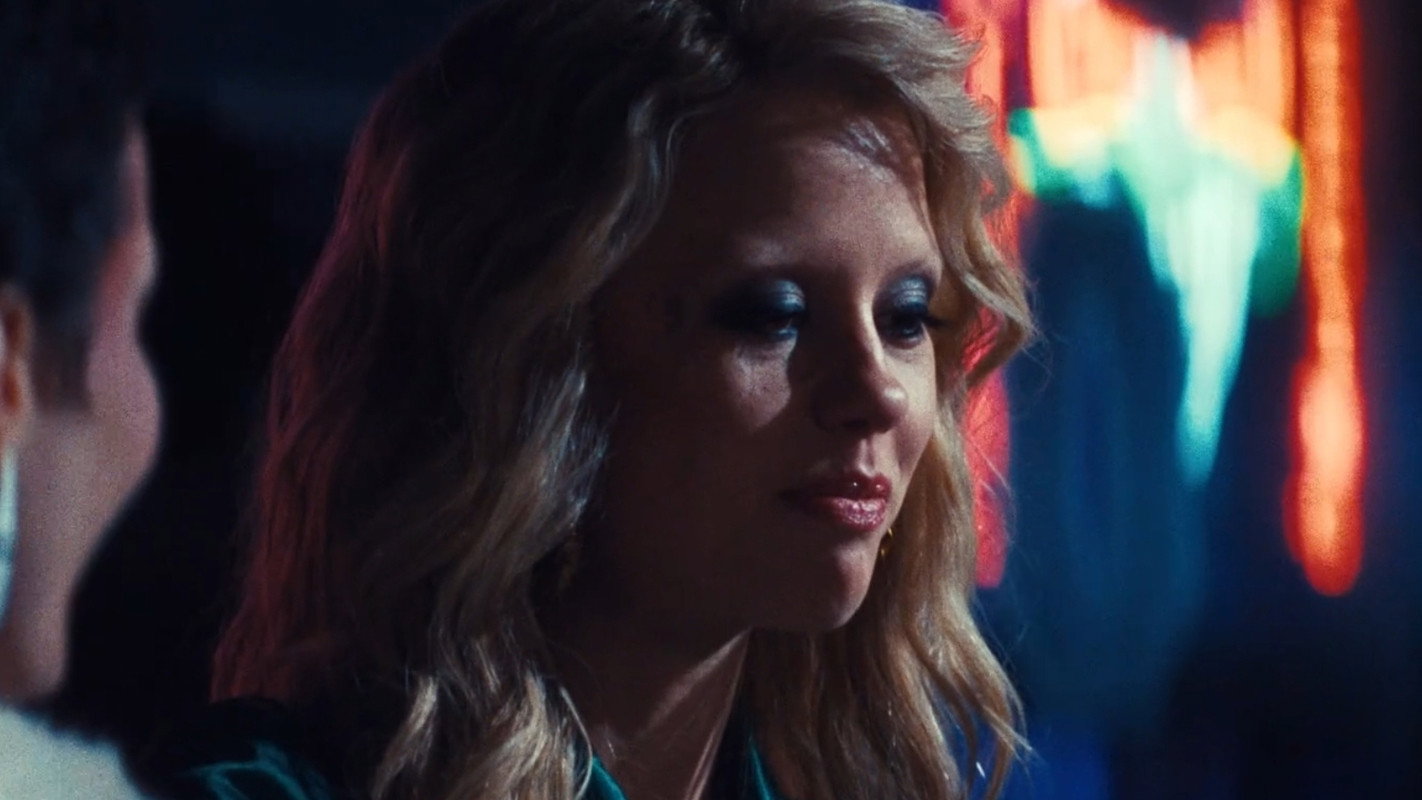
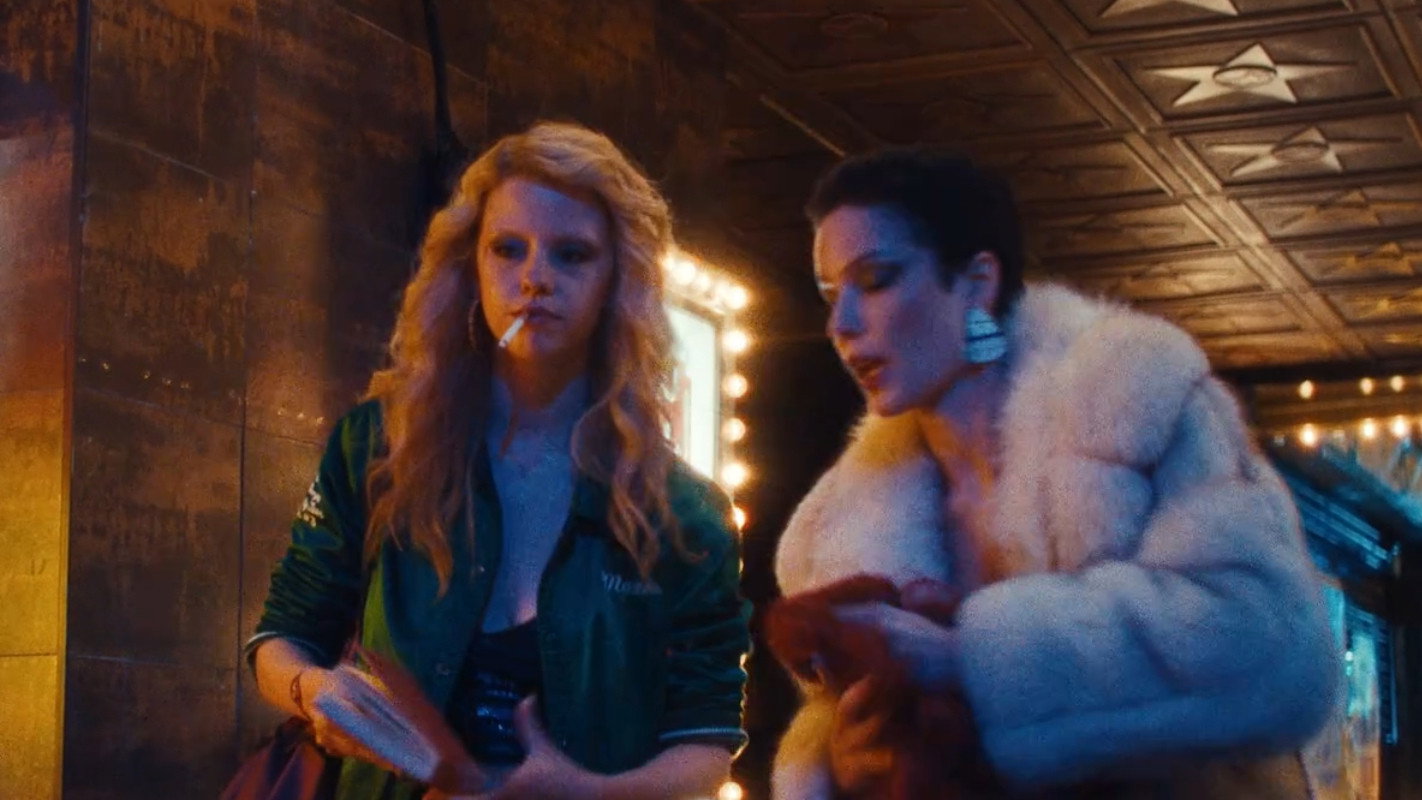
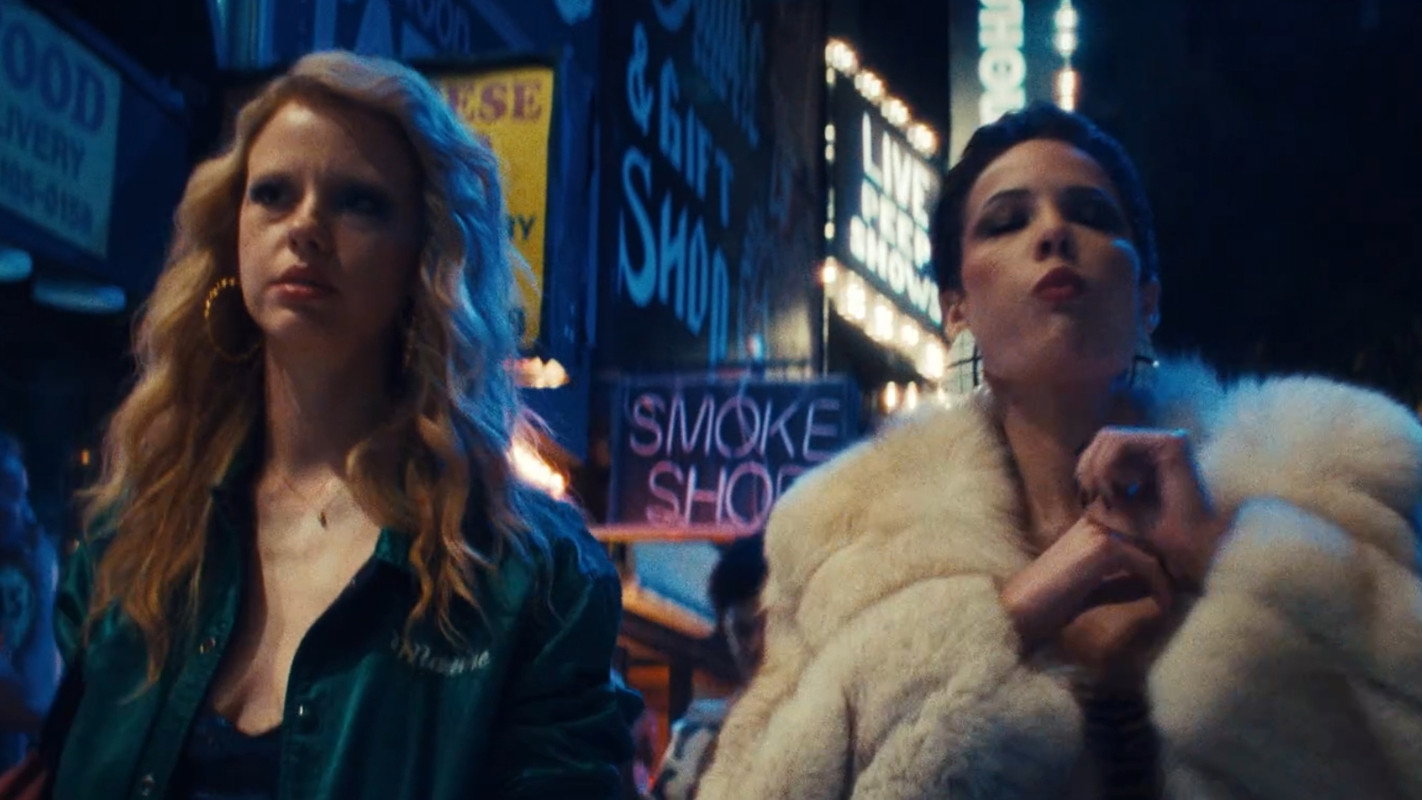
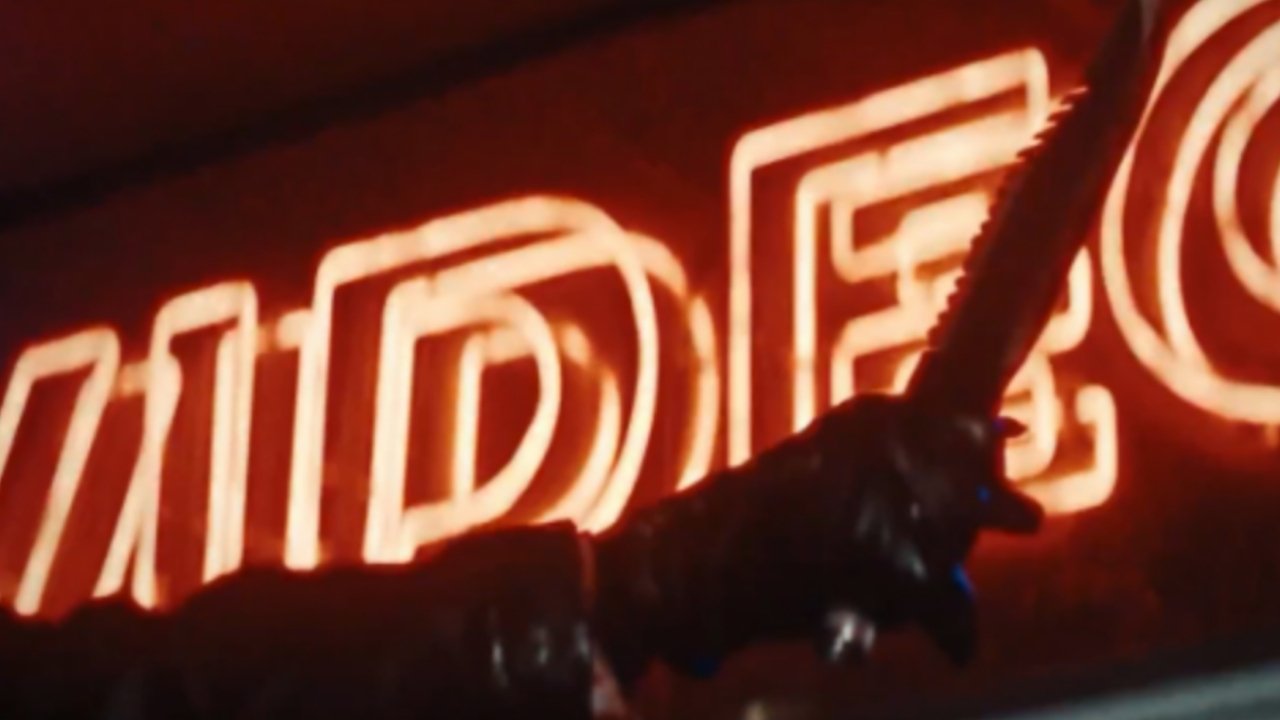
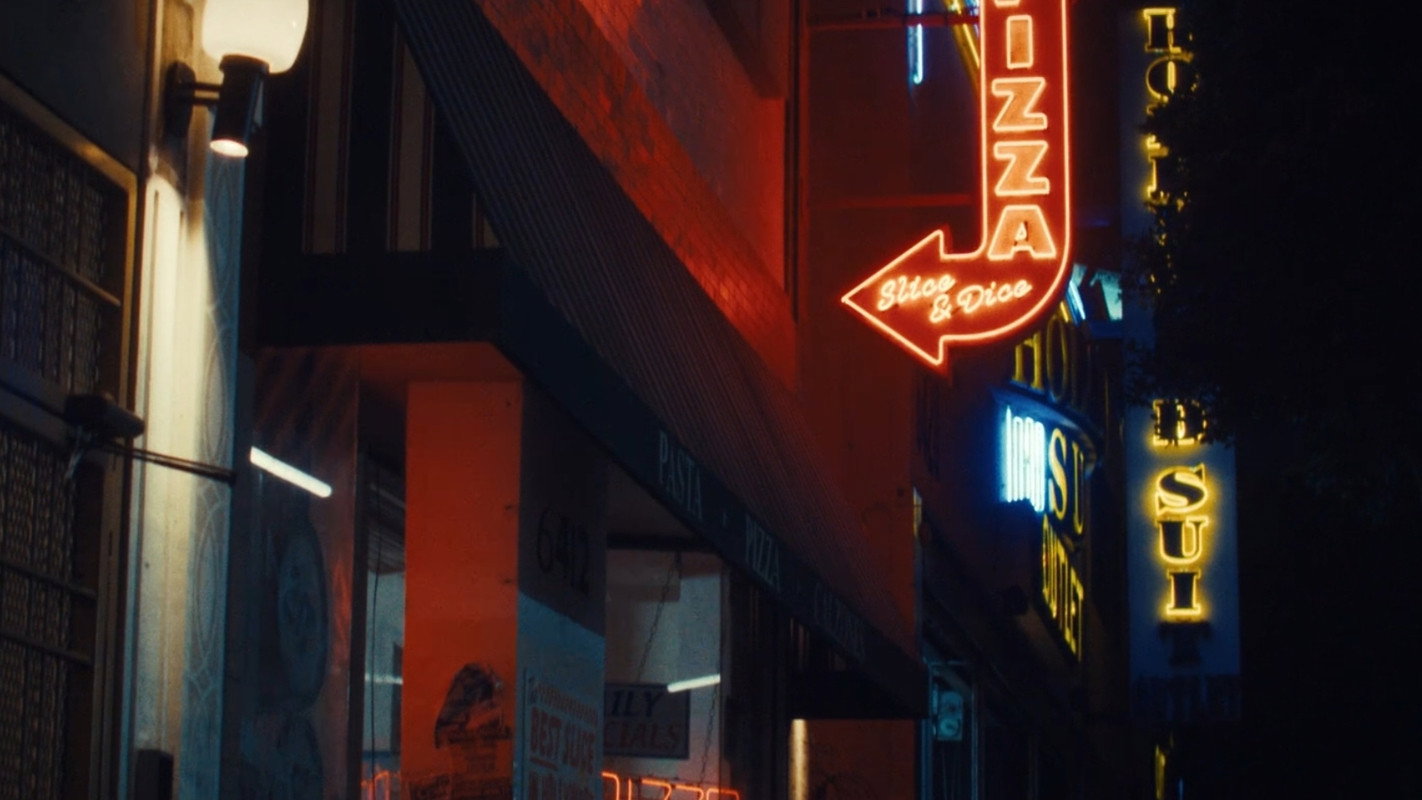
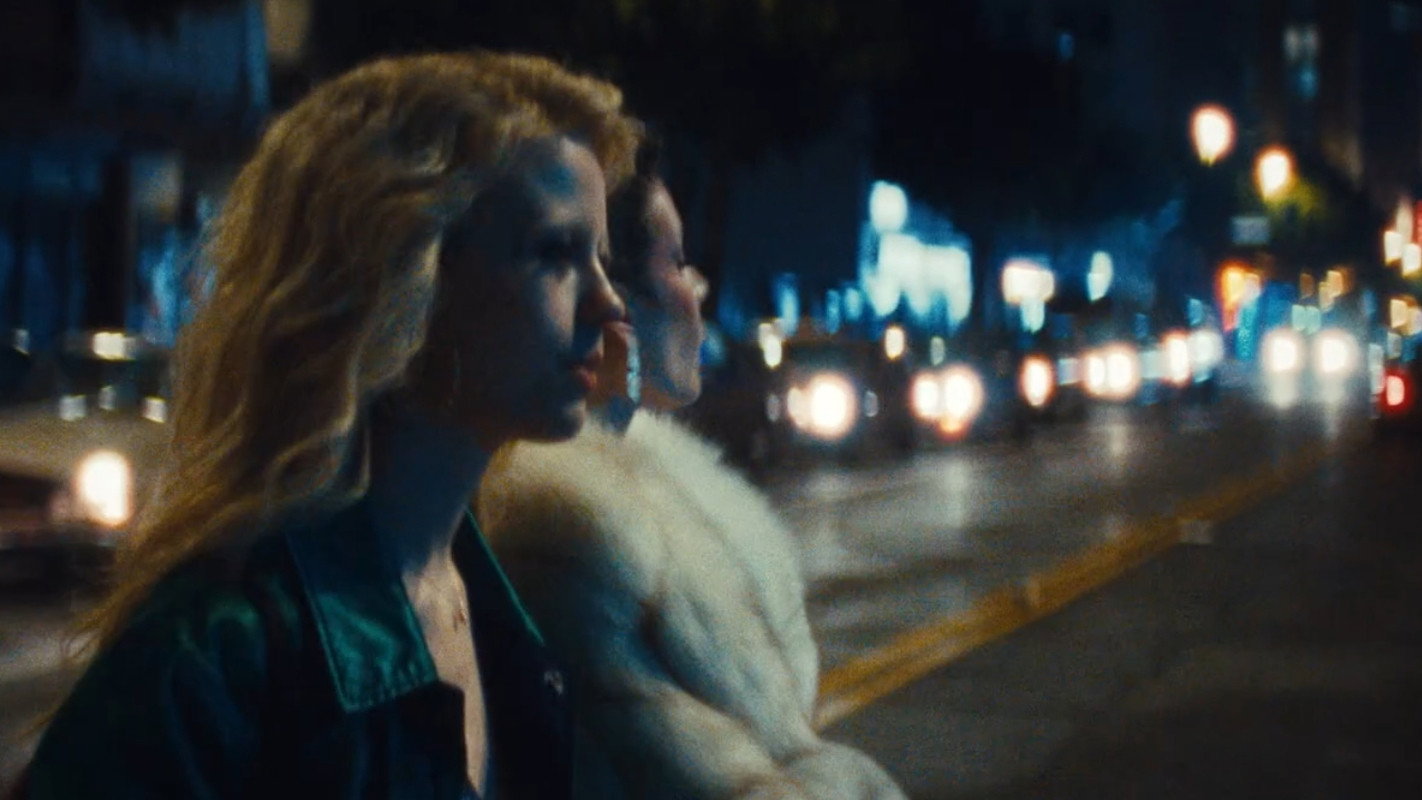
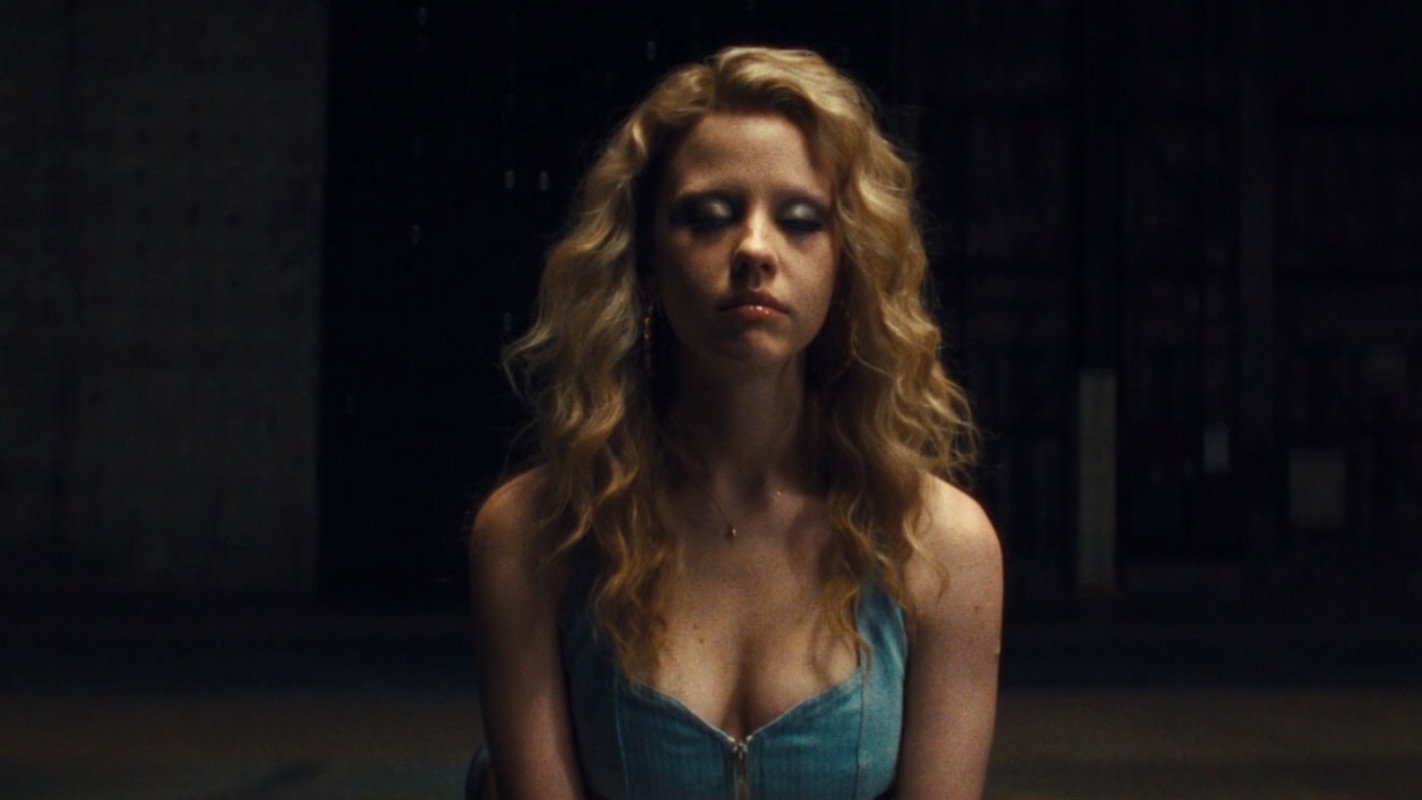
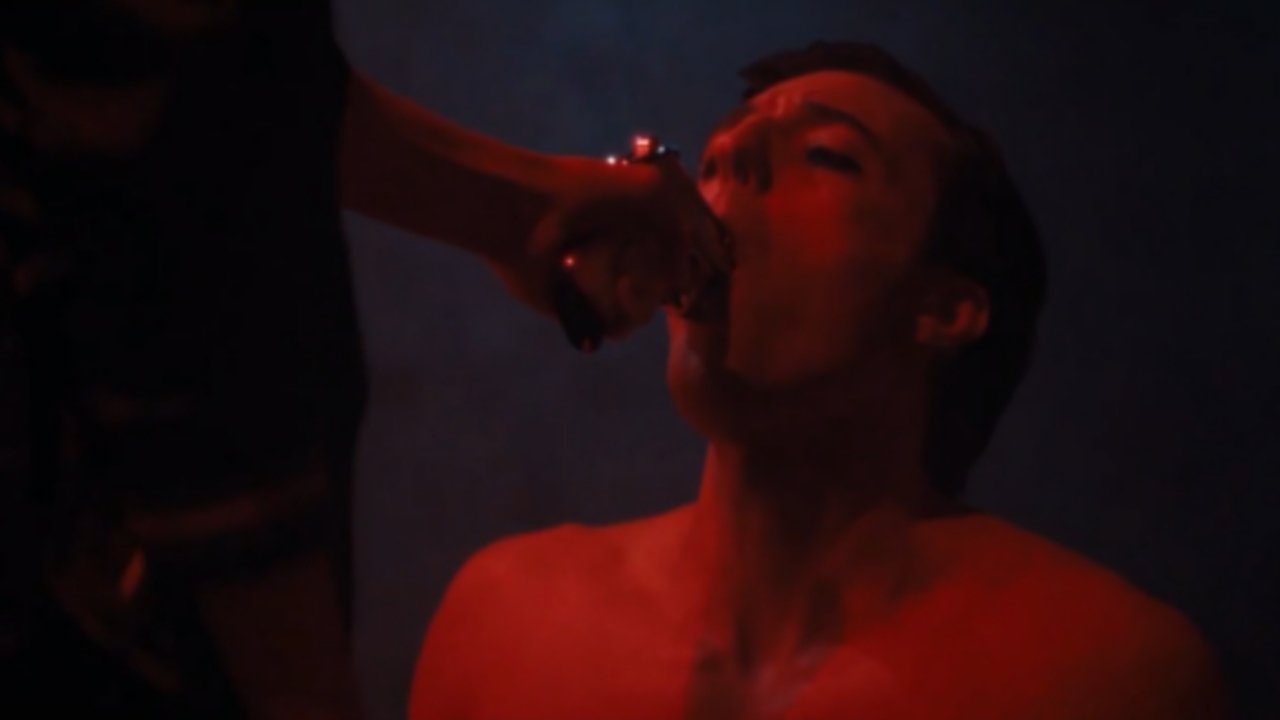
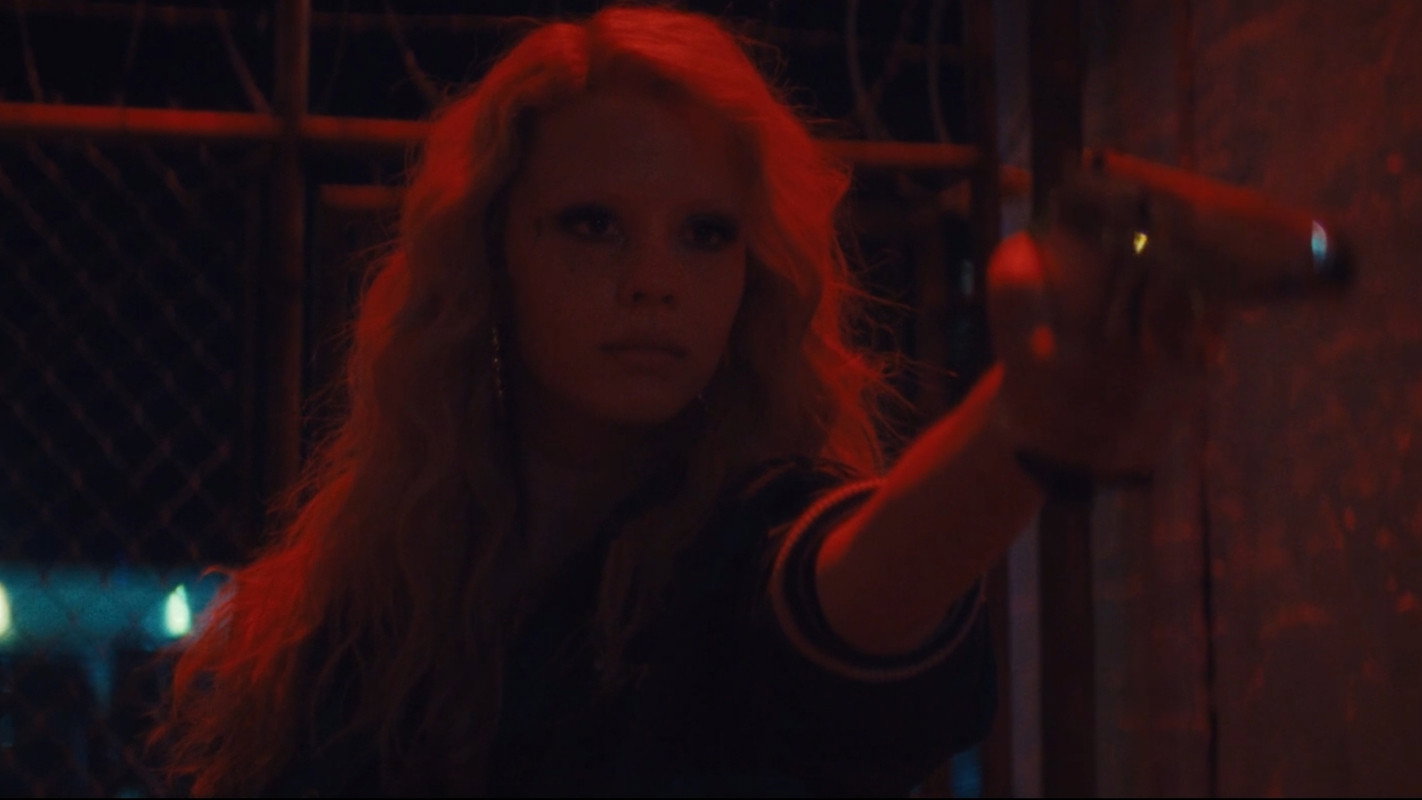
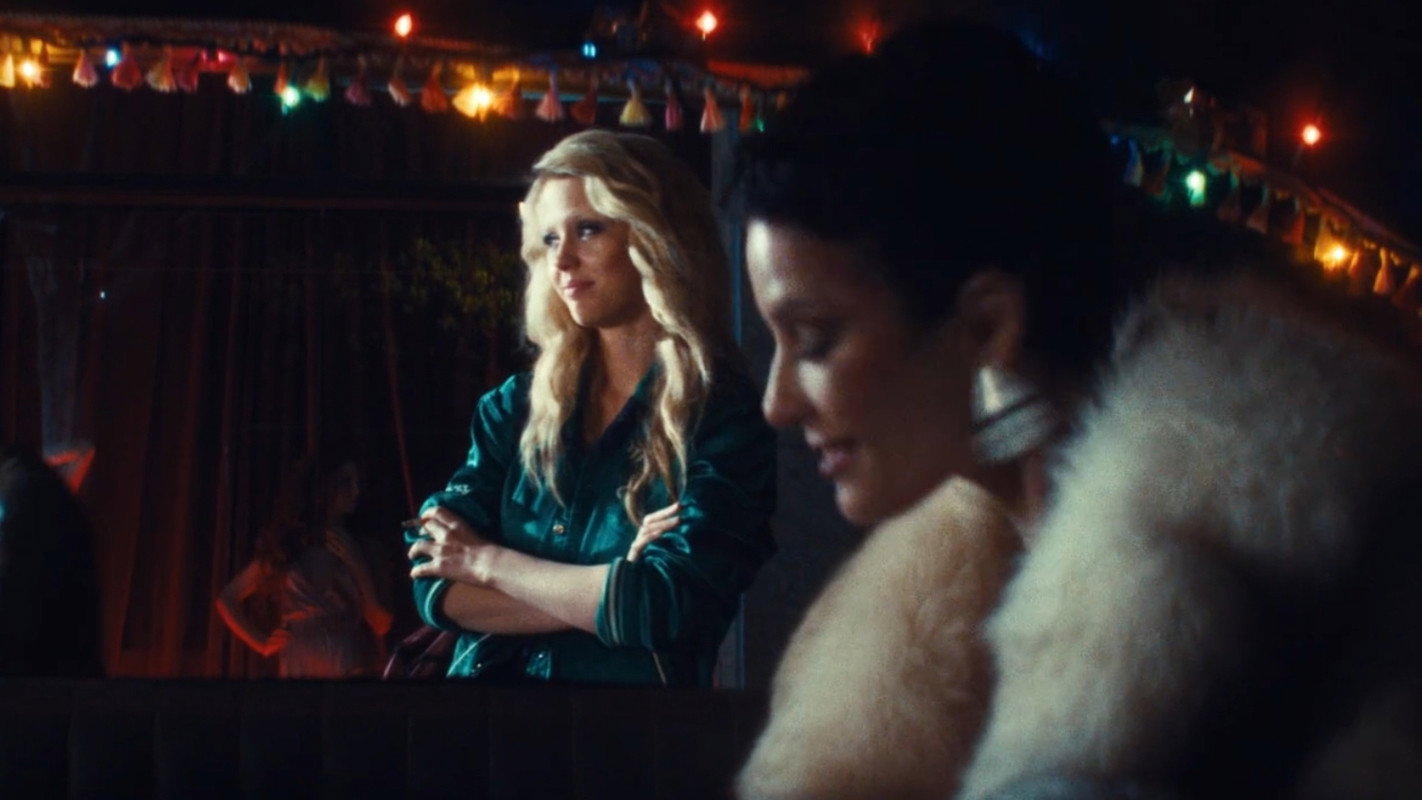
The movie is clearly inspired by giallos, a subgenre known for its over-the-top plots and cinematography, with such artistic violence, bright colors, and everything just feeling a tiny bit surreal at times. You can tell that just by looking at the color palette, with the bright blues, reds, and purples. The graphic violence in this is excellent and needed, and I really enjoyed how the sexual tones we previously had in X were toned down since this is showing us MaXXXine's transition from porn and immature movies to a serious film actor. And that doesn't mean there isn't nudity, though—I mean, the killers' targets are actors of adult films, mostly, so. The film's setting required the gore to be a little toned down from its realism and to be more polished, so I don't know why people complain about it. With its stabs and exploding heads, MTF, this feels like a Tom Savini movie. The practical effects and that little ew feeling (the ball-stepping scene) are needed for West to do what he wanted to do.
Another thing is its electric but moody soundtrack that might have been in an Argento movie with its glam rock, new wave, and pop songs, and a lot of '80s classics.
Overall, MaXXXine might be the weakest of the trilogy, but it's still a solid movie and a fitting conclusion. Ti West’s homage to '80s neon, coke, and glamor blends with Italian giallo-style slasher vibes, creating a visually unique experience. Mia Goth shines again, carrying the film with her fierce energy. The cinematography, with its grainy vintage effects, adds a dreamlike quality. While some performances falter, the film’s bold style and commentary on Hollywood's dark side stand out. A creative, if divisive, end to a stellar trilogy.