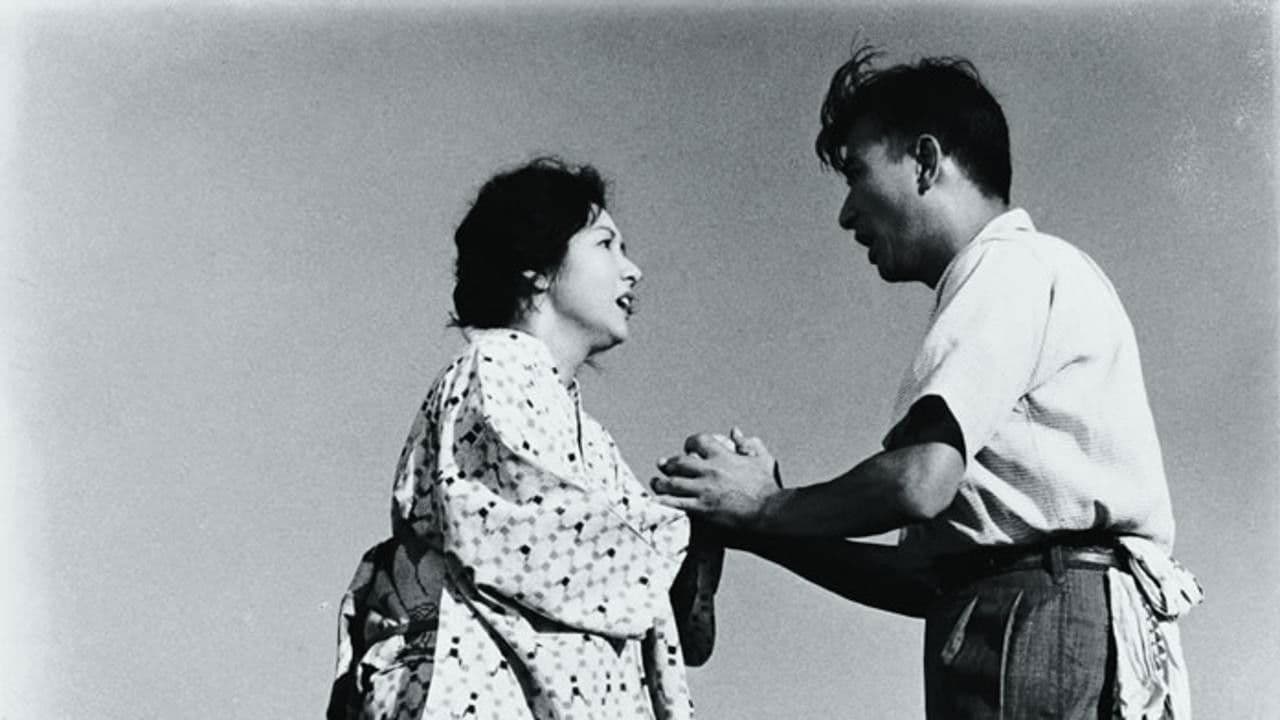
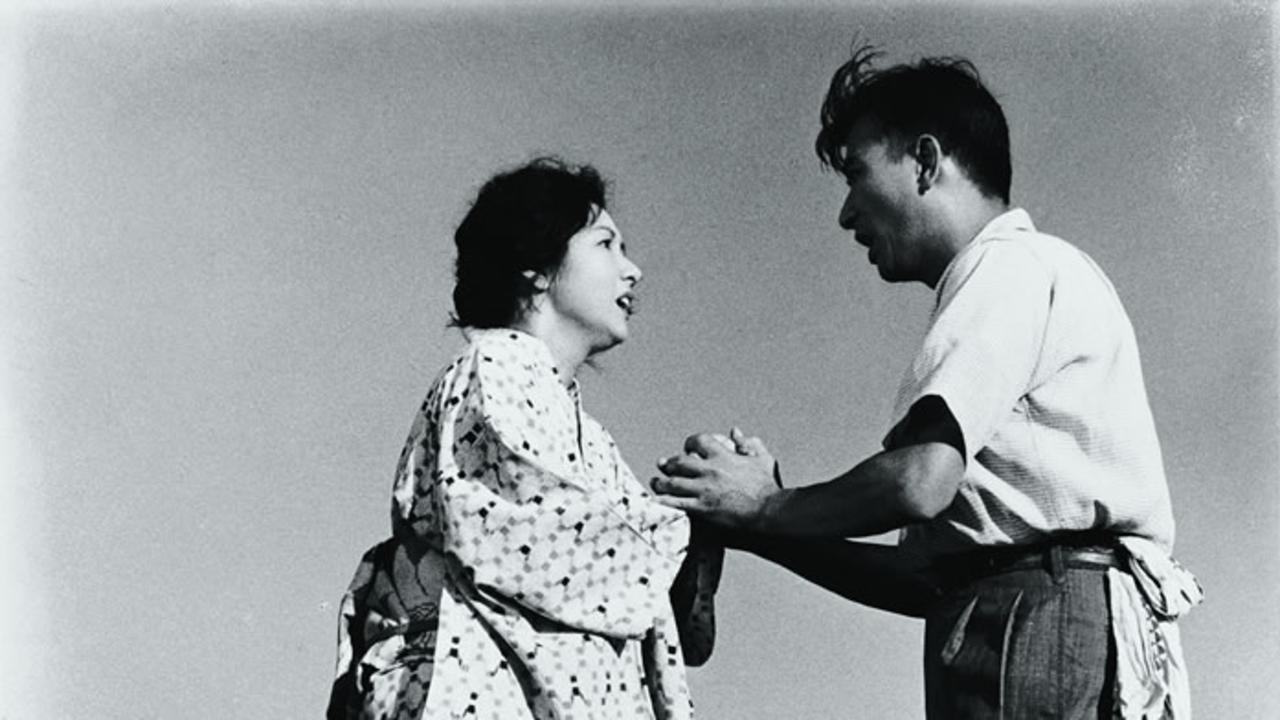
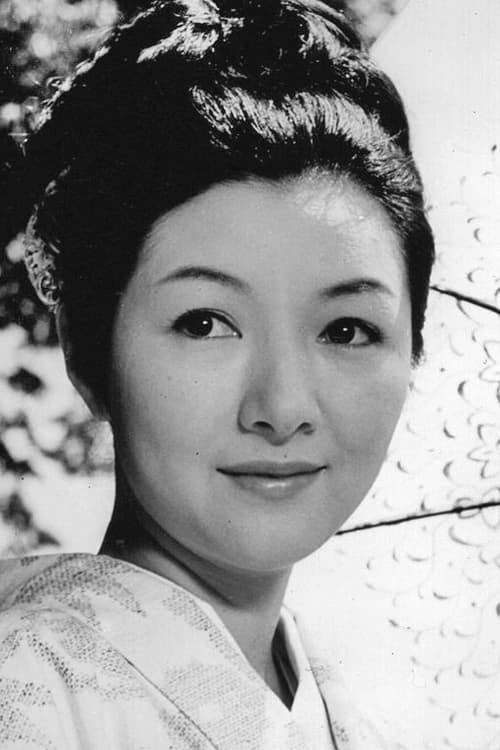
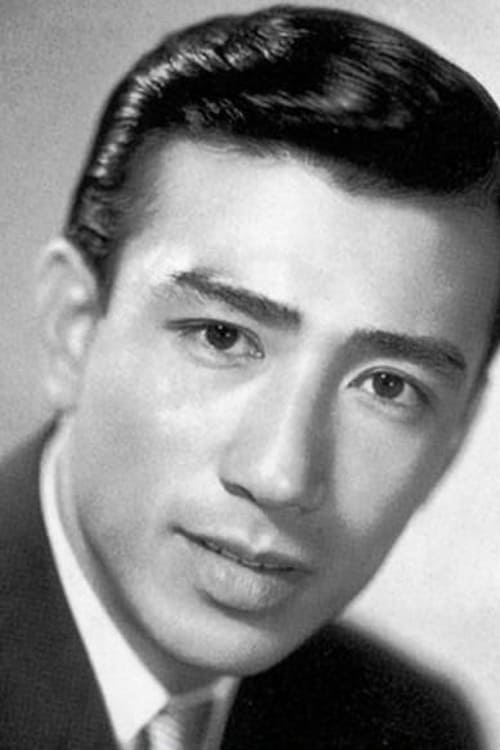
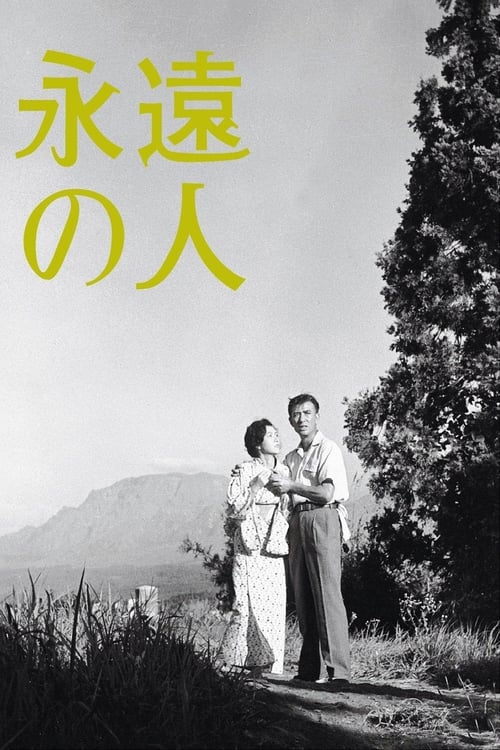
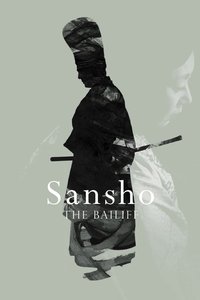
Over the course of 30 years, Sadako is the recurring victim of her spiteful husband’s malformed love. As the anachronistic score relays, which sounds startlingly Spanish, Sadako, herself, becomes a demon. Because of Sadako’s overwhelming victimhood, it feels impossible to not empathize with her plight and consequent hatred of Heibei. The culmination of this tainted family’s story points in a different direction though. Sadako, a damned soul, at the mercy of monster Heibei, her eternal abuser, is somehow supposed to find forgiveness.
As impossible as this seems, that’s exactly what elevates the thematics beyond simple drama. Despite our deep empathy for Sadako, her victimhood undeniable, we simultaneously witness the extrapolatable lineage of repeated generational human cruelty. A moment of evil, borne by the innocent Sadako, reverberates through time, through generations. As Sin succinctly
remarks, “hurt people hurt people.”
We are challenged to see how Sadako has also contributed to a poisoned household. Heibei’s first act of cruelty, Sadako’s violation, bears her a son, Eiichi. We see Sadako’s hatred of Heibei spill over onto Eiichi. His upbringing is like a budding flower watered by two conflicting streams. Heibei spoils the boy, buying him everything he wants. Sadako can’t avoid seeing her violation in Eiichi, causing her to treat him differently. Eiichi grows up to eventually learn of the origins of his birth, catalyzing a catastrophe. Eiichi is just another seed borne from the cancerous tree of the Koshimizu family, whose home is nicknamed “mound of 1,000,” referring to the bodies of farmers the family murdered during a revolt.
When the narrative suggested Sadako’s forgiveness is required in this story, I was initially repulsed. How could anyone find fault in Sadako? But the generational consequences reveal a profound truth. Our actions and reactions do not lie in a vacuum. Life goes on, time is agnostic to suffering, and our choices today, despite what we suffer, carry consequences which reverberate into the future. Upon reflection, the spotlight on Sadako’s suffering is an astute maneuver. It focuses our attention on the ontologically ephemeral. It begs us to anchor our emotions to the immediate, a single moment in time. Sadako’s forgiveness is tragic in the immediate, even morally distasteful. Yet, it is necessary for the healing and reformative trajectory of time. Violence begets violence. Hate begets hate. At some point, someone must be the bigger person. Is it fair? No. But life is not fair.