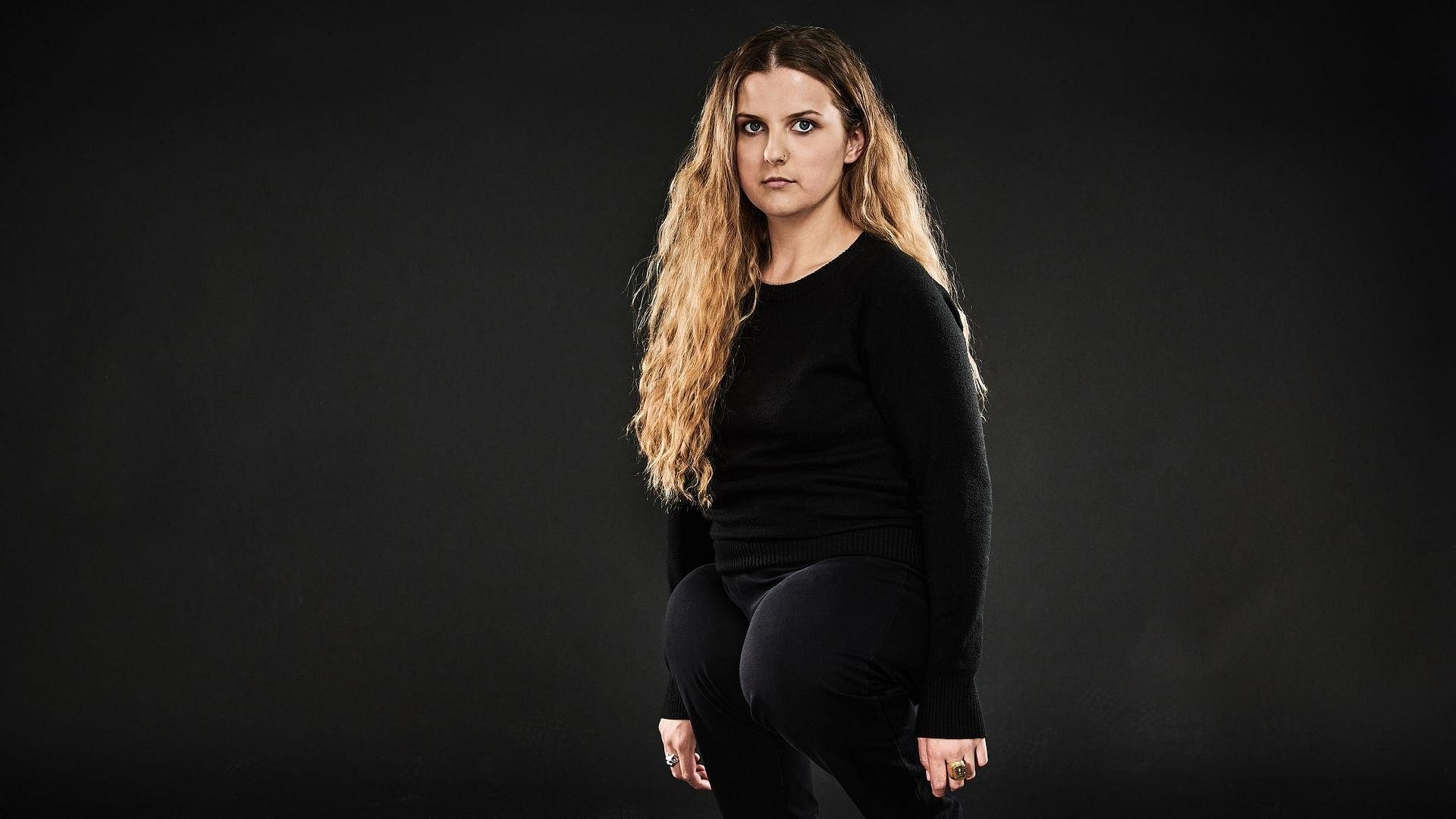
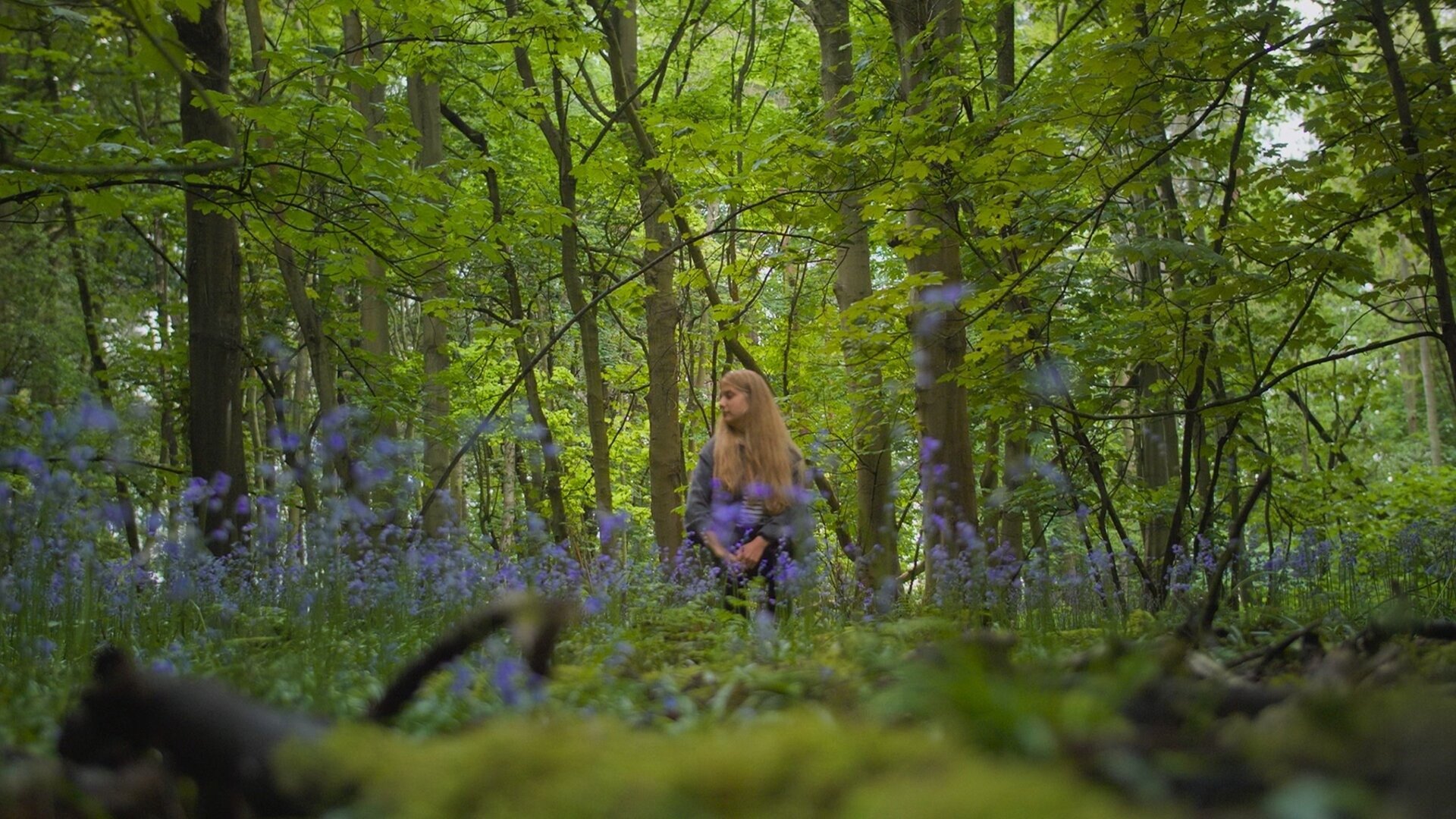
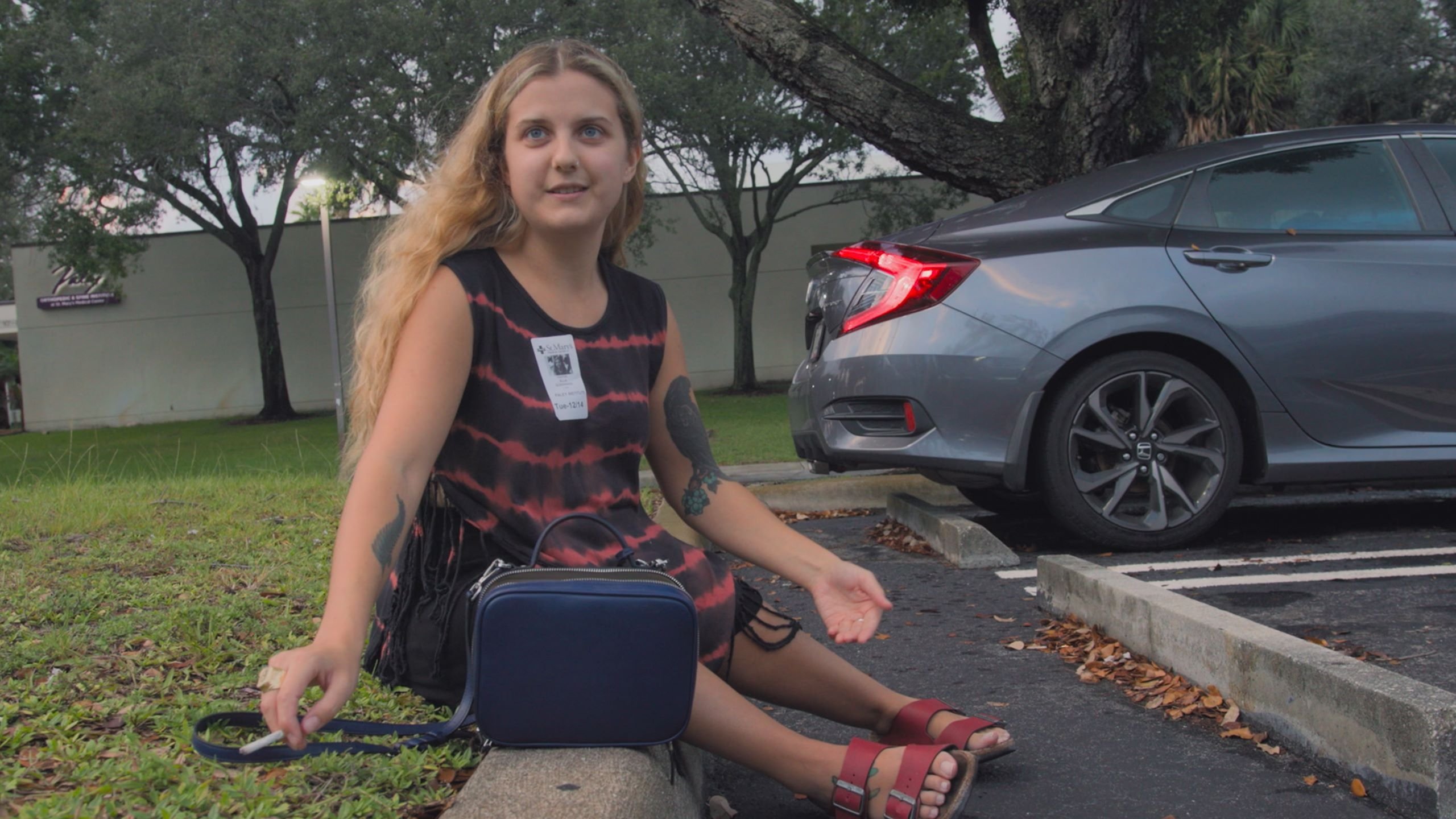
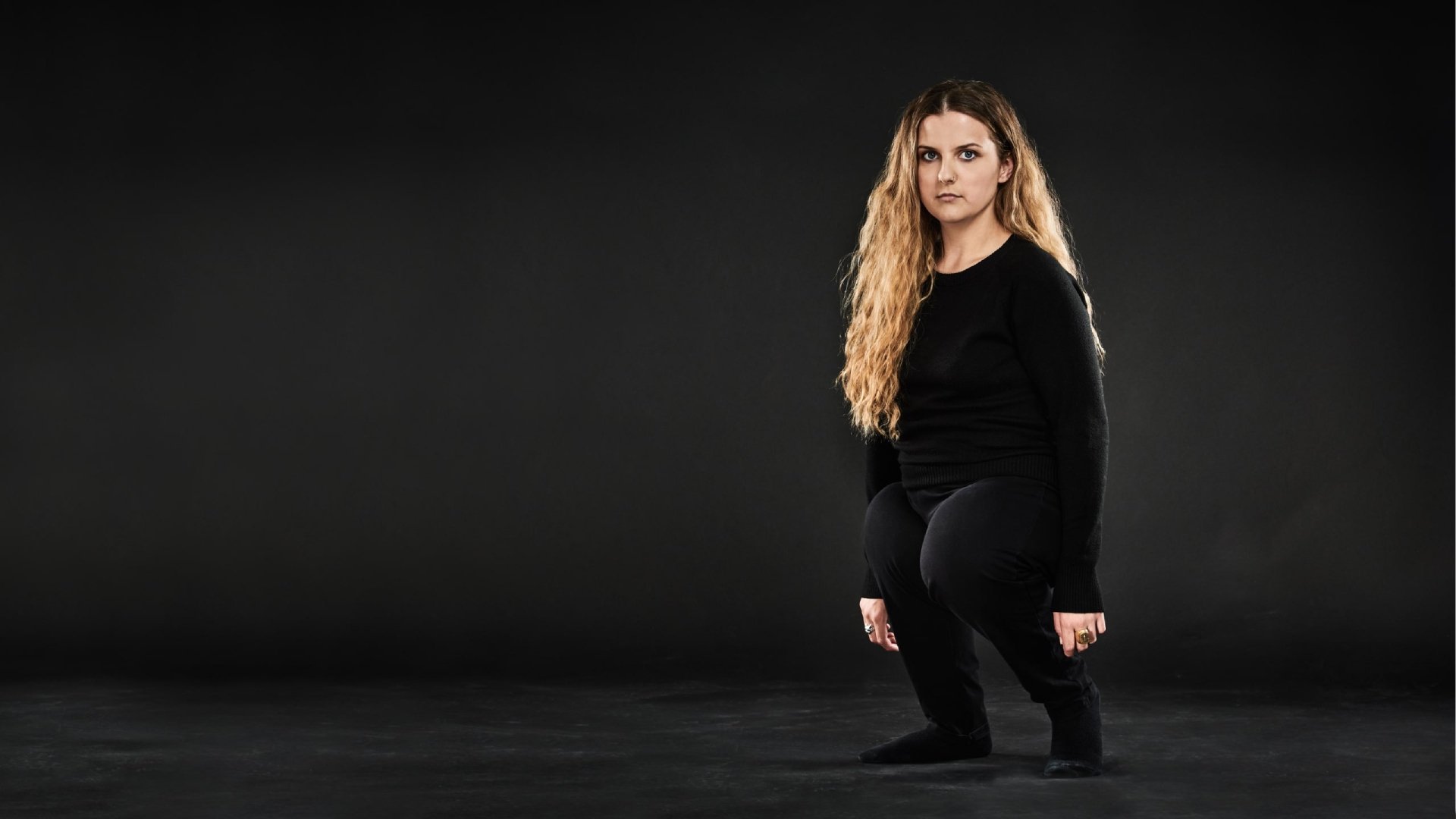
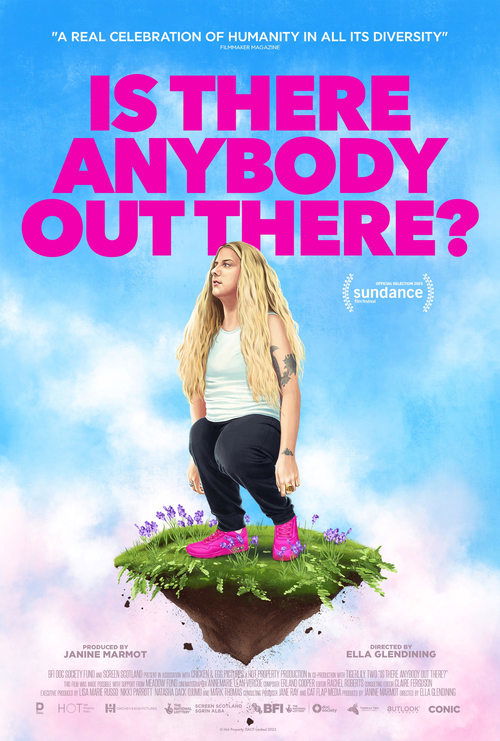
I don't discuss it often, but I am disabled. Every year, when festival season rolls around, I try to make sure to support a fellow disabled artist. This year's first choice was Ella Glendining's documentary "Is Anybody Out There?". I wasn't sure what to expect, going in. Would it be inspiration porn? A sob story?
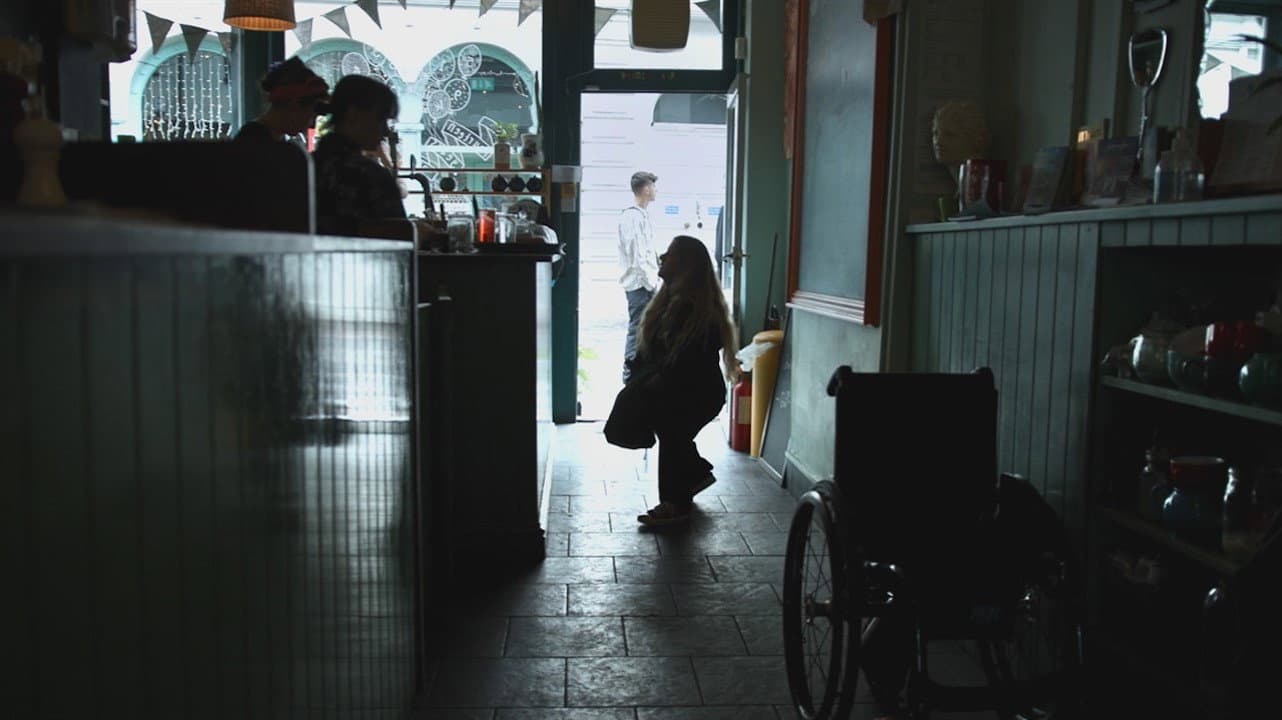
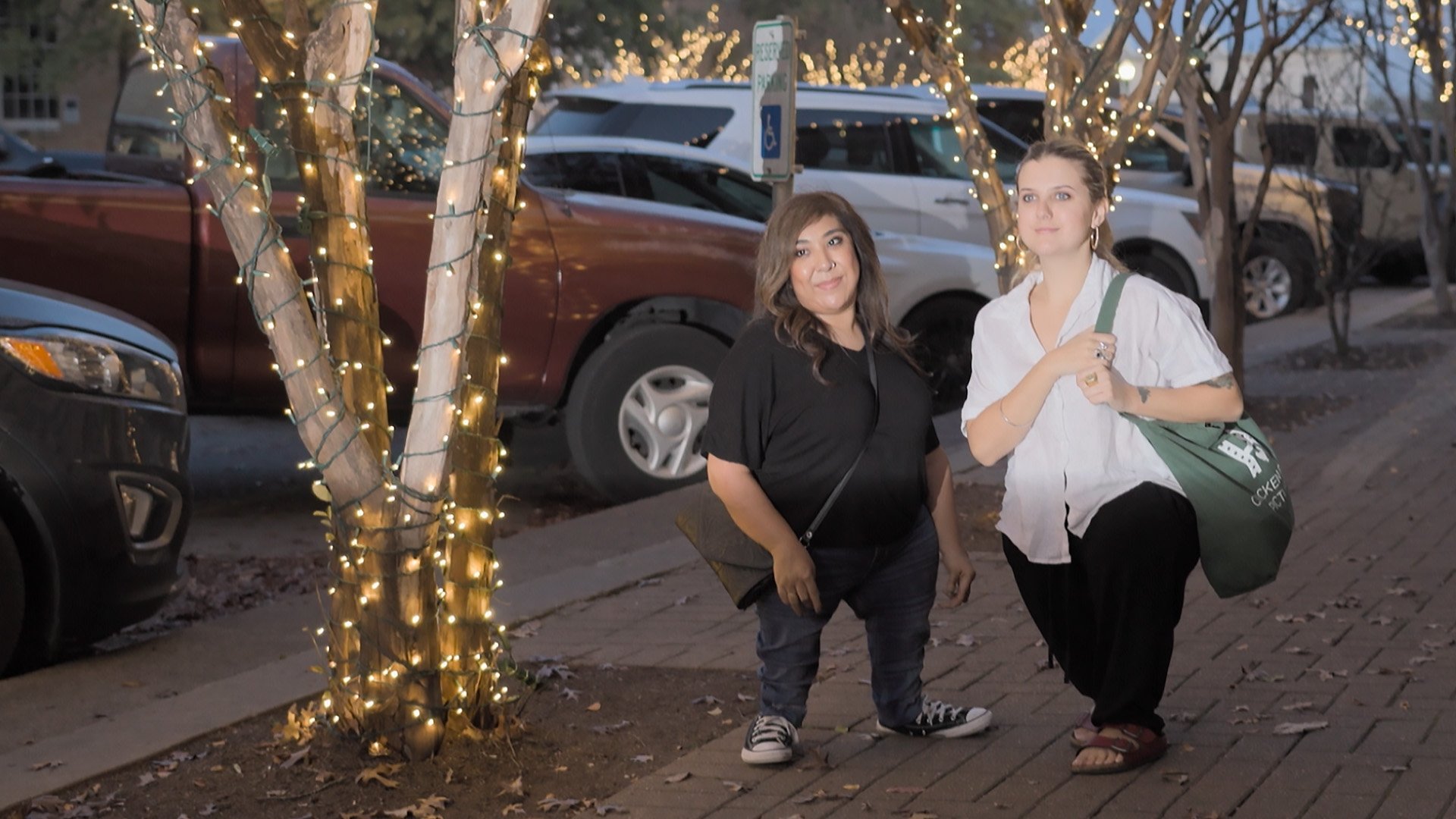
As it turned out, it was neither. Ella gives a nuanced, unabridged look at the life of a modern disabled person, and a brief snippet of media's history portraying them. Born with a disability phenomenally rare to the point there's no current statistics regarding it, Ella seeks to find other people like her, and chronicles her own research and thoughts in this video-journal style doc. She visits surgeons to discuss straightening her legs and supporting her hips, accompanied by X-Ray visuals that were just as traumatizing as viewing my own from a spinal reconstruction.
Ella not only reaches out to fellow disabled people for their perspectives but those of the people around her, creating a heart-rendingly honest dialogue between themselves. I broke out in full tears during the scene where she asked her parents if they'd rather she be born more typical, as well as the one where she is reflecting with her friend about employment, and the struggles there. While many country's law claims it's "illegal", employers everywhere are still very discriminatory towards disabled employees, and there is a frequent struggle between staying employed and finding proper work. A different type of body should not preclude that. There was a deep twinge of understanding and heartache when they discuss that after hundreds of applications, Ella was over the moon getting a Tesco night shift job. Glendining is clearly a smart, capable, and hardworking woman, and again, modern society should be more accomodating.
As the film mentions, it's impossible to fully understand what it's like to be disabled until/unless you are, and I agree; having been able bodied previously and become disabled rather than borne to it. That said, Glendining has created a wonderfully accessible documentary to try and bridge the gap between perspective, ask unspoken questions, and hopefully move us towards a better future. A must watch.
I don't discuss it often, but I am disabled. Every year, when festival season rolls around, I try to make sure to support a fellow disabled artist. This year's first choice was Ella Glendining's documentary "Is Anybody Out There?". I wasn't sure what to expect, going in. Would it be inspiration porn? A sob story?
As it turned out, it was neither. Ella gives a nuanced, unabridged look at the life of a modern disabled person, and a brief snippet of media's history portraying them. Born with a disability phenomenally rare to the point there's no current statistics regarding it, Ella seeks to find other people like her, and chronicles her own research and thoughts in this video-journal style doc. She visits surgeons to discuss straightening her legs and supporting her hips, accompanied by X-Ray visuals that were just as traumatizing as viewing my own from a spinal reconstruction.
Ella not only reaches out to fellow disabled people for their perspectives but those of the people around her, creating a heart-rendingly honest dialogue between themselves. I broke out in full tears during the scene where she asked her parents if they'd rather she be born more typical, as well as the one where she is reflecting with her friend about employment, and the struggles there. While many country's law claims it's "illegal", employers everywhere are still very discriminatory towards disabled employees, and there is a frequent struggle between staying employed and finding proper work. A different type of body should not preclude that. There was a deep twinge of understanding and heartache when they discuss that after hundreds of applications, Ella was over the moon getting a Tesco night shift job. Glendining is clearly a smart, capable, and hardworking woman, and again, modern society should be more accomodating.
As the film mentions, it's impossible to fully understand what it's like to be disabled until/unless you are, and I agree; having been able bodied previously and become disabled rather than borne to it. That said, Glendining has created a wonderfully accessible documentary to try and bridge the gap between perspective, ask unspoken questions, and hopefully move us towards a better future. A must watch.