I hate animal movies. I’ve hated them since identifying the formula after reading
Because of Winn Dixie in third grade: one willful, tearful child; one overworked, struggling-to-keep-their-head-above-water (often widowed to boot) parent; one destructive, asshole-ish, bull-in-a-china-shop animal with the dual character traits of of being supernaturally destructive and — to no one but the child — pretty. Mix them all together, and you get a frequently crying infant pressuring the nearly bankrupt parent to save an animal at the expense of their livelihoods. You also get the moral that the parent is somehow the villain in all this.
It’s
War Horse. It’s
Clifford. It’s
Okja even, kinda. It’s also
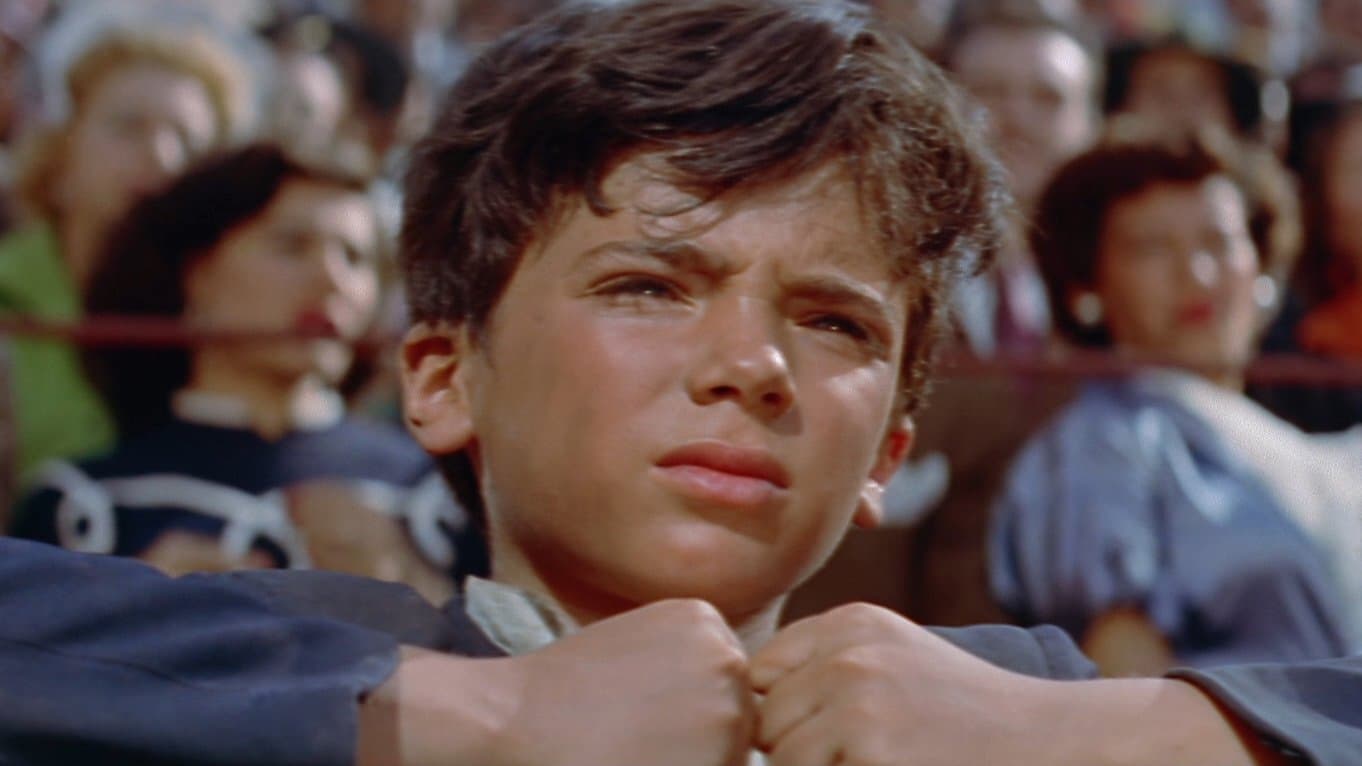
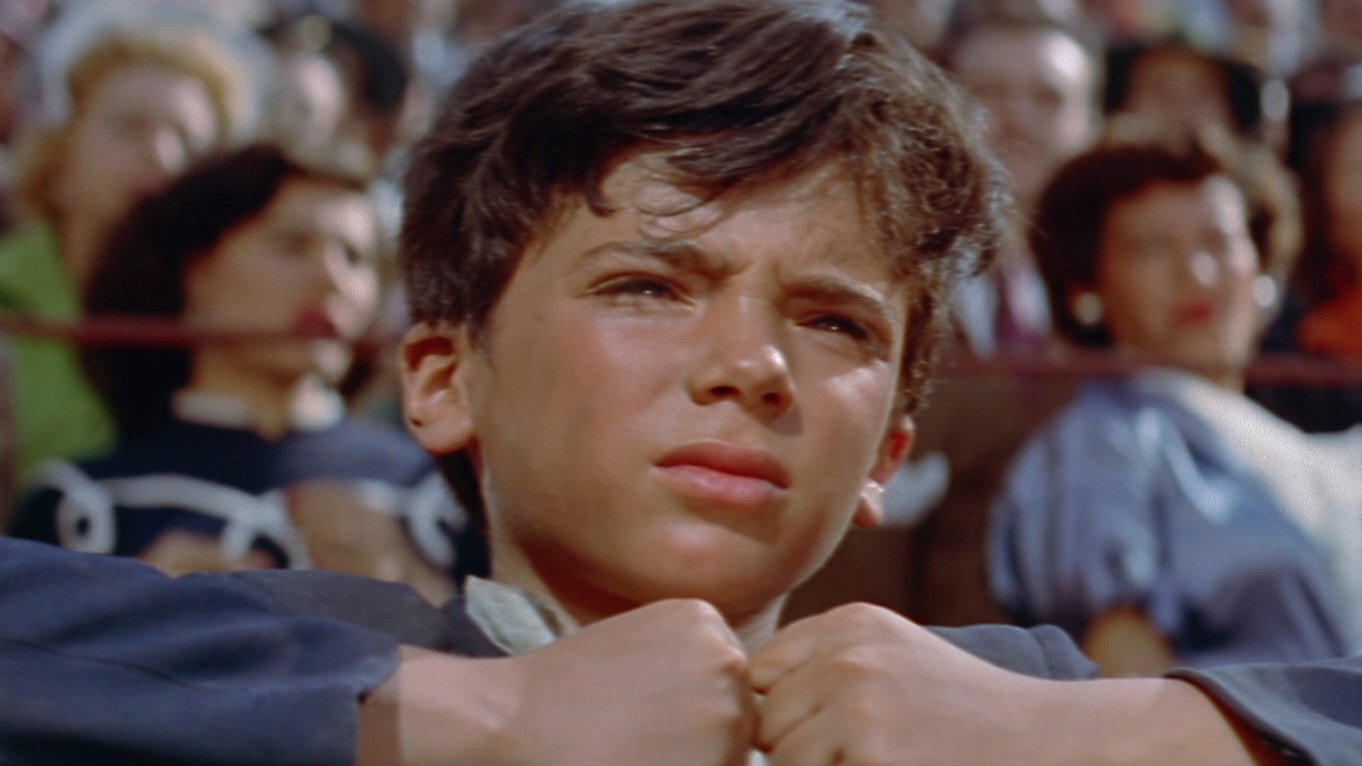
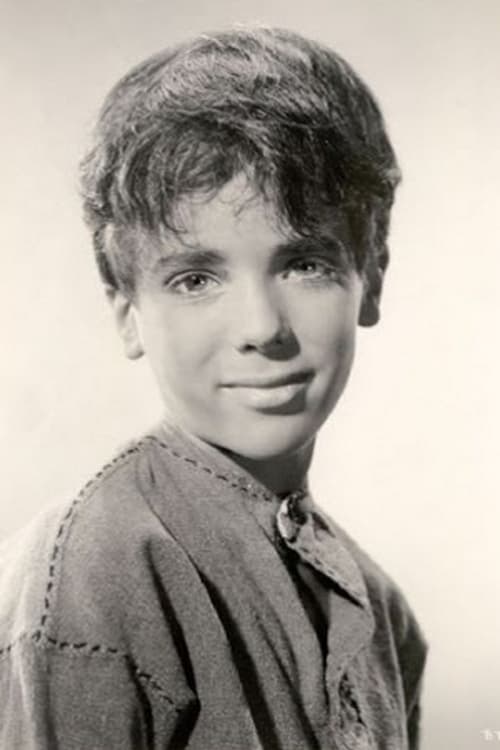
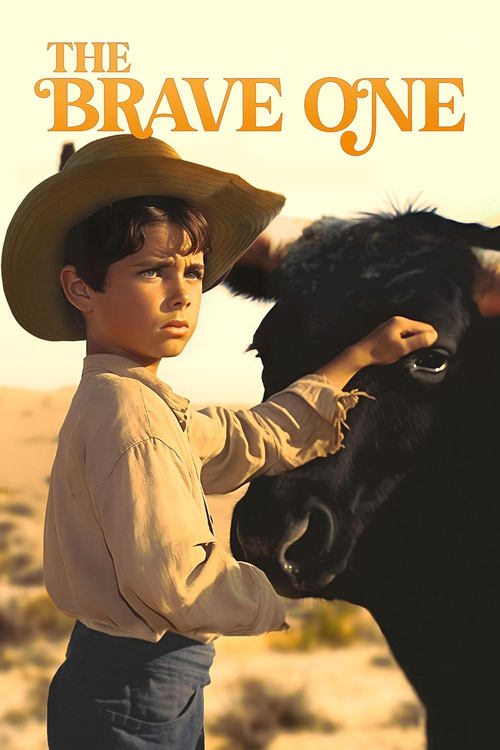
The Brave One: an important work in Hollywood history for earning blacklisted Dalton Trumbo the Oscar for best story under Robert Richs’s name (the final in the Academy’s history, before removing the award as Hollywood drifted from the studio system) but not much else. The story there is the formula: a black calf (Gitano) enlisted to fight in the bull ring, even as his dirt-poor child best-friend Leonardo fights to save him, instead of helping his family. Ignoring the fact that child star Michel Ray’s blue eyes give him away as about as Mexican as I am, he was a poor casting choice. He whines, he cries, he affects a borderline offensive accent and he screeches aspersions at anyone nearby. It’s the worst performance since Selena Gomez in
Emilia Perez, but at least here they thanked Mexico in the end.
Despite its win, the story is nothing better — again the animal is the hero for no reason other than its baleful eyes, and everyone else the villain. Here that part makes a bit more thematic sense: the bull ring Gitano is headed to is hardly part of some natural order, regardless of how hard the movie tries to convince you. Their arguments are on-par kind of offensive screeds about Mexicans being an “older race” more in-tune with nature: a noble savage the movie reveres even while keeping them almost entirely among the background actors. But being a movie from the 50s, that’s hardly the most important criticism. Instead it’s just how insipid everything is. Sometimes these stories can draw you in despite that, but not here. Kill that bull.