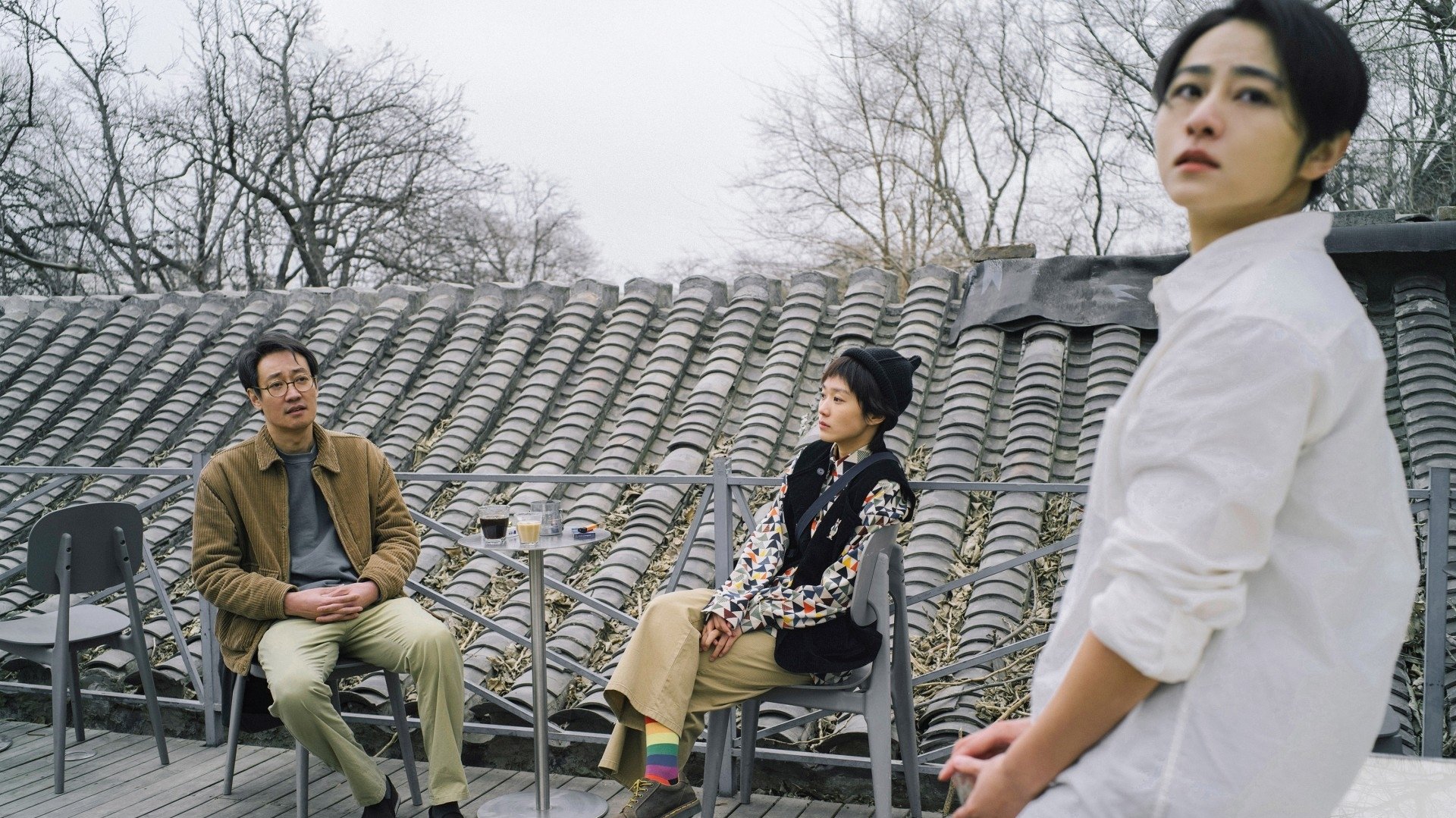
When you look through the window of the soul, it may, in fact, be a reflection. The reflection, though, might not be the replication of your now, but perhaps your past and your future. Gu (the protagonist) lies on the outskirts of himself, protected by his polite and inoffensive public-facing façade. In a scene, which may have been a dream, Gu pushes his father to look within to reveal dark hidden secrets. The ambiguous reality enmeshes the scene with a subconscious tinge, reflecting Gu’s own self-doubt and fear.
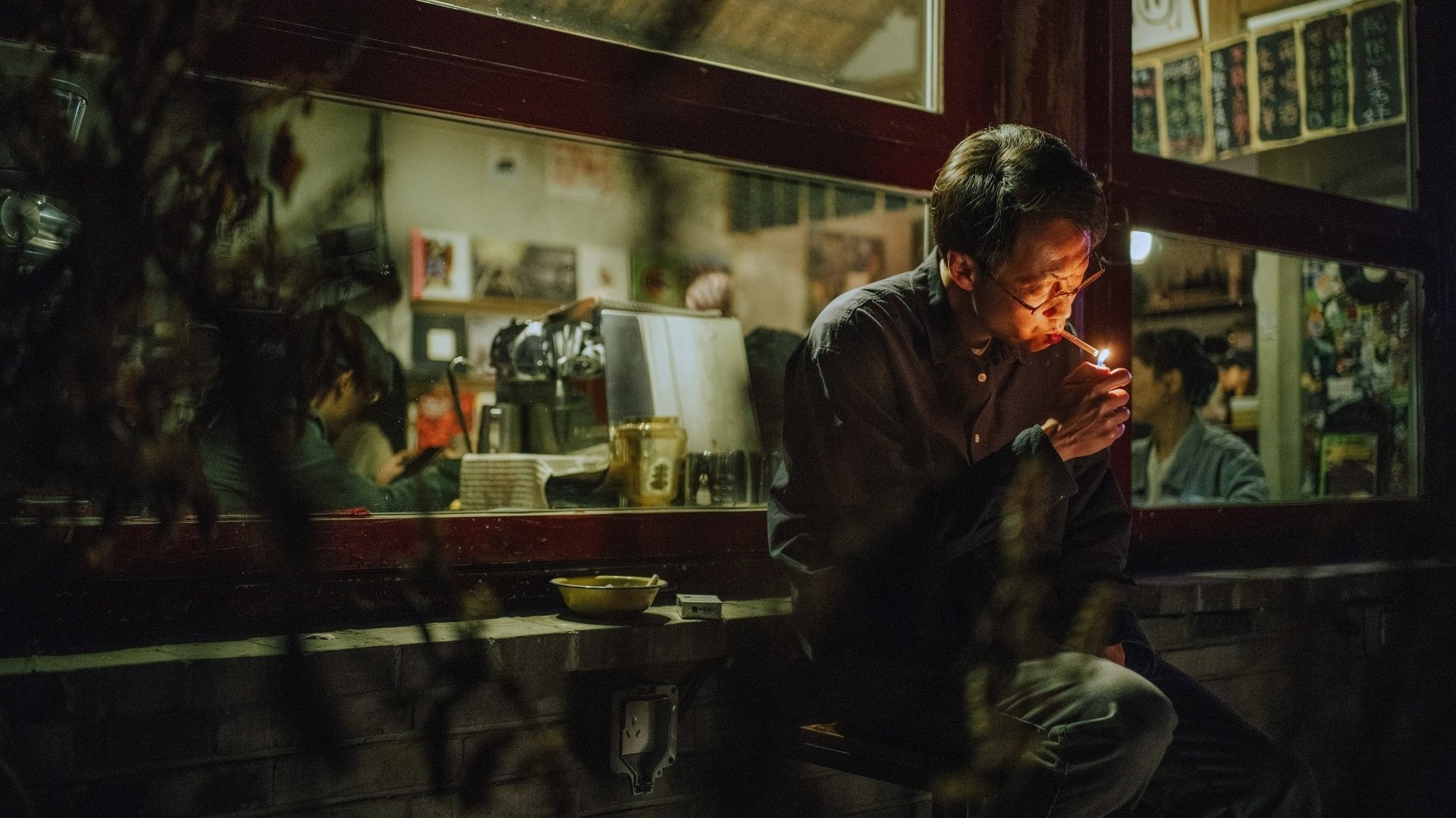
In a more explicit line, Gu says he fears he is becoming his father. His father was accused of a sexual harassment crime, although the father maintained his innocence until the end. The father’s crime was further complicated by his intoxication, a vice with which Gu struggles. Several characters tell Gu he should decrease, or give up all together, his drinking. Throughout the film, we get glimpses of various things from which Gu is hiding, his drinking serving as a numbing blanket which makes this self-deceit easier.
Ouyang, Gu’s professional photographer, similarly hides from her past. She admits late in the film she is an orphan. This is part of the reason she is elusive in speaking of her past with Gu. We visit the orphanage, now abandoned and dilapidated, where Ouyang grew up. There is a single flower blooming on a top floor, a symbolic beauty in a place of rubble. Her past causes her to ask a family of strangers if their beautiful young daughter is biologically theirs. The family is completely offput by this question, taking grave offense and prompting a sudden departure. This question is double-edged. One, Ouyang asks this family such a question, one it seems she knows is sensitive. Two, it shows the discomfort with which the asked family perceives this question, implicitly admitting a sort of shame. In other words, why would they be offended by an inoffensive question?
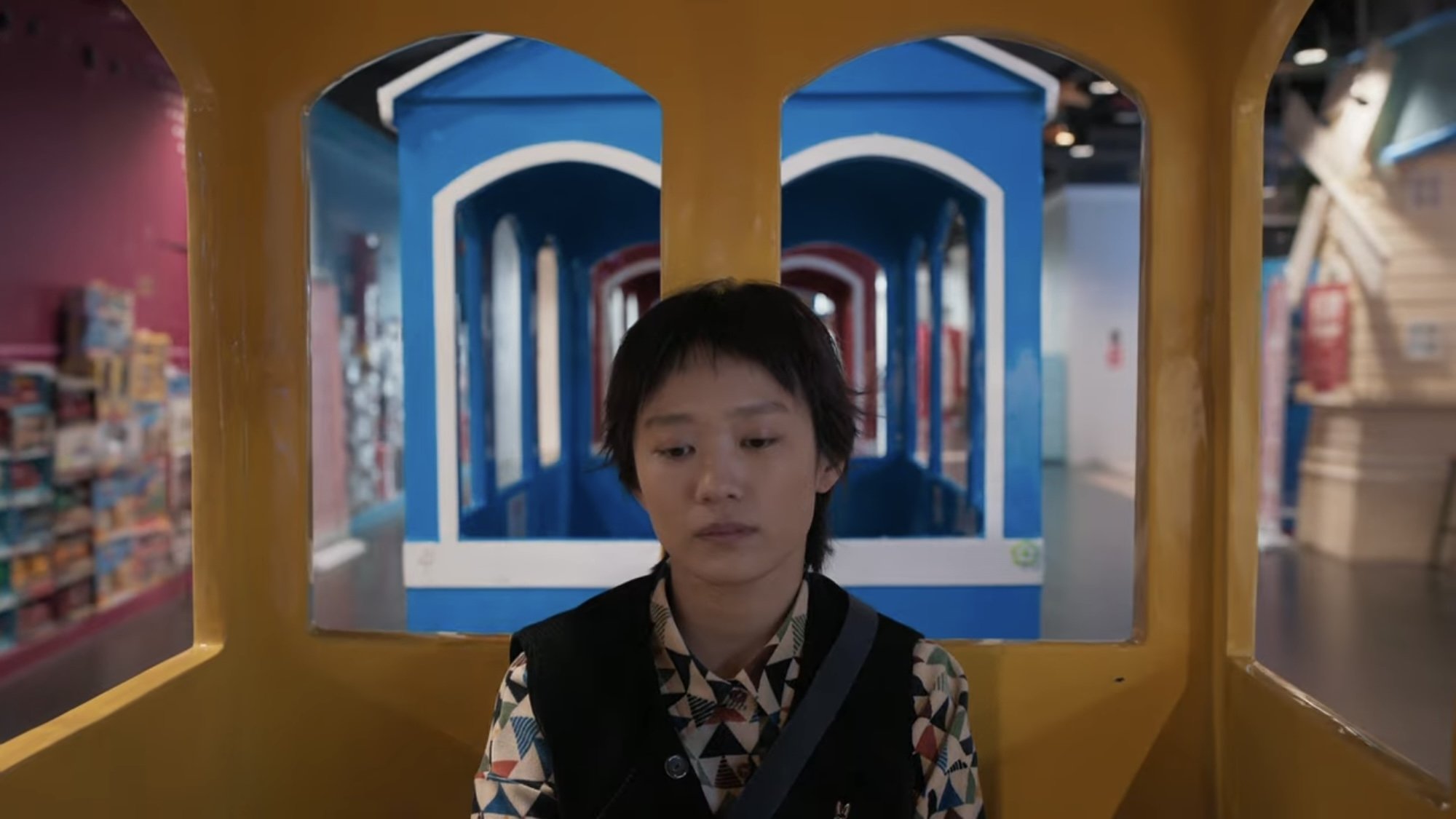
The parent-child dynamic is uplifted in tone by the ever-cheerful Smiley, Gu’s daughter. Gu’s daughter is now raised by his sister and brother-in-law. Gu, while present in her life, is not consistent. Smiley explicitly says during a dinner how long it’s been since he has had dinner with them. We see a current-day fracturing between parent and child in potential motion. The film wisely withholds the answer, instead, letting us judge for ourselves how we believe Gu’s actions and lifestyle are affecting his daughter.
I immediately knew this film would affect me by the sound of Smiley’s voice and a very quick brain teaser she tells. What is 0 plus 0? 8! One zero on top of the other. Some films have an immediately obvious identity. It then becomes a question of whether that identity can be faithfully maintained. Director Lu has a distinct cinematic voice. Quiet, like our protagonist Gu, but reflective and introspective, like Gu’s belief in the mystique of full names and their origins.
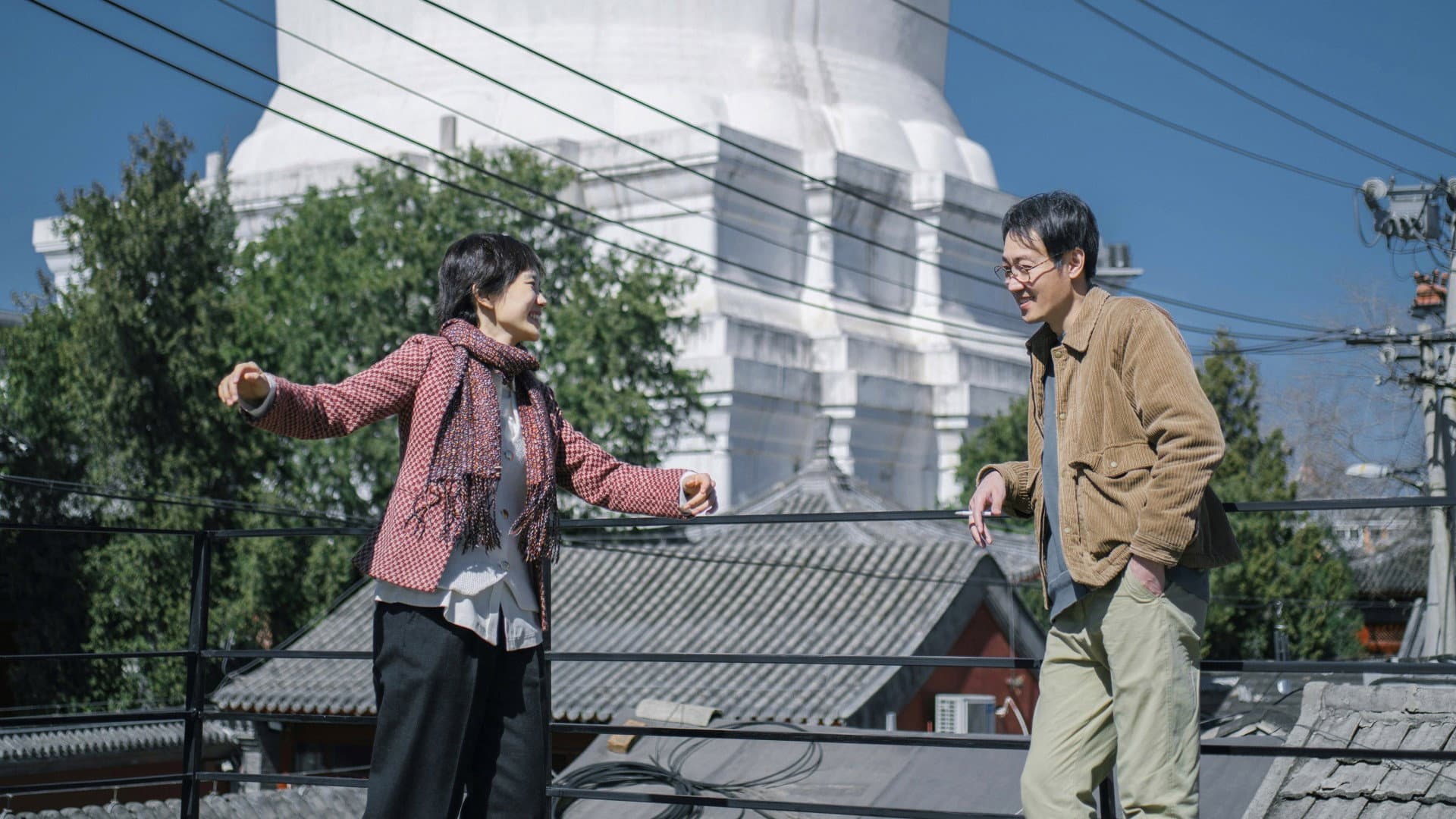
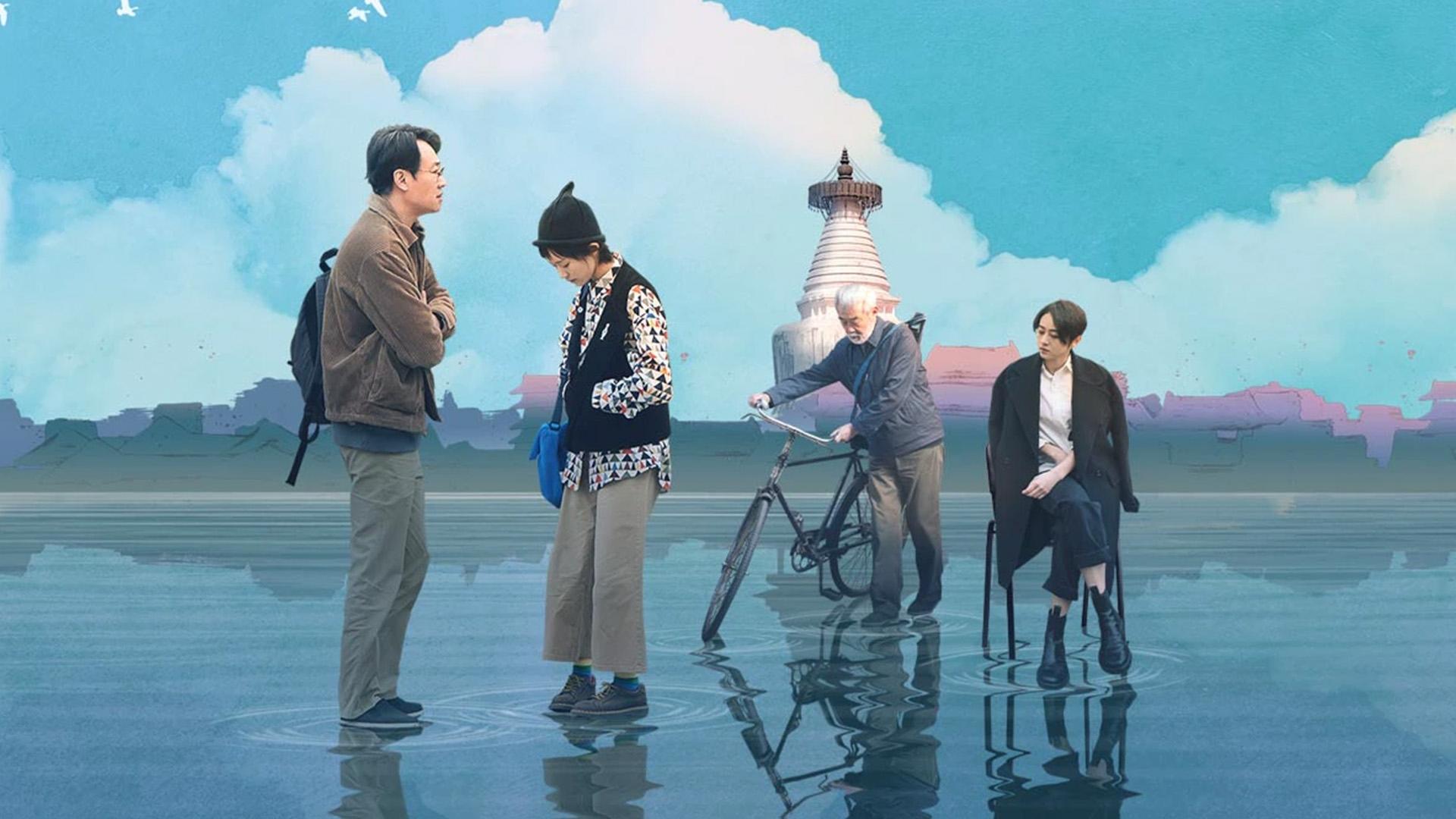
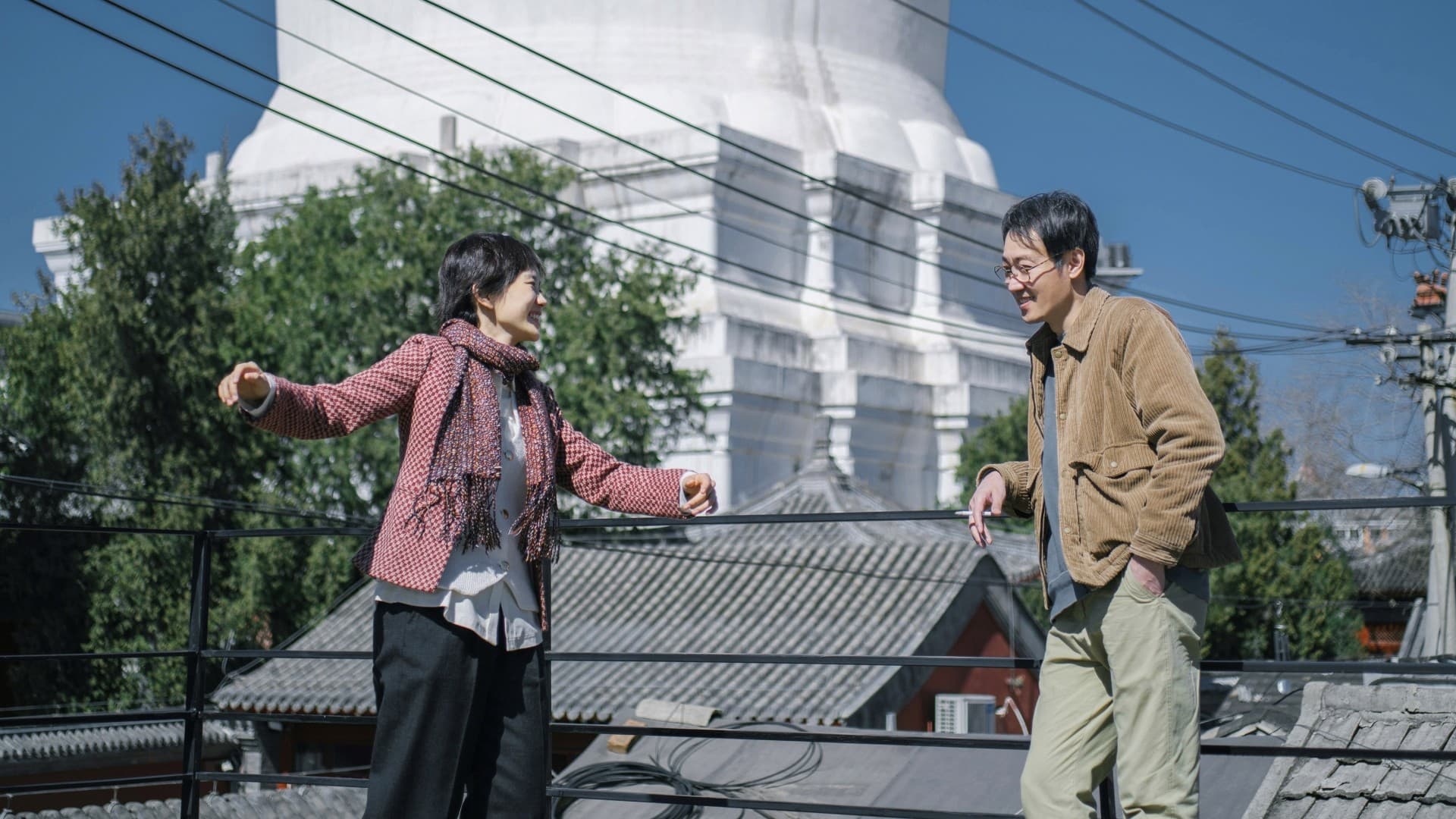
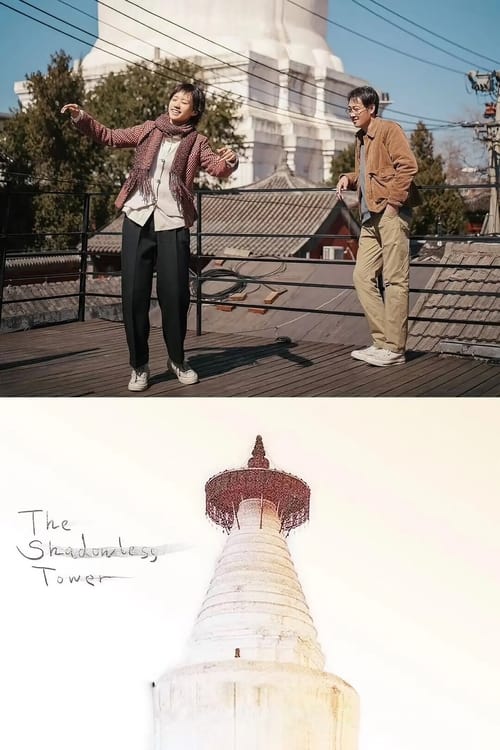
The titular tower, who casts no shadow, or maybe more importantly, whose shadow is cast too far away to see, anchors our characters in an inescapable orbit. We may pretend our past isn’t real, but maybe it’s just hidden from us, or we have hidden it ourselves. There is a deeply felt humanity beneath this film which was both provocative and soothing. By its end, it gives no real answers. Instead, like the best kind of films, we’re left with questions and ponderings. The film isn’t concerned about lecturing us or even teaching us an explicit lesson, instead giving us food for thought. It asks us, “What does this film mean to you?”
When you look through the window of the soul, it may, in fact, be a reflection. The reflection, though, might not be the replication of your now, but perhaps your past and your future. Gu (the protagonist) lies on the outskirts of himself, protected by his polite and inoffensive public-facing façade. In a scene, which may have been a dream, Gu pushes his father to look within to reveal dark hidden secrets. The ambiguous reality enmeshes the scene with a subconscious tinge, reflecting Gu’s own self-doubt and fear.
In a more explicit line, Gu says he fears he is becoming his father. His father was accused of a sexual harassment crime, although the father maintained his innocence until the end. The father’s crime was further complicated by his intoxication, a vice with which Gu struggles. Several characters tell Gu he should decrease, or give up all together, his drinking. Throughout the film, we get glimpses of various things from which Gu is hiding, his drinking serving as a numbing blanket which makes this self-deceit easier.
Ouyang, Gu’s professional photographer, similarly hides from her past. She admits late in the film she is an orphan. This is part of the reason she is elusive in speaking of her past with Gu. We visit the orphanage, now abandoned and dilapidated, where Ouyang grew up. There is a single flower blooming on a top floor, a symbolic beauty in a place of rubble. Her past causes her to ask a family of strangers if their beautiful young daughter is biologically theirs. The family is completely offput by this question, taking grave offense and prompting a sudden departure. This question is double-edged. One, Ouyang asks this family such a question, one it seems she knows is sensitive. Two, it shows the discomfort with which the asked family perceives this question, implicitly admitting a sort of shame. In other words, why would they be offended by an inoffensive question?
The parent-child dynamic is uplifted in tone by the ever-cheerful Smiley, Gu’s daughter. Gu’s daughter is now raised by his sister and brother-in-law. Gu, while present in her life, is not consistent. Smiley explicitly says during a dinner how long it’s been since he has had dinner with them. We see a current-day fracturing between parent and child in potential motion. The film wisely withholds the answer, instead, letting us judge for ourselves how we believe Gu’s actions and lifestyle are affecting his daughter.
I immediately knew this film would affect me by the sound of Smiley’s voice and a very quick brain teaser she tells. What is 0 plus 0? 8! One zero on top of the other. Some films have an immediately obvious identity. It then becomes a question of whether that identity can be faithfully maintained. Director Lu has a distinct cinematic voice. Quiet, like our protagonist Gu, but reflective and introspective, like Gu’s belief in the mystique of full names and their origins.
The titular tower, who casts no shadow, or maybe more importantly, whose shadow is cast too far away to see, anchors our characters in an inescapable orbit. We may pretend our past isn’t real, but maybe it’s just hidden from us, or we have hidden it ourselves. There is a deeply felt humanity beneath this film which was both provocative and soothing. By its end, it gives no real answers. Instead, like the best kind of films, we’re left with questions and ponderings. The film isn’t concerned about lecturing us or even teaching us an explicit lesson, instead giving us food for thought. It asks us, “What does this film mean to you?”