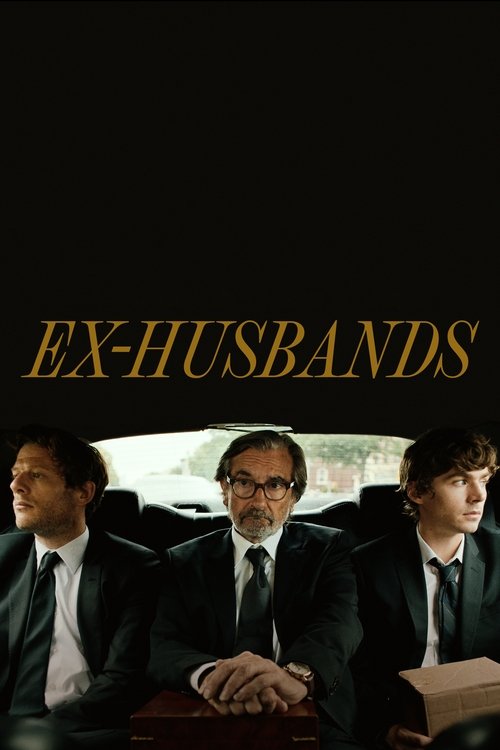
Griffin Dunne has rarely occupied the center of the cinematic frame, his presence more often felt in the margins. Charming, neurotic, and occasionally exasperated, Dunne has been more of a scene-stealer in his career than a scene-anchor. In fact, according to the sacred digital tome of Letterboxd, the only film in which Dunne has taken the lead and surpassed two thousand watches is After Hours (Scorsese, 1985). The next most-watched? The film under discussion today: Ex-Husbands. A full forty years later. Well—technically, it premiered at the Donostia San Sebastián Film Festival two years ago and is only now reaching American theaters, but let’s not split hairs. I simply wish to preempt any indignant correspondence from Spaniards. It has happened before.
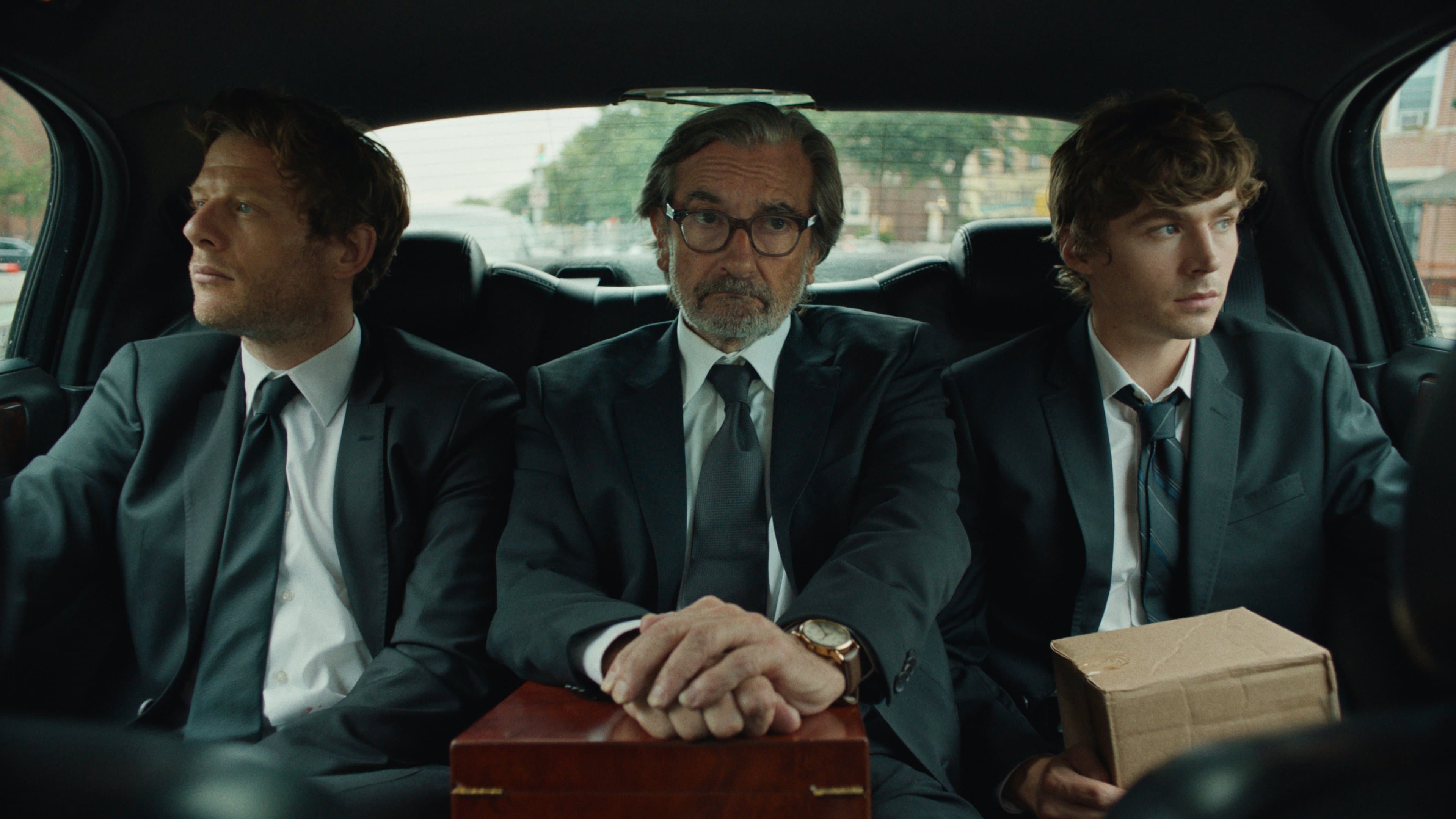
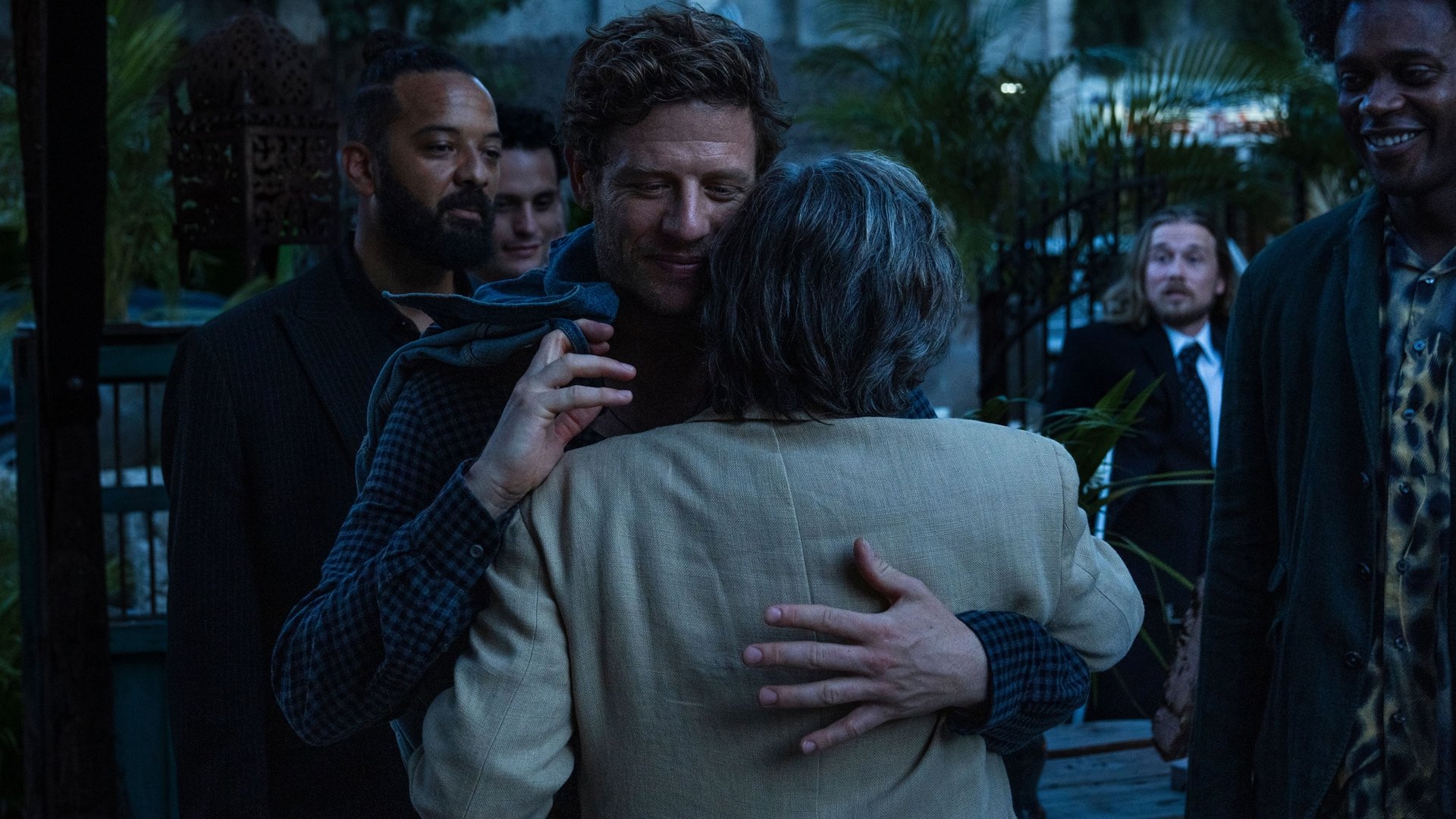
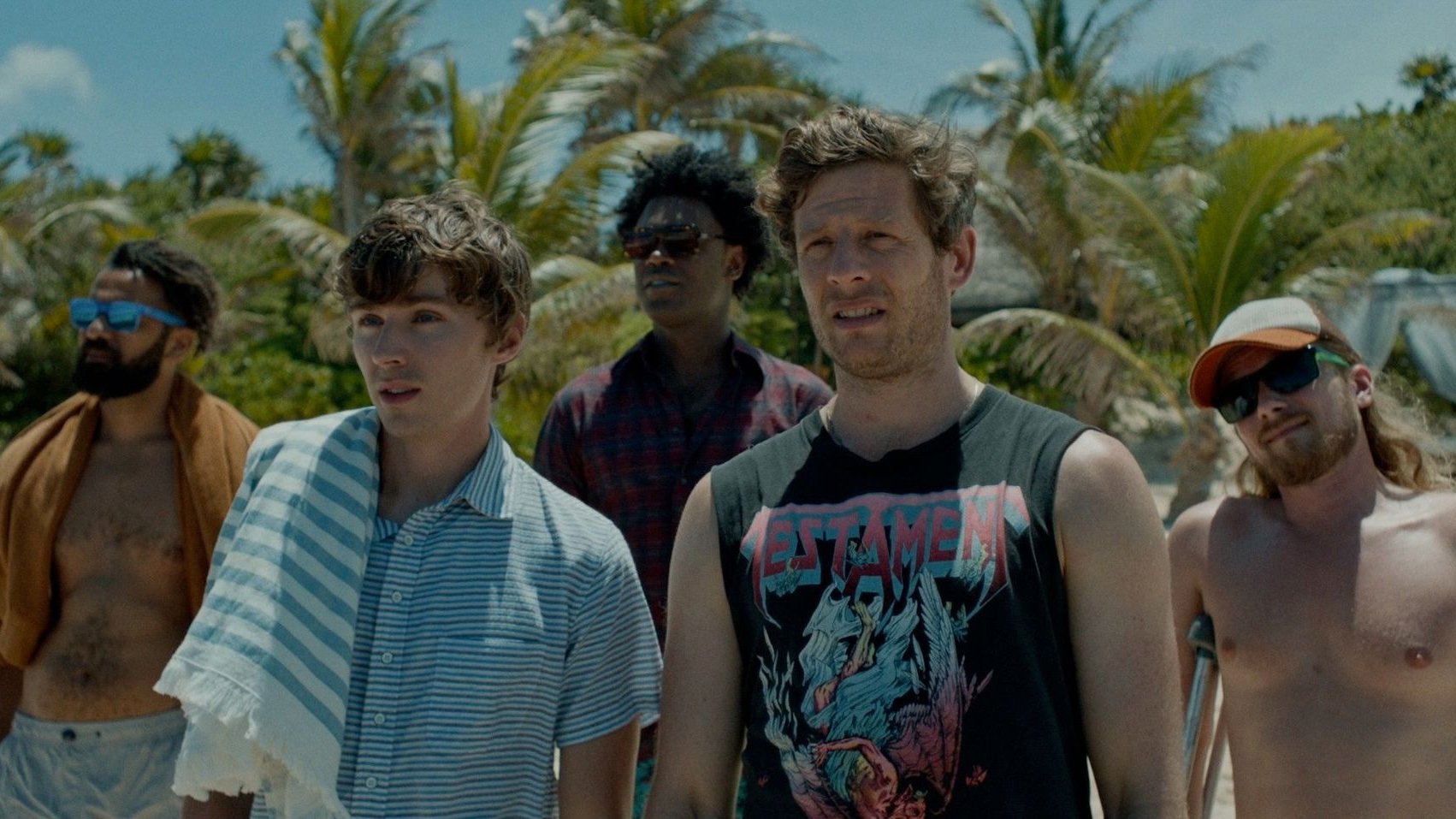
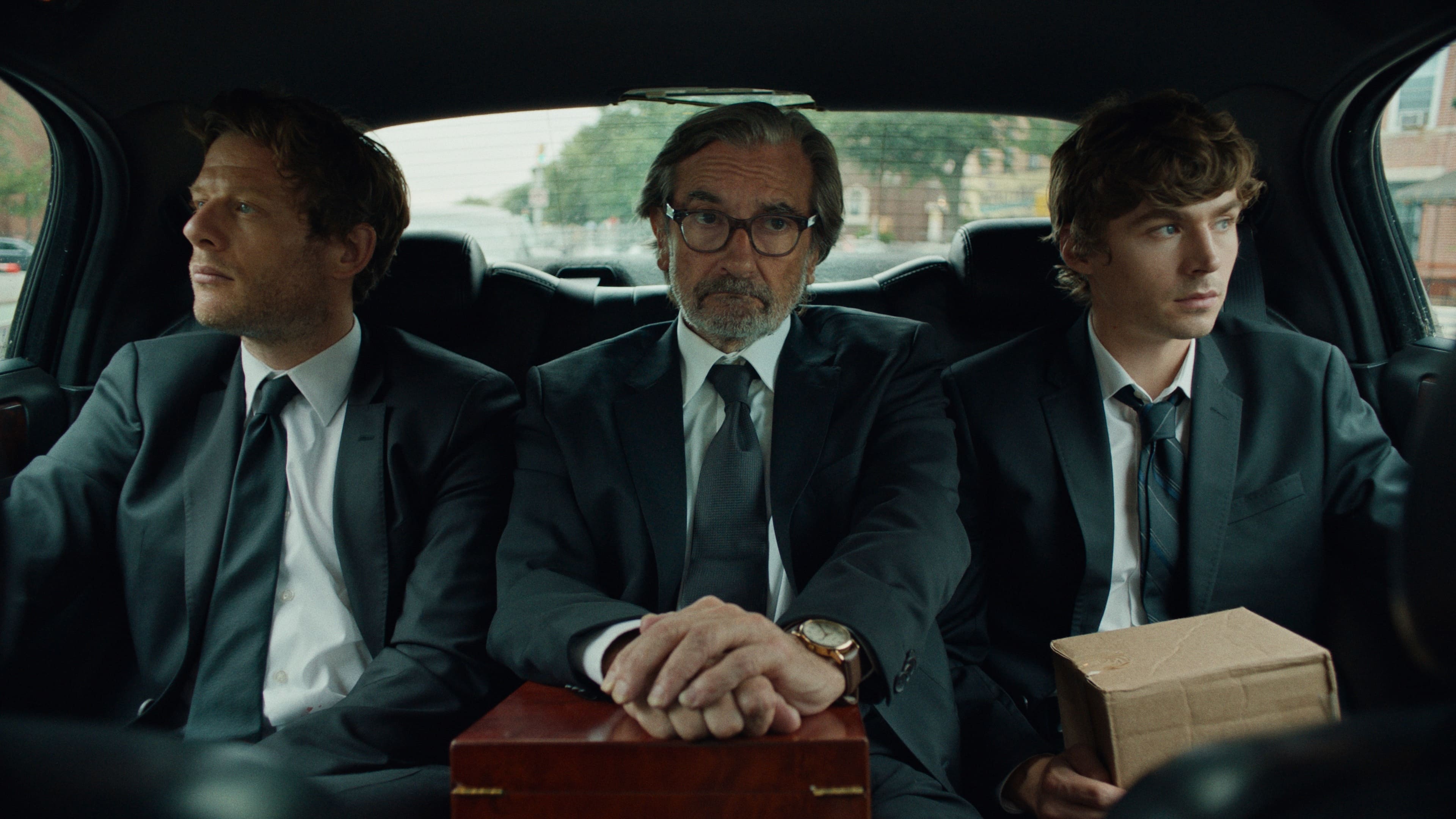
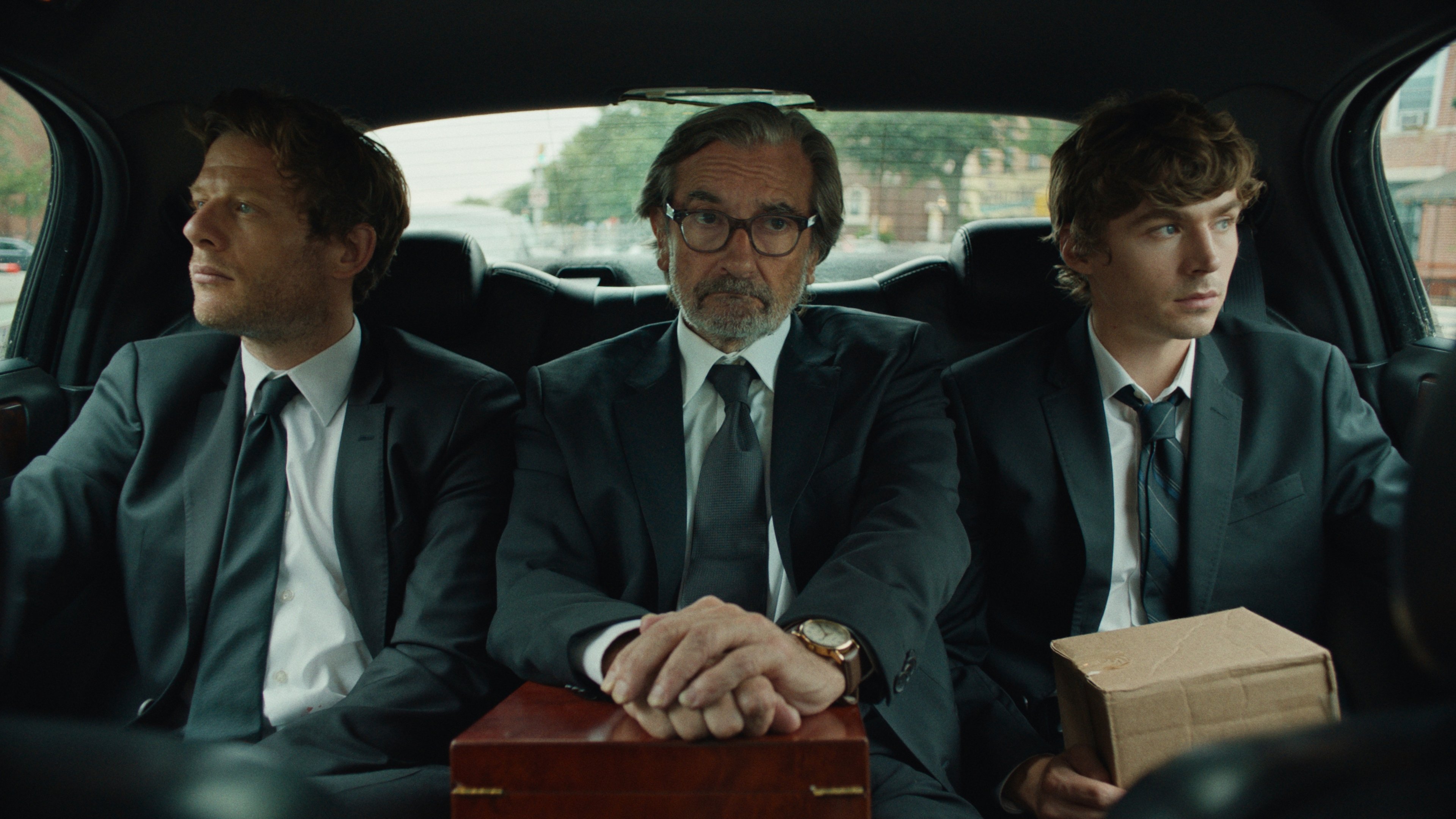
But setting aside my well-earned fear of Iberian cinephiles, Ex-Husbands is a rather agreeable jaunt through the existential fog of middle age. The film follows Peter (Griffin Dunne), who finds himself newly unmoored after his divorce from Maria (Rosanna Arquette). In a bid for escapism (or perhaps self-sabotage), he books a trip to Tulum, neglecting to realize (or possibly realizing all too well) that his son Nick (James Norton) is hosting his bachelor party there, orchestrated by his younger son Mickey (Miles Heizer). The supporting cast of characters includes Simon (Richard Benjamin), Peter’s ailing father; Arroyo (Pedro Fontaine), a groomsman steadfastly dodging the reality of his own bisexuality; and Lowry (Simon Van Buyten), another groomsman whom Peter succinctly describes as “a weird little man.”
Ex-Husbands belongs to that peculiar cinematic species that eschews conventional plotting in favor of pure, unfiltered vibes. Entire stretches consist of Peter ambling through the streets of Tulum, suit jacket slung over his shoulder, exuding the energy of a man who has either misplaced his hotel or is trying to manifest an epiphany. Normally, this would be the part of the review where I’d dutifully declare, “It doesn’t really work” or “I was bored”...but not today. Because, against all odds, it did work for me. And no, I was not bored.
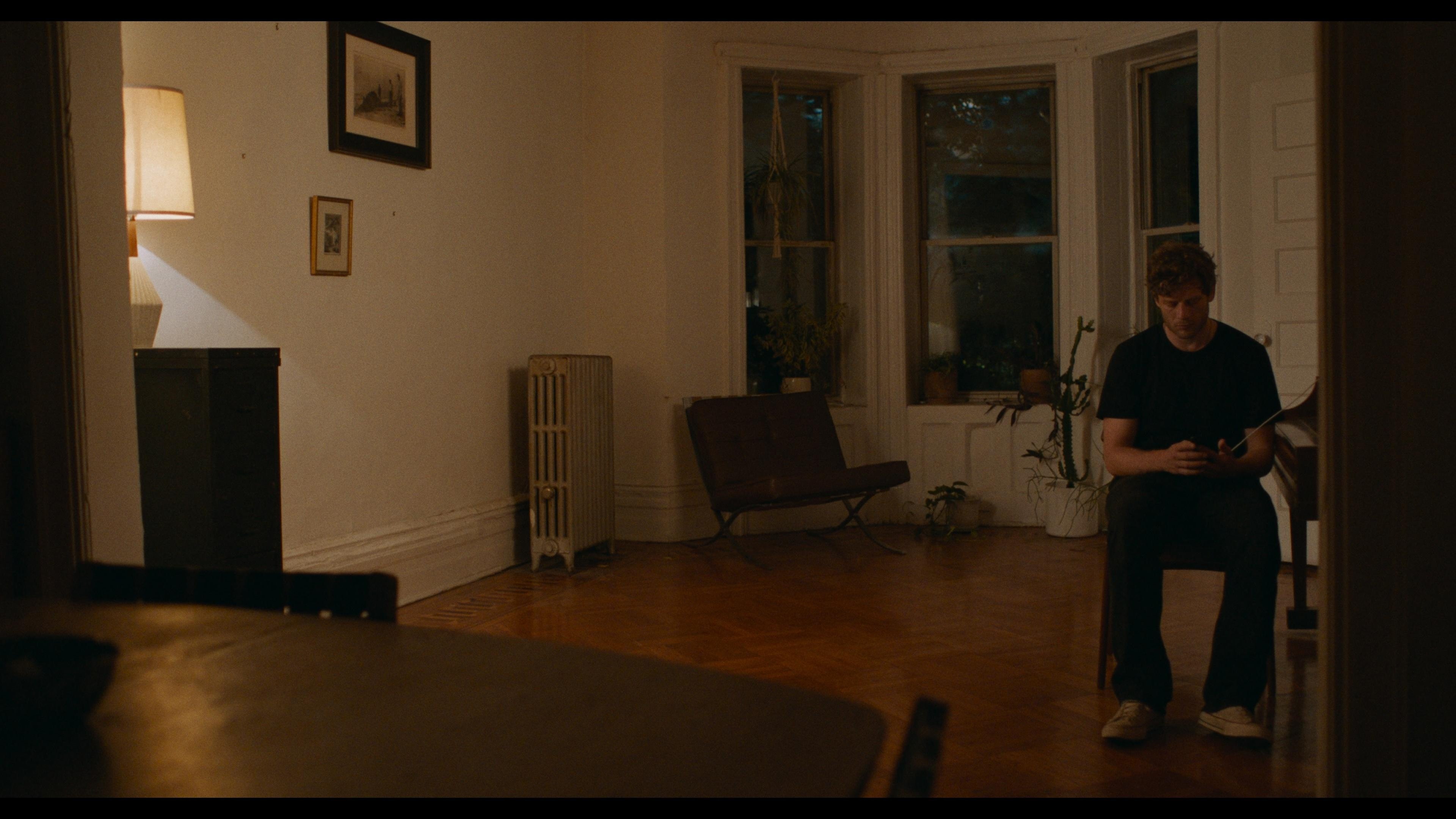
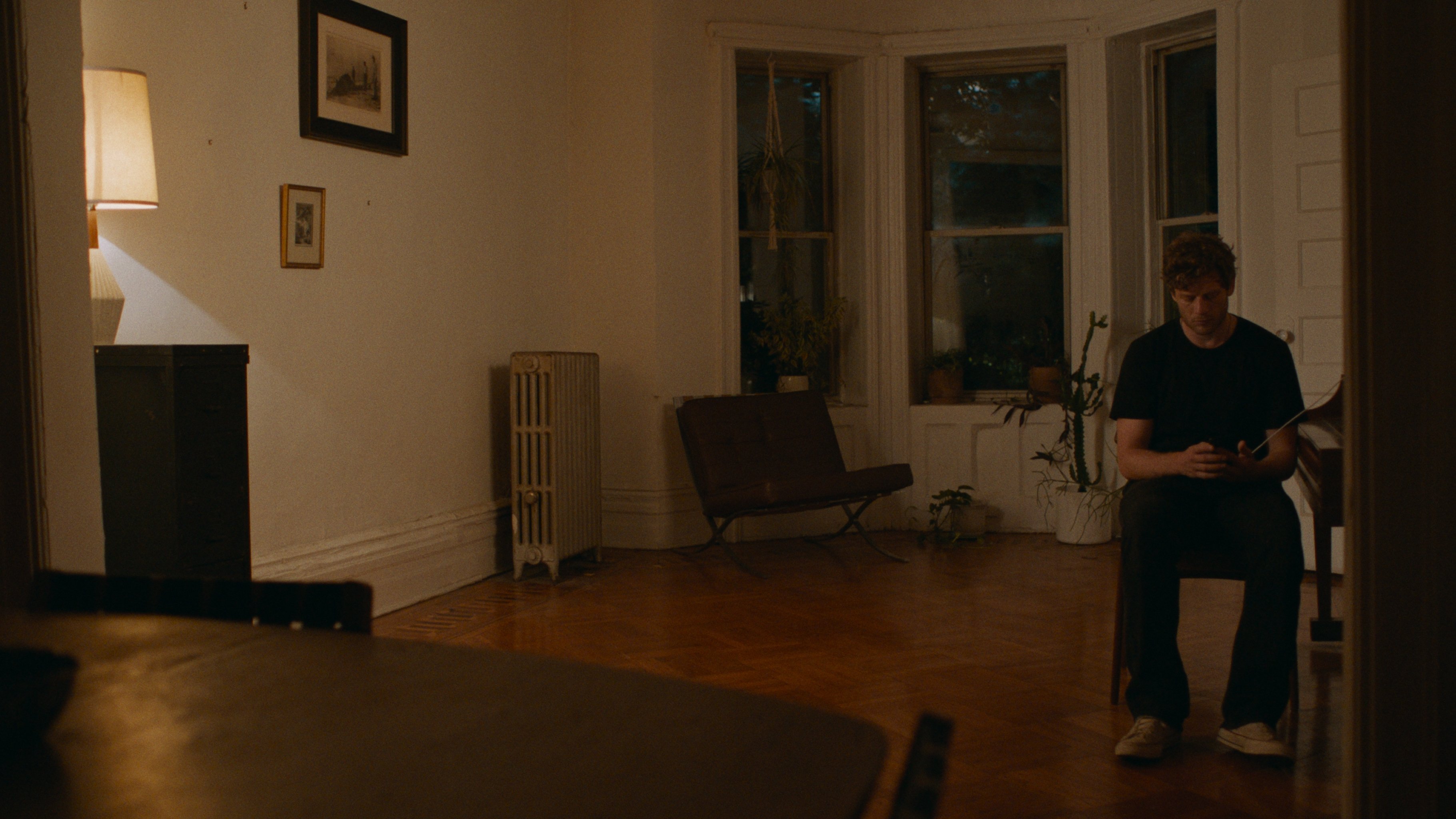
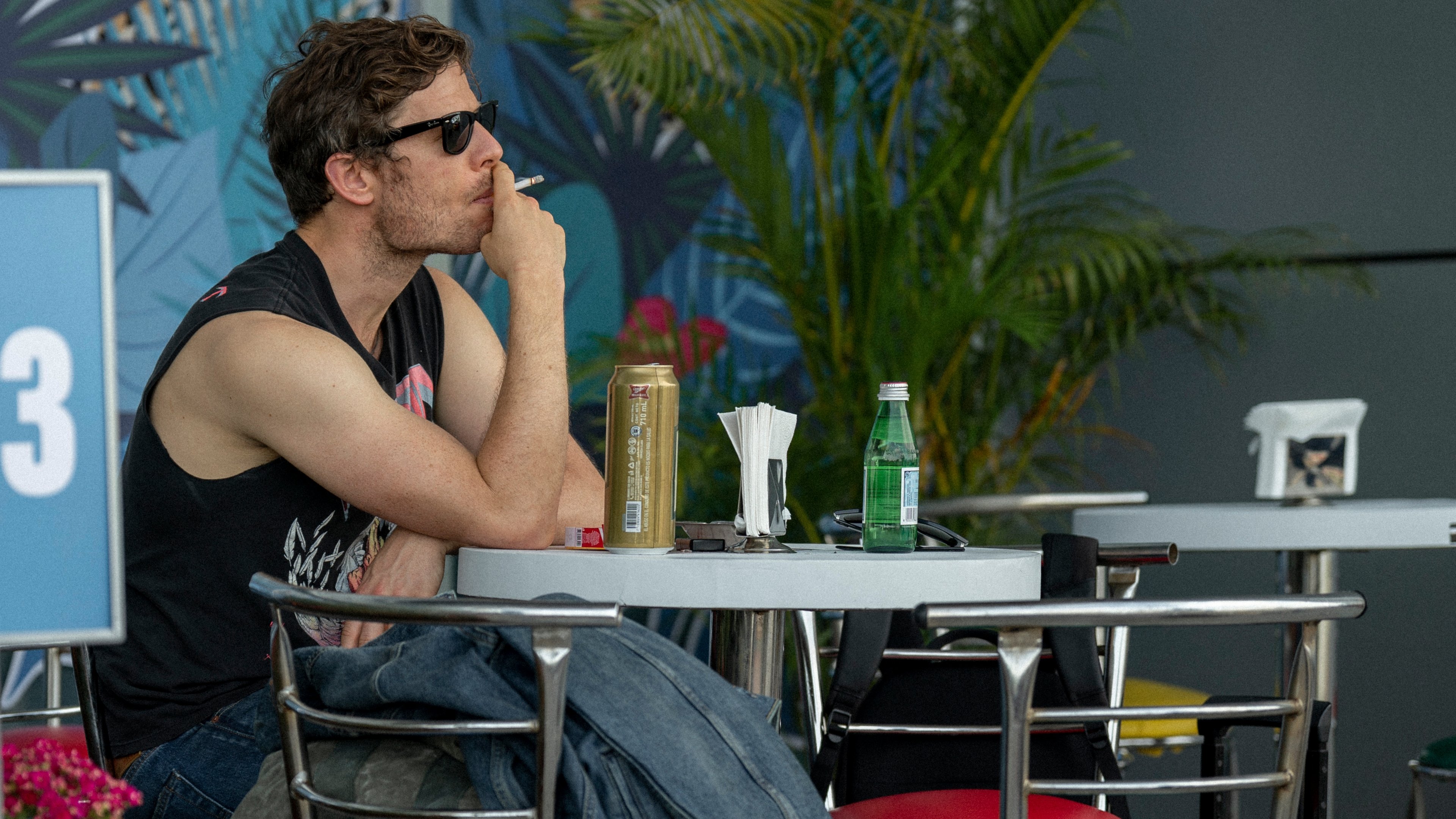
A large part of that success lies in Alfonso Herrera Salcedo’s cinematography, which renders Tulum as if it were a sacred, sun-drenched oasis for the aimless and heartbroken. The compositions are clean, the camera moves precise, and the details. Holy shit, the details. Salcedo has an eye for the small, incidental objects that subtly sculpt a world: a Gatorade bottle half full of cigarette butts, a note delicately wedged beneath a felt box. No grand flourishes or anything like that (one or two would’ve been nice), just the quiet poetry of lived-in spaces. Nothing groundbreaking, but undeniably elegant. I’m a sucker for this kind of thing. We might have the next Robbie Ryan on our hands. And Robbie Ryan isn’t even retired yet, so now we have two Robbie Ryans (three, if you count Sean Price Williams).
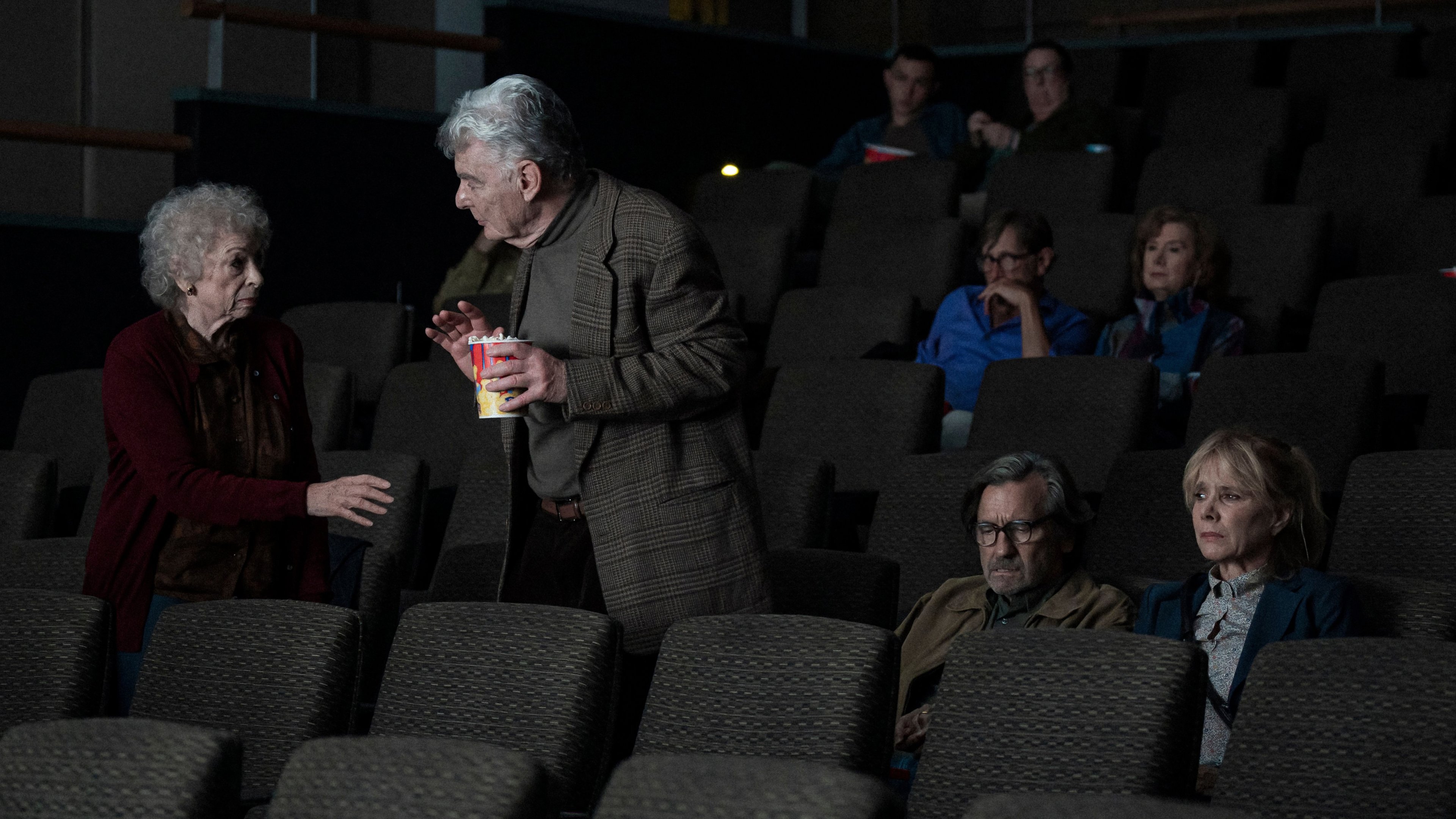
Next up: the script. Written by Pritzker himself, it is, plain and simple, funny. I caught this film late on a Saturday night after a grueling shift at work. Well, sort of grueling—Saturday was only four and a half hours, but Thursday and Friday were both nine, so let’s say the exhaustion carried over. The theater was sparsely populated: a middle-aged woman, a slightly older man whom I recognized as one of the DoorDash drivers I routinely hand off takeout orders to, and two women around my age (early twenties), bundled up in blankets like they were bracing for a tundra rather than a screening of Ex-Husbands. And yet, despite our differences, we were united in one crucial respect. We were all laughing our asses off.
Now, I’ll admit, I’m an easy laugh. I’d like to think most critics have a more discerning sense of humor, but I’ll cackle at just about anything. Still, the fact that all four of my fellow audience members were losing it just as much as I was suggests this movie has some real comedic chops. It’s the kind of breezy, effortlessly funny mid-budget comedy that once ruled the box office, back when studios still believed that witty, adult-driven humor could rake in a cool quarter-billion. But alas, it is no longer the 2000s.
The film’s dramatic beats land with an unexpected weight, sneaking up on you amid the sun-drenched meandering and wry humor. Though Ex-Husbands is primarily set in 2023, it opens in 2017 with a monologue from Simon. It’s a well-written speech, though Richard Benjamin’s delivery doesn’t quite hit the heights of Goodbye, Columbus (Peerce, 1969) or The Sunshine Boys (Ross, 1975), depending on your preferred era of Benjamin excellence. In it, Simon explains his decision to divorce Peter’s mother, Eunice (Marcia Jean Kurtz), declaring that he wants a second chance at love. He estimates that he has another twenty to twenty-five good years left, ample time to begin again. Meanwhile, in another corner of the past, a younger Nick offhandedly tells a coworker that if he’s still at the same restaurant by spring 2018, he’ll blow his brains out.
Then, the film fast-forwards to 2023, and the impact is quietly devastating. Simon was wrong, he didn’t have twenty good years left. He had five. A stroke has ravaged his body, stripping him of speech. Eunice has already passed in the interim. And Nick? He’s still at that restaurant. While he is technically on the verge of marriage to his fiancée Thea (Rachel Zeiger-Haag), neither of them exudes much enthusiasm about the prospect.
I don’t feel too bad discussing all of this because it’s first-ten-minute material, but man, what a brutal setup. One of the strongest opening acts I’ve seen in a long time. It establishes everything, themes of regret, the futility of making long-term plans, the fragile line between reinvention and stagnation. And then it just lets you sit with it.
The film exhibits a quiet attentiveness to the textures of Tulum, eschewing the touristic gaze in favor of something more nuanced, more entangled with the forces shaping the region. Consider the sargassum: a creeping, pelagic specter, a manifestation of distant industrial excess—fertilizer runoff from the Amazon and Congo, the unintended consequence of global consumption washing ashore in unruly heaps. It is both a natural phenomenon and an economic marker, its presence a function not of geography but of labor. The hotel staff meticulously clear Peter’s beachfront, rendering his view pristine, untroubled. Meanwhile, at Nick and Mickey’s Airbnb, the seaweed accumulates, indifferent to human complaint. The difference is not meteorological but infrastructural—one man’s untouched horizon is another’s unshakable reality.
Elsewhere, a conversation unfolds between Arroyo and a taxi driver, a moment of quiet indictment. Tulum, once an unassuming coastal enclave, has become a plaything of affluence, its economy warped by the gravitational pull of foreign wealth. The cost of paradise is displacement, inflation, an encroaching sense of irretrievability. The locals, grounded in something more tangible than transitory indulgence, are not insulated by excess. They are its consequence.
Ex-Husbands lingers like a half-remembered conversation, its humor and melancholy woven into something gently persistent, something that stays with you well past the final frame. It does not break new ground so much as it treads familiar terrain with an easy, knowing stride, carving out a space where self-deprecation and genuine pathos can coexist. In a time when mid-budget, dialogue-driven films seem to be slipping into obsolescence, Pritzker’s work feels almost defiant in its quiet confidence. It trusts in the resonance of lived-in spaces, the weight of unspoken regrets, the absurdity of trying (and often failing) to navigate love, family, and the slow erosion of certainty.
And at its core, there is Dunne, an actor long relegated to the periphery, finally given the frame to himself—not in a grand, transformative role, but in a performance that feels effortlessly lived-in, steeped in the rhythms of his career’s many near-leads. If After Hours cast him as a man perpetually running in circles, Ex-Husbands finds him finally at rest, not so much resolved as resigned to the currents of his life. It is, in its own quiet way, a triumph.
Griffin Dunne has rarely occupied the center of the cinematic frame, his presence more often felt in the margins. Charming, neurotic, and occasionally exasperated, Dunne has been more of a scene-stealer in his career than a scene-anchor. In fact, according to the sacred digital tome of Letterboxd, the only film in which Dunne has taken the lead and surpassed two thousand watches is After Hours (Scorsese, 1985). The next most-watched? The film under discussion today: Ex-Husbands. A full forty years later. Well—technically, it premiered at the Donostia San Sebastián Film Festival two years ago and is only now reaching American theaters, but let’s not split hairs. I simply wish to preempt any indignant correspondence from Spaniards. It has happened before.
But setting aside my well-earned fear of Iberian cinephiles, Ex-Husbands is a rather agreeable jaunt through the existential fog of middle age. The film follows Peter (Griffin Dunne), who finds himself newly unmoored after his divorce from Maria (Rosanna Arquette). In a bid for escapism (or perhaps self-sabotage), he books a trip to Tulum, neglecting to realize (or possibly realizing all too well) that his son Nick (James Norton) is hosting his bachelor party there, orchestrated by his younger son Mickey (Miles Heizer). The supporting cast of characters includes Simon (Richard Benjamin), Peter’s ailing father; Arroyo (Pedro Fontaine), a groomsman steadfastly dodging the reality of his own bisexuality; and Lowry (Simon Van Buyten), another groomsman whom Peter succinctly describes as “a weird little man.”
Ex-Husbands belongs to that peculiar cinematic species that eschews conventional plotting in favor of pure, unfiltered vibes. Entire stretches consist of Peter ambling through the streets of Tulum, suit jacket slung over his shoulder, exuding the energy of a man who has either misplaced his hotel or is trying to manifest an epiphany. Normally, this would be the part of the review where I’d dutifully declare, “It doesn’t really work” or “I was bored”...but not today. Because, against all odds, it did work for me. And no, I was not bored.
A large part of that success lies in Alfonso Herrera Salcedo’s cinematography, which renders Tulum as if it were a sacred, sun-drenched oasis for the aimless and heartbroken. The compositions are clean, the camera moves precise, and the details. Holy shit, the details. Salcedo has an eye for the small, incidental objects that subtly sculpt a world: a Gatorade bottle half full of cigarette butts, a note delicately wedged beneath a felt box. No grand flourishes or anything like that (one or two would’ve been nice), just the quiet poetry of lived-in spaces. Nothing groundbreaking, but undeniably elegant. I’m a sucker for this kind of thing. We might have the next Robbie Ryan on our hands. And Robbie Ryan isn’t even retired yet, so now we have two Robbie Ryans (three, if you count Sean Price Williams).
Next up: the script. Written by Pritzker himself, it is, plain and simple, funny. I caught this film late on a Saturday night after a grueling shift at work. Well, sort of grueling—Saturday was only four and a half hours, but Thursday and Friday were both nine, so let’s say the exhaustion carried over. The theater was sparsely populated: a middle-aged woman, a slightly older man whom I recognized as one of the DoorDash drivers I routinely hand off takeout orders to, and two women around my age (early twenties), bundled up in blankets like they were bracing for a tundra rather than a screening of Ex-Husbands. And yet, despite our differences, we were united in one crucial respect. We were all laughing our asses off.
Now, I’ll admit, I’m an easy laugh. I’d like to think most critics have a more discerning sense of humor, but I’ll cackle at just about anything. Still, the fact that all four of my fellow audience members were losing it just as much as I was suggests this movie has some real comedic chops. It’s the kind of breezy, effortlessly funny mid-budget comedy that once ruled the box office, back when studios still believed that witty, adult-driven humor could rake in a cool quarter-billion. But alas, it is no longer the 2000s.
The film’s dramatic beats land with an unexpected weight, sneaking up on you amid the sun-drenched meandering and wry humor. Though Ex-Husbands is primarily set in 2023, it opens in 2017 with a monologue from Simon. It’s a well-written speech, though Richard Benjamin’s delivery doesn’t quite hit the heights of Goodbye, Columbus (Peerce, 1969) or The Sunshine Boys (Ross, 1975), depending on your preferred era of Benjamin excellence. In it, Simon explains his decision to divorce Peter’s mother, Eunice (Marcia Jean Kurtz), declaring that he wants a second chance at love. He estimates that he has another twenty to twenty-five good years left, ample time to begin again. Meanwhile, in another corner of the past, a younger Nick offhandedly tells a coworker that if he’s still at the same restaurant by spring 2018, he’ll blow his brains out.
Then, the film fast-forwards to 2023, and the impact is quietly devastating. Simon was wrong, he didn’t have twenty good years left. He had five. A stroke has ravaged his body, stripping him of speech. Eunice has already passed in the interim. And Nick? He’s still at that restaurant. While he is technically on the verge of marriage to his fiancée Thea (Rachel Zeiger-Haag), neither of them exudes much enthusiasm about the prospect.
I don’t feel too bad discussing all of this because it’s first-ten-minute material, but man, what a brutal setup. One of the strongest opening acts I’ve seen in a long time. It establishes everything, themes of regret, the futility of making long-term plans, the fragile line between reinvention and stagnation. And then it just lets you sit with it.
The film exhibits a quiet attentiveness to the textures of Tulum, eschewing the touristic gaze in favor of something more nuanced, more entangled with the forces shaping the region. Consider the sargassum: a creeping, pelagic specter, a manifestation of distant industrial excess—fertilizer runoff from the Amazon and Congo, the unintended consequence of global consumption washing ashore in unruly heaps. It is both a natural phenomenon and an economic marker, its presence a function not of geography but of labor. The hotel staff meticulously clear Peter’s beachfront, rendering his view pristine, untroubled. Meanwhile, at Nick and Mickey’s Airbnb, the seaweed accumulates, indifferent to human complaint. The difference is not meteorological but infrastructural—one man’s untouched horizon is another’s unshakable reality.
Elsewhere, a conversation unfolds between Arroyo and a taxi driver, a moment of quiet indictment. Tulum, once an unassuming coastal enclave, has become a plaything of affluence, its economy warped by the gravitational pull of foreign wealth. The cost of paradise is displacement, inflation, an encroaching sense of irretrievability. The locals, grounded in something more tangible than transitory indulgence, are not insulated by excess. They are its consequence.
Ex-Husbands lingers like a half-remembered conversation, its humor and melancholy woven into something gently persistent, something that stays with you well past the final frame. It does not break new ground so much as it treads familiar terrain with an easy, knowing stride, carving out a space where self-deprecation and genuine pathos can coexist. In a time when mid-budget, dialogue-driven films seem to be slipping into obsolescence, Pritzker’s work feels almost defiant in its quiet confidence. It trusts in the resonance of lived-in spaces, the weight of unspoken regrets, the absurdity of trying (and often failing) to navigate love, family, and the slow erosion of certainty.
And at its core, there is Dunne, an actor long relegated to the periphery, finally given the frame to himself—not in a grand, transformative role, but in a performance that feels effortlessly lived-in, steeped in the rhythms of his career’s many near-leads. If After Hours cast him as a man perpetually running in circles, Ex-Husbands finds him finally at rest, not so much resolved as resigned to the currents of his life. It is, in its own quiet way, a triumph.