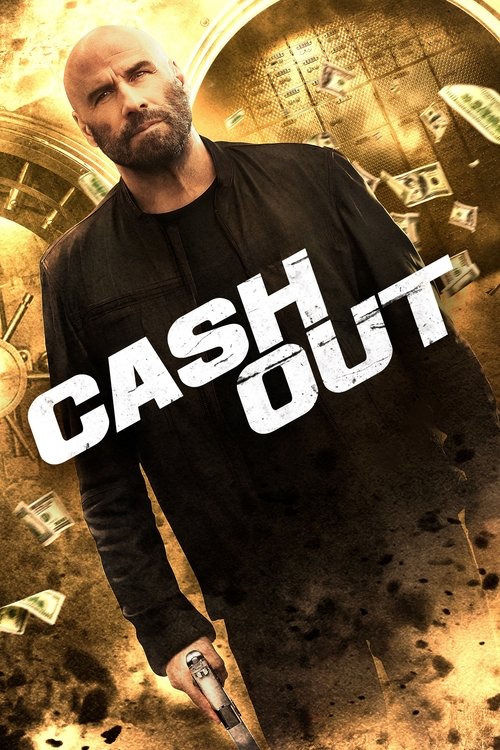
Less than thirty years ago, John Travolta was Hollywood royalty. With hits like Barry Sonnenfeld’s Get Shorty and Quentin Tarantino’s Pulp Fiction, he was not just a movie star—he was THE movie star, basking in the glow of a career resurgence that most actors only dream of. Fast forward to 2024, and Cash Out, his latest film, premiered quietly at the Gasparilla Film Festival in March. And when I say “quietly,” I mean so quietly that it might as well have been on mute.
No one cared. There was no buzz, no critical discourse, no hint of cultural relevance. I’ve scoured the internet, searching for anything about this movie—reviews, retrospectives, even a stray social media post—and came up empty-handed. It’s as though Cash Out doesn’t exist.
Which raises an interesting question: if John Travolta stars in a halfhearted Fast & Furious knockoff chamberpiece, and no one is around to see it, does it make a sound? The answer, apparently, is no.
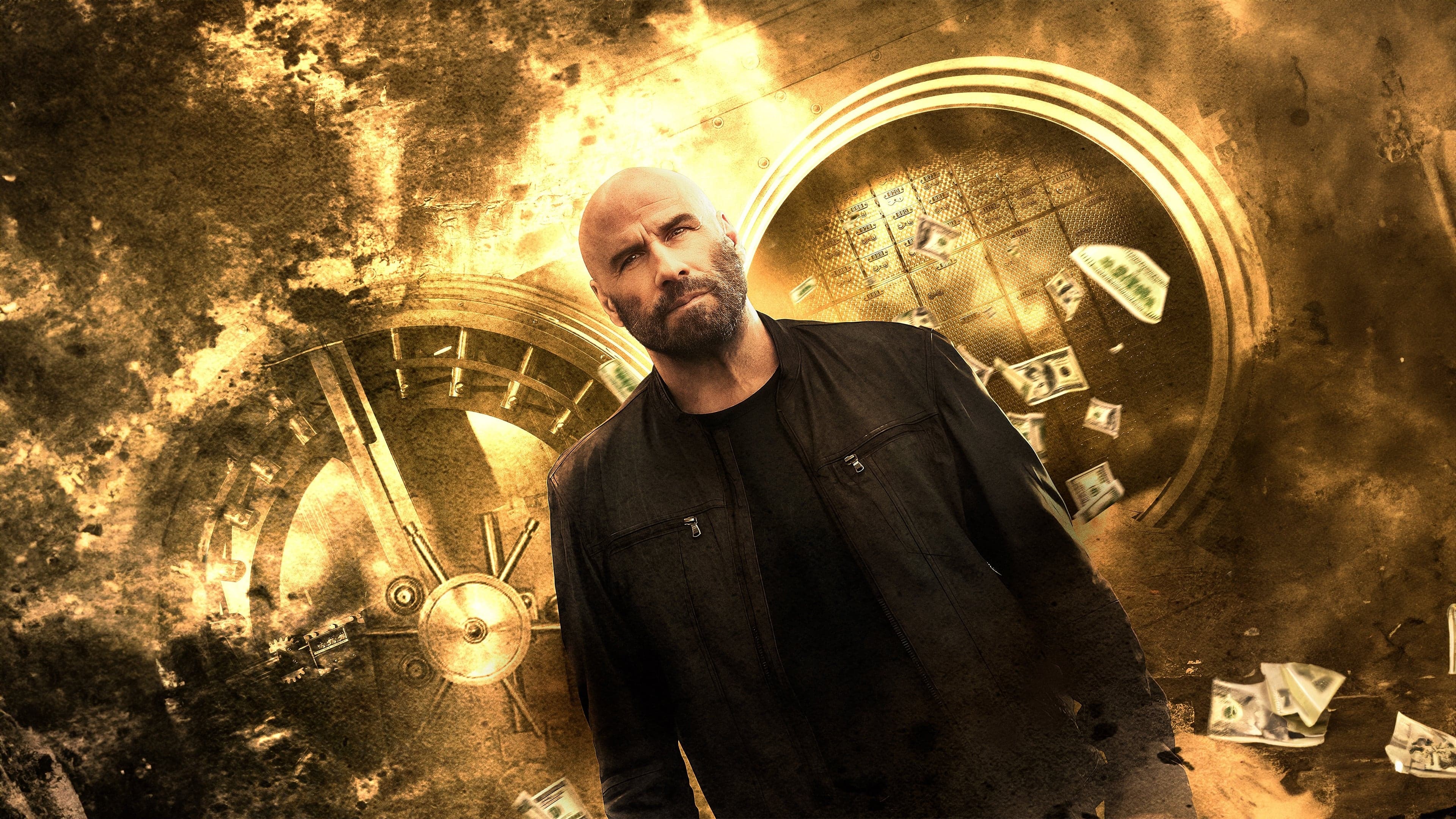
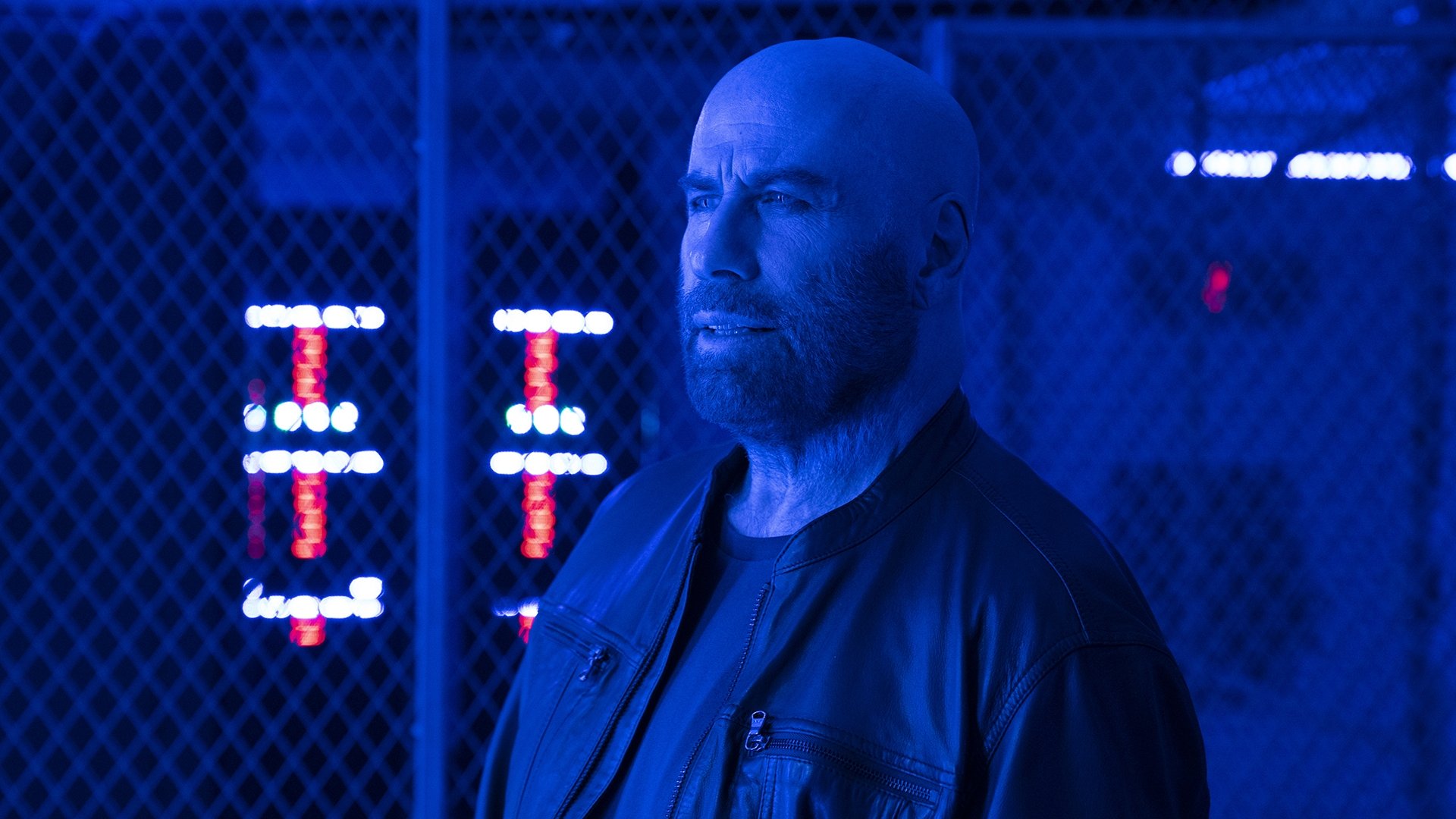
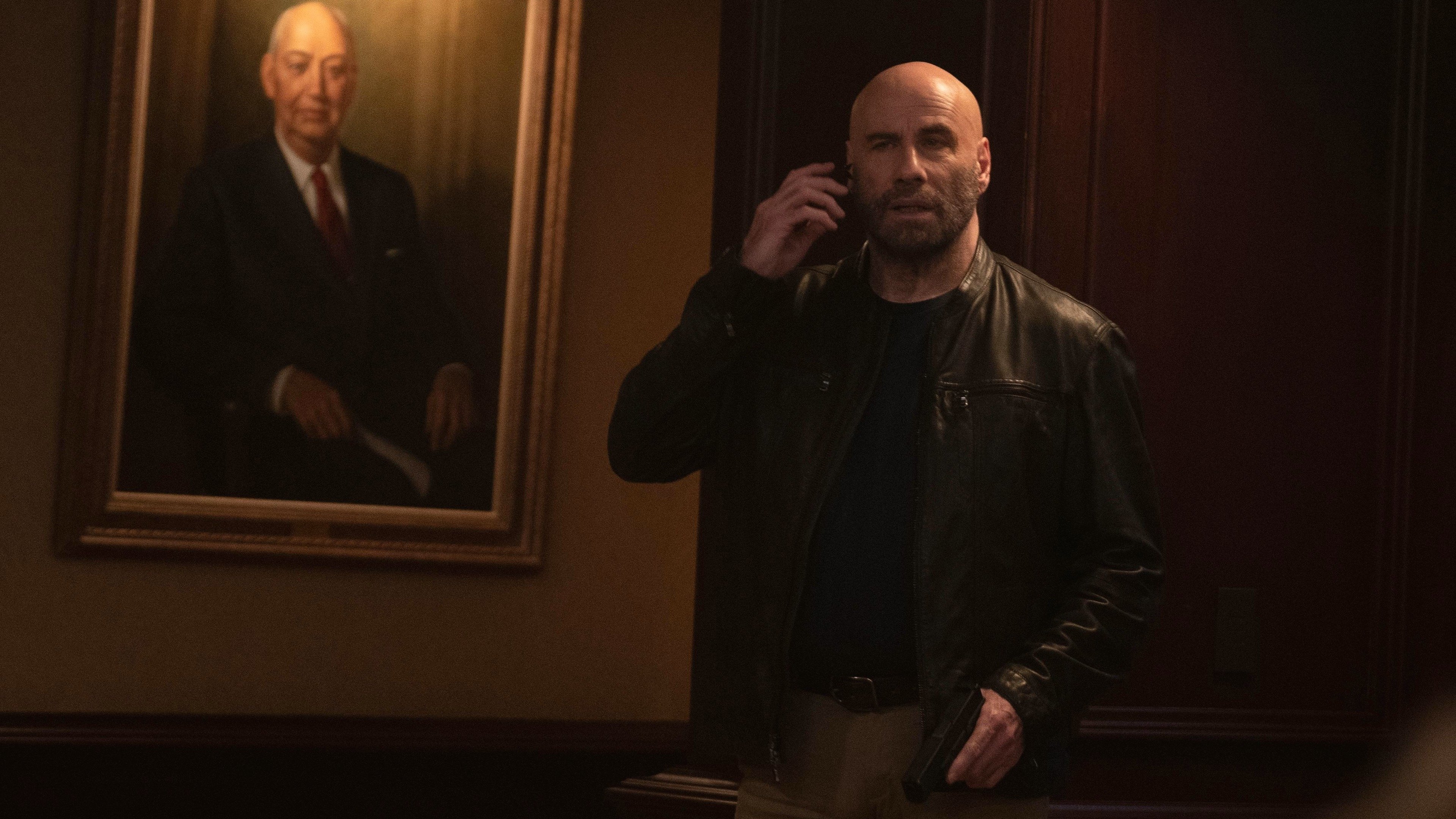
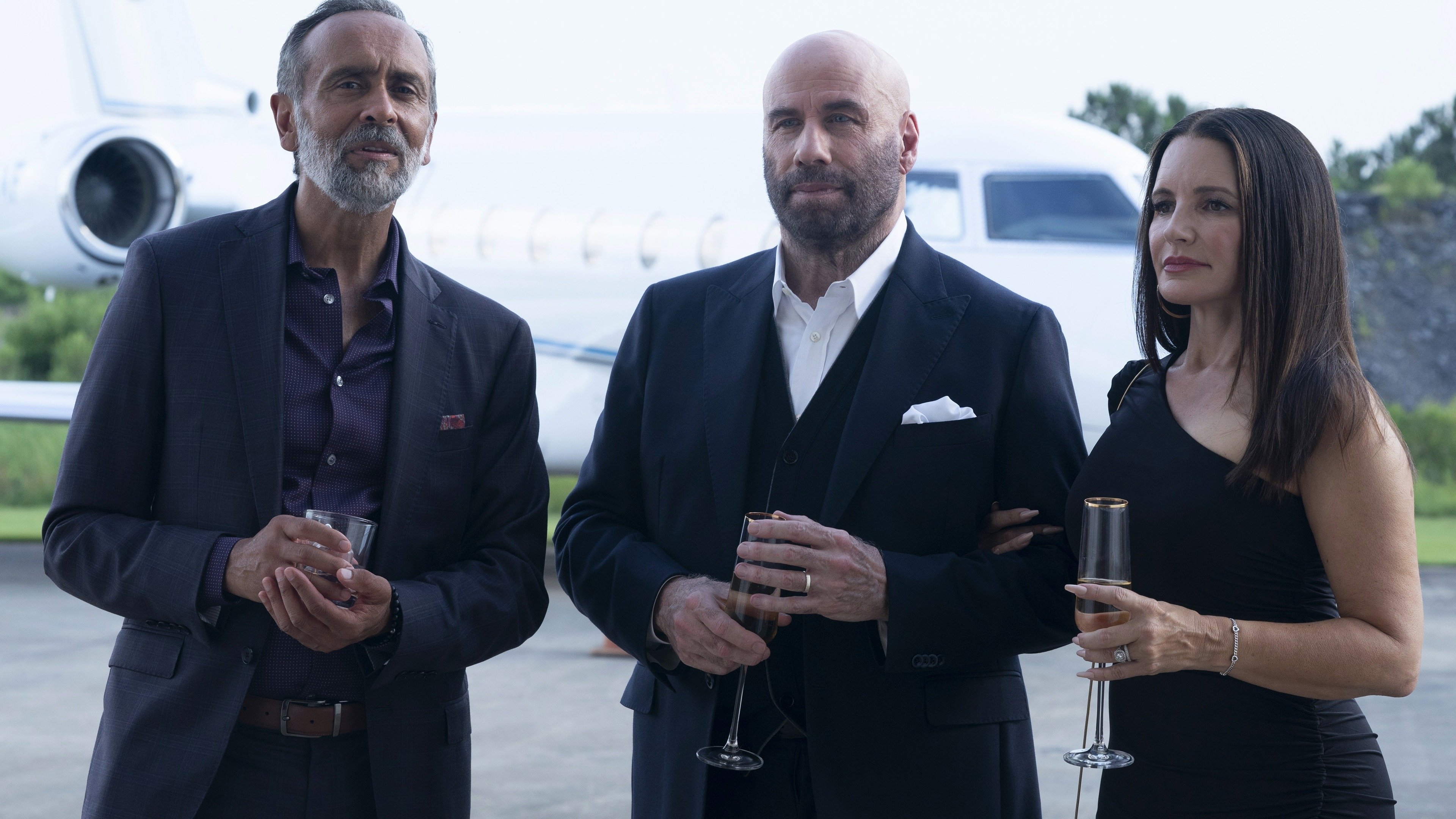
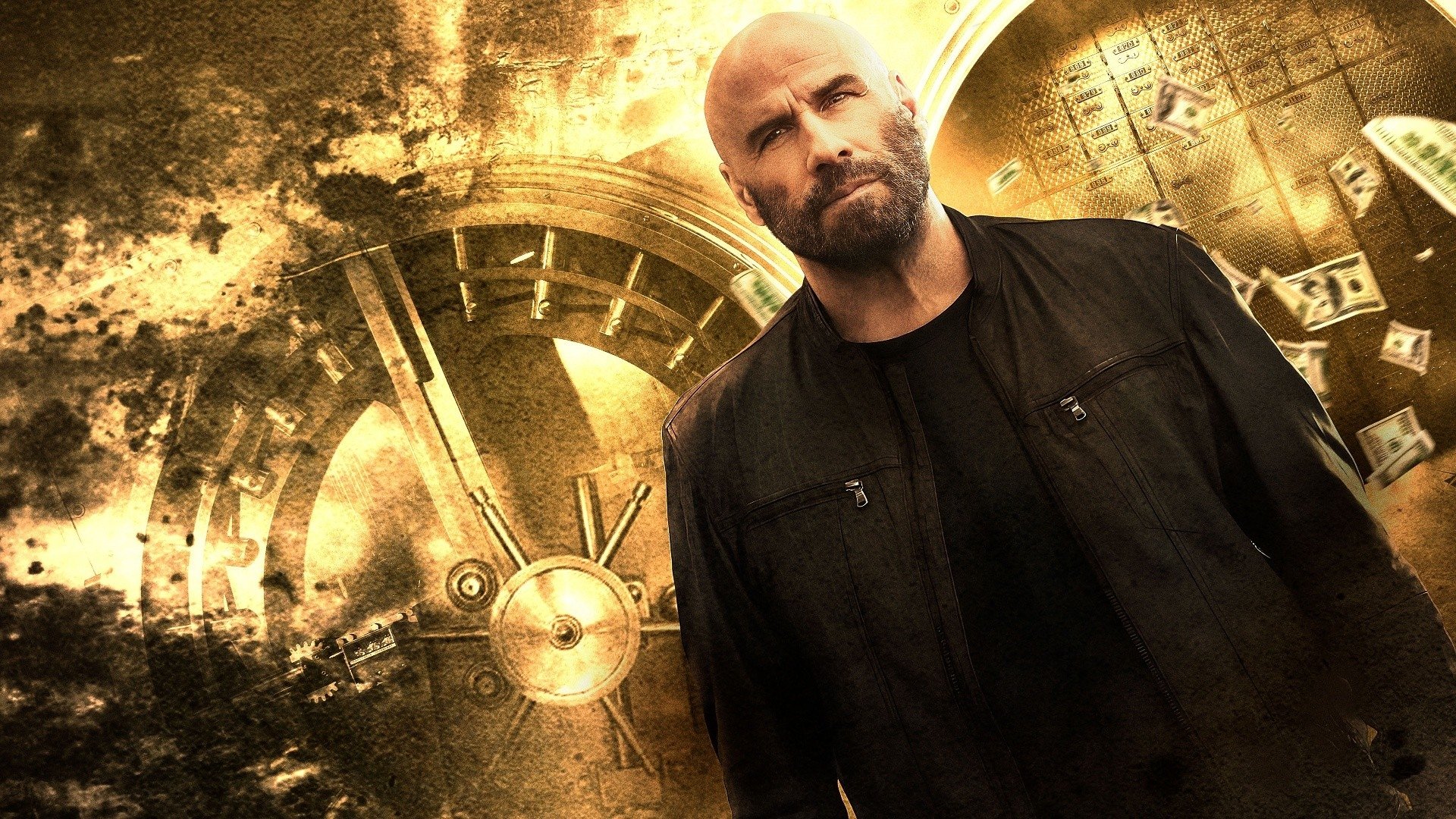
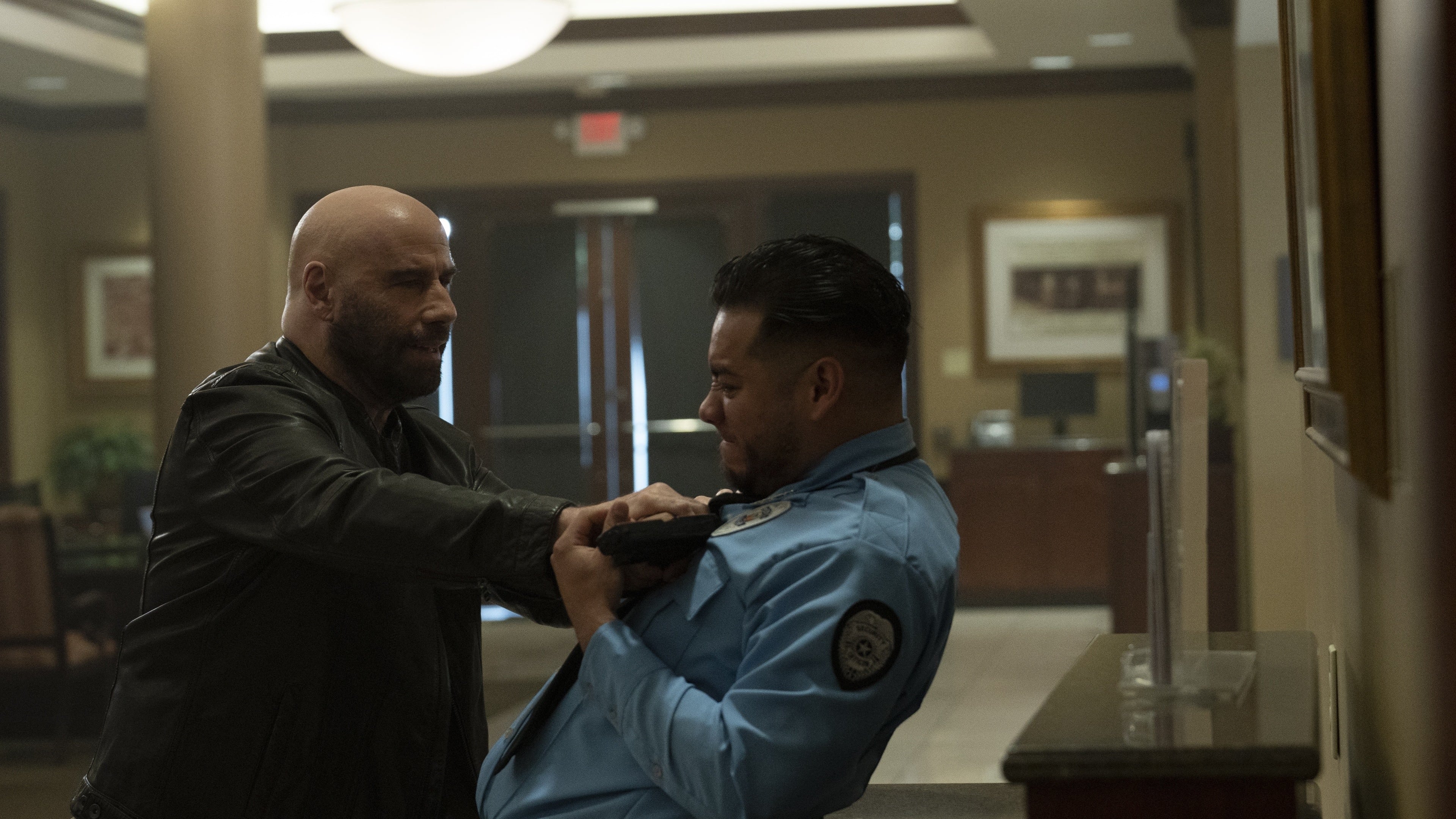
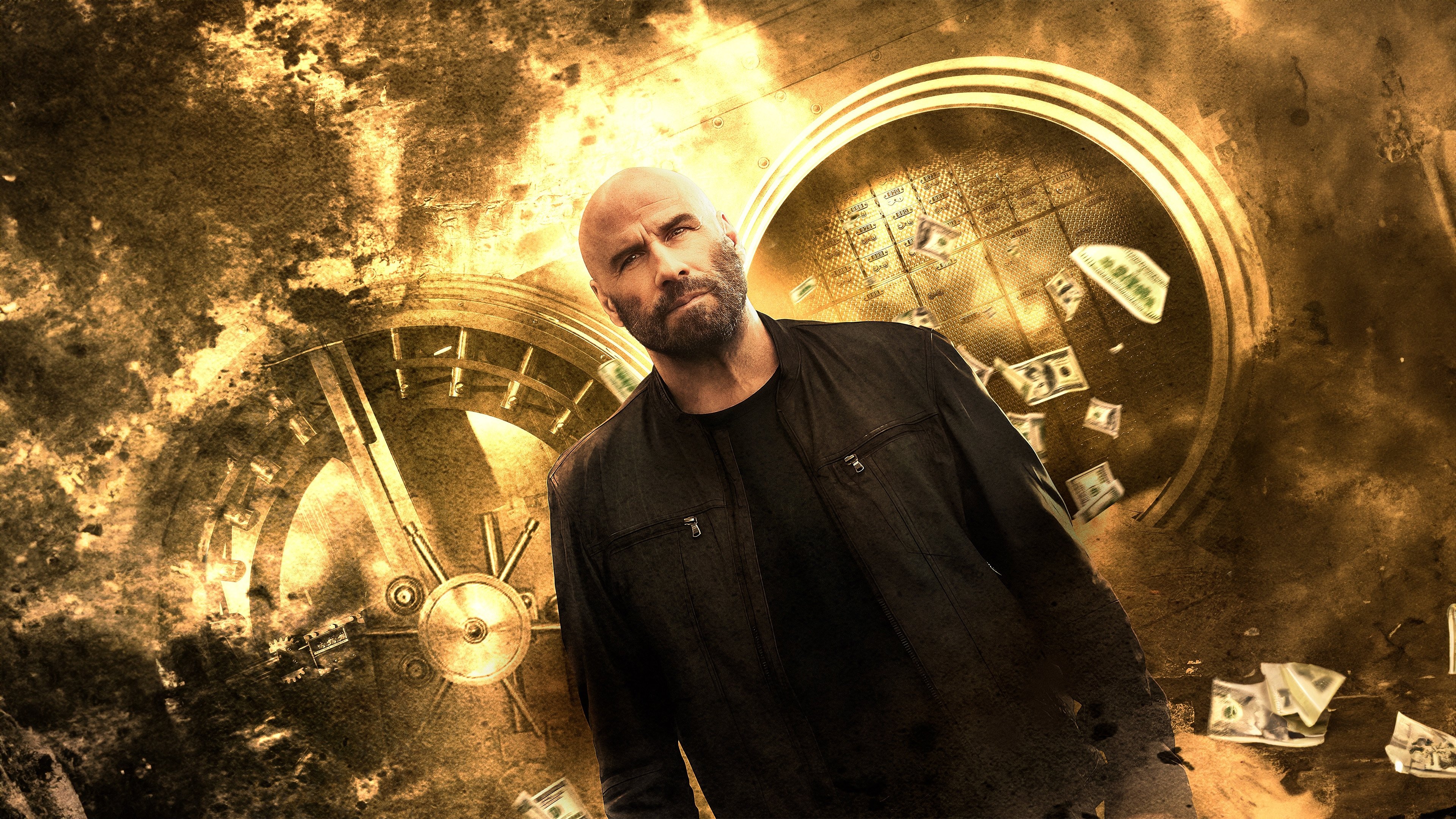
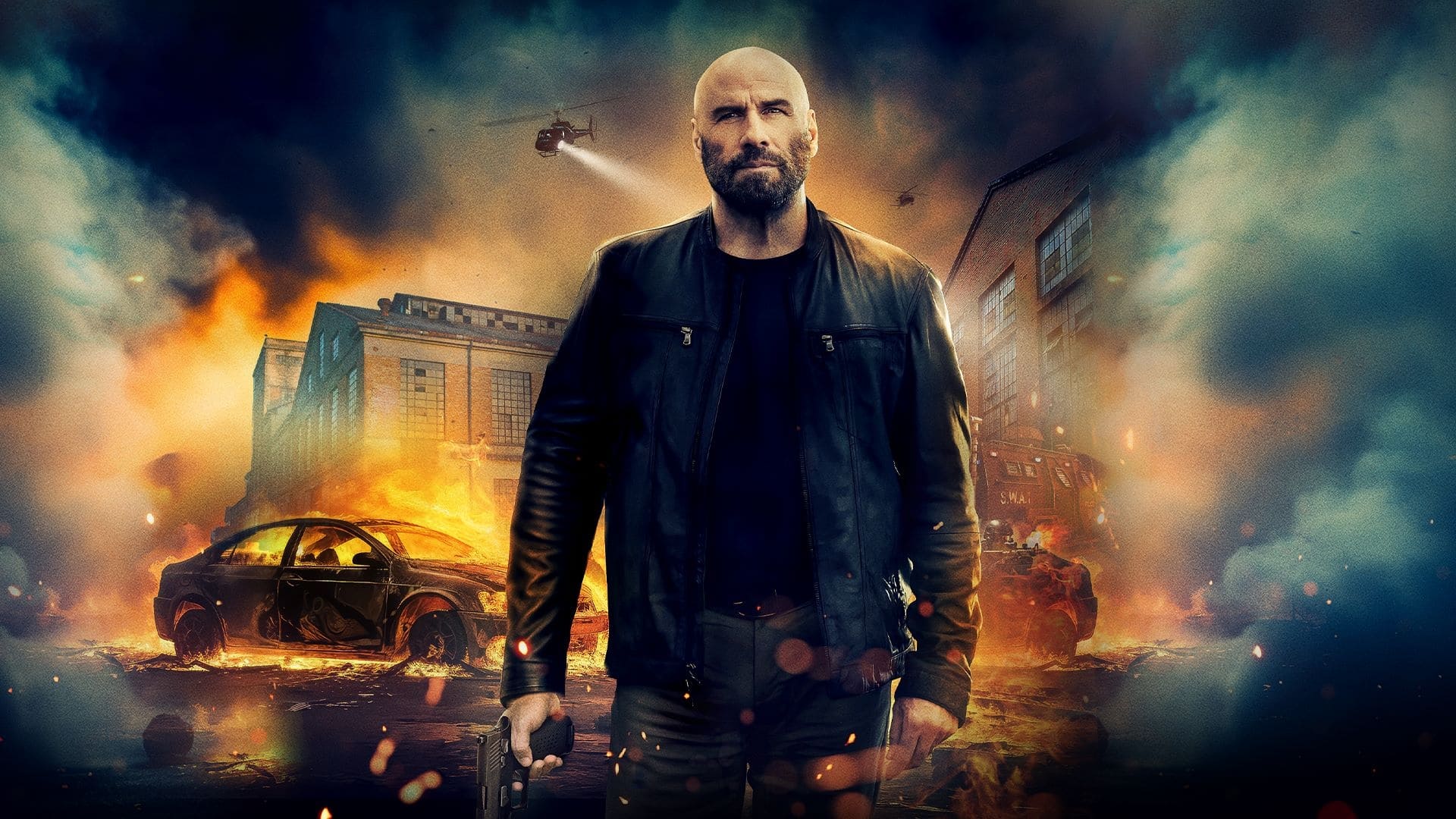
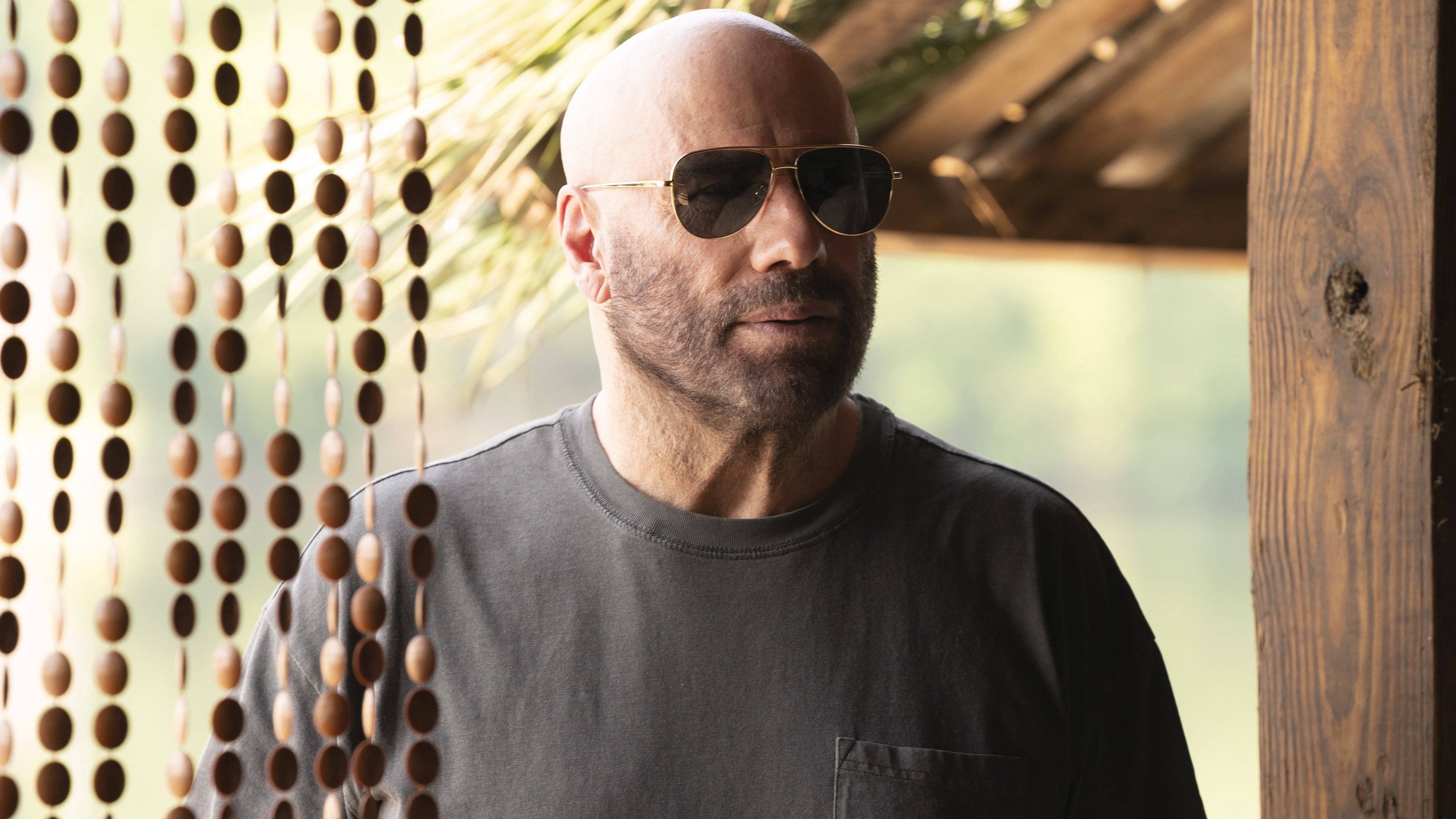
Cash Out follows Mason Goddard (John Travolta), a criminal mastermind with a laughable disregard for basic heist etiquette—he doesn’t bother with disguises, openly uses his crewmates’ real names, and seems allergic to the concept of plausible deniability. After a botched bank robbery in Miami, things take a sharp turn when Mason’s partner-in-crime, Amy Decker (Kristin Davis), reveals she’s an undercover FBI agent. The revelation sets off a chain of events that forces Mason into early retirement, but as you’d expect, the game isn’t done with him just yet.
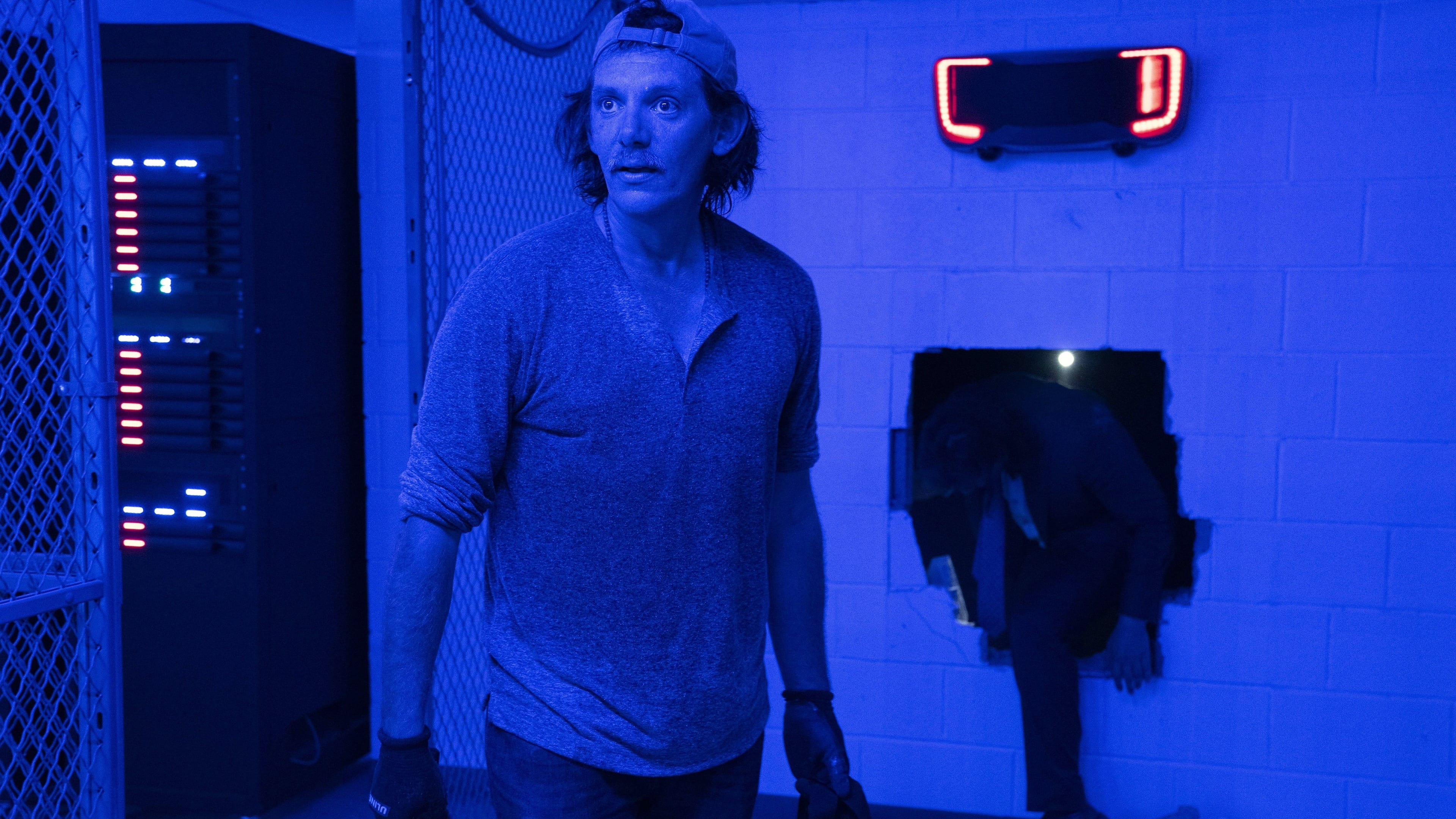
Enter Shawn (Lukas Haas), Mason’s younger brother, who plans his own bank heist with all the finesse of a toddler stacking blocks. Predictably, it goes horribly wrong, and Mason is pulled back into the criminal underworld—not out of greed or ambition, but out of familial obligation to save Shawn’s skin.
The second and third acts of Cash Out unfold entirely within the confines of a bank during a tense hostage situation. This is a fairly rare structural choice for a movie, though it’s not entirely without precedent. Sidney Lumet’s Dog Day Afternoon in 1975 with Al Pacino and Spike Lee’s Inside Man in 2006 with Denzel Washington come to mind as high-water marks of the genre. Joseph Sargent’s The Taking of Pelham One Two Three in 1974 with Walter Matthau and Robert Shaw, while set aboard a subway, shares a similar approach, using a single-location hostage crisis as the central storytelling device (there’s Tony Scott-directed remake that came out in 2009 starring John Travolta, which is probably where this movie came from).
While Cash Out doesn’t tread wholly uncharted territory, it earns a bit of credit for embracing this less-common framework. There’s something inherently engaging about the claustrophobia and tension of a single-location standoff, even if the execution here doesn’t quite rise to the level of its predecessors. Still, the film gets points for at least attempting to work within a structure that demands sharp writing, taut pacing, and compelling characters.
Unfortunately, Cash Out falters where it matters most: in execution. Despite moments of sharp writing, small blessings courtesy of Doug Richardson (Bad Boys, Die Hard 2) and Dipo Oseni (just this and a short film called Duress from 2009 I’ve never heard of before today), particularly in the exchanges between Mason and Amy—who, in theory, should bring a fun, snappy dynamic as adversaries—the acting across the board, even Travolta’s, is underwhelming. No one performs badly enough to provoke laughter, but it’s impossible to believe in any of these characters. They feel more like placeholders than fully realized people.
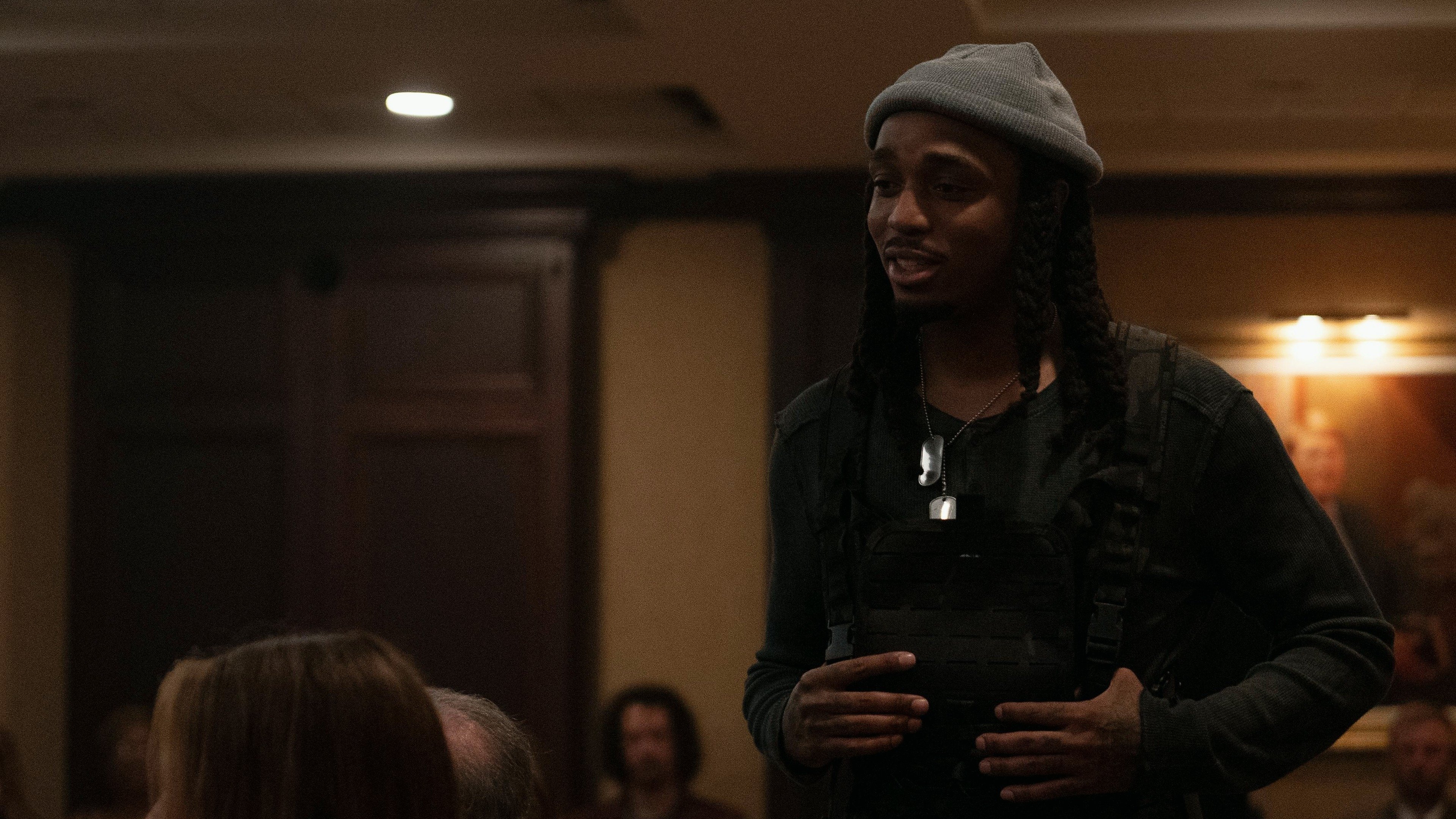
This lack of compelling characters is one of the film’s most significant weaknesses. For instance, the hacker, Link (Natali Yura), has a throwaway line about being buried in student debt. It’s an intriguing detail, but the film never peels back the layers to explore it. Meanwhile, the other two crew members, Anton (Quavo) and Hector (Noel Gugliemi), are so underdeveloped that their absence wouldn’t alter a single plot point. They’re filler in a movie that desperately needed substance.
What could’ve been a character-driven heist thriller instead feels hollow, with wasted opportunities for meaningful backstory or interpersonal conflict. The dynamic between Mason and Amy, arguably the core of the movie, is left to flounder in the absence of credible performances and character development.
The cinematography by Alejandro Lalinde is a mixed bag. It’s not distractingly bad, but it’s far from memorable. One of the most noticeable aspects of the visual style is the heavy reliance on drone shots, which seem to dominate the film’s aesthetic. These shots in this fil typically involve the drone flying above law enforcement, often swooping down and around at sharp angles to get uncomfortably close to someone’s face.
I’ll admit that the first one or two of these shots are kind of cool, and they do add a fleeting sense of style to the film. However, Lalinde (or whoever made the call) doesn’t know when to quit. By the time the fifth or sixth identical drone shot appears in quick succession, any novelty has worn off. It starts to feel less like a creative choice and more like an overused gimmick. While these shots probably were intended to heighten the tension and lend the movie a slick, modern edge, their repetitiveness does the exact opposite.
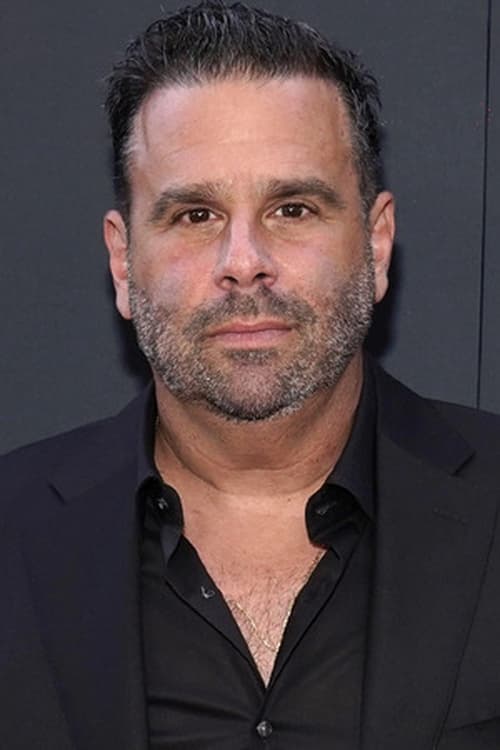
I’m baffled as to why Cash Out even exists, and even more so by John Travolta’s involvement in it. A significant part of this enigma might lie with director Randall Emmett, who has an impressive track record as a producer, having worked on standout projects like Bad Lieutenant: Port of Call New Orleans with Werner Herzog (2009), Lone Survivor with Peter Berg (2013), and two Martin Scorsese gems, Silence (2016) and The Irishman (2019). But as a director, Emmett’s output has been dismal, making Cash Out feel like a desperate entry into a questionable filmography.
Adding to the absurdity, there are reports that Emmett allegedly ditched the set on the last day of filming, a move that might suggest he recognized the dumpster fire he was creating and decided to jump ship before it fully sank. This isn’t Emmett’s first time helming a star-laden flop, either. He previously directed Midnight in the Switchgrass (2021), featuring Bruce Willis and Megan Fox, and Savage Salvation (2022), starring Robert De Niro and John Malkovich. Despite consistently negative reviews, Emmett seems to have no trouble landing big names.
The question is, why? Do people in Hollywood owe Emmett a pile of favors? Are stars like Willis, Travolta, and Malkovich unaware of his track record as a director? Or are they just in it for the paycheck? Judging by Travolta’s lackluster performance here, my guess is he didn’t think this film would be his triumphant return to stardom. More likely, Cash Out is a tax write-off for everyone involved.
The end result is a movie that feels devoid of passion or purpose, a stark contrast to the legendary careers some of its players once had. For Travolta, who once lit up screens in films like Get Shorty and Pulp Fiction, Cash Out is an unfortunate reminder of just how far his star has fallen.
Less than thirty years ago, John Travolta was Hollywood royalty. With hits like Barry Sonnenfeld’s Get Shorty and Quentin Tarantino’s Pulp Fiction, he was not just a movie star—he was THE movie star, basking in the glow of a career resurgence that most actors only dream of. Fast forward to 2024, and Cash Out, his latest film, premiered quietly at the Gasparilla Film Festival in March. And when I say “quietly,” I mean so quietly that it might as well have been on mute.
No one cared. There was no buzz, no critical discourse, no hint of cultural relevance. I’ve scoured the internet, searching for anything about this movie—reviews, retrospectives, even a stray social media post—and came up empty-handed. It’s as though Cash Out doesn’t exist.
Which raises an interesting question: if John Travolta stars in a halfhearted Fast & Furious knockoff chamberpiece, and no one is around to see it, does it make a sound? The answer, apparently, is no.
Cash Out follows Mason Goddard (John Travolta), a criminal mastermind with a laughable disregard for basic heist etiquette—he doesn’t bother with disguises, openly uses his crewmates’ real names, and seems allergic to the concept of plausible deniability. After a botched bank robbery in Miami, things take a sharp turn when Mason’s partner-in-crime, Amy Decker (Kristin Davis), reveals she’s an undercover FBI agent. The revelation sets off a chain of events that forces Mason into early retirement, but as you’d expect, the game isn’t done with him just yet.
Enter Shawn (Lukas Haas), Mason’s younger brother, who plans his own bank heist with all the finesse of a toddler stacking blocks. Predictably, it goes horribly wrong, and Mason is pulled back into the criminal underworld—not out of greed or ambition, but out of familial obligation to save Shawn’s skin.
The second and third acts of Cash Out unfold entirely within the confines of a bank during a tense hostage situation. This is a fairly rare structural choice for a movie, though it’s not entirely without precedent. Sidney Lumet’s Dog Day Afternoon in 1975 with Al Pacino and Spike Lee’s Inside Man in 2006 with Denzel Washington come to mind as high-water marks of the genre. Joseph Sargent’s The Taking of Pelham One Two Three in 1974 with Walter Matthau and Robert Shaw, while set aboard a subway, shares a similar approach, using a single-location hostage crisis as the central storytelling device (there’s Tony Scott-directed remake that came out in 2009 starring John Travolta, which is probably where this movie came from).
While Cash Out doesn’t tread wholly uncharted territory, it earns a bit of credit for embracing this less-common framework. There’s something inherently engaging about the claustrophobia and tension of a single-location standoff, even if the execution here doesn’t quite rise to the level of its predecessors. Still, the film gets points for at least attempting to work within a structure that demands sharp writing, taut pacing, and compelling characters.
Unfortunately, Cash Out falters where it matters most: in execution. Despite moments of sharp writing, small blessings courtesy of Doug Richardson (Bad Boys, Die Hard 2) and Dipo Oseni (just this and a short film called Duress from 2009 I’ve never heard of before today), particularly in the exchanges between Mason and Amy—who, in theory, should bring a fun, snappy dynamic as adversaries—the acting across the board, even Travolta’s, is underwhelming. No one performs badly enough to provoke laughter, but it’s impossible to believe in any of these characters. They feel more like placeholders than fully realized people.
This lack of compelling characters is one of the film’s most significant weaknesses. For instance, the hacker, Link (Natali Yura), has a throwaway line about being buried in student debt. It’s an intriguing detail, but the film never peels back the layers to explore it. Meanwhile, the other two crew members, Anton (Quavo) and Hector (Noel Gugliemi), are so underdeveloped that their absence wouldn’t alter a single plot point. They’re filler in a movie that desperately needed substance.
What could’ve been a character-driven heist thriller instead feels hollow, with wasted opportunities for meaningful backstory or interpersonal conflict. The dynamic between Mason and Amy, arguably the core of the movie, is left to flounder in the absence of credible performances and character development.
The cinematography by Alejandro Lalinde is a mixed bag. It’s not distractingly bad, but it’s far from memorable. One of the most noticeable aspects of the visual style is the heavy reliance on drone shots, which seem to dominate the film’s aesthetic. These shots in this fil typically involve the drone flying above law enforcement, often swooping down and around at sharp angles to get uncomfortably close to someone’s face.
I’ll admit that the first one or two of these shots are kind of cool, and they do add a fleeting sense of style to the film. However, Lalinde (or whoever made the call) doesn’t know when to quit. By the time the fifth or sixth identical drone shot appears in quick succession, any novelty has worn off. It starts to feel less like a creative choice and more like an overused gimmick. While these shots probably were intended to heighten the tension and lend the movie a slick, modern edge, their repetitiveness does the exact opposite.
I’m baffled as to why Cash Out even exists, and even more so by John Travolta’s involvement in it. A significant part of this enigma might lie with director Randall Emmett, who has an impressive track record as a producer, having worked on standout projects like Bad Lieutenant: Port of Call New Orleans with Werner Herzog (2009), Lone Survivor with Peter Berg (2013), and two Martin Scorsese gems, Silence (2016) and The Irishman (2019). But as a director, Emmett’s output has been dismal, making Cash Out feel like a desperate entry into a questionable filmography.
Adding to the absurdity, there are reports that Emmett allegedly ditched the set on the last day of filming, a move that might suggest he recognized the dumpster fire he was creating and decided to jump ship before it fully sank. This isn’t Emmett’s first time helming a star-laden flop, either. He previously directed Midnight in the Switchgrass (2021), featuring Bruce Willis and Megan Fox, and Savage Salvation (2022), starring Robert De Niro and John Malkovich. Despite consistently negative reviews, Emmett seems to have no trouble landing big names.
The question is, why? Do people in Hollywood owe Emmett a pile of favors? Are stars like Willis, Travolta, and Malkovich unaware of his track record as a director? Or are they just in it for the paycheck? Judging by Travolta’s lackluster performance here, my guess is he didn’t think this film would be his triumphant return to stardom. More likely, Cash Out is a tax write-off for everyone involved.
The end result is a movie that feels devoid of passion or purpose, a stark contrast to the legendary careers some of its players once had. For Travolta, who once lit up screens in films like Get Shorty and Pulp Fiction, Cash Out is an unfortunate reminder of just how far his star has fallen.