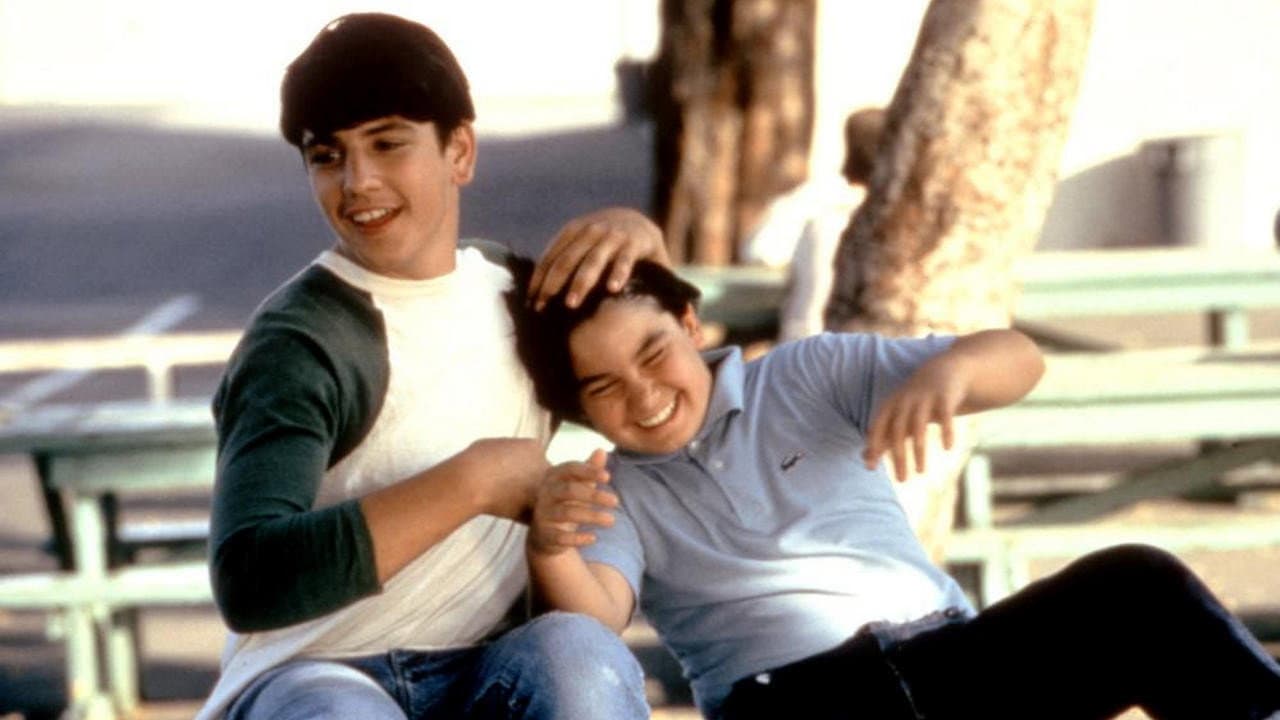
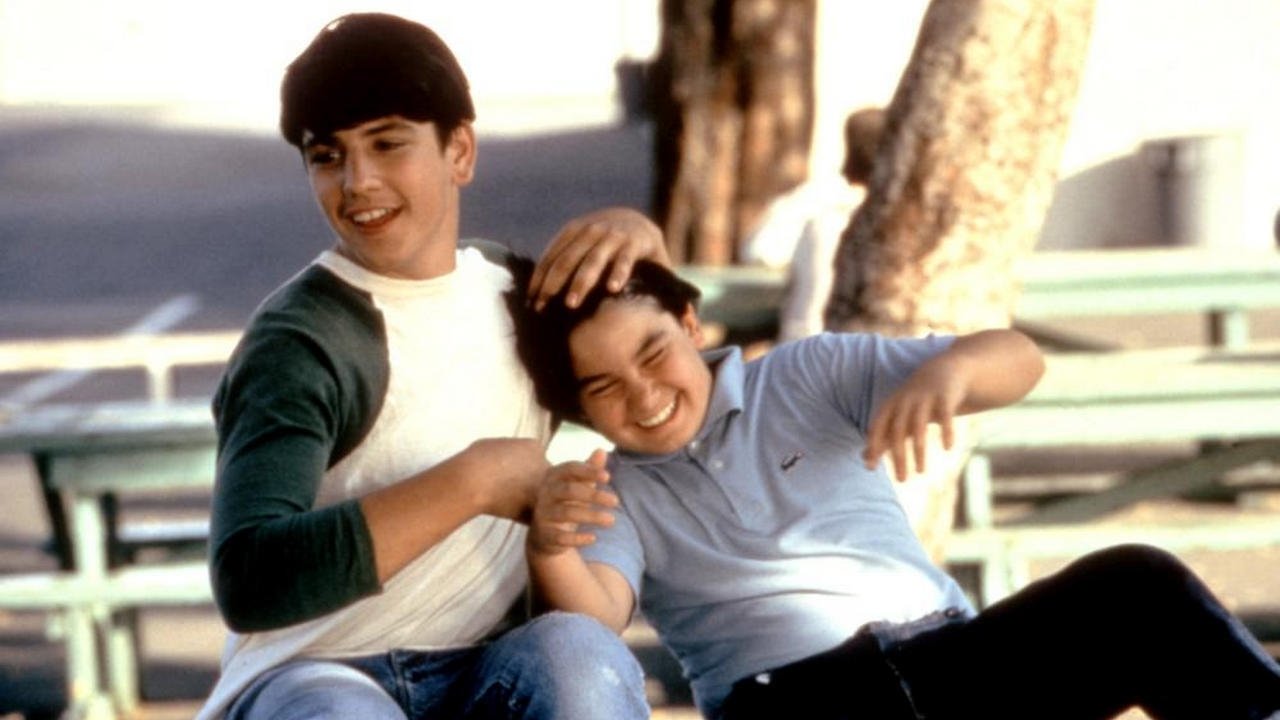
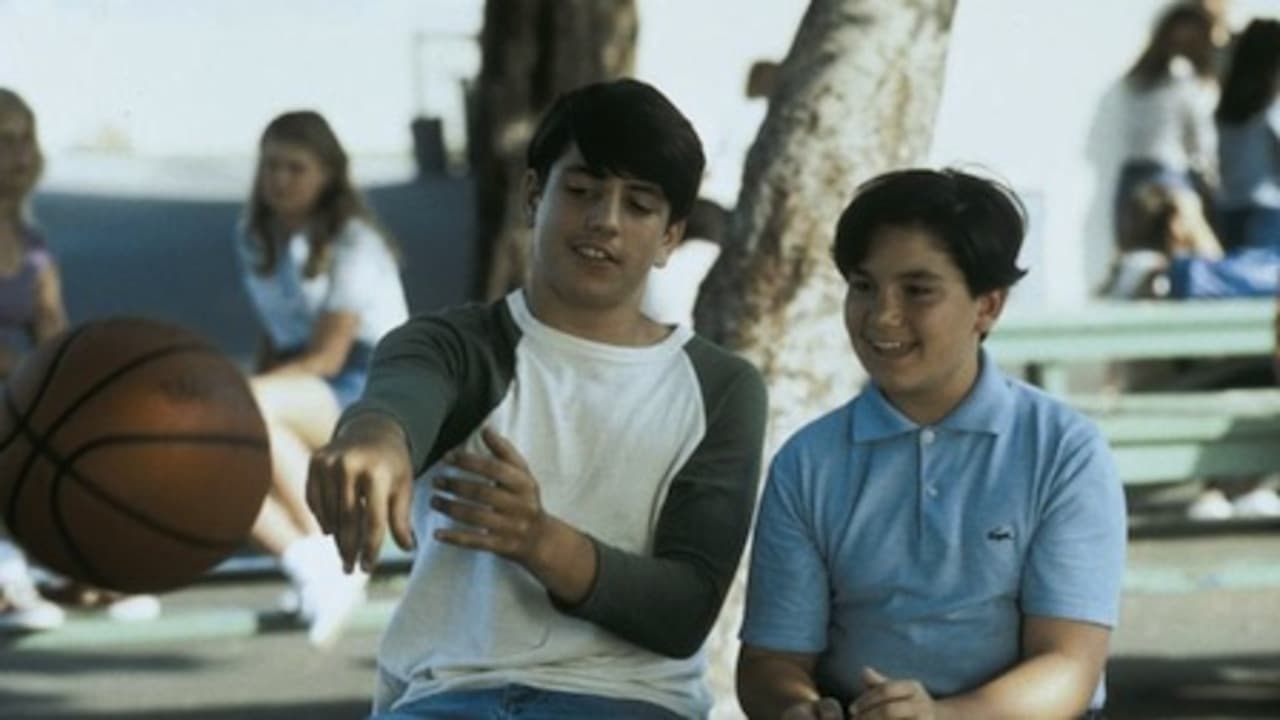
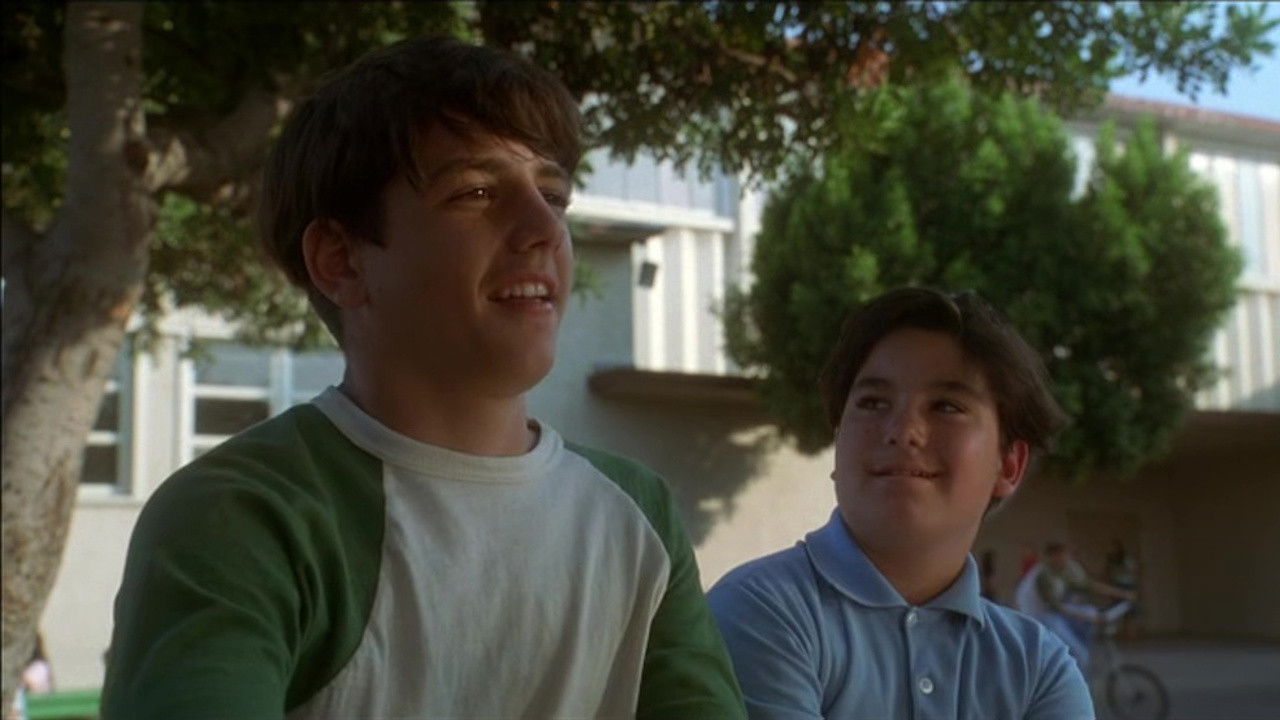
A GLITTER-DRENCHED BALLET OF LONELINESS AND HUMOR.
this film carries a legacy beyond the screen. it’s a rare piece of media that didn’t just speak for its time, it built something like a lifeline, a community, a voice for those who spent years feeling unseen. in a world where so many kids slip through the cracks, this isn’t just a film. it’s proof that art can step into real life and help someone find their way back to themselves.
the opening immediately reminded me of
harold and maude. there’s that same sense of dramatized morbidity, a fascination with death that isn’t entirely serious but isn’t entirely fake either. trevor, like harold, stages these elaborate “suicides” , not out of a true desire to die, at least not at first, but as a form of expression. a way to act out confusion and loneliness when you don’t have the words for it yet. one scene that stood out to me is his recreation of
the death of marat, that neoclassical painting where a man lies dead in a tub, pen still in hand. it’s a performance, yes, but it’s also symbolic. he’s placing himself in the pose of a martyr. not for a revolution , but for simply existing as he is in a world that finds that unacceptable.
the film plays with tone in a really intentional way. it leans into humor without undercutting the seriousness underneath. the color palette is soft and simple. the cinematography keeps us close to trevor, not too stylized, just intimate enough that it feels like we’re in the same room with him, listening. there’s a rhythm to the way the story moves, almost like a musical in spirit even though no one breaks into song. the diana ross tracks give it that sense of internal soundtrack , like trevor’s life has its own glittery beat, even when the world tries to mute it. her songs don’t just play in the background. they frame his inner life. they give shape to his identity in a way words can’t. there’s something so sincere about that, the way his love for music becomes survival.
and then there’s the
trevor project, the real-life legacy. founded by writer celeste lecesne, director peggy rajski, and producer randy stone in 1998 after the film aired nationally, it became the first crisis line for lgbtq+ youth in the u.s. it’s still active, still needed, and still saving lives every day. there’s something almost surreal about that, that a 20-minute short with a boy lip-syncing to diana ross would become one of the most vital mental health services in queer history. it’s proof that representation alone isn’t enough , stories must be tied to action. and trevor did that. it bridged the personal and the political in a way that so few queer films do.
a lot of mainstream queer cinema still leans too far into suffering. there’s nothing wrong with films that center trauma, sometimes we need that. but that’s not the only queer narrative. trevor is rare because it doesn’t flatten queerness into a tragedy. it shows the complexity. the mix of comedy, confusion, fantasy, and fear. it acknowledges the pain without letting it be the only story. that’s what makes it more humane. it’s real without being brutal. it’s emotional without being manipulative. it knows that queer kids aren’t just sad or brave or hurt or bullied. they’re also full of joy and weirdness and magic, even if nobody sees it yet.
it’s ironic, and maybe a little poetic, that it shared its win with a film about kafka. because trevor feels, in its own way, kafkaesque. it captures the surreal bureaucracy of being young and different , the way systems (school, family, church) fail you without ever directly attacking you. trevor is slowly crushed by expectations he never agreed to, judged by rules he doesn’t understand, and pushed toward silence in the name of normalcy. yet like kafka’s samsa, he’s also darkly funny, oddly graceful, and searching for meaning in a world that gives him none.
and still, trevor never leans into despair the way so many queer films do. it acknowledges pain, but it also values tenderness. it allows space for humor, fantasy, and even melodrama. most queer stories that make it to awards recognition are either sanitized or steeped in tragedy. trevor manages to be neither. it’s personal and theatrical. it’s painful, but never hopeless. i’m honestly glad the academy acknowledged it. even if it tied with franz kafka’s
it’s a wonderful life, it still found its way into history, and not just in film circles. it became the seed for the trevor project, a lifeline for lgbtq+ youth who often have nowhere else to turn. that makes this more than a film. it makes it legacy.
rated 4 stars. it’s proof that cinema can do more than make us feel, it can make us act. it’s not just expression, but also protection.
:
auteur-coded |
my short film memoir ⋆。˚