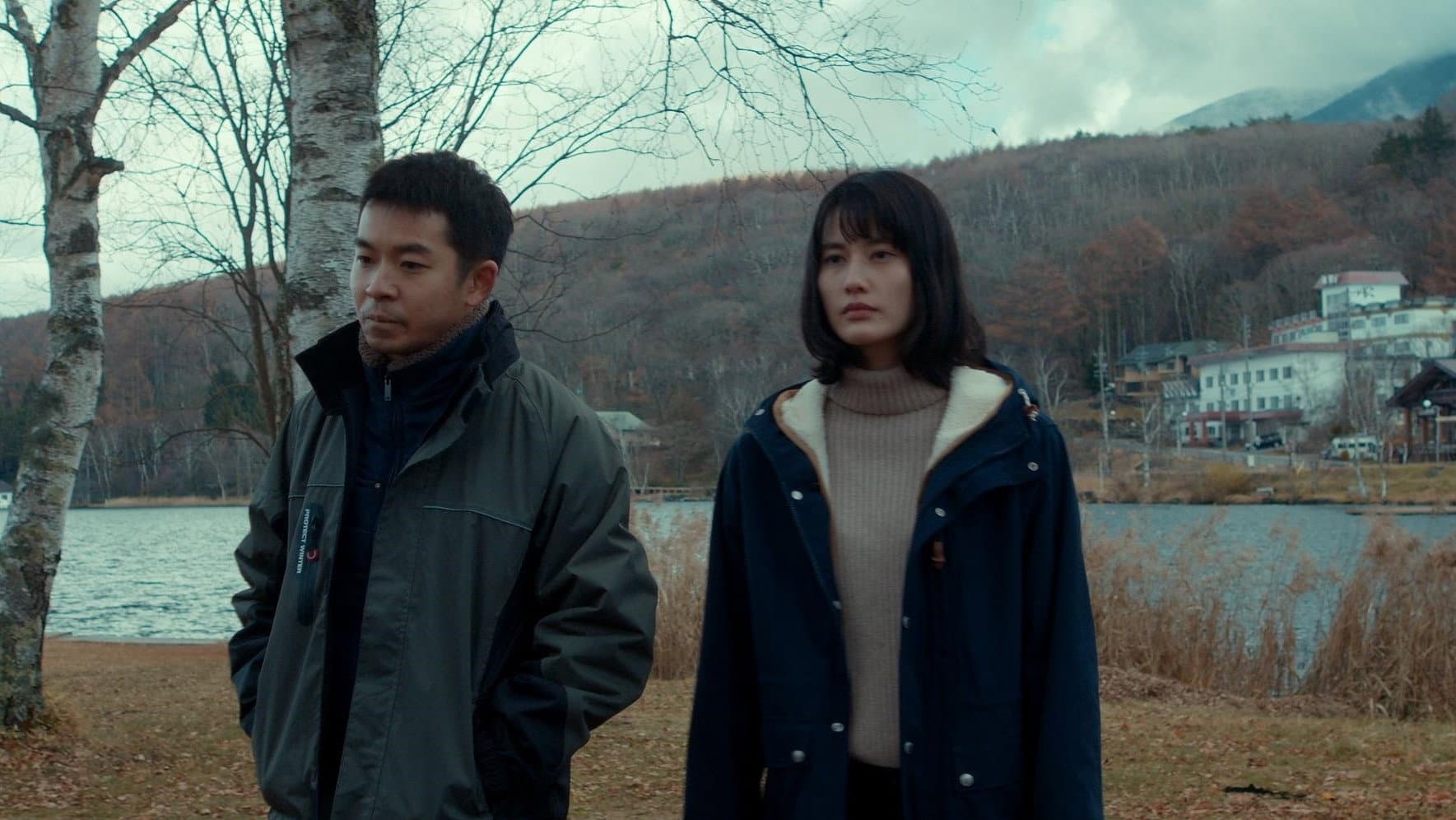
In After The Fever, Yamamoto clearly displays a potential and a strong, poetic style to his filmmaking; however, ultimately, this isn’t the breakout film it should be. Owing to an illogical script, the film becomes vacant after the first half hour, making rambunctious, unjustified jumps in time capturing an essence of crisis but never fully providing viewers with a logical narrative, causing a lack of gratification when emotional climaxes are reached.
There was an essential moment in the picture when a heartfelt conversation is being shared by one, a monologue almost, in the middle of a theatre before a child starts crying, undoing the mood of the powerful scene which had been built. In another scene, a character makes a shock move in the midst of night in what is supposed to be a powerful display of betrayal but without the foreplay, comes off as ridiculous. In both these instances but outside of this as well, the audience broke out into laughter, the kind you’d see at a satire, a comedy. I can’t help but feel that this wasn’t the director’s true intention and in reality, with the absurdity of the script as it progresses, we’ve been robbed of what could’ve been a truly heartbreaking film.
Started off great as a retrospective on what it means to be in love but became absurd, only slightly redeemed by it’s subliminal ending, some strong performances across the board and a few scenes where the intended mood is retained. Still, I’ll be waiting for Yamamoto’s next work if it ever comes back to a festival nearby, clearly some interesting elements though work needed.
In After The Fever, Yamamoto clearly displays a potential and a strong, poetic style to his filmmaking; however, ultimately, this isn’t the breakout film it should be. Owing to an illogical script, the film becomes vacant after the first half hour, making rambunctious, unjustified jumps in time capturing an essence of crisis but never fully providing viewers with a logical narrative, causing a lack of gratification when emotional climaxes are reached.
There was an essential moment in the picture when a heartfelt conversation is being shared by one, a monologue almost, in the middle of a theatre before a child starts crying, undoing the mood of the powerful scene which had been built. In another scene, a character makes a shock move in the midst of night in what is supposed to be a powerful display of betrayal but without the foreplay, comes off as ridiculous. In both these instances but outside of this as well, the audience broke out into laughter, the kind you’d see at a satire, a comedy. I can’t help but feel that this wasn’t the director’s true intention and in reality, with the absurdity of the script as it progresses, we’ve been robbed of what could’ve been a truly heartbreaking film.
Started off great as a retrospective on what it means to be in love but became absurd, only slightly redeemed by it’s subliminal ending, some strong performances across the board and a few scenes where the intended mood is retained. Still, I’ll be waiting for Yamamoto’s next work if it ever comes back to a festival nearby, clearly some interesting elements though work needed.