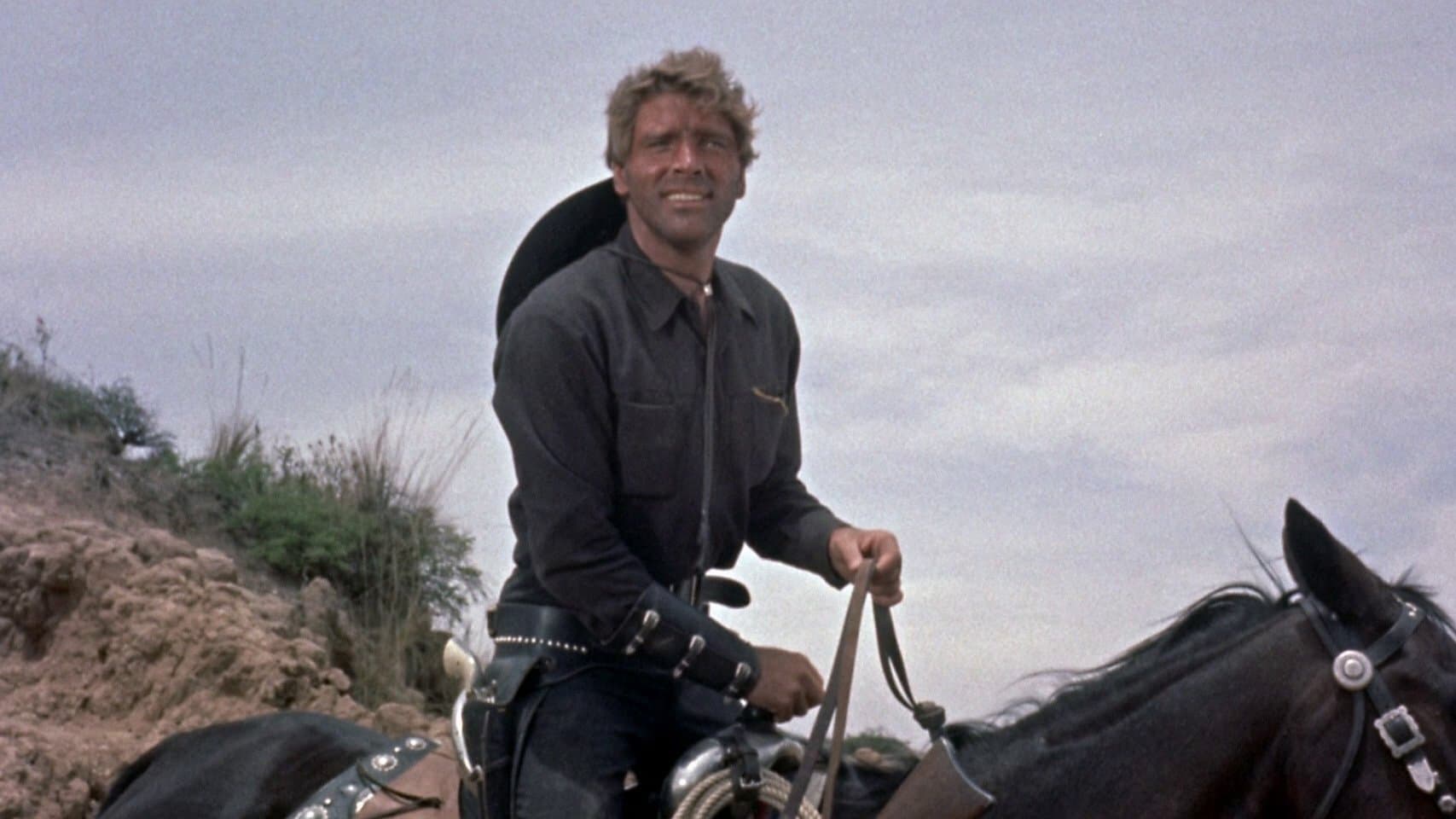
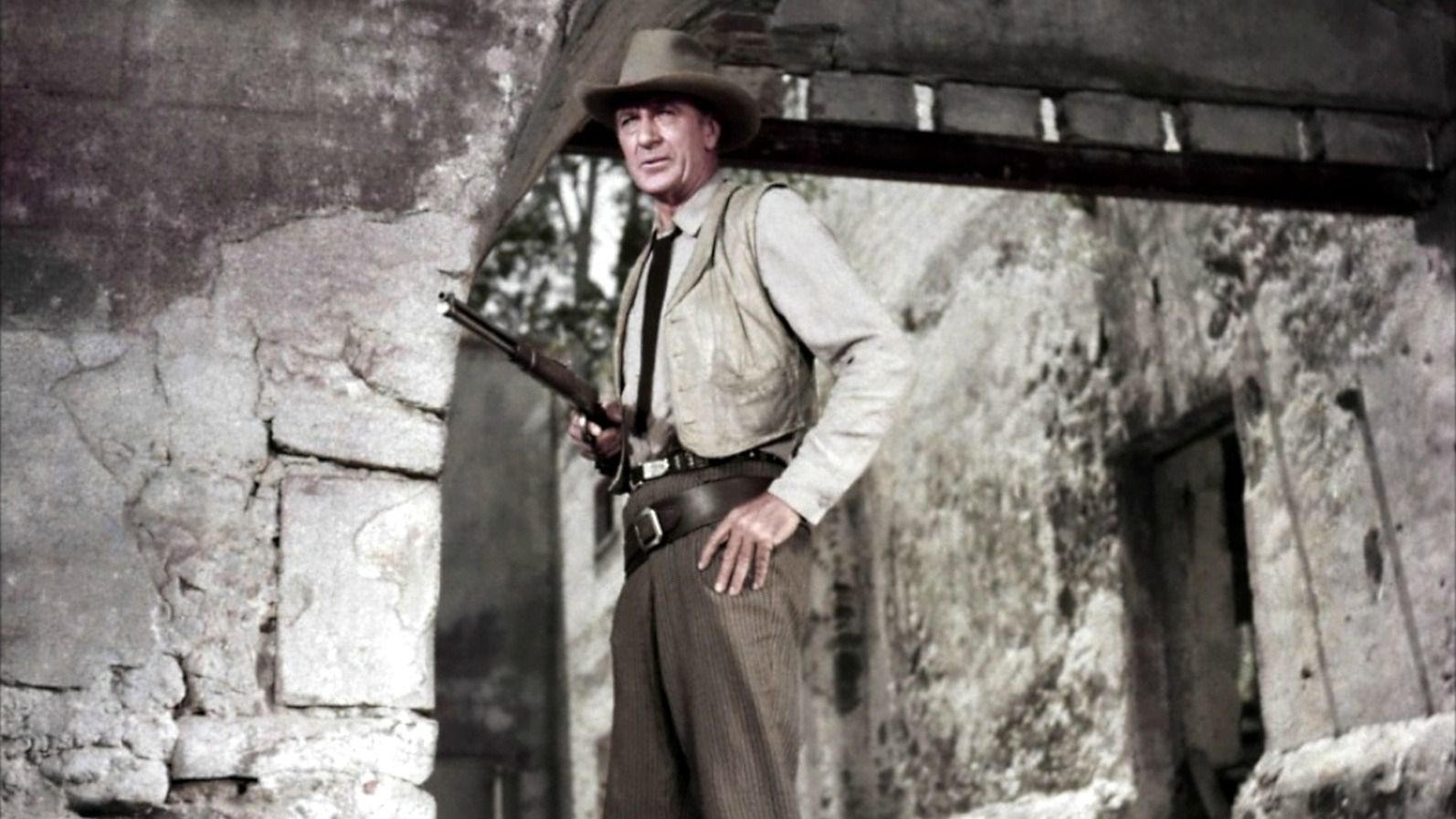
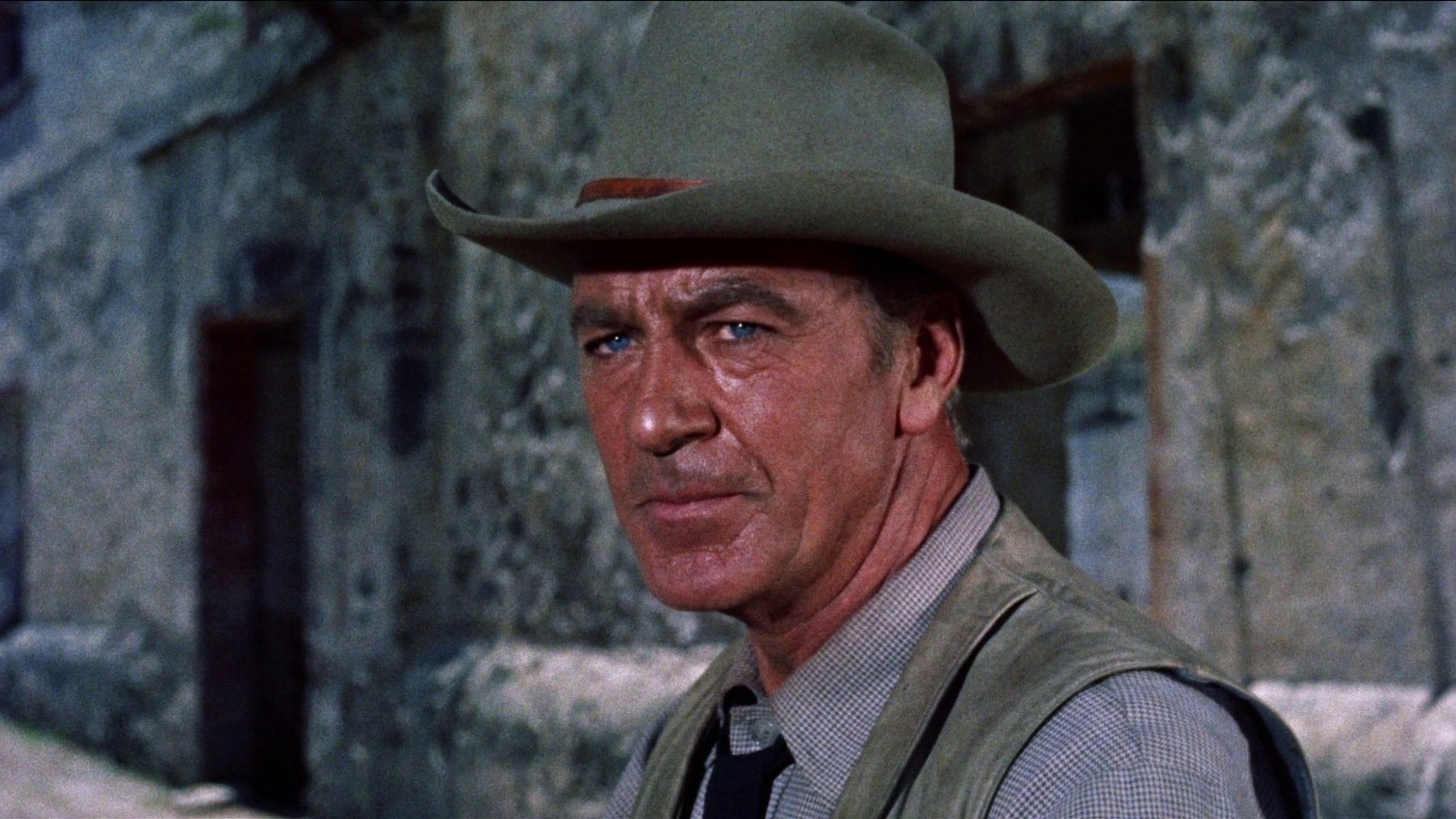
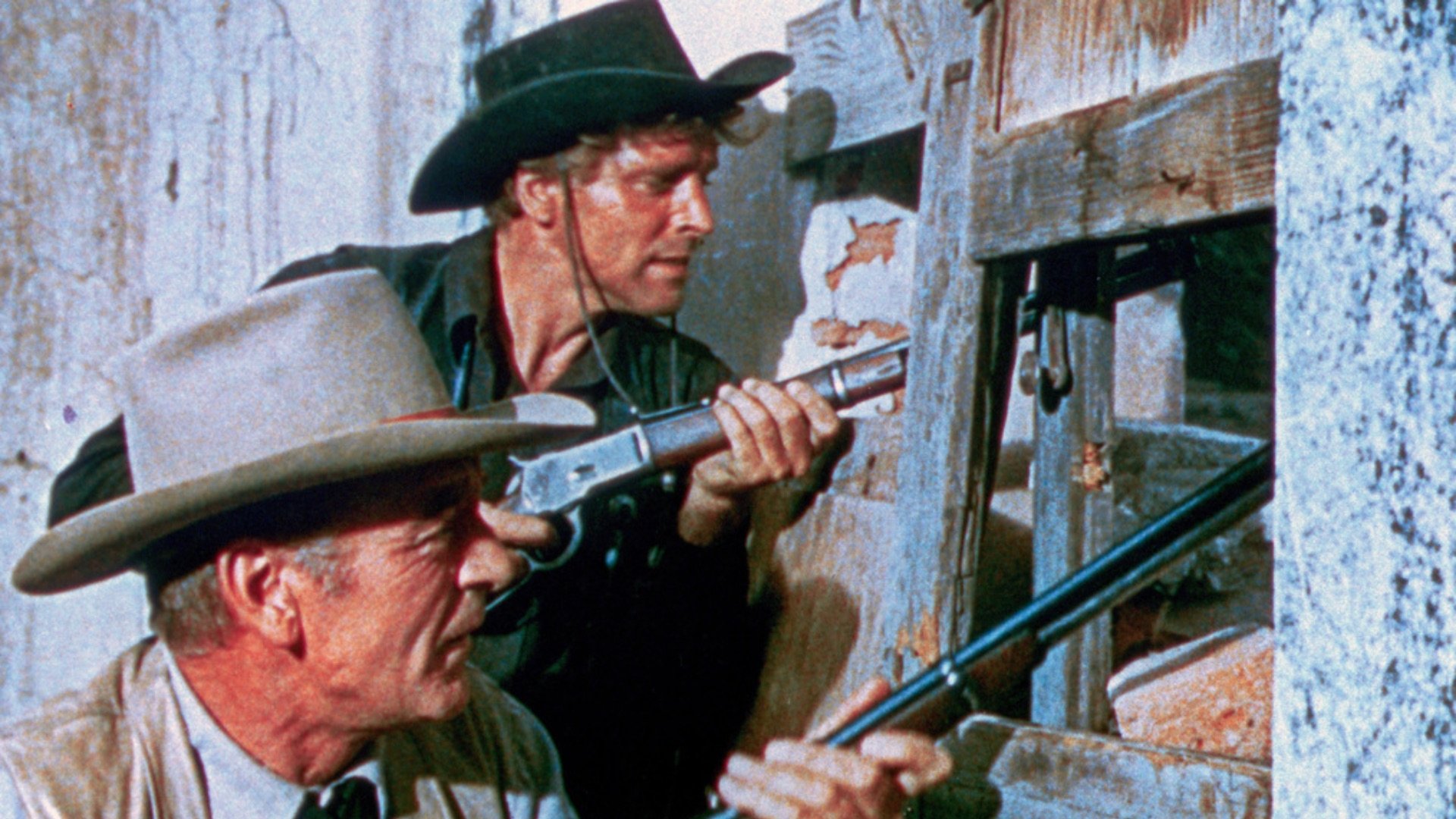
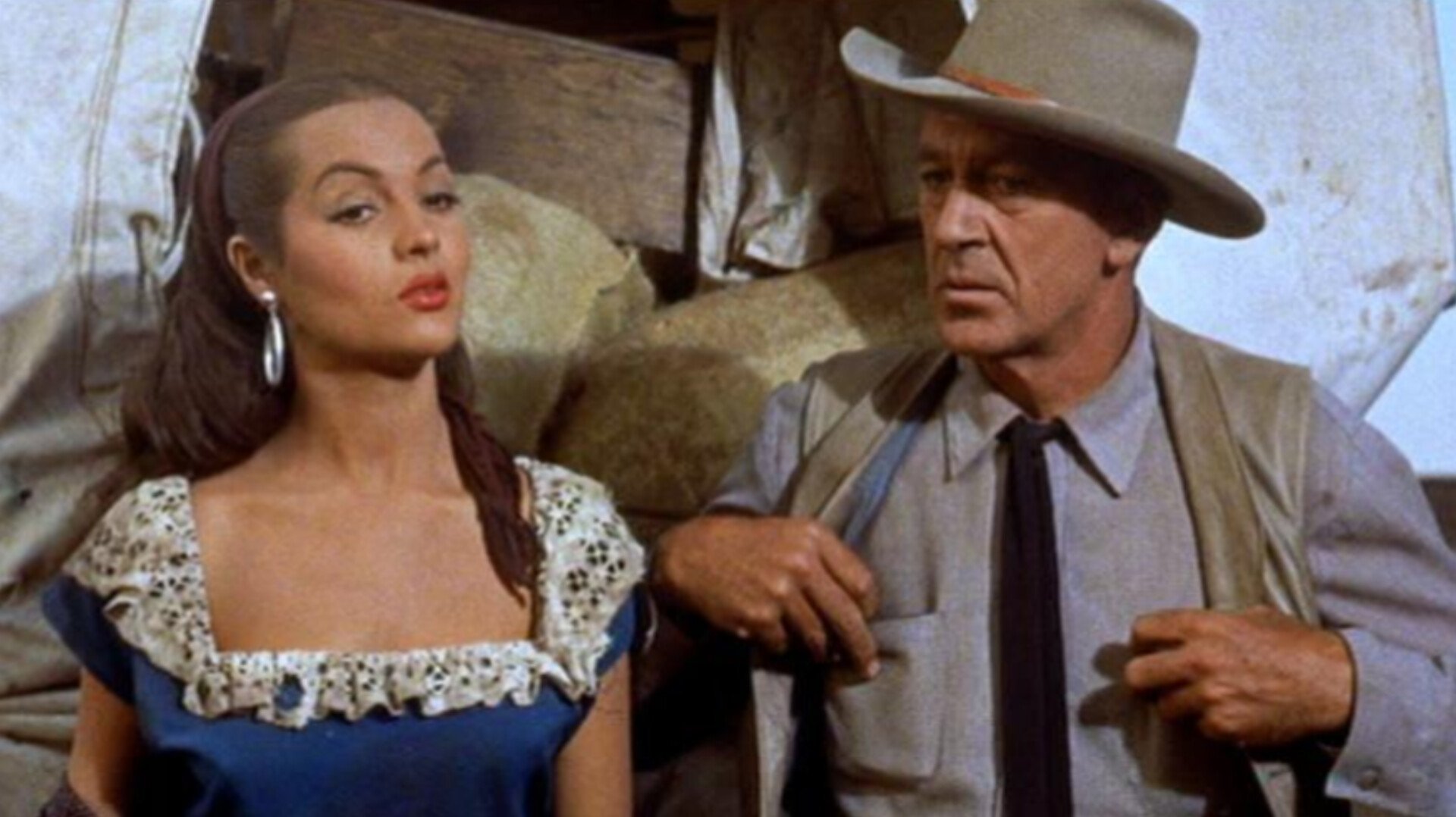
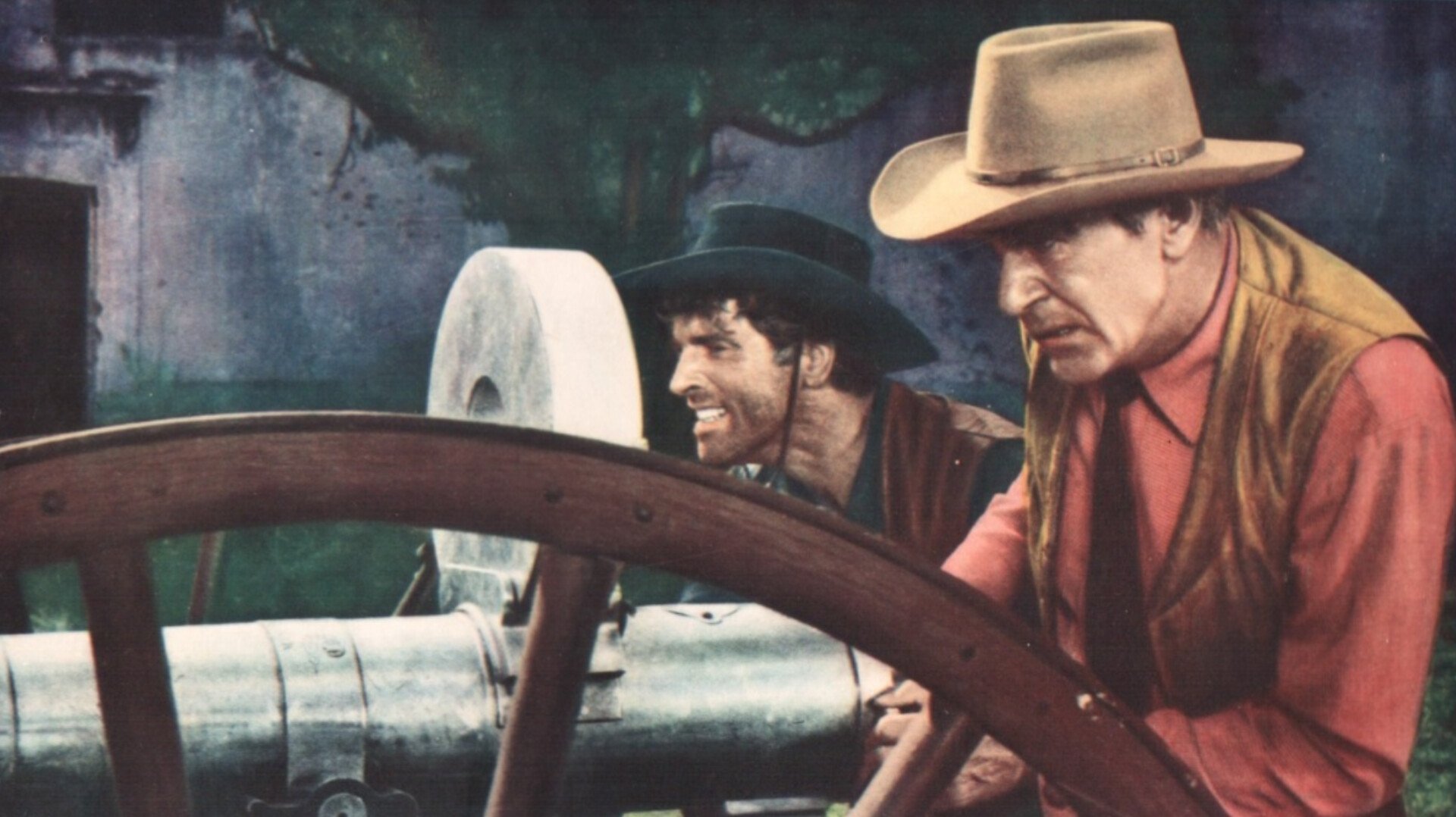
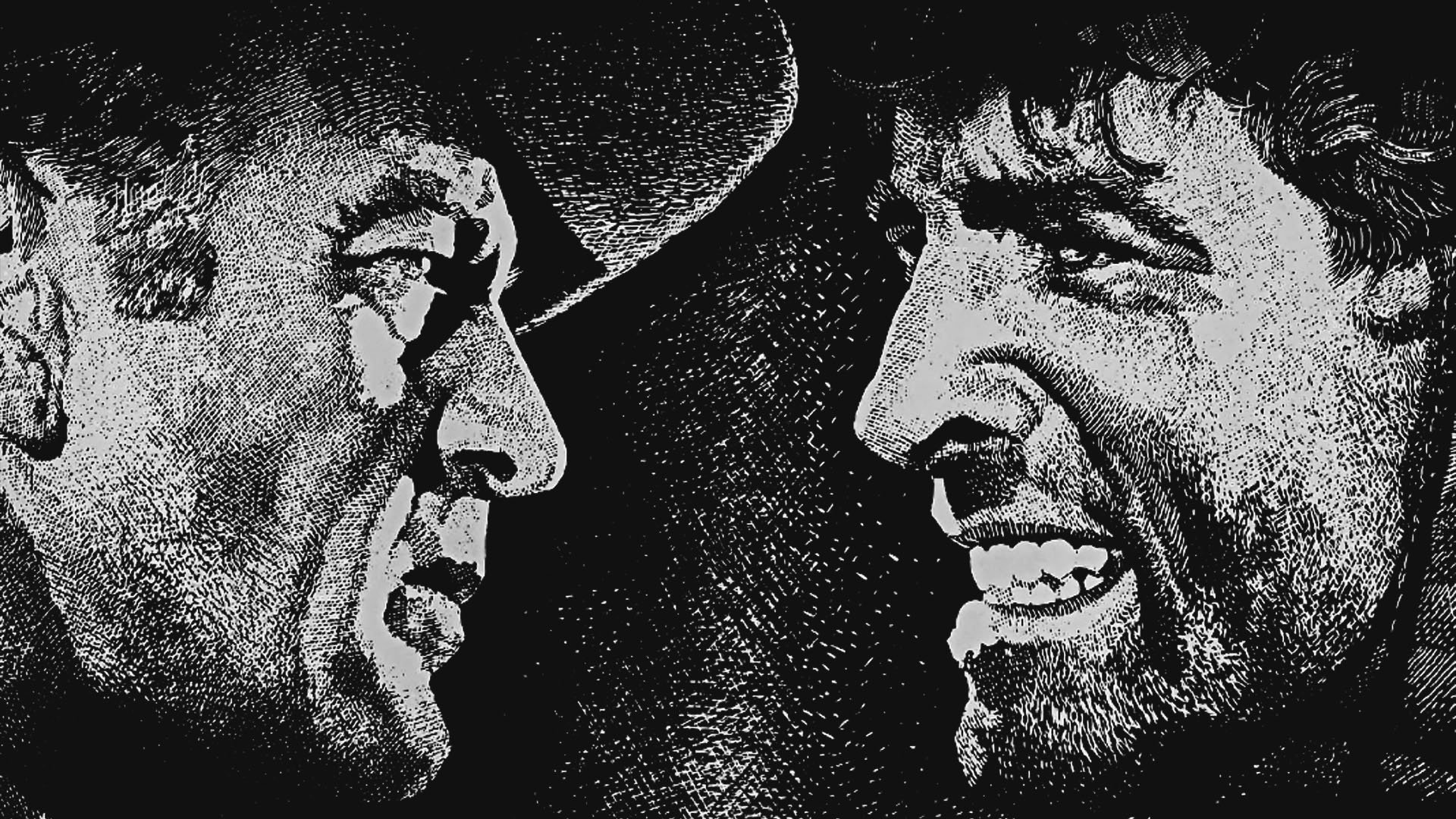
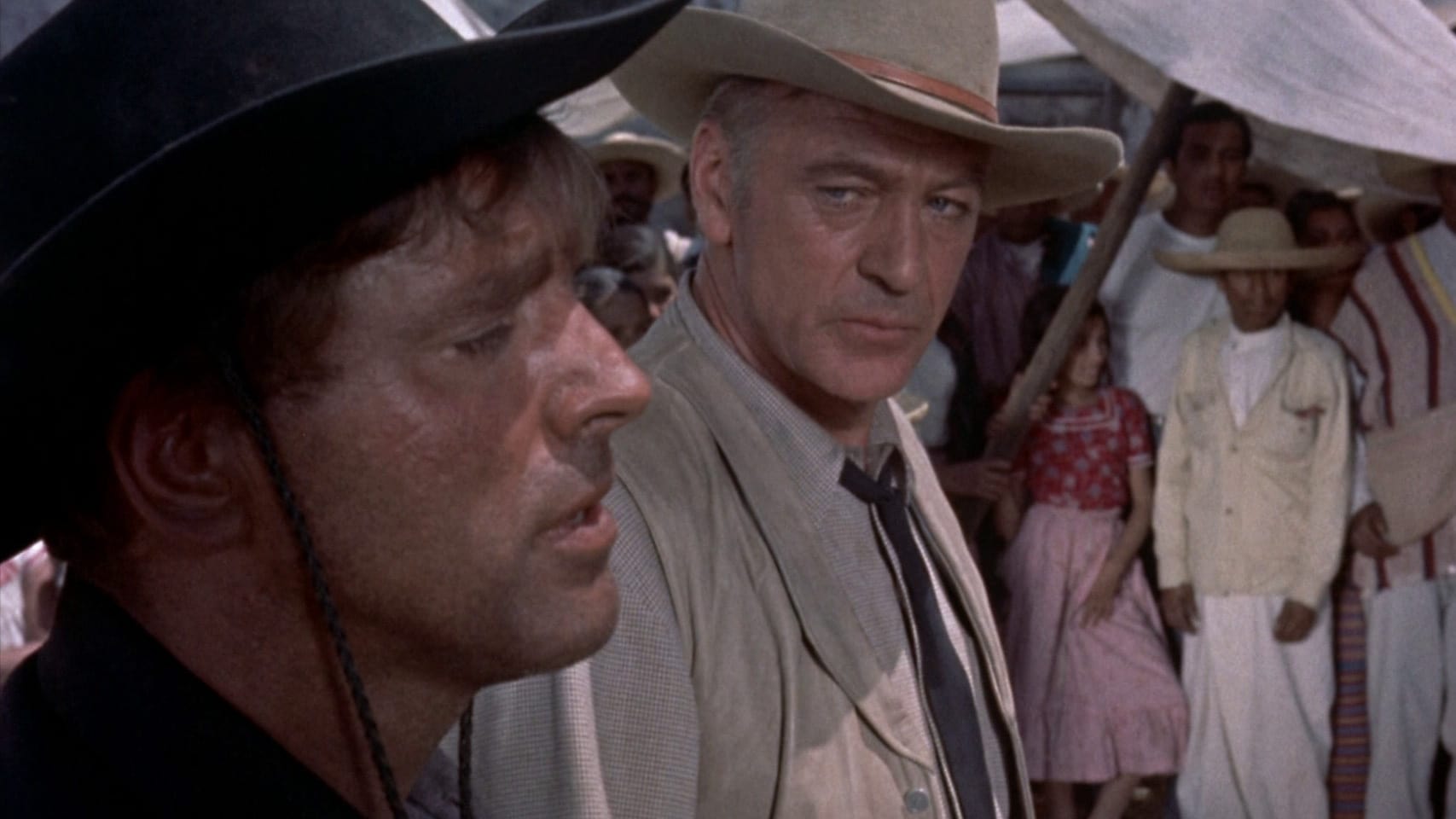
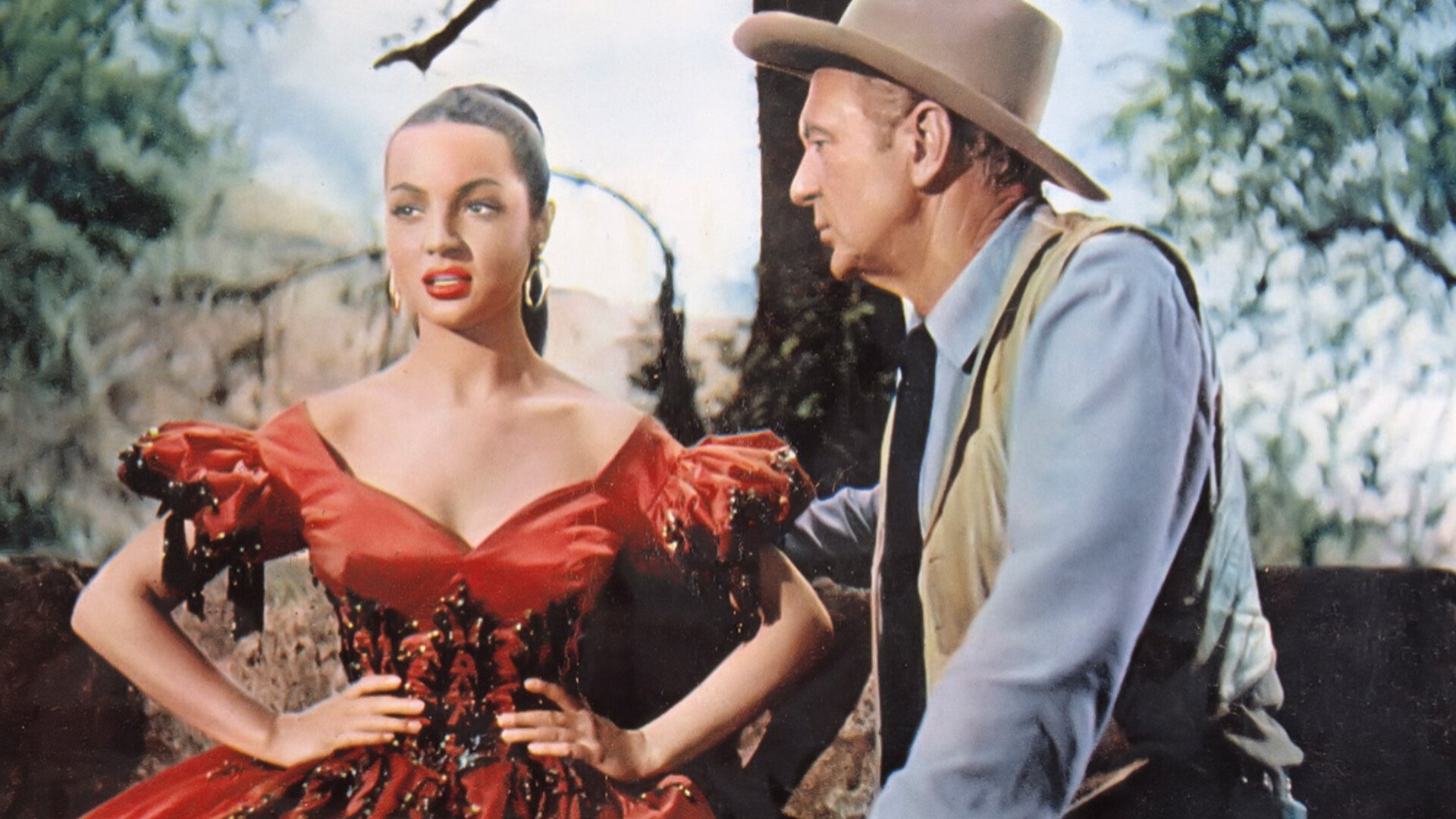
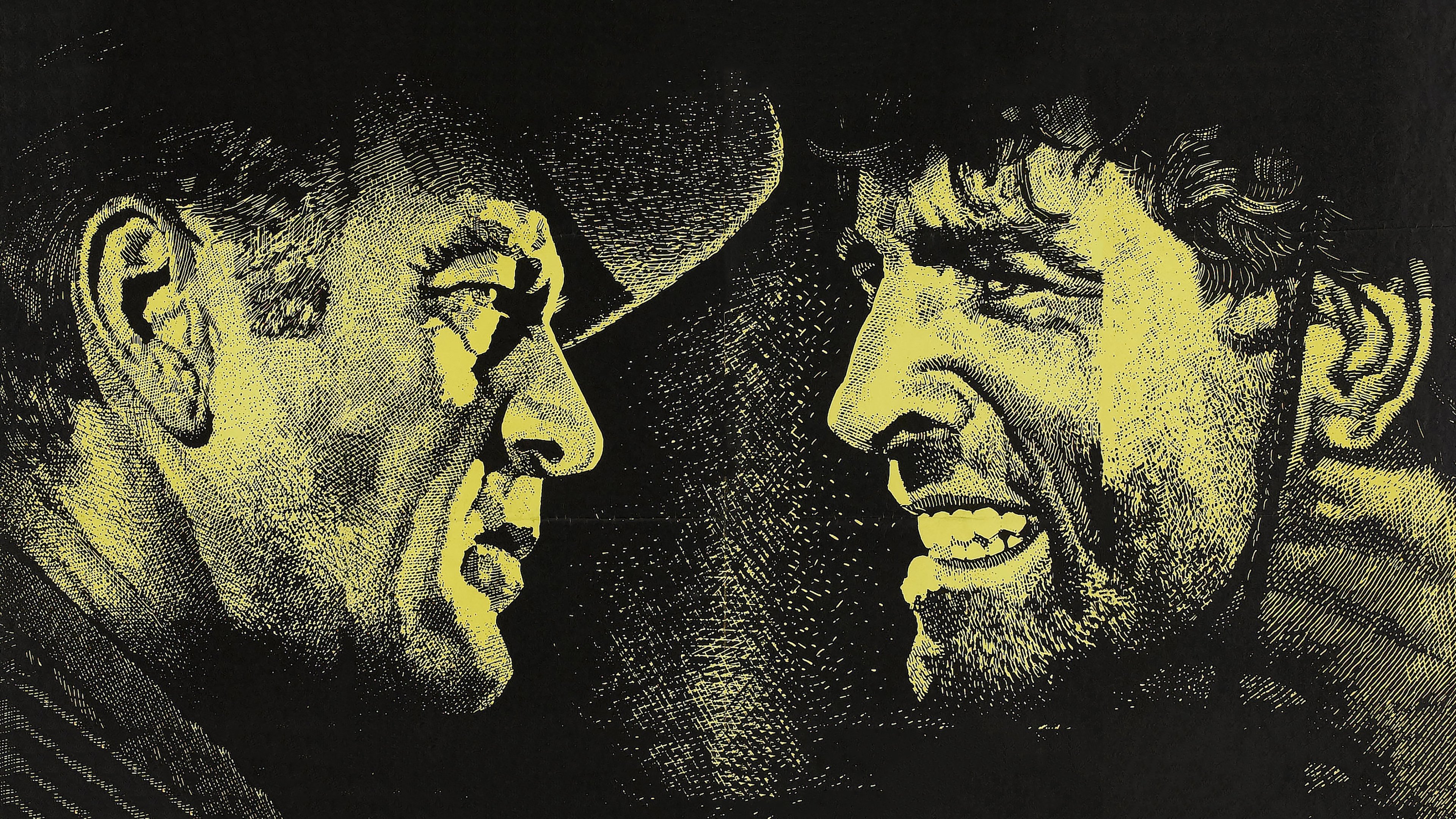
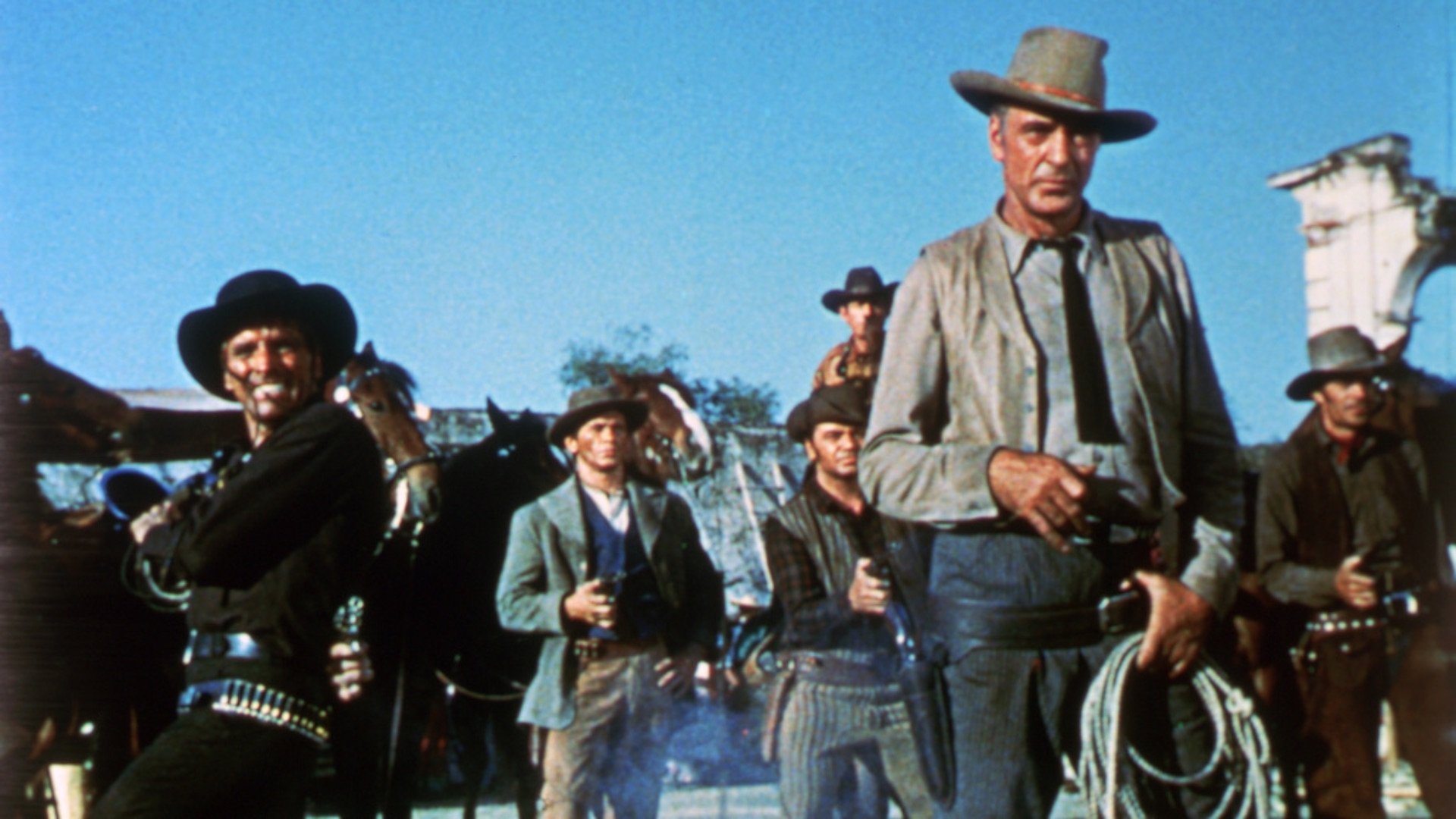
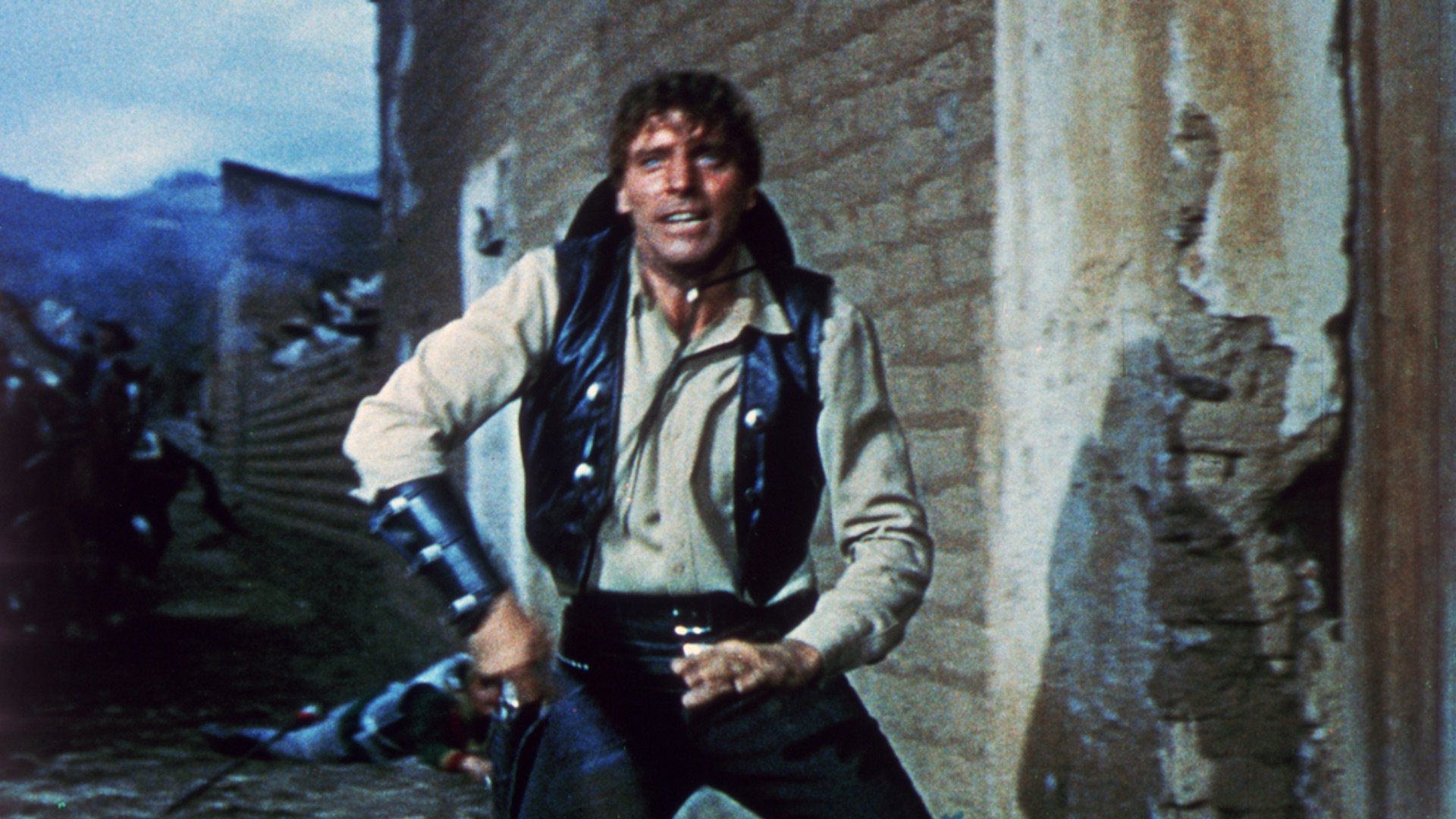
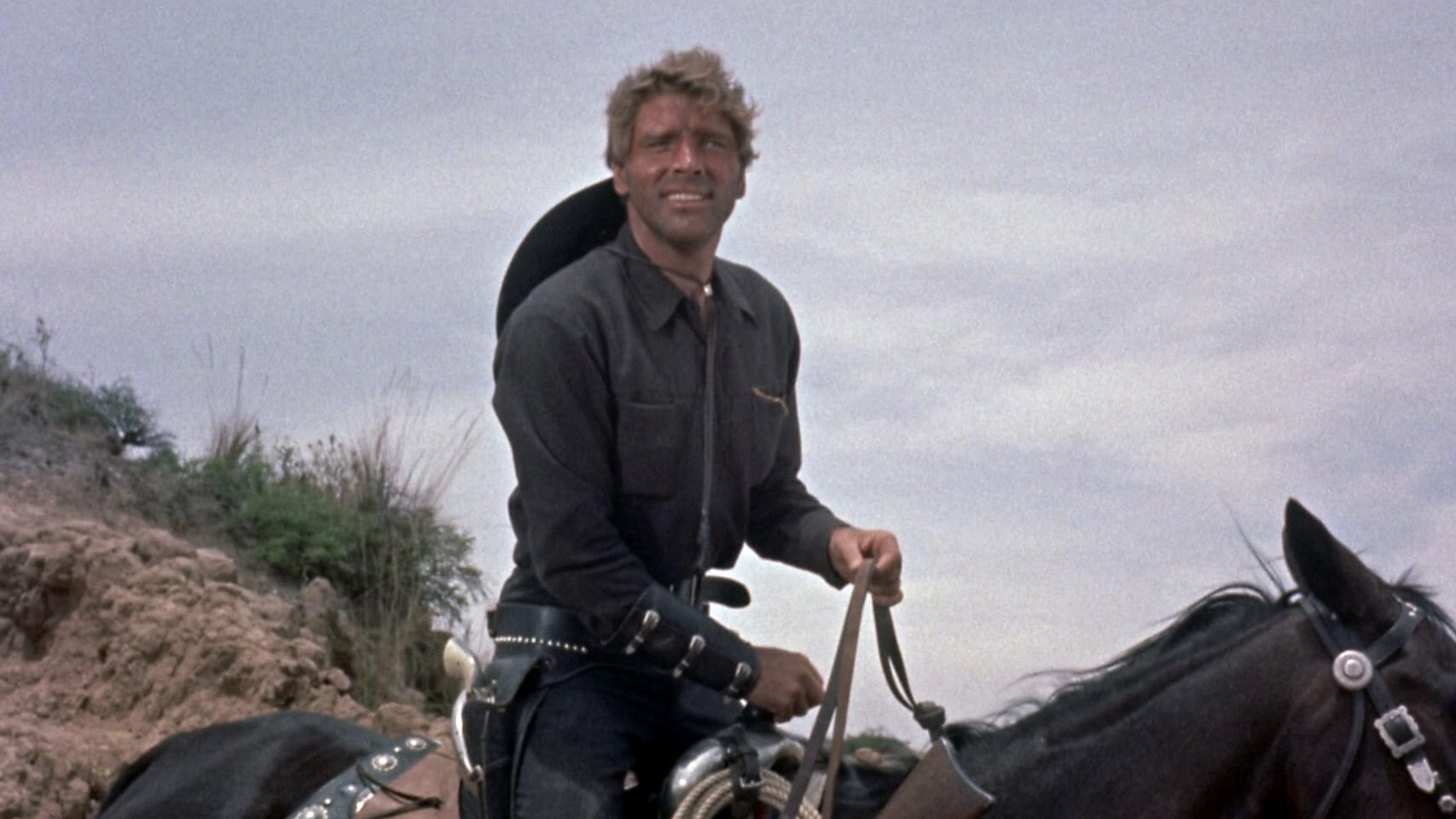
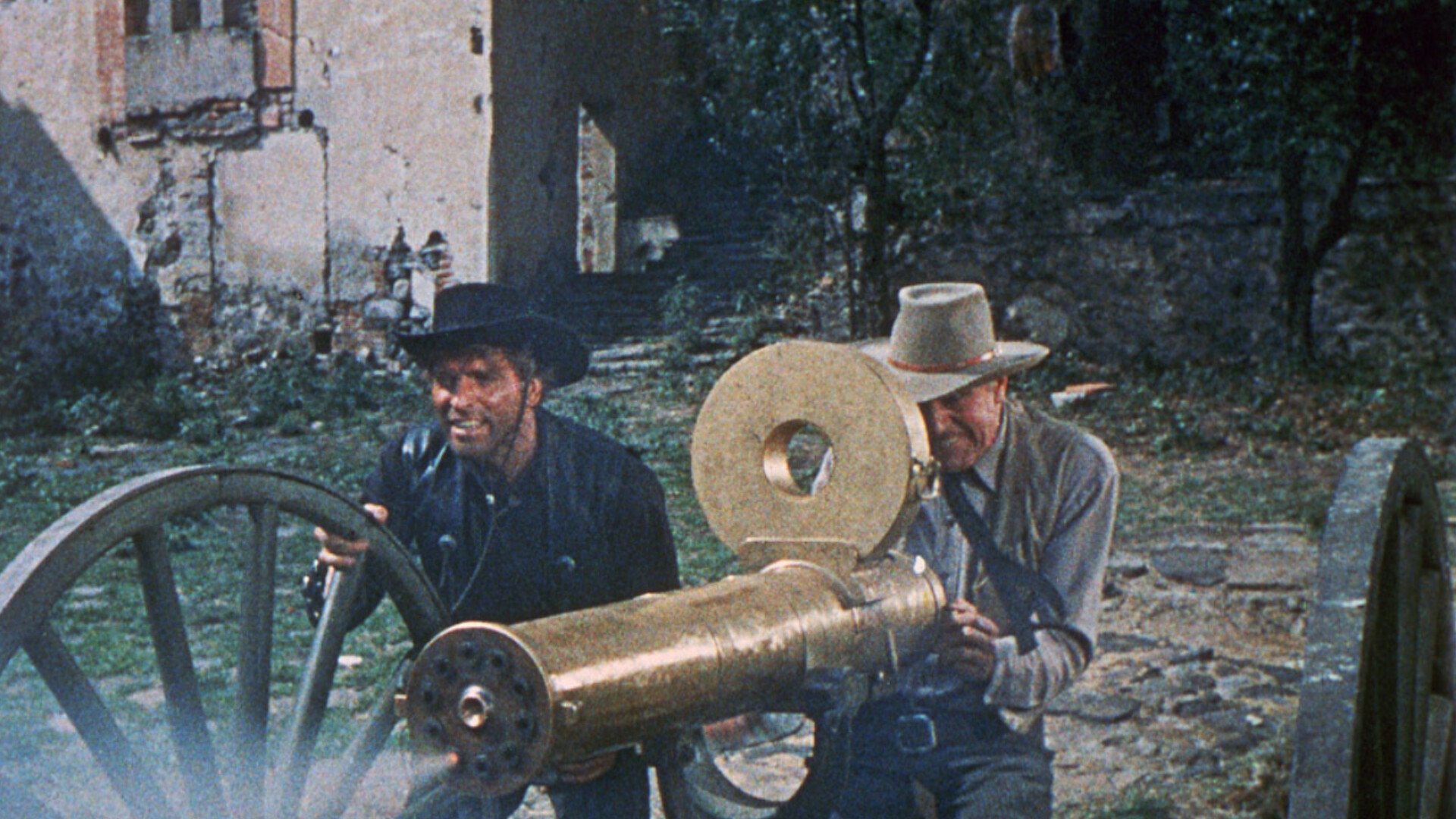
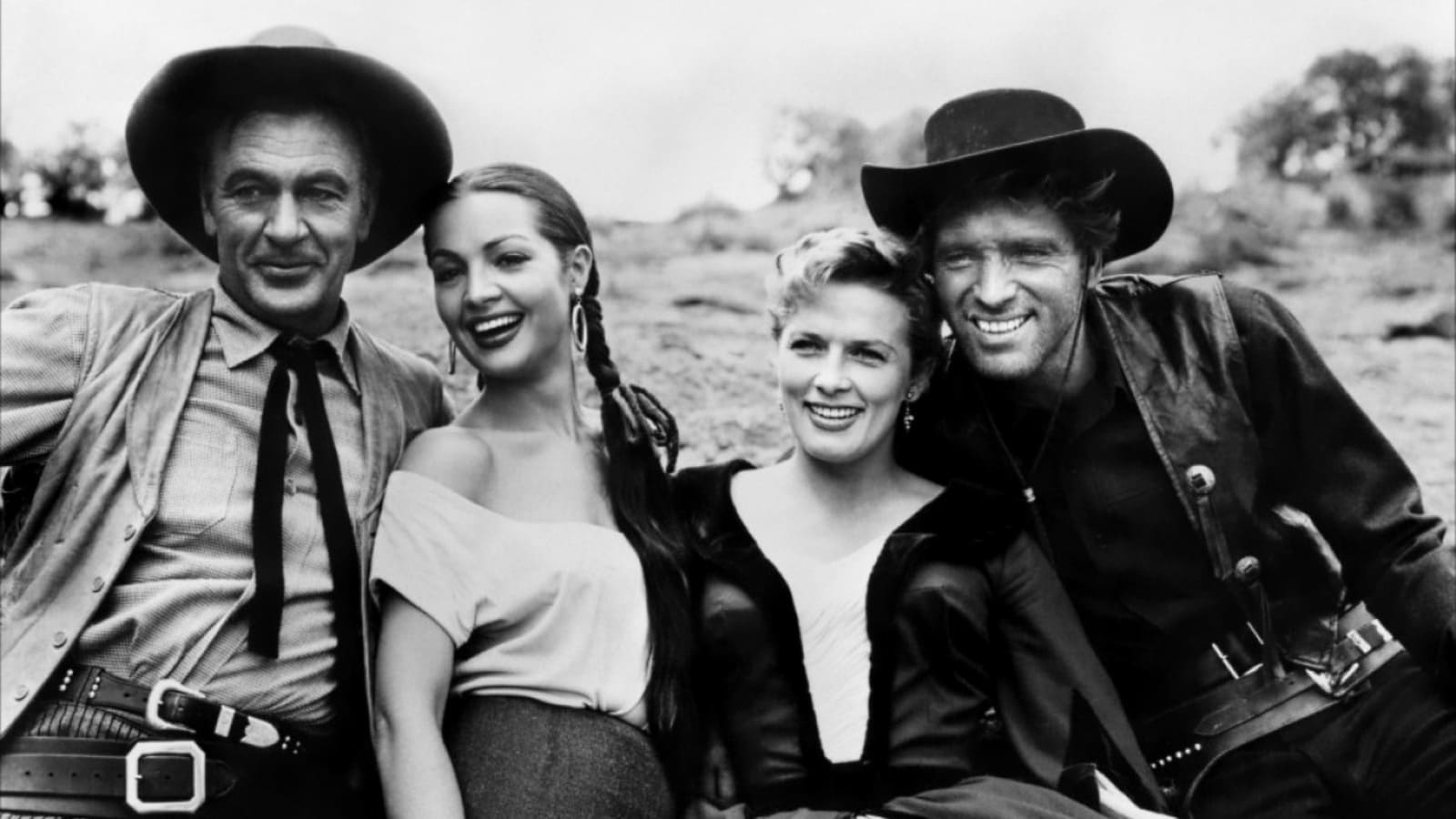
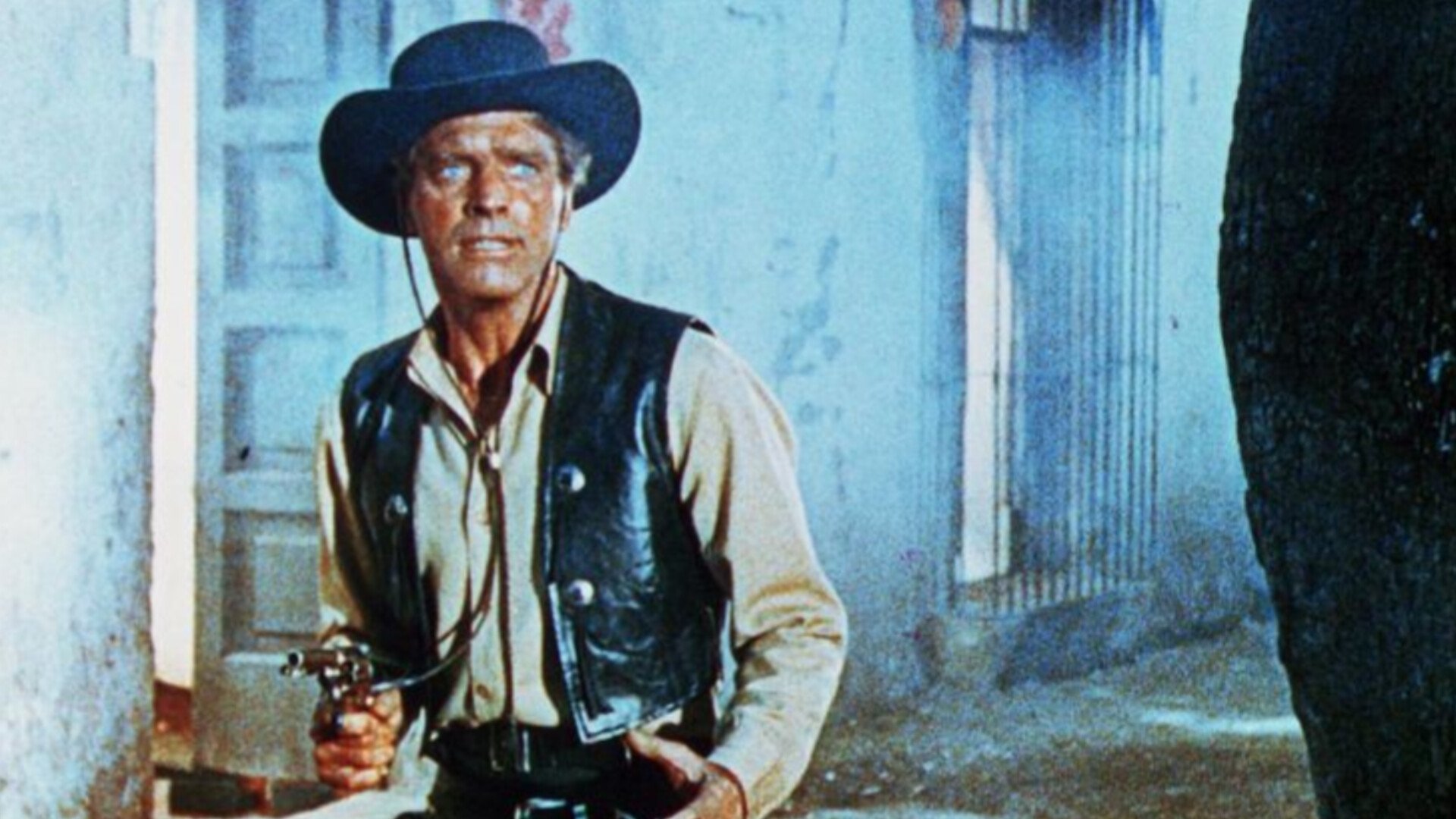
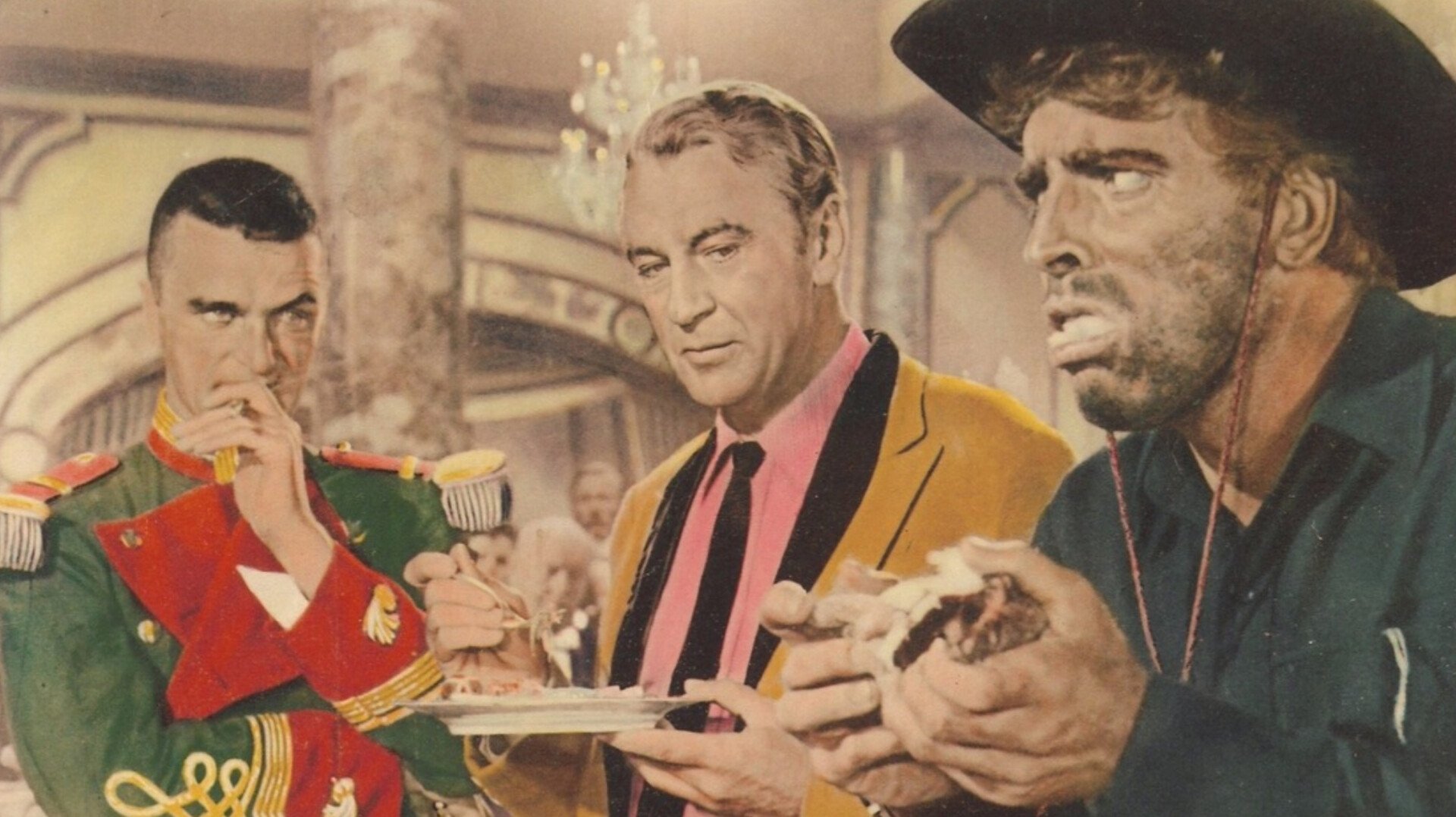
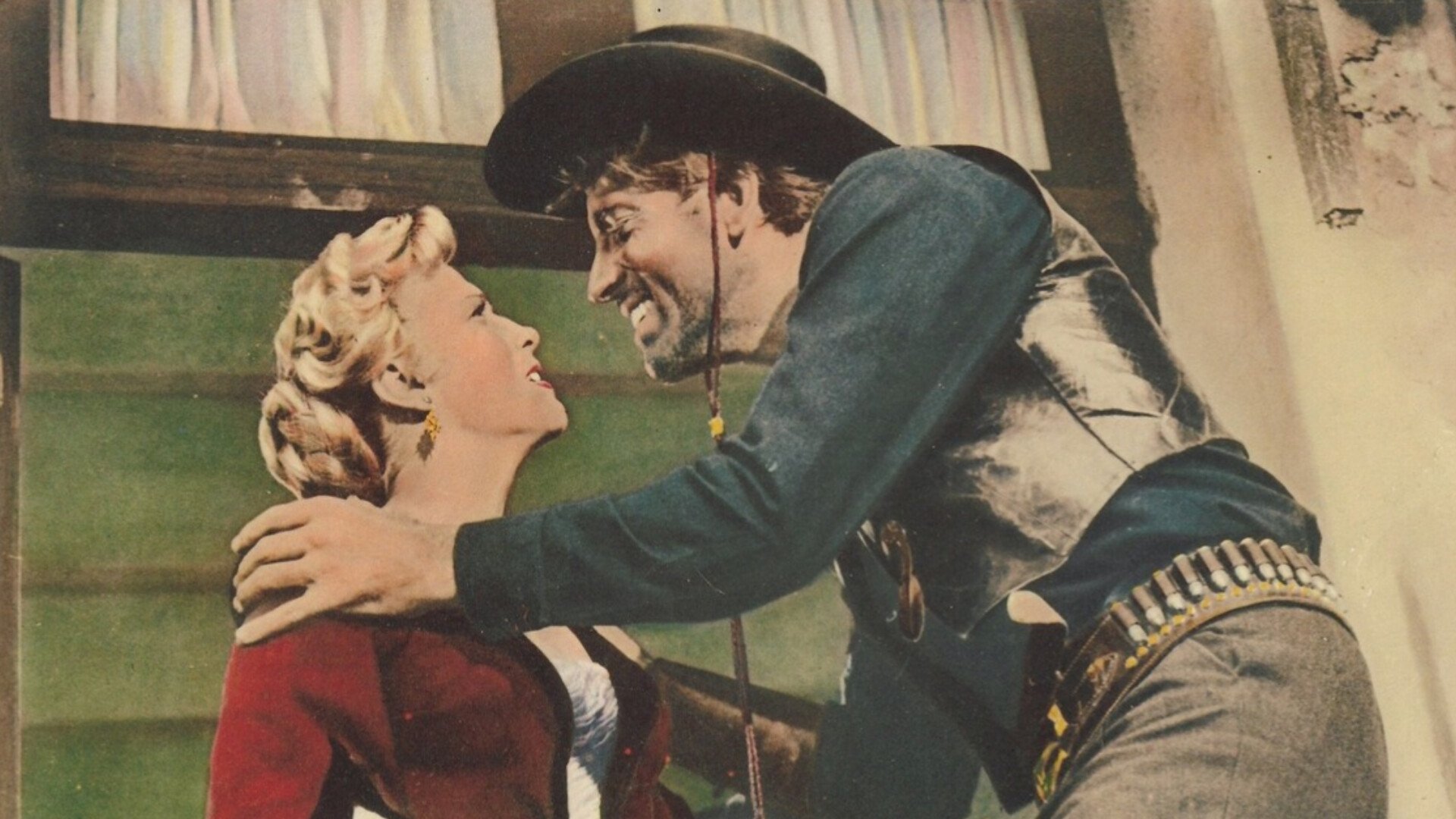
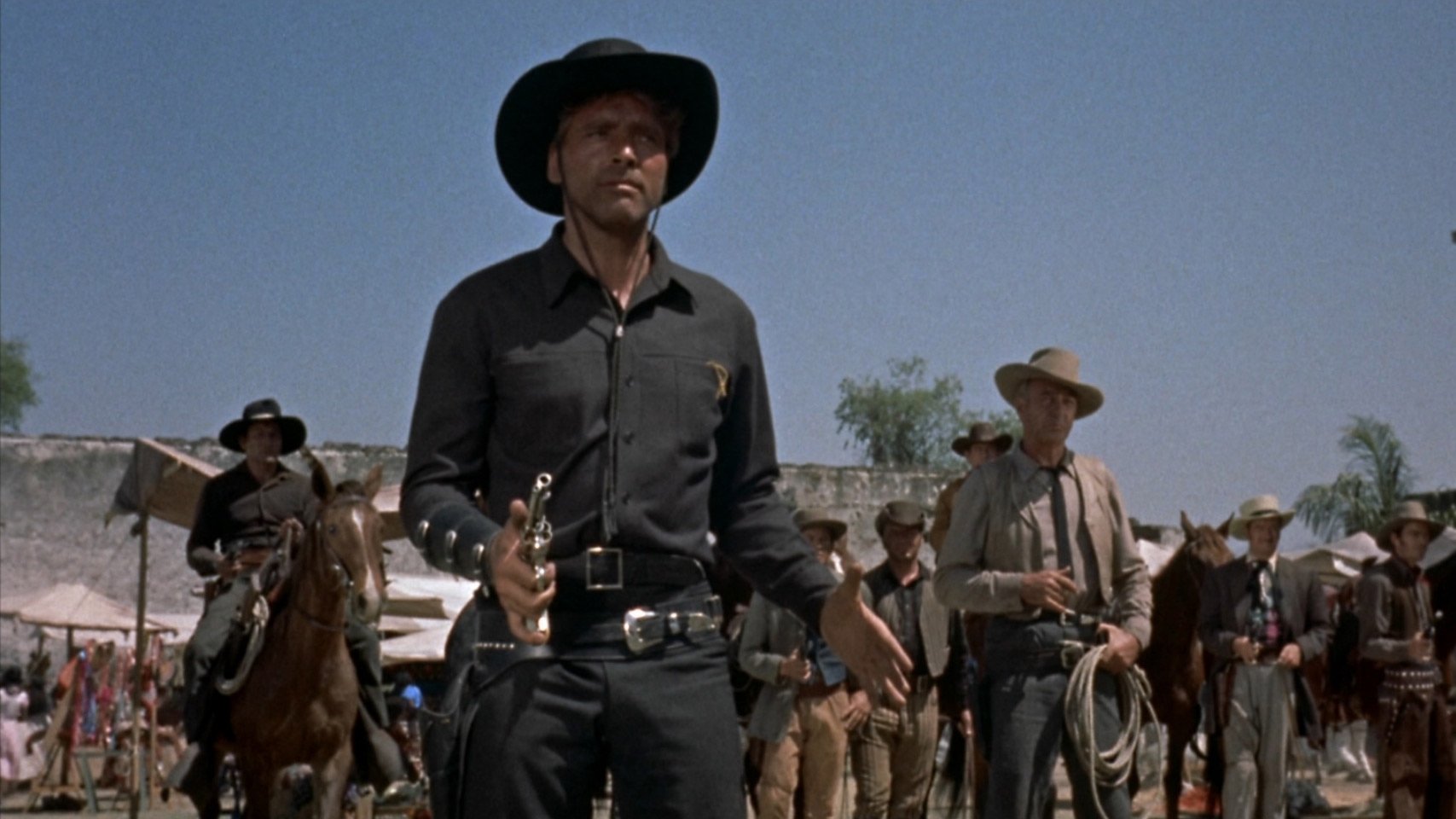
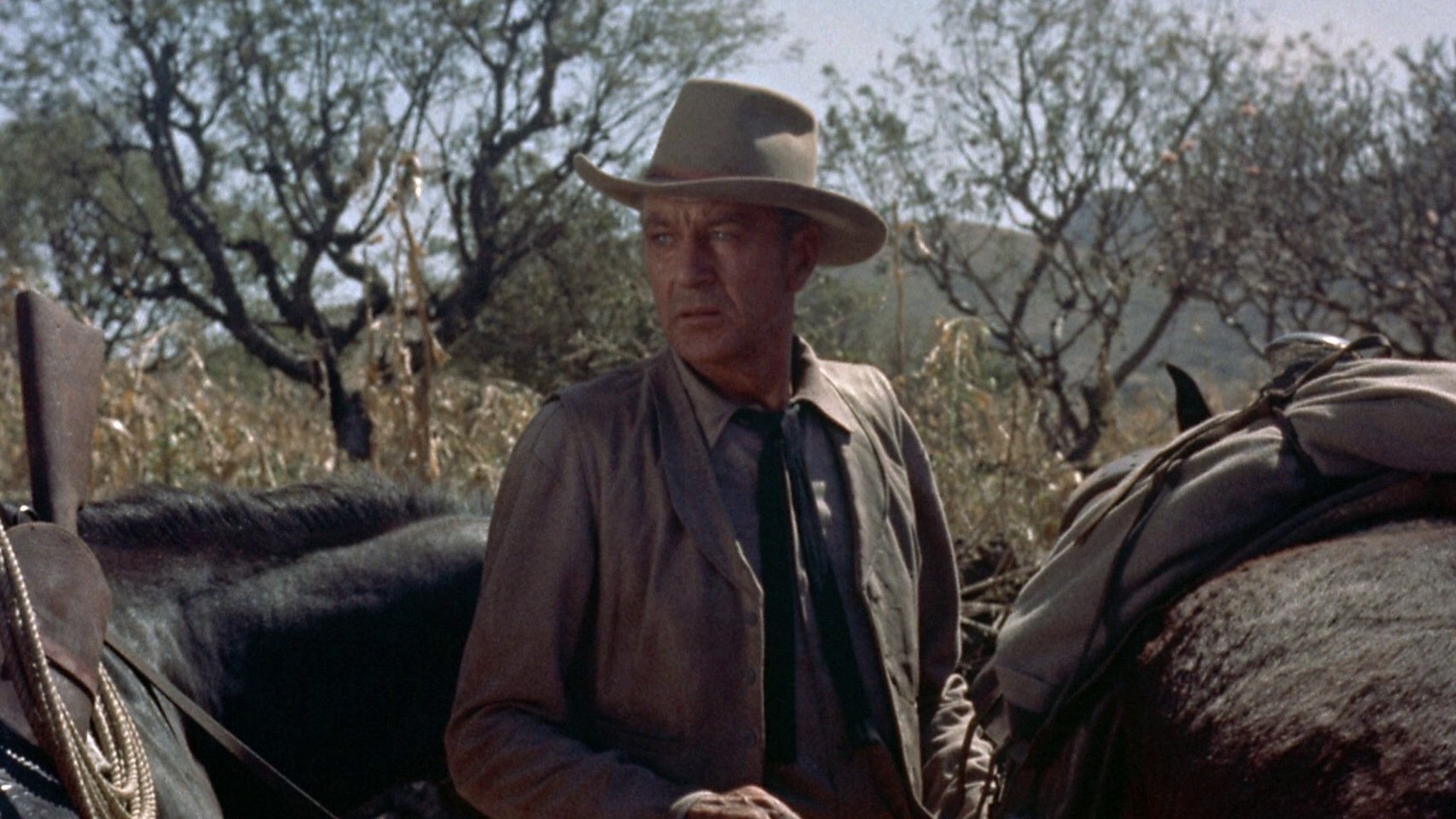
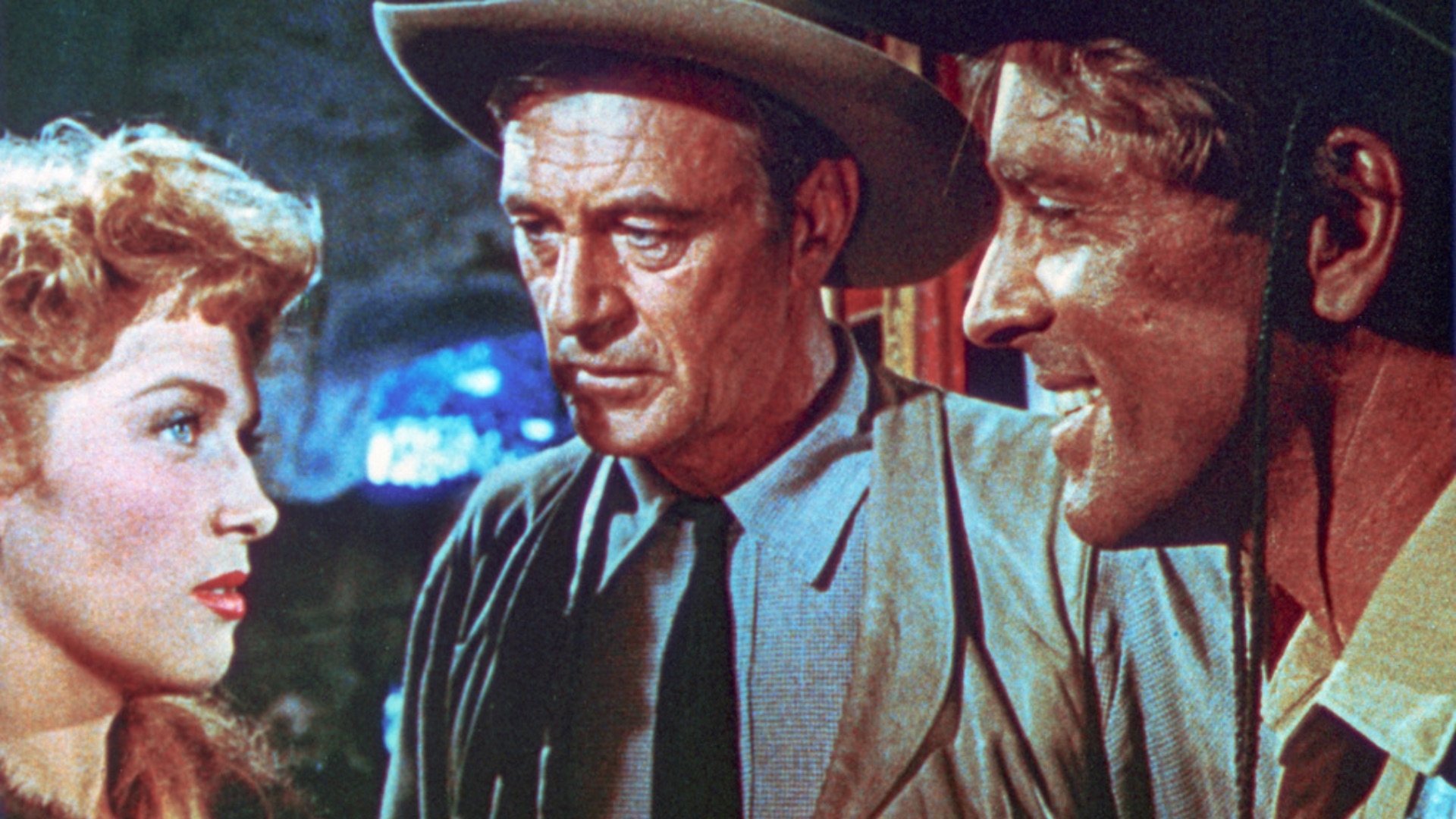
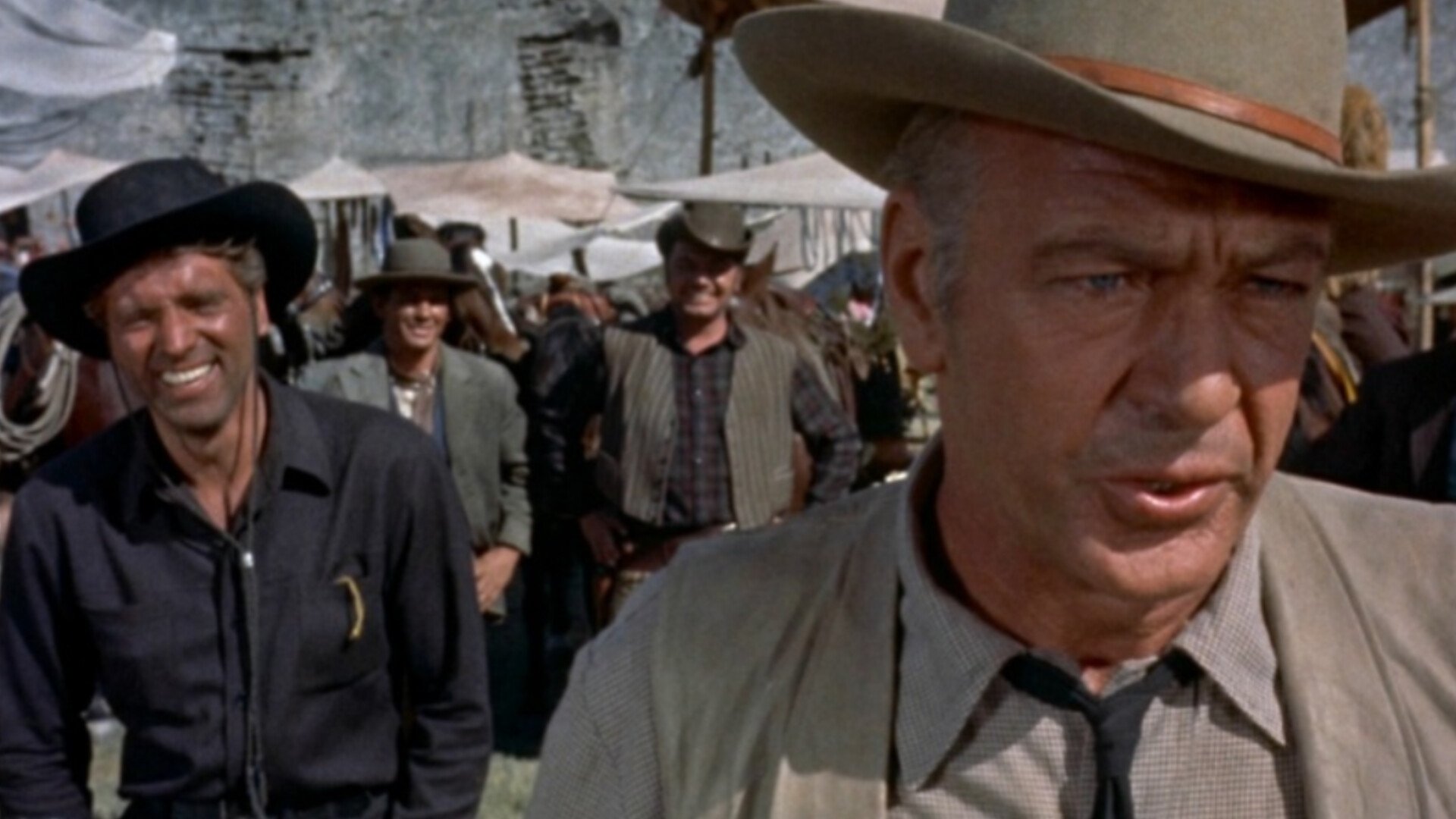
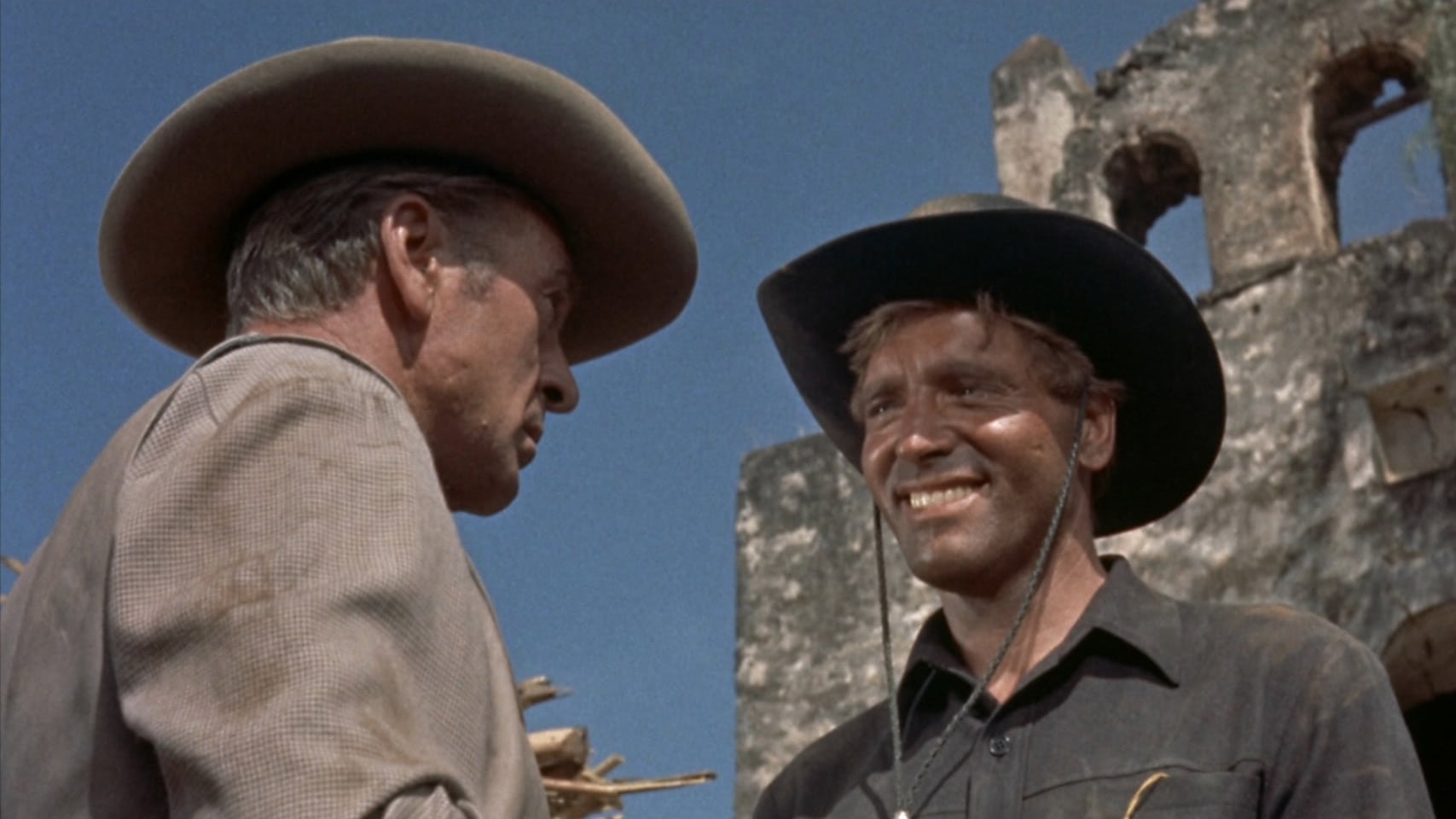
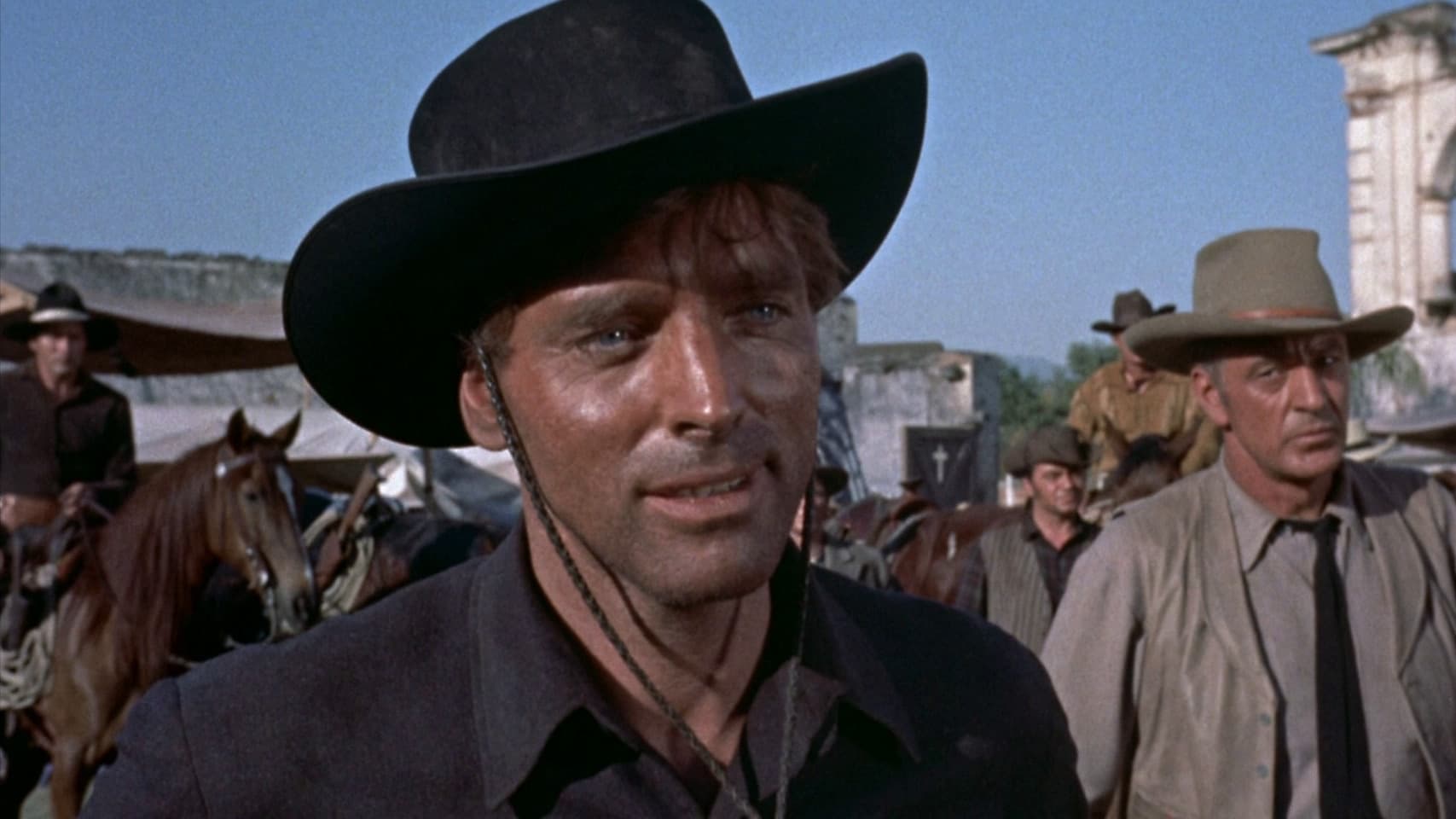
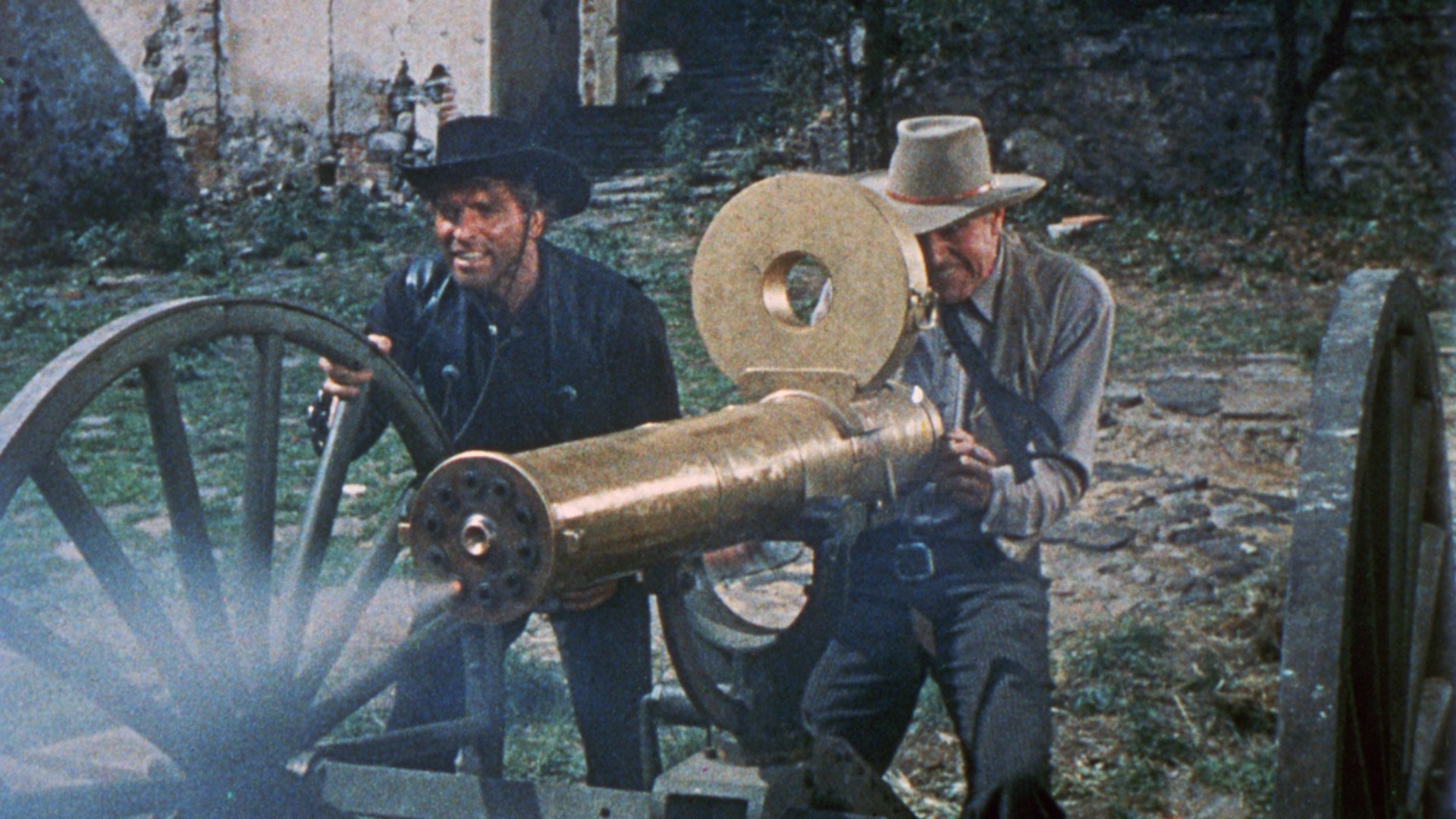
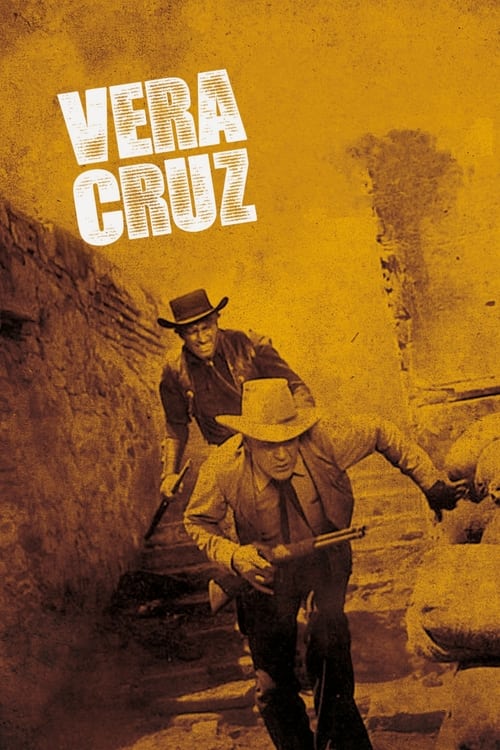
I was blown away by this. In many ways, a proto-revisionist western that contemplates the classical strong man with a gun and a moral code, with an opportunist barbarian, and sees them as not too different from each other.
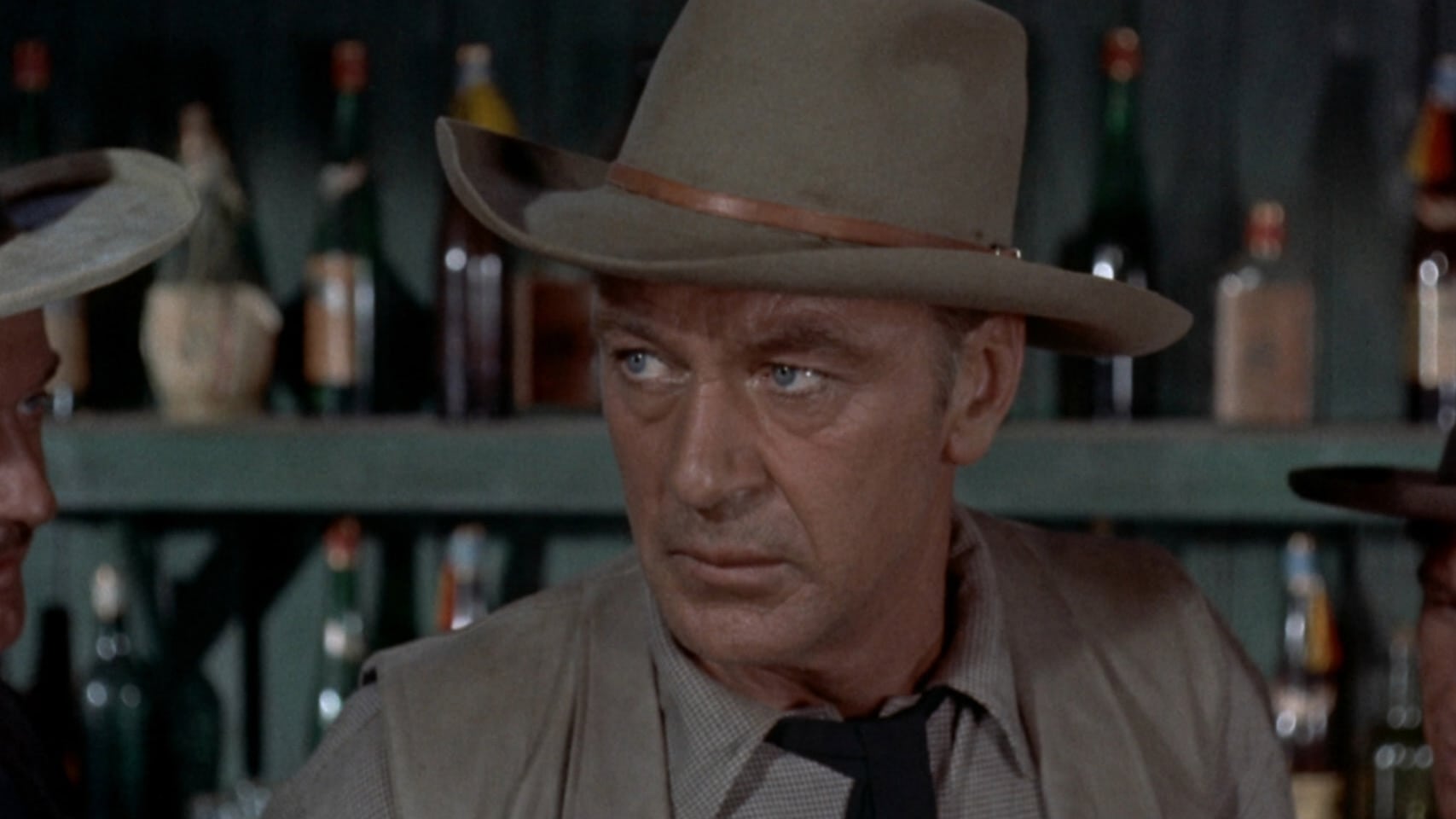
The film contemplates a lot of this through some really interesting things with the South's relationship with the loss of the Civil War, as well as the paternalism and infantilism that were projected onto slaves and Mexicans in the 19th century by White elites. There is a moment in the last third where Gary Cooper’s character Ben remarks, “Why did he let the civil war bust him?” He explains that he let the “Final Battle be on his property,” continuing that what makes a plantation is not just a home, but land and a “whole lot of people… And right now, they are in a pretty bad fix.”
I take this exchange to be loaded with Ben’s ideology, consistent with southern paternalistic ideology towards slavery. Who else would be “A whole lot of people” on a southern plantation?
African Americans, both during and after slavery, were viewed as less than human who depended on the “father-like” guidance of the White man to “get them started again.” What’s more, is that his “soft spot” for horses, subservient working animals, is referenced here again... Curious.
What’s also telling is his line, “No cause is worth $3 million.” Not even the Confederates believed in a cause outside of its profitability. Slavery as an ideology only persisted as long as how much money it made. Ben only comes around to helping the rebels at the end, not out of any sense of morality or revolutionary consistency, but as a way to continue to be a paternalistic figure, shepherding the locals as people who can’t help themselves. At least Joe Erin was honest in his brutish individualism; Ben dresses his barbarism up as upstanding.
I was blown away by this. In many ways, a proto-revisionist western that contemplates the classical strong man with a gun and a moral code, with an opportunist barbarian, and sees them as not too different from each other.
The film contemplates a lot of this through some really interesting things with the South's relationship with the loss of the Civil War, as well as the paternalism and infantilism that were projected onto slaves and Mexicans in the 19th century by White elites. There is a moment in the last third where Gary Cooper’s character Ben remarks, “Why did he let the civil war bust him?” He explains that he let the “Final Battle be on his property,” continuing that what makes a plantation is not just a home, but land and a “whole lot of people… And right now, they are in a pretty bad fix.”
I take this exchange to be loaded with Ben’s ideology, consistent with southern paternalistic ideology towards slavery. Who else would be “A whole lot of people” on a southern plantation?
African Americans, both during and after slavery, were viewed as less than human who depended on the “father-like” guidance of the White man to “get them started again.” What’s more, is that his “soft spot” for horses, subservient working animals, is referenced here again... Curious.
What’s also telling is his line, “No cause is worth $3 million.” Not even the Confederates believed in a cause outside of its profitability. Slavery as an ideology only persisted as long as how much money it made. Ben only comes around to helping the rebels at the end, not out of any sense of morality or revolutionary consistency, but as a way to continue to be a paternalistic figure, shepherding the locals as people who can’t help themselves. At least Joe Erin was honest in his brutish individualism; Ben dresses his barbarism up as upstanding.