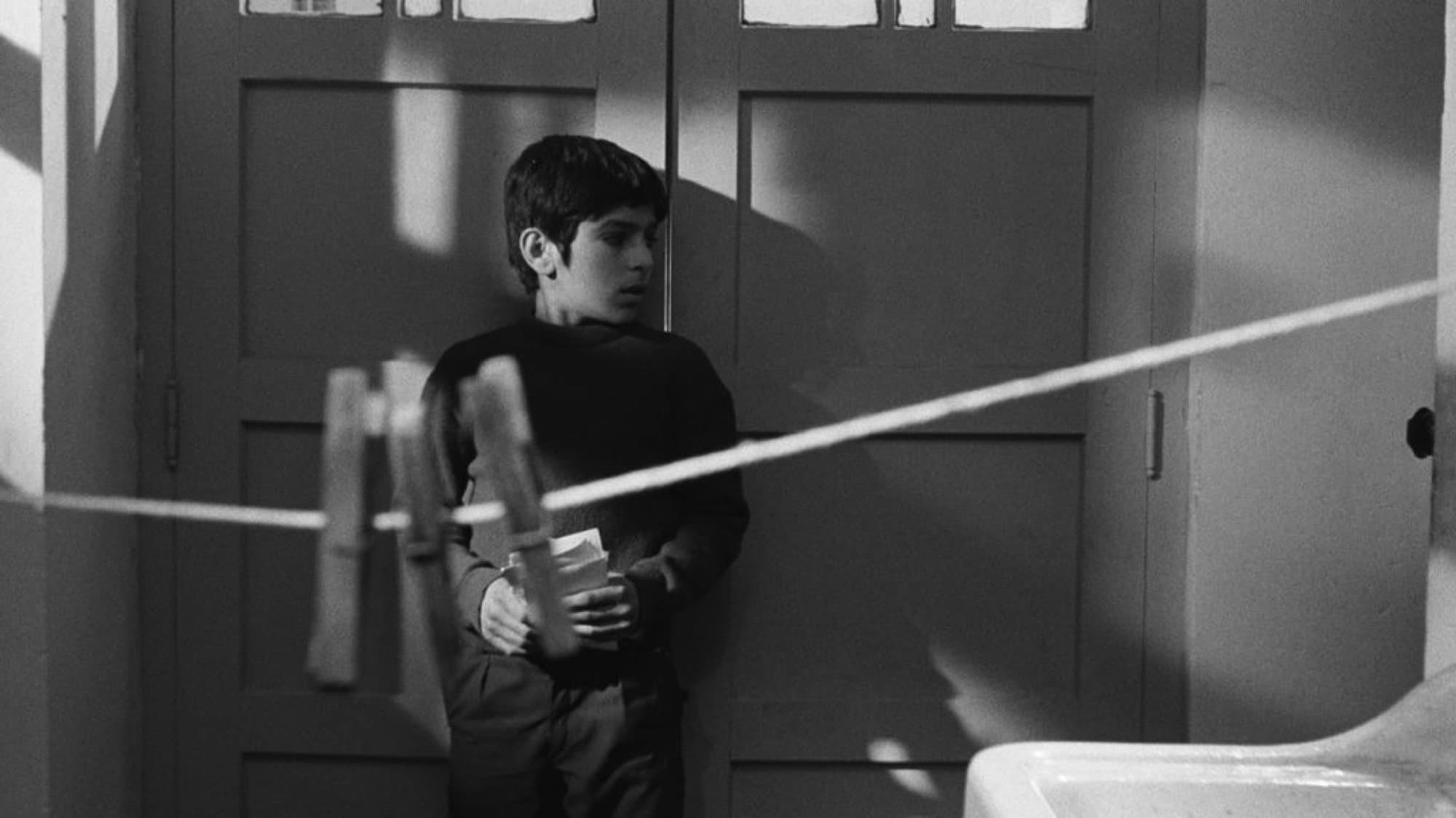
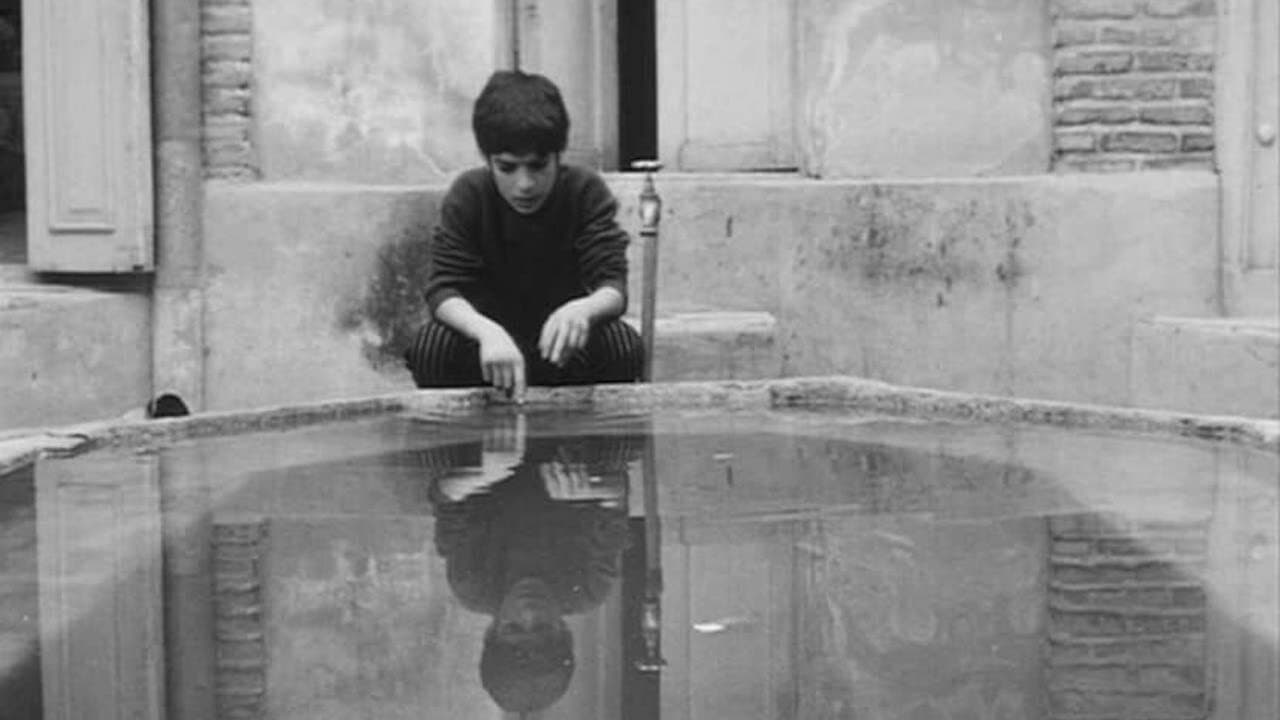
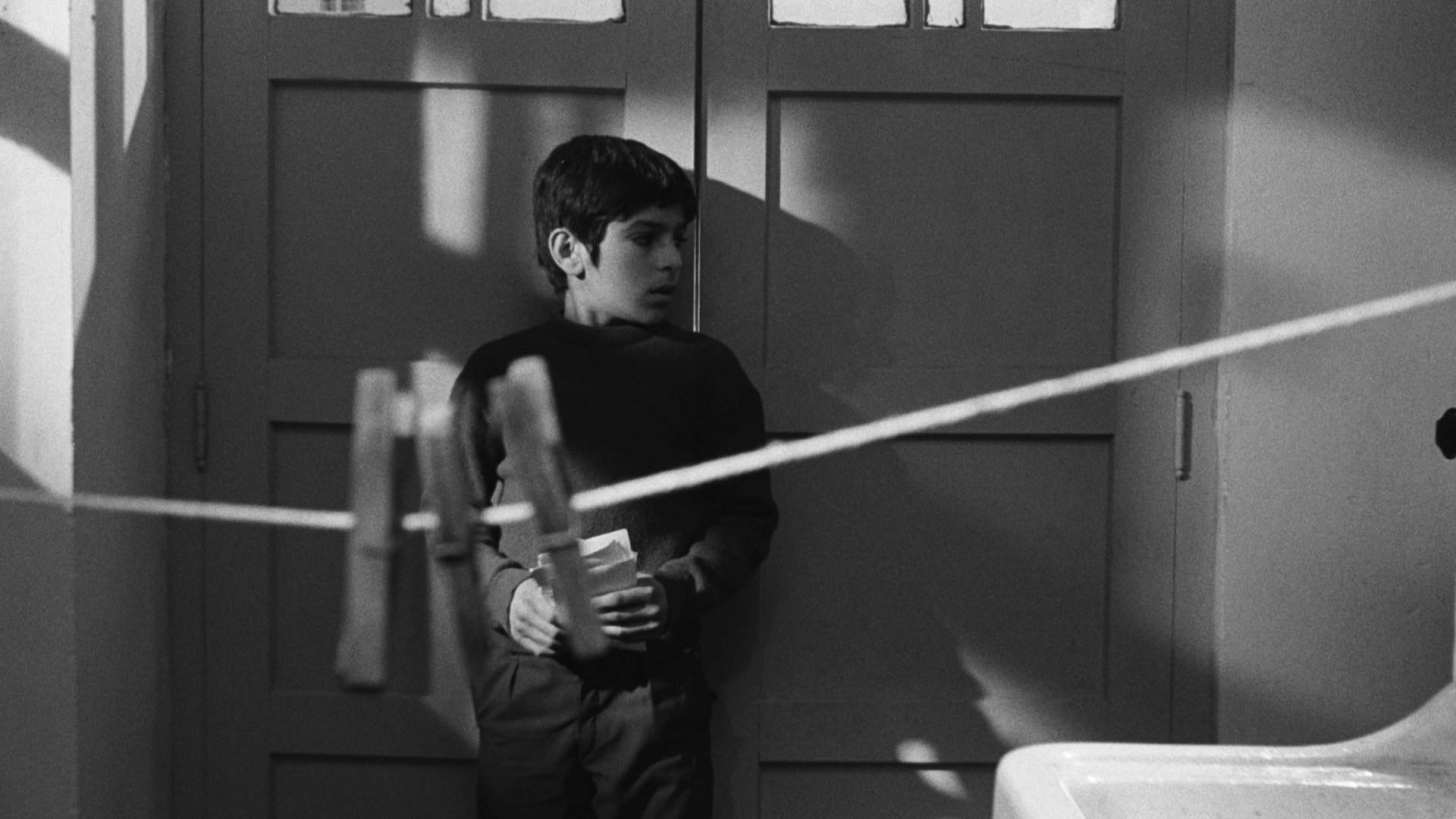
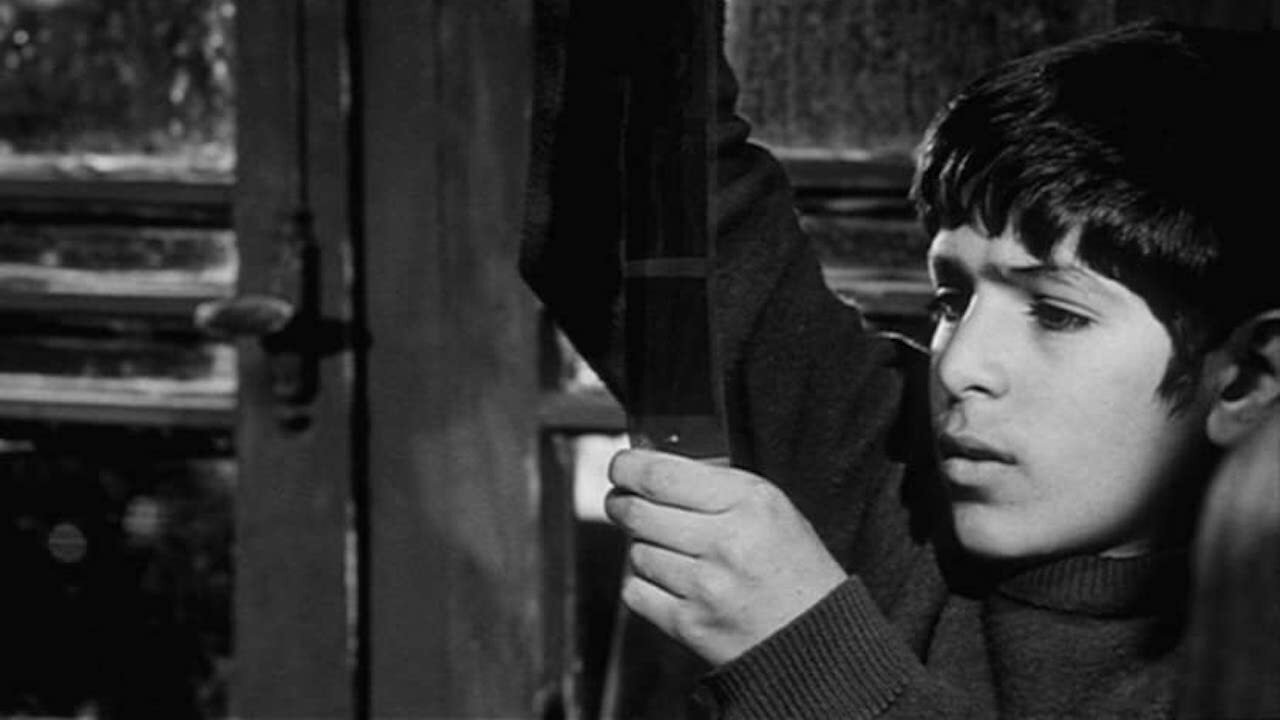
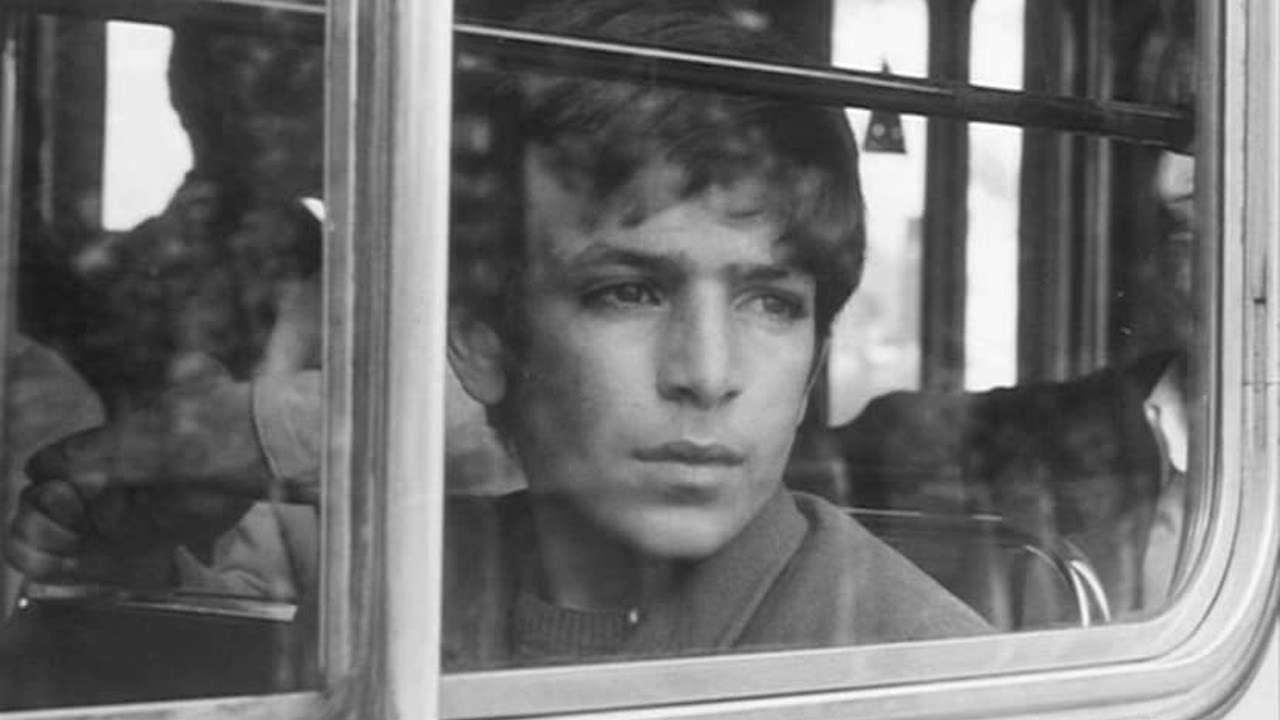
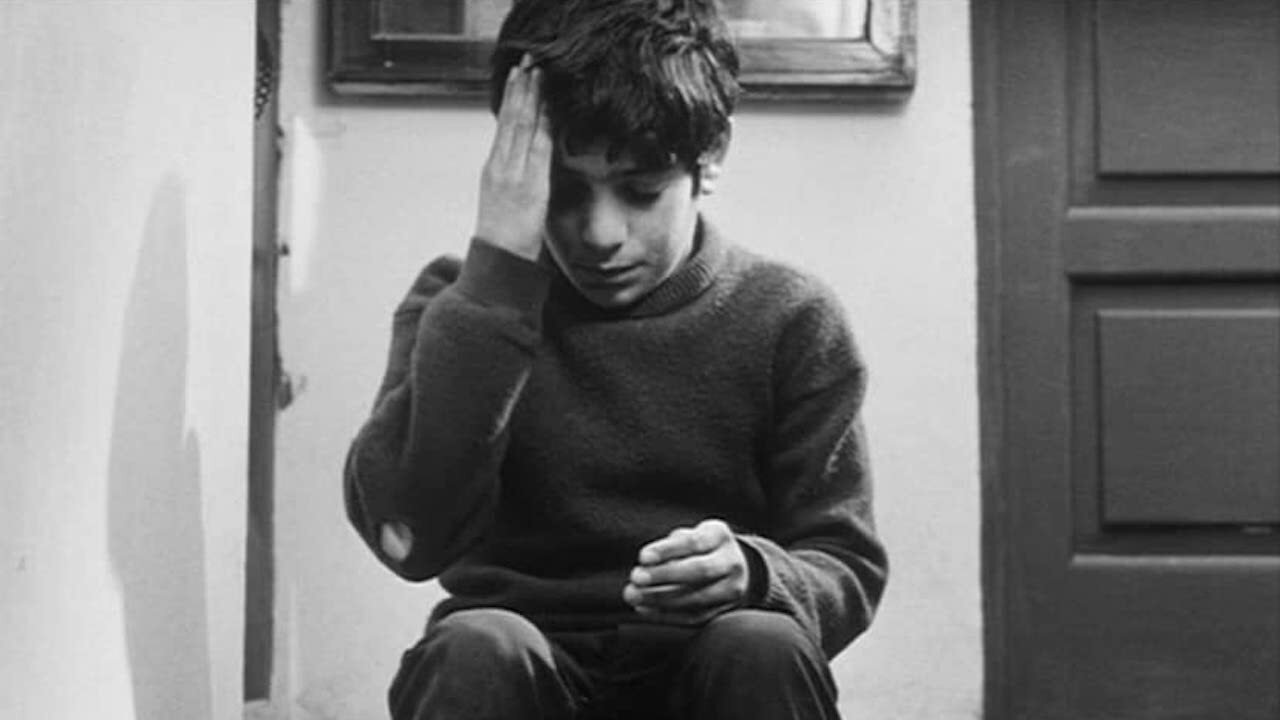
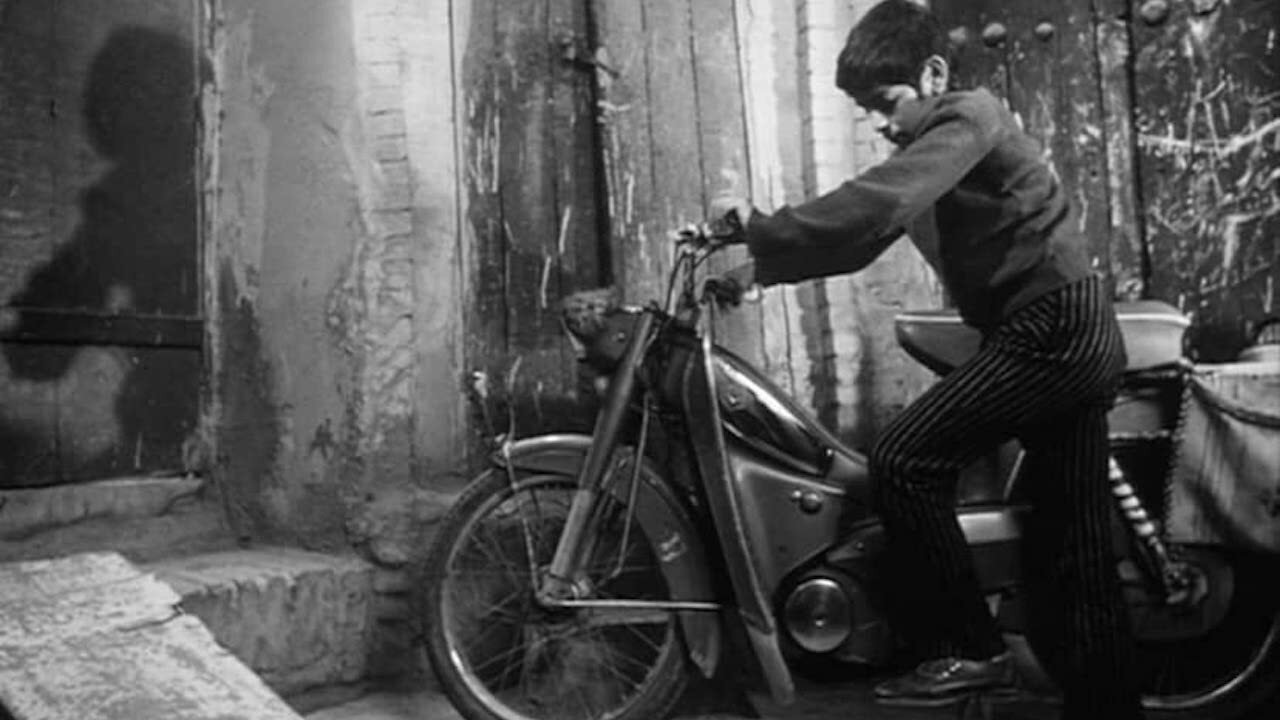
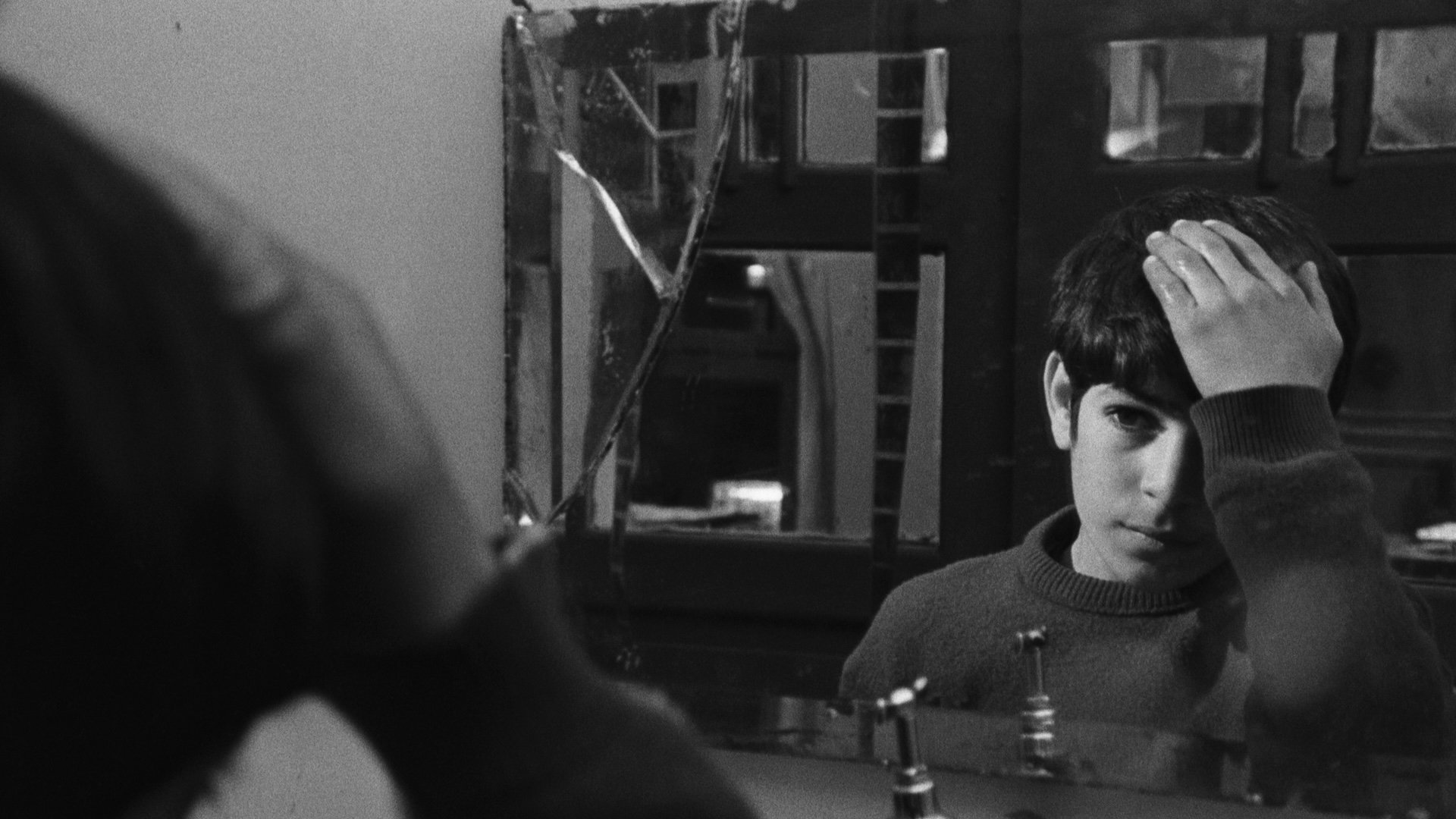
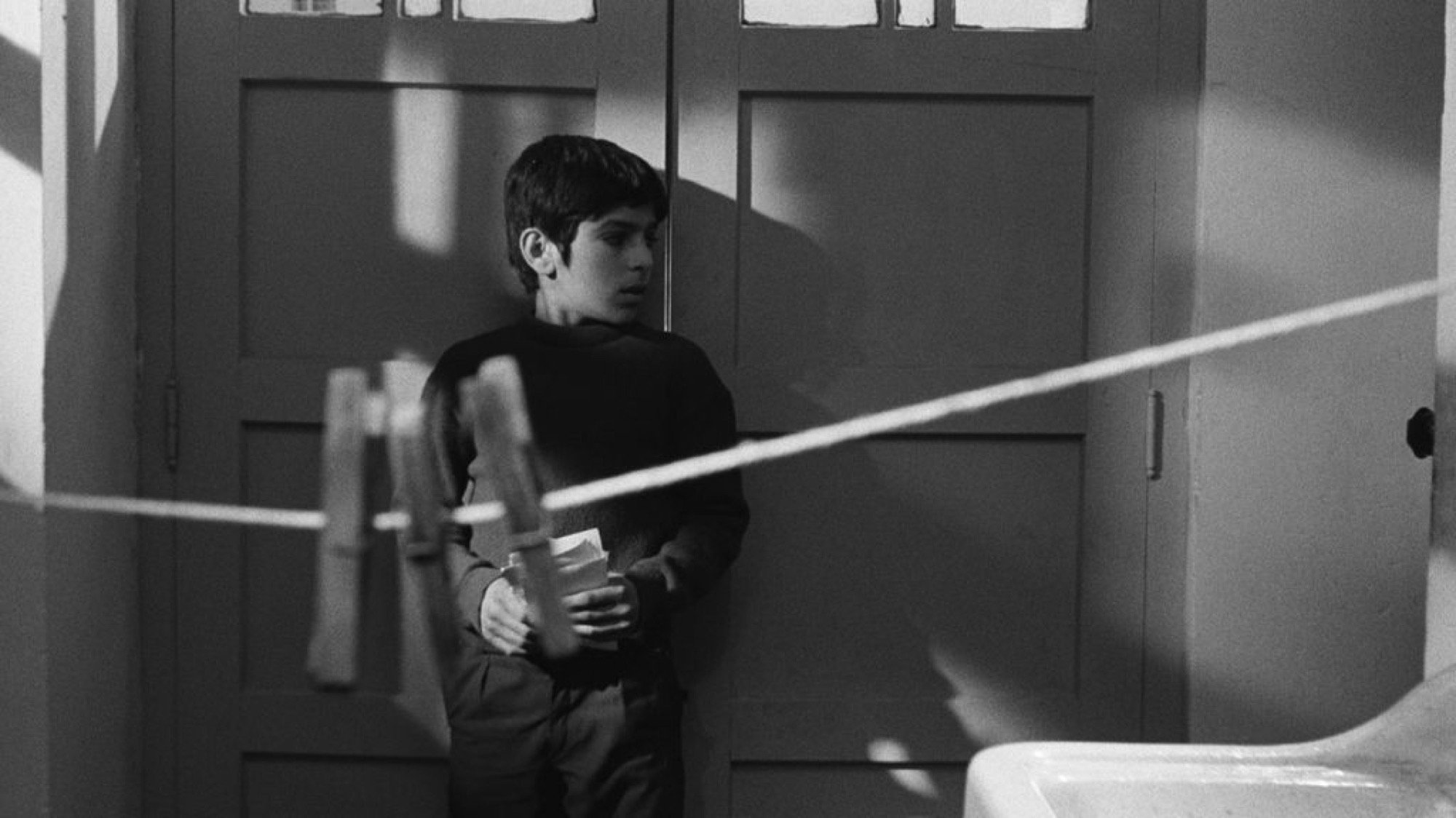
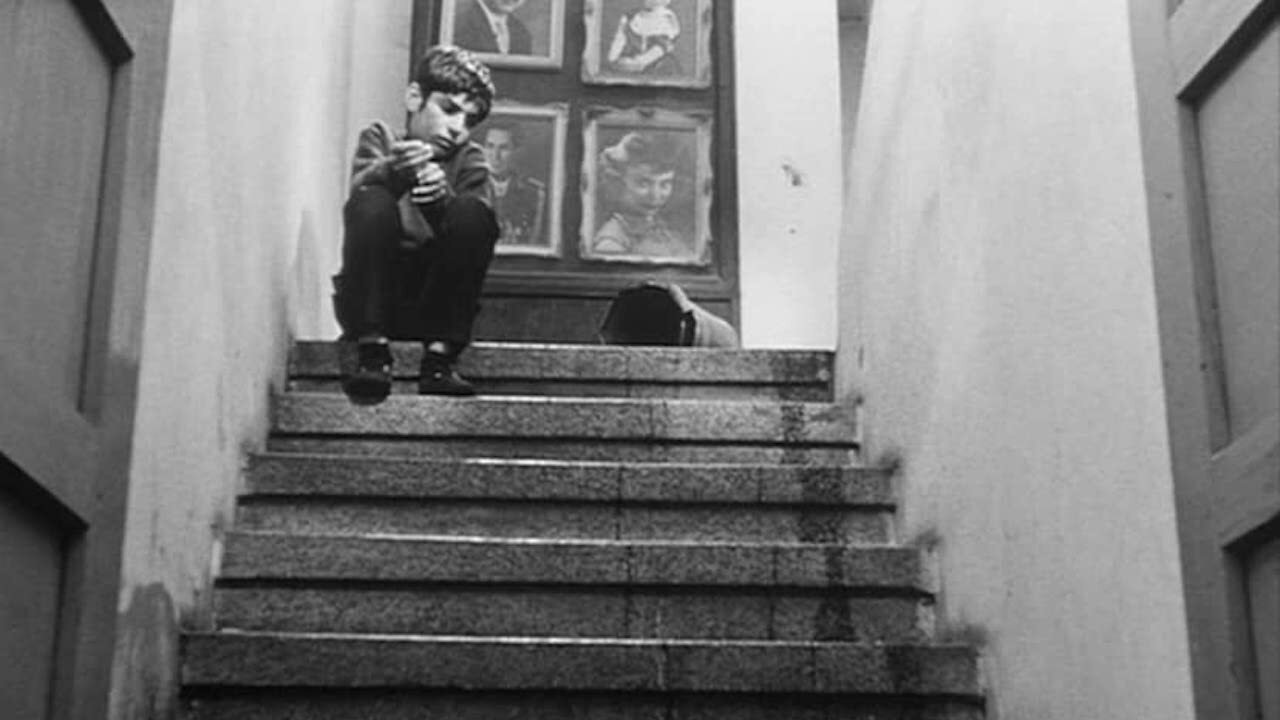
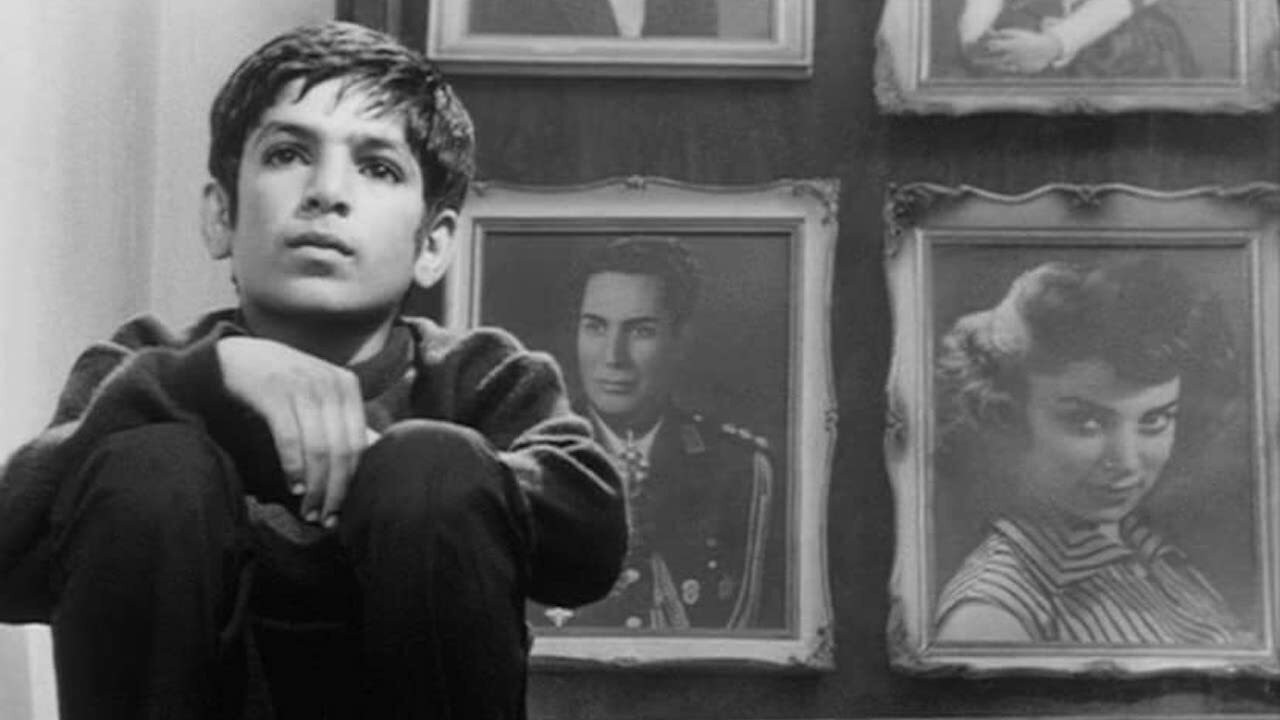
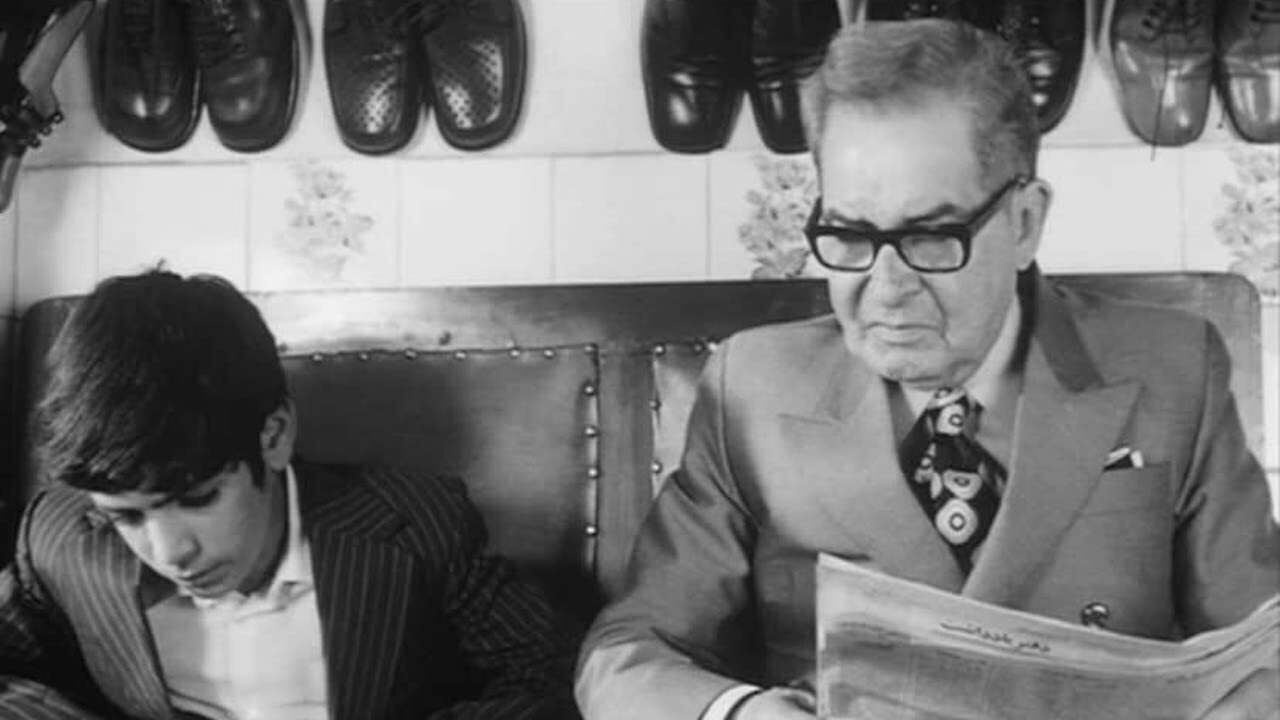
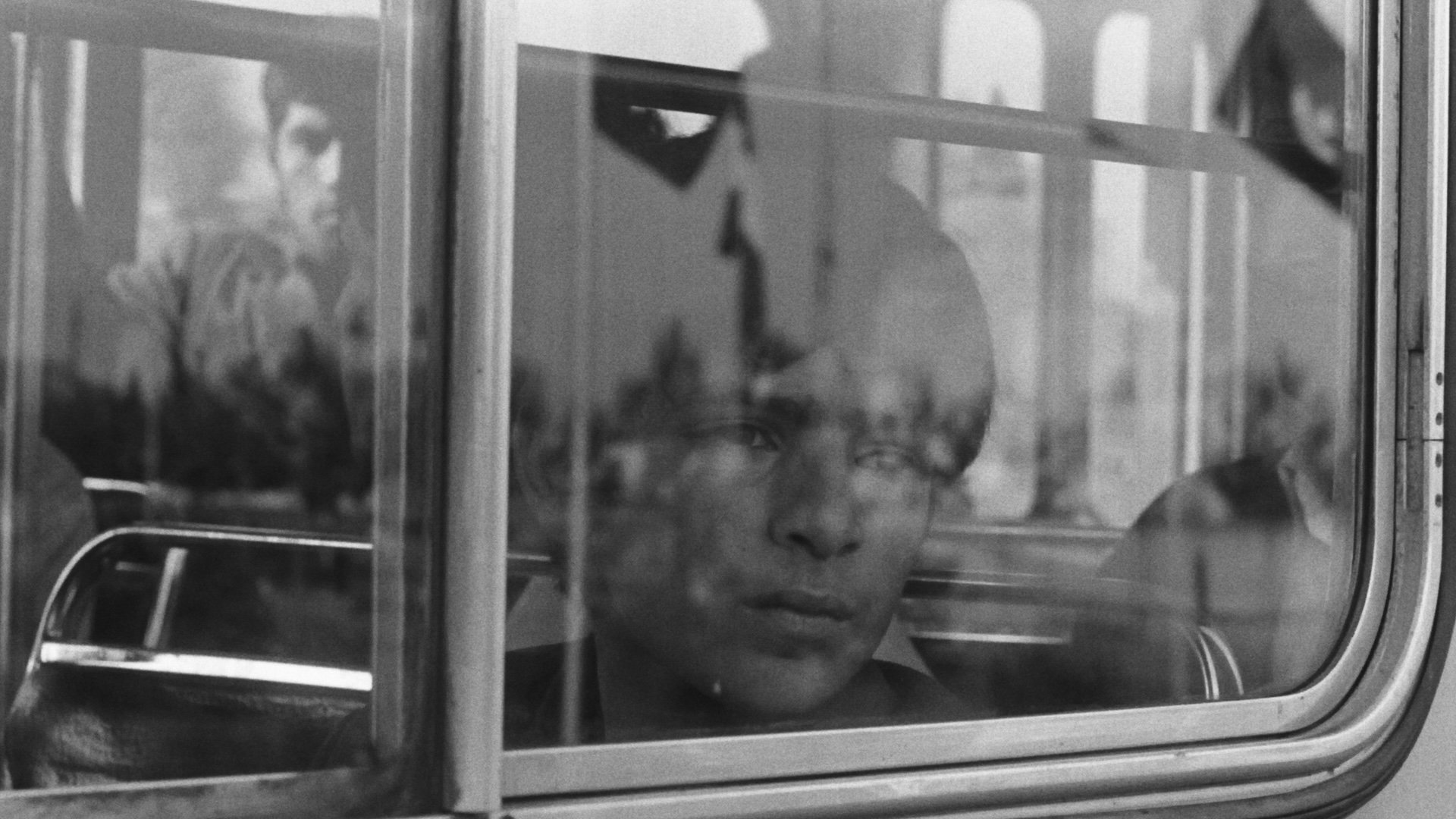
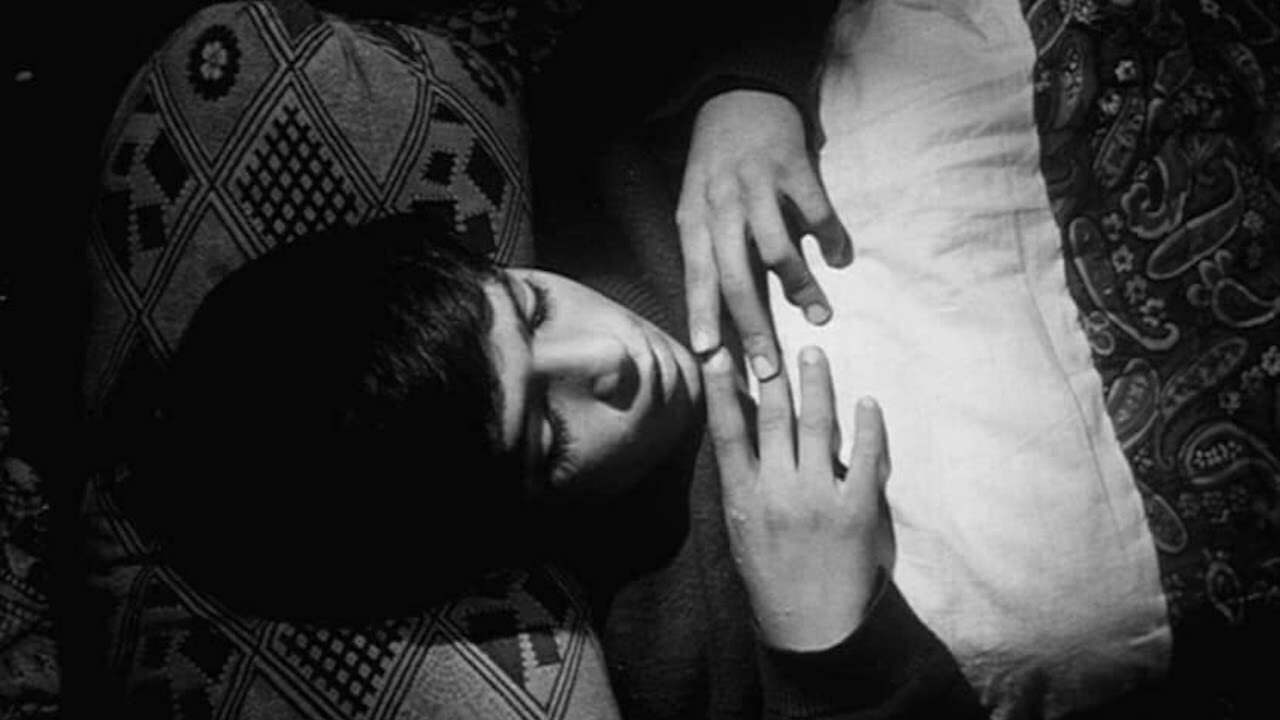
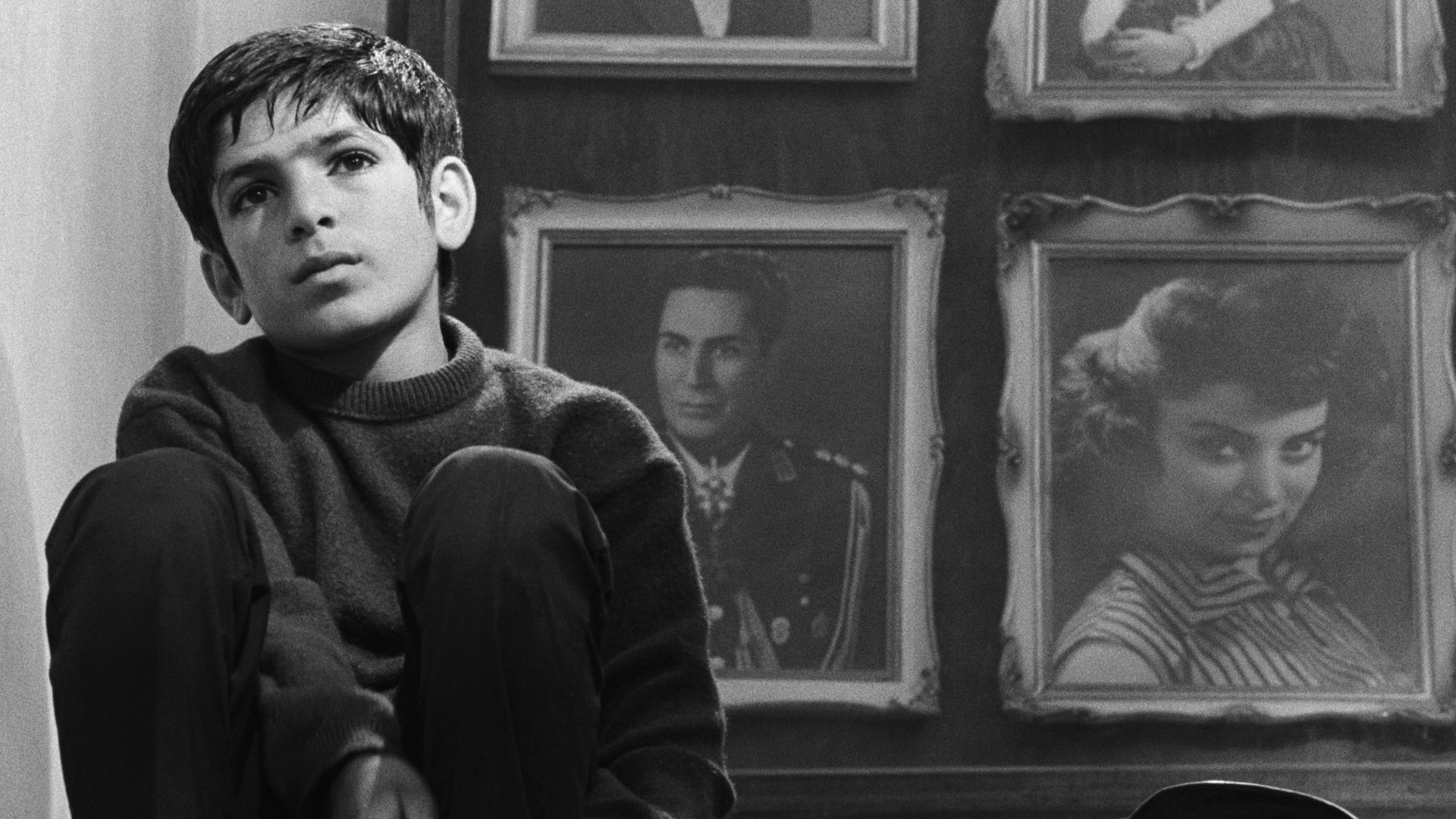
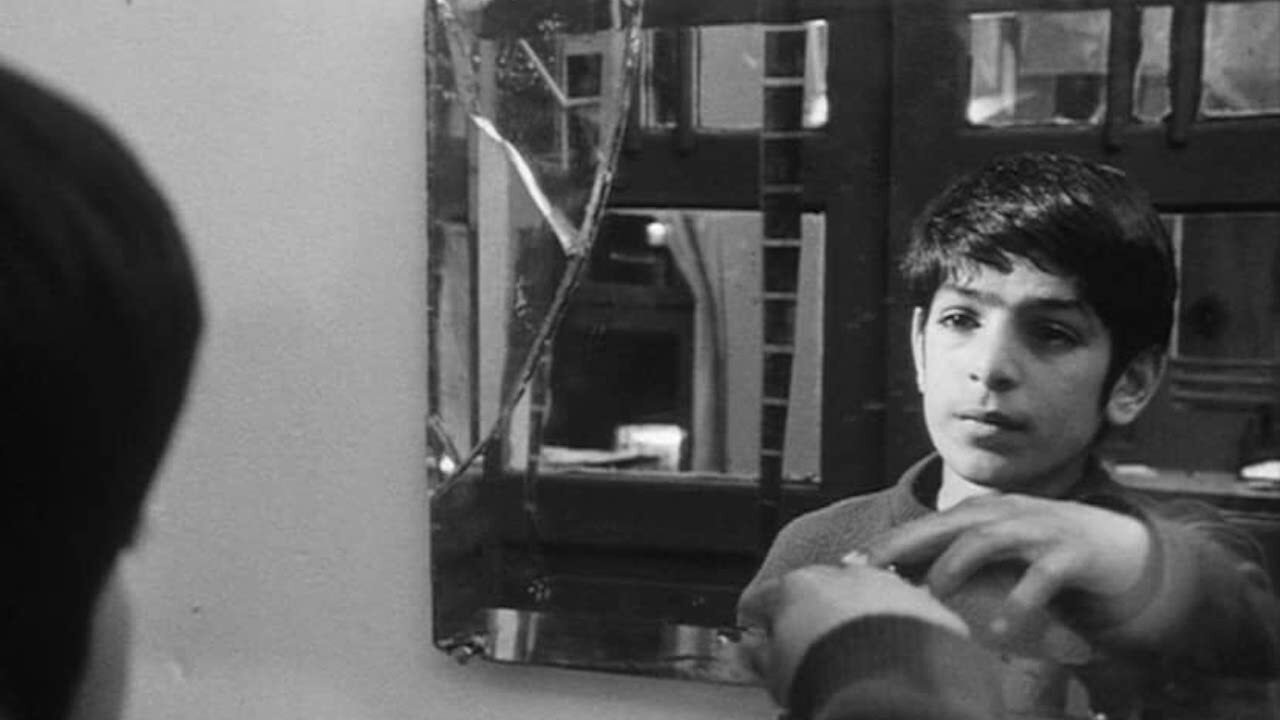
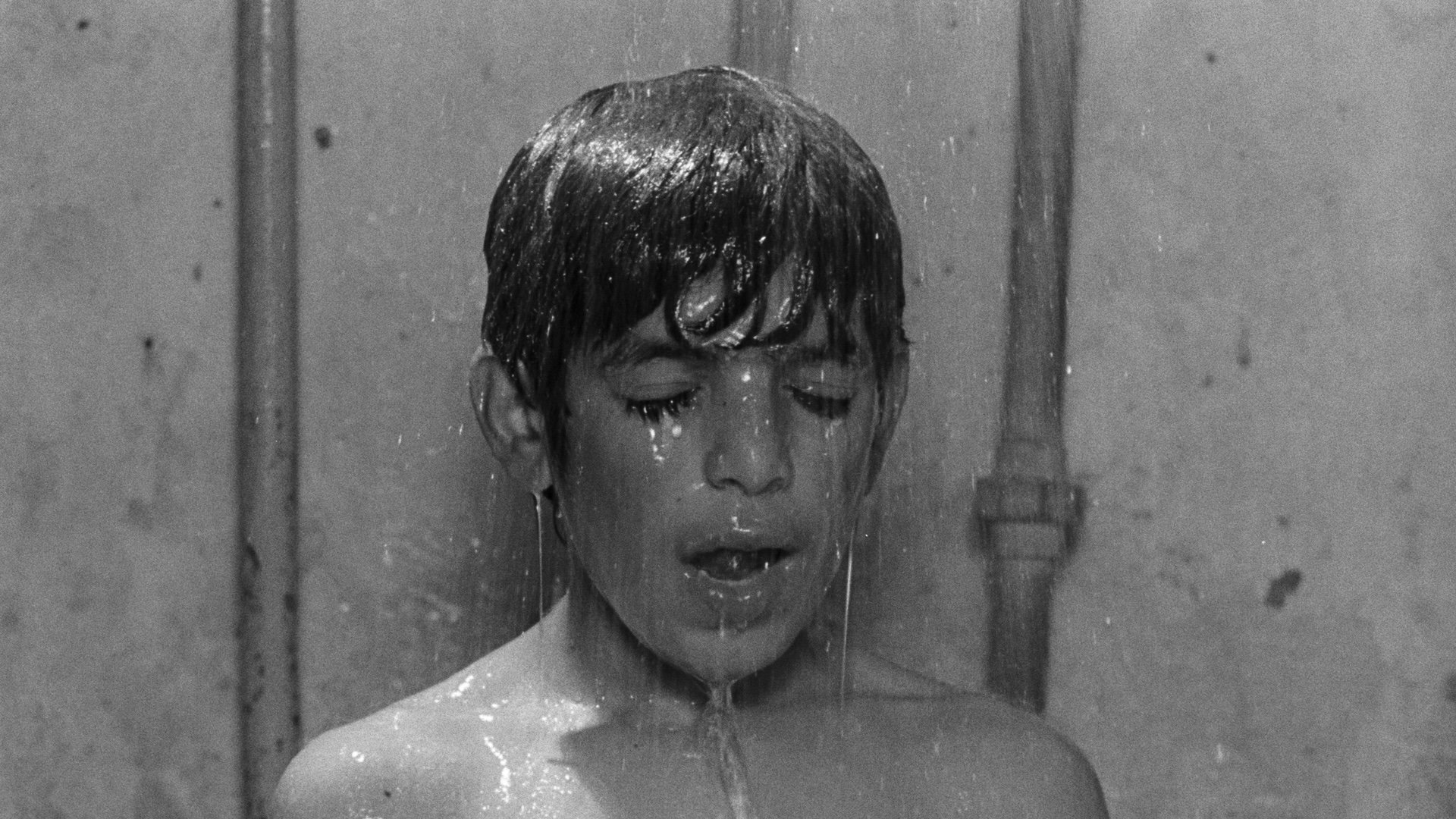
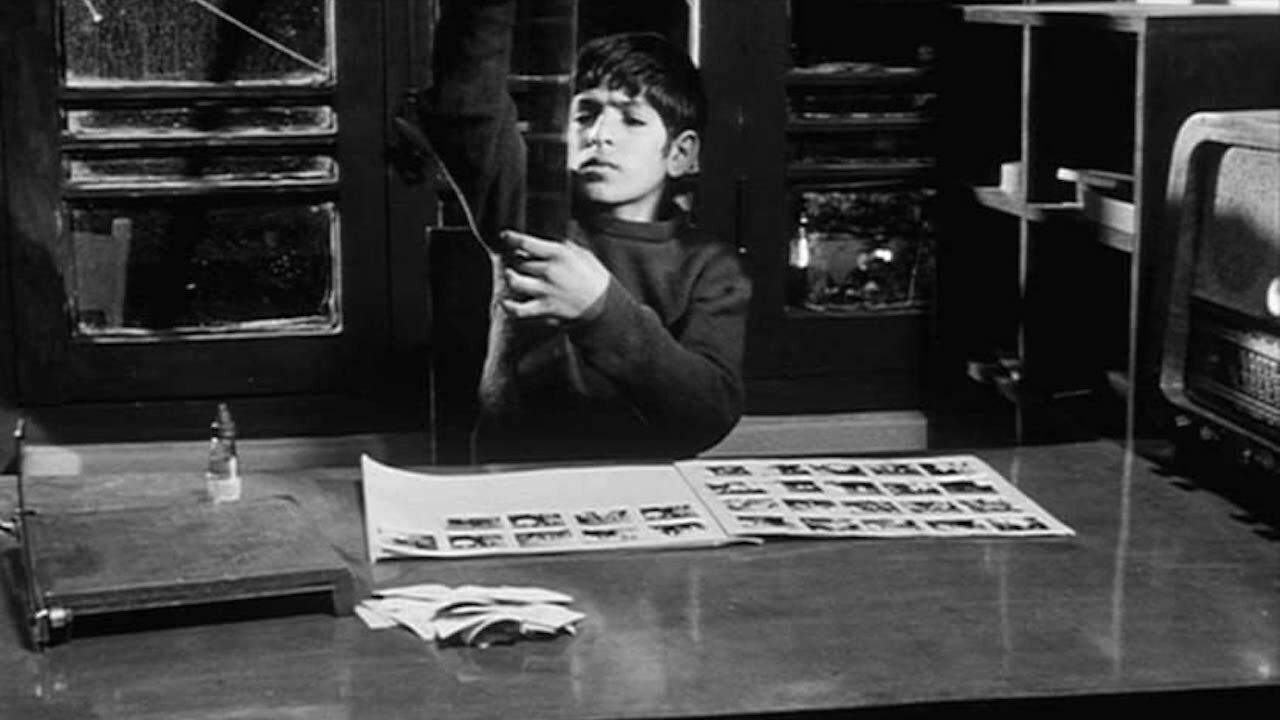
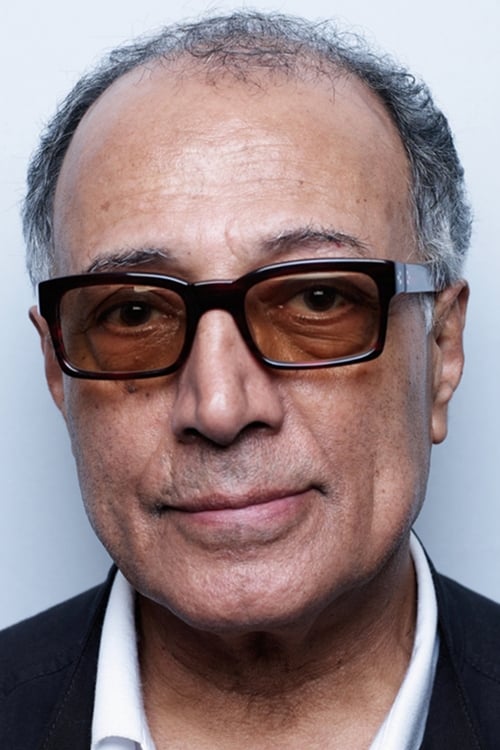
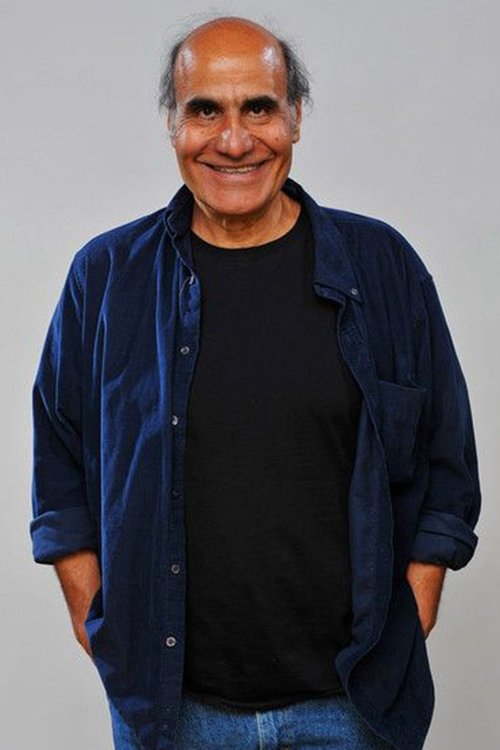
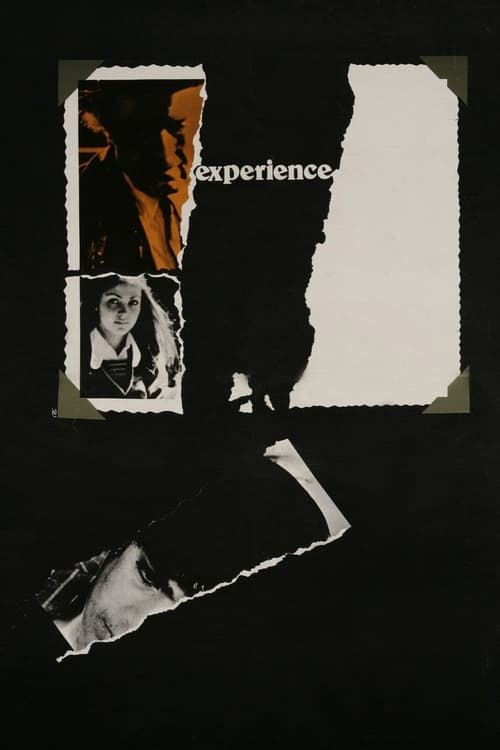
In “Conversations with Kiarostami,” Kiarostami says about the conception of Experience “in those days, we had two kinds of filmmaking in Iran. We had a kind of Hollywood in Iran, and another kind of cinema which was very small. Nader and I both agreed that we belonged to the small cinema. Therefore, I borrowed the story from him.” Overall he says he likes the film he made with the exception being the ending that he does not prefer, feeling it to be too melodramatic and comparing it to Bread and Alley’s ending. Experience feels like a step up from Breaktime with a more focused vision of a story (or rather an exploration of a subject) and doesn’t get too bogged down in proving itself technically, even then it does have some impressive shots without having to use too much fancy equipment. If Bread and Alley is “the mother of all [his] films” then this is the first film that feels truly Kiarostami.
In “Conversations with Kiarostami,” Kiarostami says about the conception of Experience “in those days, we had two kinds of filmmaking in Iran. We had a kind of Hollywood in Iran, and another kind of cinema which was very small. Nader and I both agreed that we belonged to the small cinema. Therefore, I borrowed the story from him.” Overall he says he likes the film he made with the exception being the ending that he does not prefer, feeling it to be too melodramatic and comparing it to Bread and Alley’s ending. Experience feels like a step up from Breaktime with a more focused vision of a story (or rather an exploration of a subject) and doesn’t get too bogged down in proving itself technically, even then it does have some impressive shots without having to use too much fancy equipment. If Bread and Alley is “the mother of all [his] films” then this is the first film that feels truly Kiarostami.