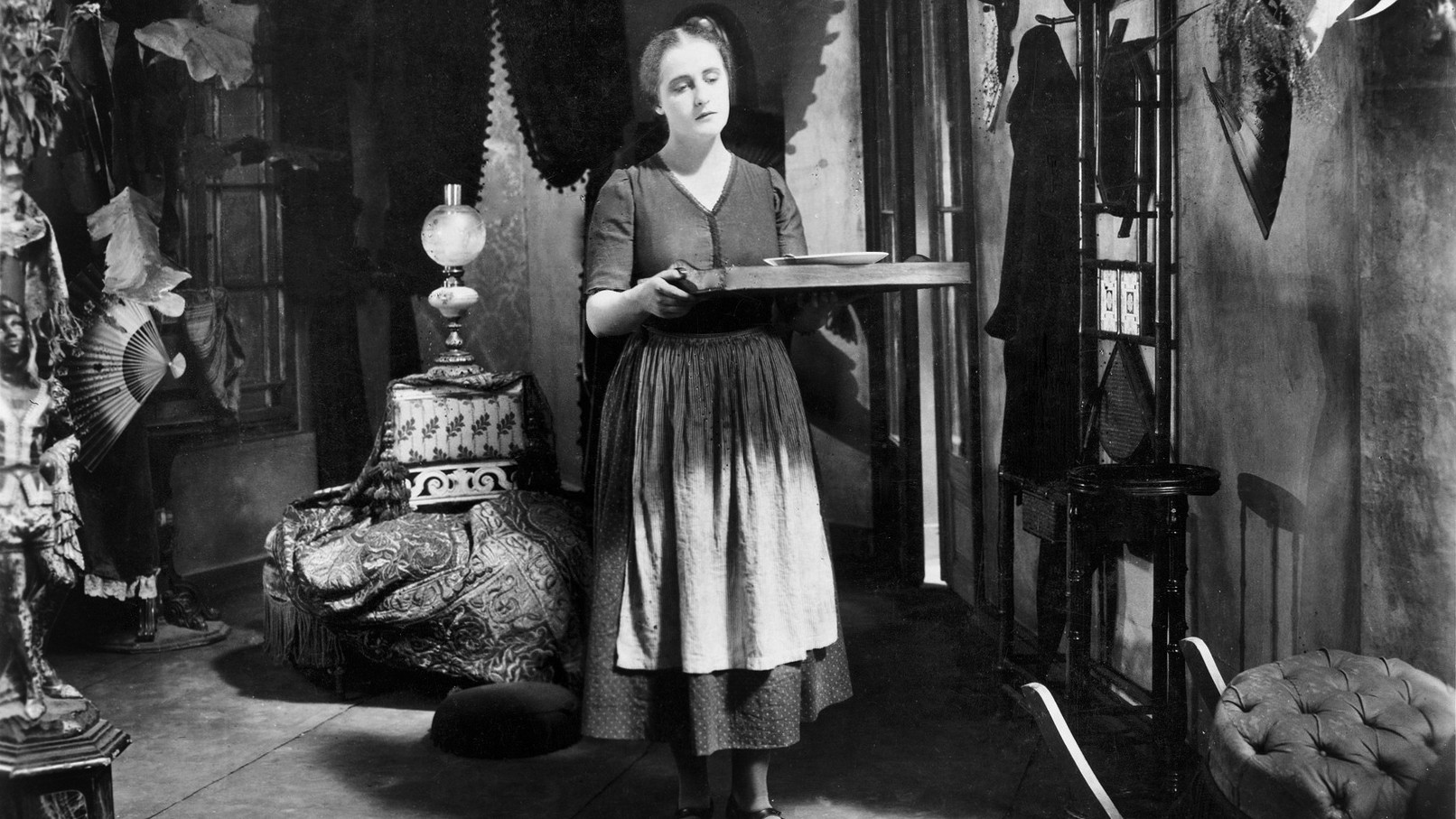
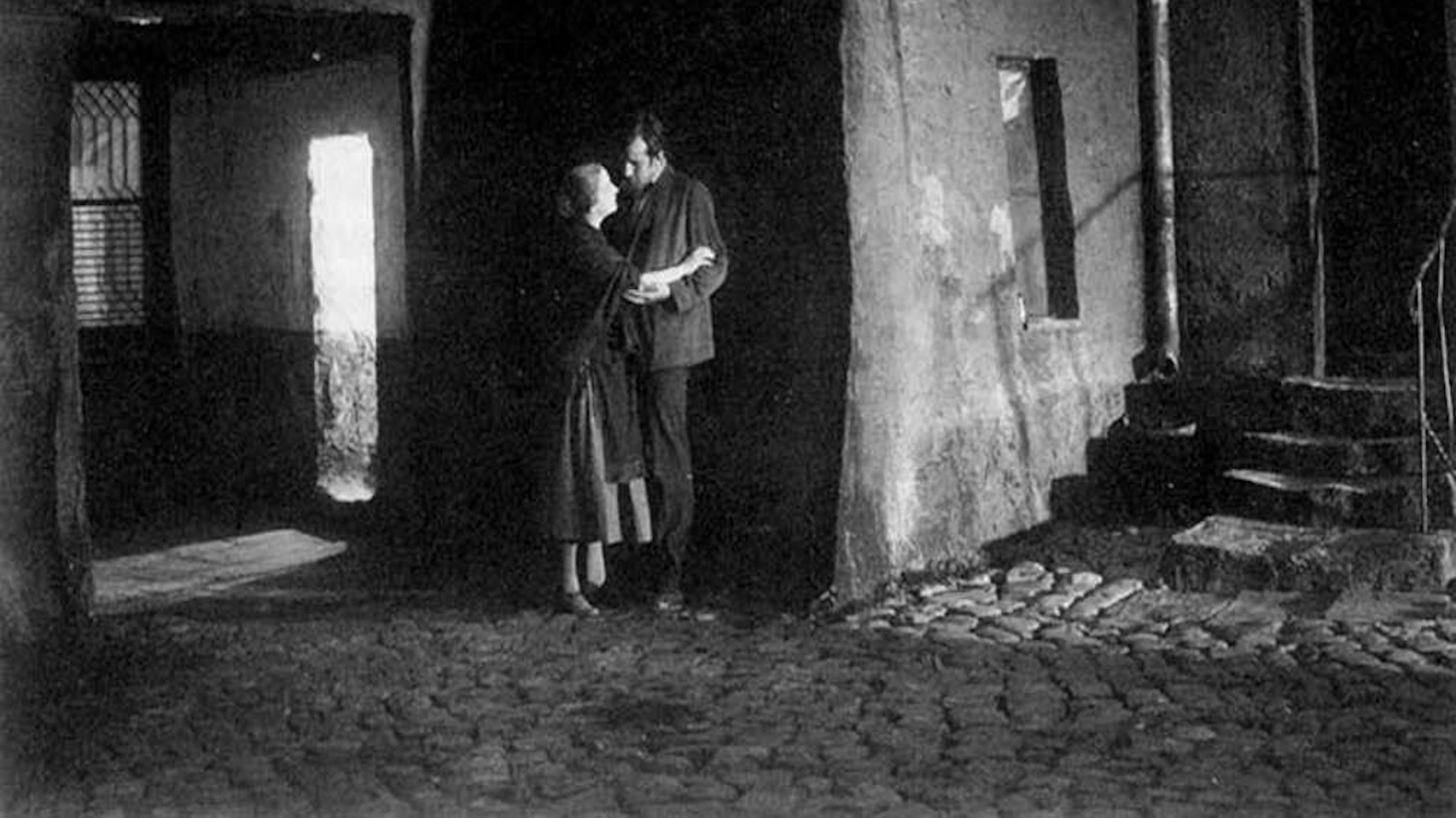
Felt Dostoevskian, like White Nights meets Crime and Punishment. There are very few intertitles, instead relying on the visuals and personas to inform our feelings and experience. The poor and destitute are the focus of the film; we spend a lot of time observing them in their daily routines and their respective observations. One thing I liked so much was the nontraditional beauty of any of the characters. Despite the lack of visual appeal, our empathy is fostered through the numerous repetitions of acts: mail delivery, dinner set-ups, yearning and spying. The acting is quite stagey and dated, but the progressive accentuations elevate the drama and culminate coherently toward the traumatic ending.
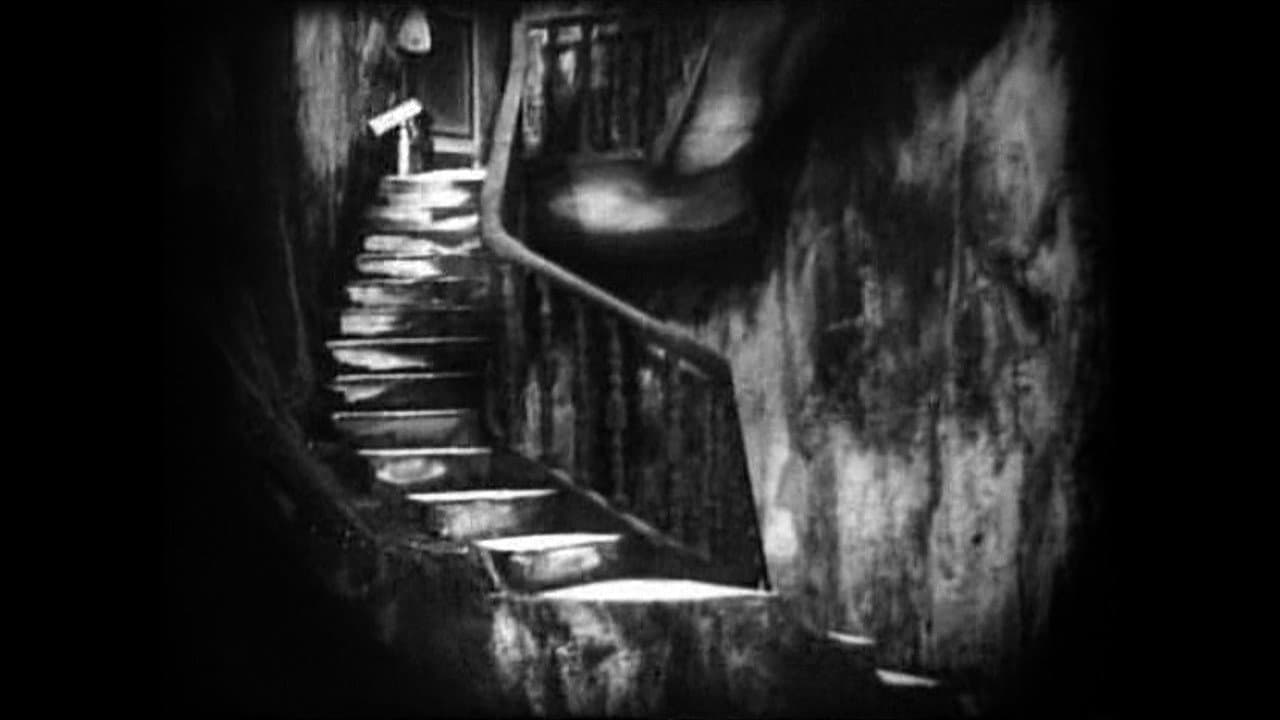
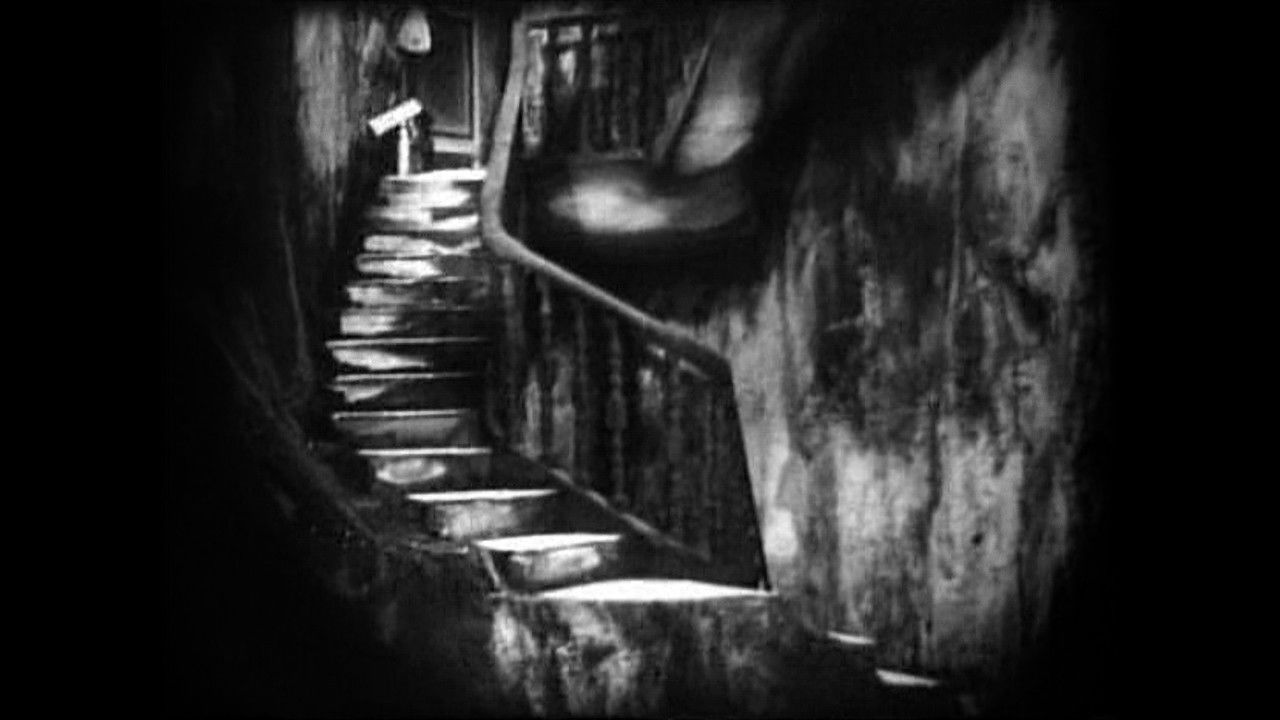
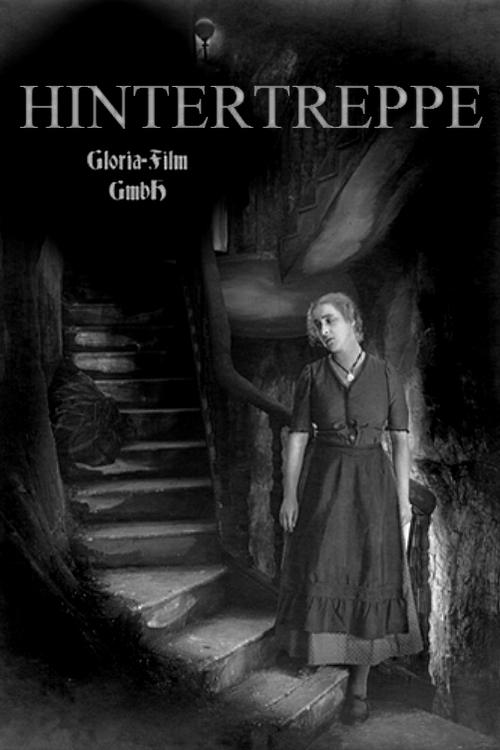
We really get in the heads of our two main protagonists, the woman and the mailman. The bulk of their initial interactions occur on this striking stairway that’s expressionistic without being abrasively angular or geometric. Instead, the visuals of this stairway emphasize the poverty and class orientation of our inhabitants. The lighting is perfectly suited to bring out all the dour unspoken futilities these characters face, the woman clutching to hopes of her handsome lover and the mailman forever bound to face but never confront his love. Some of the spotlighted items like the doorbell rope infuse a smart formalism that compensates for a flatter camera.
Overall, I found this enchanting. It tapped into the ethos of the marginalized in a palpable and mentally stimulating way. It pays the kind of humanistic respect to its characters in a way reminiscent of Bela Tarr. This is an ugly world but still occupied by human beings who think and feel. The fates of each character are tragically beautiful in their own way. The ending floored me, its abruptness pulling the proverbial rug from beneath my feet.
Felt Dostoevskian, like White Nights meets Crime and Punishment. There are very few intertitles, instead relying on the visuals and personas to inform our feelings and experience. The poor and destitute are the focus of the film; we spend a lot of time observing them in their daily routines and their respective observations. One thing I liked so much was the nontraditional beauty of any of the characters. Despite the lack of visual appeal, our empathy is fostered through the numerous repetitions of acts: mail delivery, dinner set-ups, yearning and spying. The acting is quite stagey and dated, but the progressive accentuations elevate the drama and culminate coherently toward the traumatic ending.
We really get in the heads of our two main protagonists, the woman and the mailman. The bulk of their initial interactions occur on this striking stairway that’s expressionistic without being abrasively angular or geometric. Instead, the visuals of this stairway emphasize the poverty and class orientation of our inhabitants. The lighting is perfectly suited to bring out all the dour unspoken futilities these characters face, the woman clutching to hopes of her handsome lover and the mailman forever bound to face but never confront his love. Some of the spotlighted items like the doorbell rope infuse a smart formalism that compensates for a flatter camera.
Overall, I found this enchanting. It tapped into the ethos of the marginalized in a palpable and mentally stimulating way. It pays the kind of humanistic respect to its characters in a way reminiscent of Bela Tarr. This is an ugly world but still occupied by human beings who think and feel. The fates of each character are tragically beautiful in their own way. The ending floored me, its abruptness pulling the proverbial rug from beneath my feet.