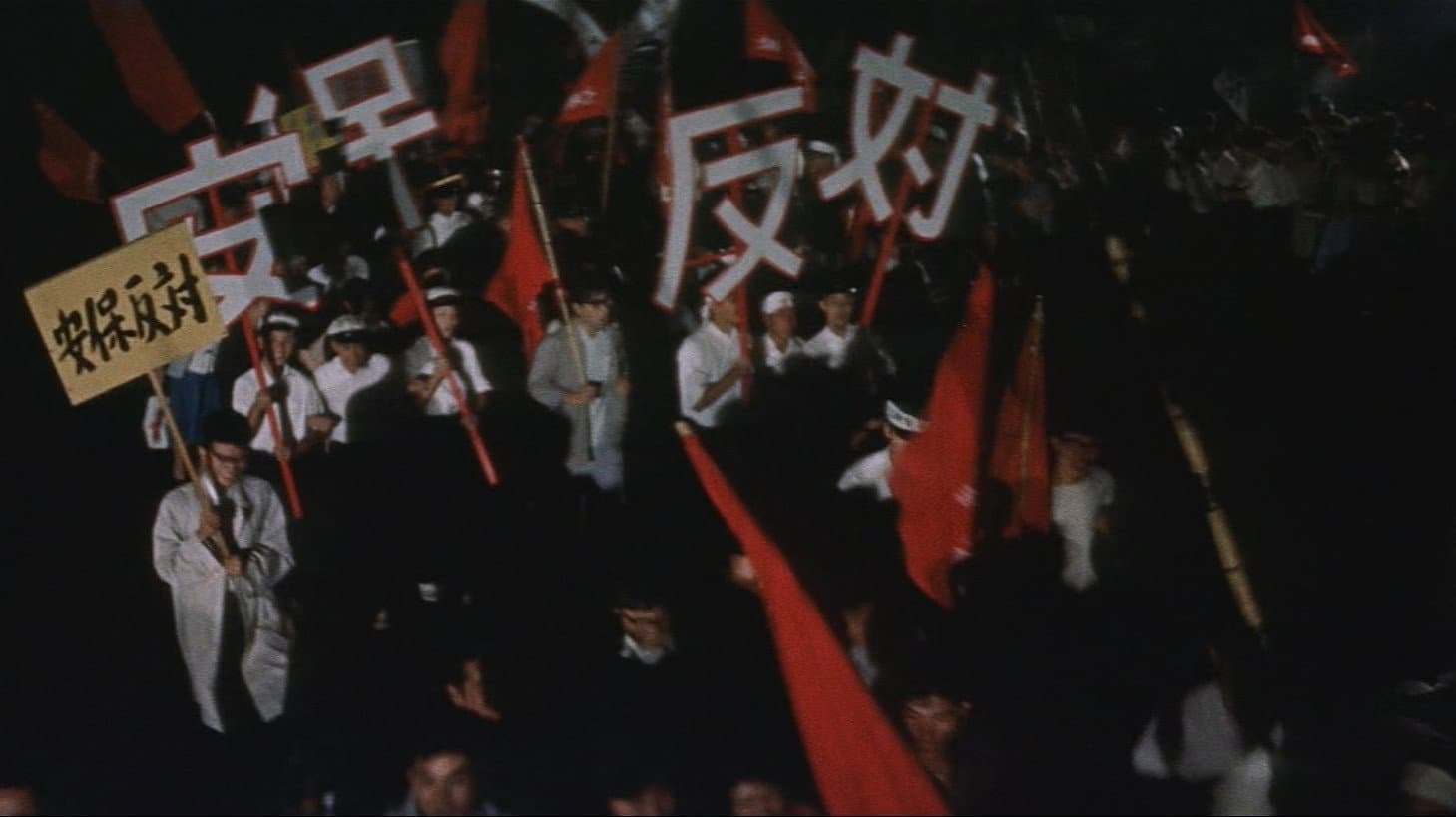
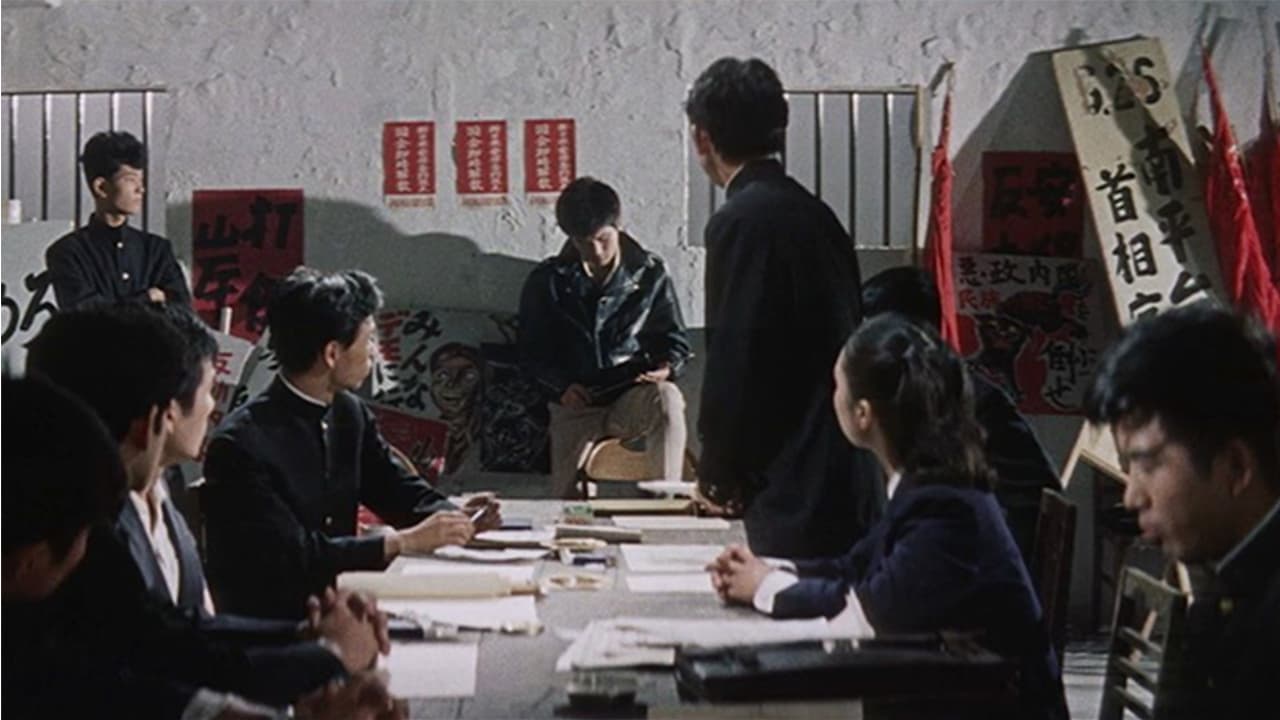
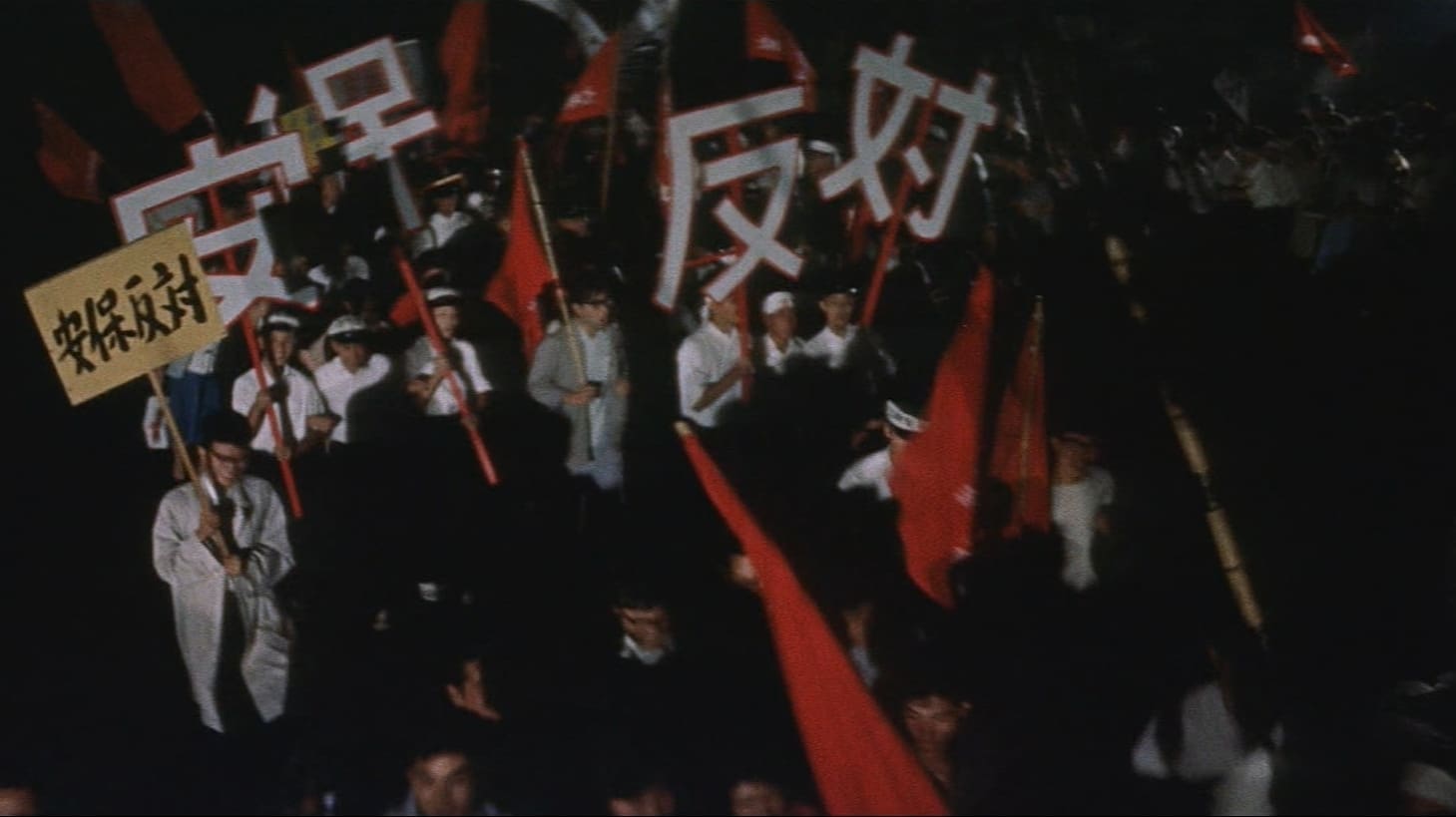
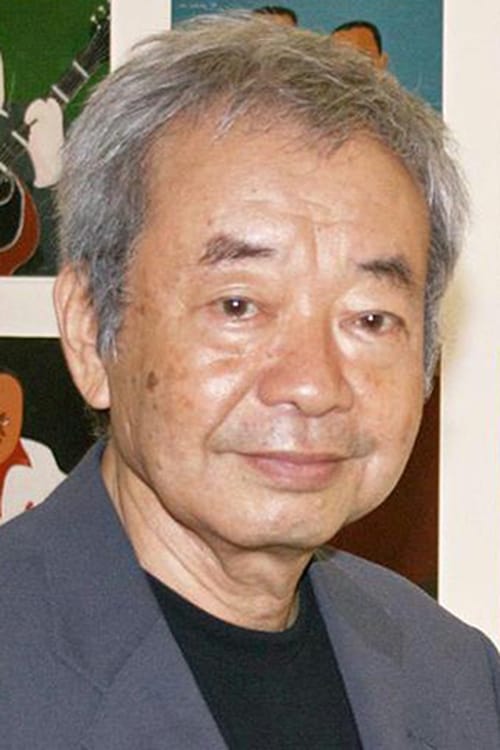
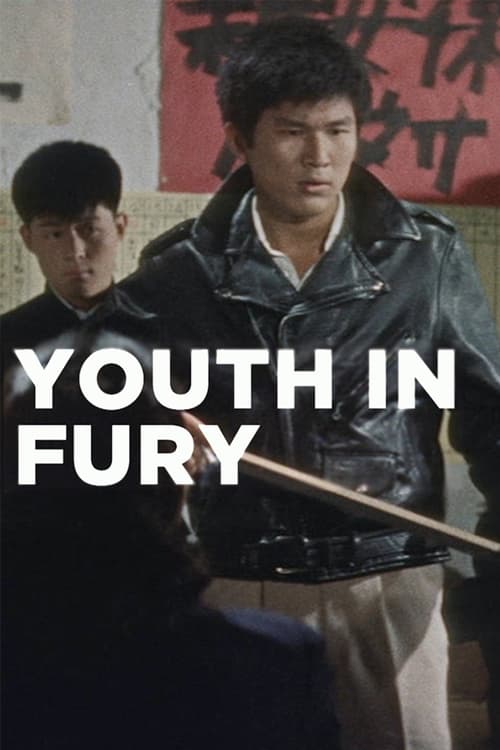
Director- Shinoda Masahiro.This is the third film I have seen of his. With this film, I am taking a step back to the starting time of the Japanese New Wave, specifically to the year 1960, when Nagisa Oshima's three films were released: The Sun's Burial, Night and Fog in Japan, and Cruel Story of Youth. Youth in Fury is the weakest film I have seen that was released in that year.This work has the typical disillusioned youth themes to it, and it more or less creates the template that any Punk film of the eighties proceeded to follow later on. Still, it uniquely tackles the themes, adding a novelty factor to the film. The protagonist this time around is someone who is one step in the world of the gatherings of the sun tribe, the uber-rich, while the other is in the world of the protestors. While the rich are doing nothing and living within their sheltered bubbles, the protestors are risking their life for the cause daily.The film shows us how deeply rooted capitalism and greed were during the 60s as well, through the mother of the female lead, who sells her daughter to a politician who may have been the main cause of the death of their father.Another detail I observed in the film is how big of a backdrop the Anpo Riots are, as this film was made around the same time. The film succeeds in demonising the rich, making them materialistic and making them treat others as playthings. This reminded me of the villagers from Woman in the Dunes.Shinoda, through the protagonist, is painting a grey picture of the events for everyone involved. He believes that they protest for meaningless reasons which won't bring a positive enough change and that they should be using their efforts to strong-arm the government to bend to their will. This quite reminded me of the Japanese Red Army, a terrorist organisation which had similar tendencies on a much bigger global scale.His getting caught at the end was, even though, it was still hilarious. He is shown to make grand plans, but doesn't follow through with any of them. Through his jumping into the thick of it every time, he prolongs the time taken to finish the task. From the interactions of the protagonist we learn that he is quite indecisive and impulsive, in both his personal life as well as his professional one. Thus he suffers from a lack of able to give a commitment. He also used the organisation funds for random personal things which shows us how he lacks accountability similar to the rich.The open ended nature the ending has doesn't feel off at all. The film also shows us why one must assess who is one's friend group as they might be a bad influence hiding behind a mask of being a trustworthy individual.Overall, this is a really good film and a must-watch for those trying to finish the New Wave, and with this, I am one step closer to finishing Shinoda's filmography.
Director- Shinoda Masahiro.This is the third film I have seen of his. With this film, I am taking a step back to the starting time of the Japanese New Wave, specifically to the year 1960, when Nagisa Oshima's three films were released: The Sun's Burial, Night and Fog in Japan, and Cruel Story of Youth. Youth in Fury is the weakest film I have seen that was released in that year.This work has the typical disillusioned youth themes to it, and it more or less creates the template that any Punk film of the eighties proceeded to follow later on. Still, it uniquely tackles the themes, adding a novelty factor to the film. The protagonist this time around is someone who is one step in the world of the gatherings of the sun tribe, the uber-rich, while the other is in the world of the protestors. While the rich are doing nothing and living within their sheltered bubbles, the protestors are risking their life for the cause daily.The film shows us how deeply rooted capitalism and greed were during the 60s as well, through the mother of the female lead, who sells her daughter to a politician who may have been the main cause of the death of their father.Another detail I observed in the film is how big of a backdrop the Anpo Riots are, as this film was made around the same time. The film succeeds in demonising the rich, making them materialistic and making them treat others as playthings. This reminded me of the villagers from Woman in the Dunes.Shinoda, through the protagonist, is painting a grey picture of the events for everyone involved. He believes that they protest for meaningless reasons which won't bring a positive enough change and that they should be using their efforts to strong-arm the government to bend to their will. This quite reminded me of the Japanese Red Army, a terrorist organisation which had similar tendencies on a much bigger global scale.His getting caught at the end was, even though, it was still hilarious. He is shown to make grand plans, but doesn't follow through with any of them. Through his jumping into the thick of it every time, he prolongs the time taken to finish the task. From the interactions of the protagonist we learn that he is quite indecisive and impulsive, in both his personal life as well as his professional one. Thus he suffers from a lack of able to give a commitment. He also used the organisation funds for random personal things which shows us how he lacks accountability similar to the rich.The open ended nature the ending has doesn't feel off at all. The film also shows us why one must assess who is one's friend group as they might be a bad influence hiding behind a mask of being a trustworthy individual.Overall, this is a really good film and a must-watch for those trying to finish the New Wave, and with this, I am one step closer to finishing Shinoda's filmography.