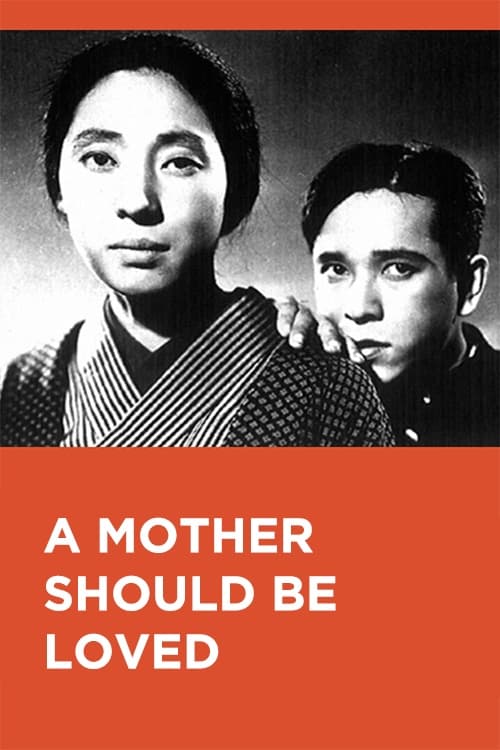
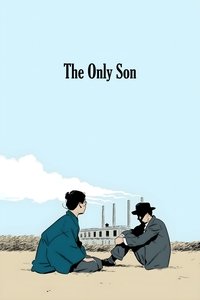
Most reviewers here might have you believe this is a lesser Ozu. I disagree. It’s minor, but not lesser. Its first and last reel are missing. The first reel’s absence (potentially) deprives the visual imprint of the immediately deceased father. His absence is the catalyst to the film’s core drama. The last reel’s absence disappears the resolution, a final reconciliation visually gone.
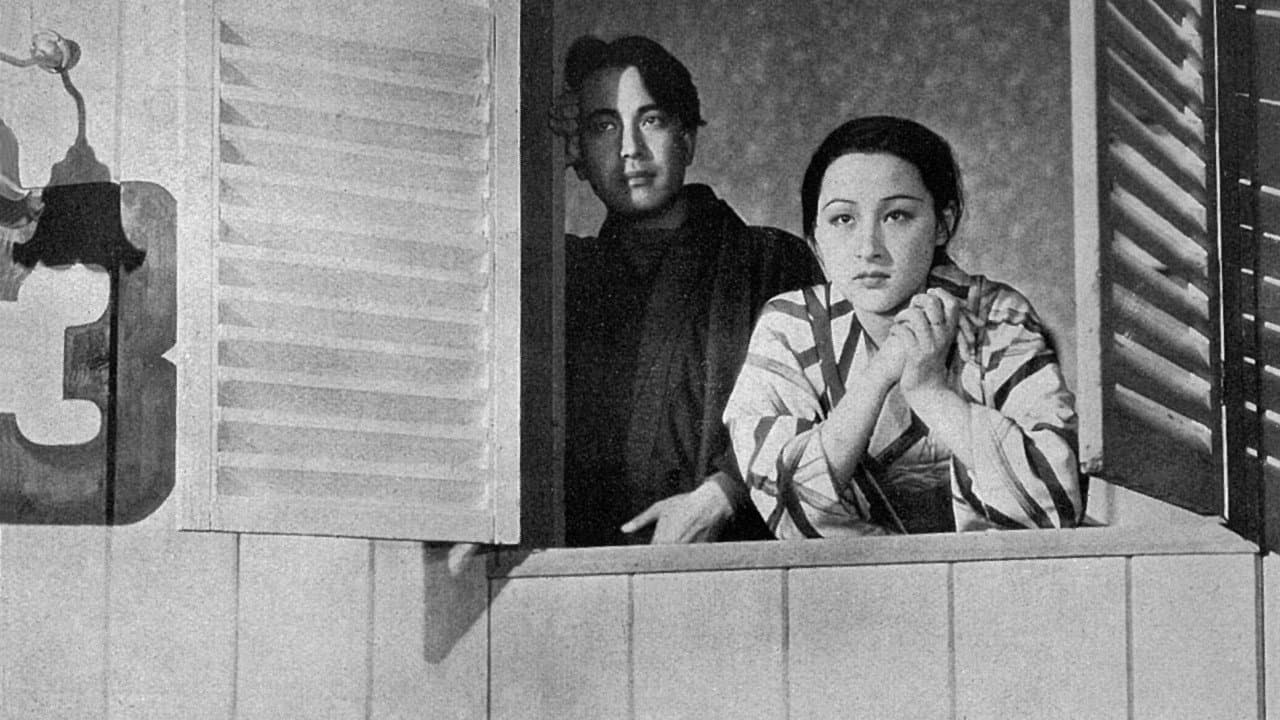
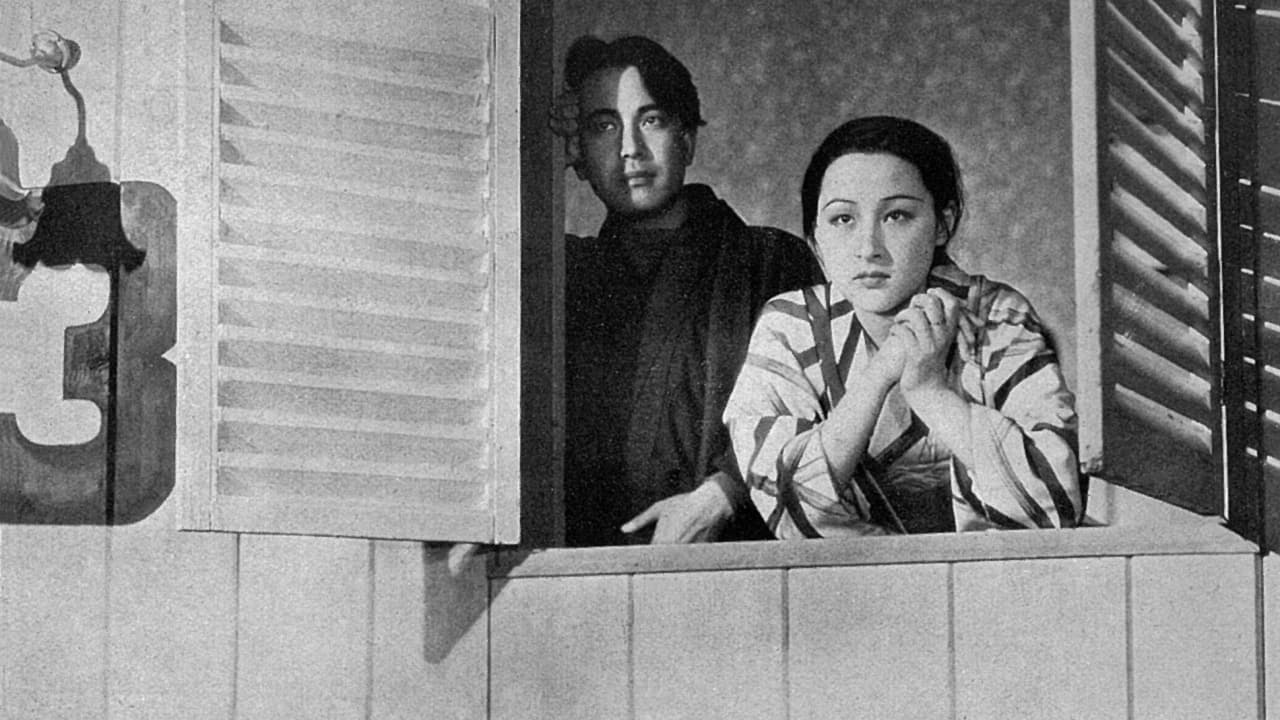
With that said, I found the interior story archetypal. The story truncates and forgoes temporal nuance in favour of “getting to the point.” Ozu strikes a balance with framing, his tatami-height camera at the top of its game. Especially in the latter half of the film, where the two sons dramatically spar through both physical and verbal conflict, the camera accentuates the drama.
I watched a few earlier Ozu silents. While Ozu was formally crafting his signatures through myriad ways, his command of the camera feels most prominent. This one had the strongest formal grasp of its camera’s impact. There’s a strinkingly modern zoom out that emphasizes the framing of mother and son in the whorehouse with a silent “dun dun.”
Other reviews commonly point to the surprising violence of this movie, relative to Ozu’s work. There are two key moments of violence. One, where the elder son Sadao slaps a woman, which feels unfortunately timely, and two, where the younger brother barragingly slaps his older brother. Both explosions of violence implicitly betray power dynamics.
Sadao’s outburst against the woman of the whorehouse seems plainly patriarchal, misogyny baked into the violence. But the physical slaps/hits from younger brother, Kosaku, toward older brother Sadao reveal a more dramatic landscape. Sadao’s physicality betrays a conflict reflective of his status within the role as pseudo-patriarch.
In every climactic showdown between brothers, the camera height amplifies the stakes. Sadao’s continual refrain from hitting back betrays his true inner conflict. This was unfortunately unrealized by the missing footage.
If this movie was available in its entirety, I do believe it would be quite well regarded as an earlier porgenitor of Ozu’s myriad masteries.
Most reviewers here might have you believe this is a lesser Ozu. I disagree. It’s minor, but not lesser. Its first and last reel are missing. The first reel’s absence (potentially) deprives the visual imprint of the immediately deceased father. His absence is the catalyst to the film’s core drama. The last reel’s absence disappears the resolution, a final reconciliation visually gone.
With that said, I found the interior story archetypal. The story truncates and forgoes temporal nuance in favour of “getting to the point.” Ozu strikes a balance with framing, his tatami-height camera at the top of its game. Especially in the latter half of the film, where the two sons dramatically spar through both physical and verbal conflict, the camera accentuates the drama.
I watched a few earlier Ozu silents. While Ozu was formally crafting his signatures through myriad ways, his command of the camera feels most prominent. This one had the strongest formal grasp of its camera’s impact. There’s a strinkingly modern zoom out that emphasizes the framing of mother and son in the whorehouse with a silent “dun dun.”
Other reviews commonly point to the surprising violence of this movie, relative to Ozu’s work. There are two key moments of violence. One, where the elder son Sadao slaps a woman, which feels unfortunately timely, and two, where the younger brother barragingly slaps his older brother. Both explosions of violence implicitly betray power dynamics.
Sadao’s outburst against the woman of the whorehouse seems plainly patriarchal, misogyny baked into the violence. But the physical slaps/hits from younger brother, Kosaku, toward older brother Sadao reveal a more dramatic landscape. Sadao’s physicality betrays a conflict reflective of his status within the role as pseudo-patriarch.
In every climactic showdown between brothers, the camera height amplifies the stakes. Sadao’s continual refrain from hitting back betrays his true inner conflict. This was unfortunately unrealized by the missing footage.
If this movie was available in its entirety, I do believe it would be quite well regarded as an earlier porgenitor of Ozu’s myriad masteries.