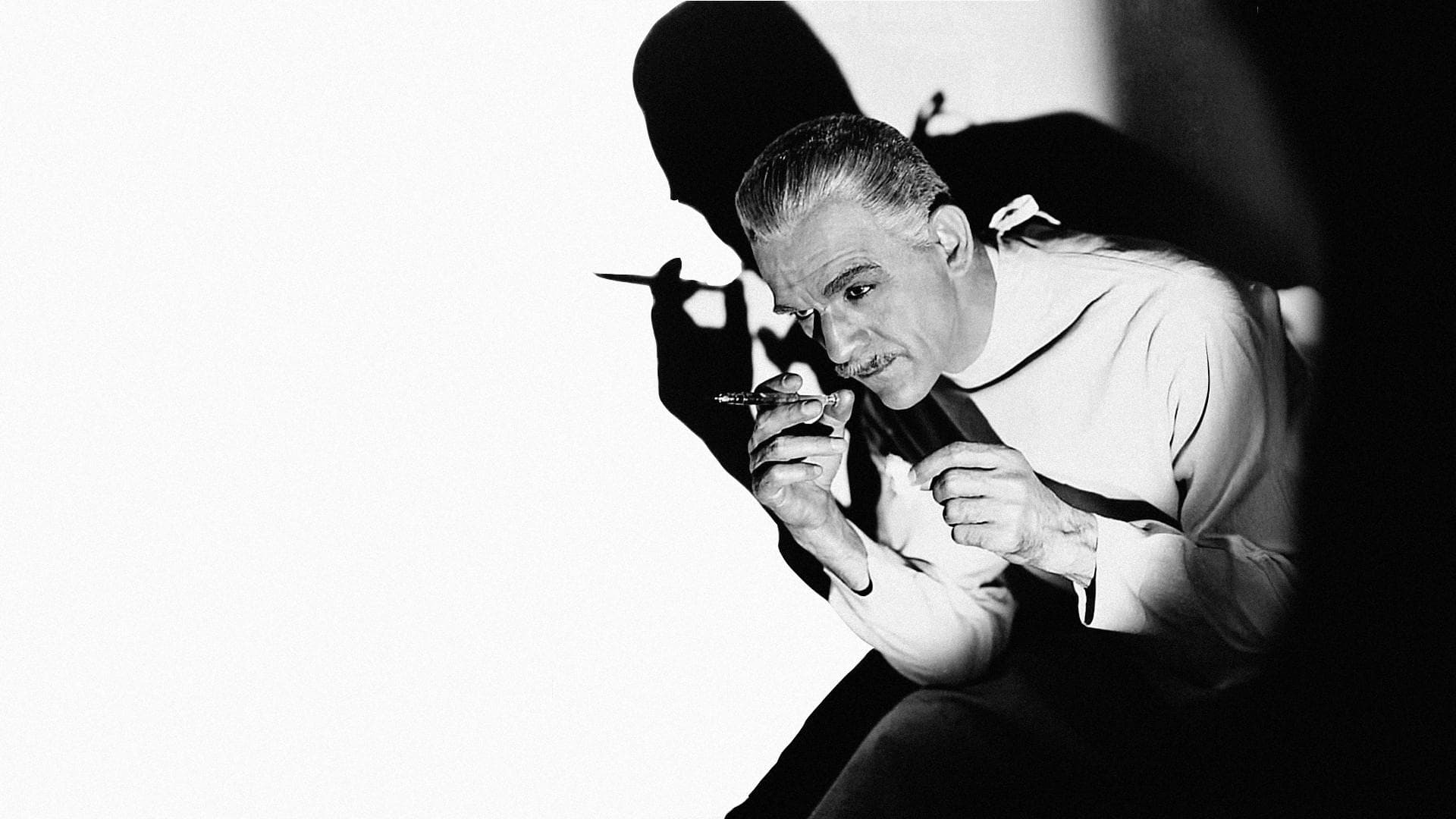
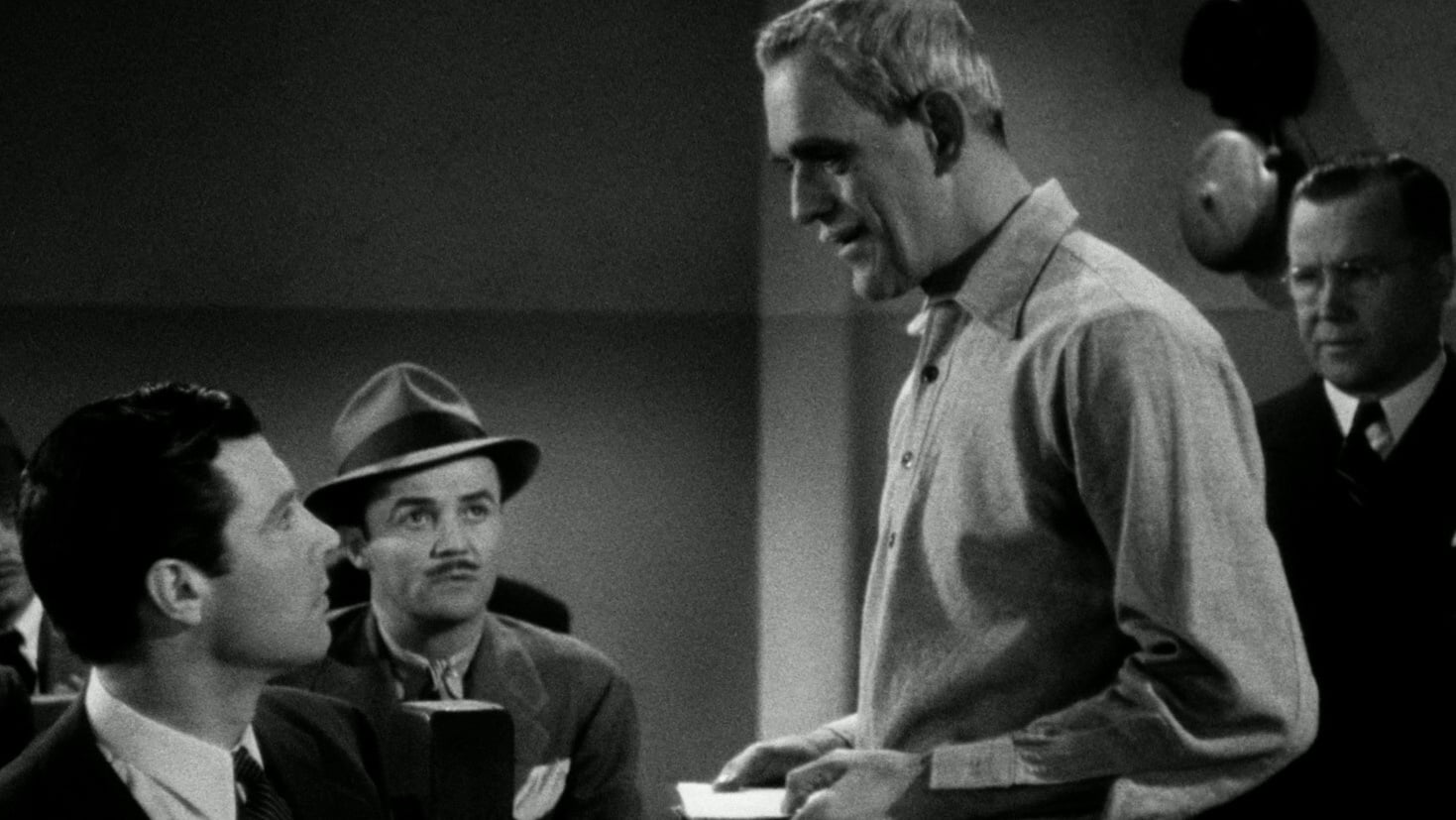
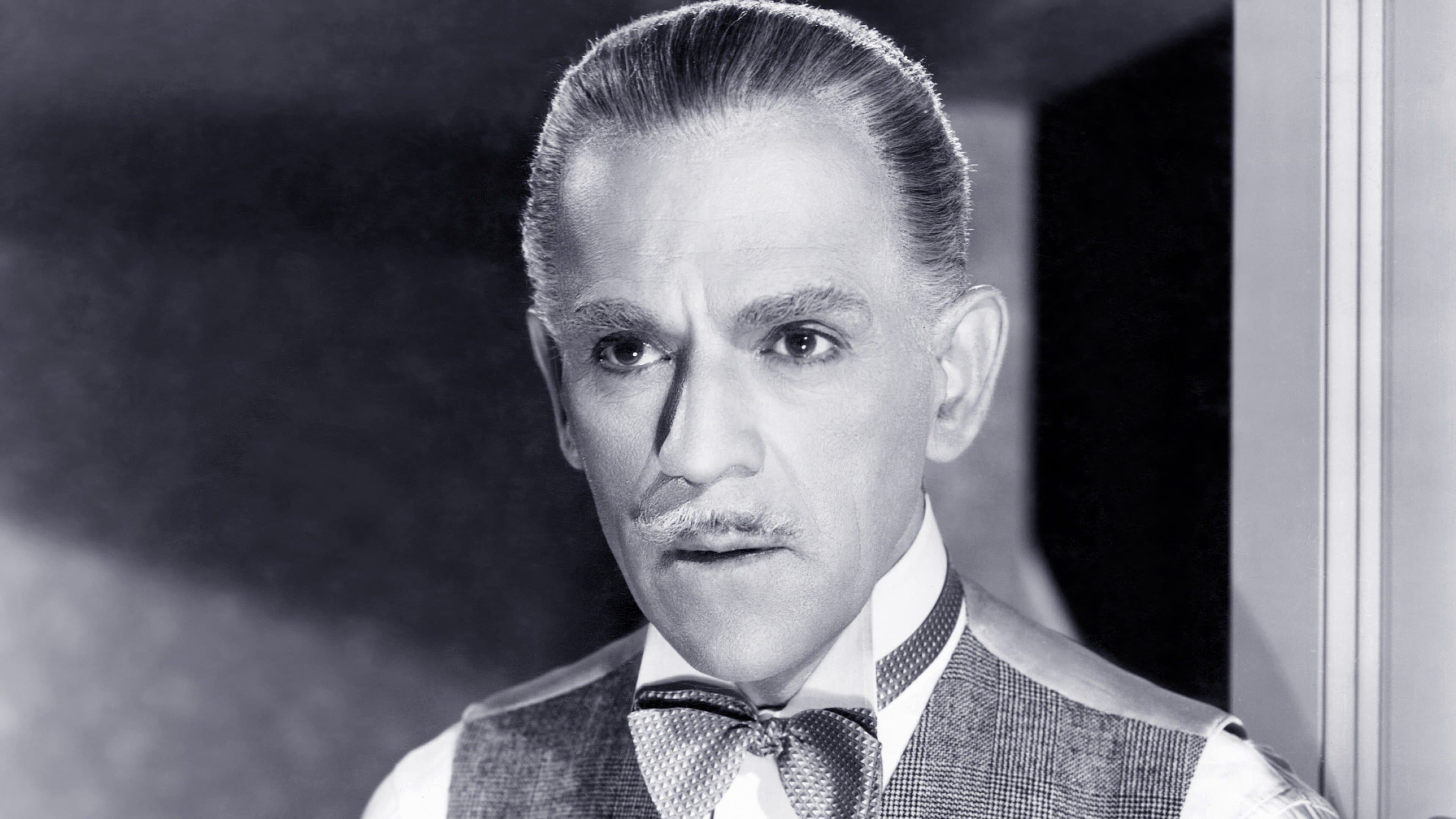
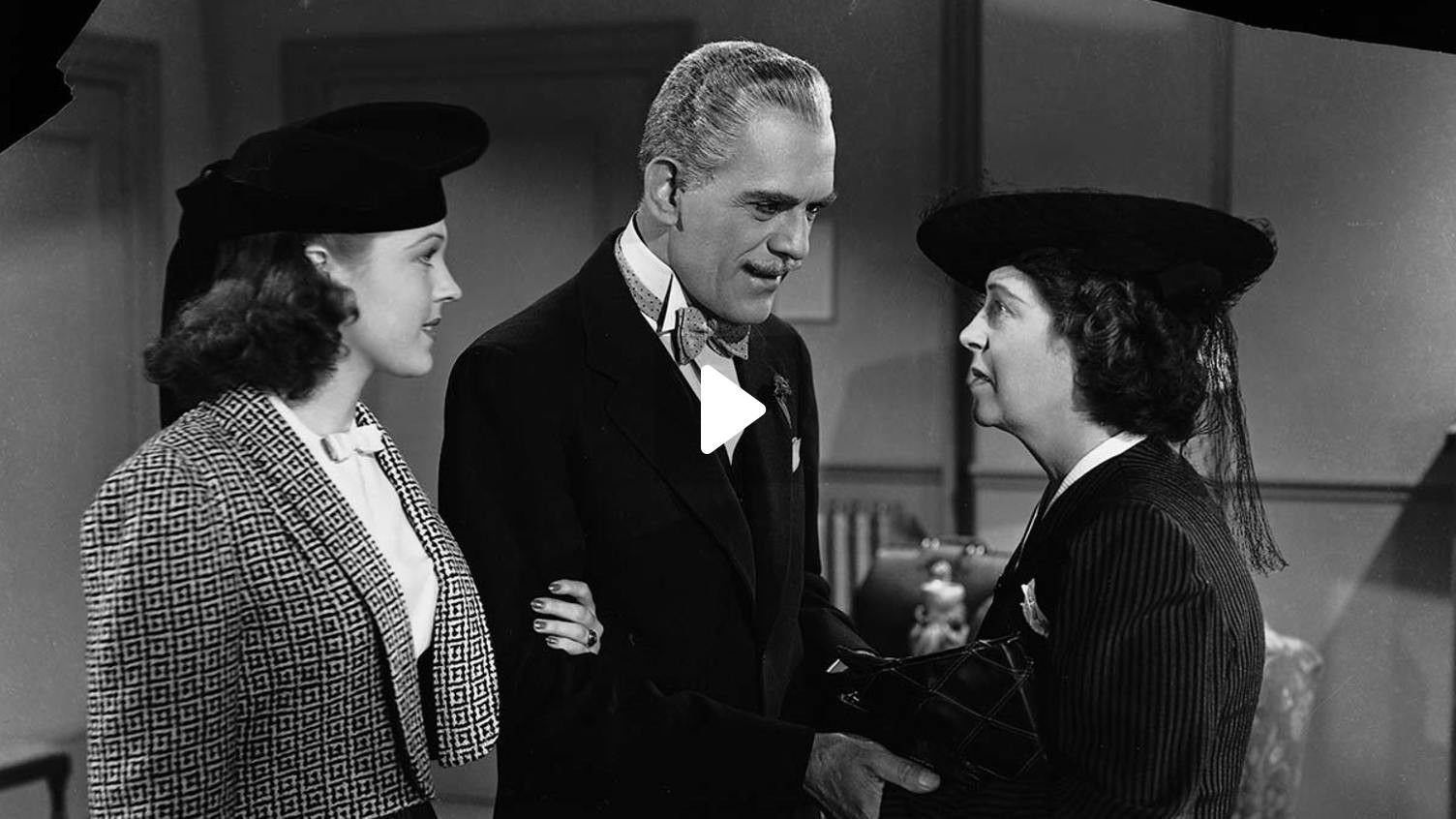
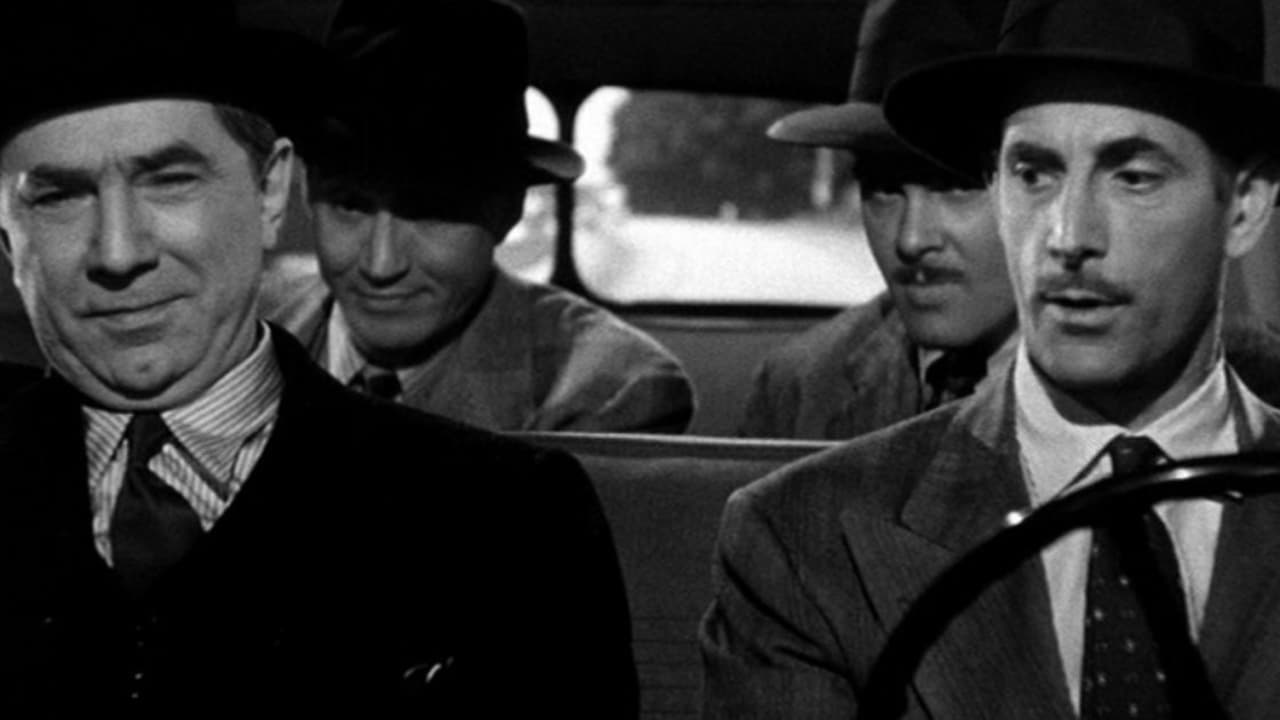
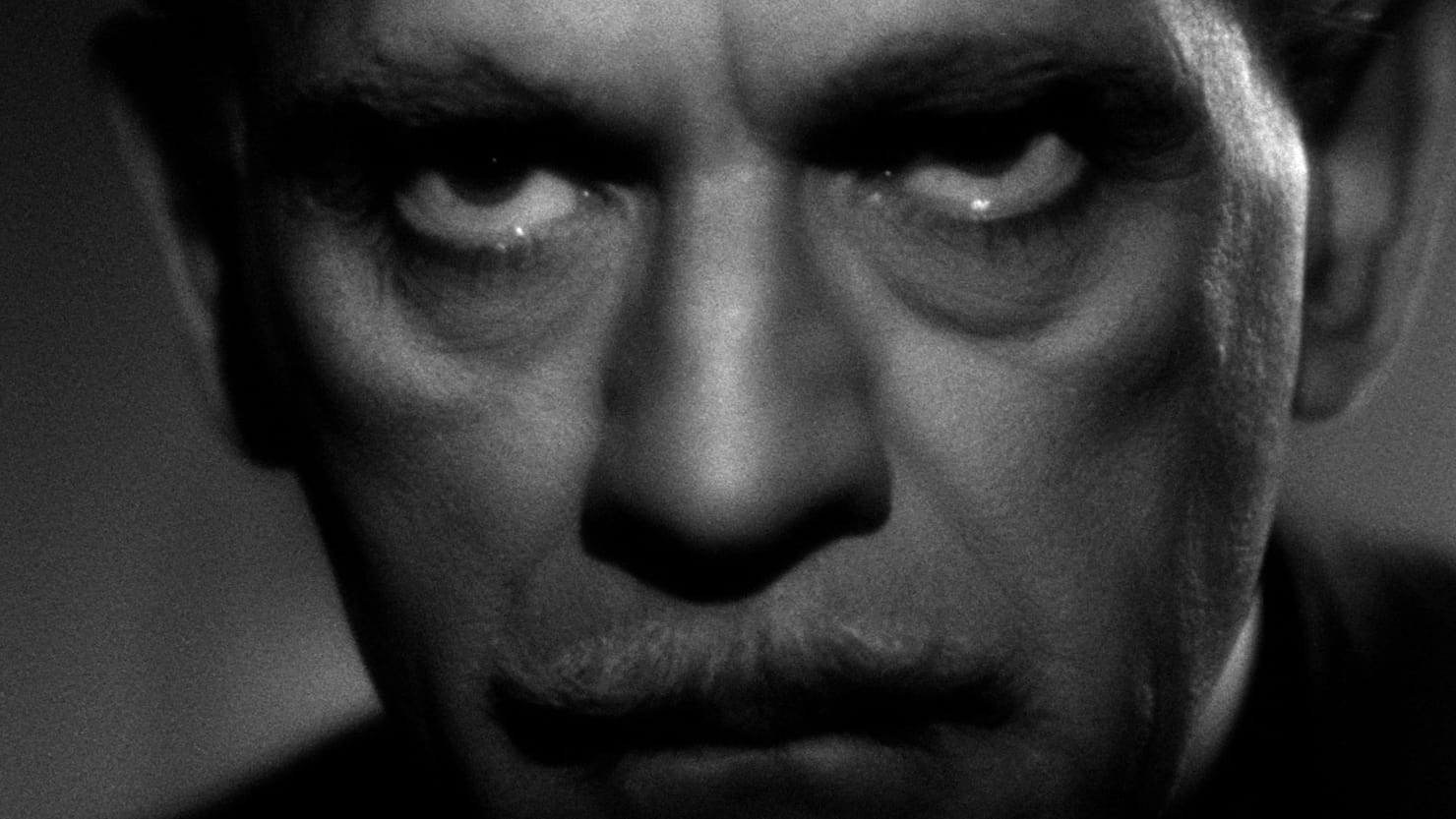
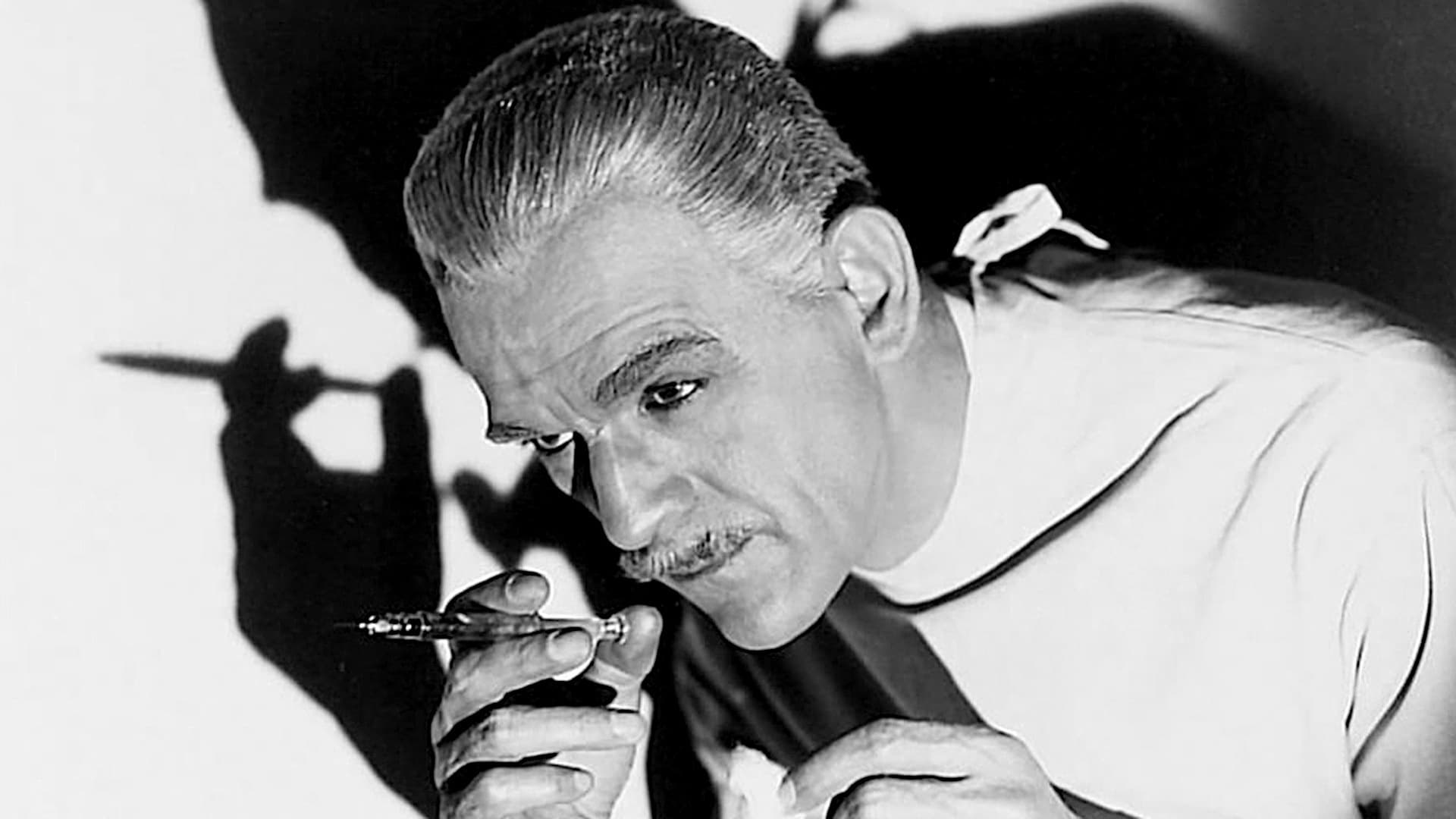
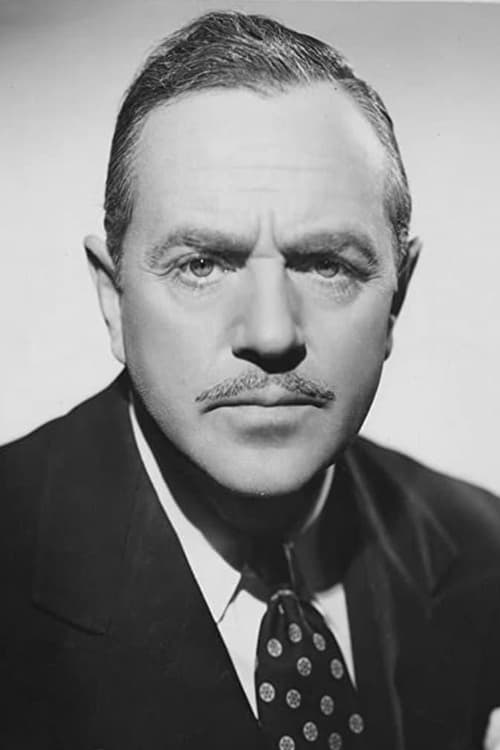
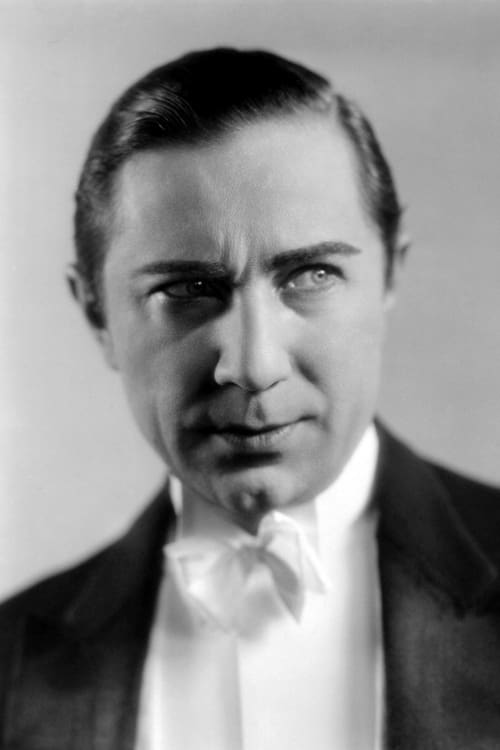
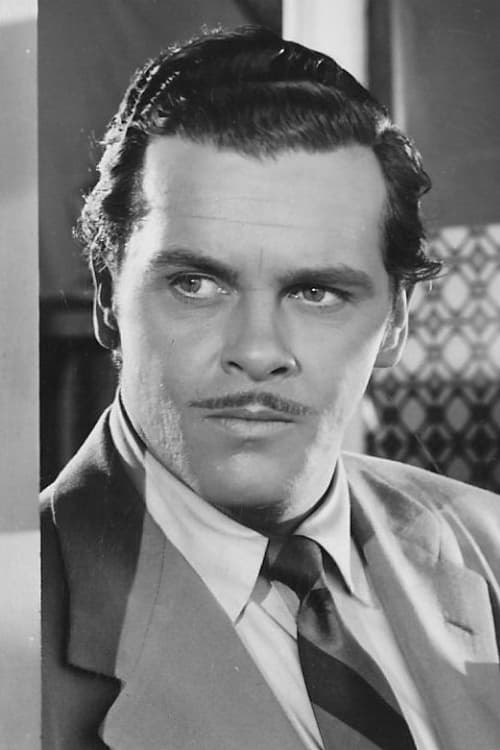
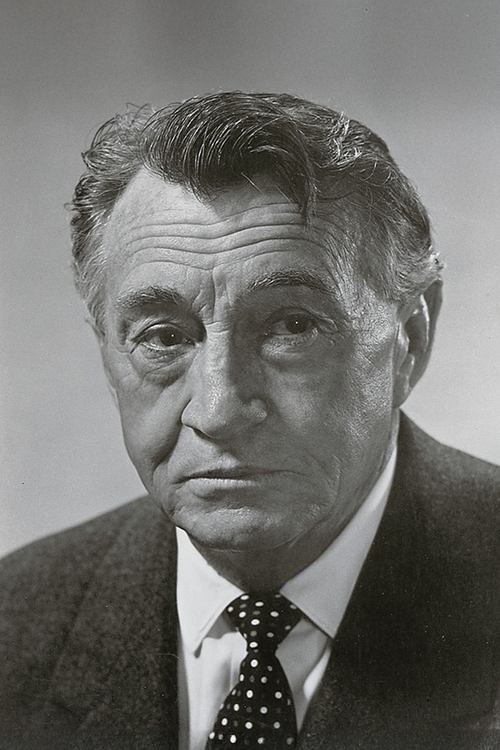
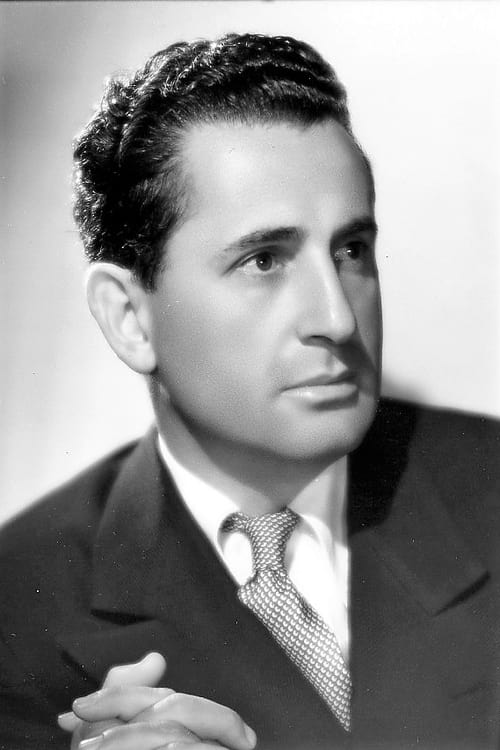
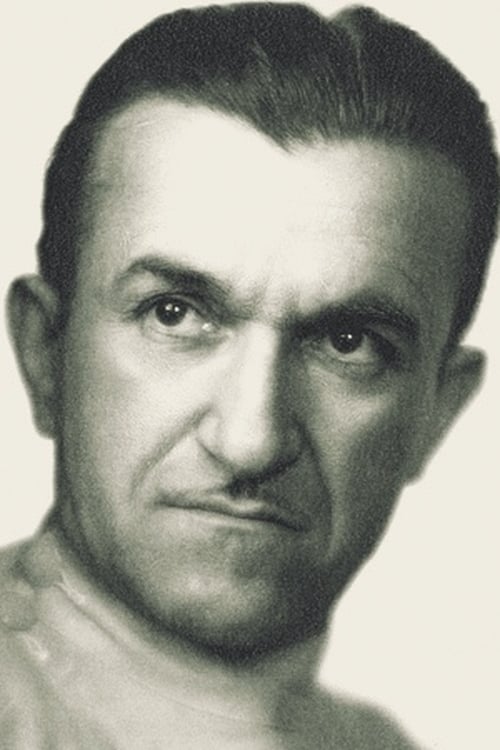
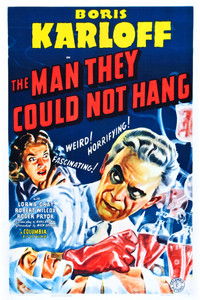
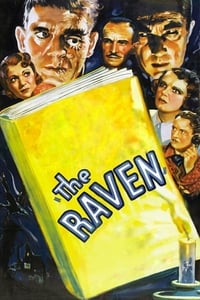
an interesting concept hindered by a slight runtime. bela lugosi seems way out of his element as a gangster, while boris karloff does well as a low-key mad scientist. the character of kingsley is done a disservice by how hidden he is in the back end of the film, his killing at the hands of karloff missing the weight it deserves; i could go for the “mad scientist who only cares about his ends” narrative, but he’s shown to have a pretty guilty reaction… which leads me to my primary question.
the film presents the scientist as somebody who has been taken to task by news outlets, and he entrusts his records to one of the reporters. as his life is taken by the electric chair, dramatic music blares and the reporter looks up. is the film framing him as being the only person to know the “truth”?... of his valiant striving for “progress” and his saving of his daughter’s life? or is it framing him as a mere witness to the dubious acts he had committed to get to this spot, a journalist before moral judge. either way i believe the juxtaposition of the scientist’s goals– to attain money to progress science– and the gangsters’ goals– to get rich and enjoy life– is humorous. the reason i ask how the film frames him is because i want to understand how it compares his ends to the criminals’. are they the same for having a hunger, a greed for further progress/vice? is the electric chair a fitting destination for somebody just as motivated by greed as the criminals? or is it an injustice, a wrongdoing to strap down a man who had such noble goals?
an interesting concept hindered by a slight runtime. bela lugosi seems way out of his element as a gangster, while boris karloff does well as a low-key mad scientist. the character of kingsley is done a disservice by how hidden he is in the back end of the film, his killing at the hands of karloff missing the weight it deserves; i could go for the “mad scientist who only cares about his ends” narrative, but he’s shown to have a pretty guilty reaction… which leads me to my primary question.
the film presents the scientist as somebody who has been taken to task by news outlets, and he entrusts his records to one of the reporters. as his life is taken by the electric chair, dramatic music blares and the reporter looks up. is the film framing him as being the only person to know the “truth”?... of his valiant striving for “progress” and his saving of his daughter’s life? or is it framing him as a mere witness to the dubious acts he had committed to get to this spot, a journalist before moral judge. either way i believe the juxtaposition of the scientist’s goals– to attain money to progress science– and the gangsters’ goals– to get rich and enjoy life– is humorous. the reason i ask how the film frames him is because i want to understand how it compares his ends to the criminals’. are they the same for having a hunger, a greed for further progress/vice? is the electric chair a fitting destination for somebody just as motivated by greed as the criminals? or is it an injustice, a wrongdoing to strap down a man who had such noble goals?