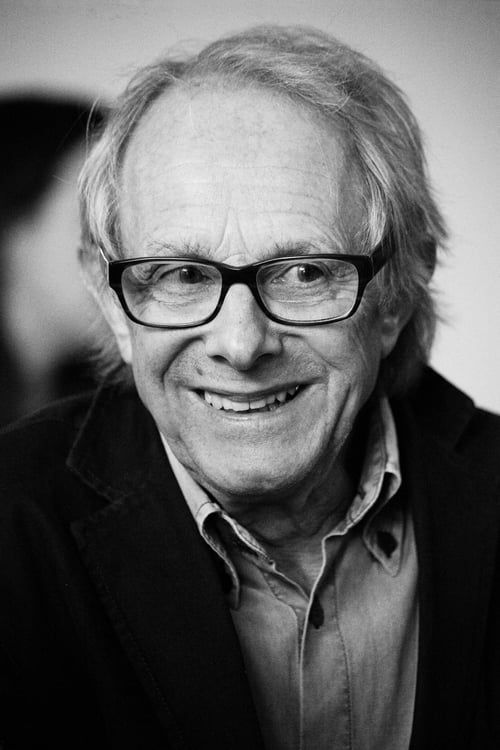
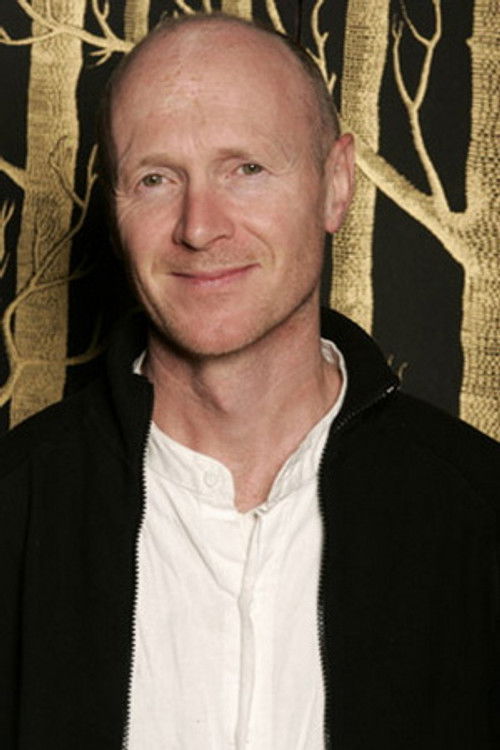
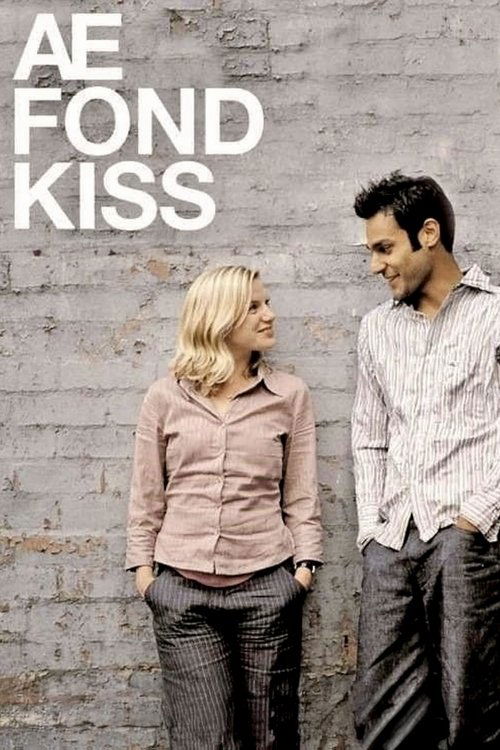
| > In Ken Loach’s 2004 “Ae Fond Kiss”, we follow a blooming love story set in Glasgow between Roisin, a young catholic teacher, and Casim, a second-generation Scottish-Pakistani man. Based on the film’s synopsis, one might expect Loach and writer Paul Laverty to have softened their touch after the gritty realism of “My Name is Joe” and “Sweet Sixteen”, but “Ae Fond Kiss” proves to be just as raw and hard-hitting. It’s a romance drenched in the social turmoil of early 2000s Scotland, where the central cross-cultural relationship prompts a thorough exploration of the tensions between love and duty, cultural conflicts, racial and religious prejudice, as well as more specific issues such as arranged marriages, generational divides and shifting attitudes towards Muslims after the September eleventh attacks. Laverty said that hearing how Scottish-Asian kids were targeted and bullied after nine/eleven inspired him to explore another part of Scottish culture through “Ae Fond Kiss.”
| | > The movie’s conflict arises from the fact that in the middle of his affair with Roisin, Casim is due to marry his cousin and his parents Tariq and Sadia, who are devout Muslims, are appalled that he has chosen to live with a "goree, a white girl. “Ae Fond Kiss” touches on the racism encountered by Casim's family, but moves on to explore the wide diversity of viewpoints among its members — from the traditional patriarch to Casim's elder sister, who embraces her Asian heritage, and his younger one, who dreams, against her parents' wishes, of becoming a journalist. The picture is further muddled by Roisin being an orphan and by the different but equally intense religious pressures emanating from her Catholic school.
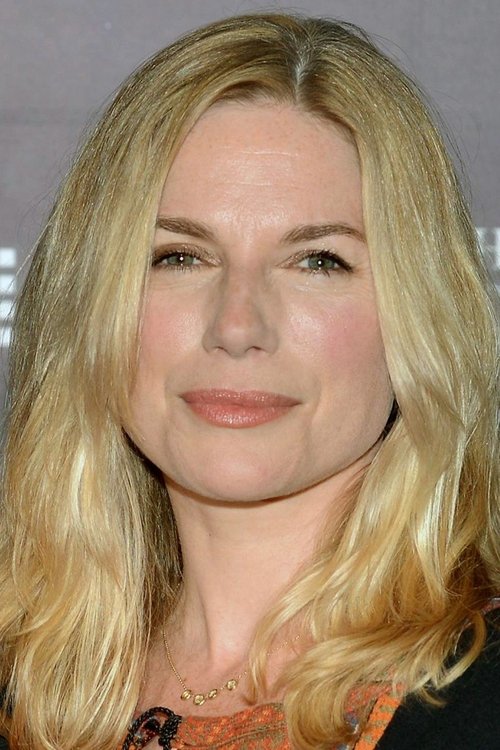
| | > In doing all that, “Ae Fond Kiss” showcases Ken Loach’s ability to balance social critique with the art of cinema . As a social realist, he’s interested in politics and social issues, yet he never reduces his films to statements or lessons on their themes. Instead he weaves social commentary within personal and human stories. This balance favors both sides: the critique resonates more when grounded in intimate narratives, while the emotional impact of such stories is amplified by the social context that shapes them. A scene that particularly stands out in “Ae Fond Kiss” is Roisin’s first confrontation with Casim’s family. Here, actress Eva Brithistle was kept unaware of what would have happened next in the scene, and the surprise made her shed genuine tears. But that’s just one of the factors that add realism to Loach’s works, and which make “Ae Fond Kiss” a stylistically restrained yet powerful and deeply human British drama.
| > In Ken Loach’s 2004 “Ae Fond Kiss”, we follow a blooming love story set in Glasgow between Roisin, a young catholic teacher, and Casim, a second-generation Scottish-Pakistani man. Based on the film’s synopsis, one might expect Loach and writer Paul Laverty to have softened their touch after the gritty realism of “My Name is Joe” and “Sweet Sixteen”, but “Ae Fond Kiss” proves to be just as raw and hard-hitting. It’s a romance drenched in the social turmoil of early 2000s Scotland, where the central cross-cultural relationship prompts a thorough exploration of the tensions between love and duty, cultural conflicts, racial and religious prejudice, as well as more specific issues such as arranged marriages, generational divides and shifting attitudes towards Muslims after the September eleventh attacks. Laverty said that hearing how Scottish-Asian kids were targeted and bullied after nine/eleven inspired him to explore another part of Scottish culture through “Ae Fond Kiss.”
| | > The movie’s conflict arises from the fact that in the middle of his affair with Roisin, Casim is due to marry his cousin and his parents Tariq and Sadia, who are devout Muslims, are appalled that he has chosen to live with a "goree, a white girl. “Ae Fond Kiss” touches on the racism encountered by Casim's family, but moves on to explore the wide diversity of viewpoints among its members — from the traditional patriarch to Casim's elder sister, who embraces her Asian heritage, and his younger one, who dreams, against her parents' wishes, of becoming a journalist. The picture is further muddled by Roisin being an orphan and by the different but equally intense religious pressures emanating from her Catholic school.
| | > In doing all that, “Ae Fond Kiss” showcases Ken Loach’s ability to balance social critique with the art of cinema . As a social realist, he’s interested in politics and social issues, yet he never reduces his films to statements or lessons on their themes. Instead he weaves social commentary within personal and human stories. This balance favors both sides: the critique resonates more when grounded in intimate narratives, while the emotional impact of such stories is amplified by the social context that shapes them. A scene that particularly stands out in “Ae Fond Kiss” is Roisin’s first confrontation with Casim’s family. Here, actress Eva Brithistle was kept unaware of what would have happened next in the scene, and the surprise made her shed genuine tears. But that’s just one of the factors that add realism to Loach’s works, and which make “Ae Fond Kiss” a stylistically restrained yet powerful and deeply human British drama.