

2026·Drama·1h 22m
7.1
★
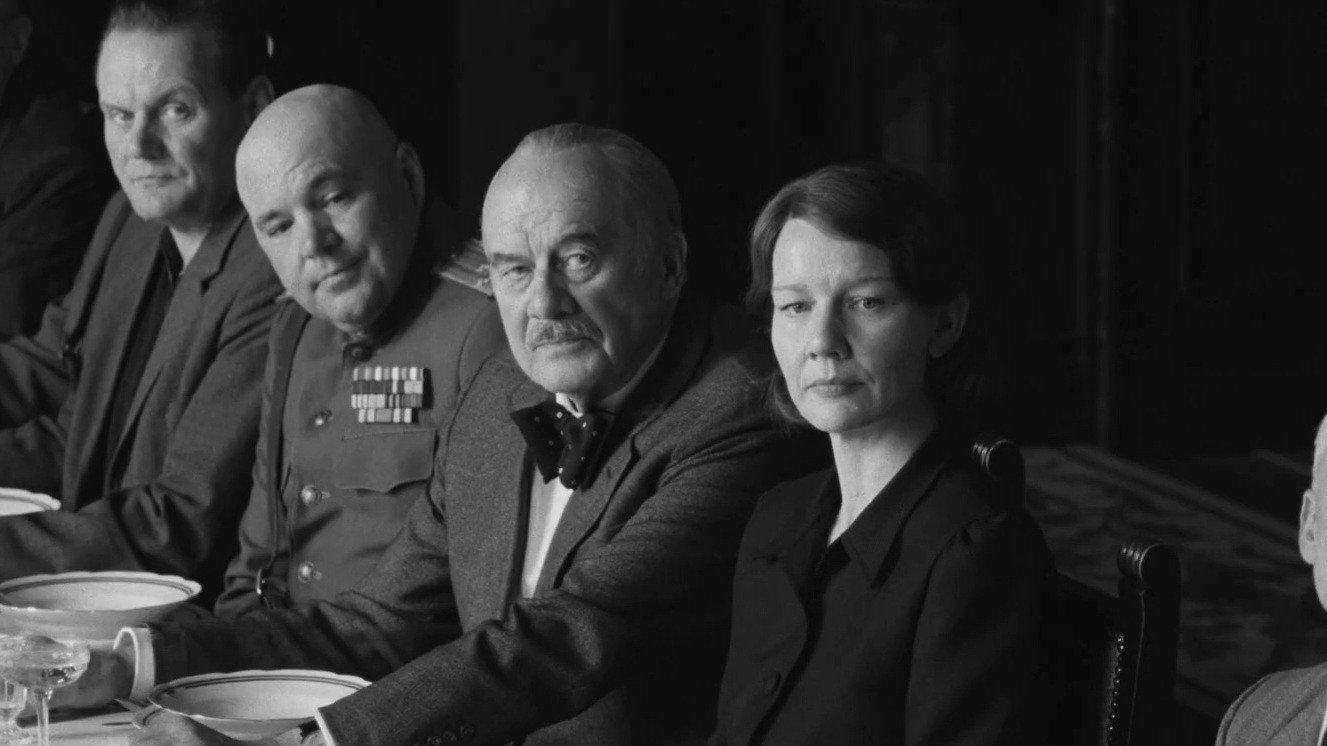

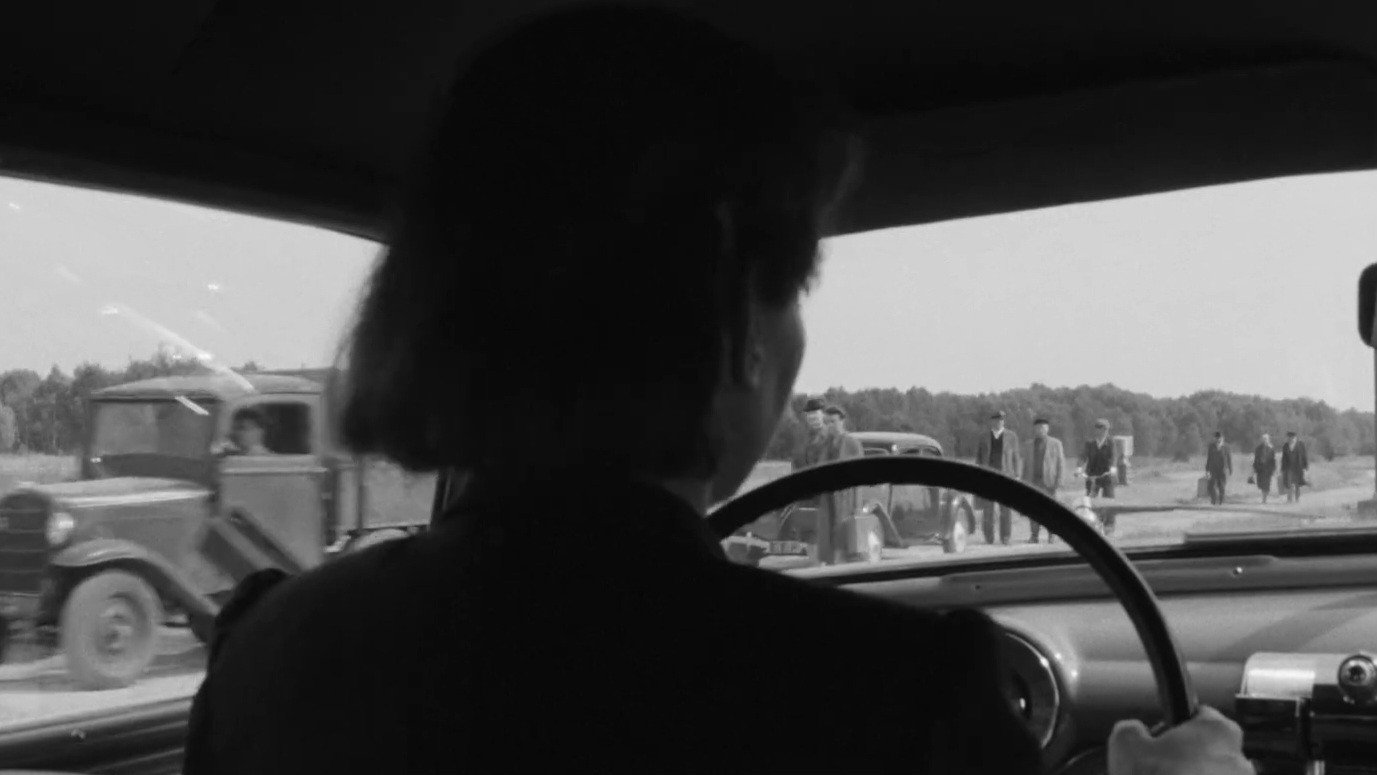


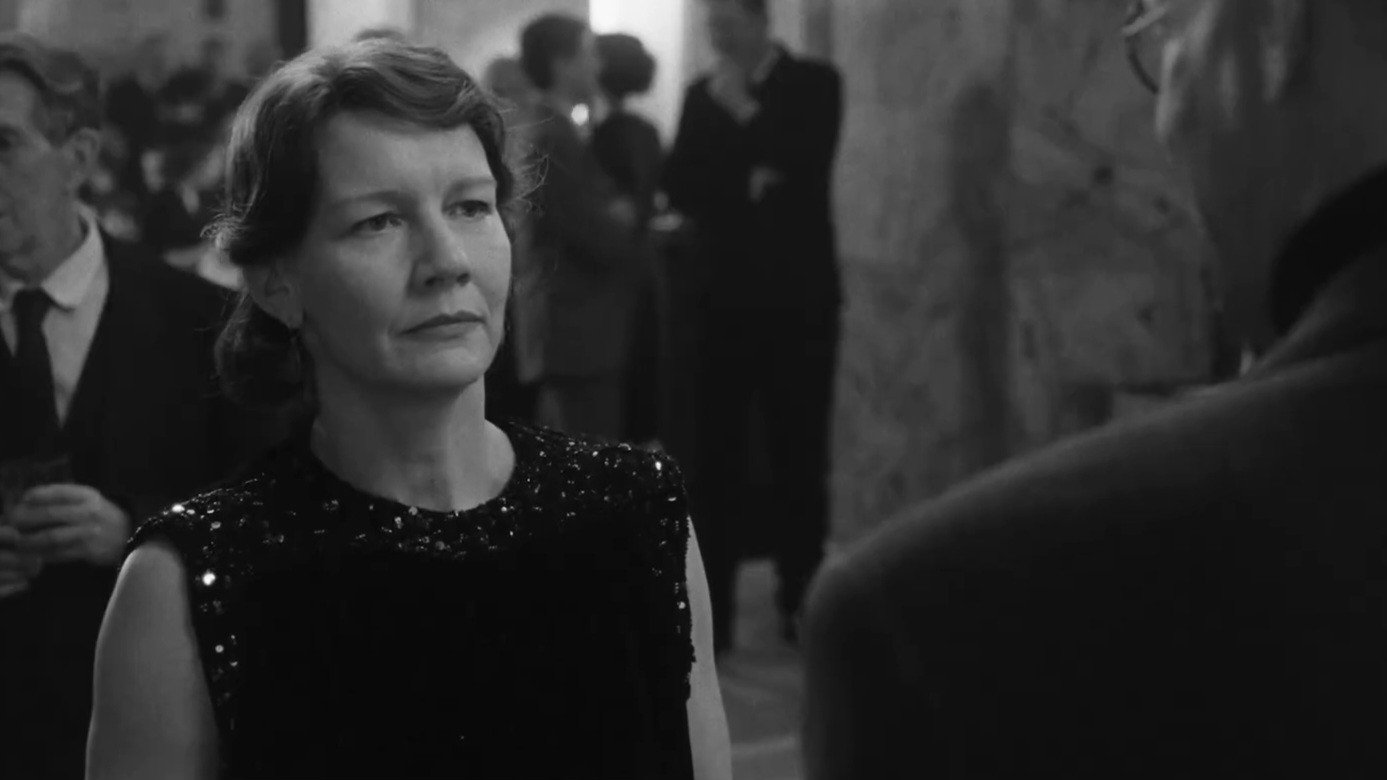
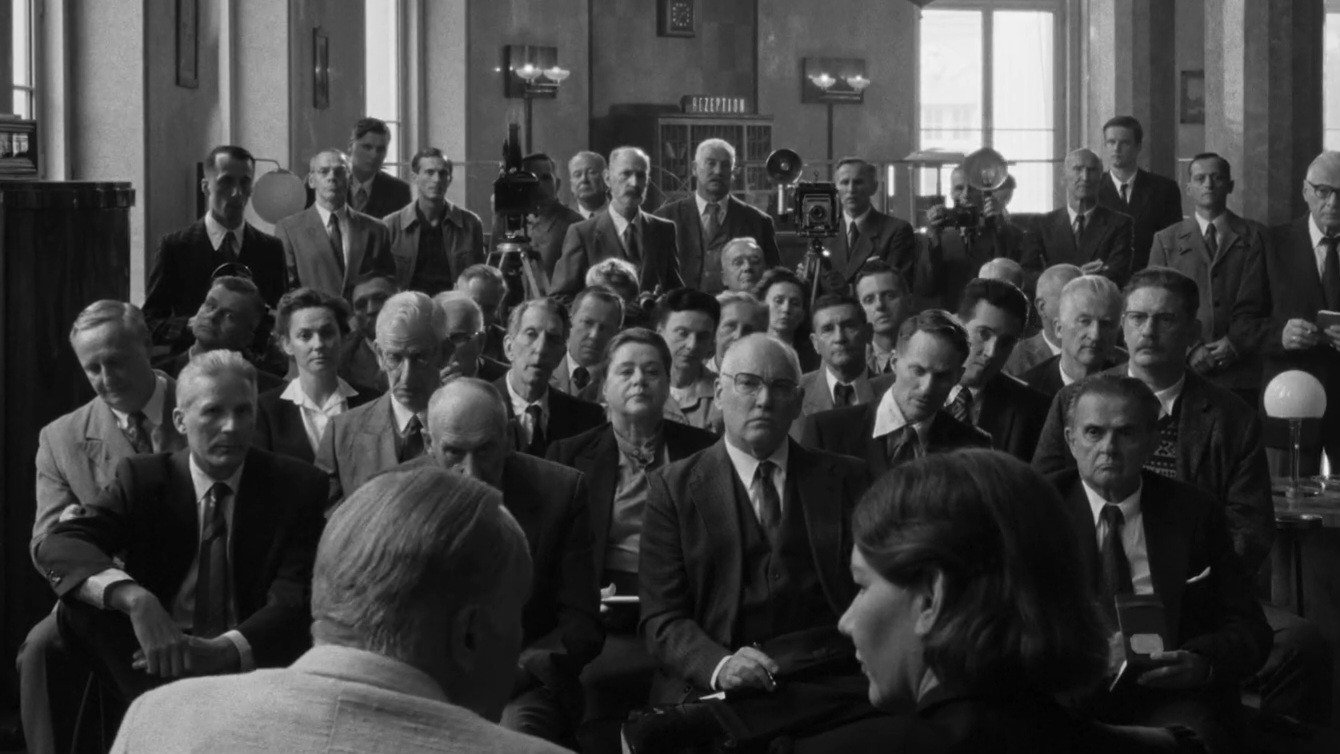


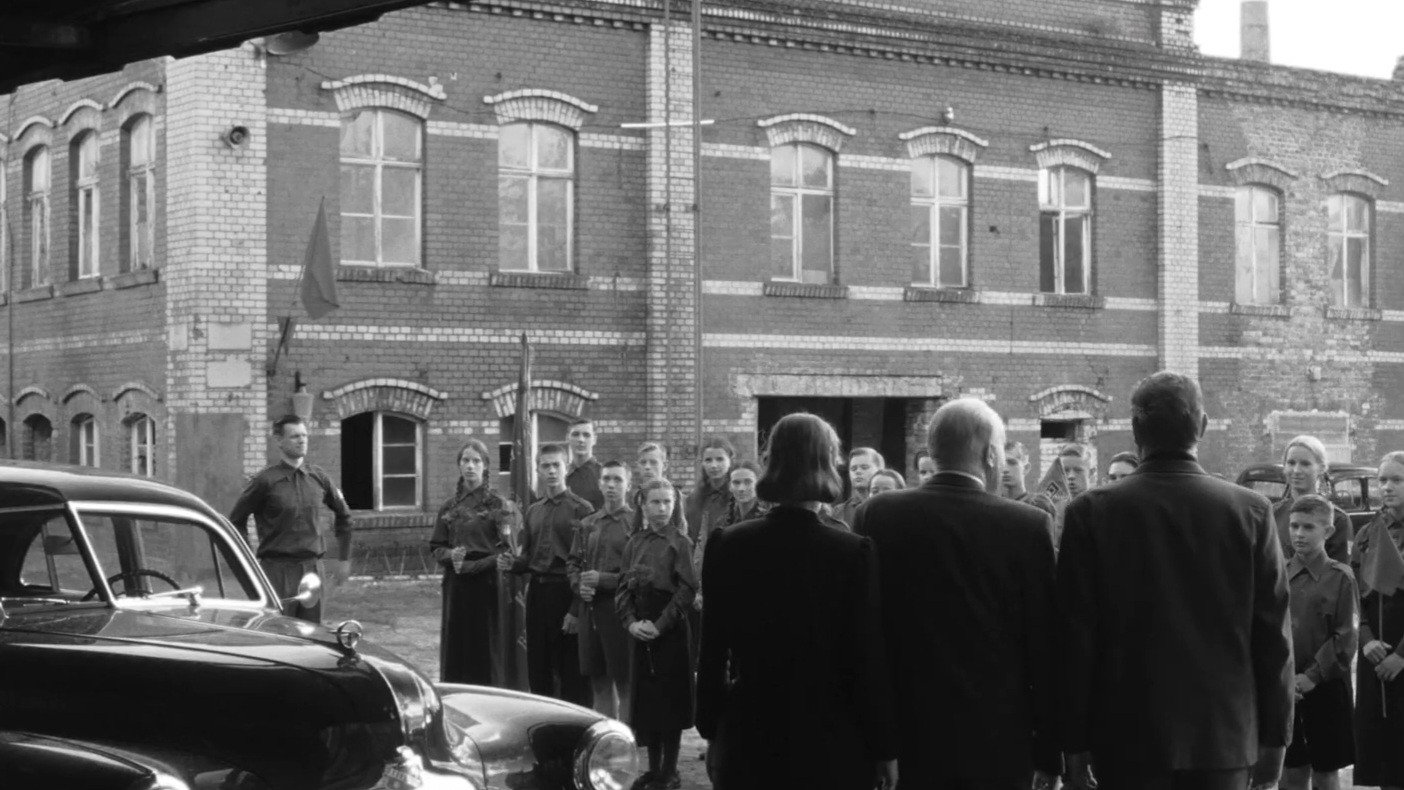
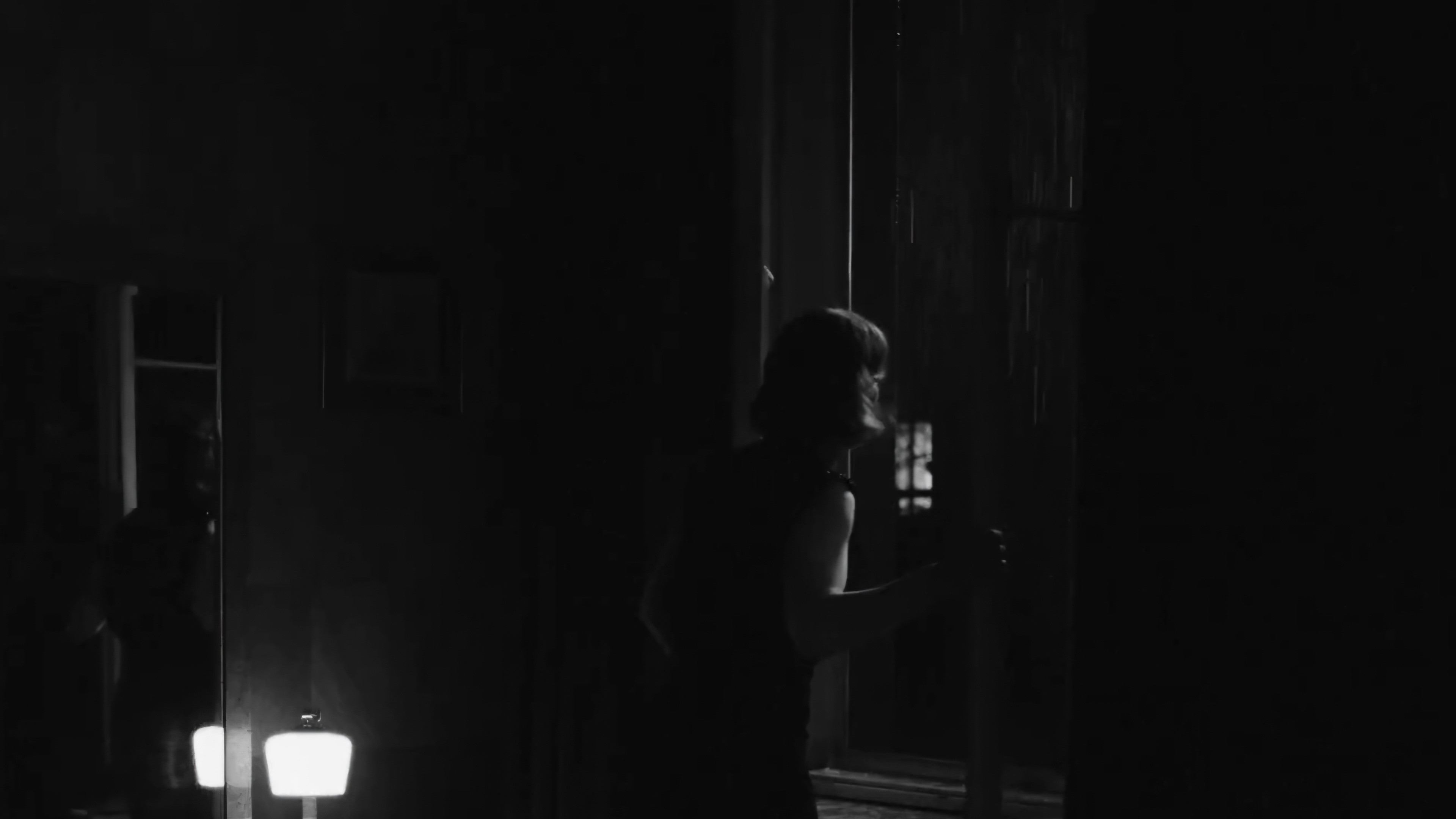

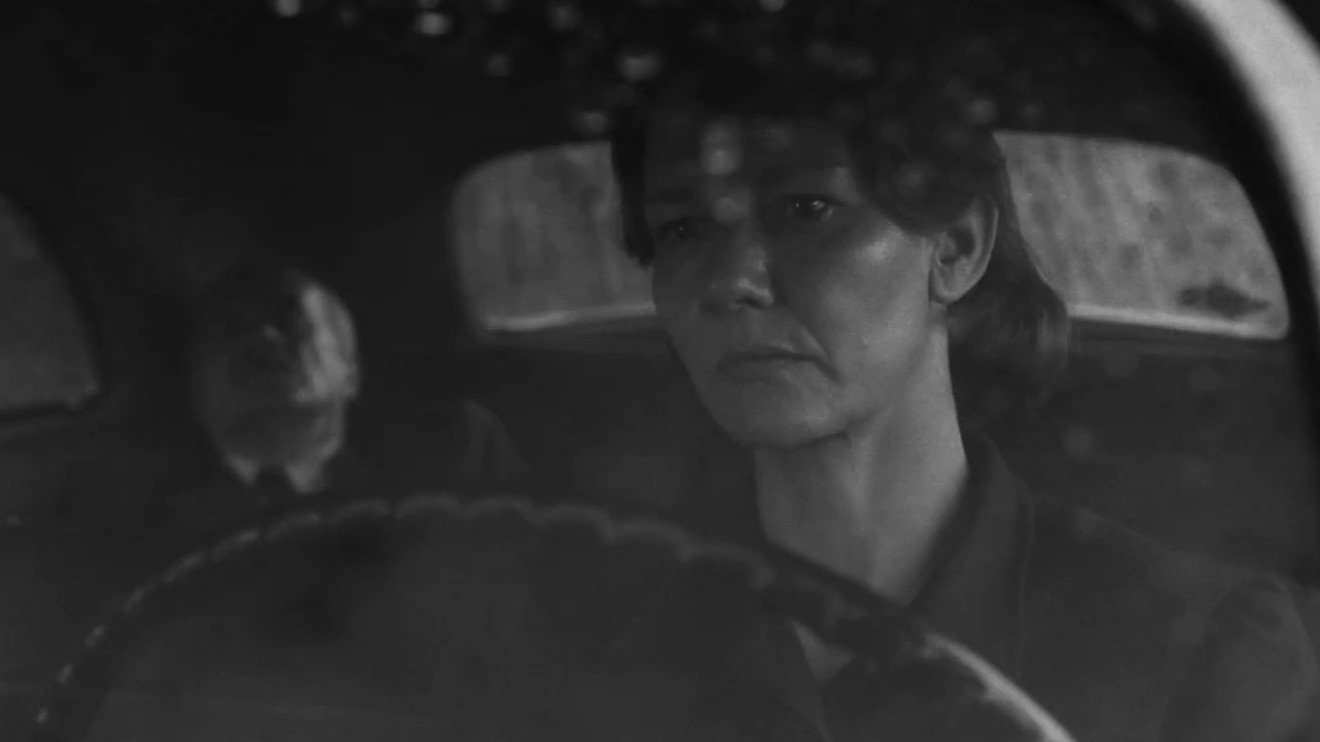
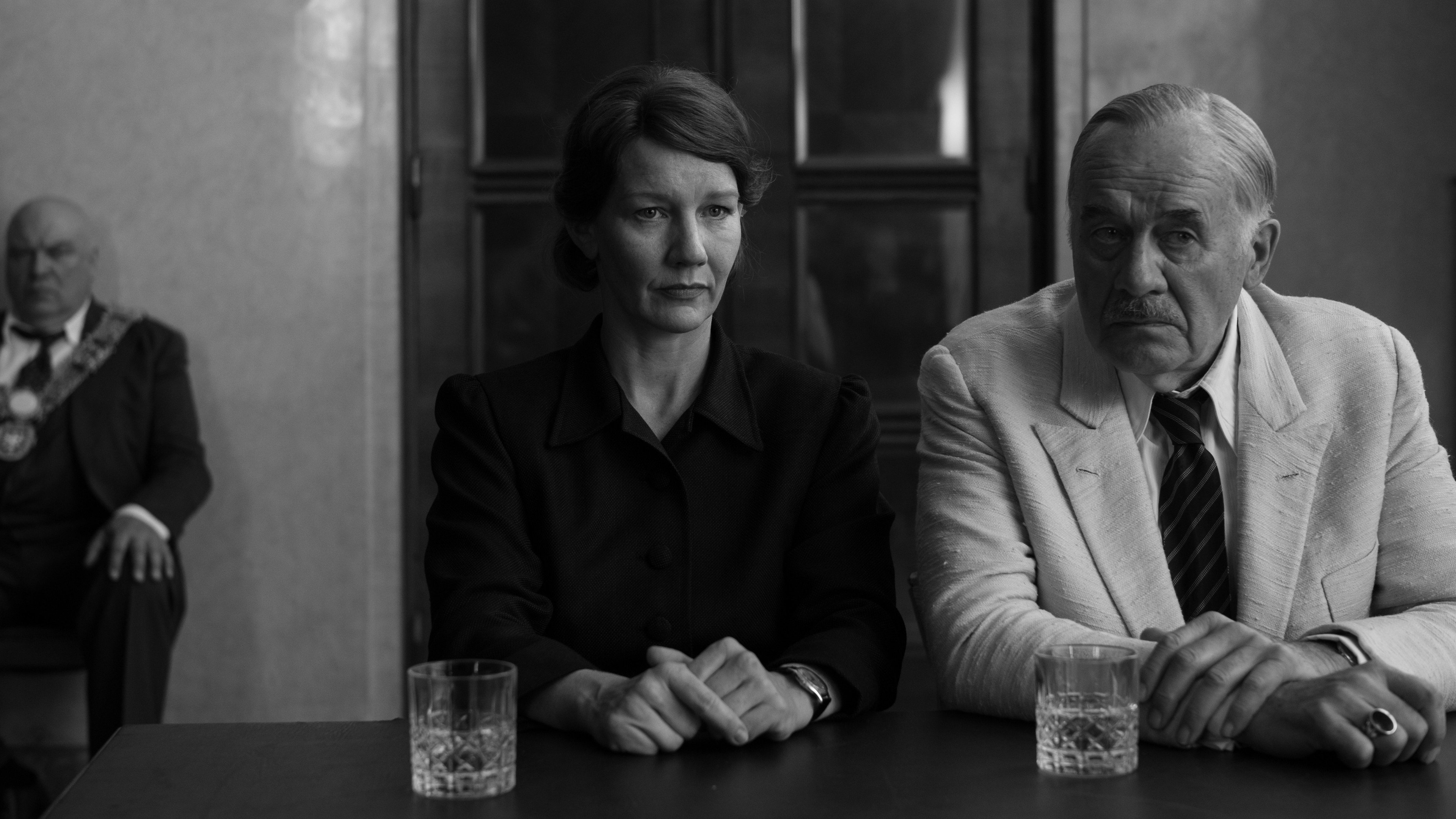
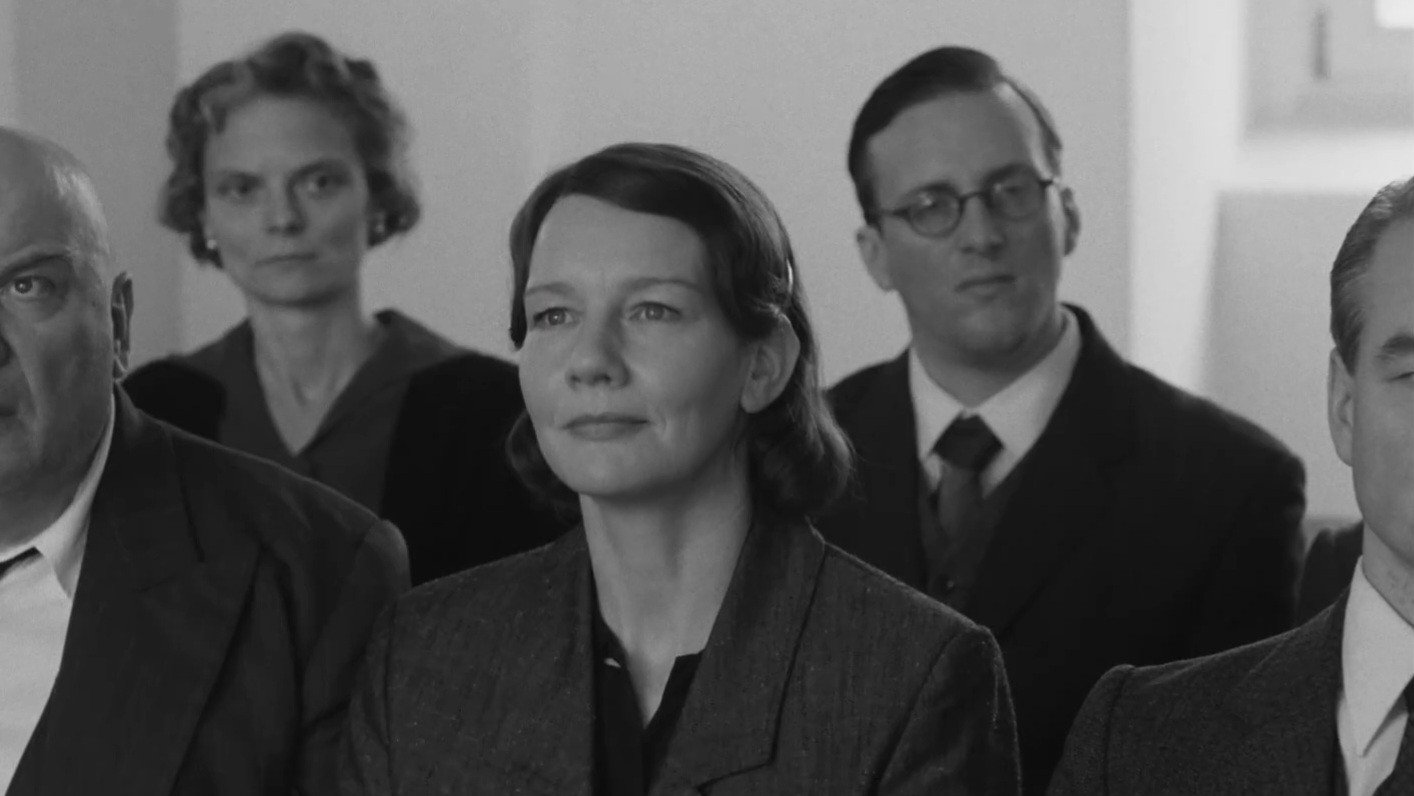

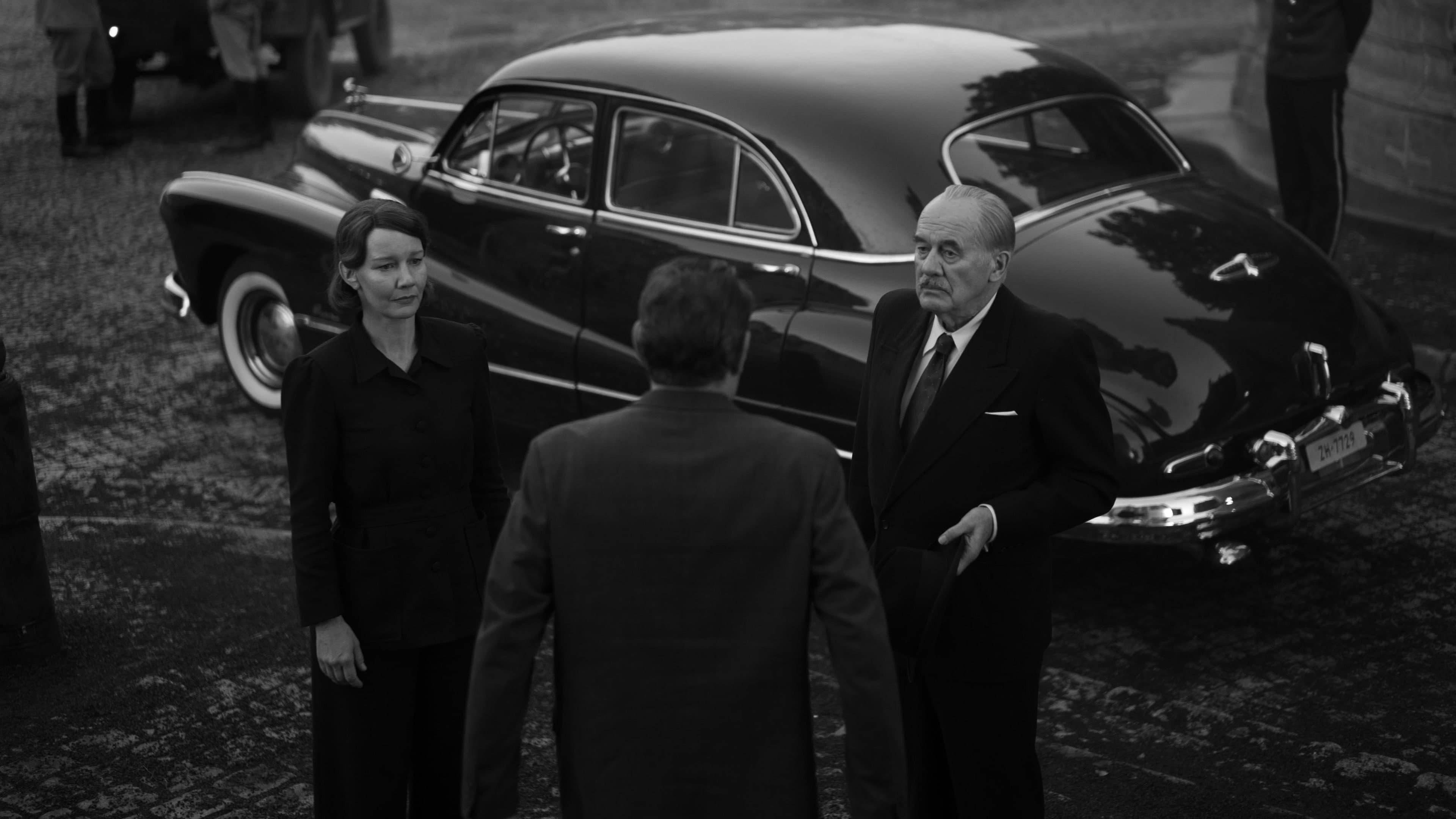
In 1949, German writer Thomas Mann and his daughter Erika embark on a road trip across a Germany in ruins, from US-dominated Frankfurt to Soviet-controlled Weimar.
Directed by Paweł Pawlikowski
based on novel or book
germany
road trip
black and white
writer
docudrama
east germany
journey
west germany
father daughter relationship
cold war era
occupied germany

Trailer
Cast
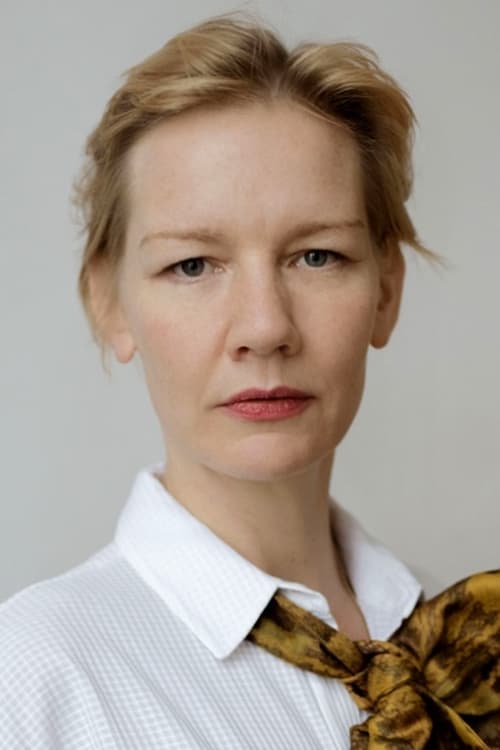
Sandra Hüller
Erika Mann
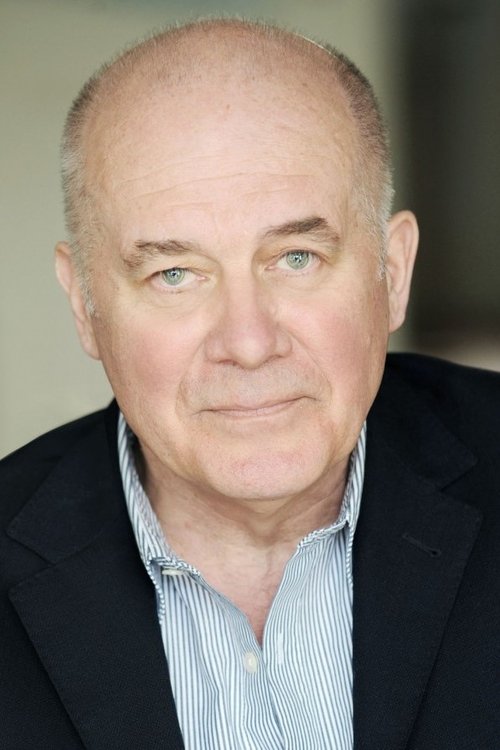
Hanns Zischler
Thomas Mann
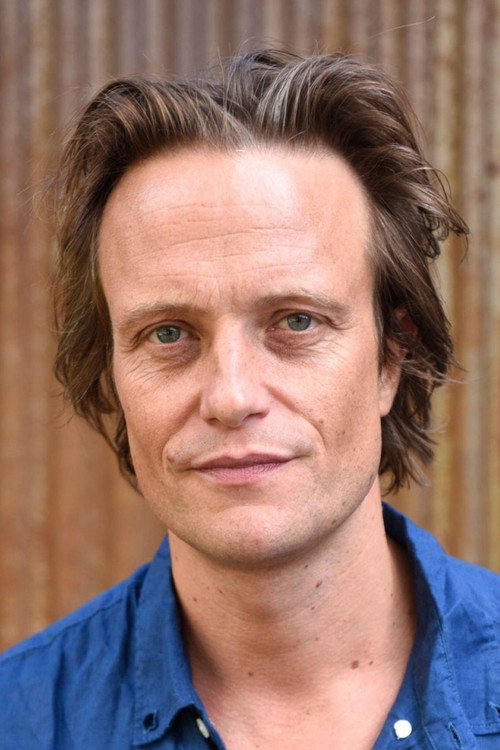
August Diehl
Klaus Mann
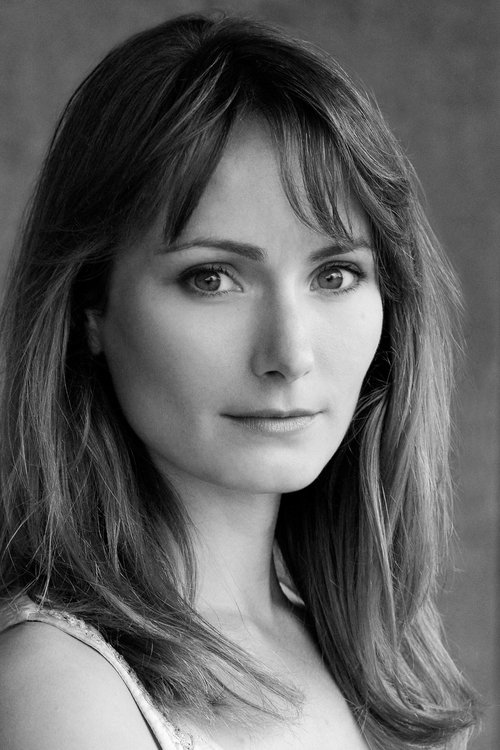
Anna Madeley
Betty Knox
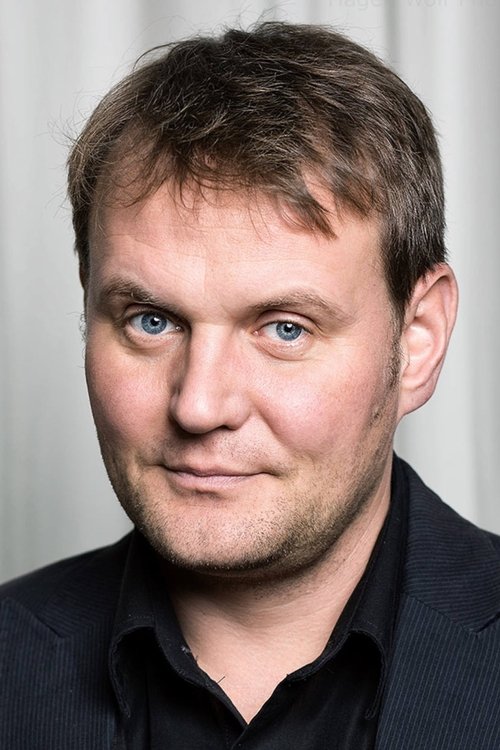
Devid Striesow
Johannes R. Becher
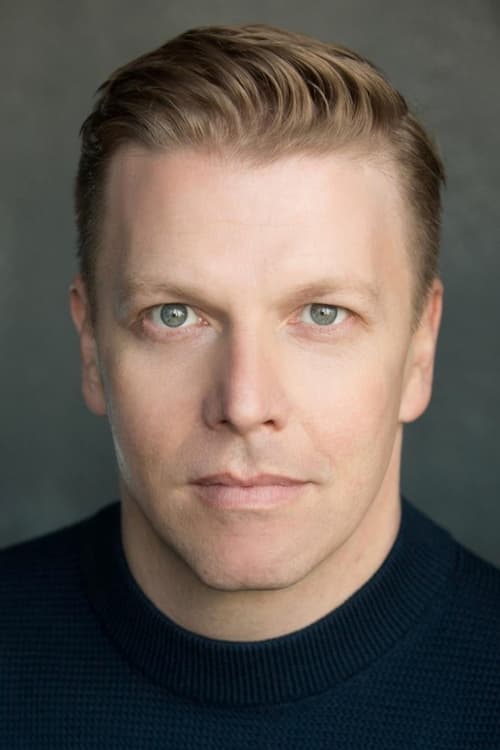
David Menkin
Arthur Quint
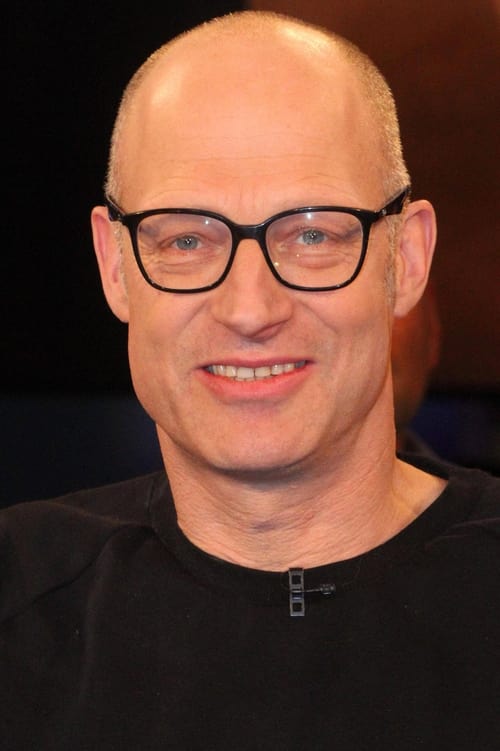
Joachim Meyerhoff
Gustaf Gründgens

Enno Trebs
Wieland Wagner

Theo Trebs
Wolfgang Wagner
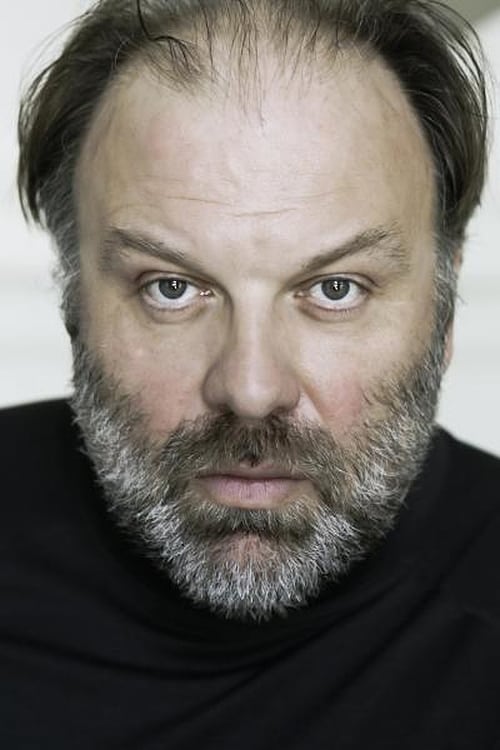
Waldemar Kobus
Mayor of Frankfurt
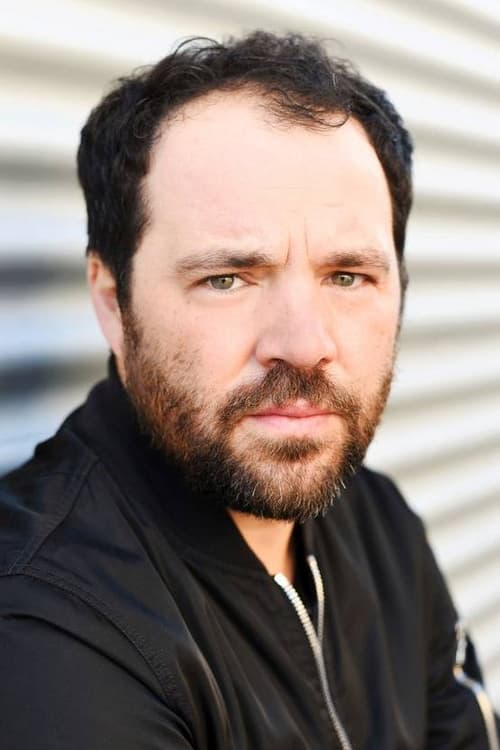
Daniel Wagner
Sergei Ivanovich Tulpanov
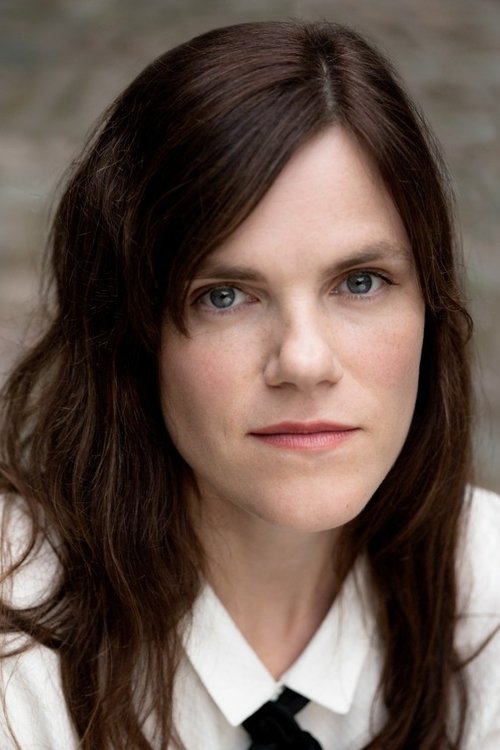
Fritzi Haberlandt
Waitress
Crew
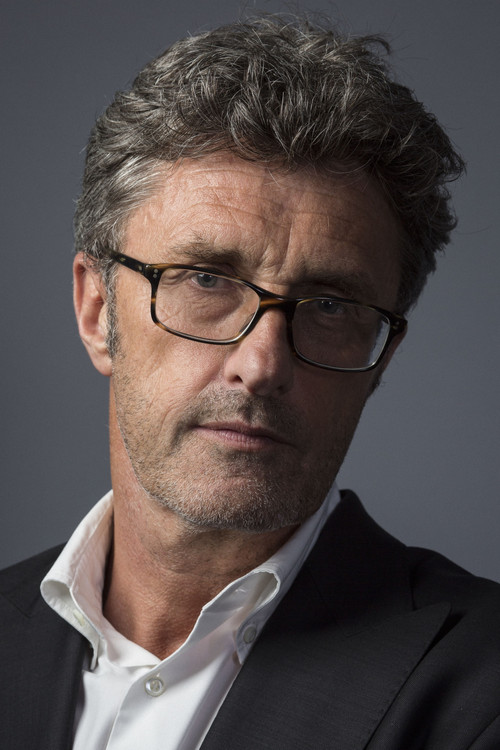
Paweł Pawlikowski
Director
Paweł Pawlikowski
Screenplay
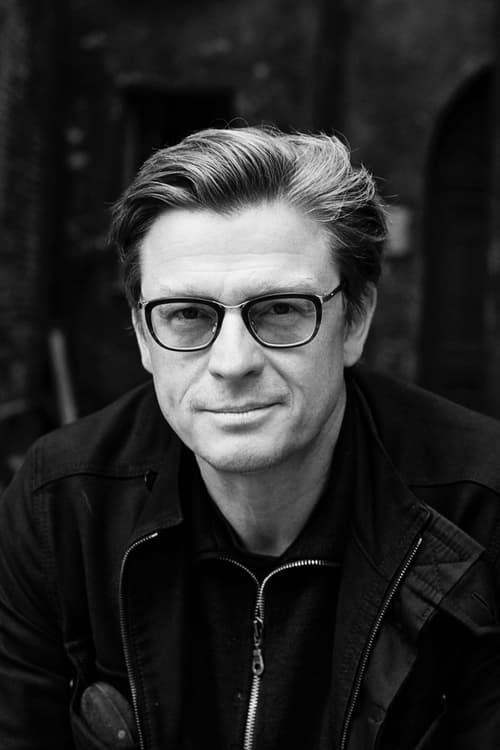
Hendrik Handloegten
Screenplay
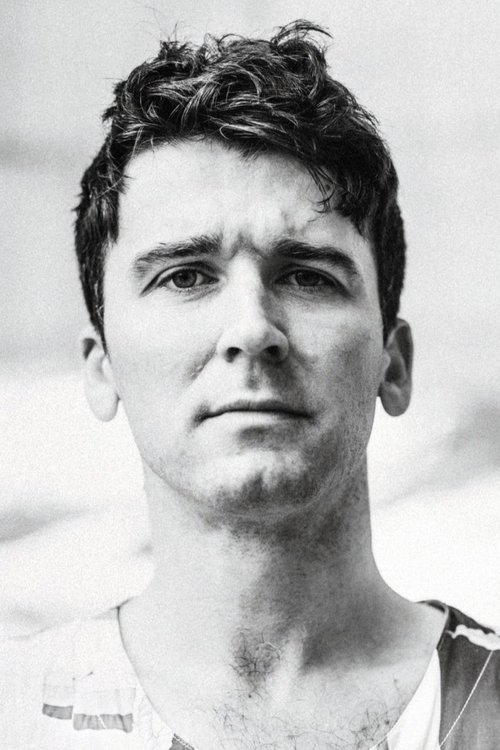
Marcin Masecki
Original Music Composer
Paweł Pawlikowski
Editor
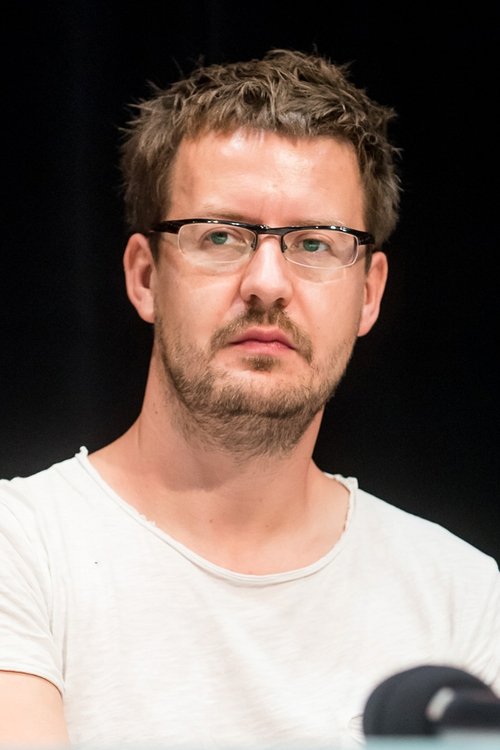
Łukasz Żal
Director of Photography
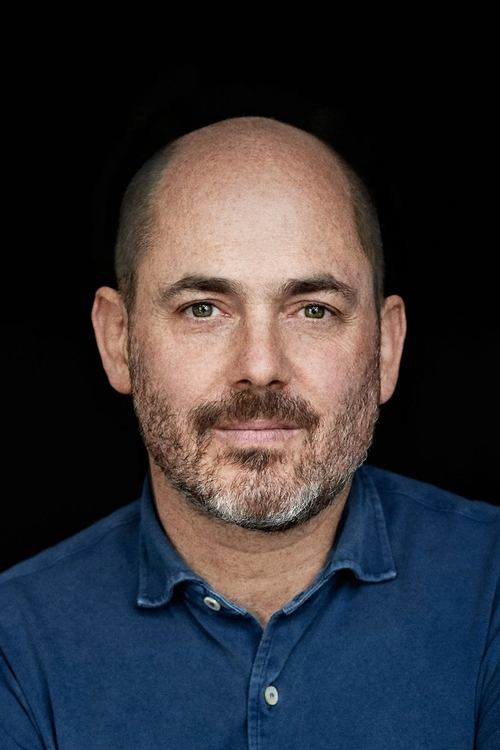
Edward Berger
Producer

Mario Gianani
Producer
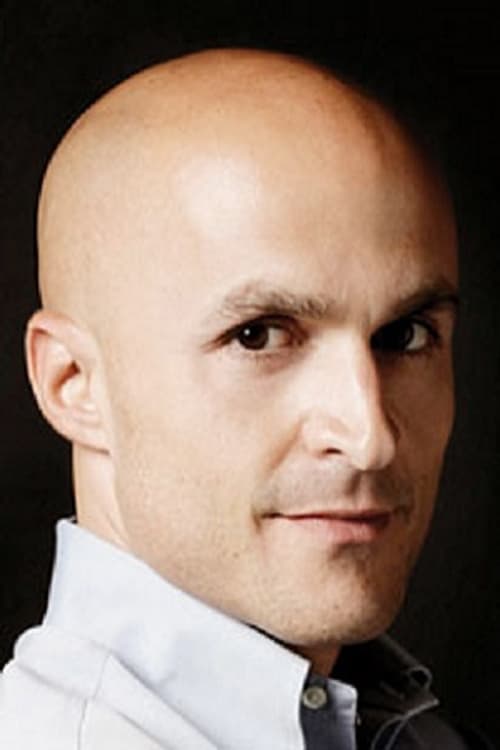
Lorenzo Mieli
Producer
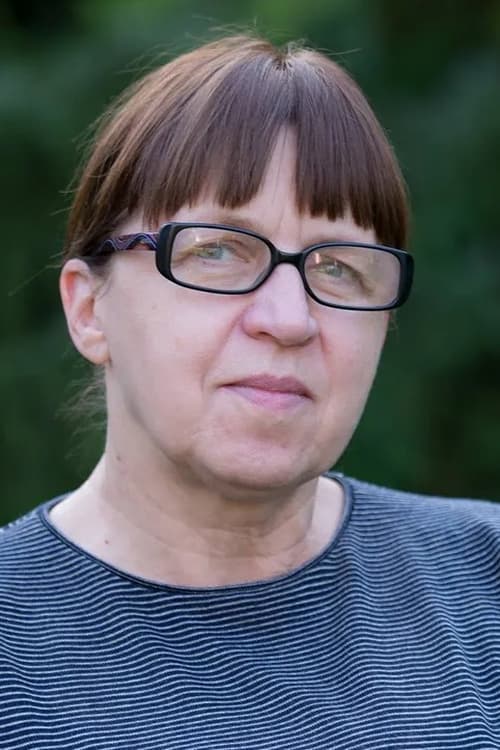
Ewa Puszczyńska
Producer

Jeanne Tremsal
Producer

Dimitri Rassam
Producer
Popular Reviews
82 reviews
user0909
8.0★ · 06/24/26
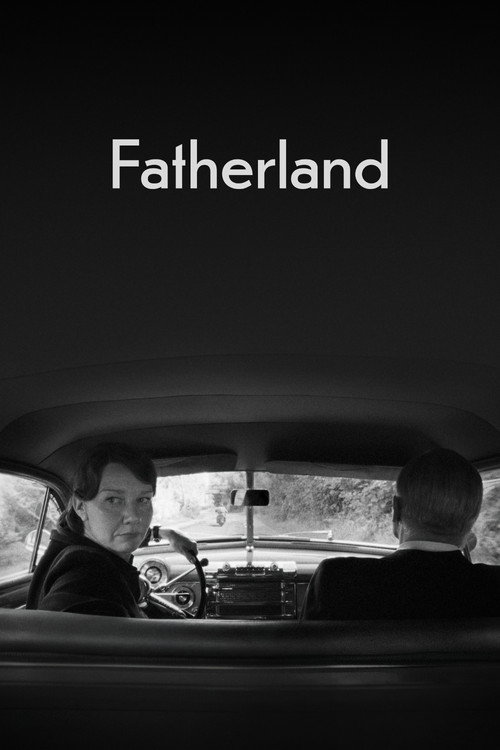
Fantastyczna scenografia! Każdy kadr był jakby obrazem wiodącym wzrok widza w odpowiedni punkt. Ograniczenie się do czerni i bieli było wspaniałym wyborem, idealnie oddającym atmosferę filmu.
Bardzo podobało mi się zastosowanie symetrii i zakłócanie jej by coś przekazać a dwie sceny gdzie inne postacie próbowały wtrącić się do rozmowy były fajnym zabawnym akcentem. Zwłaszcza pan po lewej , który był świadkiem jednej sceny. Jego reakcja była naturalna i zarazem komiczna.
Cisza i muzyka zostały odpowiednio zastosowane, zwłaszcza w ostatniej scenie, przy akompaniamencie Bacha.
Niestety film był zbyt krótki by wystarczająco rozwinąć relacje między postaciami, dlatego czuję niedosyt w tym aspekcie
Bardzo podobało mi się zastosowanie symetrii i zakłócanie jej by coś przekazać a dwie sceny gdzie inne postacie próbowały wtrącić się do rozmowy były fajnym zabawnym akcentem. Zwłaszcza pan po lewej , który był świadkiem jednej sceny. Jego reakcja była naturalna i zarazem komiczna.
Cisza i muzyka zostały odpowiednio zastosowane, zwłaszcza w ostatniej scenie, przy akompaniamencie Bacha.
Niestety film był zbyt krótki by wystarczająco rozwinąć relacje między postaciami, dlatego czuję niedosyt w tym aspekcie
Fantastyczna scenografia! Każdy kadr był jakby obrazem wiodącym wzrok widza w odpowiedni punkt. Ograniczenie się do czerni i bieli było wspaniałym wyborem, idealnie oddającym atmosferę filmu.
Bardzo podobało mi się zastosowanie symetrii i zakłócanie jej by coś przekazać a dwie sceny gdzie inne postacie próbowały wtrącić się do rozmowy były fajnym zabawnym akcentem. Zwłaszcza pan po lewej , który był świadkiem jednej sceny. Jego reakcja była naturalna i zarazem komiczna.
Cisza i muzyka zostały odpowiednio zastosowane, zwłaszcza w ostatniej scenie, przy akompaniamencie Bacha.
Niestety film był zbyt krótki by wystarczająco rozwinąć relacje między postaciami, dlatego czuję niedosyt w tym aspekcie
Bardzo podobało mi się zastosowanie symetrii i zakłócanie jej by coś przekazać a dwie sceny gdzie inne postacie próbowały wtrącić się do rozmowy były fajnym zabawnym akcentem. Zwłaszcza pan po lewej , który był świadkiem jednej sceny. Jego reakcja była naturalna i zarazem komiczna.
Cisza i muzyka zostały odpowiednio zastosowane, zwłaszcza w ostatniej scenie, przy akompaniamencie Bacha.
Niestety film był zbyt krótki by wystarczająco rozwinąć relacje między postaciami, dlatego czuję niedosyt w tym aspekcie

1

Aspen
6.0★ · 06/06/26
It was certainly a movie, that I certainly watched. There were scenes and actors and music sometimes, and it didn't have any major flaws. It was good overall. And that's it
It was certainly a movie, that I certainly watched. There were scenes and actors and music sometimes, and it didn't have any major flaws. It was good overall. And that's it
1
Superbro
8.0★ · 09/12/26
Der Film hat mich leider enttäuscht. Ich weiß gar nicht genau woran es liegt, aber ich bin irgendwie nie komplett in die Immersion gezogen worden, obwohl der Film stark geschauspielert ist und mir die Cinematographie ebenfalls gefällt. Auch der Score war nett, aber trotzdem war die Story nicht ganz meins. Der Film hat aber schon einige interessante Themen und Einblicke gegeben. Besonders die Perspektive, dass Thomas Mann in sich eine ausschlaggebende Person sah, weshalb er dann seine Familie vernachlässigte, fand ich sehr interessant. Insgesamt jedoch leider unterwältigend.
Der Film hat mich leider enttäuscht. Ich weiß gar nicht genau woran es liegt, aber ich bin irgendwie nie komplett in die Immersion gezogen worden, obwohl der Film stark geschauspielert ist und mir die Cinematographie ebenfalls gefällt. Auch der Score war nett, aber trotzdem war die Story nicht ganz meins. Der Film hat aber schon einige interessante Themen und Einblicke gegeben. Besonders die Perspektive, dass Thomas Mann in sich eine ausschlaggebende Person sah, weshalb er dann seine Familie vernachlässigte, fand ich sehr interessant. Insgesamt jedoch leider unterwältigend.
Gigituxa
7.0★ · 09/07/26
A deeply unsettling film, not because of how extraordinary its world feels, but because of how frighteningly familiar it can be. But the biggest drawback is, that this film moves incredibly fast. Just when you’ve settled into the characters and started to understand its different subplots, it’s already over.
It introduces so many fascinating themes for exempel: the beginnings of a dictatorship and the Cold War, conflicting national identities, patriarchy, egoism, narcissism, and complicated family dynamics but rarely gives any of them enough room to fully develop. And yet, somehow, the film still works remarkably well.
The cinematography, as you’d expect from Paweł, is gorgeous. The black-and-white photography gives the film this constant feeling of uncertainty and unease, reminiscent of Cold War. I especially loved how music and literature are used in different contexts, showing how art can be manipulated, reinterpreted, or weaponized to construct political ideologies and personal narratives.
But what stayed with me most is how frighteningly ordinary the beginnings of a dictatorship can look. Nothing necessarily feels extraordinary at first and that’s precisely what makes it frightening. Seeing similar tendencies emerging in the US, parts of Asia, and, more recently, in German politics after the Saxony-Anhalt elections made this feel uncomfortably relevant.
It introduces so many fascinating themes for exempel: the beginnings of a dictatorship and the Cold War, conflicting national identities, patriarchy, egoism, narcissism, and complicated family dynamics but rarely gives any of them enough room to fully develop. And yet, somehow, the film still works remarkably well.
The cinematography, as you’d expect from Paweł, is gorgeous. The black-and-white photography gives the film this constant feeling of uncertainty and unease, reminiscent of Cold War. I especially loved how music and literature are used in different contexts, showing how art can be manipulated, reinterpreted, or weaponized to construct political ideologies and personal narratives.
But what stayed with me most is how frighteningly ordinary the beginnings of a dictatorship can look. Nothing necessarily feels extraordinary at first and that’s precisely what makes it frightening. Seeing similar tendencies emerging in the US, parts of Asia, and, more recently, in German politics after the Saxony-Anhalt elections made this feel uncomfortably relevant.
A deeply unsettling film, not because of how extraordinary its world feels, but because of how frighteningly familiar it can be. But the biggest drawback is, that this film moves incredibly fast. Just when you’ve settled into the characters and started to understand its different subplots, it’s already over.
It introduces so many fascinating themes for exempel: the beginnings of a dictatorship and the Cold War, conflicting national identities, patriarchy, egoism, narcissism, and complicated family dynamics but rarely gives any of them enough room to fully develop. And yet, somehow, the film still works remarkably well.
The cinematography, as you’d expect from Paweł, is gorgeous. The black-and-white photography gives the film this constant feeling of uncertainty and unease, reminiscent of Cold War. I especially loved how music and literature are used in different contexts, showing how art can be manipulated, reinterpreted, or weaponized to construct political ideologies and personal narratives.
But what stayed with me most is how frighteningly ordinary the beginnings of a dictatorship can look. Nothing necessarily feels extraordinary at first and that’s precisely what makes it frightening. Seeing similar tendencies emerging in the US, parts of Asia, and, more recently, in German politics after the Saxony-Anhalt elections made this feel uncomfortably relevant.
It introduces so many fascinating themes for exempel: the beginnings of a dictatorship and the Cold War, conflicting national identities, patriarchy, egoism, narcissism, and complicated family dynamics but rarely gives any of them enough room to fully develop. And yet, somehow, the film still works remarkably well.
The cinematography, as you’d expect from Paweł, is gorgeous. The black-and-white photography gives the film this constant feeling of uncertainty and unease, reminiscent of Cold War. I especially loved how music and literature are used in different contexts, showing how art can be manipulated, reinterpreted, or weaponized to construct political ideologies and personal narratives.
But what stayed with me most is how frighteningly ordinary the beginnings of a dictatorship can look. Nothing necessarily feels extraordinary at first and that’s precisely what makes it frightening. Seeing similar tendencies emerging in the US, parts of Asia, and, more recently, in German politics after the Saxony-Anhalt elections made this feel uncomfortably relevant.
MoritzPRO
8.0★ · 09/04/26
Sandra Hüller pulls of something my german teacher never could
Make me interested in german writers
Make me interested in german writers
Sandra Hüller pulls of something my german teacher never could
Make me interested in german writers
Make me interested in german writers