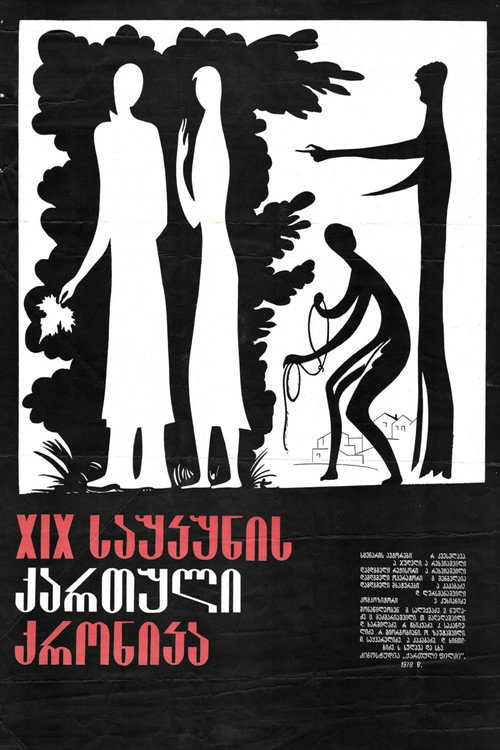
Austere and ascetic Eastern European lowercase-m masterpiece.
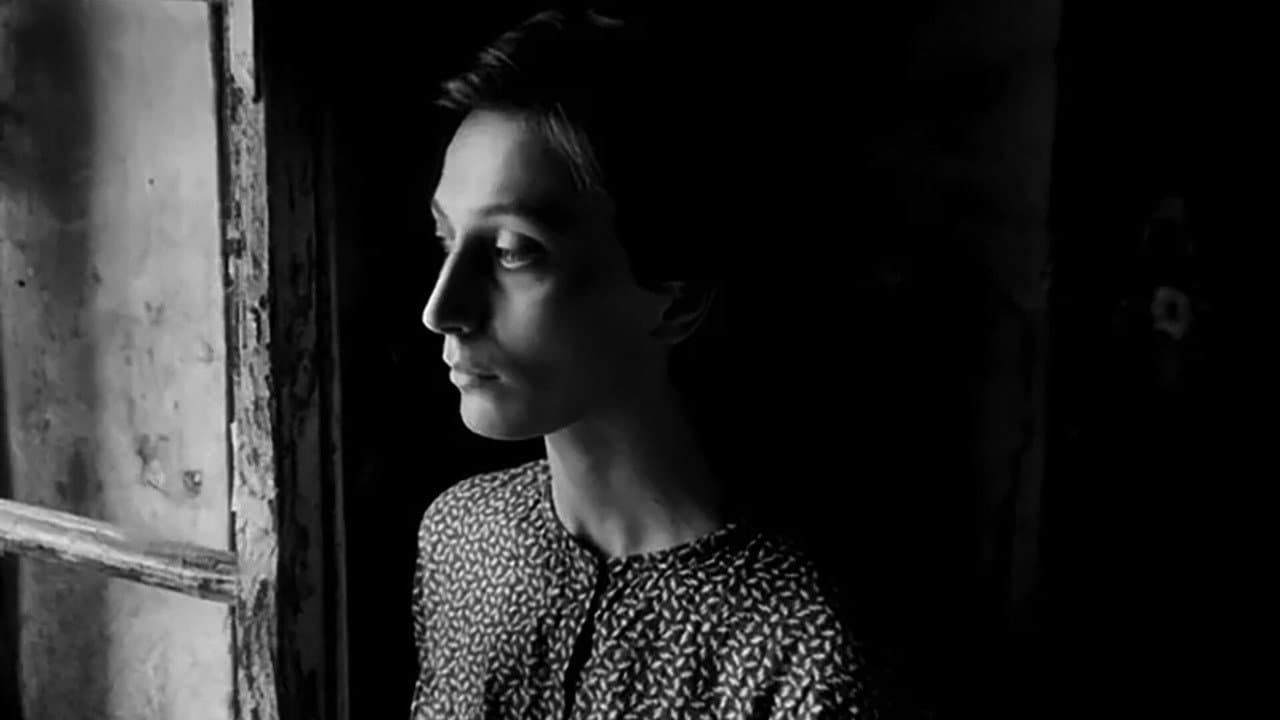
A son returns home to a remote Georgian village, whose land rights seem to have been forfeited to those who would literally exploit it. The son’s village are longtime residents of the forest and have placed their hope and faith in him so that he may speak with officials, reverse the decision, and save the people’s homes. The son’s confrontation with officials causes a stir of scandal, both his efforts on behalf of the village and his association with an official’s daughter. This leads toward conflict involving the son, the officials, and villagers.
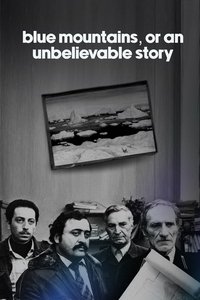
Stilted dialogue and liberal geospatial orientation create an enigmatic air between characters. Every interior is dilapidated and the official building the son visits is tragicomically labyrinthian in that old Kafka-esque way. The holistic ecosystem of this place and the governmental entity it represents is embellished in its absurdity (although not necessarily exclusive of reality). The establishing shot shows three men cramped at tiny desks in a tiny room passing papers to one another, stamping them in motions of supreme monotony. The bureaucratic farce of the conflict at hand, land rights between villagers and exploiters, is highlighted by the son’s question
Can the fate of a village really depend on just one signature?
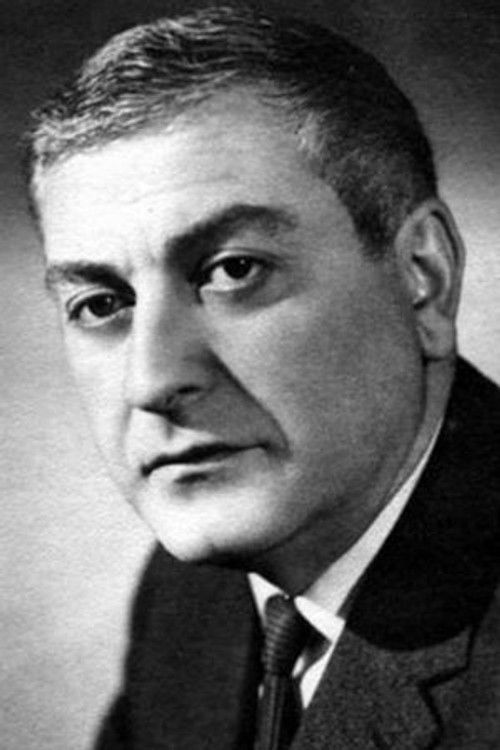
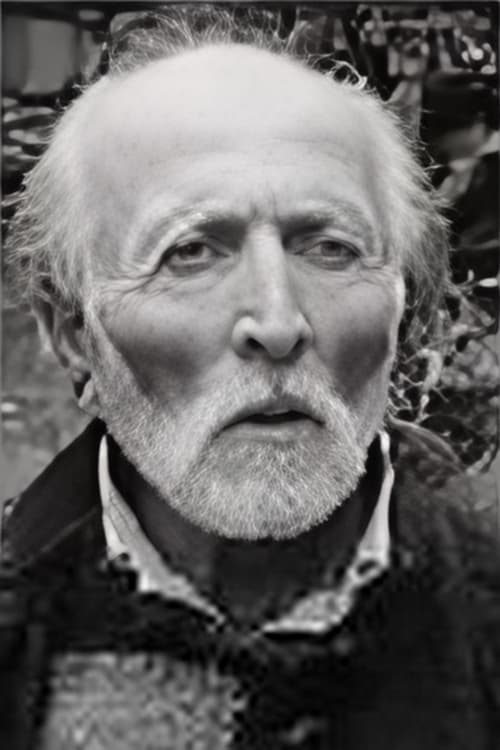
Following in the cinematic lineage of Tengiz Abuladze, Rekhviashvili paints a stark picture of old Georgia. Channeling the breath of old masters like Dreyer and Bresson and serving as a major connection to late-century master, Béla Tarr. This debut came out the same year as Tarr’s debut,
Family Nest. While Tarr was spending time at the dinner table, investigating domestic claustrophobia, Rekhviashvili was investigating nature, the land, and property rights. Even the opening shot, a tracking shot of horse and buggy, parallels to the opening shot of Tarr’s final film,
The Turin Horse.
I focus on Tarr because of his reputation and place in modern film canon. Tarr is one of my favourites, so it is with honest earnestness I posit Rekhviashvili as an equal contender. While his oeuvre is quite small, between at least this and
The Way Home, Rekhviashvili has me convinced he was an auteur of the transcendent. He spotlights those on the margin, infuses them with grace, and facilitates a cinematic environment of sterile purity.
The son, Nico, serves as a Christ-like prophet, sent to deliver those unprotected. His navigation through the cast of characters reflects questions about what it means to be human. When he returns to the village and visits the teacher, Nico notes most of the rights documents in possession
“are mostly about natural, moral rights,” to which the teacher rhetorically answers,
“But those rights are the foundation of all other rights.”The film is not without its own sense of humour. Most of the scenes with the overlords, those who will exploit the forest, include a level of sarcasm. Their first meeting is a dining table in the middle of nowhere. It is accompanied by an equally isolated coat hanger. The men act as if everything is completely normal while a server comedically runs back and forth offscreen, delivering silverware and water. The meeting place emphasizes the group’s separateness from modern man, the implied elite. Another scene of a congratulatory speech elicits a smirk when the group mechanically claps in sync with the bourgeois declarations.
Aleqsandre Rekhviashvili offers a gem of austere revelation. A plethora of images and landscapes pierce the soul and reach beyond themselves. Like the most profound works, it evokes an ontological experience. The smallest and most vulnerable humans seem to be cosmically and corporeally opposed at every turn of every timeline. Films like this elicit understanding and empathy. It makes me feel connected to the species in a deeper way.