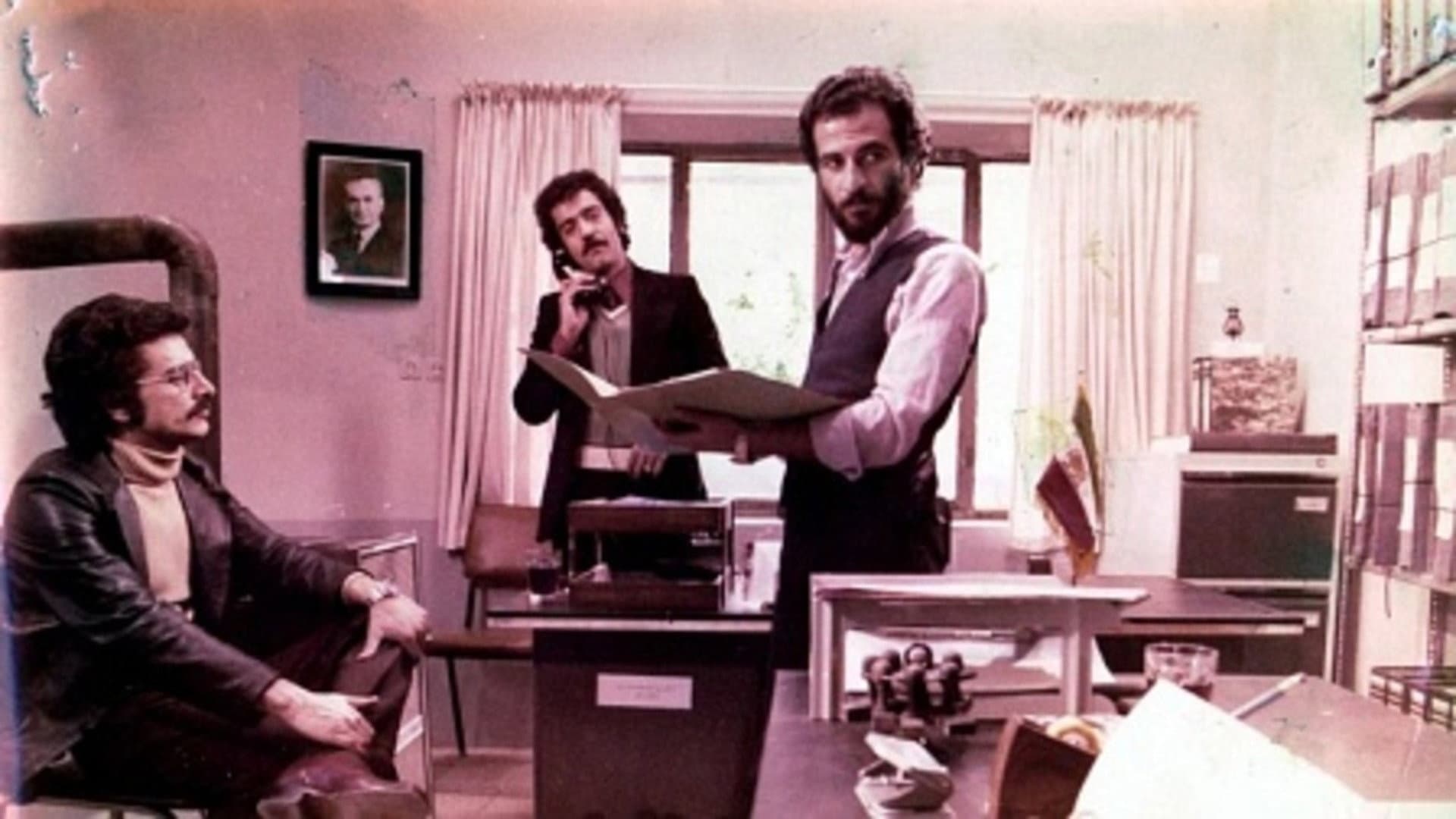
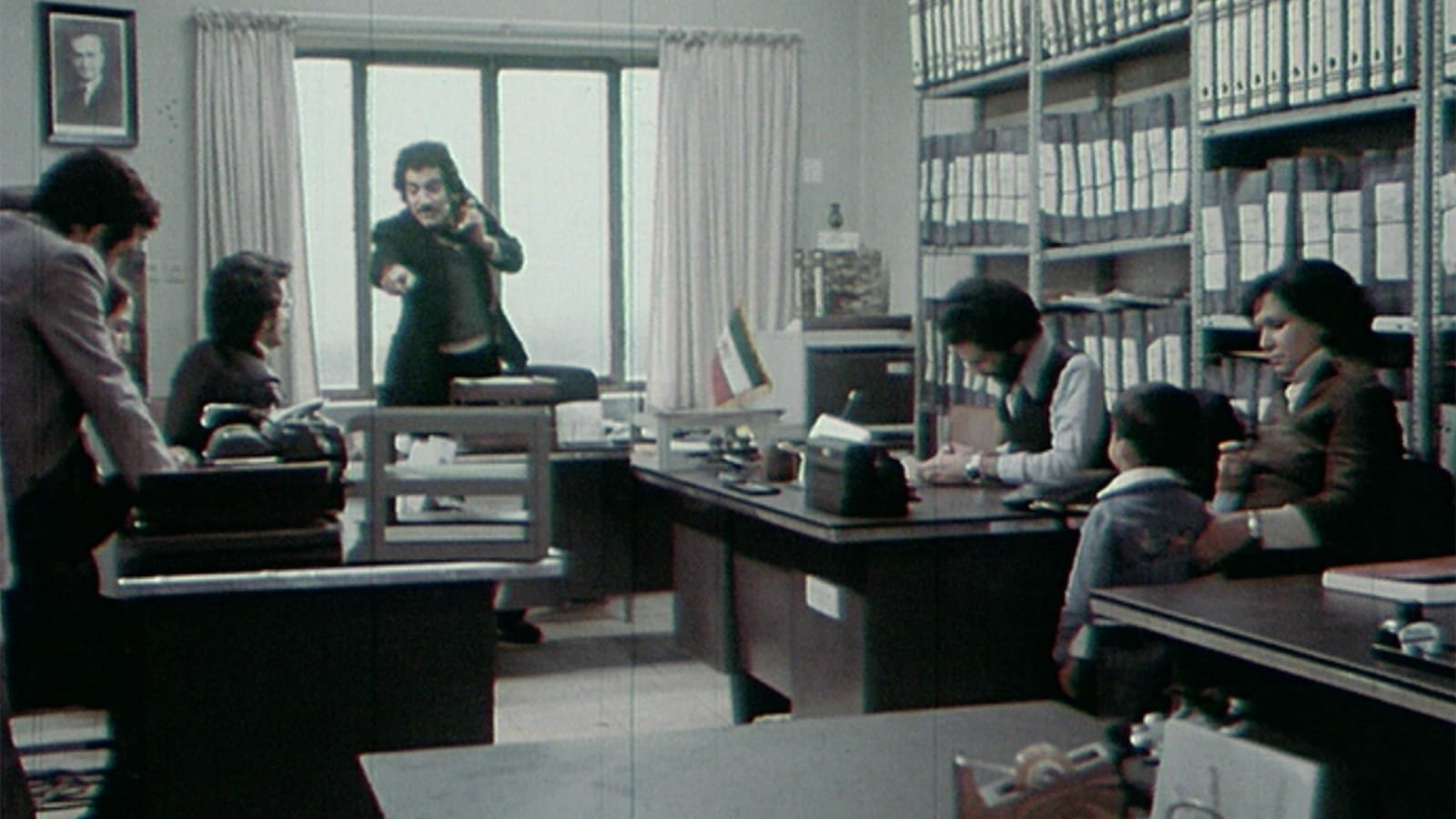
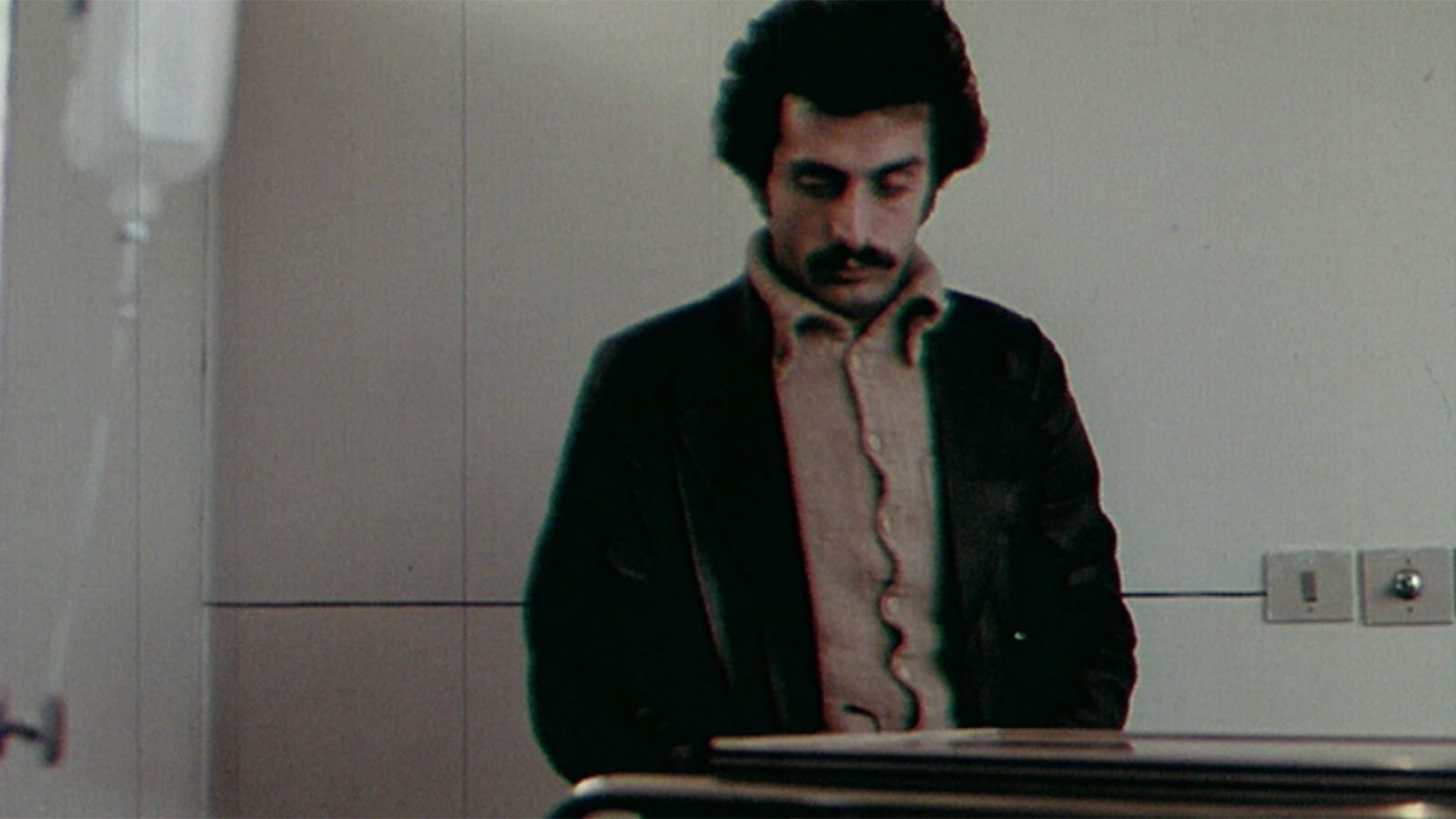
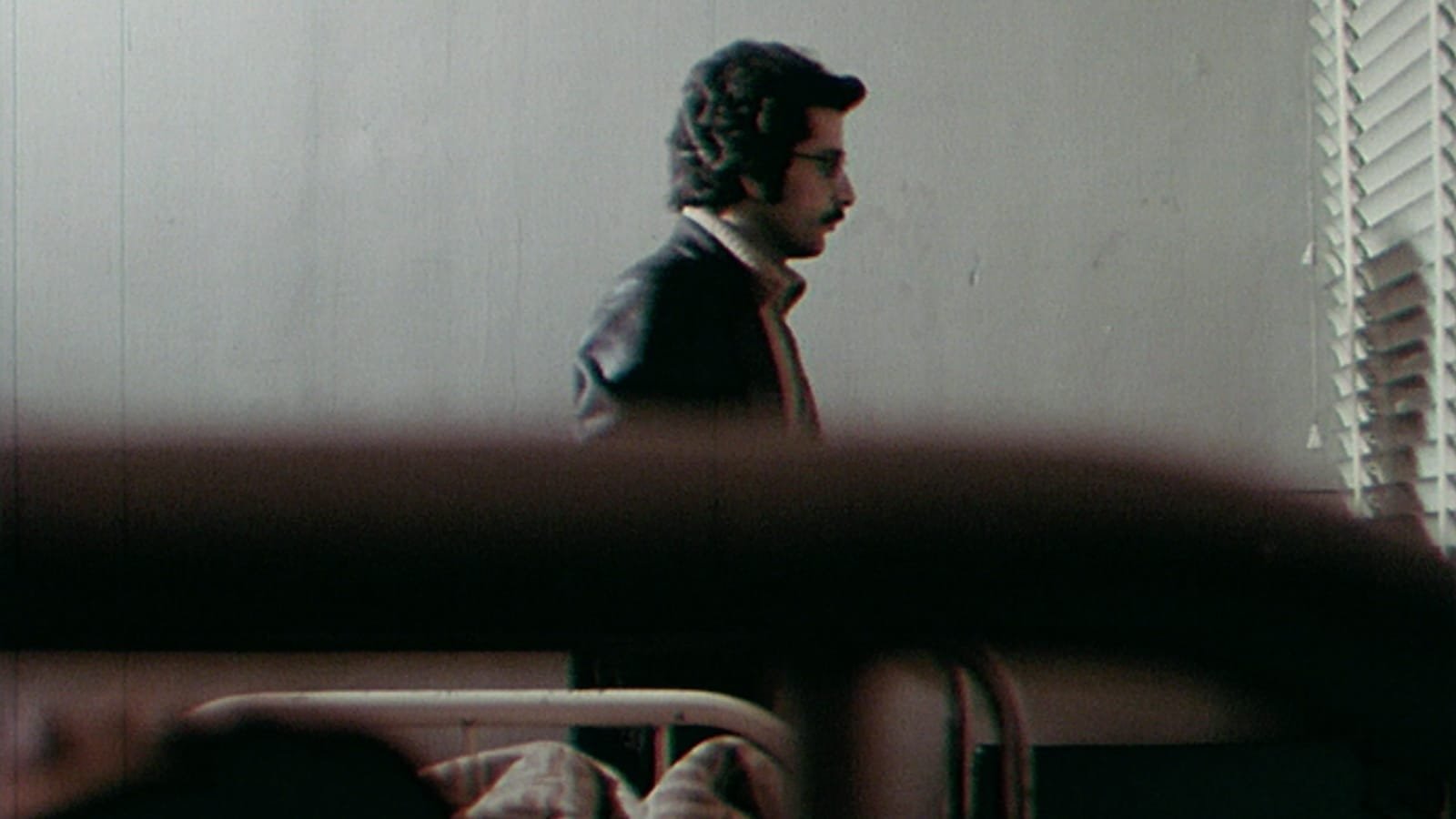
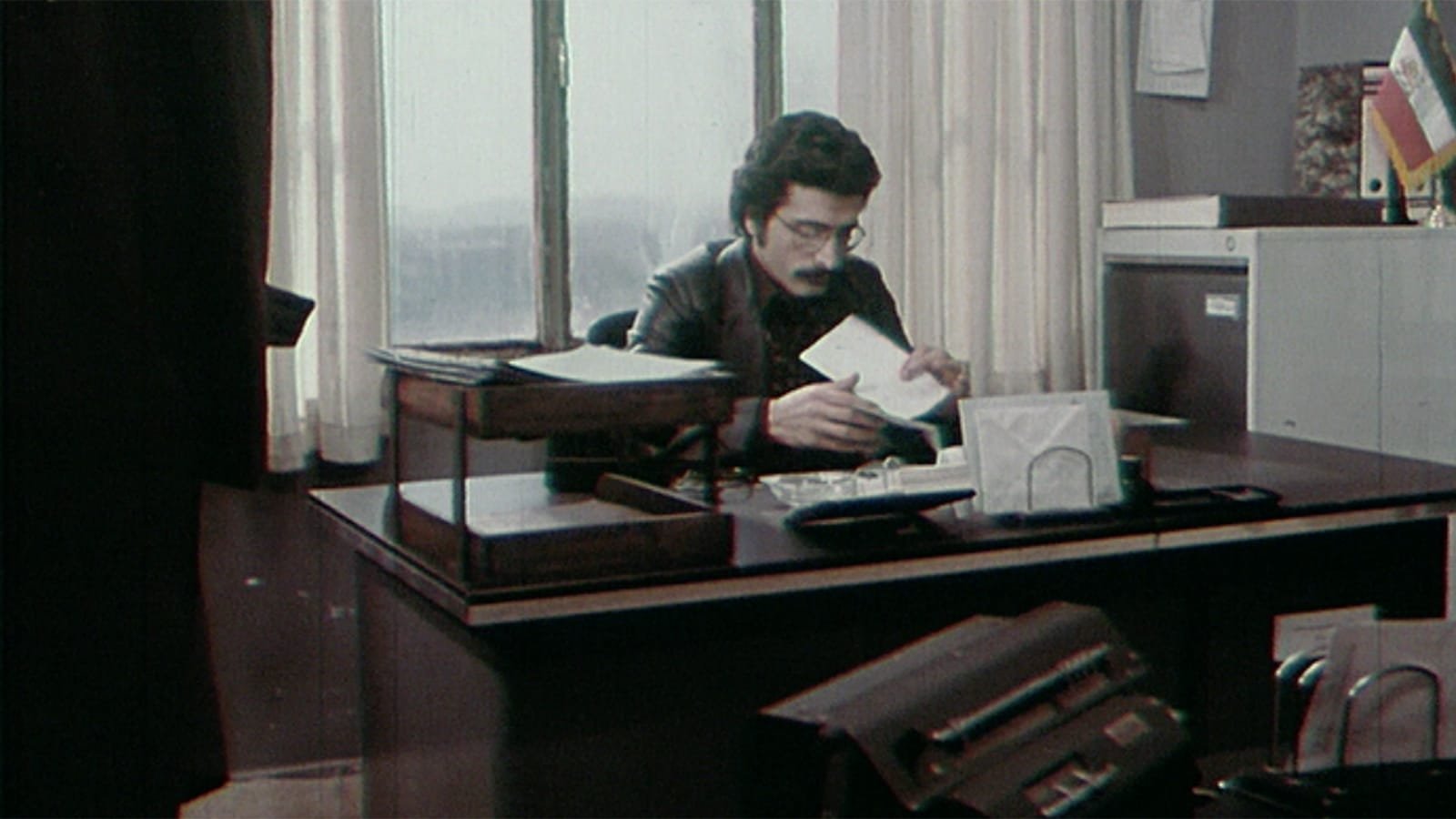
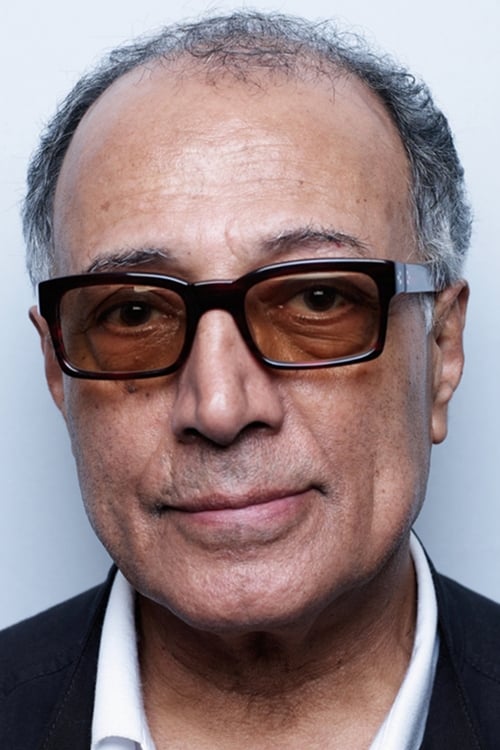
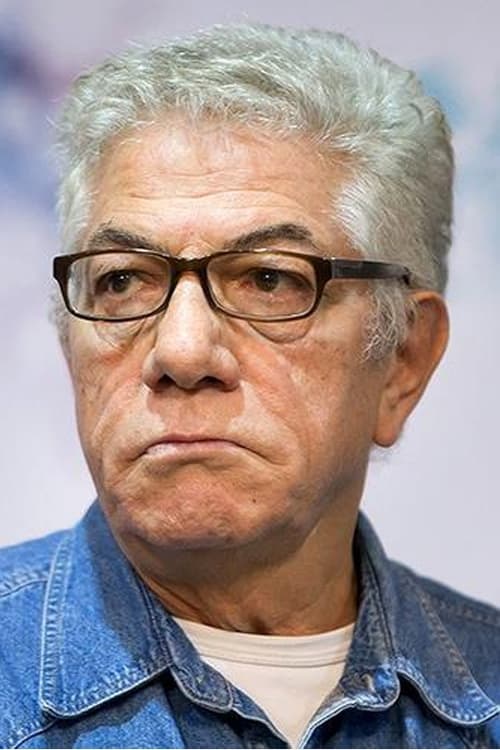
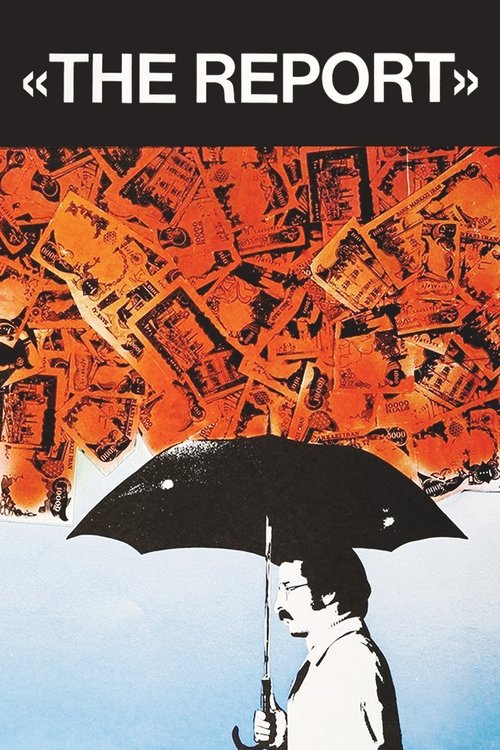
The Report is Kiarostami’s second feature film and while there are some strong elements (particularly the performances), overall it feels a bit laborious. Kiarostami takes a look at contemporary Iranian society in a withdrawn way, saying about his story choices “politics and sociology exist in a film regardless…if you decide to approach something from a theoretical standpoint, there’s a danger of the theory becoming the dominant form.” Kiarostami had another brilliant quote in this interview, saying about drama; “I think people can only tolerate drama to a certain extent. Afterwards there should be a silent moment so people can recharge. This is something special that’s found in literature but not really in cinema. When a chapter ends in a novel half the page is blank, then there’s another blank page after that, and then another chapter starts with a number. The reader at this point can decide to turn the book over and go to have a tea or go out. But cinema doesn’t afford the audience this luxury. Literature is kind to its reader, but cinema isn’t this way, it’s not kind.” It seems that Kiarostami tried to use this idea of pauses some in The Report, but it doesn’t work as well as it does in his later films.
The Report is Kiarostami’s second feature film and while there are some strong elements (particularly the performances), overall it feels a bit laborious. Kiarostami takes a look at contemporary Iranian society in a withdrawn way, saying about his story choices “politics and sociology exist in a film regardless…if you decide to approach something from a theoretical standpoint, there’s a danger of the theory becoming the dominant form.” Kiarostami had another brilliant quote in this interview, saying about drama; “I think people can only tolerate drama to a certain extent. Afterwards there should be a silent moment so people can recharge. This is something special that’s found in literature but not really in cinema. When a chapter ends in a novel half the page is blank, then there’s another blank page after that, and then another chapter starts with a number. The reader at this point can decide to turn the book over and go to have a tea or go out. But cinema doesn’t afford the audience this luxury. Literature is kind to its reader, but cinema isn’t this way, it’s not kind.” It seems that Kiarostami tried to use this idea of pauses some in The Report, but it doesn’t work as well as it does in his later films.