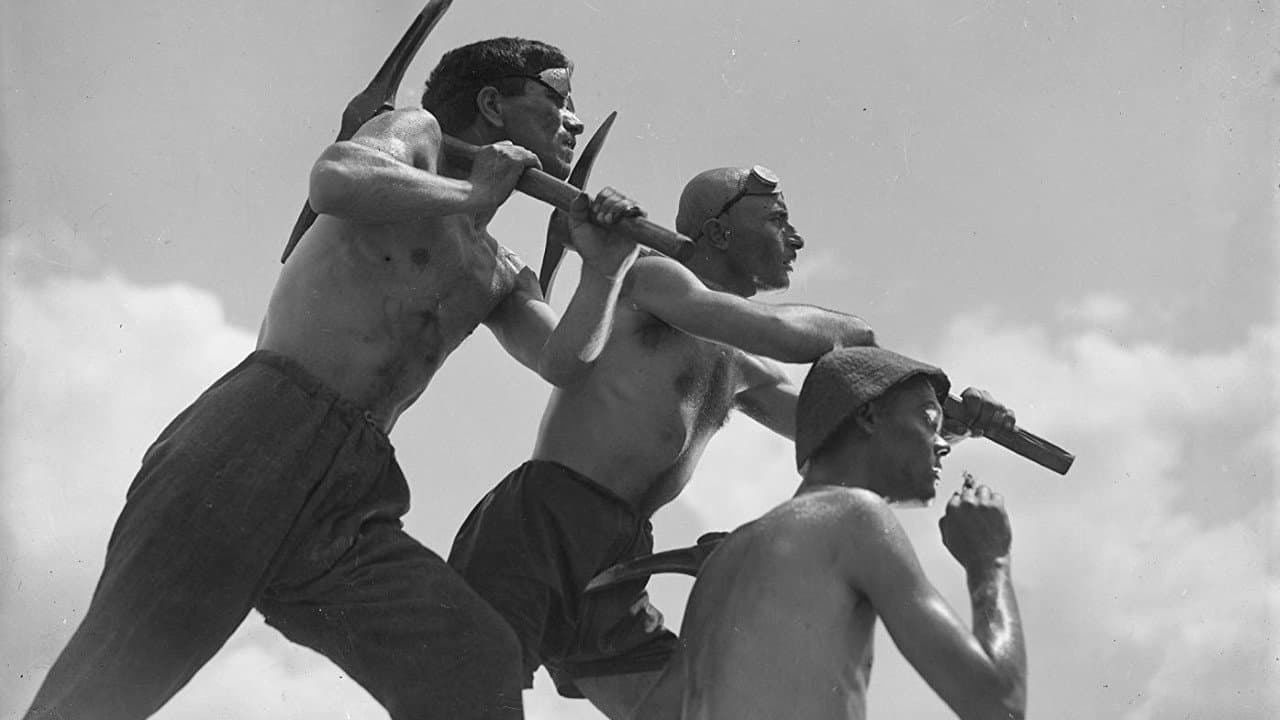
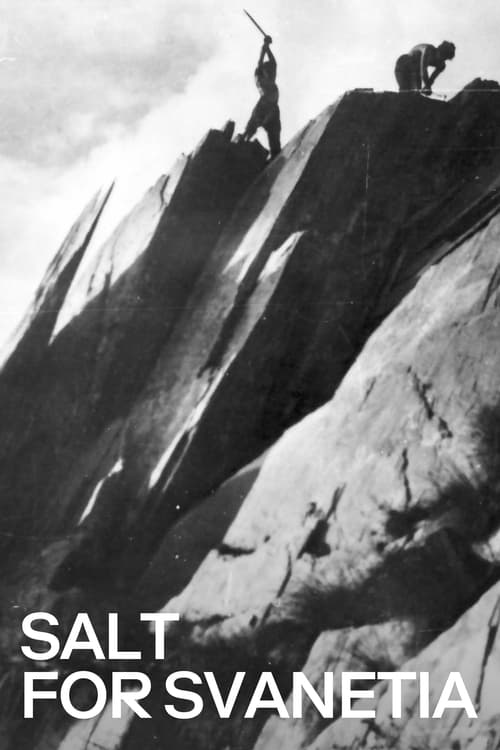
Would make a good double bill with Dovzhenko's Earth from the same year. I like the latter half more, when it starts dabbling in manipulative poetry. I'm always interested in the way cinema manipulates. Sometimes it's for better, other times for the worse. The critical thing is to be authentic or successfully conjure a mutual participation. Here, the first half is more educational. The second half highlights the proposed suffering and shortcomings of the extant culture, whose redemption lies in the economic planning of the Soviet Union. The glorification of the party takes a backseat to the abrasive and striking images of things like paralleled death, a simultaneous birth and funeral, and riding a horse until its heart stops. These foregrounded images are striking. Whatever else may be said about the Soviets, their cinematography was always bold harkening back to Eisenstein, often effectively evoking close-ups, upward angles, and montage.
Would make a good double bill with Dovzhenko's Earth from the same year. I like the latter half more, when it starts dabbling in manipulative poetry. I'm always interested in the way cinema manipulates. Sometimes it's for better, other times for the worse. The critical thing is to be authentic or successfully conjure a mutual participation. Here, the first half is more educational. The second half highlights the proposed suffering and shortcomings of the extant culture, whose redemption lies in the economic planning of the Soviet Union. The glorification of the party takes a backseat to the abrasive and striking images of things like paralleled death, a simultaneous birth and funeral, and riding a horse until its heart stops. These foregrounded images are striking. Whatever else may be said about the Soviets, their cinematography was always bold harkening back to Eisenstein, often effectively evoking close-ups, upward angles, and montage.