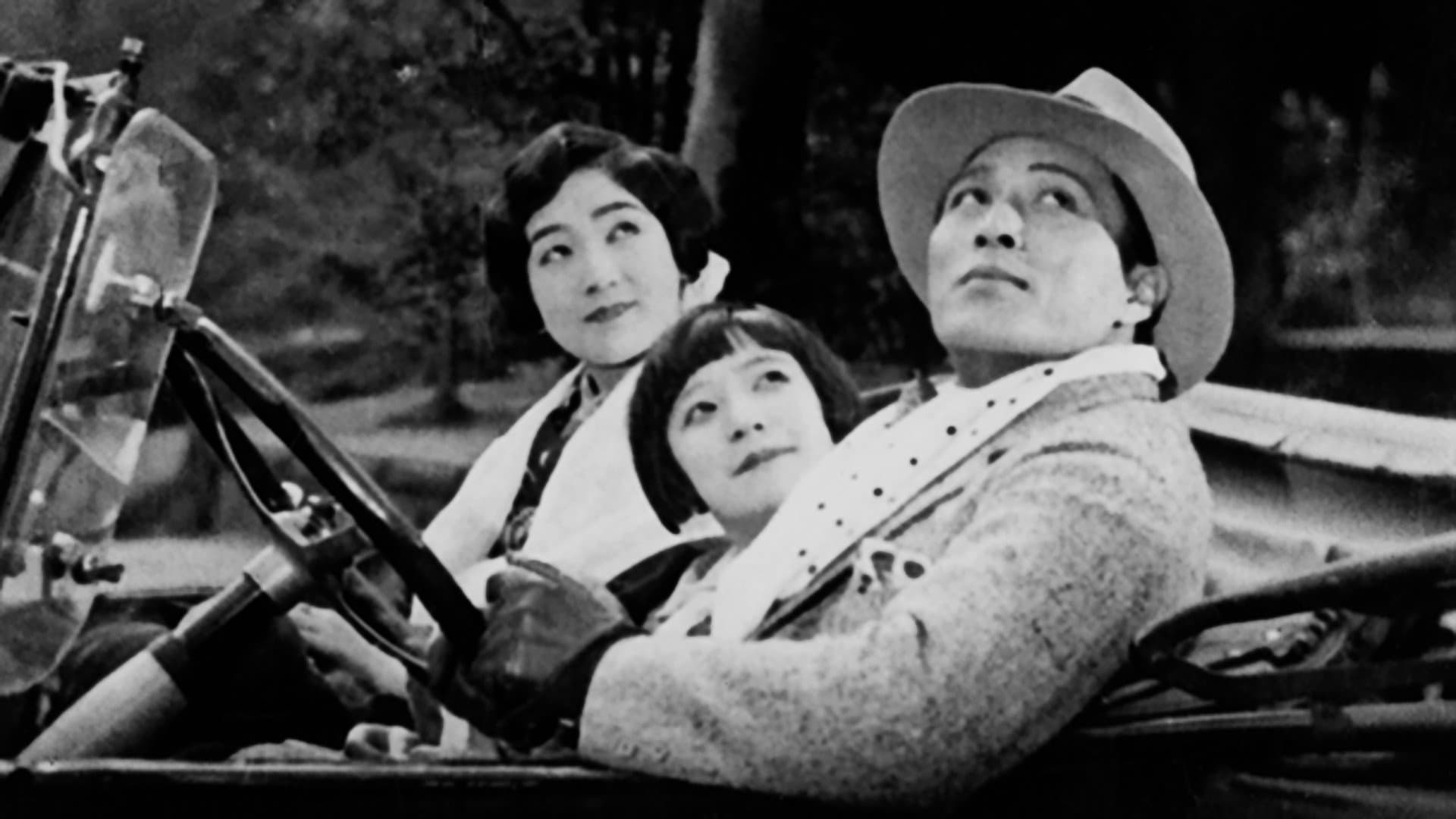
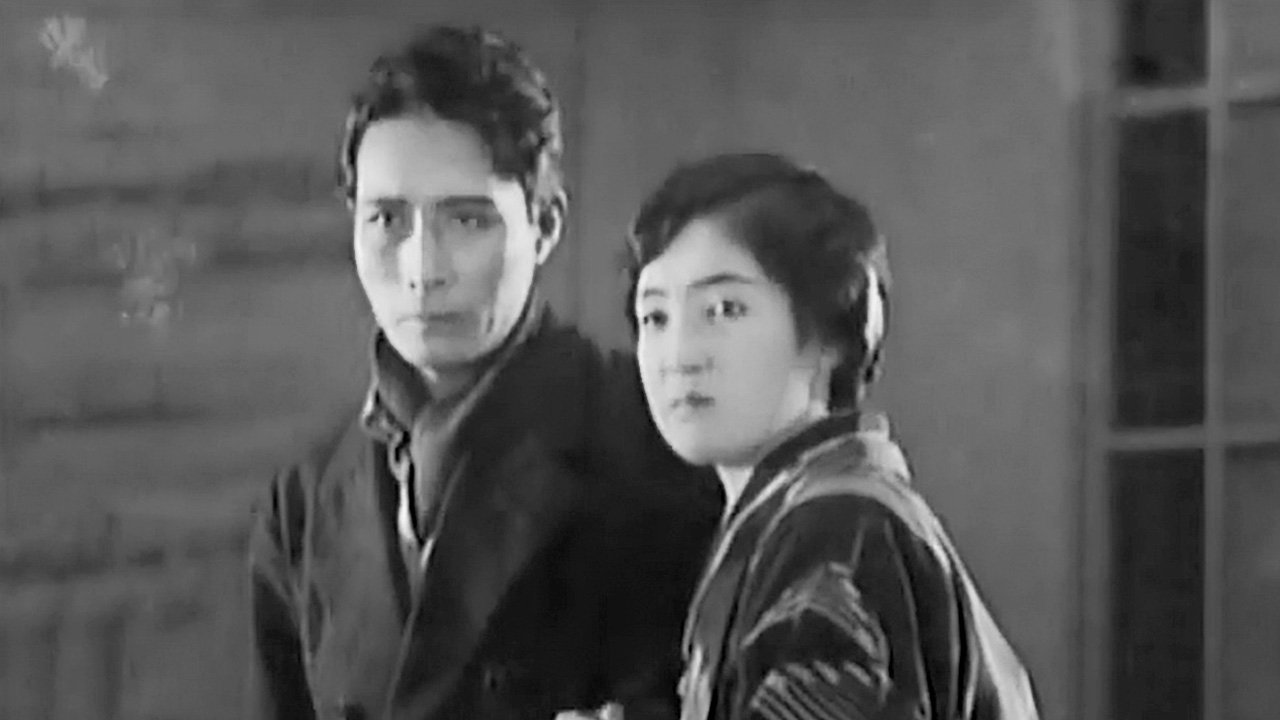
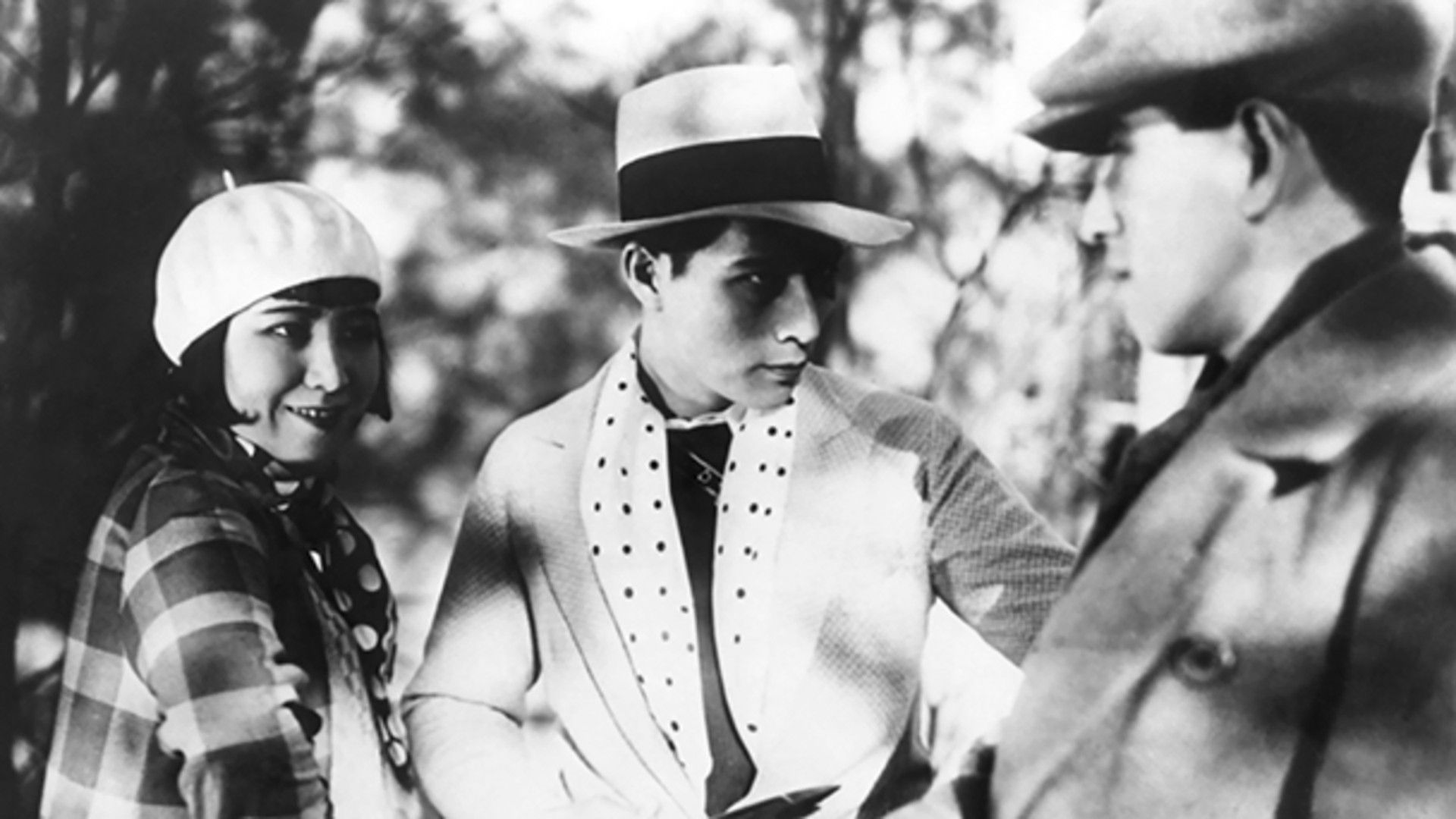
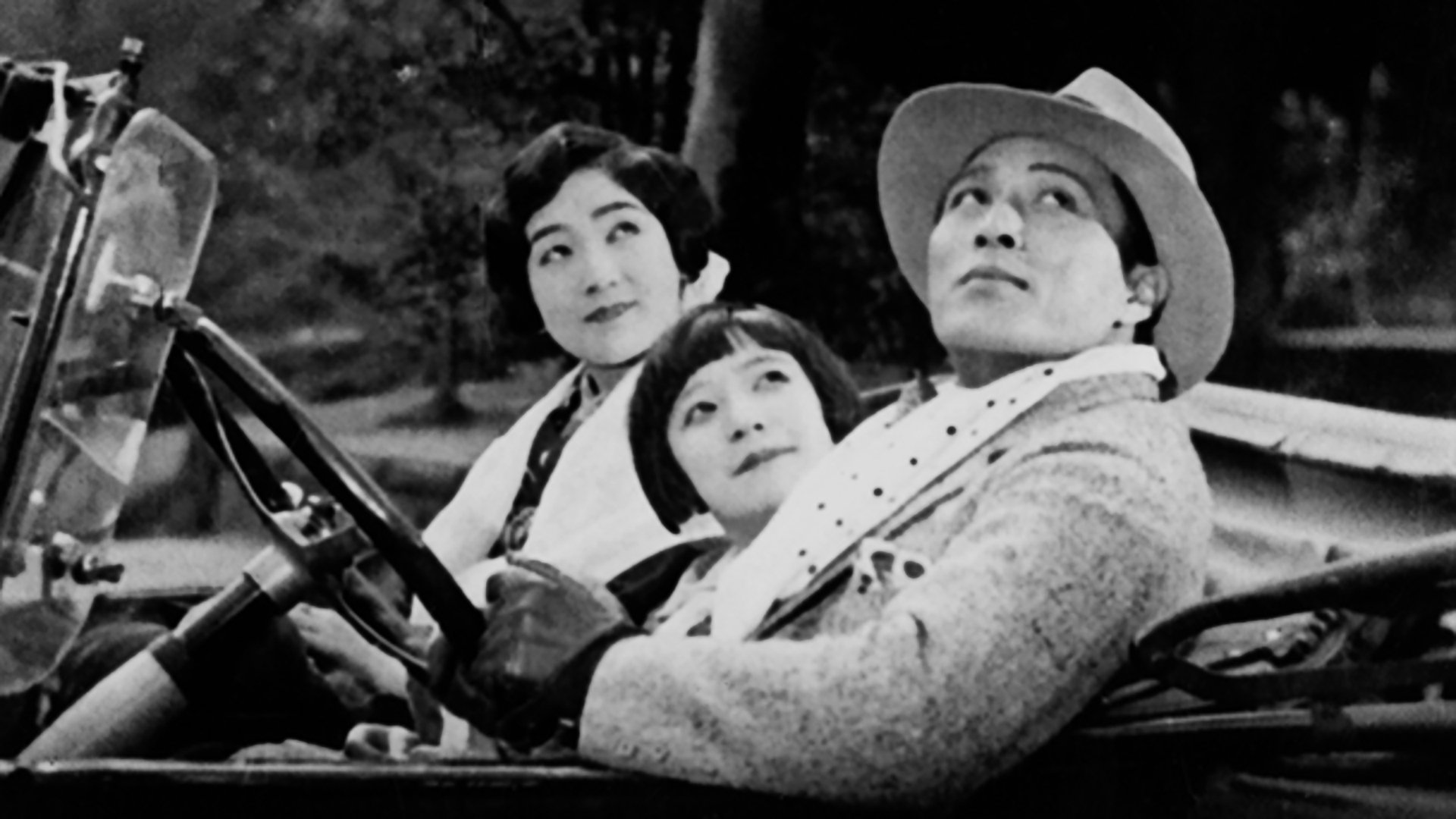
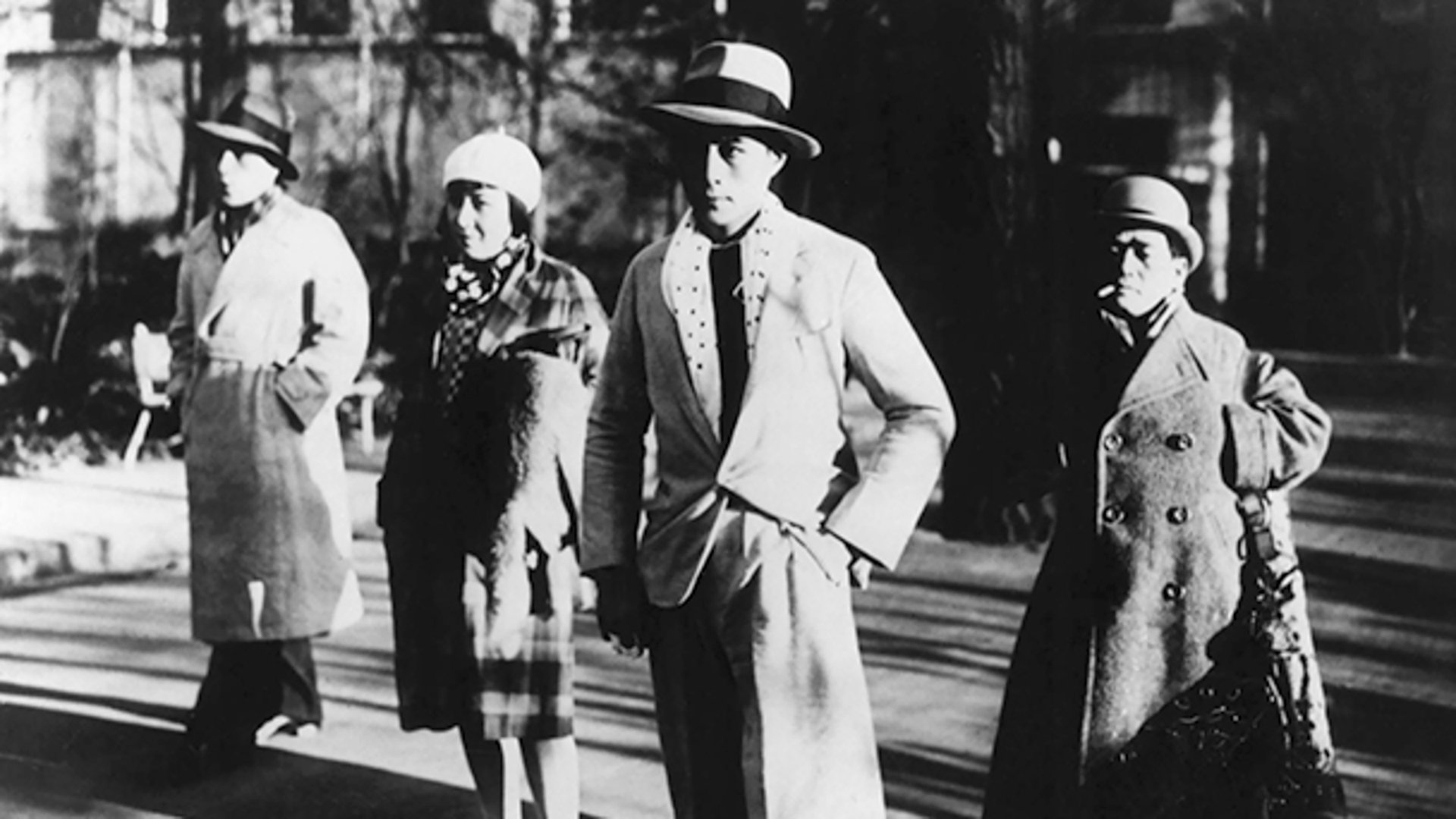
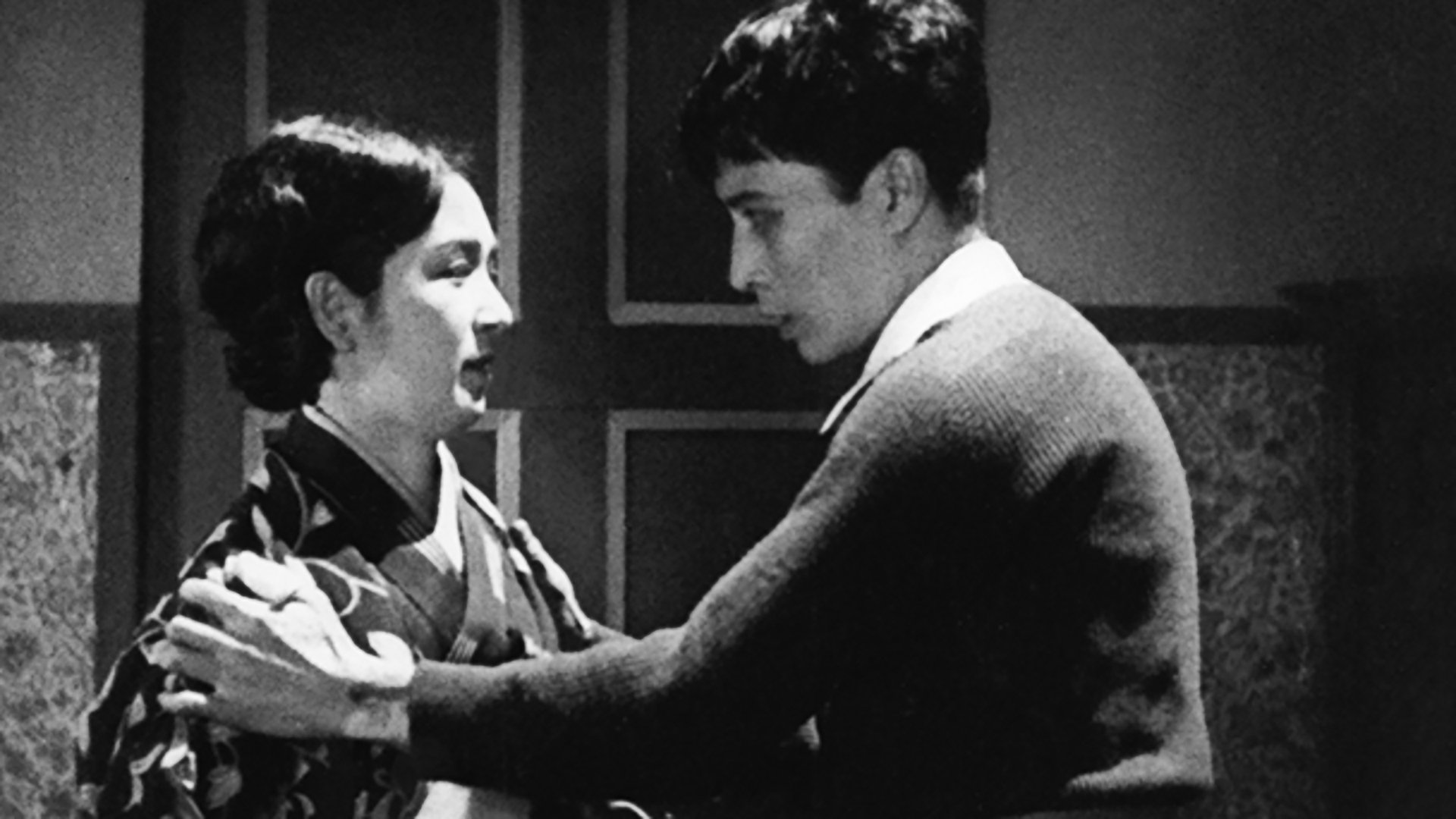
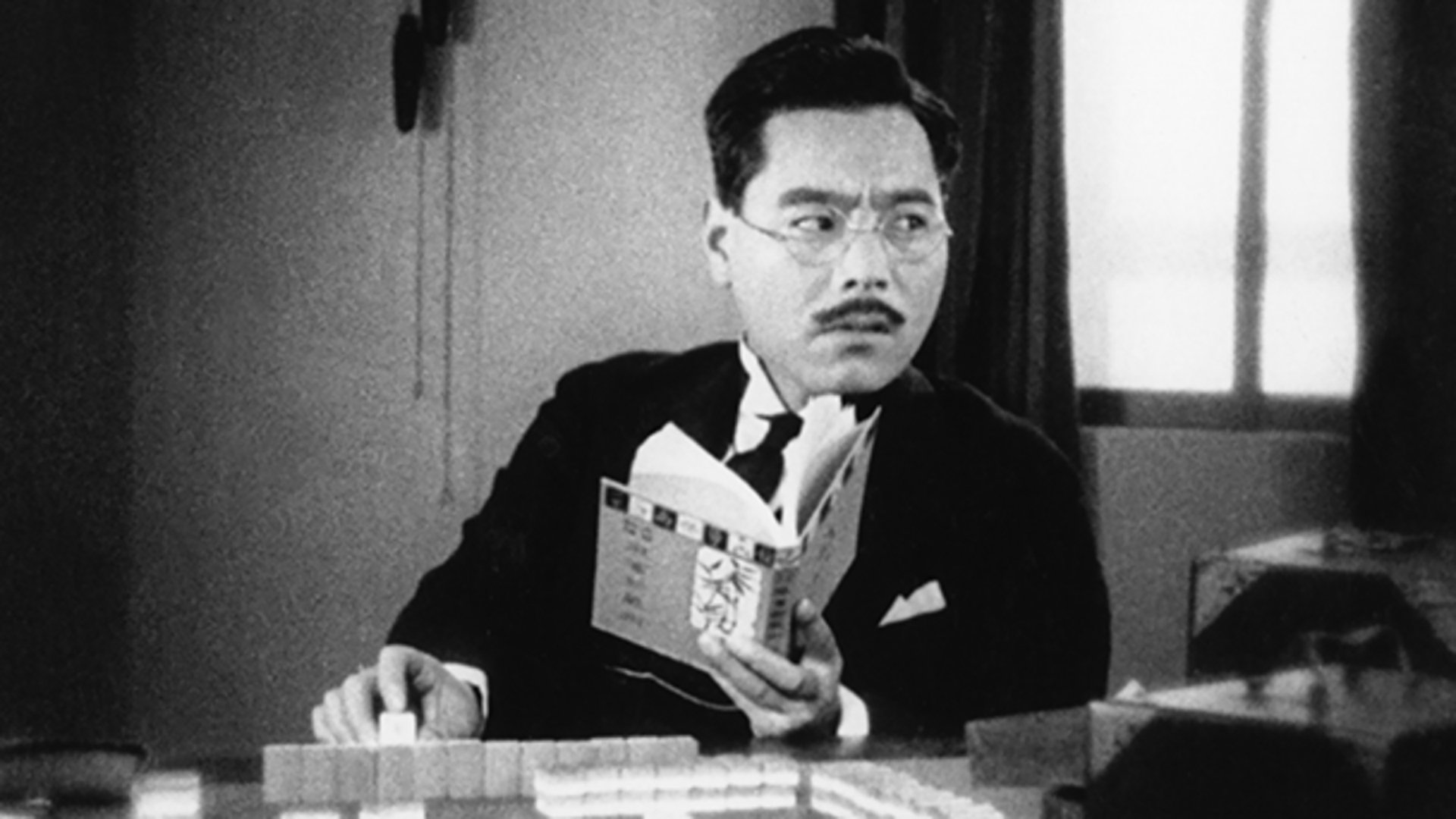
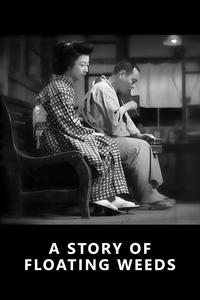
Despite feeling a bit too light and slight for its own good, a number of things stood prominently as signposts of Ozu’s genius to come.
I may be a bad man, but i can still be sincere
You don’t even love yourself.
How could you ever love someone else?
Among others, these struck me to my core. The former a reminder of the deep undeniable humanism at work in Ozu’s movies.
The latter a sentiment that somehow still feels revolutionary. We, as humans, must all learn this imperative at some point should we want that true connection with a romantic partner.
As now seems confirmed to me, Ozu always touches the universal human experience. I think, at times, about Schrader’s proposed unity between Ozu and Bresson & Dreyer.
I recently read a criticism of that, and I’m thinking more about it.
Bresson, Dreyer, and Tarkovsky are undeniably rooted in a faith-based paradigm, regardless of how austere and intellectual they feel. Ozu, on the other hand feels decidedly unintellectual. He appeals to the heart and the felt, not the thought and the scrutinized. His films are meant to be enjoyed with sake. Ozu is home.