Deeply odd and interesting to watch
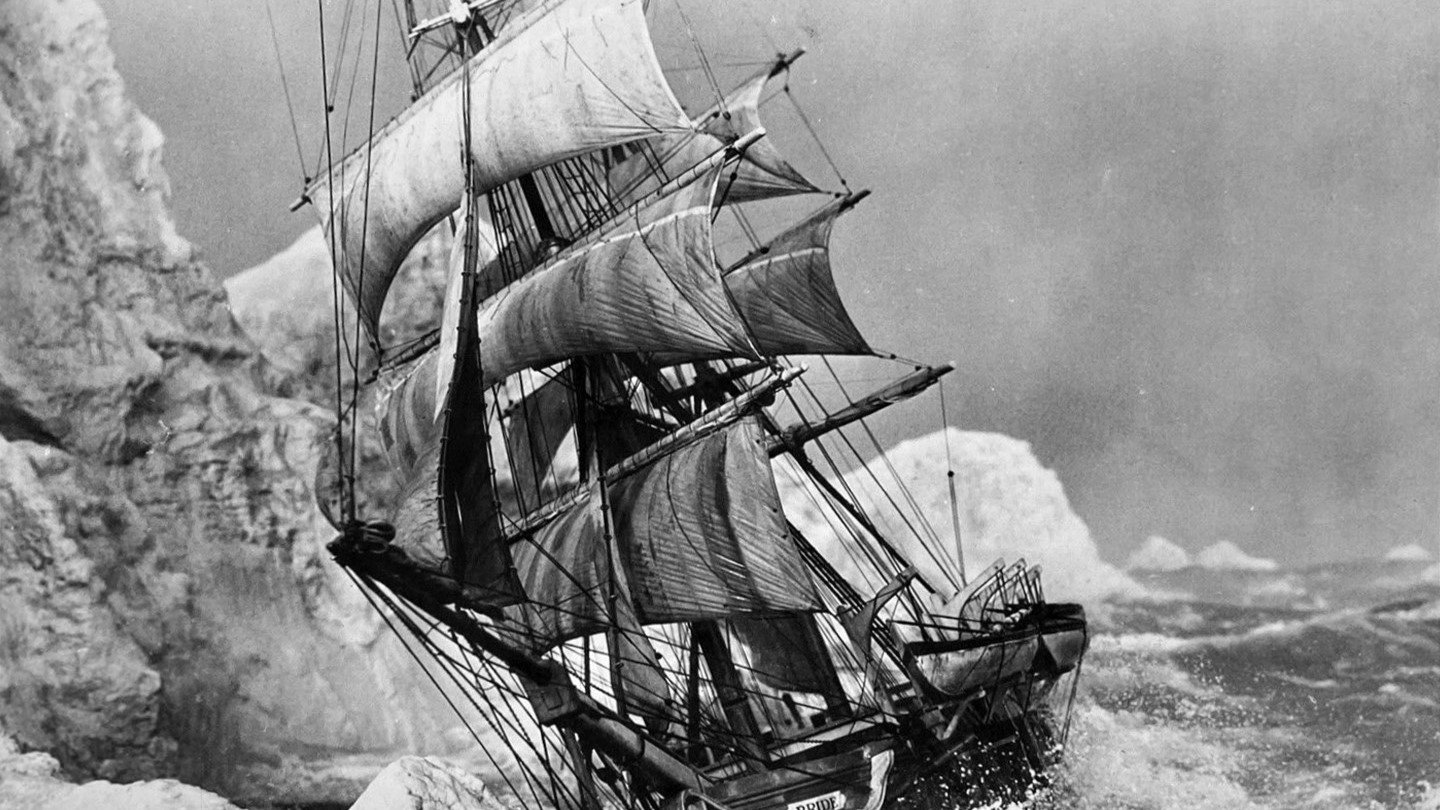
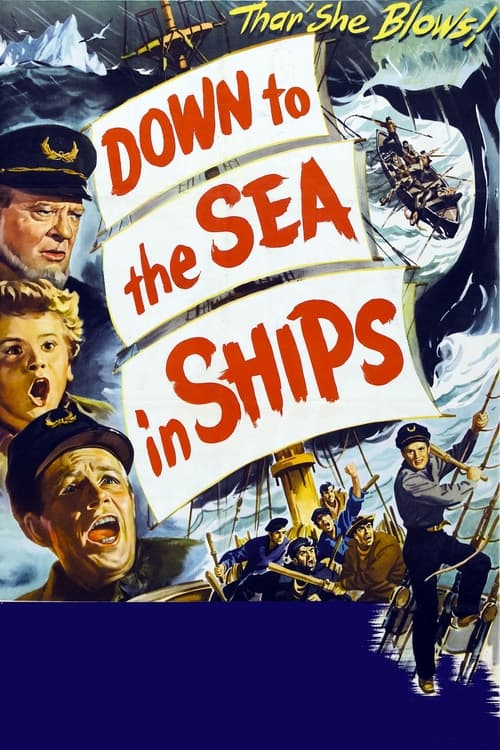
Down to the Sea in Ships so soon after 1937’s
Captains Courageous. Both are movies about young boys aboard whaling/fishing vessels, taken in by and subsequently enamoured with an older experienced sailor, drifting away from a grandfather/father who only then sees how they’ve squandered a possible relationship with their young progeny.
It wouldn’t be hard to imagine one was inspired by the other; marine glory and tradition-obsessed
Captains does, after all, start off with a memorial that literally reads “They That Go Down to the Sea in Ships.” But they’re obviously far from the only movies to use the formula; I’ve got a whole
sad men stealing sad kids list to back it up. It’s why Joey can’t stop screeching “Shane!” at the end of
Shane (1953). It’s why Shia LaBeouf roped FKA Twigs into his fucked up but regrettably gorgeous abusive therapy session that was
Honey Boy (2019). And then there’s
The Mighty McGurk (1947),
Deep Waters (1948), and even
Captains Courageous clone
Cattle Drive (1951) in
Down to the Sea in Ships star Dean Stockwell’s back catalogue. Seems Hollywood could never shake the impulse to explore how deep the desire for guidance and acceptance can be in young people, and how deeper still the need to help them can be in ostensibly disinterested and aloof adults.
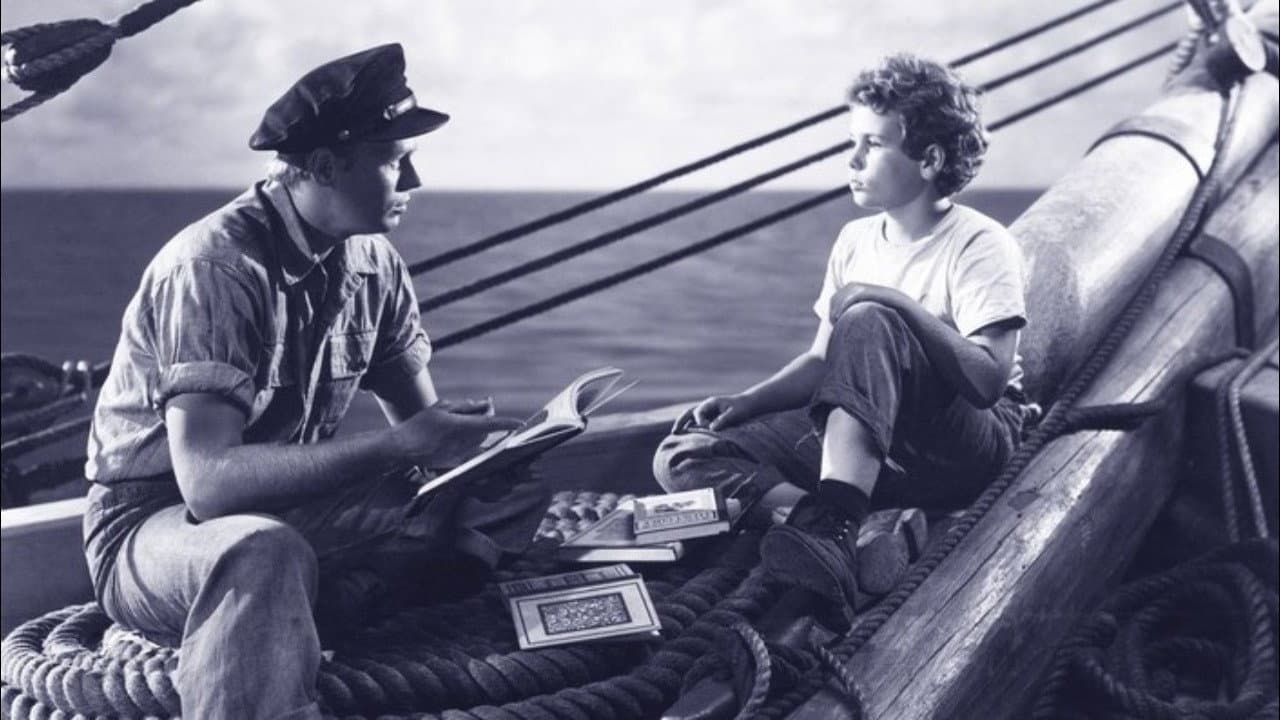
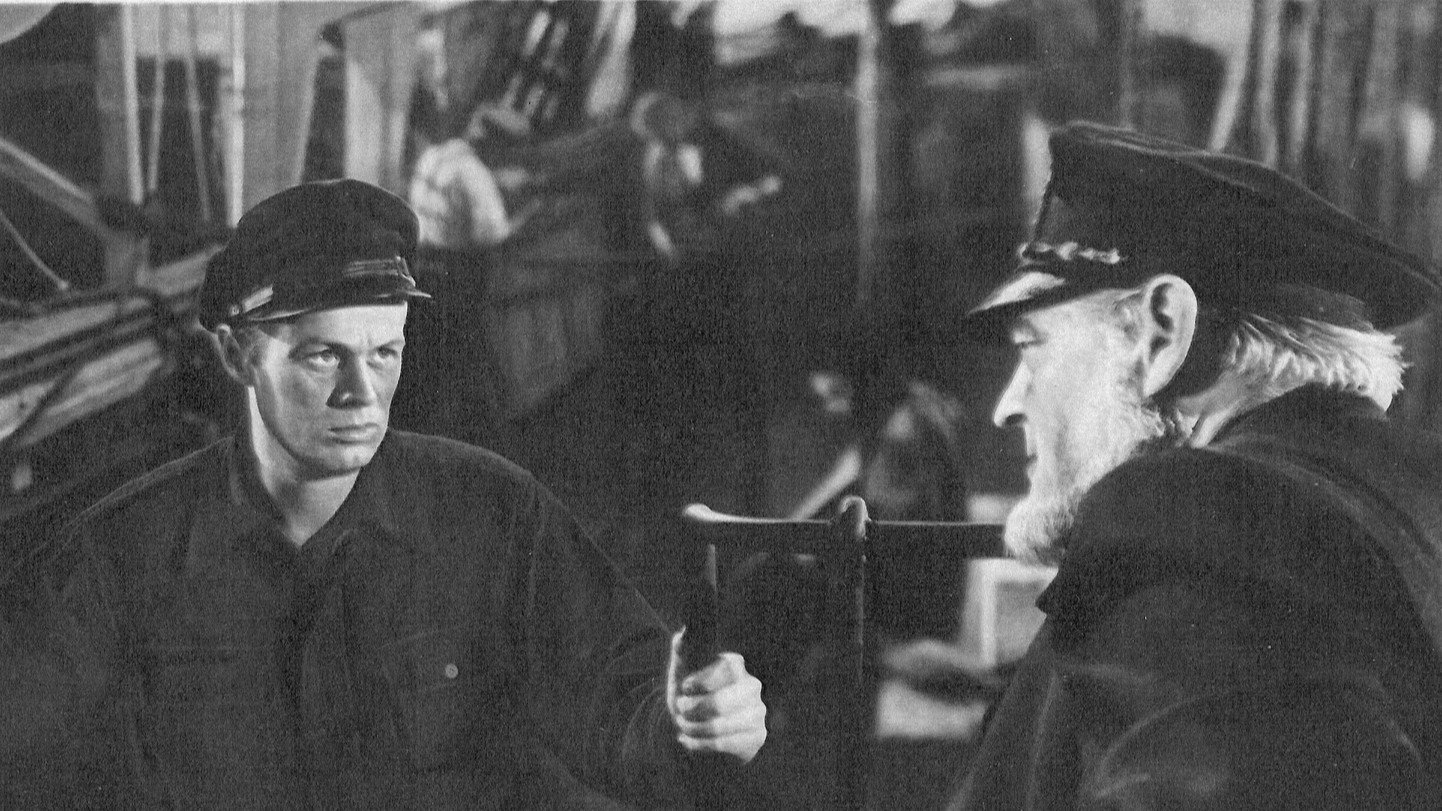
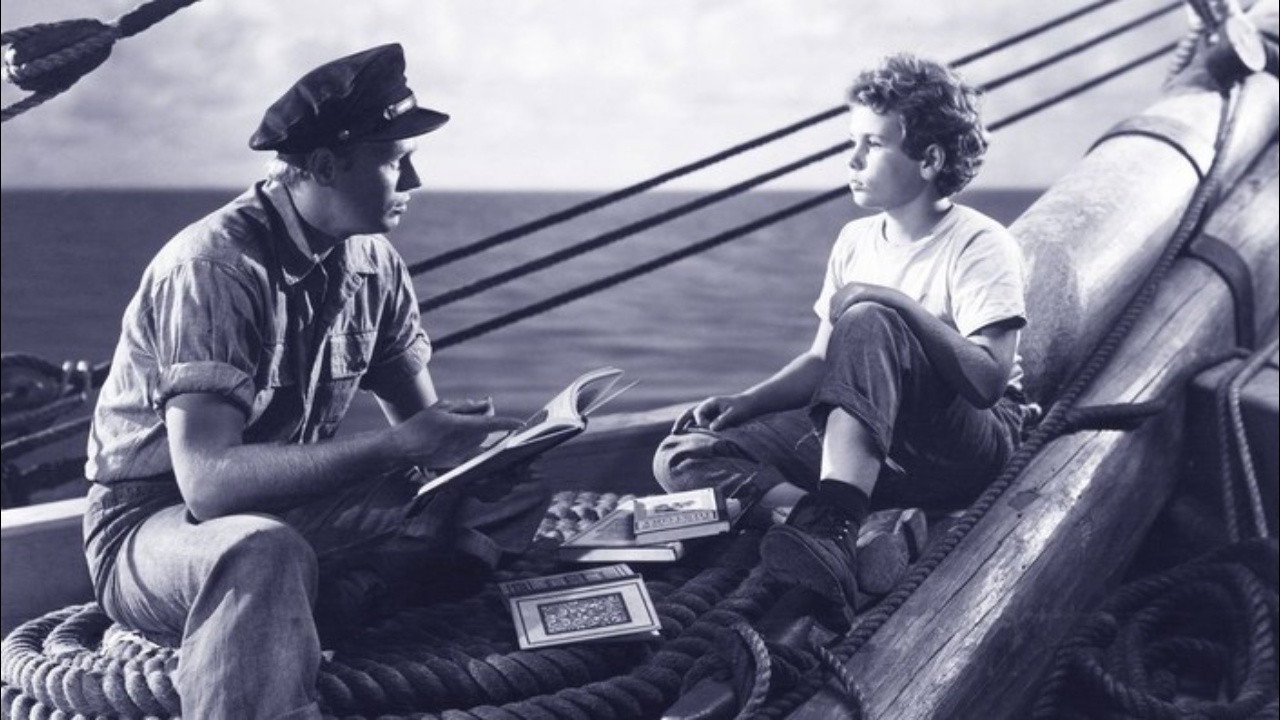
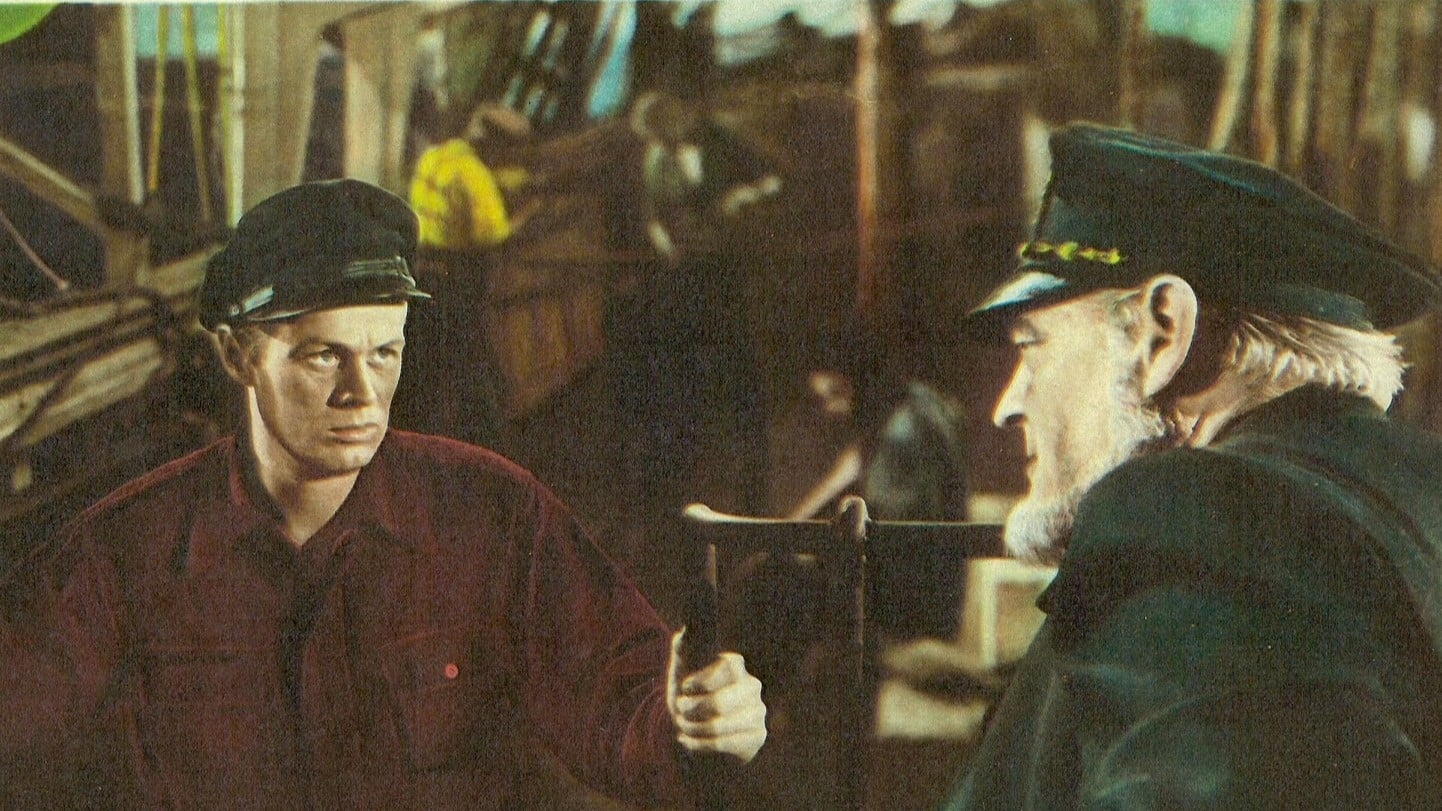
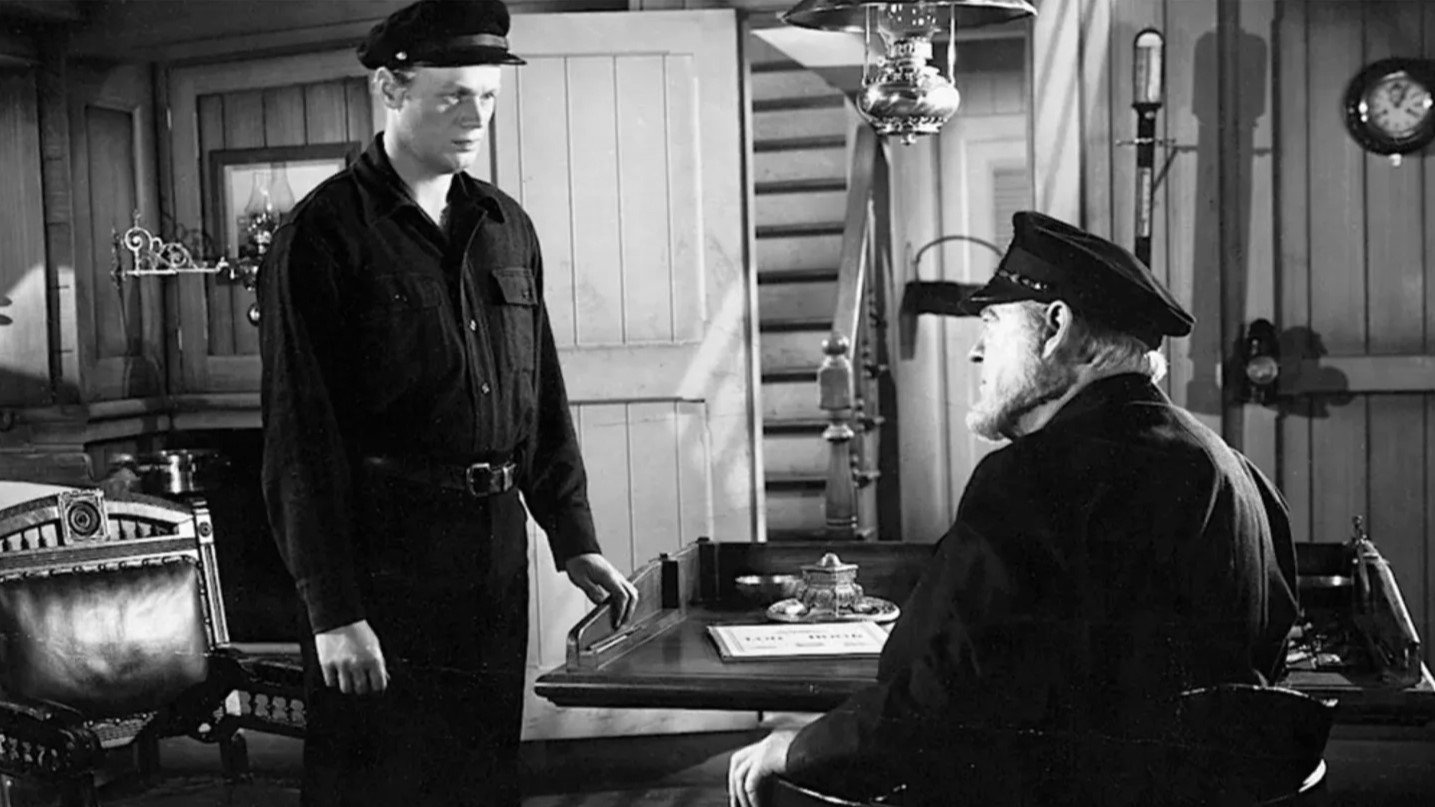
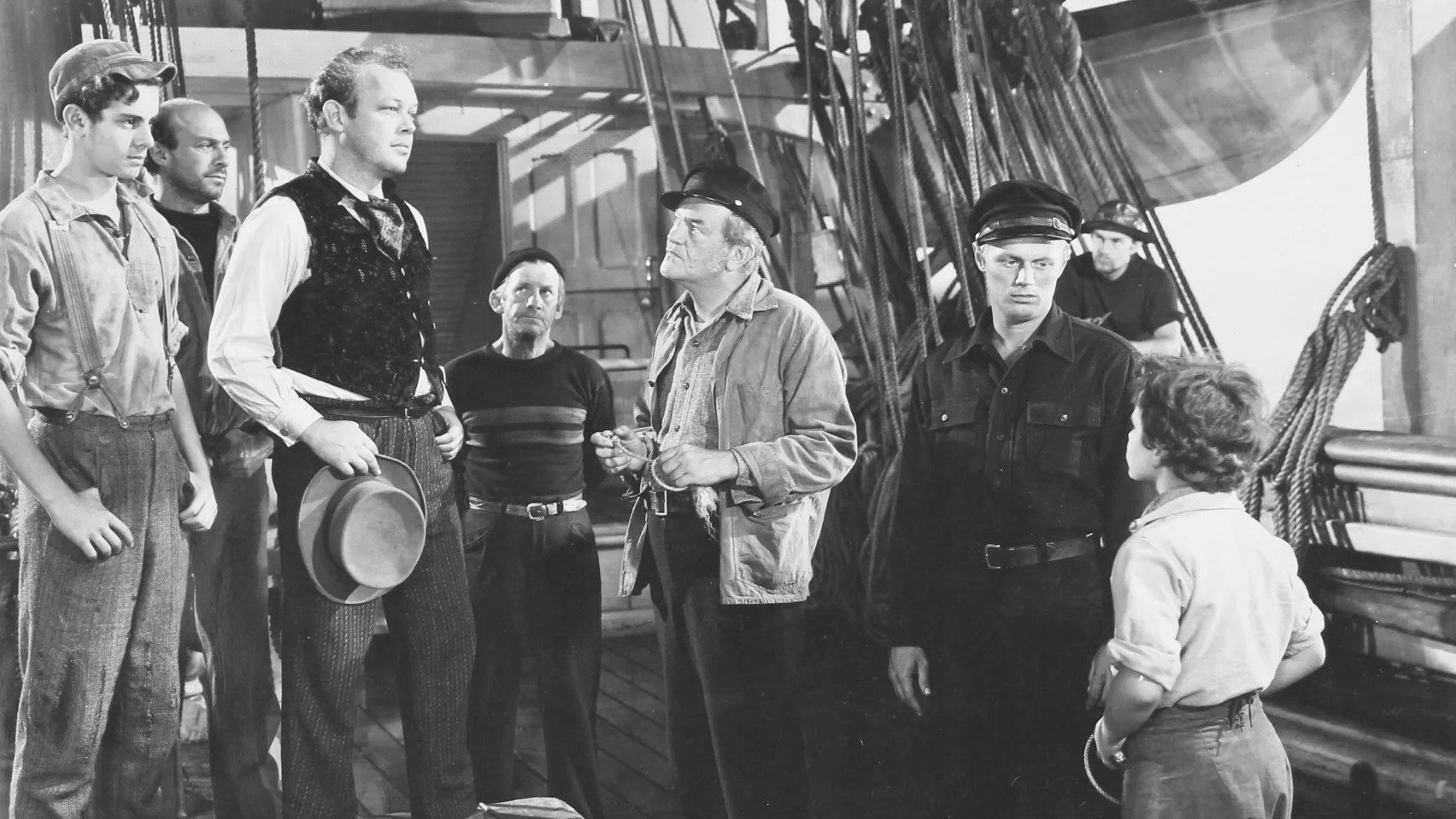
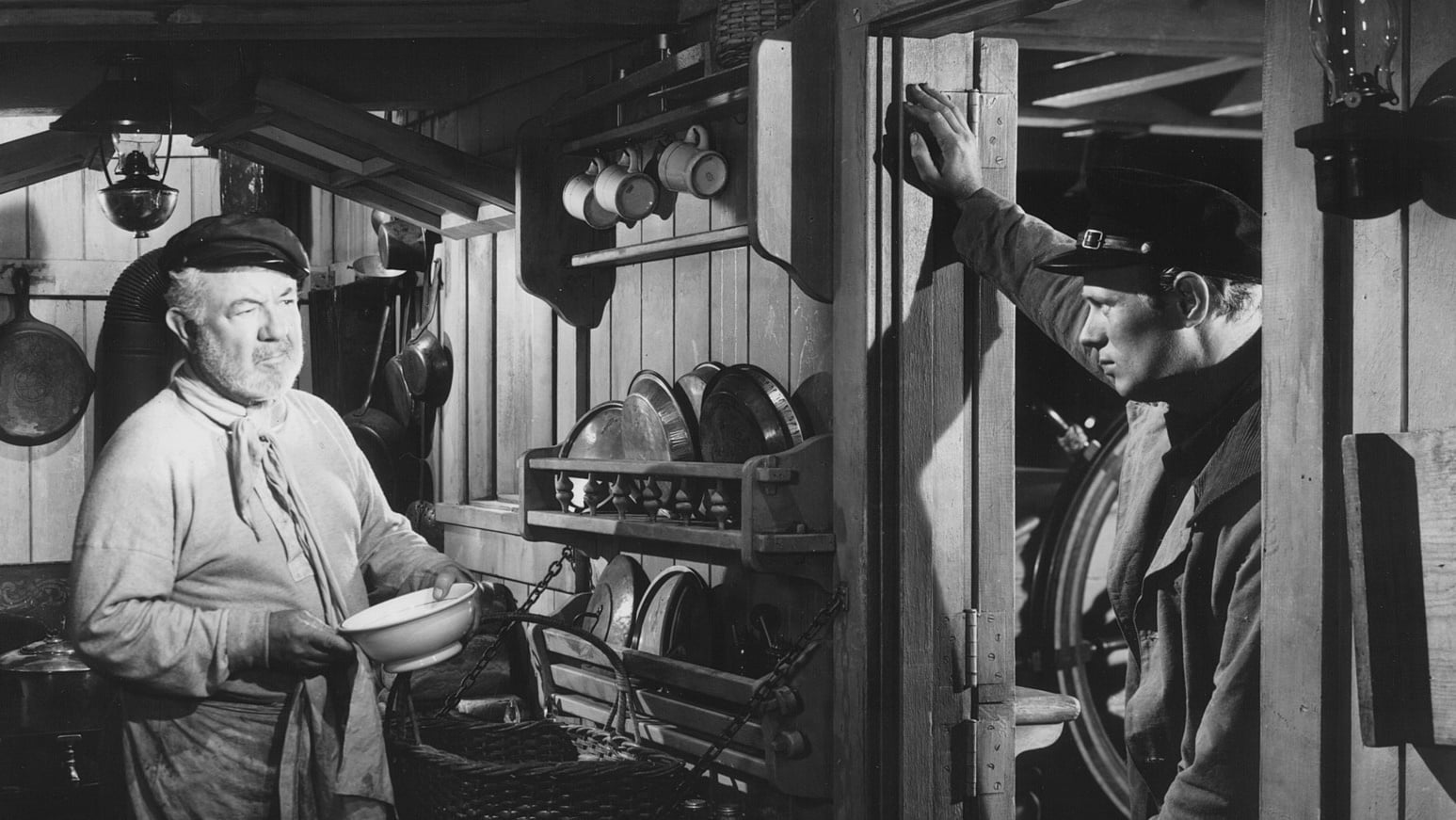
But these two specifically really bring out the meaning behind this kind of story. There’s a push-pull in the child lead, between both their burgeoning sense of self, and the fidelity (replaced, in adolescence, as a kind of indignant rage) toward their paternal idols. Here, Jed Joy (Stockwell) at the beginning wants nothing more than to
be his grandfather one day; by the end, he’s begging for the knowledgeable and strong First Mate Dan Lunceford (Richard Widmark) to whisk him away. Similarly in
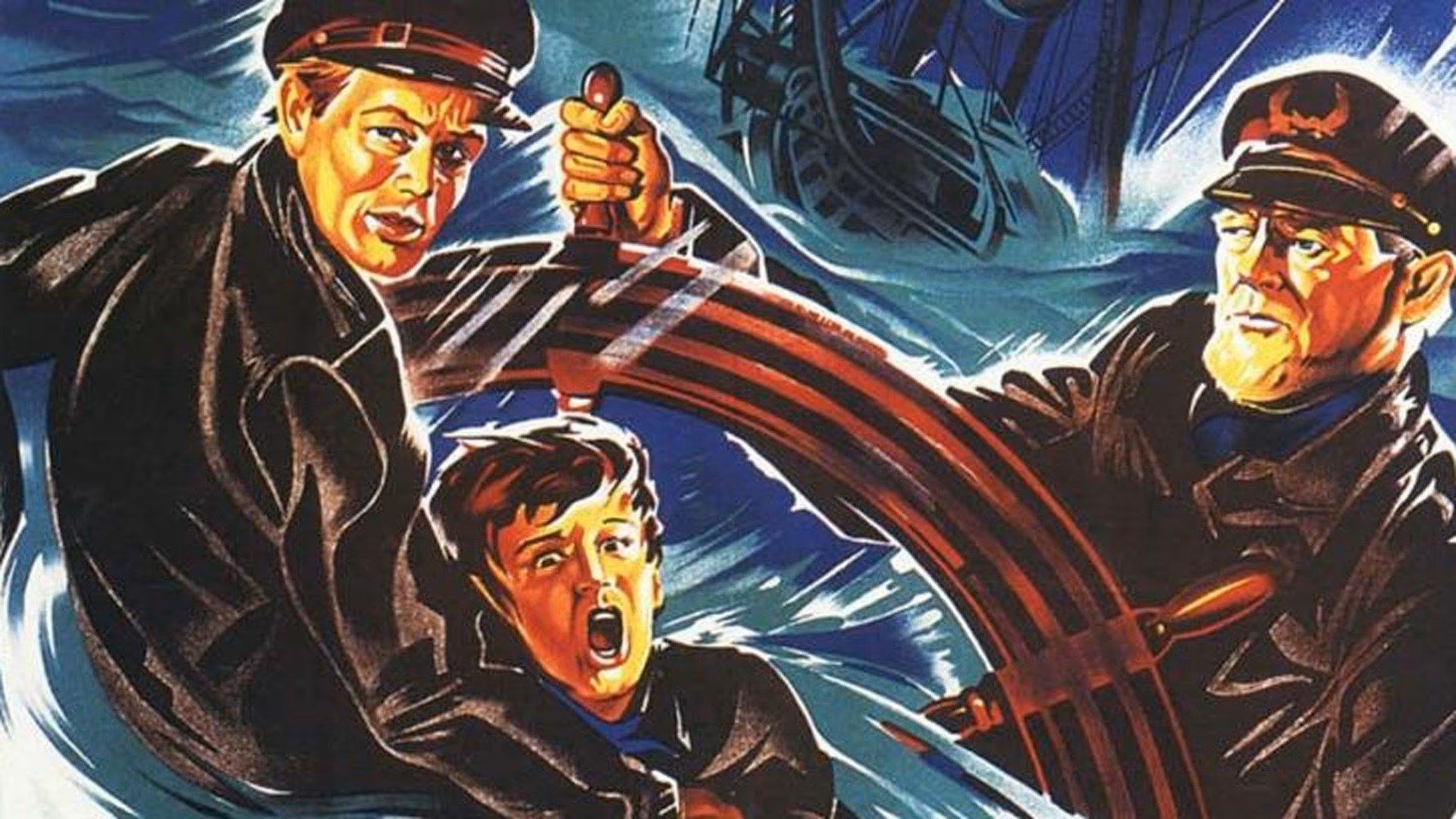
Captains Courageous, Freddie Bartholemew’s bratty Harvey Cheyne does a whipsaw 180 from literally following his millionaire father’s footsteps, to literally clinging onto the side of a lifeboat to stay with his beloved Manuel (Spencer Tracy).
Boil it down, and you get the bitterest coming of age stories imaginable: growing up is (metaphorically or, possibly, literally) killing the person you once were, once thought you would be, and the person you modelled that future after. An outsider father figure is necessarily dragged into their orbit, to learn a b-plot moral about how the greatest joy in life is sacrificing your independence for responsibility. And meanwhile, the actual father figure is left in the dust to learn the same lesson in reverse: they took the chance to nurture their child — and experience the ostensibly greatest gift in life — for granted when they had it. One of them will have to pay the ultimate price for that.
But the real vehicle is for the kid. And in both these movies, you get a different flavour to the same message.
Captains goes a more maudlin route to a more safe moral: the allure of independence is nice, but loyalty to your family and accepting their nurturing, guiding hand for your future is true maturity.
Ships is more sparing and capricious in tone, and more complex in message; you could even say Jed’s love for Dan straight up won out over anything else in the end. “Doing what’s right” despite your own qualms and desires is the overt parable, but where we end makes it all more fickle. Jed
needed someone to vest his idolization — and therefore, projected future — onto; egghead Lunceford
needed someone to drag him away from his books into the real world and care for. There was a choice between growing up logically and following the traditional path laid (ie choosing family), and making a headstrong left turn to follow your own wanton passions and betray that family for your own personal desires.
Interestingly enough, the latter in
Captains would have had Harvey choose to take to the sea; in
Ships, the reverse is true: personal freedom for Jed means disembarking at the next port. But both kid characters would be choosing the unwilling outside father figure over their real ones if they wanted to truly find that romantic sense of self-determination. Jed’s choice is kind of both. He’s kind of absolved, and kind of not. He’s kind of right, but kind of guilty. As we leave our characters, we both reinforce the importance of Jed’s grandfather (as Dan bellows his name to another passing ship in the open and empty ocean) while also in a sense leaving him behind. It’s more realistic, but also more unsatisfying. I love it dearly. Gonna watch
The Spanish Gardener (1956) next to complete the set.