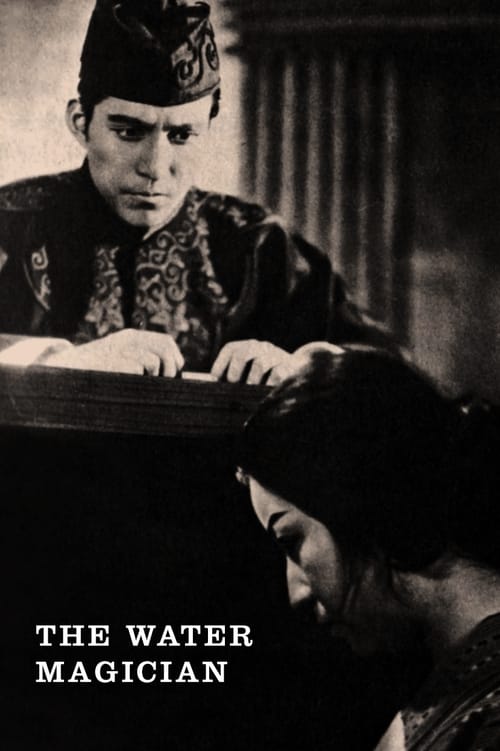
I really thoroughly enjoyed The Water Magician. I was very curious to see how the narrative style in this film compared to modern as well as older Westernized films. In this film, I found the narration to be very engaging. The narrator's tone of voice framed the characters in the same way as I would interpret them if I was watching it without the narration. I actually did turn off the sound for a while to see how that affected my ability to follow the storyline, and I still found myself able to follow and make sense of the situation but with less acuity than the narrator of course. I really enjoyed how the character dialogue switch was easy to follow but I also felt that the narrator provided a lot of emotion behind the lines, which made the film especially engaging.
The strongest comparison to themes that I saw in The Water Magician were relative to a short story called “Osen and Sōkichi” by Izumi Kyōma with the themes focusing on an unblind conviction or commitment. Both Shiraito and Sōkichi seemingly fell quickly and blindly in love with their love interests and were always willing to give up valuable things, like money or life itself, for their partner and the love they had for them. I think this is a very valuable theme to pay attention to, as it strongly reflects human nature and behavior in relationships.
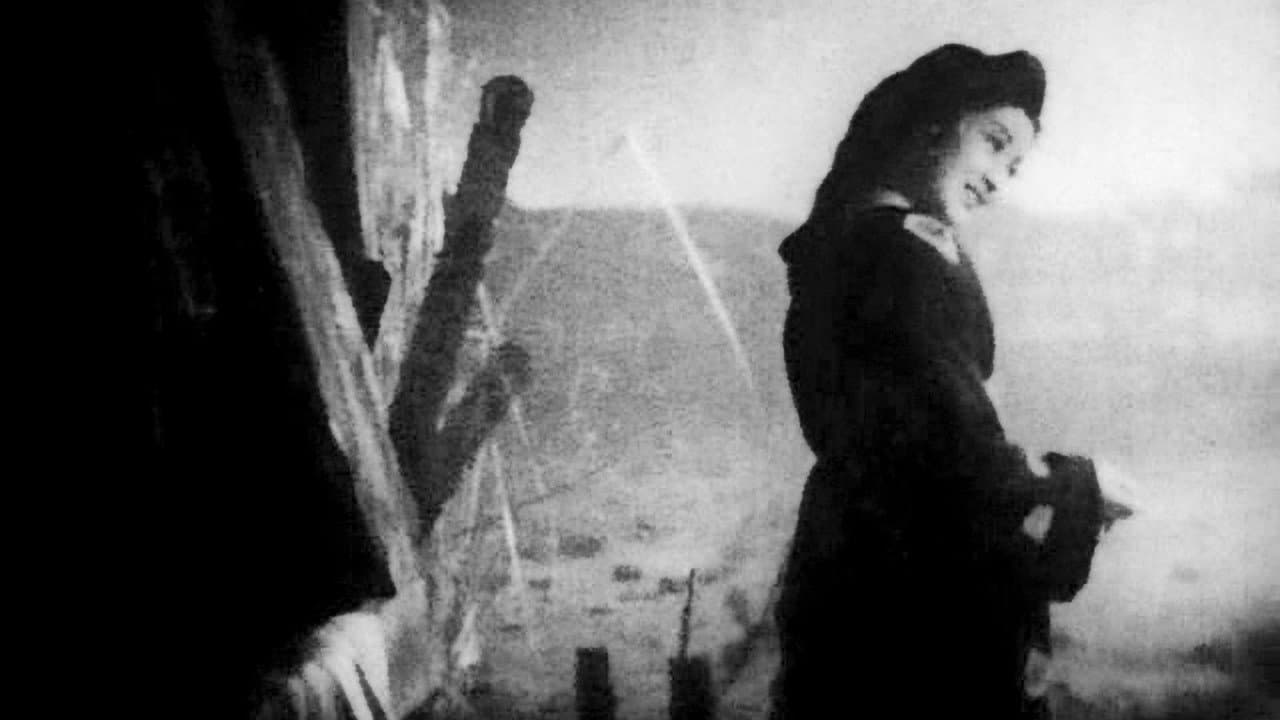
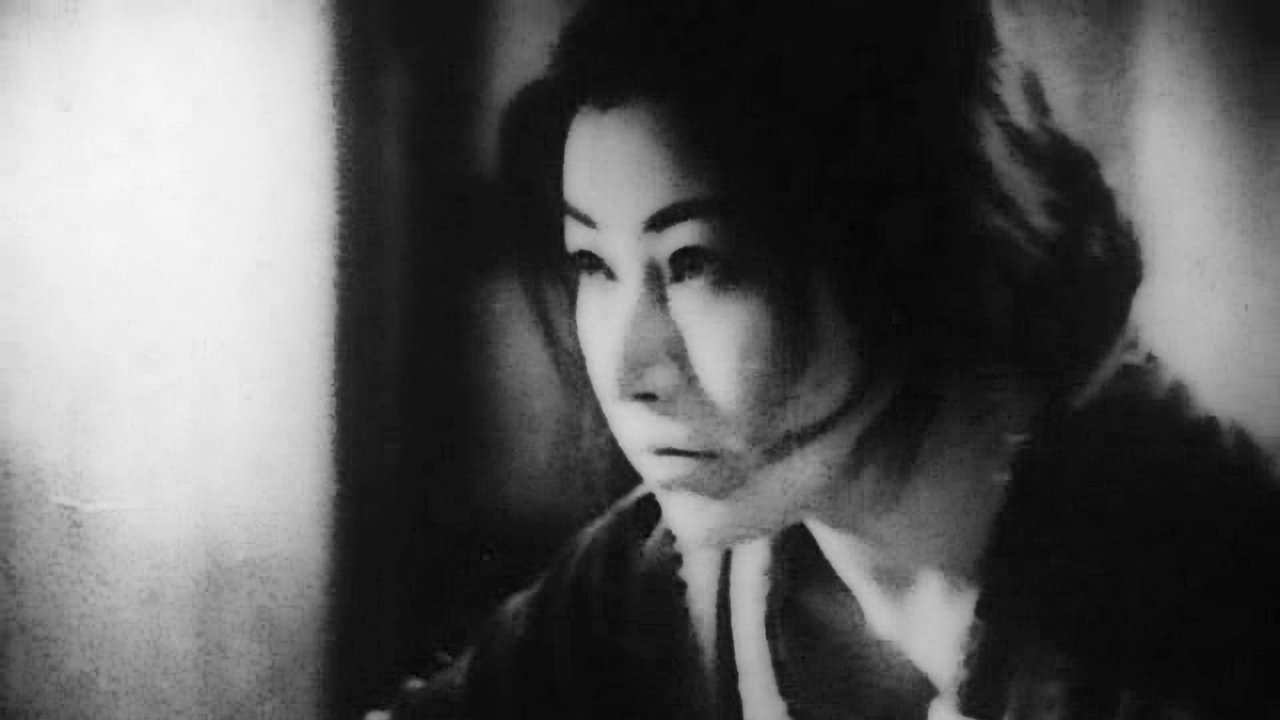
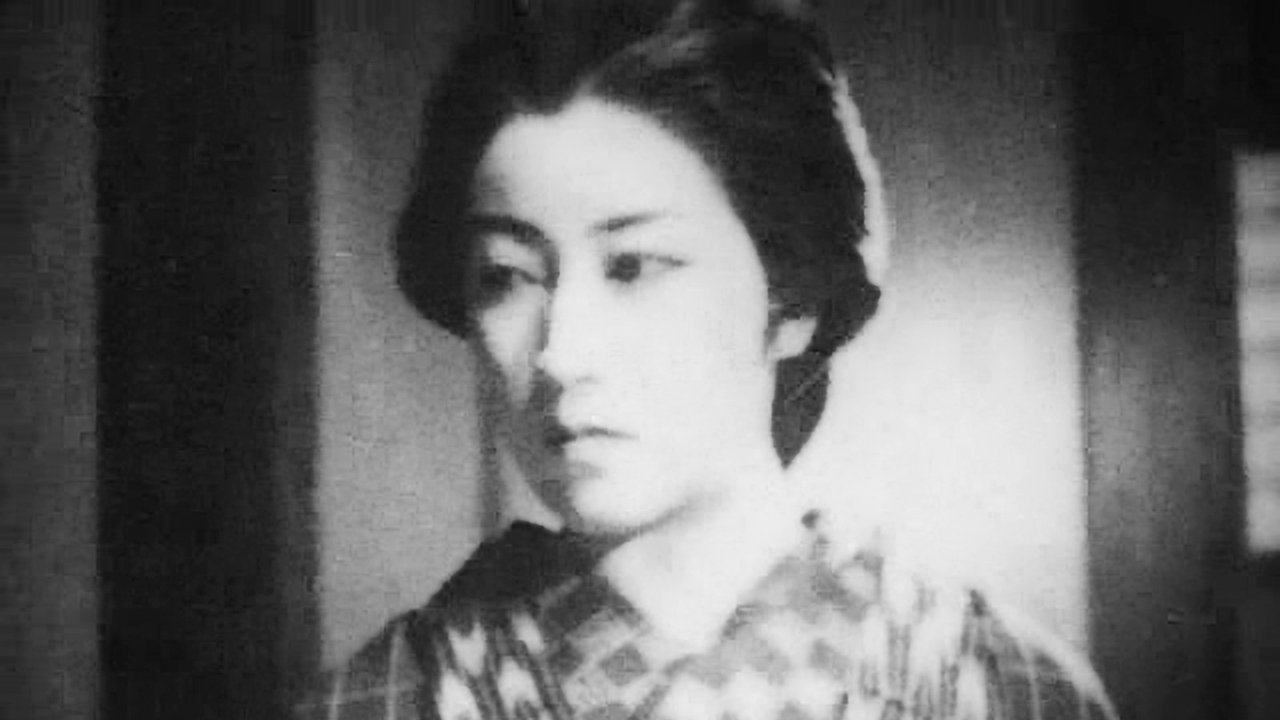
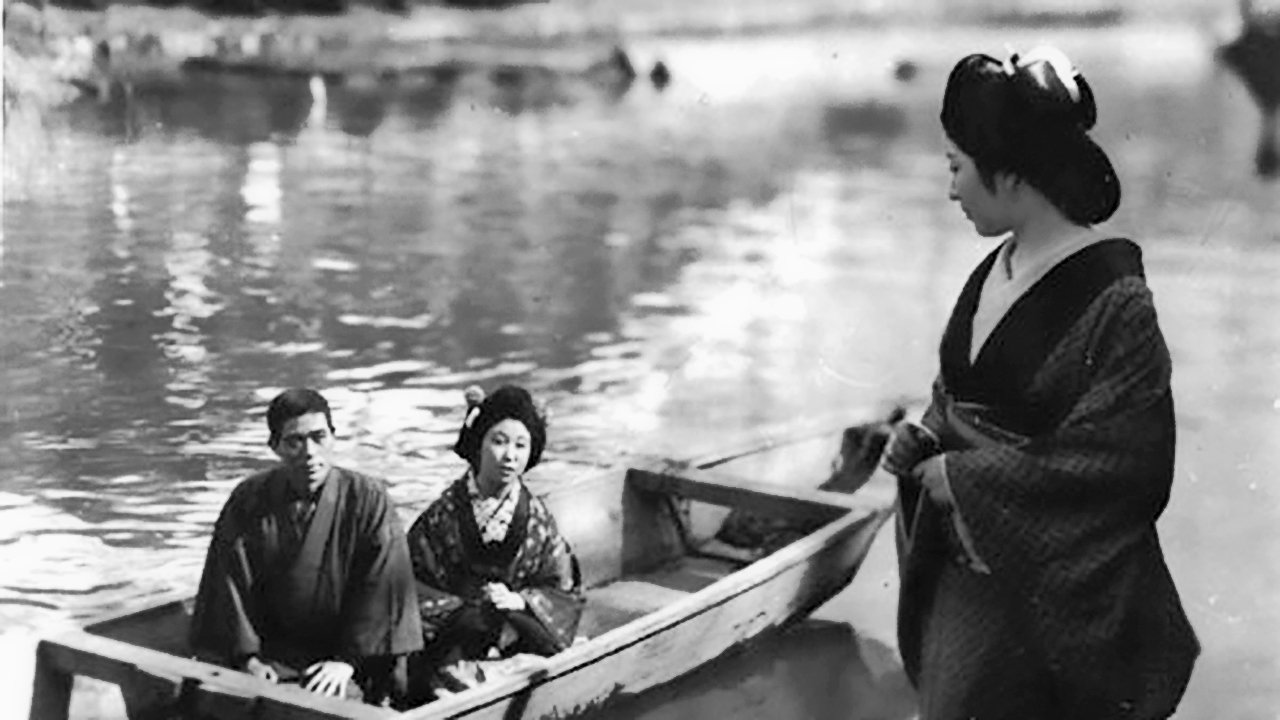
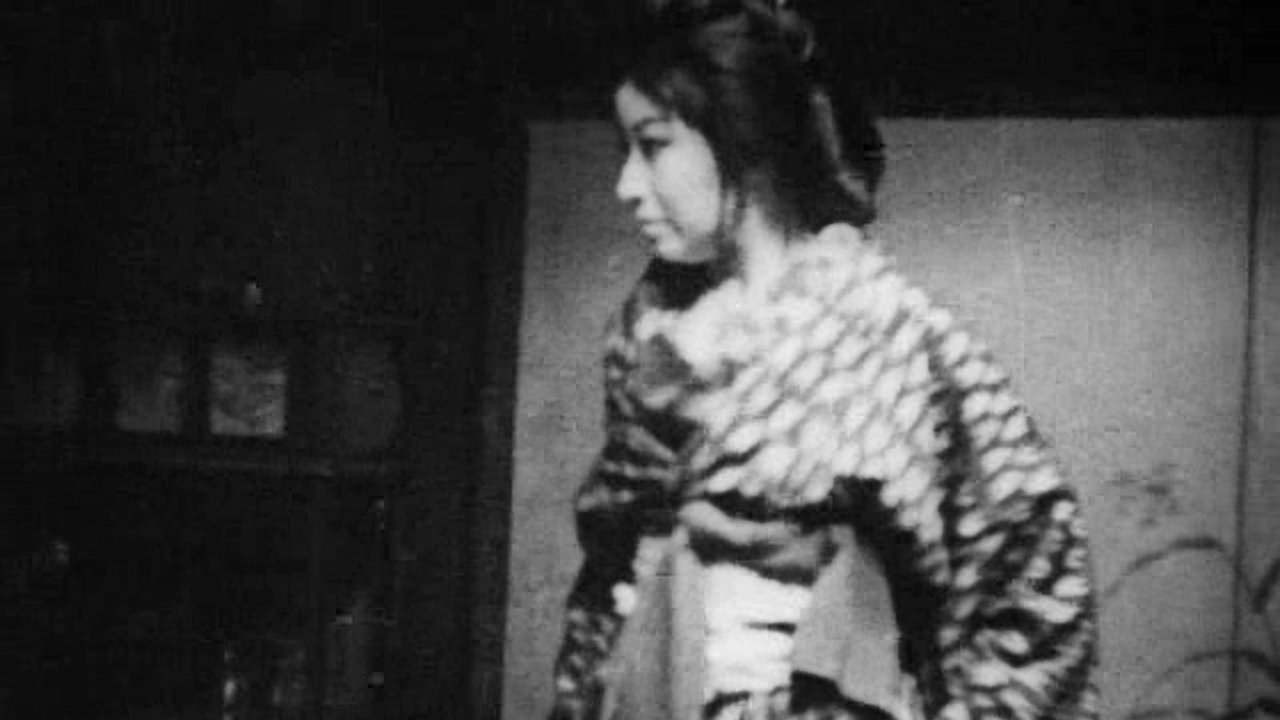
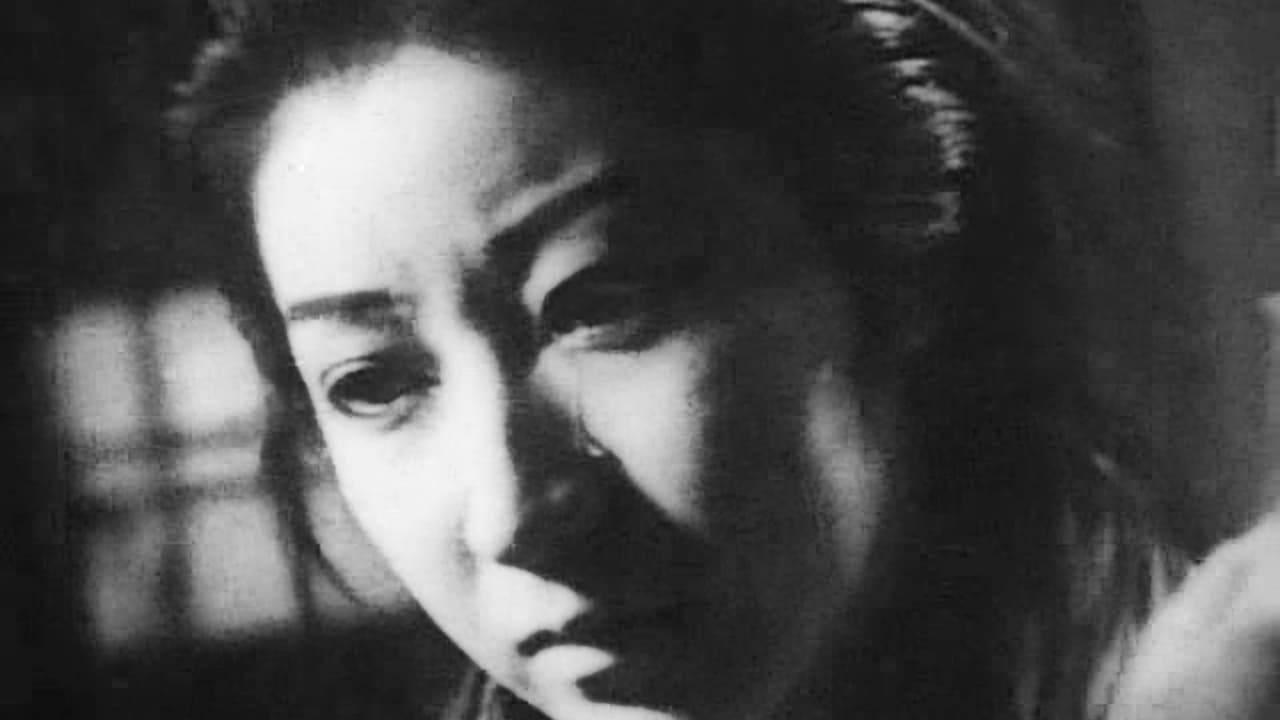
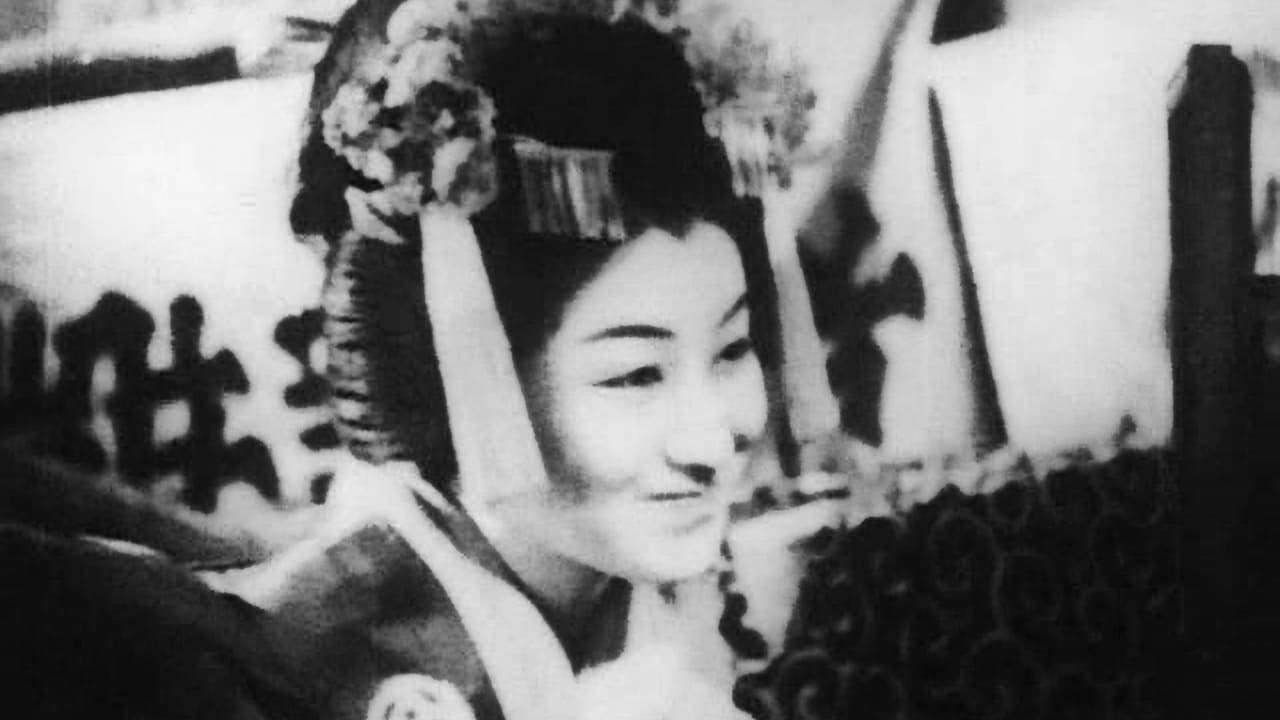
While watching the film, I found Shiraito to be depicted in a very sexual and non-traditional way. We see her taking her long hair down and we see her use her hair pin to clean Kin-san’s tobacco pipe. These are behaviors that may not have been commonly depicted for a woman on screen and I am ultimately curious to see how the public thought about such. Despite my perspective of her seeming sexualized in this movie, I think she is easily the strongest and most admirable character within this film. She is shown constantly being selfless despite knowing the inevitable consequences for herself and Kin-san that come with doing so. This is another prevalent theme in this film. The generosity shown by Shiraito was genuinely admirable as she was able to quickly and without contradiction choose to help another person in need even when she was in no place to give.
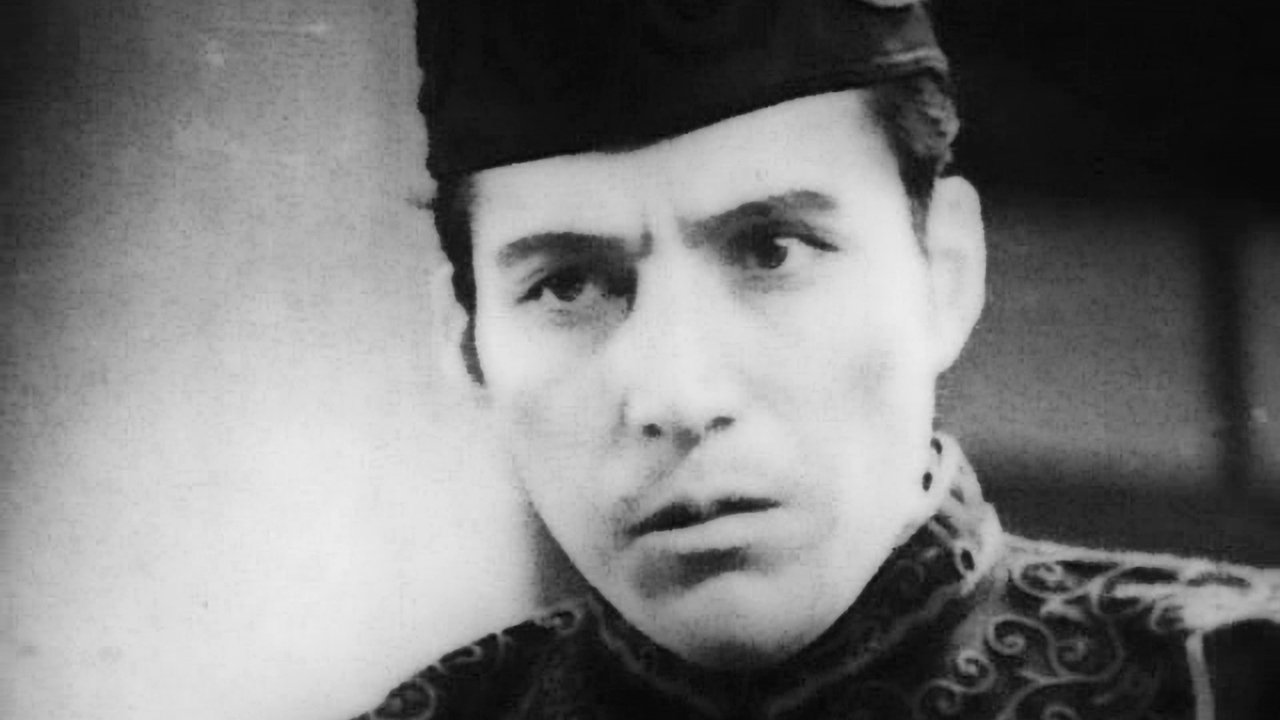
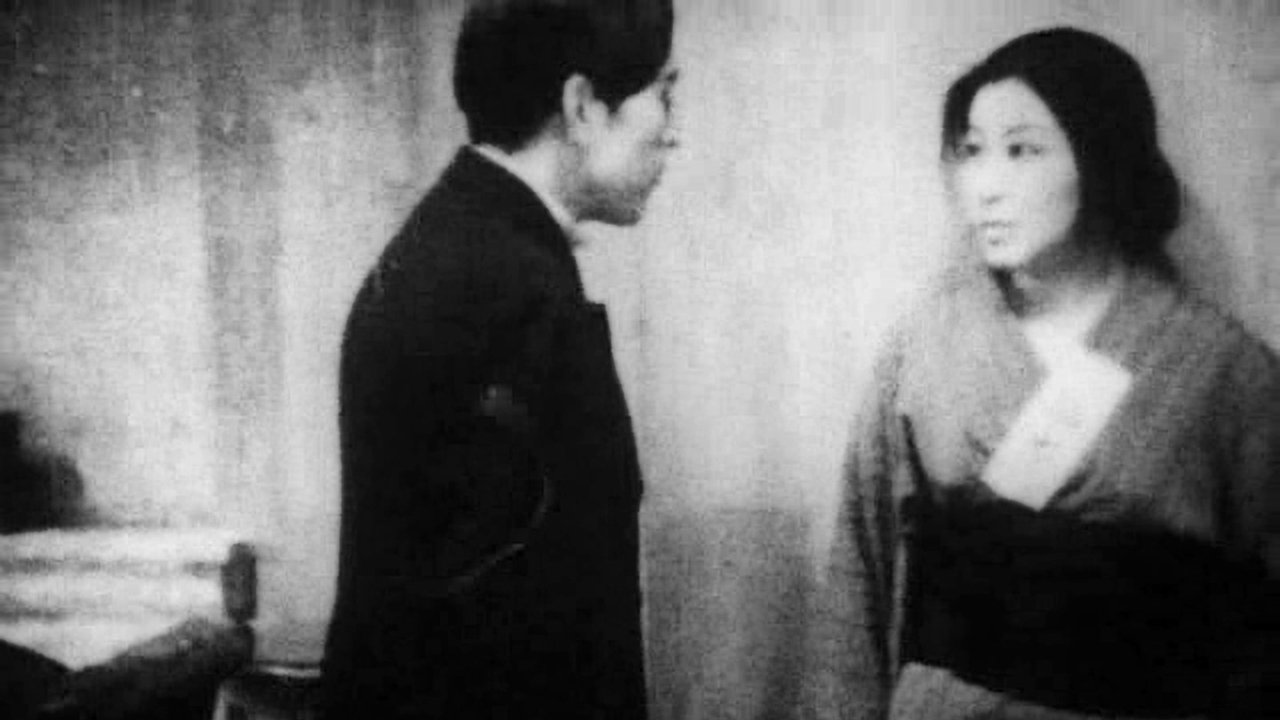
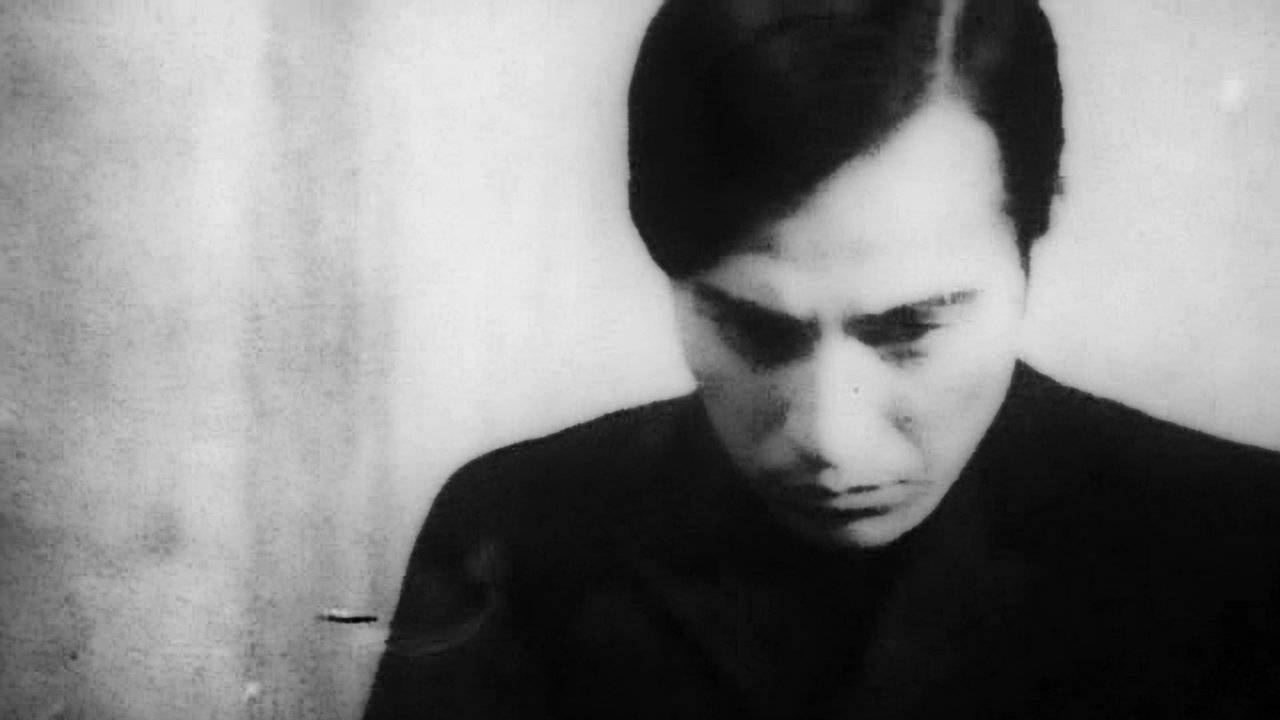
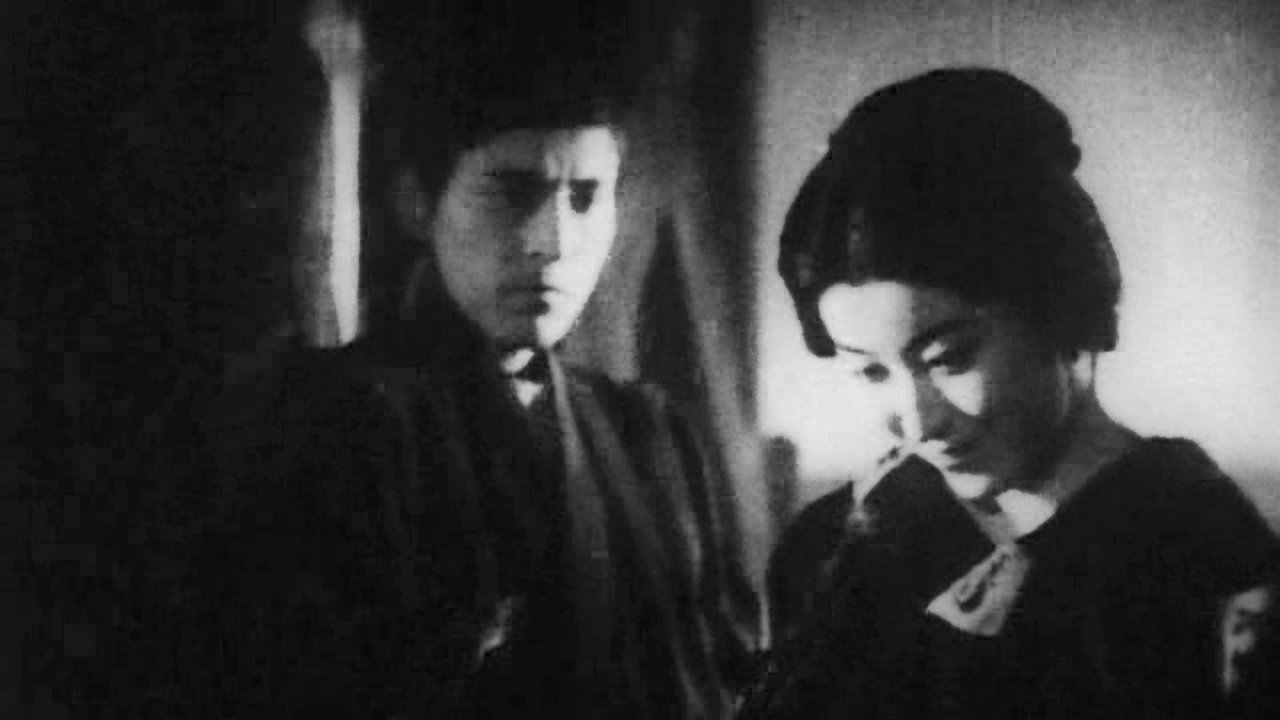
It is very clear that Shiraito values the success and happiness of the people she loves and cares about in her life. She was able to blindly fund Kin-san’s college with the sole motivation driving her doing that being his fundamental success. While it is arguable she also wanted a marriage out of Kin-san, that would not have been an option without the trust and confidence she had in Kin-san and his career as a prosecutor. On the flip side, Kin-san ultimately valued loyalty and keeping his promise. When he was finally faced with losing Shiraito following her murder trial, he committed suicide. I feel that this strongly reflects his failure in his promise he made to Shiraito that he felt. However, a really important quote in this whole movie that relates to this idea that is valuable to mention states, “...to prosecute her was to return her love.” Not only did I find this line to be very moving, I also think it is an interesting perspective to take when watching the final scenes of Shiraito and Kin-san together before her trial. Shiraito was adamant about having her execution be ruled by Kin-san, which would allow her to die with honor. This made me think about our discussions about seppuku/harakiri, as the desire to die in an admirable and honorable manner was of utmost priority.
To conclude, I found this movie extremely interesting and captivating to watch and the use of the narrator really added a lot to the film.
I really thoroughly enjoyed The Water Magician. I was very curious to see how the narrative style in this film compared to modern as well as older Westernized films. In this film, I found the narration to be very engaging. The narrator's tone of voice framed the characters in the same way as I would interpret them if I was watching it without the narration. I actually did turn off the sound for a while to see how that affected my ability to follow the storyline, and I still found myself able to follow and make sense of the situation but with less acuity than the narrator of course. I really enjoyed how the character dialogue switch was easy to follow but I also felt that the narrator provided a lot of emotion behind the lines, which made the film especially engaging.
The strongest comparison to themes that I saw in The Water Magician were relative to a short story called “Osen and Sōkichi” by Izumi Kyōma with the themes focusing on an unblind conviction or commitment. Both Shiraito and Sōkichi seemingly fell quickly and blindly in love with their love interests and were always willing to give up valuable things, like money or life itself, for their partner and the love they had for them. I think this is a very valuable theme to pay attention to, as it strongly reflects human nature and behavior in relationships.
While watching the film, I found Shiraito to be depicted in a very sexual and non-traditional way. We see her taking her long hair down and we see her use her hair pin to clean Kin-san’s tobacco pipe. These are behaviors that may not have been commonly depicted for a woman on screen and I am ultimately curious to see how the public thought about such. Despite my perspective of her seeming sexualized in this movie, I think she is easily the strongest and most admirable character within this film. She is shown constantly being selfless despite knowing the inevitable consequences for herself and Kin-san that come with doing so. This is another prevalent theme in this film. The generosity shown by Shiraito was genuinely admirable as she was able to quickly and without contradiction choose to help another person in need even when she was in no place to give.
It is very clear that Shiraito values the success and happiness of the people she loves and cares about in her life. She was able to blindly fund Kin-san’s college with the sole motivation driving her doing that being his fundamental success. While it is arguable she also wanted a marriage out of Kin-san, that would not have been an option without the trust and confidence she had in Kin-san and his career as a prosecutor. On the flip side, Kin-san ultimately valued loyalty and keeping his promise. When he was finally faced with losing Shiraito following her murder trial, he committed suicide. I feel that this strongly reflects his failure in his promise he made to Shiraito that he felt. However, a really important quote in this whole movie that relates to this idea that is valuable to mention states, “...to prosecute her was to return her love.” Not only did I find this line to be very moving, I also think it is an interesting perspective to take when watching the final scenes of Shiraito and Kin-san together before her trial. Shiraito was adamant about having her execution be ruled by Kin-san, which would allow her to die with honor. This made me think about our discussions about seppuku/harakiri, as the desire to die in an admirable and honorable manner was of utmost priority.
To conclude, I found this movie extremely interesting and captivating to watch and the use of the narrator really added a lot to the film.