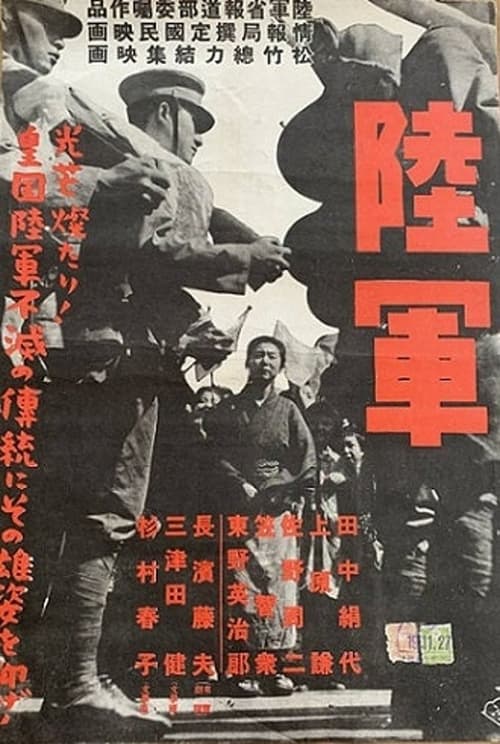
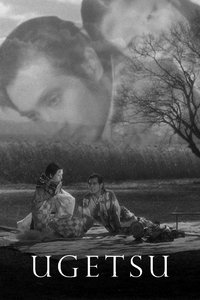
I wasn't sure how I was feeling about this film until I got to the end, to which I decided I really enjoyed it. It got a little bit hard to follow in the middle of the movie, but I felt like I was able to tie it all together. I especially enjoyed the last scene where Shintaro’s mother recounts His Five Teachings, which really made this movie one of my favorites in the early Japanese film world.
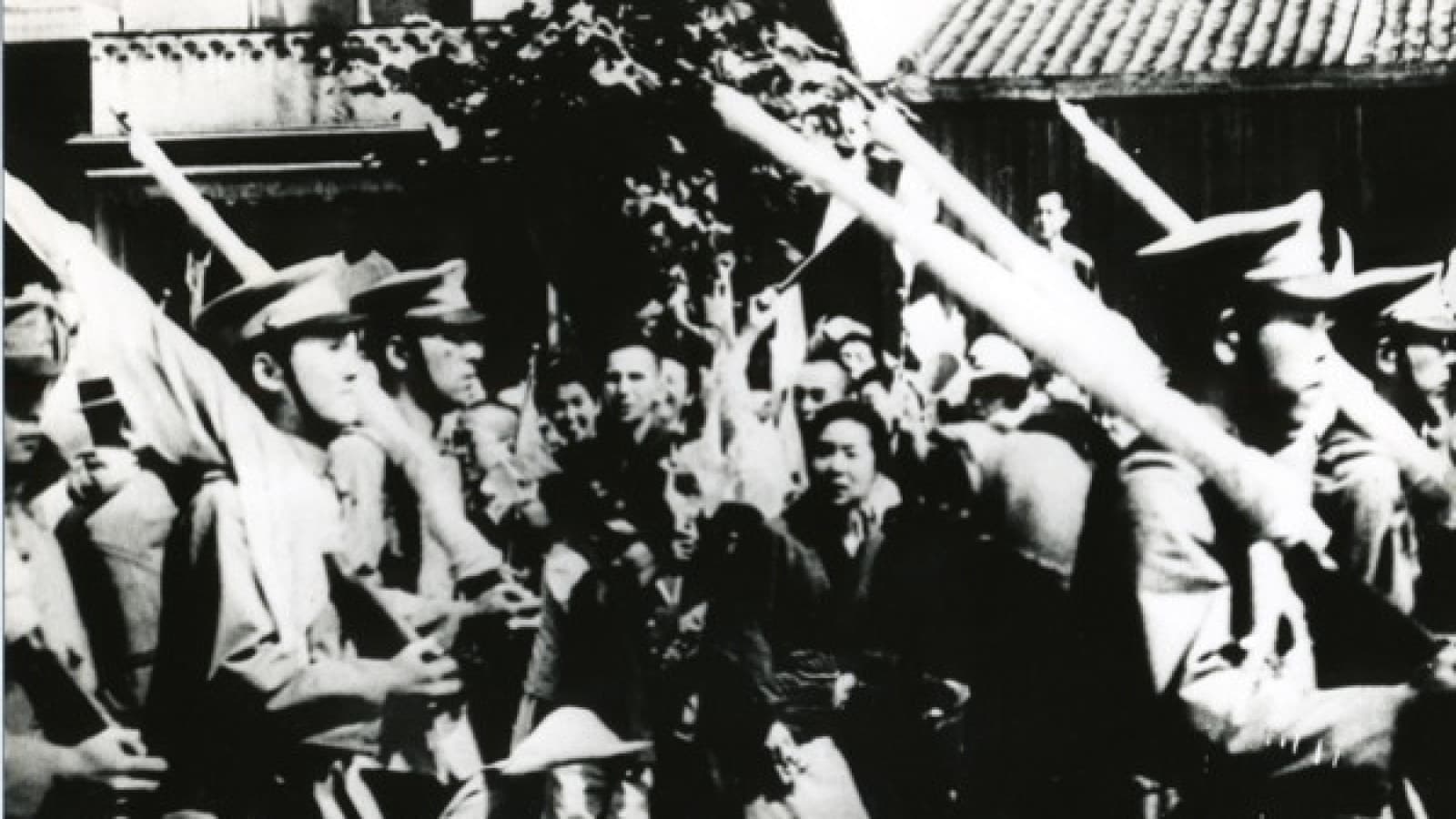
There were many themes I noted in this film, but one of the main ones was the strong sense and power of Japanese national identity. Throughout many scenes in this film, we see characters describe the brutality and awful instances that war has brought to Japan, yet they still show unwavering loyalty to their military and their duties. There is a scene in the film where we see two men discussing how the Divine Wind (or kamikaze) allows for Japan to win the war, despite Japan fundamentally not needing it. This reflects a strong sense of national identity within the Japanese people and their soldiers, which I feel is a core theme in this film. Another theme I noted in this film was in relation to the foreign affairs and the consequences of such at the time. A quote from the earlier on in the film that I feel encapsulates this theme states, “I hear you spend your time reading difficult books. It's important to study, yes but you've got to study real life too. If you know the world, you wouldn't so easily guarantee others debts”, I feel that this scene was communicating how if countries and politicians knew the effective and moral ways to go about an agreement or disagreement, a violent solution may take less precedence. In multiple scenes, we see people discussing the “point” in the lives lost in these times of war and if there is a point at all. I felt that this ultimately alludes to the behavior from countries and their militaries and ultimately how these behaviors can so needlessly and easily turn into thousands of lives lost.
I found it very easy and interesting to apply a segment from “Earth and Soldiers” written by Hino Ashihei to Army (1944). Specifically, a point in the reading that I felt was similar yet communicated something different was on page 10. This point stated, “When an officer performs well, all the men cheer and applaud. But if he is not so good, the men never hesitate to laugh and jeer in an entirely natural manner. High and low now tend to meet on a common plane, because we are united under one divine authority.” I feel this quote was different from the movie in that we are shown a scene where Tomohiko, a soldier, gets mad at another man for speaking ill of the Japanese military. Though the film pushes the importance of this divine power and loyalty to their region, we still see some divides in the characters and how they perceive this task as a soldier. We see the soldier recognize and become offended by this divide, as the comments about Japan’s potential to lose a war violates the trust and loyalty in the divine power.
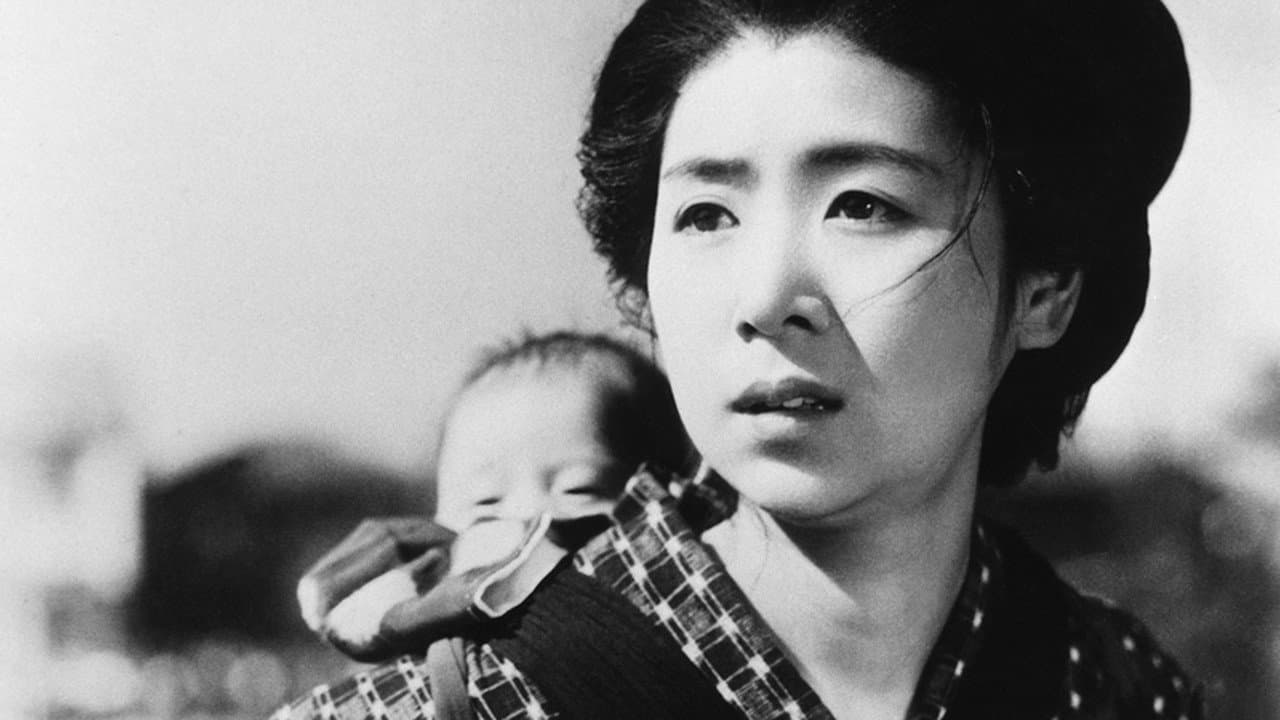
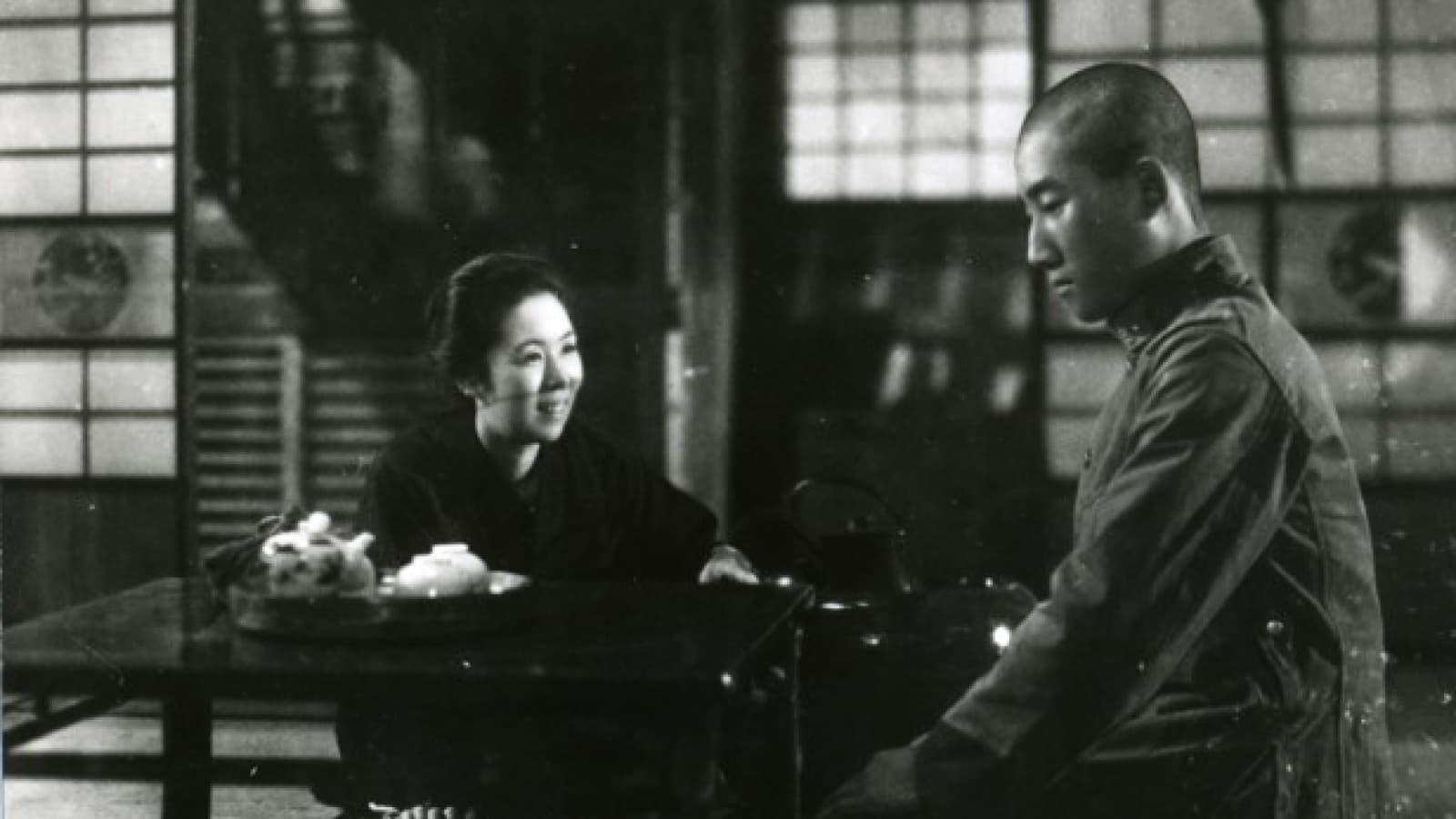
Ultimately, I really enjoyed this film especially now that I have given it more thought. The best part of this film really was the scene with Shintaro’s mother reciting the Five Teachings. I felt that the mothers in this film were intentionally overlooked. We see a mother make a comment about her son always asking her if she has anything for him when he first sees her, but we never get the mother’s true and full perspective on things. However, when we see Shintaro’s mother have an emotional moment to herself to which she then recounts His Five Teachings out loud. With these teachings focusing on frugality, loyalty, manners, valor, and honor, we clearly see how the mothers in this film have exemplified all of those traits without reservation or much recognition from others. As we saw in the dinner scene, a father states how fulfilling these five teachings is ultimately what makes you a true soldier. With this it is safe to assume (and to take a feminist perspective) that women’s and mothers' contributions are not as valued or recognized as those of men. We see this clearly exemplified in the children at the one of the final scenes at dinner wanting to rub his fathers back, and not his mothers despite her being the one who cooked the meal he just enjoyed. I think this is interesting commentary for the time and I think it still holds incredible value as a lesson today.
I wasn't sure how I was feeling about this film until I got to the end, to which I decided I really enjoyed it. It got a little bit hard to follow in the middle of the movie, but I felt like I was able to tie it all together. I especially enjoyed the last scene where Shintaro’s mother recounts His Five Teachings, which really made this movie one of my favorites in the early Japanese film world.
There were many themes I noted in this film, but one of the main ones was the strong sense and power of Japanese national identity. Throughout many scenes in this film, we see characters describe the brutality and awful instances that war has brought to Japan, yet they still show unwavering loyalty to their military and their duties. There is a scene in the film where we see two men discussing how the Divine Wind (or kamikaze) allows for Japan to win the war, despite Japan fundamentally not needing it. This reflects a strong sense of national identity within the Japanese people and their soldiers, which I feel is a core theme in this film. Another theme I noted in this film was in relation to the foreign affairs and the consequences of such at the time. A quote from the earlier on in the film that I feel encapsulates this theme states, “I hear you spend your time reading difficult books. It's important to study, yes but you've got to study real life too. If you know the world, you wouldn't so easily guarantee others debts”, I feel that this scene was communicating how if countries and politicians knew the effective and moral ways to go about an agreement or disagreement, a violent solution may take less precedence. In multiple scenes, we see people discussing the “point” in the lives lost in these times of war and if there is a point at all. I felt that this ultimately alludes to the behavior from countries and their militaries and ultimately how these behaviors can so needlessly and easily turn into thousands of lives lost.
I found it very easy and interesting to apply a segment from “Earth and Soldiers” written by Hino Ashihei to Army (1944). Specifically, a point in the reading that I felt was similar yet communicated something different was on page 10. This point stated, “When an officer performs well, all the men cheer and applaud. But if he is not so good, the men never hesitate to laugh and jeer in an entirely natural manner. High and low now tend to meet on a common plane, because we are united under one divine authority.” I feel this quote was different from the movie in that we are shown a scene where Tomohiko, a soldier, gets mad at another man for speaking ill of the Japanese military. Though the film pushes the importance of this divine power and loyalty to their region, we still see some divides in the characters and how they perceive this task as a soldier. We see the soldier recognize and become offended by this divide, as the comments about Japan’s potential to lose a war violates the trust and loyalty in the divine power.
Ultimately, I really enjoyed this film especially now that I have given it more thought. The best part of this film really was the scene with Shintaro’s mother reciting the Five Teachings. I felt that the mothers in this film were intentionally overlooked. We see a mother make a comment about her son always asking her if she has anything for him when he first sees her, but we never get the mother’s true and full perspective on things. However, when we see Shintaro’s mother have an emotional moment to herself to which she then recounts His Five Teachings out loud. With these teachings focusing on frugality, loyalty, manners, valor, and honor, we clearly see how the mothers in this film have exemplified all of those traits without reservation or much recognition from others. As we saw in the dinner scene, a father states how fulfilling these five teachings is ultimately what makes you a true soldier. With this it is safe to assume (and to take a feminist perspective) that women’s and mothers' contributions are not as valued or recognized as those of men. We see this clearly exemplified in the children at the one of the final scenes at dinner wanting to rub his fathers back, and not his mothers despite her being the one who cooked the meal he just enjoyed. I think this is interesting commentary for the time and I think it still holds incredible value as a lesson today.