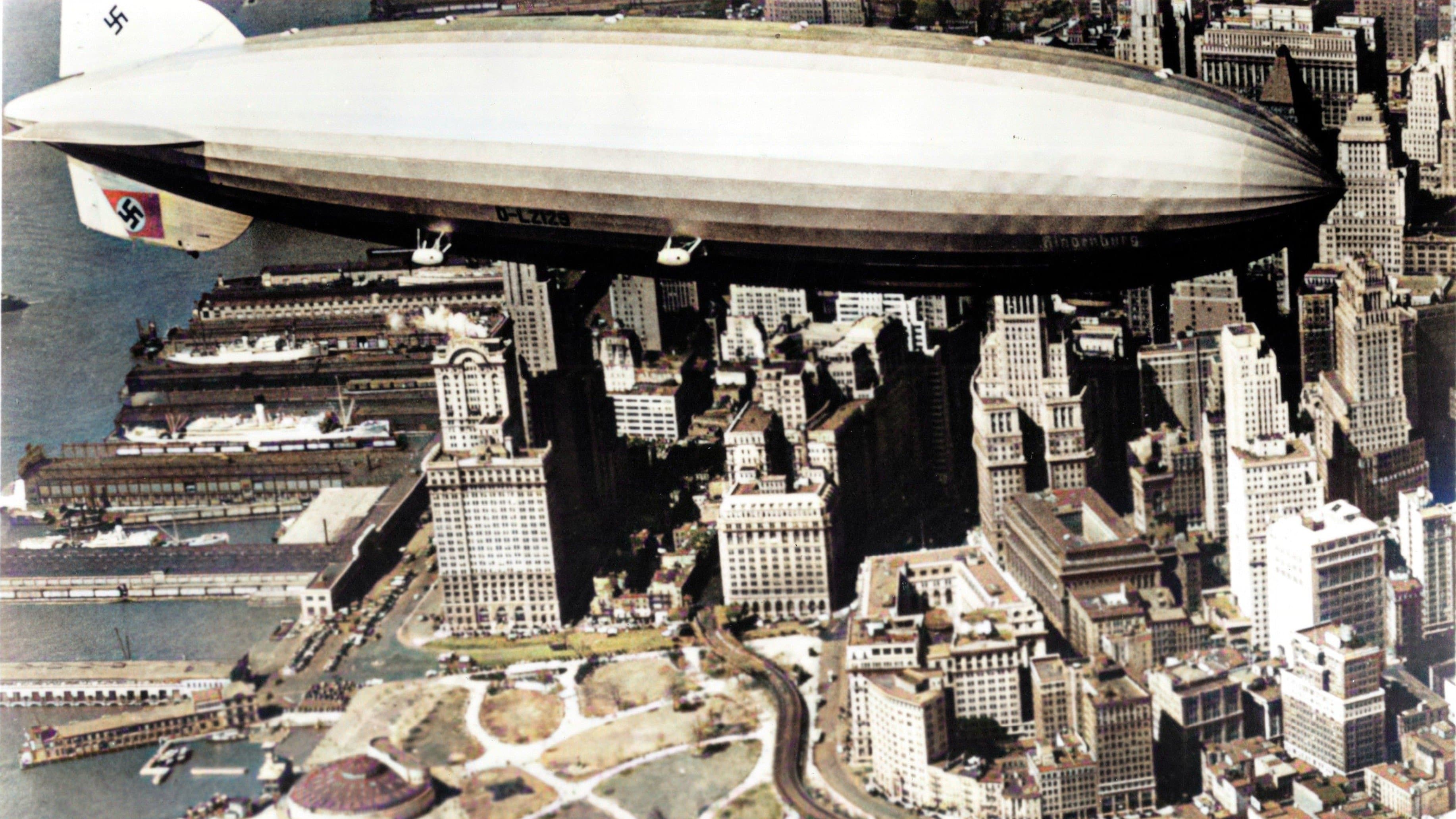
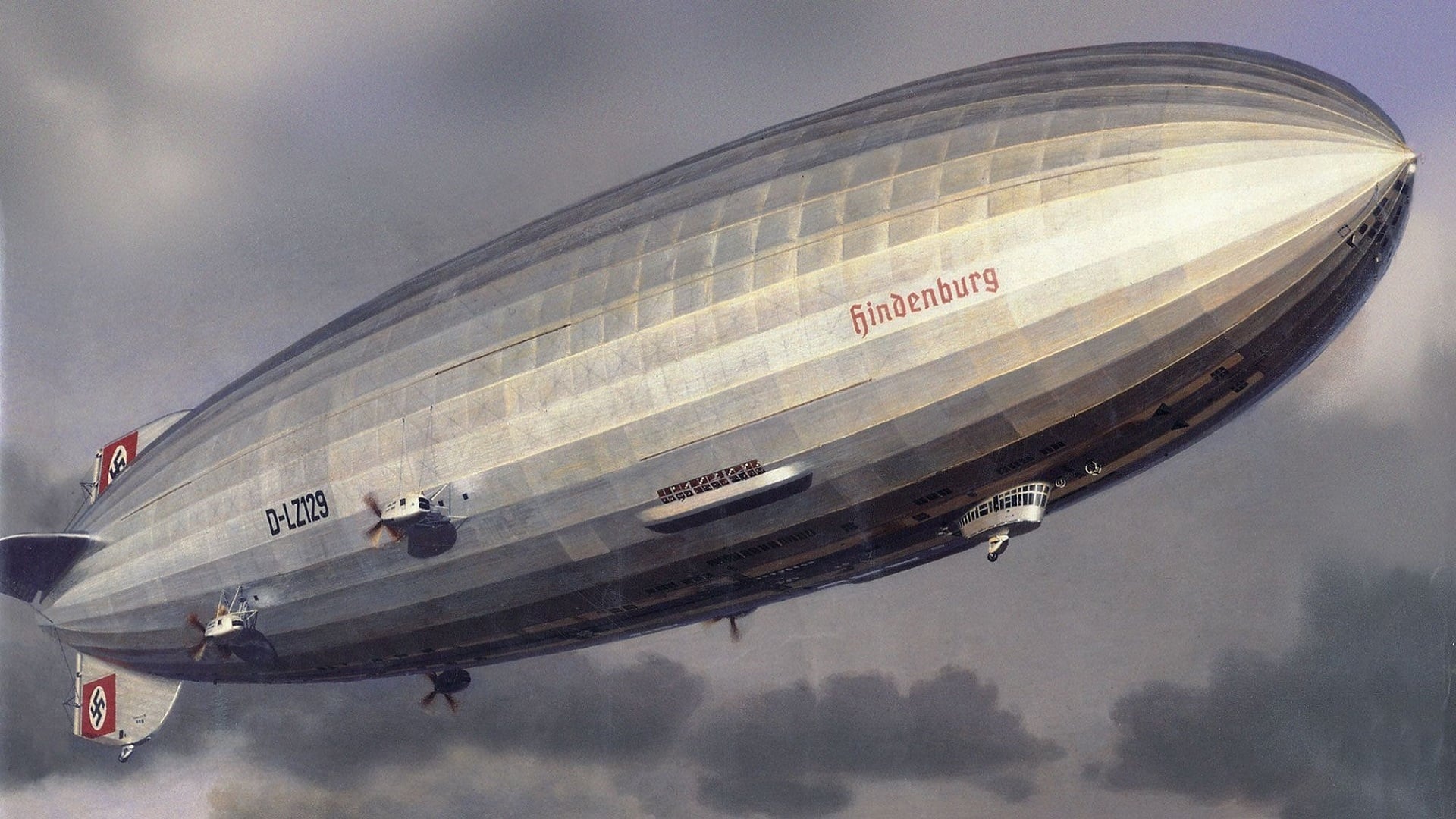
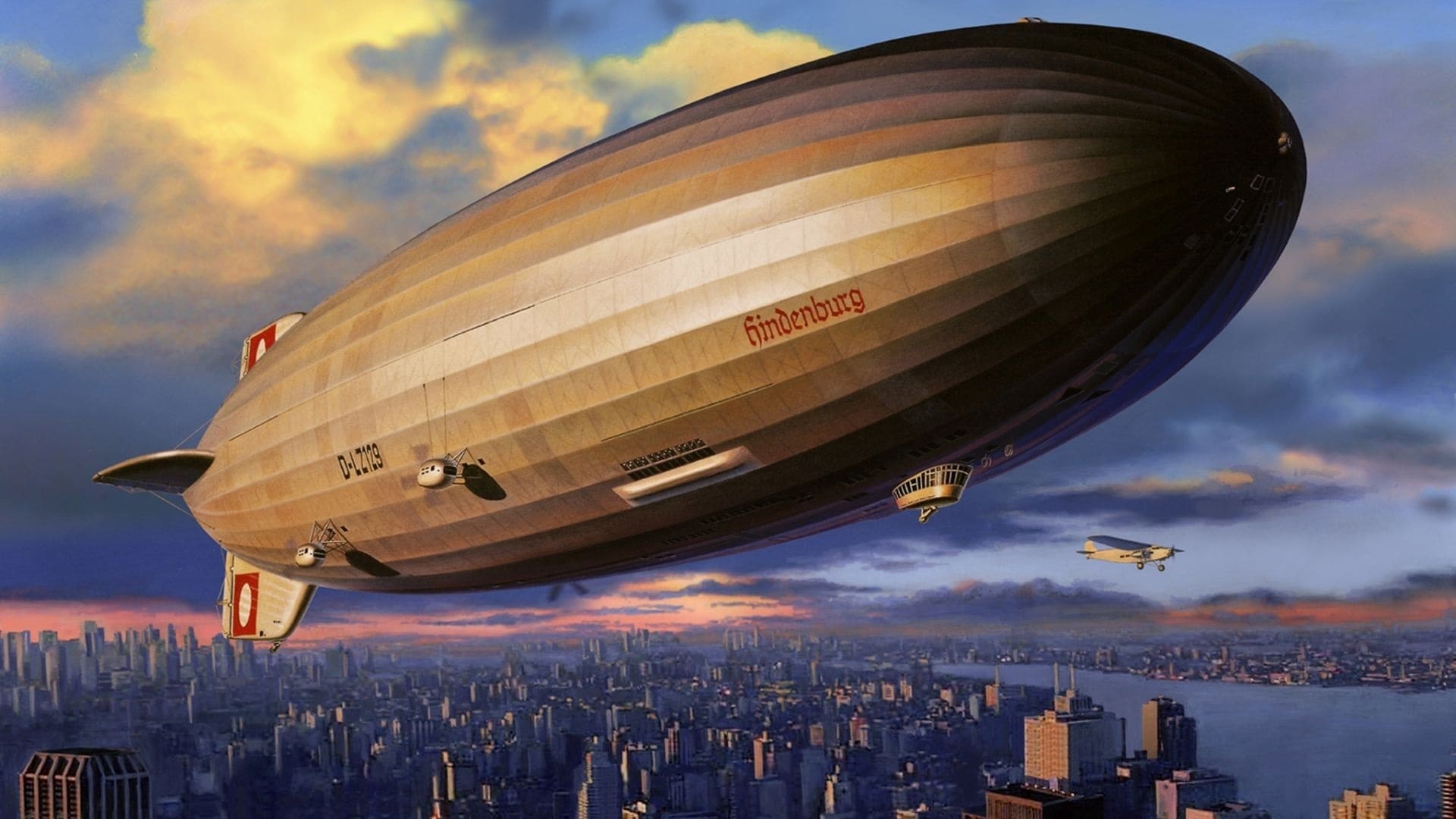
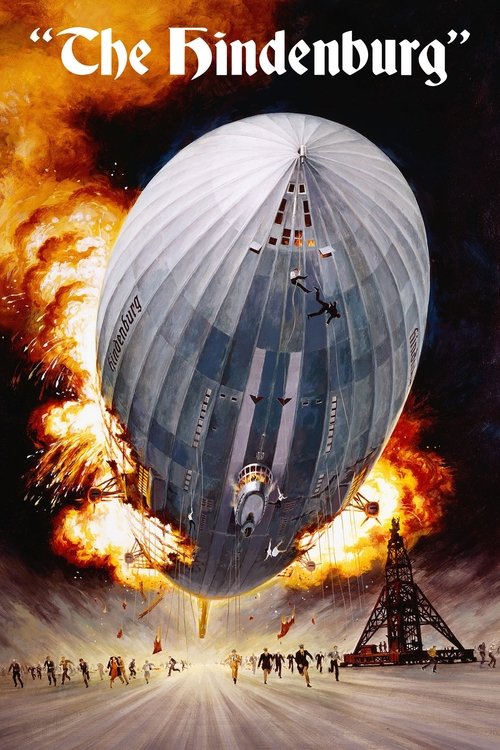
Five months after Jaws redefined the commercial potential of the summer blockbuster, Robert Wise’s The Hindenburg premiered on Christmas Day, 1975. At the time, Wise’s stature within the Hollywood establishment was formidable—he was one of only four directors in Academy history to have helmed multiple Best Picture winners, a distinction he shared with Frank Capra, Billy Wilder, and Clint Eastwood. With The Hindenburg, Wise turned his attention to the disaster film—a genre then in full cultural bloom—hoping to elevate it with the aura of prestige, historical fatalism, and procedural rigor that had marked his earlier successes. It was, in essence, a veteran auteur stepping into a genre that had become a playground for spectacle, attempting to imbue it with gravitas rather than abandon.
To his credit, Robert Wise approached The Hindenburg with his trademark fastidiousness. A stickler for background research and period detail across his entire career, Wise reportedly spent a full year digging through archives on both sides of the Atlantic—including extensive research at the National Archives in the United Kingdom and the National Air and Space Museum in Washington, D.C. (where the film’s painstakingly crafted scale model of the Hindenburg now resides). Alongside production designer Edward Carfagno—whose credits include Pale Rider and Sudden Impact—Wise pursued historical verisimilitude down to the silverware used onboard the airship. The film may not breathe, but it does gleam.
That meticulousness wasn’t entirely for naught. The Hindenburg did take home two Academy Awards, albeit in the form of Special Achievement Oscars that didn’t require campaigning: one for Sound Effects Editing, awarded to Peter Berkos (Coogan’s Bluff, Car Wash), and another for Visual Effects, shared by Albert Whitlock and Glen Robinson. Still, it was a ceremonial consolation prize in a year otherwise dominated by One Flew Over the Cuckoo’s Nest, which steamrolled the major categories—Best Picture, Director, Actor, Actress, and Adapted Screenplay—becoming only the second film in history to accomplish the so-called “Big Five” sweep, after It Happened One Night in 1934. (The third would be The Silence of the Lambs in 1991.) In that context, The Hindenburg felt like an antique in a museum of living, breathing cinema—polished to perfection, but sealed off behind glass.
For audiences in late 1975, The Hindenburg likely felt like a relic—not merely because of its 1930s setting, but because its cinematic language seemed to belong to a prior epoch. Though its formal precision and stately compositions now possess a certain austere beauty in hindsight, at the time it played like a fossilized object: elegantly mounted, but curiously inert. By then, the prevailing cinematic vocabulary had shifted. Viewers had grown used to psychological realism, moral ambiguity, and the raw, unstable textures of contemporary life.
Coppola’s The Conversation introduced paranoia as a sonic landscape; Scorsese’s Mean Streets and Alice Doesn’t Live Here Anymore brought ethnographic intimacy to working-class interiors; Larry Cohen’s Black Caesar infused genre pulp with unfiltered blaxploitation fury; and Sidney Lumet’s Serpico and Dog Day Afternoon turned institutional critique into volatile human drama. Even Jack Clayton’s adaptation of The Great Gatsby, with all its period artifice, felt emotionally fractured and strange—less about the Roaring Twenties than the quiet rot of disillusionment. Just weeks before The Hindenburg opened, Miloš Forman’s One Flew Over the Cuckoo’s Nest weaponized character-driven storytelling to indict the entire architecture of American conformity.
In this context, The Hindenburg seemed doubly out of step. Its central figures—drawn in broad, stentorian strokes—belonged to a lineage of postwar melodrama that no longer held cultural currency. It positioned itself as a serious historical drama, but did so through a lens so lacquered in studio sheen that it collapsed under its own reverence. The film's tonal stiffness and aesthetic conservatism left it marooned—too empty for the past, too rigid for the present.
The critics weren’t kind, either. Roger Ebert—generous to a fault, the benevolent uncle of mid-century film criticism—gave the film a withering one-star review. From Ebert, that rating functioned less as a critique and more as a quiet execution: the cinematic equivalent of putting your dog down and refusing to make eye contact afterward. Pauline Kael was no more forgiving, calling the film “pompous and passionless”—a phrase that might as well be engraved on the tombstone of late-stage prestige cinema. And in that rare moment of consensus between Ebert’s Midwest warmth and Kael’s Manhattan scalpel, it’s hard to disagree: The Hindenburg is a film stranded between eras.
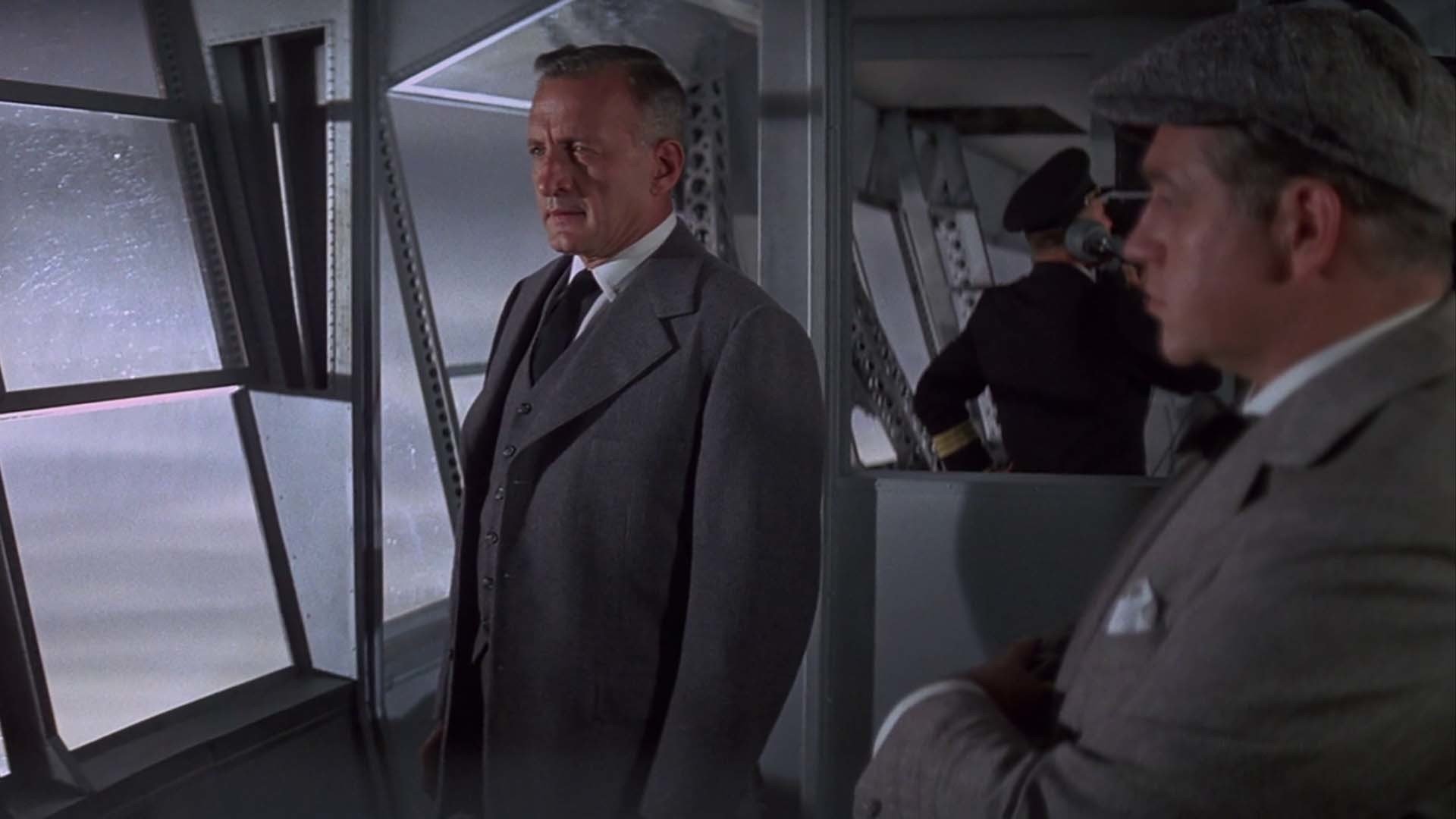
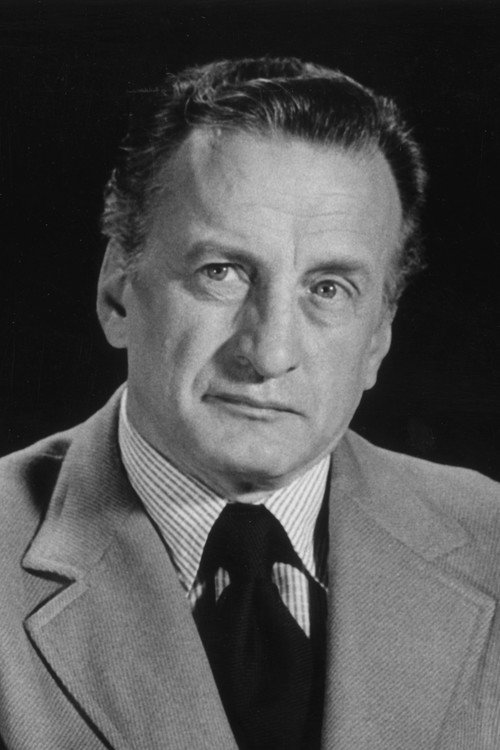
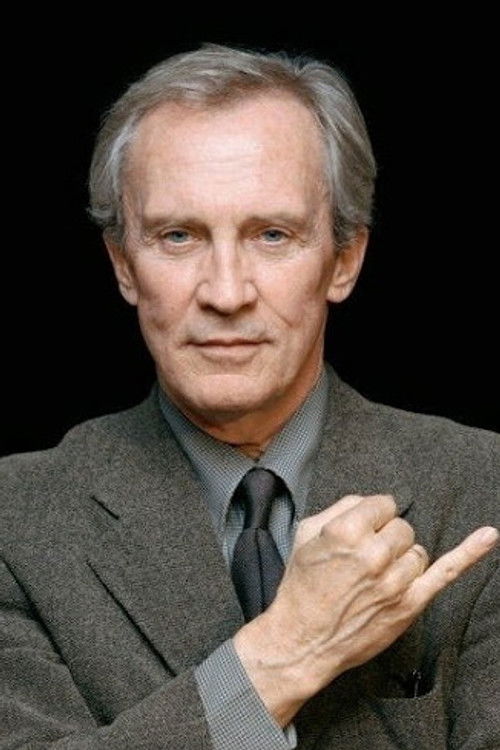
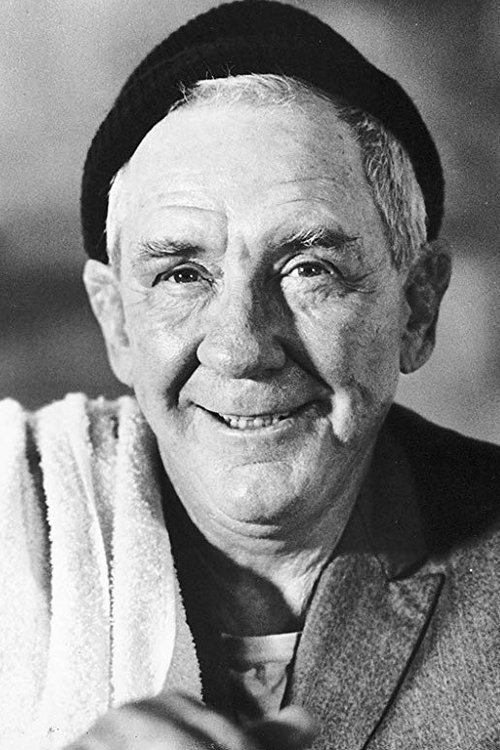
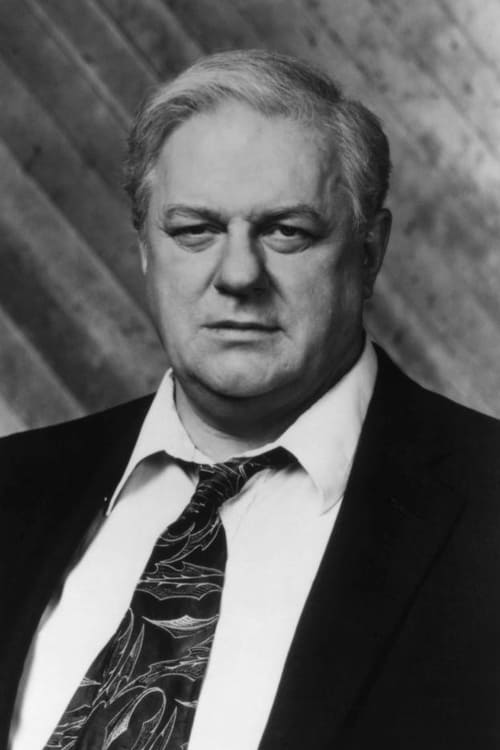
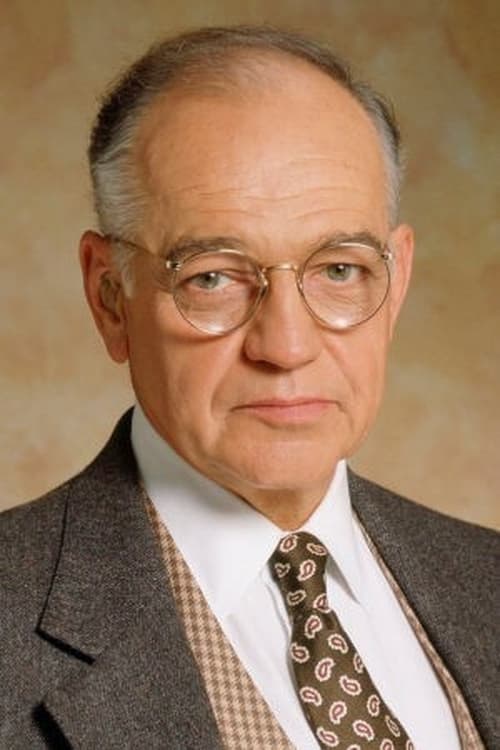
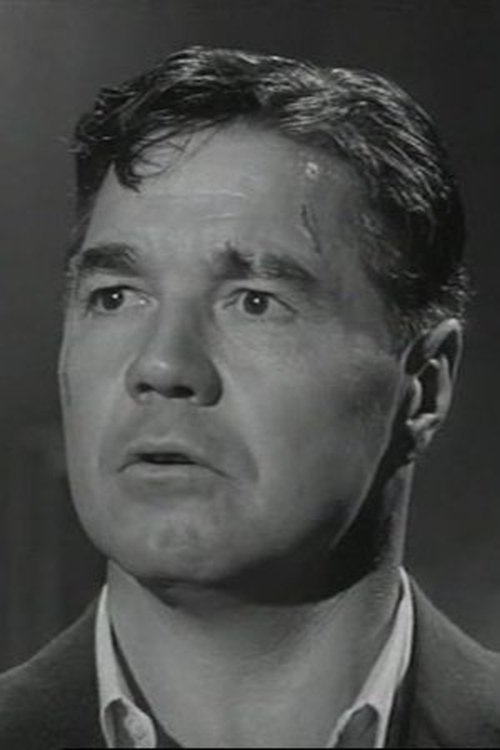
And yet, around the 84-minute mark, something shifted. I stayed off my phone the entire time, but at that point, I no longer wanted to reach for it. That’s when the film finally locates a pulse: a central conflict emerges between Ritter (George C. Scott), a weary Nazi intelligence officer, and Boerth (William Atherton), the saboteur trying to appeal to whatever sliver of humanity Ritter has left. Boerth doesn’t just want to destroy the Hindenburg—he wants Ritter to let it happen. It’s a soft moral quandary, sure, but not unengaging. There’s a flicker of tension, of actual stakes.
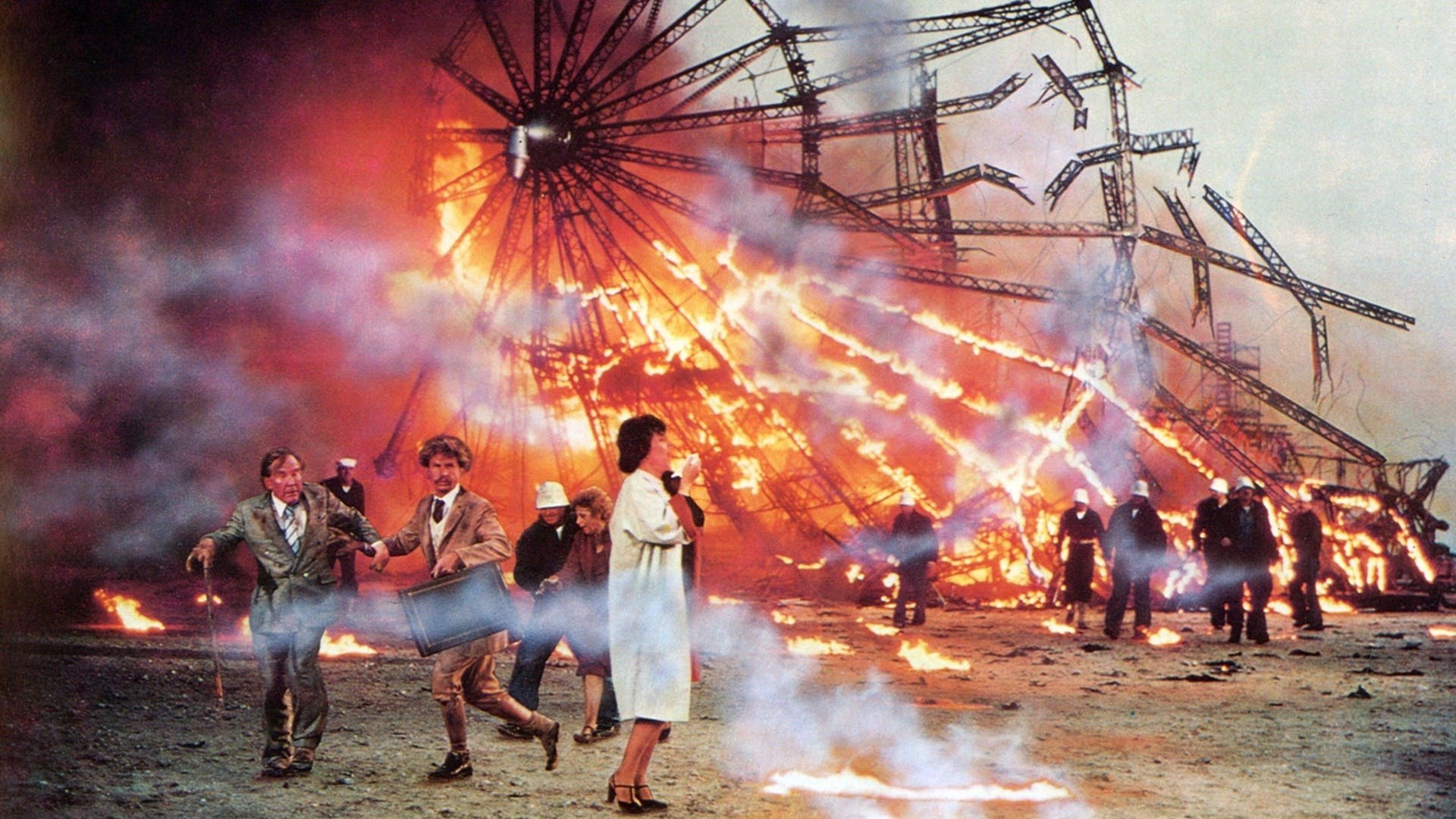
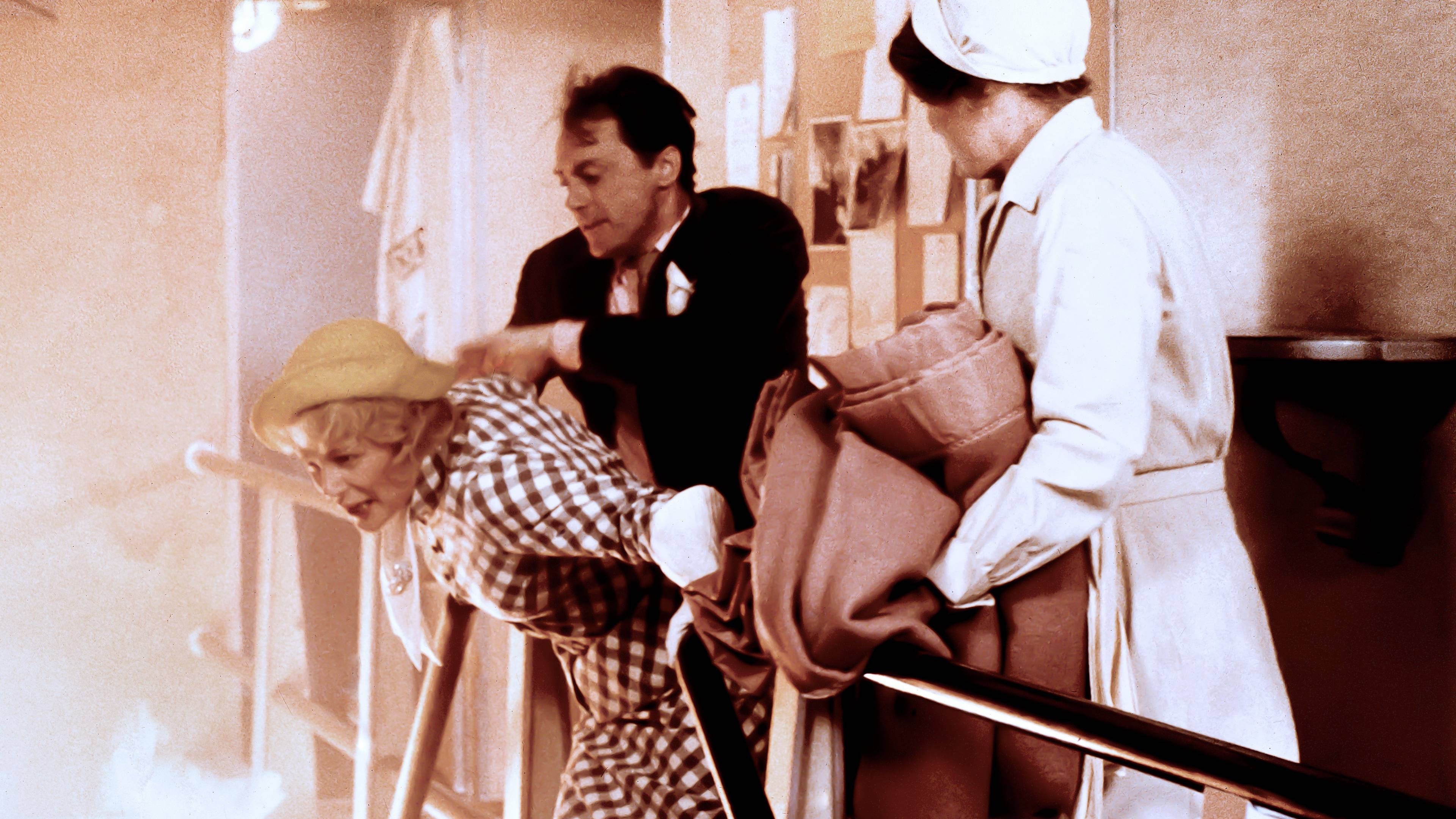
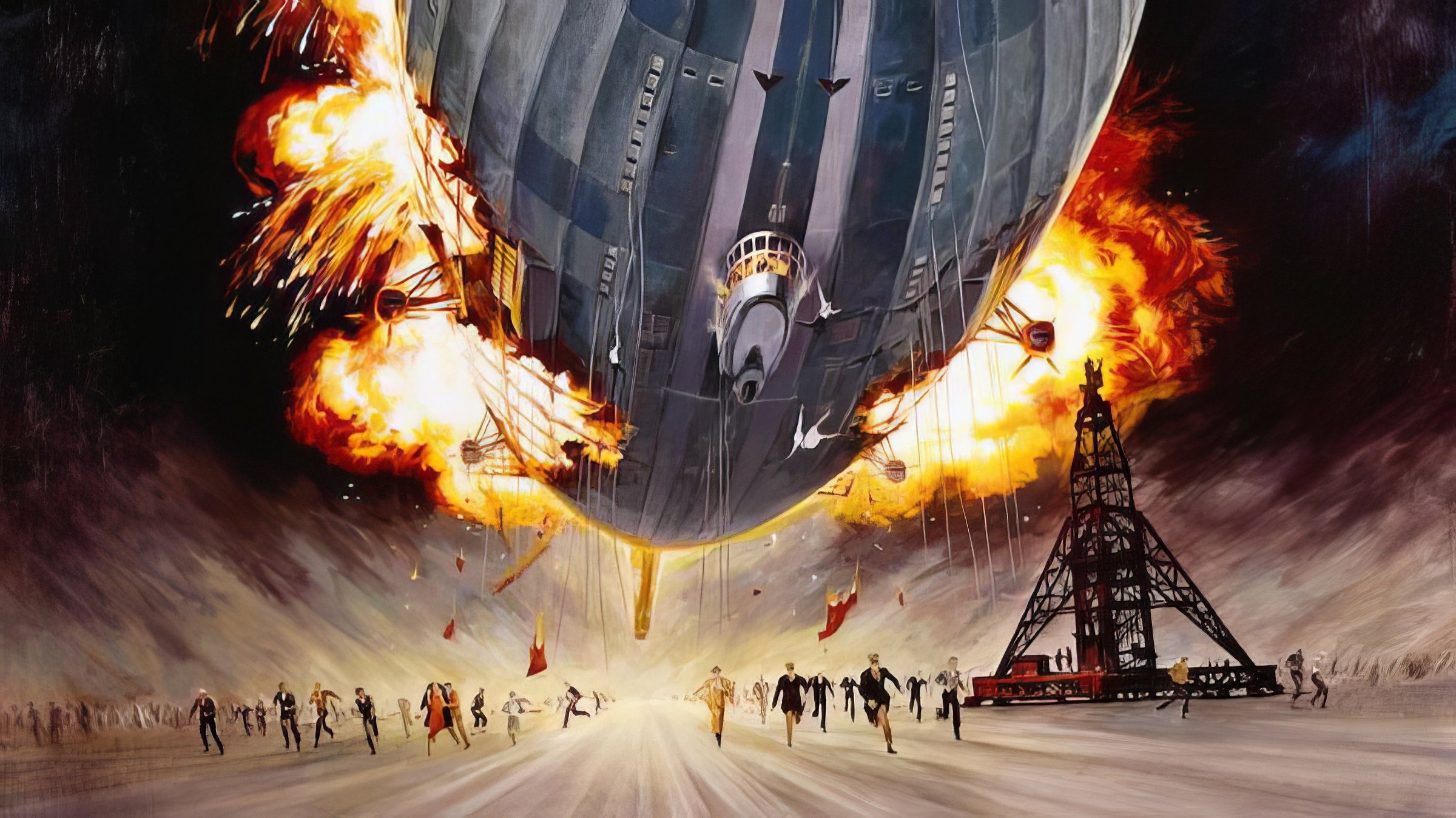
From there, the film builds to something genuinely disturbing. The final sequence—rendered in jagged freeze-frames, fragmented editing, and real archival audio (“oh, the humanity” indeed)—is unsettling in a way that nothing preceding it is. It doesn’t just depict a disaster; it dramatizes the violence of history crashing into spectacle. The Hindenburg stops pretending to be prestige cinema and briefly becomes something meaner, stranger, and genuinely haunted.
It’s a rare case where I liked the movie more than Ebert did—but let’s not get carried away. I didn’t think it was fantastic, or even particularly good. I just found something in its final descent that caught me off guard: a sliver of poignancy buried beneath the rubble of narrative inertia. It’s still mostly a stiff, talky slog with the dramatic urgency of a safety demonstration, but when the sparks finally fly, the wreckage is oddly compelling.
It’s difficult to watch The Hindenburg today without thinking of Titanic—James Cameron’s similarly structured, but far more effective disaster epic that would arrive 22 years later and render the genre, for all intents and purposes, obsolete. The comparisons are inevitable: both films orbit doomed vessels, dramatize their final voyages with historical framing, and attempt to graft personal drama onto large-scale catastrophe. But where Titanic thrives, The Hindenburg stalls.
Why is Titanic better? For starters, it’s anchored by performances that radiate vitality and immediacy. Leonardo DiCaprio and Kate Winslet are magnetic, impulsive, and vividly alive—stars whose charisma pulls the audience into the illusion of emotional stakes. George C. Scott and Anne Bancroft, by contrast, are cast as symbols more than people: stilted, opaque, and strangely disengaged from the disaster they’re supposedly heading toward. It’s not their fault so much as the film’s—it has no interest in treating its characters as anything other than mouthpieces for stoicism and tragic irony.
Technological advancement also plays a significant role. The filmmaking tools available to Cameron in 1997 allowed for a level of spectacle, precision, and visceral immediacy that Wise simply didn’t have access to in 1975. When Titanic sinks, you feel it—not just visually, but spatially, bodily. The Hindenburg’s final destruction, while unnerving, is more abstract—a sequence of impressive effects work bound by the limitations of its era and the rigidity of its presentation.
But the most crucial difference lies in structure. Titanic is not about the sinking of the ship until the ship sinks. It creates space for character, for romance, for narrative misdirection. For much of its runtime, it seduces you into forgetting what’s coming. The Hindenburg, by contrast, never lets you forget—not for a second. It treats its central disaster like a foregone conclusion that must be anticipated in every frame. The result is a kind of narrative suffocation. There’s no room to breathe, to wander, or to care. Everything bends toward inevitability, which makes the experience feel less like a story and more like a grim countdown clock.
In the year of our Lord 2025, the disaster movie is all but extinct. The genre ran out of cultural currency somewhere in the early 2000s, leaving behind a few ironic aftershocks, the occasional bloated streaming experiment, and a handful of mockbusters courtesy of Dick Van Dyke’s grandson. No one really believes they can do better than Titanic, and so—for better or worse—they’ve mostly stopped trying.
Five months after Jaws redefined the commercial potential of the summer blockbuster, Robert Wise’s The Hindenburg premiered on Christmas Day, 1975. At the time, Wise’s stature within the Hollywood establishment was formidable—he was one of only four directors in Academy history to have helmed multiple Best Picture winners, a distinction he shared with Frank Capra, Billy Wilder, and Clint Eastwood. With The Hindenburg, Wise turned his attention to the disaster film—a genre then in full cultural bloom—hoping to elevate it with the aura of prestige, historical fatalism, and procedural rigor that had marked his earlier successes. It was, in essence, a veteran auteur stepping into a genre that had become a playground for spectacle, attempting to imbue it with gravitas rather than abandon.
To his credit, Robert Wise approached The Hindenburg with his trademark fastidiousness. A stickler for background research and period detail across his entire career, Wise reportedly spent a full year digging through archives on both sides of the Atlantic—including extensive research at the National Archives in the United Kingdom and the National Air and Space Museum in Washington, D.C. (where the film’s painstakingly crafted scale model of the Hindenburg now resides). Alongside production designer Edward Carfagno—whose credits include Pale Rider and Sudden Impact—Wise pursued historical verisimilitude down to the silverware used onboard the airship. The film may not breathe, but it does gleam.
That meticulousness wasn’t entirely for naught. The Hindenburg did take home two Academy Awards, albeit in the form of Special Achievement Oscars that didn’t require campaigning: one for Sound Effects Editing, awarded to Peter Berkos (Coogan’s Bluff, Car Wash), and another for Visual Effects, shared by Albert Whitlock and Glen Robinson. Still, it was a ceremonial consolation prize in a year otherwise dominated by One Flew Over the Cuckoo’s Nest, which steamrolled the major categories—Best Picture, Director, Actor, Actress, and Adapted Screenplay—becoming only the second film in history to accomplish the so-called “Big Five” sweep, after It Happened One Night in 1934. (The third would be The Silence of the Lambs in 1991.) In that context, The Hindenburg felt like an antique in a museum of living, breathing cinema—polished to perfection, but sealed off behind glass.
For audiences in late 1975, The Hindenburg likely felt like a relic—not merely because of its 1930s setting, but because its cinematic language seemed to belong to a prior epoch. Though its formal precision and stately compositions now possess a certain austere beauty in hindsight, at the time it played like a fossilized object: elegantly mounted, but curiously inert. By then, the prevailing cinematic vocabulary had shifted. Viewers had grown used to psychological realism, moral ambiguity, and the raw, unstable textures of contemporary life.
Coppola’s The Conversation introduced paranoia as a sonic landscape; Scorsese’s Mean Streets and Alice Doesn’t Live Here Anymore brought ethnographic intimacy to working-class interiors; Larry Cohen’s Black Caesar infused genre pulp with unfiltered blaxploitation fury; and Sidney Lumet’s Serpico and Dog Day Afternoon turned institutional critique into volatile human drama. Even Jack Clayton’s adaptation of The Great Gatsby, with all its period artifice, felt emotionally fractured and strange—less about the Roaring Twenties than the quiet rot of disillusionment. Just weeks before The Hindenburg opened, Miloš Forman’s One Flew Over the Cuckoo’s Nest weaponized character-driven storytelling to indict the entire architecture of American conformity.
In this context, The Hindenburg seemed doubly out of step. Its central figures—drawn in broad, stentorian strokes—belonged to a lineage of postwar melodrama that no longer held cultural currency. It positioned itself as a serious historical drama, but did so through a lens so lacquered in studio sheen that it collapsed under its own reverence. The film's tonal stiffness and aesthetic conservatism left it marooned—too empty for the past, too rigid for the present.
The critics weren’t kind, either. Roger Ebert—generous to a fault, the benevolent uncle of mid-century film criticism—gave the film a withering one-star review. From Ebert, that rating functioned less as a critique and more as a quiet execution: the cinematic equivalent of putting your dog down and refusing to make eye contact afterward. Pauline Kael was no more forgiving, calling the film “pompous and passionless”—a phrase that might as well be engraved on the tombstone of late-stage prestige cinema. And in that rare moment of consensus between Ebert’s Midwest warmth and Kael’s Manhattan scalpel, it’s hard to disagree: The Hindenburg is a film stranded between eras.
And yet, around the 84-minute mark, something shifted. I stayed off my phone the entire time, but at that point, I no longer wanted to reach for it. That’s when the film finally locates a pulse: a central conflict emerges between Ritter (George C. Scott), a weary Nazi intelligence officer, and Boerth (William Atherton), the saboteur trying to appeal to whatever sliver of humanity Ritter has left. Boerth doesn’t just want to destroy the Hindenburg—he wants Ritter to let it happen. It’s a soft moral quandary, sure, but not unengaging. There’s a flicker of tension, of actual stakes.
From there, the film builds to something genuinely disturbing. The final sequence—rendered in jagged freeze-frames, fragmented editing, and real archival audio (“oh, the humanity” indeed)—is unsettling in a way that nothing preceding it is. It doesn’t just depict a disaster; it dramatizes the violence of history crashing into spectacle. The Hindenburg stops pretending to be prestige cinema and briefly becomes something meaner, stranger, and genuinely haunted.
It’s a rare case where I liked the movie more than Ebert did—but let’s not get carried away. I didn’t think it was fantastic, or even particularly good. I just found something in its final descent that caught me off guard: a sliver of poignancy buried beneath the rubble of narrative inertia. It’s still mostly a stiff, talky slog with the dramatic urgency of a safety demonstration, but when the sparks finally fly, the wreckage is oddly compelling.
It’s difficult to watch The Hindenburg today without thinking of Titanic—James Cameron’s similarly structured, but far more effective disaster epic that would arrive 22 years later and render the genre, for all intents and purposes, obsolete. The comparisons are inevitable: both films orbit doomed vessels, dramatize their final voyages with historical framing, and attempt to graft personal drama onto large-scale catastrophe. But where Titanic thrives, The Hindenburg stalls.
Why is Titanic better? For starters, it’s anchored by performances that radiate vitality and immediacy. Leonardo DiCaprio and Kate Winslet are magnetic, impulsive, and vividly alive—stars whose charisma pulls the audience into the illusion of emotional stakes. George C. Scott and Anne Bancroft, by contrast, are cast as symbols more than people: stilted, opaque, and strangely disengaged from the disaster they’re supposedly heading toward. It’s not their fault so much as the film’s—it has no interest in treating its characters as anything other than mouthpieces for stoicism and tragic irony.
Technological advancement also plays a significant role. The filmmaking tools available to Cameron in 1997 allowed for a level of spectacle, precision, and visceral immediacy that Wise simply didn’t have access to in 1975. When Titanic sinks, you feel it—not just visually, but spatially, bodily. The Hindenburg’s final destruction, while unnerving, is more abstract—a sequence of impressive effects work bound by the limitations of its era and the rigidity of its presentation.
But the most crucial difference lies in structure. Titanic is not about the sinking of the ship until the ship sinks. It creates space for character, for romance, for narrative misdirection. For much of its runtime, it seduces you into forgetting what’s coming. The Hindenburg, by contrast, never lets you forget—not for a second. It treats its central disaster like a foregone conclusion that must be anticipated in every frame. The result is a kind of narrative suffocation. There’s no room to breathe, to wander, or to care. Everything bends toward inevitability, which makes the experience feel less like a story and more like a grim countdown clock.
In the year of our Lord 2025, the disaster movie is all but extinct. The genre ran out of cultural currency somewhere in the early 2000s, leaving behind a few ironic aftershocks, the occasional bloated streaming experiment, and a handful of mockbusters courtesy of Dick Van Dyke’s grandson. No one really believes they can do better than Titanic, and so—for better or worse—they’ve mostly stopped trying.