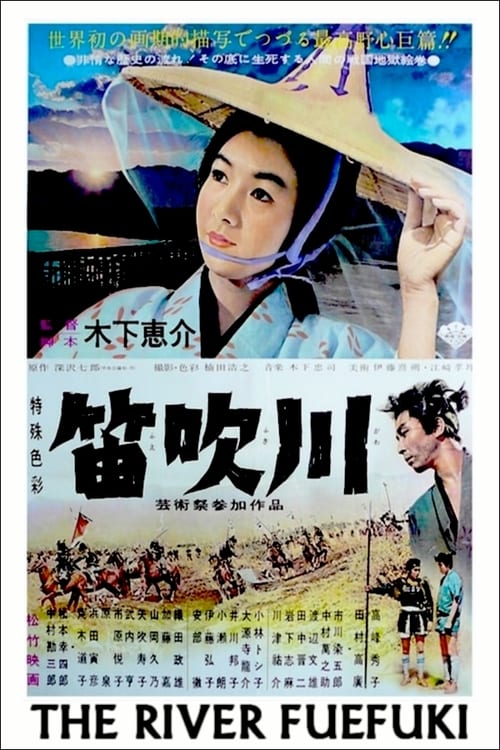
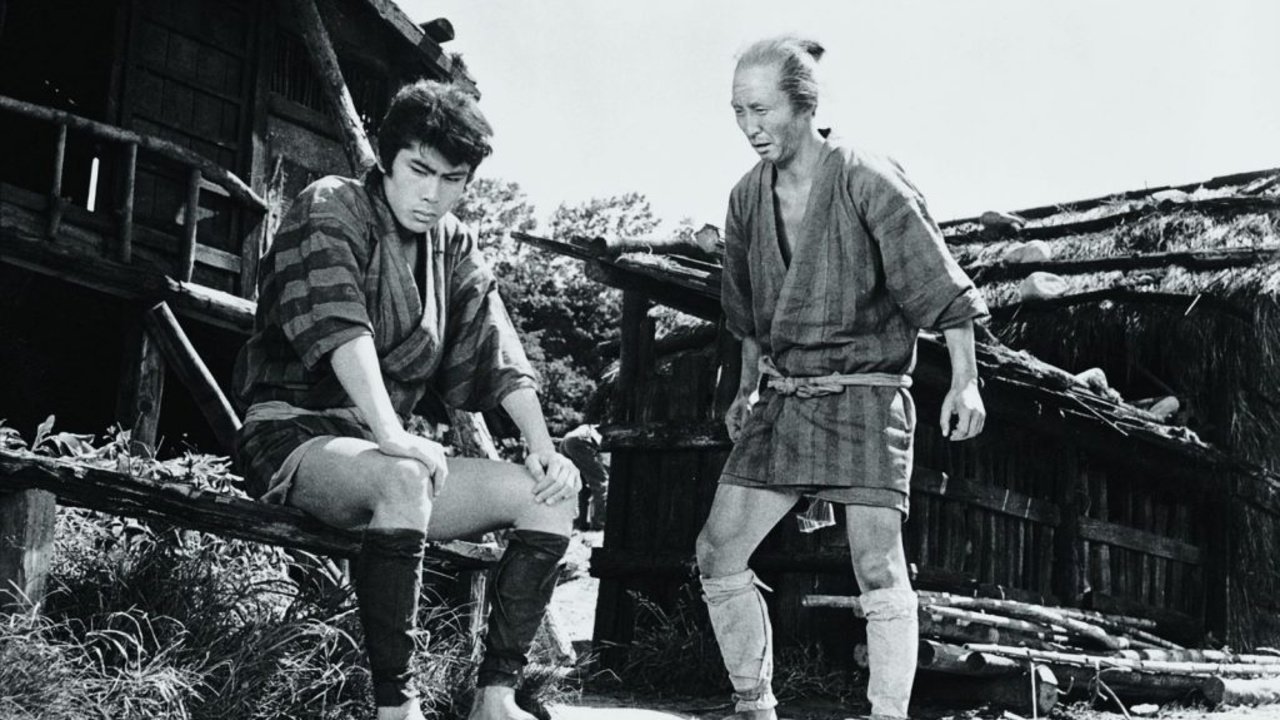
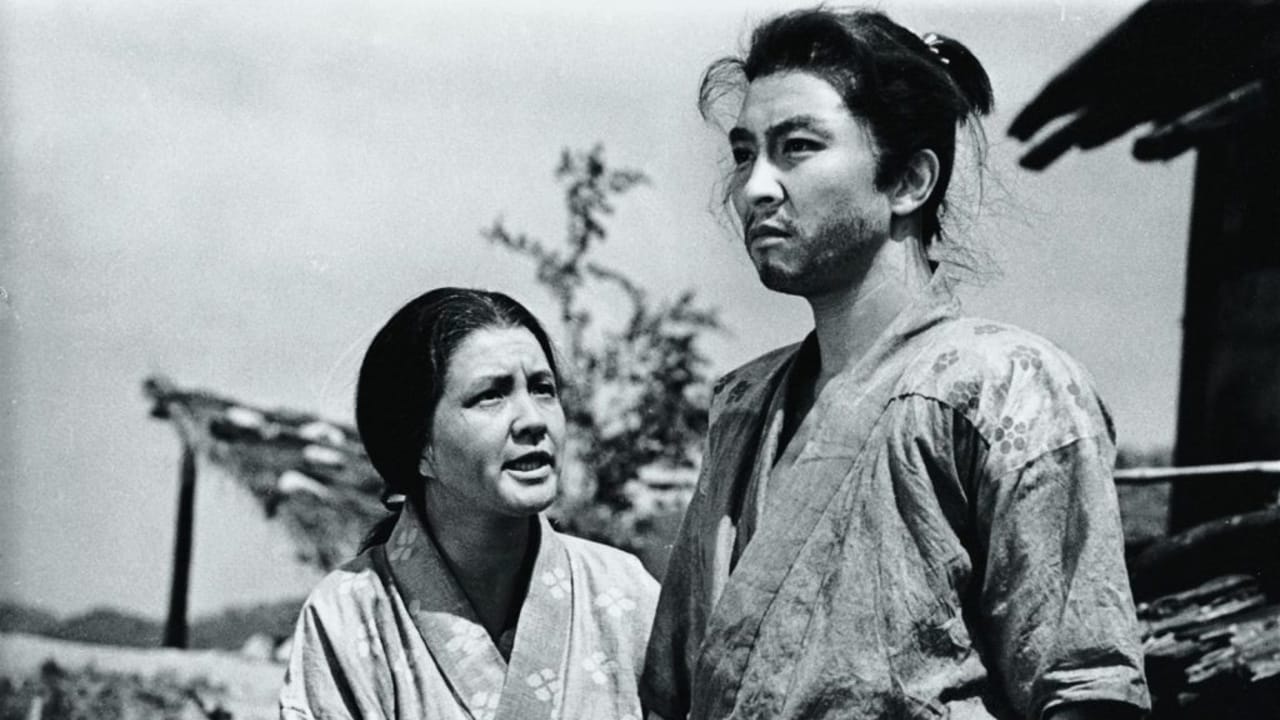
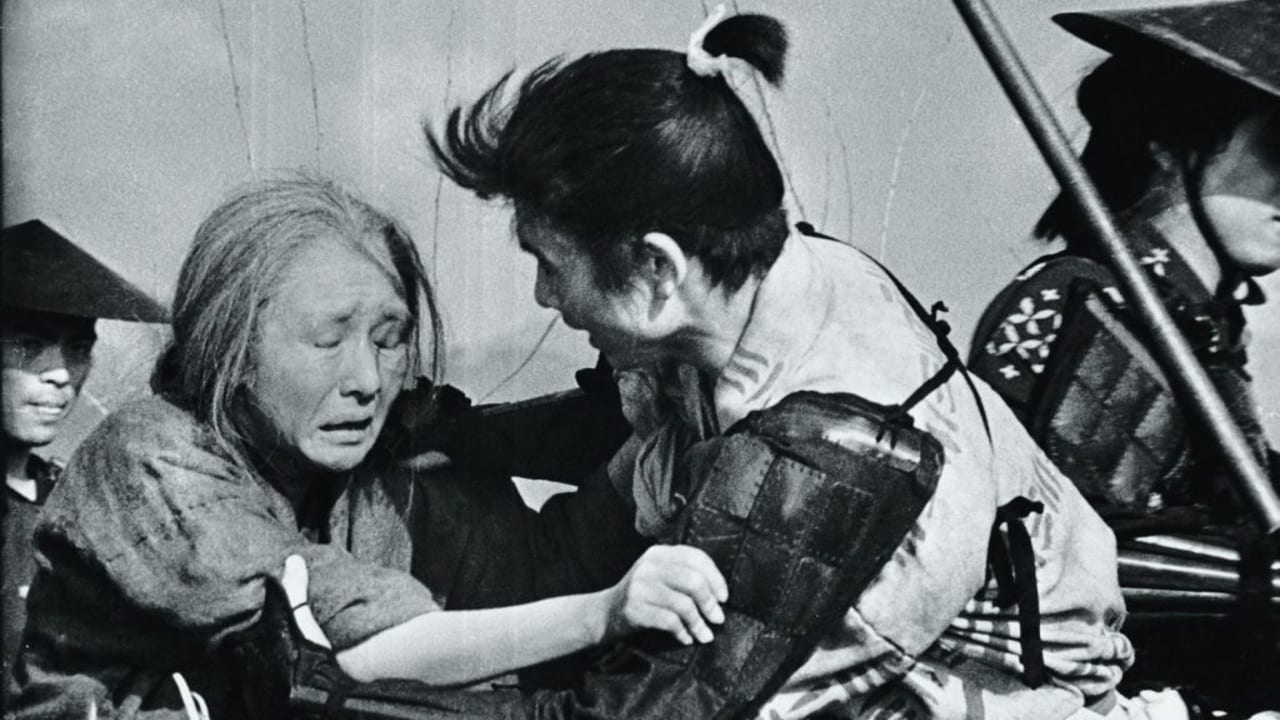
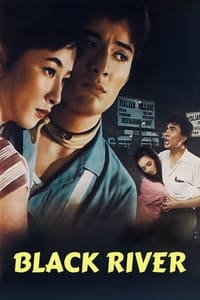
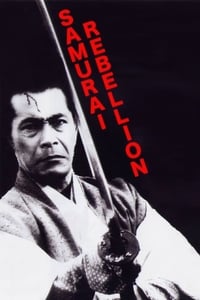
This multi-generational tale of a Japanese peasant family deromanticizes the glory of war and conflict. The family’s hopes are perpetually pinned to receiving some kind of reward or recognition from the ruling family. Despite a neverending cycle of violence and loss, each burgeoning male youth craves escape from the mundanity of farm life, mistakenly idolizing the opportunities of war.
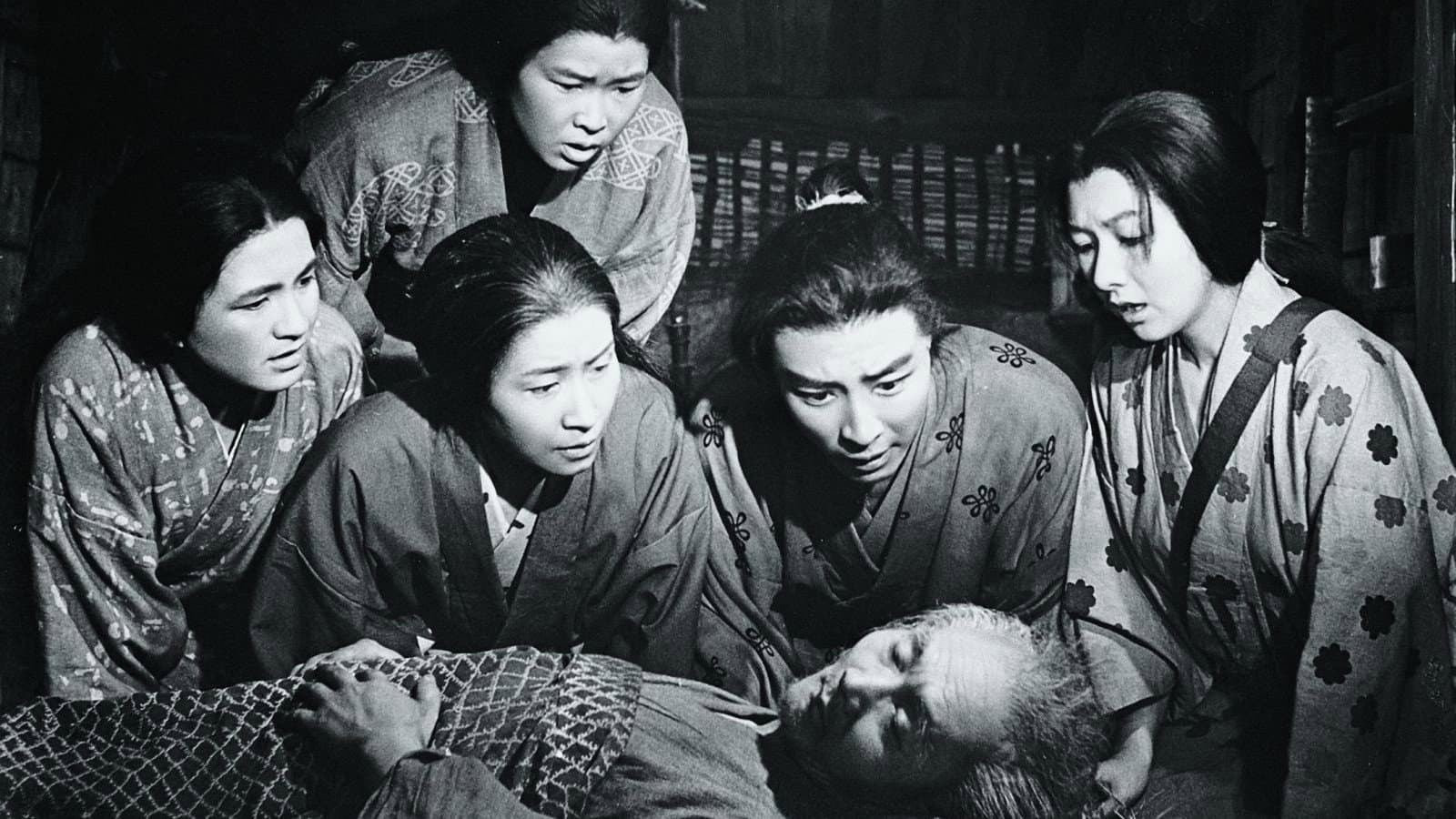
The film just isn’t long enough to paint an entirely complete picture. There are a plethora of moments which deeply resonate and impact. An extended scene of the parents waking up to a missing son, gone off to war, is breathtaking. There is a grandiose tragedy perfectly captured. Other moments of the film, especially when longer periods of time are truncated.
An implication of this film, from a developmental economics standpoint, is what I appreciate most. This movie highlights a critical fact of the “old days,” here, the 1500’s. They suck. Life sucks. This movie does a great job illuminating the limbo of hopeless poverty the majority of people were trapped in. Another brief, but noteworthy beat in the film is the fact that the central family seemed to, at some point, economically build themselves up to rival a ruling family by way of their silk trade. So then, we see the eternal truth of force being used to suppress a competition.
This multi-generational tale of a Japanese peasant family deromanticizes the glory of war and conflict. The family’s hopes are perpetually pinned to receiving some kind of reward or recognition from the ruling family. Despite a neverending cycle of violence and loss, each burgeoning male youth craves escape from the mundanity of farm life, mistakenly idolizing the opportunities of war.
The film just isn’t long enough to paint an entirely complete picture. There are a plethora of moments which deeply resonate and impact. An extended scene of the parents waking up to a missing son, gone off to war, is breathtaking. There is a grandiose tragedy perfectly captured. Other moments of the film, especially when longer periods of time are truncated.
An implication of this film, from a developmental economics standpoint, is what I appreciate most. This movie highlights a critical fact of the “old days,” here, the 1500’s. They suck. Life sucks. This movie does a great job illuminating the limbo of hopeless poverty the majority of people were trapped in. Another brief, but noteworthy beat in the film is the fact that the central family seemed to, at some point, economically build themselves up to rival a ruling family by way of their silk trade. So then, we see the eternal truth of force being used to suppress a competition.