The Evolution of cinema 12/520Year 1897: 4/4
I think we might have reached a cinematic milestone with this one. Let me explain✌️
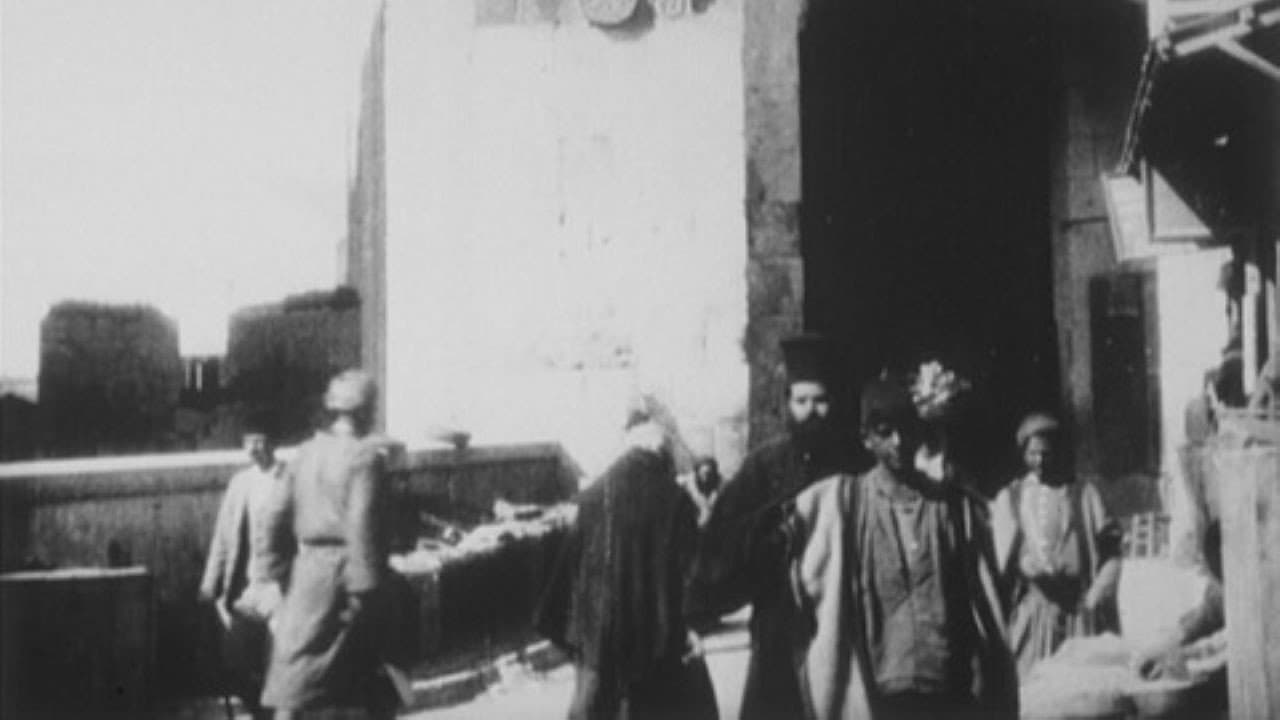
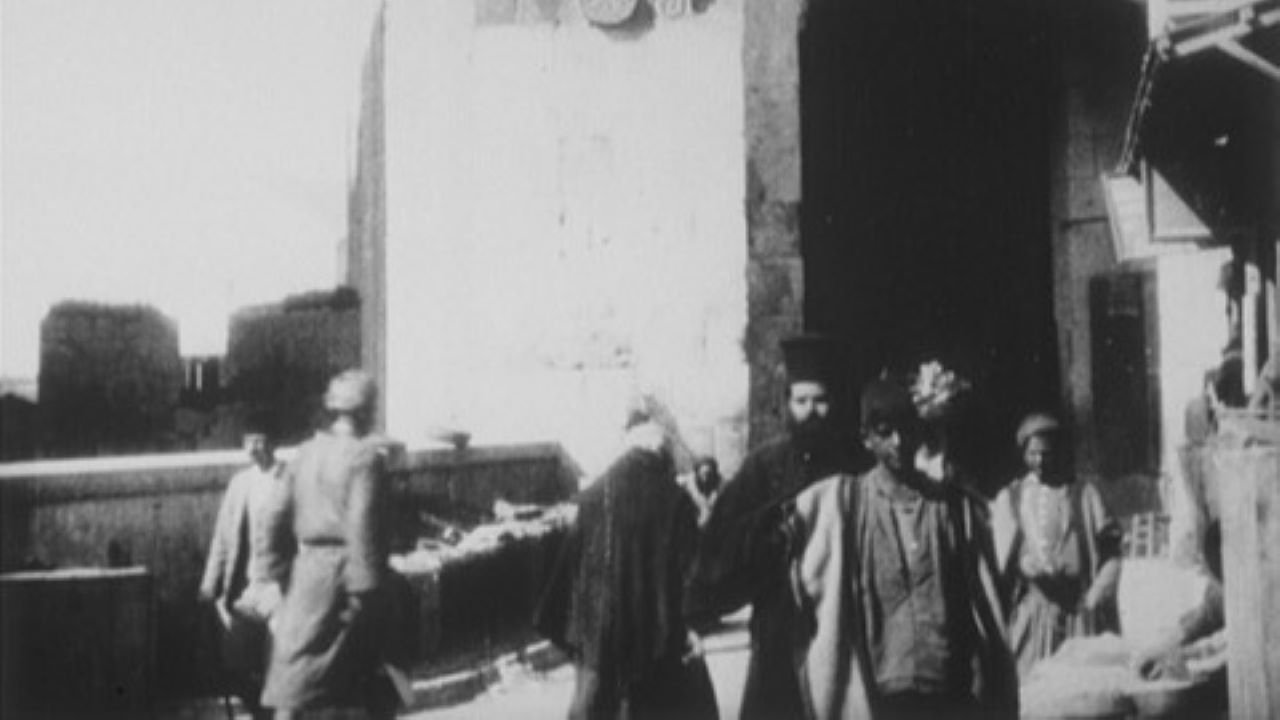
1. I feel like this Is one of the first, If not THE first short films released around this time period– that actually represents something. It documents life on the other side of the globe, which I think Is very special, especially for that time, considering people weren’t connected with each other at all. So I feel like seeing how people live at the other side of the world thanks to the upcoming rise of moving pictures must’ve been historical. It was for me atleast. It was so fascinating and beautiful to see how so many people, despite their different beliefs and lifestyles lived together so harmoniously. Something that’s especially special looking at the current state of affairs at the same place right now.
2. For me this gets supported by the fact that It Is for sure the first film I’ve seen that uses multiple takes– which definitely has played a significant role In the process towards narrative features– because In a way It Is. It shows that cinema can be more than just a short shot from something funny– It’s art that reflects the world around It. And this documentary does just that. It actually documents. It shows multiple perspectives, shows how different people go about In their life and captures the essence of life.
3. This one slightly adds up to the previous one, but because this has multiple takes, It was also multiple minutes long – or well, two minutes. Point being, a huge step towards narration In films and possibly an early step towards narrative features.
It’s just truly an historical milestone In cinematic history that was craving for more. Experimental In many ways– It’s length, Its structure and what It represents, and more ‘relevant’ than ever to just put It simply. The sort of editing Itself could be called experimental as well– with the frame freezing and closing up on a certain. I don’t know If that was In the official release or added later onwards, but I wasn’t a fan of It anyway.
The Evolution of cinema 12/520Year 1897: 4/4
I think we might have reached a cinematic milestone with this one. Let me explain✌️
1. I feel like this Is one of the first, If not THE first short films released around this time period– that actually represents something. It documents life on the other side of the globe, which I think Is very special, especially for that time, considering people weren’t connected with each other at all. So I feel like seeing how people live at the other side of the world thanks to the upcoming rise of moving pictures must’ve been historical. It was for me atleast. It was so fascinating and beautiful to see how so many people, despite their different beliefs and lifestyles lived together so harmoniously. Something that’s especially special looking at the current state of affairs at the same place right now.
2. For me this gets supported by the fact that It Is for sure the first film I’ve seen that uses multiple takes– which definitely has played a significant role In the process towards narrative features– because In a way It Is. It shows that cinema can be more than just a short shot from something funny– It’s art that reflects the world around It. And this documentary does just that. It actually documents. It shows multiple perspectives, shows how different people go about In their life and captures the essence of life.
3. This one slightly adds up to the previous one, but because this has multiple takes, It was also multiple minutes long – or well, two minutes. Point being, a huge step towards narration In films and possibly an early step towards narrative features.
It’s just truly an historical milestone In cinematic history that was craving for more. Experimental In many ways– It’s length, Its structure and what It represents, and more ‘relevant’ than ever to just put It simply. The sort of editing Itself could be called experimental as well– with the frame freezing and closing up on a certain. I don’t know If that was In the official release or added later onwards, but I wasn’t a fan of It anyway.