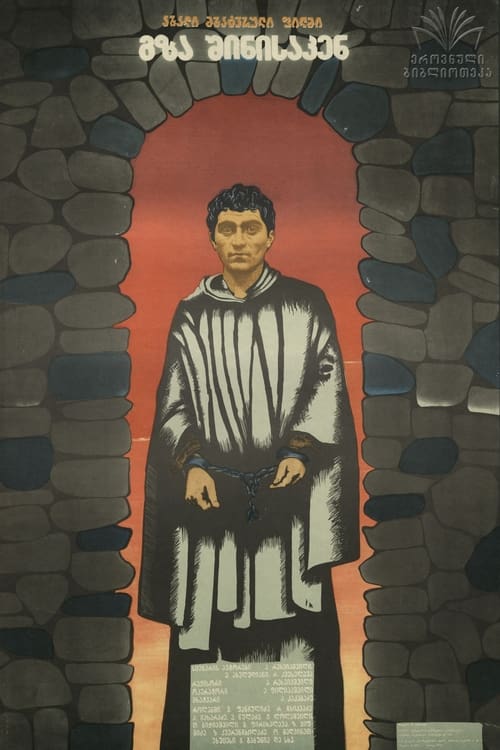
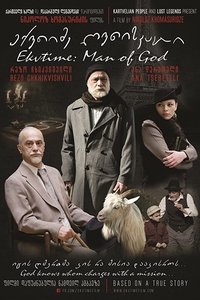
Initial impressions radiate a deep communication with Dreyer. The interior of Antimoz’ home breathes in austere monasticism. It continues toward a seemingly simple arthouse proto-Tarr exhibition in poverty and miserablism. But by its end, it transcends toward fable and comes full circle back to a Dreyeresque realm of morality.
I was impressed throughout, especially with the camerawork. In contrast to Tarr, this camera moves a lot, albeit glacially. It adds a temporality to the entire experience, as if moments are suspended in time. The framing and staging of each shot is painterly in intentionality. If you want an idea of quientessential nick-core a la b&w miserablism, toward the end, peep the shot of the guy sleeping in his bed in the ruins of a forgotten stone building. That’s it. That’s the aesthetic. I’m not here to convert, but rather offer definition.
I’ll keep this in my back pocket of transcendence.
Initial impressions radiate a deep communication with Dreyer. The interior of Antimoz’ home breathes in austere monasticism. It continues toward a seemingly simple arthouse proto-Tarr exhibition in poverty and miserablism. But by its end, it transcends toward fable and comes full circle back to a Dreyeresque realm of morality.
I was impressed throughout, especially with the camerawork. In contrast to Tarr, this camera moves a lot, albeit glacially. It adds a temporality to the entire experience, as if moments are suspended in time. The framing and staging of each shot is painterly in intentionality. If you want an idea of quientessential nick-core a la b&w miserablism, toward the end, peep the shot of the guy sleeping in his bed in the ruins of a forgotten stone building. That’s it. That’s the aesthetic. I’m not here to convert, but rather offer definition.
I’ll keep this in my back pocket of transcendence.