Lower key, but no less major. Intensely psychological, more than I think it would get credit for. The implicit point of view of the child created a totally unique conceptualization of the parent-child relationship. In fact, this feels a deconstruction of parenthood at a philosophical level. Yoshida is the perfect guy to tackle this deconstruction, which almost feels proto-Hanekian.
Yoshida’s orbital camera has never been more psychologically in tune. Our radius is a love diamond, but the center of gravity is Takashi, the child. Takashi’s age in the film relates to Sakaguchi’s mention about the age of cognizance for children. Thus, Takashi’s role in the film is both micro and macro, physical and philosophical, & positive and normative.
The micro level of the film looks at the individual relationships between characters, their first faces. Ritsuko and Shingo are married. The macro looks at their ontological identities. Ritsuko is a woman and wife in a Japanese society who does not want a stranger’s baby. Shingo believes himself to be a destined father, first and foremost. The macro is the guiding drive in the push/pull struggle.
The physical relates to the literal dna of Takashi. Who are his birth parents? The philosophical, then, asks who are Takashi’s “real” parents? Can Shingo call himself Takashi’s father? Especially if Ritsuko denies him this? The positive and the normative follow these questions. The positive would be proving who Takashi’s genetic father is. The normative would be if it’s right Shingo claims he is Takashi’s father.
This interplay between the physical and philosophical of fatherhood is dissected to a clinical level. Shingo expresses an implied sense of ownership over Ritsuko and her choices numerous times. The conviction with which he commands Ritsuko reflects his deeply held truths, consequently reflecting a marco cultural patriarchy. As I’ve come to respect Yoshida for, his female characters tend to assert themselves in more autonomous ways. Ritsuko tries to navigate this complex situation. She has the wherewithal to assuredly reject Shingo. She knows her truth.
The parenthood dichotomy is completed with Ritsuko’s struggle. Not only does she have to deal with Shingo’s dictated motherhood, but also the identity of the real father. This is something Shingo is incapable of understanding. The idea of being an unwilling mother, then, manifests uniquely here. Ritsuko’s struggles with motherhood feel progressively expressive.
Truthfully, I didn’t totally understand the importance of her memory with the man in the woods. The recollection scene sort of reminded me of Bergman’s tragic flashbacks.
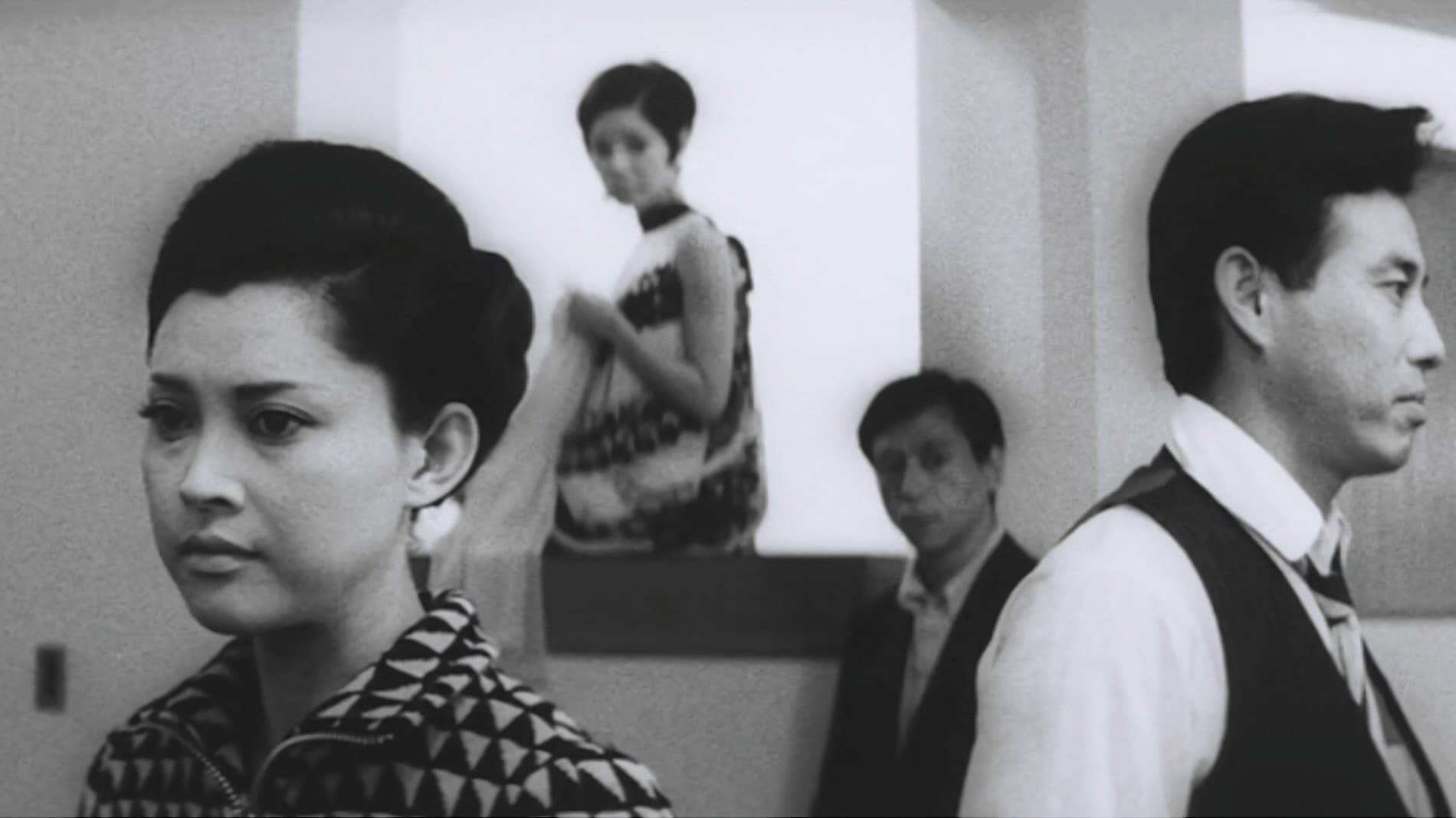
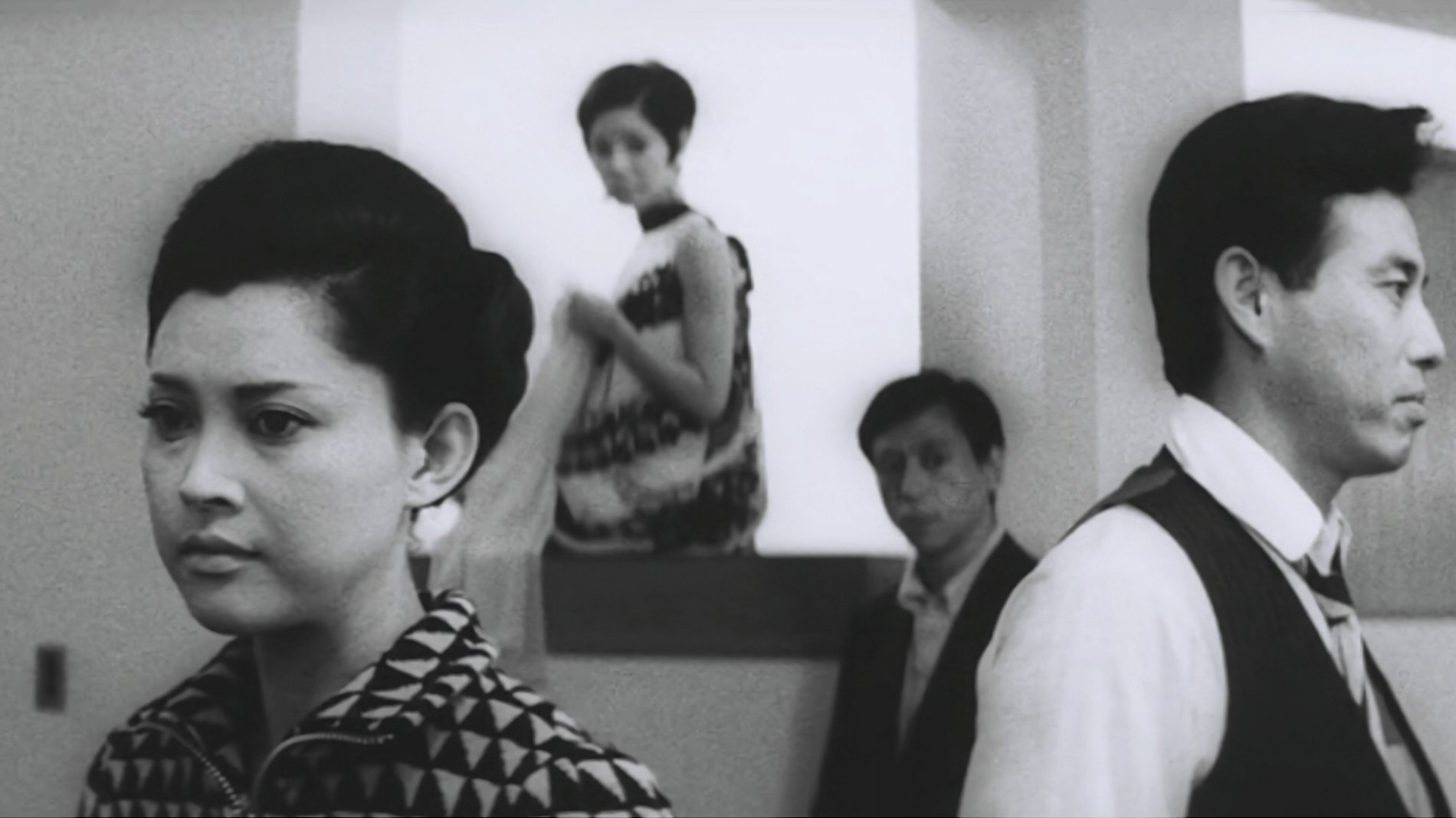
Yoshida’s camera does a ton of work capturing all this visually. His images feel intuitively effective. They combine everything from framing, positioning, momentum, and editing. Here, shadowy and labyrinthian home architecture emphasize the web these characters crawl upon. And throughout, Yoshida’s foundational sense of visual poetry guides the performances. The acting feels a bit more pronounced, heightening the feeling of melodrama and accenting the physicality of everything.
I found this one extremely provoking.
Lower key, but no less major. Intensely psychological, more than I think it would get credit for. The implicit point of view of the child created a totally unique conceptualization of the parent-child relationship. In fact, this feels a deconstruction of parenthood at a philosophical level. Yoshida is the perfect guy to tackle this deconstruction, which almost feels proto-Hanekian.
Yoshida’s orbital camera has never been more psychologically in tune. Our radius is a love diamond, but the center of gravity is Takashi, the child. Takashi’s age in the film relates to Sakaguchi’s mention about the age of cognizance for children. Thus, Takashi’s role in the film is both micro and macro, physical and philosophical, & positive and normative.
The micro level of the film looks at the individual relationships between characters, their first faces. Ritsuko and Shingo are married. The macro looks at their ontological identities. Ritsuko is a woman and wife in a Japanese society who does not want a stranger’s baby. Shingo believes himself to be a destined father, first and foremost. The macro is the guiding drive in the push/pull struggle.
The physical relates to the literal dna of Takashi. Who are his birth parents? The philosophical, then, asks who are Takashi’s “real” parents? Can Shingo call himself Takashi’s father? Especially if Ritsuko denies him this? The positive and the normative follow these questions. The positive would be proving who Takashi’s genetic father is. The normative would be if it’s right Shingo claims he is Takashi’s father.
This interplay between the physical and philosophical of fatherhood is dissected to a clinical level. Shingo expresses an implied sense of ownership over Ritsuko and her choices numerous times. The conviction with which he commands Ritsuko reflects his deeply held truths, consequently reflecting a marco cultural patriarchy. As I’ve come to respect Yoshida for, his female characters tend to assert themselves in more autonomous ways. Ritsuko tries to navigate this complex situation. She has the wherewithal to assuredly reject Shingo. She knows her truth.
The parenthood dichotomy is completed with Ritsuko’s struggle. Not only does she have to deal with Shingo’s dictated motherhood, but also the identity of the real father. This is something Shingo is incapable of understanding. The idea of being an unwilling mother, then, manifests uniquely here. Ritsuko’s struggles with motherhood feel progressively expressive.
Truthfully, I didn’t totally understand the importance of her memory with the man in the woods. The recollection scene sort of reminded me of Bergman’s tragic flashbacks.
Yoshida’s camera does a ton of work capturing all this visually. His images feel intuitively effective. They combine everything from framing, positioning, momentum, and editing. Here, shadowy and labyrinthian home architecture emphasize the web these characters crawl upon. And throughout, Yoshida’s foundational sense of visual poetry guides the performances. The acting feels a bit more pronounced, heightening the feeling of melodrama and accenting the physicality of everything.
I found this one extremely provoking.