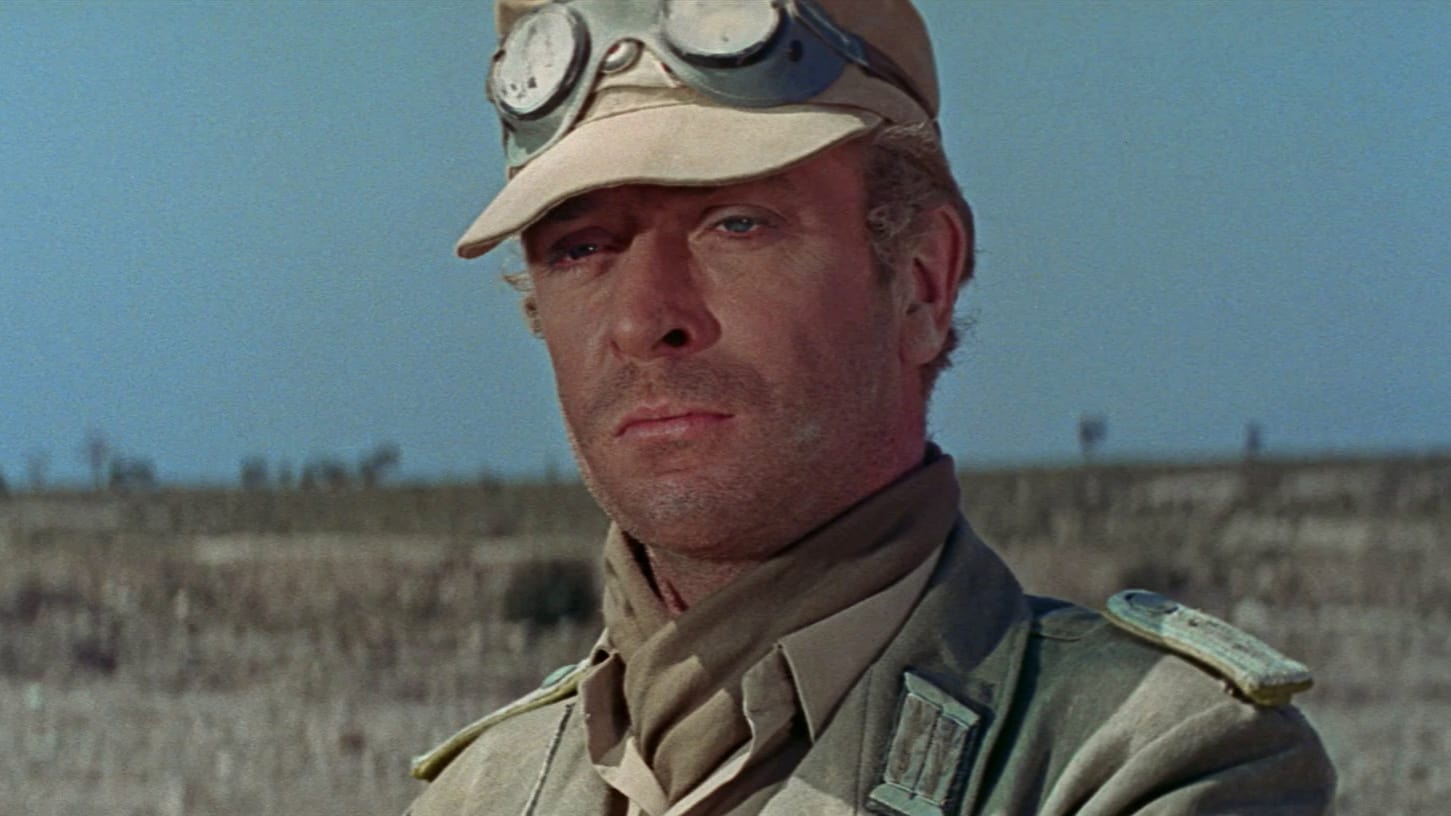
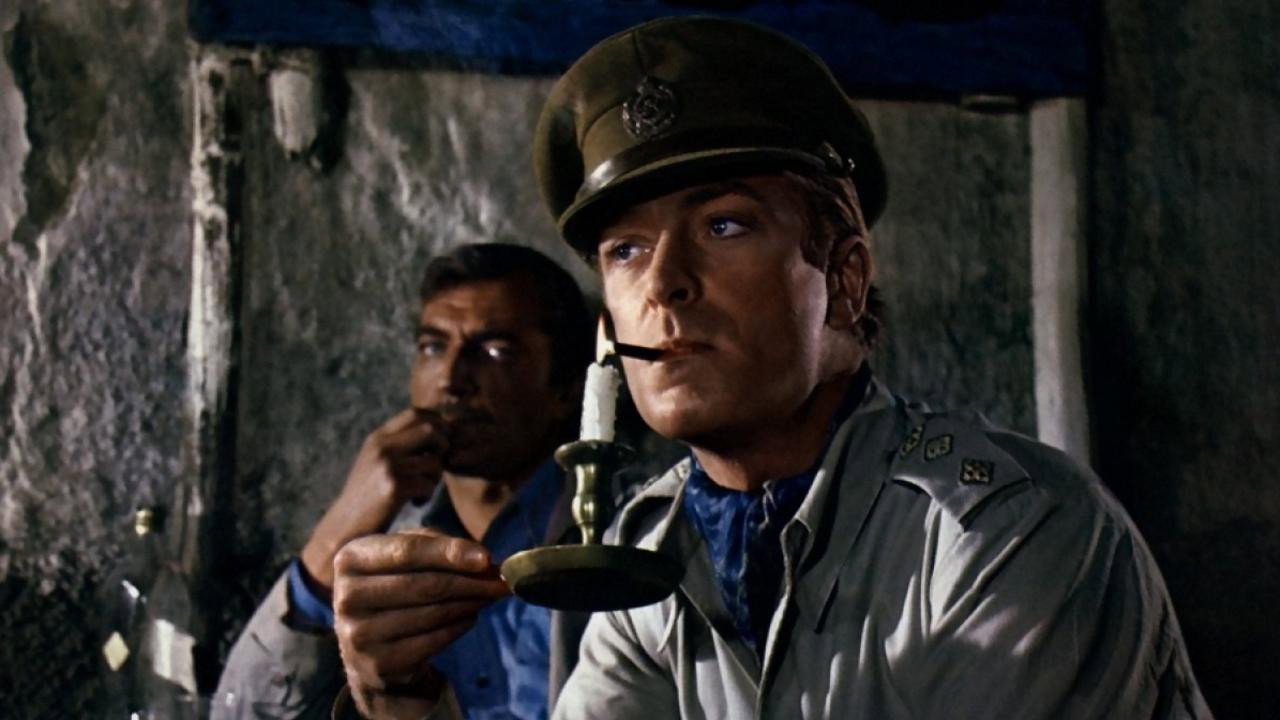
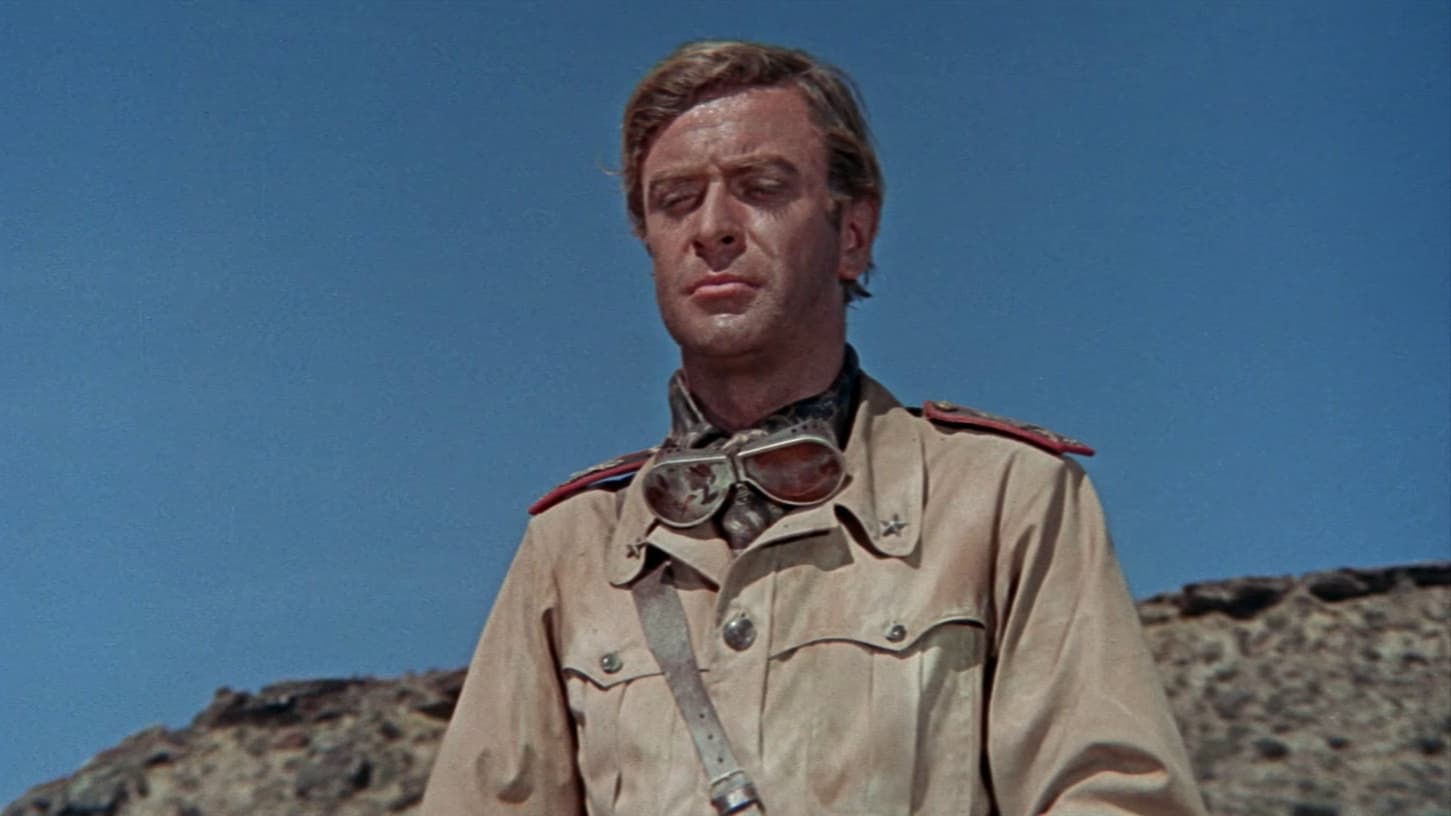
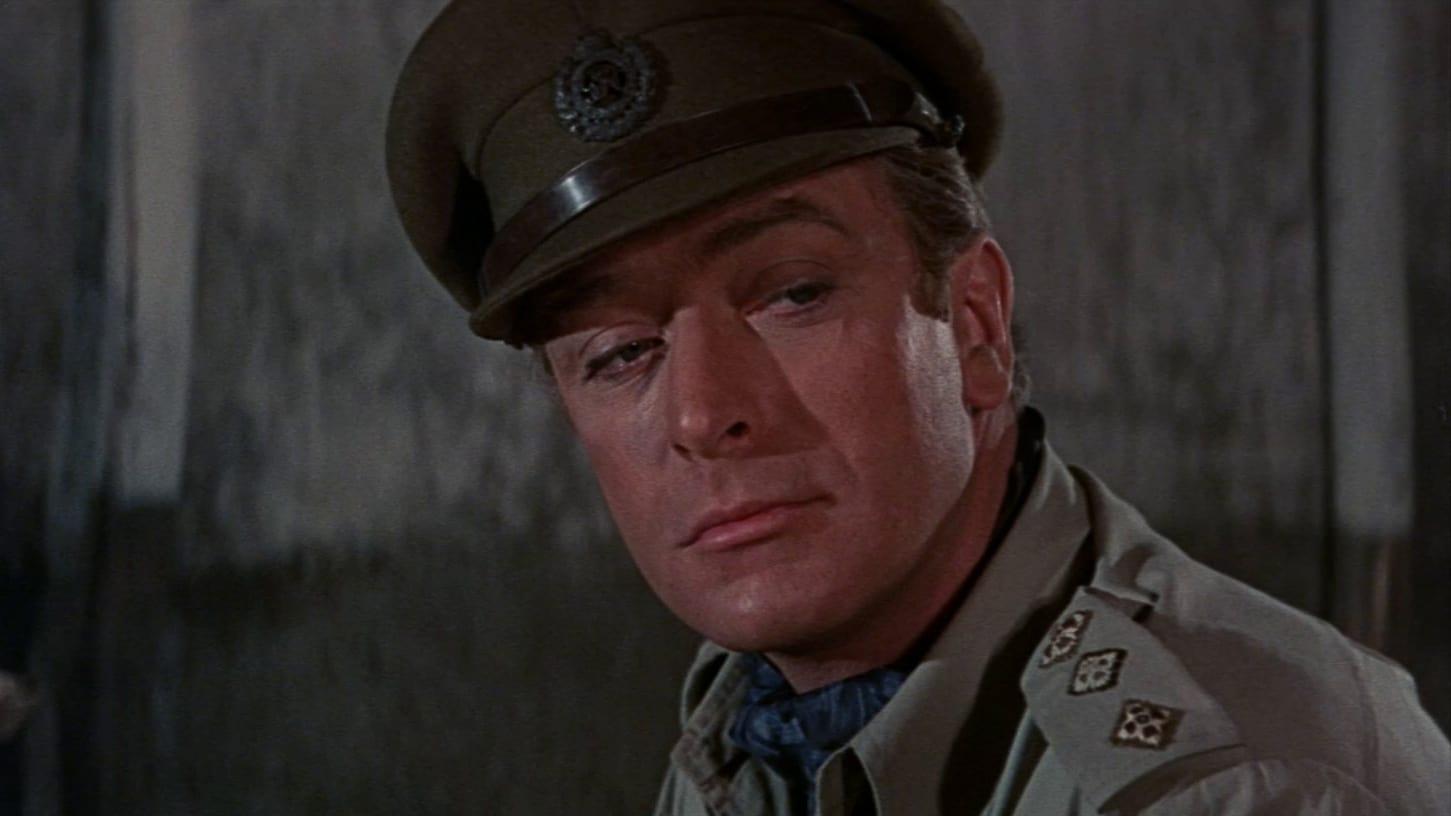
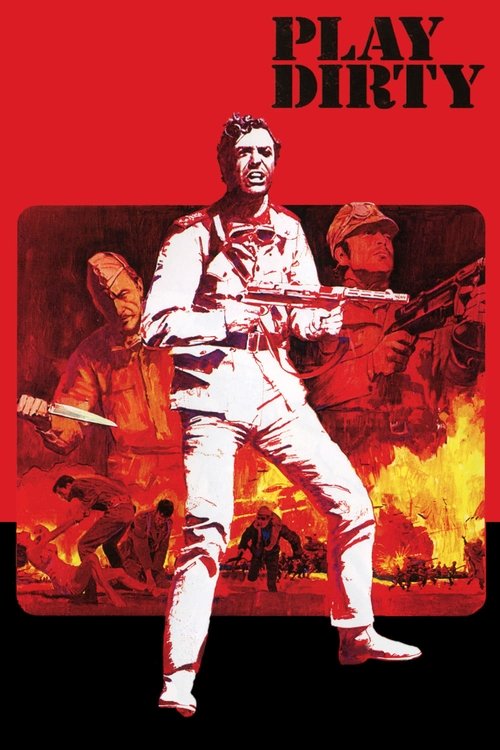
“If you’d stayed at home, they’d still be alive”
Well, if that isn’t the most all-encompassing line in anti-war cinema. This fucking floored me. As bleak as the desert is sparse. As black as pitch. As desolate as the sandstorms that ravage our players.
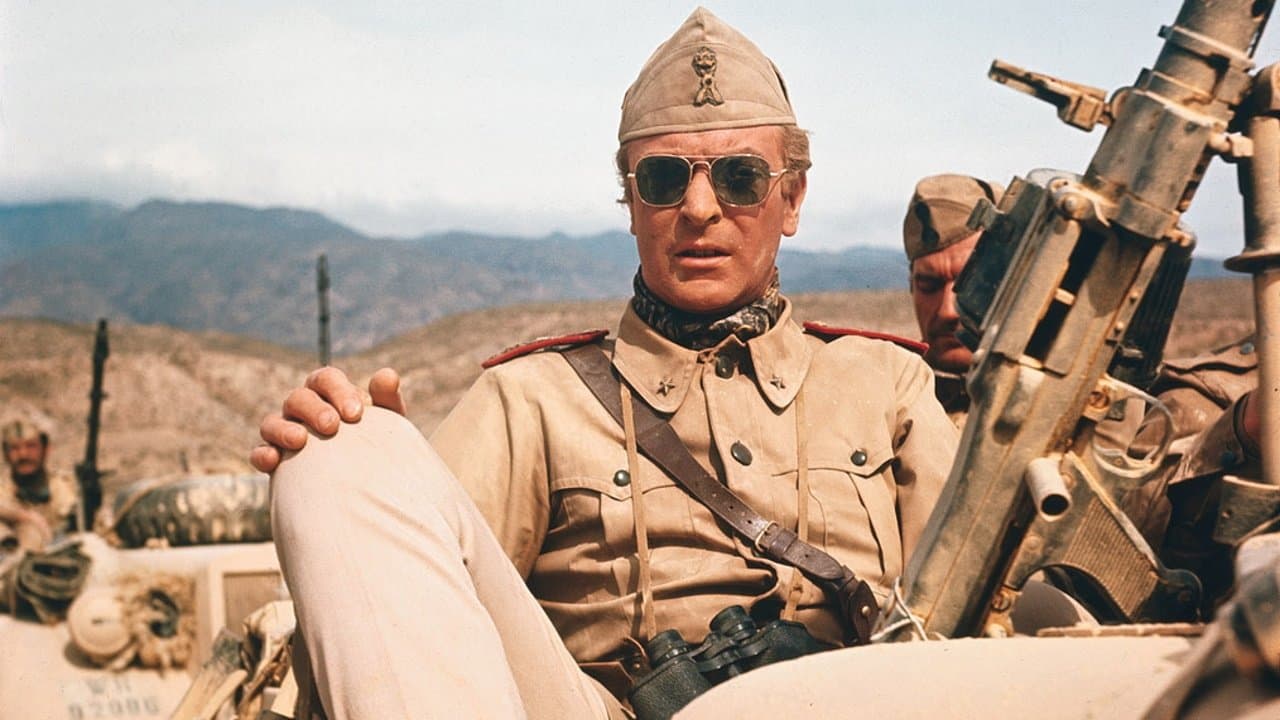
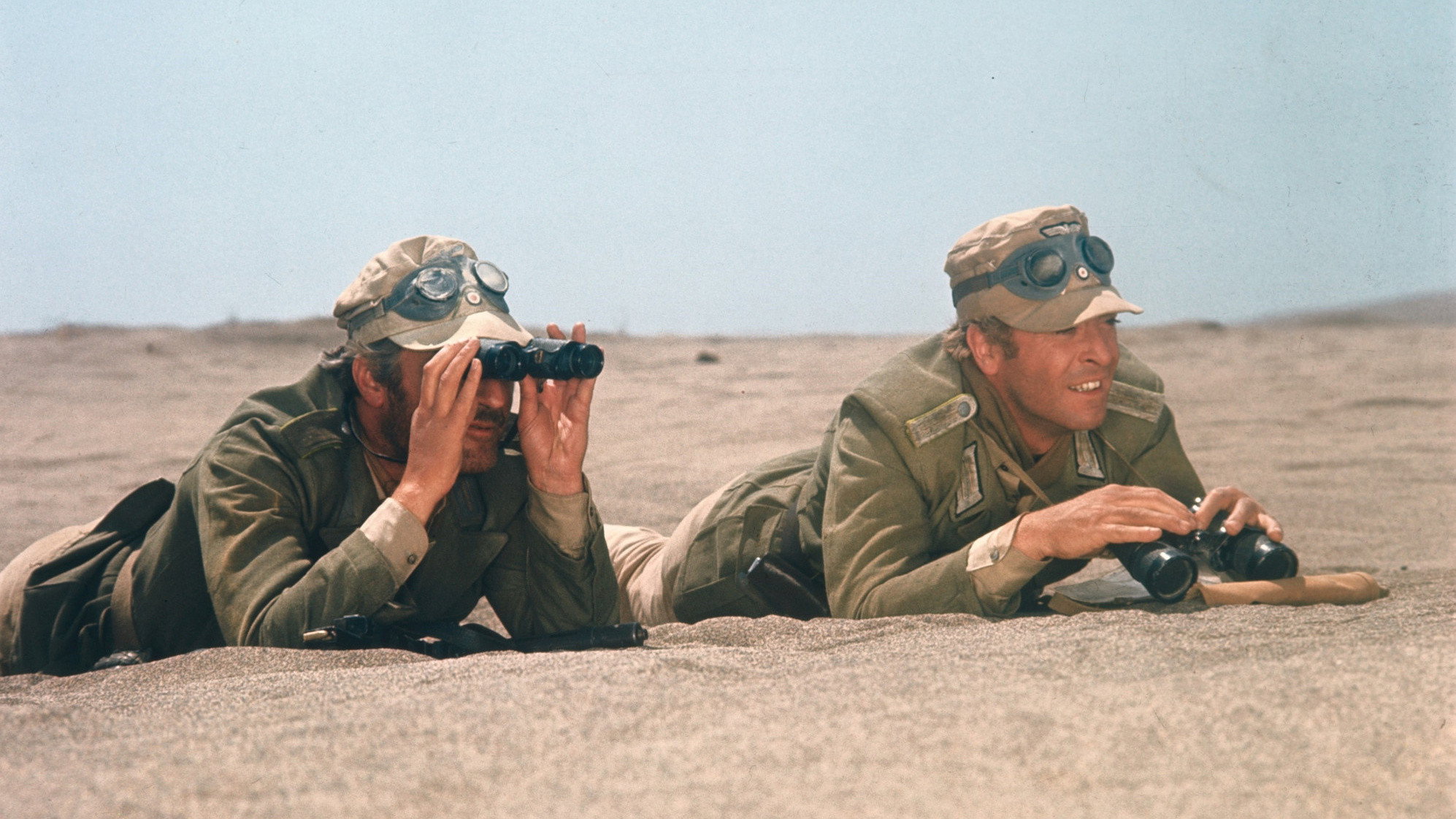
So many of De Toth’s choices here are remarkable. So many shots are peeled back. Shot at distance. Our protagonists and antagonists shot the same (as if there’s even a difference in this film.) Camouflaged ants moving in a formicarium. Pieces on a chess board five miles away, moving imperceptibly towards their end.
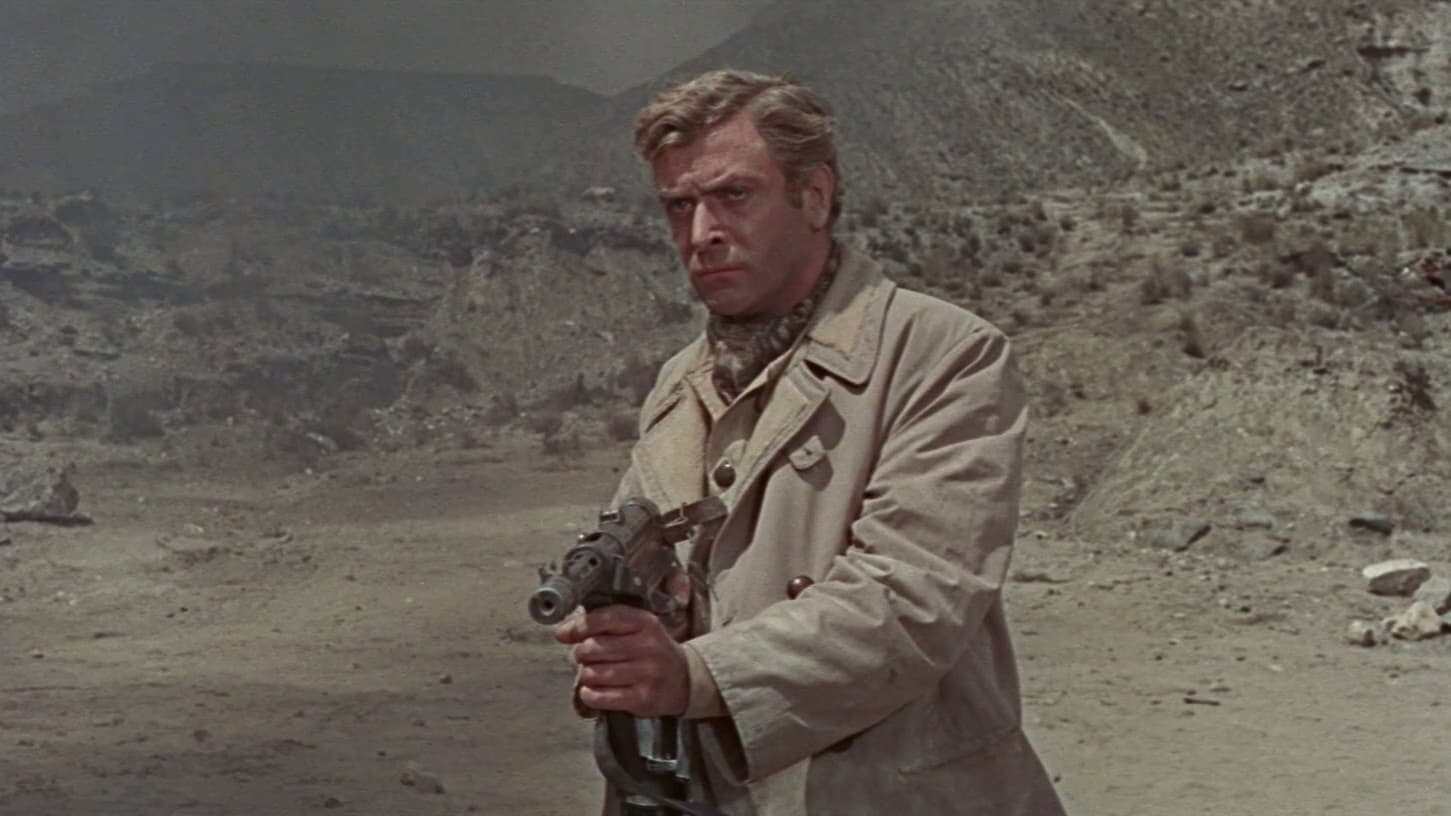
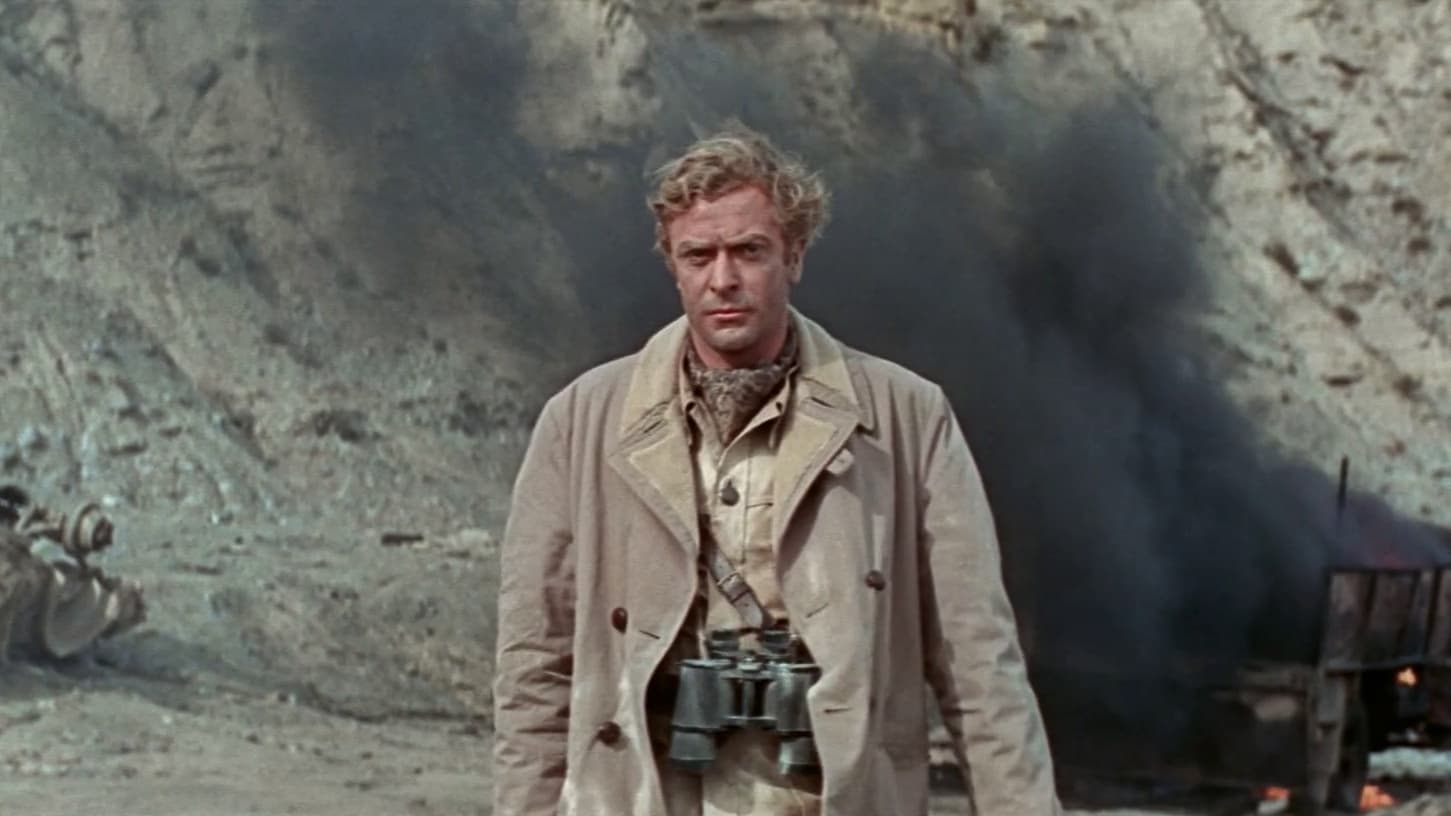
When we actually zoom into their purview, we witness only destruction. We’re rammed down the barrel of artillery, face-first in the snapping of chords, sideswiped by an exploding mine.
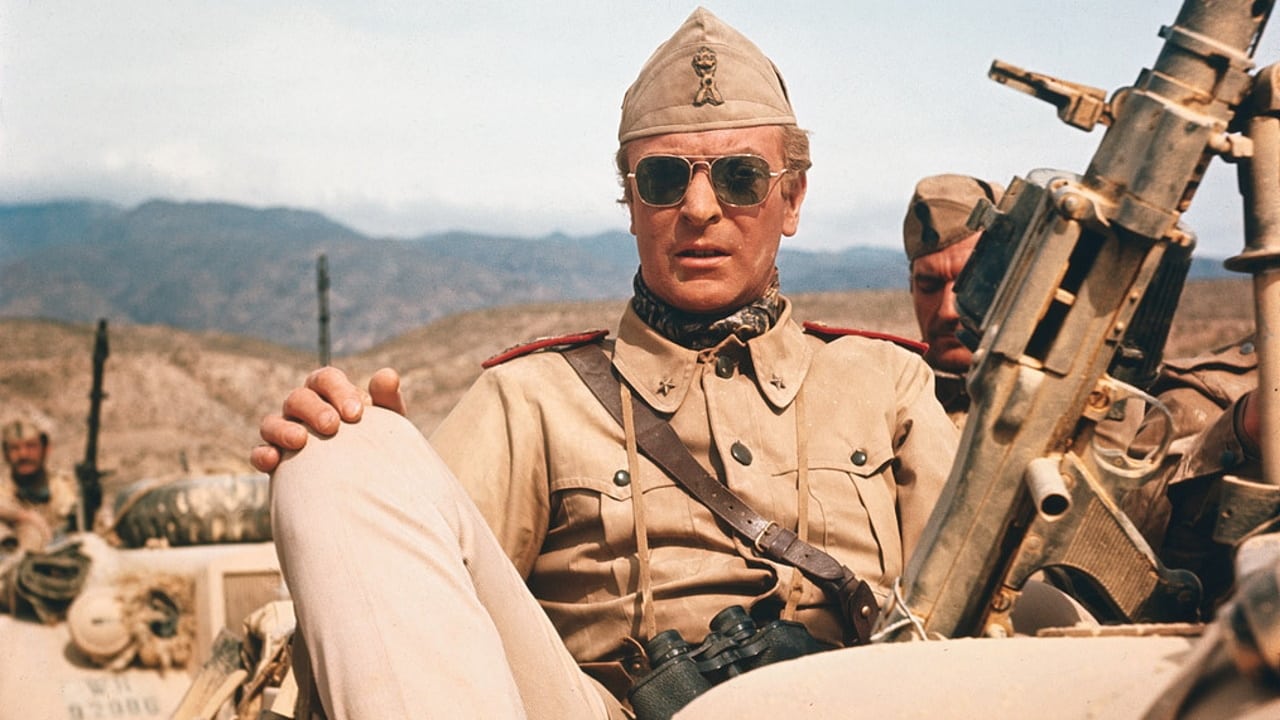
The first half an hour is pure procedure- no frills, no hand-holding. Command sees lives as pounds and the death-toll as expense figures. Leech (aptly named) sees everything for what it is, we just don’t know how right he’ll become by the end. The rest of our sorry troop are as downtrodden into the formulaically corrupt tank tracks as the blood on the sand. Our one beacon is the honourable Douglas; even that’s changed by the end.
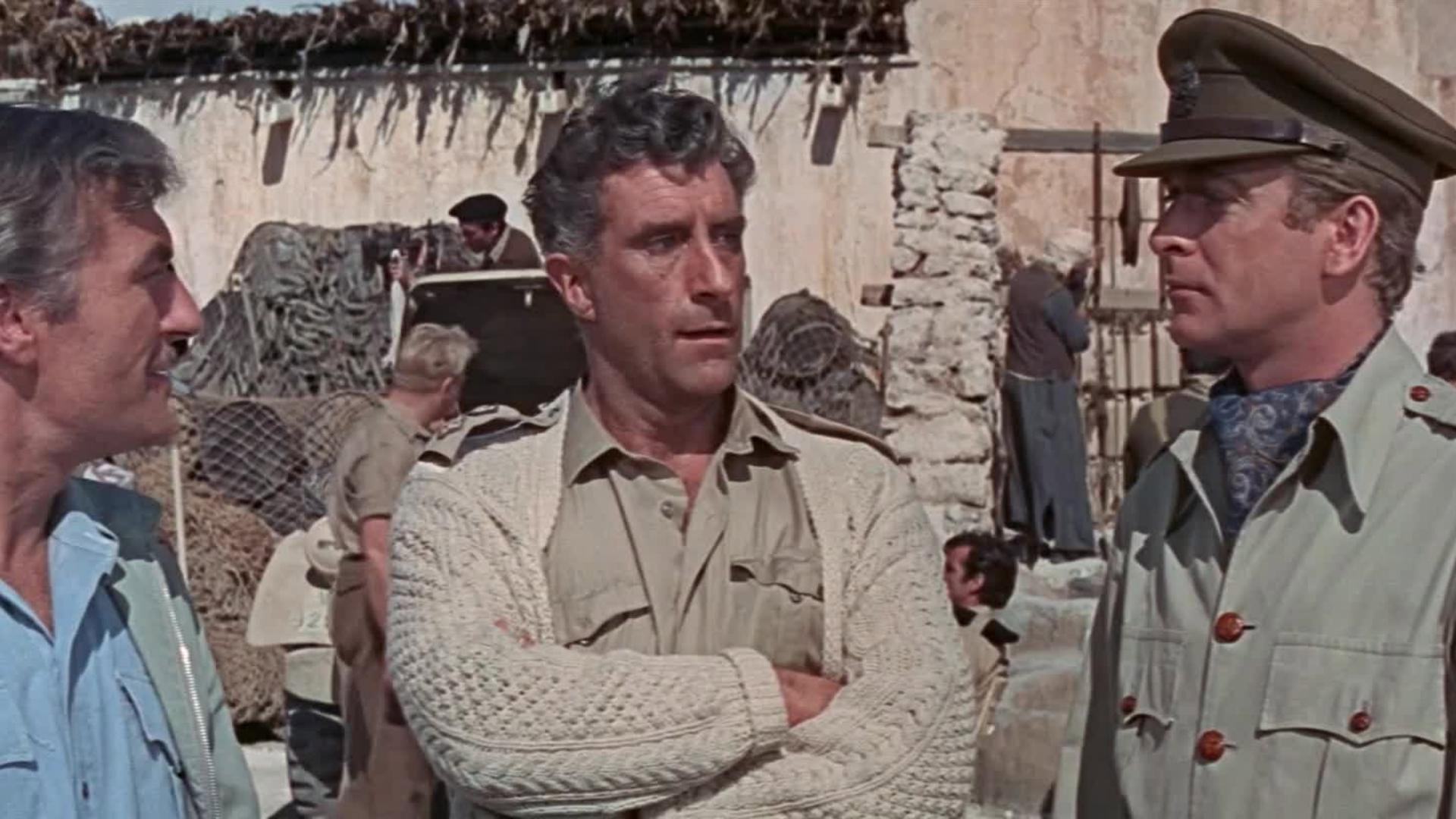
The rest is testosterone fulled and sweat powered. Even the set pieces rouse nothing but an elevated heartbeat in the audience and another crushing blow for the troop. Just watch the interplay between our character’s early on in the car hoist scene. All power plays and subterfuge. Leech trying to clamp his boot on Douglas’ throat in a gotcha move, Douglas attempting to remove the boot that was placed there from the start.
The final act, for all its fire and fury, is misdirection. We spend two hours of tire changes, mine diffusion and shovelling only to arrive at the inevitable ending. It’s perfect albeit stunningly morbid. We begin with Leech transporting a dead man, it seems only fitting that we end with the possibility of someone doing the same for him.
The cycle continues, the circle closes, the ouroboros feeds.
All other war films should take note. The performances are pitch perfect, the tone is crushing and the direction / editing is sublime.
Pieces move on a chess board and 100 miles away someone sips tea. The two are connected, none more so than here. War is hell, this is one of a few films where you feel it.
“If you’d stayed at home, they’d still be alive”
Well, if that isn’t the most all-encompassing line in anti-war cinema. This fucking floored me. As bleak as the desert is sparse. As black as pitch. As desolate as the sandstorms that ravage our players.
So many of De Toth’s choices here are remarkable. So many shots are peeled back. Shot at distance. Our protagonists and antagonists shot the same (as if there’s even a difference in this film.) Camouflaged ants moving in a formicarium. Pieces on a chess board five miles away, moving imperceptibly towards their end.
When we actually zoom into their purview, we witness only destruction. We’re rammed down the barrel of artillery, face-first in the snapping of chords, sideswiped by an exploding mine.
The first half an hour is pure procedure- no frills, no hand-holding. Command sees lives as pounds and the death-toll as expense figures. Leech (aptly named) sees everything for what it is, we just don’t know how right he’ll become by the end. The rest of our sorry troop are as downtrodden into the formulaically corrupt tank tracks as the blood on the sand. Our one beacon is the honourable Douglas; even that’s changed by the end.
The rest is testosterone fulled and sweat powered. Even the set pieces rouse nothing but an elevated heartbeat in the audience and another crushing blow for the troop. Just watch the interplay between our character’s early on in the car hoist scene. All power plays and subterfuge. Leech trying to clamp his boot on Douglas’ throat in a gotcha move, Douglas attempting to remove the boot that was placed there from the start.
The final act, for all its fire and fury, is misdirection. We spend two hours of tire changes, mine diffusion and shovelling only to arrive at the inevitable ending. It’s perfect albeit stunningly morbid. We begin with Leech transporting a dead man, it seems only fitting that we end with the possibility of someone doing the same for him.
The cycle continues, the circle closes, the ouroboros feeds.
All other war films should take note. The performances are pitch perfect, the tone is crushing and the direction / editing is sublime.
Pieces move on a chess board and 100 miles away someone sips tea. The two are connected, none more so than here. War is hell, this is one of a few films where you feel it.