------------------------------------------------------------------------------
Day 217 of 365 of
my year long challengeWeek 31: The Better Half
A very happy birthday to my other, much better half.
-----------------------------------------------------------------------------
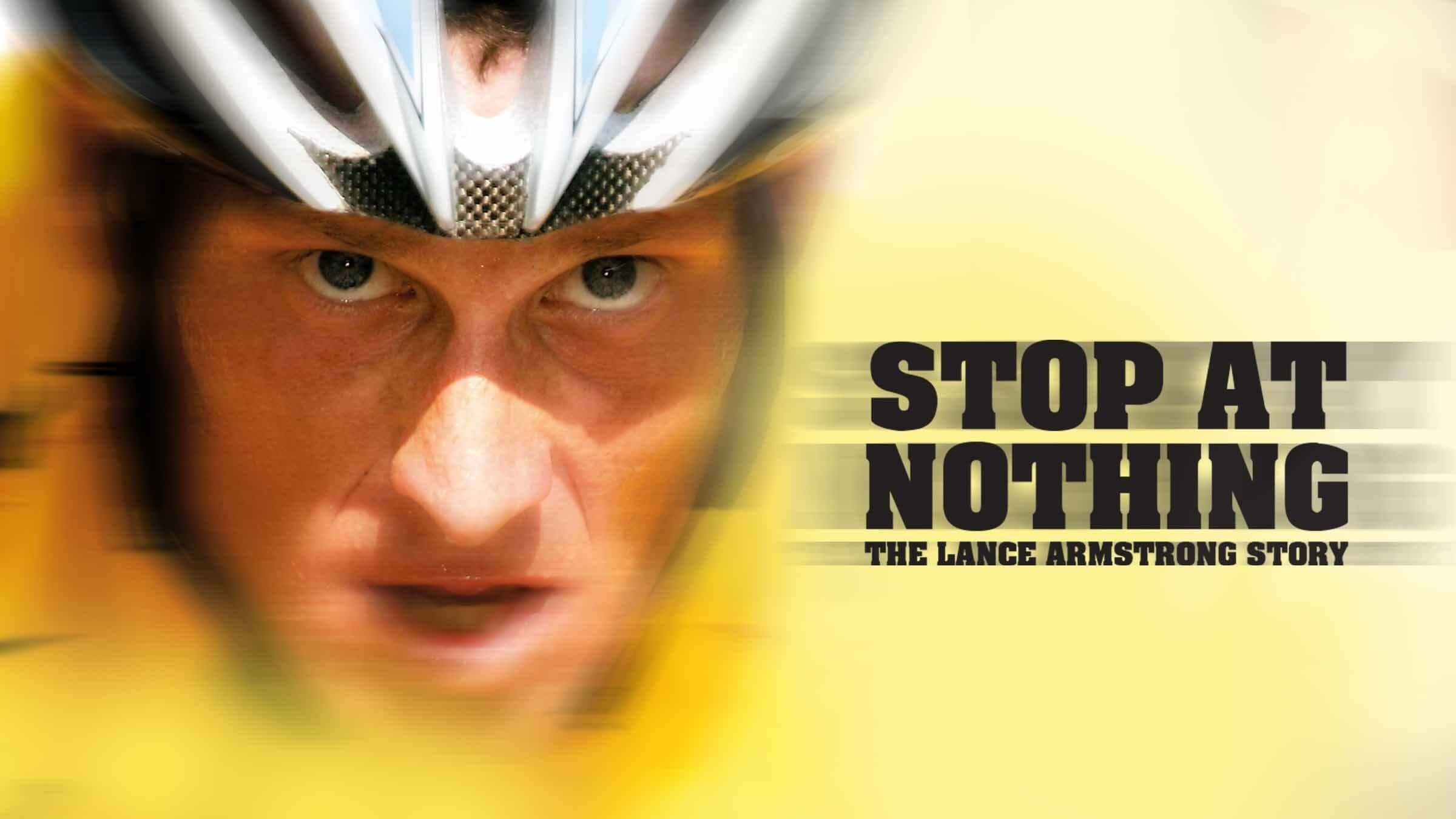
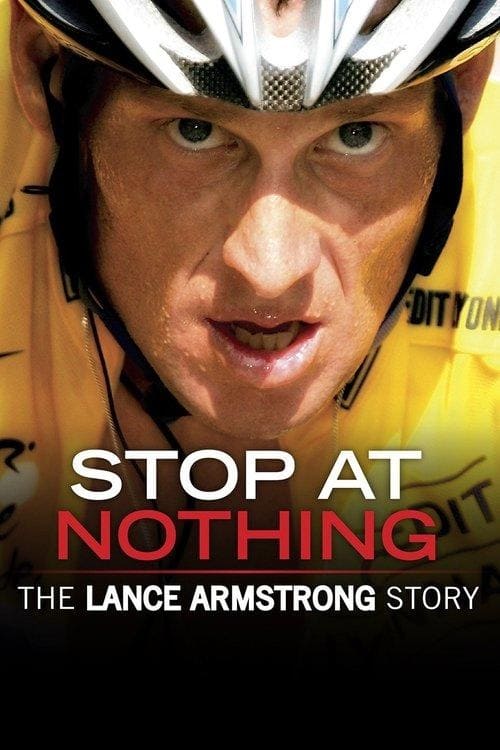
Like all great stories, there must be an end and for Lance Armstrong, the fairytale ended in spectacular, explosive fashion. Digging into the depths of Armstrong's conspiracy,
Stop at Nothing goes back to the very beginning and works its way chronologically towards his confession, eking out tidbits of scandal and revelations about the man along the way.
It's an amazing story that, like all good celebrity downfalls, instantly grabs the public and holds on tight. We're dragged along for the ride as much as those at the heart of this and that's the documentaries greatest strength.
Stop at Nothing is less worried about details, discussion and investigation, instead opting for drama, scandal and the "human story". In much the same way that
Blackfish really just focuses on the outrage of the situation, setting up the audience for moral and emotional positions,
Stop at Nothing wants you to feel the outrage and betrayal felt by so many in the wake of this scandal. There is something missing to the documentary. I would have liked to know more about the scandal and conspiracy itself - I know little beyond the headlines of the story (which is about all that the documentary gives) and less of the sport - and probably more about the man at the heart of this too.
I have never had a big interest in cycling and I've had little interest in its greatest icon. That said, I, like almost everyone else, was aware of the impact of the man and the hope he gave to athletes, cancer survivors and so may others. He genuinely seemed to have a reason to fight and that may have been the greatest trick he had.
Stop at Nothing then goes out of its way to flip this image on its head. Here, Armstrong is an arrogant, ambitious man with a tendency to attack viciously and defend just as aggressively. He never comes across as genuine but as a talented liar who would do anything necessary to win and reap the rewards.
Interviews with sports writers, former teammates, former friends, lawyers, businessmen and so on, all negatively positioned to Armstrong, provide the overarching narrative for the film. It may be called "The Lance Armstrong Story" on the tin but really, he's just the figurehead to something bigger and the talking heads here are seeking to air their side of the story, their grievances. Theirs is the "human" story and we, the public, are collateral damage.
Stop at Nothing is an explosive, inflammatory film that readily sets Lance Armstrong up as a Disney-sized villain and leaves him there. I'm not going to try to defend the man if anything, I do have pity for him, but it's hard not to want more from this documentary. Despite the lack of details or even hard facts (yes, I think like an old-school journalist on things like this),
Stop at Nothing is an instantly gripping and compelling drama. For sheer entertainment, excitement and scandal,
Stop at Nothing delivers in spades. If he wants his money back, Armstrong might best be suited to selling his story as a telenovela or Oscar-baiting feature film.