I can’t believe it happened, but I watched something that’s not on Letterboxd.
March 30th is National Bipolar Day, and a couple weeks ago my mom sent me an email inviting me to watch the screening of a documentary of individuals with Bipolar, considering she’s a therapist, we both love psychology, and because I have bipolar as well.
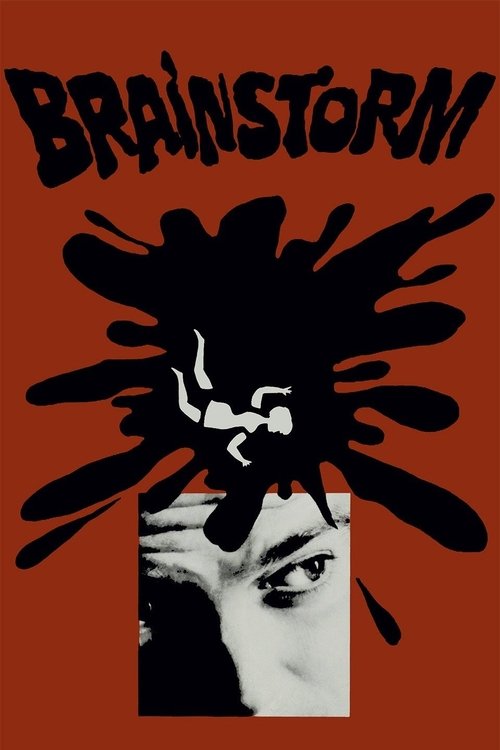
I do think this documentary is made for people who want to understand bipolar, which is kind of beating a dead horse. There’s multiple documentaries, YouTube videos, memoirs, and essays talking about it, and because the documentary is a continuation of the book Brainstorm written by someone who does have bipolar, I thought it would give a more detailed, subjective perspective into the condition. It doesn’t really do that, and when it does interview people with bipolar, they really just explain it in clinical ways and talk about medication. The one that actually provided new insight for me was an army veteran who had a full blow manic episode while in Afghanistan. It showed me that manic symptoms will be different when the environment is different. Obviously the main symptoms will usually be there, like high amounts of energy and not sleeping as much, but instead of racing thoughts with new ideas and hyper sexuality, instead he was grandiose, incredibly angry, and thought he was a prophet.
I think it also doesn’t help the documentary that the author of the book had a lot of influence when it was being filmed. It felt like they were trying to pick people of vastly different demographics and jobs, like Portland vegan chef that had the fastest deal on shark tank. One worked in Obama’s campaign. One was a surgeon. And I know that’s helpful to see, but yet again it’s mainly for people who don’t know much about bipolar. The thing that was frustrating was that they talked about how comorbid bipolar is. Comorbid basically means that if you have one mental disorder, there’s a high chance that it won’t be the only disorder you have. I know a lot of people who have bipolar and none of them just have bipolar. And I don’t mean you need to have all the subjects to have multiple mental disorders, it’s good to have a control group. But I would have wanted to see someone who has autism and bipolar, or even borderline and bipolar, which is really interesting, given the fact that if you are diagnosed with both, you are qualified to have legally assisted death.
I guess I assumed it would be more detailed an nuanced considering my mom received an invitation and the conferences she’s been to before have people discussing mental disorders that they’ve been researching for 20 years but won’t be alive when they finally get added to the next DSM, for example Rejection Sensitive Dysphoria. But I did get some new information, particularly how menopause and postpartum can affect bipolar or cause the dormant genes to activate.
I can’t believe it happened, but I watched something that’s not on Letterboxd.
March 30th is National Bipolar Day, and a couple weeks ago my mom sent me an email inviting me to watch the screening of a documentary of individuals with Bipolar, considering she’s a therapist, we both love psychology, and because I have bipolar as well.
I do think this documentary is made for people who want to understand bipolar, which is kind of beating a dead horse. There’s multiple documentaries, YouTube videos, memoirs, and essays talking about it, and because the documentary is a continuation of the book Brainstorm written by someone who does have bipolar, I thought it would give a more detailed, subjective perspective into the condition. It doesn’t really do that, and when it does interview people with bipolar, they really just explain it in clinical ways and talk about medication. The one that actually provided new insight for me was an army veteran who had a full blow manic episode while in Afghanistan. It showed me that manic symptoms will be different when the environment is different. Obviously the main symptoms will usually be there, like high amounts of energy and not sleeping as much, but instead of racing thoughts with new ideas and hyper sexuality, instead he was grandiose, incredibly angry, and thought he was a prophet.
I think it also doesn’t help the documentary that the author of the book had a lot of influence when it was being filmed. It felt like they were trying to pick people of vastly different demographics and jobs, like Portland vegan chef that had the fastest deal on shark tank. One worked in Obama’s campaign. One was a surgeon. And I know that’s helpful to see, but yet again it’s mainly for people who don’t know much about bipolar. The thing that was frustrating was that they talked about how comorbid bipolar is. Comorbid basically means that if you have one mental disorder, there’s a high chance that it won’t be the only disorder you have. I know a lot of people who have bipolar and none of them just have bipolar. And I don’t mean you need to have all the subjects to have multiple mental disorders, it’s good to have a control group. But I would have wanted to see someone who has autism and bipolar, or even borderline and bipolar, which is really interesting, given the fact that if you are diagnosed with both, you are qualified to have legally assisted death.
I guess I assumed it would be more detailed an nuanced considering my mom received an invitation and the conferences she’s been to before have people discussing mental disorders that they’ve been researching for 20 years but won’t be alive when they finally get added to the next DSM, for example Rejection Sensitive Dysphoria. But I did get some new information, particularly how menopause and postpartum can affect bipolar or cause the dormant genes to activate.