We often hear our titos and fathers say this one specific line, “nung bata ako”. Personally, the men in my life say this line more often than women. I have always wondered why. One of my uncles often tells about the courtships he has had when he was young, while my father tells stories about biking and the foolish things they did as a young person. When they get along together, drinking whatever amount of beer they’d like, they speak like kids, kids like the ones in this film.
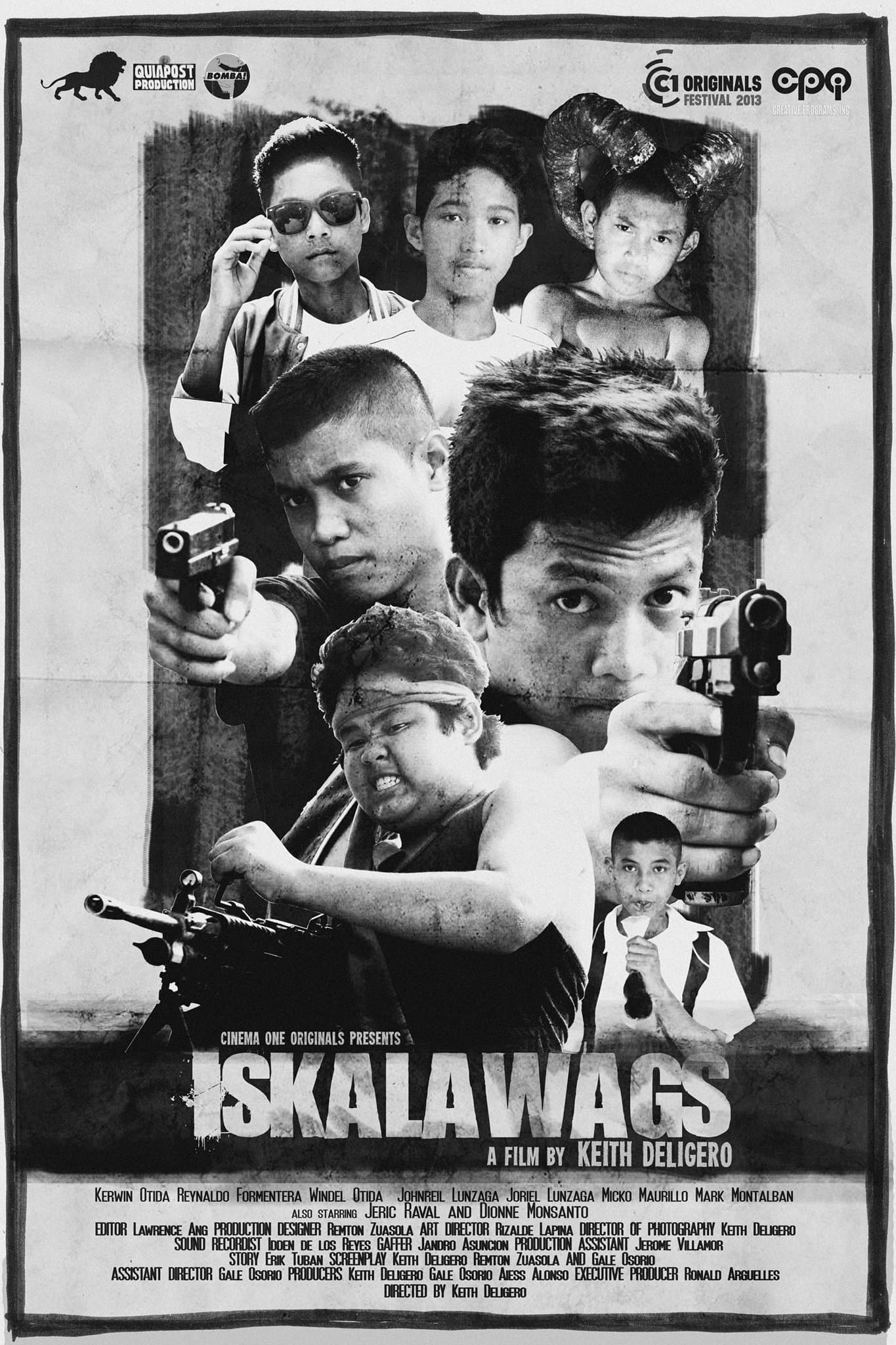
This is another “Stand by Me” film, films that revolve around a group of adolescent males. This one however is uniquely Filipino, specifically the province. What the kids do here is very foolish and quite frankly dangerous, such as smoking. They also represent the stereotypical filipino boy—the foolish acts, the objectification or women, the constant need to prove to society that you’re a “man, toxic masculinity, which may be off putting for some. However they are not far from the truth. In today’s world, acting out action films to video games, traditional cigarettes are just replaced with vape. The ‘Iskalawags’ bond over a shared interest of action movies they watch on a betamax copy from one of their members. Sometimes they re-enact some scenes, pretending like they’re the action stars in the movie. Over the course of the film, we see uneventful happenings that is common to the adolescent experience, such as the changes bought by growing up. Speaking of growing up, these kids, like any other kids, are eager to grow up. They set-up mini side quests to prove themselves that they’re not kids anymore. However they are, it is evident in that shocking scene. They pretended to be gangsters who shoot people everyday yet when an actual gun is pulled, they obviously get terrified, and after that, no one knows what happened to the gang. They are only playing pretend, like in the films they see, far away from reality, thinking they’re adults capable of anything when more than anything they’re just kids. Only kids.
I wonder if each of our fathers who like to get drunk with their friends, had their own ‘iskalawags’. Maybe getting drunk is a way for them to reconnect with their youth and set out the inner boy in them when being a man feels too much. We might not always understand why our father do the things they do and say the words they speak, they’re quite confusing. However whenever I hear them tell about their youth, a certain sense of enthusiasm sparks within them, something you’d never seen from them before. Maybe they like to reminisce about carefree days at an age where you have to be careful about everything and adult life is draining them. I also wonder if the carefree groups of boys and girls today would look back on their youth and feel like it’s their peak. Once babies develop their minds, they ultimately want to grow up immediately. However it is in adolescence where this is most prominent. Most teenagers seem to be uncomfortable with the fact that they are still kids and do everything to prove that they’re not. However when these teens actually grow up, they’ll probably regret rushing everything. After all, we feel the most joyful when we are merely children, free from the hassles and stresses of the real world that adults are presented with. This film is the equivalent of a tito telling you about his youth, however this tito is full of guilt from what happened years ago, unable to move on from what happened and from being kids.
We often hear our titos and fathers say this one specific line, “nung bata ako”. Personally, the men in my life say this line more often than women. I have always wondered why. One of my uncles often tells about the courtships he has had when he was young, while my father tells stories about biking and the foolish things they did as a young person. When they get along together, drinking whatever amount of beer they’d like, they speak like kids, kids like the ones in this film.
This is another “Stand by Me” film, films that revolve around a group of adolescent males. This one however is uniquely Filipino, specifically the province. What the kids do here is very foolish and quite frankly dangerous, such as smoking. They also represent the stereotypical filipino boy—the foolish acts, the objectification or women, the constant need to prove to society that you’re a “man, toxic masculinity, which may be off putting for some. However they are not far from the truth. In today’s world, acting out action films to video games, traditional cigarettes are just replaced with vape. The ‘Iskalawags’ bond over a shared interest of action movies they watch on a betamax copy from one of their members. Sometimes they re-enact some scenes, pretending like they’re the action stars in the movie. Over the course of the film, we see uneventful happenings that is common to the adolescent experience, such as the changes bought by growing up. Speaking of growing up, these kids, like any other kids, are eager to grow up. They set-up mini side quests to prove themselves that they’re not kids anymore. However they are, it is evident in that shocking scene. They pretended to be gangsters who shoot people everyday yet when an actual gun is pulled, they obviously get terrified, and after that, no one knows what happened to the gang. They are only playing pretend, like in the films they see, far away from reality, thinking they’re adults capable of anything when more than anything they’re just kids. Only kids.
I wonder if each of our fathers who like to get drunk with their friends, had their own ‘iskalawags’. Maybe getting drunk is a way for them to reconnect with their youth and set out the inner boy in them when being a man feels too much. We might not always understand why our father do the things they do and say the words they speak, they’re quite confusing. However whenever I hear them tell about their youth, a certain sense of enthusiasm sparks within them, something you’d never seen from them before. Maybe they like to reminisce about carefree days at an age where you have to be careful about everything and adult life is draining them. I also wonder if the carefree groups of boys and girls today would look back on their youth and feel like it’s their peak. Once babies develop their minds, they ultimately want to grow up immediately. However it is in adolescence where this is most prominent. Most teenagers seem to be uncomfortable with the fact that they are still kids and do everything to prove that they’re not. However when these teens actually grow up, they’ll probably regret rushing everything. After all, we feel the most joyful when we are merely children, free from the hassles and stresses of the real world that adults are presented with. This film is the equivalent of a tito telling you about his youth, however this tito is full of guilt from what happened years ago, unable to move on from what happened and from being kids.