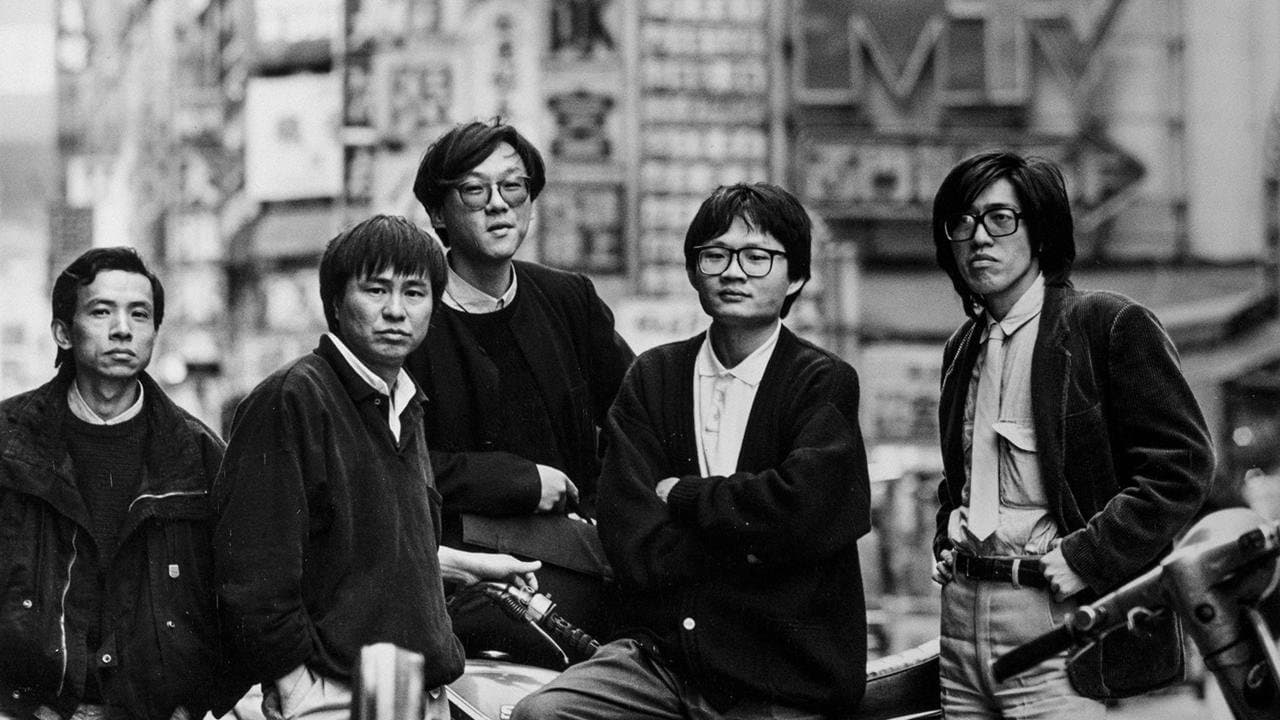
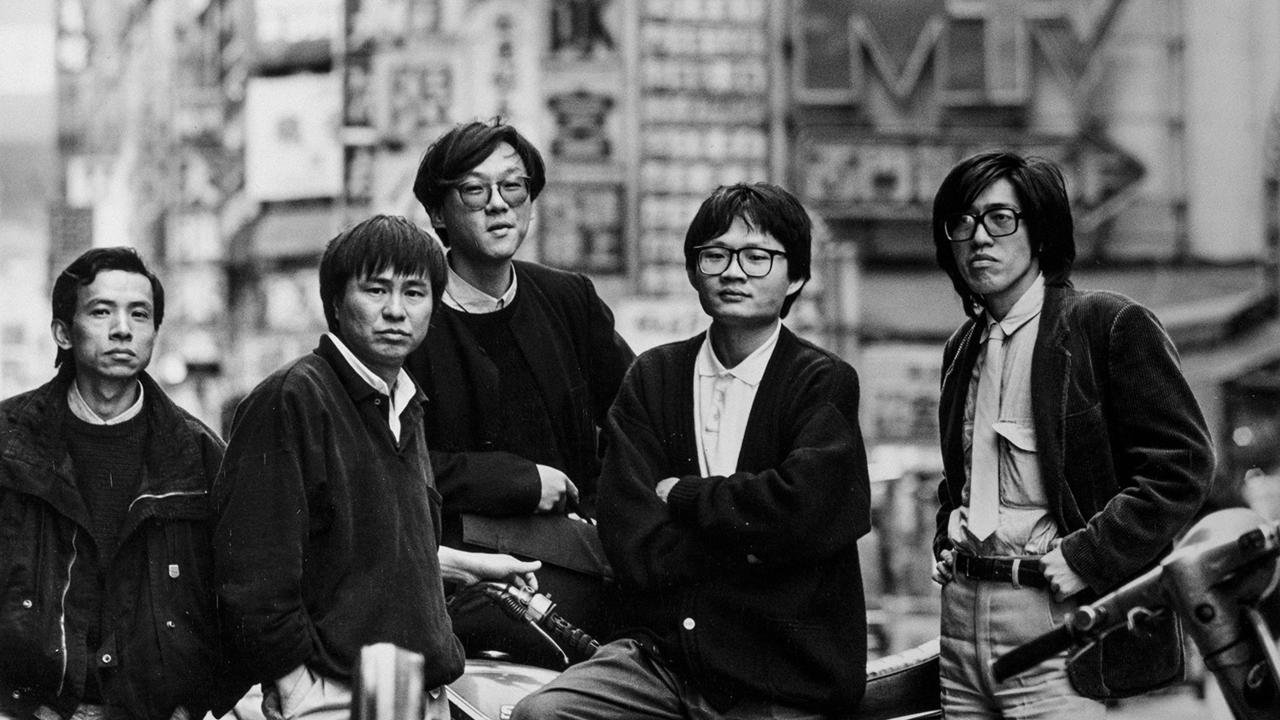
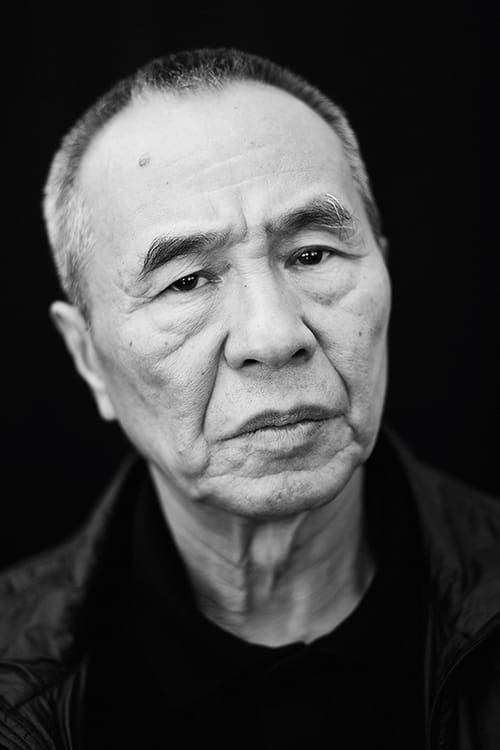
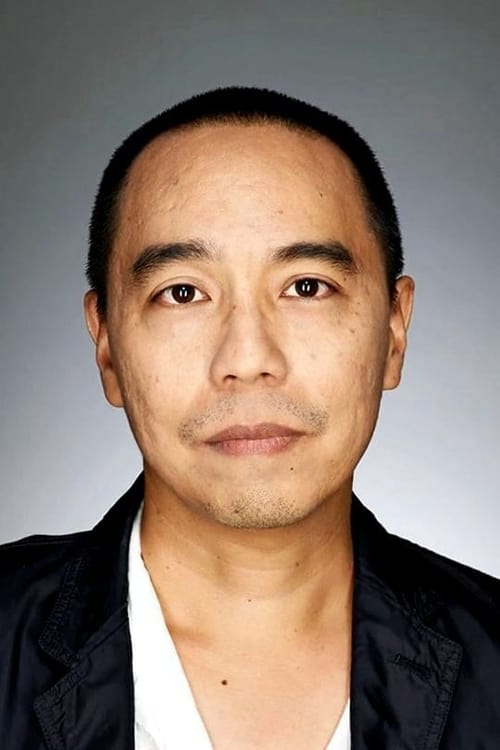
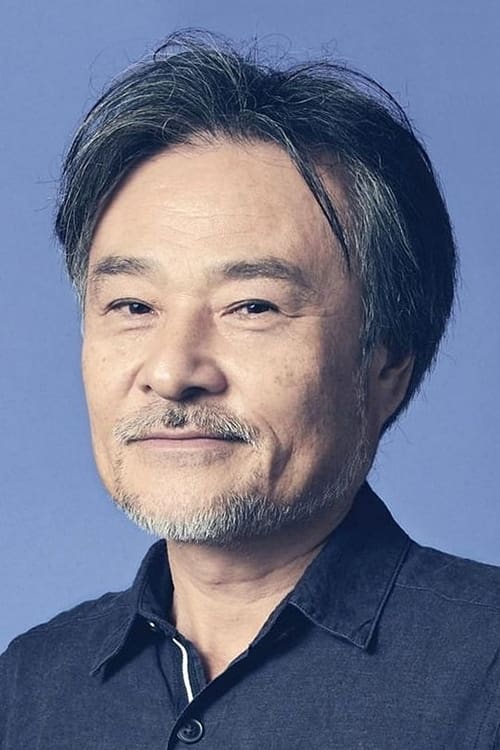
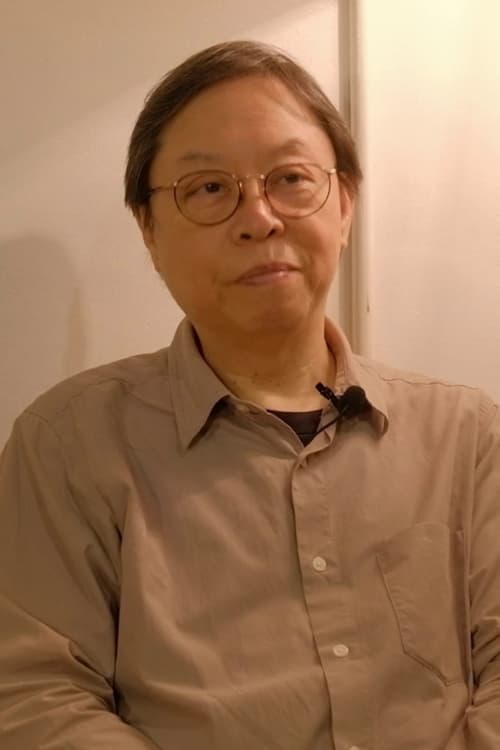
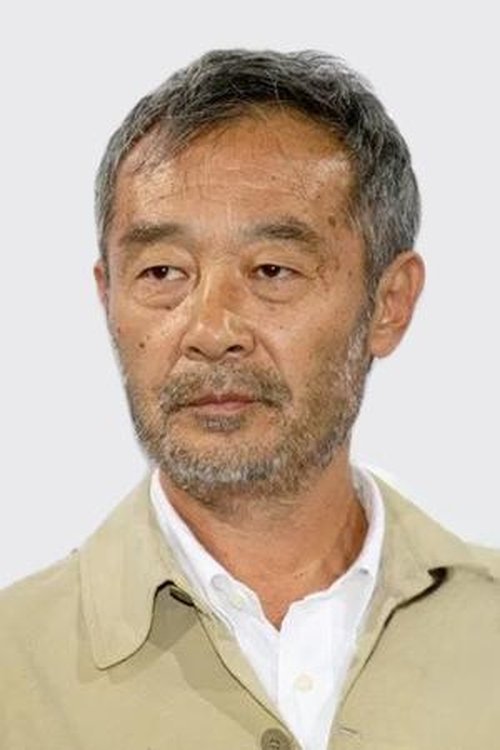
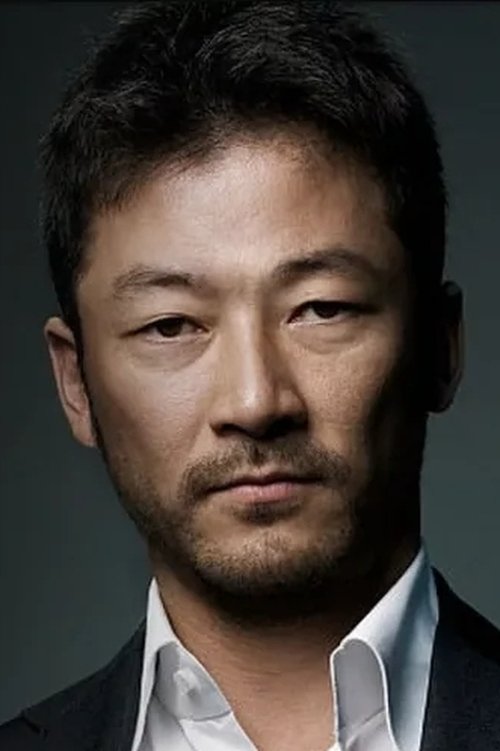
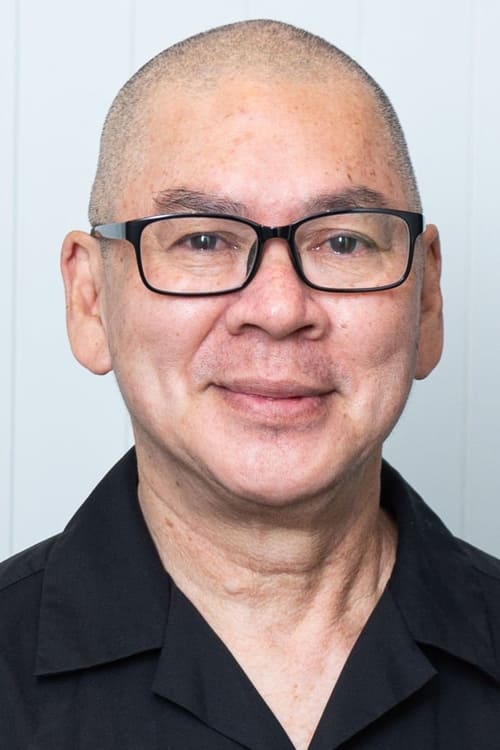
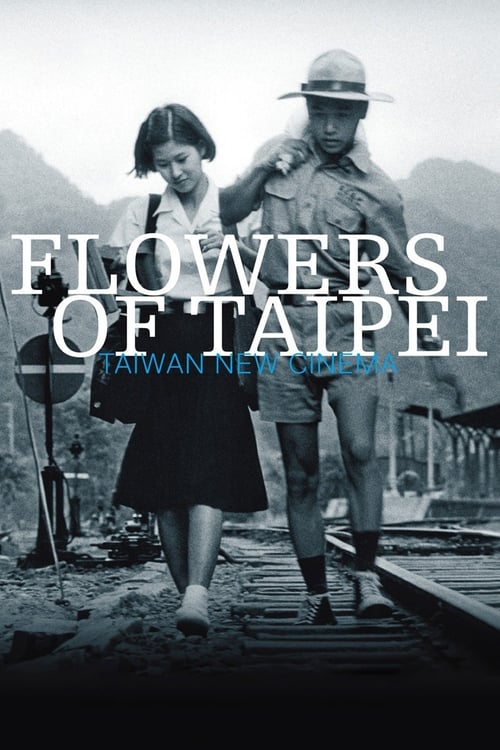
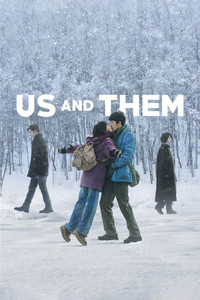
Director- Hsieh Chin Lin.I have watched a few of the films from this movement, and hence, though I am a novice to this movement as a whole, I do know about a few individual directors at length.This work could have been an excellent piece of media that could have covered the Taiwanese New Wave Cinema with much more depth, but alas, it is muddled with various directors, each with their own distinct voices. The distinct voices indeed offer a streamlined viewpoint, but it doesn't make sense due to the variety in their films' nature, treatment and content.According to me, a movement doesn't exist in a traditional sense of building on top of each other's ideas, but is instead a byproduct of the coexistence of profound filmmakers during the same period and industry due to nothing except sheer coincidence.The film fails to offer an unbiased portrayal by championing Edward Yang and Hou Hsiao-Hsien. Yang is one of my favourite filmmakers, but due to the focus on them, the other filmmakers get less of an opportunity to shine.I don't have much information on the trio of directors having a conversation on the roadside, and hence couldn't understand why they were chosen to speak in the film rather than giving more time to other filmmakers like Jia Zhangke, Ai Weiwei, Apichatpong Weerasethakul, etc., to speak about the movement in more depth.I enjoyed finding Asano Tadanobu in this film, as I always do. I also enjoyed Kurosawa Kiyoshi's inclusion in the film. Though the runtimes both got could have been used on some Taiwanese actor or director, as the film desperately needed to cut down on the voices and focus more on a few people who were a part of the movement. Less indeed would have been more in this film's case.The film features various scenes from films that were a part of the movement, which inculcates a feeling of nostalgia within the viewers. Sadly, the scenes aren't analysed or dissected enough and hence offer little insight into the craft of the particular filmmakers. I do agree that the visuals throughout the film have an exceptionally calming effect on the viewers and do have the vibe of a film from that movement, with more updated visuals.The lack of points of view from actors felt pretty iffy as they, too, played an integral role in the shaping and success of the movement as a whole. The film lacks the representation of women such as Chiang Hsiu-Chiung, Yi Chang, etc., as well.Overall, I expected much more from what it delivered. I will try to learn more about the movement in search of answers about what sets their individual craft apart from their contemporaries.
Director- Hsieh Chin Lin.I have watched a few of the films from this movement, and hence, though I am a novice to this movement as a whole, I do know about a few individual directors at length.This work could have been an excellent piece of media that could have covered the Taiwanese New Wave Cinema with much more depth, but alas, it is muddled with various directors, each with their own distinct voices. The distinct voices indeed offer a streamlined viewpoint, but it doesn't make sense due to the variety in their films' nature, treatment and content.According to me, a movement doesn't exist in a traditional sense of building on top of each other's ideas, but is instead a byproduct of the coexistence of profound filmmakers during the same period and industry due to nothing except sheer coincidence.The film fails to offer an unbiased portrayal by championing Edward Yang and Hou Hsiao-Hsien. Yang is one of my favourite filmmakers, but due to the focus on them, the other filmmakers get less of an opportunity to shine.I don't have much information on the trio of directors having a conversation on the roadside, and hence couldn't understand why they were chosen to speak in the film rather than giving more time to other filmmakers like Jia Zhangke, Ai Weiwei, Apichatpong Weerasethakul, etc., to speak about the movement in more depth.I enjoyed finding Asano Tadanobu in this film, as I always do. I also enjoyed Kurosawa Kiyoshi's inclusion in the film. Though the runtimes both got could have been used on some Taiwanese actor or director, as the film desperately needed to cut down on the voices and focus more on a few people who were a part of the movement. Less indeed would have been more in this film's case.The film features various scenes from films that were a part of the movement, which inculcates a feeling of nostalgia within the viewers. Sadly, the scenes aren't analysed or dissected enough and hence offer little insight into the craft of the particular filmmakers. I do agree that the visuals throughout the film have an exceptionally calming effect on the viewers and do have the vibe of a film from that movement, with more updated visuals.The lack of points of view from actors felt pretty iffy as they, too, played an integral role in the shaping and success of the movement as a whole. The film lacks the representation of women such as Chiang Hsiu-Chiung, Yi Chang, etc., as well.Overall, I expected much more from what it delivered. I will try to learn more about the movement in search of answers about what sets their individual craft apart from their contemporaries.