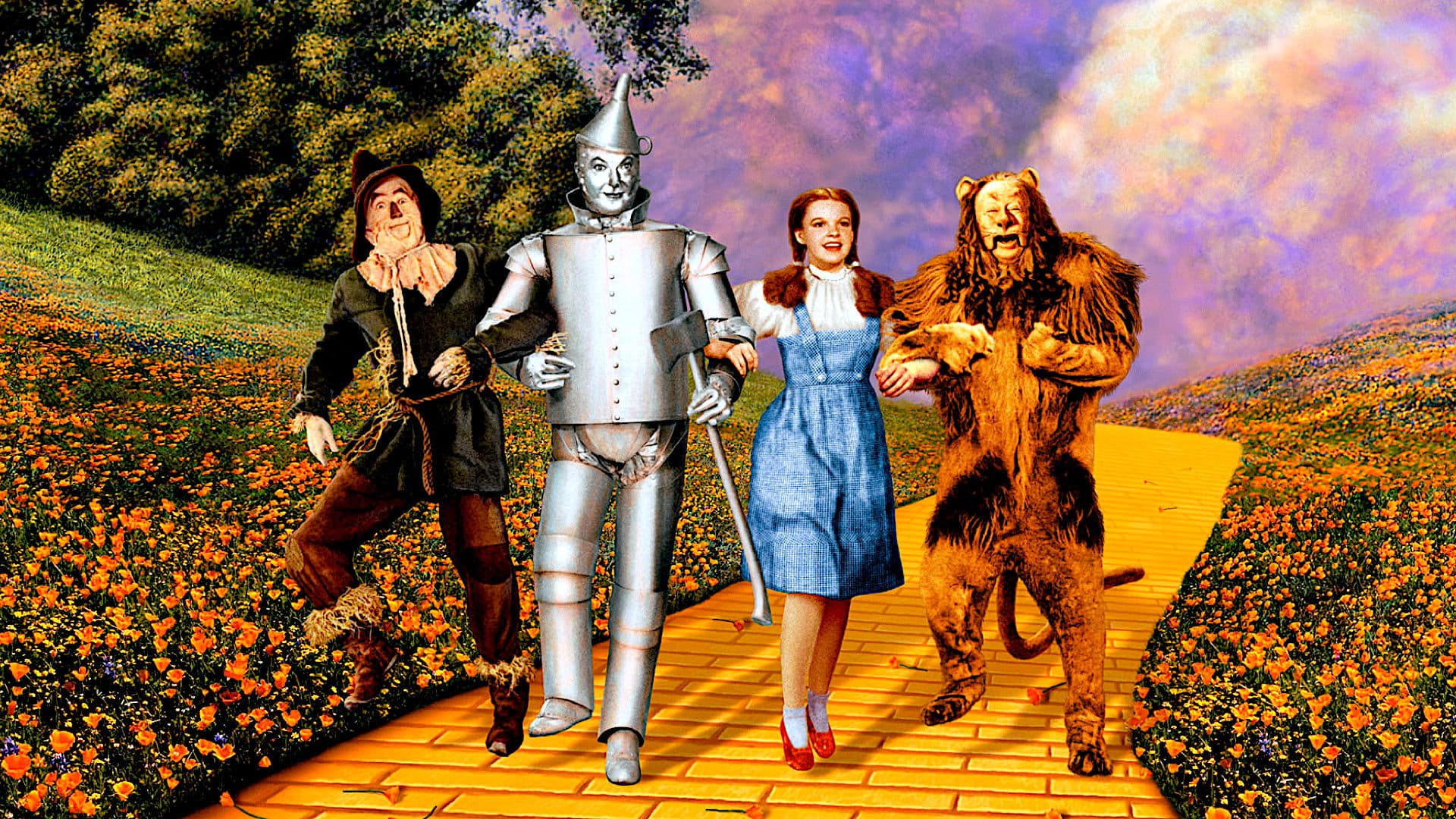
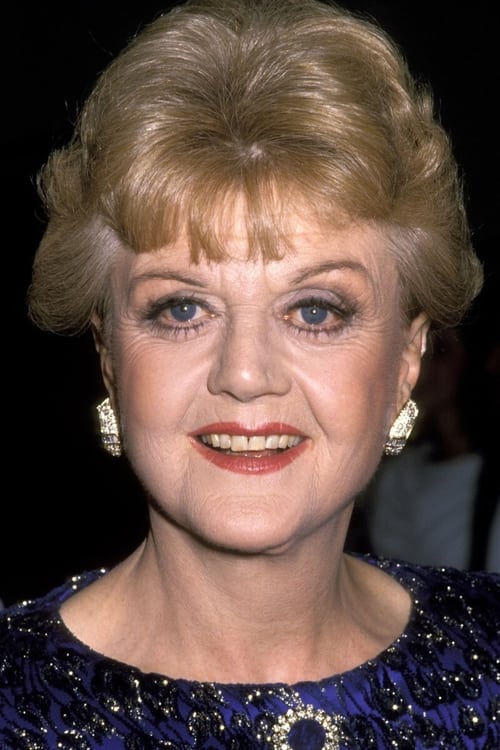
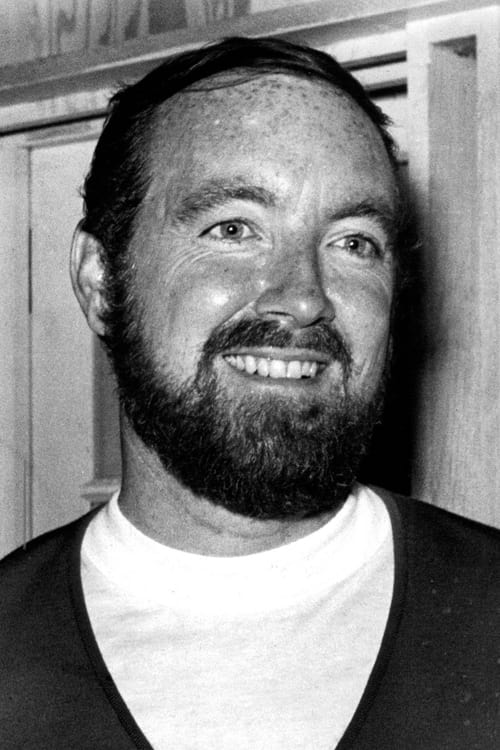
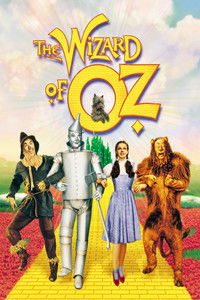
Angela Lansbury narrates and hosts this overly glossy puff piece of a documentary that was directed by the Tin Man’s son and produced by Warner Bros. in 1990. It was one of the first special features listed on my 70th Anniversary copy of The Wizard of Oz disc, so I figured I’d give it a watch today while prepping sourdough.
The intent here seems to be providing behind-the-scenes looks at the production of The Wizard of Oz, as well as explanations on how it all came together from different departments, but the doc’s firm commitment to casting a happy sheen onto every piece of lore comes off as disingenuous. Viewers will hear first-hand accounts of how Margaret Hamilton (aka The Wicked Witch of the West) was severely burned on her hands and face during a bungled trap-door fire effect in her Munchkinland exit, or how the aluminum dust in Buddy Ebsen’s silver Tin Man makeup caused him health issues so severe that he was hospitalized, replaced in the cast and spent months recovering from lung damage. But then abruptly after, the subjects are changed and viewers are treated to a happy story about how MGM promoted the film by participating in various parades where they placed some of the Munchkin actors on top of elaborate floats or how Oz won the Oscar for Best Original Song the next year. The tonal switch-ups are plentiful and jarring here, as is seeing how much overt misogyny was deemed perfectly acceptable in the years both leading up to and following the movie’s release.
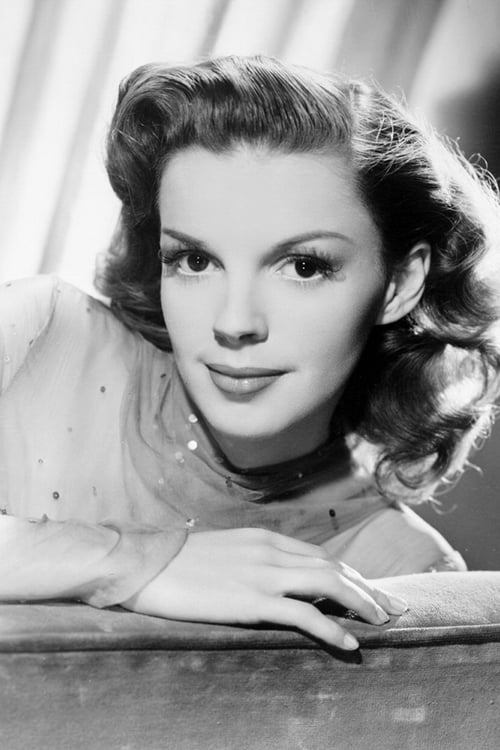
I think the moment that dropped my jaw the hardest was hearing Judy Garland’s older male costars casually say in an interview that she, “wasn’t pretty,” and instead was just, “plump.” Even Angela Lansbury commented on Judy’s weight, hand-waving away all the studio abuse the poor girl suffered during filming by simply stating that, “she had to lose weight” for the role of Dorothy. The girl was SIXTEEN and surviving on “pep pills,” cigarettes and black coffee!
Anyway. There were a few genuinely happy clips in here, especially when it came to the subject of the Munchkins. A couple of surviving Munchkin actors, who were just teens when they appeared in the film, were interviewed and shown here reminiscing positively about their experiences on the set of Oz. For many of the little people cast as Munchkins, they had never seen another person in their entire life who looked like them before filming, and the three weeks they spent on set were joyous and full of new friends with shared life experiences.
If you’re familiar with the more famous pieces of behind-the-scenes lore about this film, then much of what’s in this documentary will not illuminate anything new. It is nice to see so many archival interview clips from cast and crew, but overall I think one from Jackie Earl Haley summed up the making of The Wizard of Oz best: “People say, ‘It must have been a lot of fun to make a movie like that. It was not fun! It was hell to make!”
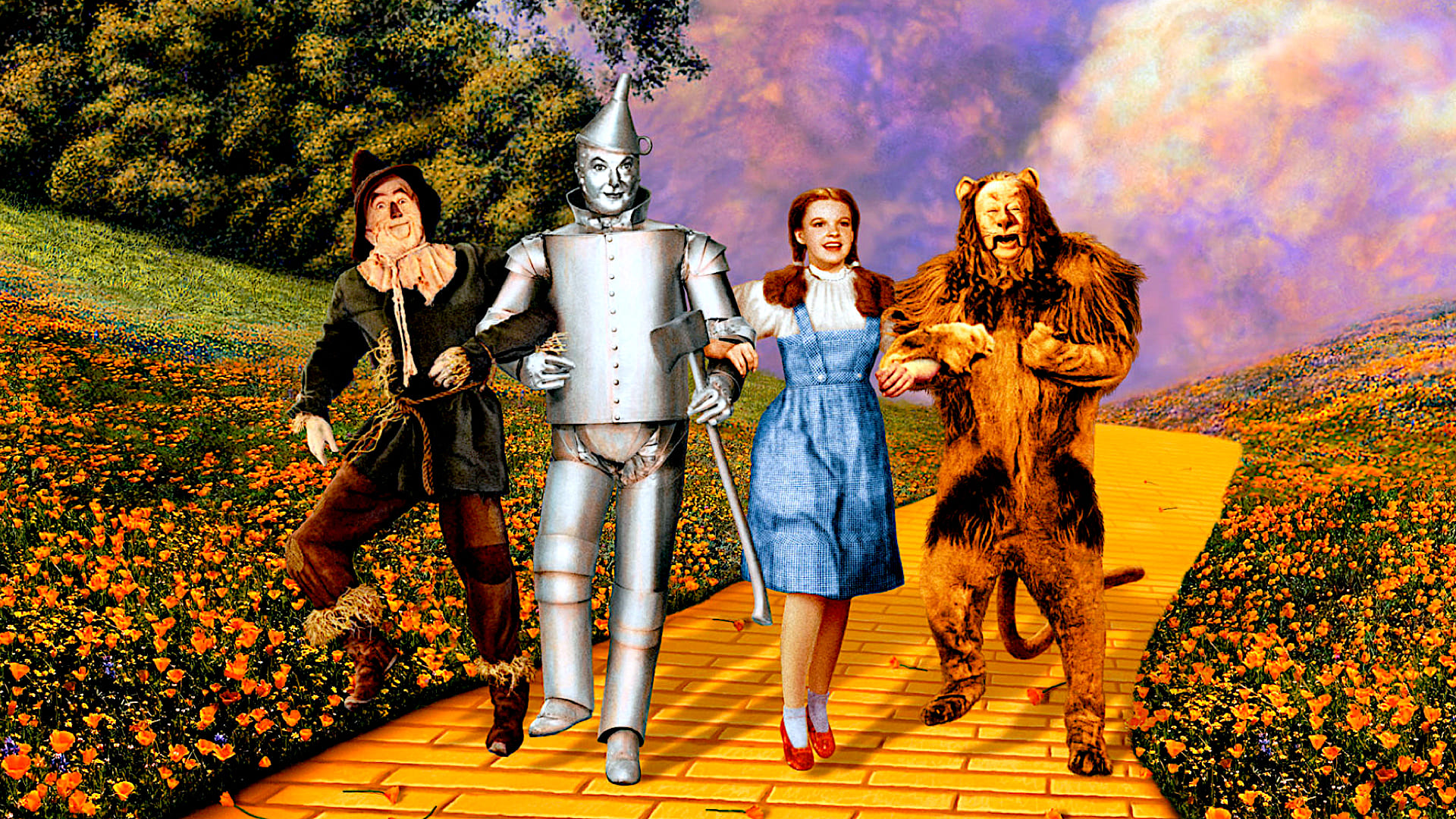
Angela Lansbury narrates and hosts this overly glossy puff piece of a documentary that was directed by the Tin Man’s son and produced by Warner Bros. in 1990. It was one of the first special features listed on my 70th Anniversary copy of The Wizard of Oz disc, so I figured I’d give it a watch today while prepping sourdough.
The intent here seems to be providing behind-the-scenes looks at the production of The Wizard of Oz, as well as explanations on how it all came together from different departments, but the doc’s firm commitment to casting a happy sheen onto every piece of lore comes off as disingenuous. Viewers will hear first-hand accounts of how Margaret Hamilton (aka The Wicked Witch of the West) was severely burned on her hands and face during a bungled trap-door fire effect in her Munchkinland exit, or how the aluminum dust in Buddy Ebsen’s silver Tin Man makeup caused him health issues so severe that he was hospitalized, replaced in the cast and spent months recovering from lung damage. But then abruptly after, the subjects are changed and viewers are treated to a happy story about how MGM promoted the film by participating in various parades where they placed some of the Munchkin actors on top of elaborate floats or how Oz won the Oscar for Best Original Song the next year. The tonal switch-ups are plentiful and jarring here, as is seeing how much overt misogyny was deemed perfectly acceptable in the years both leading up to and following the movie’s release.
I think the moment that dropped my jaw the hardest was hearing Judy Garland’s older male costars casually say in an interview that she, “wasn’t pretty,” and instead was just, “plump.” Even Angela Lansbury commented on Judy’s weight, hand-waving away all the studio abuse the poor girl suffered during filming by simply stating that, “she had to lose weight” for the role of Dorothy. The girl was SIXTEEN and surviving on “pep pills,” cigarettes and black coffee!
Anyway. There were a few genuinely happy clips in here, especially when it came to the subject of the Munchkins. A couple of surviving Munchkin actors, who were just teens when they appeared in the film, were interviewed and shown here reminiscing positively about their experiences on the set of Oz. For many of the little people cast as Munchkins, they had never seen another person in their entire life who looked like them before filming, and the three weeks they spent on set were joyous and full of new friends with shared life experiences.
If you’re familiar with the more famous pieces of behind-the-scenes lore about this film, then much of what’s in this documentary will not illuminate anything new. It is nice to see so many archival interview clips from cast and crew, but overall I think one from Jackie Earl Haley summed up the making of The Wizard of Oz best: “People say, ‘It must have been a lot of fun to make a movie like that. It was not fun! It was hell to make!”