I don’t know where to begin.
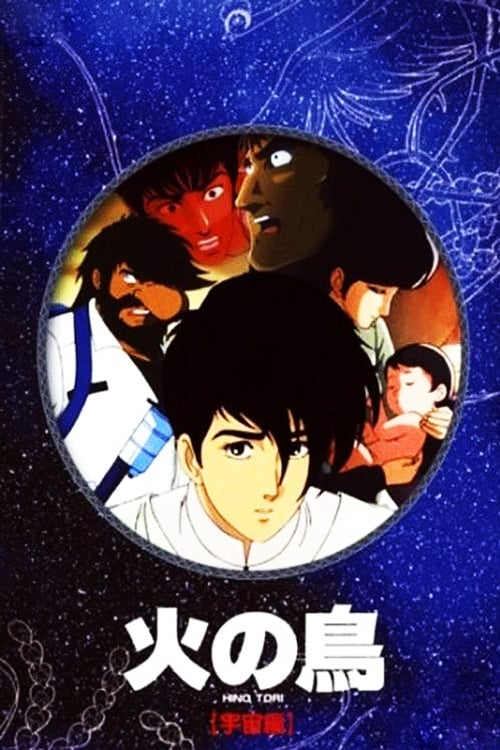
Joke’s on me because not long ago when I watched Bio Hunter I thought I knew Kawajiri well enough to not be surprised by him anymore. Turns out I only needed to seek out his most obscure work to find out he made a deeply karmic film of biblical proportions. While not necessarily reaching the philosophical depths of, say, Angel’s Egg, this still dwells in a more serious pool of thought.
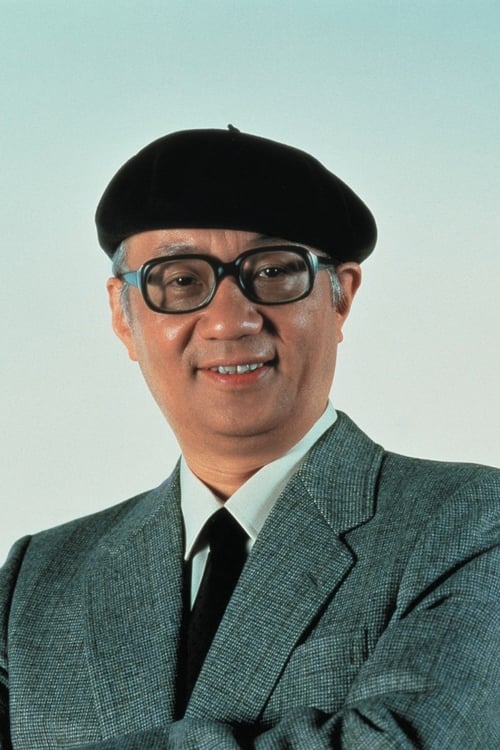
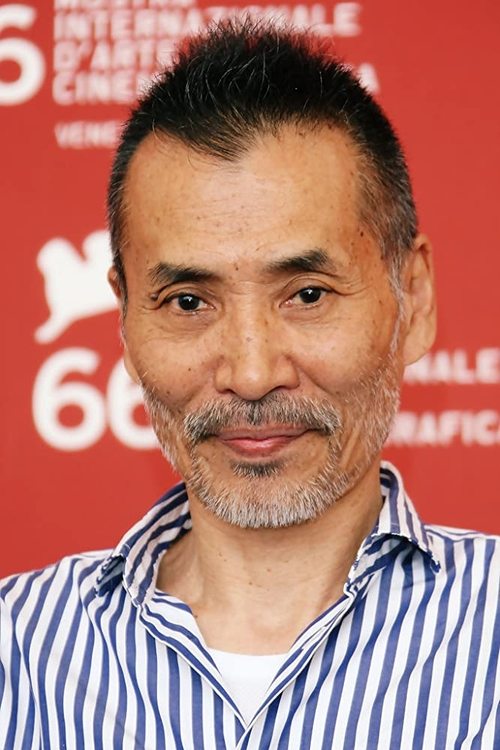
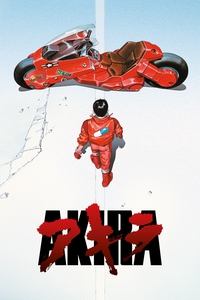
Another layer of irony is slathered on this for me because just three days ago I watched Harmagedon and made a harsh comment about Rintaro. I felt bad and even went back and tamed my criticism. In that case, it was Rintaro interacting with Otomo (Akira). But here again we have Rintaro in some kind of conversation with another anime godfather, Kawajiri. The most I can gather from some research is that this film is the third part of “The Phoenix” series of the Kadokawa Haruki Office Co., Ltd. Rintaro did the
second just one year earlier! And guess what, Kawajiri’s version is astronomically better. Kawajiri’s filmography isn’t perfect, but it is startling to observe Rintaro’s work as it relates closely to two other major anime directors.
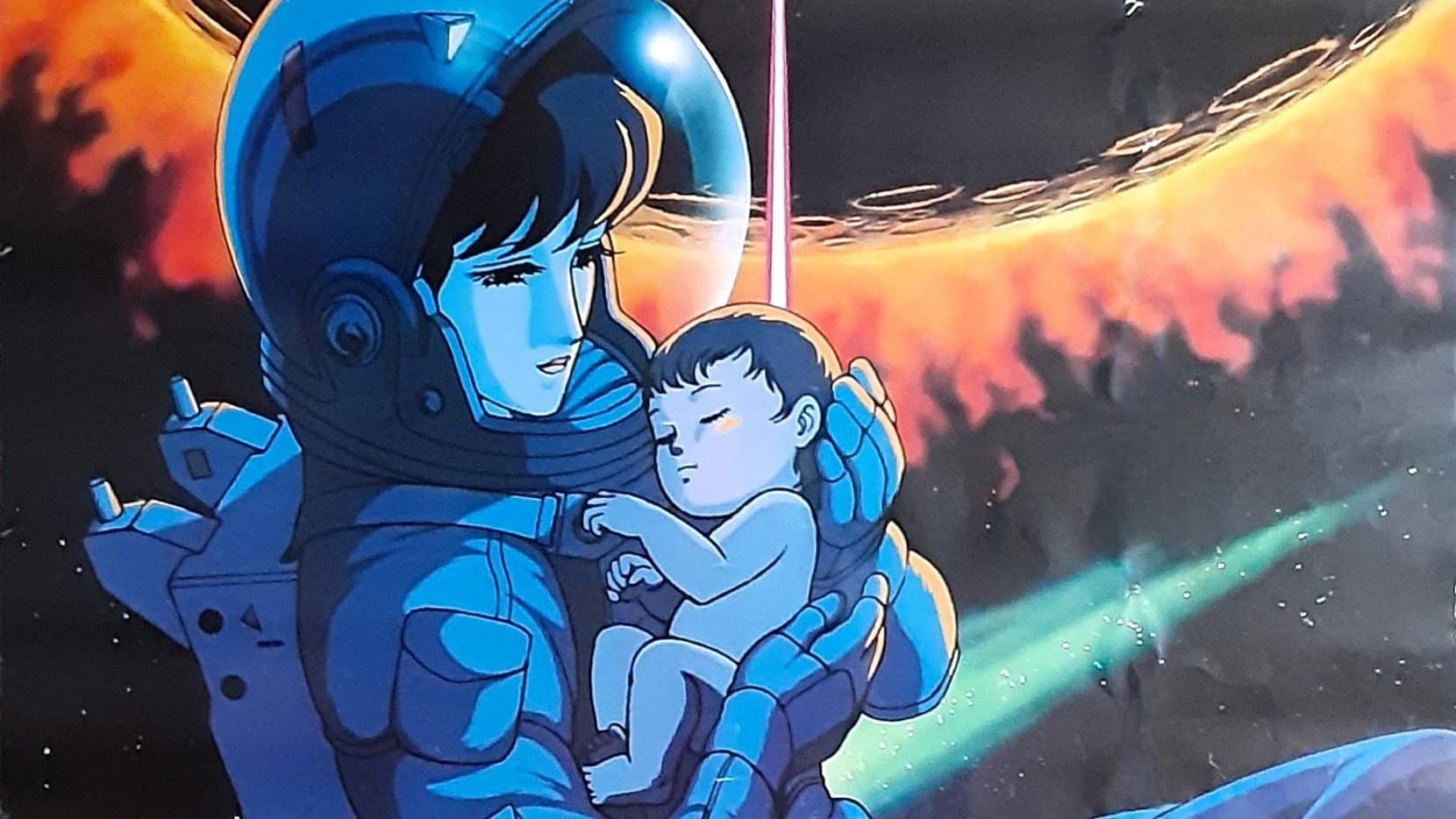
This tale of the Phoenix is epic, but serious. Relative to anime, for a good chunk, it feels restrained. A prolonged sequence of dialogue between separated crew talking in empty space feels quiet and unhurried. The transcendent themes radiate brightly because Kawajiri maintains that somber tone. I recently mused if Kawajiri was the god of animated violence. I guess I don’t need to wonder any more. As restrained, reflective, and serious as the film is, Kawajiri doesn’t shy away from dropping a bomb of blood on the audience. Here, his gruesome depictions of harrowing violence are reserved for the end. The shocking conclusions and imagery solidify the impact of the story as something more frighteningly cosmic.
I don’t know where to begin.
Joke’s on me because not long ago when I watched Bio Hunter I thought I knew Kawajiri well enough to not be surprised by him anymore. Turns out I only needed to seek out his most obscure work to find out he made a deeply karmic film of biblical proportions. While not necessarily reaching the philosophical depths of, say, Angel’s Egg, this still dwells in a more serious pool of thought.
Another layer of irony is slathered on this for me because just three days ago I watched Harmagedon and made a harsh comment about Rintaro. I felt bad and even went back and tamed my criticism. In that case, it was Rintaro interacting with Otomo (Akira). But here again we have Rintaro in some kind of conversation with another anime godfather, Kawajiri. The most I can gather from some research is that this film is the third part of “The Phoenix” series of the Kadokawa Haruki Office Co., Ltd. Rintaro did the
second just one year earlier! And guess what, Kawajiri’s version is astronomically better. Kawajiri’s filmography isn’t perfect, but it is startling to observe Rintaro’s work as it relates closely to two other major anime directors.
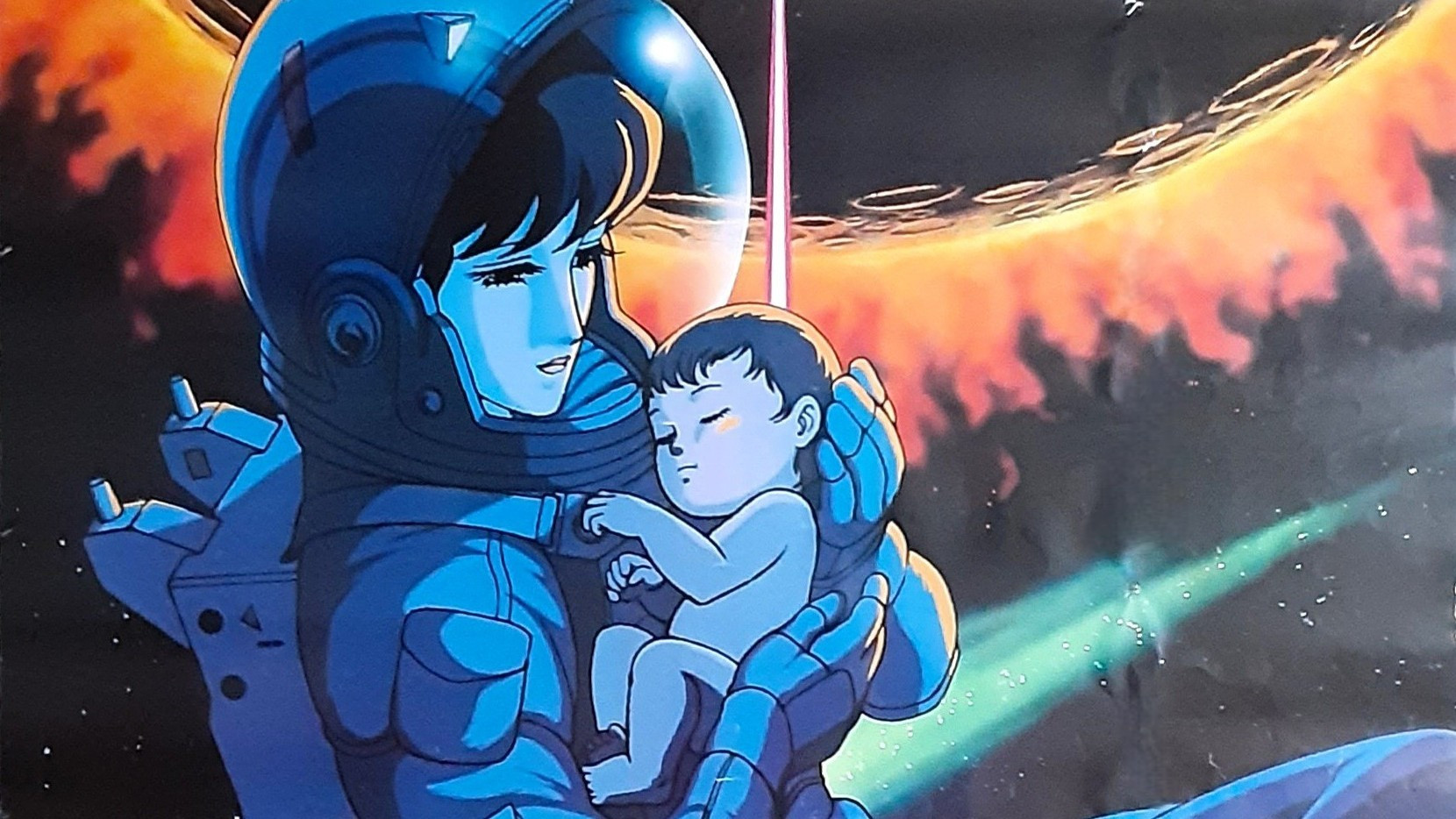
This tale of the Phoenix is epic, but serious. Relative to anime, for a good chunk, it feels restrained. A prolonged sequence of dialogue between separated crew talking in empty space feels quiet and unhurried. The transcendent themes radiate brightly because Kawajiri maintains that somber tone. I recently mused if Kawajiri was the god of animated violence. I guess I don’t need to wonder any more. As restrained, reflective, and serious as the film is, Kawajiri doesn’t shy away from dropping a bomb of blood on the audience. Here, his gruesome depictions of harrowing violence are reserved for the end. The shocking conclusions and imagery solidify the impact of the story as something more frighteningly cosmic.