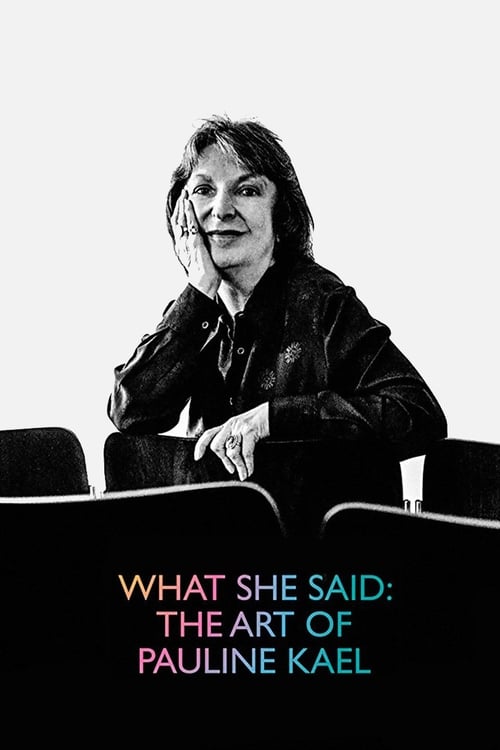
What can I say, other than the fact that I’m glad I watched this documentary on Pauline Kael’s life and work?
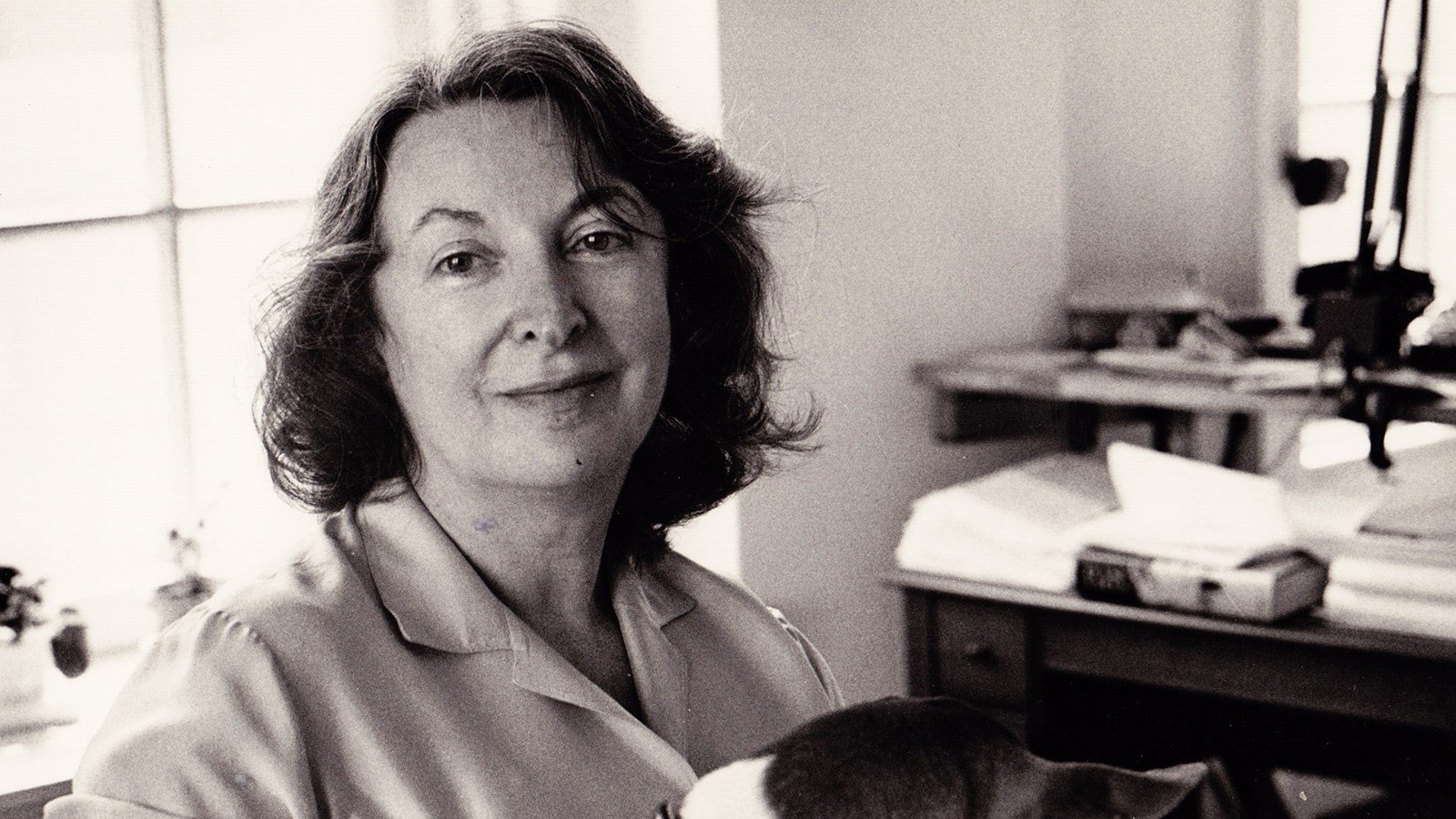
Was it insightful or revealing in any way? Not so much. At this point in my life I’ve read plenty of Kael’s reviews and, also, have watched enough of her interviews to know where she was coming from, where she stood and for what she stood both in her conception of films and the art of filmmaking, and also her stance on the work of the critic and what should be the critic’s driving force.
For a long time, now, I have known and understood her role in the formative years of the New Hollywood movement, and the importance she had on breathing new life to the industry and the arthouse works that were done in the 60’s and 70’s, giving providing tremendous opportunity for the creative energy of the likes of Scorsese, Spielberg, Coppola, De Palma, among others, to come to life.
I’ve also known much about her controversies and the contempt that many of the industry’s biggest names have nurtured for her.
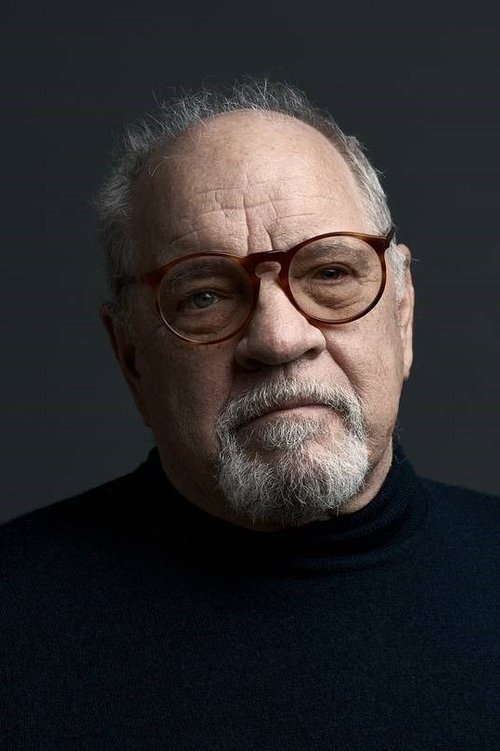
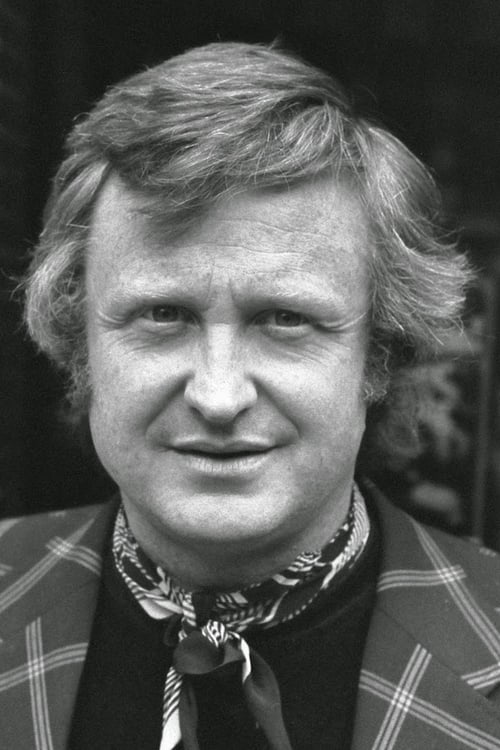
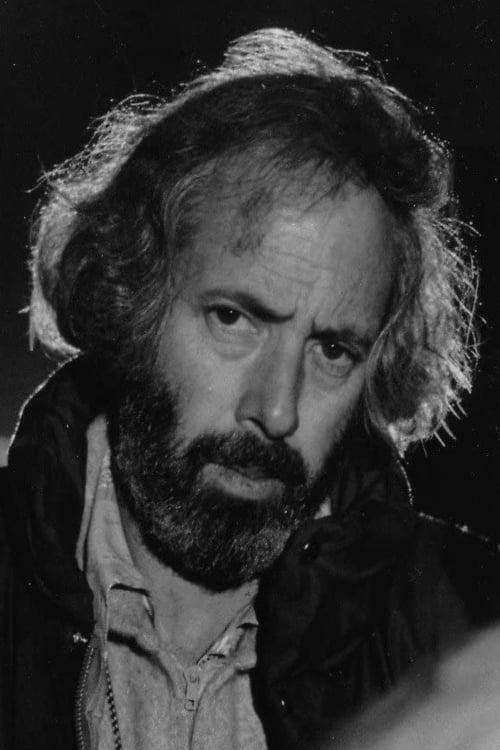
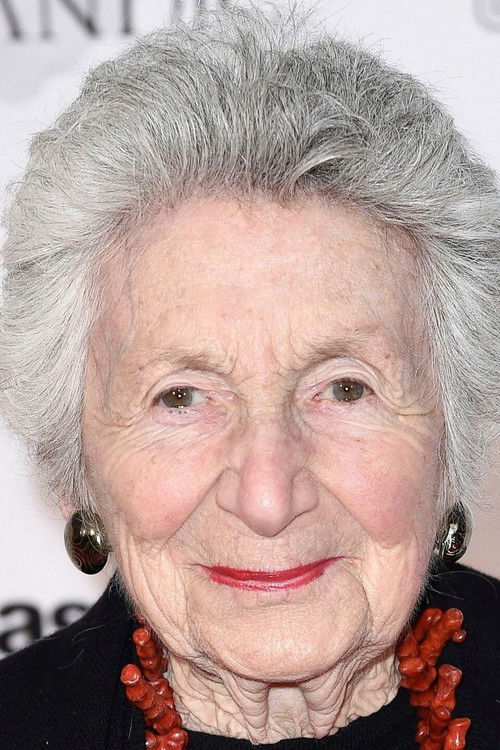
Still, it was a pleasure to see that detailed onscreen thru interviews and memories with some of the people that were closest and dearest to her, and also with some of the people who absolutely hated her guts.
For this documentary works, both, as a piece of filmmaking that praises her memory, her life, her work and her importance in the history of american and - why not - world cinema, but also works as a historical - yet partial - document on one such important and relevant character.
It also made me want to get back in touch with the classics - both screen classics and novels.
Also, her review of Godard’s work, as mentioned by Tarantino, where she says that he was able to get a banal piece of writing from an american crime novel and translate the poetry that he was able to read between the lines, in the form of film… that is a beautiful idea and way to put things.
What can I say, other than the fact that I’m glad I watched this documentary on Pauline Kael’s life and work?
Was it insightful or revealing in any way? Not so much. At this point in my life I’ve read plenty of Kael’s reviews and, also, have watched enough of her interviews to know where she was coming from, where she stood and for what she stood both in her conception of films and the art of filmmaking, and also her stance on the work of the critic and what should be the critic’s driving force.
For a long time, now, I have known and understood her role in the formative years of the New Hollywood movement, and the importance she had on breathing new life to the industry and the arthouse works that were done in the 60’s and 70’s, giving providing tremendous opportunity for the creative energy of the likes of Scorsese, Spielberg, Coppola, De Palma, among others, to come to life.
I’ve also known much about her controversies and the contempt that many of the industry’s biggest names have nurtured for her.
Still, it was a pleasure to see that detailed onscreen thru interviews and memories with some of the people that were closest and dearest to her, and also with some of the people who absolutely hated her guts.
For this documentary works, both, as a piece of filmmaking that praises her memory, her life, her work and her importance in the history of american and - why not - world cinema, but also works as a historical - yet partial - document on one such important and relevant character.
It also made me want to get back in touch with the classics - both screen classics and novels.
Also, her review of Godard’s work, as mentioned by Tarantino, where she says that he was able to get a banal piece of writing from an american crime novel and translate the poetry that he was able to read between the lines, in the form of film… that is a beautiful idea and way to put things.