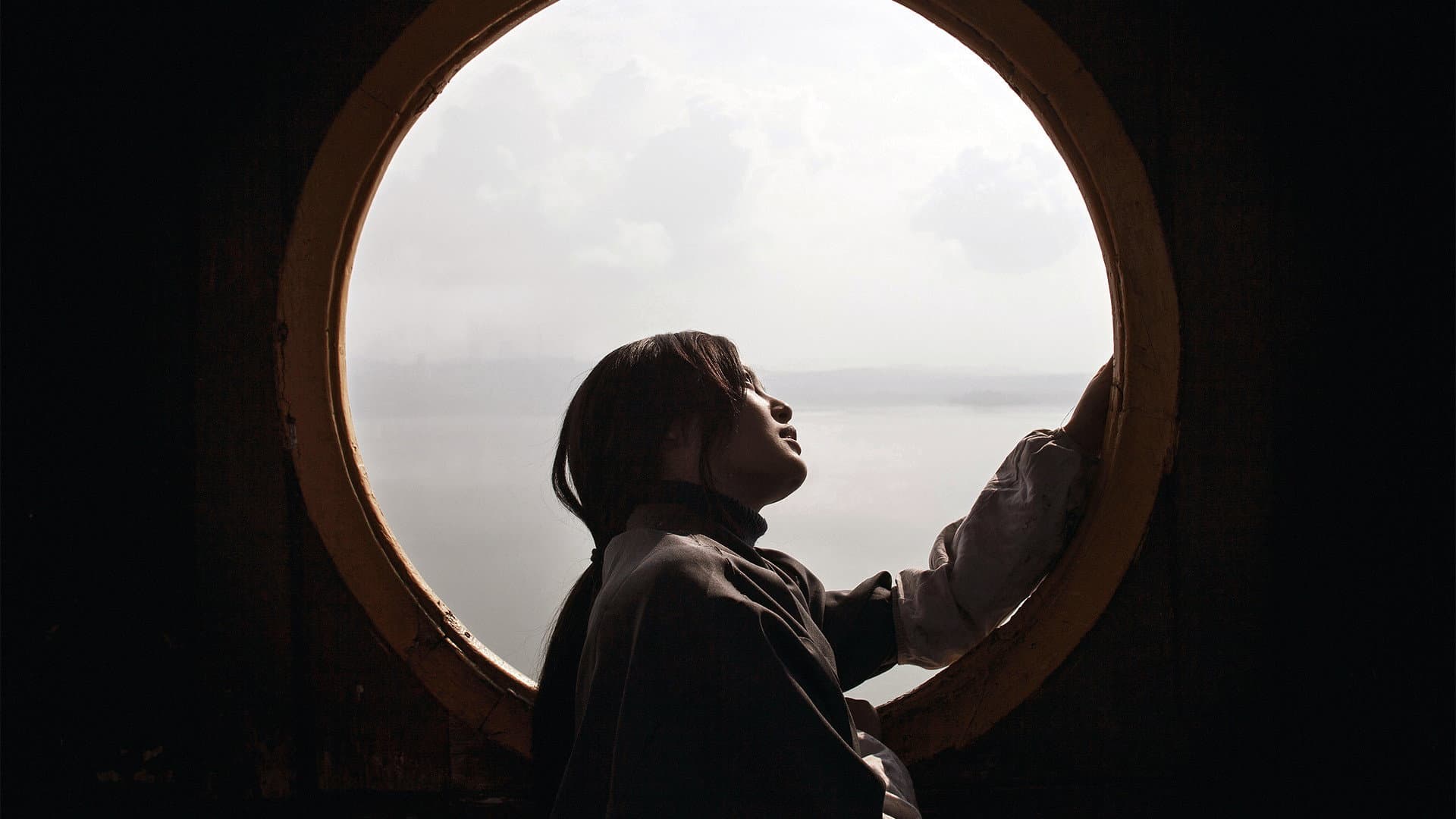
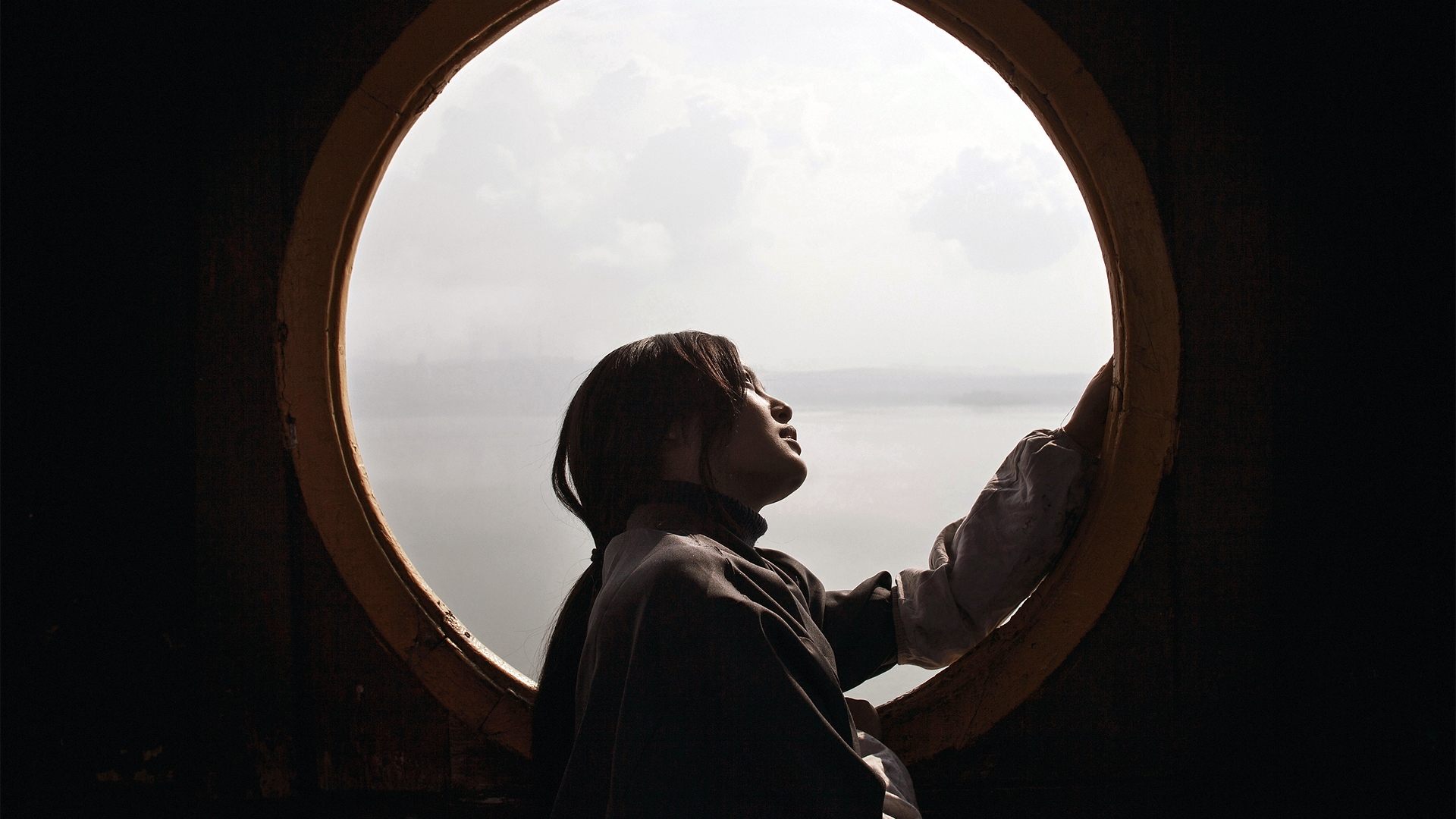
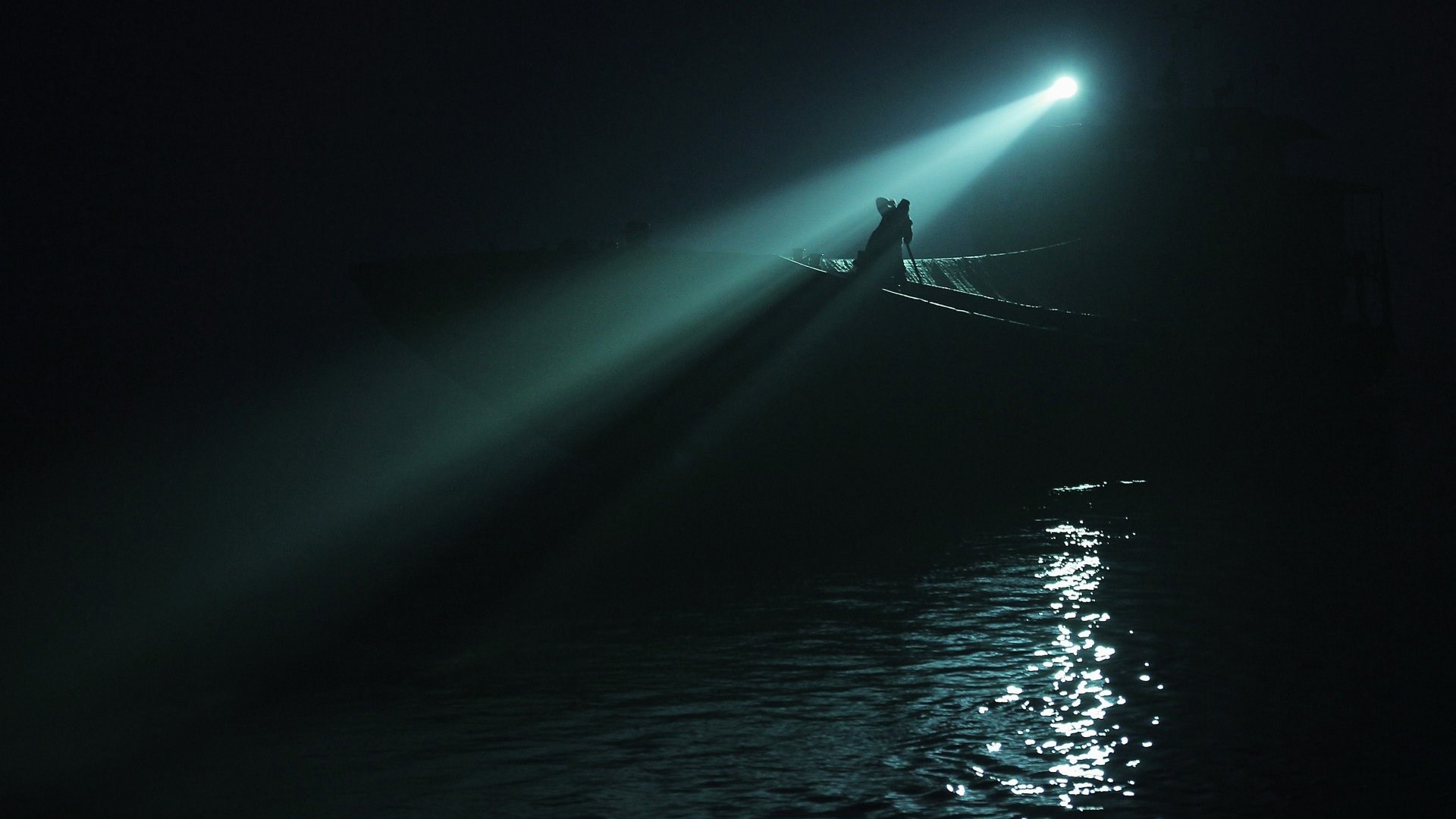
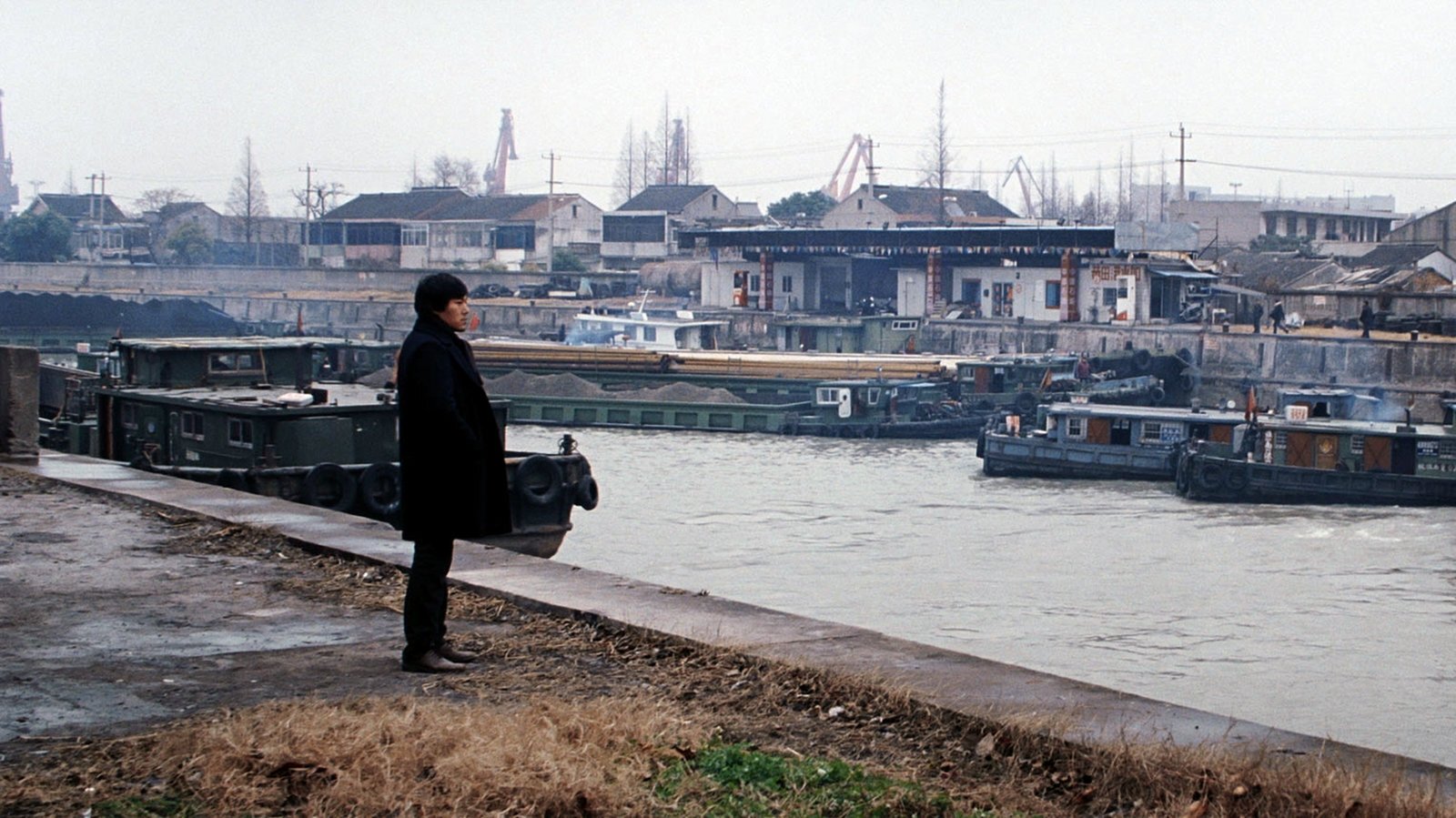
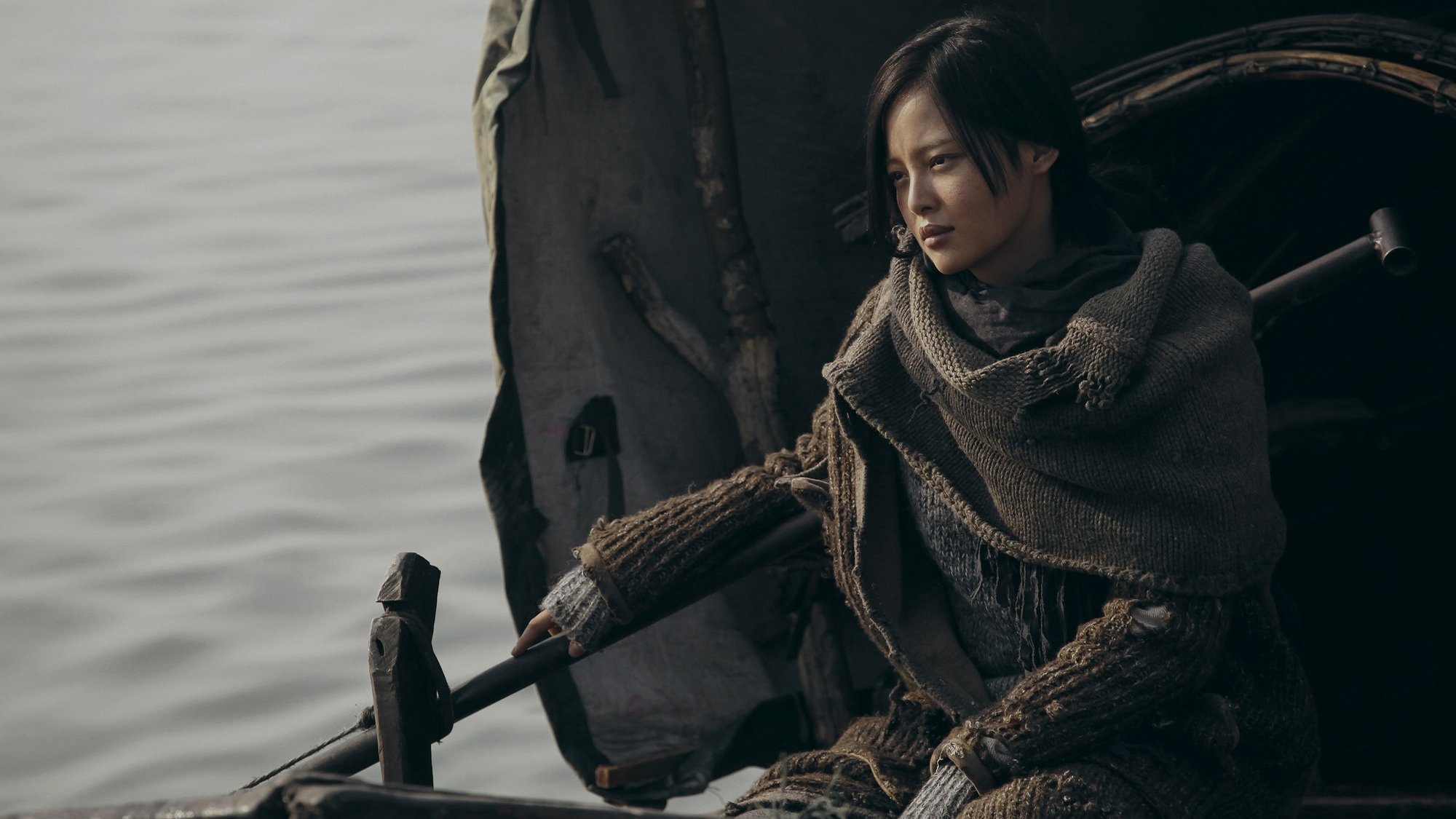
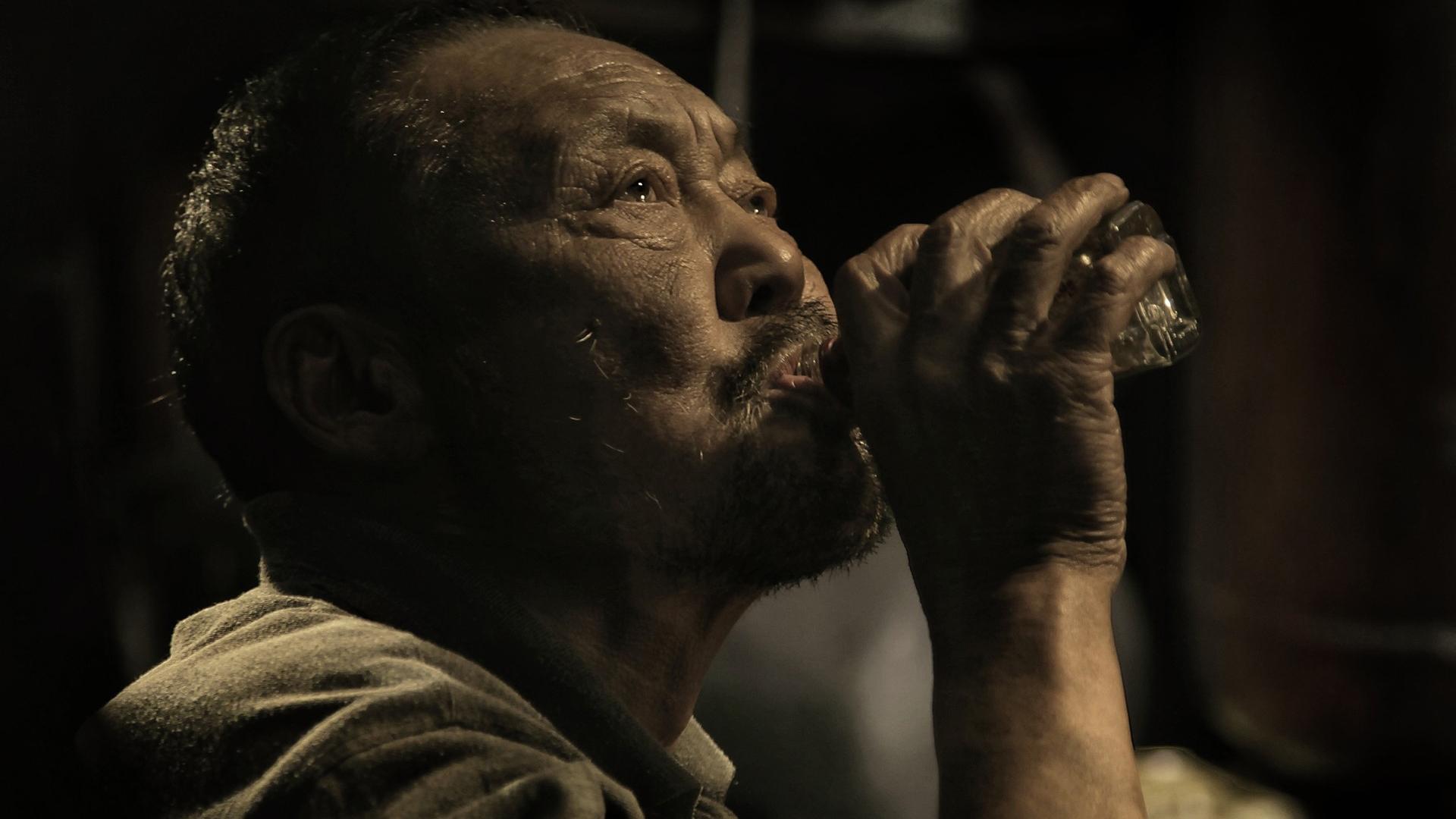
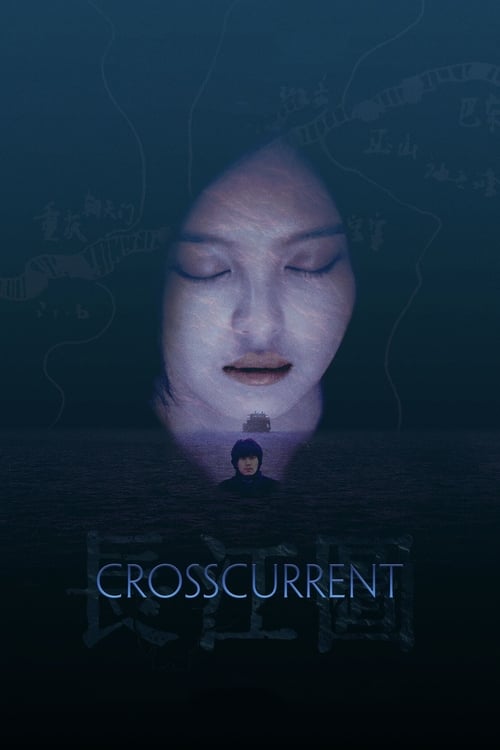
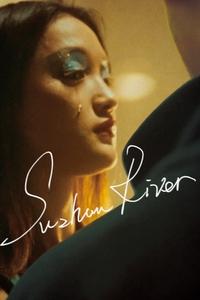
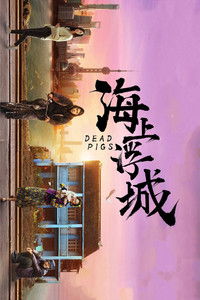
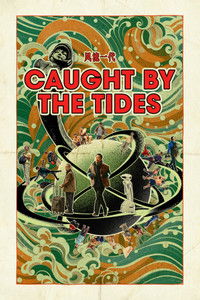
Meditative textured poetry, breathed and lived across time and spirit. Here, the spirit longs and yearns, seeking from port to port across the Yangtze River. Gao Chun captains his fathers boat, with a black fish supposedly bearing his father’s spirit. Chun’s position to himself is refracted through interactions with ghosts, memories, and shipmates. The film feels possessed of a rolling transformation, akin to the heavy fog, of our relations to self and others.
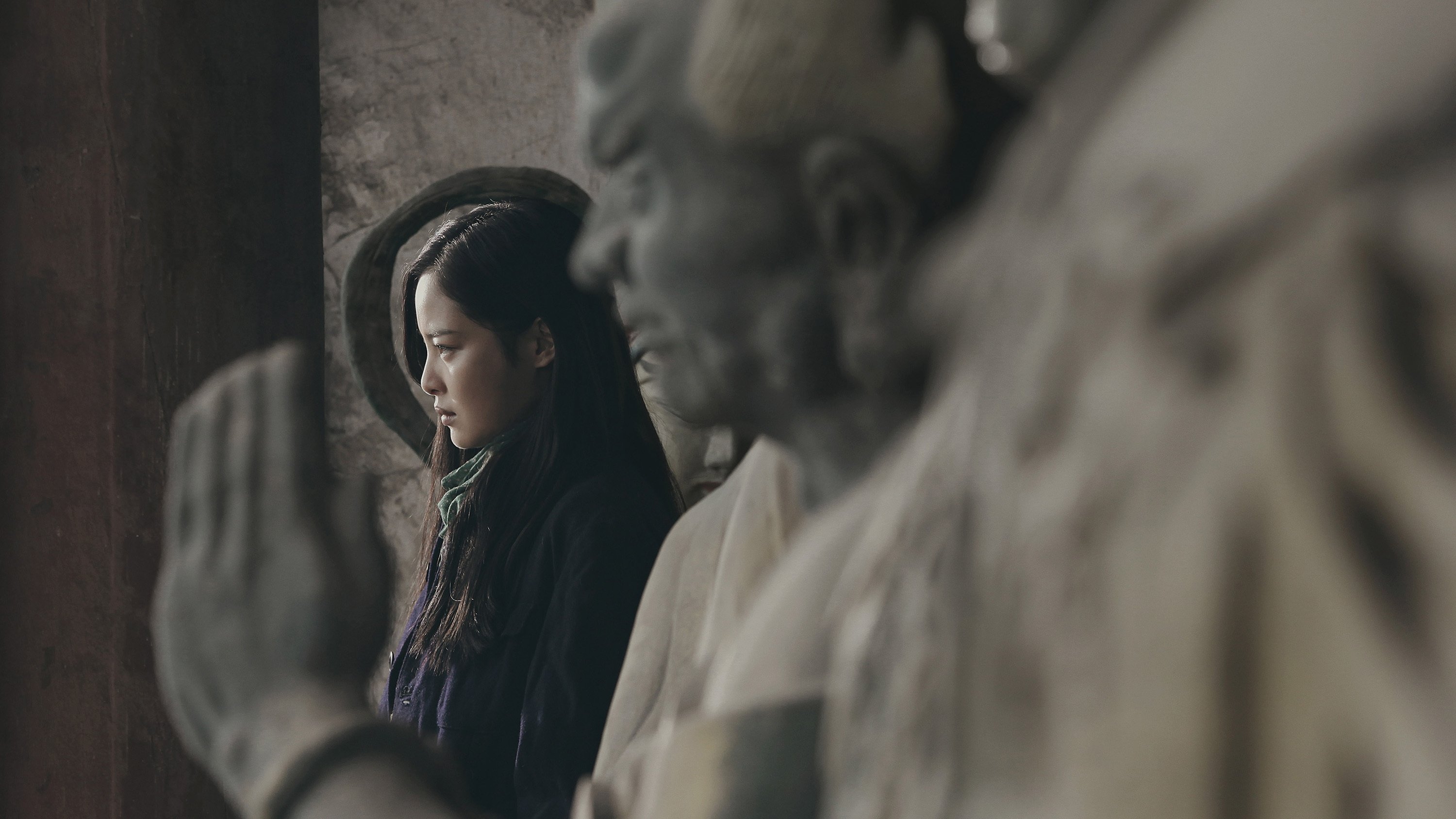
The lines of reality are never certain, but the ambiguity is fluid like water as opposed to abrupt and shocking changes. That’s not to say the film is without its own sense of relative tension. Chun’s relationship to his world seems steeped in conflict. Whether it’s the revelation of outrage from his crewmate towards the end or an abandoned woman on the shore screaming his name into the abyss, it seems his past and character might beg suspicion
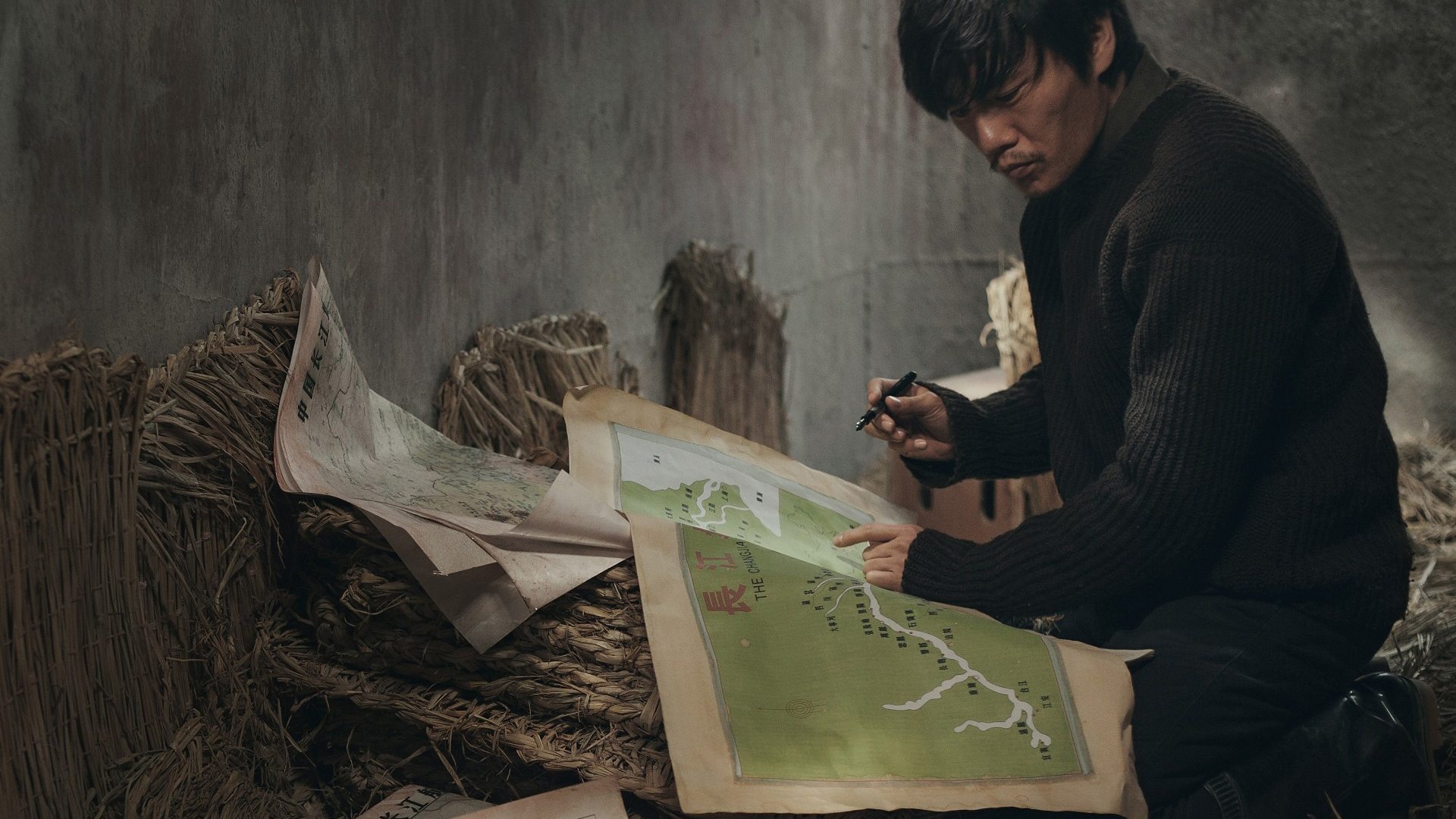
The book of his father’s poems, I believe, is Chun’s attempt to relive this journey in hopes of resolving whatever spiritual or mortal conflicts he’s carrying around with him on this boat. Every port he stops in, he sees a new (same?) woman, always seeking, then always leaving. I think there’s an investigation into Chun repeating mistakes of solitude, culminated in his rejection of verbatim poetry toward the end. There’s a steeped historical aspect with respect to culture and progress baked into the film as well. Its focus on the fishermen is of large importance, including a specific poem surrounding the hatred between buyer and seller of fish which struck me.
Meditative textured poetry, breathed and lived across time and spirit. Here, the spirit longs and yearns, seeking from port to port across the Yangtze River. Gao Chun captains his fathers boat, with a black fish supposedly bearing his father’s spirit. Chun’s position to himself is refracted through interactions with ghosts, memories, and shipmates. The film feels possessed of a rolling transformation, akin to the heavy fog, of our relations to self and others.
The lines of reality are never certain, but the ambiguity is fluid like water as opposed to abrupt and shocking changes. That’s not to say the film is without its own sense of relative tension. Chun’s relationship to his world seems steeped in conflict. Whether it’s the revelation of outrage from his crewmate towards the end or an abandoned woman on the shore screaming his name into the abyss, it seems his past and character might beg suspicion
The book of his father’s poems, I believe, is Chun’s attempt to relive this journey in hopes of resolving whatever spiritual or mortal conflicts he’s carrying around with him on this boat. Every port he stops in, he sees a new (same?) woman, always seeking, then always leaving. I think there’s an investigation into Chun repeating mistakes of solitude, culminated in his rejection of verbatim poetry toward the end. There’s a steeped historical aspect with respect to culture and progress baked into the film as well. Its focus on the fishermen is of large importance, including a specific poem surrounding the hatred between buyer and seller of fish which struck me.